Samburu vs Masai Mara: Which Safari Is Better for You?
Two of Kenya's most photographed reserves feel nothing alike once you are standing in them, and the right choice has less to do with fame than with the safari you actually want.
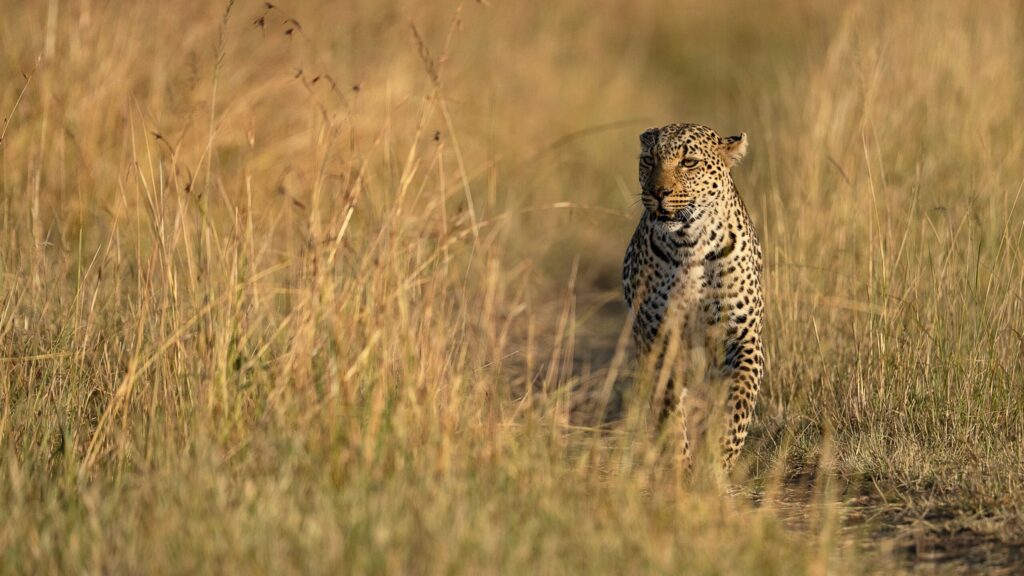
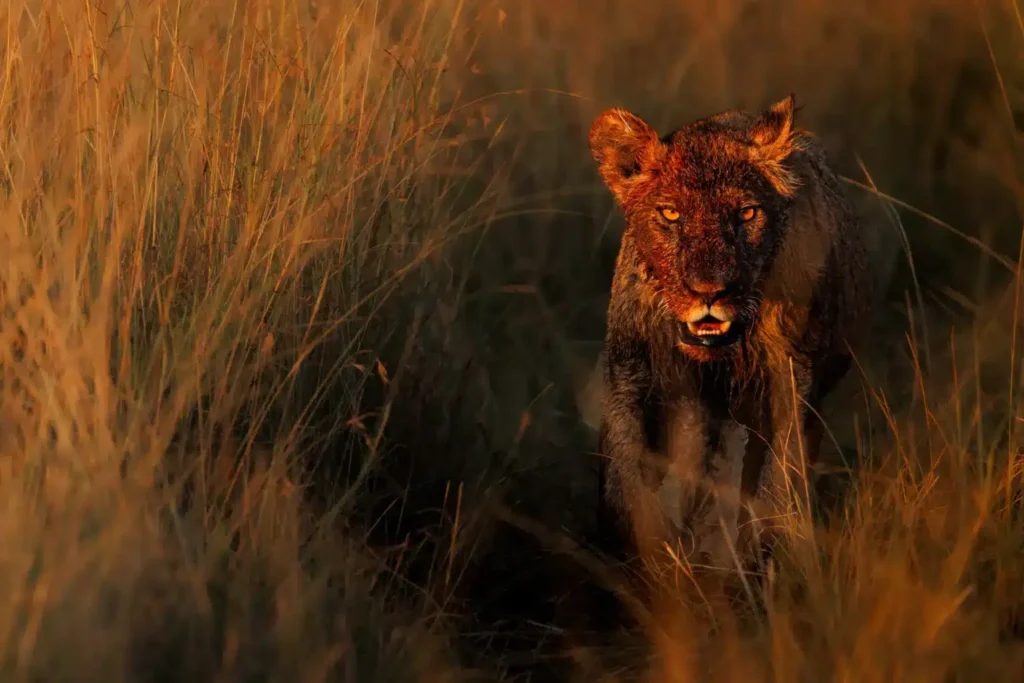
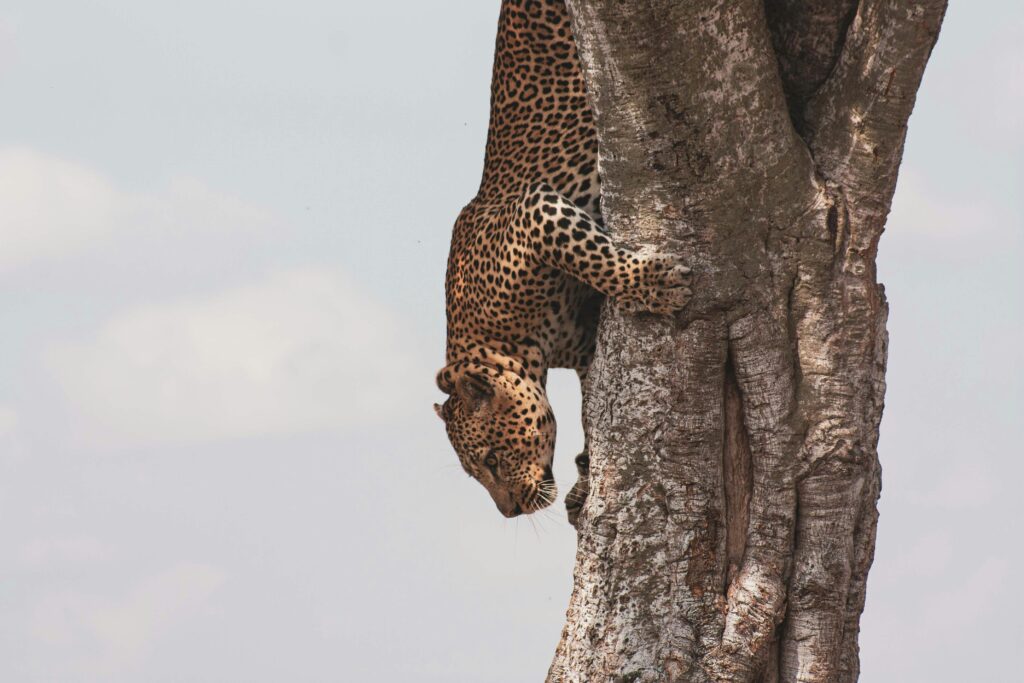
A striking leopard sighting highlighting the predator encounters awaiting travelers on a Samburu vs Masai Mara safari.
On a Tuesday morning last September, Hellen took two calls before ten o’clock. Both were about a Kenya safari. Neither caller had spoken to the other, and neither wanted the same thing.
The first was a family of five planning their first trip to Africa. They wanted lions from the car window, a river crossing if the timing allowed it and a name, they had already heard of. They wanted Masai Mara.
The second was a photographer based in Nairobi who had already done the Mara twice. He asked only one question before anything else: how many other vehicles would be at each sighting. He wanted somewhere quieter, stranger, further north. He wanted Samburu.
This is the real argument at the centre of this article. Masai Mara is not automatically the better safari, and Samburu is not the lesser one just because it is less famous. They are built differently, they show you different Kenya, and the right pick depends on what you are actually chasing. We have guided both circuits for over a decade out of our Nairobi base, and this is the honest comparison we give guests before they book, not the marketing version.
Both reserves sit within our wider Kenya safari collection, so everything below reflects trips we actually run rather than a desk-researched comparison.
| QUICK ANSWER | Samburu vs Masai Mara: Which Safari Is Better? Masai Mara wins for first-time safari-goers chasing big cats and the wildebeest migration. Samburu wins for travellers wanting fewer vehicles, unusual wildlife and a quieter northern Kenya landscape. Most repeat visitors combine both rather than choosing just one. |
Samburu and Masai Mara at a Glance
Samburu National Reserve at a Glance
- Location: Northern Kenya, Samburu County, on the banks of the Ewaso Nyiro River.
- Distance from Nairobi: About 350 kilometres, roughly five to six hours by road or under an hour by scheduled light aircraft.
- Size: 165 square kilometres, small enough to cover thoroughly in two to three days, and often paired with the neighbouring Buffalo Springs and Shaba National Reserves.
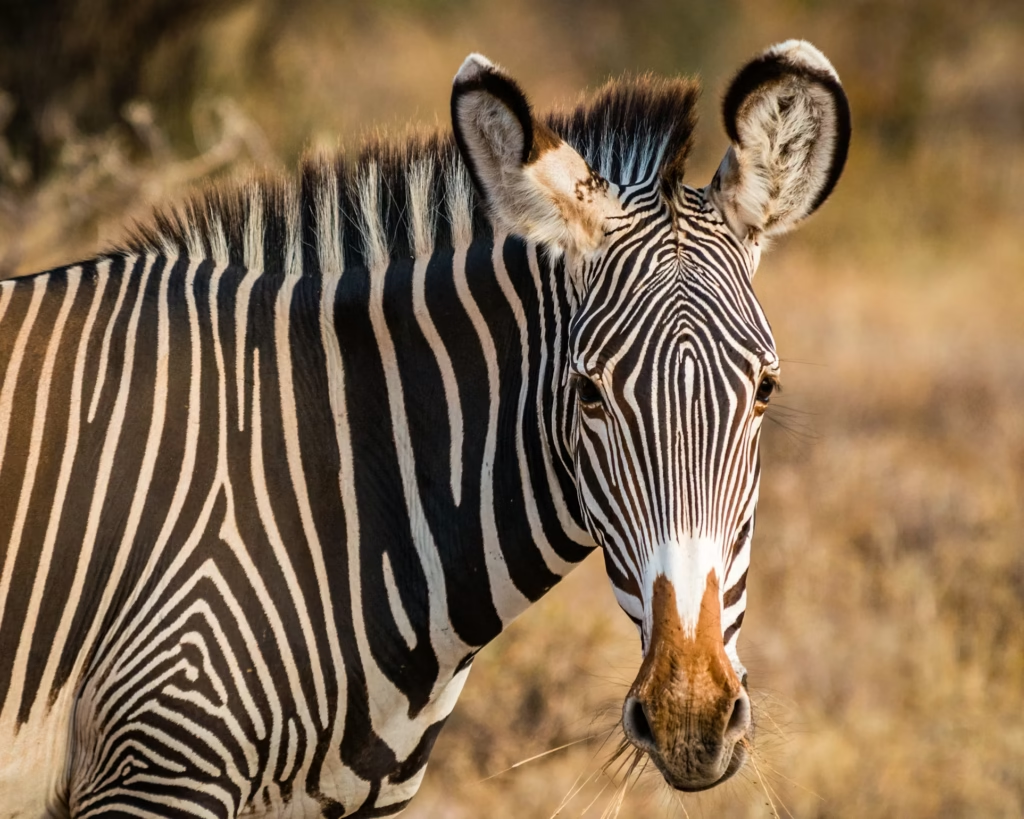
- Signature wildlife: The Samburu Special Five, made up of Grevy’s zebra, reticulated giraffe, gerenuk, Beisa oryx and Somali ostrich, none of which are reliably seen in the Masai Mara.
- Best for: Photographers, repeat visitors and travellers who want fewer vehicles at every sighting.
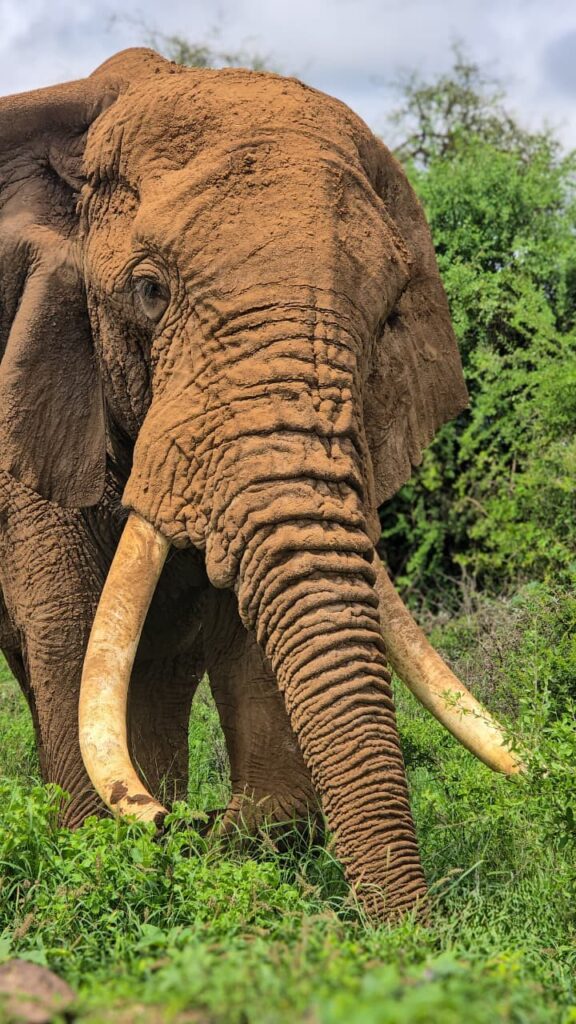
- Vehicle density: Low. It is common to have a leopard or a herd of elephants entirely to yourself.
Masai Mara National Reserve at a Glance
- Location: Southwestern Kenya, Narok County, forming the northern extension of the Serengeti ecosystem.
- Distance from Nairobi: About 270 kilometres, roughly five hours by road or 45 minutes by scheduled flight.
- Size: Around 1,510 square kilometres for the reserve itself, with private conservancies such as Mara North, Naboisho and Olare Motorogi adding several times that area under lower-density conservation rules.
- Signature wildlife: Lion, leopard, cheetah, elephant and the Great Wildebeest Migration, which moves through the Mara ecosystem roughly between July and October.
- Best for: First safaris, big cat sightings, families and anyone timing a trip around the migration.
- Vehicle density: Higher inside the main reserve during peak season, noticeably lower in the private conservancies.
Samburu is the safari for people who have already seen a lion from a car window and want something they have not seen before.
What Makes Samburu Different
Samburu does not look like the Kenya most people picture. There is no endless green plain here. Instead you get red earth, doum palms, acacia scrub and hills that turn purple at dusk, all cut through by the Ewaso Nyiro River, which is the reason anything survives here at all. Everything in Samburu revolves around that river.
The reserve sits within a wider northern Kenya circuit that includes Buffalo Springs and Shaba National Reserve, both a short drive across the river, and Laikipia County further south, home to Ol Pejeta Conservancy and Lewa Wildlife Conservancy. Most of our itineraries treat Samburu as one stop within this northern loop rather than a standalone destination, which is part of why a dedicated multi-day Samburu-only package is rare on any reputable operator’s site, including ours.
| EXPERT NOTE Samburu rewards patience more than any park we run trips into. We have sat still at a single riverbank for twenty minutes and watched a leopard walk out of the doum palms in daylight, something that almost never happens in the Mara where the vehicle density pushes cats back into cover. If you want a genuine leopard sighting rather than a fleeting one, Samburu gives you better odds. Nicholas Wangithi, Director and Founder |
The Samburu Special Five
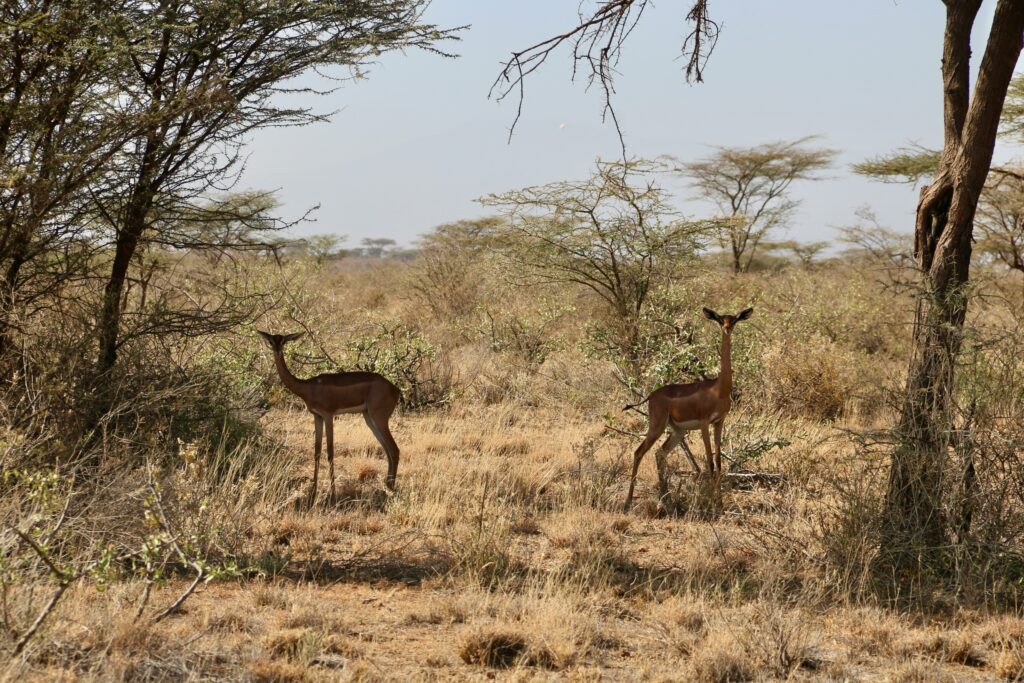
Samburu’s real headline is not the Big Five. It is the Samburu Special Five: Grevy’s zebra, the largest and most endangered of the zebra species, reticulated giraffe with its sharp geometric coat pattern, the gerenuk that stands on its hind legs to browse, Beisa oryx with its rapier-straight horns and the Somali ostrich with its distinctive blue-grey legs. None of these five are reliably found in the Masai Mara. If a life list of unusual East African species matters to you, Samburu is not optional, it is the only place on a standard Kenya circuit that delivers them.
Ewaso Nyiro River and Elephant Herds
Samburu’s elephant population, close to 900 animals in and around the reserve, gathers along the Ewaso Nyiro in numbers that rival anywhere in Kenya, and the sightings feel intimate rather than crowded because there are simply fewer vehicles chasing them. Crocodiles work the riverbanks and the birdlife along the water is some of the densest in the country.
What Makes Masai Mara Different

Masai Mara is grassland, uninterrupted in most directions, which is exactly why it produces the sightings it is famous for. Predators are visible from far away, herds move across open plains rather than through bush, and the sheer density of prey animals supports one of the highest concentrations of big cats anywhere in Africa.
The reserve is also part of something larger. It is the Kenyan half of the Serengeti-Mara ecosystem, and the wildlife does not recognize the border. What separates a good Masai Mara trip from an average one is usually where you stay. Inside the main reserve, vehicle numbers at a single sighting can run into double figures during peak months. In the private conservancies bordering it, numbers are capped and off-road driving and night drives are permitted, which changes the experience completely.
The Great Wildebeest Migration
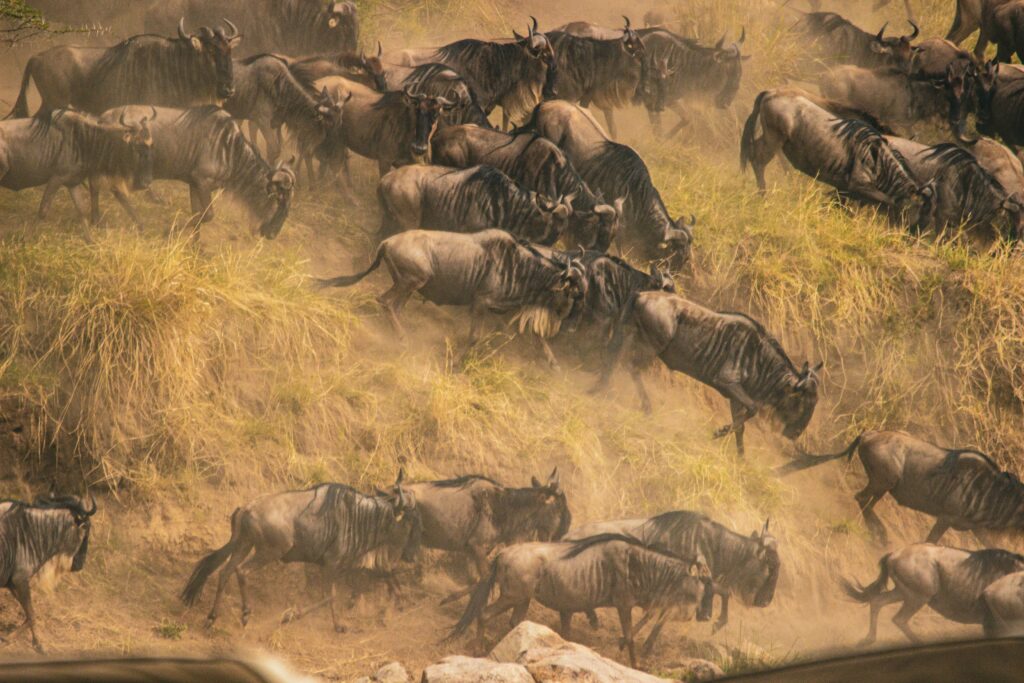
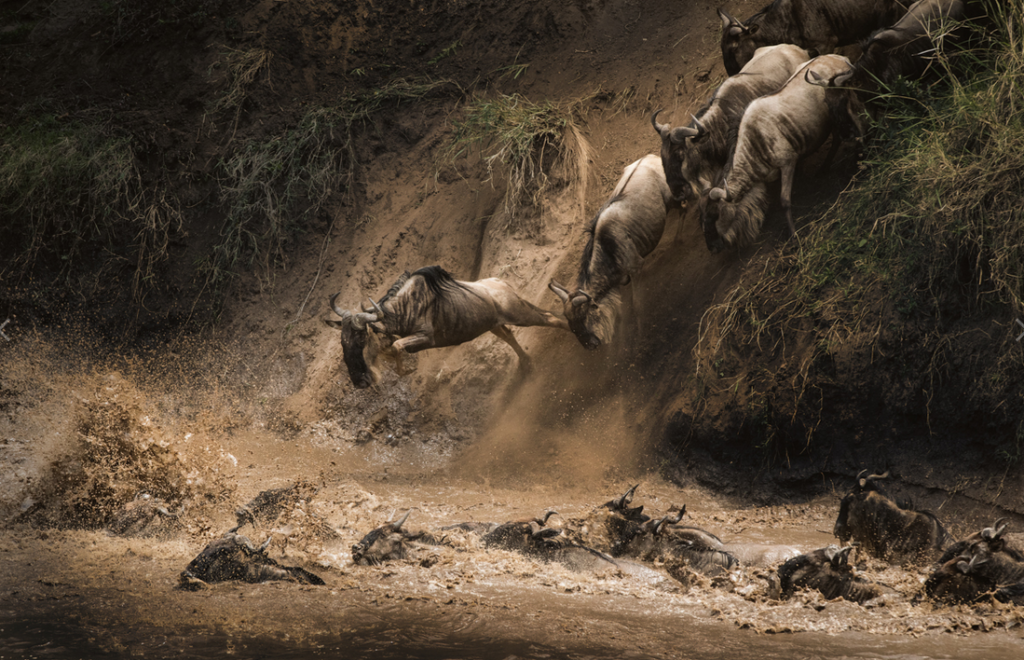
Between roughly July and October each year, over a million wildebeest and hundreds of thousands of zebras cross from Tanzania’s Serengeti into the Masai Mara, chasing fresh grass. The river crossings at the Mara River, where crocodiles wait in the same channels the herds have used for generations, are the single most requested sighting we get asked to plan around. Timing is never guaranteed to the day, but the broad window is reliable enough to build a trip on.
Our Great Migration guide covers month by month timing in more depth if migration dates are the deciding factor in your trip.
On the Kenyan side, the crossings guides watch most closely happen around Lookout Hill, Serena Crossing and Paradise Plains in the main reserve, and along the border of Mara Triangle further west. These are not the same as the numbered crossing points used on the Tanzania side near Kogatende, which sit in a different country and a different part of the ecosystem entirely.
Mara Conservancies vs the Main Reserve
Mara North Conservancy, Naboisho Conservancy and Olare Motorogi Conservancy sit on the northern edge of the main reserve and operate under strict bed-density limits agreed with the local Maasai landowners who lease the land. Fewer camps, fewer vehicles and activities the main reserve does not allow. Mara Triangle, on the western side of the main reserve and managed separately by the Mara Conservancy, is our usual recommendation for guests who want the classic reserve experience without the worst of the vehicle congestion found on the eastern side.
The Mara gives you certainty. Samburu gives you surprise. Neither is wrong, they are just different bets.
Landscape and Scenery Compared
| QUICK ANSWER | Is Samburu or Masai Mara More Scenic? Masai Mara offers the classic African postcard of endless green grassland under wide skies. Samburu offers something starker and more dramatic, red earth, doum palms and rocky outcrops cut through by a single river. Which is more scenic comes down to taste rather than a clear winner. |
Photographs from the Mara look like the safari most people picture before they have ever been on one: rolling grass to the horizon, acacia trees standing alone against the sky, herds strung out across open plains. It is dramatic because of its scale.
Samburu is dramatic for the opposite reason. The landscape is tighter and more textured, with Koitogor and Ololokwe rising over the reserve, doum palms lining the Ewaso Nyiro and the ground itself shifting from red laterite to grey scrub within a few kilometres. Guests who find the Mara’s grassland a little monotonous after a few days often respond strongly to Samburu’s variety.
How the Reserves Are Structured: Main Mara vs Conservancies vs Samburu
This is the part most first-time visitors get wrong, and it matters because it changes what your camp is allowed to do. Masai Mara and the Samburu ecosystem are not single blocks of land. Each is split into zones with different owners, different rules and different fees.
Masai Mara National Reserve
The main reserve is managed by the Narok County Government on the eastern side, with the western Mara Triangle run separately by the Mara Conservancy. Both allow standard game drives but restrict off-road driving and night drives, and both see higher vehicle numbers at popular sightings, particularly near the Mara River during migration season.
The Private Mara Conservancies
Mara North Conservancy, Naboisho Conservancy and Olare Motorogi Conservancy lease land directly from Maasai landowners and cap the number of beds and vehicles allowed inside. In exchange, camps here can offer off-road driving, night drives and walking safaris, none of which the main reserve permits. This is the single biggest reason a Mara safari in a conservancy feels different from one in the main reserve, even though the wildlife is the same ecosystem.
Samburu, Buffalo Springs and Shaba
Samburu National Reserve is managed by the Samburu County Government, while Buffalo Springs and Shaba National Reserve, on the opposite bank of the Ewaso Nyiro, fall under Isiolo County. Each charges its own entry fee and issues its own ticket, but the three function as one connected ecosystem and most itineraries move between them over a single stay. Community conservancies further north, including Namunyak, add a lower-density buffer zone similar in spirit to the Mara’s private conservancies, though on a smaller scale.
Samburu vs Masai Mara: Wildlife Comparison
| QUICK ANSWER | Which Has Better Wildlife Viewing, Samburu or Masai Mara? Masai Mara has higher overall predator density and the wildebeest migration, making sightings faster and more frequent. Samburu offers species you cannot see in the Mara at all, plus quieter, longer sightings with fewer vehicles competing for the same view. |
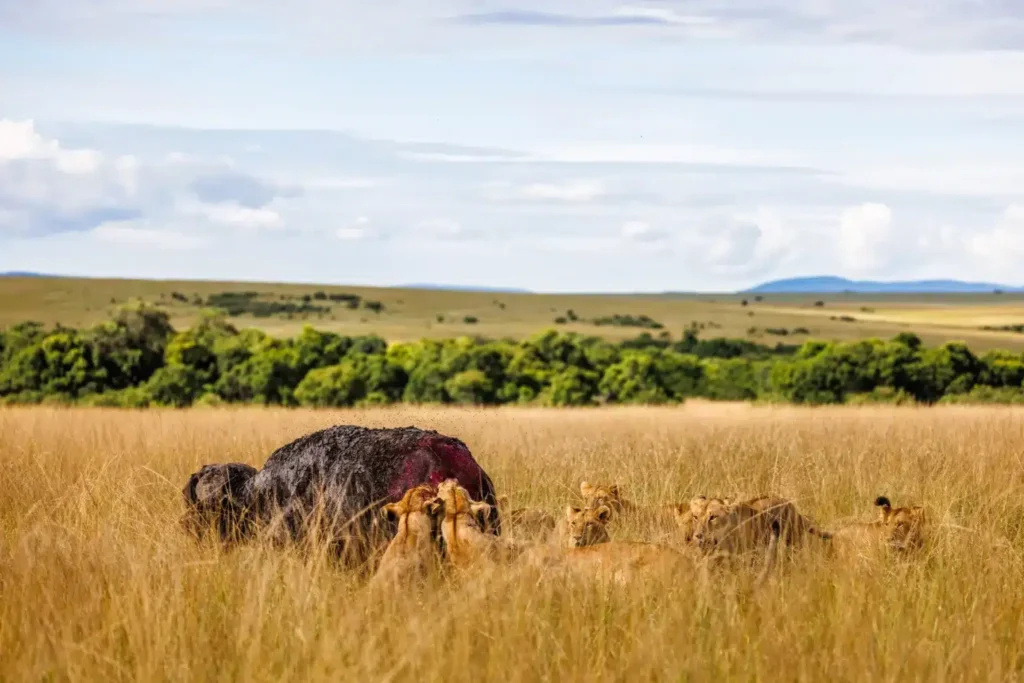
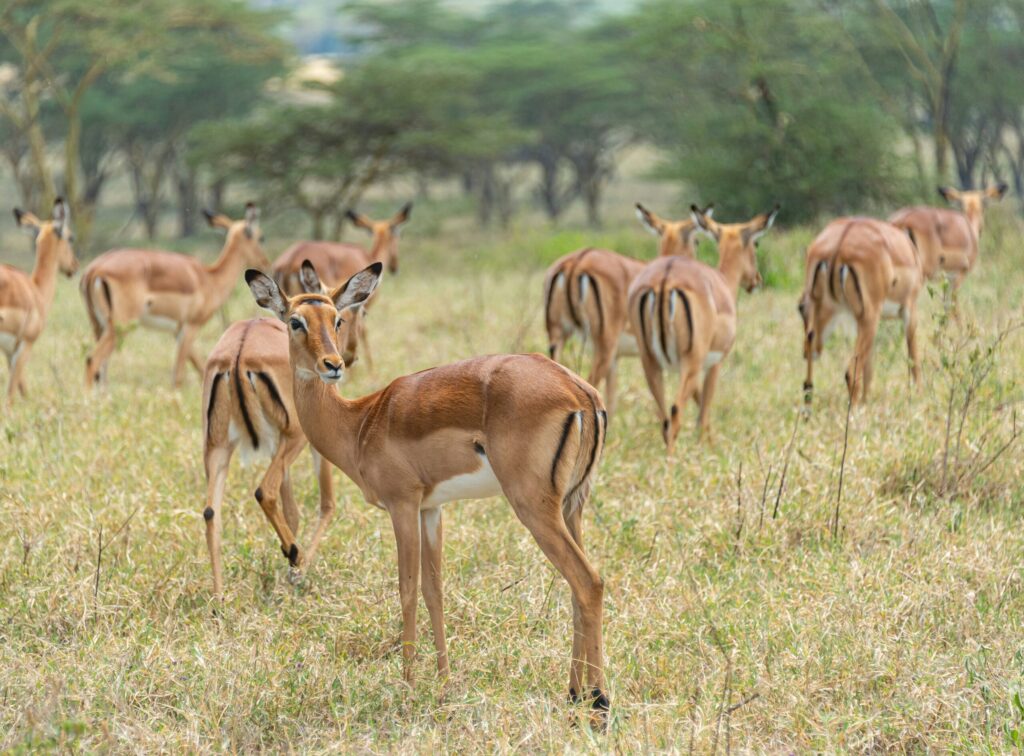
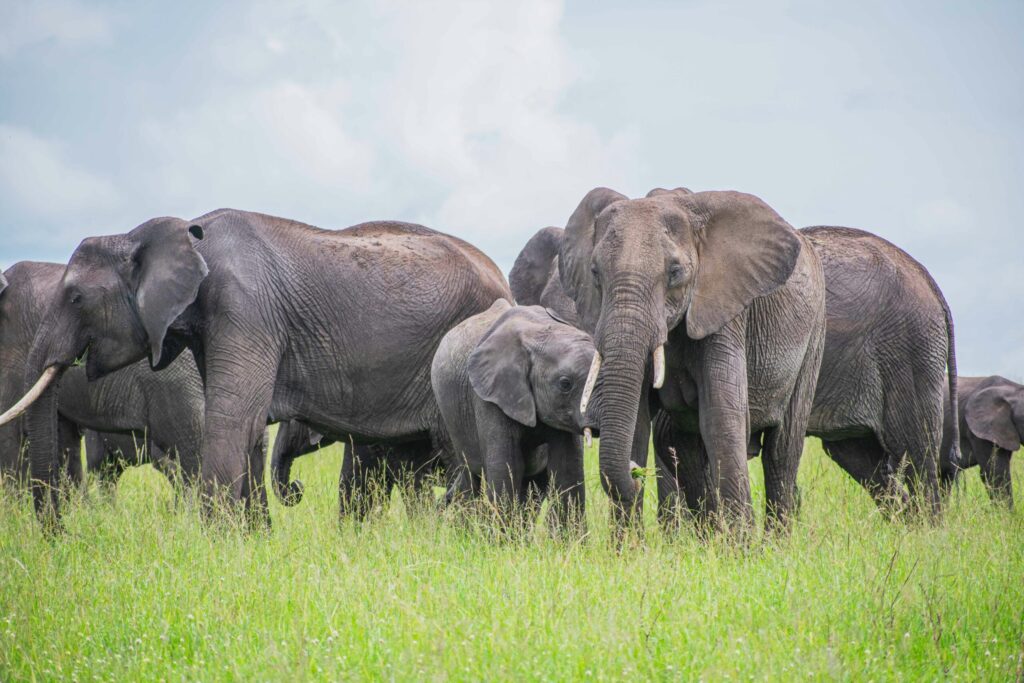
If the question is simply how many animals you will see in a day, Masai Mara wins. Lion prides here are large and well studied, cheetah hunt in the open where they can be watched from a distance without disturbing them, and elephant, buffalo and giraffe move across the plains in numbers that make for constant activity.
If the question is what you will see that you have not seen before, Samburu wins. The Special Five exist nowhere else on a standard Kenya itinerary, and the lower vehicle count means predator sightings, when they happen, tend to run longer and closer before the cat moves off.
Birdlife tips slightly toward Samburu for variety thanks to the riverine habitat, while the Mara’s open plains make raptor sightings, particularly vultures and eagles working a kill, easier to spot from further away.
Samburu vs Masai Mara for Photography
| QUICK ANSWER | Which Is Better for Photography, Samburu or Masai Mara? Samburu suits serious photographers better because low vehicle numbers allow long, uninterrupted time with each animal and its red-earth backdrop gives more varied compositions. Masai Mara delivers more volume, faster action and the migration itself, which is unmatched for dramatic wildlife photography despite more vehicles at each sighting. |
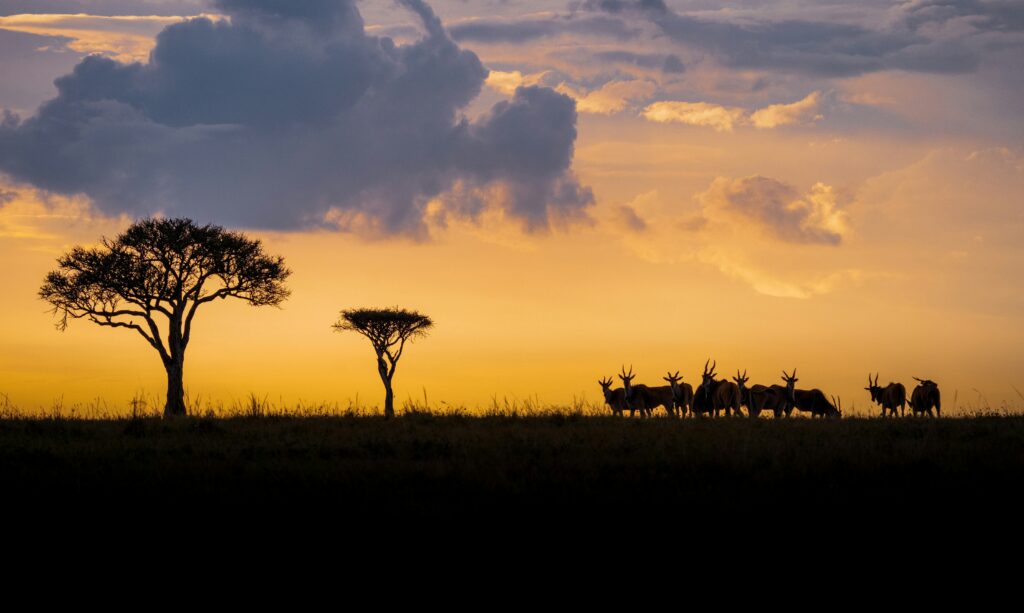
Vehicle count is the real photography variable, more than light or landscape. A leopard shared with eight other vehicles in the Mara means five minutes of shooting from an awkward angle before you move on. The same leopard in Samburu, with one other vehicle or none, can mean twenty uninterrupted minutes to work the light and the composition properly.
Samburu’s terrain also gives photographers more to work with beyond the animal itself. Red earth, doum palms and the Ewaso Nyiro’s reflections add layers a flat grassland cannot. Masai Mara compensates with scale and drama, herds stretching to the horizon, a cheetah against open sky, and during migration season, river crossings that no other reserve in Kenya can offer.
We tell photographers the same thing every time. Go to the Mara for the migration. Go to Samburu for everything else.
Samburu vs Masai Mara: Best Time to Visit
Best Time to Visit Samburu
Samburu is a genuine year-round destination because its wildlife depends on the river rather than seasonal grass growth. The two dry windows, June to September and January to February, give the easiest driving conditions and the most reliable game viewing as animals concentrate along the water. The short rains in November and the long rains in April tend to reduce visitor numbers further, which some of our repeat guests actively prefer.
Best Time to Visit Masai Mara
If the migration is the goal, July through October is the target window, with river crossings most likely from August into September, though the herds move on their own schedule and not a calendar. Outside migration season, the Mara still holds resident wildlife year-round and the shoulder months of January and February bring green scenery and thinner crowds at a lower cost.
| QUICK ANSWER | What Is the Best Month to Visit the Masai Mara? August and September give the best odds of witnessing a wildebeest river crossing, though crossings can happen anywhere from July to October. For lower costs and fewer vehicles with strong resident wildlife, January and February are the better months. |
How Many Days Do You Need in Samburu vs Masai Mara?
| QUICK ANSWER | How Many Days Should I Spend in Samburu and Masai Mara? Two to three days is enough to cover Samburu’s smaller area thoroughly. Masai Mara rewards three to four days, longer during migration season when you want flexibility to chase river crossings. Combining both comfortably needs eight days or more once travel time is included. |
Samburu’s 165 square kilometres can be covered properly in two full days, three if you want a buffer day for a quiet sighting to run long or to cross into Buffalo Springs. Beyond three or four days the reserve starts to repeat itself, which is why we rarely sell it as a standalone week-long trip.
Masai Mara benefits from more time because it is larger and because migration timing is unpredictable. Three days gives solid game viewing, four gives room to try both the main reserve and a private conservancy, and five or more makes sense specifically to maximize the odds of catching a river crossing during peak season.
Samburu vs Masai Mara: Getting There and Cost
Access
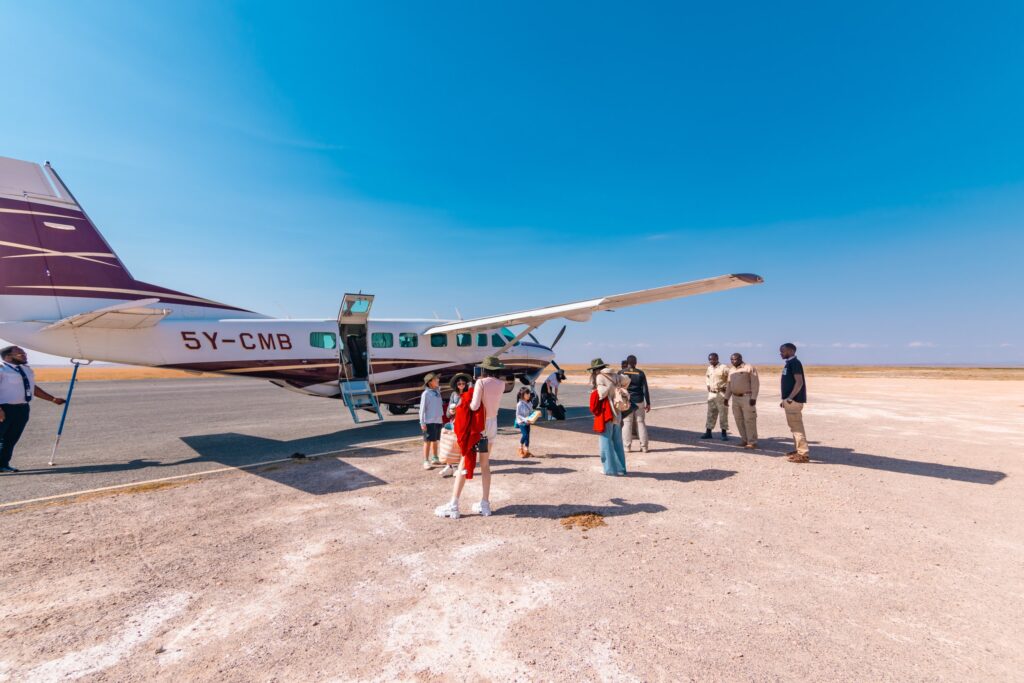
Both reserves are reachable by road or by scheduled light aircraft from Nairobi’s Wilson Airport, and we book both routes depending on how much of a guest’s trip is time-constrained. Samburu’s road transfer runs five to six hours through Nanyuki and the Laikipia plateau, while flights, including with our domestic partner Fly ALS, cut that to under an hour. Masai Mara’s road transfer takes roughly five hours via Narok, with flights landing at one of several Mara airstrips in about 45 minutes.
If you are still finalizing entry requirements for your trip, our visa requirements guide covers what most nationalities need before flying into either destination.
Cost of a Safari
Masai Mara has the wider price range of the two, simply because there is more supply. Budget group departures into the reserve start well under $1,000 per person for a short trip, mid-range lodge safaris sit comfortably in the $1,500 to $2,500 range for four days, and flying safaris into the private conservancies push past $4,000 depending on the camp. Samburu tends to sit in the mid to upper range because it is almost always sold as part of a longer northern circuit rather than a short standalone trip, which raises the per-trip cost even where the per-night rate is comparable.
2026 Park and Conservancy Fees
| QUICK ANSWER | How Much Are Masai Mara and Samburu Park Fees in 2026? Masai Mara National Reserve charges non-resident adults USD 100 per day from January to June 2026 and USD 200 per day from July to December 2026. Samburu National Reserve charges a flat USD 85 per adult per day year-round, with Buffalo Springs and Shaba charged separately at a similar rate. |
Narok County Government sets Masai Mara’s fees, and 2026 introduced a two-tier calendar: USD 100 per non-resident adult per day from January through June, rising to USD 200 per day from July through December, which covers the migration season. Children aged 9 to 17 pay USD 50 year-round and children under 8 enter free. Tickets are valid for a strict 12-hour window, typically 6am to 6pm, so a game drive that runs past that window can trigger a second day’s fee. Mara Triangle, run by the Mara Conservancy rather than Narok County, sets its own fee separately and has historically tracked close to the main reserve rate.
Samburu National Reserve charges non-resident adults USD 85 per day year-round with no seasonal split, and children under 12 pay USD 50. Buffalo Springs and Shaba National Reserve each charge a broadly similar rate under their own tickets, since Isiolo County manages both separately from Samburu County. Private conservancies bordering the Mara, such as Mara North and Naboisho, add their own conservation fees on top, typically in the range of USD 100 to USD 150 per person per day, though these are almost always bundled into the camp’s nightly rate rather than billed separately.
With every one of our packages, park and conservancy fees are built into the quoted price. This is where the real cost gap between the two destinations shows up most clearly during peak Mara season, since the reserve fee alone can add USD 100 more per person per day than a Samburu itinerary covering the same dates.
Realistic Total Cost: What a Trip Actually Runs
Park fees are only part of the picture. A realistic total also factors in accommodation tier, road versus flight transfers and trip length, which is where Samburu’s longer typical itinerary changes the math. A four-day Masai Mara safari in a mid-range lodge, park fees included, generally lands between $1,400 and $2,500 per person depending on season and camp. An eight to eleven day itinerary that includes Samburu alongside the Mara, Amboseli or the Rift Valley lakes typically runs from $3,000 to $5,000 per person, reflecting the extra days, extra park fees and the longer distances covered rather than a higher nightly rate in Samburu itself.
| EXPERT NOTE The question we get most is whether Samburu is worth the extra days on the itinerary. My honest answer is that it is worth it if you have eight days or more to work with. On a four or five day trip, we will usually steer a first-time guest toward the Mara because it delivers more per day. Once someone has ten days or a genuine interest in the northern circuit, Samburu earns its place easily. Hellen Asiko, Director and Guest Experience Curator |
Accommodation Comparison: Camps and Lodges
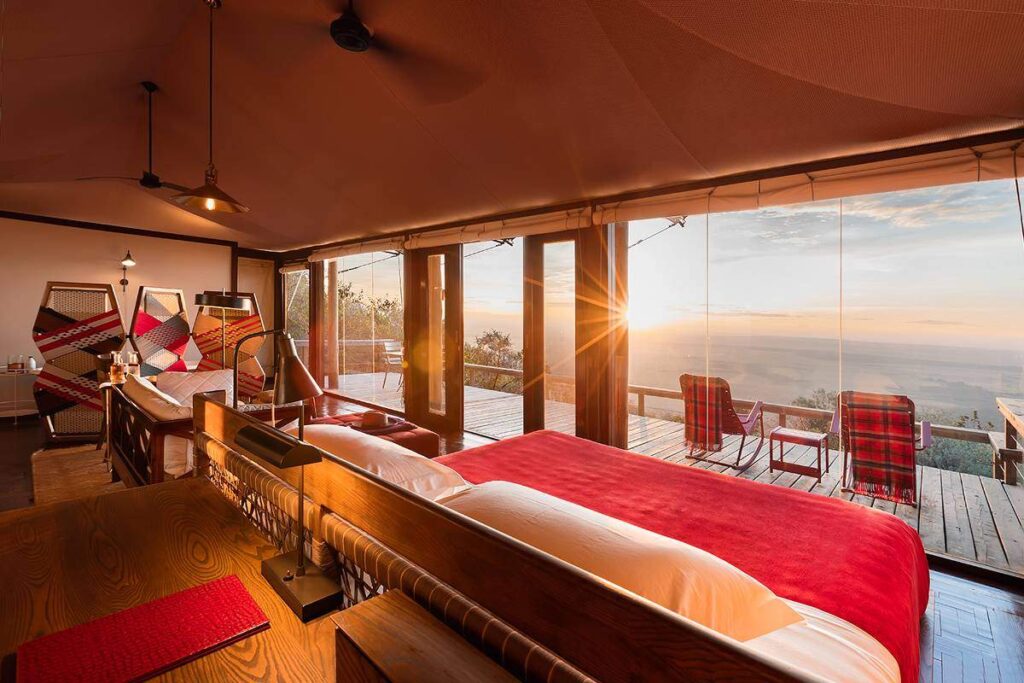
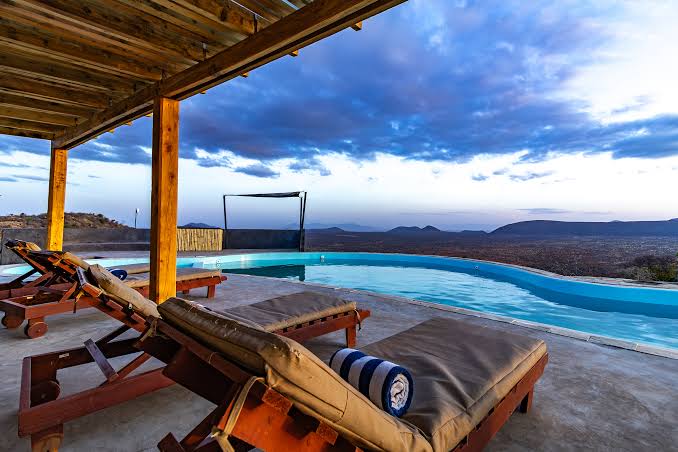
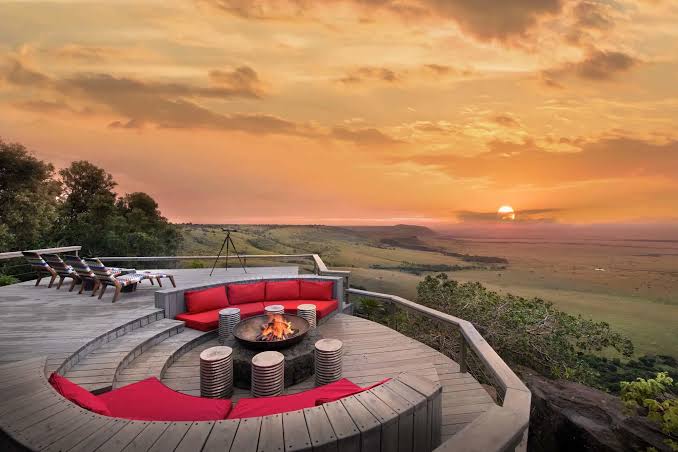
| QUICK ANSWER | What Type of Accommodation Is Available in Samburu and Masai Mara? Both destinations run the full range from budget tented camps to five-star lodges. Masai Mara has the larger selection because of its size and popularity, while Samburu’s smaller number of camps tend to sit in the mid-range to luxury bracket, reflecting its positioning as part of a longer northern circuit rather than a mass-market stop. |
Masai Mara’s accommodation spans every tier. Our own live collection includes budget tented options such as Osero Camp, mid-range properties like Mtito Safari Camp, and luxury lodges including Mara Elatia Camp in the Mara Triangle, Enkakenya Camp on the Olare Orok River, Mara Serena Safari Lodge and Royal Mara Safari Lodge in Mara North Conservancy. This spread is exactly why Masai Mara suits every budget from a first solo trip to a five-star anniversary safari.
Samburu’s camps are fewer in number but consistently strong, generally tented lodges and camps set along or near the Ewaso Nyiro River to make the most of the elephant and leopard activity along the water. Because we almost always sell Samburu inside a longer northern Kenya itinerary such as our 12 Days Wild Frontiers of Northern Kenya Safari, accommodation there is booked as part of a wider route rather than as a single standalone stay, and tends to sit in the mid-range to luxury bracket rather than the budget end.
For a fuller sense of the top end of what is available across both circuits, our luxury safaris collection and eco safaris collection cover the full range of camp styles we book in both destinations.
Samburu vs Masai Mara: Crowds and Atmosphere
This is the sharpest difference between the two, and it shapes everything else. In the Masai Mara’s main reserve during peak season, a single leopard sighting can draw eight to ten vehicles within minutes, radioed in the moment a guide spots a tail in a tree. It is still a spectacular sighting. It is not a private one.
In Samburu, the same sighting might involve one other vehicle, or none. The reserve’s smaller visitor numbers and its position outside the main tourist circuit mean guides can sit with an animal for twenty minutes without another car arriving. For guests who have already done a crowded Mara trip and found the vehicle numbers frustrating, this single difference is usually what sells them on going north next time.
Activities Beyond Game Drives
| QUICK ANSWER | Can You Do Activities Other Than Game Drives in Samburu or Masai Mara? Yes. The Mara’s private conservancies allow walking safaris, night drives and cultural visits to Maasai villages that the main reserve does not. Samburu offers cultural visits to Samburu villages, guided nature walks near camp, and the Reteti Elephant Sanctuary in nearby Namunyak Wildlife Conservancy. |
Inside the Masai Mara’s main reserve, activities are limited to standard game drives because Narok County rules prohibit off-road driving and night drives. Step into a private conservancy such as Mara North or Naboisho and the options widen considerably: guided walking safaris, night game drives with spotlights for nocturnal species, and visits to Maasai villages arranged directly with the community that leases the land.
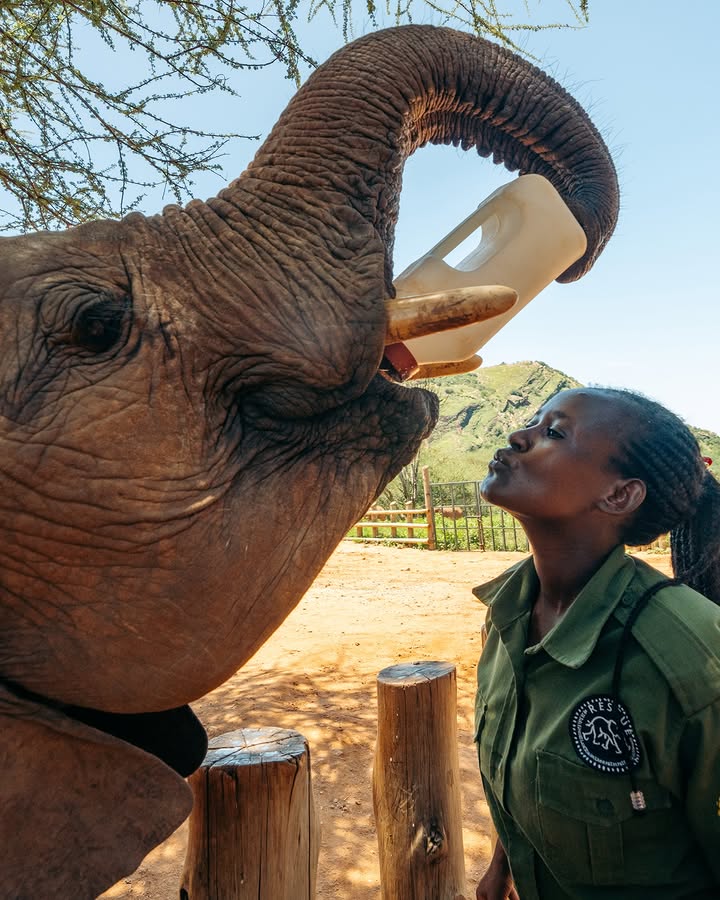
Samburu’s activity list leans cultural and gentle rather than adrenaline-driven. Guided walks along the Ewaso Nyiro, visits to Samburu villages to see traditional dress and daily life, and a side trip to the Reteti Elephant Sanctuary in Namunyak Wildlife Conservancy, which hand-rears orphaned elephant calves, round out most itineraries alongside the game drives themselves.
Unique Experiences: The Milk Mamas and the Bead Mamas
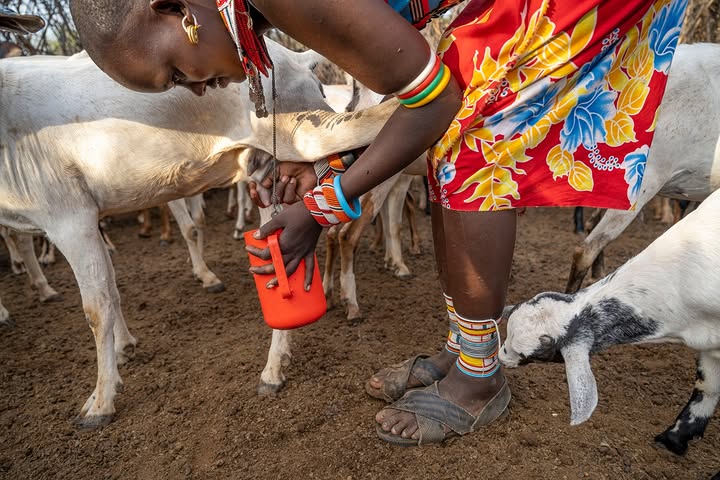
| QUICK ANSWER | What Are the Milk Mamas at Reteti and the Bead Mamas in Masai Mara? The Milk Mamas are Samburu women who sell surplus goat milk to Reteti Elephant Sanctuary to feed orphaned elephant calves, earning their own income in the process. The Bead Mamas are Maasai women’s beading cooperatives around the Mara conservancies where guests can watch, buy from and sit with local artisans. |
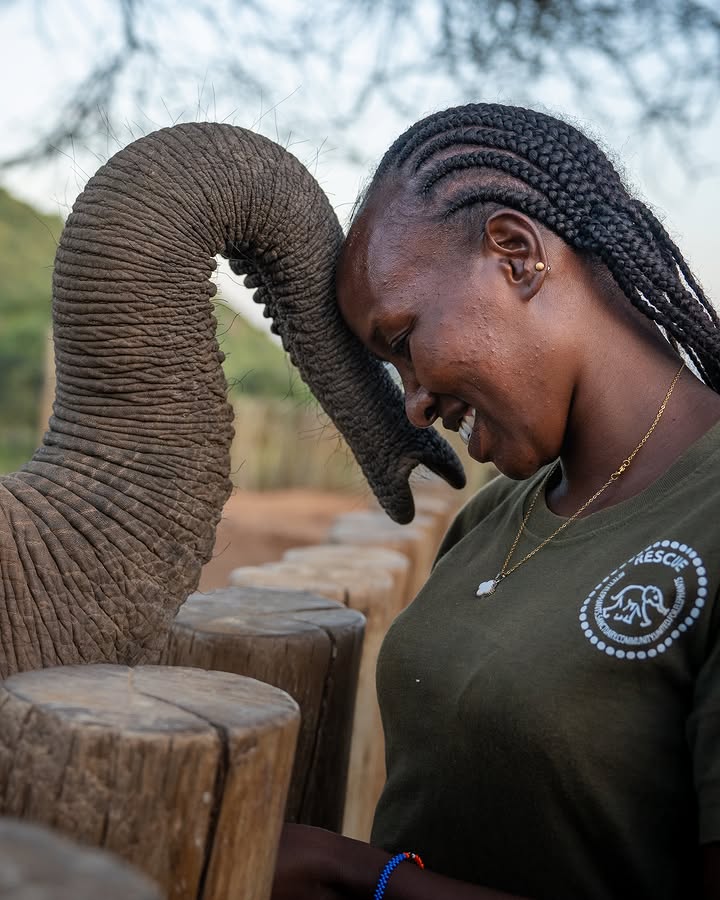
At Reteti Elephant Sanctuary in Namunyak, the elephant keepers themselves were the first all-female elephant keeper team in Africa, but the Milk Mamas are a separate and equally important part of the story. Local Samburu women sell their households’ surplus goat milk directly to the sanctuary, which uses it as the base formula for hand-rearing orphaned calves. The program now involves well over a thousand women, many of whom have opened their first bank account or paid school fees from the income, and guests visiting Reteti get to see this milk-to-bottle chain in person rather than just the elephants at the end of it.
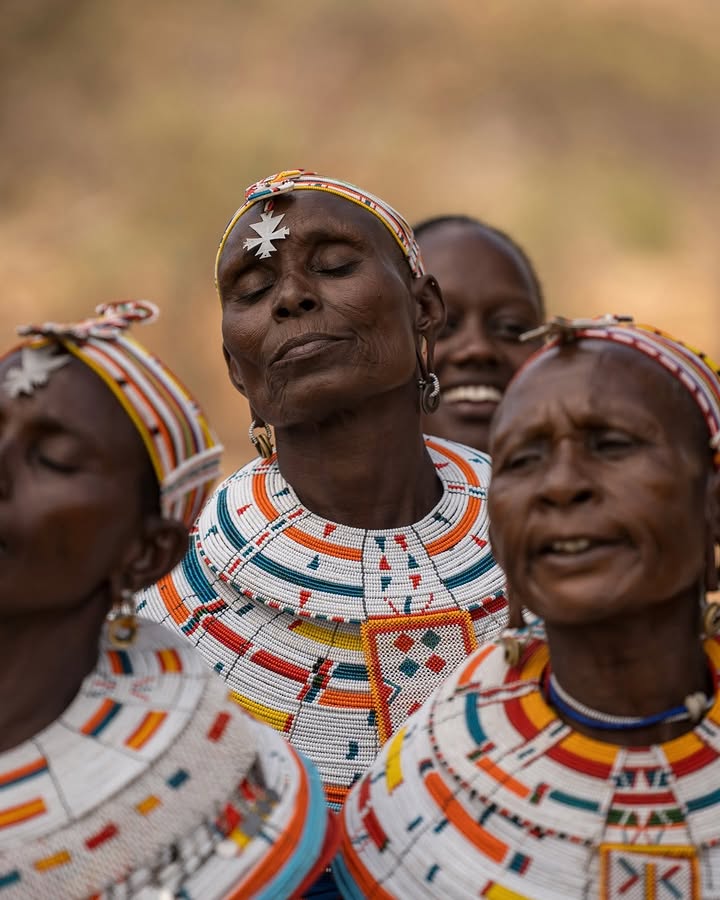
Around the Masai Mara, several conservancies and camps run beading cooperatives, often referred to on the ground as the Bead Mamas, where Maasai women sell handmade jewellery and demonstrate the craft to visiting guests. The Maa Trust’s Maa Beadwork initiative in the Naboisho and Olare Motorogi conservancies works with several hundred women artisans, and Basecamp Explorer runs a similar program, the Maasai Brand, out of Mara Naboisho Conservancy. A number of camps run their own beading studios where guests can sit with the women, try beading themselves and buy directly rather than through a curio shop. It is one of the few Mara experiences that puts money straight into the hands of the community rather than through a middleman.
Neither of these is a staged photo opportunity. The Milk Mamas feed real orphans every day whether a guest is watching or not, and the Bead Mamas earn a living from what they sell, not from being looked at.
| EXPERT NOTE Night drives are the activity guests underestimate most until they have done one. In a Mara conservancy we have picked out genets, civets and once a pangolin on a single night drive, animals that most standard game drives never turn up. If a guest tells me they want more than lion and elephant, I steer them toward a conservancy stay specifically so this is on the table. Nicholas Wangithi, Director and Founder |
Family Safaris: Which Suits Which Ages
| QUICK ANSWER | Is Samburu or Masai Mara Better for Families? Masai Mara suits younger children better because sightings are frequent and the drives feel shorter thanks to higher wildlife density. Samburu suits families with older children or teenagers who can appreciate quieter, longer sightings and the cultural side of a Samburu village visit. |
Younger children, roughly under eight, tend to do better in Masai Mara. Wildlife shows up often enough that attention spans are rarely tested, and the shorter road transfer from Nairobi means less time in the vehicle before the safari itself starts. Several of our own family itineraries, including the Amboseli to Masai Mara route, are built around this pacing.
Older children and teenagers generally get more out of Samburu, partly because the Special Five and the cultural visits give them something to actively look for and learn rather than passively watch, and partly because longer, quieter sightings suit an older child’s attention span better than a five-year-old’s. Our 11 Days Kenya Family Safari, which runs Samburu to Amboseli, is built with this age range in mind.
Our full family safaris collection covers both age profiles across every itinerary length we run.
Samburu vs Masai Mara: Decision Matrix
Everything above condensed into one table. Use it to see where the two destinations genuinely differ and where they are closer than people expect.
| Factor | Samburu | Masai Mara |
| Overall wildlife density | Lower, but sightings run longer | Highest in Kenya |
| Big Five | Four of five, no rhino in reserve | All five present |
| Special Five | Yes, unique to Samburu ecosystem | Not present |
| Wildebeest migration | Not present | July to October |
| Leopard sightings | Excellent, close and unhurried | Good, often shared with other vehicles |
| Elephant herds | Large herds along the river | Large herds |
| Crowds at sightings | Low, often one vehicle or none | High in main reserve, lower in conservancies |
| Photography | Strong, long uninterrupted time | Strong for volume and migration drama |
| Families with young children | Good, better for older children | Excellent |
| Luxury options | Good, mid-range to luxury bracket | Extensive, every tier available |
| Typical cost | Mid to upper, sold as part of a longer trip | Widest range, budget to five-star |
| Access from Nairobi | 5 to 6 hours by road or under 1 hour flying | 5 hours by road or 45 minutes flying |
| Activities beyond game drives | Cultural visits, walks, Reteti Sanctuary | Walking safaris and night drives in conservancies |
| Recommended trip length | 2 to 3 days, usually within a longer circuit | 3 to 4 days, longer in migration season |
| Best months | Year round, best June to Sept and Jan to Feb | July to October for migration, Jan to Feb for value |
Which Safari Is Right for You?
| QUICK ANSWER | Should First-Time Safari-Goers Choose Masai Mara or Samburu? Most first-time safari-goers should choose Masai Mara. It delivers big cats, high animal density and the wildebeest migration on a shorter, more affordable itinerary. Samburu is the stronger choice for a second or third Kenya trip, or for travellers with eight or more days available. |
Choose Masai Mara if:
- This is your first African safari and you want the highest odds of seeing lion, leopard and cheetah in a short trip.
- Your travel dates fall between July and October and the wildebeest migration is a priority.
- You are travelling with children who will engage more with constant, visible wildlife.
- You have four to six days and want maximum wildlife return on a compact itinerary.
Choose Samburu if:
- You have already done a Kenya or Tanzania safari and want new species and a quieter pace.
- Fewer vehicles per sighting matters more to you than the total number of sightings.
- Photography is a serious interest and long, uninterrupted time with an animal outweighs volume.
- You have eight or more days and can build it into a wider northern Kenya circuit.
By Budget
Under $1,500 per person points you toward a short Masai Mara trip, either a book-a-seat group departure or a budget camp inside the reserve. Between $1,500 and $3,000 opens up mid-range Mara lodges and shorter flying safaris. Above $3,000 is where combined Samburu and Masai Mara itineraries start to make sense, since that budget covers the extra days, extra park fees and the northern circuit’s higher accommodation tier.
By Travel Dates
If your dates fall in July through October, that is migration season and it should decide your itinerary, book the Mara and build Samburu around it rather than the other way round. If your dates fall in the shoulder months of January, February or the low season around April and November, both destinations are at their best value and least crowded, which is when we most often recommend combining the two.
By Trip Length
Four days or fewer, choose one destination and do it properly rather than splitting the time. Five to seven days still favours a single destination with more depth, or a very tightly planned combination flown rather than driven. Eight days or more is the real threshold for comfortably combining Samburu and Masai Mara without either leg feeling rushed.
Doing Both: Combining Samburu and Masai Mara in One Trip
| QUICK ANSWER | Can You Visit Both Samburu and Masai Mara in One Trip? Yes. Most of our longer Kenya itineraries, typically eight days or more, combine Samburu in the north with the Masai Mara in the south, usually routed through Nairobi or Lake Nakuru in between. It is the most popular way experienced safari travellers see both circuits without compromising on either. |
Because Samburu sits north of Nairobi and the Masai Mara sits southwest, the two are never combined as a direct transfer. Every itinerary we build routes back through central Kenya, often via Lake Nakuru or Lake Naivasha, which turns what could feel like a stitched-together trip into a proper cross-section of the country: arid north, rift valley lakes, and grassland south.
| EXPERT NOTE The itineraries that work best on paper and in practice are the ones that resist the temptation to rush. We have seen trips try to cram Samburu and the Mara into six days, and the driving time alone eats the experience. Give the combination at least eight days, ideally with a flight for one of the two long legs, and the trip breathes properly. Kibara Mugo, Safari Writer and East Africa Specialist |
Our own combined itineraries include a dedicated women-only departure covering both reserves, along with longer family and luxury routes that add Amboseli, Lake Nakuru and Lake Naivasha to the same trip. These are built as tailor-made journeys, so dates, pace and camps are adjusted around each traveller rather than run as a fixed template.
Frequently Asked Questions
Is Samburu or Masai Mara better for first-time safari-goers?
Masai Mara is generally better for a first safari because it delivers higher animal density and big cat sightings on a shorter trip. Samburu rewards patience and prior safari experience more than it suits a first-timer on a tight schedule.
Can you see the Big Five in Samburu?
You can see four of the Big Five in Samburu: lion, leopard, elephant and buffalo, though rhino are not present in the reserve itself. Leopard sightings in particular tend to be excellent because of Samburu’s low vehicle numbers.
What is the Samburu Special Five?
The Samburu Special Five are Grevy’s zebra, reticulated giraffe, gerenuk, Beisa oryx and Somali ostrich, five species adapted to Samburu’s arid landscape that are not reliably found in the Masai Mara or most of southern Kenya.
When is the wildebeest migration in the Masai Mara?
The migration typically moves through the Masai Mara between July and October, with river crossings most likely in August and September. Exact timing shifts year to year based on rainfall in the wider Serengeti-Mara ecosystem.
How much does a Samburu safari cost compared to Masai Mara?
Masai Mara has a wider price range, with short group departures starting under $1,000 per person and luxury flying safaris exceeding $4,000. Samburu is usually priced as part of a longer northern Kenya circuit, which raises the total trip cost even at comparable nightly rates.
Is Samburu safe to visit?
Yes, Samburu is a well-established and regularly visited reserve within Kenya’s tourism circuit, and our guides run the route as part of standard northern Kenya itineraries. As with any safari destination, we brief every guest on reserve rules and camp safety before travel.
How do you get from Samburu to Masai Mara?
There is no direct road or flight between the two, so every itinerary routes back through central Kenya, typically via Nairobi or Lake Nakuru. Scheduled light aircraft can shorten one or both legs considerably compared to driving the full distance.
Which is better for photography, Samburu or Masai Mara?
Samburu generally suits serious photographers better because lower vehicle numbers allow longer, closer time with each animal. Masai Mara offers more volume and drama, particularly during the migration, but sightings are more often shared with other vehicles.
Can you see the Big Five in Masai Mara?
Yes, the Masai Mara is one of the few reserves in Kenya where all five, lion, leopard, elephant, buffalo and rhino, are present, though rhino sightings are less frequent and concentrated in the Mara Triangle’s rhino sanctuary area.
Can you see the wildebeest migration in Samburu?
No. The migration is a Masai Mara and Serengeti phenomenon only. Samburu’s wildlife, including its elephant herds and the Special Five, is resident year round rather than migratory, which is part of why Samburu makes sense outside the July to October window.
Can you do a Samburu safari on a tight budget?
It is possible but less common, since Samburu is almost always sold as part of a longer northern circuit rather than a short standalone trip. A tight budget generally points toward a Masai Mara group departure instead, with Samburu added once your budget or trip length grows.
Can I visit the Reteti Milk Mamas or the Mara bead mamas on safari?
Yes, both can be added to an itinerary on request. Reteti Elephant Sanctuary and its Milk Mamas program sits in Namunyak Wildlife Conservancy near Samburu, while the Maasai beading cooperatives are visited through camps in the Naboisho and Olare Motorogi conservancies in the Masai Mara.
For related comparisons, see our guide to Amboseli vs Masai Mara.
Featured Safaris: Samburu and Masai Mara Options
Three from each destination, chosen to span budget, mid-range and luxury. Prices are per person and starting rates, confirmed against our site at the time of writing.
Masai Mara Safaris
- 3 Days Masai Mara | Book-a-Seat Safari, Osero Camp | from $690
- 4 Days Masai Mara Safari | Mara Elatia Camp, Mara Triangle | from $1,440
- 5 Days Masai Mara Flying Safari | Mara North Conservancy, Royal Mara Safari Lodge | from $4,000
Samburu and Combined Northern Kenya Safaris
- Women of the Wild | 8 Days Samburu to the Masai Mara | from $2,445
- 11 Days Kenya Family Safari | Samburu to Amboseli | from $3,185
- 11 Days Kenya Luxury Safari | Samburu to Amboseli | from $4,625
There is currently no standalone short Samburu-only package in our live collection, which reflects how the reserve is genuinely used on the ground: as part of a longer northern circuit rather than a weekend add-on. If a shorter Samburu-focused route would help your trip, our team builds these as tailor-made itineraries on request.
Plan Your Samburu or Masai Mara Safari
We covered wildlife, timing, cost and crowd levels above because those are the four things that actually decide whether a Samburu or Masai Mara trip works for you, not which name is more recognizable. Beyond this article, we build the actual itinerary around your dates, your budget and which of these trade-offs matters most to you, drawing on the same northern and southern circuits our guides run week to week.
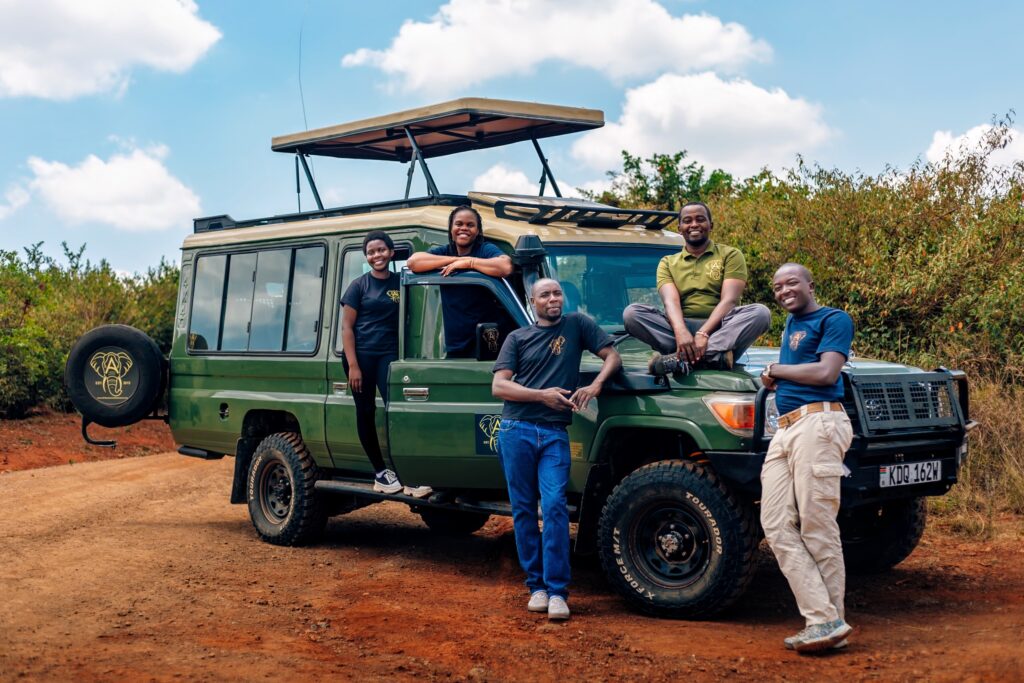
Hellen Asiko and our guest experience team handle itinerary planning, budgeting and route sequencing for every enquiry, and Nicholas Wangithi’s field experience shapes which camps and conservancies we recommend for each brief. Tell us your dates, budget and what you most want to see, and we will come back with a route built around it rather than a generic template.
The best safari is not the more famous one. It is the one built around what you actually want to see.
Let's plan your East African safari
Tell us when you'd love to travel and a local specialist will craft a tailor-made route around you.


