Planning & Tips
Wifi, Electricity and Charging on Safari: What Kenya’s Camps Actually Offer
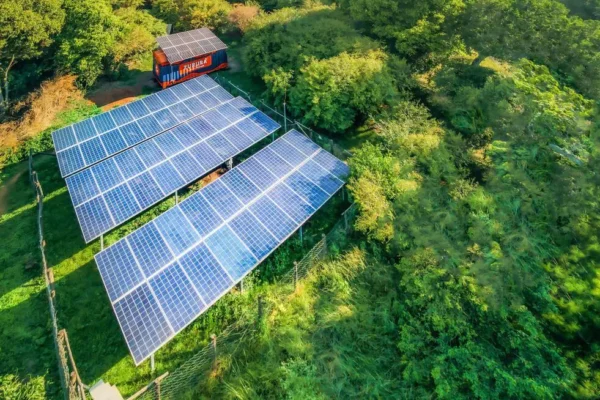
From a generator that switches off at ten to a Land Cruiser fitted with its own charging console,…
Read more →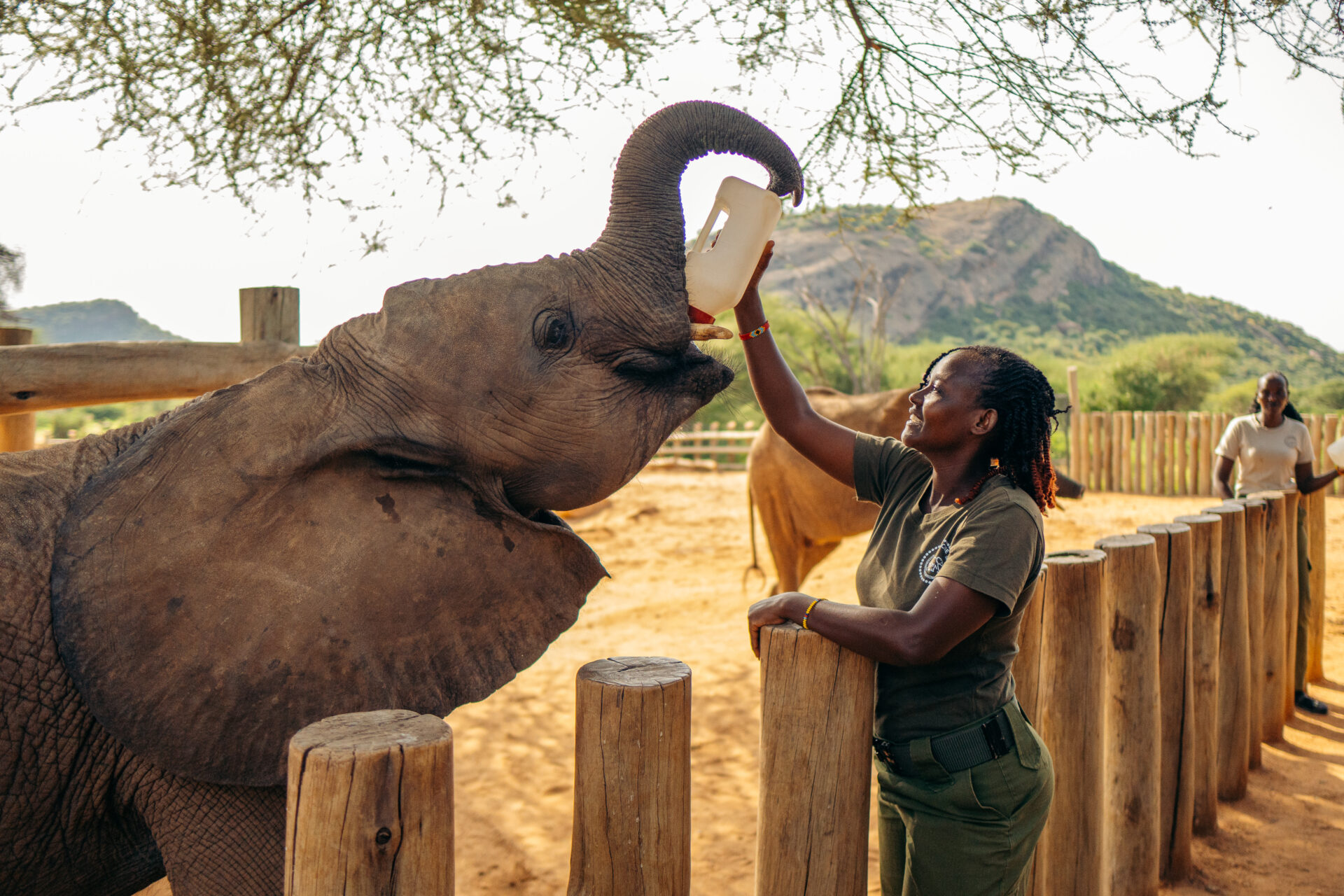
Kenya's crown jewel — home to the Big 5, the Great Wildebeest Migration, and the legendary Maasai people. The world's most spectacular wildlife destination.
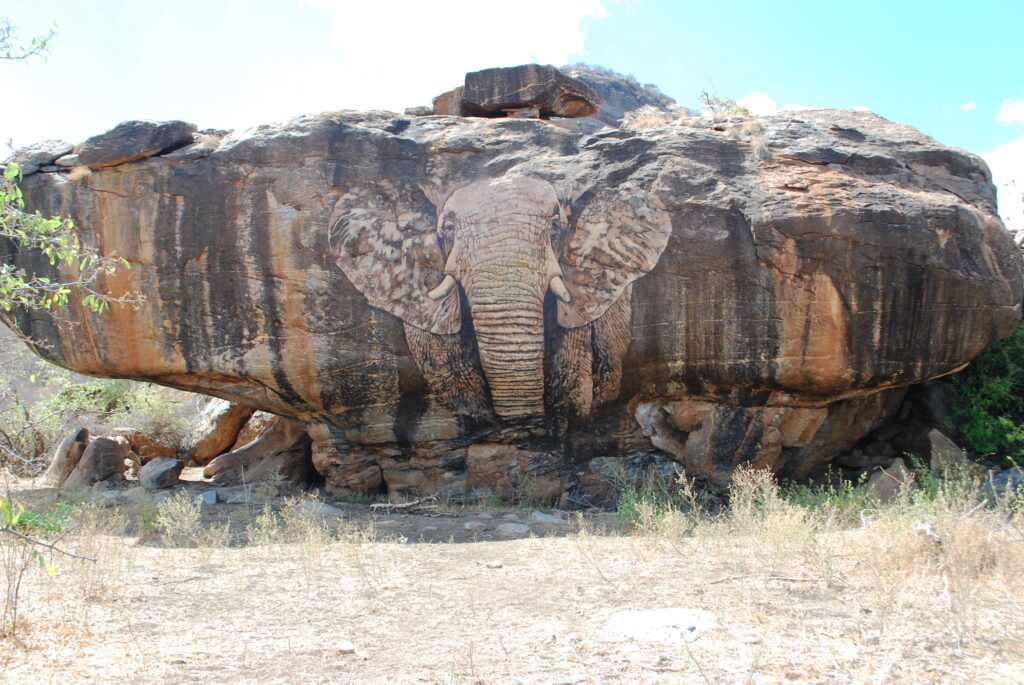
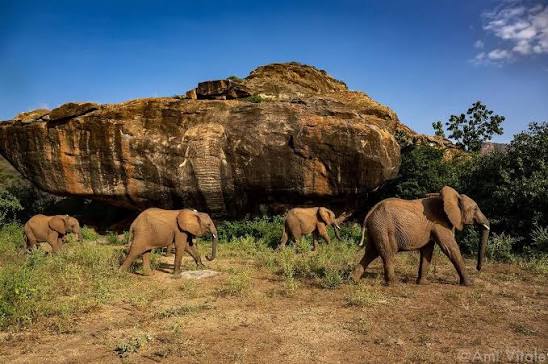
Reteti Elephant Sanctuary, Northern Kenya’s pioneering community-owned elephant sanctuary, sits deep within Namunyak Community Conservancy in the rugged landscape of Samburu County. The first thing you notice is how quiet it is. There is no city noise, no crowded zoo environment and no sense that the elephants are here simply for visitors. Instead, you hear the keepers calling, the impatient rumble of young elephants waiting for their milk and the sounds of the surrounding wilderness.
Established in August 2016, Reteti Elephant Sanctuary was created by the local Samburu community to rescue, rehabilitate and eventually release orphaned and abandoned elephant calves back into the wild. The sanctuary grew from a simple local need: communities living alongside elephants were finding calves in wells, separated from their herds or orphaned after their mothers died, but there was previously no nearby facility equipped to care for them.
Today, Reteti Elephant Sanctuary represents one of Kenya’s strongest examples of Indigenous, community-led conservation. Every Reteti keeper and staff member is recruited from the local Samburu community within Namunyak Conservancy, making the sanctuary’s conservation work inseparable from the people and landscape around it.
For travellers visiting Samburu, Reteti Elephant Sanctuary offers something very different from a conventional wildlife viewing experience. You are not simply watching elephants from a safari vehicle. You are learning what happens when an orphaned elephant is rescued, cared for, rehabilitated and prepared for a return to the wild.
Reteti Elephant Sanctuary is a community-owned and community-run elephant rescue and rehabilitation centre in Namunyak Community Conservancy, northern Kenya. Established in August 2016, Reteti rescues orphaned and abandoned elephant calves, provides specialist care and prepares them for eventual rewilding and release. The sanctuary is operated by members of the Indigenous Samburu community and is supported by The Sarara Foundation.
Location: Namunyak Community Conservancy, northern Kenya
County: Samburu County
Established: August 2016
Ownership: Community-owned
Community: Indigenous Samburu community
Main purpose: Rescue, rehabilitate, rewild and release orphaned and abandoned elephants
Conservation area: Namunyak Community Conservancy, part of the wider northern Kenya rangelands
Distance from Nairobi: Approximately 8 hours by road
Coordinates: 1°06’52.9″N 37°27’36.8″E
Nearby destination: Samburu National Reserve and Archer’s Post
Operating partner: The Sarara Foundation
Visitors: Open seven days a week by advance reservation
Known for: Community-led elephant conservation, Samburu elephant keepers, elephant rehabilitation, rewilding and the Reteti Milk to Market programme
Northern Kenya is home to large free-ranging elephant populations, but life in this dry landscape can be difficult for elephant families. Calves can become separated from their herds, fall into man-made wells, become caught in difficult terrain or lose their mothers through drought, human-wildlife conflict, illness or natural causes.
Before Reteti Elephant Sanctuary existed, rescuing an orphaned elephant from this remote region was difficult and often required transporting the calf long distances to facilities elsewhere in Kenya. The Samburu community wanted a different solution: a sanctuary within their own landscape that could respond quickly when elephants needed help.
Reteti was established in response to that community demand. Local people could alert the sanctuary when a calf was in trouble, allowing the Reteti rescue team to respond and determine whether the calf could be reunited with its herd. Reuniting a calf with its family remains the preferred outcome whenever possible.
When reunification is not possible, the orphan is brought to Reteti Elephant Sanctuary for rehabilitation and long-term care before eventually being considered for release into the wild.
Reteti’s work begins long before a visitor arrives at the sanctuary. When an elephant calf is reported in distress, the rescue team works with local communities, conservancy rangers and wildlife authorities to assess the situation.
The first priority is always to determine whether the calf can be reunited with its family. An apparently abandoned calf is not automatically treated as an orphan because elephant herds can travel away from a young animal temporarily. Rescue teams therefore assess the circumstances carefully before moving a calf.
If reunification is impossible, the calf is transported to Reteti Elephant Sanctuary, where trained keepers provide round-the-clock care.
The rehabilitation process includes nutrition, veterinary care, social development and gradual preparation for life alongside wild elephants. The ultimate objective is not to keep elephants dependent on humans. It is to help them become elephants again.
Reteti describes its mission simply: rescue, rehabilitate and release.
One of the most important parts of the Reteti Elephant Sanctuary story is the people looking after the elephants.
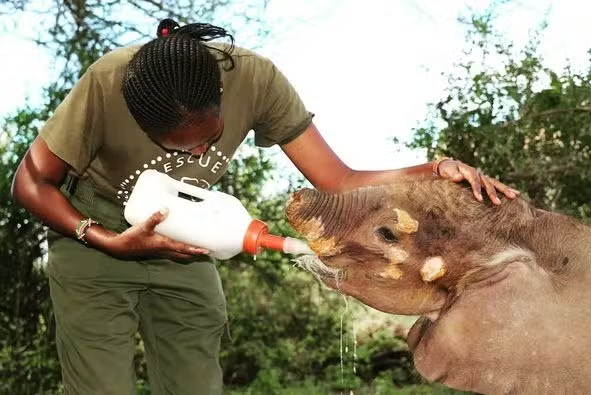
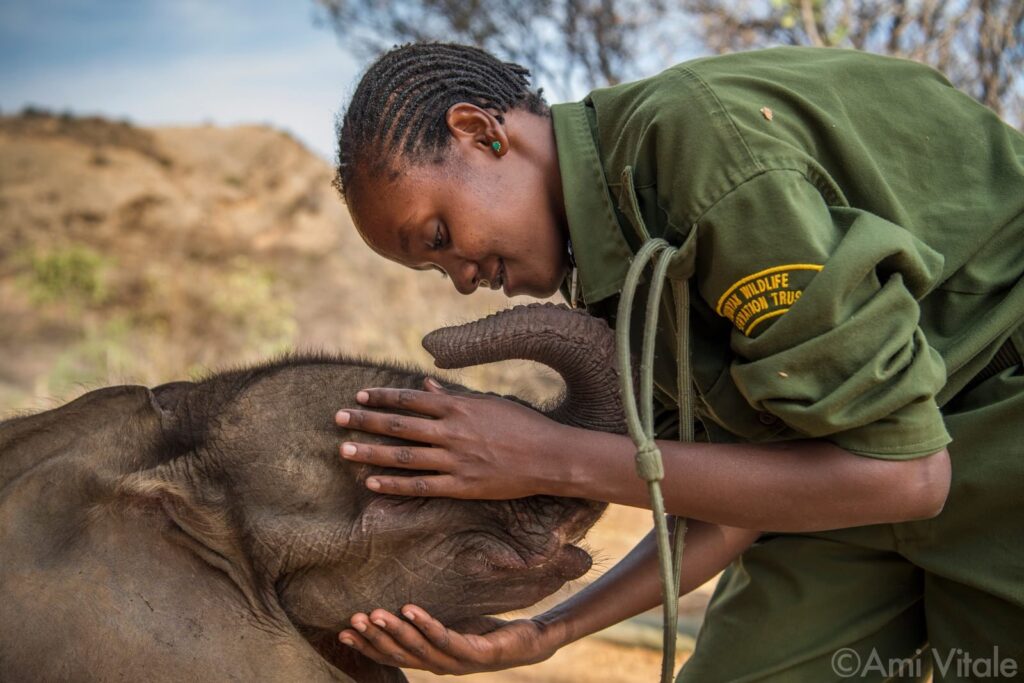
Reteti’s elephant keepers are Samburu and are recruited from within Namunyak Community Conservancy. They are formally trained in elephant calf care, rehabilitation and release, and work around the clock to provide the young elephants with the care they need.
The sanctuary is also recognised for employing female elephant keepers, creating opportunities for Samburu women in a field that has traditionally been dominated by men. These women are not simply symbolic participants in the project. They are trained elephant keepers involved directly in the daily care and rehabilitation of the calves.
This makes a visit to Reteti Elephant Sanctuary as much about community conservation as it is about elephants.
Guests meet Samburu keepers who can explain the individual personalities of the elephants, the challenges involved in raising orphaned calves and the relationship between elephants, people and the northern Kenya landscape.
The presence of female elephant keepers is one of the features that makes Reteti particularly significant.
Reteti became the first community-led elephant sanctuary in Africa and was also a pioneer in employing female keepers. Women from the Samburu community have been trained to care for orphaned elephant calves, providing an important source of employment while challenging traditional assumptions about the roles women can play in wildlife conservation.
For visitors, meeting the keepers often becomes one of the most memorable parts of the Reteti Elephant Sanctuary experience. The relationship between the keepers and the elephants is built around care and trust, but the sanctuary deliberately limits unnecessary human interaction because the ultimate goal is to prepare the elephants for life in the wild.
Elephant calves require enormous amounts of milk during their early development, making nutrition one of the most important parts of elephant rehabilitation.
Reteti has developed an innovative system that connects elephant conservation with the livelihoods of Samburu women. Through its Milk to Market programme, goat milk is sourced from local Samburu women, known as the Milk Mamas, and used to feed the elephant calves.
The programme creates an economic relationship between elephant conservation and the surrounding community. Samburu women receive income from their goat milk while the sanctuary receives a locally sourced nutritional resource for the elephants.
The programme also supports training in livestock management, grazing practices and animal husbandry, helping participating women improve their own herds and livelihoods.
This is one of the reasons Reteti Elephant Sanctuary is frequently described as a model for community conservation: protecting elephants creates tangible economic opportunities for the people living alongside them.
The Reteti Milk to Market programme connects elephant conservation with local Samburu livelihoods by purchasing goat milk from Samburu women for orphaned elephant calves. The programme provides income for participating women while helping Reteti meet the nutritional needs of its rescued elephants.
A visit to Reteti Elephant Sanctuary is built around the elephants’ feeding schedule rather than a conventional tourist timetable.
Visitors are paired with an expert Samburu keeper who explains the sanctuary’s work and introduces them to the elephants. Guests can watch the milk feeding, learn about individual elephants and understand how the sanctuary prepares the calves for eventual rewilding.
Reteti is open seven days a week, but advance booking is compulsory. The sanctuary asks visitors to book at least 24 hours in advance, and same-day visits are not accepted because visitor numbers and feeding sessions are carefully managed.
The feeding session is the centrepiece of most Reteti Elephant Sanctuary visits.
The calves are fed milk at scheduled times, and guests watch from designated viewing areas while trained keepers manage the interaction. The experience allows visitors to see the elephants at close range while maintaining the boundaries required for their rehabilitation.
The current official visitor schedule includes several feeding windows, including the midday public viewing session and private morning and afternoon experiences. Sunrise, afternoon and evening experiences are also available for guests staying at Sarara properties, subject to the sanctuary’s booking arrangements.
Guests should arrive on time because the sanctuary does not delay feeding sessions for late arrivals.
Visitors do not feed or touch the elephants.
This is an important part of the Reteti Elephant Sanctuary philosophy. The calves are being prepared to return to the wild, so unnecessary human interaction is deliberately limited. Only trained keepers interact directly with the elephants during the feeding and care routines.
This approach can initially surprise visitors who expect a hands-on elephant experience, but it is precisely what makes Reteti different from facilities designed primarily for close human-animal interaction.
The objective is conservation, not entertainment.
A visit to Reteti is primarily focused on the orphaned elephant calves and the people caring for them.
Depending on the time of your visit, you may see calves arriving for their milk feed, interacting with other elephants, walking with their keepers or preparing to head into the surrounding bush.
You may also learn about the wider rehabilitation process, including how elephants are monitored and prepared for their eventual return to the wild.
The experience is particularly rewarding for photographers, families and travellers interested in conservation because the visit provides an opportunity to understand the individual stories behind elephant rescue rather than simply seeing elephants as part of a game-drive checklist.
The end goal at Reteti Elephant Sanctuary is rewilding.
An elephant calf that arrives at Reteti is not being raised to remain permanently dependent on people. The sanctuary works toward preparing elephants for a future in the wilderness, where they can once again move through northern Kenya as free-ranging elephants.
Reteti’s rehabilitation programme therefore balances intensive care with gradually reducing unnecessary human dependence. The sanctuary also monitors released elephants to understand their progress after returning to the wild.
This makes the Reteti Elephant Sanctuary experience fundamentally different from visiting a traditional captive wildlife facility. The story is not about keeping an elephant at Reteti forever. It is about helping that elephant return home.
Some of Reteti’s older elephants enter the release and rewilding phase as they become capable of greater independence.
The release process requires careful preparation, monitoring and cooperation with conservation authorities and partners. Once elephants are released, monitoring can continue through technologies including camera traps and other field methods to understand how they adapt to life in the wild.
For conservationists and safari travellers alike, this is one of the most compelling parts of the Reteti story: an elephant that once arrived as a vulnerable orphan can eventually become part of a free-ranging elephant population again.
Reteti Elephant Sanctuary belongs to a much larger conservation story.
The sanctuary is located within Namunyak Community Conservancy, where the Samburu community owns and manages the land. The conservation model recognises that wildlife protection cannot be separated from the livelihoods of the people who share the landscape with wildlife.
Tourism, conservation employment, livestock programmes and community initiatives can all create reasons for wildlife to remain an asset rather than a liability.
The Reteti model demonstrates this connection particularly clearly. The sanctuary creates employment for Samburu keepers, supports local women through the milk programme and encourages communities to report elephants in distress rather than simply seeing wildlife as a problem.
The Samburu people have lived alongside elephants and other wildlife in northern Kenya for generations.
At Reteti, that relationship is central to the conservation model. The sanctuary was not imposed on the community from outside. It emerged because local residents wanted a way to respond to elephant calves in distress while creating tangible benefits from wildlife conservation.
The result is a project where wildlife conservation, local employment, Indigenous knowledge and tourism operate together.
For visitors, this means that a Reteti Elephant Sanctuary visit is also an opportunity to understand how conservation works at community level in northern Kenya.
Namyunyak Community Conservancy provides the landscape around Reteti.
The conservancy forms part of the wider northern Kenya conservation network and protects an enormous rangeland landscape used by both wildlife and pastoral communities. Reteti’s work therefore extends beyond the sanctuary’s fences and buildings.
The elephants eventually need a functioning wilderness to return to, which means protecting habitat, supporting community conservation and reducing human-wildlife conflict are all part of the wider picture.
Reteti’s operating partner, The Sarara Foundation, supports the sanctuary’s operations while also working on wider conservation and community initiatives in the landscape.
Reteti Elephant Sanctuary is located in Namunyak Community Conservancy in northern Kenya. From Nairobi, the journey by road takes approximately eight hours, making Reteti best incorporated into a northern Kenya safari rather than treated as a quick day trip from Nairobi.
The road approach takes travellers deeper into the landscapes north of Isiolo before turning toward Namunyak and the sanctuary.
For guests combining Reteti with Samburu National Reserve, the sanctuary works particularly well as part of a multi-day northern Kenya itinerary.
Travellers can fly to Namunyak airstrip and arrange a vehicle transfer to Reteti Elephant Sanctuary.
The sanctuary also accepts helicopter arrivals, offering dramatic aerial views over Namunyak Community Conservancy. Visitors arriving by air should arrange their ground transfer and access with the sanctuary or their safari operator in advance.
The official Reteti Elephant Sanctuary coordinates are approximately 1°06’52.9″N 37°27’36.8″E. The sanctuary is located within Namunyak Community Conservancy in northern Kenya.
Reteti Elephant Sanctuary can be visited throughout the year because the sanctuary operates independently of the seasonal wildlife movements that determine traditional game viewing.
The dry seasons can be particularly rewarding when combined with a Samburu safari because wildlife activity around water sources is generally easier to follow, while northern Kenya’s landscapes take on the dry, dramatic character many travellers associate with Samburu.
The wetter months bring greener scenery and can create a different photographic atmosphere across Namunyak.
The most important consideration is not simply the month you visit. It is booking your Reteti Elephant Sanctuary visit in advance and matching the feeding session to your safari itinerary.
Reteti currently operates through a minimum visitor donation rather than a conventional national-park entrance fee.
For international visitors, the current minimum donation is US$75 per person and US$50 per child under 15. Kenyan residents and Kenyan citizens have separate minimum donation rates. The sanctuary confirms payment details after a booking has been made.
Because conservation donations and visitor arrangements can change, we recommend confirming the current rate before finalising a safari quotation.
The current minimum donation for international visitors is US$75 per person and US$50 per child under 15. Kenyan residents and Kenyan citizens pay different minimum donation rates. Visits must be booked at least 24 hours in advance, and the booking is confirmed after the required donation has been received.
Most visitors do not need an entire day at Reteti Elephant Sanctuary itself.
A scheduled feeding and sanctuary visit generally occupies a limited time window, allowing Reteti to be combined comfortably with other northern Kenya activities.
For travellers staying around Samburu, we recommend dedicating part of one day to Reteti and allowing enough time for the road transfer. Guests staying closer to Namunyak can build a more immersive conservation-focused experience around the sanctuary.
If elephants and conservation are the primary reason for travelling north, a longer stay around Namunyak can provide more opportunities to experience the surrounding conservancy rather than simply visiting Reteti for a single feeding session.
Reteti Elephant Sanctuary and Samburu National Reserve complement each other exceptionally well.
Samburu National Reserve is primarily a wildlife-viewing destination, known for the Samburu Special Five, elephants, big cats, riverine landscapes and game drives along the Ewaso Nyiro.
Reteti provides the conservation story behind some of northern Kenya’s elephants.
A combined itinerary therefore gives travellers two very different experiences: watching free-ranging elephants in the Samburu ecosystem and learning how orphaned elephants are rescued and prepared to return to that same northern wilderness.
For guests visiting Samburu for three or more nights, Reteti is one of the strongest conservation excursions we recommend adding to the itinerary.
Reteti is often described as an elephant orphanage, but that description does not fully explain its purpose.
The sanctuary is primarily a rescue, rehabilitation and rewilding centre. Its objective is to give orphaned elephants the care they need while preparing them for eventual life in the wild.
That distinction matters.
Visitors are not encouraged to touch or feed the elephants because excessive human interaction could interfere with the rehabilitation process. The experience is therefore centred on observation, education and understanding rather than physical interaction.
Reteti Elephant Sanctuary is an extraordinary photographic experience, particularly for travellers interested in conservation photography.
The young elephants, Samburu keepers, surrounding mountains and dry northern Kenya landscape create strong visual opportunities.
However, photography should always follow the sanctuary’s visitor guidelines. The elephants are undergoing rehabilitation, so visitors should avoid actions that encourage unnecessary interaction or distress.
A fully charged camera, sunscreen and a hat are recommended, while visitors should also carry water because the sanctuary and surrounding roads can be hot.
Responsible tourism is particularly important at Reteti because the elephants are being prepared for life in the wild.
Visitors should arrive on time, follow keeper instructions, avoid touching or attempting to feed elephants and respect the sanctuary’s restrictions on interaction.
Photography should never become more important than the wellbeing of the animals.
The same principle applies to the Samburu community. Guests should approach the sanctuary as a conservation and cultural experience rather than a performance designed for tourists.
By visiting Reteti responsibly, travellers contribute to a system in which elephant conservation creates employment, supports local livelihoods and strengthens the relationship between communities and wildlife.
Reteti Elephant Sanctuary offers an experience that few other places in Kenya can replicate.
It is the story of orphaned elephants being given a second chance, but it is also the story of Samburu people taking ownership of wildlife conservation on their own land.
You see young elephants being cared for by Samburu keepers. You learn how calves are rescued from remote parts of northern Kenya. You see how goat milk purchased from local women contributes to elephant rehabilitation. And you begin to understand that successful conservation is not simply about protecting animals behind a fence.
It is about creating a future in which elephants and people can continue sharing the same landscape.
Accommodation around Reteti ranges from intimate community-linked camps to luxury properties positioned within or close to Namunyak Community Conservancy.
Sarara Camp is one of the best-known accommodation options in the area and offers particularly convenient access to Reteti. Reteti House is located approximately a ten-minute walk from the sanctuary, while Sarara Camp and Sarara Treehouses are around a 45-minute scenic drive away.
For travellers seeking a conservation-focused northern Kenya itinerary, staying close to Reteti allows the sanctuary visit to be combined with other experiences in Namunyak rather than spending a large part of the day travelling to and from the sanctuary.
We recommend including Reteti Elephant Sanctuary as part of a wider northern Kenya safari rather than treating it as an isolated attraction.
A typical itinerary can combine Samburu National Reserve with Reteti, allowing guests to experience the Samburu Special Five and free-ranging elephant herds before visiting the sanctuary to understand the conservation work protecting elephants across northern Kenya.
For a longer northern Kenya safari, Reteti can also be combined with Buffalo Springs National Reserve, Shaba National Reserve, Kalama Conservancy, West Gate Conservancy, Namunyak Community Conservancy or other Laikipia destinations.
For guests particularly interested in conservation, we can slow the itinerary down and spend additional time around Namunyak rather than rushing between destinations.
The future of Reteti Elephant Sanctuary depends on the continued relationship between elephants, the Samburu community and the wider northern Kenya landscape.
The sanctuary’s work goes beyond feeding orphaned calves. It contributes to employment, community engagement, wildlife rescue, conservation education and the development of a local economy connected to wildlife.
The broader objective is to make elephants valuable while alive and living freely in the landscape.
That is what makes Reteti different.
It is not simply a place where orphaned elephants are kept.
It is a place designed to help them go home.
A visit to Reteti Elephant Sanctuary can be one of the most meaningful additions to a northern Kenya safari.
We can combine Reteti with Samburu National Reserve, Buffalo Springs, Shaba and the surrounding conservancies, building an itinerary around the feeding session that best fits your travel dates.
Because Reteti requires advance booking and has limited visitor capacity, we recommend securing the sanctuary visit before finalising the rest of the itinerary. The official sanctuary currently requires bookings at least 24 hours in advance and does not accept same-day visits.
For travellers who want more than a conventional game drive, Reteti offers something genuinely different: a chance to see conservation being carried out by the community that lives alongside the wildlife.
Reteti Elephant Sanctuary is not just about saving elephants. It is about creating a future where elephants, Samburu people and the northern Kenya wilderness can thrive together.
Visit Africa's first community-owned elephant sanctuary and witness how conservation and local communities are working together to protect Kenya's elephants for future generations.
Reteti's daily feeding sessions are among the most memorable wildlife experiences in Kenya. Visitors watch rescued calves eagerly gather for their milk…
Reteti is globally recognised as the first elephant sanctuary fully owned and operated by local communities. The sanctuary demonstrates how conservation can…
Every visit contributes directly to rescue operations, veterinary care, anti-poaching initiatives, and community development projects that help secure the future of elephants…
Guests have opportunities to interact with local Samburu communities and learn about traditional pastoral lifestyles and the evolving relationship between people and…
The sanctuary is surrounded by the dramatic landscapes of the Mathews Range, one of Kenya's least explored mountain ecosystems and an important…
Close encounters with elephant calves and stunning northern Kenya scenery create exceptional photographic opportunities rarely found elsewhere in Africa.
The surrounding conservancy supports elephants, leopards, wild dogs, greater kudu, giraffes, and numerous bird species, allowing visitors to combine conservation experiences with…
Visitors gain insight into the complex process of rescuing, rehabilitating, and successfully reintroducing orphaned elephants back into natural ecosystems.

From value camps to premium lodges — we match every stay to your style and budget.
Comfortable tented camps just outside the reserve gates. En-suite rooms with hot showers, full-board meals, and close proximity to the Mara.
Spacious canvas tents on raised platforms with private decks, often inside or adjacent to conservancies. Better access and fewer crowds.
World-class lodges and exclusive camps in private conservancies. Night drives, bush walks, spa, and personalized service — the ultimate safari experience.
Every season has its magic — here's what to expect when, so you can travel at your perfect time.
Everything you need to know before you go — and we’ll guide you through every step.
All international visitors travelling to Kenya must obtain a Kenya Electronic Travel Authorisation (eTA) before arrival. Applications are completed online and are typically approved within a few days. Visitors should ensure their passport is valid for at least six months from the date of entry and contains sufficient blank pages for immigration requirements.
Reteti Elephant Sanctuary is located in northern Kenya at an altitude of approximately 1,100–1,500 metres above sea level. Travellers are advised to consult their doctor regarding recommended vaccinations and malaria prevention medication before travel. A Yellow Fever vaccination certificate may be required for visitors arriving from countries where Yellow Fever is present.
Reteti Elephant Sanctuary is situated within the Namunyak Wildlife Conservancy in Samburu County, approximately 350 kilometres north of Nairobi. The journey by road takes around 6 to 7 hours, depending on road conditions and stops along the route.
Flying is the fastest and most comfortable way to reach Reteti. Daily scheduled and charter flights operate from Wilson Airport in Nairobi to nearby airstrips within the Samburu and Namunyak region.
The official currency in Kenya is the Kenyan Shilling (KES), although most safari lodges and tourism operators accept US Dollars (USD) for accommodation and activities.
Reteti experiences a warm semi-arid climate typical of northern Kenya, moderated by its altitude and the nearby Mathews Range.
Kenya uses Type G electrical sockets, the same three-pin system used in the United Kingdom. Voltage: 240V Frequency: 50Hz
Mobile coverage in the Namunyak Conservancy area is available but can vary depending on terrain and lodge location.
Reteti Elephant Sanctuary is considered extremely safe for visitors. The sanctuary operates under strict conservation and visitor management guidelines, and all activities are supervised by trained staff and experienced guides. The surrounding conservancy employs dedicated wildlife rangers and community scouts who work closely with local communities to ensure visitor safety and wildlife protection.
Reteti differs from traditional safari destinations because the focus is conservation rather than game drives. Most visits centre around observing elephant feeding sessions, learning about rescue and rehabilitation efforts, meeting keepers, and understanding how community conservation works in practice. Many visitors combine Reteti with nearby safari destinations such as Samburu National Reserve, Buffalo Springs National Reserve, and the Mathews Range for a more comprehensive northern Kenya safari experience.
Reteti Elephant Sanctuary is Africa's first community-owned and community-managed elephant sanctuary, located within Namunyak Wildlife Conservancy in northern Kenya. Established in 2016 by the local Samburu community, the sanctuary rescues, rehabilitates, and ultimately releases orphaned, abandoned, and injured elephant calves back into the wild. It is internationally recognised as a pioneering model for community-led conservation.
Absolutely. Reteti offers one of Kenya's most meaningful wildlife experiences by allowing visitors to witness elephant conservation in action while supporting local communities directly involved in protecting wildlife. Unlike traditional safaris, the experience focuses on conservation, education, and intimate interactions with rescued elephants rather than game drives alone.
Visitors can observe the elephants during feeding sessions and educational visits, but direct physical interaction is intentionally limited to protect the animals and maintain their wild instincts. The sanctuary's goal is rehabilitation and eventual release rather than creating permanent human dependency.
A typical visit includes observing elephant feeding sessions, meeting the elephant keepers, learning about rescue stories and rehabilitation programmes, touring the sanctuary facilities, and understanding the role local communities play in conservation. Some visits may also include cultural experiences within nearby Samburu communities.
Most visitors spend between two and four hours at the sanctuary as part of a wider northern Kenya itinerary. Travellers staying at nearby lodges often combine Reteti with game drives, walking safaris, or cultural experiences over two or three days in the region.
Reteti can be visited throughout the year. However, the dry seasons from June to October and December to February generally provide easier road access and more comfortable weather conditions. Morning visits are particularly popular as they coincide with feeding sessions and cooler temperatures.
Reteti is located approximately 350 kilometres north of Nairobi within Namunyak Wildlife Conservancy. The journey by road takes around six to seven hours, while scheduled and charter flights from Nairobi Wilson Airport to nearby airstrips reduce travel time to approximately one hour and fifteen minutes.
Yes. Reteti's primary mission is to rehabilitate elephant calves and prepare them for eventual release into protected wild habitats whenever possible. The sanctuary works closely with wildlife authorities and conservation partners to ensure successful reintroduction and long-term monitoring.
Yes. Reteti is one of Kenya's most family-friendly wildlife experiences. Children are often fascinated by the elephant calves and enjoy learning about conservation and animal care. The educational aspect of the sanctuary makes it particularly popular with families, schools, and young wildlife enthusiasts.
Yes. Every visit contributes directly to elephant rescue operations, veterinary care, anti-poaching initiatives, ranger programmes, education projects and employment opportunities for local Samburu communities. Tourism revenue plays a critical role in sustaining both conservation and community development.
Yes. Reteti is frequently combined with Samburu National Reserve, Buffalo Springs National Reserve, Shaba National Reserve, the Mathews Range and other conservancies in northern Kenya. Many travellers include Reteti as part of a broader Laikipia and Samburu safari circuit.
Reteti differs from traditional elephant orphanages because it is fully owned and managed by the local community rather than a government agency or private organisation. Its focus on rehabilitation, release and community empowerment has made it one of the world's leading examples of successful community-led conservation and a model replicated in other parts of Africa.
From a generator that switches off at ten to a Land Cruiser fitted with its own charging console,…
Read more →
A working checklist from a Nairobi ground operator on licensing, red flags and the questions that separate real…
Read more →
Both parks hold the same herds and the same rivers, but the border between them changes your budget,…
Read more →Tell us what you’d love to see and a local specialist will design a tailor-made itinerary around you — no obligation, reply within 24 hours.