


Women Only Safari Kenya
Magdaline Muindi: The Female Safari Guide the Rongai Pride Knows by Name
Inside the Masai Mara career of a Kenya Utalii College graduate who tracks big cats for a living…
Read more →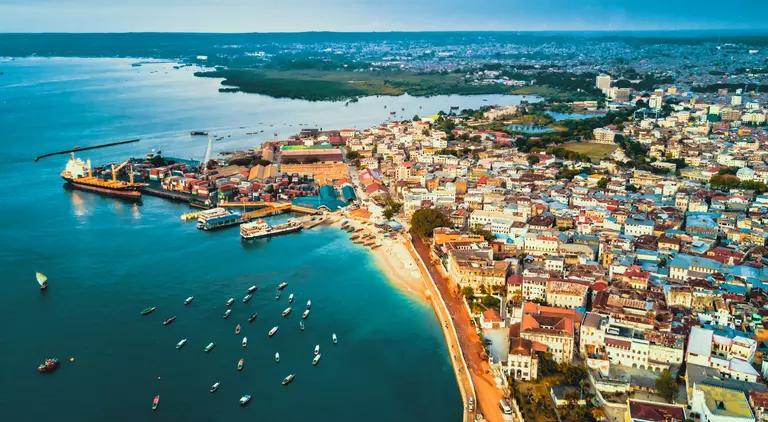
Zanzibar Tanzania is a tropical island destination famous for white-sand beaches, turquoise waters, historic Stone Town, spice farms, marine adventures and unforgettable Swahili cultural experiences.
The first thing you notice about Zanzibar is the smell. Before the Indian Ocean comes fully into view, there is clove, cinnamon, charcoal smoke and salt in the air, carried through the narrow streets of Stone Town by the morning breeze. A wooden dhow is moving slowly beyond the harbour, fishermen are already returning with the night’s catch and somewhere inland, spice farmers are preparing for another day in the fields.
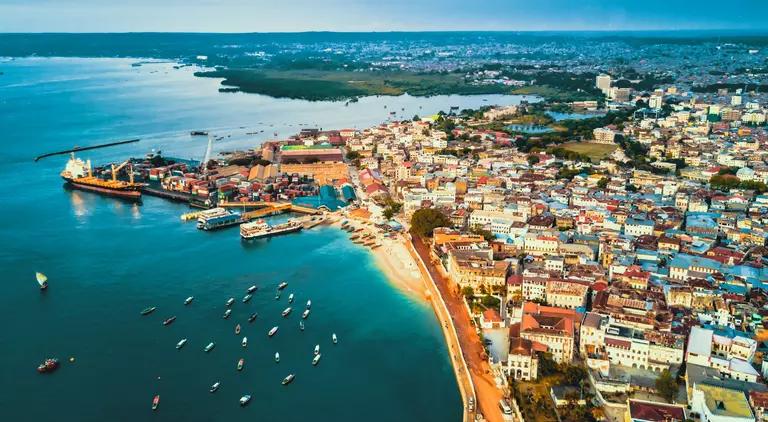
Zanzibar is not simply a beach destination. The Zanzibar Archipelago sits in the Indian Ocean off the coast of Tanzania and combines white-sand beaches, coral reefs, Swahili culture, centuries of Indian Ocean trade, spice plantations, tropical forests and one of East Africa’s most important historic towns. The island most travellers mean when they say Zanzibar is Unguja, while the wider archipelago also includes Pemba and several smaller islands.
What sets Zanzibar apart from other Indian Ocean beach destinations is the combination of experiences packed into a relatively compact island. You can spend the morning walking through the UNESCO-listed Stone Town, the afternoon visiting a spice farm and the following day snorkelling over coral reefs or watching the sunset from a traditional dhow. The official Zanzibar tourism authority describes the destination as a place for beaches and marine life as well as nature, culture, heritage and spice experiences.
We are a Nairobi-based safari operator and we often recommend Zanzibar after a Tanzania safari or Kenya safari. After several days of game drives in the Serengeti, Ngorongoro or Amboseli, Zanzibar offers a completely different rhythm: warm Indian Ocean water, long beach days, Swahili food, historic streets and time to slow down.
QUICK ANSWER | What is Zanzibar?
Zanzibar is a tropical archipelago in the Indian Ocean belonging to Tanzania, best known for its white-sand beaches, turquoise waters, coral reefs, spice farms and historic Stone Town. Unguja is the main island visited by international travellers, while Pemba and other islands offer quieter and more specialized experiences. Stone Town has been a UNESCO World Heritage Site since 2000 because of its exceptional Swahili urban architecture and its history as an Indian Ocean trading centre.
Zanzibar At a Glance:
Location: Indian Ocean, off the coast of mainland Tanzania
Main island: Unguja, commonly referred to as Zanzibar
Archipelago: Zanzibar includes Unguja, Pemba and numerous smaller islands
Main city: Zanzibar City
Historic centre: Stone Town
Known for: Zanzibar beaches, Stone Town, spice farms, coral reefs, Swahili culture and marine activities
UNESCO status: Stone Town of Zanzibar was inscribed on the UNESCO World Heritage List in 2000
Main airport: Abeid Amani Karume International Airport
Main ferry connection: Dar es Salaam to Zanzibar
Best known beaches: Nungwi, Kendwa, Matemwe, Paje, Jambiani and Kiwengwa
Signature experiences: Stone Town walking tour, spice farm tour, Jozani Forest, snorkelling, diving, dhow cruises and beach relaxation
Zanzibar’s Beaches
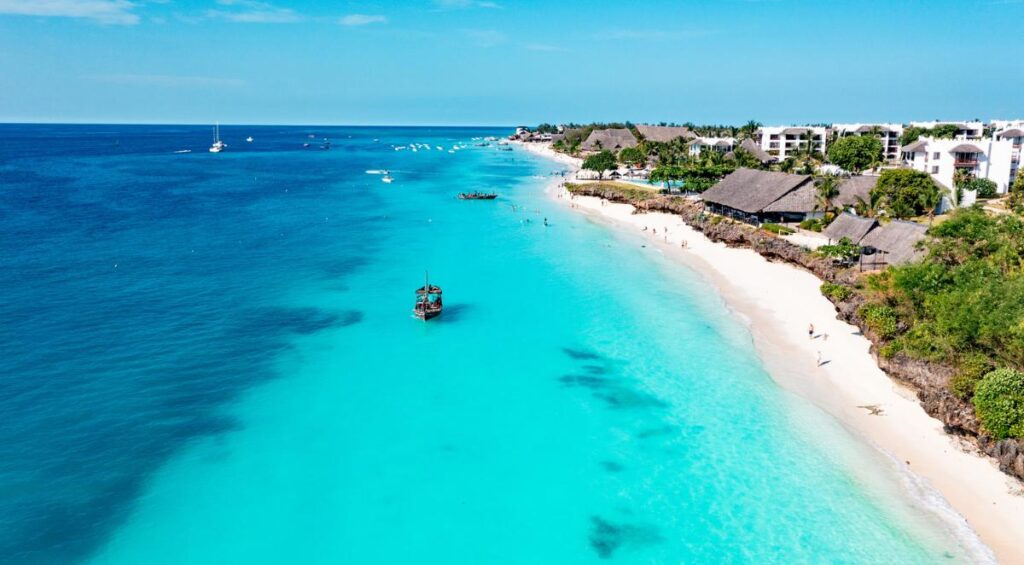
Zanzibar is famous for its beaches, and the island offers a remarkable variety of coastal landscapes. On the north coast, Nungwi and Kendwa are known for broad sandy beaches, warm water and spectacular sunsets, while the northeast coast around Matemwe and Kiwengwa combines long stretches of sand with coral reefs and resort properties.
The southeast coast has a different personality. Paje and Jambiani are influenced strongly by the tides, with the exposed reef and shallow lagoon creating a constantly changing coastal landscape. At low tide, local seaweed farmers work in the shallows while fishing boats sit farther out beyond the reef.
The Zanzibar Commission for Tourism highlights the island’s warm tropical waters, clear seas, coral reefs and marine biodiversity as some of the destination’s defining attractions.
QUICK ANSWER | Which are the best beaches in Zanzibar?
The best beach depends on the type of Zanzibar holiday you want. Nungwi and Kendwa are strong choices for swimming, sunsets and lively beach resorts. Matemwe and Kiwengwa suit travellers looking for a quieter northern or northeastern coast. Paje and Jambiani are particularly popular for kitesurfing, long beach walks and a more relaxed southeast-coast atmosphere.
Stone Town
Stone Town is the historic heart of Zanzibar and the cultural centrepiece of any Zanzibar itinerary. Walking through its narrow streets is less about reaching a particular attraction and more about experiencing the town itself: carved wooden doors, coral-stone buildings, small courtyards, market stalls, mosques, old merchant houses and the smell of spices and grilled seafood.
UNESCO describes Stone Town as an outstanding example of a Swahili trading town whose architecture reflects African, Arab, Indian and European influences accumulated through centuries of Indian Ocean trade. The historic town retains much of its traditional urban fabric, including narrow streets, Swahili courtyard houses, Indian shopfronts and large seafront mansions.
The major sights include the Old Fort, House of Wonders, Palace Museum, Darajani Market, Forodhani Gardens and the former slave market and Anglican cathedral complex. A Stone Town walking tour can be arranged as a half-day experience, although we prefer giving guests enough time to explore without rushing between monuments.
QUICK ANSWER | Why is Stone Town important?
Stone Town is important because it preserves an exceptional example of a Swahili coastal trading town shaped by centuries of interaction between Africa, Arabia, India and Europe. It was inscribed as a UNESCO World Heritage Site in 2000 and also carries major historical significance because Zanzibar was one of the principal slave-trading ports in East Africa.
The History of Zanzibar
Zanzibar’s history is inseparable from the Indian Ocean. For centuries, the islands sat at the centre of maritime trade linking the East African coast with Arabia, Persia, India and beyond. That history is visible in Stone Town’s architecture, cuisine, language, religion, markets and carved doors.
The influence is particularly obvious in Zanzibar food. Coconut, cloves, cinnamon, cardamom, ginger and other spices appear alongside seafood, rice and traditional Swahili dishes. The result is a cuisine that feels distinctly East African while carrying unmistakable influences from across the Indian Ocean.
Zanzibar also has a difficult history connected to slavery. Stone Town was one of the major slave-trading ports in East Africa, and the former slave market site is an important part of understanding the island’s past. UNESCO specifically identifies Zanzibar’s role in the suppression of slavery as part of Stone Town’s outstanding universal value.
We recommend approaching this part of Zanzibar’s history with time and respect. It is not simply another sightseeing stop. For many travellers, understanding this history makes the rest of Stone Town and the wider island considerably more meaningful.
Things to Do in Zanzibar
Stone Town Walking Tour
A Stone Town walking tour is the natural starting point for a Zanzibar holiday. The best way to experience Stone Town is on foot, moving slowly through the narrow streets and stopping at historic buildings, markets, courtyards, mosques and seafront viewpoints.
The tour can include the Old Fort, House of Wonders, Palace Museum, Darajani Market, Forodhani Gardens and the former slave market area. Zanzibar’s tourism authority specifically promotes culture and heritage tours through Stone Town, highlighting the area’s African, Arab, Indian and European influences.
Spice Farm Tour
Zanzibar is often called the Spice Island, and a spice farm tour explains why. Cloves, cinnamon, vanilla, nutmeg, ginger, cardamom and other crops have played an important role in the island’s economy and identity.
A guided Zanzibar spice farm tour is much more than walking through rows of plants. Guests can smell and taste fresh spices, learn how different crops are cultivated and discover the traditional culinary and medicinal uses of plants grown on the island. The official Zanzibar tourism authority lists Kizimbani Spice Farm among its attractions and highlights cinnamon, cloves, vanilla, nutmeg, ginger and cardamom among the spices visitors can encounter.
Some spice farm excursions can also be combined with visits to historic sites such as Kidichi Persian Baths, Maruhubi Palace Ruins or Darajani Market.
Jozani Forest
Jozani Forest is the best-known wildlife and nature experience on Unguja. The forest provides an opportunity to see the Zanzibar red colobus monkey, one of the island’s most distinctive endemic animals, while also experiencing a completely different landscape from Zanzibar’s beaches.
The forest is especially valuable for travellers who want to add wildlife to a Zanzibar beach holiday without returning to mainland Tanzania for another safari. A guided walk through Jozani introduces visitors to the forest’s plants, birds and smaller wildlife while explaining the importance of habitat conservation on the island.
QUICK ANSWER | What animals can you see in Jozani Forest?
Jozani Forest is best known for the Zanzibar red colobus monkey, an endemic species associated with Unguja. Visitors may also encounter other forest wildlife and a variety of bird species during guided walks. Zanzibar’s official tourism authority lists Jozani Forest Reserve among the island’s principal nature attractions.
Snorkelling
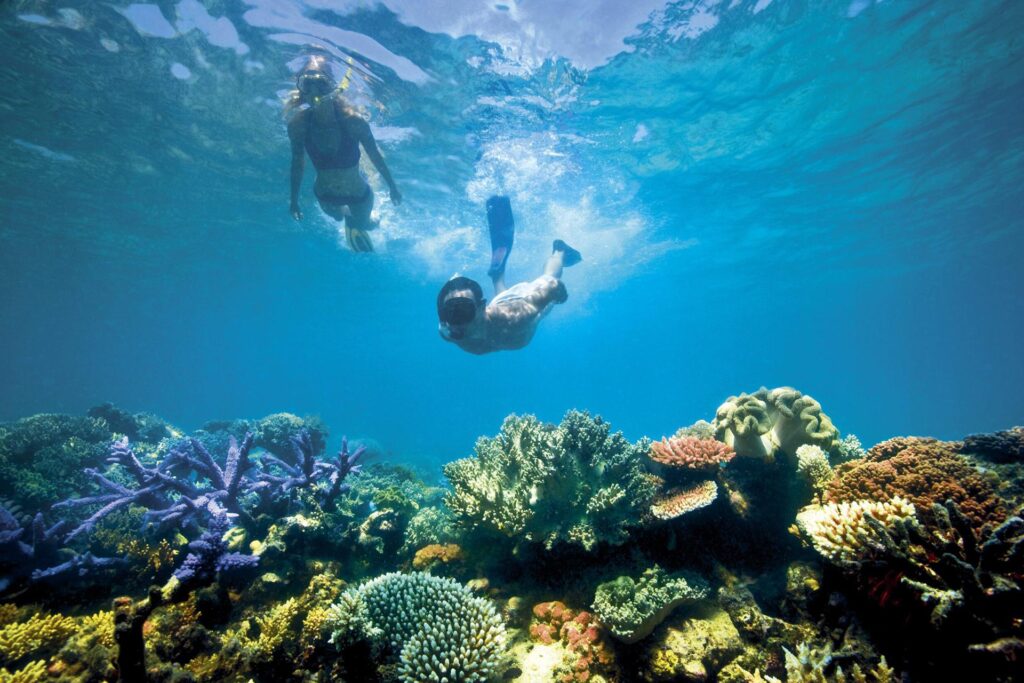
Zanzibar’s coral reefs are one of the main reasons travellers come to the island. Snorkelling trips take guests into shallow tropical waters where coral gardens support colourful reef fish and other marine life.
Mnemba Island is particularly well known for its marine environment, while other reefs around Zanzibar offer opportunities for half-day and full-day snorkelling excursions. The exact experience depends on tides, weather, sea conditions and the reef visited.
The official Zanzibar tourism authority describes the archipelago as a destination with clear warm waters, coral reefs and rich marine diversity, making snorkelling one of the island’s signature activities.
Scuba Diving
Zanzibar is also an established diving destination, with reefs, drop-offs and marine habitats supporting a variety of tropical species. Diving is available at several locations around Unguja and nearby islands, with visibility varying according to season and local sea conditions.
For experienced divers, a Zanzibar diving holiday can be structured around multiple dive sites rather than treated as a single excursion. For first-time divers, introductory and beginner experiences are also available through licensed operators.
Dolphin Experiences
Dolphin excursions are offered in several parts of Zanzibar, with Kizimkazi being one of the locations most commonly associated with dolphin trips. These excursions are highly dependent on the behaviour of wild dolphins and sea conditions.
We recommend choosing operators that follow responsible wildlife-viewing practices, maintain a respectful distance and avoid chasing or crowding animals. A good dolphin experience should prioritize the welfare of the animals rather than guaranteeing a close encounter.
Dhow Cruises
The traditional dhow is one of the visual symbols of the Zanzibar coast. A dhow cruise combines sailing, Indian Ocean scenery and the changing light of the coast, making it particularly popular around sunset.
Sunset dhow cruises can be arranged from several coastal areas, while longer sailing trips can incorporate snorkelling, swimming or visits to sandbanks and smaller islands depending on weather and tides.
Forodhani Gardens and Zanzibar Food
Forodhani Gardens comes alive in the evening when food vendors set up along the Stone Town waterfront. It is one of the easiest places to experience Zanzibar’s street-food culture in one location.
Grilled seafood, octopus, cassava, sugar cane juice, samosas, Zanzibar pizza and other Swahili and Indian Ocean-inspired dishes are commonly associated with the evening food scene.
For visitors interested in food, we recommend combining a Stone Town walking tour with an evening at Forodhani Gardens rather than treating the food market as an isolated attraction. Zanzibar’s culinary identity makes much more sense after you have seen the markets and spice trade that shaped it. The Zanzibar Commission for Tourism also highlights local food, arts, crafts and cultural experiences as part of its heritage tourism offering.
Chumbe Island
Chumbe Island is one of Zanzibar’s strongest examples of conservation-focused tourism. Located off the coast of Zanzibar, the island is known for its protected marine environment, coral reefs, forest and sustainable tourism model.
Activities include snorkelling, guided forest walks and educational experiences focused on the island’s conservation work. Visitor numbers are limited, so advance arrangements are important.
The Zanzibar Commission for Tourism describes Chumbe Island as a protected marine park and forest reserve where tourism is closely connected to conservation and environmental education.
Expert Note
If conservation is important to you, Chumbe deserves more than a quick mention in an itinerary. It is one of the places where the marine environment itself becomes the focus of the experience rather than simply providing a backdrop for a beach holiday.
Pemba Island
Pemba lies north of Unguja and offers a quieter alternative to the more developed tourism areas of Zanzibar’s main island. It is known for lush landscapes, traditional communities, spice cultivation and marine experiences.
Travellers looking for a less conventional Zanzibar itinerary can combine Unguja with several nights on Pemba, particularly if they want a slower pace and fewer visitors.
The Zanzibar Commission for Tourism presents Pemba as a destination for travellers seeking beaches, forests, culture and a more authentic island experience.
Mnemba Island
Mnemba is a small private island off the northeast coast of Unguja and is particularly associated with luxury accommodation, clear water, snorkelling and diving.
For most travellers staying on Unguja, Mnemba is experienced as a day excursion rather than as an overnight destination. A typical trip can combine a boat transfer, snorkelling and time around the surrounding marine environment.
The waters around Mnemba are one of the reasons Zanzibar is so strongly associated with marine tourism, although conditions vary with tides, wind and season.
Kite Surfing in Zanzibar
The southeast coast around Paje has become one of Zanzibar’s best-known locations for kitesurfing. Consistent winds, shallow water and long stretches of beach create conditions that appeal to both beginners and experienced riders.
Even travellers who do not kite surf can enjoy the atmosphere around Paje, where the beach is closely connected to local fishing communities, water sports and the changing rhythm of the tides.
Beach Walks and Tidal Flats
One of the most distinctive experiences on Zanzibar’s southeast coast is watching the tide move across the reef. At low tide, large areas of shallow water are exposed, revealing seaweed farms, small pools, coral formations and local fishing activity.
Walking along the beach at this time offers a completely different view of Zanzibar from the classic postcard image of a swimmer standing in turquoise water.
Wildlife and Marine Life of Zanzibar
Zanzibar’s wildlife experience is different from a mainland Tanzania safari. You do not come to Zanzibar expecting lions, elephants or large plains-game herds. Instead, the island’s wildlife is concentrated in forests, wetlands, coastal habitats and coral reefs.
The Zanzibar red colobus is the signature terrestrial species, while the surrounding Indian Ocean supports reef fish, sea turtles, dolphins and other marine species.
The marine environment is particularly important. Coral reefs around Zanzibar provide habitat for a wide variety of tropical fish and other organisms, making snorkelling and diving central to the island’s tourism economy. The official tourism authority specifically identifies coral reefs and marine biodiversity as major reasons to visit Zanzibar.
Expert Note
We tell safari guests not to think of Zanzibar as the final game-drive destination. It is the contrast that makes it work. After wildlife-rich days on the mainland, Zanzibar changes the scale completely: reef fish instead of buffalo, dhow sails instead of safari vehicles and Indian Ocean sunsets instead of savannah horizons.
Zanzibar Beaches vs Stone Town
The decision between staying on the beach and staying in Stone Town is one of the most important choices when planning a Zanzibar holiday.
Stone Town is best for history, architecture, food, markets and cultural experiences. The beach resorts are better for swimming, relaxation, water sports and uninterrupted time beside the ocean.
For most first-time visitors, we recommend combining both. Two nights in Stone Town followed by three or four nights on the coast gives travellers enough time to experience Zanzibar’s history without sacrificing the beach experience that brought them to the island in the first place.
Climate and Weather in Zanzibar
Zanzibar has a warm tropical climate throughout the year, with temperatures influenced by the surrounding Indian Ocean and seasonal monsoon winds. The island experiences two main dry periods and two rainy periods.
The long rains generally occur from March to May, while the short rains occur later in the year. June to October is generally one of the most popular periods for visiting Zanzibar, with drier weather and favourable conditions for beach activities, diving and exploring Stone Town. January and February are also generally warm and relatively dry. The Zanzibar Commission for Tourism highlights seasonal differences in diving conditions, cultural exploration and spice-farm visits.
The sea remains warm enough for swimming for much of the year, making Zanzibar a year-round beach destination, although rainfall, winds and sea conditions can affect particular activities.
QUICK ANSWER | What is the climate like in Zanzibar?
Zanzibar has a warm tropical climate with relatively high temperatures throughout the year. The long rains generally occur from March to May, while another wetter period occurs later in the year. June to October is one of the most popular periods for a Zanzibar holiday because of generally drier conditions, while January and February are also warm and comparatively dry.
Best Time to Visit Zanzibar
June through October is one of the most popular periods for a Zanzibar holiday. The weather is generally drier, temperatures are comfortable and conditions are well suited to beach time, Stone Town tours, snorkelling and diving.
January and February are also good months for travellers looking for hot beach weather. The island is warm and swimming conditions are generally excellent.
March through May corresponds with the long rains. This is a quieter period, with greener landscapes and potentially lower accommodation prices, but rainfall can disrupt beach days and some excursions.
November and December bring the shorter rains. Rainfall can be unpredictable, but showers are often interspersed with sunny periods and the island becomes green again.
QUICK ANSWER | What is the best time to visit Zanzibar?
For the best combination of dry weather and beach activities, June to October is a strong choice. January and February are also popular for warm, sunny beach conditions. March to May is the main rainy period, while November and December can bring shorter rains and quieter travel conditions.
How Many Days Do You Need in Zanzibar?
Three nights is enough for a short Zanzibar escape, particularly if the priority is the beach and a single Stone Town or spice-farm excursion.
Five nights is our usual recommendation for a first Zanzibar holiday. This gives you time for Stone Town, a spice farm, Jozani Forest and several relaxed beach days without making every day an excursion.
Seven nights allows a much more balanced Zanzibar experience. You can combine Stone Town, the beach, marine activities, Jozani Forest and a spice farm without constantly moving between hotels.
Eight to ten nights suits travellers who want to slow down further or add Pemba, Chumbe Island, a diving program or a longer beach stay.
QUICK ANSWER | How many days do you need in Zanzibar?
Five nights is a good starting point for a first Zanzibar holiday, allowing time for Stone Town, a spice farm, a nature experience and several beach days. Seven nights or more is better for travellers who want to combine several excursions with a relaxed coastal stay.
How to Get to Zanzibar
By Air
Most international visitors arrive at Abeid Amani Karume International Airport near Zanzibar City. Direct and connecting flights link Zanzibar with several African, Middle Eastern and international destinations.
For travellers finishing a safari on mainland Tanzania, flying from Arusha, Kilimanjaro or Dar es Salaam can be considerably more convenient than returning to Nairobi or another international gateway first.
By Ferry
The ferry between Dar es Salaam and Zanzibar is another major connection, particularly for travellers already staying in Dar es Salaam.
The ferry arrives in Stone Town, which makes it particularly convenient for travellers beginning their Zanzibar stay with several nights in the historic centre.
Road Transfers Around Zanzibar
Once on the island, private vehicle transfers are the simplest option for moving between the airport, Stone Town and the coastal resorts. Travel times vary significantly depending on where you are staying and traffic around Zanzibar City.
For a multi-stop Zanzibar itinerary, we normally arrange private transfers so guests do not have to negotiate transport between each hotel and excursion independently.
Road or Fly? How to Decide
If Zanzibar is part of a longer Tanzania safari, flying is generally the most efficient option. A direct flight from the mainland can turn a long transfer day into a relatively short journey.
If you are already staying in Dar es Salaam, the ferry can be a practical alternative, especially if you want to arrive directly into Stone Town.
For travellers coming from Kenya, flying is normally the simplest way to connect a Kenya safari with Zanzibar.
Zanzibar Entry Requirements and Travel Planning
International visitors should check current Tanzania and Zanzibar entry requirements before travelling because visa, passport and health requirements can change according to nationality and travel circumstances.
Travel insurance is strongly recommended, particularly for travellers planning diving, water sports or multiple excursions.
For beach holidays, lightweight clothing, swimwear, sun protection and comfortable walking shoes are essential. A light cover-up is useful for visiting Stone Town and other culturally important areas, where modest dress is more appropriate than beachwear.
Zanzibar Safari and Beach Packages
One of the strongest ways to experience Zanzibar is as the beach extension of a mainland safari.
A typical Tanzania safari and Zanzibar itinerary might begin in Arusha before travelling through Tarangire, Ngorongoro and Serengeti. After the safari, guests fly to Zanzibar for several nights of Stone Town and beach relaxation.
Another option is a Kenya safari followed by Zanzibar, combining destinations such as Masai Mara, Amboseli or Samburu with a tropical Indian Ocean finish.
For travellers who do not want another game-drive destination, Zanzibar works equally well as a standalone holiday focused on beaches, culture, food, history and marine activities.
Zanzibar Honeymoon
Zanzibar is particularly well suited to honeymoon travel because the island allows couples to combine privacy and relaxation with genuine cultural experiences.
A honeymoon can begin with two nights in Stone Town before moving to a quieter beach property in Matemwe, Kendwa, Nungwi, Paje or another coastal area.
Private dinners, sunset dhow cruises, snorkelling trips, spa treatments and long beach days can then be mixed with excursions rather than filling every day with activities.
We generally recommend leaving at least one completely free day in the itinerary. Zanzibar is one of those destinations where doing nothing for an afternoon can be part of the experience.
Zanzibar for Families
Zanzibar also works well for families, particularly when accommodation is selected carefully around beach conditions, room configurations and access to activities.
Families can combine beach time with a spice farm, Jozani Forest, Stone Town and shorter marine excursions. Older children and teenagers may particularly enjoy snorkelling, diving, dhow sailing and other water activities.
For families, we recommend choosing the coast according to the children’s ages and the type of swimming or water sports they want rather than selecting a hotel based only on photographs.
Accommodation in Zanzibar
Accommodation in Zanzibar ranges from simple guesthouses and boutique Stone Town hotels to large beach resorts, private villas and high-end island properties.
Stone Town accommodation is best suited to travellers who want immediate access to historic streets, restaurants, markets and cultural attractions.
Beach resorts are better for travellers who want swimming, relaxation, water sports and resort facilities.
The right coast depends on the experience you want. Nungwi and Kendwa are popular for beach life and sunsets, Matemwe offers a quieter northeast-coast setting, while Paje and Jambiani provide a different southeast-coast atmosphere shaped strongly by tides and water sports.
Zanzibar vs Mombasa
Zanzibar and Mombasa both offer Swahili culture, Indian Ocean beaches and historic coastal towns, but the experiences are different.
Mombasa works well as part of a Kenya itinerary and offers attractions such as Fort Jesus, Diani and the wider Kenyan coast.
Zanzibar offers a stronger island-holiday identity, with Stone Town, spice farms, coral reefs and the history of the Zanzibar Sultanate concentrated within one destination.
For travellers already doing a Kenya safari, Zanzibar can therefore provide a distinctly different final chapter rather than simply extending the same coastal experience.
Zanzibar vs Seychelles
Seychelles is famous for dramatic granite islands, exceptionally scenic beaches and a more isolated island atmosphere.
Zanzibar offers a deeper cultural and historical experience, particularly through Stone Town, spice farms and Swahili coastal traditions.
If your priority is pure beach scenery and secluded island landscapes, Seychelles may be the stronger choice. If you want beaches combined with history, food, culture and mainland African safari connections, Zanzibar has a major advantage.
Zanzibar vs Mauritius
Mauritius offers a highly developed resort environment, volcanic landscapes and a broad range of activities.
Zanzibar is more strongly connected to Swahili culture, Indian Ocean trading history and traditional coastal life. The island also pairs naturally with Tanzania safaris.
The choice depends on whether you want a resort-oriented Indian Ocean holiday or a destination where culture and history are as important as the beach.
Responsible Tourism in Zanzibar
Zanzibar’s appeal depends heavily on its coastal environment, reefs, forests and communities, which makes responsible tourism particularly important.
Choose accommodation and tour operators that take waste management, water use and marine conservation seriously. Avoid touching coral while snorkelling, do not collect shells or marine life and follow local guidance around protected areas.
When visiting villages, markets or cultural sites, ask before photographing people. Dress respectfully away from the beach, particularly when entering Stone Town’s religious and residential areas.
Marine activities should be conducted with operators who understand tides, reef conditions and responsible wildlife interaction.
Chumbe Island provides one example of conservation-led tourism in Zanzibar, with protected marine and forest environments and visitor practices designed around environmental protection.
Expert Note
The easiest way to travel responsibly in Zanzibar is to remember that the island is not simply a resort. People live and work around the beaches, fishing grounds, markets, farms and historic streets that visitors come to experience. Respecting that living environment makes the holiday better, not less enjoyable.
Zanzibar Travel Tips
Carry cash for smaller purchases, local markets and some excursions, although many established hotels and businesses accept cards.
Bring reef-safe sun protection where appropriate and avoid standing on coral while snorkelling.
Dress modestly when visiting Stone Town, villages and religious sites.
Allow additional time for road transfers because traffic around Zanzibar City can affect journey times.
Book popular marine excursions and specialist activities in advance, especially during the busiest travel periods.
If you are combining Zanzibar with a mainland safari, plan your flights carefully so that delays do not create a difficult international connection.
Zanzibar is a relaxed destination, but tides matter. Beach conditions can look dramatically different between high and low tide, particularly along the east and southeast coasts.
Why Visit Zanzibar?
Zanzibar offers something few destinations can match: the ability to move between history, culture, nature and beach life without changing countries.
One morning can begin in the narrow streets of Stone Town, a UNESCO World Heritage Site shaped by centuries of Indian Ocean trade. The afternoon can take you into a spice farm where cloves, cinnamon and vanilla grow, followed the next day by snorkelling over coral reefs or sailing into an Indian Ocean sunset.
The island also works exceptionally well as part of a wider East African journey. A Tanzania safari followed by Zanzibar gives travellers the drama of the Serengeti and Ngorongoro followed by days of warm water and beaches. A Kenya safari followed by Zanzibar creates an equally strong combination of wildlife and Indian Ocean culture.
For honeymooners, families, couples, divers, history enthusiasts and travellers simply looking for a few days beside the sea, Zanzibar can be built around very different priorities.
Zanzibar Travel Cost
The cost of a Zanzibar holiday varies considerably depending on accommodation level, season, room type, transfers and activities.
Budget Zanzibar holidays can be built around guesthouses and simpler beach accommodation, while mid-range Zanzibar holidays generally combine comfortable hotels or resorts with private transfers and selected excursions.
Luxury Zanzibar holidays can include high-end beach resorts, private villas, boutique Stone Town properties, private boat trips and exclusive experiences. Peak-season accommodation can be substantially more expensive than travel during quieter periods.
The biggest factors in the final Zanzibar holiday cost are normally accommodation, the length of stay, transfers, meal arrangements and the number of private excursions included.
Expert Note
If you are combining Zanzibar with a safari, tell us the overall budget rather than only the Zanzibar budget. We can then decide where to spend more: luxury accommodation on the beach, a better safari camp, private excursions or additional nights. That usually produces a stronger trip than upgrading every component independently.
Zanzibar Holiday Packages
We build Zanzibar holidays in several ways: as a standalone beach holiday, as a Tanzania safari and Zanzibar combination, as a Kenya safari and Zanzibar extension, or as a longer Indian Ocean itinerary incorporating Pemba or Chumbe Island.
A typical first-time Zanzibar package might include two nights in Stone Town followed by three or four nights on the coast, with a spice farm, Jozani Forest and one marine excursion included.
A honeymoon package can place greater emphasis on private transfers, beach accommodation, sunset dhow cruises and unstructured time.
A diving-focused Zanzibar package can be organized around the coast and marine areas that best match the diver’s experience and travel dates.
We tailor the Zanzibar itinerary around the traveller rather than simply adding the same excursions to every package.
Plan Your Zanzibar Holiday
From the historic streets of Stone Town to the spice plantations inland and the coral reefs beyond the beaches, Zanzibar is much more than a place to finish a safari.
The strongest Zanzibar itineraries give the island enough time to reveal its different sides. Spend time in Stone Town. Walk through a spice farm. Visit Jozani Forest. Get into the Indian Ocean. Eat local food. Watch the tide move across the reef. Sail on a dhow at sunset. Then leave at least one day completely empty.
That combination is what makes Zanzibar work.
For travellers coming from a Tanzania or Kenya safari, Zanzibar is not simply an extra destination added at the end of the itinerary. It changes the pace of the journey completely.
Zanzibar is where the safari dust ends, the Indian Ocean begins and the trip slows down.
Zanzibar combines pristine white beaches, world-class diving, rich Swahili heritage, UNESCO-listed architecture, spice plantations and luxury Indian Ocean resorts into one unforgettable destination. It is one of Africa's most sought-after beach extensions after a Kenyan or Tanzanian safari.
Located on the northern tip of Zanzibar, Nungwi Beach is widely regarded as the island's most famous beach and one of the…
Just south of Nungwi lies Kendwa Beach, a stunning stretch of coastline renowned for its calm waters and breathtaking sunsets over the…
The historic heart of Zanzibar, Stone Town is one of Africa's most important cultural and historical destinations. This UNESCO World Heritage Site…
Zanzibar earned its reputation as the "Spice Island" through centuries of producing cloves, cinnamon, nutmeg, vanilla, cardamom and black pepper. A visit…
Off the northeastern coast of Zanzibar lies Mnemba Atoll, considered one of the best snorkeling and diving destinations in East Africa. The…
Located a short boat ride from Stone Town, Prison Island is one of Zanzibar's most visited excursions. Despite its name, the island…
Situated on Zanzibar's southeast coast, Paje Beach has become one of Africa's premier kitesurfing destinations. Consistent trade winds, shallow lagoons and warm…
The fishing village of Kizimkazi is famous for dolphin excursions that provide opportunities to encounter bottlenose and humpback dolphins in their natural…


From value camps to premium lodges — we match every stay to your style and budget.
Comfortable tented camps just outside the reserve gates. En-suite rooms with hot showers, full-board meals, and close proximity to the Mara.
Spacious canvas tents on raised platforms with private decks, often inside or adjacent to conservancies. Better access and fewer crowds.
World-class lodges and exclusive camps in private conservancies. Night drives, bush walks, spa, and personalized service — the ultimate safari experience.
Every season has its magic — here's what to expect when, so you can travel at your perfect time.
Zanzibar earned the nickname "Land of Spices" or "Spice Island" because it was historically one of the world's leading producers of cloves and an important exporter of cinnamon, nutmeg, vanilla, cardamom and black pepper. During the 19th century, the islands became the center of the global clove trade under the Sultanate of Oman. Today, spice farming remains an important part of the local economy and culture and spice tours are among the island's most popular visitor experiences.
The best time to visit Zanzibar is during the dry seasons from June to October and from December to February. These months offer sunny weather, low humidity, calm seas and excellent conditions for beach holidays, diving, snorkeling and water sports. June to October is considered the peak tourism season, while April and May experience the heaviest rainfall and lower visitor numbers.
Most travelers spend between four and seven nights in Zanzibar to fully enjoy its beaches, historical attractions, marine activities and cultural experiences. Visitors combining Zanzibar with a Kenya or Tanzania safari typically spend three to five nights on the island, while honeymooners and beach holiday travelers often stay for a week or longer.
Yes. Zanzibar is widely regarded as East Africa's premier safari-and-beach combination destination. Many visitors travel to Zanzibar after exploring destinations such as the Maasai Mara, Serengeti, Ngorongoro Crater, Tarangire or Amboseli. The island provides the perfect opportunity to relax on tropical beaches after several days of game drives and wildlife viewing.
Since Zanzibar is part of Tanzania, visitors must comply with Tanzanian immigration requirements. Many nationalities can obtain a Tanzanian tourist visa upon arrival or apply online before travel. Travelers should also verify current entry requirements, passport validity rules and any mandatory travel insurance requirements before departure.
Zanzibar is generally considered one of the safest tourist destinations in East Africa. Major tourism areas such as Stone Town, Nungwi, Kendwa, Paje and Jambiani are well-developed and receive visitors from around the world throughout the year. Standard travel precautions are recommended, including safeguarding valuables, avoiding isolated areas late at night and respecting local customs and dress codes in villages and towns.
The official currency is the Tanzanian Shilling (TZS). However, US Dollars are widely accepted by hotels, tour operators and many tourism businesses, particularly for accommodation and excursions. Small shops, markets, local restaurants and public transport providers usually prefer payment in Tanzanian Shillings. Credit cards are accepted at many hotels and resorts, although additional transaction fees may apply.
Zanzibar offers a wide variety of activities including snorkeling, scuba diving, dolphin tours, sunset dhow cruises, spice plantation visits, kitesurfing, fishing trips, cultural tours and historical walks through Stone Town. Visitors can also explore coral reefs, enjoy luxury spa experiences, visit giant tortoises on Prison Island or simply relax on some of Africa's finest beaches.
Yes. Zanzibar is an excellent destination for families due to its safe beaches, warm climate, family-friendly resorts and wide range of activities suitable for all ages. Children particularly enjoy snorkeling, boat excursions, wildlife encounters and visits to spice farms and giant tortoise sanctuaries.
Zanzibar consistently ranks among Africa's leading honeymoon destinations thanks to its luxury beachfront resorts, private villas, romantic dhow cruises, candlelit beach dinners and spectacular sunsets. Many resorts offer honeymoon packages that include spa treatments, private excursions and exclusive dining experiences.
Tap water in Zanzibar is not considered safe for drinking by international visitors. Travelers are advised to drink bottled, filtered or purified water throughout their stay. Most hotels and resorts provide bottled water daily and refill stations are becoming increasingly common as part of sustainable tourism initiatives.
While beachwear is perfectly acceptable at resorts and beaches, Zanzibar has a predominantly Muslim population and visitors are encouraged to dress modestly when visiting villages, Stone Town, markets and cultural sites. Lightweight clothing that covers shoulders and knees is recommended outside resort areas, particularly when visiting religious or historical attractions.
Inside the Masai Mara career of a Kenya Utalii College graduate who tracks big cats for a living…
Read more →
A dozen private conservancies and conservation areas border the Masai Mara National Reserve, and no two of them…
Read more →
We compare Kenya safari road vs fly-in costs mile for mile, so you know exactly when the extra…
Read more →Tell us what you’d love to see and a local specialist will design a tailor-made itinerary around you — no obligation, reply within 24 hours.