

Women Only Safari Kenya
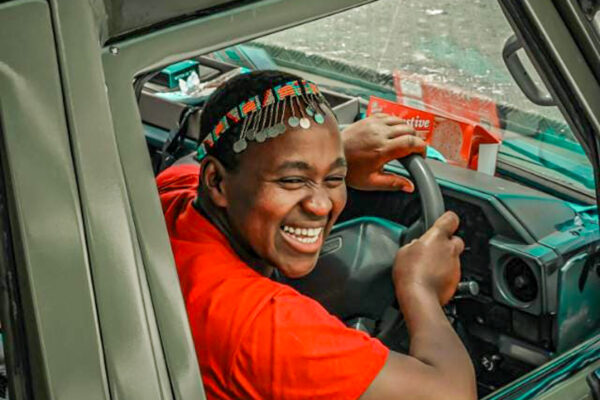
Magdaline Muindi: The Female Safari Guide the Rongai Pride Knows by Name
Inside the Masai Mara career of a Kenya Utalii College graduate who tracks big cats for a living…
Read more →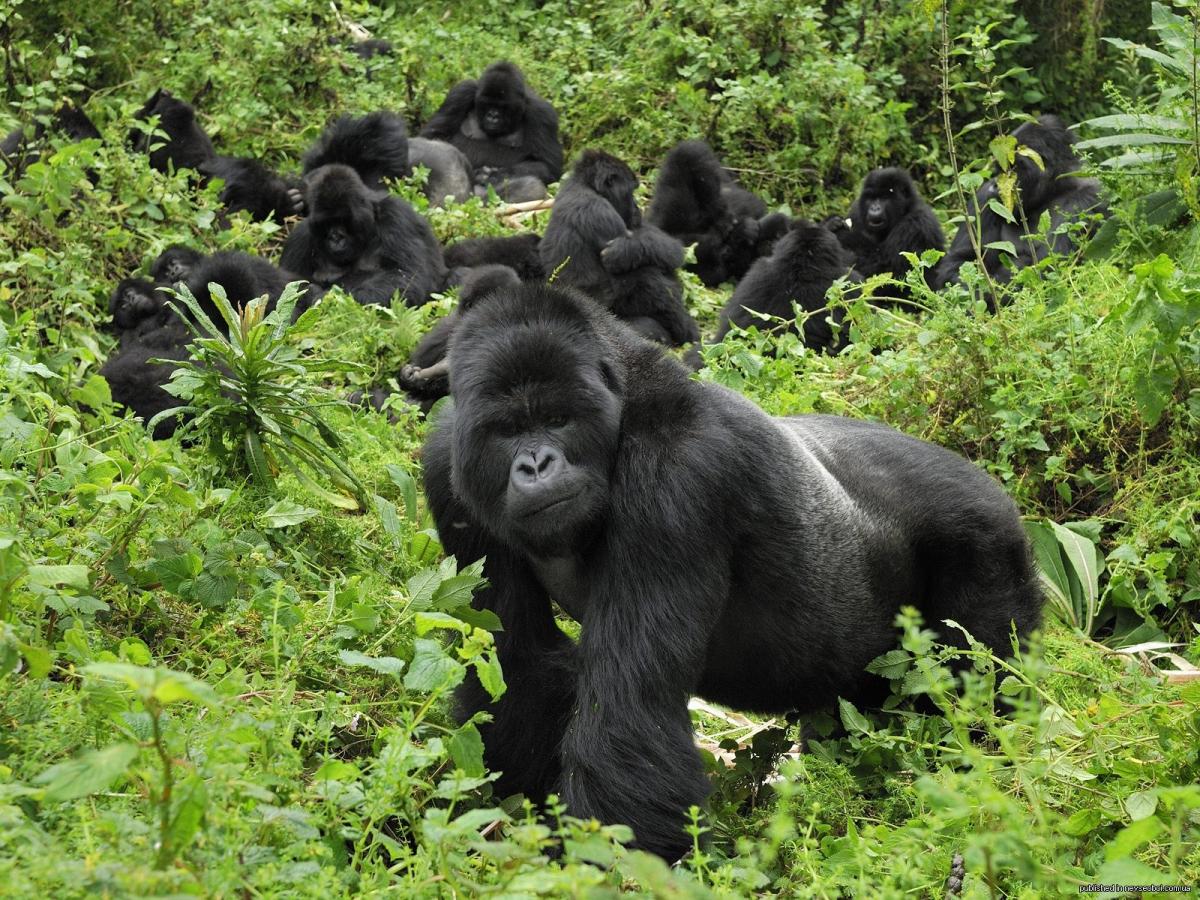
Discover luxury Rwanda gorilla safari packages, Volcanoes National Park mountain gorilla trekking, and custom luxury itineraries.
Rwanda, affectionately known as the “Land of a Thousand Hills,” is one of Africa’s most remarkable travel destinations, combining extraordinary wildlife experiences, breathtaking mountain scenery, vibrant culture and world-leading conservation initiatives within one of the continent’s safest and cleanest countries. Despite being one of Africa’s smallest nations, Rwanda offers an exceptional diversity of landscapes and experiences that rival destinations many times its size.
Located in the heart of East and Central Africa, Rwanda covers approximately 26,338 square kilometres and shares borders with Uganda, Tanzania, Burundi and the Democratic Republic of Congo. The country’s mountainous terrain dominates much of the landscape, creating spectacular rolling hills, fertile valleys, volcanic peaks, tropical forests and scenic lakes that have earned Rwanda international recognition for its natural beauty.
Rwanda’s global reputation is built upon one of the most extraordinary wildlife experiences on Earth — mountain gorilla trekking. The forests of Volcanoes National Park protect one of the world’s last remaining populations of endangered mountain gorillas. Trekking through bamboo forests and volcanic slopes to spend an hour observing a habituated gorilla family in the wild is widely regarded as one of the most powerful wildlife encounters available anywhere in the world.
The park forms part of the greater Virunga Massif, a chain of volcanic mountains shared between Rwanda, Uganda, and the Democratic Republic of Congo. Towering volcanoes including Mount Karisimbi, Mount Bisoke, and Mount Sabyinyo dominate the landscape and provide outstanding opportunities for hiking, mountaineering, and photography. The region is also home to endangered golden monkeys, another unique primate species found only within the Albertine Rift.
Beyond gorilla trekking, Rwanda offers exceptional primate experiences in the ancient rainforests of Nyungwe National Park, one of Africa’s oldest and most biologically diverse montane forests. The park supports thirteen primate species including chimpanzees, colobus monkeys, owl-faced monkeys and L’Hoest’s monkeys. Nyungwe is also famous for its spectacular canopy walkway suspended above the forest floor, providing visitors with breathtaking views of the rainforest ecosystem.
Rwanda has successfully re-established itself as an emerging Big Five safari destination through the remarkable restoration of Akagera National Park. Once heavily affected by human settlement and poaching pressures, Akagera has undergone one of Africa’s most successful conservation recoveries. Today the park hosts healthy populations of lions, rhinos, elephants, buffalo and leopards alongside giraffes, zebras, hippos, crocodiles, and numerous antelope species. Boat safaris on Lake Ihema provide an additional wildlife experience rarely found elsewhere in East Africa.
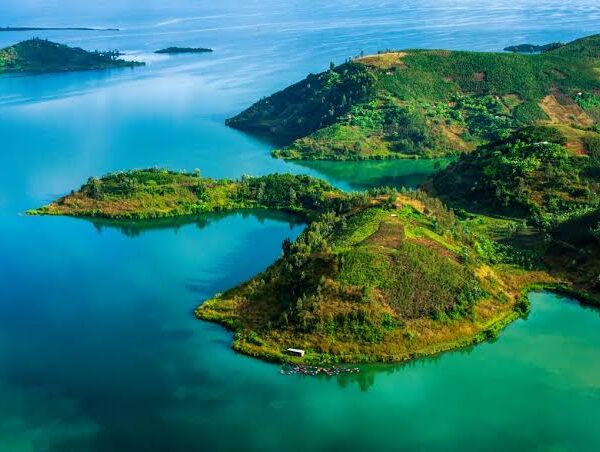
Western Rwanda is dominated by the shores of Lake Kivu, one of Africa’s Great Lakes and among the continent’s most beautiful freshwater destinations. The lake offers opportunities for kayaking, boat cruises, swimming, cycling, coffee tours and relaxation in charming lakeside towns such as Gisenyi, Kibuye, and Cyangugu. Many visitors combine gorilla trekking with a few days of relaxation along Lake Kivu’s scenic shoreline.
Kigali, Rwanda’s capital city, has earned international recognition as one of Africa’s cleanest, safest, and most organised cities. Modern infrastructure, excellent roads, efficient public services and a welcoming atmosphere make Kigali an ideal gateway for exploring the country. The city also offers important cultural and historical experiences, including visits to museums, art galleries, local markets and memorial sites that provide insight into Rwanda’s history and remarkable national recovery.
Culture plays a central role in Rwanda’s tourism experience. Traditional dance performances, village visits, coffee experiences, craft markets and community tourism projects provide opportunities to engage with local traditions and daily life. Rwanda’s people are renowned for their hospitality and pride in their country’s transformation and conservation achievements.
Rwanda is a global leader in sustainable tourism and conservation. Gorilla tourism revenues directly support wildlife protection, habitat restoration and local community development projects. The country’s strict environmental policies, including a nationwide ban on plastic bags, have helped establish Rwanda as one of the world’s leading examples of responsible tourism management.
The country’s climate is generally mild and pleasant throughout the year due to its high elevation. Daytime temperatures in Kigali average between 20°C and 27°C, while mountain regions are cooler, particularly during mornings and evenings. The dry seasons from June to September and December to February provide the best conditions for gorilla trekking and wildlife activities, although Rwanda remains a year-round destination.
Accessibility is another major advantage for travellers. Kigali International Airport serves as one of East Africa’s most efficient gateways, and Rwanda’s excellent road network allows visitors to reach most national parks within a few hours. Volcanoes National Park, the country’s flagship tourism destination, is located only about two and a half hours by road from Kigali.
One of Rwanda’s greatest strengths is its ability to combine multiple experiences within a relatively short itinerary. Visitors can trek mountain gorillas in the morning, enjoy a lakeside sunset on Lake Kivu the following day, and complete a Big Five safari in Akagera before returning home. Few destinations in Africa offer such diversity with so little travel time between attractions.
Whether travellers seek intimate encounters with endangered mountain gorillas, thrilling chimpanzee trekking adventures, Big Five safaris, volcanic hikes, cultural experiences or luxury eco-tourism, Rwanda delivers an experience that is both deeply personal and profoundly memorable.
For many visitors, Rwanda is more than a destination; it is an inspiring example of conservation success, resilience, and sustainable tourism that leaves a lasting impression long after the journey ends.
Rwanda is a small, mountainous country in East-Central Africa known for its mountain gorillas, volcanic landscapes, ancient forests, savannah wildlife and welcoming communities. Its principal wildlife destinations are Volcanoes National Park, Nyungwe National Park and Akagera National Park, while Kigali and Lake Kivu add cultural, historical and lakeside experiences to a wider Rwanda itinerary.
Location: East-Central Africa, bordered by Uganda, Tanzania, Burundi and the Democratic Republic of Congo
Capital: Kigali
Country size: Approximately 26,338 square kilometres
Known as: The Land of a Thousand Hills
Highest point: Mount Karisimbi, 4,507 metres
Main wildlife destinations: Volcanoes National Park, Nyungwe National Park and Akagera National Park
Signature experience: Mountain gorilla trekking
Other major experiences: Chimpanzee trekking, golden monkey trekking, Big Five game drives, canopy walks, boat safaris, hiking, birdwatching and cultural experiences
Major lake destination: Lake Kivu
Main gateway: Kigali International Airport
A Rwanda safari is different from the classic Kenya or Tanzania safari circuit. There is no single wildlife destination that defines the entire country. Instead, Rwanda safari experiences are spread across several distinct ecosystems.
In the northwest, Volcanoes National Park protects the Rwandan side of the Virunga Massif and provides the country’s most famous wildlife experience: mountain gorilla trekking. The park is also home to golden monkeys, forest birds and a range of montane habitats.
In the southwest, Nyungwe National Park protects one of Africa’s oldest rainforests, where chimpanzees, other primates, birds, orchids and butterflies live beneath an extraordinary canopy. The forest is also home to Rwanda’s famous canopy walkway.
In the east, Akagera National Park is Rwanda’s classic savannah safari destination. Its low-lying plains, wetlands, woodland and lakes support the Big Five, along with giraffe, zebra, antelope, hippo, crocodile and hundreds of bird species.
That combination makes Rwanda safari holidays particularly attractive to travellers who want variety without spending weeks moving between destinations.
Volcanoes National Park is the heart of Rwanda’s mountain gorilla experience. Located in the far northwest, the park protects the steep forested slopes of the Virunga Massif, a chain of dormant volcanoes that includes Karisimbi, Bisoke, Sabinyo, Gahinga and Muhabura.
The forest changes dramatically as you climb. Bamboo gives way to montane forest, open grassland, swamp and high-altitude heath, creating the kind of environment where the landscape can feel almost prehistoric.
But for most visitors, the reason for coming to Volcanoes National Park is the mountain gorilla.
Tracking a gorilla family through dense rainforest is one of Africa’s most intimate wildlife experiences. The terrain can be steep and muddy, and there is no guarantee of an easy walk, but the reward is extraordinary: sitting quietly in the forest while a gorilla family feeds, rests, plays or watches the trackers from the undergrowth.
Volcanoes National Park also offers golden monkey tracking, mountain hikes, cultural experiences and visits to sites associated with the history of gorilla conservation in Rwanda.
Volcanoes National Park is famous for its endangered mountain gorillas and its position within the Virunga Massif. It also offers golden monkey tracking, volcano hiking, birdwatching, cultural experiences and visits to attractions such as Musanze Caves and Buhanga Eco-Park.
Mountain gorilla trekking is the experience that has placed Rwanda on the international safari map.
The trek begins early in the morning, with visitors meeting their guides before entering the forest. The walking time varies according to where the gorilla family has moved, so a trek can range from a relatively manageable hike to several hours of demanding mountain walking.
The experience is strictly regulated. Rwanda currently lists the international visitor gorilla permit at USD 1,500 per person per day, with a minimum tracking age of 15. Special rates may apply to Rwandan and East African Community citizens and residents.
The permit is expensive compared with many conventional safari activities, but the money forms part of the conservation economy surrounding the gorillas and their habitat. Gorilla trekking should therefore be viewed not simply as an excursion but as a direct contribution to the continued protection of one of Africa’s most endangered great apes.
Do not schedule your international flight immediately after gorilla trekking. The trek can be physically demanding, weather conditions can change quickly and your return time is never completely predictable. We prefer to keep the afternoon free for lunch, rest and a relaxed evening in Musanze or at the lodge.
Golden monkey trekking is one of the best alternatives to gorilla trekking in Volcanoes National Park.
The golden monkey is an endangered primate found in the Virunga region, and tracking them usually involves walking through bamboo forest where the monkeys move rapidly through the vegetation.
Unlike gorilla trekking, golden monkey tracking often feels more energetic. The animals are smaller, faster and constantly moving, so the experience is particularly rewarding for photographers and travellers interested in primates.
A Rwanda safari that combines gorilla trekking and golden monkey tracking gives visitors two very different encounters within the same volcanic ecosystem.
The Virunga volcanoes dominate the northern Rwanda landscape and offer hiking experiences ranging from moderate excursions to serious high-altitude climbs.
Mount Bisoke is particularly popular because of its crater lake, while Mount Karisimbi, at 4,507 metres, is the highest of Rwanda’s volcanoes. Sabinyo, Gahinga and Muhabura offer additional hiking possibilities depending on current conditions and permits.
These hikes are not simply extensions of a game drive. They are mountain experiences requiring appropriate footwear, weather protection, stamina and a willingness to deal with changing conditions.
Musanze Caves are another attraction in northern Rwanda. The cave system was formed through volcanic activity and includes large chambers with dramatic rock formations.
A visit to the caves can be added before or after a gorilla trek and works particularly well for travellers who want to understand the volcanic geology behind the Virunga landscape.
Nyungwe National Park is the rainforest counterpart to Volcanoes National Park.
Located in southwestern Rwanda, Nyungwe protects an ancient mountainous rainforest recognised for exceptional biodiversity. The forest is home to chimpanzees, numerous other primates, birds, orchids and butterflies.
For travellers who think a Rwanda safari is only about gorillas, Nyungwe changes the picture completely.
The forest is dense, humid and atmospheric. Instead of scanning open plains for a distant lion or elephant, you spend your time listening for movement in the canopy, following chimpanzee calls and searching the vegetation for primates and forest birds.
Nyungwe is also home to approximately 13 primate species, making it one of the most important primate destinations in Rwanda.
Nyungwe National Park is best known for chimpanzees and its exceptional primate diversity, but visitors can also encounter forest birds, butterflies, orchids and other wildlife. The park also offers hiking trails and the famous Nyungwe Canopy Walkway.
Chimpanzee trekking is the main wildlife attraction in Nyungwe National Park.
Unlike gorilla trekking, chimpanzee tracking can involve considerable movement because chimpanzees travel through the forest canopy and across the forest floor. Their calls can carry a long distance through the trees, sometimes revealing their location before the trackers actually see them.
The experience is less predictable than a conventional game drive, but that uncertainty is part of the appeal.
For travellers interested in primates, a Rwanda safari combining gorillas in Volcanoes National Park with chimpanzees in Nyungwe provides an exceptional contrast between two different forest ecosystems.
The Nyungwe Canopy Walkway is one of the most memorable experiences in Rwanda.
The suspension bridge stretches approximately 160 metres and rises about 70 metres above the forest floor, providing an elevated view over the ancient rainforest. It is accessed as part of guided forest trails including the Igishigishigi Trail.
From above the canopy, the forest looks completely different. Mist moves between the hills, birds pass through the treetops and the scale of Nyungwe becomes easier to appreciate.
The current published international visitor cost is USD 40 per person, although rates should be confirmed when booking because tourism fees can change.
Nyungwe offers a network of forest trails ranging from shorter walks to demanding multi-hour or multi-day hikes.
The trails provide opportunities to search for primates, birds, butterflies and unusual forest plants while experiencing the rainforest at walking pace.
The forest paths can become muddy after rain, so proper walking shoes and lightweight rain protection are essential.
Rwanda is an excellent birding destination because its different elevations and habitats support an impressive variety of species.
Akagera’s wetlands and savannah attract waterbirds and raptors, while Nyungwe’s rainforest provides habitat for forest species and regional endemics. Volcanoes National Park adds high-altitude and montane species to the list.
Akagera alone has recorded close to 500 bird species, while Visit Rwanda highlights approximately 525 species across its broader safari information. The exact number depends on the classification and source used.
For serious birders, Rwanda can therefore be much more than a gorilla destination.
Akagera National Park is where Rwanda safari becomes a traditional African wildlife experience.
Located in eastern Rwanda close to the Tanzanian border, Akagera is characterised by savannah plains, woodland, wetlands and a chain of lakes. The park is considerably lower and warmer than the volcanic northwest and rainforest southwest.
Akagera is also Rwanda’s Big Five destination.
Lion, leopard, elephant, buffalo and rhinoceros are present, alongside giraffe, zebra, hippo, crocodile, topi, impala, waterbuck, eland and numerous other species.
The restoration of Akagera is one of Rwanda’s strongest conservation stories. Lions were reintroduced in 2015, eastern black rhinos in 2017 and, more recently, southern white rhinos were added to the park’s population in 2025.
Akagera National Park is home to the Big Five alongside giraffe, zebra, elephant, buffalo, hippo, crocodile, topi, waterbuck, eland, antelope and numerous smaller mammals. The park is also an important birding destination with almost 500 recorded bird species.
Morning and afternoon game drives are the backbone of an Akagera safari.
Early morning drives are particularly useful for cooler temperatures and active wildlife, while afternoon drives can continue toward sunset when the plains take on a completely different character.
Akagera’s open landscapes make wildlife easier to observe than in Rwanda’s forests, and a well-planned game drive can produce sightings of elephants, buffalo, giraffe, zebra, antelope and predators.
For visitors who have already completed a gorilla trek, Akagera provides an important change of pace: less climbing, more vehicle-based wildlife viewing and the possibility of seeing Rwanda’s Big Five.
A boat safari on Lake Ihema is one of the highlights of an Akagera National Park visit.
The lake supports large pods of hippos, Nile crocodiles and numerous waterbirds. The boat provides a different perspective from a game drive and allows visitors to get closer to the aquatic side of the Akagera ecosystem.
Late afternoon boat trips are particularly atmospheric as the light softens over the water and wildlife gathers around the shoreline.
Akagera also offers the opportunity to experience wildlife after dark.
A night drive changes the character of the safari completely. Bushbabies, nocturnal birds, genets and other night-active species become possibilities, while predators behave differently once the daytime heat disappears.
This is one reason we recommend at least two nights in Akagera for travellers who want a fuller Rwanda safari experience.
If Akagera is your only safari destination in Rwanda, give it enough time. A single game drive can introduce you to the park, but two or three nights allow you to combine morning and afternoon game drives with a Lake Ihema boat safari and, where available, a night experience.
Kigali is more than a transit point.
The capital is clean, green, organised and spread across a series of hills, making the city itself an introduction to the geography that defines Rwanda.
A Kigali city tour can include local markets, museums, art galleries, neighbourhoods, restaurants and important historical sites.
For most international visitors, the Kigali Genocide Memorial is an essential stop. It provides important context for understanding Rwanda’s recent history and the country’s subsequent reconstruction and development.
We recommend allowing at least one full day in Kigali at either the beginning or end of a Rwanda safari rather than treating the city as simply the airport transfer point.
The Kigali Genocide Memorial is one of Rwanda’s most significant historical sites.
A visit is emotionally demanding, but it provides essential context for understanding the country’s history, the 1994 genocide against the Tutsi and Rwanda’s long process of recovery and reconciliation.
We advise guests to approach the memorial respectfully and allow enough time afterwards rather than scheduling another major activity immediately afterward.
A Rwanda safari does not need to be limited to wildlife.
The country has a rich cultural heritage that can be experienced through traditional dance, local food, community visits, craft workshops, agricultural experiences and historical sites.
Near Volcanoes National Park, community-based experiences can be combined with gorilla or golden monkey trekking. Around Nyungwe, tea and coffee experiences provide insight into the agricultural economy surrounding the forest.
In Kigali and elsewhere, museums, markets and cultural centres provide opportunities to learn about Rwanda beyond the national parks.
Lake Kivu forms part of the Great Rift Valley and is one of Rwanda’s most attractive places to slow down after a busy safari.
The lake is dotted with islands and inlets, with destinations such as Gisenyi and Kibuye offering beaches, boat trips, kayaking, cycling and lakeside relaxation.
For a longer Rwanda safari itinerary, Lake Kivu works particularly well between Volcanoes National Park and Nyungwe National Park.
It also gives travellers a completely different landscape from the rainforest and savannah: open water, hillsides, fishing boats and quiet lakeside villages.
Rwanda is internationally recognised for high-quality coffee, and coffee tourism provides an opportunity to see how beans move from cultivation to processing and eventually into the cup.
A coffee experience can include a visit to a plantation, an explanation of cultivation and processing, and a tasting session.
For travellers who enjoy food and agriculture, adding a coffee experience gives a Rwanda safari a stronger connection to everyday life beyond the wildlife reserves.
The cool, high-altitude environment around Nyungwe is particularly suited to tea cultivation.
Tea estates around the forest provide opportunities to learn about cultivation, harvesting and processing while enjoying panoramic views over the surrounding hills.
A tea visit works naturally alongside a Nyungwe chimpanzee trekking itinerary.
Rwanda’s mountainous terrain makes it one of East Africa’s best destinations for travellers who enjoy hiking.
The Virunga volcanoes provide high-altitude mountain hikes, while Nyungwe offers forest trails and waterfall walks. Around Lake Kivu, hiking routes follow hills, villages and lakeshore landscapes.
The country’s compact size means that a hiking experience can often be incorporated into a wider Rwanda safari without adding several days of travel.
Rwanda’s hills have made cycling a particularly popular adventure activity.
The country has developed a strong cycling culture and visitors can explore rural roads, hills and lakeside routes by bicycle.
Cycling is especially attractive around Kigali and Lake Kivu, where the journey itself becomes part of the experience.
Rwanda’s wildlife varies dramatically between its national parks.
Volcanoes National Park is primarily associated with mountain gorillas, golden monkeys and montane forest species.
Nyungwe National Park is the country’s major rainforest and primate destination, with chimpanzees and numerous other primates.
Akagera National Park provides the traditional savannah wildlife experience, including the Big Five, hippos, crocodiles, giraffe, zebra and numerous antelope species.
That diversity is one of the strongest reasons to plan a multi-park Rwanda safari rather than visiting only one destination.
Gishwati-Mukura is Rwanda’s fourth national park and consists of two separate forest blocks, Gishwati and Mukura.
The forests support chimpanzees, golden monkeys, blue monkeys, L’Hoest’s monkeys and numerous birds and smaller forest animals.
It receives considerably less international attention than Volcanoes or Nyungwe, making it an interesting option for travellers interested in lesser-known conservation landscapes and community-based experiences.
Rwanda’s national parks provide remarkably different experiences within a relatively small country.
Volcanoes National Park is the destination for mountain gorillas, golden monkeys and volcanic hiking.
Nyungwe National Park is the ancient rainforest destination for chimpanzees, primates, birds and canopy experiences.
Akagera National Park is the savannah destination for Big Five game drives, boat safaris and birdwatching.
Gishwati-Mukura National Park provides a quieter forest experience focused on primates, birds and community activities.
Kenya offers a much larger safari landscape and an enormous variety of wildlife destinations, from the Masai Mara to Samburu, Amboseli and Tsavo.
Rwanda safari experiences are more compact and often more focused on specialist wildlife encounters, particularly gorillas, chimpanzees and primates.
Kenya is stronger for large-scale savannah wildlife and classic game-drive circuits. Rwanda is stronger for combining primate trekking, rainforest, volcanic scenery, cultural experiences and a smaller-scale Big Five safari.
The two destinations complement each other extremely well.
Tanzania offers some of Africa’s most famous wildlife landscapes, including the Serengeti, Ngorongoro and Tarangire.
Rwanda is smaller and more intimate, with shorter distances between major attractions. Its strongest selling point is not the sheer volume of plains wildlife but the opportunity to combine gorilla trekking, chimpanzee trekking and savannah wildlife in one country.
Travellers who want the Great Migration should choose Tanzania. Travellers who want mountain gorillas and primate-focused experiences should strongly consider Rwanda.
Conservation is central to the Rwanda tourism model.
Gorilla tourism directly supports the protection of mountain gorillas and their forest habitat, while tourism revenue also contributes to communities surrounding protected areas. Rwanda’s tourism revenue-sharing system has been designed to ensure that communities living around national parks benefit from tourism.
Akagera provides another strong example. African Parks reports that the park employed more than 300 full-time staff, with the majority coming from local communities, and that tourism revenue now plays a major role in making the park financially self-sustaining.
The result is a model where wildlife conservation, tourism and community development are increasingly connected.
As visitors, our responsibility is straightforward: follow park rules, respect wildlife distances, listen to guides, avoid leaving waste behind and approach cultural experiences with respect.
Rwanda does not have one single Rwanda safari fee covering the entire country. Costs depend on the park and activity.
The most significant permit is the mountain gorilla trekking permit, currently USD 1,500 per international visitor per day. The minimum age for gorilla trekking is 15.
Akagera National Park operates under a separate fee structure managed by the Akagera Management Company. The published 2025 international visitor entry rate was USD 100 per person for one day/night, with additional fees for vehicles and activities. Because park rates can change, we confirm the current rate when preparing a quotation.
The Nyungwe Canopy Walkway is currently listed at USD 40 per international visitor, while published Visit Rwanda material lists chimpanzee trekking at USD 150 per person. Rates should be reconfirmed at the time of booking.
The cost of a Rwanda safari depends heavily on whether gorilla trekking is included. Gorilla permits alone currently cost USD 1,500 per international visitor, while Akagera, Nyungwe, accommodation, transportation and other activities add separate costs. A short Akagera safari is considerably less expensive than a luxury gorilla safari because gorilla permits form a major part of the total price.
Rwanda can be visited throughout the year, but the best month depends on the experience you want.
The drier periods generally offer easier trekking conditions, clearer mountain views and more manageable forest trails. For gorilla trekking, however, there is no guarantee of dry weather because Volcanoes National Park is a rainforest environment.
The wetter periods can make hiking more challenging, but they also produce lush green landscapes, dramatic scenery and excellent conditions for photography.
For Akagera, dry conditions can make wildlife easier to locate around water sources, while the greener wet season transforms the savannah and can be particularly rewarding for birdwatchers.
Do not choose your Rwanda safari dates only around weather forecasts. Gorilla trekking operates throughout the year, and the rainforest can produce rain even during traditionally drier months. Instead, choose dates around your overall itinerary, then build the accommodation, trekking and transfer schedule around the activities that matter most.
A short Rwanda safari can work in four days, particularly if your priority is gorilla trekking combined with Kigali.
Five to seven days allows a much more balanced itinerary. You can include Kigali, Volcanoes National Park and Akagera or Lake Kivu without rushing every transfer.
Eight to ten days gives you enough time to combine Volcanoes National Park, Nyungwe National Park, Akagera National Park and Kigali, although the route needs to be planned carefully because the three wildlife areas sit in different parts of the country.
For travellers primarily interested in primates, we recommend spending more time in Volcanoes and Nyungwe rather than trying to squeeze every destination into one short trip.
Five to seven days is a good starting point for a first Rwanda safari, allowing time for Kigali, Volcanoes National Park and either Akagera or Lake Kivu. Eight to ten days works better for travellers who want to combine gorilla trekking, chimpanzee trekking and a Big Five safari.
Most international visitors arrive through Kigali International Airport.
Kigali works well as the starting point for almost every Rwanda safari because the country’s road network connects the capital with Volcanoes National Park, Akagera, Nyungwe and Lake Kivu.
Road travel is one of the pleasures of visiting Rwanda.
The country’s hills, cultivated slopes, villages and changing landscapes mean that transfers often feel like part of the sightseeing rather than simply transportation.
A private 4×4 vehicle with a professional driver-guide is our preferred option for safari itineraries because it provides flexibility around gorilla trekking times, game drives, photography stops and scenic routes.
For most Rwanda itineraries, we recommend travelling by road.
The country is compact, the roads provide access to the major destinations and the scenery between parks is part of the experience.
Flying may make sense for travellers with very limited time or those combining Rwanda with another East African destination where regional flights save substantial travel time.
For a conventional multi-day Rwanda safari, however, private road transfers generally provide better flexibility.
Rwanda offers accommodation ranging from comfortable city hotels and mid-range safari lodges to some of East Africa’s most exclusive luxury properties.
Around Volcanoes National Park, accommodation ranges from intimate guesthouses and comfortable lodges to high-end mountain retreats.
Nyungwe offers rainforest lodges and camps positioned for forest activities, while Akagera provides safari lodges and camps within or close to the national park.
Kigali has the widest range of accommodation, from boutique hotels to international-standard properties.
For our clients, we select accommodation based on the route, budget, trekking schedule and experience rather than choosing the most expensive property automatically.
We build Rwanda safari packages around three main experiences.
The first is the Gorilla & Kigali Safari, designed for travellers whose priority is mountain gorilla trekking with time for Kigali’s cultural and historical attractions.
The second is the Rwanda Wildlife Safari, combining Akagera National Park with Kigali and, where time allows, Volcanoes National Park.
The third is the Ultimate Rwanda Safari, combining Kigali, Akagera, Volcanoes National Park, Nyungwe National Park and Lake Kivu.
We can also build specialised primate itineraries around gorilla and chimpanzee trekking, photography-focused journeys, birdwatching trips, luxury honeymoons and longer East African itineraries combining Rwanda with Kenya, Uganda or Tanzania.
Rwanda is one of the few African destinations where a traveller can experience mountain gorillas, chimpanzees, golden monkeys, Big Five wildlife, ancient rainforest, volcanic mountains and a Great Rift Valley lake within one relatively compact country.
It is also a destination where conservation is visible.
The recovery of Akagera, the protection of mountain gorillas and the development of community tourism all demonstrate how Rwanda has built tourism around conservation and national development.
For first-time visitors, the attraction is obvious: gorillas.
For repeat African travellers, the attraction is the combination.
A Rwanda safari can begin with a gorilla family high in the Virunga forest, continue with chimpanzees calling from the canopy of Nyungwe, move onto the savannah of Akagera and finish beside the calm waters of Lake Kivu.
That is a very different African safari.
From mountain gorilla trekking in Volcanoes National Park to chimpanzee tracking in Nyungwe and Big Five game drives in Akagera, Rwanda offers one of East Africa’s most varied safari experiences in a remarkably compact destination.
We build Rwanda safari holidays as standalone trips or as part of wider East African itineraries. Depending on your time and interests, your journey can focus on gorillas, primates, wildlife, culture, hiking, birdwatching, luxury accommodation or a combination of everything.
For travellers coming from Kenya, Rwanda is particularly easy to combine with a wider East African safari. A Kenya safari can provide the vast savannahs and classic game viewing, while Rwanda adds gorilla trekking, rainforest and volcanic landscapes.
Speak to Afrikan Accent Adventures about building a Rwanda itinerary around your travel dates, preferred accommodation and budget.
Rwanda is not simply a gorilla destination. It is a country where rainforest, volcanoes, savannah, lakes, wildlife and people come together in one remarkably compact safari journey.
Discover Rwanda's incredible diversity, from the mountain gorillas of Volcanoes National Park and chimpanzees of Nyungwe Forest to Big Five safaris in Akagera and the tranquil shores of Lake Kivu.
Each region has its own character and wildlife — tap one to dive deeper, or let us combine several into one seamless journey.
The crown jewel of Rwanda's tourism industry is undoubtedly mountain gorilla trekking in Volcanoes National Park. Rwanda protects one of the world's…
Rwanda's dramatic skyline is dominated by the spectacular Virunga Mountains, a chain of volcanoes shared with Uganda and the Democratic Republic of…
Rwanda offers one of the world's few opportunities to observe endangered golden monkeys in the wild. Found within the bamboo forests of…
The pristine forests of Nyungwe National Park support one of Africa's most important chimpanzee populations. Guided treks allow visitors to follow chimpanzee…
Suspended approximately 70 metres above the forest floor and stretching over 160 metres in length, the Nyungwe Canopy Walkway provides a unique…
Akagera National Park has become one of Africa's most inspiring conservation success stories. Following the reintroduction of lions and black rhinos, Rwanda…
Unlike many safari destinations, Akagera offers scenic boat safaris on Lake Ihema, Rwanda's second-largest lake within the park. Boat excursions provide excellent…
Lake Kivu is one of Africa's Great Lakes and one of the continent's most scenic freshwater destinations. Visitors can enjoy kayaking, boat…
From value camps to premium lodges — we match every stay to your style and budget.
Budget accommodation in Rwanda provides clean, comfortable, and affordable lodging for travellers looking to explore the country without significantly increasing their travel costs.
Mid-range accommodation is the most popular choice for travellers visiting Rwanda. These lodges and boutique hotels offer an excellent balance between comfort, service, location and affordability.
Rwanda has become one of Africa's leading luxury safari destinations, particularly for gorilla trekking experiences. Luxury lodges combine exceptional service, exclusivity, and sustainability while offering some of the continent's finest eco-tourism experiences.
Every season has its magic — here's what to expect when, so you can travel at your perfect time.
Everything you need to know before you go — and we’ll guide you through every step.
Kigali International Airport is Rwanda's primary international gateway and is consistently ranked among Africa's best and cleanest airports.
Gorilla trekking permits are mandatory and should be booked several months in advance due to limited daily availability. Visitors must be at least 15 years old to participate in gorilla trekking activities.
Rwanda offers one of Africa's easiest visa processes. Citizens of many countries receive a visa on arrival, while others can apply online through the eVisa system. Passports must be valid for at least six months beyond the date of entry.
Routine vaccinations are recommended for all visitors. A Yellow Fever vaccination certificate is mandatory for travellers arriving from countries with a risk of Yellow Fever transmission. Malaria prevention medication is advised, especially for visitors travelling outside Kigali and higher altitude regions.
The official currency is the Rwandan Franc (RWF). US Dollars are accepted at many hotels, while major credit cards are widely accepted in Kigali and high-end lodges.
Rwanda uses 230V electricity with Type C and Type J plug sockets. A universal travel adapter is recommended for international visitors.
Safari areas are secure and professionally guided; we handle all logistics.
Tipping is appreciated in Rwanda's tourism sector, particularly for guides, trackers, lodge staff and porters assisting during gorilla trekking experiences.
Kinyarwanda is spoken throughout the country, while English, French and Swahili are widely understood in tourism and business sectors.
Casual clothing is acceptable in most areas, although modest dress is recommended when visiting memorial sites, villages and religious locations.
Rwanda is internationally recognised for conservation leadership. Gorilla tourism revenues directly support local communities and wildlife conservation programmes.
Rwanda has one of the world's strictest environmental policies and prohibits plastic bags nationwide. Visitors should avoid carrying plastic bags into the country.
Rwanda operates on Central Africa Time (CAT), GMT +2, throughout the year and does not observe daylight saving time.
Kigali has excellent private hospitals and medical facilities. Helicopter evacuation services are available for visitors travelling in remote regions if required.
Gorilla trekking can range from one to six hours depending on gorilla movements and terrain conditions. A moderate level of fitness is recommended for participants.
Bottled drinking water is widely available throughout Rwanda and is provided by most lodges and hotels.
Guided trekking experiences are available in Nyungwe National Park and Volcanoes National Park. Moderate physical fitness is recommended for these activities due to steep terrain and forest conditions.
Rwanda is globally renowned for its mountain gorilla trekking experiences in Volcanoes National Park. The country protects one of the world's last remaining populations of endangered mountain gorillas and offers visitors the opportunity to spend an hour observing a habituated gorilla family in their natural habitat. Rwanda is also famous for its stunning landscapes, conservation success stories, luxury eco-tourism, and being known as the "Land of a Thousand Hills."
The Rwanda Development Board currently charges USD 1,500 per person for a mountain gorilla trekking permit for international visitors. The permit includes park entry, ranger services, trackers, and one hour with a habituated gorilla family once located. Although expensive, the permit directly supports conservation programmes and local communities surrounding the park.
Gorilla trekking can range from easy to physically demanding depending on the location of the gorilla family on the day of the trek. Treks may last anywhere from one to six hours and involve hiking through forests, bamboo vegetation, muddy trails, and steep volcanic terrain. Visitors with moderate fitness levels generally complete the trek successfully, and porters are available to assist with bags and provide support during difficult sections.
The minimum age for gorilla trekking in Rwanda is 15 years old. This rule helps protect gorillas from human diseases and ensures participants can safely manage the physical demands of the trek.
Rwanda can be visited throughout the year, but the dry seasons from June to September and December to February provide the best trekking conditions with less mud and easier hiking trails. The rainy seasons from March to May and October to November offer greener scenery and fewer visitors, although trekking remains possible year-round.
Rwanda is widely regarded as one of Africa's safest, cleanest, and most organised countries for tourism. Crime rates are relatively low, roads are well maintained, and tourism infrastructure is excellent. Visitors should still observe normal travel precautions, particularly in urban areas, as they would anywhere in the world.
Yes. Rwanda is now officially a Big Five destination thanks to successful wildlife reintroduction programmes in Akagera National Park. Visitors have opportunities to see lions, leopards, elephants, rhinos, and buffalo alongside giraffes, zebras, hippos, crocodiles, and numerous antelope species.
A minimum of 3 to 4 days is recommended for visitors focusing on gorilla trekking and Kigali. A more comprehensive itinerary of 6 to 8 days allows time to explore Volcanoes National Park, Nyungwe National Park, Akagera National Park and Lake Kivu comfortably.
Absolutely. Rwanda combines exceptionally well with East African safari destinations. Many visitors enjoy gorilla trekking in Rwanda before continuing to Kenya or Tanzania for traditional wildlife safaris or combining Rwanda with Uganda for additional primate experiences.
Essential items include waterproof hiking boots, long trousers, long-sleeved shirts, a waterproof jacket, gardening gloves, insect repellent, sunscreen, a hat, drinking water and a small backpack. Waterproof clothing is recommended regardless of the season because rainforest weather can change quickly.
Many nationalities can obtain a visa on arrival or apply online before travel through Rwanda's eVisa system. Citizens of East African Community member states generally enjoy easier entry requirements. Passports should be valid for at least six months beyond the travel date.
Rwanda positions itself as a premium, low-volume, high-value tourism destination focused on conservation and sustainability. The high cost of gorilla permits contributes significantly to overall travel expenses, but permit revenues directly fund conservation efforts, anti-poaching initiatives, habitat protection, and community development projects. Many travellers consider the experience of seeing mountain gorillas in the wild to be one of the most rewarding wildlife experiences available anywhere in the world.
Inside the Masai Mara career of a Kenya Utalii College graduate who tracks big cats for a living…
Read more →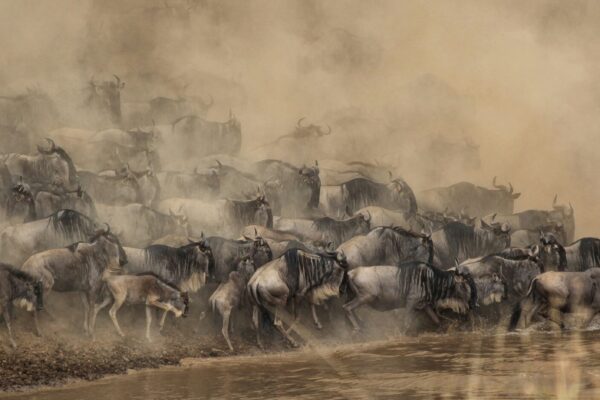
A dozen private conservancies and conservation areas border the Masai Mara National Reserve, and no two of them…
Read more →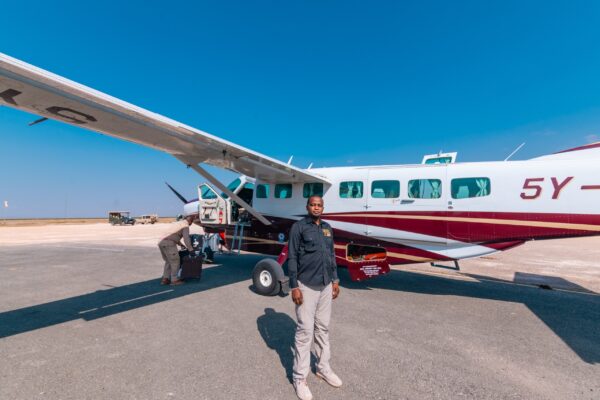
We compare Kenya safari road vs fly-in costs mile for mile, so you know exactly when the extra…
Read more →Tell us what you’d love to see and a local specialist will design a tailor-made itinerary around you — no obligation, reply within 24 hours.