

 Budget Safari
📍 Serengeti National Park + Tarangire National Park + Ngorongoro Conservation Area
5 Days Tanzania Budget Safari
from$1,500
★★★★★ 5
Discover custom Tanzania luxury safaris, Serengeti Great Migration tours, and Zanzibar beach extensions with local East Africa experts.
Tanzania is widely regarded as Africa’s ultimate safari destination, a country where vast wilderness areas, extraordinary wildlife concentrations, iconic landscapes, and rich cultural heritage combine to create one of the world’s most remarkable travel experiences. Covering approximately 947,303 square kilometres, Tanzania is one of Africa’s largest countries and protects nearly 40% of its land through national parks, game reserves, marine parks, and conservation areas, making it one of the continent’s greatest conservation success stories.
Located in East Africa along the shores of the Indian Ocean, Tanzania shares borders with Kenya, Uganda, Rwanda, Burundi, the Democratic Republic of Congo, Zambia, Malawi and Mozambique. Its strategic location gives visitors access to an incredible diversity of ecosystems ranging from endless savannah plains and volcanic highlands to tropical beaches, dense forests, wetlands, and coral islands.
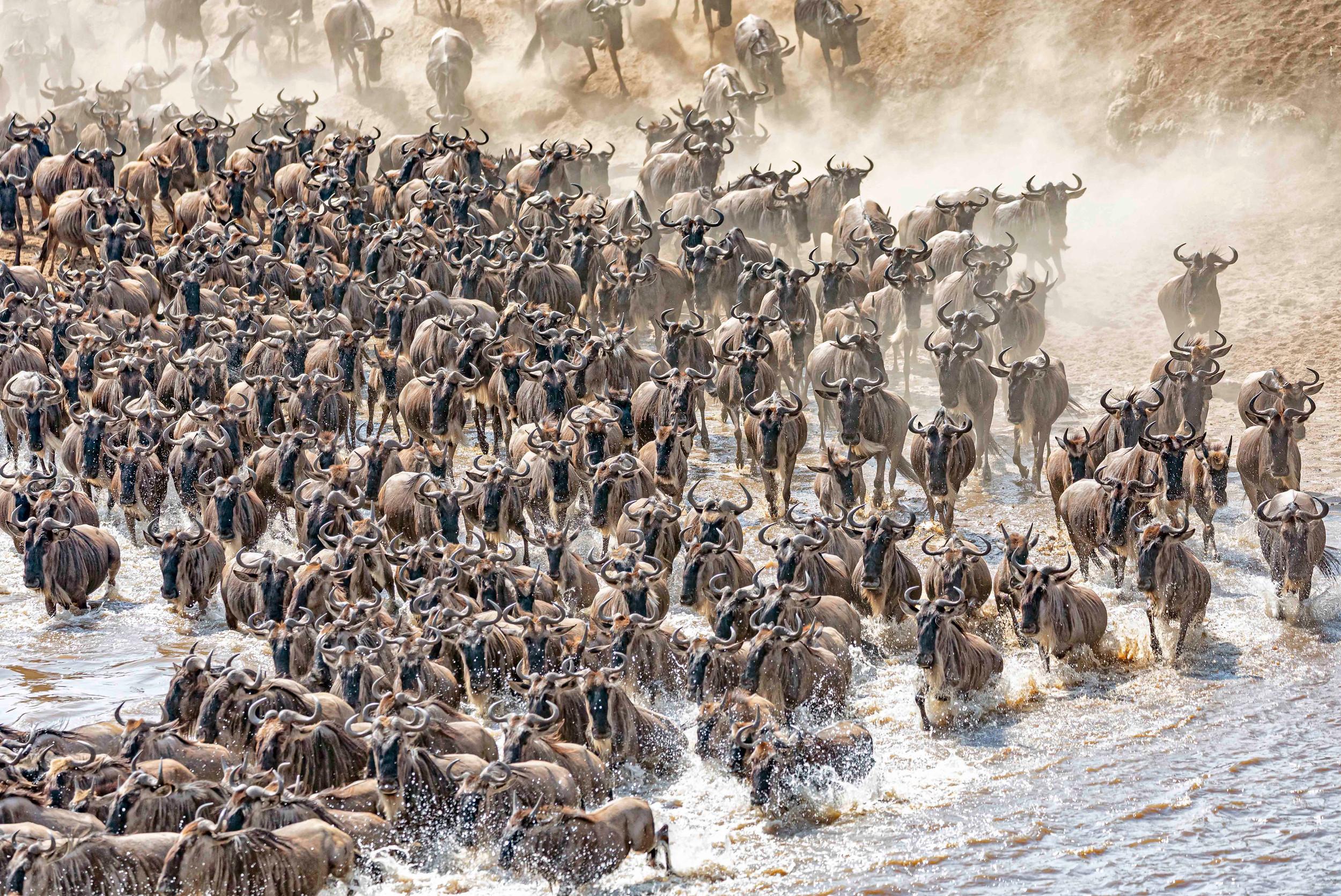
Tanzania is home to some of the most famous wildlife destinations on Earth. The legendary Serengeti ecosystem hosts the Great Wildebeest Migration, often described as the greatest wildlife spectacle on the planet. Every year, more than two million wildebeest, zebras and gazelles travel across the Serengeti plains in search of fresh grazing, closely followed by predators including lions, cheetahs, leopards and hyenas. The dramatic river crossings at the Mara and Grumeti Rivers have become some of the most photographed wildlife events in the world.
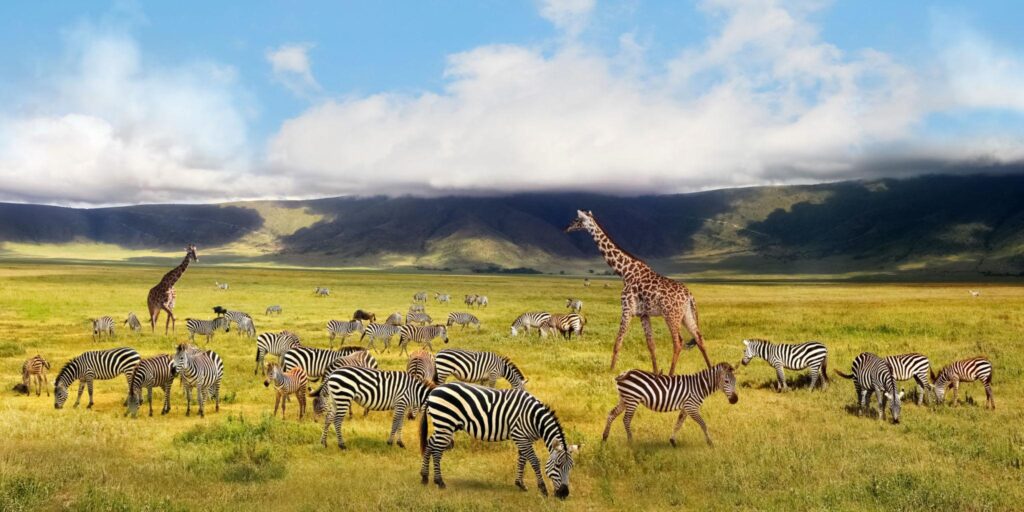
Adjacent to the Serengeti lies the spectacular Ngorongoro Conservation Area, home to the Ngorongoro Crater, the world’s largest intact volcanic caldera. Often referred to as Africa’s “Garden of Eden,” the crater supports one of the highest densities of wildlife anywhere in Africa, including endangered black rhinos, large lion prides, elephants, buffalo and thousands of grazing animals living within the crater walls year-round.
The Northern Safari Circuit, centred around the city of Arusha, remains Tanzania’s most popular tourism route and includes world-famous destinations such as Serengeti National Park, Ngorongoro Crater, Tarangire National Park, Lake Manyara National Park and Arusha National Park. This circuit offers exceptional game viewing and provides visitors with opportunities to encounter the Big Five — lion, leopard, elephant, rhino and buffalo — often within a single itinerary.
Beyond the north, Tanzania’s Southern Circuit offers a completely different safari experience characterised by remote wilderness, fewer visitors, and authentic exploration. Ruaha National Park boasts one of Africa’s largest elephant populations and some of the continent’s largest lion prides, while Nyerere National Park, formerly part of the Selous Game Reserve, offers boat safaris, walking safaris and exceptional predator viewing across an area larger than Switzerland.
Western Tanzania is famous for its remote forests and extraordinary primate encounters. Mahale Mountains National Park and Gombe Stream National Park provide some of the world’s finest chimpanzee trekking experiences, allowing visitors to observe wild chimpanzees in their natural habitat against the stunning backdrop of Lake Tanganyika, Africa’s deepest lake.
Tanzania is also home to Africa’s highest mountain, the iconic Mount Kilimanjaro. Rising to 5,895 metres above sea level, Kilimanjaro attracts tens of thousands of climbers each year who come to stand on the roof of Africa. Unlike many of the world’s highest peaks, Kilimanjaro can be climbed without technical mountaineering experience, making it one of the most accessible high-altitude adventures available anywhere in the world.
Complementing Tanzania’s wildlife and mountain experiences are the idyllic islands of the Zanzibar Archipelago. Known as the “Spice Islands,” Zanzibar offers white sandy beaches, crystal-clear waters, coral reefs, world-class diving, and the historic streets of Stone Town, a UNESCO World Heritage Site rich in Swahili, Arab, Indian and European influences. Many travellers combine a safari adventure with a beach holiday in Zanzibar, creating one of the world’s finest safari-and-sea itineraries.
Cultural experiences are another highlight of travelling in Tanzania. The country is home to more than 120 ethnic groups, including the globally recognised Maasai people, whose traditional pastoral lifestyle and colourful culture remain an integral part of northern Tanzania’s identity. Visitors can also encounter the Hadzabe hunter-gatherers near Lake Eyasi and experience the diverse traditions that contribute to Tanzania’s vibrant cultural landscape.
Tanzania enjoys a generally pleasant tropical climate, with temperatures varying according to altitude and region. The dry season from June to October is considered the best period for wildlife viewing, while January to March offers excellent conditions for witnessing the wildebeest calving season in the southern Serengeti. The green season from November to May transforms the landscape into a lush paradise, attracting migratory birds and providing outstanding photographic opportunities.
Accessibility has improved significantly in recent years, with international visitors arriving primarily through Kilimanjaro International Airport, Julius Nyerere International Airport in Dar es Salaam and Abeid Amani Karume International Airport in Zanzibar. A well-developed domestic aviation network connects all major parks and destinations, allowing visitors to combine multiple regions with ease.
Whether visitors seek thrilling predator encounters in the Serengeti, the challenge of climbing Kilimanjaro, the tranquillity of Zanzibar’s beaches, or authentic cultural interactions in remote communities, Tanzania offers an unparalleled diversity of experiences. Few countries can match its combination of wildlife abundance, spectacular scenery, cultural richness, and adventure opportunities.
For many travellers, Tanzania is not simply a safari destination; it is the complete African experience — a place where the continent’s most iconic landscapes, wildlife, and cultures come together to create memories that last a lifetime.
A Tanzania safari is a wildlife journey through Tanzania’s national parks, conservation areas and private or community-managed wildlife landscapes. The country is famous for the Serengeti, the Great Wildebeest Migration, Ngorongoro Crater, Mount Kilimanjaro, Tarangire, Lake Manyara, Nyerere National Park and Ruaha National Park. Tanzania safaris can be organized as road safaris, fly-in safaris or combinations of both, ranging from short northern circuit trips to longer wildlife and beach holidays.
Country: Tanzania, East Africa
Capital: Dodoma
Main safari gateway: Arusha for the northern safari circuit
Main northern destinations: Serengeti National Park, Ngorongoro Conservation Area, Tarangire National Park and Lake Manyara National Park
Major southern destinations: Nyerere National Park and Ruaha National Park
Famous for: Great Wildebeest Migration, Serengeti, Ngorongoro Crater, Mount Kilimanjaro, elephants, lions, cheetahs and large wilderness areas
Main safari airports: Kilimanjaro International Airport, Arusha Airport and regional airstrips serving individual parks
Main safari style: Game drives, walking safaris, balloon safaris, cultural experiences and wildlife photography
Best known wildlife event: The annual wildebeest and zebra migration across the Serengeti-Mara ecosystem
Beach extension: Zanzibar, Mafia Island and Tanzania’s Indian Ocean coast
Main safari regions: Northern Tanzania, Southern Tanzania and Western Tanzania
Tanzania’s national park system is managed primarily through Tanzania National Parks, commonly known as TANAPA. TANAPA currently manages a network of national parks and provides official information on park access, activities, conservation fees and visitor regulations.
The Great Wildebeest Migration is one of the biggest reasons travellers book a Tanzania safari. More than a million wildebeest, together with large numbers of zebra and other grazing animals, move through the Serengeti-Mara ecosystem following seasonal rainfall and the availability of fresh grass.
The migration is not a single event that happens on one specific date every year. It is a continuous movement across a huge ecosystem, and the location of the herds changes according to rainfall, grazing conditions and river levels.
During the calving season, large numbers of wildebeest gather on the short-grass plains of southern Serengeti and the Ndutu area. This period can produce spectacular predator sightings because young animals attract lions, cheetahs, hyenas and other predators.
As the year progresses, the herds move north and west through the Serengeti before reaching the northern Serengeti and the Mara River area. River crossings are among the most dramatic scenes associated with the migration, but they are also among the most unpredictable. A herd can gather beside a river for hours or days before crossing, and sometimes turn around without crossing at all.
This is why we never sell the Great Wildebeest Migration as a guaranteed spectacle. The migration is wildlife behaving naturally, not a scheduled performance.
The Great Wildebeest Migration is the annual movement of more than a million wildebeest and large numbers of zebra and other herbivores through the Serengeti-Mara ecosystem in search of fresh grazing and water. The migration moves through different parts of Tanzania and Kenya throughout the year rather than following one fixed route or date.
Serengeti National Park is the centrepiece of a classic Tanzania safari. The park covers approximately 14,763 square kilometres and was established in 1951, with its boundaries later expanded. It forms part of the much larger Serengeti-Mara ecosystem, which extends across northern Tanzania and southwestern Kenya. TANAPA describes the Serengeti as one of Tanzania’s flagship protected areas and an important part of the country’s conservation and tourism system.
The name Serengeti is associated with endless plains, but the landscape is more varied than the name suggests. There are open grasslands, acacia woodland, river systems, rocky kopjes and wooded valleys, each supporting different wildlife.
The Serengeti is particularly famous for lions, cheetahs, leopards, elephants, giraffes, buffalo, hyenas, wildebeest, zebra and gazelles. The park also supports an extraordinary variety of birdlife.
The central Seronera region is one of the most reliable areas for general wildlife viewing because of its permanent water sources and diverse habitats. Western Serengeti offers riverine environments and access toward the Grumeti area, while northern Serengeti is particularly important during the migration months when herds move toward the Mara River.
The southern Serengeti and Ndutu region are especially important during the calving season, when the short-grass plains provide rich grazing for pregnant females and newborn calves.
TANAPA identifies multiple access routes and airstrips across the park, including Seronera, Kusini, Lobo, Kirawira, Kogatende and Lamai, allowing both road and fly-in Tanzania safari itineraries.
The Ngorongoro Conservation Area is one of the most remarkable places to include in a Tanzania safari. Unlike a conventional national park, the Ngorongoro Conservation Area is a multiple-use landscape where wildlife conservation coexists with the traditional activities and presence of indigenous communities.
The Ngorongoro Crater is the destination’s most famous feature. Formed by the collapse of a large volcanic mountain, the crater floor contains grasslands, woodland, wetlands and a permanent water supply that supports a remarkable concentration of wildlife.
A crater game drive can produce sightings of lion, elephant, buffalo, zebra, wildebeest, hippo, hyena and numerous antelope species. Black rhino are also present, although sightings are never guaranteed.
The crater is often included between Tarangire and Serengeti because it creates a natural route through the northern Tanzania safari circuit. A typical itinerary might spend a night around Karatu or the crater rim before descending into the crater early the following morning.
The broader Ngorongoro Conservation Area also includes important archaeological and cultural sites, including Olduvai Gorge, one of the world’s most significant locations for understanding human evolution.
Tarangire National Park is one of the strongest additions to a northern Tanzania safari, particularly for travellers who enjoy elephants, birds and distinctive landscapes.
The park covers approximately 2,600 square kilometres and is famous for large elephant herds and its enormous baobab trees. During the dry season, the Tarangire River becomes an important source of water, drawing wildlife from surrounding areas.
The park’s landscape changes dramatically across the seasons. During the wetter months, animals spread across the broader ecosystem, while during the dry season wildlife becomes more concentrated around permanent water.
Tarangire is also excellent for photography. Baobabs create natural frames for elephants and giraffes, while the park’s open plains provide opportunities for wide landscape images.
For travellers with limited time, Tarangire works particularly well as the first major wildlife stop after Arusha before continuing toward Ngorongoro and Serengeti.
Lake Manyara National Park is smaller than Serengeti or Tarangire but offers a surprisingly diverse safari experience. The park is positioned along the Great Rift Valley and combines groundwater forests, woodland, open grassland and the alkaline Lake Manyara.
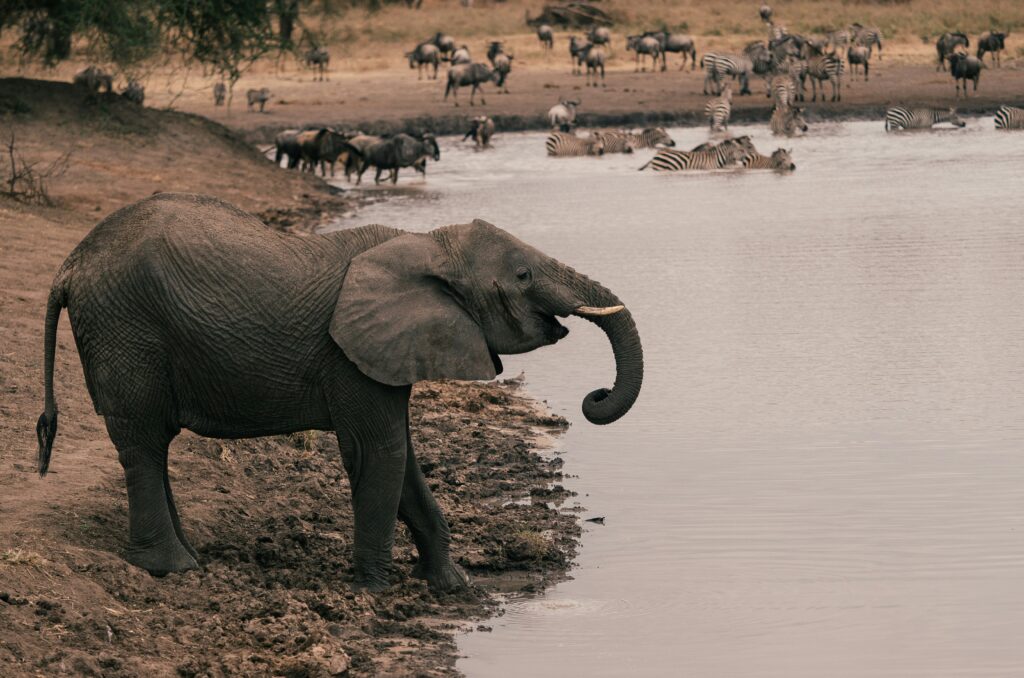
Elephants are a major attraction, while giraffes, buffalo, zebra, baboons, hippos and numerous bird species can also be seen.
Lake Manyara is particularly attractive to birdwatchers because its wetland and forest habitats support a wide range of species. Flamingos can sometimes gather around the lake depending on water conditions.
The park is often combined with Tarangire and Ngorongoro because of its location along the northern Tanzania safari route.
Mount Kilimanjaro is Africa’s highest mountain and one of Tanzania’s most recognizable landmarks. The mountain rises to 5,895 metres and attracts trekkers from around the world.
A Kilimanjaro climb is a completely different experience from a conventional Tanzania safari. Rather than travelling through the bush by vehicle, trekkers move through several ecological zones, from cultivated lower slopes into montane forest, moorland, alpine desert and finally the high-altitude summit zone.
Popular climbing routes include Machame, Marangu, Lemosho and Rongai. The choice of route affects the scenery, difficulty, duration and acclimatization profile.
Kilimanjaro can also be combined with a Tanzania safari. Travellers often climb the mountain first and then continue to Tarangire, Ngorongoro and Serengeti, or complete their safari before relaxing on Zanzibar.
Tanzania contains some of the most important wildlife populations in Africa. The northern Tanzania safari circuit is particularly strong for the classic African species, while the southern and western regions offer additional wildlife experiences in less visited landscapes.
Lions are widespread across the major safari areas, with the Serengeti supporting particularly strong populations.
Cheetahs are especially associated with open grassland habitats and are regularly seen in parts of the Serengeti.
Leopards are more elusive and often found in woodland, riverine habitats and areas with suitable trees for resting.
Elephants are widespread, with Tarangire, Serengeti, Nyerere and Ruaha all offering excellent opportunities depending on season and location.
Buffalo are common across many parks and are often seen in large herds.
Giraffes, zebra, wildebeest, impala, gazelles, hippos and warthogs are also common components of a Tanzania safari.
The country is also important for wild dogs, particularly in southern Tanzania, where Nyerere and Ruaha provide some of the best opportunities for sightings.
A Tanzania safari can include lion, leopard, cheetah, elephant, buffalo, giraffe, zebra, wildebeest, hippo, hyena, wild dog, rhino and numerous antelope species. The Serengeti is particularly famous for predators and migrating wildebeest, Tarangire for elephants and baobabs, Ngorongoro for its concentrated wildlife, and southern Tanzania for remote wilderness and African wild dogs.
Game drives are the backbone of most Tanzania safari itineraries. Morning drives begin around sunrise when temperatures are cooler and predators are often active. Afternoon drives continue toward sunset, when the changing light creates some of the best photography conditions of the day.
The exact style of game drive depends on the park. Serengeti offers long wildlife circuits across enormous plains, while Tarangire often focuses around river systems and woodland. Nyerere can combine conventional game drives with boat and walking experiences.
Migration tracking requires careful planning rather than simply booking a Serengeti safari and hoping to find the herds. The right region depends on the time of year.
For the calving season, southern Serengeti and Ndutu are usually the focus. During the middle of the year, western and central Serengeti may become more relevant, while northern Serengeti becomes increasingly important as the herds move toward the Mara River.
We build migration itineraries around seasonal movement rather than promising a particular sighting.
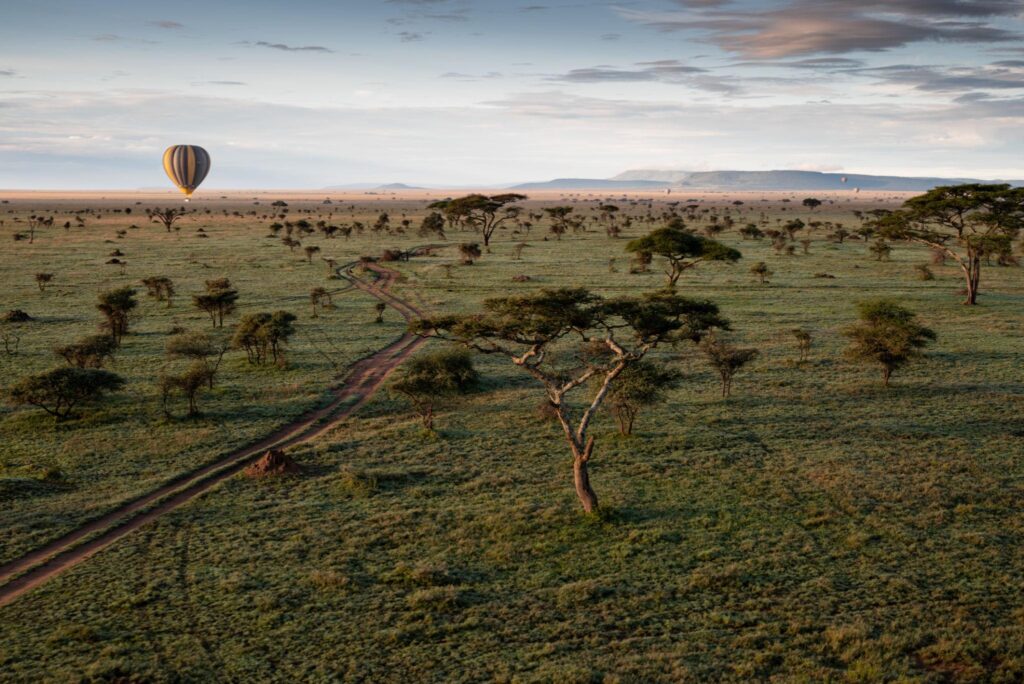
A hot air balloon safari over the Serengeti is one of the most memorable additions to a Tanzania safari.
The flight begins before sunrise, allowing travellers to watch the plains change from darkness to the first light of day. From above, the scale of the Serengeti becomes obvious, with wildlife trails, river systems and herds stretching across the landscape.
After landing, most balloon experiences include a bush breakfast before guests return to conventional game viewing.
TANAPA currently lists balloon safari among the activities available in Serengeti National Park.
Walking provides a completely different understanding of Tanzania’s wilderness. Instead of focusing on distant animals, walking safaris concentrate on tracks, plants, insects, birds, animal behaviour and the smaller details of the ecosystem.
Walking opportunities vary according to park regulations, concession arrangements and the specific camp. Private and concession areas may offer more flexible walking experiences than national park areas.
Boat safaris are particularly associated with Nyerere National Park, where the Rufiji River and connected lakes create a completely different wildlife environment from the northern plains.
Crocodiles, hippos, waterbirds and elephants can often be viewed from the water, while the slower pace allows travellers to appreciate the aquatic side of Tanzania’s wildlife.
Western Tanzania offers one of the country’s most specialized wildlife experiences: chimpanzee trekking.
Mahale Mountains National Park and Gombe National Park are both associated with wild chimpanzees. Gombe is particularly famous for the pioneering chimpanzee research conducted by Jane Goodall, while Mahale combines chimpanzee trekking with the spectacular setting of Lake Tanganyika.
This is a very different Tanzania safari from the Serengeti circuit and is best suited to travellers with more time.
Tanzania’s wildlife destinations are surrounded by communities with deep cultural traditions. Cultural experiences can include visits to Maasai communities around the northern safari circuit, local markets, traditional crafts and community projects.
We encourage guests to treat cultural visits as genuine exchanges rather than staged performances. Photography should always be approached respectfully, and communities should benefit directly from tourism.
Tanzania is an exceptional birdwatching destination. The diversity of habitats, from Serengeti grasslands and Tarangire woodland to Rift Valley lakes, wetlands and coastal forests, supports a remarkable range of species.
Lake Manyara, Tarangire, Serengeti and the southern parks all provide different birding opportunities.
Tanzania is one of Africa’s strongest destinations for wildlife photography. The combination of open plains, dramatic light, large herds and high predator density creates opportunities throughout the year.
The Serengeti is particularly suited to photographers interested in migration, predator-prey interactions and wide landscape images, while Tarangire offers elephants and baobabs as natural subjects.
Nyerere National Park is Tanzania’s largest national park and offers a dramatically different safari experience from the northern circuit.
Formerly part of the Selous Game Reserve, the national park encompasses enormous areas of wilderness dominated by woodland, grassland, wetlands and the Rufiji River system.
The scale of Nyerere means wildlife can feel more dispersed than in the concentrated areas of Ngorongoro or Seronera. That is part of the attraction. A Nyerere safari is about wilderness as much as wildlife.
Elephants, lions, hippos, crocodiles, giraffes, buffalo and wild dogs can all be encountered, while boat safaris provide a major point of difference from northern Tanzania.
For travellers looking for a quieter safari with fewer vehicles, Nyerere is one of the strongest alternatives to the northern circuit.
Ruaha National Park is another major southern Tanzania destination and one of the country’s most impressive wilderness areas.
The park is known for elephants, lions, baobabs, wild dogs and large numbers of antelope. The Great Ruaha River is an important feature of the landscape and becomes increasingly significant to wildlife during the dry season.
Ruaha feels remote. There are fewer safari vehicles than in the Serengeti, and the scale of the landscape allows long stretches where the only signs of human presence are the tracks of another safari vehicle.
For repeat safari travellers who have already visited the Serengeti, Ruaha can provide a more exclusive and wilderness-focused experience.
Gombe National Park occupies a narrow strip of forest along Lake Tanganyika and is best known for chimpanzee trekking.
The park’s history is closely connected with Jane Goodall’s research, which transformed global understanding of chimpanzee behaviour.
A Gombe safari is therefore less about large herds and more about primates, forest ecology and the relationship between wildlife and one of Africa’s great freshwater lakes.
Because of its location in western Tanzania, Gombe requires more logistical planning than the northern safari circuit.
Mahale Mountains National Park combines forested mountains, chimpanzees and the clear waters of Lake Tanganyika.
Chimpanzee trekking is the principal attraction, but the setting itself makes Mahale unusual. Travellers can spend a morning tracking primates through the forest and an afternoon swimming or relaxing beside one of the world’s deepest freshwater lakes.
Mahale is best suited to travellers looking for a specialized Tanzania safari rather than a conventional Big Five circuit.
Northern Tanzania is the country’s most popular safari region and includes Arusha, Tarangire, Lake Manyara, Ngorongoro and Serengeti.
It is the best choice for first-time visitors who want the classic Tanzania safari experience, especially if the Great Wildebeest Migration is part of the plan.
Southern Tanzania is quieter and more remote. Nyerere and Ruaha are the major safari destinations, with fewer visitors and larger wilderness areas.
The south is particularly attractive to repeat safari travellers, photographers and guests who want a slower pace.
Western Tanzania is dominated by Lake Tanganyika, Gombe and Mahale Mountains.
The region is less accessible than the northern circuit but offers specialized chimpanzee experiences that cannot be replicated in the Serengeti.
Tanzania and Kenya share the same wider East African ecosystem, but the safari experience is not identical.
Kenya’s Masai Mara is compact, highly productive and particularly strong for predator sightings and the migration season. Tanzania offers much greater scale, with the Serengeti alone covering approximately 14,763 square kilometres.
Tanzania also offers the Ngorongoro Crater, Mount Kilimanjaro, Tarangire, Nyerere, Ruaha and the western chimpanzee parks, giving travellers more ways to build a long safari around different landscapes.
The strongest East African itinerary does not necessarily require choosing between the two countries. A Kenya safari can be combined with a Tanzania safari where border logistics and available time make sense.
The Masai Mara offers exceptional predator viewing, compact game-viewing areas and the migration when herds cross from Tanzania into Kenya.
The Serengeti offers the larger landscape and forms the Tanzanian heart of the migration ecosystem. If your priority is experiencing the migration over several stages rather than focusing specifically on Mara river crossings, a Tanzania safari provides considerably more space to follow the herds.
Amboseli is famous for elephants and Mount Kilimanjaro views. Tanzania’s Kilimanjaro region offers the opportunity to climb the mountain itself, while the Serengeti and Ngorongoro provide a much broader wildlife experience.
Travellers with sufficient time can combine Amboseli in Kenya with a northern Tanzania safari, although cross-border logistics should be planned carefully.
A Tanzania safari and Zanzibar holiday are among the easiest ways to combine wildlife and beach experiences in East Africa.
After several days in the bush, Zanzibar offers white-sand beaches, warm Indian Ocean water, Stone Town, spice tours, diving and snorkeling.
The combination works particularly well for honeymooners and travellers who want both adventure and relaxation.
Most international Tanzania safari itineraries begin at Kilimanjaro International Airport or connect through major regional gateways.
Arusha is the main operational base for the northern Tanzania safari circuit, while regional flights connect travellers with park airstrips.
TANAPA confirms that Serengeti can be accessed by air and lists multiple all-weather airstrips across different sections of the park. Scheduled and charter flights connect the Serengeti with Arusha, Kilimanjaro and other Tanzanian destinations.
Road safaris are the traditional way to explore northern Tanzania. A typical route might begin in Arusha and continue to Tarangire, Ngorongoro and Serengeti before returning to Arusha or connecting onward by air.
Road travel takes longer than flying but allows travellers to experience the changing landscape between destinations.
Fly-in Tanzania safaris are ideal for travellers with limited time or for those visiting remote parks such as Ruaha, Nyerere, Mahale or northern Serengeti.
Light aircraft flights significantly reduce road time, although luggage restrictions apply and vary between operators.
The road option is better for travellers who enjoy the journey itself, want to see multiple destinations and prefer to control the pace of travel between parks.
Flying is better when time is limited or when combining destinations separated by large distances.
A mixed Tanzania safari is often the best compromise: drive through the northern circuit where distances are manageable, then fly between the Serengeti and a remote southern or western destination.
Tanzania has several climate zones, so weather varies considerably between destinations.
The Serengeti has a subtropical climate, with wetter conditions generally occurring between November and April and a drier period from May through October. TANAPA places the Serengeti between approximately 1,100 and 2,000 metres above sea level, with average annual rainfall around 900 to 1,000 millimetres.
The northern Tanzania safari circuit can experience warm days and cool mornings, particularly at higher elevations around Ngorongoro.
The coast and Zanzibar are warmer and more humid throughout the year.
Mount Kilimanjaro has its own mountain climate, with temperatures dropping dramatically as altitude increases.
Tanzania is generally warm throughout the year, but conditions vary by region and altitude. The Serengeti experiences wetter conditions mainly from November to April and drier conditions from May to October. Ngorongoro is cooler because of its elevation, while Zanzibar and the Indian Ocean coast are hotter and more humid.
Tanzania national park entry fees are administered according to the applicable TANAPA tariff structure and vary according to park, visitor category, season and age.
TANAPA’s official tariff information identifies different rates for non-residents, expatriates or Tanzania residents and East African citizens. Children under five are listed as free, while child rates apply to specified age groups. Conservation fees are generally structured around a defined validity period, and TANAPA advises visitors to check the current tariff before travel because fees can change.
For Serengeti and Nyerere, the 2023/24 official tariff listed non-East African adult conservation fees at USD 70 during the peak period and USD 60 during the low seasonal period, with separate child and resident rates. These figures are historical tariff figures and should not be treated as a current 2026 quotation without checking the latest TANAPA tariff.
Most Afrikan Accent Adventures Tanzania safari packages are quoted with the applicable park fees, accommodation, meals, safari vehicle and professional guide clearly itemized so travellers understand what is included in the final price.
Tanzania safari park fees vary according to the park, visitor category and applicable tariff period. Serengeti, Nyerere, Tarangire, Lake Manyara and other national parks have different fee structures, so the current TANAPA tariff should always be checked when preparing a Tanzania safari quotation.
There is no single best month for every Tanzania safari because the ideal timing depends on what you want to see.
January and February are particularly attractive for travellers interested in the wildebeest calving season in the southern Serengeti and Ndutu region. Predator activity can be excellent because of the abundance of young animals.
March and April bring wetter conditions across much of northern Tanzania. The landscapes become green, birdlife is excellent and visitor numbers can be lower, although heavy rainfall can affect some roads.
May is a transitional month. The vegetation remains relatively green in places while conditions begin moving toward the drier season.
June through October is one of the most popular periods for a Tanzania safari. The weather is generally dry, wildlife viewing is strong and the northern migration circuit becomes increasingly active as herds move toward western and northern Serengeti.
July through September is particularly popular for travellers hoping to see migration activity in northern Serengeti, although river crossings remain unpredictable.
November and December bring the short rains. The landscape becomes greener again, migratory herds begin moving south and the period can offer a good balance between wildlife and fewer visitors.
June to October is generally one of the strongest periods for a classic Tanzania safari because of dry weather and reliable wildlife viewing. January and February are particularly attractive for the wildebeest calving season. November and December offer greener scenery and fewer visitors, while March to May can be rewarding for travellers who prefer lower-season travel.
Four nights can provide a useful introduction to northern Tanzania, particularly if the itinerary focuses on Tarangire, Ngorongoro and a short Serengeti stay.
Six to seven nights is our usual recommendation for a first Tanzania safari. This allows enough time to experience several different habitats without turning the journey into a race between parks.
Eight to ten nights works particularly well for travellers who want to include Serengeti, Ngorongoro, Tarangire and a more relaxed pace.
Ten nights or more allows a more ambitious Tanzania safari, potentially combining the northern circuit with Zanzibar, Nyerere, Ruaha, Kilimanjaro or another specialist destination.
Tanzania offers one of Africa’s most complete safari experiences.
The Serengeti provides enormous landscapes and the Great Wildebeest Migration. Ngorongoro provides concentrated wildlife inside an ancient volcanic crater. Tarangire combines elephants and baobabs. Kilimanjaro provides one of Africa’s great mountain adventures. Nyerere and Ruaha provide remote southern wilderness, while Gombe and Mahale open a completely different world of chimpanzees and Lake Tanganyika.
The country also works particularly well for travellers who want to combine safari and beach.
A Tanzania safari can therefore be designed around wildlife, photography, migration, adventure, luxury, family travel, honeymoon travel or simply the desire to experience one of Africa’s great wildernesses.
Tanzania safari costs vary considerably depending on accommodation, season, number of travellers, park fees, transportation and whether the itinerary is road-based or fly-in.
As a broad planning guide, budget Tanzania safaris can start around USD 250 to 400 per person per day, mid-range Tanzania safari packages commonly fall around USD 400 to 650 per person per day, while luxury Tanzania safaris can reach USD 700 to USD 1,500 or more per person per day depending on camp, season and location.
Exclusive-use properties and peak-season migration camps can cost significantly more.
These figures should be treated as planning ranges rather than fixed prices. Accommodation rates, park fees, flights and seasonal demand can change substantially.
The largest price differences usually come from accommodation category and season, followed by whether you choose road or air transfers.
A Tanzania safari can range from roughly USD 250 to 400 per person per day for budget travel, around USD 400 to 650 for mid-range safaris and USD 700 upward for luxury experiences. Peak migration periods, premium camps, private vehicles and fly-in arrangements can increase the total considerably.
We build Tanzania safari packages around the traveller rather than starting with a fixed route.
A classic northern Tanzania safari can include Tarangire, Ngorongoro and Serengeti.
A migration-focused Tanzania safari can be built around the seasonal location of the wildebeest herds.
A luxury Tanzania safari can combine private camps, fly-in transfers, private game drives and selected conservancy or concession experiences.
A Tanzania safari and Zanzibar package combines several days of wildlife viewing with a beach stay on the Indian Ocean.
A longer East Africa itinerary can combine Kenya and Tanzania, allowing travellers to experience both the Masai Mara and Serengeti ecosystems.
Accommodation on a Tanzania safari ranges from simple campsites and comfortable lodges to luxury tented camps and private-use safari properties.
In Serengeti, accommodation can be positioned in central, western, northern or southern areas depending on the season and itinerary.
For migration trips, location is particularly important. A beautiful camp in the wrong part of the Serengeti can be less useful than a simpler camp positioned close to the seasonal movement of the herds.
Ngorongoro accommodation often sits around Karatu or on the crater rim, offering different combinations of accessibility, scenery and luxury.
Tarangire accommodation ranges from lodges overlooking the park to tented camps positioned close to wildlife areas.
We match accommodation to budget, location, season and the type of Tanzania safari the traveller wants rather than selecting a property based only on its room category.
Tanzania’s national parks form a major part of the country’s conservation system, with TANAPA responsible for the sustainable management of national parks under its mandate. TANAPA describes its role as sustainable conservation of national parks and maintains official information on park regulations, fees and tourism activities.
Tourism revenue supports conservation, infrastructure, wildlife protection and local economic activity.
Responsible Tanzania safari practices are straightforward: remain on permitted routes, keep a respectful distance from wildlife, never feed animals, avoid excessive noise and follow the instructions of professional guides and park authorities.
Cultural experiences should also be approached respectfully. Ask before taking photographs, purchase crafts directly from communities where possible and choose operators that demonstrate a genuine commitment to local participation.
The best Tanzania safari is not necessarily the one with the longest list of parks. A well-planned itinerary gives wildlife time to breathe. Two or three nights in the right part of the Serengeti can be more rewarding than moving every morning simply to say you visited another destination.
Kibara Mugo, Safari Writer & East Africa Specialist
From the endless plains of Serengeti to the volcanic walls of Ngorongoro, the elephant country of Tarangire, the summit of Kilimanjaro and the remote wilderness of southern Tanzania, the country offers enough variety to build an itinerary around almost any style of traveller.
We build Tanzania safaris as standalone wildlife journeys, migration-focused itineraries, luxury fly-in experiences, northern circuit road safaris, southern Tanzania adventures and safari-and-beach holidays combining the mainland with Zanzibar.
The key is deciding what you want the Tanzania safari to feel like before choosing the route. If wildlife variety is the priority, the northern circuit is difficult to beat. If the migration is the goal, the itinerary needs to follow the herds. If privacy and wilderness matter most, Ruaha and Nyerere deserve serious consideration. If chimpanzees are the priority, western Tanzania changes the entire plan.
Speak to Afrikan Accent Adventures to start planning a Tanzania safari around your travel dates, budget and interests.
Tanzania is not simply another destination on the East African safari circuit. It is one of the places where the scale of the wilderness changes the way you experience safari itself.
Tanzania offers Africa's most iconic safari experiences, from witnessing over two million wildebeest crossing the Serengeti plains to standing beneath snow-capped Mount Kilimanjaro and relaxing on the white beaches of Zanzibar. Few destinations combine world-class wildlife, culture, mountains and tropical islands so effortlessly.
Each region has its own character and wildlife — tap one to dive deeper, or let us combine several into one seamless journey.

Lake Manyara National Park is a scenic northern Tanzania safari destination famous for tree-climbing…
Explore region →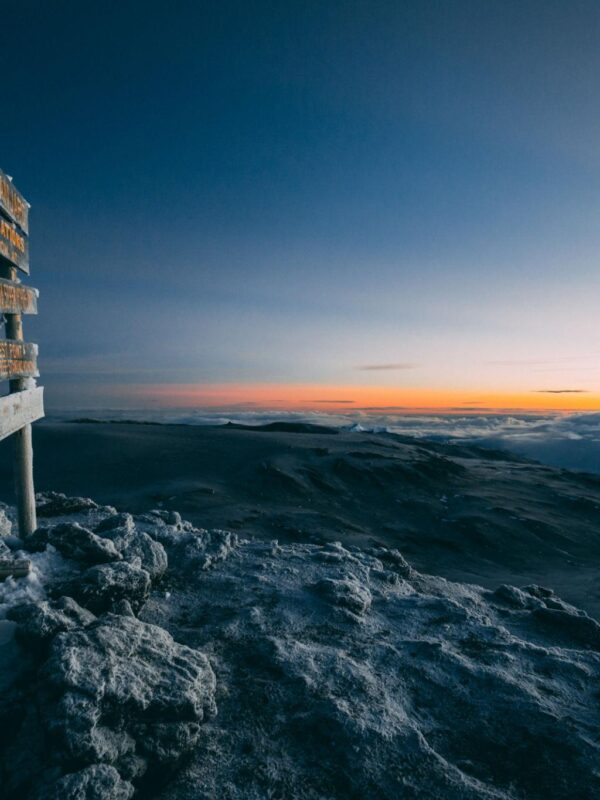
Home to Africa's highest mountain and one of the world's greatest trekking adventures, Mount…
Explore region →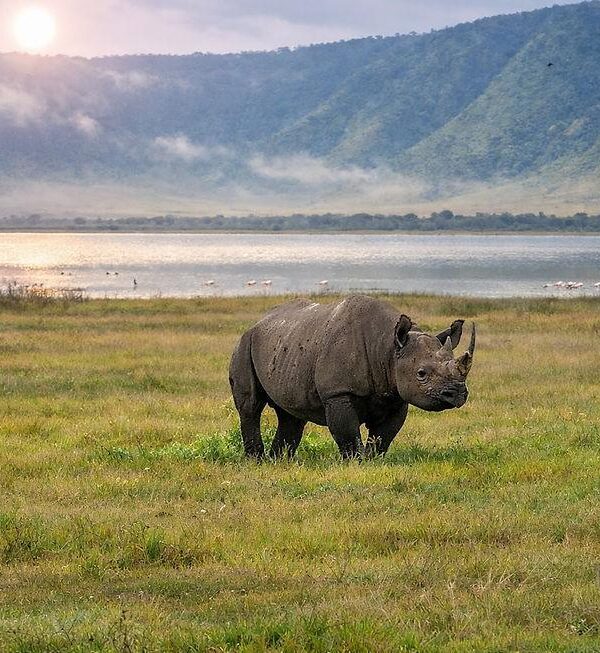
Experience one of Africa's greatest wildlife spectacles where lions, elephants, rhinos, and flamingos roam…
Explore region →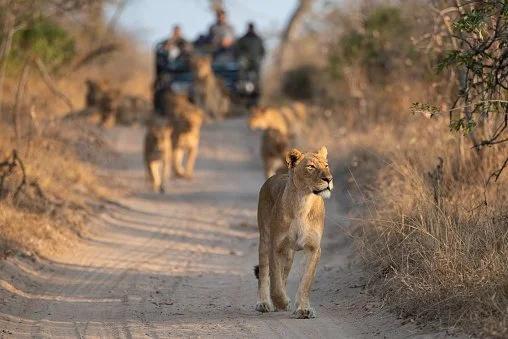
Discover boat safaris, walking safaris, enormous wildlife populations and one of the largest protected…
Explore region →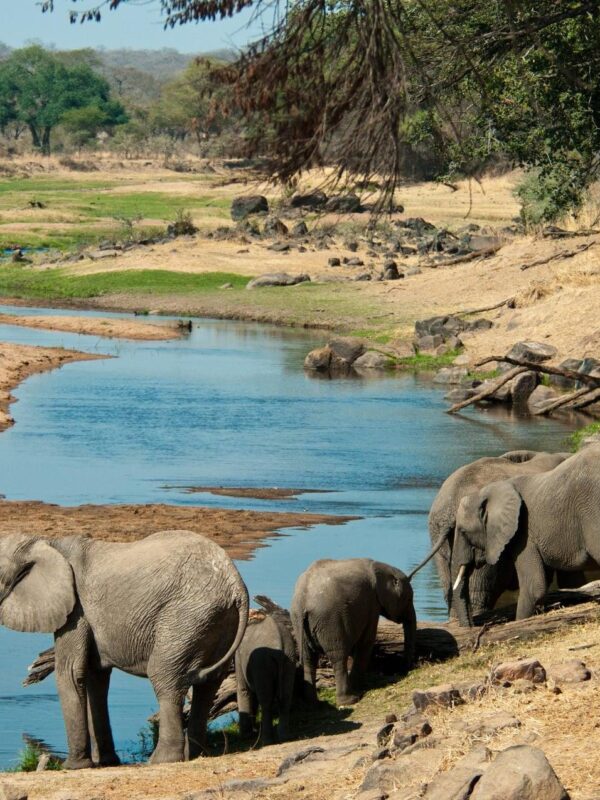
Ruaha National Park is a remote and spectacular Tanzania safari destination known for huge…
Explore region →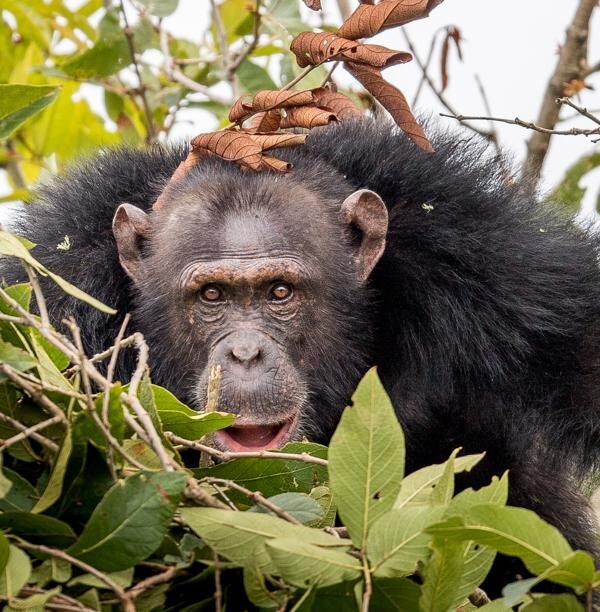
Rubondo Island National Park is a remote island safari destination in Lake Victoria, famous…
Explore region →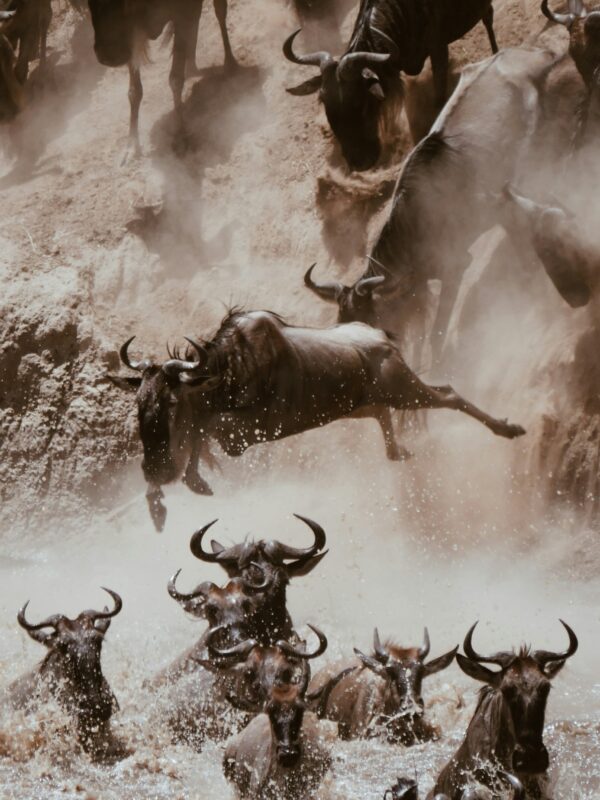
Discover Serengeti National Park: Witness the Great Migration, Big Five wildlife, luxury tented camps,…
Explore region →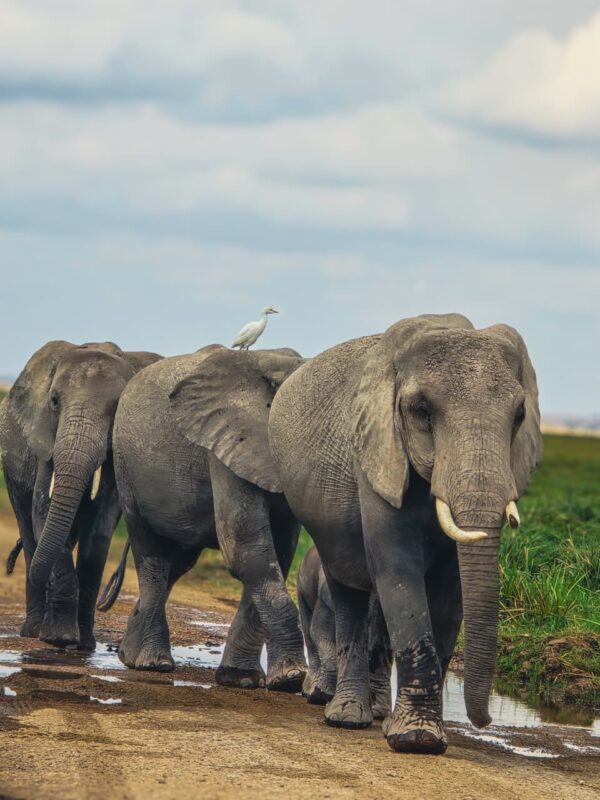
Experience Tarangire National Park: Home to East Africa's largest elephant herds, giant baobabs, night…
Explore region →The Great Migration is Tanzania's most famous attraction and one of the greatest natural spectacles on Earth. Every year, more than two…
Tanzania is among the best destinations in Africa for viewing the Big Five — lion, leopard, elephant, buffalo, and rhino. The country's…
Often referred to as Africa's "Garden of Eden," Ngorongoro Crater is the world's largest intact volcanic caldera and one of the most…
Tarangire National Park is famous for its enormous elephant herds and iconic baobab trees that dominate the landscape. During the dry season,…
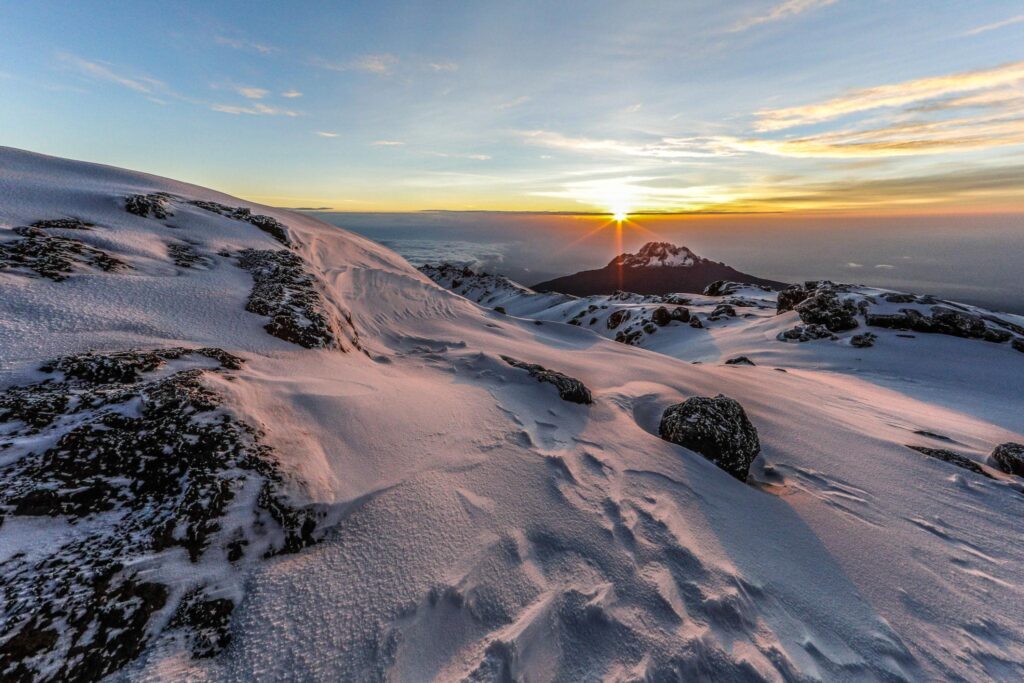
Standing at 5,895 metres above sea level, Mount Kilimanjaro is Africa's highest mountain and the tallest free-standing mountain in the world. Its…
The islands of Zanzibar Archipelago provide the perfect complement to a safari adventure. Visitors can relax on powder-white beaches, snorkel over coral…
Western Tanzania offers some of the world's finest primate experiences. Trekking through the forests of Mahale Mountains National Park and Gombe Stream…
Unlike many safari destinations, Tanzania offers unique ways to explore the wilderness beyond traditional game drives. In Nyerere National Park, visitors can…
Budget Safari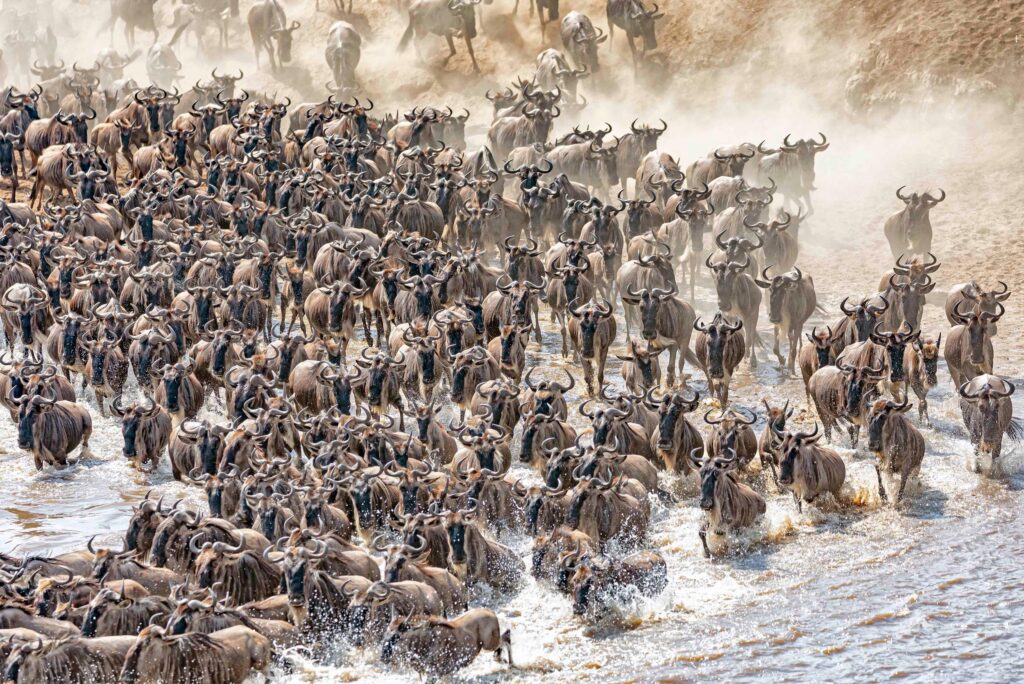
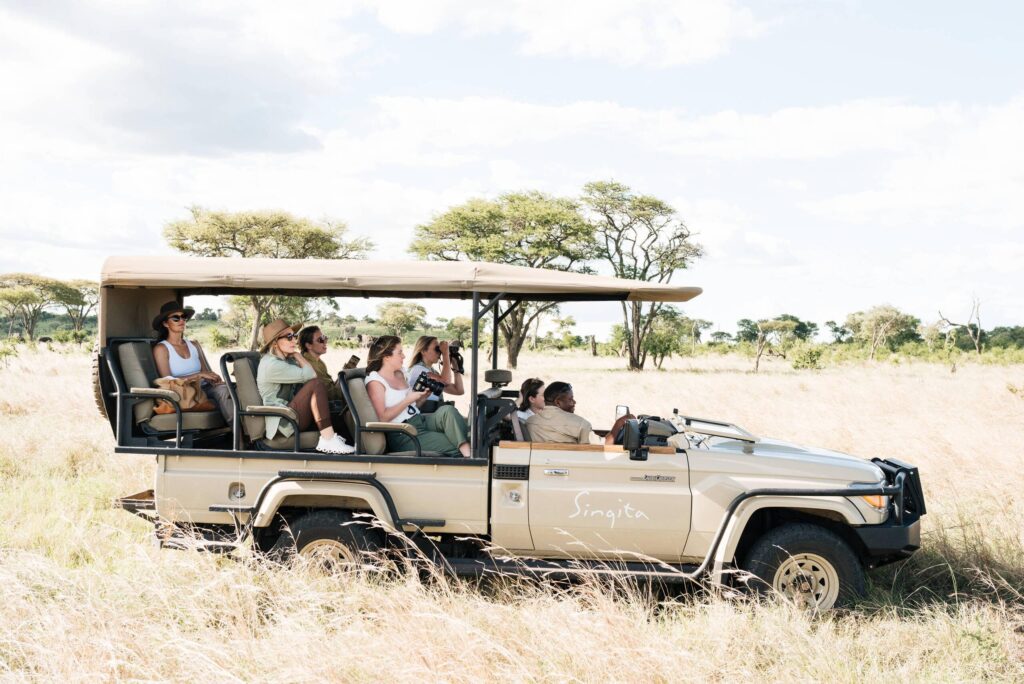
From value camps to premium lodges — we match every stay to your style and budget.
Budget accommodation in Tanzania provides affordable and comfortable options for travellers looking to experience the country's incredible wildlife without compromising on the safari experience.
Mid-range accommodation is the most popular category for Tanzania safaris and offers an excellent balance between comfort, location, and value for money. Most safari visitors choose this category because it provides high-quality accommodation without luxury-level pricing.
Luxury accommodation in Tanzania represents some of Africa's finest safari experiences. These exclusive lodges and camps are often located in private concessions or prime wildlife areas and provide exceptional service, privacy and personalized experiences.
Every season has its magic — here's what to expect when, so you can travel at your perfect time.
Everything you need to know before you go — and we’ll guide you through every step.
Most international visitors require a visa to enter Tanzania. Many nationalities can obtain an eVisa online before travel or receive a visa on arrival at major airports and border crossings. Passports must be valid for at least six months beyond the date of entry and contain at least one blank page for immigration stamps.
Routine vaccinations are recommended before travelling to Tanzania. A Yellow Fever vaccination certificate may be required if arriving from or transiting through a Yellow Fever endemic country. Malaria exists in many parts of Tanzania, and visitors should consult their healthcare provider regarding preventative medication.
The official currency is the Tanzanian Shilling (TZS), although US Dollars are widely accepted within the tourism industry. Notes issued before 2009 are often not accepted. Credit cards are accepted at many lodges and hotels, although additional transaction charges may apply.
ATMs are readily available in major cities such as Arusha, Dar es Salaam, Moshi, Mwanza, and Zanzibar. Visitors travelling to remote safari areas should carry sufficient cash for tips, souvenirs, and incidental expenses.
Mobile phone coverage is excellent in towns and cities and surprisingly good in many safari areas. Most safari lodges and hotels provide Wi-Fi, although internet speeds may be slower in remote locations.
Tanzania uses 230V electricity with British-style Type G three-pin plugs. Travellers from countries using other plug types should carry a universal travel adapter.
Domestic flights connect most safari destinations and significantly reduce travel time between parks. Road transfers are common on the Northern Safari Circuit, while fly-in safaris are popular in Southern and Western Tanzania due to longer distances.
Tanzania's main international airports are Kilimanjaro International Airport (JRO), Julius Nyerere International Airport (DAR) in Dar es Salaam, and Abeid Amani Karume International Airport (ZNZ) in Zanzibar.
Most safari game drives take place early in the morning and late in the afternoon when wildlife activity is highest. Full-day game drives are common in Serengeti National Park and Ngorongoro Conservation Area.
Tanzania experiences a tropical climate with temperatures varying according to altitude and region. Coastal areas remain warm year-round, while highland areas such as Arusha and Ngorongoro are cooler, especially in the evenings and early mornings.
The best safari period is generally from June to October during the dry season when wildlife gathers around water sources. January to March is excellent for the Serengeti calving season, while Zanzibar can be enjoyed throughout most of the year.
Neutral-coloured lightweight clothing is recommended for safaris. Warm layers are essential for early morning game drives and Ngorongoro Crater visits, while sun hats, sunglasses, and sunscreen are highly recommended year-round.
Bring extra camera batteries, memory cards, binoculars, and a zoom lens for wildlife photography. Dust protection for cameras is useful during the dry season.
Bottled or filtered drinking water is provided by most safari operators and lodges. Visitors are advised to avoid drinking untreated tap water.
Tanzania is considered one of East Africa's safest safari destinations. Standard travel precautions should be observed in cities and crowded areas, while visitors should always follow guide instructions during wildlife activities.
Tipping is customary in Tanzania's tourism industry. Safari guides, camp staff, porters, and drivers generally appreciate gratuities based on service quality and length of stay.
Swahili is the national language, while English is widely spoken within the tourism sector. Learning simple Swahili greetings such as "Jambo" and "Asante" is appreciated by locals.
Modest clothing is recommended when visiting local communities and religious sites, particularly in Zanzibar where Islamic traditions are an important part of local culture.
Visitors should maintain safe distances from wildlife, avoid feeding animals, minimise noise during sightings, and follow park regulations to support conservation efforts.
Tanzania is a global leader in wildlife conservation. Many lodges support local communities and conservation initiatives, allowing visitors to contribute directly to protecting wildlife and habitats.
Tanzania operates on East Africa Time (EAT), which is GMT +3 throughout the year and does not observe daylight saving time.
The best time for a Tanzania safari is during the dry season from June to October, when wildlife gathers around rivers and waterholes, making animals easier to spot. This period also coincides with the famous Great Migration river crossings in the northern Serengeti between July and September. For visitors interested in witnessing the calving season, January to March is ideal, when hundreds of thousands of wildebeest give birth in the southern Serengeti plains, attracting numerous predators.
A classic Tanzania safari typically lasts between 7 and 10 days, allowing enough time to visit the major northern parks including Serengeti National Park, Ngorongoro Crater, Tarangire National Park, and Lake Manyara National Park. Travelers combining safari with Zanzibar beach relaxation often choose itineraries of 10 to 14 days for the best experience.
Yes. Tanzania is one of Africa's premier Big Five destinations, offering excellent opportunities to see lion, leopard, elephant, buffalo, and rhino. The best locations include Serengeti National Park and Ngorongoro Crater, where many visitors successfully see all five species during a single safari itinerary.
Safari costs vary considerably depending on travel style, season, and accommodation level:
Budget Safari: USD 200–350 per person per day
Mid-Range Safari: USD 400–700 per person per day
Luxury Safari: USD 800–2,500+ per person per day
Prices generally include accommodation, meals, game drives, park fees, professional guides, and transport. International flights are usually excluded unless specified.
Tanzania is considered one of East Africa's safest tourism destinations and welcomes hundreds of thousands of international visitors annually. Safari regions are extremely safe, and serious incidents involving tourists are rare. As with any destination, visitors should take normal precautions in cities, avoid displaying valuables openly, and follow local advice regarding safety and security.
Most international travelers require a visa to enter Tanzania. Visitors can often apply online through the eVisa system or obtain a visa upon arrival at major airports and border crossings. Passports must usually be valid for at least six months beyond the travel date and contain at least one blank page for entry stamps.
Malaria exists in many parts of Tanzania, including some safari areas and coastal regions. Travelers should consult their doctor or travel clinic before departure regarding malaria prevention medication and recommended vaccinations. Using insect repellent, wearing long sleeves during evenings, and sleeping under mosquito nets where provided are advisable precautions.
Essential items include:
Lightweight neutral-coloured clothing
A warm jacket for early morning game drives
Comfortable walking shoes
Sunglasses and a sun hat
Sunscreen and insect repellent
Binoculars
Camera equipment and spare batteries
Personal medication and travel documents
If climbing Kilimanjaro or visiting Ngorongoro Crater, additional warm clothing may be necessary due to cooler temperatures at higher elevations.
Yes. Tanzania is an excellent family safari destination, and many lodges offer family tents, interconnected rooms, child-friendly activities, and flexible safari schedules. Certain camps even provide junior ranger programs and educational wildlife experiences designed specifically for younger travelers.
Absolutely. Tanzania offers one of the world's best safari-and-beach combinations. Many visitors spend several days exploring the northern safari circuit before flying to Zanzibar for relaxation, snorkeling, diving, and cultural experiences in Stone Town. Domestic flights between safari destinations and Zanzibar operate daily.
The Great Migration is a continuous, year-round movement of wildlife through the Serengeti-Mara ecosystem rather than a single event. Different experiences occur throughout the year:
January–March: Calving season in Southern Serengeti
April–June: Movement through Central and Western Serengeti
July–September: Mara River crossings in Northern Serengeti
October–December: Return migration southwards
Choosing the right travel period depends on which stage of the migration visitors wish to experience.
Both destinations offer exceptional safari experiences, but they provide slightly different experiences. Tanzania generally offers larger protected areas, longer wilderness experiences, and less crowded parks, while Kenya offers extensive conservancies, shorter travel distances, and easier access from international gateways. Many experienced safari travelers eventually visit both countries because each offers unique wildlife encounters and landscapes.

Inside the Masai Mara career of a Kenya Utalii College graduate who tracks big cats for a living…
Read more →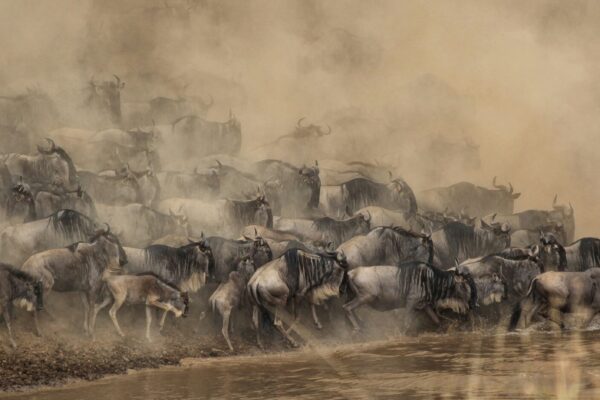
A dozen private conservancies and conservation areas border the Masai Mara National Reserve, and no two of them…
Read more →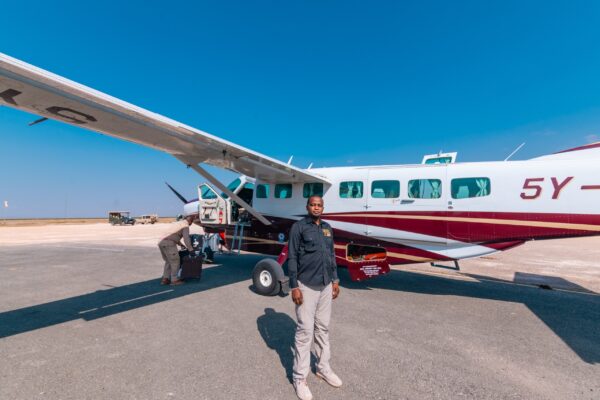
We compare Kenya safari road vs fly-in costs mile for mile, so you know exactly when the extra…
Read more →Tell us what you’d love to see and a local specialist will design a tailor-made itinerary around you — no obligation, reply within 24 hours.