
Book-a-Seat Safari Kenya: How It Works and Who It Suits
We built our book-a-seat model to give shared travellers a private safari's comfort without a private safari's price…
Read more →
Rubondo Island National Park is a remote island safari destination in Lake Victoria, famous for chimpanzee tracking, forest wildlife, elephants, birdlife, boat safaris and sport fishing.
There is a moment on Rubondo Island when the mainland disappears completely. The boat has left the landing point, Lake Victoria stretches blue in every direction, and the forested shoreline begins to fill the horizon. A fish eagle calls from a dead branch. Somewhere inside the forest, chimpanzees are moving through the canopy, while hippos surface quietly in a sheltered bay. Then the engine cuts and the only sounds left are water, birds and forest.
Rubondo Island National Park is Tanzania’s island wilderness in the southwestern part of Lake Victoria, in Geita Region. Gazetted as a national park in 1977, the park protects the main Rubondo Island together with nine smaller islands across approximately 456 square kilometres of land and water. The landscape is a remarkable mixture of evergreen forest, woodland, papyrus swamp, sandy beaches, rocky bays and open water.
What makes Rubondo Island National Park different from Tanzania’s better-known safari destinations is the combination of forest, lake and wildlife. This is not a Serengeti-style safari of endless plains. It is an island safari where chimpanzee conservation, sitatunga, elephants, giraffes, hippos, crocodiles, exceptional birdlife and Lake Victoria all become part of the same experience.
Rubondo Island National Park is also one of Tanzania’s most unusual conservation stories. Species have been carefully introduced to the island over the decades, while the park’s forests and wetlands provide refuge for wildlife that can be difficult to encounter elsewhere. Today, conservation work includes chimpanzee monitoring, ranger patrols, shoreline protection and collaboration with surrounding communities.
We recommend Rubondo Island National Park to travellers who have already experienced the classic northern Tanzania safari or who simply want something quieter and more unusual. If the Serengeti is about open horizons and huge herds, Rubondo is about forest trails, hidden bays, chimpanzees, boats and the feeling of being somewhere genuinely remote.
Rubondo Island National Park is a protected island wilderness in the southwestern part of Lake Victoria, Tanzania. Established as a national park in 1977, Rubondo covers approximately 456 square kilometres including the main island and surrounding smaller islands and waters. It is known for chimpanzees, elephants, giraffes, sitatunga, hippos, crocodiles, exceptional birdlife, boat safaris, forest walks and catch-and-release fishing for Nile perch.
Location: Southwestern Lake Victoria, Geita Region, northwestern Tanzania
Size: Approximately 456 square kilometres, including land and water
Established: 1977
Main ecosystem: Evergreen forest, woodland, papyrus swamp, beaches and Lake Victoria shoreline
Known for: Chimpanzees, sitatunga, elephants, giraffes, birdlife, boat safaris and Nile perch fishing
Main lake: Lake Victoria
Main access: Boat transfers from mainland landing points such as Nkome or Kasenda, depending on current arrangements and lake conditions
Air access: Charter flights may use Rubondo’s airstrip by prior arrangement
Wildlife highlights: Chimpanzees, elephants, giraffes, sitatunga, hippos, crocodiles, bushbuck, vervet monkeys, otters, genets and numerous bird species
Main activities: Chimpanzee habituation experience, game drives, guided walks, boat safaris, birdwatching, fishing, canoeing and nature excursions
Best general travel period: June to September, when conditions are generally drier and trails and lake transfers are more predictable.
Rubondo Island National Park has an unusual wildlife profile because its animals live within an island environment dominated by forest and water. Rather than driving across enormous open plains, visitors move between forest tracks, lakeshore clearings, papyrus wetlands and sheltered bays.
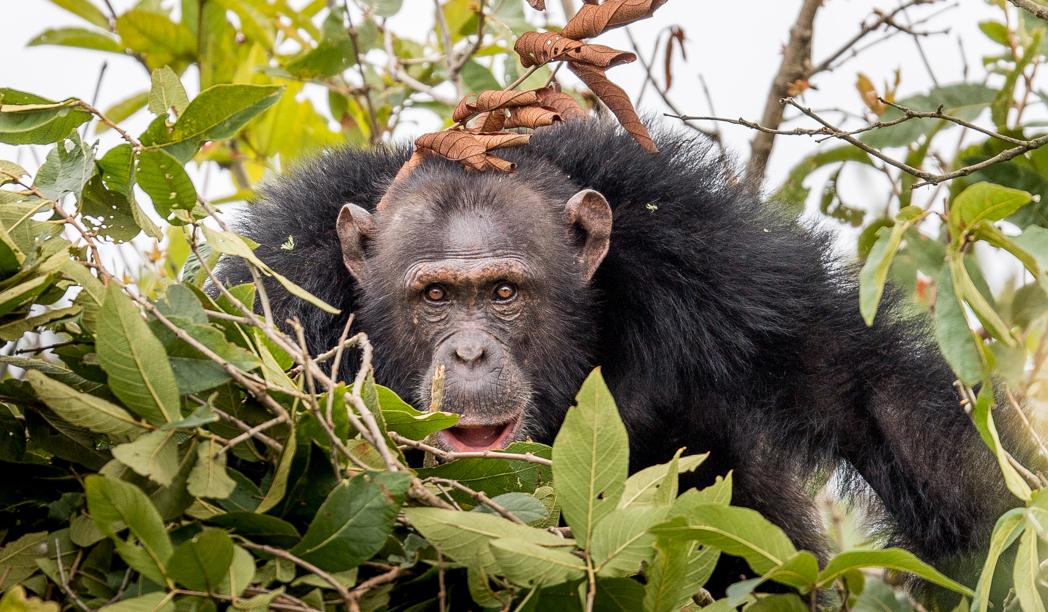
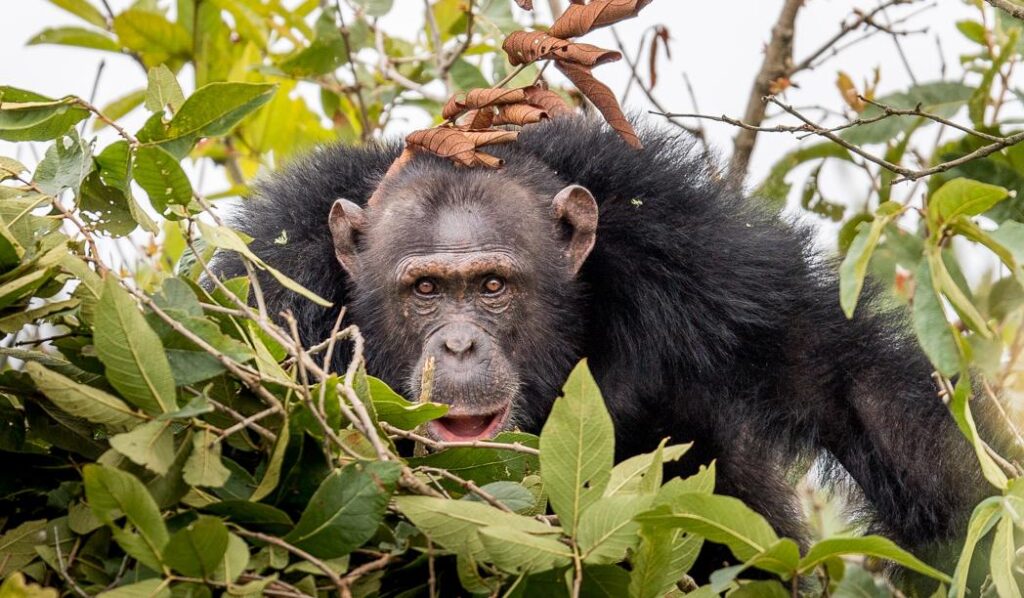
The most famous animal on Rubondo today is the chimpanzee. The park has an ongoing chimpanzee conservation and habituation programme, allowing selected visitors to join researchers and guides as they work with chimpanzees in their natural forest habitat. The experience is deliberately different from conventional wildlife viewing because the animals are not artificially attracted through feeding or playback.
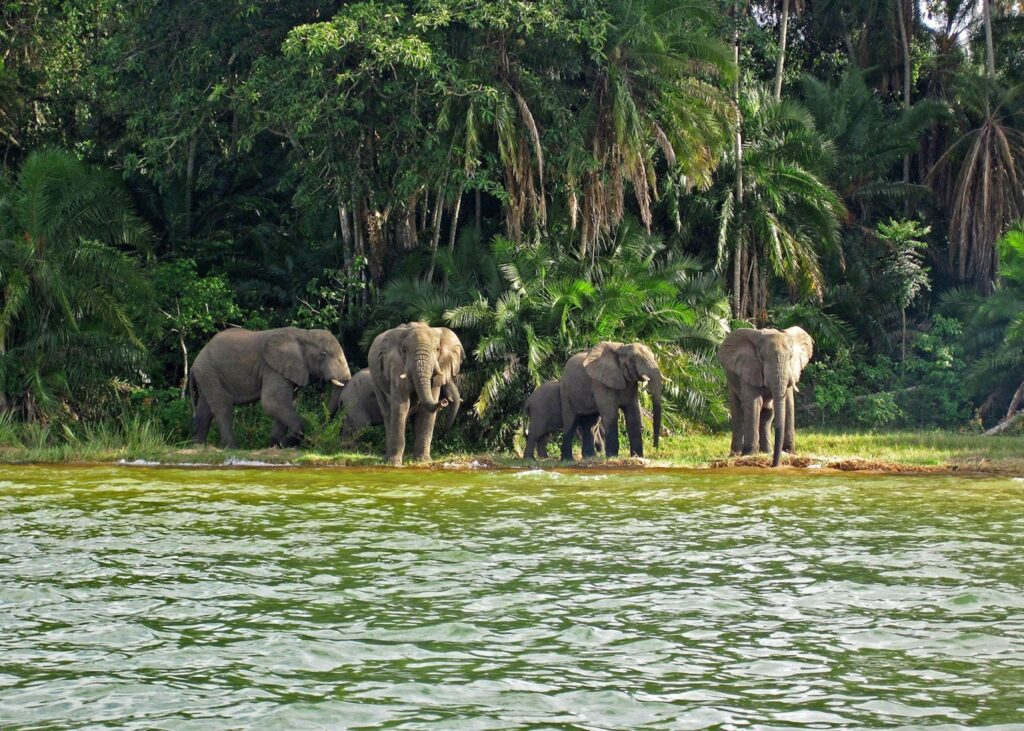
Elephants are another major attraction. Rubondo’s elephants can sometimes be found along the lake shore, where they move between forest and water. Seeing an elephant emerge from dense green vegetation onto a sandy Lake Victoria beach is one of the signature experiences of Rubondo Island National Park.
Giraffes also occur on the island, together with bushbuck, sitatunga, suni, monkeys, genet cats, mongoose and other forest mammals. Because the vegetation is often dense, sightings can require patience and a good guide rather than simply driving from one open plain to another.
The shoreline adds another dimension. Hippos and Nile crocodiles inhabit parts of the lake environment, while otters can sometimes be seen moving through quieter bays. The water and wetlands also attract large numbers of birds.
Rubondo Island National Park supports chimpanzees, elephants, giraffes, sitatunga, bushbuck, suni, monkeys, genets, mongoose, hippos, Nile crocodiles, otters and a wide range of forest and waterbirds. Wildlife viewing is particularly distinctive because animals are encountered within a combination of tropical forest, wetlands and Lake Victoria shoreline.
Chimpanzees are one of the main reasons travellers choose Rubondo Island National Park. The island supports an ongoing chimpanzee conservation and habituation programme, with some chimpanzees gradually becoming accustomed to the presence of researchers and visitors.
The Chimpanzee Habituation Experience, commonly referred to as CHEX, allows guests to accompany the habituation team into the forest and observe the process of studying chimpanzees without using artificial methods to attract them. That distinction matters. The objective is to understand the animals and gradually reduce their fear of human observers rather than create unnatural behaviour for tourists.
A chimpanzee experience in Rubondo Island National Park is therefore less predictable than a conventional game drive. You may follow tracks, listen for calls, search the canopy for movement and wait beneath fruiting trees. Sometimes the reward is a clear view of a group. Sometimes it is simply hearing chimpanzees moving through the forest above you.
For travellers interested in primates, conservation or wildlife research, this is arguably the defining experience of Rubondo Island National Park.
The sitatunga is one of Rubondo Island National Park’s most intriguing animals. This semi-aquatic antelope is specially adapted to wetlands, with elongated, splayed hooves that help it move through soft papyrus and swampy ground.
Sitatunga are notoriously secretive. They tend to disappear into vegetation rather than standing in the open, which makes sightings feel earned rather than guaranteed. The papyrus-lined wetlands and sheltered inlets around Rubondo provide suitable habitat, and boat excursions can sometimes offer a better perspective than conventional game drives.
Finding a sitatunga standing almost motionless among papyrus stems, with only its head and horns visible, is one of the most memorable wildlife moments Rubondo Island National Park can provide.
Rubondo Island National Park is famous for its forest elephants and lakeshore sightings. Elephants move between the island’s forest, woodland and shoreline, sometimes appearing unexpectedly beside a track or on a beach.
The island environment creates a different photographic setting from the open savannahs of the Serengeti. Instead of an elephant silhouetted against a grass plain, you may see one framed by enormous forest trees or reflected in the waters of Lake Victoria.
Elephant sightings can be particularly rewarding during boat excursions when animals are close to the shore. Visitors should always remain at a safe distance and follow the guide’s instructions, especially around beaches and water where hippos and crocodiles may also be present.
Rubondo Island National Park is an exceptional destination for birdwatching. The mixture of evergreen forest, papyrus swamps, beaches, open water and woodland creates habitat for an impressive variety of species.
Fish eagles are among the most characteristic birds of the island, their calls carrying across the lake. Herons, egrets, kingfishers, storks, hornbills and birds of prey are also part of the birding experience, while forest trails can produce species that are less likely to be encountered on open savannah. TANAPA material records nearly 400 bird species for Rubondo.
Boat-based birdwatching is particularly rewarding. Moving slowly through papyrus channels allows visitors to approach wetland habitats without the disturbance associated with a vehicle. Early morning and late afternoon are especially atmospheric when the lake is calm and bird activity is high.
For serious birders, Rubondo Island National Park can easily justify a longer stay than the usual safari itinerary allows.
The Chimpanzee Habituation Experience is the signature activity of Rubondo Island National Park. Guests accompany trained guides and the habituation team into the forest to observe chimpanzees and learn about their behaviour and conservation.
Unlike a standard chimpanzee trekking experience, habituation focuses on the gradual process of getting chimpanzees accustomed to human presence without feeding, playback or other artificial attraction methods. Sightings are therefore naturally unpredictable, but the process itself is part of the experience.
If chimpanzees are the main reason for your visit, we recommend allocating enough time in Rubondo Island National Park rather than trying to squeeze the experience into a single rushed day.
Game drives in Rubondo Island National Park are conducted along forest and woodland tracks rather than the vast open circuits found in the Serengeti.
The slower pace is part of the attraction. A drive may produce elephants, giraffes, bushbuck or monkeys, but it can also become an exercise in reading the forest: tracks crossing the road, fresh dung, feeding marks or movement in the vegetation.
Because the island is heavily forested, game drives in Rubondo Island National Park are about atmosphere as much as animal numbers.
Boat safaris are one of the activities that most clearly separate Rubondo Island National Park from mainland safari destinations.
Lake Victoria surrounds the park, creating opportunities to explore quiet bays, rocky shorelines, papyrus wetlands and smaller islands. From the boat, visitors can look for hippos, crocodiles, otters, waterbirds and elephants along the shoreline while enjoying a completely different perspective of the island.
Boat safaris are also excellent for photography because the water provides open sightlines through an otherwise densely vegetated landscape.
Walking through Rubondo Island National Park brings the forest to life in a way that a vehicle cannot.
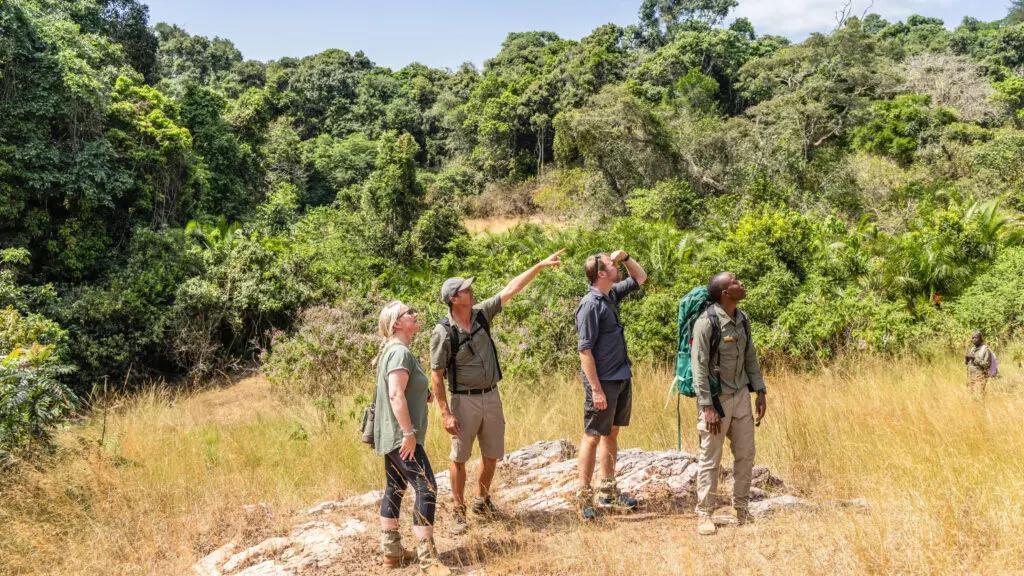
Guided walks can reveal animal tracks, butterflies, birds, orchids, insects, plants and signs of larger mammals that would easily be missed from a game-drive vehicle. Longer walks can also reach viewpoints and lakeshore areas where the forest opens towards Lake Victoria.
TANAPA lists both short and longer guided walking experiences, with the duration depending on the route and visitor request. Walking must be undertaken with authorized guides or rangers.
Birdwatching can be combined with almost every other activity in Rubondo Island National Park. A morning forest walk may produce canopy species, while an afternoon boat trip can focus on waterbirds and fish eagles.
The variety of habitats means that serious birders should consider spending more than one night on the island. The longer you stay, the more opportunities you have to explore forest, swamp and shoreline habitats.
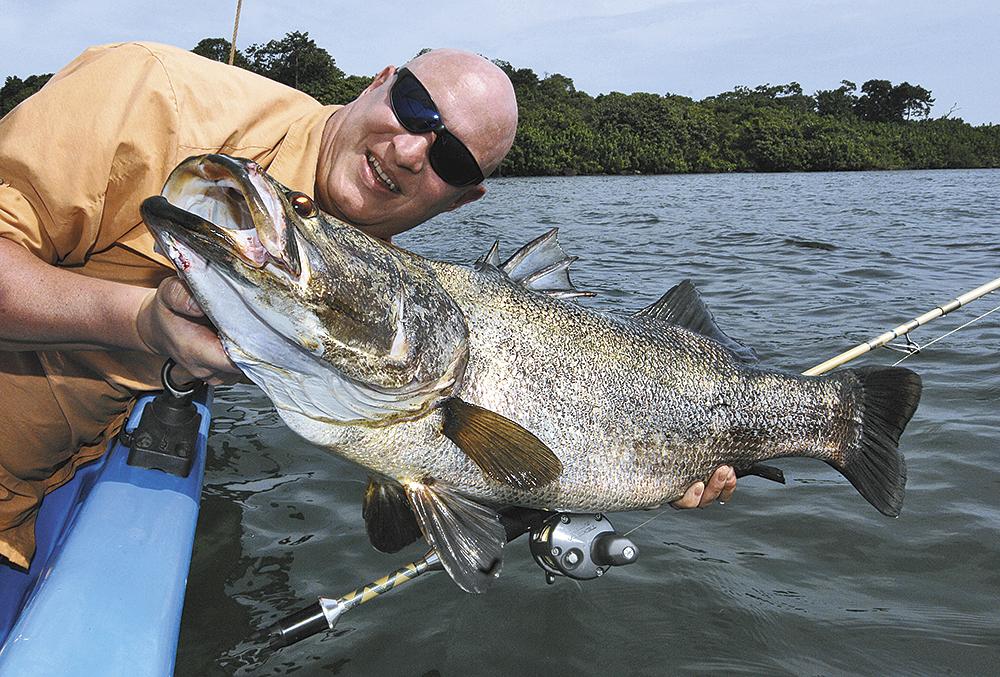
Rubondo Island National Park is one of Tanzania’s unusual fishing destinations. Lake Victoria around the island is known for Nile perch, with catch-and-release sport fishing offered under controlled conditions and with the necessary permissions.
Some Nile perch caught around Rubondo can be very large, making the experience particularly attractive to anglers. TANAPA specifically lists catch-and-release fishing among the park’s tourism activities.
Fishing should always be arranged in advance because permitted areas, guides, boats and current regulations can vary.
Canoeing offers a quieter way to experience Lake Victoria around Rubondo Island National Park. Where currently available and permitted, paddling provides a low-noise perspective of the shoreline and smaller bays.
The appeal is not speed. It is the opportunity to move quietly through the lake environment while watching birds and forest along the shoreline.
Rubondo Island National Park is a photographer’s destination for people who enjoy more than classic big-game photography.
The combination of deep green forest, blue Lake Victoria, sandy beaches, papyrus wetlands, chimpanzees, elephants, birds and dramatic African skies provides enormous variety. Early morning mist, reflections on the lake and the warm light filtering through the forest can be particularly atmospheric.
Rubondo is an island, and its beaches are part of what gives the destination its character.
Sandy coves are surrounded by forest, while the lake stretches beyond them towards the distant mainland. These are not conventional resort beaches; they are wild lakeshore environments where wildlife can pass nearby.
Elephants and other animals may use the shoreline, so guests should never wander away from designated areas without a guide.
Rubondo Island National Park is not only a wildlife destination. The park contains cultural sites that add another layer to the island’s history.
TANAPA identifies three main cultural sites: Maji Matakatifu, Ntungamirwe and Alutare. These places form part of the cultural heritage protected within the park and can be incorporated into guided experiences where access is permitted.
The cultural dimension is particularly important because Rubondo’s story extends beyond wildlife. Understanding how people historically interacted with the island helps visitors see the national park as a protected cultural and ecological landscape rather than simply a place to search for animals.
Conservation is central to the identity of Rubondo Island National Park.
The island has become an important refuge for forest wildlife, while species translocations and long-term protection have shaped the ecosystem visitors see today. Current conservation priorities include ranger patrols, shoreline protection, forest-fire management, invasive-species control and community engagement.
Chimpanzee conservation is particularly important. The ongoing habituation programme provides opportunities for research and carefully managed tourism while improving understanding of chimpanzee behaviour.
The park also works with surrounding communities. TANAPA highlights collaboration with 12 border villages, including efforts to combat poaching, train former hunters as wildlife rangers and guides, and involve schools in conservation education.
This relationship between tourism and conservation is one of the reasons we believe Rubondo Island National Park deserves more attention from travellers looking for responsible wildlife experiences.
The Serengeti is the obvious choice for travellers who want vast savannahs, enormous herds, high predator density and classic East African game viewing.
Rubondo Island National Park offers almost the opposite experience.
Instead of open plains, you get forest. Instead of huge concentrations of herbivores, you get more intimate wildlife encounters. Instead of spending most of the day in a safari vehicle, you can combine game drives with boats, forest walks, fishing and chimpanzee experiences.
We would not recommend Rubondo as a replacement for the Serengeti if the Great Migration or big-cat viewing is your priority. We recommend it as a completely different Tanzania safari experience.
Lake Manyara National Park is famous for its dramatic escarpment, groundwater forest, elephants, birdlife and tree-climbing lions.
Rubondo Island National Park is more remote and much more dominated by forest and water. The island environment, chimpanzee programme, sitatunga and Lake Victoria boat activities give Rubondo a very different identity.
Travellers interested in primates, birding and unusual ecosystems will generally find Rubondo more distinctive, while Lake Manyara works particularly well as part of a northern Tanzania circuit.
Gombe National Park is one of Tanzania’s most famous chimpanzee destinations and has an extraordinary scientific history associated with Jane Goodall.
Rubondo Island National Park also offers chimpanzee experiences, but the overall safari is broader. Here, chimpanzees share the itinerary with elephants, giraffes, sitatunga, hippos, crocodiles, lake excursions, birding and fishing.
If chimpanzees are your only priority, Gombe deserves serious consideration. If you want chimpanzees combined with a wider island safari, Rubondo Island National Park is an exceptional alternative.
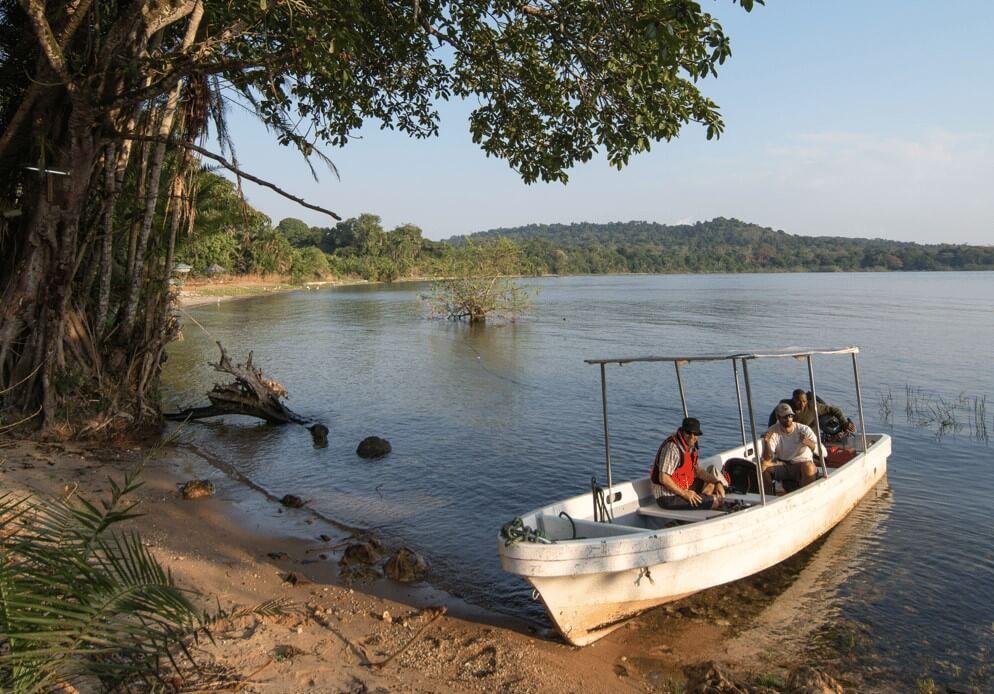
For most travellers, the final approach to Rubondo Island National Park is by boat.
TANAPA currently advises that access is typically arranged through boat transfers from mainland landing points such as Nkome or Kasenda, depending on conditions and the operational arrangements in place at the time of travel. The park recommends confirming boat schedules in advance because Rubondo is an island and lake conditions can change.
This boat transfer is not simply a logistical inconvenience. It is part of the Rubondo experience. As the mainland fades behind you and the forested island approaches, the safari begins to feel genuinely remote.
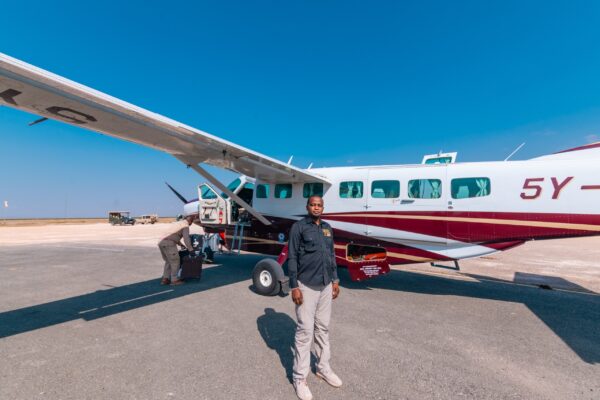
Rubondo Island National Park can also be incorporated into a fly-in itinerary. Visitors can fly to Mwanza or Bukoba and continue by road to the appropriate embarkation point, while charter flights may use Rubondo’s airstrip by prior arrangement.
For guests combining Rubondo with other Tanzania destinations, flying can save considerable travel time and make the island much easier to include in a multi-destination itinerary.
A road-and-boat safari is an option for travellers who want to experience western Tanzania at ground level.
The exact route depends on the mainland landing point and current road and boat arrangements. We confirm the transfer sequence before departure rather than relying on a fixed route, because Rubondo’s island logistics can change with lake conditions and operational schedules.
Driving and taking a boat makes sense if you enjoy overland travel and want to explore western Tanzania along the way. It also allows Rubondo Island National Park to become part of a broader western circuit.
Flying makes more sense when time is limited or when Rubondo is being combined with destinations such as Serengeti, Mwanza, Gombe or other northern and western Tanzania parks.
The important thing to remember is that Rubondo is not a destination where you should arrive without pre-arranged transfers. TANAPA specifically advises visitors to confirm boat arrangements in advance, and island logistics require more planning than a conventional road-accessible national park.
Rubondo Island National Park has a warm tropical climate influenced by its position in Lake Victoria. Temperatures are relatively consistent throughout the year, with daytime conditions generally around the mid-20s Celsius and cooler nights.
Rainfall varies much more than temperature. The drier period is generally from June through September, while October can begin to see increasing rainfall. The wetter season extends through November to May, with particularly wet conditions during the long rains.
The climate affects the safari experience in practical ways. During wetter periods, forest trails can become slippery and lake conditions can occasionally make boat transfers more complicated. At the same time, the wet season brings lush vegetation, flowers, butterflies and excellent birding conditions.
Rubondo Island National Park therefore does not have a single “bad” season. It simply offers different experiences at different times of year.
Rubondo Island National Park has a warm tropical climate with relatively stable temperatures throughout the year. June to September is generally drier and offers easier conditions for walking and wildlife activities, while the wetter months produce greener vegetation, more flowers and strong birding opportunities.
June through September is generally the best time to visit Rubondo Island National Park for travellers prioritizing chimpanzee experiences, walking, game viewing and predictable lake conditions. Trails are generally drier, vegetation is less dense in some areas and the weather is more reliable.
January and February can also be rewarding because there is often a relatively drier spell between the wetter periods. The island remains green, making this a particularly attractive period for birdwatching and photography.
March through May brings wetter conditions, with April typically among the wettest months. This can make walking trails more difficult, but the forest becomes exceptionally lush and birdlife remains a strong attraction.
November and December bring the short rains. These months can be excellent for travellers who prefer greener scenery and fewer visitors, provided they are comfortable with occasional showers.
June to September is generally the best period for Rubondo Island National Park because of drier weather, easier walking conditions and more predictable lake conditions. January and February can also be good, while the wet months from March to May are particularly attractive to birders and travellers who enjoy lush landscapes.
TANAPA’s current Rubondo Island National Park information lists an international adult entry fee of USD 70 and an international child fee of USD 20, while East African residents are listed at TZS 20,000. However, Rubondo has several additional activities and island-specific services, and the current TANAPA tariff should be checked when the safari is confirmed.
Additional charges may apply for activities such as boating, guided walks, fishing, camping, vehicles and special permits depending on the arrangement.
For this reason, we recommend budgeting for the complete Rubondo Island National Park package rather than looking only at the basic conservation entry fee.
Most Afrikan Accent Adventures safari packages can include park fees, accommodation, meals, transfers, guiding and selected activities, depending on the itinerary.
TANAPA currently lists international entry at USD 70 for adults and USD 20 for children, with East African residents listed at TZS 20,000 on its Rubondo park page. Activity, accommodation and other service charges can be additional, so current tariffs should be confirmed before booking.
Two nights gives you a taste of Rubondo Island National Park. You can combine a game drive, boat excursion and forest activity, but the schedule will be relatively tight.
Three nights is our preferred minimum for a first visit. It allows enough time for chimpanzee activities, game viewing, a boat safari and birdwatching without making every day feel rushed.
Four nights or more is ideal for travellers who want to slow down. You can dedicate time to chimpanzee habituation, take longer forest walks, spend an afternoon on Lake Victoria, try catch-and-release fishing and explore different areas of the island.
For photographers and birders, four or five nights can be particularly rewarding because the island’s wildlife is not concentrated in one open area.
Three nights is a good starting point for a first Rubondo Island National Park safari. Four or more nights are better for travellers who want to combine chimpanzee experiences, boat safaris, walking, birdwatching, fishing and slower wildlife exploration.
Accommodation in Rubondo Island National Park is intentionally limited, which is part of the destination’s appeal.
TANAPA provides public and special camping options on the island, with special campsites requiring advance booking. There are also partner accommodation facilities operating in or around the park, subject to availability.
Rubondo Island Camp is the best-known established private accommodation option on the island. The property has lakeside cottages surrounded by forest, providing guests with direct access to the atmosphere of Lake Victoria and the surrounding wilderness. Available room configurations include standard lakeside chalets and family accommodation, with some sources also listing a honeymoon suite.
For travellers seeking a more adventurous experience, camping provides a much closer connection to the island environment. The important point with Rubondo Island National Park accommodation is to book ahead because the number of beds is limited compared with larger safari destinations.
The attraction of Rubondo Island Camp is its lakeside setting.
Cottages are positioned among the forest close to Lake Victoria, giving guests a private base from which to experience the island. The combination of forest, lake views and wildlife creates a very different atmosphere from a traditional savannah lodge.
Depending on the current operating arrangements, guests can combine their stay with game drives, boat trips, birdwatching, fishing and walking activities.
For honeymooners and couples, the privacy of the island makes Rubondo Island National Park an especially appealing addition to a longer Tanzania itinerary.
Rubondo Island National Park safaris generally cost more than a standard road safari through an easily accessible mainland park because of the logistics involved.
The final price depends on accommodation, number of nights, boat transfers, whether you fly or travel by road, chimpanzee activities, fishing, private guiding and the time of year.
A simple camping-based Rubondo itinerary can be considerably more affordable than a private fly-in safari with lakeside accommodation. At the luxury end, limited accommodation supply and specialist island logistics can make the daily rate significantly higher.
Rather than quoting one fixed price for every traveller, we build Rubondo Island National Park packages around the accommodation level and activities required.
Rubondo Island National Park safari costs vary considerably according to accommodation, transport, season and activities. Boat transfers, specialist chimpanzee experiences, fishing, private guiding and fly-in arrangements can all increase the overall cost. A customized quote is more useful than a single fixed daily rate because island logistics differ from one itinerary to another.
We build Rubondo Island National Park into Tanzania itineraries in several ways.
A three- or four-night Rubondo safari can work as a standalone western Tanzania escape for travellers interested in chimpanzees, forest wildlife and Lake Victoria.
Rubondo Island National Park can also be combined with Serengeti, especially for travellers who want to contrast the open savannah with an island forest environment.
Another option is a western Tanzania itinerary linking Rubondo with Mwanza, Lake Victoria and other destinations in the western circuit.
For birders and photographers, we can slow the itinerary down and dedicate more time to forest walks, boat excursions and wetland habitats.
For anglers, the itinerary can be built around catch-and-release Nile perch fishing where current permits and regulations allow.
Rubondo Island National Park is a destination where responsible tourism matters because the island’s ecosystems are relatively contained.
Visitors should follow all park regulations, remain on designated routes, avoid disturbing wildlife and never feed animals. Boats must respect designated speed and no-wake areas, particularly around sensitive papyrus and nesting habitats.
Chimpanzee encounters require particular care. Guests should maintain the required distance and follow the instructions of guides and researchers. The objective is to observe natural behaviour rather than encourage animals to interact with tourists.
Fishing must be conducted according to current park rules, including catch-and-release requirements where applicable.
We also encourage guests to minimize plastic waste, avoid leaving anything behind and support local conservation and community initiatives whenever possible.
Rubondo Island National Park rewards travellers who are comfortable with uncertainty. You are not coming here to guarantee a checklist of ten animals before lunch. You are coming to walk through an island forest, listen for chimpanzees, drift past papyrus wetlands, watch fish eagles over Lake Victoria and wait for an elephant to appear from the trees.
That slower approach is exactly what makes Rubondo special.
Rubondo Island National Park offers one of Tanzania’s most distinctive safari experiences.
It combines wildlife and water in a way few mainland parks can match. You can begin the morning tracking chimpanzees through forest, spend the afternoon searching for sitatunga from a boat and finish the day watching the sun disappear over Lake Victoria.
The park is also ideal for travellers who have already visited Tanzania’s famous safari destinations and want something different.
There are no endless crowds of safari vehicles here. There is no need to follow a migration route. The experience is slower, more intimate and more exploratory.
Rubondo Island National Park also offers an opportunity to see Tanzania from a different ecological perspective. Forest, wetland, lake and wildlife are interconnected throughout the island, and every activity reveals another part of that relationship.
Rubondo Island National Park works surprisingly well as a honeymoon destination for couples who prefer wilderness to conventional beach resorts.
The lakeside accommodation, secluded beaches, forest setting and limited visitor numbers create an intimate atmosphere. Couples can combine wildlife activities with private boat excursions, forest walks and quiet evenings beside Lake Victoria.
For couples already planning Zanzibar or another Indian Ocean beach stay, Rubondo Island National Park can be added as a wildlife-focused beginning or ending to the honeymoon.
The combination of chimpanzees, elephants, Lake Victoria and forest makes the experience very different from the more conventional safari-and-beach itinerary.
Families can also enjoy Rubondo Island National Park, particularly those with children who are interested in wildlife, birds, fishing and outdoor exploration.
The island environment provides opportunities to learn about ecosystems in a more hands-on way. Children can observe birds from a boat, look for animal tracks on forest walks and learn how chimpanzee conservation works.
Activity and age restrictions vary, so we confirm the current requirements before booking specific experiences such as chimpanzee activities, walking and fishing.
Birdwatchers should consider spending at least three or four nights on the island.
The combination of Lake Victoria, papyrus swamp, forest and woodland means that different habitats can be explored within a relatively compact area. Boat trips are particularly productive for waterbirds, while forest walks can reveal species hidden in the canopy.
The island’s fish eagles are an obvious highlight, but experienced birders should also keep an eye out for herons, egrets, kingfishers, hornbills, storks and other forest and wetland species. Nearly 400 bird species have been recorded in Rubondo according to TANAPA material.
Photographers who enjoy environmental images rather than only close-up wildlife portraits will find Rubondo exceptionally rewarding.
Lake Victoria creates reflections and open horizons, while the forest provides layers of green and changing light. Elephants on the shoreline create powerful compositions, while fish eagles and other birds can be photographed against open water.
Chimpanzees present a different challenge. Photographing them requires patience and an understanding that the forest environment can be visually dense. The reward is an image that feels genuinely wild rather than staged.
Rubondo Island National Park is one of Tanzania’s best destinations for travellers looking beyond the conventional safari circuit.
From chimpanzee habituation and sitatunga to elephants on the lakeshore, fish eagles over Lake Victoria, forest walks, boat safaris and catch-and-release fishing, Rubondo combines experiences that are rarely found together in one national park.
We build Rubondo Island National Park safaris as standalone island escapes or as part of larger Tanzania itineraries. The right itinerary depends on whether your priority is chimpanzees, wildlife, birding, fishing, photography, relaxation or simply experiencing somewhere far removed from the normal safari route.
If you have already visited Serengeti, Ngorongoro and Tarangire and are asking what Tanzania has beyond the classic northern circuit, Rubondo Island National Park is one of the answers we would give you.
Rubondo is not simply a safari on an island.
It is a forest safari, a lake safari, a chimpanzee experience and a wilderness escape wrapped into one destination.
Rubondo is home to one of conservation's most extraordinary stories. Between 1966 and 1969, Professor Bernhard Grzimek released 17 chimpanzees — rescued from European zoos and circuses — onto this island in the first-ever attempt to return captive chimps to the wild. Their descendants now thrive in the rainforest, and thanks to an ongoing habituation project, you may just get to meet them.
Rubondo's flagship draw. Trek through dense rainforest to spend time with a wild chimpanzee community descended from zoo-rescued individuals. This is a…
Rubondo is one of Africa's premier freshwater sport-fishing destinations. Anglers target the legendary Nile perch — one of the continent's largest freshwater…
An ornithologist's dream. Spot African fish eagles (in exceptional concentration), African grey parrots, pied kingfishers, herons, cormorants, egrets and African darters. Waterbirds…
Glide across Lake Victoria's sheltered bays spotting hippo, crocodile, elephant at the shoreline, otter and monitor lizard. Sunset cruises with drinks in…
Explore the island's lush interior on foot with an expert guide. Discover rare orchids, wild jasmine, ancient tamarind and sycamore fig trees,…
Encounter elephants, giraffes, hippos, and crocodiles alongside native sitatunga, bushbuck, vervet and colobus monkeys, genets, mongoose and suni. The island's remoteness lets…
With a single boutique camp and only a handful of park wardens and researchers on the entire island, Rubondo offers a level…
Pristine sandy beaches backed by ancient forest, a lakeside swimming pool, forest treehouse sleep-out and dinners served beneath the stars on the…
From value camps to premium lodges — we match every stay to your style and budget.
Comfortable tented camps just outside the reserve gates. En-suite rooms with hot showers, full-board meals, and close proximity to the Mara.
Spacious canvas tents on raised platforms with private decks, often inside or adjacent to conservancies. Better access and fewer crowds.
World-class lodges and exclusive camps in private conservancies. Night drives, bush walks, spa, and personalized service — the ultimate safari experience.
Every season has its magic — here's what to expect when, so you can travel at your perfect time.
Everything you need to know before you go — and we’ll guide you through every step.
The fastest and easiest route is a light-aircraft flight into Rubondo Airstrip (AURB), served by scheduled and charter services from Arusha, Mwanza, the Serengeti, and Kigali (Rwanda). Flight time from the northern circuit runs roughly 1.5–2 hours, and camp is only a 10–20 minute drive from the strip. Because Rubondo connects directly to both the Serengeti and Kigali, it slots neatly between a savannah safari and Rwanda's gorillas. Your camp or operator will coordinate the flight with your wider itinerary.
Reaching Rubondo overland means combining a drive with a lake crossing. Drive from Mwanza (~270 km to Muganza), Chato, or Bukoba to a lakeside departure point such as Muganza, Nkome, or Kasenda, then cross by boat — a journey of 1–2 hours depending on weather and departure point. Boat transfers must be arranged in advance through your operator or accommodation; you cannot simply turn up. This route is considerably cheaper than flying but costs you the better part of a day.
TANAPA conservation fees are charged per person, per day: approximately US$30 for non-East African adults (16+) and US$10 for children aged 5–15. Children under 5 enter free. East African citizens pay TSh 5,000 (adult) and TSh 2,000 (child). Camping and concession fees are additional and depend on where you stay. Note that park fees are not included in Rubondo Island Camp rates. TANAPA revises its tariff annually, so confirm current rates when you book.
TANAPA gates accept electronic payment only — Visa or Mastercard. Cash and debit cards are not accepted for park fees, which catches out a surprising number of independent travellers. If you're booking through an operator or staying at Rubondo Island Camp, fees are usually settled on your behalf, but confirm this in writing beforehand. Carry some Tanzanian Shillings separately for tips and village purchases.
Chimpanzee trekking requires a separate TANAPA chimp permit that is not covered by camp rates or your standard conservation fee. The minimum age is 12 years — no exceptions — and younger children remain at camp with a supervising adult. Permits should be arranged in advance through your camp or operator. Sightings are never guaranteed: these are wild chimpanzees in dense rainforest, and the habituation project is ongoing rather than complete.
June to October is the sweet spot — cooler, drier weather, firmer forest trails, easier chimp tracking, better visibility, and noticeably fewer mosquitoes. November–December and February–March offer green scenery, migratory birds, thinner crowds, and softer rates. April and May bring the long rains, muddy trails, and choppy lake conditions — and Rubondo Island Camp closes entirely from 1 April to 31 May. Temperatures stay fairly constant year-round; it's rainfall that varies.
Rubondo Island Camp is the only accommodation inside the park — eight lakefront cottages including one family cottage, plus a treehouse sleep-out. Peak season fills months ahead, and the annual April–May closure compresses demand further. The camp welcomes children aged 5 and older. Budget travellers can use TANAPA public and special campsites (fully self-sufficient, pre-booked) or stay on the mainland near Chato/Muganza and visit by boat. Allow 2–4 nights to do the island justice
Rubondo sits in the Lake Victoria basin, a malaria-transmission region. Antimalarial prophylaxis is strongly recommended, alongside repellent, long sleeves at dawn and dusk, and covered footwear. The dry season sees fewer mosquitoes but no reduction in the need for precautions. Tanzania may also require proof of yellow fever vaccination if you're arriving from or transiting a yellow-fever risk country — which includes Kenya. Consult a travel clinic 6–8 weeks before departure, and confirm current requirements with an official source, as they change.
Rubondo is very safe — there's almost nobody here — but it is isolated, with no hospital on the island and evacuation dependent on aircraft and weather. Comprehensive travel insurance including medical evacuation cover is essential, and flying-doctor membership is worth considering; note that Rubondo Island Camp explicitly excludes medevac cover from its rates. Forest walks are accompanied by an armed ranger as standard. Lake Victoria can turn choppy quickly, so boat activities are weather-dependent.
Light-aircraft transfers enforce strict luggage limits — typically 15 kg in a soft-sided bag; confirm with your operator. Bring neutral-toned clothing (khaki, olive, brown — avoid blue and black, which attract tsetse), sturdy closed walking shoes for forest trails, long sleeves and trousers for evenings, a light waterproof, swimwear, sun hat, high-factor sunscreen, strong insect repellent, and binoculars — non-negotiable with 300+ bird species. Photographers should bring a 400mm+ lens and more memory than they think they need.
Rubondo Island Camp has generator power, battery-charging facilities, and Wi-Fi, so cameras, phones and laptops can be kept topped up throughout your stay. That said, this is a remote island — connectivity is functional rather than fast, and mobile coverage across the wider park is patchy to absent. Bring a universal adapter (Tanzania uses UK-style Type G plugs, 230V) and a power bank for long days out. Frankly, the disconnection is part of the appeal.
Rubondo Island Camp rates are full board and include: all meals, most house drinks (excluding champagne), game drives, boating safaris, swamp excursions, forest walks, fishing and fishing permits, airstrip transfers, limited laundry, and the Tourism Development Levy. Excluded: park and concession fees, the TANAPA chimp permit, exclusive fishing-boat hire (~US$200–250 per half day), spa treatments, and medical evacuation insurance. The currency is the Tanzanian Shilling (TZS), though US dollars are widely accepted — bring notes issued 2009 or later, as older bills are often refused.
Drones are prohibited in all Tanzanian national parks without prior written authorisation — this is enforced, and confiscation is common. Driving inside parks is permitted 6am to 6pm only, with a 50 km/h speed limit. Off-trail walking without a guide is not allowed. Fishing is strictly catch-and-release. Follow your guide's instructions during chimp encounters: maintain distance, keep voices low, and if you're unwell, declare it — chimpanzees are vulnerable to human respiratory infections.
Most nationalities require a visa to enter Tanzania, available in advance via the official government eVisa portal or on arrival at major entry points. Your passport must be valid for at least six months beyond your arrival date with blank pages available. If you're combining Rubondo with Kenya or Rwanda, an East Africa Tourist Visa may be more economical. Visa categories, fees and processing times change — verify with the official Tanzanian immigration portal or your nearest high commission before you travel. Don't rely on third-party summaries, including this one.
It's famous for its wild chimpanzees — descendants of zoo- and circus-rescued chimps released here in the late 1960s — plus world-class Nile perch fishing, 300+ bird species, and unmatched seclusion. It's one of only two island national parks in Tanzania.
Most visitors fly in by scheduled or charter light aircraft to Rubondo Airstrip (AURB), served from Arusha, Mwanza, the Serengeti and even Kigali (Rwanda). Overland travelers drive to Muganza/Nkome and take a 1–2 hour boat transfer across the lake. From the airstrip it's a 10–20 minute drive to camp.
The dry season, June to October, is ideal — best for chimp trekking, forest walks, boat safaris, and birding, with fewer mosquitoes and drier trails.
Conservation fees are approximately US$30 per adult (non-East African) and US$10 per child (5–15) per day; children under 5 are free. East African citizens pay TSh 5,000 (adult) / TSh 2,000 (child). Fees are subject to change — always confirm current TANAPA tariffs at booking. Chimp permits, concession fees, and activity fees are additional.
Rubondo Island Camp by Asilia Africa is the only lodge inside the park — an eight-cottage luxury camp. Budget travelers can use TANAPA campsites or stay on the mainland near Chato/Muganza and visit by boat.
Yes, chimpanzee habituation treks are Rubondo's highlight, but sightings are never guaranteed — these are wild animals in dense forest. The habituation project has made encounters increasingly frequent. A separate TANAPA chimp permit is required; minimum age is 12.
Yes. Rubondo Island Camp welcomes children aged 5 and older and offers a dedicated family cottage. However, chimpanzee trekking requires a minimum age of 12; younger children stay at camp with supervision.
Elephants, giraffes, hippos, crocodiles, sitatunga, bushbuck, suni, vervet and black-and-white colobus monkeys, genets, mongoose, otters, monitor lizards and 300+ bird species.
Chimpanzee habituation trekking, guided forest walks, game/forest drives, boat safaris and lake cruises, catch-and-release Nile perch fishing, birdwatching, canoeing, cultural visits and an optional forest fly-camp.
Two to four nights is ideal. Two nights covers the highlights; three-plus nights allows for the full chimp experience (including a possible fly-camp), fishing, and relaxed beach time. It pairs well as a 2–4 night add-on to a Serengeti or Rwanda gorilla itinerary.
Rubondo is very safe with almost no other tourists. As with all of Lake Victoria and lowland Tanzania, malaria prophylaxis is strongly recommended — the dry season has fewer mosquitoes. Consult a travel clinic before departure.
At Rubondo Island Camp: full-board meals, most house drinks, game drives, boating safaris, swamp excursions, fishing and fishing permits, airstrip transfers and limited laundry. Excluded: park/conservation fees, the TANAPA chimp permit, exclusive fishing-boat hire, spa treatments and medical-evacuation insurance.
We built our book-a-seat model to give shared travellers a private safari's comfort without a private safari's price…
Read more →Inside the Masai Mara career of a Kenya Utalii College graduate who tracks big cats for a living…
Read more →A dozen private conservancies and conservation areas border the Masai Mara National Reserve, and no two of them…
Read more →
Tell us what you’d love to see and a local specialist will design a tailor-made itinerary around you — no obligation, reply within 24 hours.