

Women Only Safari Kenya
Women Only Safari in Kenya: Who It’s For, What Seven Days Cost and What to Expect
A Nairobi operator's field notes on our private seven-day Naivasha-to-Mara route, from the first seedling to the last…
Read more →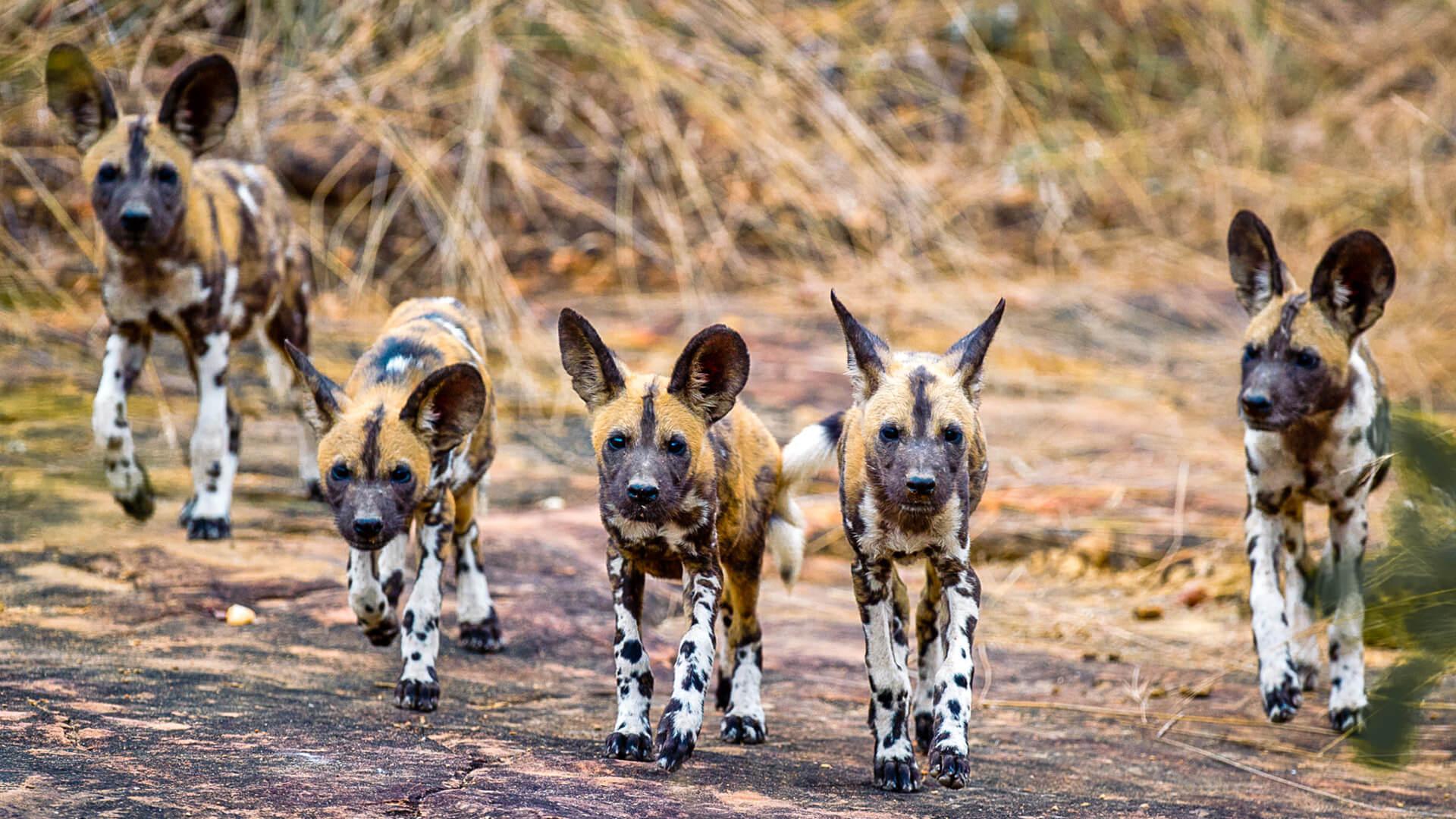
Tanzania's wild south - Rufiji boat safaris, African wild dogs and 30,000 sq km of walking wilderness.
The Rufiji River is already moving when the first boat leaves the bank. Hippos surface in the shallows, a crocodile lies motionless on a sandbank and somewhere beyond the palms an elephant herd is making its way toward the water. The guide cuts the engine and the boat drifts. For a moment there is nothing between you and the southern Tanzanian wilderness except the river.
Nyerere National Park sits in southern Tanzania and forms part of the immense wilderness that was once known as the Selous Game Reserve. Established as a national park in 2019, the park protects more than 30,000 square kilometres of floodplains, miombo woodlands, riverine forests and the Rufiji River system, making Nyerere National Park Tanzania’s largest national park.
What sets a Nyerere safari apart from Tanzania’s northern circuit is the combination of land and water. A morning game drive can put you in front of elephants, lions, giraffes and African wild dogs, while an afternoon boat safari follows the Rufiji River past hippos, crocodiles and hundreds of bird species. Guided walking safaris add another dimension, taking you away from the vehicle and into the smaller details of the bush.
We send guests to Nyerere National Park for a different kind of Tanzanian safari: fewer vehicles, enormous wilderness, river-based wildlife viewing and one of Africa’s most important strongholds for the endangered African wild dog. If you have already experienced the Serengeti and Ngorongoro and want to see a quieter side of Tanzania, Nyerere is one of the places we recommend next.
Nyerere National Park is Tanzania’s largest national park, covering more than 30,000 square kilometres in southern Tanzania. Created in 2019 from the northern photographic sector of the former Selous Game Reserve, Nyerere National Park is known for the Rufiji River, boat safaris, African wild dogs, elephants, hippos, crocodiles, walking safaris and expansive miombo woodland.
Location: Southern Tanzania, around the Rufiji River basin
Size: More than 30,000 square kilometres
Established: 2019 as Nyerere National Park from the northern photographic sector of the former Selous Game Reserve
Managed by: Tanzania National Parks Authority (TANAPA)
Known for: Rufiji River boat safaris, African wild dogs, elephants, hippos, crocodiles, walking safaris and vast wilderness
Nearest major city: Dar es Salaam
Flying time from Dar es Salaam: Approximately 45 to 60 minutes by light aircraft, depending on the airstrip and flight routing
Main airstrips: Mtemere, Siwandu and Beho Beho
Former identity: Northern photographic sector of the Selous Game Reserve
Major river: Rufiji River
Recorded birdlife: More than 430 species, with some sources recording more than 440 species
The Rufiji River is the organizing fact of Nyerere National Park. It runs through the northern part of the park, spreading into channels, floodplains, oxbow lakes and seasonal wetlands before continuing toward the Indian Ocean. The river and its associated lakes provide permanent and seasonal water for hippos, crocodiles, elephants, buffalo and an extraordinary range of waterbirds.
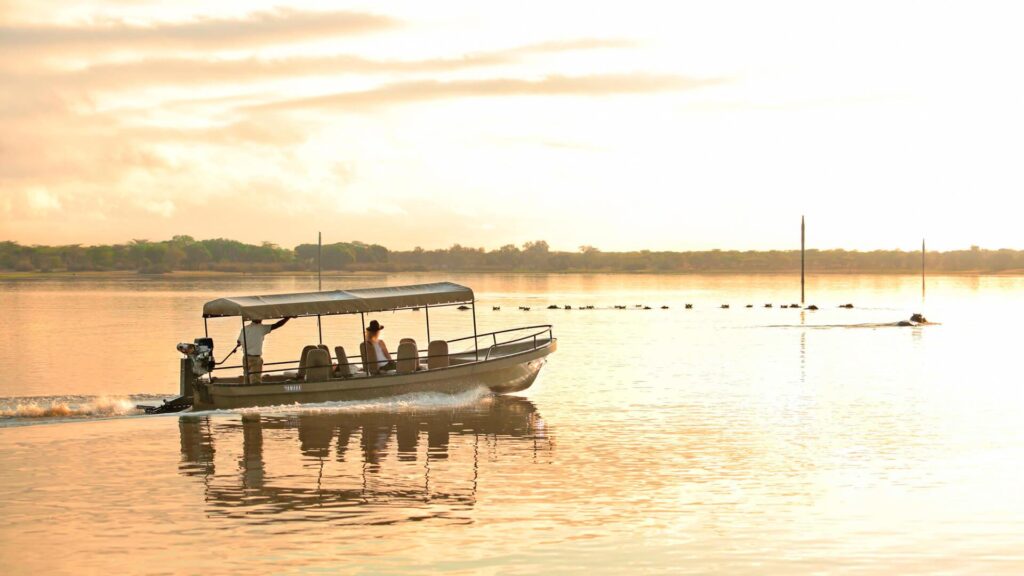
For visitors, the Rufiji River changes the way a safari works. Instead of watching wildlife only from a 4×4, you can sit at water level in a small boat and drift past animals along the shoreline. A boat safari on the Rufiji River is one of the defining experiences of Nyerere National Park and one of the main reasons travellers choose the southern circuit over a conventional northern Tanzania itinerary.
The Rufiji River is the lifeline of Nyerere National Park. Its channels, floodplains and connected lakes provide water and habitat for hippos, crocodiles, elephants, buffalo and hundreds of bird species, while concentrating wildlife during the dry season. It also makes possible one of Tanzania’s most distinctive safari activities: the Rufiji River boat safari.
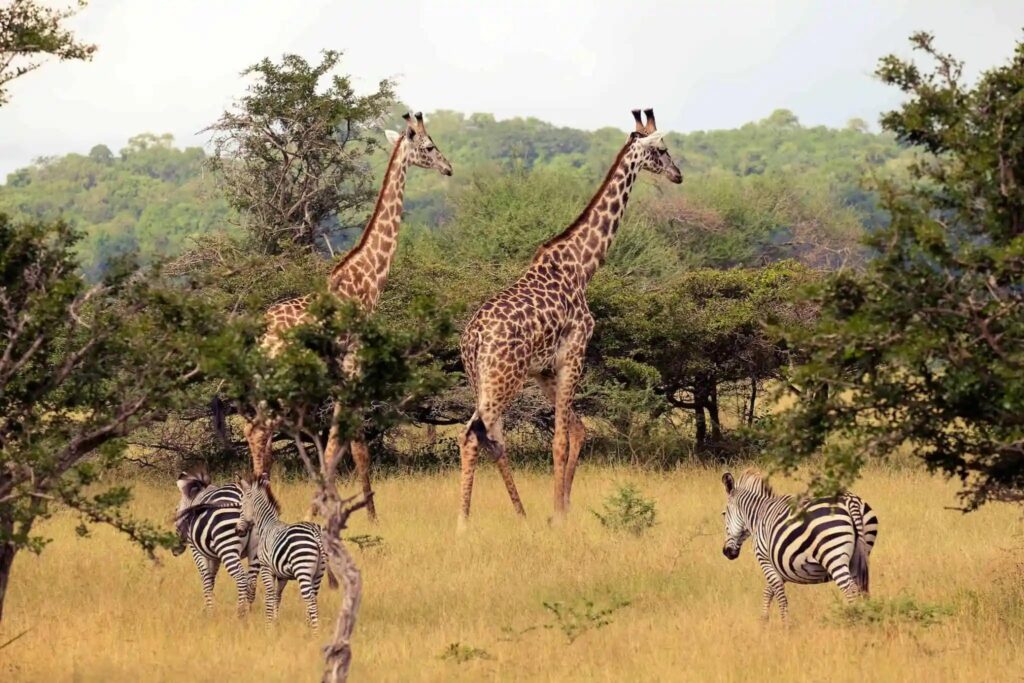
Nyerere National Park supports an enormous range of wildlife across its floodplains, woodlands and riverine habitats. The park is particularly important for African wild dogs, while elephants, buffalo, lions, leopards, giraffes, zebras, hippos, crocodiles, impala and several species of antelope are also found here.
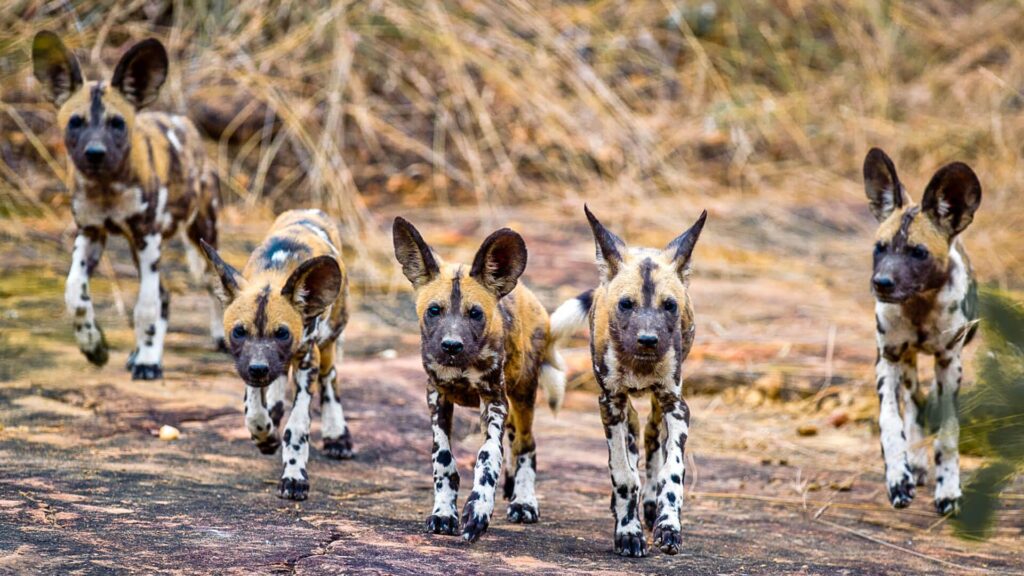
The African wild dog is one of the major reasons to visit Nyerere National Park. The wider Selous-Nyerere ecosystem supports one of Africa’s most important populations of this endangered predator. Wild dog sightings are never guaranteed, but the sheer scale of the habitat and the presence of established packs make Nyerere one of the strongest destinations in Tanzania for trying to find them.
Elephants are another defining feature of the Nyerere safari. Large herds move between woodland, floodplain and river, particularly as water becomes scarce during the dry months. Along the Rufiji, elephants can sometimes be seen crossing channels or approaching the river to drink.
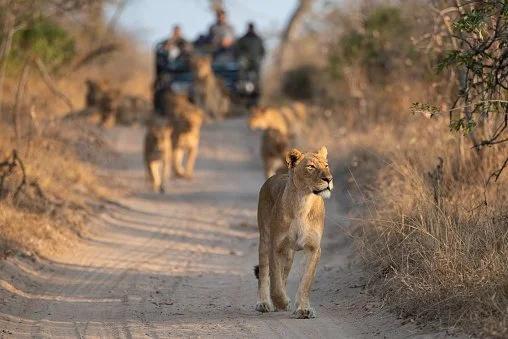
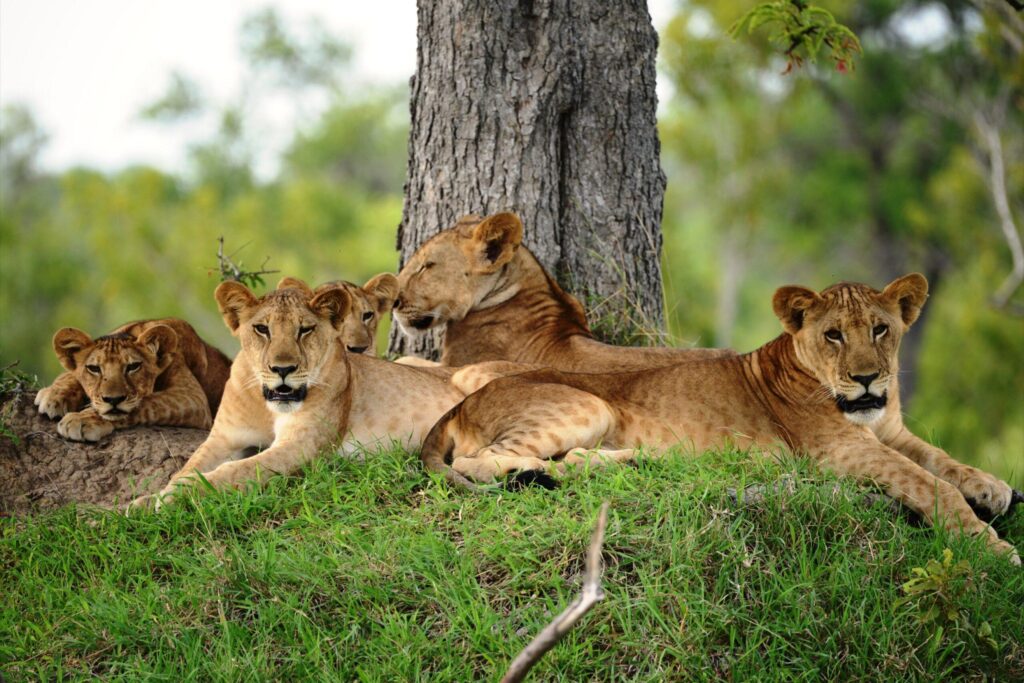
Lions and leopards occupy a different part of the landscape. Lions are regularly encountered around the open plains and floodplains, while leopards are more elusive and are often associated with woodland edges and riverine vegetation.
The Rufiji River adds another wildlife layer. Hippos gather in pods throughout the deeper channels, crocodiles line sandbanks and riverbanks, and waterbuck and buffalo are frequently found close to water.
A Nyerere National Park safari can include African wild dogs, elephants, lions, leopards, buffalo, giraffes, zebras, hippos, crocodiles, impala, waterbuck, hartebeest and other antelope. The Rufiji River and surrounding wetlands support more than 430 recorded bird species.
African wild dogs are arguably Nyerere National Park’s most exciting specialist wildlife attraction. These highly social predators live in packs and cover enormous distances across southern Tanzania.
Finding wild dogs requires patience rather than a fixed schedule. Packs may spend part of the day resting in woodland and then move rapidly across open country, meaning that a sighting can develop very quickly. The best approach is to spend several game drives in suitable habitat and work closely with guides who monitor recent movements.
Unlike the leopard, which often disappears into thick cover, a pack of wild dogs can suddenly appear in the open, creating one of the most energetic wildlife encounters available in Nyerere National Park.
Elephants are widespread across Nyerere National Park, using the Rufiji River and surrounding water sources during dry periods before moving back into the miombo woodland and floodplains.
The scale of Nyerere matters here. This is not a small wildlife reserve where every animal is concentrated around a handful of roads. Elephant herds can travel long distances, and a game drive can sometimes involve tracking them across woodland before eventually finding the herd near water.
A boat safari offers another perspective. Elephants sometimes approach the Rufiji River from the banks, giving guests the opportunity to watch them drinking or crossing while remaining at a respectful distance on the water.
If African wild dogs are the headline predator, hippos and crocodiles are the stars of the Rufiji River.
Hippos spend much of the day submerged in the river and oxbow lakes, surfacing in groups before disappearing again beneath the water. Crocodiles lie along exposed sandbanks, often so motionless that they appear to be part of the landscape until one moves.
The boat safari is the best way to appreciate this river ecosystem. From the water, guests can observe the relationship between the river, wildlife and birdlife without the vehicle-bound perspective of a conventional game drive.
Nyerere National Park is an exceptional destination for birdwatchers, with more than 430 species recorded across its rivers, wetlands, woodland and grasslands.
The Rufiji River is particularly productive for birding. African fish eagles, kingfishers, herons, bee-eaters, storks and other water-associated species can be seen along the channels and lake edges. African skimmers are another sought-after species for experienced birders.
For serious birdwatchers, Nyerere National Park deserves more than a single game drive. A boat safari, morning drive and walking safari each reveal different parts of the bird community.
Game drives are the foundation of a Nyerere National Park safari. Open 4×4 vehicles follow established tracks through woodland, grassland and floodplain in search of elephants, lions, African wild dogs, giraffes, buffalo and plains game.
Morning game drives are particularly valuable because temperatures are lower and predators may still be active. Afternoon drives become increasingly productive as the heat drops and animals begin moving toward water.
The sheer size of Nyerere means that game drives feel exploratory rather than repetitive. A full-day drive can reach areas that shorter morning circuits never touch.
A Rufiji River boat safari is the experience that most clearly separates Nyerere National Park from Tanzania’s northern safari destinations.
Boats move along the Rufiji and its connected channels, passing hippos, crocodiles, elephants, waterbuck, buffalo and large numbers of birds. The low perspective changes the entire safari experience. Instead of looking across a plain from a vehicle, you are moving quietly through the wildlife’s water environment.
Morning boat safaris offer cooler temperatures and excellent birding, while afternoon and sunset trips create beautiful light along the riverbanks. Depending on water levels and the camp, longer boat excursions can explore sections of the lake system.
Walking safaris allow visitors to experience Nyerere National Park at ground level.
Rather than concentrating on the number of large animals seen, a walking safari focuses on tracks, dung, insects, plants, birds and the relationship between different parts of the ecosystem. Authorized ranger-led walking safaris are available in the park, with permits and appropriate guides required.
Walking is slower than a game drive but often more immersive. The sound of the bush becomes more noticeable, and a simple elephant track or fresh predator spoor can become the focus of an entire walk.
Night game drives provide a completely different view of Nyerere National Park.
After sunset, nocturnal animals become active, including genets, civets, bushbabies and other smaller mammals. Predators may also be encountered hunting after dark.
Night drives depend on the specific camp, concession and current operating regulations, so we confirm availability before including one in an itinerary.
Birdwatching in Nyerere National Park can be incorporated into every safari rather than treated as a separate activity.
The Rufiji River and its lakes are particularly productive, while woodland and open grassland add different species. A specialist birding safari benefits from an experienced guide and binoculars, but even general safari guests can expect frequent sightings along the river.
Nyerere National Park offers photographers something different from the open plains of the Serengeti.
The Rufiji River provides reflections, silhouettes, birds and wildlife at the water’s edge. The woodland produces more intimate encounters, while the open floodplains offer opportunities for elephants, giraffes, buffalo and predators.
Early morning and late afternoon provide the best combination of light and wildlife activity.
Sport fishing is available in designated areas of the Rufiji system and can be arranged through selected camps and operators. Fishing is subject to park regulations and local conditions, so it should be booked in advance rather than assumed to be available at every property.
A bush breakfast after an early game drive or sundowners beside the Rufiji can add a slower element to a Nyerere safari.
These experiences are particularly effective here because the landscape itself becomes the backdrop. Instead of rushing from one wildlife sighting to another, guests have time to sit beside the river, watch birds and simply absorb the scale of the southern wilderness.
The Rufiji does not simply pass through Nyerere National Park as a single river. It spreads into a network of channels and lakes that create one of the most distinctive landscapes in southern Tanzania.
Lake Tagalala, Lake Manze, Lake Nzerakera, Lake Siwandu and other connected waters form important wildlife habitats. During the dry season, these water bodies become increasingly important to animals as smaller seasonal sources disappear.
Boat safaris can explore parts of this lake system depending on the camp, water levels and current access. The result is a safari environment where water is not simply a background feature but one of the main ways of experiencing the park.
Stiegler’s Gorge is one of the major geographical features associated with the wider Nyerere landscape. The Rufiji River narrows through a dramatic gorge surrounded by hills before continuing through the wider river system.
The gorge has also become associated with Tanzania’s Julius Nyerere Hydropower Project, making it an important example of the intersection between conservation, energy development and the management of one of Tanzania’s major river systems.
The names Nyerere National Park and Selous Game Reserve are still used interchangeably in many safari conversations, but they are not exactly the same thing.
In 2019, the northern photographic sector of the former Selous Game Reserve became Nyerere National Park. The southern part of the former reserve retained separate status and management. For safari travellers, the important distinction is that the main photographic tourism area associated with the former Selous is now Nyerere National Park and is managed by TANAPA.
This is why older travel guides, lodge websites and safari itineraries may still refer to a “Selous safari” even when the actual destination is Nyerere National Park.
The Serengeti is the stronger choice for travellers focused on vast open plains, large predator concentrations and the Great Migration.
Nyerere National Park offers something different. It is more heavily shaped by rivers, lakes and woodland, and the safari experience includes boating and walking alongside traditional game drives.
We often recommend combining the two rather than treating them as competing destinations. Serengeti delivers classic open-plains safari drama, while Nyerere introduces the southern Tanzanian wilderness and the Rufiji River.
Ngorongoro is famous for its compact concentration of wildlife inside the crater and its dramatic highland scenery. Nyerere is the opposite in scale and rhythm.
A Nyerere safari feels expansive. The landscape stretches across woodland and floodplain, animals move over larger distances and the Rufiji creates an entirely different environment.
If you have already visited Ngorongoro and want a quieter safari experience with boating and walking, Nyerere is an excellent next destination.
Mikumi National Park is easier to reach by road from Dar es Salaam and works well for shorter southern Tanzania safaris.
Nyerere National Park is much larger and offers a more remote wilderness experience. It also provides the Rufiji River boat safari, a major advantage for travellers who want more than conventional game drives.
For a quick wildlife escape, Mikumi can make sense. For a dedicated southern Tanzania safari, Nyerere offers considerably more depth.
Because Nyerere National Park is enormous, access depends heavily on the location of your camp and whether you arrive by road or air.
Mtemere: One of the principal access areas for the northern part of Nyerere National Park and a common gateway for safari camps.
Siwandu: Important for camps and safari operations around the Rufiji lake system.
Beho Beho: A key access and accommodation area in the northern section of the park.
Your accommodation should therefore be chosen before deciding the exact access route. A camp near the Rufiji River creates a different experience from a property positioned deeper into the woodland.
Flying is the easiest and most time-efficient way to reach Nyerere National Park.
Light aircraft connect Dar es Salaam and other Tanzanian safari destinations with airstrips including Mtemere, Siwandu and Beho Beho. The flight usually takes less than an hour from Dar es Salaam, depending on the routing and number of stops.
Flying is particularly useful for travellers combining Nyerere with Zanzibar, the Serengeti, Ruaha or other southern Tanzania destinations.
Nyerere National Park can also be reached by road from Dar es Salaam, although the journey is considerably longer than flying and road conditions vary with season.
A road safari can make sense for travellers who want to experience the changing landscapes of southern Tanzania or combine Nyerere with nearby destinations. For guests with limited time, however, we generally recommend flying.
Choose the road if you want the journey to form part of the safari, are travelling slowly through southern Tanzania or are building a wider road circuit.
Choose flying if your priority is maximizing time inside Nyerere National Park. A short flight replaces many hours of road travel and gets you into the wilderness quickly.
For a three-night Nyerere safari, we normally favour flying because it gives guests more time for game drives, boat safaris and walking rather than spending a large part of the itinerary in transit.
Nyerere National Park has a warm tropical climate, with temperatures influenced by the low altitude, river system and seasonal rainfall.
The dry season generally runs from June through October or November. During this period, water becomes increasingly important and wildlife gathers around permanent rivers, lakes and remaining water sources.
December through February can be greener and particularly attractive for birdwatching. The landscape becomes lush, migratory birds increase the variety of species and visitor numbers are generally lower.
The long rains are concentrated around March to May. Some camps close during the wettest part of the season, and access to certain roads or waterways can become difficult.
Nyerere National Park is warm throughout the year, with a pronounced dry season from approximately June to November and a greener wet season from December onward. The dry months generally provide the most predictable wildlife concentrations, while the green season brings lush landscapes and excellent birding.
Current TANAPA information lists Nyerere National Park entry fees at USD 70 for international adults and USD 20 for international children, while East African residents are charged in Tanzanian shillings. Fees can change, and additional charges may apply depending on accommodation, activities and the exact visitor category.
Boat safaris, walking safaris and other activities can involve additional conservation, guide or activity charges depending on where they are operated.
Most Afrikan Accent Adventures safari packages include the applicable park fees in the quoted safari price, so guests do not normally need to handle individual payments at every activity.
TANAPA currently lists Nyerere National Park entry at USD 70 for international adults and USD 20 for international children, with separate rates for East African residents. Additional activity and concession charges may apply. Always confirm the applicable rate for your travel dates before finalizing your safari budget.
June to October: The main dry season and one of the strongest periods for a Nyerere safari. Wildlife concentrates around water, roads are generally easier and temperatures are manageable during morning and afternoon drives.
November: The landscape begins responding to the rains. Wildlife remains rewarding, although conditions become increasingly unpredictable toward the end of the month.
December to February: Green-season conditions create beautiful scenery and excellent birdwatching. Visitor numbers are generally lower and the park can feel exceptionally quiet.
March to May: The long rains can make access difficult and some camps may close. This is not normally our first recommendation for a Nyerere safari unless the traveller specifically wants the green season and accepts the weather risk.
June to October is generally the best period for predictable game viewing and easier safari conditions. January and February can also be rewarding for green landscapes and birdwatching. March to May is the wettest period and some camps may close during the heavy rains.
Two nights can provide a useful introduction to Nyerere National Park, particularly if you fly in and combine a game drive with a Rufiji River boat safari.
Three nights is our usual recommendation for a first Nyerere safari. It allows time for a full game drive, a boat safari and, where available, a guided walking experience without rushing between activities.
Four nights or more is ideal for travellers who want to explore the wider park, spend more time looking for African wild dogs, take several boat safaris and enjoy the slower pace that makes southern Tanzania special.
Three nights is generally the ideal starting point for a Nyerere National Park safari. It gives you enough time to combine game drives, a Rufiji River boat safari and potentially a walking safari. Four or more nights is better for travellers who want deeper exploration and more opportunities to find African wild dogs.
Nyerere National Park offers a version of Tanzania that feels very different from the country’s better-known northern circuit.
The park is enormous, the visitor density is relatively low and the Rufiji River provides an experience unavailable in most Tanzanian parks. You can spend the morning tracking African wild dogs through woodland and the afternoon drifting past hippos and crocodiles on the river.
The park also offers genuine variety. Game drives, boat safaris and walking safaris are not simply different ways of doing the same thing. Each activity reveals another layer of Nyerere’s ecosystem.
For repeat safari travellers, that difference matters.
Nyerere safari prices vary according to accommodation, season, transport and the length of the stay.
As a broad planning guide, budget and simple tented camp safaris may start around USD 250 to 400 per person per day, mid-range Nyerere safari packages commonly fall around USD 400 to 650 per person per day, while luxury camps and exclusive private properties can reach USD 700 to USD 1,000 or more per person per day during peak periods.
Flying into Nyerere National Park increases the cost compared with a road safari, but it can save most of a day in transit and makes a three-night safari much more practical.
Prices also depend heavily on whether the package includes private vehicles, park fees, boat safaris, walking activities, meals and flights.
A Nyerere National Park safari can range from approximately USD 250 to 400 per person per day for budget options, USD 400 to 650 for mid-range properties and USD 700 upward for luxury camps. Flying, peak-season accommodation, private vehicles and specialist activities can increase the final price.
We build Nyerere safari packages around three main experiences: game drives, the Rufiji River and walking.
A classic three-night Nyerere safari might include a flight from Dar es Salaam, an afternoon game drive on arrival, a full day combining game viewing and a Rufiji River boat safari, followed by a morning walking safari or game drive before departure.
Longer Nyerere safari packages can be combined with Ruaha National Park to create a southern Tanzania circuit. Alternatively, travellers can fly between Nyerere and the Serengeti or connect the park with Zanzibar for a wildlife-and-beach holiday.
The best route depends on whether the priority is African wild dogs, river safaris, photography, birdwatching, luxury accommodation or a broader Tanzania itinerary.
Accommodation in Nyerere National Park ranges from comfortable tented camps to high-end luxury safari camps overlooking the Rufiji River, lakes and surrounding woodland.
Riverfront properties are particularly attractive for guests who want easy access to boat safaris. Camps located deeper in the park or around the lake system can offer a stronger sense of isolation and may be well positioned for game drives and walking activities.
We match accommodation to the traveller rather than simply choosing the most expensive camp. A couple looking for privacy may want a luxury riverside tent, while a family may prioritize space, accessibility and a reliable activity schedule.
Conservation is central to the future of Nyerere National Park.
The park protects extensive river systems, floodplains, miombo woodland and important wildlife corridors. Conservation programmes focus on habitat protection, anti-poaching, wildlife monitoring and partnerships with surrounding communities.
African wild dogs and elephants are particularly important conservation priorities. Protecting their habitat requires maintaining large connected landscapes rather than isolated pockets of protected land.
For visitors, responsible tourism is straightforward: maintain a respectful distance from wildlife, follow ranger and guide instructions, avoid littering, remain quiet around animals and support accommodation and operators that contribute to local conservation and community programmes.
The biggest mistake we see with Nyerere is treating it like a smaller Serengeti. It is not. The park rewards travellers who slow down and use all three dimensions of the safari: land, water and walking. If you give Nyerere three nights and build the itinerary around the Rufiji River rather than simply counting game drives, the experience becomes much more distinctive.
Kibara Mugo, Safari Writer & East Africa Specialist
From African wild dogs and elephant herds to hippos on the Rufiji River, Nyerere National Park offers one of the most varied safari experiences in Tanzania. It combines enormous wilderness with activities that few other destinations can match: boat safaris, guided walks and classic game drives.
We build Nyerere National Park safaris as standalone southern Tanzania trips, as part of a Nyerere-Ruaha circuit, or as an extension to a longer Tanzania safari including Serengeti, Ngorongoro and Zanzibar.
For travellers who have already experienced the northern circuit, Nyerere is not simply another national park to add to the map. It is a change of pace, a change of landscape and a completely different way to experience Tanzania.
Nyerere is where the safari moves from the road to the river, and for many of our guests, that is exactly what makes it unforgettable.
Experience the thrill of boat safaris on the Rufiji River, close-up walking safaris, exceptional wildlife encounters and authentic African wilderness in Tanzania's largest protected national park.
Nyerere National Park is one of the very few safari destinations in Africa where boat safaris are a primary wildlife activity rather…
Nyerere National Park supports one of East Africa's largest elephant populations and remains one of the species' most important strongholds on the…
The park is internationally recognized as one of Africa's best destinations for observing endangered African wild dogs. The vast wilderness and low…
The Selous ecosystem is widely considered the birthplace of the modern walking safari. Guided by armed professional rangers and expert trackers, visitors…
Nyerere supports healthy populations of lions, leopards, spotted hyenas, and African wild dogs. The park's combination of river systems, woodlands, and open…
The Rufiji River and its surrounding lakes support thousands of hippos, making Nyerere one of the best places in Africa to observe…
The river system supports some of East Africa's largest populations of Nile crocodiles. Massive crocodiles can frequently be seen basking on sandbanks…
The Rufiji River creates one of East Africa's most important freshwater ecosystems. Palm-fringed lakes, papyrus swamps, floodplains, and river channels provide habitat…
From value camps to premium lodges — we match every stay to your style and budget.
Budget accommodation in Nyerere focuses on comfortable lodging, excellent wildlife access, and authentic safari experiences at affordable prices. These properties are ideal for self-drive travellers, backpackers, and budget-conscious safari guests.
Mid-range properties combine comfort, excellent guiding, quality meals, and outstanding wildlife experiences while remaining significantly more affordable than ultra-luxury camps.
Luxury accommodation in Nyerere delivers world-class service, exceptional guiding, exclusive locations, gourmet dining, private activities, and some of the most luxurious safari experiences in Africa.
Every season has its magic — here's what to expect when, so you can travel at your perfect time.
Everything you need to know before you go — and we’ll guide you through every step.
The quickest and most comfortable way to reach Nyerere National Park is via scheduled or charter flights from Dar es Salaam, Zanzibar, Arusha or Serengeti to Mtemere, Siwandu, Beho Beho or Kiba airstrips. Flight time from Dar es Salaam is approximately 45 to 60 minutes.
Nyerere National Park can be reached by road from Dar es Salaam in approximately 5 to 6 hours via Morogoro and Kibiti. A 4x4 vehicle is highly recommended, particularly during the rainy season.
Boat safaris on the Rufiji River are the park's most iconic activity and provide unique opportunities to view elephants, hippos, crocodiles and birds from water level.
The best wildlife viewing takes place between June and October when animals gather around rivers and permanent water sources, creating exceptional game viewing opportunities.
Nyerere lies within a tropical region where mosquitoes are present year-round. Visitors are advised to consult their doctor regarding anti-malarial medication before travel.
Bring lightweight neutral-coloured clothing, a hat, sunglasses, sunscreen, binoculars, insect repellent and a light jacket for early morning game drives and evening boat safaris.
A camera with a telephoto lens of at least 300mm is recommended for wildlife photography. Dust protection and extra batteries are essential for extended game drives.
Most lodges accept major credit cards, but cash in US Dollars or Tanzanian Shillings is useful for gratuities, souvenirs, and local purchases.
Daytime temperatures generally range between 24°C and 33°C throughout the year, while evenings and early mornings can be considerably cooler during the dry season.
Nyerere is internationally recognised as one of the birthplaces of walking safaris, offering visitors the opportunity to explore the bush safely with armed professional guides.
Evening sundowner cruises on the Rufiji River are among the most memorable safari experiences in Tanzania, combining spectacular scenery with outstanding wildlife viewing.
Yes. Nyerere National Park was created in 2019 from the northern photographic tourism section of the historic Selous Game Reserve and was named after Tanzania's founding president, Julius Nyerere. The larger Selous ecosystem still exists, but most safari tourism now takes place within Nyerere National Park. Many tour operators continue to use the names "Selous" and "Nyerere" interchangeably.
Nyerere National Park is famous for its boat safaris on the Rufiji River, walking safaris, large elephant populations, African wild dogs, huge hippo concentrations, and authentic wilderness experiences with very few visitors. It is also one of Africa's largest protected wildlife areas and offers a safari experience very different from Tanzania's northern parks.
Visitors can expect to see elephants, lions, leopards, buffaloes, giraffes, zebras, wildebeest, impalas, waterbucks, elands, hippos, crocodiles, hyenas, and the endangered African wild dog. More than 440 bird species have also been recorded within the park.
A stay of 3 to 4 days is ideal for most visitors and allows time for game drives, boat safaris, and walking safaris. Travellers combining Nyerere with Zanzibar often choose three nights, while wildlife photographers and safari enthusiasts may prefer four to five nights.
The best wildlife viewing occurs during the dry season from June to October, when animals gather around the Rufiji River and permanent water sources. Birdwatchers and photographers often prefer the green season from November to February for lush scenery and migratory birds.
Most visitors fly from Dar es Salaam to one of the park's airstrips, including Mtemere, Siwandu, or Beho Beho. Flight times are approximately 45 to 60 minutes. It is also possible to drive from Dar es Salaam, with journey times averaging five to six hours depending on road conditions.
Most mid-range and luxury safari packages include at least one boat safari on the Rufiji River because it is one of the park's signature experiences. Budget packages may offer boat safaris as an optional activity for an additional fee.
Yes. Nyerere is an excellent destination for families, particularly those with older children interested in wildlife and adventure activities. Boat safaris and river excursions provide experiences that are often more engaging for younger travellers than traditional game drives alone. Some camps may have minimum age requirements for walking safaris.
Yes. Nyerere is one of Africa's leading walking safari destinations and is widely considered one of the birthplaces of the guided walking safari. Walks are conducted by armed professional guides and offer close-up experiences with tracks, birds, plants, and smaller wildlife.
No. One of the park's greatest attractions is its exclusivity and low visitor numbers. Unlike Serengeti or Ngorongoro, it is common to spend hours on safari without encountering another vehicle, creating a true wilderness experience.
Absolutely. Nyerere is one of the most popular safari extensions for Zanzibar holidays because of its close proximity and short flight times. Many visitors choose a combination of 3 nights in Nyerere and 4 to 7 nights in Zanzibar, creating an excellent bush-and-beach itinerary.
The two destinations offer very different safari experiences. Serengeti is famous for the Great Migration and large visitor numbers, while Nyerere offers river safaris, walking safaris, African wild dogs, and exceptional exclusivity. Travellers seeking a quieter and more adventurous safari often prefer Nyerere, while first-time visitors focused on the migration may choose Serengeti.
A Nairobi operator's field notes on our private seven-day Naivasha-to-Mara route, from the first seedling to the last…
Read more →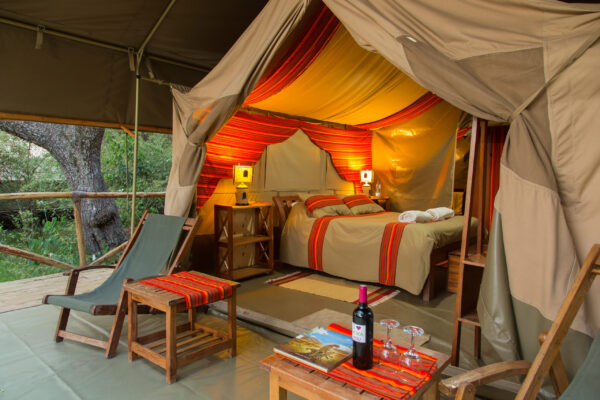
Real per-person prices from $200 a day on a shared group departure to more than $1,000 a day…
Read more →
A family safari rarely fails on wildlife. It fails on the logistics: the suitcase, the six-hour drive, the…
Read more →Tell us what you’d love to see and a local specialist will design a tailor-made itinerary around you — no obligation, reply within 24 hours.