


Women Only Safari Kenya
Women Only Safari in Kenya: The Complete Guide
Everything a woman needs to know before booking a women only safari in Kenya, from why the model…
Read more →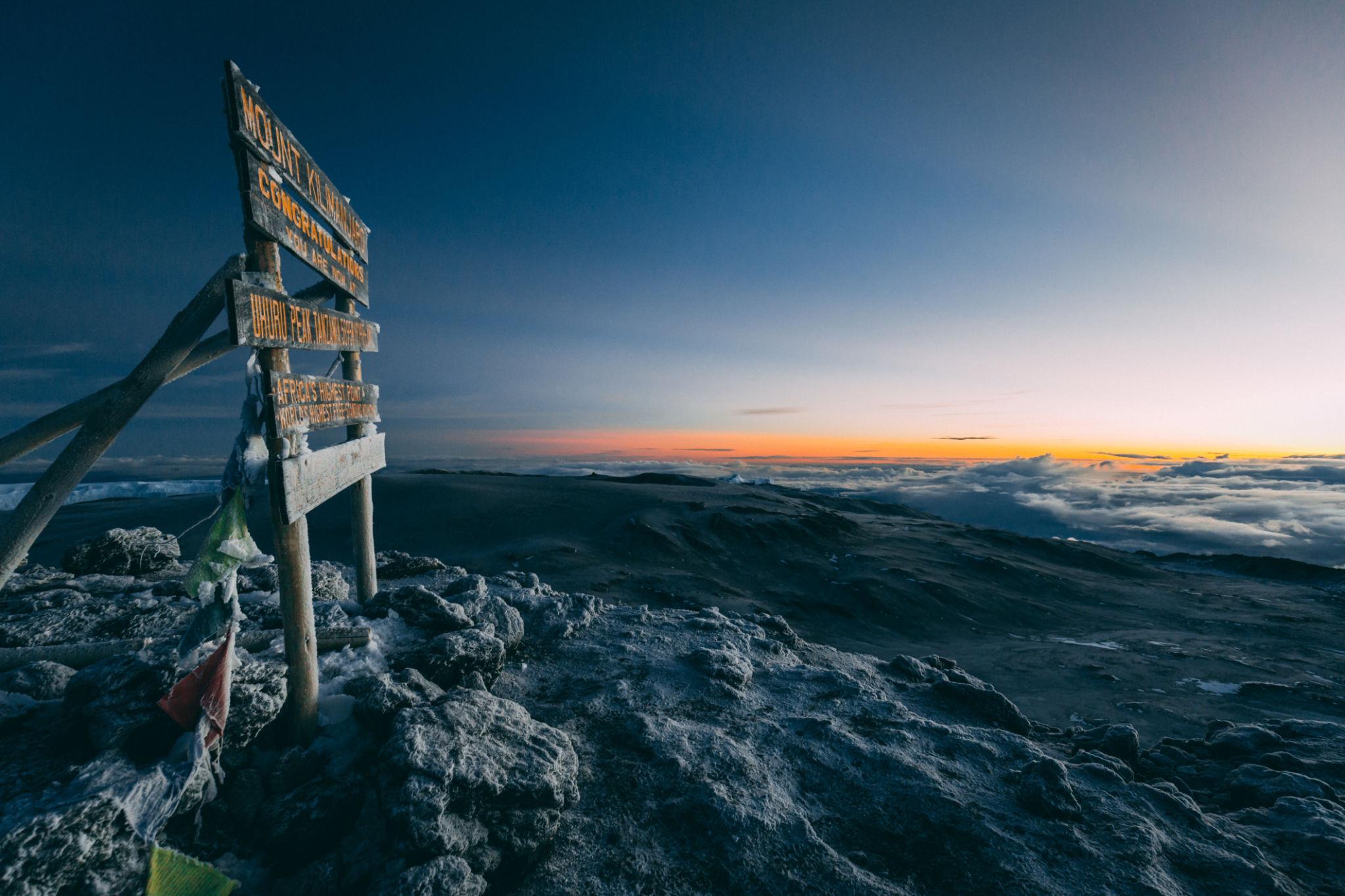
Home to Africa's highest mountain and one of the world's greatest trekking adventures, Mount Kilimanjaro offers an unforgettable journey from tropical rainforest to Arctic summit.
Rising majestically above the plains of northern Tanzania, Mount Kilimanjaro National Park protects Africa’s highest mountain and one of the world’s most iconic natural landmarks. Dominating the East African skyline at an elevation of 5,895 metres (19,341 feet) above sea level, Mount Kilimanjaro is the tallest mountain in Africa, the highest free-standing mountain on Earth, and one of the prestigious Seven Summits, representing the highest peak on the African continent.
Established in 1973 and designated a UNESCO World Heritage Site in 1987, the national park covers approximately 1,688 square kilometres, protecting the mountain’s upper slopes, forests, alpine ecosystems, glaciers and unique biodiversity. The lower forest belt and surrounding wildlife corridors are protected within the adjacent Kilimanjaro Forest Reserve, creating one of East Africa’s most important conservation landscapes.
Unlike many of the world’s highest mountains, Kilimanjaro does not require technical climbing skills, ropes, or mountaineering experience, making it one of the most accessible high-altitude summits on the planet. Every year, more than 35,000 climbers from around the world attempt the ascent, drawn by the opportunity to stand on the Roof of Africa and witness one of the greatest adventure travel experiences available anywhere in the world.
Mount Kilimanjaro is a dormant stratovolcano consisting of three distinct volcanic cones: Kibo, Mawenzi, and Shira. Kibo, the youngest and highest cone, contains the famous Uhuru Peak, while Mawenzi rises dramatically to 5,149 metres and remains one of Africa’s most rugged volcanic summits. The ancient Shira cone collapsed thousands of years ago, leaving behind the spectacular Shira Plateau, one of the mountain’s most scenic trekking regions.
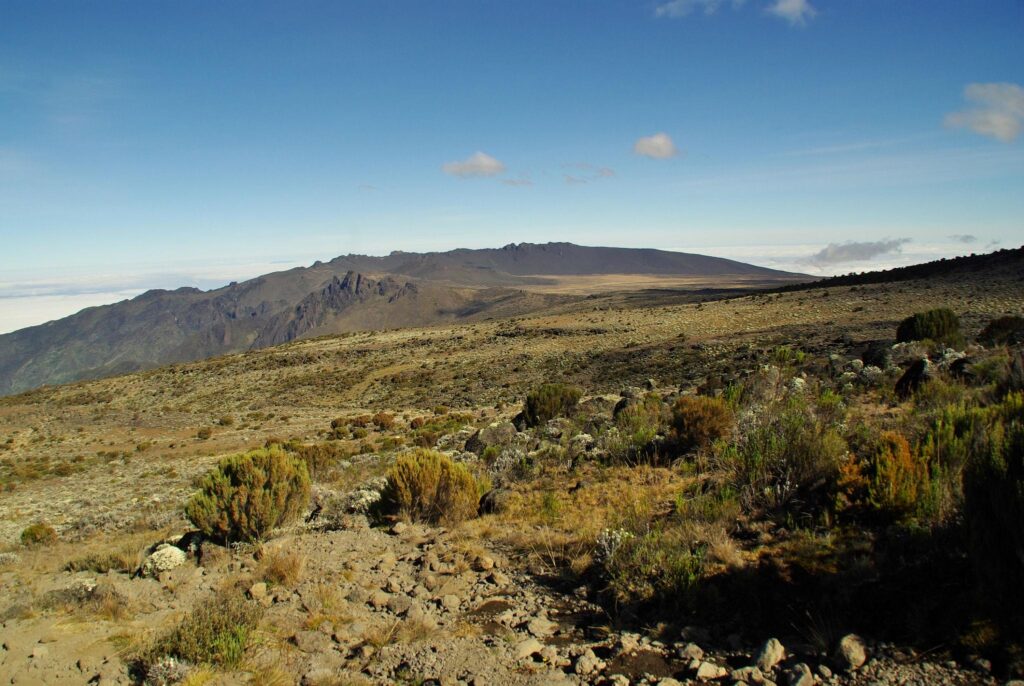
One of Kilimanjaro’s most extraordinary features is the ability to travel through five distinct ecological zones during a single climb. Trekkers begin their journey in cultivated farmland before entering lush montane rainforest inhabited by colobus monkeys and tropical birds. Higher elevations transition into heath and moorland characterized by giant heathers and giant groundsels, followed by alpine desert landscapes of volcanic rock and sparse vegetation. The final stage leads climbers into an Arctic summit zone dominated by glaciers, snowfields, and dramatic volcanic scenery.
The mountain’s rainforest zone is home to a surprising diversity of wildlife. Visitors may encounter black-and-white colobus monkeys, blue monkeys, bushbucks, duikers, serval cats and occasionally elephants or buffaloes moving through the forested lower slopes. More than 180 bird species have been recorded, including Hartlaub’s turaco, silvery-cheeked hornbills, crowned eagles and numerous montane forest specialists.
Kilimanjaro is equally famous for its glaciers and ice fields, which have inspired explorers, scientists and adventurers for generations. The Furtwängler Glacier and the Southern Icefields remain among the mountain’s most photographed features, although climate change has caused significant glacial retreat over the past century. Scientists estimate that many of Kilimanjaro’s glaciers may disappear within the coming decades, making today’s climbing experience even more historically significant.
Several routes provide access to the summit, each offering different scenery, acclimatization profiles, and levels of difficulty. The Machame Route, often called the “Whiskey Route,” is the most popular and scenic option, while the Lemosho Route is widely regarded as offering the highest summit success rates due to its longer acclimatization period. Other established routes include Marangu, Rongai, Shira, Umbwe and the Northern Circuit Route, which is the longest and most comprehensive trek on the mountain.
The best climbing seasons occur during the dry months of January to March and June to October, when skies are generally clearer and trail conditions are more favourable. January and February often provide warmer temperatures and fewer climbers, while the June to October season offers the most stable weather and highest summit success rates.
Located just outside the town of Moshi and approximately 85 kilometres from Arusha, Kilimanjaro is easily accessible from Kilimanjaro International Airport, which serves as the primary gateway for climbers and safari travellers visiting northern Tanzania. The mountain also combines exceptionally well with nearby safari destinations including Tarangire National Park, Ngorongoro Conservation Area and Serengeti National Park, creating the ultimate Tanzania adventure itinerary.
Whether your ambition is to conquer Uhuru Peak, explore ancient rainforests, photograph glaciers at sunrise, or simply stand beneath one of the world’s most famous mountains, Mount Kilimanjaro National Park offers an unforgettable journey through some of the most spectacular landscapes on Earth.
Experience the adventure of a lifetime in Mount Kilimanjaro National Park, where climbers traverse five distinct ecological zones to reach Uhuru Peak at 5,895 metres above sea level.
The ultimate Kilimanjaro experience is reaching Uhuru Peak (5,895 m), the highest point in Africa and one of the world's prestigious Seven…
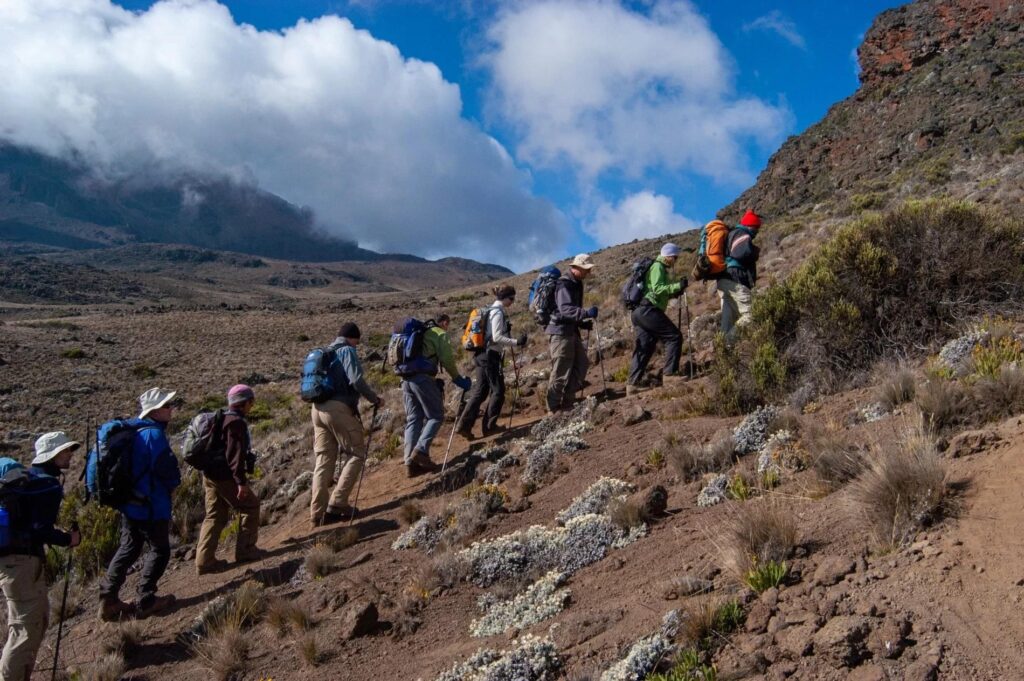
One of Kilimanjaro's most exciting sections, the Barranco Wall offers non-technical scrambling and spectacular views across glaciers and valleys.
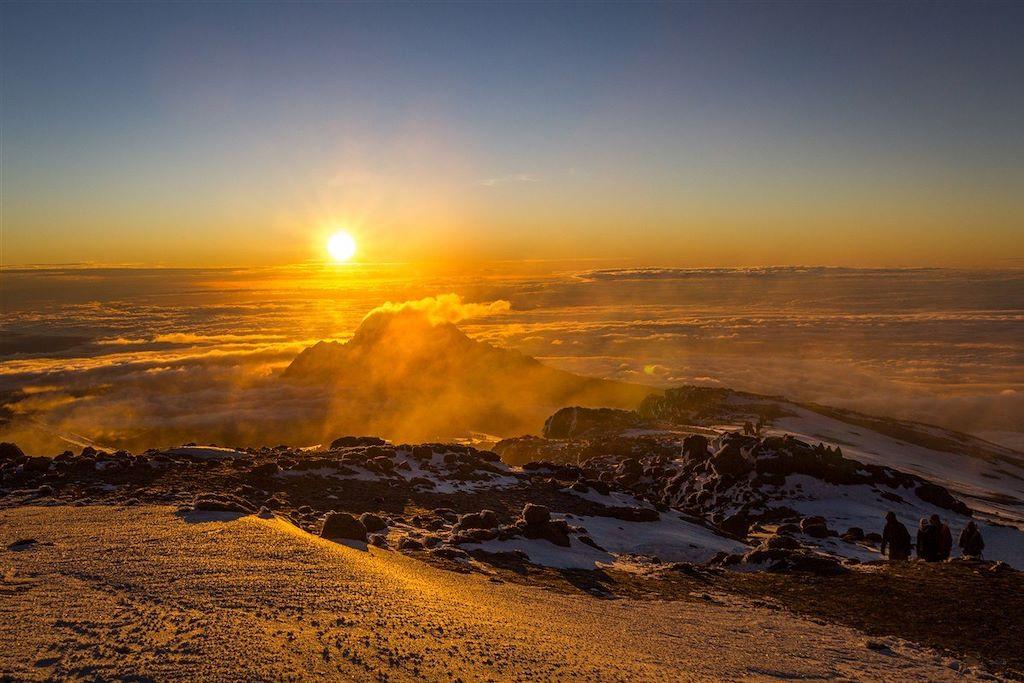
Watching the sunrise above the clouds from Stella Point or Uhuru Peak is considered one of Africa's greatest adventure travel experiences.
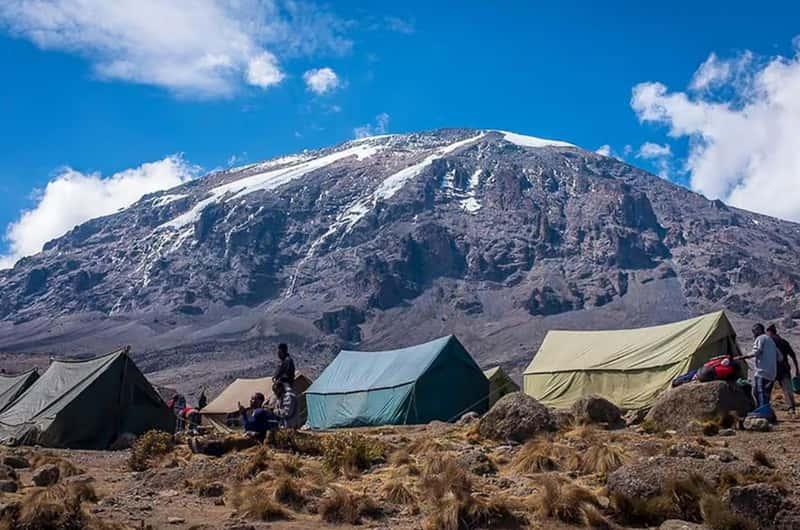
Most Kilimanjaro routes involve camping under the stars at spectacular locations such as Shira Camp, Karanga Camp and Barafu Camp.
The lower slopes of Kilimanjaro contain montane rainforest rich in biodiversity including black-and-white colobus monkeys, blue monkeys, turacos and hornbills.
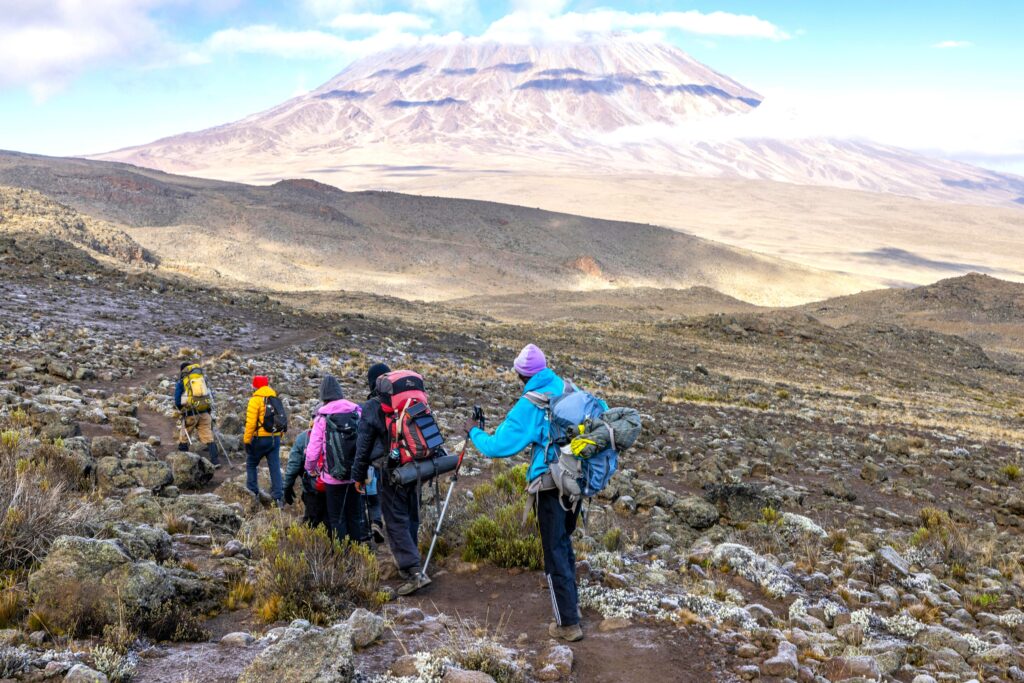
Kilimanjaro offers exceptional photographic opportunities featuring glaciers, volcanic landscapes, giant groundsels, alpine deserts and panoramic views stretching into Kenya and Tanzania.
Many visitors combine their climb with tours of coffee farms around Moshi where they can learn about cultivation, roasting and brewing of…
Visits to traditional Chagga villages provide insight into one of Tanzania's most influential ethnic groups, including local cuisine, irrigation systems, caves and…
From value camps to premium lodges — we match every stay to your style and budget.
Budget accommodation around Kilimanjaro offers clean rooms, basic amenities, hot showers, Wi-Fi, and convenient access to climbing departure points. These properties are ideal for backpackers, solo travelers, and climbers looking to minimize costs before and after their expedition.
Mid-range properties provide spacious rooms, gardens, swimming pools, restaurants, and higher comfort levels while remaining affordable for most climbers and safari visitors.
Luxury accommodation near Kilimanjaro combines premium service, fine dining, spa facilities, mountain views, and personalized trekking support. These lodges are ideal for honeymooners, luxury travelers, and those combining Kilimanjaro with a high-end safari.
Every season has its magic — here's what to expect when, so you can travel at your perfect time.
Everything you need to know before you go — and we’ll guide you through every step.
Visitors entering Tanzania for a Kilimanjaro climb should ensure they have a valid passport with at least six months validity, the appropriate visa, travel insurance covering high-altitude trekking, and copies of important travel documents.
Most climbers arrive through Kilimanjaro International Airport (JRO), located approximately 45 minutes from Moshi and 90 minutes from Arusha. Direct international flights operate from Europe, the Middle East and major African hubs.
Mount Kilimanjaro National Park is approximately 85 kilometres from Arusha and about 340 kilometres from Nairobi. Private transfers and shuttle services operate daily between the park, airports, and nearby towns.
Selecting the appropriate route greatly influences summit success rates. Longer routes such as Lemosho and the Northern Circuit offer better acclimatization and significantly higher summit success compared to shorter itineraries.
Temperatures can exceed 30°C in the rainforest zone while dropping to -15°C or lower near the summit. Climbers should prepare for all seasons within a single expedition.
Essential equipment includes waterproof hiking boots, thermal base layers, insulated jackets, gloves, trekking poles, headlamps, sunglasses and a quality sleeping bag rated for sub-zero temperatures.
Altitude sickness can affect anyone regardless of fitness level. Choosing longer routes, maintaining a slow pace, staying hydrated, and listening to your guides significantly reduce risks.
Proper hydration is one of the most important factors for acclimatization. Climbers are encouraged to drink between three and four litres of water daily during the ascent.
Comprehensive travel insurance covering trekking up to 6,000 metres and emergency evacuation is strongly recommended for all climbers attempting Kilimanjaro.
Cold temperatures at high altitude drain batteries quickly. Carry spare batteries, memory cards, and protective equipment for cameras and electronic devices.
Mobile network coverage is available around Moshi and lower sections of the mountain but becomes unreliable or unavailable at higher camps and summit areas.
While hotels and larger businesses in Moshi accept credit cards, cash in US Dollars or Tanzanian Shillings is recommended for guide tips, souvenirs, and local purchases.
All climbs within Mount Kilimanjaro National Park must be conducted with licensed guides and registered trekking operators. Porters and cooks accompany most expeditions and play an essential role in summit success.
The best climbing conditions occur between January and March and from June to October when skies are clearer, trails are drier and summit success rates are generally higher.
Climbers are encouraged to follow Leave No Trace principles, minimize waste, respect local communities, and support responsible operators that promote fair porter treatment and sustainable tourism.
Climbing Mount Kilimanjaro National Park is physically demanding but does not require technical climbing or mountaineering experience. Most routes involve long days of hiking at high altitude rather than rock climbing. Good fitness, preparation and proper acclimatization greatly improve your chances of reaching the summit.
Yes. Thousands of first-time trekkers successfully summit Kilimanjaro every year. While previous trekking experience is helpful, beginners who prepare adequately and choose longer routes such as the Lemosho or Northern Circuit routes often achieve excellent summit success rates.
Most climbs take between 5 and 9 days depending on the route selected. Longer routes provide better acclimatization and significantly increase summit success rates.
Marangu Route: 5–6 days
Machame Route: 6–7 days
Lemosho Route: 7–8 days
Rongai Route: 6–7 days
Northern Circuit Route: 8–9 days
The best route depends on your goals and experience:
Lemosho Route offers some of the highest summit success rates and spectacular scenery.
Machame Route is the most popular and scenic option.
Marangu Route is the only route with mountain huts.
Northern Circuit Route provides the best acclimatization profile and quieter trails.
Rongai Route is generally drier and less crowded.
The best climbing seasons are:
☀️ January to March — Fewer climbers and excellent conditions.
☀️ June to October — The most stable weather and highest summit success rates.
The rainy seasons of April-May and November can make trails muddy and visibility more limited.
No. Kilimanjaro is considered a trekking peak rather than a technical mountaineering expedition. Climbers do not require ropes, harnesses, crampons, or ice axes under normal conditions. Standard trekking gear and cold-weather clothing are sufficient.
Altitude sickness is the biggest challenge on Kilimanjaro because the summit rises to 5,895 metres above sea level. Symptoms may include headaches, nausea, fatigue, and loss of appetite. Choosing longer routes and ascending slowly greatly reduce the risk.
Success rates vary depending on the route and itinerary length:
5-day routes: approximately 30–50%
6-day routes: approximately 50–70%
7-day routes: approximately 70–85%
8-day routes: approximately 85–95%
Longer itineraries consistently produce better results due to impro
Yes. Tanzanian regulations require all climbers to use licensed guides and registered operators when climbing Kilimanjaro. Independent climbing is not permitted within the national park.
The lower slopes and rainforest zones support a surprising diversity of wildlife including black-and-white colobus monkeys, blue monkeys, bushbucks, duikers, servals and more than 180 bird species. Large mammals such as elephants and buffalo occasionally move through the forested lower slopes.
Temperatures vary dramatically depending on altitude:
Rainforest Zone: 15°C to 30°C
Moorland Zone: 5°C to 20°C
High Camps: -5°C to 5°C
Summit Night: -15°C to -20°C
Summit attempts usually begin around midnight when temperatures are at their coldest.
Absolutely. Many travelers combine their climb with visits to Serengeti National Park, Ngorongoro Conservation Area and Tarangire National Park before finishing with a beach holiday in Zanzibar.
You do not need to be an elite athlete, but you should be capable of hiking for 6 to 8 hours per day for multiple consecutive days while carrying a small daypack. Cardiovascular fitness, endurance training and hiking practice before your trip will significantly improve your experience and increase your chances of reaching Uhuru Peak.
For many travelers, standing at Uhuru Peak (5,895 metres) and watching the sunrise above the clouds is one of the most rewarding experiences of their lives. Reaching the Roof of Africa is widely regarded as one of the world's greatest adventure achievements.
Everything a woman needs to know before booking a women only safari in Kenya, from why the model…
Read more →
The complete guide to getting from Britain to the Masai Mara, what it costs door to door, and…
Read more →
A straight answer from a Nairobi based operator on the real risks, the real precautions and exactly how…
Read more →Tell us what you’d love to see and a local specialist will design a tailor-made itinerary around you — no obligation, reply within 24 hours.