

 Budget Safari
📍 Serengeti National Park + Tarangire National Park + Ngorongoro Conservation Area
5 Days Tanzania Budget Safari
from$1,500
★★★★★ 5
Tanzania's UNESCO crater - 25,000 large animals, the Big Five and the densest lion population in Africa.
The first light reaches the rim before it reaches the crater floor. From the viewpoint above the Ngorongoro Crater, the caldera appears almost impossibly complete, a vast green bowl enclosed by steep walls, with Lake Magadi catching the morning light and tiny herds already moving across the grass below. We have stood at this viewpoint more times than we can count, and the first sight of the crater still has a way of quieting everyone in the vehicle.
Ngorongoro Conservation Area sits in northern Tanzania, between the Serengeti plains to the west and the Great Rift Valley to the east. Covering approximately 8,292 square kilometres, the Ngorongoro Conservation Area is far larger than the famous crater that gives it its name. It is a landscape of volcanic highlands, montane forests, open grasslands, savanna, seasonal lakes, archaeological sites and pastoralist communities. The area was established in 1959 as a multiple land-use conservation area where wildlife conservation coexists with traditional pastoralism.
What makes the Ngorongoro Conservation Area different from a conventional national park is precisely that combination. Wildlife is central to the experience, but the story does not stop with lions, elephants and black rhinos. The Ngorongoro Conservation Area also protects one of the world’s most important archaeological landscapes, including Olduvai Gorge and the Laetoli footprints, while Maasai communities continue to live and practise traditional livestock keeping within the wider conservation area. UNESCO recognises the property for both its exceptional natural values and its cultural importance.
The centrepiece is the Ngorongoro Crater, the world’s largest unbroken volcanic caldera. The crater floor covers roughly 250 square kilometres and is surrounded by walls rising more than 600 metres above the floor. Within that enclosed ecosystem are large concentrations of wildebeest, zebra, buffalo, gazelle, hyena, lion and other wildlife, with the endangered black rhino among the most important sightings.
We send guests to the Ngorongoro Conservation Area for more than a crater game drive. A morning on the crater floor can be followed by a visit to a Maasai community, a walk through the highlands, a trip to Olduvai Gorge or a hike around Empakaai Crater. For travellers combining Tanzania’s northern circuit, the Ngorongoro Conservation Area is the point where wildlife, geology, archaeology and culture all meet.
Ngorongoro Conservation Area is a protected multiple-use conservation landscape in northern Tanzania covering approximately 8,292 square kilometres. Established in 1959, it protects the Ngorongoro Crater, highland forests and plains, important archaeological sites such as Olduvai Gorge and Laetoli, and wildlife including the Big Five and endangered black rhino. Unlike a conventional national park, the Ngorongoro Conservation Area also accommodates traditional pastoralist communities.
Location: Northern Tanzania, between the Serengeti ecosystem and the Great Rift Valley
Size: Approximately 8,292 square kilometres
Established: 1959
Managed by: Ngorongoro Conservation Area Authority (NCAA)
UNESCO status: World Heritage Site, first inscribed in 1979 for natural values and extended in 2010 to recognise cultural value
Main attraction: Ngorongoro Crater
Crater size: Approximately 250 square kilometres
Crater diameter: Approximately 16 kilometres
Crater walls: More than 600 metres high
Known for: Ngorongoro Crater, black rhino, Big Five wildlife, Olduvai Gorge, Laetoli footprints, Maasai culture and volcanic landscapes
Main entry gate: Loduare Gate near Karatu
Other access points: Naabi Gate, Endoro Gate and the Nasera Rock area
Nearest town: Karatu
Nearest major city: Arusha
Nearest international airport: Kilimanjaro International Airport
Air access: Ngorongoro Airstrip and Ndutu Airstrip
Main neighbouring ecosystem: Serengeti National Park and the wider Serengeti-Mara ecosystem
The Ngorongoro Conservation Area Authority confirms that Loduare is the main entrance to the conservation area and that the NCA is also accessible through Naabi, Endoro and other designated entry points.
The Ngorongoro Crater is the reason most visitors first hear about the Ngorongoro Conservation Area, and it deserves the reputation. The crater is the world’s largest unbroken volcanic caldera, formed when a massive volcanic mountain collapsed after a major eruption millions of years ago. Today, the crater floor forms a remarkably self-contained wildlife landscape surrounded by steep forested and grass-covered walls.
From the crater rim, the scale is difficult to understand until the descent begins. The road drops through thick montane forest before opening onto the grasslands below. Once on the crater floor, the landscape changes again, with open plains, marshes, woodland patches and Lake Magadi creating different wildlife zones within a relatively small area.
The crater is not a separate national park. It forms the most famous part of the wider Ngorongoro Conservation Area, which means a safari here is only one part of a much larger conservation landscape.
For wildlife viewing, the crater’s enclosed geography is a major advantage. Many resident animals remain within or around the crater throughout the year, allowing visitors on a single game drive to see a remarkable variety of species. The crater is particularly well known for lion, spotted hyena, buffalo, zebra, wildebeest, gazelle, elephant and black rhino.
Ngorongoro Crater is famous because it is the world’s largest unbroken volcanic caldera and supports an exceptional concentration of wildlife within its approximately 250-square-kilometre floor. The crater is particularly important for black rhino, lion, elephant, buffalo, wildebeest, zebra, gazelle and spotted hyena.
The wildlife of the Ngorongoro Conservation Area is one of the strongest reasons to include northern Tanzania in a safari itinerary. The crater alone supports large resident populations of herbivores and predators, while the wider Ngorongoro Conservation Area connects directly with the Serengeti ecosystem and seasonal migration routes.
The crater floor contains large numbers of wildebeest and zebra alongside Thomson’s and Grant’s gazelles, buffalo and other herbivores. Spotted hyenas are particularly conspicuous around the open plains and Lake Magadi, while lion prides use the grasslands, marsh edges and woodland for hunting and resting.
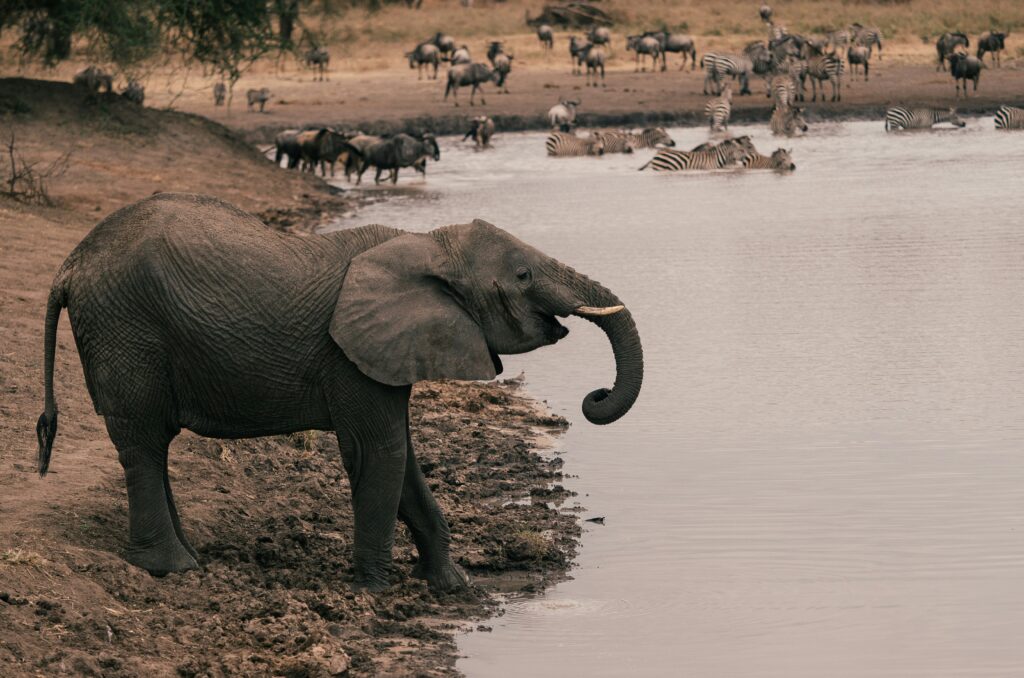
Elephants are also present, although crater elephants are not as numerous as the large herds associated with some other Tanzanian parks. Mature bulls are more commonly encountered, particularly around the forested and marshy areas.
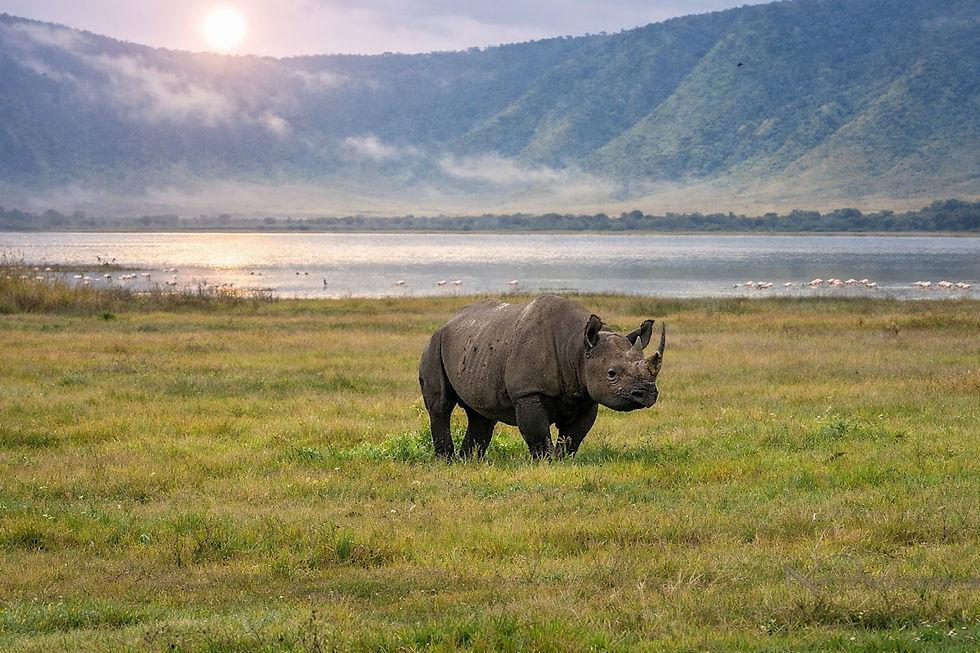
The endangered black rhino is one of the defining wildlife attractions of the Ngorongoro Conservation Area. Sightings are never guaranteed, but the crater remains one of the most important places in Tanzania to look for this critically threatened species.
Leopard are present but much more difficult to find, while cheetah occur in the wider Ngorongoro Conservation Area and surrounding Serengeti ecosystem but are less reliable inside the crater itself. This is an important distinction when planning a safari: the Ngorongoro Conservation Area is not simply the crater floor.
Beyond mammals, birdlife is exceptional. The conservation area contains a wide range of habitats, from highland forest and moorland to open grassland and wetlands, supporting hundreds of bird species. UNESCO records approximately 500 bird species within the wider World Heritage property.
The Ngorongoro Conservation Area supports the Big Five, including lion, leopard, elephant, buffalo and black rhino, as well as wildebeest, zebra, Thomson’s and Grant’s gazelles, spotted hyena, jackal and many other species. The wider conservation area also supports an exceptional diversity of birdlife and migratory animals.
The Ngorongoro Conservation Area is one of the strongest destinations in Tanzania for travellers hoping to see the Big Five within a relatively compact safari area.
Lion: Lions are among the most frequently encountered predators on the crater floor. Open grassland and large resident herbivore populations provide excellent hunting opportunities.
Leopard: Leopards occur in the Ngorongoro Conservation Area but are considerably more elusive than lions and are never a guaranteed sighting.
Elephant: Elephants occur around the crater and wider conservation area, with bulls particularly associated with forested and marsh areas.
Buffalo: Large buffalo herds are regularly encountered on the crater floor and in surrounding grasslands.
Black Rhino: The black rhino is perhaps the most prestigious wildlife sighting in the Ngorongoro Conservation Area. The crater provides one of Tanzania’s best opportunities to see this endangered species in its natural habitat.
The Big Five are not the only reason to visit. What makes the Ngorongoro Conservation Area exceptional is the combination of wildlife density with geology, archaeology, migration and living cultural heritage.
The Ngorongoro Conservation Area forms part of the wider Serengeti ecosystem and plays an important role in the annual movement of wildebeest, zebra and gazelles. The short-grass plains around the southern Serengeti and Ndutu area become especially important during the calving season.
During the migration, large concentrations of wildebeest and zebra move through the plains, following seasonal rainfall and fresh grazing. The exact timing and distribution changes from year to year because the migration follows weather and pasture rather than a fixed calendar.
The Ndutu area in the southern part of the Ngorongoro Conservation Area is particularly important during the calving period, when predators gather around the herds. For travellers specifically interested in the migration, the southern Ngorongoro Conservation Area can therefore be very different from a standard crater safari.
UNESCO describes the Ngorongoro Conservation Area as part of the Serengeti ecosystem and notes the movement of more than one million wildebeest alongside large numbers of zebra and gazelles through the wider ecosystem.
Yes. The Ngorongoro Conservation Area forms part of the Serengeti ecosystem and includes the Ndutu plains, an important seasonal area for migratory wildebeest and zebra. The best timing depends on rainfall and grazing conditions, but the southern plains are particularly significant during the calving season.
The crater game drive is the defining activity of the Ngorongoro Conservation Area. Most visitors descend early in the morning, when temperatures are cooler and wildlife is active.
A full crater game drive moves between the open plains, Lake Magadi, Lerai Forest and the marsh areas, with the exact route depending on wildlife activity and current access conditions. Because the crater floor is relatively compact, a well-planned drive can produce an extraordinary range of sightings within a single day.
The goal should not be to race around searching for the Big Five. The crater is at its best when you allow time to watch behaviour, follow predator activity and appreciate the landscape itself.
Black rhino is one of the most important wildlife attractions of the Ngorongoro Conservation Area. The crater supports a visible population of this endangered species, although sightings remain unpredictable.
The best approach is patience. A rhino may be several hundred metres away across open grassland or partially hidden by vegetation. Experienced guides know the areas where rhino are regularly seen and use binoculars and careful observation rather than disturbing the animals.
The Ngorongoro Conservation Area offers extraordinary photographic variety. The crater rim provides panoramic landscapes, while the crater floor delivers wildlife portraits against open grassland, marsh and volcanic walls.
Early morning light is particularly dramatic from the rim and on the descent road. Later in the day, the warm light over the crater walls creates a completely different atmosphere.
Photographers should also consider the wider Ngorongoro Conservation Area, where highland forests, Maasai communities, volcanic peaks, migration plains and archaeological sites offer subjects beyond conventional wildlife photography.
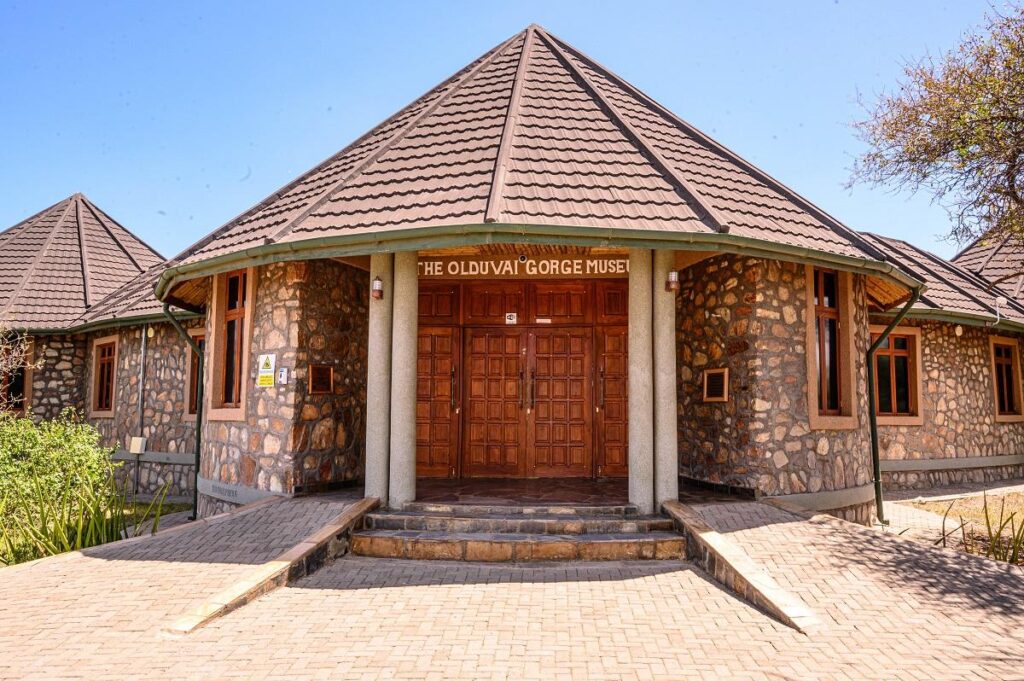
Olduvai Gorge is one of the most important archaeological and paleoanthropological sites in Africa. The gorge forms part of the Ngorongoro Conservation Area and has produced an extraordinary record of human evolution and ancient environments.
Research in the area has uncovered fossils and archaeological evidence spanning millions of years, making Olduvai an essential stop for travellers interested in human origins.
The Ngorongoro Conservation Area therefore offers something very unusual in a safari destination: you can spend the morning watching lions and black rhinos and the afternoon learning about some of the earliest chapters of human history.
UNESCO identifies Olduvai Gorge as a major component of the area’s cultural significance, with evidence extending across almost four million years of human evolution and human-environment interaction.
The Laetoli archaeological site is another extraordinary part of the Ngorongoro Conservation Area. The site preserves fossilised footprints made approximately 3.6 million years ago by early hominins walking across wet volcanic ash.
The footprints provide important evidence of early bipedal movement and are among the most famous palaeoanthropological discoveries in Africa.
For travellers interested in archaeology and human evolution, visiting Laetoli adds an entirely different dimension to a Ngorongoro Conservation Area safari.
The Ngorongoro Conservation Area is also home to Maasai communities who have traditionally practised livestock keeping within the conservation landscape.
A responsible cultural visit should focus on genuine interaction rather than staged entertainment. Guests may learn about livestock, beadwork, traditional architecture, pastoral life and the relationship between people and the surrounding environment.
The cultural dimension matters because the Ngorongoro Conservation Area was specifically established as a multiple land-use area where wildlife conservation and pastoral livelihoods coexist.
Empakaai Crater offers one of the most rewarding alternatives to the busy crater floor. The crater contains a lake surrounded by steep forested walls, and guided walks provide a chance to experience the highlands on foot.
The hike is more physically demanding than a normal game drive and should be planned around weather, fitness and current access arrangements.
For travellers who want to slow down after several days of vehicle-based safari, Empakaai provides a completely different perspective on the Ngorongoro Conservation Area.
Olmoti Crater is another volcanic feature within the Ngorongoro highlands. The area is known for its green crater landscape, waterfalls and walking opportunities.
The experience is less about wildlife density and more about geology, scenery and walking through the highland environment. It works particularly well for travellers staying several nights around the Ngorongoro Conservation Area.
Walking opportunities in the Ngorongoro Conservation Area vary by location and current regulations. Guided walks can be arranged in appropriate areas of the highlands and around selected attractions.
Walking provides a slower understanding of the ecosystem. Instead of looking only for large mammals, guests notice tracks, plants, birds, insects, geological formations and the changing altitude of the landscape.
Because conditions and permitted routes can change, we confirm current access arrangements with the Ngorongoro Conservation Area Authority and local guides before including a walking excursion.
The Ngorongoro Conservation Area is a strong birding destination because of its extraordinary habitat diversity. Highland forests, grasslands, crater wetlands, lakes and open plains all support different bird communities.
Flamingos can be particularly striking around suitable alkaline lakes, while raptors and grassland species are regularly encountered throughout the wider area.
Birdwatching is especially rewarding during and after the rains, when vegetation responds quickly and migratory species add to the resident bird population.
Unlike a conventional private conservancy, the crater itself is not a destination for unrestricted luxury safari activities. However, scenic stops and carefully planned experiences around permitted areas can be incorporated into a wider Ngorongoro itinerary.
The highland viewpoints are particularly spectacular at sunrise and sunset, when cloud, mist and changing light transform the volcanic landscape.
Do not treat Ngorongoro as a one-hour photo stop at the crater rim. The view is spectacular, but the real value of the Ngorongoro Conservation Area is the combination of crater wildlife, highland scenery, archaeology and culture. If your schedule allows, give the area enough time to experience more than the crater floor.
There are few places in the world where a safari can be combined so directly with the story of human evolution.
Olduvai Gorge cuts through the landscape of the Ngorongoro Conservation Area and exposes layers of geological and archaeological history. Fossils and stone tools discovered here have helped researchers reconstruct changing environments and stages of human evolution.
The Laetoli footprints take that story even further back. Approximately 3.6 million years ago, early hominins walked across wet volcanic ash, leaving footprints that were later preserved.
UNESCO recognises the Ngorongoro Conservation Area for this exceptional cultural and scientific record, describing evidence that extends over almost four million years.
This is one of the reasons we recommend the Ngorongoro Conservation Area to travellers who want more than a conventional wildlife itinerary. You are not simply visiting a place where animals live. You are travelling through a landscape that records major chapters in the history of both wildlife and humanity.
The relationship between the Maasai and the Ngorongoro Conservation Area is central to understanding the destination.
When the conservation area was established in 1959, it was designed as a multiple land-use landscape rather than a conventional national park. Wildlife conservation, pastoralism and tourism therefore developed alongside one another. UNESCO specifically recognises this coexistence as part of the area’s significance.
Maasai communities continue to practise pastoral traditions within the wider conservation area. Livestock, particularly cattle, remain an important part of cultural and economic life.
For visitors, this means that a safari in the Ngorongoro Conservation Area is also an opportunity to understand the relationship between conservation and people. Cultural visits should always be arranged responsibly and with respect for community preferences.
One of the most common misunderstandings is treating Ngorongoro Conservation Area and Ngorongoro Crater as the same place.
They are not.
The Ngorongoro Conservation Area covers approximately 8,292 square kilometres and includes the crater, highlands, forests, grasslands, archaeological sites, migration areas and communities.
The Ngorongoro Crater is one geological feature within the conservation area, covering approximately 250 square kilometres.
This distinction matters when planning an itinerary. A traveller who spends one night near the crater and completes a crater game drive has experienced only a small part of the Ngorongoro Conservation Area.
If you have two or three nights available, it becomes possible to combine the crater with Olduvai Gorge, a cultural visit, Empakaai, Olmoti or the migration areas depending on the season.
The Ngorongoro Conservation Area and Serengeti National Park are often combined because they form part of the same broader ecosystem, but they provide very different safari experiences.
The Serengeti is vast and expansive, with huge grass plains and long-distance wildlife movements. It is the destination for travellers who want the scale of the migration, extensive predator territories and several days of open-country game viewing.
Ngorongoro is more compact around its most famous wildlife area. The crater’s enclosed geography produces exceptional wildlife concentrations and gives visitors the chance to see a remarkable variety of animals within a relatively small area.
The strongest northern Tanzania itineraries often include both. Serengeti provides scale and wilderness, while Ngorongoro provides geological drama, concentrated wildlife and archaeological depth.
Tarangire National Park is famous for elephants, baobabs and seasonal wildlife concentrations along the Tarangire River. The Ngorongoro Conservation Area offers a cooler highland environment, the crater, black rhino, archaeological sites and a very different volcanic landscape.
The two destinations complement each other well.
A typical northern Tanzania circuit can therefore move from Tarangire’s baobab country to the highlands of Ngorongoro and then onward to Serengeti.
Lake Manyara is smaller and is known for its alkaline lake, birdlife, forest habitat and tree-climbing lions. The Ngorongoro Conservation Area is considerably larger and offers a much broader mixture of wildlife, geology, culture and archaeological attractions.
For a short northern Tanzania itinerary, Ngorongoro generally provides the stronger all-round wildlife experience, while Lake Manyara works particularly well as a complementary stop.
The Ngorongoro Conservation Area is accessed through several designated gates.
Loduare Gate: The principal entrance, located approximately 14 kilometres from Karatu. It provides access to many of the major attractions within the Ngorongoro Conservation Area.
Naabi Gate: Located near the Serengeti boundary and commonly used by travellers connecting the Ngorongoro Conservation Area with Serengeti National Park.
Endoro Gate: Located near Karatu and used for access toward attractions including Endoro Waterfalls and Elephant Caves.
Nasera Rock area: Provides access toward the northern and eastern sections of the conservation area.
The NCAA states that NCA gates generally open at 06:00 and close at 18:00, while access gates to the Ngorongoro Crater operate from 06:00 to 16:00.
The most common way to reach the Ngorongoro Conservation Area is by road from Arusha. The journey takes visitors through the changing landscapes of northern Tanzania, eventually climbing into the cooler highlands around Ngorongoro.
Road access is particularly convenient for safari itineraries combining Tarangire, Lake Manyara, Ngorongoro and Serengeti.
Karatu is the main service town for the Ngorongoro Conservation Area and sits close to the Loduare entrance.
Many lodges outside the conservation area use Karatu as their base, making it possible to reach the crater early in the morning without staying on the crater rim.
The Ngorongoro Conservation Area is accessible by air. The NCAA identifies Kilimanjaro International Airport as the nearest international airport and lists Arusha Airport and Manyara Airport among nearby domestic aviation options. The conservation area also has the Ngorongoro Airstrip near the crater rim and Ndutu Airstrip in the southern migration area.
Flying is particularly useful for travellers combining Ngorongoro with Serengeti or other remote safari destinations.
Road travel makes more sense when the Ngorongoro Conservation Area is part of a northern Tanzania circuit. You get to experience the changing landscape and avoid the additional cost and luggage restrictions associated with light aircraft.
Flying makes sense when time is limited or when Ngorongoro is being combined with remote areas such as the central or southern Serengeti.
For most first-time visitors travelling through northern Tanzania, we generally recommend a road circuit unless the itinerary is very tight.
The climate of the Ngorongoro Conservation Area varies considerably with altitude.
The crater rim and highland areas are cool, especially early in the morning and after sunset. The crater floor is warmer, while the lower plains around Ndutu can become considerably hotter during dry periods.
Rainfall follows seasonal patterns, with the long rains generally occurring from March to May and shorter rains arriving later in the year. The exact timing varies, and weather can change rapidly in the highlands.
The altitude is important when packing. A fleece, warm jacket and rain protection are useful even when daytime conditions elsewhere in Tanzania are hot. The NCAA itself advises visitors that the lower plains can be warm while hilly and mountainous areas can be cold, recommending warm layers and suitable walking footwear.
Ngorongoro has a cooler highland climate around the crater rim and warmer conditions on the crater floor and lower plains. Early mornings and evenings can be cold, while midday conditions are generally more comfortable or warm. Rain can occur during the wet seasons, so warm layers and rain protection are recommended.
January and February are particularly interesting for travellers combining Ngorongoro with the southern Serengeti and Ndutu migration area. The landscape can be green, and the calving season may attract large numbers of wildebeest and predators depending on rainfall.
The long rains bring greener landscapes and fewer visitors. Birdlife can be excellent, although rainfall can affect road conditions and visibility.
The Ngorongoro highlands can become misty and wet during this period, creating dramatic scenery but requiring flexible planning.
The dry season is one of the most popular periods to visit the Ngorongoro Conservation Area. Wildlife viewing is generally reliable, roads are easier to navigate and the weather is often cooler and drier.
Visitor numbers can be higher, especially around the crater.
The short rains refresh the landscape and can produce excellent photography and birdwatching conditions. The Ngorongoro Conservation Area becomes greener, and the surrounding plains begin responding to new pasture.
For travellers looking for a balance between scenery and lower visitor numbers, this can be a rewarding period.
The Ngorongoro Conservation Area can be visited throughout the year. June to October generally offers dry conditions and reliable wildlife viewing, while January and February can be particularly rewarding for travellers interested in the southern Serengeti and Ndutu calving season. The rainy months offer greener scenery, strong birding and fewer visitors.
Entry to the Ngorongoro Conservation Area is managed by the Ngorongoro Conservation Area Authority rather than TANAPA. The cost of a visit can include several separate components, depending on the itinerary, including conservation area entry, crater service charges, vehicle-related charges and other applicable services.
Because NCAA tariffs and payment procedures can change, we do not recommend relying on old fee figures published by third-party safari websites. The NCAA currently provides its own tariff and fee system and requires tour operators to process payments through its safari portal before the safari date.
Most Afrikan Accent Adventures safari packages include applicable conservation area and crater charges in the quotation so that clients can see the overall safari cost rather than having to calculate individual government fees themselves.
If you are comparing two Ngorongoro safari quotations, check whether the crater service fee, conservation entry, vehicle charges and other NCAA fees are already included. A cheaper headline price is not necessarily cheaper once the mandatory charges are added.
One night is enough for a crater game drive, particularly for travellers moving between Lake Manyara and Serengeti.
This is the classic short Ngorongoro stop.
Two nights provide a much better experience. You can combine a crater game drive with an archaeological, cultural or highland activity depending on your itinerary.
Three nights are ideal for travellers who want to explore beyond the crater. This gives you time for the crater, Olduvai Gorge, a cultural experience and potentially Empakaai, Olmoti or the Ndutu area.
Four nights or more suit travellers who want a slower experience and a broader exploration of the Ngorongoro Conservation Area.
This is particularly valuable for photographers, birders, hikers and repeat safari travellers.
One night is enough for a crater-focused safari, two nights provides a more comfortable introduction, and three nights or more allows you to explore the wider Ngorongoro Conservation Area through wildlife, archaeology, culture and hiking experiences.
The obvious answer is the crater.
The better answer is everything around it.
The Ngorongoro Conservation Area combines one of the world’s greatest wildlife spectacles with an extraordinary geological landscape and some of Africa’s most important archaeological sites.
It is one of the few safari destinations where you can descend into a volcanic caldera in the morning, watch a black rhino on the crater floor, visit a Maasai community later in the day and stand beside an archaeological site connected to human evolution.
The Ngorongoro Conservation Area also works exceptionally well within a wider Tanzania itinerary. It sits naturally between Lake Manyara or Tarangire and the Serengeti, making it one of the most efficient destinations to include in a northern circuit.
The cost of a Ngorongoro Conservation Area safari varies significantly according to accommodation, season, number of travellers, vehicle type, itinerary length and whether the trip is road-based or fly-in.
As a broad planning guide, budget and basic camping safaris can start from approximately USD 200 to 350 per person per day, mid-range lodge and tented-camp safaris commonly fall around USD 350 to 600 per person per day, while luxury Ngorongoro itineraries can reach USD 600 to USD 1,000 or more per person per day depending on the property and season.
These figures should be treated as planning ranges rather than fixed prices. Government conservation charges, crater service fees, accommodation rates and transport costs can change.
The biggest price difference usually comes from accommodation. A simple campsite outside the crater area is very different from a luxury lodge positioned on the crater rim.
The second major factor is transport. A private 4×4 safari vehicle provides flexibility but costs more than shared transport, while flying between destinations can significantly increase the overall budget.
A Ngorongoro Conservation Area safari can range from roughly USD 200 to 350 per person per day for budget arrangements, USD 350 to 600 for mid-range safaris and USD 600 upward for luxury itineraries. Actual pricing depends on accommodation, season, transport, group size and applicable NCAA fees.
We build Ngorongoro Conservation Area into several types of Tanzania safari.
A classic northern circuit combines Tarangire, Ngorongoro and Serengeti, providing a balanced introduction to Tanzania’s wildlife and landscapes.
A crater-focused itinerary is designed for travellers with limited time who want the Big Five and black rhino without spending several days on safari.
A migration-focused itinerary combines the Ngorongoro Conservation Area with Ndutu and Serengeti during the relevant seasonal period.
A luxury itinerary can combine crater-rim accommodation, private game drives and carefully selected experiences in the surrounding highlands.
For repeat safari travellers, we can slow the itinerary down and include Olduvai Gorge, Maasai cultural experiences, Empakaai, Olmoti and other attractions rather than treating Ngorongoro as a single crater game drive.
Accommodation around the Ngorongoro Conservation Area ranges from luxury crater-rim lodges and high-end tented camps to mid-range properties around Karatu and public or special campsites.
Staying on or near the crater rim offers the advantage of spectacular views and early access to the crater. The trade-off is usually a higher accommodation price and cooler temperatures.
Karatu accommodation is generally more affordable and provides a practical base for travellers entering through Loduare Gate.
Ndutu accommodation is particularly important for migration-focused safaris because it places travellers closer to the seasonal movement of wildebeest and zebra.
The NCAA confirms that accommodation within the conservation area includes luxury hotels, lodges, tented camps and public camping sites.
One of the great pleasures of staying around Ngorongoro is simply being above the crater.
Morning mist often sits inside the caldera while the rim remains cool and quiet. As the sun rises, the crater floor gradually becomes visible, revealing grazing herds and patches of forest.
At night, temperatures can drop sharply, and the atmosphere feels very different from the warmer plains below.
For travellers who value scenery and atmosphere as much as game viewing, crater-rim accommodation is difficult to beat.
Responsible tourism is particularly important in the Ngorongoro Conservation Area because conservation, tourism, archaeology and community livelihoods all overlap.
The area was established specifically as a multiple-use landscape, meaning its management must balance wildlife conservation with the interests of resident communities and tourism. UNESCO identifies conservation, protection of pastoralist interests and tourism promotion among the area’s management objectives.
For visitors, responsible travel means respecting wildlife regulations, staying within permitted routes, avoiding unnecessary disturbance and treating cultural experiences with respect.
When visiting Maasai communities, ask before taking photographs and purchase crafts directly from the people who made them whenever possible.
At archaeological sites, do not touch or remove objects. These places contain irreplaceable evidence of human history.
The Ngorongoro Conservation Area is also under increasing tourism pressure, making responsible visitor behaviour increasingly important. UNESCO specifically identifies traffic, visitor pressure, waste management and disturbance to wildlife as management concerns.
Ngorongoro is not a destination where responsible tourism means simply seeing fewer animals. It means giving the landscape space, following the rules, respecting local communities and understanding that the conservation area is home to people as well as wildlife.
The conservation model behind Ngorongoro is unusual.
Rather than separating people completely from wildlife, the Ngorongoro Conservation Area was established as a multiple land-use area. This makes the destination an important case study in the challenges and opportunities of combining biodiversity conservation with human livelihoods.
The Ngorongoro Conservation Area Authority manages the protected landscape, while archaeological and palaeoanthropological resources involve additional government institutions.
The wider conservation landscape is also connected to the Serengeti ecosystem, meaning wildlife migration cannot be understood solely within administrative boundaries.
The Ngorongoro landscape is fundamentally volcanic.
The crater itself was formed by the collapse of a large volcanic structure, leaving a huge caldera enclosed by steep walls. Other volcanic features, including Empakaai and Olmoti, contribute to the dramatic geology of the Ngorongoro highlands.
The area forms part of the eastern branch of the Great Rift Valley, one of the most important geological features in Africa.
For travellers interested in geology, the Ngorongoro Conservation Area offers an unusually accessible opportunity to see how volcanic activity, erosion and changing climate have shaped an ecosystem over millions of years.
Birdwatchers should not overlook the Ngorongoro Conservation Area.
The combination of forest, moorland, grassland, crater wetlands and seasonal lakes creates a variety of habitats. Flamingos around alkaline lakes can provide spectacular colour, while raptors, grassland birds and forest species add diversity.
The wider UNESCO property supports around 500 bird species, making Ngorongoro one of the strongest birding destinations within a northern Tanzania safari circuit.
The best birding experience comes from slowing down. A traveller racing between major mammal sightings can easily miss the smaller species that make the Ngorongoro ecosystem so diverse.
Ngorongoro works particularly well for families because the crater can provide a high concentration of wildlife without requiring several consecutive days of long game drives.
Children who are interested in animals can see lions, zebras, wildebeest, buffalo and potentially rhino within a single morning.
The archaeological story also gives families an educational dimension beyond wildlife.
However, the altitude and cool temperatures should be considered, particularly for younger children. Early mornings on the crater rim can be cold, while the crater floor becomes warmer as the day progresses.
The Ngorongoro Conservation Area is also a strong honeymoon destination.
Luxury crater-rim lodges combine dramatic scenery with privacy, while the wider Tanzania itinerary can continue to Serengeti and Zanzibar.
A typical honeymoon itinerary might include two nights around Ngorongoro, several nights in Serengeti and a beach stay in Zanzibar.
The combination of crater views, private safari experiences and high-end accommodation makes Ngorongoro particularly appealing to couples who want both adventure and comfort.
Photographers have almost too many subjects to choose from.
The crater rim offers sweeping landscapes, while the floor provides wildlife portraits and predator action.
The highlands offer mist, forests and volcanic scenery. Ndutu provides migration photography during the relevant season. Olduvai and Laetoli offer archaeological subjects.
The best photographic opportunities often occur early in the morning and late in the afternoon, when light is softer and contrast is lower.
We recommend bringing a telephoto lens for wildlife, a wide-angle lens for crater landscapes and enough storage for a day of shooting.
If you have already visited Serengeti, Tarangire or Lake Manyara, the Ngorongoro Conservation Area can still offer something new.
Instead of repeating the standard crater drive, build a slower itinerary around the highlands, archaeological sites, cultural experiences and hiking.
Repeat visitors often appreciate the Ngorongoro Conservation Area more when they stop treating it as a checklist destination.
The crater is spectacular, but the surrounding landscape is where the deeper story lies.
From the first view over the crater rim to the final descent onto the wildlife-rich floor, the Ngorongoro Conservation Area is one of the most extraordinary destinations in northern Tanzania.
It is a place where a safari is never only about wildlife.
There are lions moving through the grasslands, black rhino grazing in the distance, elephants in the forest, flamingos around alkaline waters and thousands of wildebeest and zebra moving through the wider ecosystem.
There are also Maasai communities whose pastoral traditions are part of the living landscape, volcanic craters shaped millions of years ago and archaeological sites that have transformed our understanding of human evolution.
The Ngorongoro Conservation Area is therefore more than the Ngorongoro Crater. It is an entire landscape where wildlife, geology, archaeology and human culture exist within one protected area.
For a first northern Tanzania safari, we normally recommend combining Ngorongoro with Serengeti and either Tarangire or Lake Manyara. For repeat visitors, we slow the itinerary down and build in the experiences that most travellers miss on a rushed circuit.
Speak to Afrikan Accent Adventures to plan a private Ngorongoro Conservation Area safari around your travel dates, preferred accommodation and budget.
The crater may be what gets you there.
The wider Ngorongoro Conservation Area is what gives you a reason to stay.
Sources used for factual verification: Ngorongoro Conservation Area Authority and UNESCO World Heritage Centre.
Discover the legendary Ngorongoro Conservation Area, home to the famous Ngorongoro Crater, exceptional Big Five sightings, Maasai culture and one of the highest wildlife densities in Africa.
One of the greatest attractions of the Ngorongoro Conservation Area is the extraordinary opportunity to see the legendary Big Five — lion,…
The magnificent Ngorongoro Crater is the largest intact, inactive, and unfilled volcanic caldera on Earth. Formed approximately two to three million years…
Ngorongoro is one of the last strongholds for the critically endangered eastern black rhinoceros in Tanzania. The crater offers one of the…
The crater supports one of Africa's highest predator concentrations. Large lion prides patrol the grasslands while spotted hyenas, jackals, servals and occasional…
Ngorongoro is famous for its impressive old bull elephants, many carrying exceptionally large tusks that have become increasingly rare elsewhere in Africa.…
The shallow alkaline waters of Lake Magadi attract thousands of flamingos during favourable conditions, transforming sections of the crater floor into a…
The lush Lerai Forest provides one of the crater's most important habitats. This groundwater forest supports elephants, monkeys, bushbuck, leopards and a…
The crater floor supports an estimated 25,000 to 30,000 large mammals within a relatively small area. Zebras, wildebeest, buffaloes, gazelles, elands and…
Budget Safari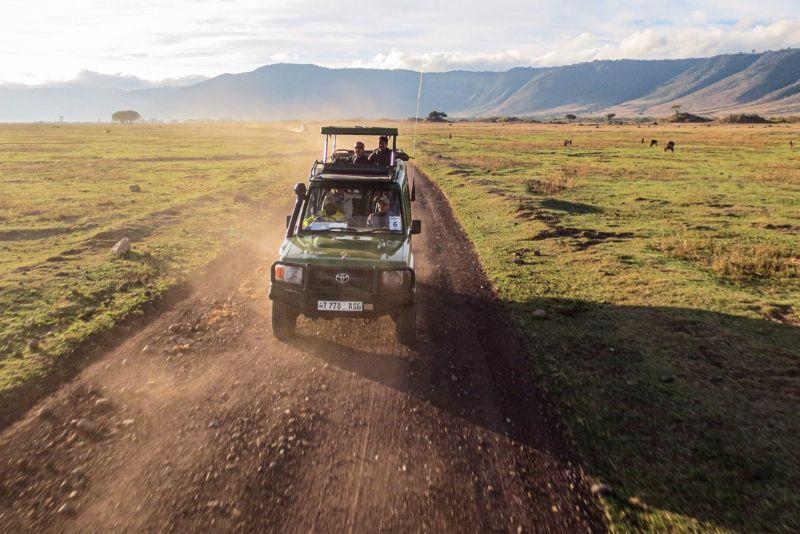
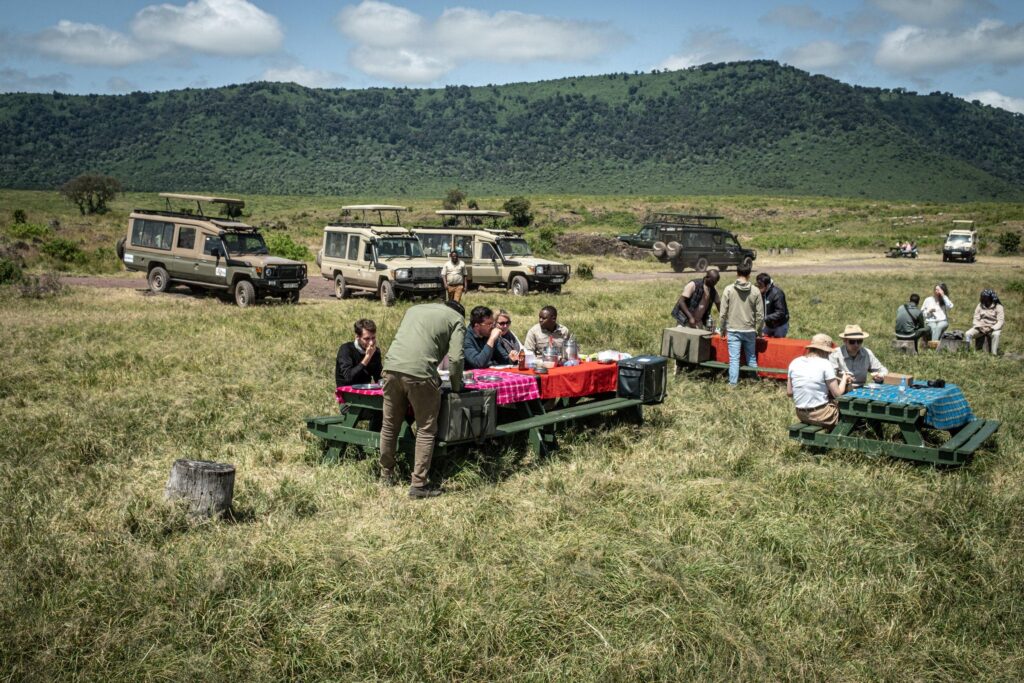
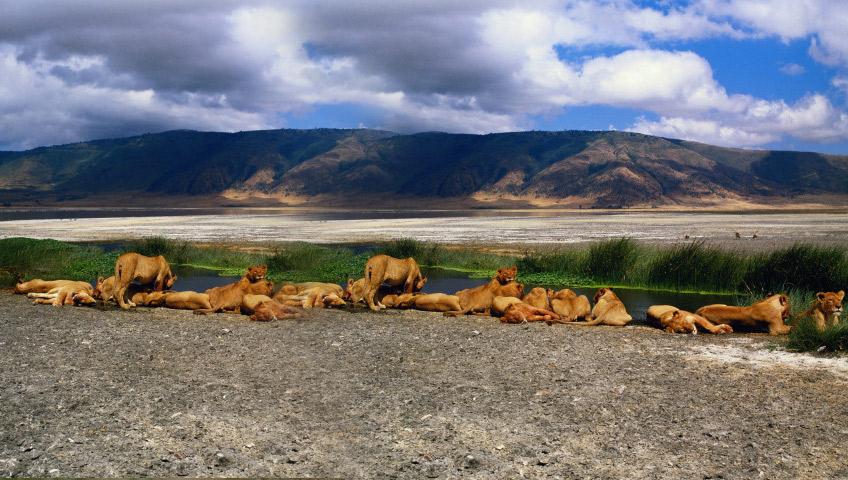
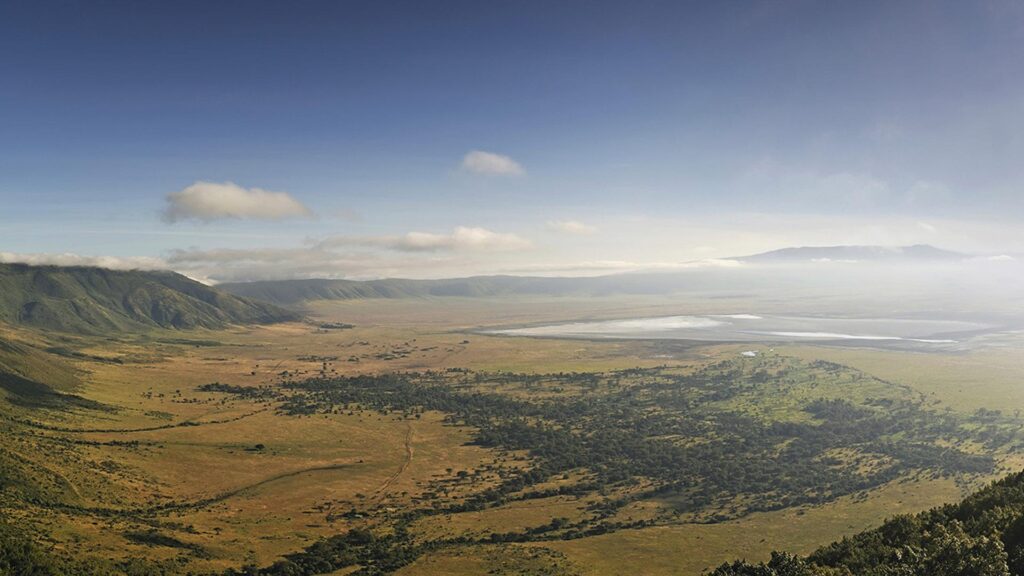
From value camps to premium lodges — we match every stay to your style and budget.
Comfortable tented camps just outside the reserve gates. En-suite rooms with hot showers, full-board meals, and close proximity to the Mara.
Spacious canvas tents on raised platforms with private decks, often inside or adjacent to conservancies. Better access and fewer crowds.
World-class lodges and exclusive camps in private conservancies. Night drives, bush walks, spa, and personalized service — the ultimate safari experience.
Every season has its magic — here's what to expect when, so you can travel at your perfect time.
Everything you need to know before you go — and we’ll guide you through every step.
Ngorongoro Conservation Area is located approximately 190 kilometres from Arusha and can be reached in about 3.5 to 4 hours by road. The journey passes through the scenic Great Rift Valley, coffee plantations, and the bustling safari town of Karatu before ascending into the crater highlands.
Visitors can fly from Arusha, Zanzibar, Dar es Salaam, Serengeti, or Kilimanjaro International Airport to Lake Manyara Airstrip or Ndutu Airstrip, followed by a short road transfer to the crater rim or nearby lodges.
Due to its high elevation, Ngorongoro experiences cooler temperatures than most East African safari destinations. Early mornings and evenings on the crater rim can drop below 10°C, especially between June and August, making warm clothing essential.
Visitors should bring layered clothing, a warm jacket or fleece, comfortable walking shoes, sunscreen, sunglasses, a hat, binoculars, and a camera with extra batteries and memory cards for wildlife photography.
Ngorongoro offers some of the highest chances in Africa of spotting all members of the Big Five in a single game drive, including the endangered black rhinoceros, which is rarely seen elsewhere in Tanzania.
The crater floor provides incredible photographic opportunities with dramatic crater walls, open grasslands, flamingo-covered lakes, and abundant wildlife creating spectacular safari images throughout the year.
While many travellers visit Ngorongoro as a day trip, staying one or two nights allows time for crater game drives, cultural experiences, crater rim viewpoints, and visits to Olduvai Gorge or nearby volcanic craters.
Wildlife activity is generally highest during the early morning hours when temperatures are cooler. Most crater descents begin shortly after sunrise to maximize sightings of predators and active herbivores.
Ngorongoro is unique because Maasai communities continue to live within the conservation area. Visitors can experience traditional villages, cultural performances, and insights into one of East Africa's most iconic cultures.
Fuel stations, supermarkets, pharmacies, and ATMs are available in Karatu, the last major town before entering the conservation area. Facilities inside the conservation area are limited.
Mobile network coverage is generally available around the crater rim, lodges, and main roads, although signal strength may be limited on parts of the crater floor and remote highland areas
Most lodges and larger establishments accept major credit cards, but carrying some Tanzanian Shillings or US Dollars is recommended for tips, local purchases, and community visits.
Visitors must remain inside vehicles except at designated picnic sites and viewpoints. Feeding animals, leaving marked roads, and disturbing wildlife are strictly prohibited to protect both visitors and the ecosystem.
Basic medical facilities are available in Karatu, while more advanced healthcare services are located in Arusha. Comprehensive travel insurance and a personal medical kit are strongly recommended for all visitors.
Ngorongoro Conservation Area is famous for the spectacular Ngorongoro Crater, the world's largest intact and unfilled volcanic caldera. It is one of Africa's best destinations for Big Five safaris, black rhino sightings and breathtaking landscapes. The area is also unique because it combines wildlife conservation with traditional Maasai pastoralism.
Absolutely. Ngorongoro Crater is widely considered one of the greatest wildlife destinations on Earth. The crater floor supports approximately 25,000 to 30,000 large mammals and offers some of Africa's most reliable wildlife viewing. Many safari experts regard it as a once-in-a-lifetime destination.
Yes. Ngorongoro offers one of the highest chances in Africa of seeing all members of the Big Five — lion, leopard, elephant, buffalo, and black rhinoceros — in a single day. The crater is particularly famous for its excellent black rhino conservation program.
Most visitors spend one full day exploring the crater floor. However, staying two nights is highly recommended to allow time for a crater game drive, crater rim viewpoints, Maasai cultural experiences, and excursions to Olduvai Gorge, Empakaai Crater, or the Ndutu region.
Common sightings include lions, elephants, buffaloes, zebras, wildebeest, gazelles, hippos, hyenas, jackals, warthogs and flamingos. The conservation area is also one of Tanzania's best locations for viewing endangered black rhinos and large tusker elephants.
Ngorongoro is a year-round safari destination because wildlife remains in the crater throughout the year. The dry season from June to October offers excellent wildlife viewing, while the green season from November to May provides beautiful scenery, migratory birds, and fewer visitors.
The two destinations offer very different safari experiences. Ngorongoro provides exceptional wildlife density and excellent chances of seeing the Big Five in a short period, while Serengeti National Park is famous for its vast landscapes and the Great Wildebeest Migration. Most visitors combine both destinations for a complete Northern Tanzania safari.
Yes. Ngorongoro protects one of East Africa's most important populations of endangered black rhinoceroses and remains one of the few places in Tanzania where visitors have a realistic chance of seeing them in the wild.
No accommodation exists on the crater floor itself. Lodges and camps are located on the crater rim, within the surrounding highlands, or elsewhere in the conservation area. Staying on the rim provides spectacular sunrise views over the crater.
Yes. Cultural visits to Maasai communities can be arranged through lodges and tour operators. Visitors can learn about traditional pastoral lifestyles, architecture, ceremonies, livestock practices and local customs while supporting community tourism initiatives.
Due to its high altitude, temperatures on the crater rim can be surprisingly cool, especially early in the morning and at night. Temperatures frequently fall to between 5°C and 10°C during the dry season, so warm clothing is recommended year-round.
Yes. Ngorongoro forms part of Tanzania's famous Northern Safari Circuit and is commonly combined with Tarangire National Park, Lake Manyara National Park, Serengeti National Park and Zanzibar for classic safari and beach itineraries.
Ngorongoro earned this nickname because of its extraordinary concentration of wildlife, permanent water sources, fertile grasslands and the natural enclosure created by the crater walls. The result is a self-contained ecosystem that supports an incredible diversity of species throughout the year.
A Nairobi operator's field notes on our private seven-day Naivasha-to-Mara route, from the first seedling to the last…
Read more →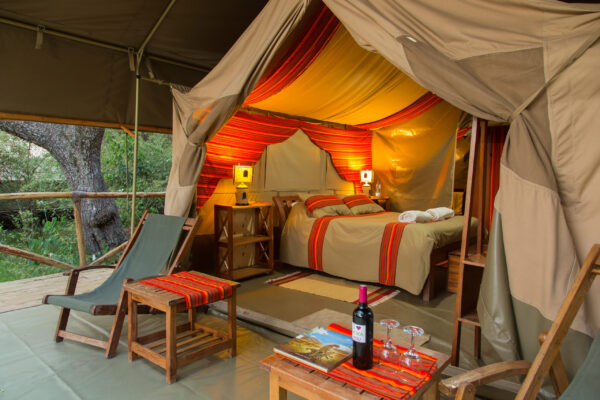
Real per-person prices from $200 a day on a shared group departure to more than $1,000 a day…
Read more →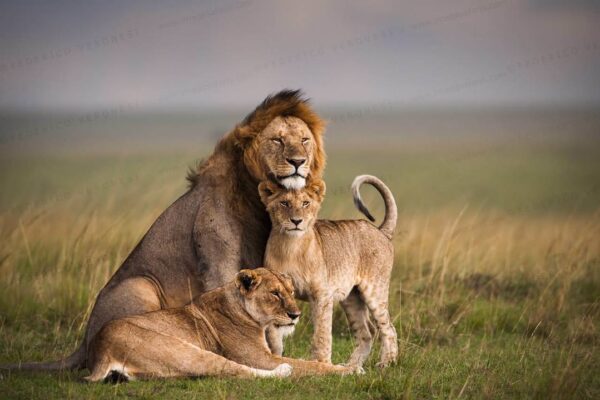
A family safari rarely fails on wildlife. It fails on the logistics: the suitcase, the six-hour drive, the…
Read more →Tell us what you’d love to see and a local specialist will design a tailor-made itinerary around you — no obligation, reply within 24 hours.