
 Budget Safari
📍 Serengeti National Park | Great Migration & Wildlife Safari Tanzania + Tarangire National Park + Ngorongoro Conservation Area
5 Days Tanzania Budget Safari
from$1,500
★★★★★ 5
Serengeti National Park is Tanzania's legendary safari destination, famous for the Great Wildebeest Migration, Big Five wildlife, endless savannah plains, spectacular landscapes and unforgettable game drives.
Serengeti National Park is one of Africa’s most iconic wildlife destinations and a centerpiece of any Tanzania safari. Located in northern Tanzania, the park covers approximately 14,750 square kilometres of vast grasslands, wooded savannah, rocky kopjes and riverine habitats. Its name comes from the Maasai word Siringit, meaning “endless plains,” a fitting description of the enormous landscapes that stretch across the horizon.
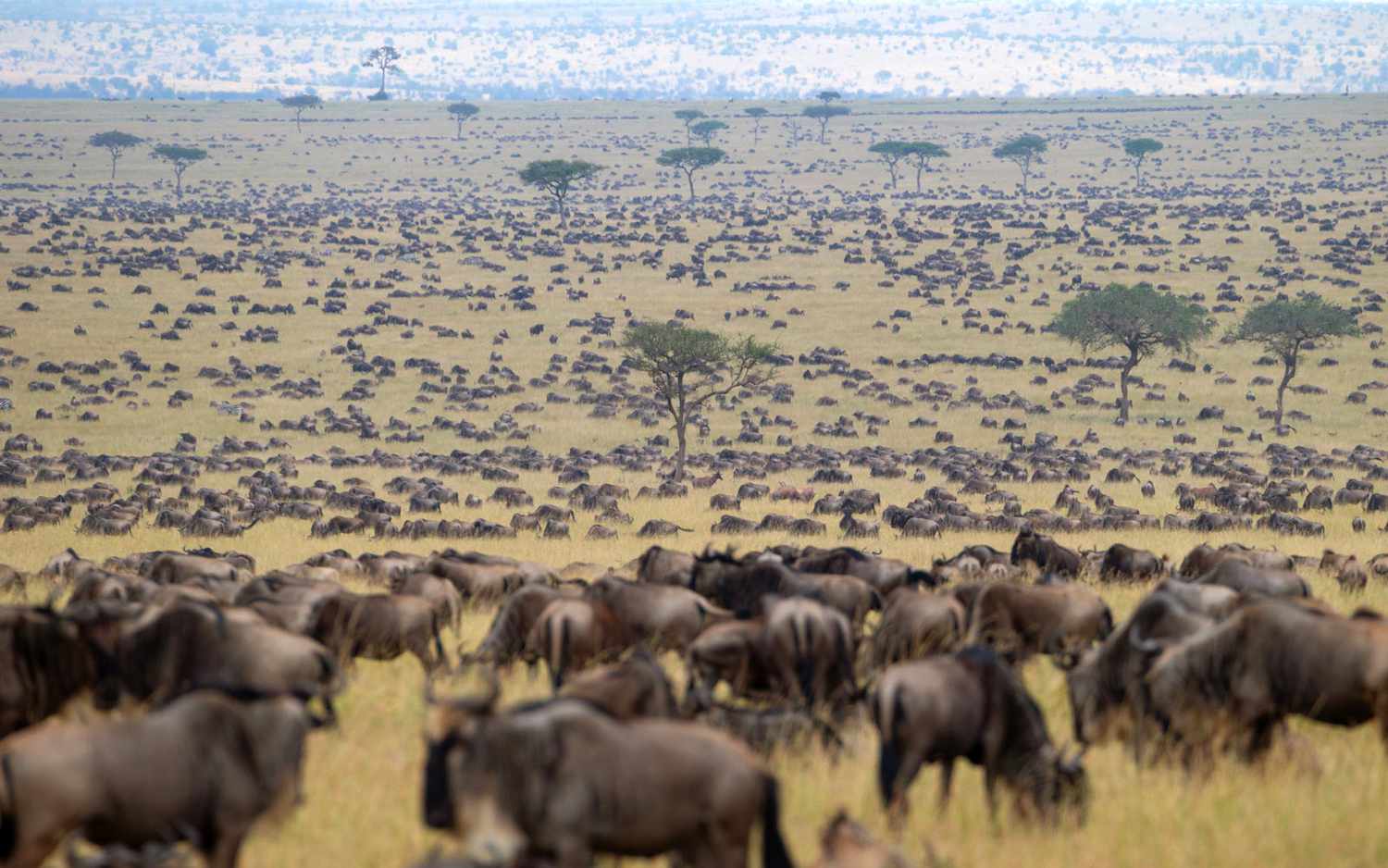
The Serengeti National Park is world-famous for the Great Wildebeest Migration, when millions of wildebeest, along with hundreds of thousands of zebras and gazelles, move through the Serengeti ecosystem in search of fresh grazing and water. However, the Serengeti is much more than the Migration. It offers outstanding year-round wildlife viewing and is home to large populations of lions, leopards, cheetahs, elephants, buffaloes, giraffes, hippos and many other species.
The main reason to visit Serengeti National Park is its extraordinary concentration and diversity of wildlife. The park supports one of the largest remaining populations of wild animals in Africa, making it one of the best places on the continent for a classic Big Five safari.
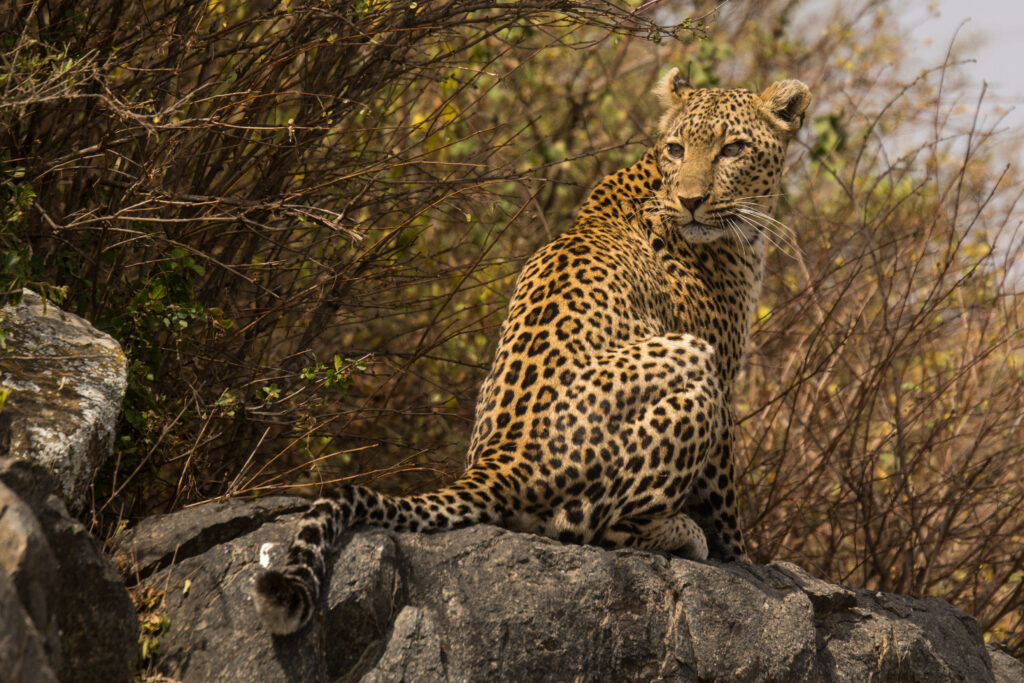
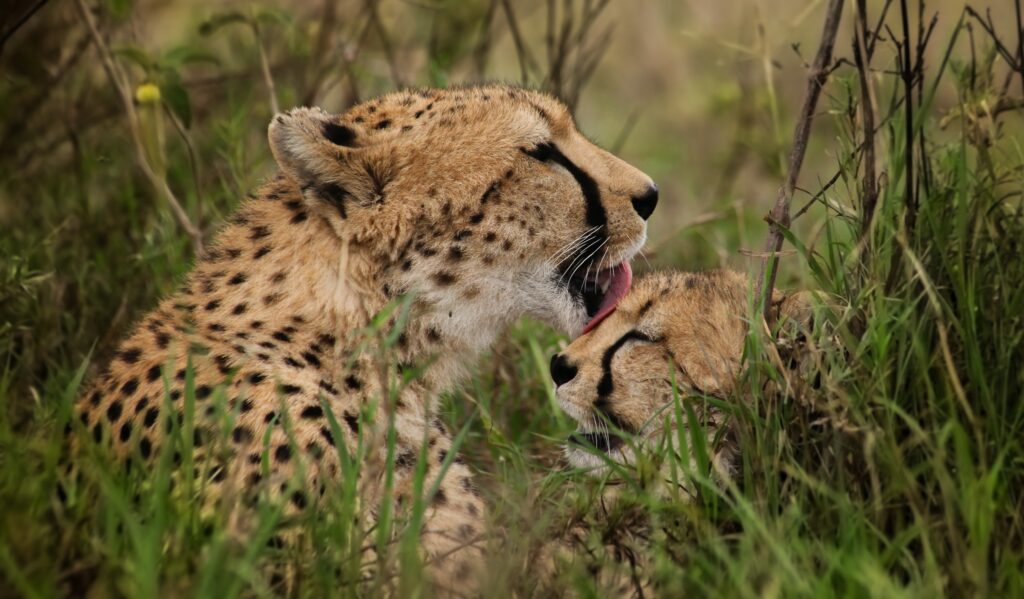
The vast open plains provide excellent visibility, allowing travelers to observe wildlife from a distance without dense vegetation obstructing the view. Lions are frequently seen resting on the plains or near kopjes, while cheetahs use the open grasslands to hunt. Leopards are more elusive but can sometimes be found resting in the branches of large trees.
The Serengeti is also one of the world’s greatest destinations for wildlife photography. Sunrise over the plains, golden grasslands, dramatic thunderstorms, predators stalking prey and massive herds moving across the horizon create unforgettable photographic opportunities.
The Great Wildebeest Migration is the Serengeti’s most famous natural spectacle. Around 1.5 million wildebeest, together with large numbers of zebras and gazelles, move through the Serengeti and Masai Mara ecosystems following the availability of fresh grass and water.
The exact location of the herds changes throughout the year, making the timing and location of a safari important. Different areas of the Serengeti offer different Migration experiences depending on the season.
The southern Serengeti and Ndutu region are particularly important around the calving season, while the western and northern areas become important at different stages of the annual cycle. The northern Serengeti and Mara River area are particularly associated with dramatic river-crossing experiences later in the year.
A Serengeti safari can provide opportunities to see:
The beauty of Serengeti National Park comes from its diverse landscapes.
The Seronera Valley is known for its year-round wildlife and is one of the best areas for spotting big cats. Its combination of grassland, riverine vegetation and rocky outcrops provides excellent habitat for lions, leopards and cheetahs.
The Western Corridor features the Grumeti River and surrounding woodland. During parts of the Migration, large herds pass through this region.
The Northern Serengeti offers rolling hills, woodland and river valleys and provides a quieter safari experience. It is also one of the important areas for the Great Migration.
The southern Serengeti is famous for its short-grass plains and seasonal calving grounds, particularly between approximately January and March.
Visitors to Serengeti National Park can enjoy:
A Serengeti hot-air balloon safari is one of the most memorable ways to experience the park. Flights typically take place around sunrise, providing spectacular aerial views of the plains and wildlife below. The experience is usually followed by a champagne breakfast in the bush.
Serengeti National Park can be visited throughout the year, but the best time depends on the type of experience you want.
January to March: Excellent for the southern Serengeti and Ndutu area, particularly for the wildebeest calving season.
April to May: The green season brings lush landscapes, fewer visitors and excellent photographic conditions, although some areas may experience heavier rainfall.
June to October: One of the most popular periods for general wildlife viewing. The dry conditions make animals easier to locate, while the Migration moves through different parts of the ecosystem.
November to December: Short rains refresh the plains and the herds begin moving toward the southern Serengeti.
The Great Migration is a natural event, so herd locations can change according to rainfall and grazing conditions.
The Serengeti can easily be combined with the Ngorongoro Crater, one of Tanzania’s most spectacular wildlife destinations. The two destinations form an excellent northern Tanzania safari combination.
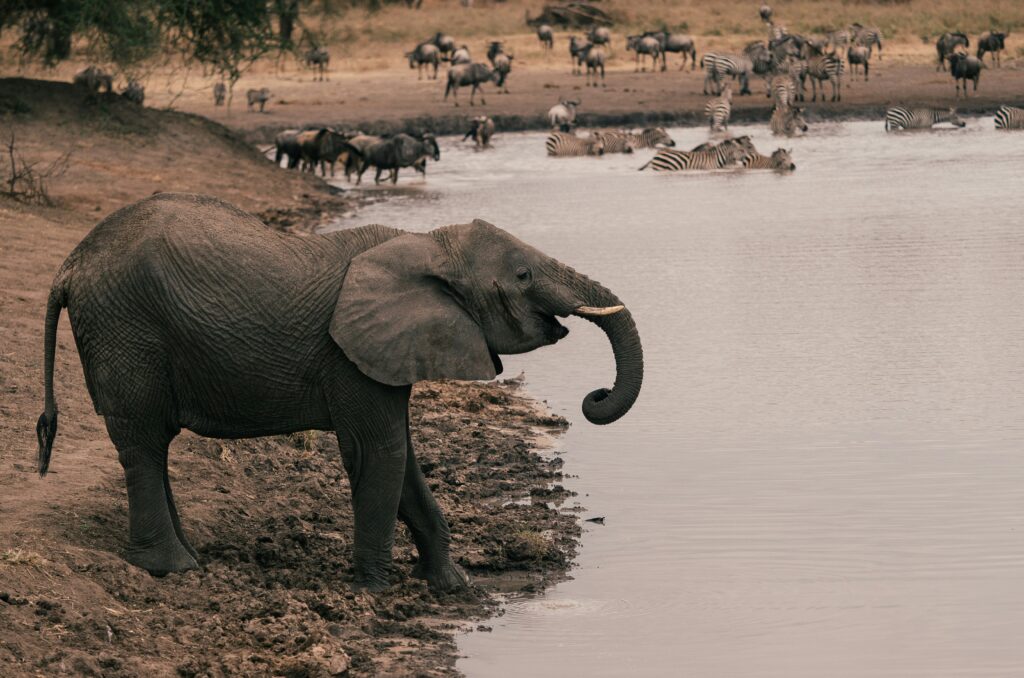
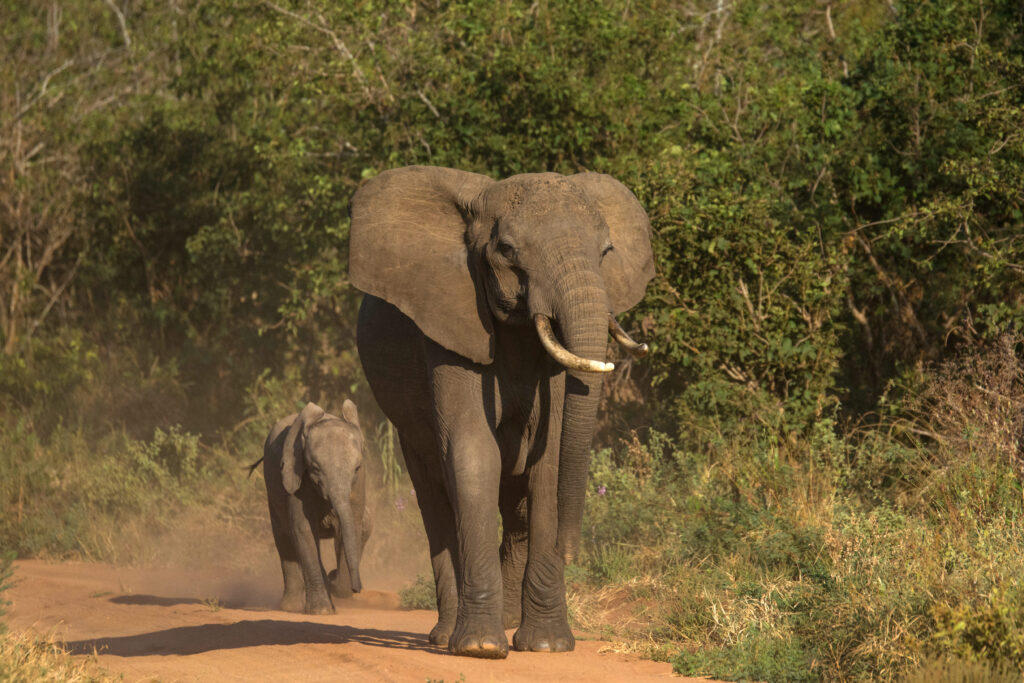
Tarangire is famous for its elephants, baobab trees and large concentrations of wildlife during the dry season.
Lake Manyara offers beautiful scenery, birdlife, elephants, baboons and diverse habitats.
Located within the broader northern Tanzania safari circuit, Olduvai Gorge is an important archaeological and paleoanthropological site.
Visitors can arrange respectful cultural experiences with Maasai communities to learn about traditional lifestyles, crafts and cultural heritage.
Serengeti National Park can be reached by road from Arusha as part of a Northern Tanzania safari itinerary. The journey allows travelers to combine destinations such as Tarangire, Ngorongoro and Serengeti.
For travelers who prefer to save time, scheduled and chartered flights operate from Arusha and other Tanzanian safari destinations to several airstrips within the Serengeti.
Because of the park’s enormous size, choosing the right airstrip and accommodation area is important when planning a safari.
Serengeti National Park is ideal for:
Booking your Serengeti National Park safari with Afrikan Accent Adventures allows you to experience one of Tanzania’s most famous wildlife destinations through a carefully planned private safari.
We can arrange a private 4×4 safari vehicle, professional safari guide, accommodation, park fees, meals and transfers, creating an itinerary tailored to your travel dates and interests.
We can also combine Serengeti with Tarangire National Park, Ngorongoro Crater, Lake Manyara and Zanzibar, creating a complete Tanzania safari and beach holiday.
For travelers interested specifically in the Great Wildebeest Migration, we can plan the itinerary around the expected seasonal movement of the herds and select accommodation in the most suitable region.
From witnessing the awe-inspiring Great Wildebeest Migration and tracking the legendary Big Five to soaring above the savannah in a hot air balloon, Serengeti National Park delivers extraordinary safari experiences throughout the year. Let Afrikan Accent Adventures craft a personalized journey that brings you closer to Africa's most spectacular wildlife and landscapes.
Every year, over two million wildebeest, zebras, and Thomson's gazelles embark on the legendary Great Migration across the Serengeti ecosystem in search…
Serengeti National Park is one of the few places in Africa where visitors can encounter the legendary Big Five—lion, leopard, elephant, African…
Float silently above the golden plains at sunrise on an unforgettable hot air balloon safari. As the morning light illuminates the landscape,…
Whether you're a professional photographer or an enthusiastic traveller, Serengeti National Park offers unmatched opportunities for wildlife photography. The open landscapes provide…
Serengeti National Park supports one of Africa's highest concentrations of predators. Lions, cheetahs, leopards, spotted hyenas, jackals, and crocodiles thrive throughout the…
Serengeti National Park supports one of Africa's highest concentrations of predators. Lions, cheetahs, leopards, spotted hyenas, jackals, and crocodiles thrive throughout the…
Scattered across the plains are ancient granite formations known as kopjes, some dating back millions of years. These rocky outcrops serve as…
Designated a UNESCO World Heritage Site in 1981, Serengeti National Park is internationally recognised for its exceptional biodiversity, ecological significance, and role…
Budget Safari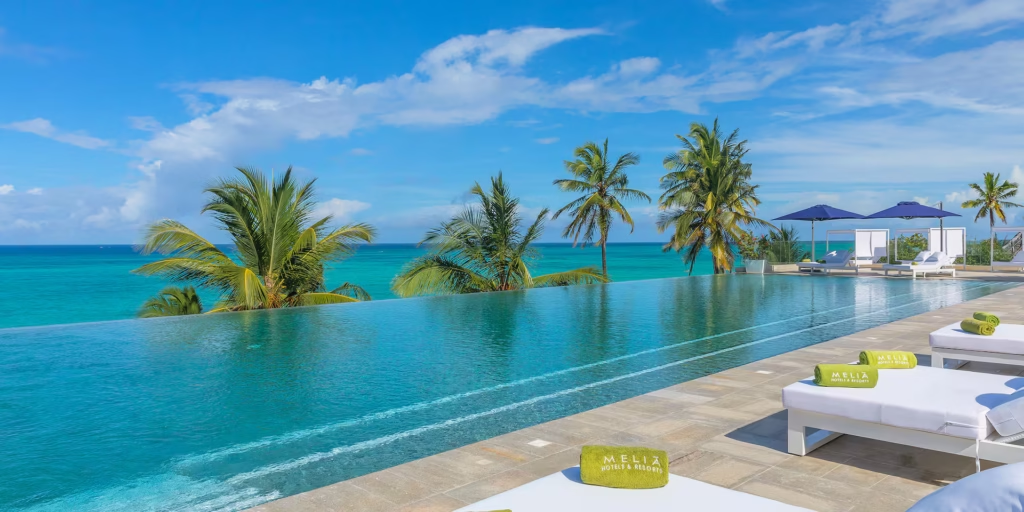 Bush & Beach
 Flying Safari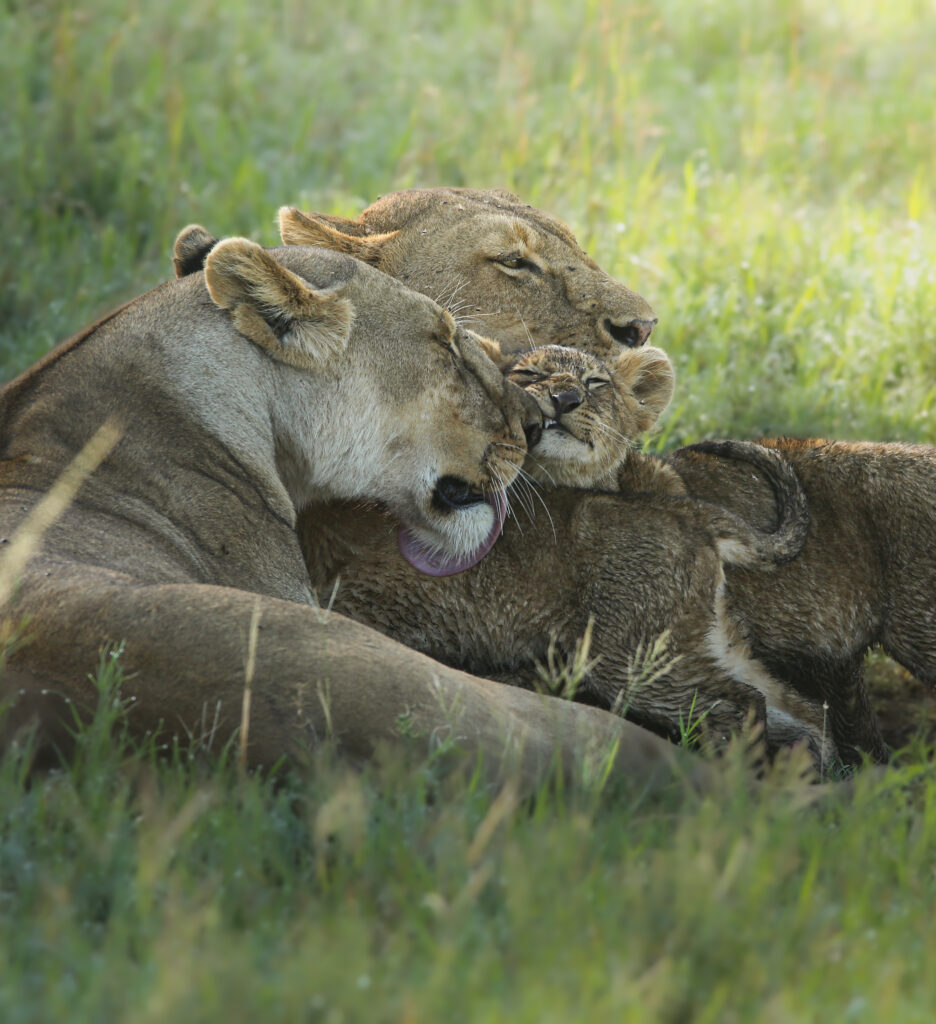
From value camps to premium lodges — we match every stay to your style and budget.
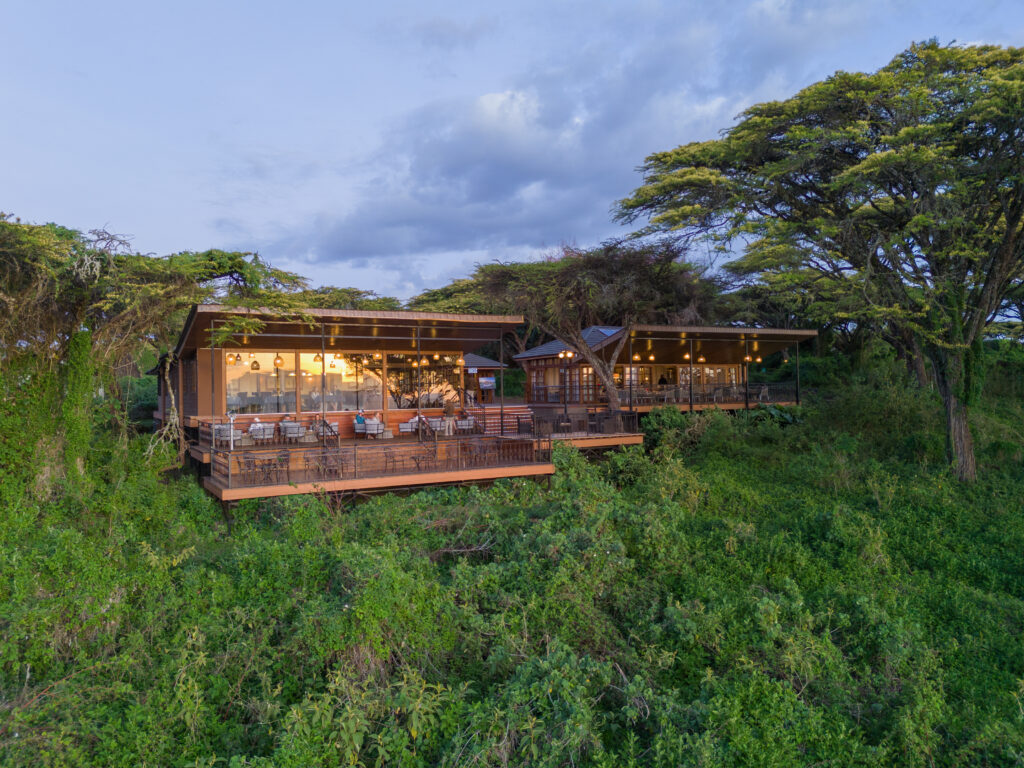
Comfortable safari camps and lodges offering excellent value for money. Ideal for budget-conscious travellers, backpackers, students, and small groups seeking an authentic Serengeti experience without compromising on wildlife viewing.
Well-appointed tented camps and safari lodges featuring private en-suite accommodation, quality dining, and personalized service. Perfect for couples, families, and first-time safari visitors looking for comfort at a reasonable price.
Elegant luxury lodges and tented camps with spacious suites, fine dining, spa facilities, private decks, and outstanding service. Designed for honeymooners, families, and luxury safari enthusiasts.
Luxury mobile camps that relocate throughout the year to follow the Great Wildebeest Migration, providing front-row access to river crossings, calving season, and key migration events. Ideal for wildlife enthusiasts and photographers.
Stylish tented camps and boutique lodges offering elevated comfort, exceptional locations, gourmet cuisine, and immersive wildlife experiences. Suitable for discerning travellers seeking a premium safari without entering the ultra-luxury category.
The highest level of safari accommodation featuring exclusive suites, private butler service, bespoke game drives, gourmet dining, and exceptional privacy in prime wildlife locations. Tailored for VIP travellers and once-in-a-lifetime safaris.
Every season has its magic — here's what to expect when, so you can travel at your perfect time.
Everything you need to know before you go — and we’ll guide you through every step.
Most international visitors require a Tanzanian visa before or upon arrival, depending on nationality. Ensure your passport is valid for at least six months beyond your travel date and check the latest immigration requirements before departure. Single Entry Tourist Visa: US$50 (most nationalities) US Citizens: US$100 (Multiple Entry)
The official currency is the Tanzanian Shilling (TZS), although US Dollars (USD) are widely accepted at lodges, camps, and tourist facilities. Credit cards are accepted at most luxury properties, but carrying some cash for tips and small purchases is recommended.
Consult your healthcare provider before travelling. Malaria prevention is recommended for most visitors, and routine travel vaccinations should be up to date. Yellow fever vaccination certificates may be required if arriving from or transiting through a country with yellow fever risk.
Serengeti enjoys a pleasant tropical savannah climate with warm days and cooler mornings and evenings. Pack lightweight clothing for daytime game drives and a warm jacket for early morning safaris. Rainfall varies by season, creating different wildlife experiences throughout the year.
Pack neutral-coloured clothing, comfortable walking shoes, a warm fleece or jacket, sun hat, sunglasses, sunscreen, insect repellent, binoculars, camera equipment, reusable water bottle, power bank, and any personal medications.
Most safari lodges and tented camps offer complimentary Wi-Fi in guest areas, although speeds may be slower than in cities. Mobile network coverage is available in many parts of the Serengeti but may be limited in remote areas.
Tanzania uses Type D and Type G electrical sockets with a 230V / 50Hz power supply. Many safari camps provide charging points in rooms or central lounges. Carrying a universal travel adapter is recommended.
The best way to explore Serengeti National Park is in a professionally guided 4x4 safari vehicle with a pop-up roof. Scheduled flights also connect Arusha, Zanzibar, and other national parks to several Serengeti airstrips for convenient fly-in safaris.
Serengeti National Park is a safe destination when visiting with experienced guides. Always remain inside your safari vehicle unless instructed otherwise, follow park regulations, and respect wildlife by maintaining safe viewing distances.
Help preserve this remarkable ecosystem by avoiding littering, staying on designated tracks, respecting wildlife, and supporting eco-conscious safari operators and lodges committed to sustainable tourism and local community conservation initiatives.
Tipping is appreciated but not compulsory. As a guideline, many travellers tip safari guides USD 15–25 per person per day, while lodge staff often receive USD 5–10 per guest per day, depending on the level of service.
Early morning and late afternoon provide the best lighting for wildlife photography. A camera with a zoom lens of at least 200–400 mm, extra memory cards, spare batteries, and binoculars will help you make the most of your Serengeti safari.
Absolutely. Serengeti National Park is widely regarded as one of the world's greatest safari destinations. It is home to the legendary Great Wildebeest Migration, abundant wildlife, the Big Five, and breathtaking landscapes. Whether you're a first-time visitor or an experienced safari traveller, the Serengeti offers unforgettable wildlife encounters and exceptional game viewing throughout the year.
We recommend spending at least three to four days in Serengeti National Park to fully appreciate its diverse landscapes and wildlife. This allows enough time for multiple game drives, increasing your chances of seeing the Big Five, predators, and seasonal migration events. Photographers and wildlife enthusiasts often prefer five to seven days.
Serengeti National Park is a year-round safari destination, with each season offering unique experiences. January to March is ideal for the wildebeest calving season, while July to October is famous for the dramatic Mara River crossings during the Great Migration. The best time depends on the wildlife experience you wish to enjoy.
Yes. Serengeti National Park is one of Africa's best destinations for spotting the Big Five—lion, leopard, elephant, African buffalo, and black rhinoceros. While rhinos are less common and mainly found in protected areas, experienced guides greatly improve your chances of seeing all five species during your safari.
The Great Migration is a continuous, year-round journey rather than a single event. From January to March, the herds gather in the southern Serengeti for calving. Between July and October, many visitors come to witness the dramatic Mara River crossings in the northern Serengeti before the herds gradually return south.
Yes. Serengeti National Park is considered one of the safest safari destinations in Africa. Visitors explore the park with experienced professional guides who follow strict park regulations and wildlife safety guidelines. Following your guide's instructions ensures a safe and enjoyable safari experience.
Serengeti National Park lies within a malaria-risk area. It is advisable to consult your doctor or travel health clinic before travelling to Tanzania regarding appropriate malaria prevention, vaccinations, and general travel health recommendations.
Pack lightweight neutral-coloured clothing, a warm jacket for early morning game drives, comfortable walking shoes, a wide-brimmed hat, sunglasses, sunscreen, insect repellent, binoculars, a camera with extra batteries, and any personal medications. A small daypack is also useful for daily excursions.
Yes. Serengeti is an excellent destination for families, and many lodges offer family rooms and child-friendly activities. Private safaris provide greater flexibility for families travelling with young children, while some luxury camps also offer educational wildlife experiences for children.
Both are exceptional safari destinations that form part of the same ecosystem. Serengeti National Park is significantly larger, offers greater habitat diversity, and hosts the majority of the Great Migration. Maasai Mara is more compact, making wildlife easier to locate over shorter visits. Many travellers choose to experience both during one East African safari.
Visitors can reach Serengeti National Park by road from Arusha, a journey of approximately 7–8 hours depending on the route and stops. Alternatively, scheduled and charter flights operate daily from Arusha, Kilimanjaro, Zanzibar, and other Tanzanian parks to several Serengeti airstrips, significantly reducing travel time.
Yes. Hot air balloon safaris are among the Serengeti's most iconic experiences. Flights depart shortly before sunrise and offer spectacular aerial views of wildlife and the endless plains. The experience concludes with a champagne bush breakfast, making it a popular activity for honeymooners, photographers, and special celebrations.
Serengeti National Park is home to more than 70 mammal species and over 500 bird species. Visitors commonly see lions, elephants, giraffes, zebras, wildebeest, cheetahs, leopards, buffaloes, hyenas, hippos, crocodiles, gazelles, elands, ostriches, and numerous colourful bird species throughout the park.
Yes. A 4x4 safari vehicle is highly recommended for exploring Serengeti National Park. These vehicles provide better comfort, safety, and access to wildlife viewing areas, particularly during the rainy seasons. Most guided safaris use specially designed 4x4 Toyota Land Cruisers with pop-up roofs for optimal game viewing.
Absolutely. Serengeti is commonly combined with Ngorongoro Crater, Tarangire National Park, Lake Manyara National Park, and Zanzibar. Many travellers also choose to pair a Serengeti safari with Kenya's Maasai Mara for an unforgettable East African wildlife adventure.
Yes. Serengeti National Park offers world-class luxury lodges, exclusive tented camps, boutique safari retreats, and seasonal mobile migration camps. These properties feature spacious suites, gourmet dining, exceptional service, and prime wildlife-viewing locations for an unforgettable safari experience.
Many lodges and camps provide complimentary Wi-Fi in guest areas, although internet speeds may vary due to the park's remote location. Mobile network coverage is available in many areas but can be intermittent depending on your location within the park.
Afrikan Accent Adventures specializes in tailor-made Tanzania safaris designed around your travel style, budget, and interests. We combine expert local knowledge, experienced professional guides, carefully selected accommodations, and seamless logistics to create unforgettable safari experiences. Whether you're planning a luxury honeymoon, a family adventure, a photographic expedition, or your first African safari, our team is committed to delivering exceptional service from your initial enquiry to your journey home.

Everything a woman needs to know before booking a women only safari in Kenya, from why the model…
Read more →
The complete guide to getting from Britain to the Masai Mara, what it costs door to door, and…
Read more →
A straight answer from a Nairobi based operator on the real risks, the real precautions and exactly how…
Read more →Tell us what you’d love to see and a local specialist will design a tailor-made itinerary around you — no obligation, reply within 24 hours.