Planning & Tips
Wifi, Electricity and Charging on Safari: What Kenya’s Camps Actually Offer
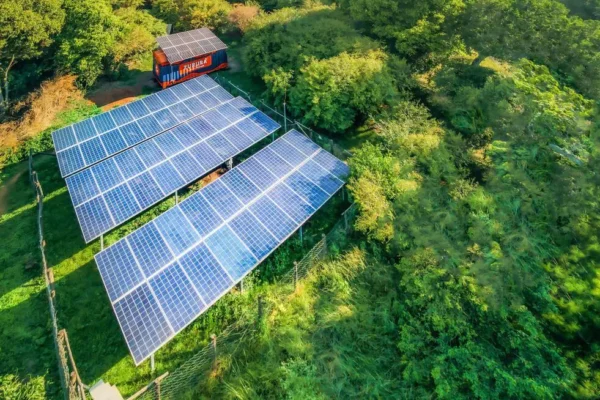
From a generator that switches off at ten to a Land Cruiser fitted with its own charging console,…
Read more →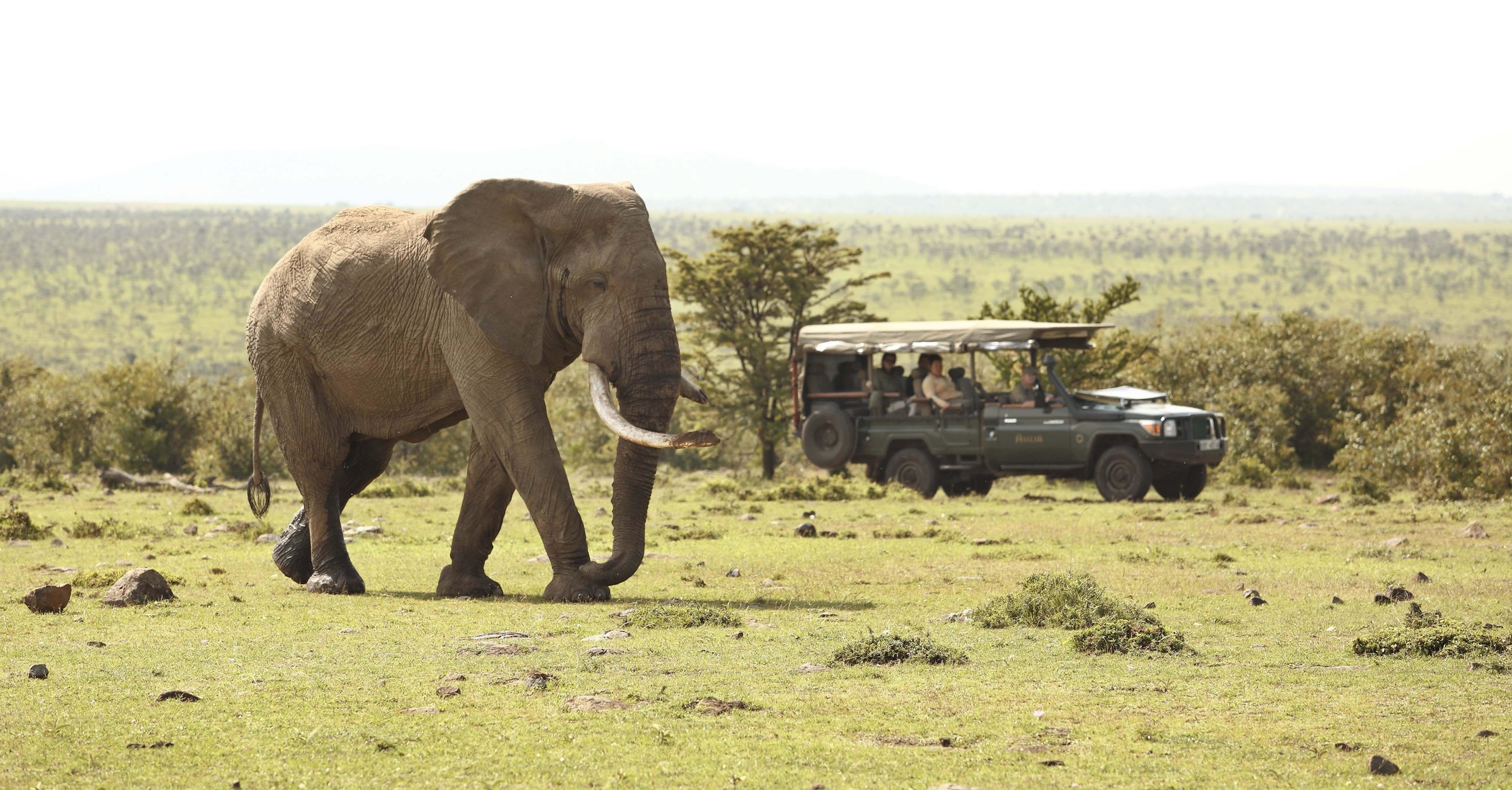
**Mara Naboisho Conservancy** is an award-winning private conservancy bordering the Maasai Mara, celebrated for its exceptional Big Five wildlife, high concentration of big cats, exclusive safari experiences, and low visitor numbers. With luxurious camps, guided walking safaris, night game drives, and authentic Maasai cultural encounters, Naboisho offers an intimate and unforgettable safari in one of Kenya's premier conservation areas.
The light comes up slowly over the Mara Naboisho Conservancy. The grass is still silver with dew, a pair of giraffes move between the acacias and somewhere beyond the ridge a lion gives a single low call before the morning fully arrives. There are no lines of safari vehicles waiting for the sighting. Just one vehicle, a guide, the open plains and whatever the bush decides to reveal.
Mara Naboisho Conservancy sits within the Greater Maasai Mara ecosystem in southwestern Kenya, immediately adjoining the Maasai Mara National Reserve. The conservancy is a community-owned wildlife area where more than 700 Maasai landowners have come together to protect their land while continuing to benefit from it through tourism, livestock and conservation. The name Naboisho means “coming together” in Maa, an appropriate name for a conservation model built around shared land, wildlife and community interests.
Covering approximately 60,000 acres according to the conservancy itself, Mara Naboisho Conservancy protects a large section of the Greater Mara landscape and provides an important connection between wildlife habitats surrounding the national reserve. The landscape is classic Mara: open grasslands, acacia woodland, rocky outcrops, seasonal drainage lines and broad valleys that support large numbers of herbivores and predators.
What sets Mara Naboisho Conservancy apart from the Maasai Mara National Reserve is not simply the wildlife. It is the way you experience it. Vehicle numbers are controlled, visitor density is deliberately kept low and guests staying at camps inside the conservancy can take part in activities that are generally unavailable inside the national reserve, including guided walking safaris, night game drives, off-road wildlife viewing and fly-camping.
For travellers who want the wildlife of the Mara without spending every sighting surrounded by vehicles, Mara Naboisho Conservancy offers a different kind of safari. It is quieter, more intimate and particularly rewarding for guests interested in big cats, walking and the experience of being in the bush after sunset.
Mara Naboisho Conservancy is a community-owned wildlife conservancy within the Greater Maasai Mara ecosystem in southern Kenya. It covers about 60,000 acres and is managed through a conservation model involving more than 700 Maasai landowners. Mara Naboisho Conservancy is known for high concentrations of lions and other big cats, controlled vehicle numbers, walking safaris, night game drives and community-led conservation.
Location: Greater Maasai Mara ecosystem, Narok County, southwestern Kenya
Size: Approximately 60,000 acres according to the conservancy’s current information
Established: 2010
Land ownership: Community-owned land contributed by Maasai landowners
Landowners: More than 700 Maasai landowners
Ecosystem: Greater Maasai Mara
Known for: Lions, cheetahs, elephants, walking safaris, night game drives and low-density wildlife viewing
Neighbouring areas: Maasai Mara National Reserve and other Mara conservancies
Main access airstrip: Ol Seki / Naboisho Airstrip
Main safari style: Private conservancy safari with guided activities
Accommodation: Intimate tented safari camps and luxury camps
Best for: Big-cat viewing, walking safaris, night drives, photography, families, couples and repeat safari travellers
Mara Naboisho Conservancy’s community model means that tourism is directly connected to the people who own the land. More than 700 Maasai landowners participate in the conservancy through a leasing model that provides income while keeping the land available for wildlife. Tourism also contributes to employment, education, healthcare, livestock development and conservation initiatives.
Mara Naboisho Conservancy is particularly famous for its predators. Lion is the headline species, with the conservancy regarded as one of the strongest areas in the greater Mara ecosystem for lion viewing. The Maasai Mara Wildlife Conservancies Association reports more than 70 identified lions using Naboisho as part of their home range.
Cheetah are another major attraction. The open grasslands provide excellent habitat for these fast-moving cats, while the lower vehicle density can make sightings feel considerably more intimate than they sometimes do in busier sections of the national reserve.
Leopard are also present, particularly around areas of thicker vegetation, rocky terrain and riverine habitat. Seeing a leopard in Mara Naboisho Conservancy is never guaranteed, but experienced guides know the terrain and regularly follow signs of movement, tracks and recent sightings.
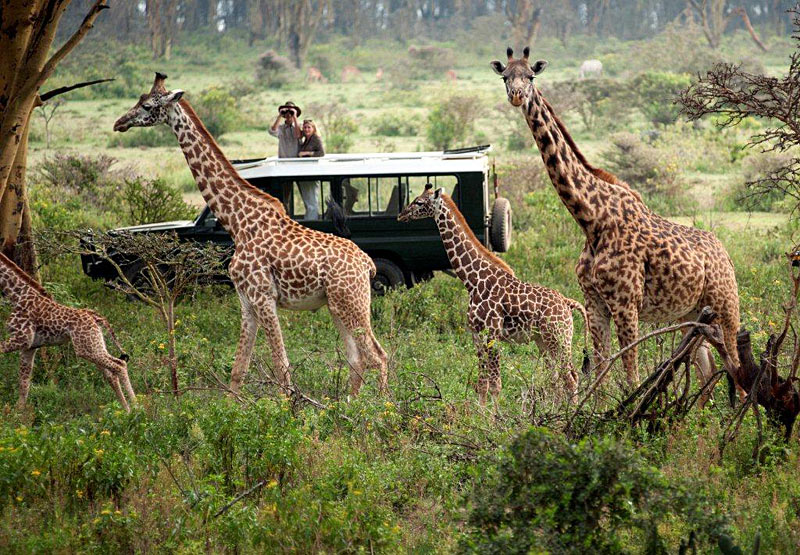
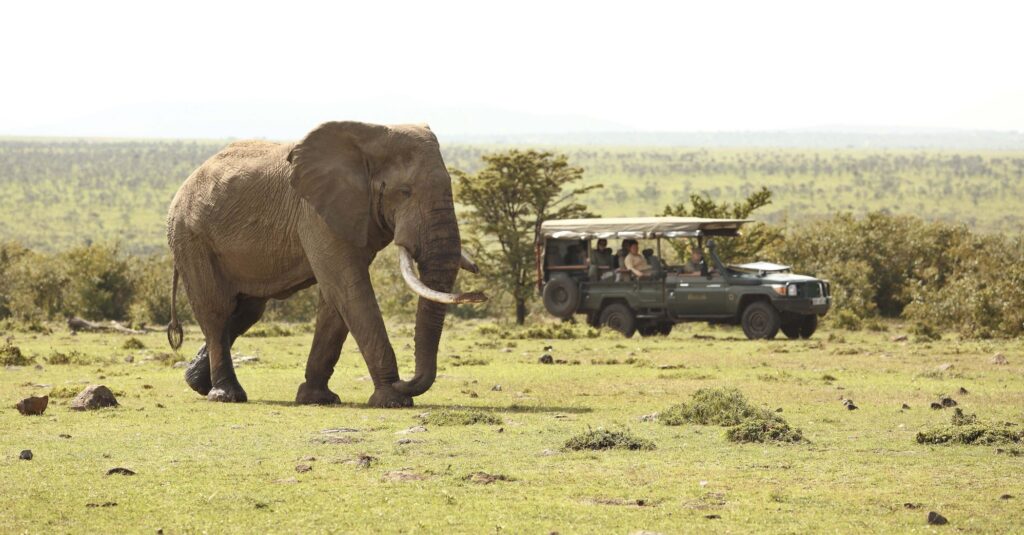
Elephants move through the conservancy in family groups, often crossing between Naboisho and neighbouring wildlife areas. Giraffe, buffalo, zebra, wildebeest, topi, eland, impala, gazelles and other plains species provide the prey base that supports the area’s substantial predator population.
Rare and less frequently seen species have also been recorded in Mara Naboisho Conservancy, including aardvark, caracal, serval, aardwolf and honey badger. These animals are never species that we promise to guests, but they are among the reasons experienced safari travellers find Naboisho particularly rewarding.
Birdlife is equally interesting. The mixture of open grassland, acacia woodland and seasonal watercourses supports a broad variety of species, including several birds associated with the wider Mara ecosystem and northern savannah habitats.
Mara Naboisho Conservancy is especially known for lion and cheetah, but game drives can also produce sightings of leopard, elephant, buffalo, giraffe, zebra, wildebeest, topi, eland, impala and numerous antelope species. Less common sightings can include caracal, serval, aardwolf, aardvark and honey badger.
Lion is the signature predator of Mara Naboisho Conservancy. The area is known for an exceptionally high lion density within the greater Mara ecosystem, and several resident prides use the conservancy as part of their territory.
Morning drives can be particularly productive for lions because the cats may still be active after hunting during the night. In the afternoon, prides are often found resting beneath trees or in the shade before becoming active again as temperatures fall.
The controlled number of vehicles makes lion viewing in Mara Naboisho Conservancy one of the most appealing experiences for photographers and travellers who prefer quieter sightings.
Cheetahs favour open country where they can use their speed to hunt gazelles and other smaller antelope. The open grasslands of Mara Naboisho Conservancy create ideal conditions for watching these cats scan the plains from termite mounds, low rises or isolated trees.
A cheetah sighting can change quickly. One moment the animal is resting, the next it is moving across the grassland at extraordinary speed. Because vehicle numbers are controlled, guests often have more space around these sightings than they would in the busiest parts of the Maasai Mara National Reserve.
Leopards are more secretive than lions and cheetahs, and finding one requires patience. Guides search riverine vegetation, rocky areas and patches of woodland where leopards are more likely to rest during the day.
Night drives add another dimension because leopards become more active after sunset, although sightings are never guaranteed.
Mara Naboisho Conservancy is particularly well suited to wildlife photography because of its combination of strong wildlife populations, attractive landscapes and controlled visitor numbers.
The rolling plains create clean backgrounds for big-cat photography, while acacia trees, golden grass and distant hills provide the classic Mara composition. Early morning and late afternoon produce the softer light that photographers generally prefer.
Off-road driving in the conservancy can also allow experienced guides to position vehicles more carefully for wildlife photography where conditions and conservancy regulations permit. This flexibility is one of the important differences between Mara Naboisho Conservancy and the national reserve.
Game drives are the central activity in Mara Naboisho Conservancy. Morning drives begin around sunrise, when temperatures are cooler and many predators remain active. Afternoon drives continue toward sunset, when the plains become cooler and wildlife activity increases again.
Unlike the national reserve, Mara Naboisho Conservancy allows greater flexibility in where vehicles can approach wildlife, subject to the conservancy’s rules and responsible tourism guidelines.
The emphasis is not simply on finding animals but on spending quality time with them without creating unnecessary pressure.
Night game drives are one of the major reasons travellers choose Mara Naboisho Conservancy over staying exclusively inside the national reserve.
Once darkness falls, the Mara changes completely. Lions become active, hyenas move across the plains and smaller nocturnal species emerge from hiding. With a spotlight and an experienced guide, guests may encounter genet, bat-eared fox, springhare, civet, white-tailed mongoose and other nocturnal wildlife.
Night drives also provide an opportunity to experience the Mara as a wilderness rather than simply as a daytime wildlife-viewing destination.
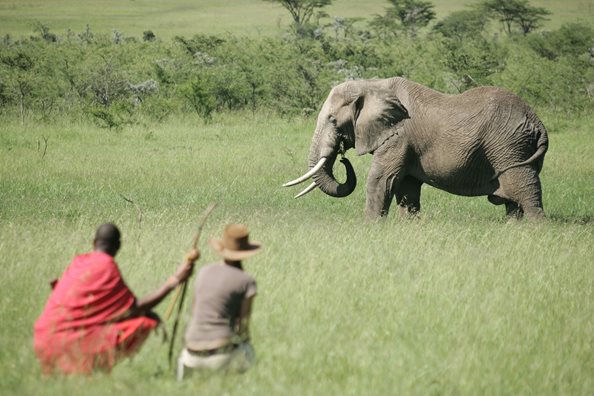
A guided walking safari is one of the most distinctive activities available in Mara Naboisho Conservancy.
Instead of covering kilometres in a vehicle, guests move slowly through the landscape with an experienced guide and trained ranger. The focus changes from finding large animals to understanding the smaller details of the ecosystem: tracks, dung, plants, insects, bird calls, animal behaviour and the relationship between livestock and wildlife.
Walking safaris are not permitted in the Maasai Mara National Reserve in the same way they are offered within private conservancies. This makes a stay in Mara Naboisho Conservancy particularly attractive to travellers who want to experience the bush on foot.
Controlled off-road driving is another important advantage of Mara Naboisho Conservancy.
Where permitted by the conservancy’s regulations and where the conditions are appropriate, guides can leave established tracks to approach wildlife more carefully. This can be particularly useful when following predators across open grassland or positioning a vehicle for photography.
The freedom does not mean unlimited driving. Naboisho operates under conservation rules designed to protect wildlife and prevent excessive pressure on individual sightings.
For adventurous travellers, fly-camping provides an opportunity to spend a night closer to the landscape.
Fly-camping is a simple bush experience rather than a conventional luxury camp. Guests sleep in lightweight tents, eat outdoors and experience the sounds of the Mara after dark.
The experience works particularly well when combined with a walking safari, allowing travellers to experience the conservancy at a much slower pace.
A bush breakfast turns an early morning game drive into a longer experience in the wilderness. After several hours of wildlife viewing, the guide finds a suitable location where breakfast can be served while the surrounding plains continue to wake up.
In Mara Naboisho Conservancy, the setting itself is often the attraction: open grassland, distant hills, acacia trees and wildlife moving through the landscape.
Bush lunches can be arranged in suitable locations during full-day game drives, while sundowners are one of the simplest ways to appreciate the changing light over Naboisho.
As the sun drops behind the Mara hills, the grasslands change from green and gold to deep orange and shadow. Wildlife continues moving across the plains while guests stop for drinks and light refreshments.
Hot-air balloon safaris can be arranged from camps in the Naboisho area, although the balloon experience typically operates over the wider Mara ecosystem rather than being considered a standard activity exclusive to the conservancy.
The flight provides a completely different perspective, with wildlife appearing as small movements across the plains below.
Mara Naboisho Conservancy is built around community ownership, so cultural experiences can add an important dimension to a safari.
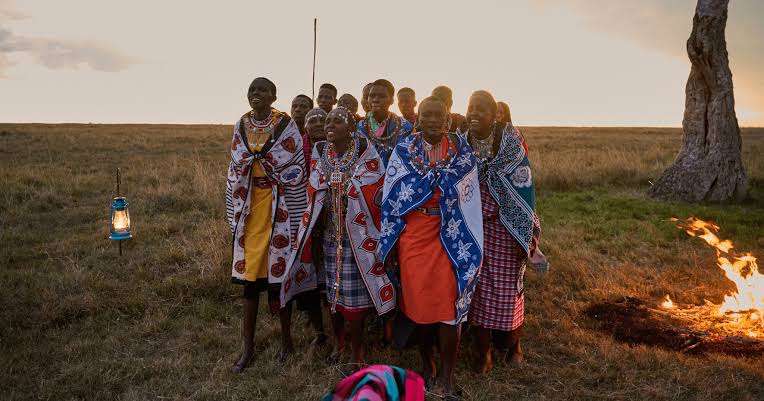
Depending on the camp and community arrangement, guests may visit local Maasai communities, learn about traditional pastoralist life, see beadwork and hear stories about the relationship between people, livestock and wildlife.
We encourage guests to treat cultural visits as genuine exchanges rather than staged performances and to ask before taking photographs.
The most important story in Mara Naboisho Conservancy is arguably not an animal story at all.
It is the story of landowners choosing to keep their land open for wildlife while maintaining ownership and receiving economic benefits from conservation.
More than 700 Maasai landowners have united under the Naboisho model, dedicating their land to wildlife protection while receiving lease payments and other benefits connected to tourism and conservation. The model also supports employment, education, healthcare, improved livestock practices and community development.
This matters because wildlife conservation in the Mara cannot succeed if local communities do not benefit from the landscape.
Mara Naboisho Conservancy demonstrates that tourism can provide an economic reason to maintain wildlife habitat while allowing communities to remain central to land management.
Mara Naboisho Conservancy is community-owned land held by Maasai landowners. More than 700 landowners participate in the conservancy’s current model, which combines wildlife conservation, sustainable tourism, livestock management and community benefits.
The two destinations are part of the same Greater Maasai Mara ecosystem, but they provide noticeably different safari experiences.
The Maasai Mara National Reserve is a large public wildlife reserve with excellent wildlife viewing, major predator populations and the annual wildebeest migration. Mara Naboisho Conservancy is smaller, privately managed through a community conservation model and deliberately limits visitor density.
Inside the national reserve, game drives are generally restricted to daytime hours and established routes. In Mara Naboisho Conservancy, guests can participate in night game drives, guided walking safaris and other activities that are not available in the same way inside the national reserve.
This does not mean one is better than the other.
The national reserve is essential for experiencing the wider Mara ecosystem and the Great Migration. Mara Naboisho Conservancy is particularly strong for intimate wildlife viewing, walking, night drives and low-density safari experiences.
For many of our guests, combining the two creates the strongest Mara itinerary.
One important distinction is worth making clear: the main Great Migration herds do not pass directly through Mara Naboisho Conservancy in the same way they move through the Maasai Mara National Reserve. The conservancy remains connected to the wider ecosystem, however, and resident wildlife moves between Naboisho and neighbouring areas throughout the year.
If witnessing a major wildebeest river crossing is the primary objective, we recommend including time inside the Maasai Mara National Reserve rather than relying exclusively on Mara Naboisho Conservancy.
If your priority is year-round predator viewing, walking and a quieter safari atmosphere, Naboisho can be the stronger choice.
Both conservancies are known for high-quality wildlife viewing and low visitor density. Mara Naboisho is particularly attractive for travellers interested in walking, night drives and the wider community conservation story.
Ol Kinyei is smaller and more secluded, while Mara Naboisho provides a larger landscape with strong predator populations and a broader range of camps and experiences.
Mara North covers a larger conservation landscape and has its own strong wildlife and community model. Mara Naboisho is particularly well known for its lion population, walking opportunities and intimate camp experience.
The best choice depends on the experience you want rather than simply which conservancy has the best wildlife.
Unlike a conventional national reserve, Mara Naboisho Conservancy does not operate like a destination where independent visitors simply arrive at a public gate, pay an entrance fee and begin driving.
Access is controlled through partner camps and conservancy arrangements. The official Naboisho information states that visitors need to stay at one of the conservancy’s partner camps and that day trips are not permitted.
This controlled access is part of the conservation model.
It helps limit visitor numbers, reduces vehicle pressure and keeps the experience exclusive to guests staying within the conservancy.
Flying is the easiest and most time-efficient way to reach Mara Naboisho Conservancy.
Light aircraft operate from Nairobi’s Wilson Airport to the Ol Seki/Naboisho airstrip. The conservancy confirms that Ol Seki and Naboisho refer to the same airstrip, and camps arrange transfers from the airstrip to the property.
Flight time from Nairobi is generally around 45 minutes to an hour depending on routing and intermediate stops.
For guests combining Mara Naboisho Conservancy with Samburu, Amboseli, Lewa, Laikipia or other safari destinations, flying is often the most practical option.
Mara Naboisho Conservancy can also be reached by road from Nairobi, although the drive is substantially longer than flying.
A road safari takes travellers through the changing landscapes of Kenya’s Rift Valley and southern countryside before reaching the Greater Mara ecosystem.
For guests who enjoy road travel and want to combine the Mara with destinations such as Lake Naivasha, Lake Nakuru or Amboseli, driving can form part of a broader Kenya safari circuit.
Choose the road if you want to experience Kenya’s changing landscapes, are building a longer road itinerary or want to keep transportation costs lower.
Choose flying if you have limited time, want to maximize your time inside Mara Naboisho Conservancy or are combining several distant safari destinations.
For a three-night Naboisho stay, we generally recommend flying when the budget allows. It gives guests more time for game drives, walking and other activities rather than using a large portion of the itinerary on road transfers.
Mara Naboisho Conservancy shares the broader climate pattern of the Maasai Mara ecosystem.
The area generally has warm days, cooler nights and two main rainy periods. The long rains usually occur around March to May, while the short rains generally arrive around October and November.
June through October is generally drier, with cooler mornings and excellent conditions for wildlife viewing. January and February can also provide good game viewing, although conditions are generally warmer.
Rain can transform the Mara landscape quickly. Grass becomes greener, wildflowers appear and migratory and resident herbivores spread across the plains.
For photographers, the rainy periods can produce dramatic skies and exceptional landscapes, while the dry season tends to make animal movements easier to predict.
Mara Naboisho Conservancy can be visited throughout the year. June to October is particularly popular for dry-season wildlife viewing, while November to April can offer greener scenery, strong birding and fewer visitors. The best month depends on whether your priority is predator viewing, photography, birding, the Great Migration or a quieter safari experience.
These months can provide excellent general game viewing, with warm conditions and relatively dry landscapes. Resident predators remain in the area and the plains can be productive for photography.
The long rains bring fresh vegetation and dramatic skies. Visitor numbers can be lower, making this an appealing period for travellers looking for quieter safari conditions.
Some roads can become challenging after heavy rainfall, so routing and camp access should be confirmed before travel.
This is one of the strongest periods for a Mara safari.
The weather is generally drier, wildlife viewing is excellent and the broader Mara ecosystem becomes especially important for travellers interested in the wildebeest migration.
Mara Naboisho Conservancy remains valuable during this period for predator viewing and lower-density experiences away from the busiest parts of the national reserve.
The short rains bring fresh grass and greener scenery. Birdlife can be particularly rewarding and the landscape becomes visually dramatic.
This period can be a good choice for travellers who want a greener Mara without the highest levels of peak-season demand.
Two nights gives you a good introduction to Mara Naboisho Conservancy, particularly if your itinerary includes morning and afternoon game drives.
Three nights is our usual recommendation for a first visit. It allows enough time for several game drives, a night drive, a walking safari and time to enjoy the camp rather than spending the entire stay inside a vehicle.
Four nights or more is ideal for travellers who want a slower safari, several walking experiences, night drives, photography and additional cultural or conservation activities.
If you are combining Mara Naboisho Conservancy with the Maasai Mara National Reserve, three nights in Naboisho can work particularly well alongside two or three nights inside the reserve.
Three nights is generally the ideal stay for a first Mara Naboisho Conservancy safari. Two nights works for a shorter itinerary, while four or more nights is better for travellers who want to combine game drives, walking safaris, night drives and a slower camp-based experience.
Accommodation in Mara Naboisho Conservancy focuses on intimate tented camps rather than large safari hotels.
The conservancy works with a selected group of tourism partners that operate camps under the area’s conservation standards. These include Naboisho Camp, Encounter Mara, Mara Nyika Camp, Ole Seki Mara, Valley Camp, Porini Mara, Saruni Eagle View and other partner properties.
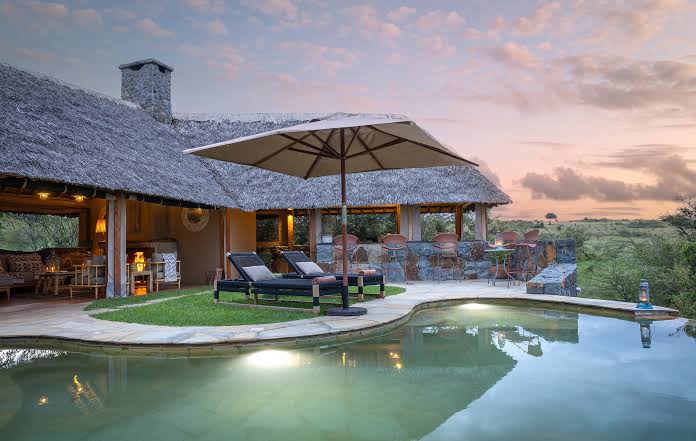
Naboisho Camp is an intimate luxury tented camp with nine spacious tents, including two family tents. It offers guided game drives, walking safaris, night activities and additional experiences such as fly-camping and cultural visits.
Encounter Mara offers ten spacious tents, including family accommodation, and is positioned in a secluded section of Mara Naboisho Conservancy. It is particularly well suited to guests looking for boutique accommodation and strong access to the area’s big-cat country.
Kicheche Valley Naboisho is located on the eastern side of the conservancy in a secluded valley with acacia trees and rocky outcrops. The camp has five standard tents and a family suite and offers game drives, night drives, bush walks and community conservation visits.
Saruni Eagle View sits on an elevated position overlooking the plains and offers nine raised viewpoint tents, including family accommodation. Its location provides broad views across the surrounding Mara landscape and access to walking, game drives, birdwatching, bush meals and cultural activities.
The cost of a Mara Naboisho Conservancy safari depends heavily on accommodation, season, length of stay and whether you travel by road or air.
Because Naboisho is a private community conservancy with controlled access and a limited number of camps, it generally sits in the mid-range to luxury safari category rather than the budget safari market.
A mid-range or premium tented camp may cost considerably more than a basic lodge outside the conservancy, but the rate often reflects the conservation fee, guided activities, meals and access to experiences such as night drives and walking safaris.
Flying from Nairobi adds to the overall cost but saves significant travel time.
Rather than treating a published daily price as a universal rate, we recommend quoting Mara Naboisho Conservancy based on the exact camp, travel dates, number of guests and safari style.
Mara Naboisho Conservancy is primarily a mid-range to luxury safari destination, with prices varying according to camp, season, room type, transportation and length of stay. Conservancy fees are generally handled through the partner camp when you book, rather than paid as a simple day-entry ticket at a public gate.
We build Mara Naboisho Conservancy into safari itineraries in several ways.
A three-night Naboisho safari works well as a standalone Mara experience focused on big cats, walking and night drives.
A five- or six-night Mara itinerary can combine Mara Naboisho Conservancy with the Maasai Mara National Reserve, giving guests both the low-density conservancy experience and the larger reserve landscape.
For a longer Kenya safari, Mara Naboisho Conservancy can be combined with Samburu, Ol Pejeta, Lake Nakuru, Amboseli, Tsavo or other destinations depending on the route and available time.
For guests visiting during the migration season, we can also structure the itinerary around time in the national reserve while using Mara Naboisho Conservancy for quieter predator viewing and walking experiences.
Responsible tourism is central to the Naboisho model.
The conservancy’s approach combines community empowerment, wildlife protection and sustainable tourism. Landowners retain ownership of their land while tourism provides lease income and supports wider community benefits.
Naboisho also operates under responsible tourism standards designed to reduce pressure on wildlife. Vehicle numbers are controlled and guides follow codes of conduct around wildlife sightings.
The result is a safari model in which the land has an economic value beyond livestock alone.
When guests stay in Mara Naboisho Conservancy, part of the value of their visit goes toward maintaining the conservation system that keeps the land available for wildlife.
Mara Naboisho Conservancy forms part of a much larger ecological system rather than functioning as an isolated wildlife island.
Its grasslands and wildlife corridors connect with surrounding areas of the Greater Mara ecosystem, allowing elephants, predators and plains game to move across a broader landscape.
Naboisho’s conservation work includes habitat restoration, protection of wildlife corridors, ranger deployment and improved livestock management. These efforts are designed to reduce habitat fragmentation while allowing communities and wildlife to share the same landscape.
This is particularly important in the Mara, where wildlife movement depends on keeping open spaces between protected areas and community land.
The Maasai community is at the heart of Mara Naboisho Conservancy.
The land remains community-owned, while tourism provides a financial incentive for maintaining wildlife habitat. This creates a direct connection between the safari guest and the community that protects the landscape.
Employment is another important part of the model. Naboisho reports that its conservation system provides community benefits through jobs, lease payments, education and healthcare initiatives.
For guests, this means that a safari in Mara Naboisho Conservancy is not simply a wildlife holiday. It is also an opportunity to support a community-led conservation system.
Mara Naboisho Conservancy can be an excellent destination for families, particularly when the accommodation offers family tents and a camp provides age-appropriate activities.
Walking activities should be arranged according to the age of the children and camp safety requirements. Game drives can also be adapted around family routines, allowing parents to balance wildlife viewing with downtime.
Some camps in Mara Naboisho Conservancy offer dedicated children’s programmes and family accommodation, making it possible to build a safari that is educational without becoming exhausting.
For couples, Mara Naboisho Conservancy offers a combination of privacy, wilderness and high-quality wildlife viewing.
Private verandas, bush breakfasts, sundowners, walking safaris and intimate tented camps make it particularly suited to honeymooners, anniversaries and romantic safari holidays.
The lack of large hotel-style developments is part of the appeal. Most camps are deliberately small, allowing the experience to feel personal and connected to the landscape.
Mara Naboisho Conservancy is particularly appealing to travellers who have already visited the Maasai Mara National Reserve.
A first-time safari guest may want to spend most of the day searching for the classic Big Five. A repeat traveller may be more interested in walking through the bush, tracking smaller species, watching nocturnal wildlife or understanding how community conservation works.
Naboisho provides that additional layer.
It is the kind of place where a second safari can feel very different from the first.
If you have already visited the Maasai Mara National Reserve, we would strongly consider staying in Mara Naboisho Conservancy rather than simply repeating the same reserve circuit. The wildlife is connected, but the experience is different: fewer vehicles, night drives, walking and more time to understand the landscape beyond the vehicle.
Nicholas Wangithi, Director & Founder
Samburu offers species and landscapes that are unique to northern Kenya, including the Samburu Special Five. Mara Naboisho Conservancy is more strongly associated with the classic Mara predator experience, especially lion and cheetah.
Samburu is drier, hotter and characterized by the Ewaso Nyiro River, doum palms and red earth. Naboisho is greener, with rolling grasslands and the open savannah landscape associated with the Greater Mara.
For a first Kenya safari, combining the two can provide an excellent contrast.
Amboseli is famous for its large elephant herds and views of Mount Kilimanjaro.
Mara Naboisho Conservancy is more focused on predators, open savannah and the Greater Mara ecosystem.
If your priority is elephants with Kilimanjaro as a backdrop, choose Amboseli. If your priority is lion, cheetah, walking and night drives, Mara Naboisho Conservancy is the stronger option.
Tsavo is enormous and offers a more rugged wilderness experience across a huge landscape.
Mara Naboisho Conservancy is much smaller and more concentrated, making wildlife viewing easier to structure over a short stay.
Tsavo is ideal for travellers who want vast wilderness and red-earth landscapes. Naboisho is better suited to travellers looking for big cats, intimate tented camps and a community-led conservancy experience.
Mara Naboisho Conservancy offers one of the most complete private conservancy safari experiences in Kenya.
You come for the lions, but you stay for the freedom to experience the Mara differently.
You can spend the morning walking through the grasslands, return for lunch at camp, head out again in the afternoon and then continue into the night on a game drive. You can watch elephants move across the plains, track a cheetah through the grass, follow lion activity after sunset or simply sit on a camp veranda listening to the sounds of the bush.
The experience is less about ticking animals off a list and more about giving the landscape time to reveal itself.
Mara Naboisho Conservancy is one of the strongest choices in Kenya for travellers who want exceptional wildlife viewing combined with a quieter, more intimate safari experience.
Its high concentration of big cats, controlled vehicle numbers, walking safaris, night game drives and community-owned conservation model make it very different from a conventional national park safari.
For first-time Kenya visitors, Mara Naboisho Conservancy works particularly well when combined with the Maasai Mara National Reserve.
For repeat safari travellers, it can stand on its own as the destination.
For couples, it offers privacy and exceptional tented camps.
For families, it offers space, wildlife and educational experiences.
And for anyone interested in responsible tourism, Mara Naboisho Conservancy provides a rare opportunity to see how wildlife conservation can work when the communities who own the land are placed at the centre of the model.
At Afrikan Accent Adventures, we build Mara Naboisho Conservancy safaris around the experience you actually want, whether that means tracking lions, walking through the bush, experiencing a night drive, combining Naboisho with the Maasai Mara National Reserve or creating a wider Kenya safari.
Mara Naboisho Conservancy is not simply another place to see the Mara’s wildlife.
It is a different way to experience the Mara.
And for many travellers, that difference is exactly what makes it unforgettable.
Discover a pioneering conservancy where local communities, conservation and luxury safari experiences come together to protect one of Africa's richest wildlife ecosystems.
Mara Naboisho is globally recognised for its extraordinary concentration of predators. The conservancy supports numerous lion prides and offers some of Africa's…
Strict visitor regulations ensure that wildlife sightings remain intimate and uncrowded. Guests often enjoy sightings without the vehicle congestion commonly experienced elsewhere…
Unlike the national reserve, the conservancy allows guided night drives, offering opportunities to observe nocturnal wildlife such as aardwolves, civets, genets, porcupines,…
Walking safaris provide a unique perspective of the ecosystem, allowing guests to discover tracks, insects, plants, and smaller wildlife while learning about…
The conservancy supports four members of the Big Five, with rhino sightings possible in neighbouring conservancies and reserves. Elephant, lion, leopard, and…
Although the largest migration concentrations occur inside the Maasai Mara National Reserve, significant numbers of wildebeest and zebras move through Naboisho during…
Mara Naboisho is considered one of Africa's leading examples of community conservation, directly supporting hundreds of Maasai families through sustainable tourism revenue.
Open grasslands, rolling hills, dramatic skies and exceptional predator sightings make Naboisho one of Kenya's premier photographic safari destinations.
From value camps to premium lodges — we match every stay to your style and budget.
Comfortable tented camps just outside the reserve gates. En-suite rooms with hot showers, full-board meals, and close proximity to the Mara.
Spacious canvas tents on raised platforms with private decks, often inside or adjacent to conservancies. Better access and fewer crowds.
World-class lodges and exclusive camps in private conservancies. Night drives, bush walks, spa, and personalized service — the ultimate safari experience.
Every season has its magic — here's what to expect when, so you can travel at your perfect time.
Everything you need to know before you go — and we’ll guide you through every step.
International visitors travelling to Mara Naboisho Conservancy require entry clearance for Kenya through the Kenya Electronic Travel Authorisation (eTA) system before arrival. Passports should be valid for at least six months beyond the travel date and contain at least one blank page for entry stamps. Visitors are encouraged to apply several days before departure to allow sufficient processing time.
Mara Naboisho lies within a low-risk malaria zone compared to coastal Kenya, but travellers are advised to consult their doctor regarding malaria prophylaxis before travel. Recommended vaccinations generally include Hepatitis A, Typhoid, Tetanus, and routine immunisations. Travellers arriving from countries with Yellow Fever transmission may be required to present a Yellow Fever vaccination certificate upon entry into Kenya.
The fastest and most convenient way to reach Mara Naboisho Conservancy is by scheduled safari flight from Nairobi's Wilson Airport to Ol Seki Airstrip, Mara Naboisho Airstrip, or Olare Orok Airstrip. Flights typically take between 45 and 60 minutes. Visitors can also travel by road from Nairobi through Narok and Sekenani, covering approximately 250 kilometres in 5 to 6 hours depending on road conditions and traffic.
The official currency is the Kenyan Shilling (KES), although US Dollars are widely accepted in safari camps and lodges for payments, park fees, and gratuities. Visa and Mastercard are accepted at most properties, while mobile payment systems such as M-Pesa are commonly used throughout Kenya.
Mara Naboisho enjoys a mild highland climate throughout the year due to its altitude of between 1,700 and 2,050 metres above sea level. Daytime temperatures: 22°C–28°C Night temperatures: 10°C–15°C Dry seasons: June–October and December–February Rainy seasons: March–May and November Evenings and early mornings can be cool, so warm clothing is recommended for game drives.
Kenya uses Type G electrical sockets, identical to those used in the United Kingdom. Voltage: 240V Frequency: 50Hz Plug Type: G Most safari camps provide charging facilities in guest rooms or central charging stations, and many luxury camps operate on solar power systems.
Mara Naboisho Conservancy follows East Africa Time (EAT). UTC Offset: UTC +3 Kenya does not observe daylight saving time. This means the time remains constant throughout the year.
Mara Naboisho Conservancy is considered one of Kenya's safest safari destinations. The conservancy operates under strict wildlife management and tourism regulations, with experienced guides accompanying guests during activities such as walking safaris and night drives. Visitors should always follow guide instructions, remain inside vehicles during game drives unless advised otherwise, and avoid walking unaccompanied around camps at night due to the presence of wildlife.
Mara Naboisho Conservancy is located in Narok County in southwestern Kenya, immediately northeast of the world-famous Maasai Mara National Reserve. The conservancy forms part of the greater Mara-Serengeti ecosystem and covers approximately 210 square kilometres (81 square miles) of protected wilderness. It lies about 250 kilometres from Nairobi, making it easily accessible by both road and air.
The biggest difference is exclusivity. While the Maasai Mara National Reserve can become busy during peak migration months, Mara Naboisho operates a strict low-density tourism model that limits the number of beds and vehicles allowed within the conservancy. Visitors enjoy more private wildlife sightings, fewer vehicles at sightings, and access to activities such as night drives, walking safaris and off-road game viewing that are not permitted inside the national reserve.
Yes. Mara Naboisho is considered one of the best destinations in Africa for predator viewing and supports one of the highest lion densities on the continent. Lions are regularly encountered throughout the conservancy, while leopards and cheetahs are also commonly seen. Wildlife enthusiasts and photographers often rank Naboisho among Kenya's finest big cat destinations.
Mara Naboisho is home to four members of the Big Five: lion, leopard, elephant and buffalo. Black and white rhinos are not resident within the conservancy itself but can be seen during visits to neighbouring conservancies and protected areas within the wider Mara ecosystem.
Yes. During the migration season between July and October, large herds of wildebeest and zebras move through sections of the conservancy as part of the larger Serengeti-Mara migration system. While the famous Mara River crossings occur mainly inside the Maasai Mara National Reserve, Naboisho offers exceptional migration viewing with far fewer vehicles.
Yes. One of the conservancy's major advantages is that guided night drives are permitted. These drives provide opportunities to observe nocturnal wildlife such as aardwolves, civets, genets, porcupines, bush babies bat-eared foxes, and predators that become active after sunset. Night drives are among the most popular activities offered in Naboisho.
Yes. Guided walking safaris are one of the signature experiences in Mara Naboisho Conservancy. Accompanied by professional guides and Maasai trackers, guests can learn about animal tracks, birds, insects, medicinal plants and traditional Maasai knowledge while exploring the ecosystem on foot in complete safety.
Most visitors spend between 2 and 4 nights in the conservancy. A three-night stay is generally ideal because it allows enough time for multiple game drives, a night safari, a walking safari, cultural visits and relaxation at camp while maximising wildlife viewing opportunities.
Mara Naboisho offers excellent wildlife viewing throughout the year. The dry season from June to October provides the best overall game viewing conditions and coincides with the Great Migration. The period from January to March is excellent for predator sightings and photography, while the green season offers lush scenery, fewer visitors and attractive accommodation rates.
Visitors can reach the conservancy by road or air. The road journey from Nairobi takes approximately 5 to 6 hours via Narok and Sekenani. Most travellers prefer scheduled safari flights from Nairobi's Wilson Airport to nearby airstrips such as Ol Seki Airstrip or Mara Naboisho Airstrip, with flights taking approximately 45 to 60 minutes.
Yes. Many camps within the conservancy welcome families and offer family tents, child-friendly meals, educational bush activities, and flexible safari schedules. Walking safaris and certain activities may have age restrictions, but game drives and cultural experiences are suitable for most children.
Mara Naboisho is one of Africa's leading examples of community conservation. Tourism revenue generated by the conservancy directly benefits more than 500 Maasai landowners through land lease payments, employment, education programmes, healthcare support and community development projects. Every safari contributes directly to wildlife conservation and the protection of traditional pastoral livelihoods.
From a generator that switches off at ten to a Land Cruiser fitted with its own charging console,…
Read more →
A working checklist from a Nairobi ground operator on licensing, red flags and the questions that separate real…
Read more →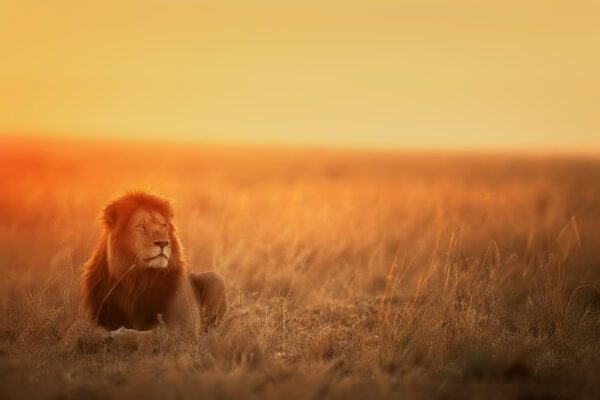
Both parks hold the same herds and the same rivers, but the border between them changes your budget,…
Read more →Tell us what you’d love to see and a local specialist will design a tailor-made itinerary around you — no obligation, reply within 24 hours.