Amboseli or Masai Mara? Here Is the Answer We Give Every Single Client
Two of Kenya's greatest parks. One safari budget. The decision matters more than most travellers realize, and it depends almost entirely on what kind of experience you are actually after.
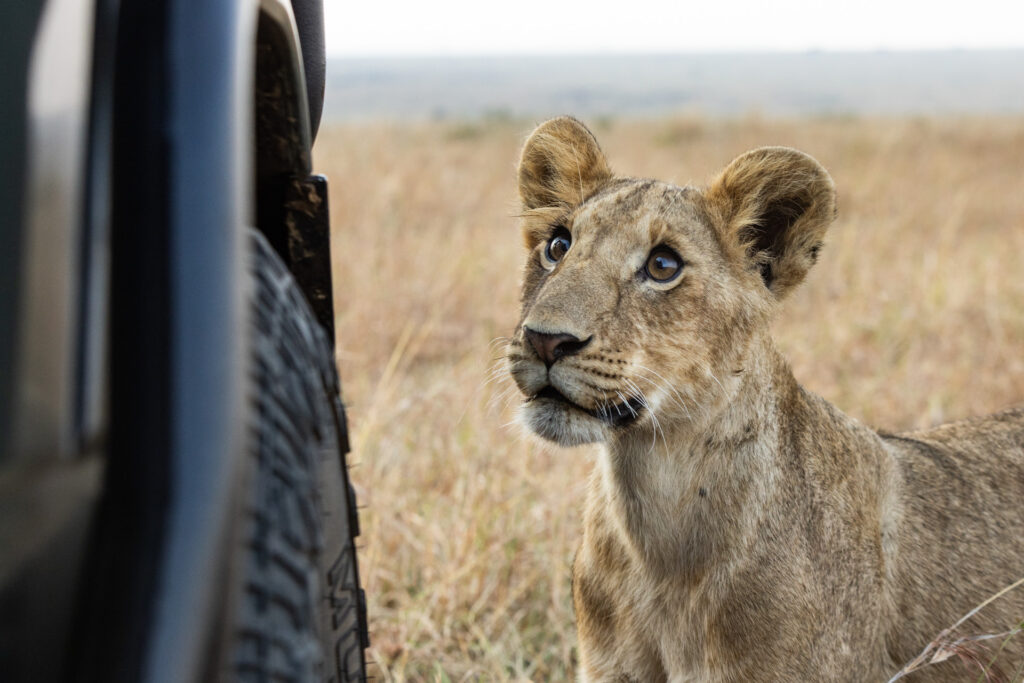
Lion spotted on a Kenya Safari itinerary evaluating Amboseli vs Masai Mara options.
The question arrives in almost every inquiry we receive. Sometimes it is the first line. ‘We can’t decide between Amboseli and the Mara, which one would you choose?’ We’ve answered it hundreds of times. The short version: they are not interchangeable. Choosing between them without understanding what each one delivers is like choosing between a concert and a gallery opening because both involve going out in the evening.
We brought a family of four to Amboseli on a clear November morning two years ago. Father, mother and two teenage kids who had seen every wildlife documentary going. Within twenty minutes of leaving Amboseli Serena Safari Lodge, we had 11 elephants moving through open grassland with Kilimanjaro behind them, cloud-free, the summit catching the early light. The father said nothing for a long time. Then he said: ‘I didn’t know it actually looked like this.’ That is what Amboseli does. It doesn’t ease you in. It lands on you immediately.
The Masai Mara is a different proposition. It is larger, more diverse in terrain and it operates at a different pitch. The predator density in the Mara Triangle and the Mara North Conservancy is among the highest in Africa. Cheetah on open plains. Lion prides with eight or nine adult females. The wildebeest migration crossing the Mara River between July and October; a spectacle that requires no qualification. The Mara asks more of you in terms of planning, budget and time on the ground. It rewards that investment proportionally.
Both parks are legitimate answers to the question ‘where should I go on a Kenya safari?’ But they are not the same answer. This article lays out exactly what each one delivers, who each one suits and what we tell our clients when they ask us to choose.
QUICK ANSWER | Amboseli vs Masai Mara: which is better for a Kenya safari?
Choose Amboseli for iconic elephant herds framed by Mount Kilimanjaro and a shorter flight from Nairobi. Choose the Masai Mara for big cat action, private conservancies, and the Great wildebeest Migration Mara River crossings. For the ultimate Kenya safari itinerary, combining both parks offers the most complete experience.
At a Glance:
- Amboseli National Park size: 392 km²
- Masai Mara National Reserve size: 1,510 km² (reserve only; private conservancies add a further 1,500+ km²)
- Flight time from Nairobi (Wilson Airport): Amboseli: 45 minutes. Masai Mara: 50 to 75 minutes depending on airstrip
- Elephant population, Amboseli: Approximately 1,600 individuals – one of the highest densities in Kenya
- Wildebeest migration season, Masai Mara: River crossings peak July to October
- Dominant private conservancies, Mara: Mara North, Naboisho, Olare Motorogi, Mara Triangle (managed by Mara Conservancy)
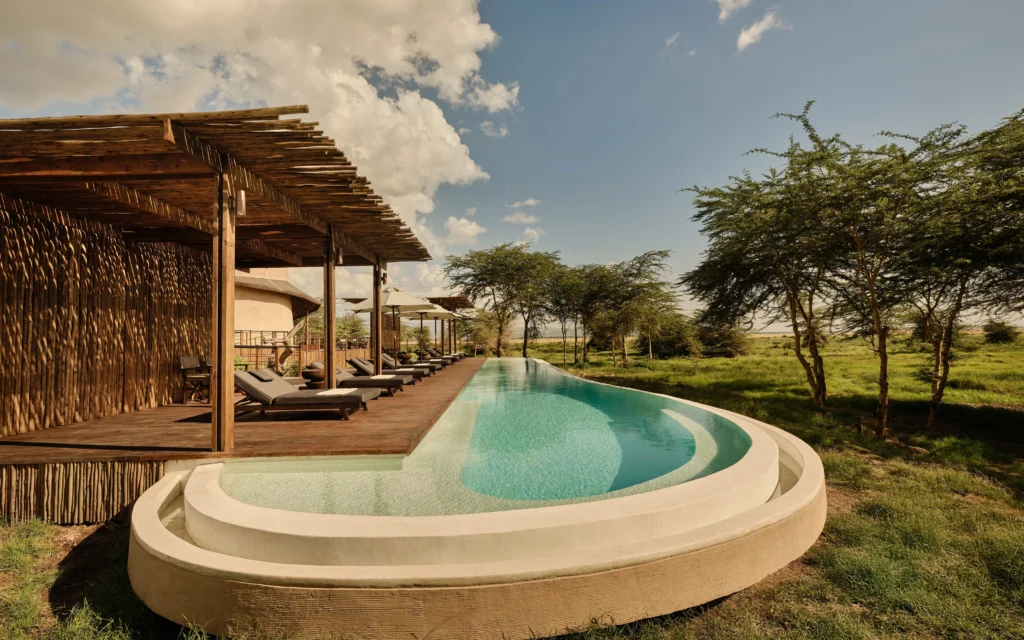
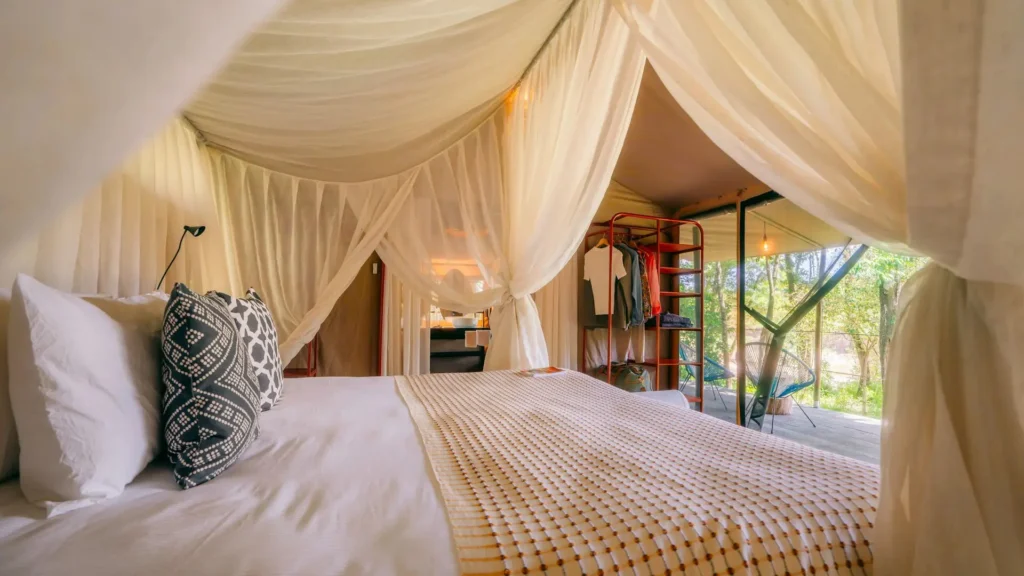
- Amboseli accommodation range: From Amboseli Serena Safari Lodge to Tortilis Camp and Ol Tukai Lodge
- Best combined itinerary: 2 nights Amboseli, 3 to 4 nights Masai Mara; fly between parks via Nairobi or direct charter
What Amboseli National Park Actually Delivers
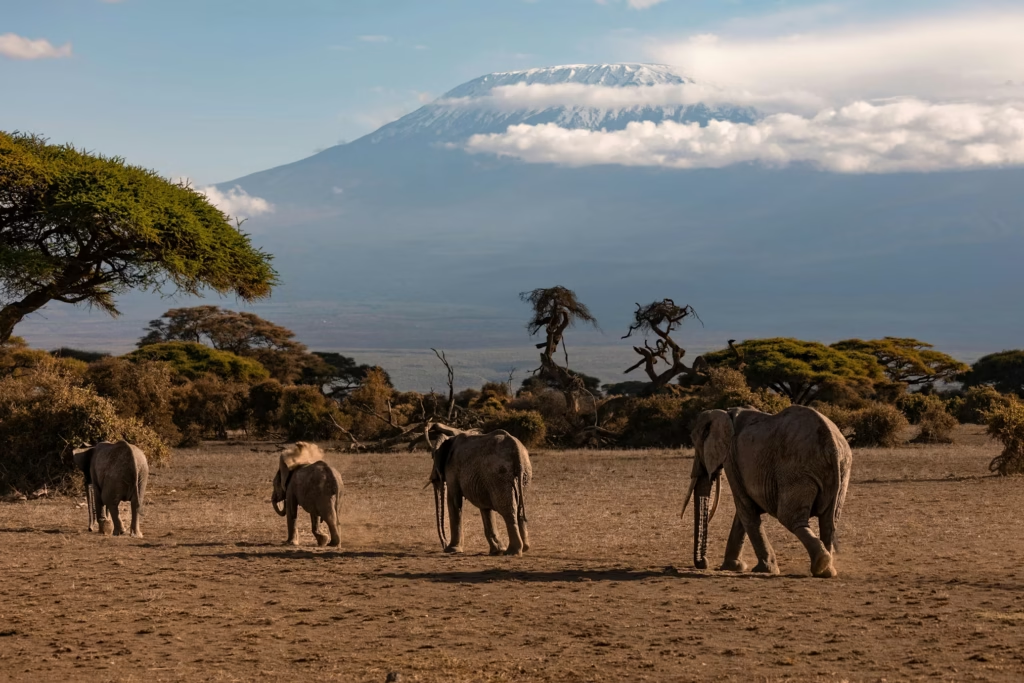
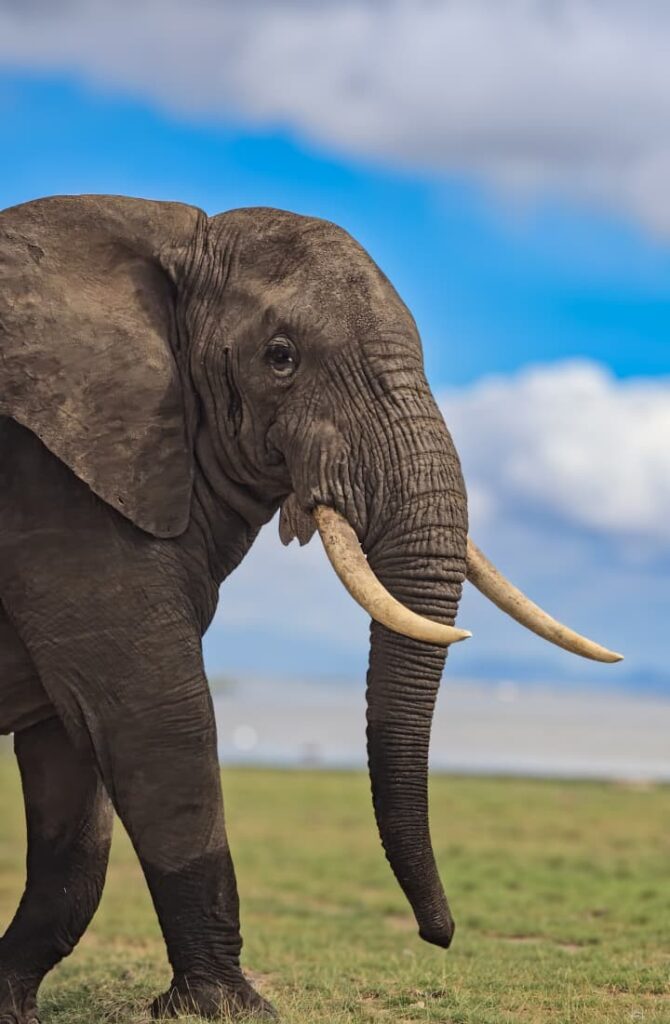
Amboseli’s reputation rests on three things: elephants, the mountain and the open landscape that lets you see both simultaneously. It earns that reputation every time.
The elephant population here is one of the longest-studied in the world. The Amboseli Elephant Research Project, founded by Cynthia Moss in 1972, has been tracking individual animals for over fifty years. The result is a population that is genuinely habituated to vehicles and behaves naturally in their presence. You don’t watch the elephants from a respectful distance while they glance nervously at your Land Cruiser. They walk past you. They drink beside you. They move in family groups of 20 or 30 animals across the short-grass swamps, completely unhurried. The matriarchs have names. The guides know them.
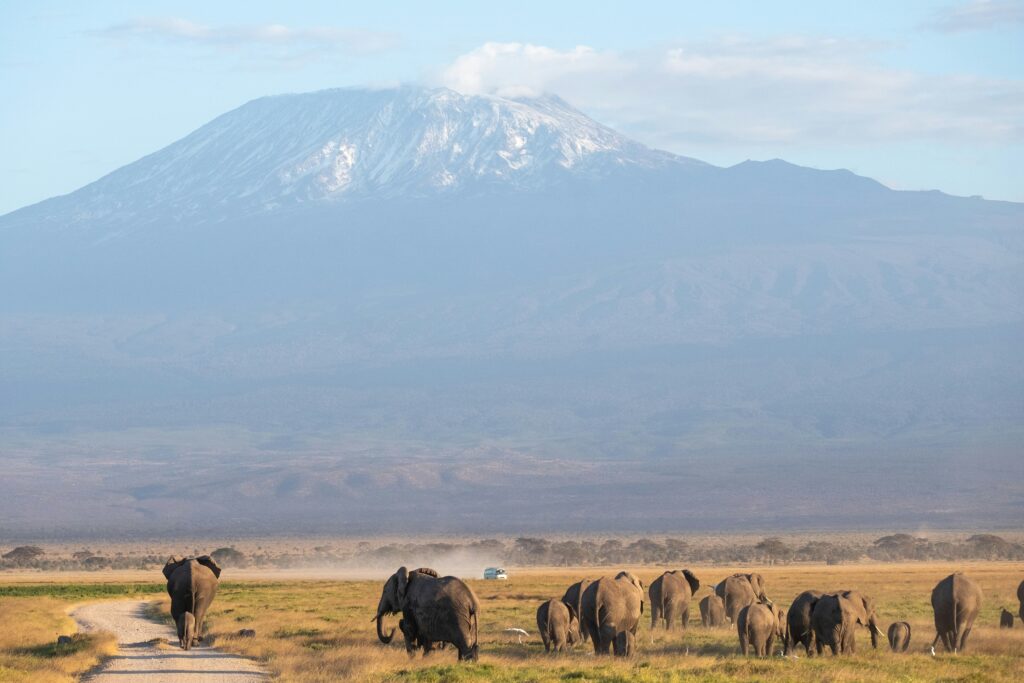
Kilimanjaro at 5,895m sits just across the Tanzanian border, close enough to dominate the horizon. On clear mornings, particularly November to February, the summit is fully visible from the park floor. The combination of bull elephants in the foreground and Africa’s highest mountain behind them is the photograph that defines East African wildlife imagery. It is not an exaggeration. It is simply what Amboseli looks like on a clear day.
The elephant population here is one of the longest-studied in the world. The Amboseli Elephant Research Project, founded by Cynthia Moss in 1972, has been tracking individual animals for over fifty years.
Beyond elephants and the mountain, Amboseli delivers excellent lion and cheetah sightings on the open plains, good birdlife in the swamp areas around Enkong’u Narok and Longinye, and a landscape that changes quality hour by hour as the light shifts. It is a compact park. You can cover it thoroughly in two or three days. That compactness is both its strength and its limitation.
Who Should Choose Amboseli
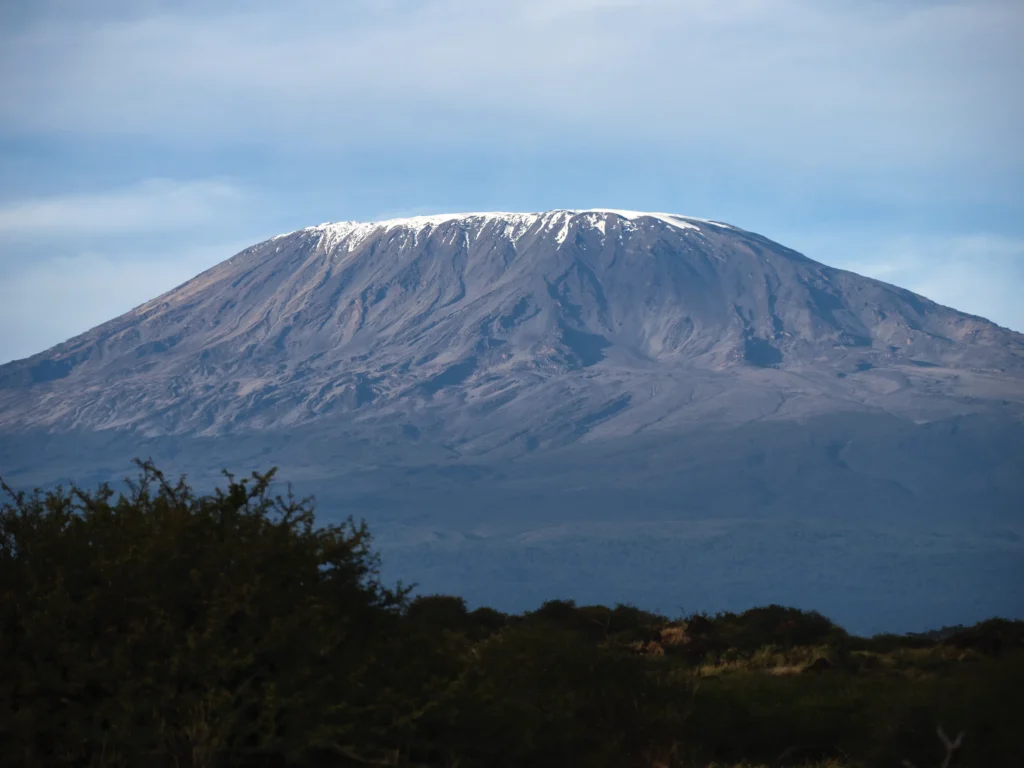
First-time safari travellers who want a guaranteed emotional impact immediately. Photographers who need the Kilimanjaro backdrop. Families travelling with younger children who benefit from a smaller, less overwhelming park. Travellers with a short trip window of four or five days total, who can’t afford to spend time ‘waiting for action.’ And anyone who has done the Mara before and wants to add something genuinely different to their Kenya experience.
What the Masai Mara National Reserve and Its Conservancies Actually Deliver
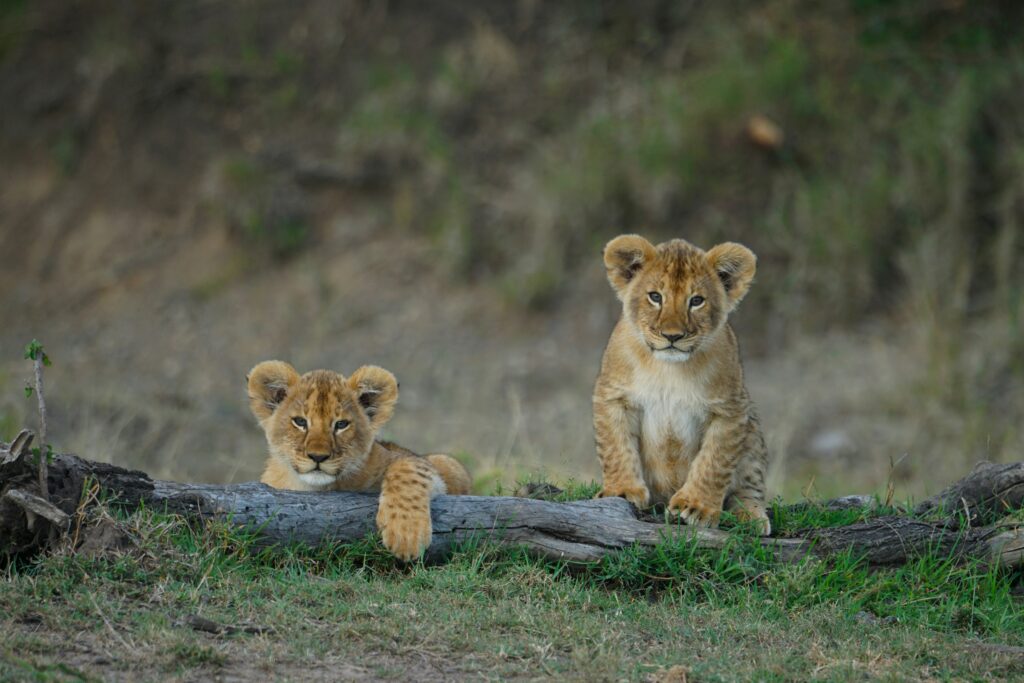
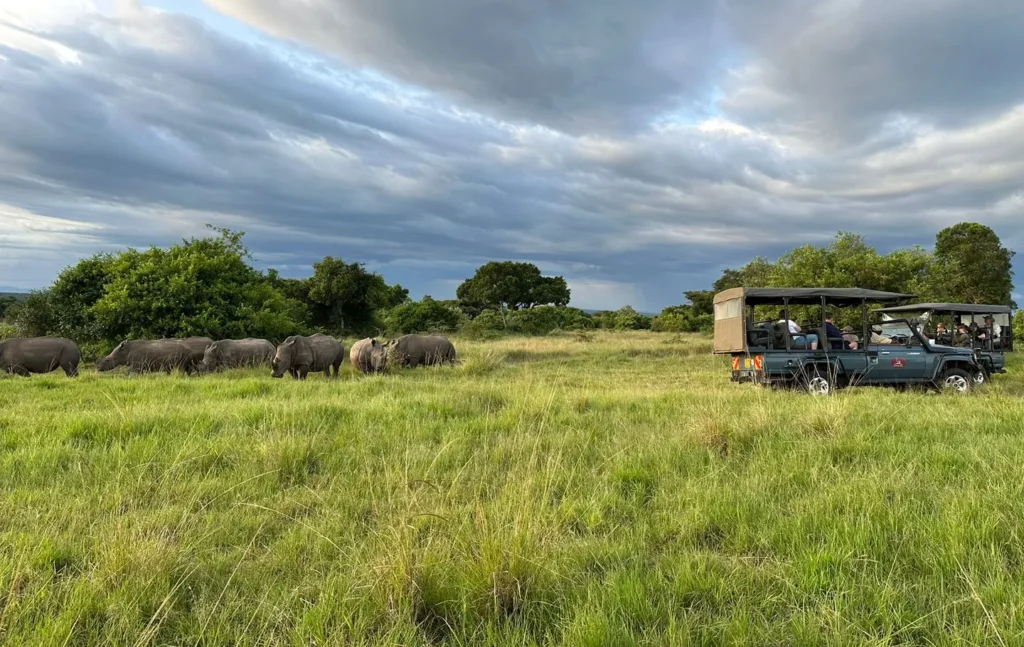
The Mara is bigger, busier in the public reserve and more expensive in the private conservancies – and it justifies every part of that description.
The Masai Mara National Reserve covers 1,510 km² of open savannah, riverine forest along the Mara River and the rolling terrain of the Oloololo Escarpment in the west. The predator numbers are exceptional. The Marsh Pride, one of the most observed lion prides in Africa, operates in the central reserve. The Mara Triangle, managed separately by the Mara Conservancy on the western side of the river, maintains lower vehicle density and excellent grass cover through controlled management. The difference between the Mara Triangle and the main reserve is noticeable: quieter roads, better game distribution, more considered game drives.
The private conservancies surrounding the reserve: Mara North, Naboisho, Olare Motorogi and Mara Ripoi among others, operate on a fundamentally different model. Access is exclusive to guests of the camps operating within each conservancy. Vehicle numbers per sighting are controlled, often limited to two or three. Night drives are permitted. Walking safaris are offered. The density of wildlife, particularly big cats, is as high as anywhere in Africa. A camp like Mahali Mzuri or Elephant Pepper Camp in Mara North, or Sanctuary Olonana on the Mara River, offers an experience that shares very little with the public reserve experience beyond the name of the ecosystem.
The private conservancies surrounding the reserve operate on a fundamentally different model. Access is exclusive to guests of the camps within each conservancy. Night drives are permitted. Walking safaris are offered. The density of big cats is as high as anywhere in Africa.
The Wildebeest Migration
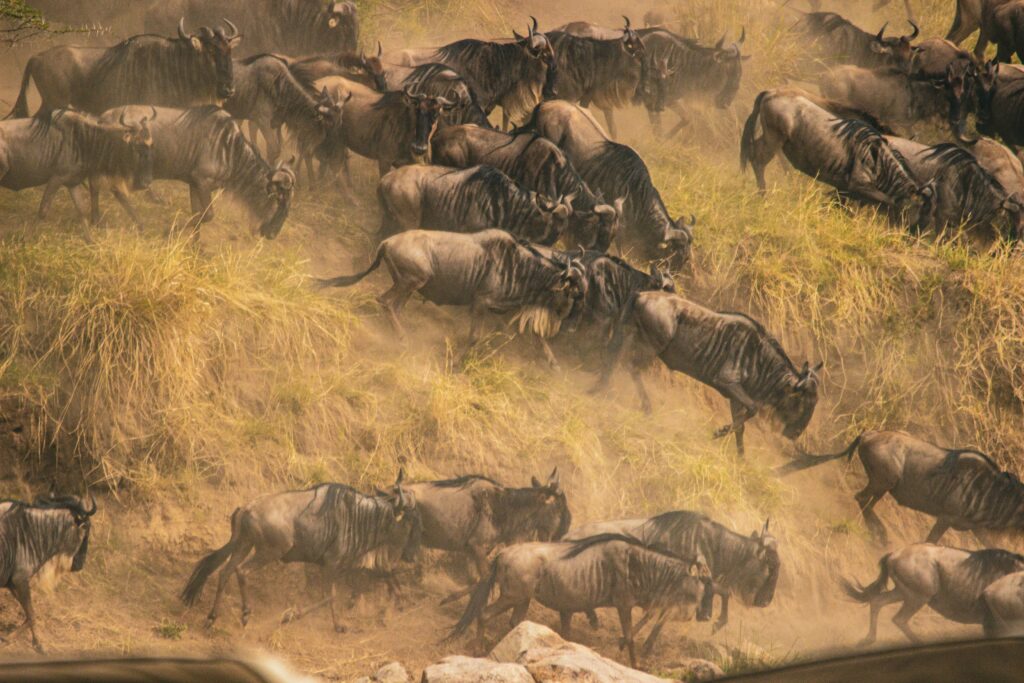
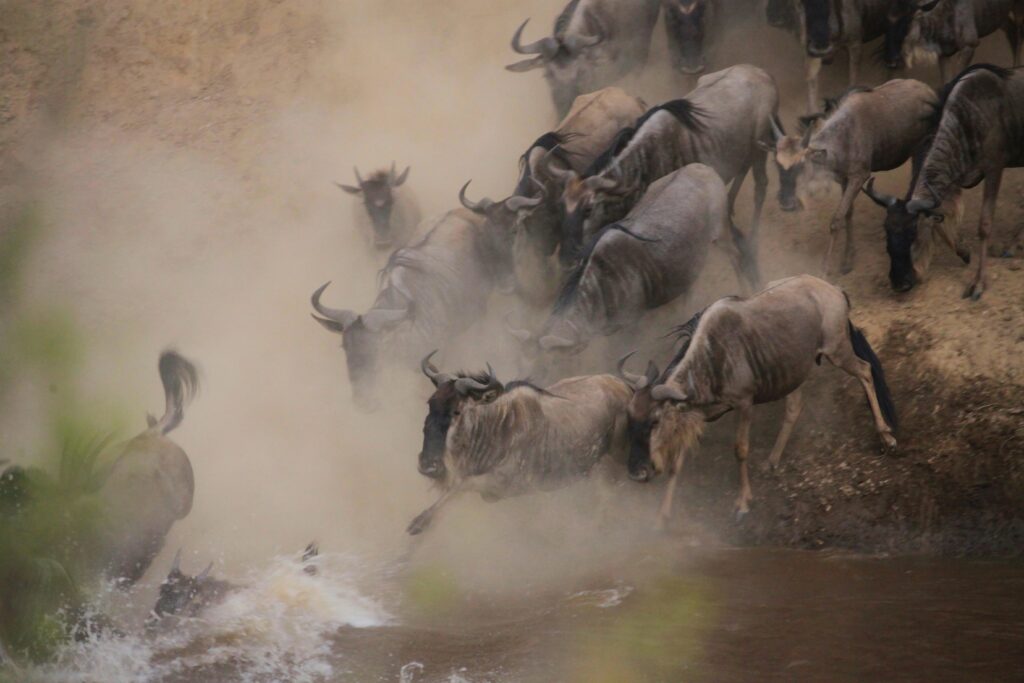
Between July and October, approximately 1.5 million wildebeest move north from the Serengeti into the Masai Mara following seasonal rains. The Mara River crossings; where herds of hundreds or thousands of animals enter the water simultaneously while Nile crocodiles wait below the surface are the most dramatic wildlife event in Africa. Period. We don’t hedge on that. If seeing the crossings is your primary motivation for coming to Kenya, the Masai Mara between late July and mid-October is the only answer.
Outside migration season, the Mara still produces outstanding game viewing. Resident wildebeest, zebra, topi, eland and buffalo support a permanent predator population. January and February are excellent for big cat activity. April and May bring long rains and reduced visitors, which means better rates and emptier vehicles at sightings. The park doesn’t shut down between migrations. It simply operates at a different frequency.
Who Should Choose the Masai Mara
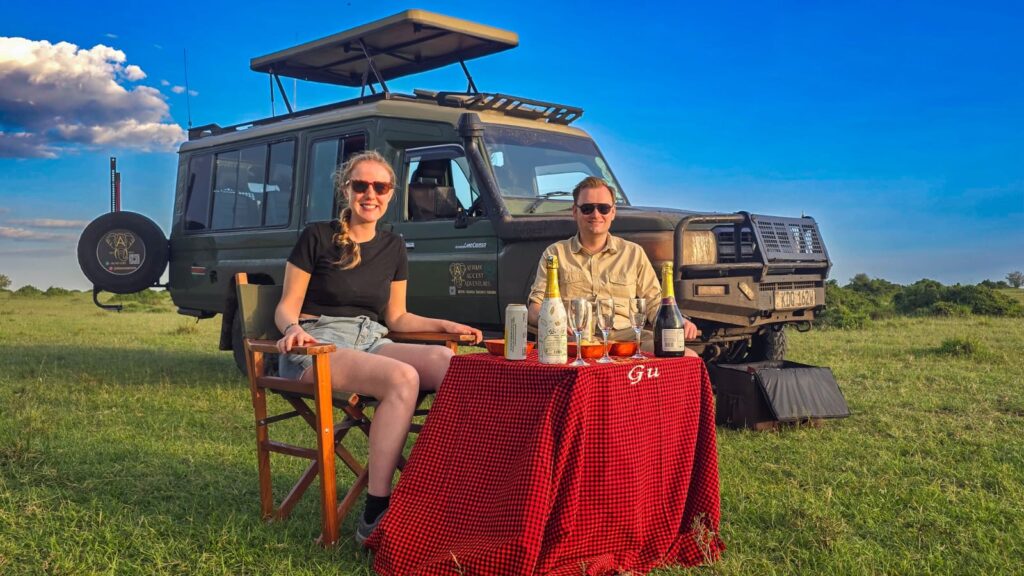
Travellers who have done Amboseli and want more. Anyone visiting specifically for the migration. Travellers with a larger budget who can access the private conservancies. Those who want the widest range of activities: walking safaris, night drives, balloon flights over the savannah at dawn. Repeat Kenya visitors who know the basics and want to go deeper.
Amboseli vs Masai Mara: What Each Park Does Better
Elephants
Amboseli. It’s not close. The population size, the habituation, the landscape that lets you see them clearly and the backdrop of Kilimanjaro make Amboseli the best elephant-viewing destination in Kenya and one of the best in Africa.
Big cats
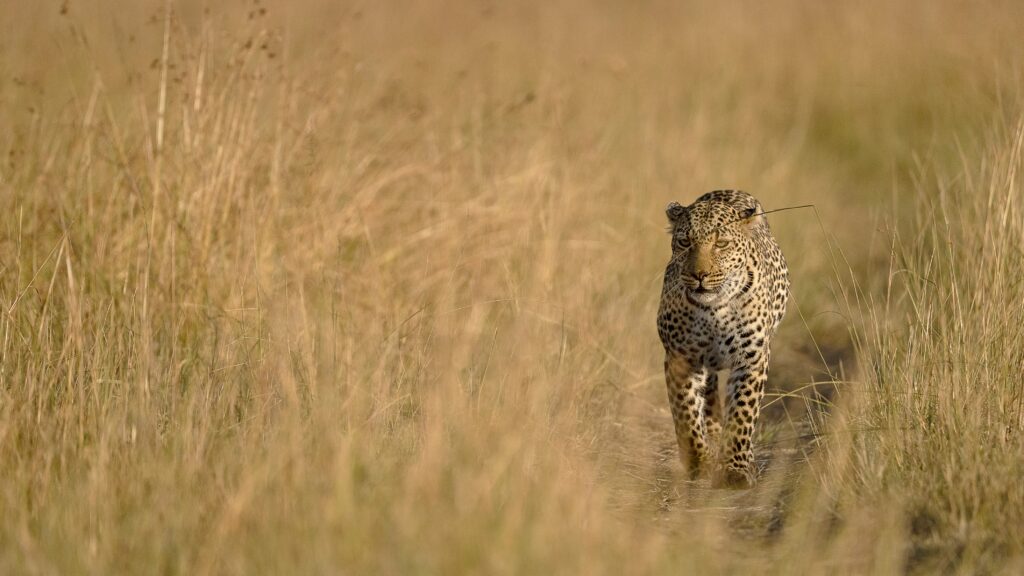
Masai Mara, specifically the private conservancies. The predator density and the ability to track individual animals with knowledgeable guides over multiple days gives the Mara an advantage that Amboseli can’t match. Amboseli has lion and cheetah. The Mara has more of both and adds leopard with greater consistency.
The migration
Masai Mara only. Amboseli has no equivalent.
Landscape and photography
This one depends on what you’re photographing. Amboseli’s flat, open terrain with the mountain is unmatched for wide environmental shots and elephant portraits. The Mara’s varied terrain, open plains, river crossings, escarpment views give more compositional variety but less of the singular image that Amboseli delivers.
Accessibility from Nairobi
Both parks are served by scheduled flights from Wilson Airport. Safari Link Aviation and Mara Air serve the Mara. Safari Link serves Amboseli. Flight times are comparable: 45 minutes to Amboseli, 50 to 75 minutes to various Mara airstrips depending on the route. Road access to Amboseli takes four to five hours via the A109 Nairobi-Mombasa Road and is straightforward if you’re driving. Road access to the Mara takes approximately six hours.
Budget
Both parks span a wide range of accommodation tiers. In Amboseli, you can stay at Ol Tukai Lodge at around $300 per person per night or at Tortilis Camp at $590 per person per night all inclusive. In the Mara, the public reserve has mid-range tented camps from $250 per person, while premium conservancy camps – Mahali Mzuri, Elephant Pepper, Angama Mara – run $700 to over $1,500 per person per night. The Mara’s ceiling is higher. So is its floor, if you’re targeting the private conservancies.
Our Recommendation: The Combined Itinerary
We recommend combining both parks for any visitor with six or more days in Kenya. Two nights in Amboseli, then a direct flight or a transit through Wilson Airport to the Masai Mara for three to four nights. This is not a compromise. It is the best possible Kenya safari itinerary because the two parks complement each other in exactly the ways that matter.
Amboseli gives you the elephants and the mountain early. It lands immediately. You don’t need days of game drives to feel the impact, it happens on day one. Then the Mara builds on that foundation with higher predator density, more terrain variety and, in season, the migration. Coming from the quiet intimacy of Amboseli into the Mara’s energy is a genuinely different kind of experience. The contrast makes both places feel more vivid.
If you can only do one: choose based on the time of year. July to October, choose the Mara for the migration. November to March, choose Amboseli for clear skies, Kilimanjaro views and the best elephant photography light. April to June, either works as both parks have lower visitor numbers and genuine value in accommodation rates.
Getting There: Flights, Camps and Logistics
All major Kenya safari flights depart from Wilson Airport in Nairobi, not Jomo Kenyatta International Airport. This is a critical logistical point. If you’re arriving on an international flight into Nairobi and continuing the same day, allow at least three hours between your international arrival and your domestic safari departure. Immigration, baggage and the transfer from JKIA to Wilson take time.
For Amboseli, Safari Link Aviation operates a daily scheduled service. Flight time is 45 minutes. The airstrip at Amboseli is paved and reliable in all weather. For the Masai Mara, Air Kenya, Safari Link and Mara Air operate multiple daily services to the Mara Serena, Keekorok and Ol Kiombo airstrips. The Mara Triangle is accessed via Ol Kiombo or the Mara Serena strip on the western bank.
Luggage restrictions apply on all bush flights. 15kg per person in a soft bag is the standard allowance. Hard suitcases are turned away. We tell every client this before they pack and some still arrive at Wilson with a hard-shell case. Don’t be that client.
Frequently Asked Questions:
Is Amboseli or the Masai Mara better for first-time safari visitors?
Amboseli is often the better choice for first-timers because its impact is immediate and the park is compact enough to cover in two days. The elephant density, combined with clear Kilimanjaro views in the right season, delivers the defining East African safari image without requiring multiple days of patient searching. The Masai Mara rewards longer stays and returns more to visitors who have a baseline understanding of what they’re looking for.
When is the best time to visit the Masai Mara?
July to October is peak season and the period for the wildebeest migration river crossings. The Great Migration of approximately 1.5 million wildebeest moves north from the Serengeti between late June and November, with the most dramatic Mara River crossings concentrated in August and September. January and February are also excellent for predator activity with fewer visitors. The long rains run April to May and are the quietest, cheapest period — good game viewing is still possible with the right guide.
Can you do Amboseli and the Masai Mara in one trip?
Yes, and this is the itinerary we recommend most consistently. A combined trip of seven nights; three in Amboseli and four in the Mara, covers both ecosystems without rushing either. The flight between parks can be done directly by charter or via a transit through Wilson Airport. The combination gives you Amboseli’s elephants and mountain and the Mara’s predator density and, in season, the migration.
Which Park has better accommodation options?
Both parks offer a wide range of accommodation from mid-tier lodges to premium camps. The Masai Mara has a higher ceiling in terms of luxury; camps like Angama Mara and Mahali Mzuri are among the finest in Africa and a broader range of private conservancy options that offer exclusive access and night drives. Amboseli’s top properties include Tortilis Camp and Elewana Tortilis, which match premium Mara camps in quality if not in scale.
How far in advance should you book for the Masai Mara migration season?
For July to October migration travel in the Masai Mara, particularly in the private conservancies, you should be booking nine to twelve months in advance. The best camps – Mahali Mzuri, Elephant Pepper in Mara North, Sanctuary Olonana – fill early for peak season. Amboseli doesn’t carry the same booking pressure and can often be arranged four to six months out, though the top camps fill quickly for the November clear-sky season.
Do you need a visa to visit Kenya for a safari?
Kenya introduced a unified Electronic Travel Authorization (ETA) system in January 2024, replacing the previous e-visa. Most nationalities apply online at etakenya.go.ke before travel. The ETA costs $30 USD and is valid for up to 90 days. We advise applying at least two weeks before departure. Citizens of certain East African Community countries may enter without payment under bilateral arrangements; confirm your specific nationality’s requirements when booking.
Plan Your Kenya Safari with Us
This article covers the frameworks. What it can’t give you is the camp-level knowledge that determines whether a trip is good or exceptional. We know which Amboseli guide reads elephant behaviour the way a veterinarian reads a patient. We know which Mara conservancy camp has the best big cat tracking record in the current dry season. We know which airstrip connection saves you an hour on a day when the afternoon light is worth being in position for.
Afrikan Accent Adventures is a Nairobi-based, Kenya-run safari company. We’ve made the Amboseli-Mara decision for clients from six continents and we make it based on their specific travel dates, interests and budget; not on a generic formula. Whether you’ve already chosen one park or you’re still deciding between them, a 20-minute conversation with our team will give you a clearer picture of your options than another hour of reading.
The right choice between Amboseli and the Masai Mara isn’t about which park is better. It’s about which one is right for you, in your season, at your pace. Let’s work that out together.
Let's plan your East African safari
Tell us when you'd love to travel and a local specialist will craft a tailor-made route around you.


