

Planning & Tips
Wifi, Electricity and Charging on Safari: What Kenya’s Camps Actually Offer
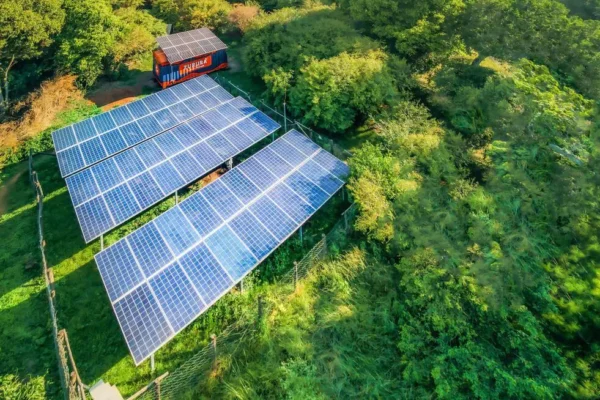
From a generator that switches off at ten to a Land Cruiser fitted with its own charging console,…
Read more →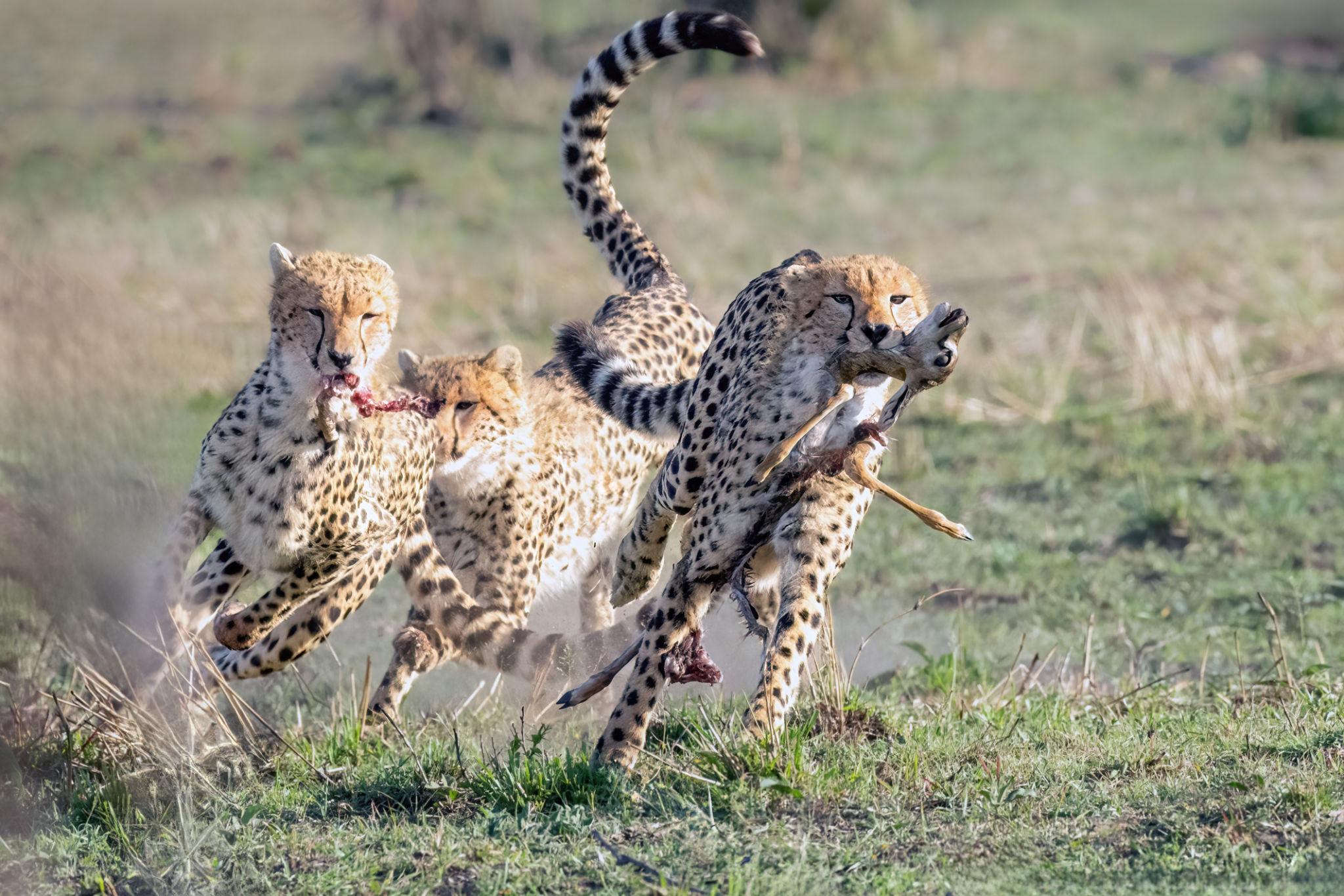
Experience the Maasai Mara the way it was meant to be — private, uncrowded, and filled with extraordinary wildlife encounters in one of Africa's most exclusive conservancies.
Just after sunrise, the Mara North Conservancy looks nothing like the crowded images most people associate with the Maasai Mara. The grass is silver with dew, a line of wildebeest is moving slowly across the open plain, and somewhere beyond the acacia woodland a lion pride is beginning to stir. There may be only one or two safari vehicles in sight. That sense of space is one of the reasons we keep sending guests here.
Mara North Conservancy sits on the north-western side of the Greater Maasai Mara ecosystem, immediately north of the Maasai Mara National Reserve. Covering more than 29,000 hectares, the conservancy is one of the most important community conservation areas in the Mara ecosystem. It was officially established on 1 January 2009 after hundreds of Maasai landowners agreed to lease their land for wildlife conservation and responsible tourism. Today, the conservancy combines wildlife protection, low-density tourism and direct economic benefits for Maasai landowners.
What makes Mara North Conservancy different from the Maasai Mara National Reserve is the way the land is managed. Rather than operating as a conventional national reserve, Mara North is a partnership between Maasai landowners, tourism partners and the conservancy management. Tourism partners contribute towards the management of the conservancy and the lease payments made to landowners, creating a direct financial reason for communities to keep their land open for wildlife.
The result is a quieter safari environment with fewer vehicles, excellent resident wildlife and activities that are generally unavailable inside the national reserve, including night game drives, guided walking safaris and selected off-road wildlife viewing experiences depending on the camp and area.
If you have already experienced the Maasai Mara National Reserve and want to see the same ecosystem from a quieter, more exclusive side, Mara North Conservancy is one of the places we recommend.
Mara North Conservancy is a community-owned wildlife conservation area covering more than 29,000 hectares in the north-western Greater Maasai Mara ecosystem. Established in 2009, Mara North is managed through a partnership involving Maasai landowners, tourism partners and conservancy management. The area is known for excellent wildlife viewing, low-density tourism, walking safaris, night game drives and its direct community conservation model.
Location: North-western Greater Maasai Mara ecosystem, Narok County, Kenya
Size: More than 29,000 hectares, approximately 72,000 acres
Established: 1 January 2009
Landowners: More than 750 Maasai landowners
Management model: Community, conservation and tourism partnership
Known for: Big cats, elephants, resident wildlife, low-density game viewing, walking safaris and night drives
Neighbouring destination: Maasai Mara National Reserve
Main character: Open grasslands, acacia woodland, riverine areas and wildlife corridors
Best for: First-time safari travellers, repeat visitors, photographers, families, walking enthusiasts and travellers seeking a quieter Maasai Mara experience
The conservancy currently works with tourism partners whose contributions support operational management and lease payments to landowners. The Mara North model is designed to ensure that wildlife conservation creates tangible economic and social benefits for the surrounding Maasai communities.
Mara North Conservancy sits inside the Greater Maasai Mara ecosystem, so the wildlife experience is closely connected to that of the Maasai Mara National Reserve. The difference is not necessarily the species you see, but the way you experience them.
Lion, leopard, cheetah, elephant, buffalo, giraffe, zebra, wildebeest, topi, impala, warthog and numerous smaller antelope species are found across the conservancy. The open grasslands provide excellent hunting territory for cheetahs and lions, while the thicker riverine and woodland areas offer cover for leopards and other nocturnal species.
The conservancy is also important as a wildlife corridor. Keeping community land open rather than dividing it into increasingly small agricultural or settlement plots allows animals to move between different parts of the Greater Maasai Mara ecosystem.
Mara North is particularly attractive to travellers interested in predators. Lion and cheetah conservation programmes operate across the Mara conservancies, with conservation partners working to monitor predator populations and reduce threats associated with habitat loss and human-wildlife conflict.
Mara North Conservancy supports lion, leopard, cheetah, elephant, buffalo, giraffe, zebra, wildebeest, topi, impala, warthog and many other species found within the Greater Maasai Mara ecosystem. The conservancy is especially attractive for predator viewing and photography because of its open habitat, resident wildlife and relatively low vehicle density.
Lions are among the most sought-after animals in Mara North Conservancy. The open grasslands provide good hunting habitat, while the woodland and riverine areas offer shade during the hotter parts of the day.
A morning game drive may find a pride resting after a night hunt, while an evening drive can reveal lions becoming increasingly active as temperatures fall.
The conservancy also participates in wider Mara predator conservation initiatives focusing on lion and cheetah populations, making the protection of these predators an important part of the area’s conservation work.
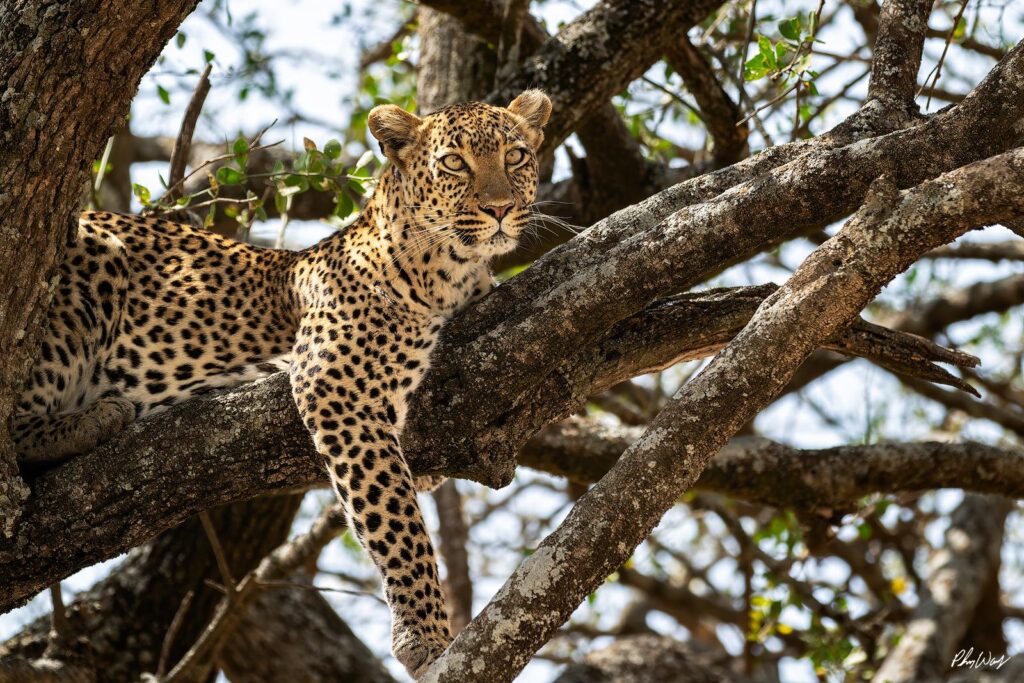
Leopards are present throughout the Mara ecosystem but are often more difficult to locate than lions and cheetahs. Mara North’s combination of riverine vegetation, acacia woodland and open grassland provides the kind of habitat leopards use for hunting and resting.
Early mornings and late afternoons are generally the most productive periods for searching for leopard, particularly around areas with thicker vegetation.
For photographers, a leopard sighting in Mara North can be especially rewarding because the lower vehicle density can create more space around a sighting than is often possible in busier areas of the Maasai Mara.
Cheetahs are another major attraction of Mara North Conservancy. Their preference for open grassland makes the broad plains particularly suitable for sightings, especially early in the morning when temperatures are cooler.
Cheetahs are sensitive to disturbance, which makes the conservancy’s controlled approach to tourism valuable. Fewer vehicles and responsible wildlife viewing can create better conditions for both animals and photographers.
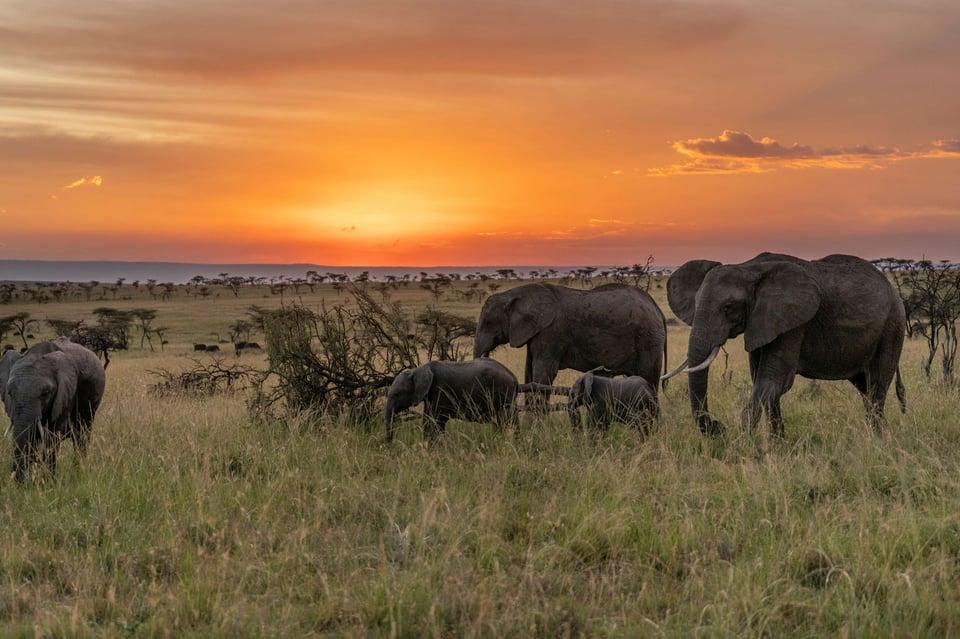
Elephants move through the wider Mara ecosystem and are regularly encountered in Mara North Conservancy. The conservancy also works with the Mara Elephant Project to protect elephants and their habitat.
Elephant conservation is increasingly important as expanding human settlement and land fragmentation reduce the space available for wildlife. Mara North’s community conservation model helps keep important wildlife habitat connected.
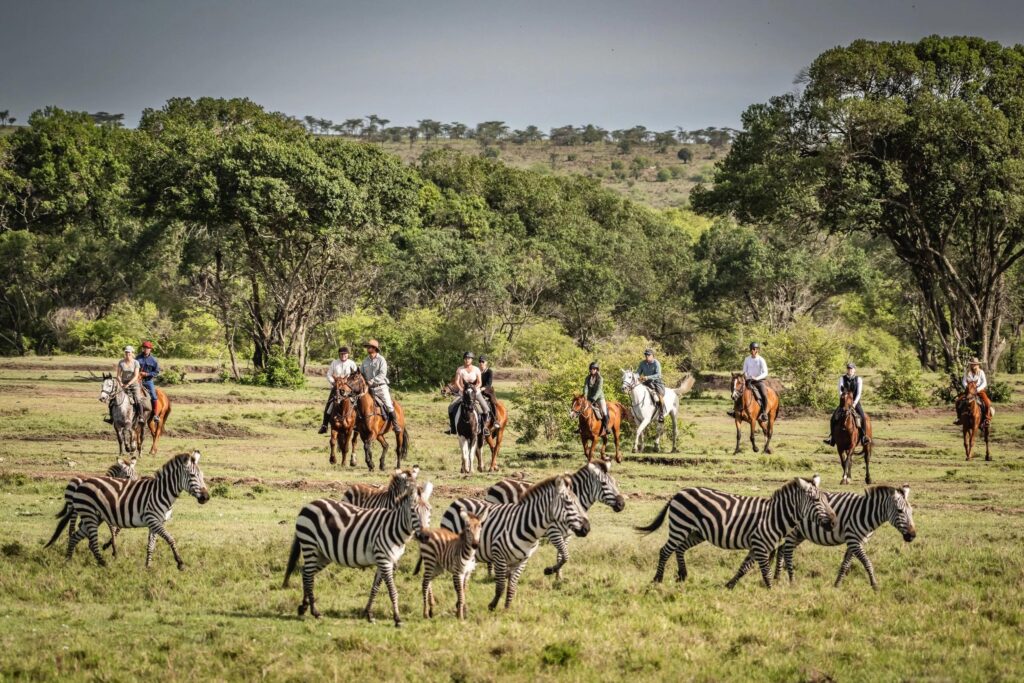
Wildebeest and zebra are among the most recognisable herbivores of the Mara ecosystem. Their numbers and distribution change throughout the year as animals respond to rainfall, grass availability and migration patterns.
During the Great Migration, the wider Mara ecosystem becomes one of the world’s most spectacular wildlife destinations. However, it is important to understand that migration concentrations vary from year to year and that being in Mara North does not guarantee that a wildebeest river crossing will occur nearby.
For travellers outside the migration period, Mara North still offers excellent resident wildlife and large concentrations of plains game.
Giraffes browse among the acacia trees, while impala, topi, eland, gazelle and other antelope occupy the grasslands.
These species may not attract the same attention as lions and cheetahs, but they form the foundation of the ecosystem and provide many of the hunting opportunities that support Mara North’s predator populations.
Game drives are the main activity in Mara North Conservancy and can be arranged in the morning, afternoon and, depending on the camp and operating conditions, at night.
Morning drives are excellent for predators and cooler temperatures, while afternoon drives continue towards sunset when many animals become active again.
The major difference between a Mara North game drive and a standard game drive inside the national reserve is the atmosphere. Vehicle numbers are controlled, and the conservancy’s lower-density tourism model can make wildlife encounters feel considerably more private.
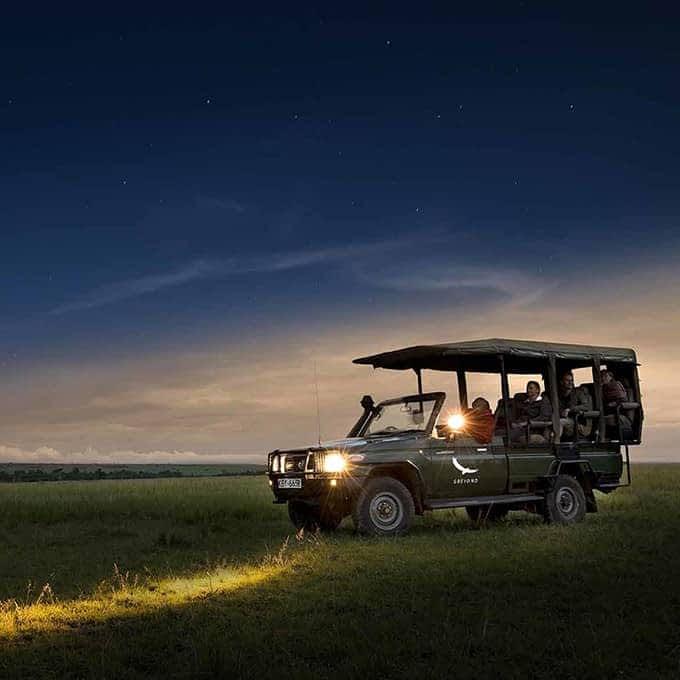
Night game drives are one of the biggest reasons travellers choose Mara North Conservancy instead of staying exclusively inside the Maasai Mara National Reserve.
After sunset, the Mara becomes a completely different ecosystem. Lions begin moving, leopards become more active and nocturnal species such as genets, civets, bushbabies and porcupines may appear.
Night game drives are conducted according to conservancy and camp regulations and are normally accompanied by experienced guides and appropriate lighting equipment.
For travellers who have already experienced several daytime safaris, a Mara North night drive can completely change their understanding of the Mara ecosystem.
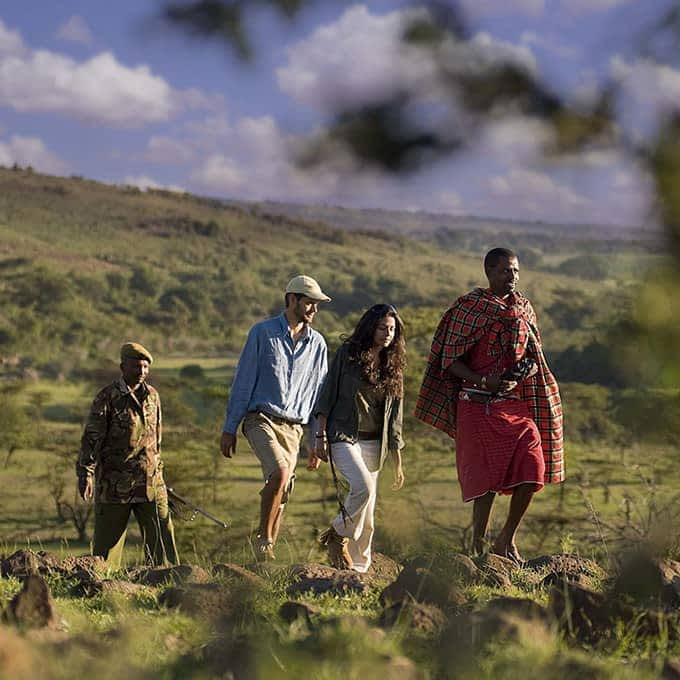
Walking allows visitors to experience Mara North at a completely different pace.
Instead of searching constantly for large animals, a walking safari focuses on tracks, plants, insects, birds, animal dung, small mammals and the sounds of the bush.
Guided walking experiences are available through participating camps and conservancy areas, subject to current operating conditions and safety procedures.
A walking safari is particularly valuable for repeat safari travellers who want to understand the ecosystem rather than simply photograph its largest animals.
Mara North Conservancy is built around Maasai community ownership and participation, making cultural experiences an important part of the destination.
Guests can visit designated cultural manyattas, learn about traditional Maasai life, hear stories and purchase locally produced beadwork and crafts.
Mara North has a cultural manyatta policy designed to provide communities with a direct income from cultural tourism. Revenue from designated cultural manyatta centres contributes towards education initiatives, including community bursary programmes.
We encourage guests to approach cultural visits respectfully. The Maasai community is not an attraction placed beside the wildlife; it is an essential part of the conservation model that keeps the Mara landscape open.
Birdwatching in Mara North Conservancy is rewarding throughout the year.
The open grasslands support raptors, vultures, storks and grassland species, while woodland and riverine habitats attract a wider variety of smaller birds.
Birding can easily be combined with normal game drives, but dedicated birdwatchers should tell us in advance so that we can match them with a guide who is comfortable identifying and locating specialist species.
Walking away from the vehicle reveals details that are easy to miss on a conventional game drive.
A guide can explain animal tracks, medicinal plants, termite colonies, bird calls, predator signs and the relationship between grazing livestock and wildlife.
This is one of the strongest reasons to spend several nights in Mara North rather than treating it simply as another place to sleep between game drives.
Bush breakfasts and sundowners are popular additions to a Mara North safari.
After an early morning drive, breakfast can be arranged in a carefully selected wilderness location, while evening sundowners provide an opportunity to watch the Mara landscape change as the sun disappears over the plains.
These experiences are less about ticking off another activity and more about slowing down and enjoying the environment.
Mara North Conservancy is particularly attractive to photographers.
The combination of open grassland, dramatic skies, acacia woodland and abundant predators provides excellent photographic opportunities. Lower vehicle density can also make sightings more relaxed, allowing photographers to concentrate on composition rather than constantly watching for approaching vehicles.
The conservancy’s resident lions, cheetahs, leopards and elephants are particularly strong subjects.
The Great Wildebeest Migration is one of the major attractions of the Greater Maasai Mara ecosystem, and Mara North Conservancy can form part of a migration safari.
However, the migration is constantly moving. Wildebeest do not follow an exact timetable, and the location of the herds depends on rainfall, grass conditions and the movement of animals from the Serengeti into the Mara ecosystem.
This means we never guarantee that guests staying in Mara North will witness a river crossing directly outside the conservancy.
Instead, we recommend combining Mara North with the Maasai Mara National Reserve or another conservancy when a guest’s primary objective is to maximise their chances of witnessing the migration.
Mara North remains valuable during migration because it can provide a quieter base away from the busiest areas while still offering excellent resident wildlife.
Yes. Mara North Conservancy is part of the Greater Maasai Mara ecosystem and can be included in a Great Migration safari. However, migration movements are unpredictable, so river crossings cannot be guaranteed at a specific location. Mara North is particularly valuable for travellers who want migration-season wildlife combined with a quieter, lower-density conservancy experience.
The two destinations are connected, but they provide different safari experiences.
The Maasai Mara National Reserve is a publicly managed protected area famous for large-scale wildlife viewing, the Great Migration and exceptional predator concentrations.
Mara North Conservancy is community-owned land managed through a partnership involving Maasai landowners, tourism partners and the conservancy. Its major advantages are lower-density tourism, specialised activities and the direct connection between tourism revenue and community landowners.
Inside the national reserve, activities are more restricted. In Mara North, participating camps can offer experiences such as night drives and guided walking that are generally not available inside the national reserve.
For many travellers, the best solution is not choosing one over the other.
A split stay can combine the scale and classic wildlife experience of the Maasai Mara National Reserve with the quieter atmosphere and specialist activities of Mara North Conservancy.
The Maasai Mara National Reserve is a publicly managed protected area, while Mara North Conservancy is a community conservation area operated through partnerships between Maasai landowners, tourism partners and conservancy management. Mara North offers lower-density tourism and activities such as night drives and walking safaris through participating camps, while the national reserve offers a larger public wildlife-viewing area.
Community conservation is the foundation of Mara North Conservancy.
When the conservancy was established in 2009, Maasai landowners agreed to lease their land for wildlife conservation and tourism. Tourism partners then committed to regular payments to landowners regardless of seasonal fluctuations in tourism. This created a more predictable economic incentive for communities to maintain wildlife habitat.
The conservancy now works with tourism partners and hundreds of Maasai landowners. Tourism contributions help fund conservancy operations and lease payments, while the broader model supports employment, education, healthcare and other community initiatives.
This relationship is important because wildlife does not recognise property boundaries.
A lion moving through Mara North may cross community land the next day. An elephant may pass between conservancies. Wildebeest and zebra follow seasonal grazing patterns. Conservation therefore depends on keeping the wider landscape connected.
The Maasai communities around Mara North traditionally practise pastoralism, keeping cattle, sheep and goats. Livestock remains central to the cultural and economic identity of the community.
The conservancy’s model attempts to make wildlife conservation economically compatible with pastoral livelihoods.
Mara North and its tourism partners also support community initiatives involving education, health, women’s empowerment and employment. The conservancy gives priority to local employment so that tourism income remains connected to the communities living around the wildlife area.
For visitors, this means that a safari in Mara North is not simply a wildlife experience. It is also a direct opportunity to support a community conservation model that depends on tourism remaining economically valuable to local landowners.
Unlike a national reserve with a single universally used entrance, access to Mara North depends largely on the location of your camp and the route you are taking into the conservancy.
Most travellers arrive by road from the Maasai Mara area or by light aircraft using one of the airstrips serving camps in and around the Greater Mara ecosystem.
Your accommodation determines the most practical access route, so we do not recommend selecting a gate first and accommodation second. We plan the routing around the camp, airstrip, activities and other destinations included in your itinerary.
Mara North can be reached by road from Nairobi, normally as part of a longer Kenya safari circuit.
The journey is considerably longer than the drive to destinations such as Lake Naivasha or Amboseli, but the changing scenery makes it part of the safari experience.
Road access is particularly suitable for travellers who want to combine Mara North with Lake Nakuru, Lake Naivasha, Amboseli, Nairobi or other Kenyan destinations.
A 4×4 safari vehicle is the preferred option, particularly when travelling on secondary roads and conservancy tracks.
Flying is one of the most convenient ways to reach Mara North Conservancy.
Light aircraft connect Nairobi’s Wilson Airport with airstrips serving the Greater Maasai Mara ecosystem, after which camps arrange transfers to the property.
Flying saves considerable travel time and works particularly well for travellers combining Mara North with Samburu, Amboseli, the Kenyan coast or other safari destinations.
Light aircraft luggage allowances are normally restricted to soft-sided bags and are often around 15 kilograms per person, although the exact allowance depends on the airline and aircraft.
Choose road travel if you want to see more of Kenya between destinations, are travelling with a private 4×4 vehicle or are building a longer overland safari.
Choose flying if your priority is time, comfort and maximising the number of hours available for wildlife viewing.
For a short three- or four-night Mara North safari, flying can be particularly worthwhile because it avoids losing substantial safari time to road transfers.
Mara North Conservancy enjoys a mild climate compared with Kenya’s hotter lowland parks.
Temperatures are generally comfortable during the day, while early mornings and evenings can be cool, particularly during the dry season. A warm layer is therefore useful for morning game drives even when daytime temperatures become pleasantly warm.
Rainfall follows seasonal patterns, with the wetter months transforming the grasslands into lush green habitat. The dry periods generally produce shorter grass and can make wildlife easier to spot.
Rain also influences the Great Migration, because wildebeest and zebra respond to fresh grazing and water availability.
This means there is no single month that can be described as the only best time to visit Mara North. Different seasons produce different safari experiences.
June to October is one of the most popular periods for a Mara North safari. The weather is generally dry, wildlife viewing is excellent and the wider Mara ecosystem is particularly attractive during the migration season.
July to September is especially popular with travellers hoping to combine Mara North with the Great Migration, although migration timing varies from year to year.
November to December can be excellent for greener landscapes, photography and fewer visitors, depending on rainfall patterns.
January and February often bring relatively dry conditions and strong resident wildlife viewing.
March to May represents the wetter period. The landscape can become beautifully green, birding is rewarding and visitor numbers can be lower, although rainfall may affect some roads and travel conditions.
June to October is generally the most popular period for Mara North Conservancy because of dry weather, excellent wildlife viewing and the possibility of experiencing the Great Migration in the wider Mara ecosystem. January, February, November and December can also offer excellent safari conditions, while the wetter months provide greener scenery and quieter camps.
Two nights gives you a short introduction to Mara North Conservancy, with enough time for several game drives and a taste of the conservancy’s quieter atmosphere.
Three nights is our usual recommendation for a first Mara North safari. This provides enough time for several game drives, a night drive, a walking experience or cultural visit and a slower day in camp.
Four nights or more is ideal for travellers who want a deeper experience, particularly photographers, repeat safari visitors and guests combining Mara North with the Maasai Mara National Reserve.
If the main objective is the Great Migration, we may recommend a longer stay or a split between Mara North and another part of the Greater Mara ecosystem.
Three nights is a strong starting point for a Mara North Conservancy safari. Two nights works for a shorter itinerary, while four or more nights allows enough time to combine game drives with walking, night drives, cultural experiences and a slower pace.
Mara North Conservancy operates differently from the Maasai Mara National Reserve, so travellers should not automatically assume that the national reserve entrance fee covers a stay inside Mara North.
Conservancy charges help fund the management of the wildlife area and the lease payments made to Maasai landowners. The exact charges depend on the camp, season and current conservancy arrangements, and some safari packages incorporate the relevant conservation fees into the accommodation rate.
Because rates can change, we recommend confirming the current Mara North Conservancy fees when booking rather than relying on an old published figure.
For Afrikan Accent Adventures packages, we clearly indicate whether conservancy fees, national reserve fees, accommodation, game drives and transfers are included in the safari quotation.
Mara North safari prices vary considerably according to accommodation, season, transport and the type of safari experience selected.
Budget accommodation is limited compared with the wider Maasai Mara area because Mara North is deliberately designed around low-density tourism and a smaller number of tourism partners.
Mid-range and luxury Mara North camps generally command higher rates because accommodation is often combined with conservancy access, guided activities, meals and specialised experiences.
As an example of the range available, current 2026 published rates at individual Mara North properties can start around USD 500 per person per night in lower seasons, while premium properties can be substantially more expensive during July, August and September.
The final safari price also depends on whether you drive or fly, whether you use a private vehicle, how many nights you stay and whether you combine Mara North with the Maasai Mara National Reserve or another conservancy.
Mara North Conservancy safaris range from mid-range to high-end depending on the camp, season and transport arrangements. Published 2026 rates at individual properties show prices beginning around USD 500 per person per night in some seasons, while luxury camps can cost considerably more.
We build Mara North Conservancy into several types of Kenya safari.
A Mara North Special Wildlife Safari focuses on resident lions, leopards, cheetahs, elephants and plains game, with a combination of morning, afternoon and night game drives.
A Mara North and Maasai Mara Safari combines the lower-density conservancy experience with the larger public reserve, giving travellers two contrasting ways of experiencing the Mara ecosystem.
A Mara North and Great Migration Safari focuses on the migration season while retaining time for quieter conservancy experiences.
A Kenya Bush and Beach Safari can combine Mara North with destinations such as Amboseli, Lake Nakuru, Samburu or the Kenyan coast.
Because Mara North accommodation is concentrated among a relatively small number of tourism partners, we recommend planning early for July to October travel.
Accommodation in Mara North Conservancy is characterised by intimate tented camps and small safari properties rather than large hotel-style lodges.
Properties range from comfortable mid-range camps to high-end luxury safari camps, with several designed around a small number of guests and a strong connection to the surrounding wilderness.
Mara North currently lists member properties including Saruni Mara, Basecamp Mara, Hemingways Mara, Royal Mara Safari Lodge, Alex Walker’s Serian and other tourism partners.
Many camps offer full-board accommodation, guided game drives, bush meals, sundowners and additional activities such as walking or night drives.
When choosing accommodation, we consider more than the room itself. The location of the camp, the conservancy area, access to wildlife, vehicle policy, activities offered and transfer arrangements can make a significant difference to the safari experience.
The Maasai Mara National Reserve is the classic choice for large-scale wildlife viewing and the Great Migration.
Mara North offers a more intimate experience, with lower-density tourism, community ownership and additional activities such as night drives and walking safaris through participating camps.
For a first Kenya safari, we often recommend combining the two rather than treating them as competitors.
Samburu is dramatically different from Mara North.
Samburu is arid, dominated by red soil, doum palms and the Ewaso Nyiro River, and is famous for the Samburu Special Five.
Mara North is greener and more open, with classic Mara grasslands, big cats and the Great Migration ecosystem.
If your itinerary allows, the two destinations complement each other exceptionally well.
Amboseli is best known for its elephant herds and spectacular views of Mount Kilimanjaro.
Mara North is more focused on predators, open grassland wildlife, community conservation and the wider Maasai Mara ecosystem.
A Kenya safari combining Amboseli and Mara North gives you two very different landscapes and wildlife experiences.
Tsavo is vast and rugged, with enormous landscapes, red-earth elephants and a strong wilderness character.
Mara North is much smaller and more concentrated, making wildlife viewing easier to structure around several activities over a shorter stay.
The two destinations work well together for travellers who want both the expansive wilderness of Tsavo and the predator-rich grasslands of the Mara.
Responsible tourism is central to the Mara North Conservancy model.
The conservancy exists because Maasai landowners have chosen to maintain their land as wildlife habitat and receive an economic return through tourism.
Tourism partners contribute financially to the conservancy, while lease payments provide landowners with income that does not depend entirely on livestock or agricultural use.
The conservancy also works with partners on elephant protection, predator conservation, community development and human-wildlife conflict management.
For visitors, responsible tourism means following your guide’s instructions, maintaining a respectful distance from wildlife, avoiding unnecessary noise, never encouraging off-track driving where it is not permitted and treating cultural visits as genuine community exchanges.
Purchasing beadwork directly through designated community initiatives can also help ensure that tourism income reaches the people producing the crafts.
Mara North Conservancy works with several conservation organisations and programmes.
Its partnership with the Mara Elephant Project focuses on elephant protection and habitat conservation, while predator conservation initiatives work on lion and cheetah protection across the Mara ecosystem.
The conservancy also works with landowners to manage livestock and reduce human-wildlife conflict.
One example is the use of mobile predator-proof bomas designed to protect livestock from predators. Protecting livestock is important because a Maasai pastoralist who suffers repeated livestock losses may understandably see wildlife as a threat. Better livestock protection can therefore reduce conflict and strengthen support for wildlife conservation.
This is the larger story behind Mara North.
A safari here is not simply paying to see animals. Tourism helps create a financial reason for wildlife habitat to remain intact.
Mara North is one of those places where the difference between a good safari and a great safari often comes down to pacing. If you spend every hour chasing sightings, you can miss what makes the conservancy special. Give yourself enough time for a night drive, a walk, a quiet breakfast in the bush and an afternoon where you simply watch the plains.
For repeat safari travellers especially, Mara North works because it allows you to experience the Maasai Mara ecosystem without constantly feeling like you are following the same route as everyone else.
Mara North Conservancy offers a different way to experience the Maasai Mara. The wildlife is exceptional, but the real attraction is the combination of wildlife, open landscapes, low-density tourism and community conservation.
You can spend mornings tracking lions and cheetahs, afternoons watching elephants cross the plains, evenings enjoying a sundowner and nights exploring the bush on a guided night drive. The following morning, you can leave the vehicle behind and walk through the landscape with an experienced guide.
The conservancy also provides a direct connection to the Maasai communities whose land makes wildlife conservation possible. Tourism supports lease payments, employment, education, healthcare and other community initiatives, creating a model in which wildlife and local livelihoods can benefit from the same landscape.
For travellers who have already visited the Maasai Mara National Reserve, Mara North Conservancy can feel like discovering the Mara again.
For first-time visitors, it offers an opportunity to experience the Greater Maasai Mara ecosystem with more space, fewer vehicles and a stronger connection between conservation and community.
Mara North is not simply another place to stay in the Maasai Mara.
It is one of the places where the future of the Mara is being built.
Mara North Conservancy combines exceptional wildlife densities with strict vehicle limits, allowing visitors to enjoy intimate safari experiences, off-road game drives, walking safaris, and night drives that are not permitted in the Maasai Mara National Reserve. It is widely regarded as one of the finest private conservancies in East Africa.
Mara North is internationally recognized for its high densities of lions, leopards and cheetahs. Many wildlife documentaries are filmed here due to…
Strict visitor limits ensure that sightings are never overcrowded. Guests often enjoy wildlife encounters entirely to themselves, something increasingly rare elsewhere in…
Float silently over the Mara at dawn for a bird's-eye view of the savanna, followed by a champagne bush breakfast — a…
Accompanied by experienced Maasai guides, guests can explore the African bush on foot while learning about tracking, medicinal plants, birdlife and traditional…
The conservancy supports large populations of elephants, giraffes, buffaloes, zebras, wildebeest, hyenas and antelopes even outside migration season.
During migration months, many herds move through Mara North while using the Mara River crossings nearby, providing spectacular wildlife action without reserve…
Golden grasslands, riverine forests and rolling hills provide stunning backdrops for wildlife photography throughout the year.
Visitors can interact with Maasai communities and learn about traditions, livestock culture and conservation partnerships that sustain the conservancy model.
From value camps to premium lodges — we match every stay to your style and budget.
Suitable for budget-conscious travelers combining Mara North with the main reserve.
Ideal for couples and families seeking comfort and exclusivity.
These properties rank among Kenya's finest safari lodges
Every season has its magic — here's what to expect when, so you can travel at your perfect time.
Everything you need to know before you go — and we’ll guide you through every step.
International visitors travelling to Mara North Conservancy require a valid passport with at least six months validity from the date of arrival in Kenya. Most foreign nationals are required to obtain a Kenya Electronic Travel Authorization (eTA) before departure. Visitors should verify the latest entry requirements based on their nationality before travelling.
Mara North Conservancy is located approximately 280–300 kilometres from Nairobi. Visitors can reach the conservancy by road in approximately 5 to 6 hours using a 4x4 safari vehicle or by scheduled flights from Wilson Airport to Mara North, Ngerende, or nearby airstrips in approximately 45 to 60 minutes.
Scheduled flights operate daily from Nairobi Wilson Airport to Mara North Airstrip and surrounding airstrips. Safari flights usually allow a baggage limit of 15 kilograms per passenger in soft-sided luggage only due to aircraft size restrictions.
Visitors are advised to pack lightweight neutral-coloured clothing, a warm fleece or jacket for early morning game drives, comfortable walking shoes, sunglasses, sunscreen, insect repellent, binoculars, a camera with extra batteries, and a wide-brimmed hat for sun protection.
Mara North enjoys a mild climate due to its altitude of approximately 1,550 to 2,080 metres above sea level. Daytime temperatures typically range between 22°C and 28°C, while early mornings and evenings can be cool, particularly between June and August when temperatures may drop below 10°C.
Most safari camps and lodges accept major credit cards including Visa and Mastercard. US Dollars, Kenyan Shillings, Euros, and British Pounds are widely accepted. Visitors carrying US Dollars should ensure banknotes are printed after 2013, as older notes may not be accepted.
Most lodges and camps within Mara North Conservancy provide Wi-Fi access in public areas and guest tents. Safaricom mobile coverage is generally reliable across much of the conservancy, while Airtel coverage may vary depending on location.
Most properties operate using solar energy supported by generators. Standard charging facilities are available in guest rooms or central lounges, although some camps may switch off power during late-night hours to reduce environmental impact.
Visitors should consult their healthcare provider regarding recommended vaccinations and malaria prevention medication before travelling to Kenya. Basic first aid is available at most lodges, while emergency evacuation services are available through flying doctor membership programmes offered by many safari operators.
Wildlife moves freely throughout the conservancy, including around camps and lodges. Guests should always follow guide instructions, avoid walking unaccompanied after dark, and remain inside safari vehicles unless instructed otherwise by professional guides.
Mara North Conservancy is one of Africa's premier wildlife photography destinations. Professional camera equipment is welcome; however, drone use requires prior authorization from the Kenya Civil Aviation Authority and conservancy management and is generally restricted.
The best time to visit is between July and October during the Great Wildebeest Migration and between January and March for excellent predator sightings, clear skies, and ideal photography conditions.
Conservancy fees vary depending on the accommodation and season and are often included within safari packages. Non-resident fees typically range between USD 130 and USD 150 per adult per day, while children's rates are generally discounted.
Mara North Conservancy offers a range of accommodation options including luxury tented camps, boutique safari lodges, and exclusive-use properties. The conservancy is particularly renowned for its high-end safari experiences and personalized service.
Tourism in Mara North directly supports over 1,000 Maasai landowners through lease payments, employment opportunities, conservation funding, healthcare initiatives, and education programmes, making every visit contribute to community conservation efforts.
Mara North Conservancy is internationally renowned for its exceptional big cat sightings, exclusive safari experiences, and low vehicle density. The conservancy offers some of the best opportunities in Africa to see lions, leopards and cheetahs in their natural habitat while avoiding the crowds often experienced in busier safari areas. It is also known for luxury tented camps, outstanding guiding standards and community-based conservation.
The main difference is exclusivity and safari flexibility. Mara North Conservancy limits the number of vehicles and visitors allowed within its boundaries, creating a more private safari experience. Unlike the Maasai Mara National Reserve, Mara North allows off-road driving for wildlife sightings, night game drives and guided walking safaris. These additional activities provide a richer and more immersive safari experience.
Yes. Mara North forms part of the Greater Maasai Mara Ecosystem and supports all members of the Big Five — lion, leopard, elephant, buffalo and rhinoceros. Lions, elephants, buffaloes and leopards are commonly seen, while rhino sightings are less frequent and usually occur within the wider Mara ecosystem or neighbouring protected areas.
The best time to visit is between July and October during the Great Wildebeest Migration, when large herds move through the ecosystem and predator activity is at its peak. January to March is also considered an excellent period due to warm weather, clear skies, newborn animals, and excellent predator sightings. Bird enthusiasts often prefer November to April when migratory bird species are present.
Yes. Although the famous river crossings are most closely associated with the Mara River and Mara Triangle, large numbers of wildebeest and zebra move through Mara North during migration season. Guests often enjoy migration sightings with significantly fewer vehicles compared to other parts of the Mara ecosystem.
Yes. Night drives are one of Mara North's biggest advantages over the Maasai Mara National Reserve, where they are not permitted. Night safaris offer opportunities to see nocturnal wildlife, including aardwolves, porcupines, civets, genets, bush babies, servals and predators actively hunting after sunset.
Yes. Guided walking safaris led by experienced Maasai guides and professional naturalists are available in many areas of the conservancy. These walks provide insight into animal tracks, insects, birds, medicinal plants and traditional Maasai knowledge of the landscape.
A minimum stay of three nights is recommended to appreciate the conservancy and increase wildlife viewing opportunities fully. Four to five nights is ideal for visitors interested in photography, migration viewing, walking safaris or combining multiple safari activities.
Visitors can reach Mara North by road or air. Driving from Nairobi takes approximately five to six hours via Narok and the Maasai Mara gates. Alternatively, daily scheduled flights operate from Wilson Airport in Nairobi to nearby airstrips including Mara North Airstrip and Ngerende Airstrip, with flight times of approximately 45 to 60 minutes.
Yes. Many camps welcome families and offer family tents, child-friendly activities, junior ranger programmes and flexible game drive schedules. Age restrictions may apply for walking safaris and night drives depending on individual camp policies.
Accommodation in Mara North is primarily focused on boutique luxury camps and exclusive tented lodges, although there are also a number of mid-range options nearby. Most camps provide spacious tents with en-suite bathrooms, gourmet dining, personalized guiding, and excellent views of the surrounding wilderness.
Mara North combines outstanding wildlife viewing with exceptional conservation success and community involvement. Strict visitor limits, highly experienced guides, luxury accommodation and unique safari activities create an experience that many travelers and safari experts consider superior to traditional national park safaris. The combination of privacy, abundant wildlife, and authentic wilderness makes Mara North one of Africa's premier safari destinations.
From a generator that switches off at ten to a Land Cruiser fitted with its own charging console,…
Read more →
A working checklist from a Nairobi ground operator on licensing, red flags and the questions that separate real…
Read more →
Both parks hold the same herds and the same rivers, but the border between them changes your budget,…
Read more →Tell us what you’d love to see and a local specialist will design a tailor-made itinerary around you — no obligation, reply within 24 hours.