

Culture
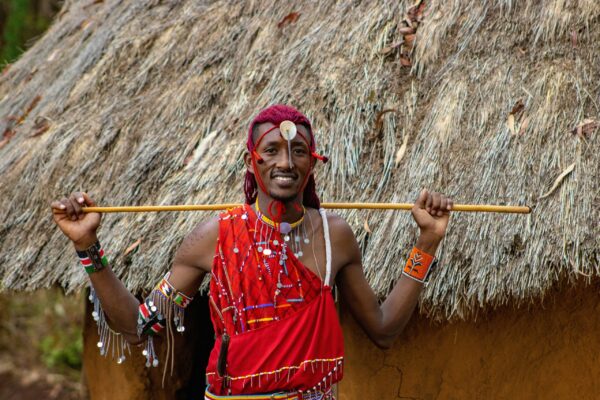
Maasai Village Visits: How to Do One Respectfully
A village visit can be the best hour of a Kenya safari or the most awkward one, and…
Read more →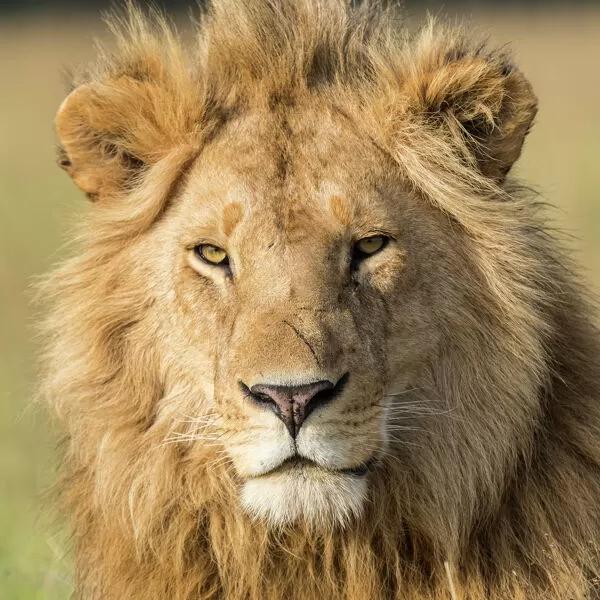
Mara Ripoi Conservancy offers an intimate Masai Mara safari experience with abundant wildlife, open savannah landscapes, private conservancy activities, cultural encounters and opportunities to experience the Great Wildebeest Migration.
The first thing you notice about Mara Ripoi is how quiet it feels.
There is no line of safari vehicles stretching toward a lion sighting, no dust cloud hanging over a crowded junction and no sense that you have arrived somewhere designed solely for tourism. Instead, there is open grassland, scattered woodland, rolling hills and the sound of wildlife moving through a landscape that has only recently been given a stronger layer of formal protection.
Mara Ripoi Conservancy lies on the outer edge of the greater Masai Mara ecosystem, covering approximately 24,500 acres of community-conserved land. It is one of the newer conservancies in the Mara landscape, officially formed in February 2023, when local Maasai landowners committed their land to a new conservation model designed to protect wildlife habitat while generating sustainable income for the surrounding communities.
The conservancy is part of a wider network of protected community landscapes surrounding the Masai Mara National Reserve. Together, these conservancies provide wildlife with room to move beyond the reserve boundaries, creating corridors between important habitats and reducing the pressure that comes when wildlife and livestock compete for the same land.
Mara Ripoi is particularly interesting for travellers who want the wildlife of the Mara without the concentration of vehicles associated with some parts of the national reserve. The conservancy’s low-density tourism model, small number of camps and extensive open habitat create an intimate safari experience where game drives can feel genuinely private.
The wildlife is equally compelling. Lion, leopard, cheetah, elephant, giraffe, wildebeest, zebra, buffalo and numerous plains-game species move through the landscape, while the conservancy is particularly noted for its healthy cheetah population and resident wildebeest. The Ripoi River and surrounding woodland provide an important ecological link between neighbouring conservation areas and the Maasai Mara ecosystem.
For travellers who have already experienced the Masai Mara National Reserve, Mara Ripoi offers something different: fewer vehicles, more flexibility, community-led conservation and the opportunity to experience the Mara ecosystem from a private conservancy rather than from inside the national reserve.
Mara Ripoi Conservancy is a community conservation area on the outer edge of the greater Maasai Mara ecosystem in southwestern Kenya. It covers approximately 24,500 acres and is managed through a partnership involving around 2,200 Maasai landowners and tourism partners. The conservancy was formally established in February 2023 and protects wildlife habitat while creating economic opportunities for the surrounding community.
Location: Greater Maasai Mara ecosystem, Narok County, southwestern Kenya
Size: Approximately 24,500 acres
Established: February 15, 2023
Landowners: Approximately 2,200 Maasai landowners
Type: Community-owned wildlife conservancy
Known for: Cheetahs, lions, leopards, elephants, resident wildebeest, open plains and low-density safari experiences
Landscape: Open grasslands, rolling hills, woodland, riverine habitat and seasonal watercourses
Key waterway: Ripoi River
Neighbouring conservation areas: Mara Siana, Ol Kinyei and the Maasai Mara National Reserve, among other parts of the greater Mara ecosystem
Tourism model: Low-density, community-supported conservation tourism
Main attraction: Exclusive wildlife viewing away from the higher vehicle concentrations found in parts of the national reserve
The Maasai Mara Wildlife Conservancies Association currently lists Mara Ripoi among the established conservancies forming part of the wider Greater Mara conservation network. The association identifies the conservancy as covering approximately 24,500 acres and involving about 2,200 landowners.
Mara Ripoi is not another version of the Maasai Mara National Reserve.
The national reserve is famous for its enormous concentration of wildlife, the annual wildebeest migration and some of Kenya’s most spectacular predator encounters. Mara Ripoi offers a different proposition.
It is smaller in tourism footprint, community-owned and designed around the idea that wildlife conservation can generate reliable income for landowners without requiring them to convert the land entirely to agriculture or settlement.
Only a small number of tourism camps operate within the conservancy, helping maintain a quieter atmosphere and reducing vehicle pressure around wildlife sightings. Some current tourism sources describe three small camps operating within the broader conservancy, while MMWCA currently describes the conservancy as a partnership between landowners and tourism camps.
That limited tourism footprint is one of Ripoi’s biggest attractions.
A lion sighting here can feel completely different from a lion sighting in a busy section of the national reserve. Instead of watching the animal through a line of vehicles, you may have time to sit quietly, listen to your guide and watch the animal behave naturally.
This is the essence of a private conservancy safari.
Mara Ripoi’s wildlife is part of the larger Maasai Mara ecosystem, meaning animals are not restricted by the conservancy’s boundaries. They move between community land, neighbouring conservancies and the national reserve depending on water, food, breeding cycles, security and seasonal conditions.
The conservancy is particularly interesting for big-cat enthusiasts.
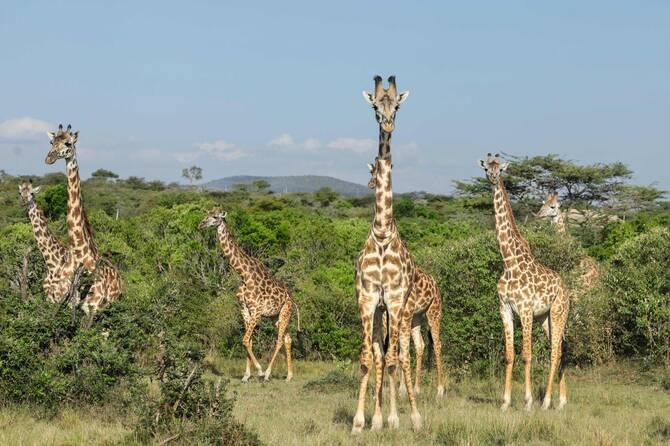
Cheetahs are one of the area’s highlights, with the open grassland providing suitable habitat for hunting and raising cubs. Lions and leopards are also present, while the surrounding ecosystem supports large numbers of herbivores including wildebeest, zebra, giraffe, buffalo, impala, gazelles and other antelope.
Elephants use the wider Mara landscape and can move through Ripoi and neighbouring conservation areas, while smaller mammals and bird species add variety to game drives.
The importance of Mara Ripoi is therefore not simply the number of animals living inside its boundaries. Its real conservation value comes from keeping a larger landscape open for wildlife movement.
Current conservation information identifies Ripoi as part of an important network connecting areas of the greater Mara ecosystem, with wildlife corridors allowing elephants, big cats, wildebeest and other species to move between protected landscapes.
Mara Ripoi supports many of the characteristic species of the greater Maasai Mara ecosystem, including lion, leopard, cheetah, elephant, giraffe, wildebeest, zebra, buffalo, impala and other plains game. Cheetahs and resident wildebeest are particular highlights, while the surrounding conservancy network allows wildlife to move freely between neighbouring habitats.
Mara Ripoi is especially appealing to travellers interested in predators.
The open grasslands provide excellent hunting territory for cheetahs, while woodland and thicker vegetation offer cover for lions and leopards.
Cheetahs are particularly well suited to the open terrain. They depend on visibility and space when hunting, and the relatively low vehicle density of the conservancy can make sightings more relaxed and rewarding for photographers.
Lions are also resident in the wider ecosystem and can move between conservancies depending on prey availability and territorial behaviour.
Leopards are more elusive. They tend to favour areas where woodland, rocky ground and thicker vegetation provide cover, meaning sightings require patience and a good guide who understands the local terrain.
The appeal of Ripoi is not necessarily that every drive produces a predator sighting. It is that when one does happen, you are more likely to experience it without the pressure of a large gathering of vehicles.
The Maasai Mara is globally associated with the Great Migration, and Mara Ripoi forms part of the wider ecosystem through which wildlife moves.
The timing and location of migrating wildebeest changes from year to year, so we never promise that the migration will pass directly through Ripoi on a particular date.
What makes the conservancy interesting is that it also supports resident wildebeest outside the main migration period. This means wildlife viewing does not depend entirely on the arrival of the annual migration.
During migration season, travellers can combine a stay in Ripoi with visits into the Maasai Mara National Reserve to experience the larger migration spectacle, while using the conservancy as a quieter base for morning and evening game drives.
For travellers more interested in predators, photography and an uncrowded safari than in witnessing a specific river crossing, Ripoi can be an excellent alternative to staying directly inside the busiest parts of the reserve.
Game drives are the main activity in Mara Ripoi.
Morning drives begin early, often before sunrise, when temperatures are cooler and predators are more active. The open grasslands can be particularly productive during these hours, while the softer morning light is excellent for photography.
Afternoon drives begin later in the day and continue toward sunset. As temperatures fall, wildlife becomes more active and animals often move out of shaded areas onto the open plains.
Because this is a private community conservancy, game drives can offer a more exclusive experience than those inside the national reserve. Vehicle numbers around sightings are generally lower, and guides have more flexibility in how they approach the landscape.
One of the major advantages of staying in a conservancy rather than relying exclusively on the national reserve is the opportunity for night wildlife viewing where permitted by the conservancy and camp arrangements.
Night drives reveal an entirely different Mara.
Leopards become more active, lions may begin hunting, and smaller nocturnal animals emerge after dark. Depending on conditions, sightings can include hyenas, porcupines, springhares, civets, genets and other nocturnal species.
Some Ripoi camps specifically offer night drives as part of their conservancy experience.
Night drives should always be conducted according to current conservancy rules and with an experienced guide and appropriate security support.
Walking is one of the best ways to experience the Mara landscape beyond the vehicle.
A guided walk slows everything down. Instead of focusing only on large animals, you begin noticing tracks, insects, plants, bird calls, animal dung and smaller signs of wildlife activity.
Experienced Maasai guides can explain how local communities read the landscape, identify animal tracks and understand the relationship between livestock, wildlife and vegetation.
Walking activities in Ripoi are offered through participating camps and should be confirmed when planning the itinerary.
Mara Ripoi is fundamentally a community conservation landscape.
The land is owned by Maasai families whose decision to commit their property to conservation creates the foundation for the conservancy model. A cultural experience can therefore add important context to a safari by showing guests how conservation, livestock, tourism and traditional livelihoods interact.
Depending on the camp and community arrangements, experiences may include meeting Maasai community members, learning about traditional livestock keeping, beadwork, storytelling, cultural practices and the changing relationship between pastoralism and wildlife conservation.
We recommend approaching these experiences as cultural exchanges rather than performances. Always ask before taking photographs and allow the community to determine what aspects of their lives they are comfortable sharing.
The combination of open grasslands, woodland and riverine habitat gives Mara Ripoi a varied birding environment.
Birders can look for raptors, grassland species, hornbills, starlings, weavers, vultures and many of the smaller species that are easily missed during a conventional game drive.
Early mornings are particularly productive because bird activity is high before the heat builds.
A bush breakfast can be arranged after an early morning game drive, allowing guests to stop in a scenic location and enjoy breakfast in the open landscape.
Sundowners are equally popular.
As the sun drops over the Mara plains, the light changes from bright gold to deeper orange, the temperature falls and wildlife begins moving again.
In Ripoi, the absence of large vehicle concentrations makes a private sundowner particularly peaceful.
Mara Ripoi is well suited to wildlife photography.
The combination of open plains, big cats, resident wildebeest and relatively low vehicle density gives photographers time to work with their subjects rather than rushing from one sighting to another.
Early morning and late afternoon provide the best natural light, while the conservancy’s varied terrain creates opportunities for both environmental portraits and close wildlife images.
Cheetahs are a particular attraction for photographers because the open grasslands provide opportunities to photograph them in motion.
Mara Ripoi’s conservation importance extends beyond the acreage immediately visible from a safari vehicle.
The conservancy forms part of the wider network of community-protected areas around the Maasai Mara. Wildlife does not recognize the boundaries between conservancies, reserve land and community land, so maintaining these connections is essential.
Current conservation material identifies Ripoi as an important link between neighbouring conservation areas and the Maasai Mara National Reserve, supporting the movement of elephants, big cats, wildebeest and other wildlife across the wider landscape.
This is one of the strongest reasons to visit a conservancy such as Ripoi.
Your accommodation and conservancy fees are not simply paying for a game drive. They contribute to a model in which landowners receive economic value from keeping their land available for wildlife.
Mara Ripoi represents a relatively new chapter in the Maasai Mara’s community conservation story.
The conservancy was formally established in February 2023 after local landowners committed approximately 24,000 acres of land to wildlife conservation. Full-time rangers were subsequently employed to patrol and protect the area, creating local employment while strengthening wildlife security.
The current MMWCA listing gives the conservancy an area of approximately 24,500 acres and identifies about 2,200 landowners.
This is important because the long-term survival of the Mara ecosystem depends on more than what happens inside the national reserve.
Much of the wildlife spends at least part of its life outside formally protected national reserve boundaries. Community conservancies provide additional habitat while creating financial incentives for landowners to maintain the landscape for wildlife.
The broader Mara conservancy model provides landowners with direct lease-related benefits while tourism supports employment and conservation activities.
Mara Ripoi now operates under a formal 2025–2035 Conservancy Management Plan, published through the Kenya Gazette under the Wildlife Conservation and Management Act.
The plan establishes a long-term framework covering ecological management, livestock management, water access, cultural preservation and livelihoods, health and education, tourism development, carbon-credit initiatives, partnerships, monitoring, communication, capacity building and security.
The conservancy’s stated vision is to become a beacon of wildlife conservation and sustainable livelihoods.
That vision is important because Ripoi is not designed solely as a tourism destination.
It is simultaneously a wildlife habitat, a working community landscape and a livelihood system for Maasai landowners.
The two destinations are connected, but the safari experience is different.
Inside the Maasai Mara National Reserve, visitors have access to a much larger protected wildlife area and the full scale of the Mara’s famous wildlife spectacle. The reserve is particularly valuable during the Great Migration and for travellers wanting extensive game drives across the classic Mara plains.
Ripoi offers a more intimate experience.
The conservancy is privately managed through a community conservation model, has fewer tourism vehicles and allows participating camps to offer activities such as walking and night drives that are not part of the standard national-reserve game-drive experience.
The best solution for many travellers is not choosing one over the other.
A combined itinerary gives you the scale and iconic wildlife of the Maasai Mara National Reserve together with the privacy, flexibility and conservation story of Mara Ripoi.
Naboisho is one of the Mara’s more established conservancies and is well known for its extensive wildlife habitat and strong community-conservation model.
Ripoi is newer and feels more like an emerging frontier.
If you want a well-established conservancy with a long tourism history, Naboisho may be the stronger choice. If you want to experience one of the newer conservation landscapes while it still feels relatively undiscovered, Ripoi is particularly interesting.
Mara North is considerably larger and has a longer-established tourism infrastructure.
Ripoi is smaller and has a more intimate tourism footprint.
Both offer excellent wildlife viewing, but Ripoi’s newer status and limited number of camps give it a distinctly quieter character.
Both are community conservation landscapes forming part of the greater Mara ecosystem.
Mara Siana is located along the eastern side of the Maasai Mara National Reserve, while Ripoi lies farther into the western/southern network of community conservation areas.
The choice largely comes down to accommodation, routing and the particular wildlife and activities you want to prioritize.
Accommodation in Mara Ripoi is deliberately limited compared with the national reserve.
This low-density tourism model is part of the conservancy’s appeal.
Current properties associated with Ripoi include intimate tented camps designed around small-scale wildlife tourism. Porini Giraffe Camp, for example, is located in a forested area along the Ripole River and operates within the conservancy, while other small camps provide additional accommodation options.
Mara Siana Camp is another small upscale property associated with the Ripoi landscape, offering a limited number of ensuite tents and family accommodation.
Accommodation choices should be matched to the experience you want.
Some camps focus heavily on wildlife and low-impact conservation, while others provide a more traditional luxury tented-camp experience.
Mara Ripoi can be reached by road from Nairobi as part of a wider Maasai Mara itinerary.
The journey generally follows the Nairobi–Narok route before continuing toward the Mara ecosystem and the relevant conservancy access point.
Driving times vary significantly depending on the exact camp, road conditions and routing, so we avoid giving guests a single fixed journey time for Ripoi.
A road safari makes sense for travellers who want to experience the changing landscapes between Nairobi and the Mara or who are combining Ripoi with destinations such as Lake Naivasha, Lake Nakuru or other Mara conservancies.
Flying is the fastest option for travellers with limited time.
Scheduled and charter flights from Nairobi’s Wilson Airport serve airstrips in the greater Mara ecosystem, with camp vehicles collecting guests from the relevant airstrip.
Some current Ripoi safari packages use the Mara/Ol Seki area for flights and onward camp transfers, depending on the property and flight schedule.
Flying is particularly useful for travellers combining Ripoi with Samburu, Amboseli, the Kenyan coast or other destinations where driving would consume significant time.
Choose the road option if you enjoy seeing Kenya’s changing scenery, want to control the overall safari budget or are building a longer road circuit.
Flying makes more sense if your priority is maximizing time in the Mara, particularly if you have only two or three nights available.
For a short luxury safari, we generally recommend flying.
For a longer Kenya itinerary, driving can be part of the experience rather than simply a transfer.
Mara Ripoi has the relatively mild highland climate associated with the greater Maasai Mara ecosystem.
Temperatures are generally cooler than in Kenya’s hotter lowland safari destinations, especially in the early morning and evening.
Rainfall is seasonal, with the landscape becoming noticeably greener during and after the rains. The wet periods can produce spectacular photographic conditions as fresh grass spreads across the plains and wildlife becomes more widely dispersed.
The drier periods concentrate wildlife in some areas and generally make game viewing easier, while the wetter months can provide greener scenery, fewer visitors and excellent birding.
Because wildlife movement is influenced by rainfall rather than the calendar alone, the exact experience can change significantly from one year to another.
These months are generally dry and can offer excellent resident wildlife viewing.
The grass is shorter, visibility is good and predator sightings can be productive.
The long rains transform the Mara landscape.
The plains become green, migratory birds increase and visitor numbers can fall considerably.
Some roads can become challenging after heavy rainfall, so accommodation and vehicle routing should be planned carefully.
This is one of the most popular periods for a Mara safari.
The Great Migration moves through the broader Mara ecosystem, although the exact timing and location varies each year.
Ripoi’s resident wildlife remains a major attraction even when migrating herds are elsewhere.
The short rains bring fresh vegetation and renewed activity.
This can be an excellent period for travellers looking for greener scenery and fewer crowds while still enjoying good resident wildlife viewing.
Mara Ripoi can be visited throughout the year. July to October is particularly popular because of the Great Migration in the wider Mara ecosystem, while January, February and the greener months around November and December can provide excellent resident wildlife viewing with fewer visitors. Migration timing varies each year and should not be treated as guaranteed on a specific date.
Two nights is enough for a short introduction.
You can usually enjoy several game drives and experience the conservancy’s quieter atmosphere, but there is limited time for additional activities.
Three nights is our preferred minimum for travellers visiting Ripoi specifically.
It provides enough time for several game drives, a possible night drive or walking experience and a more relaxed pace.
It also gives you a better chance of experiencing the conservancy beyond simply ticking animals off a checklist.
Four nights works particularly well for travellers who want a slower safari.
You can combine game drives with walking, cultural experiences, photography, sundowners and a visit into the Maasai Mara National Reserve.
For repeat safari travellers, four or more nights can make Ripoi feel like a genuine wilderness retreat rather than simply another stop on a Kenya circuit.
Three nights is ideal for a first visit to Mara Ripoi. Two nights works for a short safari, while four or more nights is better for travellers wanting a slower experience combining game drives, walking, cultural activities and a possible Maasai Mara National Reserve visit.
Mara Ripoi is for travellers who want to experience the Mara differently.
The wildlife is familiar: lions, leopards, cheetahs, elephants, giraffes, wildebeest and zebra.
The setting is unmistakably Mara.
But the experience is different.
There are fewer vehicles, a smaller tourism footprint and a stronger emphasis on community ownership. You are not simply staying near a famous national reserve. You are staying within a landscape where local Maasai landowners have chosen conservation as a long-term land-use strategy.
The conservancy also gives travellers access to activities that are not normally available inside the national reserve, including walking and night wildlife experiences through participating camps and according to current conservancy regulations.
For photographers, the combination of open plains, predators and limited vehicle density is particularly attractive.
For repeat safari travellers, Ripoi offers something even more important: discovery.
The Mara is famous, but there are still corners of the ecosystem where the safari experience feels personal.
Mara Ripoi is one of them.
Safari prices in Mara Ripoi vary considerably according to the camp, season, number of nights, whether you drive or fly and whether you use a private vehicle.
As a broad planning guide, mid-range and upscale conservancy safaris can range from approximately USD 400 to 700+ per person per night, while luxury and exclusive-use arrangements can rise considerably higher during peak periods.
Flying packages naturally cost more because they include scheduled or charter flights, airstrip transfers and associated aviation costs.
For example, current published package information for Porini Giraffe Camp shows that a two-night flying package can include scheduled flights, camp accommodation, conservancy fees, game drives, walking activities, sundowners and airstrip transfers, although rates vary by travel date.
These figures should be treated as planning ranges rather than fixed quotations.
At Afrikan Accent Adventures, we price each itinerary around the traveller’s dates, accommodation level, number of guests, transport preference and activities.
Mara Ripoi safaris vary widely depending on accommodation, season and transport. A comfortable mid-range or upscale safari may start around USD 400 to 700+ per person per night, while luxury and fly-in experiences can cost considerably more. The final price depends on accommodation, conservancy fees, game drives, flights or road transfers and the number of nights.
We recommend Mara Ripoi in several different ways.
A 2-night Ripoi safari works well for travellers adding the conservancy to a longer Kenya itinerary.
A 3-night Ripoi safari gives enough time to explore the conservancy properly and is our preferred introduction.
A 4-night Ripoi and Maasai Mara safari combines the quieter private-conservancy experience with the larger wildlife spectacle of the national reserve.
For repeat safari travellers, we can also combine Ripoi with other Mara conservancies, Laikipia, Samburu, Amboseli or Kenya’s coast.
The important thing is not simply how many destinations appear on the itinerary.
It is how much time you actually spend experiencing each landscape.
Responsible tourism is central to the reason Mara Ripoi exists.
The conservancy was created by local landowners who committed their land to wildlife conservation while retaining an economic stake in the landscape.
The current Mara conservancy model links tourism with landowner benefits, conservation and community development. The wider Mara conservancy network emphasizes direct financial benefits to landowners through lease arrangements, while tourism provides employment and supports conservation activities.
The Mara Ripoi Management Plan for 2025–2035 reinforces this approach by including programmes for ecological management, livestock, culture and livelihoods, tourism, security, water access and community development.
For visitors, responsible tourism is straightforward:
Stay on designated tracks where required.
Keep a respectful distance from wildlife.
Never encourage a guide to chase or crowd an animal.
Follow camp and conservancy rules during night drives and walking activities.
Ask before photographing local people.
Buy crafts directly from community members where possible.
Avoid single-use plastics.
Respect the fact that the conservancy is both a wildlife habitat and a community landscape.
The story of Ripoi cannot be separated from the Maasai families who own the land.
For generations, livestock keeping has been central to the local economy and culture. Conservation introduces another land-use opportunity, allowing wildlife habitat to generate revenue through tourism while maintaining community ownership.
This is particularly important in a landscape where wildlife and livestock share the same ecosystem.
The conservancy’s current management plan explicitly addresses livestock management, human-wildlife conflict, sustainable grazing, community livelihoods and cultural preservation.
The long-term objective is not to remove people from the landscape.
It is to find a workable relationship between wildlife, tourism, livestock and community livelihoods.
That is what makes Mara Ripoi more than a safari destination.
It is a conservation experiment being lived out on the ground.
Mara Ripoi is one of the destinations we recommend when a guest tells us they have already experienced the classic Maasai Mara safari and want something more private.
The difference is not necessarily more animals.
It is the way you experience them.
A cheetah sitting alone on the plains is still a cheetah whether you see it from the national reserve or a conservancy. But watching it without a dozen vehicles surrounding it gives the sighting a completely different feeling.
Nicholas Wangithi, Director & Founder
Mara Ripoi Conservancy is one of the newer additions to the greater Maasai Mara conservation landscape, but its importance is already much larger than its age suggests.
Approximately 24,500 acres of community-owned land are being managed for wildlife and sustainable livelihoods, with around 2,200 landowners participating in the conservancy model.
The landscape supports big cats, elephants, wildebeest, zebra, giraffe and a wide range of other wildlife, while its position within the wider Mara ecosystem gives animals room to move between neighbouring conservation areas.
For travellers, the attraction is simple.
Less crowding.
More privacy.
Excellent wildlife.
Community-led conservation.
And a chance to experience the Mara from a different perspective.
We build Mara Ripoi safaris as standalone conservancy stays, as extensions to the Maasai Mara National Reserve, or as part of a wider Kenya safari covering destinations such as Lake Nakuru, Samburu, Amboseli and the Kenyan coast.
Speak to Afrikan Accent Adventures about building a Mara Ripoi itinerary around your travel dates, preferred accommodation and safari style.
Mara Ripoi is still young.
That is part of its appeal.
You are not simply visiting a famous safari destination.
You are watching a new conservation landscape take shape.
Mara Ripoi is more than a place to safari — it's a lifeline. Leased for 25 years from around two thousand Maasai landowners, the conservancy forms a vital wildlife corridor along the Ripoi River, linking Siana, the national reserve, and the great conservancies of Ol Kinyei, Naboisho and Olare Motorogi. This unbroken chain lets elephants, lions and wildebeest roam free across a vast landscape. By staying here, you help keep that corridor open — turning your safari into an act of conservation, and giving the Maasai community a lasting reason to protect the wild.
Mara Ripoi Conservancy is home to a healthy population of lions, leopards, and cheetahs that roam freely between the conservancy and the…
The conservancy supports an abundance of African wildlife, including elephants, buffaloes, giraffes, zebras, wildebeest, elands, topis, impalas, hartebeests, warthogs, and numerous smaller…
One of Mara Ripoi Conservancy's greatest advantages is the opportunity to enjoy guided night game drives, an activity not permitted inside the…
Accompanied by experienced Maasai guides and naturalists, walking safaris allow visitors to discover the smaller wonders of the African bush. Learn how…
Meet the local Maasai community and experience one of Kenya's most celebrated cultures. Visitors can tour traditional manyattas, learn about pastoral life,…
Experience the breathtaking beauty of the Greater Maasai Mara from above with an early morning hot air balloon safari. As the sun…
During the annual Great Migration, usually between July and October, large herds of wildebeest, zebras and gazelles may move through parts of…
The conservancy's exclusive access, uncrowded game viewing, open landscapes and golden morning and evening light create ideal conditions for wildlife photography. Professional…


From value camps to premium lodges — we match every stay to your style and budget.
Comfortable tented camps just outside the reserve gates. En-suite rooms with hot showers, full-board meals, and close proximity to the Mara.
Spacious canvas tents on raised platforms with private decks, often inside or adjacent to conservancies. Better access and fewer crowds.
World-class lodges and exclusive camps in private conservancies. Night drives, bush walks, spa, and personalized service — the ultimate safari experience.
Every season has its magic — here's what to expect when, so you can travel at your perfect time.
Everything you need to know before you go — and we’ll guide you through every step.
Mara Ripoi Conservancy is located approximately 265 km from Nairobi in the southeastern Greater Maasai Mara ecosystem. The drive takes around 5 to 6 hours via Narok and Sekenani, offering scenic views of the Great Rift Valley and Maasai countryside. A 4x4 safari vehicle is recommended throughout the year.
Daily scheduled and charter flights depart from Wilson Airport in Nairobi to nearby airstrips including Keekorok, Ol Kiombo, Ol Seki, Ngerende, and Mara Serena. Flight time is approximately 45 to 60 minutes, followed by a short game-drive transfer to your lodge or camp.
Mara Ripoi Conservancy supports healthy populations of lions, leopards, cheetahs, elephants, buffaloes, giraffes, zebras, wildebeest, hyenas, and numerous antelope species. The conservancy's low visitor numbers provide peaceful and uncrowded wildlife encounters.
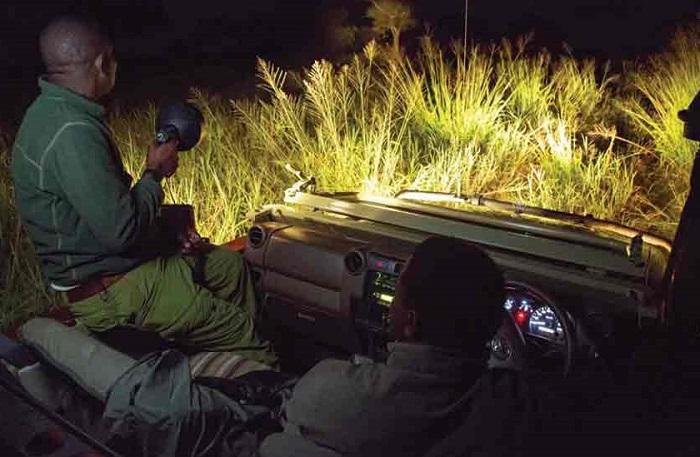
Guided night game drives are permitted within the conservancy, offering opportunities to observe nocturnal wildlife such as Aardwolves, Civets, Genets, Porcupines, Bush babies, Owls, Hyenas, and predators beginning their nightly hunts
Guided bush walks with experienced Maasai guides offer an immersive safari experience, introducing visitors to animal tracks, medicinal plants, Birdlife, Insects, and traditional Maasai knowledge of the African wilderness.
Wildlife viewing is rewarding all year, with July to October offering the best chances of witnessing the Great Migration in the Greater Mara ecosystem. January and February are ideal for predator sightings, while November to April provides lush scenery and excellent birdwatching.
Bring lightweight neutral-coloured clothing, comfortable walking shoes, a warm jacket for cool mornings and evenings, a wide-brimmed Hat, Sunglasses, Sunscreen, Insect repellent, Binoculars and a camera with a telephoto lens for wildlife photography.
Most safari camps accept major credit cards, while Kenyan Shillings and US Dollars are useful for gratuities, cultural visits, souvenirs and personal expenses. Tipping your guide and camp staff is customary for excellent service.
Thanks to its elevation of approximately 1,700 metres, Mara Ripoi enjoys pleasant daytime temperatures ranging from 20°C to 28°C. Early mornings and evenings can be cool, particularly between June and August.
The conservancy's exclusive access and low vehicle density allow photographers to enjoy extended wildlife sightings with fewer distractions. Early morning and late afternoon provide the best natural lighting for capturing spectacular wildlife images.
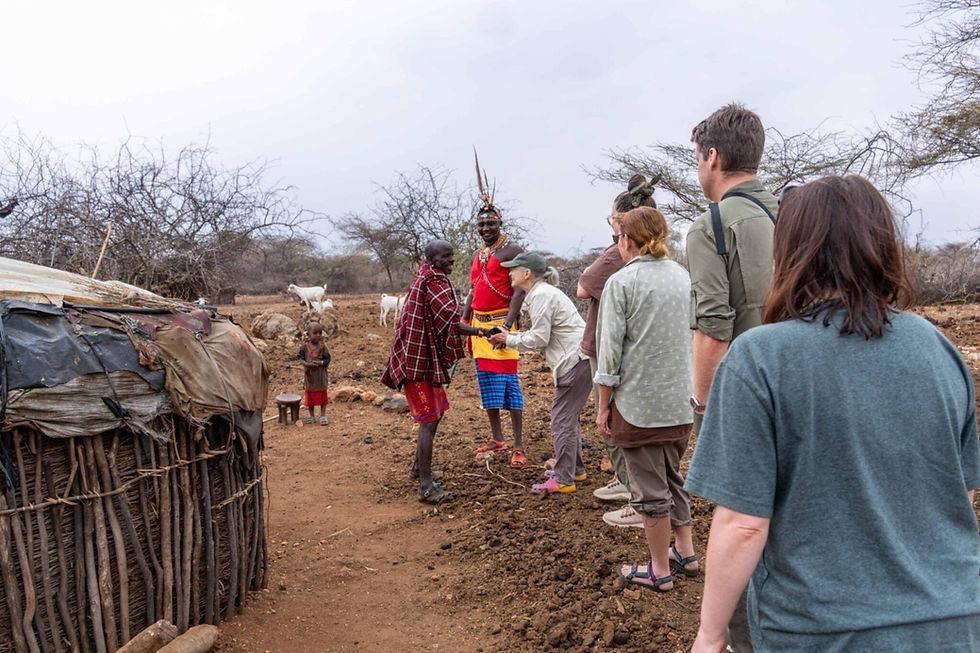
Visitors can experience genuine Maasai culture through guided village visits, traditional dances, storytelling, beadwork demonstrations, and insights into the community's conservation efforts. Tourism directly supports local Maasai families and community development.
Many camps offer unforgettable experiences including bush breakfasts, sundowner cocktails, private bush dinners, Hot air balloon safaris, Photographic safaris and personalized game drives, creating a truly exclusive Maasai Mara adventure.
Mara Ripoi Conservancy is situated on the southeastern edge of the Greater Maasai Mara ecosystem in Narok County, Kenya. It borders the world-famous Maasai Mara National Reserve and serves as an important wildlife dispersal area and migration corridor. Its location offers visitors the opportunity to enjoy exceptional wildlife viewing while avoiding the larger crowds often found inside the reserve.
The biggest difference is exclusivity. Mara Ripoi Conservancy limits the number of safari vehicles and visitors, creating a quieter and more personal safari experience. Guests can also enjoy activities that are not permitted inside the national reserve, including guided walking safaris, night game drives, bush breakfasts, bush dinners, and extended off-road wildlife viewing in designated areas.
The conservancy is home to an impressive variety of wildlife including lions, leopards, cheetahs, elephants, buffaloes, giraffes, zebras, wildebeest, hyenas, topis, elands, impalas, gazelles, warthogs and many other plains game species. More than 300 bird species have also been recorded, making it an excellent destination for birdwatchers.
Yes. During the annual Great Migration, usually between July and October, large herds of wildebeest, zebras and gazelles move through parts of the Greater Maasai Mara ecosystem, including Mara Ripoi Conservancy. Migration routes vary with rainfall, so sightings cannot be guaranteed, but visitors often enjoy migration wildlife with fewer vehicles than in the main reserve.
Yes. One of the greatest advantages of staying in Mara Ripoi Conservancy is the opportunity to enjoy guided night game drives. These excursions reveal a completely different side of the African bush, where guests may encounter Aardwolves, Civets, Genets, Bush babies, Porcupines, Owls, Hyenas and predators beginning their nightly hunts.
Absolutely. Guided walking safaris are one of the conservancy's signature experiences. Led by experienced Maasai guides, these walks introduce visitors to animal tracks, medicinal Plants, Insects, Birdlife and the traditional ecological knowledge that has been passed down through generations.
A stay of 2 to 4 nights is recommended for most visitors. This allows enough time to enjoy multiple game drives, a night safari, a Guided bush walk, a Cultural visit and relaxing sundowner experiences. Travellers combining several conservancies or the Maasai Mara National Reserve often choose three nights.
The best wildlife viewing takes place during the dry season from July to October, when wildlife is abundant and the Great Migration may pass through the area. January and February are also excellent months, offering warm weather, fewer visitors, newborn animals and outstanding predator sightings. Birdwatchers often prefer the greener months from November to April.
Visitors can travel by road from Nairobi in approximately 5 to 6 hours via Narok. Alternatively, daily scheduled and charter flights operate from Nairobi's Wilson Airport to nearby airstrips such as Keekorok, Ol Kiombo, Ol Seki and Ngerende, followed by a short transfer to the conservancy.
Yes. Mara Ripoi Conservancy is ideal for families, couples, honeymooners, photographers and anyone looking for a quieter safari experience. Luxury camps provide personalised service, spacious accommodation, private dining and activities suitable for different age groups, while the peaceful environment is perfect for romantic getaways.
Visitors can enjoy guided walking safaris, night game drives, Maasai cultural experiences, hot-air balloon safaris in the Greater Mara ecosystem, birdwatching, bush breakfasts, bush dinners, sundowner cocktails, wildlife photography and visits to local conservation initiatives. These activities provide a more varied safari experience than staying inside the national reserve alone.
Mara Ripoi Conservancy offers the best of both worlds: exceptional wildlife viewing and genuine exclusivity. Fewer vehicles, flexible safari activities, luxury camps, authentic Maasai culture and direct support for community-led conservation create a more personal and meaningful safari. Every visit helps protect wildlife while improving the livelihoods of local Maasai families, making your holiday both memorable and impactful.
A village visit can be the best hour of a Kenya safari or the most awkward one, and…
Read more →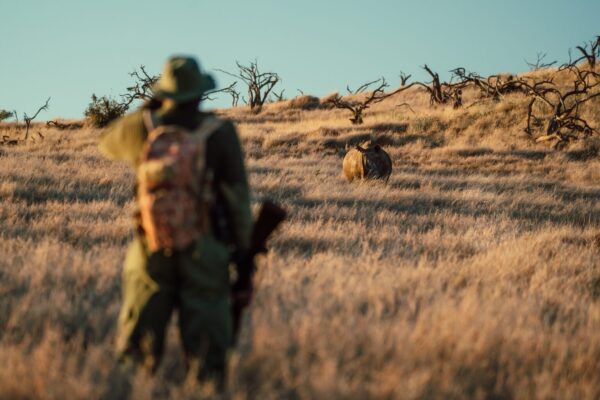
Where Kenya's guided bush walks happen, who leads them and why the thirty minutes you spend on foot…
Read more →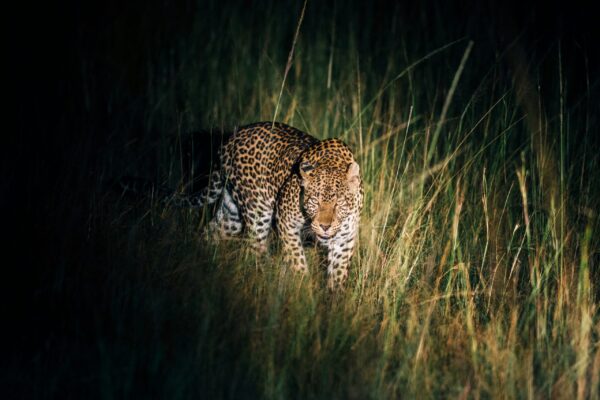
The rule is simpler than most itineraries make it sound: no national park allows it, a short list…
Read more →Tell us what you’d love to see and a local specialist will design a tailor-made itinerary around you — no obligation, reply within 24 hours.