Planning & Tips
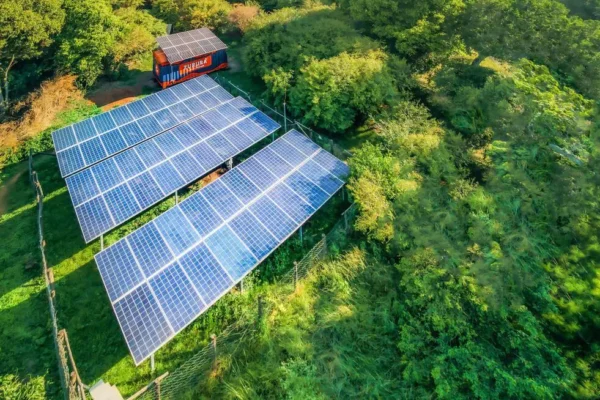
Wifi, Electricity and Charging on Safari: What Kenya’s Camps Actually Offer
From a generator that switches off at ten to a Land Cruiser fitted with its own charging console,…
Read more →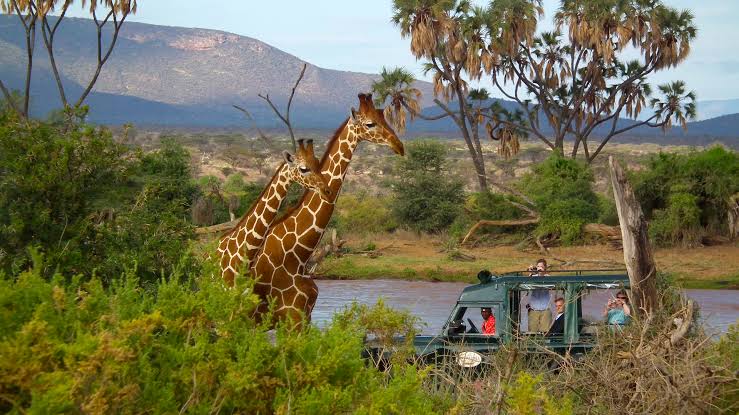
Kenya's crown jewel — home to the Big 5, the Great Wildebeest Migration, and the legendary Maasai people. The world's most spectacular wildlife destination.
Shaba National Reserve is a spectacular wildlife destination in northern Kenya, located east of Samburu National Reserve and closely connected to the wider Samburu ecosystem. The reserve is characterized by rugged volcanic landscapes, dry savannah, rocky hills, springs and the Ewaso Ng’iro River, creating a striking wilderness environment that supports a fascinating variety of wildlife.
Shaba offers a quieter and more remote safari experience than many of Kenya’s better-known national parks. Its distinctive landscapes and desert-adapted wildlife make it an excellent destination for travelers seeking an authentic northern Kenya safari.
One of the main reasons to visit Shaba National Reserve is its unique combination of dramatic scenery and wildlife. The reserve’s landscape is considerably more rugged and arid than destinations such as the Masai Mara, with volcanic formations, rocky outcrops, dry plains and riverine vegetation creating diverse habitats.
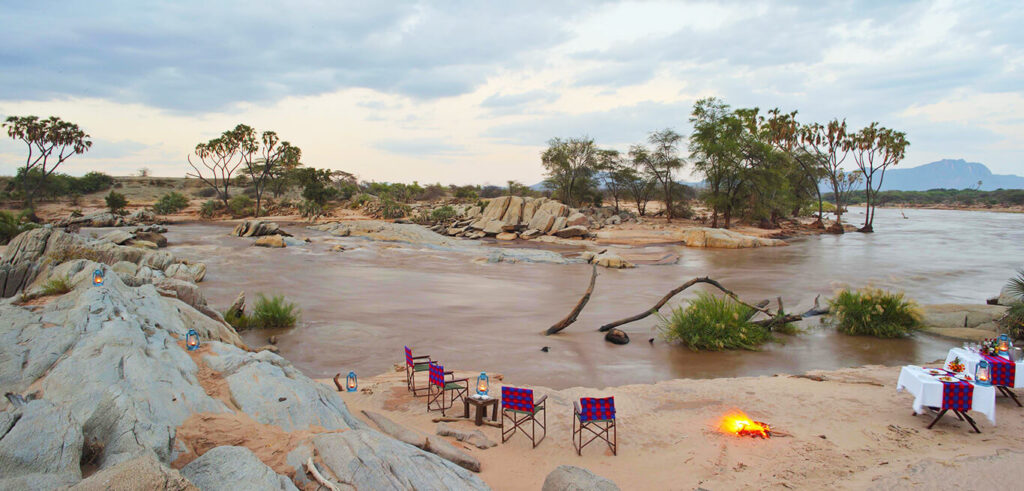
The Ewaso Ng’iro River is particularly important to Shaba’s ecosystem. It provides a vital source of water in an otherwise dry environment, attracting elephants, buffaloes, giraffes, antelopes and other wildlife. Game drives along the river can therefore provide excellent opportunities for wildlife viewing and photography.
Shaba is also part of the natural range of several species associated with northern Kenya, including the reticulated giraffe, Grevy’s zebra, Beisa oryx and gerenuk. Visitors may also encounter elephants, lions, leopards, cheetahs, buffaloes, warthogs, impalas and numerous smaller mammals.
The reserve is especially appealing to travelers who want to experience less crowded safari landscapes. Its remote setting allows visitors to enjoy game drives surrounded by dramatic scenery without the feeling of being in a heavily developed tourism area.
A safari in Shaba National Reserve can provide opportunities to see:
The scenery is one of the defining features of Shaba National Reserve. The reserve contains rugged hills, volcanic rock formations, dry grasslands and areas of riverine forest.
The contrast between the dry landscape and the green vegetation along the Ewaso Ng’iro River creates excellent photographic opportunities. Early morning and late afternoon are particularly rewarding, when the warm light emphasizes the textures and colors of the northern Kenya landscape.
Visitors to Shaba National Reserve can enjoy:
Game drives are the principal way to explore the reserve, with experienced guides helping visitors locate wildlife and understand the area’s unique ecosystem.
Shaba National Reserve can be visited throughout the year. The dry seasons from June to October and January to February are generally excellent for wildlife viewing because animals concentrate around reliable water sources.
The wetter months can also provide a rewarding experience, particularly for photographers and birdwatchers. Rain transforms sections of the reserve, bringing fresh vegetation and increased bird activity.
Samburu National Reserve: Located nearby, Samburu is famous for the Samburu Special Five—Grevy’s zebra, reticulated giraffe, gerenuk, Beisa oryx and Somali ostrich.
Buffalo Springs National Reserve: Located across the Ewaso Ng’iro River from Samburu, Buffalo Springs provides another excellent wildlife-viewing destination.
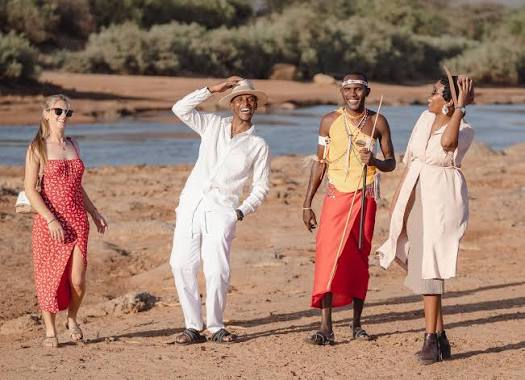
Samburu Cultural Experiences: Visitors can meet local Samburu communities and learn about traditional culture, crafts, livestock keeping and daily life.
Mount Ololokwe: This distinctive mountain and sacred landscape is one of the most recognizable natural landmarks in northern Kenya.
Lewa Wildlife Conservancy: Shaba can be incorporated into a longer northern Kenya itinerary that includes Lewa’s renowned rhino and Grevy’s zebra conservation programs.
Shaba National Reserve is located approximately 350–360 kilometres from Nairobi, depending on the route. By road, the journey can take several hours and is best incorporated into a multi-day northern Kenya safari.
Travelers can also fly from Wilson Airport in Nairobi to airstrips serving the Samburu–Shaba region, followed by a road transfer to their lodge or camp.
Shaba is particularly easy to combine with Samburu National Reserve and Buffalo Springs National Reserve, making it possible to explore several northern Kenya wildlife areas during one safari.
Shaba National Reserve is ideal for:
Booking your Shaba National Reserve safari with Afrikan Accent Adventures allows you to explore northern Kenya as part of a professionally organized private safari.
We can arrange a private 4×4 safari vehicle, professional guide, accommodation, reserve fees, meals and transfers, creating a comfortable and flexible experience.
Shaba can be combined with Samburu, Buffalo Springs, Lewa Wildlife Conservancy, Ol Pejeta and Mount Kenya, allowing you to experience some of the most distinctive wildlife and landscapes in northern and central Kenya.
Explore one of Kenya's most remote and beautiful wilderness areas, where volcanic landscapes, rare wildlife, and conservation history come together in an unforgettable safari experience.
Shaba National Reserve is one of the best places in Africa to see the famous Samburu Special Five: the endangered Grevy's zebra,…
Unlike Kenya's classic savannah parks, Shaba's scenery is dominated by ancient lava flows, volcanic hills, rocky ridges and dry riverbeds. The reserve's…
The reserve supports healthy populations of lions, leopards, cheetahs, spotted hyenas, and jackals. The open terrain allows excellent visibility, increasing the chances…
The Ewaso Nyiro River forms the lifeblood of the reserve, attracting elephants, buffaloes, giraffes, antelope and predators throughout the year. Riverine forests…
Shaba holds a special place in conservation history as one of the landscapes associated with Joy and George Adamson, whose pioneering work…
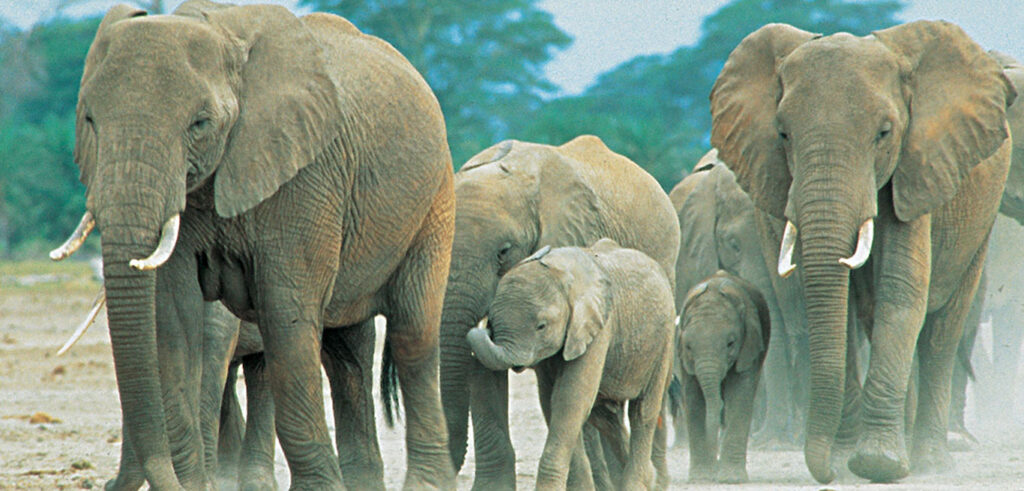
The reserve supports significant elephant populations that frequently gather along the river during the dry season, offering excellent viewing opportunities.
More than 400 bird species have been recorded in the reserve, including martial eagles, secretary birds, hornbills, kingfishers, bee-eaters and numerous migratory…
Shaba receives far fewer visitors than many of Kenya's flagship parks, allowing guests to enjoy uncrowded game drives and private wildlife encounters.

From value camps to premium lodges — we match every stay to your style and budget.
Comfortable tented camps just outside the reserve gates. En-suite rooms with hot showers, full-board meals, and close proximity to the Mara.
Spacious canvas tents on raised platforms with private decks, often inside or adjacent to conservancies. Better access and fewer crowds.
World-class lodges and exclusive camps in private conservancies. Night drives, bush walks, spa, and personalized service — the ultimate safari experience.
Every season has its magic — here's what to expect when, so you can travel at your perfect time.
Everything you need to know before you go — and we’ll guide you through every step.
Most international visitors travelling to Kenya require a Kenya Electronic Travel Authorisation (eTA) before arrival. Applications are completed online before travel and approvals are generally issued within a few days. Passports should be valid for at least six months beyond the travel date and contain sufficient blank pages for immigration purposes.
Shaba National Reserve is located in northern Kenya at an altitude of approximately 700–1,100 metres above sea level. Visitors are advised to consult their healthcare provider regarding recommended vaccinations and malaria prevention medication prior to travel. A Yellow Fever vaccination certificate may be required for travellers arriving from countries with a risk of Yellow Fever transmission.
Shaba National Reserve is located approximately 345 kilometres from Nairobi and can be reached in around 5.5 to 6 hours by road. The journey follows the Nairobi–Nanyuki–Isiolo highway before continuing through Archer's Post to the reserve entrance. Roads are generally in good condition, although a 4x4 safari vehicle is recommended during the rainy seasons.
Daily scheduled and charter flights operate from Wilson Airport in Nairobi to nearby airstrips serving the Samburu ecosystem. Flight time is approximately one hour, followed by lodge transfers ranging from 15 to 30 minutes.
The official currency in Kenya is the Kenyan Shilling (KES), although US Dollars (USD) are widely accepted by safari lodges and tour operators. Carrying a small amount of cash for gratuities, local crafts, and community purchases is recommended.
Shaba experiences a warm semi-arid climate typical of northern Kenya. The reserve remains warm throughout the year, while cooler temperatures are experienced during early mornings and evenings. The long rains typically occur from March to May, while short rains usually arrive in November.
Kenya uses Type G electrical sockets, the same three-pin plug system used in the United Kingdom. Voltage: 240V Frequency: 50Hz Most lodges provide electricity throughout the day, while some camps operate generators or solar power systems during specific hours.
Shaba National Reserve operates on East Africa Time (EAT). UTC +3 Kenya does not observe daylight saving time.
Mobile coverage is generally good around lodges and along the Ewaso Nyiro River corridor. Safaricom provides the strongest signal. Airtel coverage is available in some locations. Most safari lodges provide Wi-Fi access in guest areas and rooms, although internet speeds may vary due to the remote location.
Shaba National Reserve is considered a safe safari destination with professional guides, experienced rangers, and established tourism infrastructure. Visitors should always follow instructions from guides and avoid walking outside designated areas without an armed ranger or guide.
Absolutely. Shaba National Reserve is one of Kenya's most rewarding safari destinations for travellers seeking an authentic wilderness experience away from crowded parks. The reserve offers spectacular volcanic landscapes, excellent predator sightings, large elephant herds and the rare opportunity to see the famous Samburu Special Five. Its lower visitor numbers make it particularly attractive for photographers, honeymooners and experienced safari travellers looking for exclusivity and privacy.
Shaba supports an impressive diversity of wildlife including elephants, lions, leopards, cheetahs, spotted hyenas, buffaloes, crocodiles, giraffes, zebras, impalas, warthogs and numerous antelope species. The reserve is especially famous for the Samburu Special Five: Grevy's zebra, reticulated giraffe, Beisa oryx, gerenuk and Somali ostrich, species that are largely restricted to northern Kenya.
The Samburu Special Five are five rare and distinctive species adapted to the arid conditions of northern Kenya. They include the endangered Grevy's zebra, the reticulated giraffe, the long-necked gerenuk, the Beisa oryx and the Somali ostrich. Shaba National Reserve is one of the best places in Africa to see all five species during a single safari.
Shaba is generally considered a Big Four destination because elephants, lions, leopards and buffaloes are regularly seen within the reserve. Rhinos are not resident in Shaba National Reserve, meaning visitors hoping to complete the Big Five often combine their safari with destinations such as Ol Pejeta Conservancy or Solio Ranch.
The best wildlife viewing occurs during the dry seasons from June to October and from December to February. During these months, animals gather around the Ewaso Nyiro River and vegetation becomes less dense, making wildlife easier to locate. The green seasons from March to May and in November offer beautiful scenery, excellent birdwatching, and fewer visitors.
Most visitors spend two to three nights in Shaba, which allows enough time for multiple game drives and opportunities to explore neighbouring Samburu National Reserve and Buffalo Springs National Reserve. Wildlife enthusiasts and photographers often stay longer to fully appreciate the diversity of species and landscapes.
Shaba National Reserve is located approximately 345 kilometres north of Nairobi. The drive takes around five-and-a-half to six hours via Nanyuki, Isiolo, and Archer's Post. Alternatively, scheduled and charter flights operate daily from Wilson Airport in Nairobi to nearby airstrips within the Samburu ecosystem, reducing travel time to approximately one hour.
Yes. Shaba is an excellent destination for families, particularly those with children interested in wildlife and nature. Many lodges offer family rooms, child-friendly activities, and educational experiences focused on wildlife conservation and Samburu culture.
Yes. Shaba is considered one of Kenya's premier birdwatching destinations, with more than 400 bird species recorded. The Ewaso Nyiro River and surrounding riverine forests attract kingfishers, fish eagles, hornbills, bee-eaters, herons, storks and many migratory birds throughout the year.
Shaba is famous for its dramatic volcanic scenery, rare wildlife species and connection to conservation pioneers George and Joy Adamson. The reserve and surrounding landscapes are closely associated with the story of Elsa the lioness and the internationally celebrated Born Free conservation movement.
Yes. Shaba is commonly combined with Samburu National Reserve, Buffalo Springs National Reserve, Ol Pejeta Conservancy, Solio Ranch and the Laikipia conservancies. Many northern Kenya safari itineraries include all three Samburu ecosystem reserves for a more comprehensive wildlife experience.
No. One of Shaba's greatest attractions is its exclusivity. Visitor numbers remain relatively low compared to destinations such as Maasai Mara or Amboseli, allowing guests to enjoy peaceful game drives, private sightings and exceptional photography opportunities without large numbers of vehicles.
From a generator that switches off at ten to a Land Cruiser fitted with its own charging console,…
Read more →
A working checklist from a Nairobi ground operator on licensing, red flags and the questions that separate real…
Read more →
Both parks hold the same herds and the same rivers, but the border between them changes your budget,…
Read more →Tell us what you’d love to see and a local specialist will design a tailor-made itinerary around you — no obligation, reply within 24 hours.