Northern Kenya Safari Guide: Samburu, Laikipia and Meru Beyond the Mara
Six ecosystems, three rhino sanctuaries and a wilder frontier than the Masai Mara circuit most first-time visitors never reach.
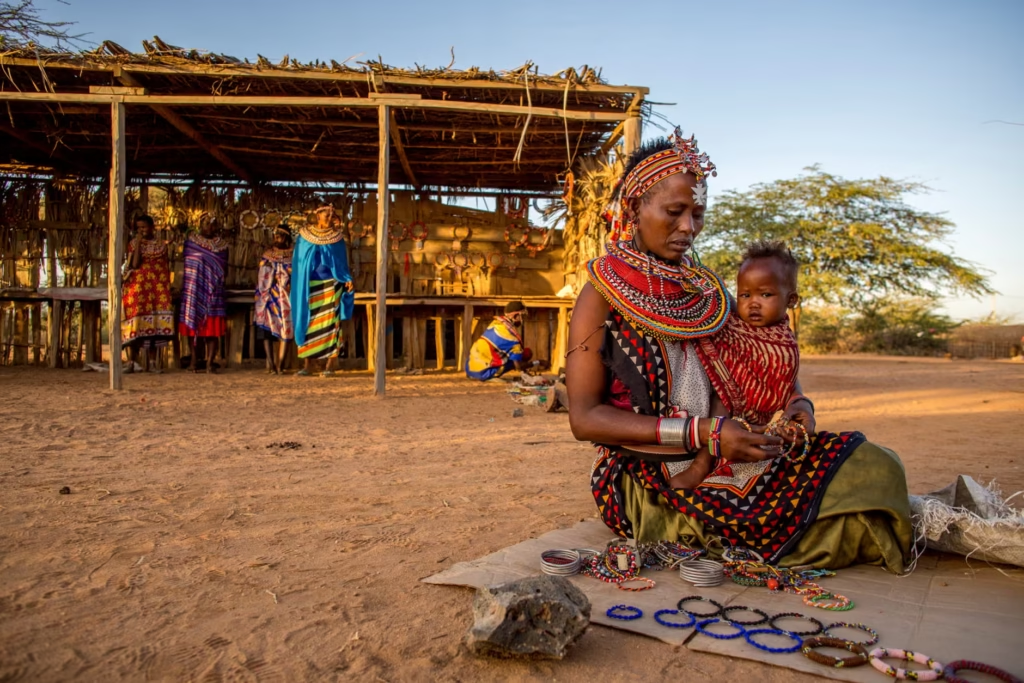
Experiencing authentic cultural connections and handcrafted beadwork at Umoja Uaso village forms an inspiring chapter in this Northern Kenya safari guide.
6:15am on the Ewaso Nyiro River. Our guide cuts the engine and points at a shape moving through the doum palms on the far bank, a Grevy’s zebra stallion, narrow striped and considerably taller than the zebra most of our guests have seen on a Masai Mara safari. Behind him, a gerenuk rises onto its hind legs against an acacia, stretching for a leaf no other antelope in Kenya can reach. This is Samburu National Reserve, and it looks nothing like the Kenya safari most travellers picture.
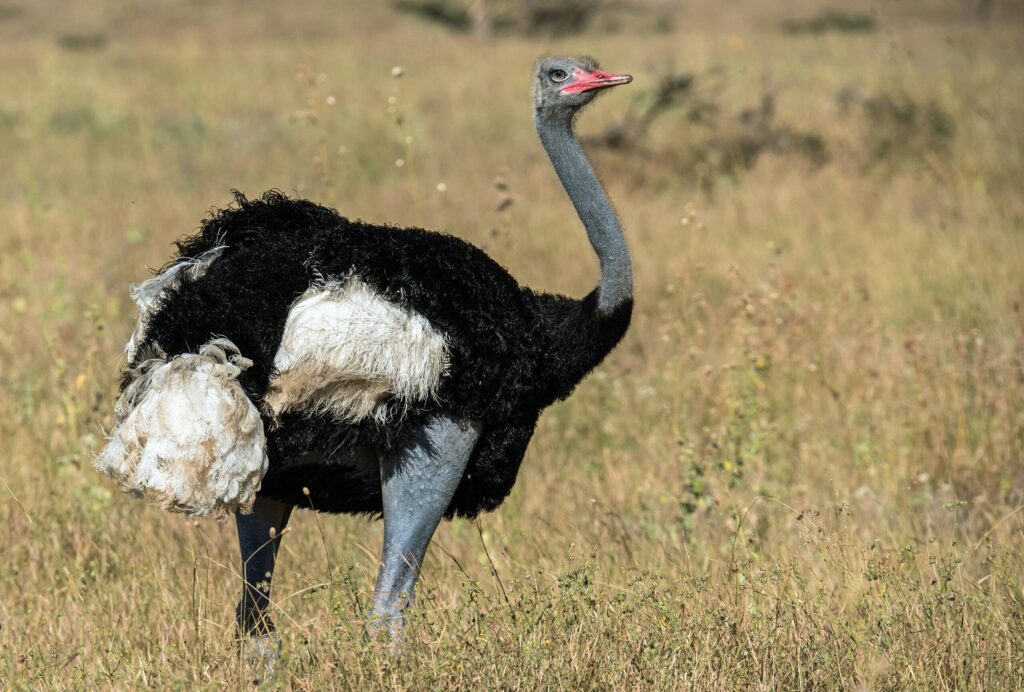
We have run trips into this Northern Kenya circuit for years, and the reaction is almost always the same. Guests arrive assuming they have already seen the best of Kenya on a previous Masai Mara trip. Two days later, standing on a rocky kopje above Kalama Conservancy watching a Somali ostrich strut past a herd of reticulated giraffe, they are asking why nobody told them about this sooner.
The honest answer is that most operators do not build itineraries north of Nanyuki. It takes more driving, more logistics between conservancies and a guide who genuinely knows Solio, Lewa, Ol Pejeta, Loisaba and Meru rather than one who only knows the Mara. We do. This guide covers what you will actually see, where to stay and how to build the itinerary properly, because a Northern Kenya safari done well is one of the most rewarding trips in East Africa, and done badly it is just a long drive between disconnected stops.
| QUICK ANSWER | What makes a Northern Kenya safari guide different from a standard Kenya safari? A Northern Kenya safari covers Samburu, Laikipia’s private conservancies, Lewa, Ol Pejeta and Meru National Park rather than the Masai Mara. It trades open grassland for six distinct ecosystems, arid-adapted species like Grevy’s zebra and the gerenuk, and conservancy-led rhino conservation, with far fewer vehicles at every sighting. |
Northern Kenya Safari at a Glance
- Core destinations: Samburu National Reserve, Reteti Elephant Sanctuary, Laikipia’s private conservancies (including Loisaba), Lewa Wildlife Conservancy, Ol Pejeta Conservancy, Meru National Park and the Aberdare Highlands
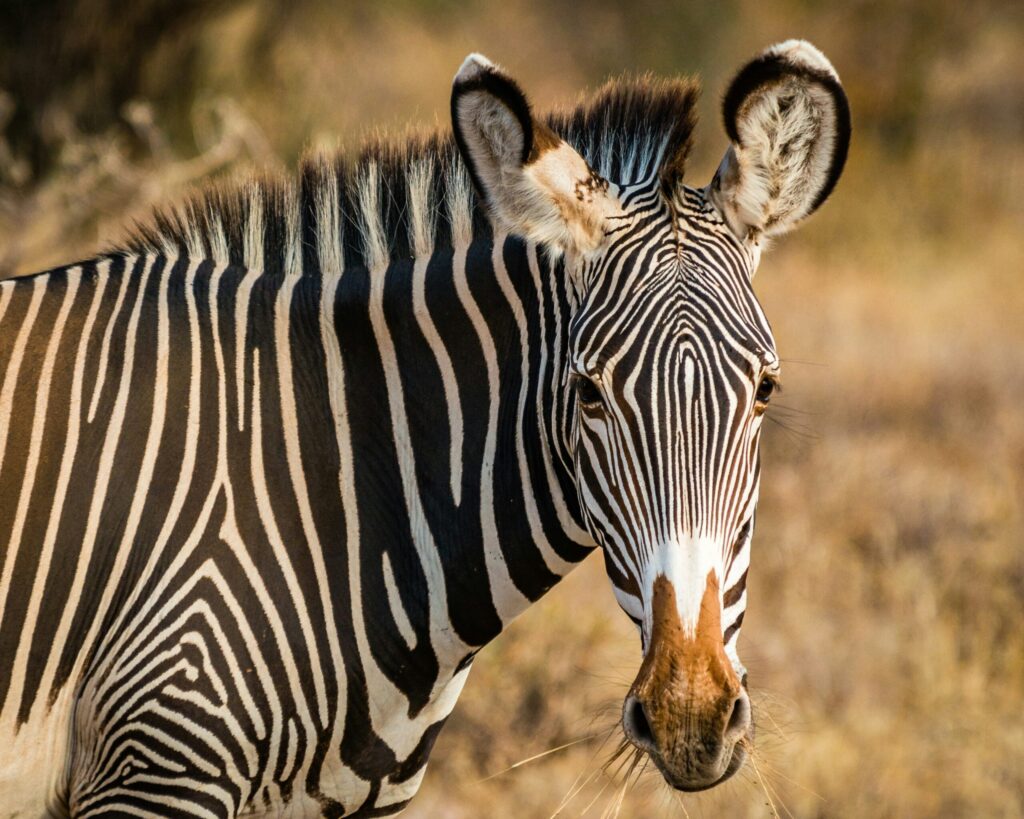
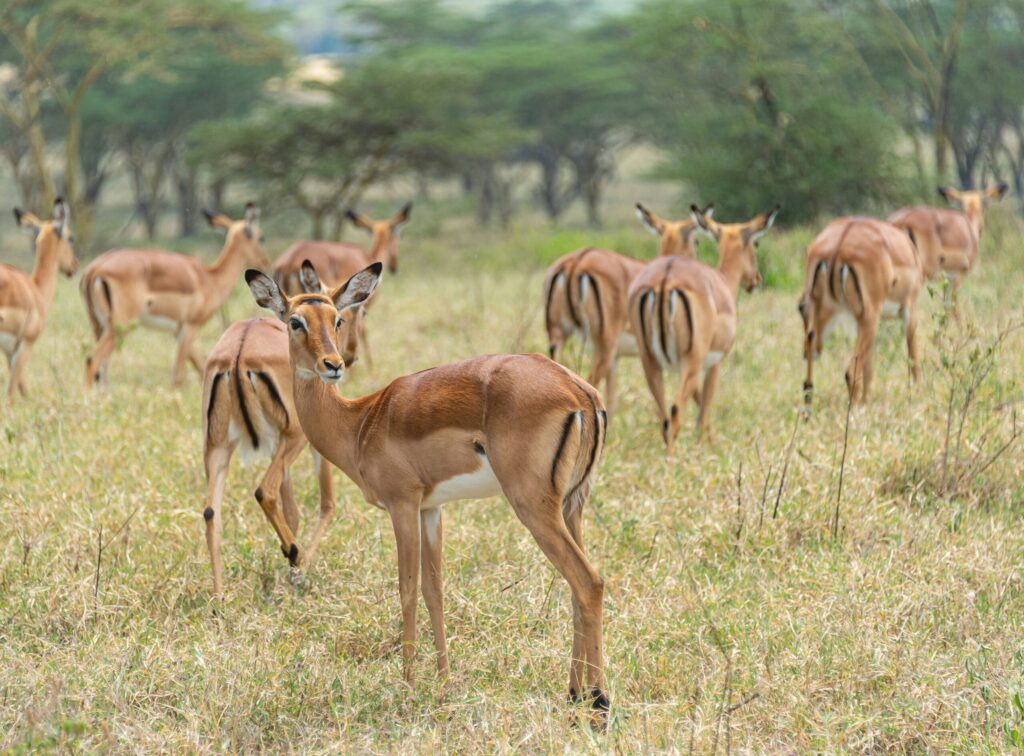
- Signature wildlife: The Samburu Special Five (Grevy’s zebra, reticulated giraffe, gerenuk, Beisa oryx and Somali ostrich), black and white rhino, African wild dog, and Giza Mrembo, Laikipia’s famous melanistic black leopard
- Unique experiences: Bottle feeding time with the Reteti Mamas at Africa’s first community-owned elephant sanctuary, a cultural visit to the women-only village of Umoja Uaso, and a red-filtered night game drive at Ol Pejeta
- Best time to visit: July through October for peak dry season game viewing, and January through March for lush landscapes and fewer visitors
- Ecosystems covered: Six, ranging from Aberdare montane forest above 13,000 feet to the arid savanna along the Ewaso Nyiro River
- Typical trip length: 7 to 12 days for a full northern circuit, or 3 to 4 nights added onto a Masai Mara itinerary
- Getting there: 5 to 6 hours by road from Nairobi to Samburu, or roughly an hour by scheduled flight into Samburu, Lewa or Loisaba airstrips
- Signature safari: 12 Days Wild Frontiers of Northern Kenya Safari, from $12,400 per person sharing
- Group size: Best experienced in small private groups of 2 to 6 travellers
Why Go North of the Mara
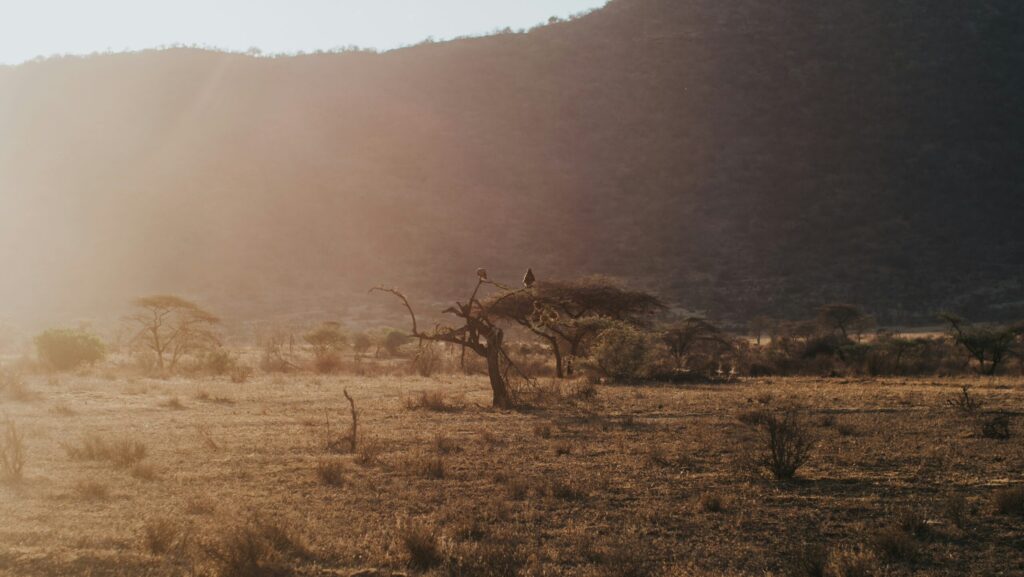
A standard Kenya safari means the Masai Mara, and for good reason. But the Mara and the wider Serengeti ecosystem represent one type of landscape and one set of species. A Northern Kenya safari guide worth reading has to start with what actually changes once you cross the equator north of Nanyuki, because it is not a minor variation on the same trip. It is a different Kenya.
Cross into Samburu and the grasses thin out, the acacia scrub takes over and an entirely different cast of wildlife appears, species adapted to heat and low rainfall that simply do not occur on the southern circuit. Climb into the Aberdares and the opposite happens, cool cloud forest above 13,000 feet with bongo antelope and forest elephant. Drop into Meru and you find dense riverine bush and dramatic waterfalls. This ecological range across a single itinerary is the strongest argument for a Kenya safari beyond Masai Mara, and it rewards travellers who have already done a Mara trip and want depth rather than repetition.
The second reason is crowding, or the lack of it. Laikipia’s private conservancies and community-owned reserves cap vehicle numbers by design. Where a good Mara river crossing sighting might mean twenty vehicles jockeying for position, a rhino tracking outing at Ol Pejeta or a wild dog sighting at Loisaba typically means your vehicle and perhaps one other. For photographers and for anyone who finds a crowded sighting more exhausting than exciting, that difference changes the whole feel of the trip.
Cross the equator north of Nanyuki and you are not visiting a quieter Mara. You are visiting a different Kenya entirely, one built on private conservancies rather than open reserves.
Samburu National Reserve: The Samburu Special Five
Samburu National Reserve sits along the Ewaso Nyiro River in Samburu County, roughly a five to six hour drive north from Nairobi through Nanyuki and across the equator. The river is the reason the reserve exists as a wildlife destination at all. In a landscape that receives a fraction of the Mara’s rainfall, the Ewaso Nyiro concentrates animals along its banks year round, which is exactly what makes game viewing here so reliable despite the arid surroundings.
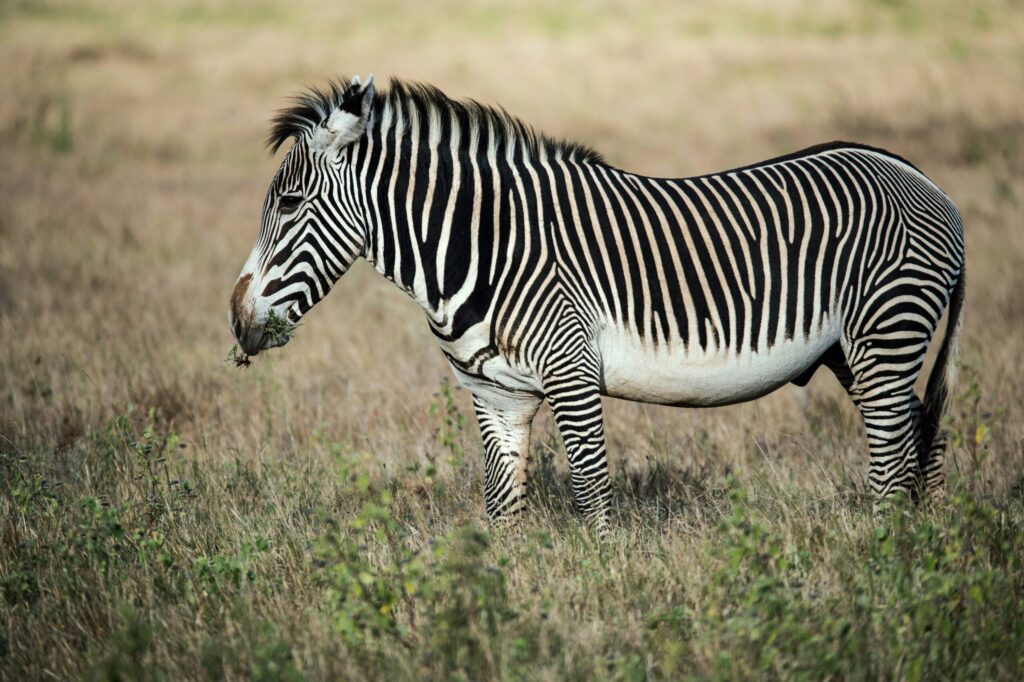
What makes Samburu different from the Masai Mara is the wildlife itself. Samburu is home to five species collectively known as the Samburu Special Five: the Grevy’s zebra, the reticulated giraffe (also called the Somali giraffe), the gerenuk, the Beisa oryx and the Somali ostrich. All five are adapted to arid conditions and none of them appear reliably in the Mara or in Amboseli. The Grevy’s zebra is critically endangered and narrower striped than the plains zebra found further south. The reticulated giraffe carries a sharper, net-like coat pattern. The gerenuk stands upright on its hind legs to browse leaves other antelope cannot reach, and the Beisa oryx can survive extended periods without drinking water at all.
Samburu also holds the standard Big Five draw of lion, leopard, elephant, buffalo and the rhino now reintroduced in neighbouring conservancies, plus a strong population of Nile crocodile along the river. We put guests into Saruni Samburu, a small stone and thatch camp on a hilltop overlooking Kalama Conservancy, which keeps the standard high while positioning game drives close to the river’s best wildlife concentrations. Neighbouring Buffalo Springs and Shaba National Reserves extend the same ecosystem and are worth combining if your schedule allows an extra day.
| EXPERT NOTE In Samburu, timing your game drive around the river matters more than almost anywhere else we operate. Early morning, before the heat pushes animals into shade, is when the Samburu Special Five are most active and most visible along the Ewaso Nyiro banks. Nicholas Wangithi, Director & Founder |
Reteti Elephant Sanctuary: Home of the Reteti Milk Mamas
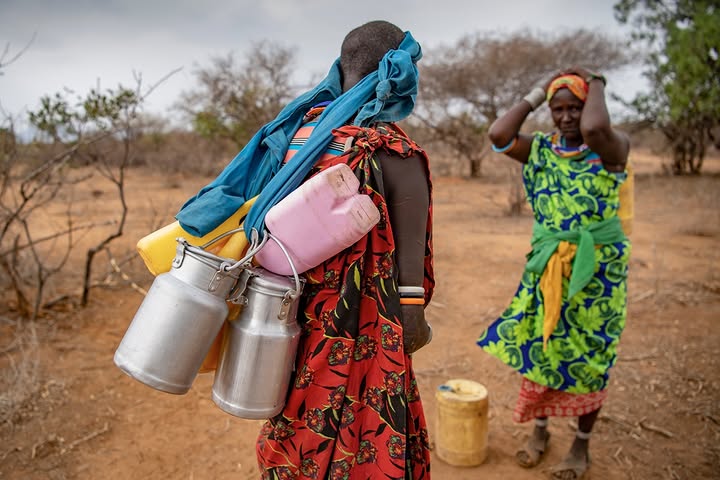
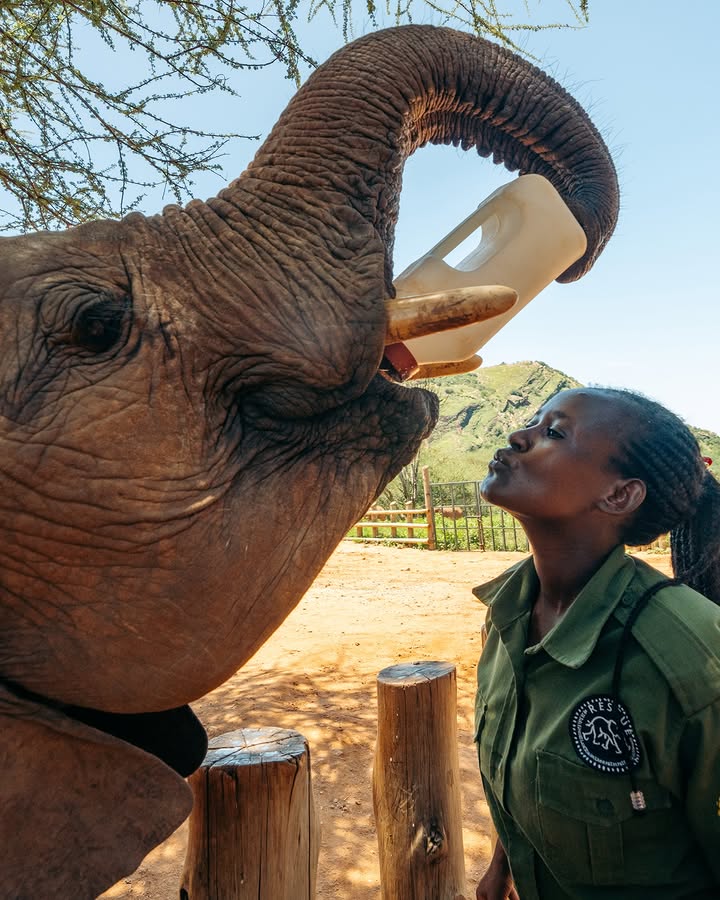
Roughly two hours north of Samburu National Reserve, in the Namunyak Wildlife Conservancy at the foot of the Mathews Range, sits Reteti Elephant Sanctuary, Africa’s first community owned and run elephant sanctuary. Founded in 2016 and staffed entirely by Samburu keepers recruited from within Namunyak, Reteti rescues orphaned and abandoned elephant calves, most often separated from their herds, injured after falling into wells during drought, or orphaned when a mother dies of natural causes, and raises them toward eventual release back into wild herds on the same land they were born into.
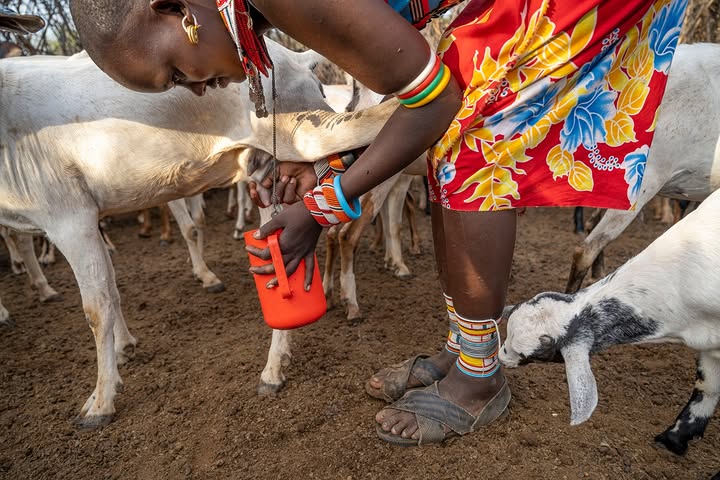
What sets Reteti apart, beyond its community ownership, is its keeper team. It was the first elephant sanctuary on the continent to employ female keepers, and Reteti runs what staff call a milk economy: goat milk for the orphaned calves is bought directly from Samburu women in the surrounding conservancy, so every bottle a calf drinks puts income into a local household. Visitors have come to know these women simply as the Reteti Milk Mamas, and watching the mprning or evening feed from the viewing platform, as the keepers walk the calves from the bush for their bottle, is one of the more quietly moving experiences on the entire northern circuit.
Every bottle of milk a Reteti calf drinks was bought from a Samburu woman down the road. The sanctuary rescues elephants. The milk economy it runs alongside that work rescues something else.
Reteti sits inside its own airstrip network and can be reached by light aircraft via Namunyak or Loisaba followed by a road transfer, or folded into a longer overland itinerary through Samburu as a half day side trip. Because it is a working rescue and rewilding operation rather than a zoo, visitor numbers are kept deliberately low and interaction with the elephants themselves is minimized by design, guests observe rather than touch, which is precisely why the sanctuary’s rewilding success rate has held up over the years.
Cultural Encounters: Samburu Villages and Umoja Uaso
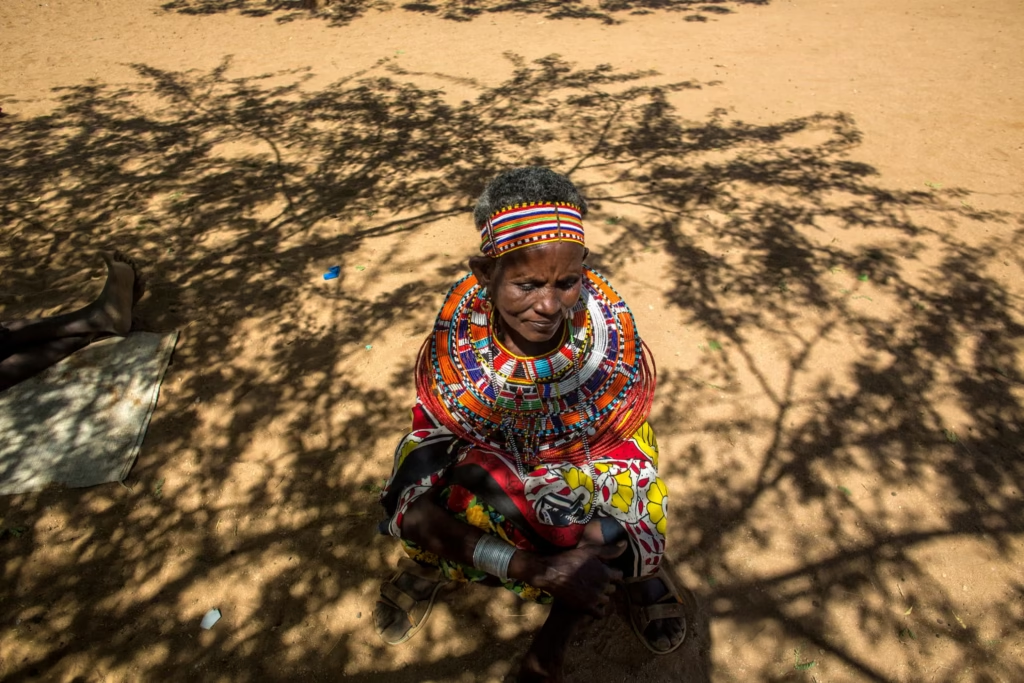
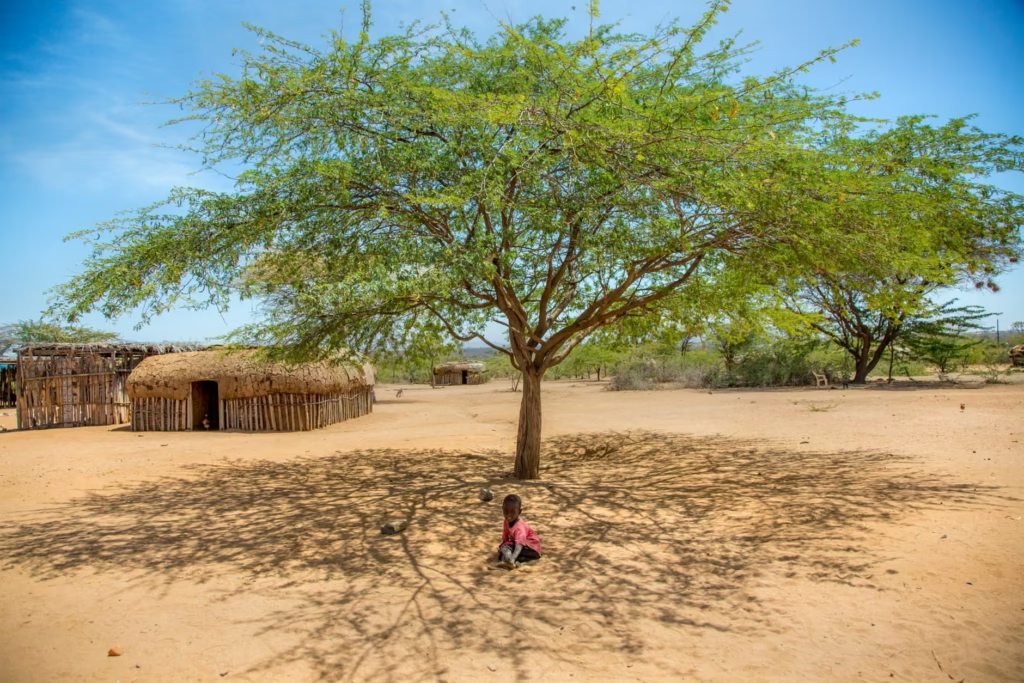
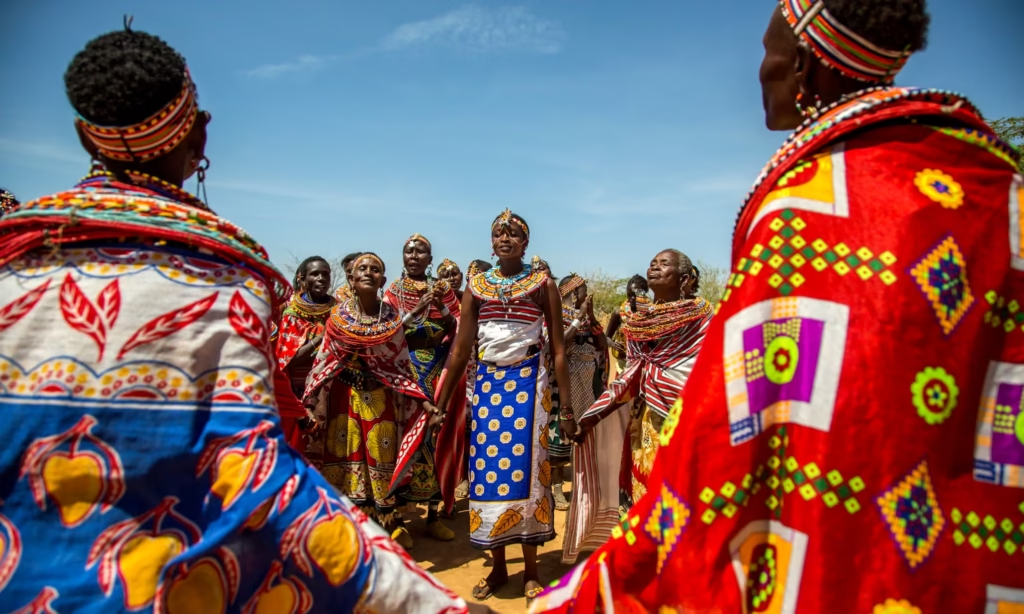
A standard Samburu village visit, arranged through most camps in the region, includes a walk through a manyatta, a demonstration of traditional dress and beadwork, and time with the community’s council of elders, to talk through Samburu customs, livestock culture and the age-set system that still structures much of daily life here. Done well and with a guide who has a genuine, ongoing relationship with the community, it is a respectful and worthwhile addition to a Samburu itinerary rather than a staged performance.
Near Archer’s Post, on the banks of the Ewaso Ng’iro River beside Samburu National Reserve, sits Umoja Uaso, a women only village founded in 1990 by fifteen Samburu women who had survived rape, forced marriage and other gender-based violence and were cast out by their communities as a result. Led by Rebecca Lolosoli, the founders built the village from nothing into a self-sustaining community that today houses dozens of women and more than two hundred children, running its own primary school, a beadwork cooperative and a campsite where visitors can stay overnight. No men live in Umoja, though male visitors are welcome, and every shilling spent there, whether on a guided tour, a beaded bracelet or a night in one of the village’s bandas, goes directly to the women who built it.
| EXPERT NOTE We tell guests plainly what Umoja is before they visit: not a cultural performance built for tourism, but a functioning community that happens to welcome visitors because tourism income is part of how it stays independent. Go with that understanding and the visit lands very differently than a standard village stop. Kibara Mugo, Safari Writer and East Africa Specialist |
Laikipia’s Private Conservancies Explained
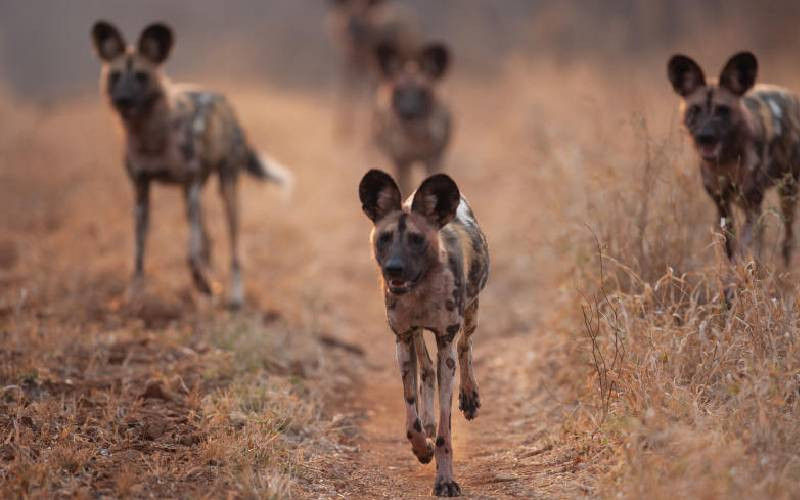
Laikipia is a county of roughly 9,500 square kilometres between Mount Kenya and the Rift Valley, and it works on a completely different conservation model than the national parks and reserves further south. Less than two per cent of Laikipia is formally protected as park land. The rest is a patchwork of more than twenty private and community-owned conservancies, former cattle ranches converted to wildlife tourism, and group ranches run collectively by Maasai, Samburu and other pastoralist communities. Estimates of the total conservancy area vary by source, from roughly 350,000 hectares counted by the Laikipia Conservancies Association to upwards of 800,000 hectares once neighbouring group ranches and community land are included, but every source agrees on the direction: conservancy land keeps expanding as more landowners opt in.
Is Laikipia worth visiting on a Kenya safari? For travellers who want conservation depth alongside game viewing, yes, decisively. Laikipia is the only region in Kenya where wildlife numbers have risen rather than fallen over the past twenty five years, a direct result of landowners choosing wildlife tourism over livestock as their primary income. Elephants move freely between conservancies along dedicated corridors, and predator densities, including one of the country’s most important African wild dog populations, are among the highest in East Africa.
Loisaba Conservancy, in the northern reaches of Laikipia, is where this shows up most vividly. The open grassland and acacia woodland here support elephant, lion and a resident wild dog population that draws serious wildlife photographers on its own merit. Because conservancies cap visitor numbers per bed, game drives at Loisaba tend to be private affairs, and guides here often know individual wild dog packs by name and territory. Afternoons frequently include a respectful, community-led cultural visit with local Samburu families, with proceeds flowing directly back into the conservancy’s community partnership programs.
Laikipia has no fence around a single reserve and no single gate. What holds it together is a decision, repeated across more than twenty landowners, that wildlife pays better than cattle.
Giza Mrembo: Laikipia’s Famous Black Leopard
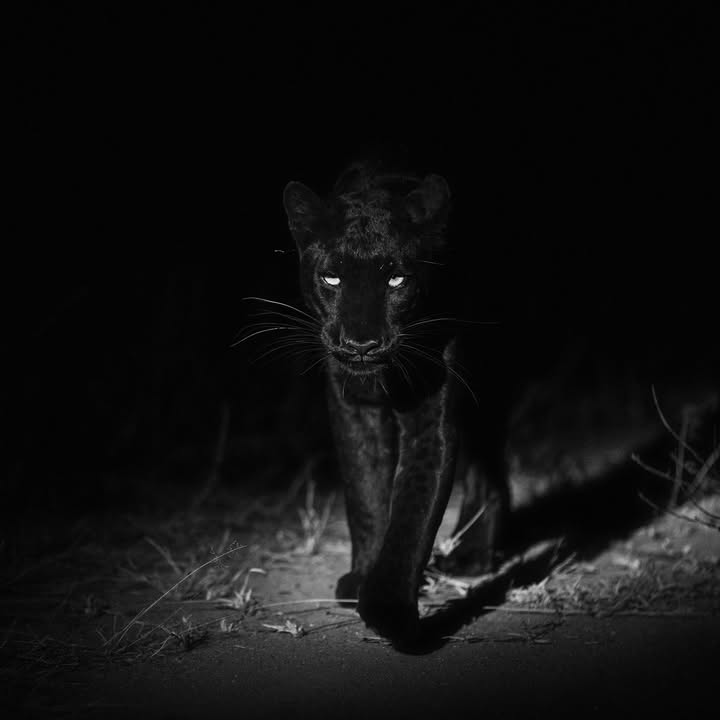
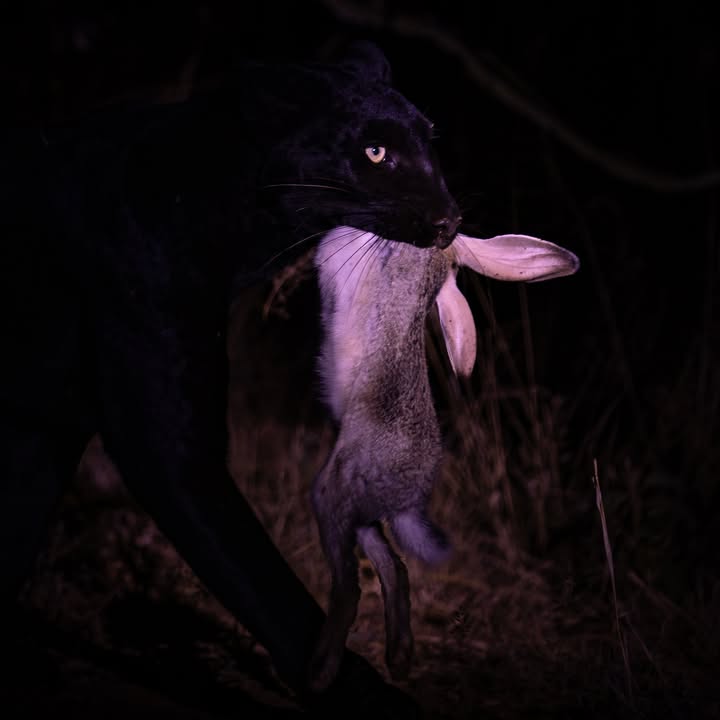
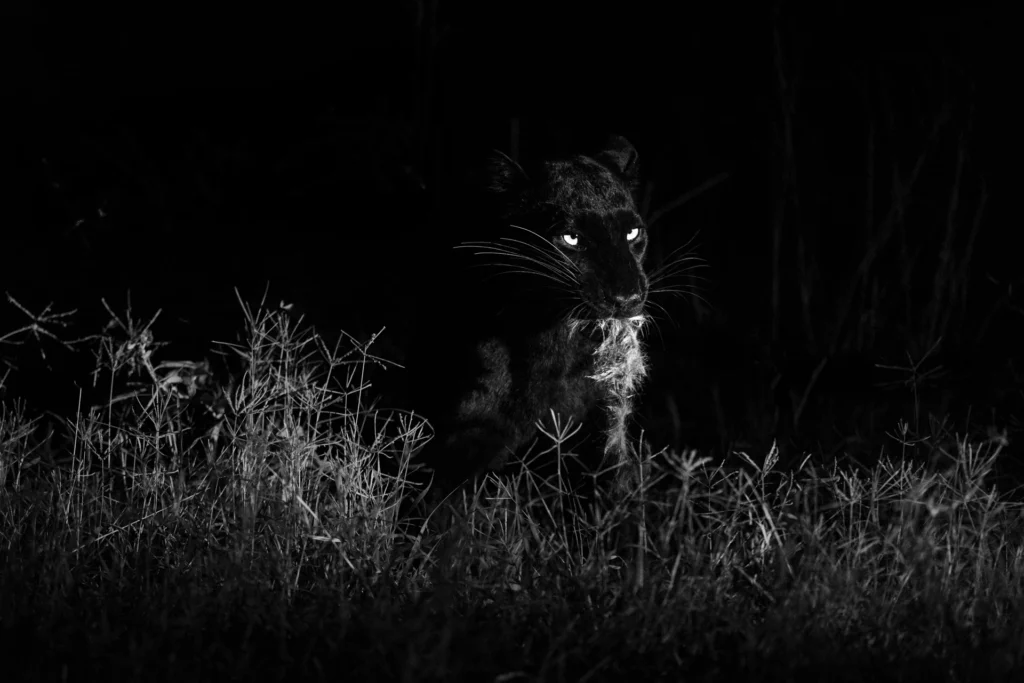
No account of Laikipia is complete without Giza Mrembo, a wild melanistic leopardess whose Swahili name means beautiful darkness. Melanism is a recessive genetic mutation that overproduces dark pigment in the coat, and it is exceptionally rare in African leopards. For most of the twentieth century, a single 1909 photograph from Ethiopia was the only credible documentation of the trait on the continent. That changed in 2018, when photographer Will Burrard-Lucas used camera traps along the Ewaso Narok River to capture the first high quality images of a wild black leopard in Africa in over a hundred years, and Laikipia became the epicenter of the story overnight.
Giza’s territory centres on Laikipia Wilderness Camp, a family run property on 70,000 acres of central Laikipia where she was born less than a kilometre from the tents. She is not a captive animal or a guaranteed sighting; her range crosses fence lines, farms and river crossings that the camp’s trackers read daily through spoor and prey alarm calls. In November 2024 she gave birth to two spotted cubs, a reminder that the mutation only expresses when both parents carry the recessive gene, and camps in the area recommend a stay of four to seven nights to give a genuine chance of a sighting rather than treating her as a box to tick on a single afternoon drive.
| EXPERT NOTE Guests sometimes book Laikipia purely for Giza Mrembo and nothing else. We never talk them out of that motivation, but we do tell them what we have seen repeatedly: the ones who stay long enough to actually find her almost always come back saying the rest of Laikipia, the Grevy’s zebra, the wild dogs, the striped hyena, surprised them more than they expected. Kibara Mugo, Safari Writer and East Africa Specialist |
Meru National Park: Kenya’s Quiet Wilderness
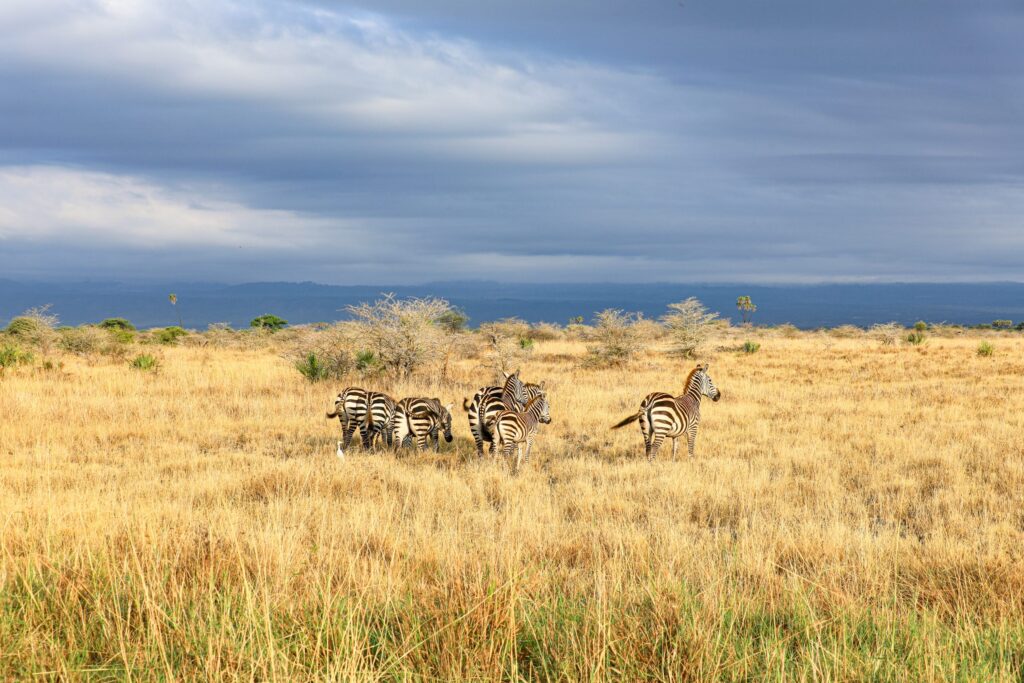
Meru National Park, established in 1966 and covering roughly 870 square kilometres east of Mount Kenya, receives a fraction of the visitors that the Mara or Amboseli see in a given month. That is precisely its appeal. Meru is where George and Joy Adamson raised Elsa the lioness, the story behind the book and film Born Free, and her grave still sits quietly within the park, unmarked by any commercial fanfare.
The landscape is denser and greener than Samburu, cut through by multiple river systems including the Tana, and the vegetation makes game viewing feel more like genuine bush exploration than an open plains drive. A dedicated Meru Rhino Sanctuary, a secured area within the park’s western section, protects both black and white rhino under round the clock monitoring. Elephant, buffalo, lion and healthy antelope populations move through dense riverine bush, and birders record over four hundred species here, more than almost any other park in Kenya.
We base guests at Elewana Elsa’s Kopje, built into Mughwango Hill overlooking the plains where Elsa once roamed, for exactly this reason: the setting makes the park’s history and its present day conservation work feel connected rather than separate. Meru rewards travellers who have already done a busier Kenya circuit and want a genuinely remote, uncrowded finish to their trip.
Lewa and Ol Pejeta: Rhino Conservation Up Close
No Northern Kenya safari guide is complete without Lewa Wildlife Conservancy and Ol Pejeta Conservancy, the two properties most responsible for Kenya’s rhino recovery story. Lewa, a UNESCO World Heritage Site covering around 250 square kilometres (62,000 acres) within the greater Mount Kenya World Heritage listing, began as a five thousand acre rhino sanctuary in 1983 and now protects roughly 14 percent of Kenya’s black rhino population alongside the world’s largest single population of Grevy’s zebra.
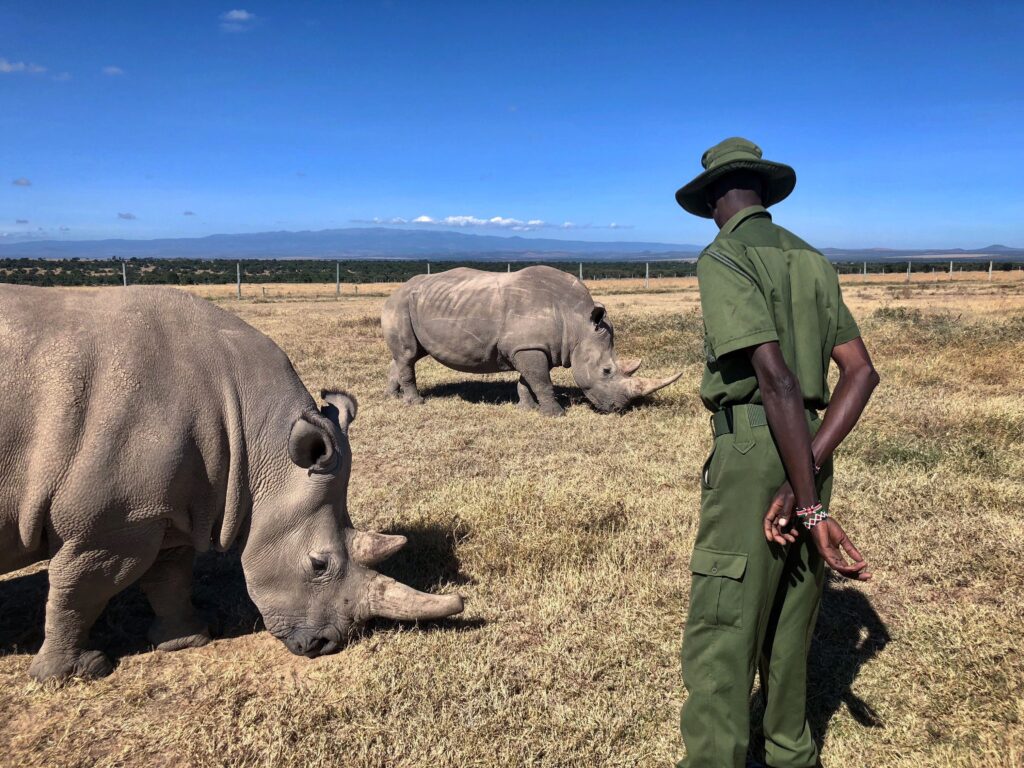
Ol Pejeta Conservancy, roughly 90,000 acres (360 square kilometres) on the Laikipia plateau near Nanyuki, holds the largest black rhino sanctuary in East Africa. It is also home to Najin and Fatu, the last two northern white rhinos left on the planet, kept under permanent armed guard within the conservancy. Ol Pejeta additionally runs the Sweetwaters Chimpanzee Sanctuary, one of the continent’s few homes for orphaned and rescued chimpanzees, and its anti-poaching operation is one of the most sophisticated in Africa.
Ol Pejeta After Dark: Night Game Drives
Because it operates as a private conservancy rather than a national park or reserve, Ol Pejeta can offer something almost nowhere else in Kenya’s public parks allows: a genuine night game drive. Guides swap to red filtered spotlights that do not disturb wildlife and head out for roughly two hours after dark, when lions that spent the day asleep in shade become active hunters, leopards move through the bush more freely, and genuinely nocturnal species most visitors never see on a standard drive, aardvark, white tailed mongoose, zorilla, bat eared fox, start to emerge. Sightings are not guaranteed, nocturnal wildlife earns that description honestly, but the two hours consistently rank among guests’ most memorable on the northern circuit precisely because so few places in the country can offer it at all.
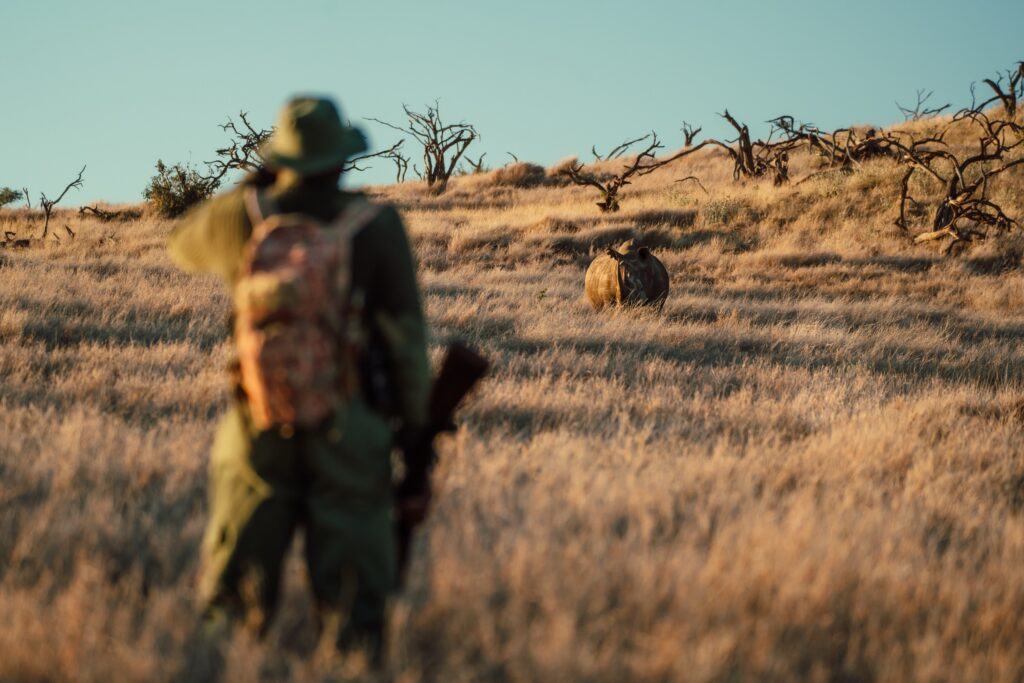
Visiting both conservancies within a single itinerary, rather than choosing one, lets you compare two different rhino conservation models side by side: Lewa’s landscape-scale approach dropping fences with neighbouring Borana Conservancy to give rhino more room to roam, against Ol Pejeta’s more intensively guarded sanctuary model built around its northern white rhino program. Both include guided rhino tracking on foot with armed rangers, a genuinely different experience from a standard vehicle-based game drive.
| EXPERT NOTE Guests often ask whether to choose Lewa or Ol Pejeta. We build the strongest Northern Kenya itineraries around both, spaced two or three nights apart, because the conservation stories and the landscapes genuinely differ, and seeing the contrast is part of what makes the safari worth the extra days. Hellen Asiko, Director & Guest Experience Curator |
Where to Stay Across the Northern Circuit

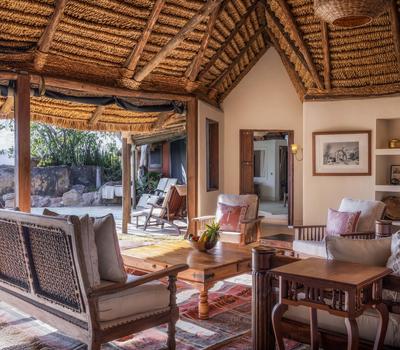
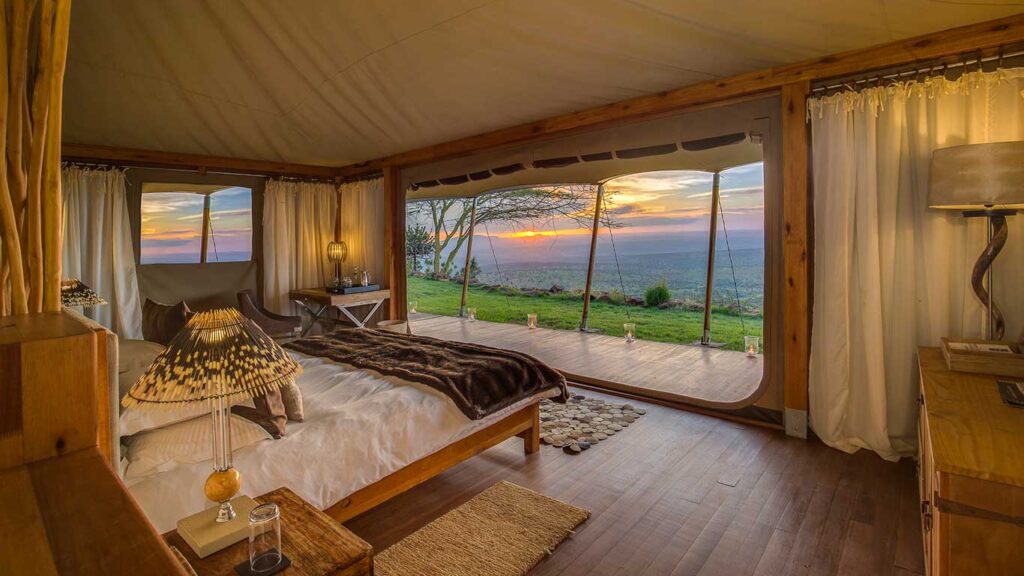
Camp choice on this circuit matters more than it does in the Mara, because each property tends to be the single access point to a specific piece of ecosystem or wildlife story rather than one of dozens of similar options along one river. In Samburu, we base guests at Saruni Samburu, a small stone and thatch camp on a hilltop above Kalama Conservancy positioned for easy access to the Ewaso Nyiro’s best game viewing. For Reteti and the wider Namunyak Conservancy, camps and stays in the immediate area connect directly to the sanctuary’s own airstrip network, and we build this in as a half day or overnight add on rather than a standalone base.
In Laikipia, Loisaba Tented Camp gives access to the wild dog territory and open plateau country described earlier, while Laikipia Wilderness Camp, split across its Main Camp, River Camp and the newer Palm Camp along the Ewaso Narok, is the dedicated base for anyone prioritizing a Giza Mrembo sighting and operates its own priority vehicle system for guests staying there. At Lewa, we use Elewana Lewa Safari Camp for its position inside the conservancy’s rhino monitoring zones, and at Ol Pejeta, The River Camp puts guests within easy reach of both daytime rhino tracking and the night game drive circuit. In the Aberdare Highlands, Solio Lodge sits inside the Solio rhino sanctuary itself, and in Meru, Elewana Elsa’s Kopje remains our choice for its direct link to the park’s Born Free history.
Across all six regions, the properties we route guests through share a common thread: small bed counts, guides who know a specific piece of ground rather than a general area, and direct financial ties to the conservation and community work described throughout this guide. That combination, more than any single amenity, is what defines a strong Northern Kenya stay.
How Northern Kenya Compares to the Masai Mara
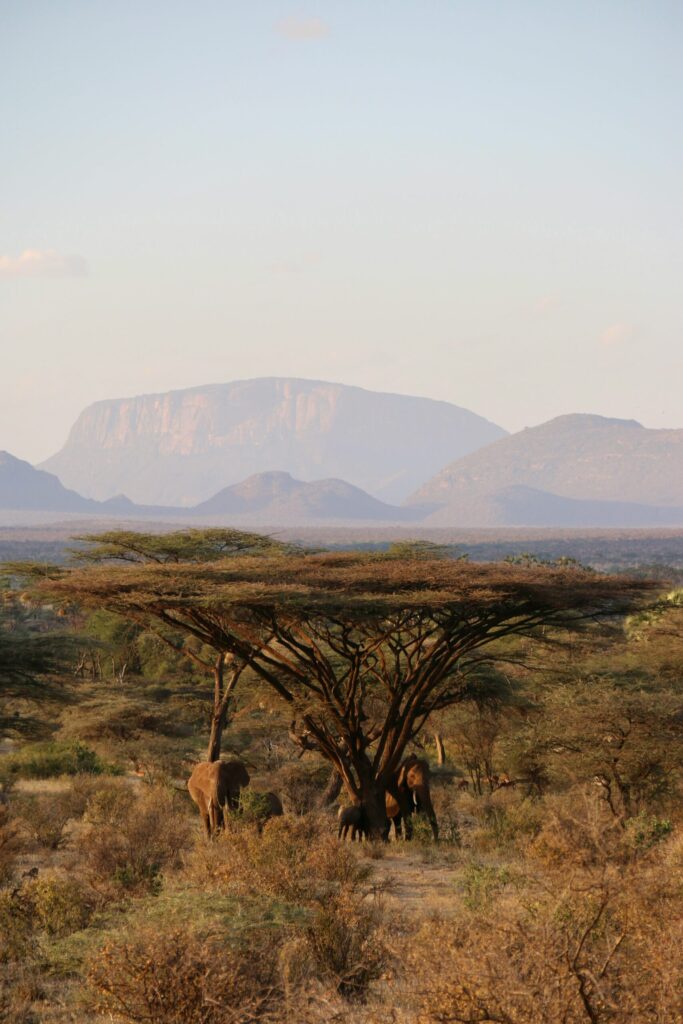
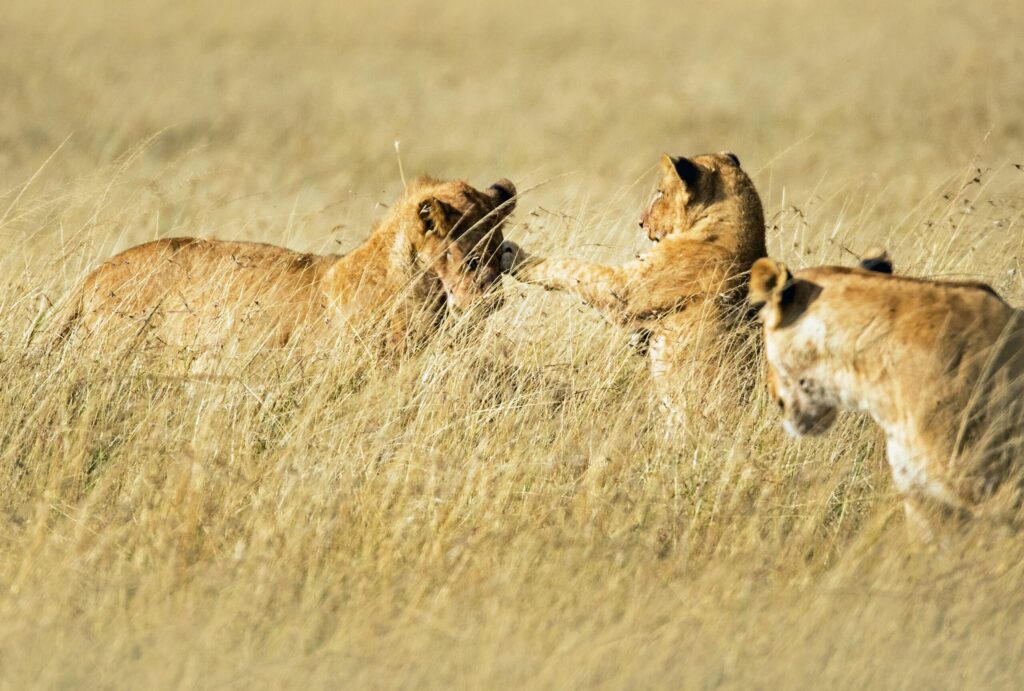
The most common question we get from guests weighing a Kenya safari beyond Masai Mara is whether Northern Kenya can replace it. It cannot, and it should not try to. The Masai Mara delivers the Great Wildebeest Migration, open grassland game viewing and predator density that Northern Kenya simply does not match. What Northern Kenya offers instead is ecological range, arid-adapted species found nowhere else in the country, and a conservancy model that puts conservation funding and community partnership at the centre of the experience rather than at the margins.
Cost is worth addressing directly. Private conservancy stays in Laikipia, Lewa and Loisaba tend to run at a similar or higher nightly rate than comparable Mara camps, because conservancy fees fund anti-poaching and community programs directly and because guest numbers per camp are deliberately kept low. What you are paying for is exclusivity and conservation impact rather than a cheaper alternative to the Mara. For first-time visitors with limited days, we usually recommend the Mara first. For repeat visitors or anyone building a longer Kenya trip, Northern Kenya is the natural next chapter.
Getting to Northern Kenya: Road and Flying Options
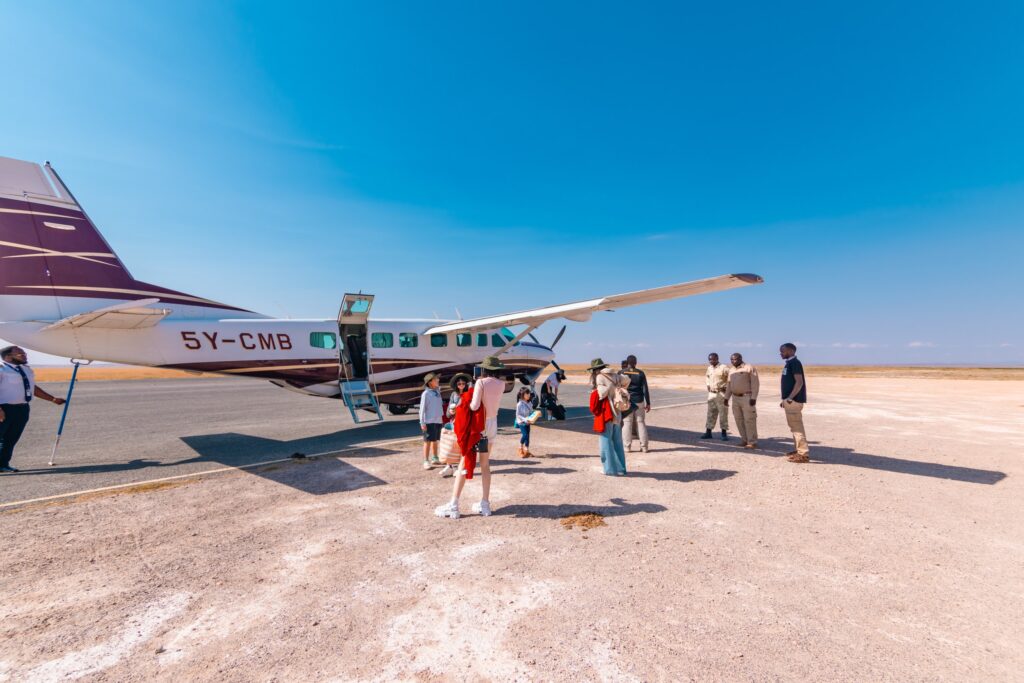
Most Northern Kenya itineraries begin with a road transfer from Nairobi through the central highlands to Nanyuki, crossing the equator en route, before continuing on to Samburu. This drive takes roughly five to six hours to Samburu and passes through tea and coffee growing country before the landscape turns dry. It is a scenic transfer in its own right and one we build a stop into for photographs at the equator line.
Travellers short on time can fly. Scheduled flights connect Nairobi’s Wilson Airport to airstrips at Samburu, Lewa and Loisaba in roughly an hour, cutting a full day of driving out of the itinerary. We generally recommend driving in and flying out, or vice versa, so guests experience the overland transition between ecosystems at least once without spending two full days in transit.
Best Time to Visit Northern Kenya
July through October offers the most reliable game viewing in Northern Kenya, when the dry season concentrates wildlife around the Ewaso Nyiro River and the conservancy waterholes. Days are warm and nights are cool, particularly in the Aberdare Highlands, so layering matters even in the dry months.
January through March is the other strong window, following the short rains, with lush landscapes, excellent game viewing and noticeably fewer visitors than the July to October peak. April through June is the shoulder season, with good wildlife and the lowest rates of the year, though we generally steer first-time visitors away from the long rains in mid-March through May, when some roads become difficult and a handful of camps close for maintenance.
Sample Northern Kenya Safari Itinerary: 12 Days Wild Frontiers of Northern Kenya
For travellers who want the full picture rather than a partial taste, our 12 Days Wild Frontiers of Northern Kenya Safari remains our benchmark route, priced from $12,400 per person sharing for a private group of two to six travellers.
The route runs Nairobi to the Aberdare Highlands for two nights at Solio Lodge within the Solio rhino sanctuary, north to Samburu for two nights at Saruni Samburu, south to Lewa Wildlife Conservancy for two nights at Elewana Lewa Safari Camp, on to Ol Pejeta for a night at The River Camp, west into Laikipia for two nights at Elewana Loisaba Tented Camp, and finally east to Meru National Park for two nights at Elewana Elsa’s Kopje before returning to Nairobi. Six ecosystems, three rhino conservation models and the Samburu Special Five, covered without a single repeated night in the same landscape.
Every property, park fee, professional guide and private 4×4 transfer is included, and the itinerary can be shortened or reordered around your own dates. It works equally well as a standalone Kenya safari or as an extension bolted onto a Masai Mara trip for travellers who want both circuits in a single visit.
Conservation and Community: Why Your Visit Matters

Every conservancy covered in this guide, from Ol Pejeta’s rhino sanctuary to Loisaba’s wild dog program, is funded substantially through tourism revenue rather than government budgets. Conservancy fees pay for armed ranger patrols, veterinary care for injured or orphaned wildlife and community programs ranging from schools to water access. Choosing an operator who routes a portion of every booking back into conservation and community work is part of what keeps this model working.
We cover the conservation side of Kenya safaris in more depth in our guide to Kenya’s most sustainable eco safari camps, including a Gold Eco-rated camp near Meru’s own rhino sanctuary, and our Responsible Tourism page sets out how we structure community and conservation contributions across every itinerary we build, Northern Kenya included.
Frequently Asked Questions
What makes Samburu different from the Masai Mara?
Samburu supports arid-adapted species found nowhere in the Mara, including the Grevy’s zebra, reticulated giraffe, gerenuk and Beisa oryx. The landscape is dry scrub and river-fed acacia woodland rather than open grassland, and the reserve draws far fewer vehicles than the Mara at any given sighting.
What are the Special Five of Samburu?
The Samburu Special Five are the Grevy’s zebra, reticulated giraffe, gerenuk, Beisa oryx and Somali ostrich. All five are adapted to arid conditions and are found reliably only in Samburu, Buffalo Springs and Shaba, along with parts of Meru and Laikipia.
Is Laikipia worth visiting on a Kenya safari?
Yes, particularly for travellers who want a conservation-led experience with fewer vehicles per sighting. Laikipia is the only region in Kenya where wildlife numbers have grown over the past 25 years, and it holds one of the country’s most important wild dog populations.
How many days do you need for a Northern Kenya safari?
A minimum of five nights lets you cover Samburu and one Laikipia conservancy properly. Our full 12-day route across six ecosystems is the more complete option, and 3 to 4 nights works well as an extension onto an existing Masai Mara itinerary.
Can you combine Northern Kenya with the Masai Mara in one trip?
Yes, and we build this combination often. A typical pattern is 4 to 5 nights in the Mara followed by 4 to 5 nights across Samburu and one Laikipia conservancy, connected by a short scheduled flight through Nairobi.
Is Northern Kenya safe for tourists?
Yes. The conservancies and parks covered in this guide are established, well-patrolled tourism destinations with professional guiding and, in the case of Lewa and Ol Pejeta, some of the most robust ranger security in East Africa.
What is the best way to get to Samburu from Nairobi?
Most travellers drive, a five to six hour transfer through Nanyuki with an equator crossing en route. Scheduled flights from Wilson Airport to the Samburu airstrip take roughly an hour for those short on time.
Is Meru National Park worth visiting?
Yes, especially for travellers who have already covered busier parks and want genuine remoteness. Meru sees far fewer visitors than the Mara or Amboseli, and its rhino sanctuary, riverine landscape and Born Free history give it a character distinct from anywhere else on the northern circuit.
Is Northern Kenya a malaria risk area?
Yes, all of the parks and conservancies in this guide sit below the altitude where malaria risk drops off, so antimalarial precautions are recommended just as they are for the Masai Mara and Amboseli. Speak to a travel clinic about prophylaxis before you go and pack insect repellent for evenings at camp.
What should I pack for a Northern Kenya safari?
Pack lightweight, breathable clothing in neutral khaki, olive and tan tones, since bright colours and white can unsettle wildlife. Add a warm fleece and waterproof layer for the cold Aberdare mornings, a wide-brimmed hat and SPF 50 sunscreen for the arid northern plains, and a good pair of binoculars for spotting the Special Five at distance.
What is Reteti Elephant Sanctuary?
Reteti Elephant Sanctuary is Africa’s first community-owned and run elephant orphanage, located in Namunyak Wildlife Conservancy near Samburu. It rescues orphaned elephant calves and is staffed entirely by Samburu keepers, including the continent’s first female elephant keepers, known as the Reteti Mamas.
Can I visit Umoja Uaso, the women’s village near Samburu?
Yes. Umoja Uaso is a women-only village near Archer’s Post, next to Samburu National Reserve, and it welcomes day visitors and overnight guests year round. Tours, beadwork purchases and campsite stays all fund the village directly.
Can you do a night game drive in Northern Kenya?
Yes, at Ol Pejeta Conservancy, one of the few places in Kenya where night game drives are permitted since it operates as a private conservancy rather than a national park. Red-filtered spotlights reveal nocturnal species like aardvark, bat-eared fox and active lions rarely seen on daytime drives.
Plan Your Northern Kenya Safari
This guide has covered the Samburu Special Five, the Reteti Milk Mamas and Umoja Uaso, Laikipia’s conservancy model and its famous black leopard Giza Mrembo, the rhino conservation work at Lewa and Ol Pejeta, and the quiet wilderness of Meru National Park, six ecosystems that most Kenya safari itineraries never touch. We build every Northern Kenya route ourselves around the properties, communities and guides we know personally, whether that means our full 12-day circuit or a shorter extension tacked onto an existing Masai Mara trip. Hellen Asiko and our planning team can walk you through camp choices, routing and timing for the season you have in mind. Explore Northern Kenya safaris and start building your itinerary today.
The Ewaso Nyiro River is waiting, and so is a side of Kenya most travellers never see.
Let's plan your East African safari
Tell us when you'd love to travel and a local specialist will craft a tailor-made route around you.


