Light, Speed and Story: The Serious Photographer’s Guide to Safari
A photographic safari is not a regular game drive with a camera bag. It is a different discipline, demanding different camps, different guides and a completely different way of moving through the bush.
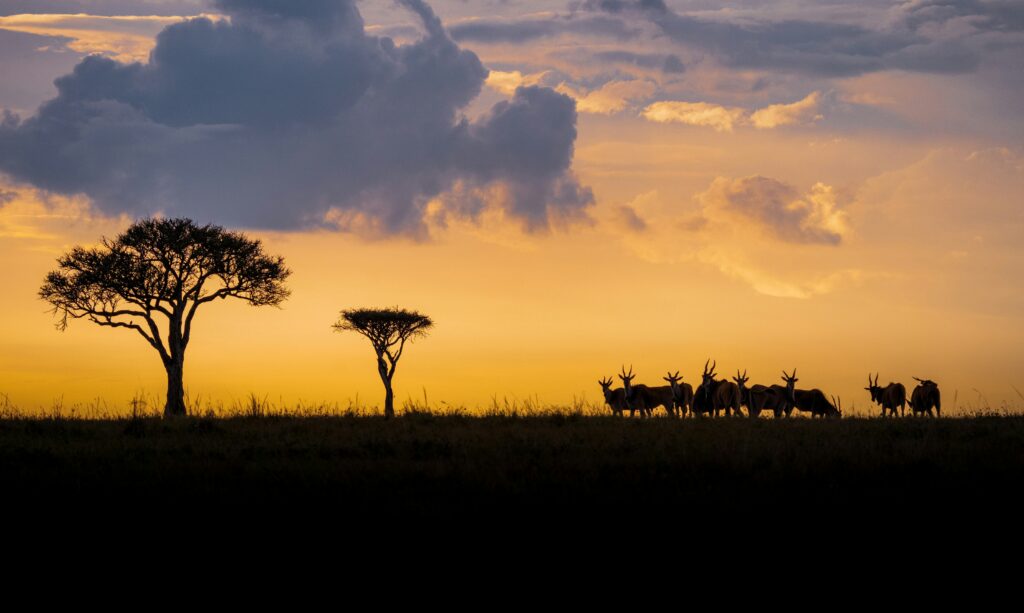
The light goes flat by eight in the morning. Everyone who has spent time behind a long lens on the savanna knows this. The golden window is the first forty minutes after sunrise, when the grass is backlit and every animal casts a shadow three times its length. It is unforgiving. Miss it and you have six hours of harsh equatorial midday ahead of you, waiting for the afternoon to soften things up again.
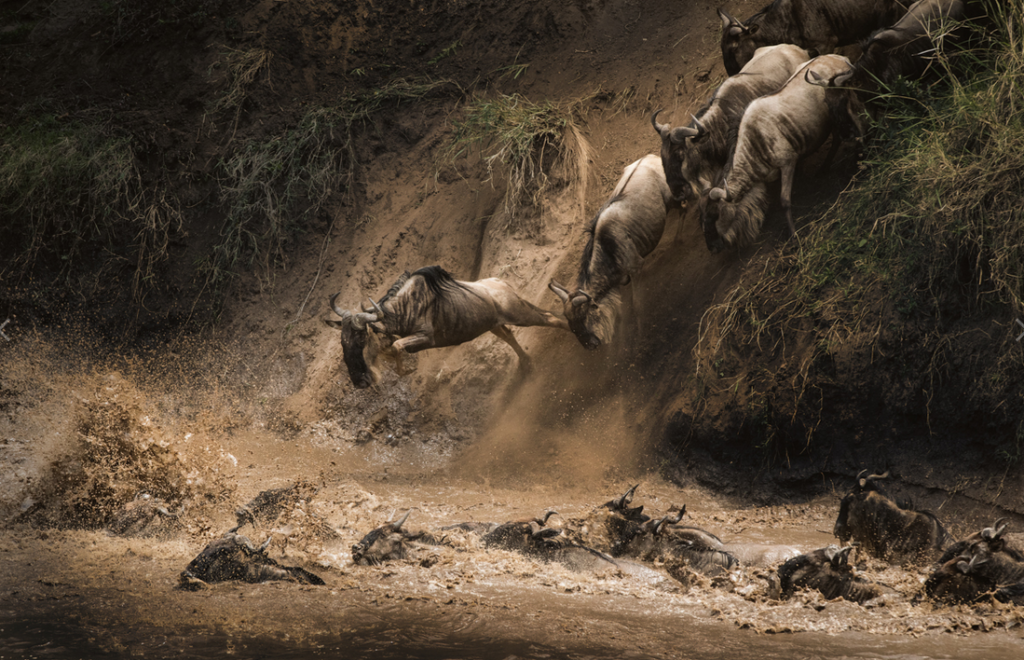
We were at Little Governors’ Camp in the Masai Mara on a September morning, parked at the Mara River thirty minutes before first light. Our guide had read the crossing patterns for two days. By 6:20 AM we had positioned the vehicle on the east bank, engine off, at the precise spot where a column of wildebeest was building on the far side. What happened over the next twenty minutes produced images that clients still print and frame years later.
That outcome was not luck. It was the product of a guide who tracks animal behaviour the way a chess player tracks tempo, a vehicle positioned for the light rather than the view and a schedule built around golden hours rather than breakfast service. That is the difference between a photographic safari and everything else.
This guide is for photographers. Serious beginners, enthusiastic amateurs and working professionals who want to understand what a photographic safari actually involves, where to go, how to prepare and how to get images that mean something.
| QUICK ANSWER | What is a photographic safari? A photographic safari is a specialized wildlife journey structured around image-making. It prioritizes golden-hour lighting, optimal vehicle angles, and animal behavior reads over quick sightings. Top destinations include Kenya’s Masai Mara and Amboseli alongside Tanzania’s Serengeti, with seven to ten days ideal for meaningful results. |
At a Glance:
- Best destinations: Masai Mara, Amboseli, Serengeti, Ol Pejeta Conservancy, Ngorongoro Crater
- Best months: July to October (Great Migration); January to February (calving season, Serengeti)
- Ideal duration: 7 to 10 days minimum for meaningful results
- Recommended lens: 500mm or 600mm prime; 100-400mm zoom as versatile workhorse
- Vehicle type: Modified open 4×4 with beanbags or roof hatch for stability
- Operator type: Small-group specialist or private custom operator
- Budget range: USD 500 to USD 1,500+ per person per day, all-inclusive
- Golden hours: 6:00 AM to 8:00 AM and 4:30 PM to 6:30 PM
What a Photographic Safari Actually Is
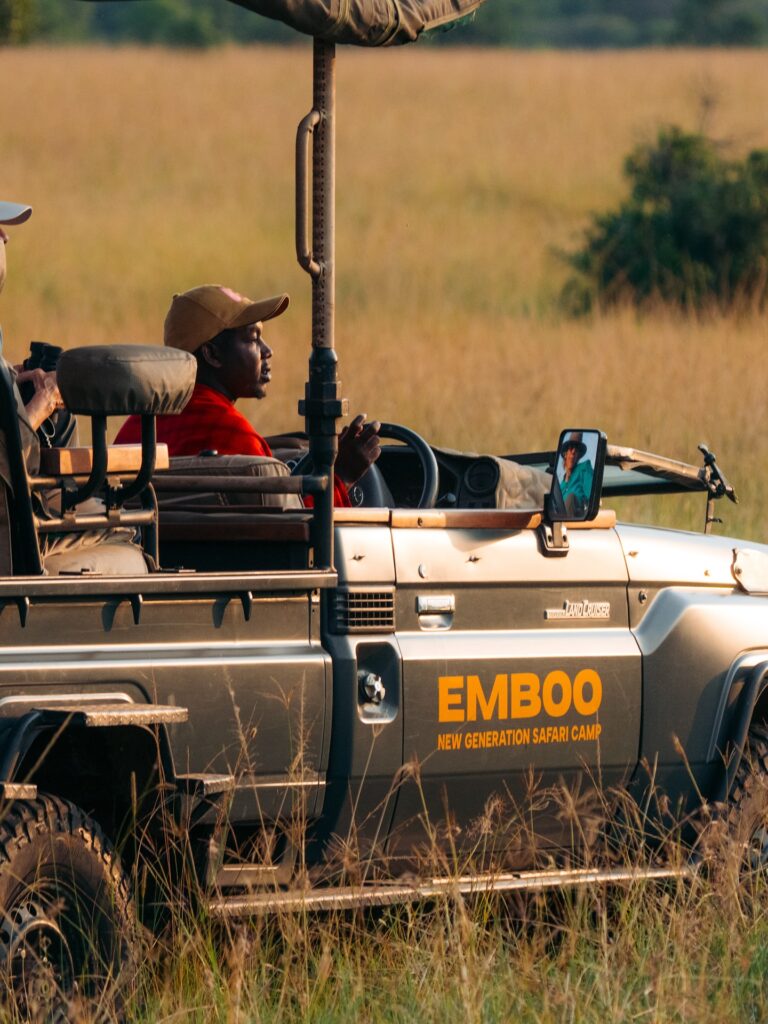
The term gets used loosely. Most safari operators will call any game drive with good wildlife viewing a photographic safari. That is marketing, not a program.
A genuine photographic safari is structured differently from the ground up. Game drives depart early enough to be in position before the sun clears the horizon. The vehicle stops are longer. Twenty minutes watching a pride of lions is standard rather than exceptional. Guides are briefed to anticipate behaviour rather than simply locate animals. And the itinerary is built around seasonal light and wildlife concentrations rather than a generic twelve-month schedule.
We plan photographic itineraries the same way a cinematographer plans a shoot. We look at where the light falls at what time of day, which landscapes provide backgrounds with depth and which conservancies give us vehicle positioning options that national parks do not. These are not abstract considerations. They determine whether a client comes home with wall art or holiday snapshots.
| “The camera does not decide the photograph. The guide does.” |
Private conservancies adjacent to the Masai Mara, including Mara North Conservancy, Olare Motorogi Conservancy and Naboisho Conservancy, allow off-road driving. That one factor changes everything. You can drive to the light. You can position for the background. You can approach from downwind. In the national reserve, you stay on the track and work with what you have.
Why Photographic Safaris Require a Different Approach
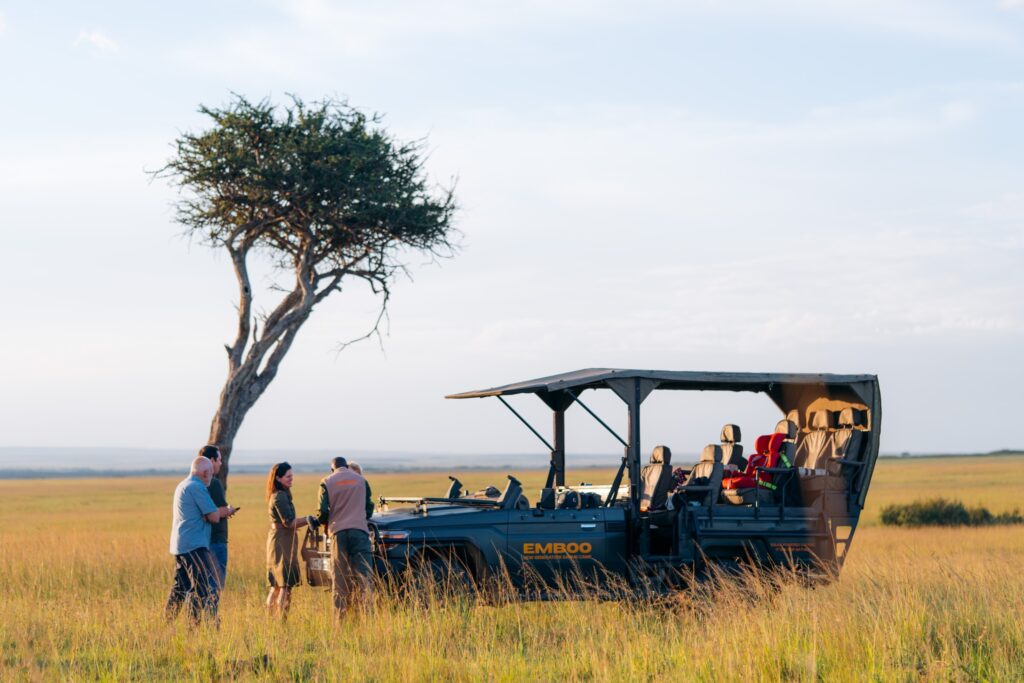
The fundamental tension on any safari is between coverage and depth. Standard itineraries optimize for coverage. You see many things. A photographic safari optimizes for depth. You spend more time with fewer subjects and leave with images that justify the effort.
There are specific operational requirements that distinguish photographic game drives from standard ones.
Vehicle setup
Open 4×4 vehicles are standard in Kenya and Tanzania. What matters additionally for photography is the presence of beanbags on the door frames and a roof hatch for prone shooting. Some specialist operators in the Mara run vehicles with swivel seats and adjustable roof hatches. We specify vehicle configuration when we book. It is a logistical detail that most clients would not think to ask about but that makes an immediate difference to image quality.
Group size
This is non-negotiable. Maximum four photographers per vehicle. Six people with camera bags in a Land Cruiser means someone is always blocked, someone is always asking the vehicle to move and the patience level drops proportionally with the headcount. Private vehicle hire is the standard for serious work.
Guide expertise
The guides who produce photographic results are a specific subset of the wider guiding community. They read animal micro-behaviour: the ear flick that precedes a charge, the belly position that tells you a cheetah is going to stalk rather than rest. They drive slowly and stop early. They do not announce kills on the radio network until their own clients have had twenty minutes of clean, uncrowded access. Finding guides with this mindset is something we have spent years doing.
Best Destinations for a Photographic Safari
The four primary photographic safari destinations each offer something distinct. Kenya and Tanzania account for the majority of serious photographic work in East Africa.
Masai Mara, Kenya
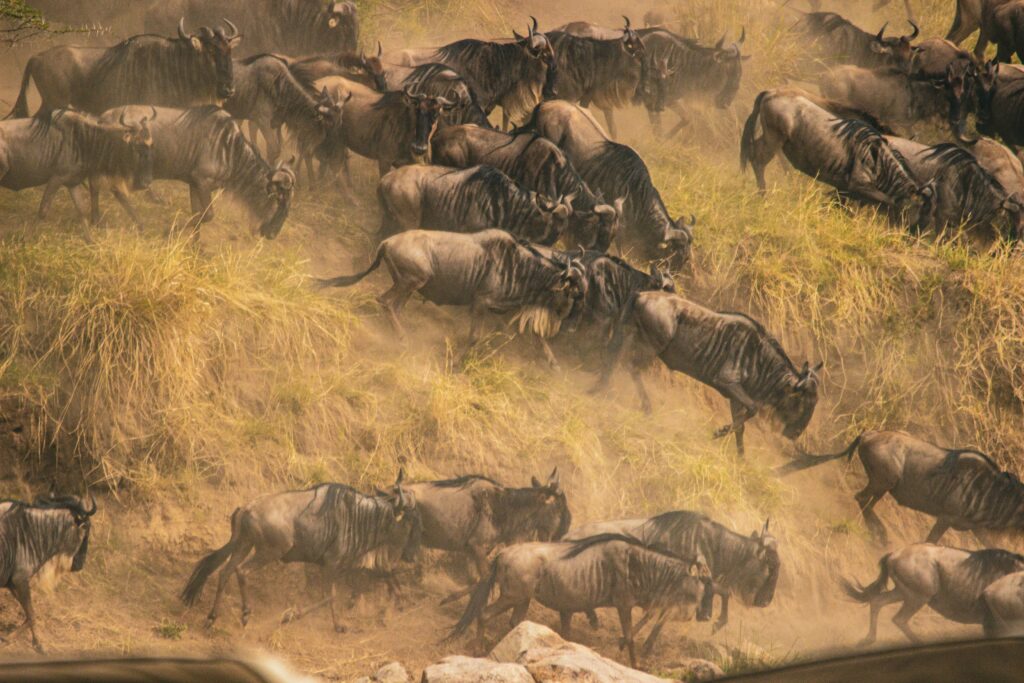
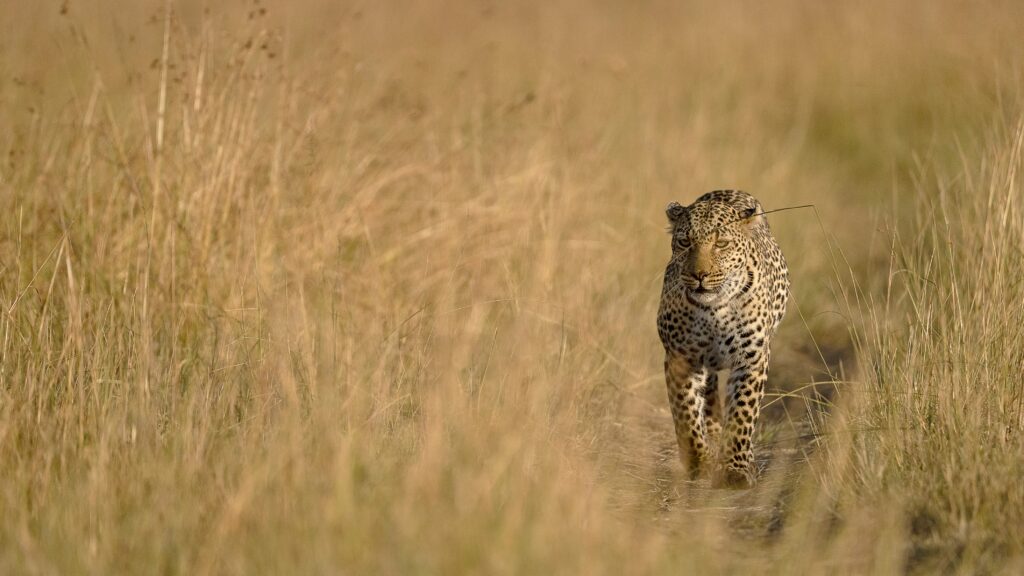
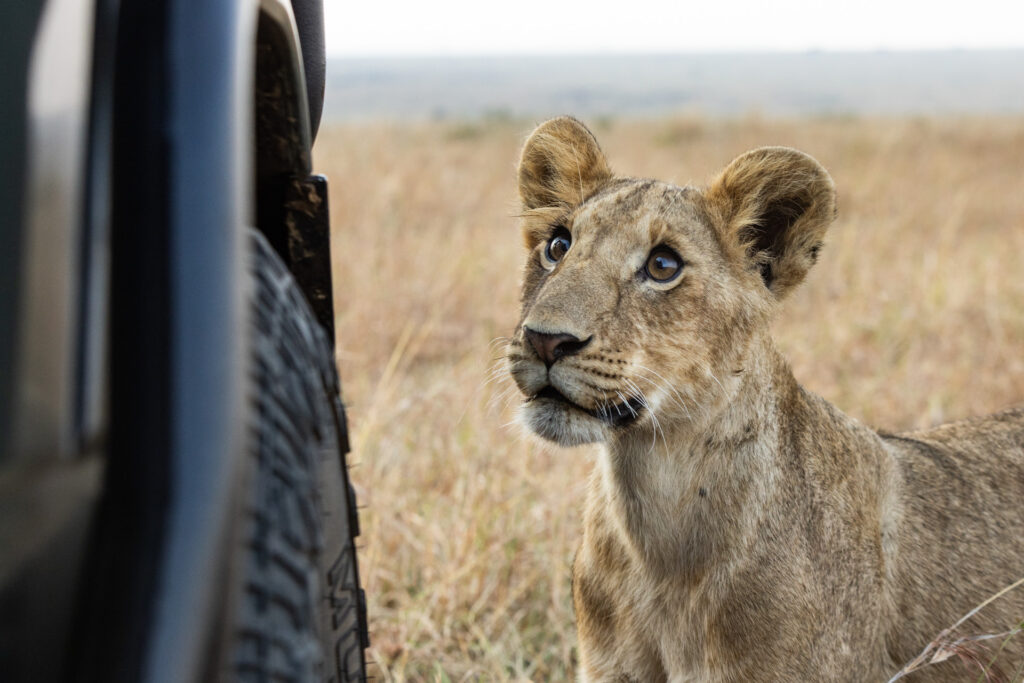
The Masai Mara is the most consistently productive photographic landscape in Africa. The wide open plains of the Musiara Marsh and the Mara Triangle give you unobstructed sight lines that closed woodland habitats cannot. Big cats are resident year-round. The wildebeest migration, which peaks between July and October with Mara River crossings, produces the most dramatic and widely reproduced wildlife images on the continent.
The private conservancies bordering the reserve, particularly Mara North and Olare Motorogi, add off-road access to an already exceptional destination. We base most of our photographic clients at camps within these conservancies for exactly that reason.
Best for: Big cats, wildebeest migration crossings, wide open compositions and golden-hour savanna light.
Amboseli National Park, Kenya
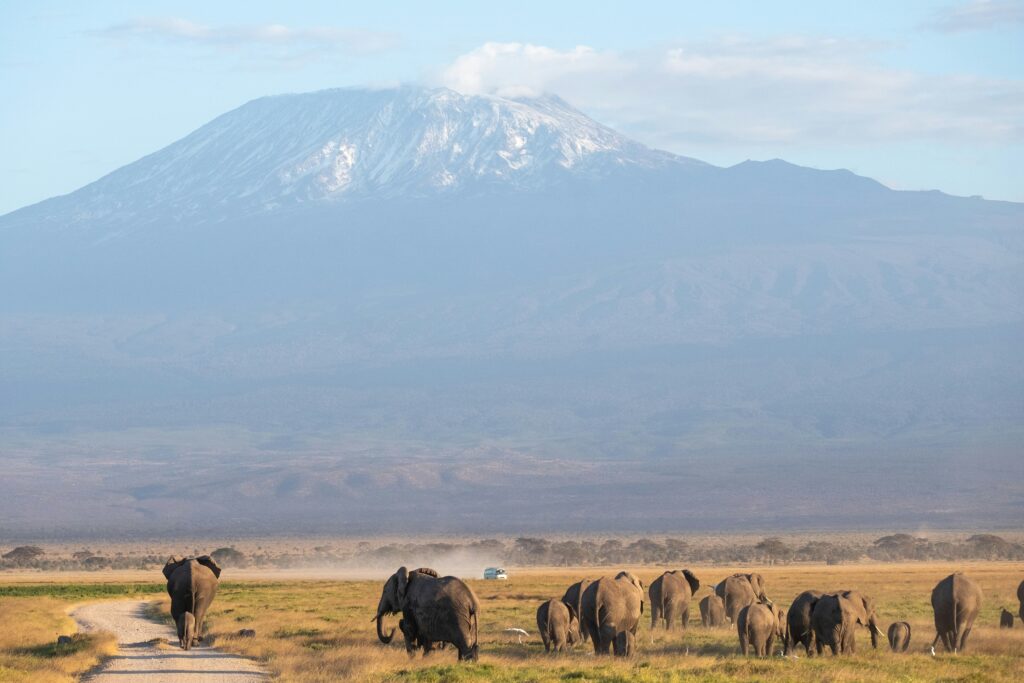
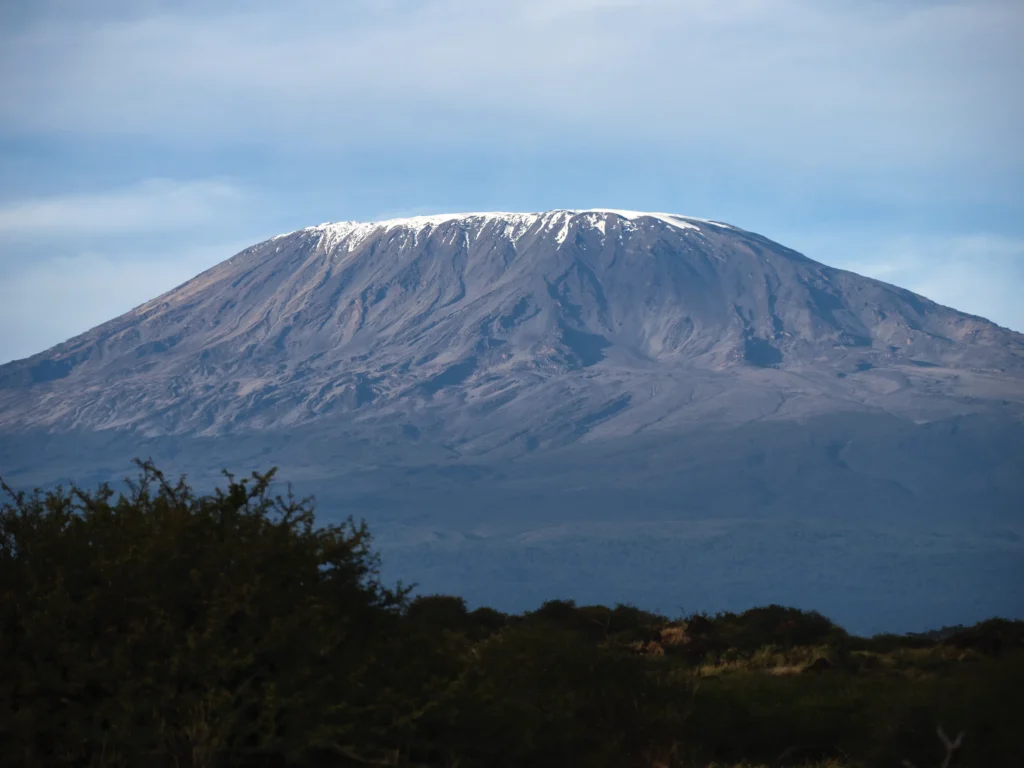
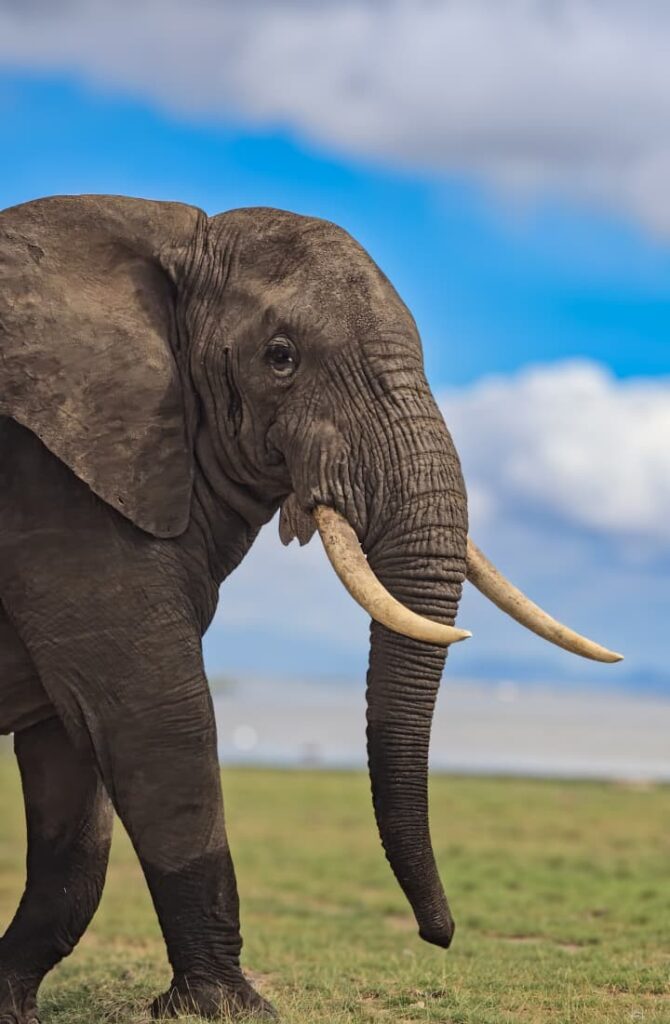
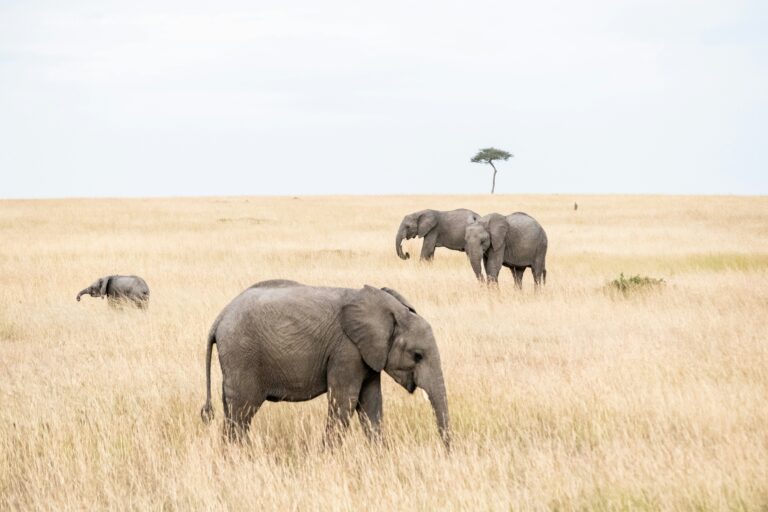
Amboseli is the elephant photographer’s destination of choice. The park hosts one of Africa’s best-studied elephant populations and the backdrop of snowcapped Mount Kilimanjaro provides a compositional element that is genuinely world-class. On a clear morning, typically before nine before the clouds build, you can frame a breeding herd of elephants against a snow-capped summit with nothing between you and the mountain but open floodplain.
The light in Amboseli is exceptional. The dust-filtered air at the edge of the Amboseli basin creates atmospheric haze that adds depth to images in a way that clear alpine air does not. This is not a consolation for the dust on your equipment. It is a genuine photographic asset.
Best for: Elephants, Kilimanjaro backdrop, flamingos at Lake Amboseli and wide landscape compositions.
Serengeti, Tanzania
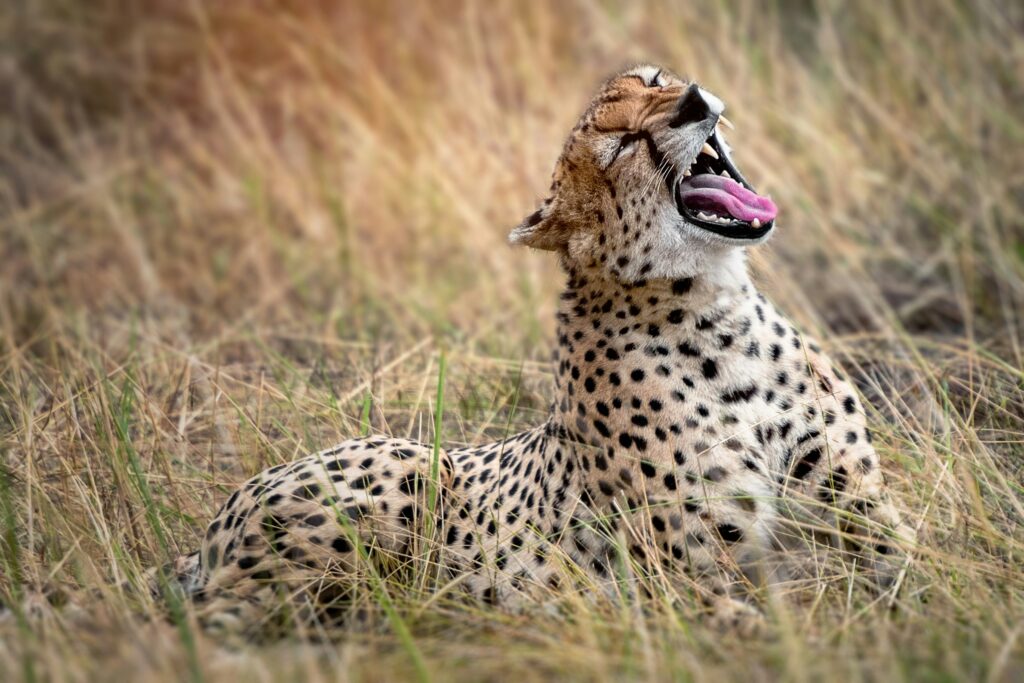
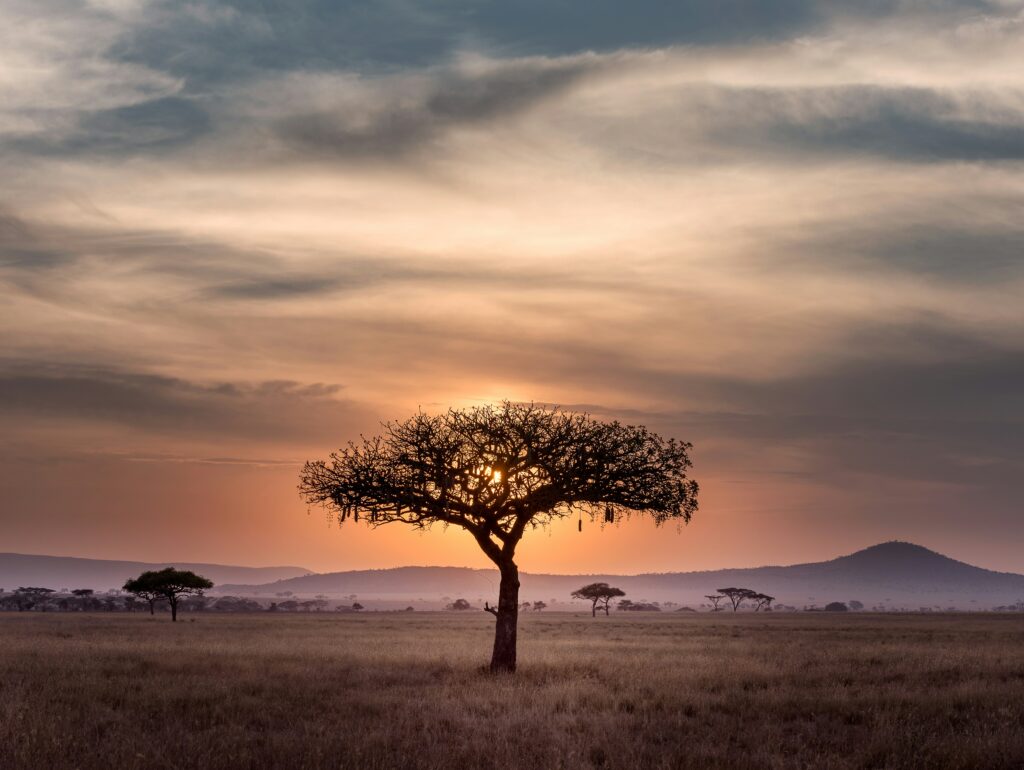
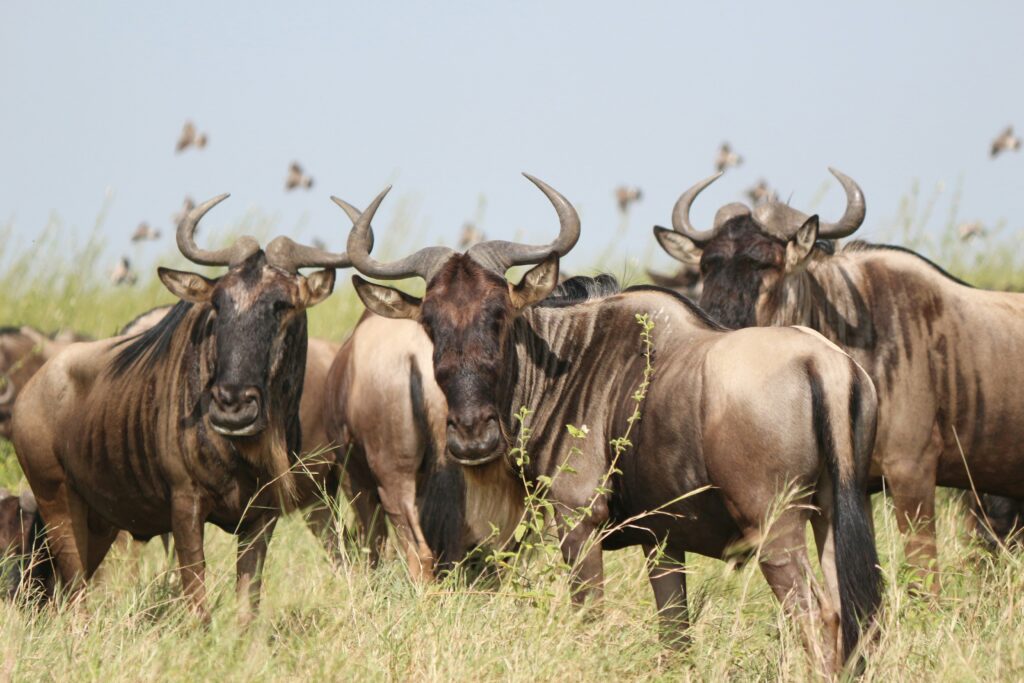
The Serengeti extends the logic of the Masai Mara across a vast and less trafficked landscape. The Central Serengeti, particularly around Seronera, has one of the highest leopard densities in Africa. The Northern Serengeti sees Mara River crossings from the Tanzanian side during October and November when the wildebeest move north. The Southern Serengeti, around Ndutu, produces the calving season between January and February, which is among the most intense photographic events in the natural world.
Best for: Leopard, calving season, northern river crossings and scale and wilderness atmosphere.
Ol Pejeta Conservancy, Kenya
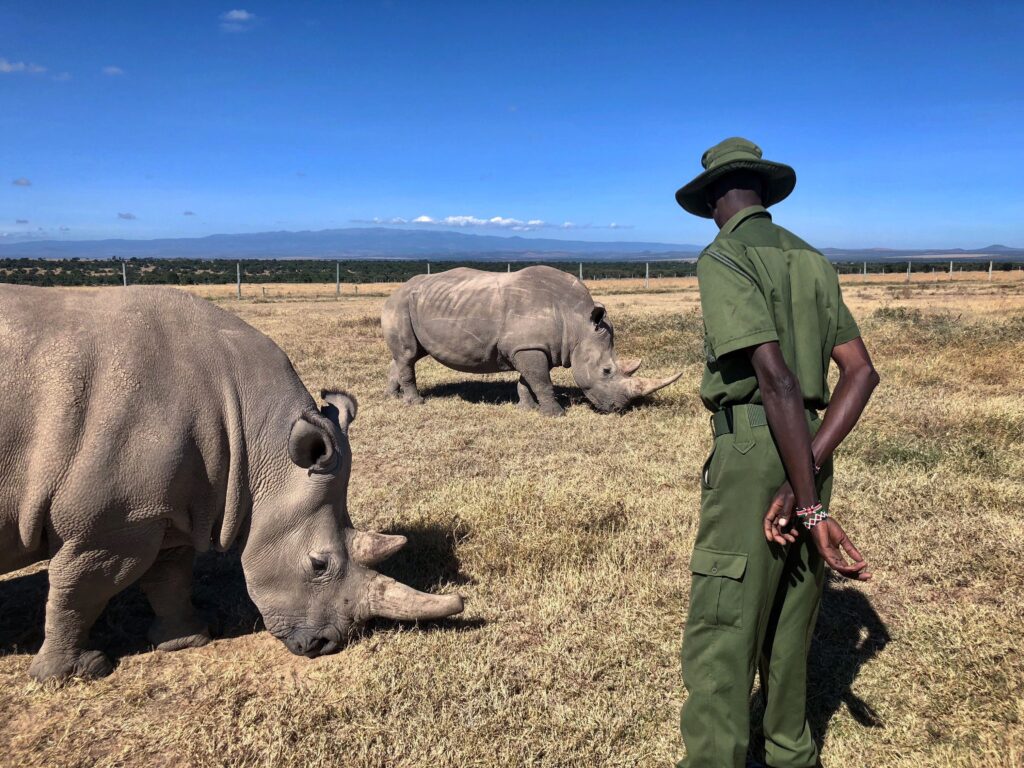
Ol Pejeta sits in the Laikipia Plateau and operates at a different register from the Mara. It is the largest black rhino sanctuary in East Africa and home to the last two northern white rhinos on the planet. For photographers who want rhino images without the crowds of South Africa’s Hluhluwe or Kruger, Ol Pejeta is the answer. The conservancy also holds chimpanzees, the only population in Kenya, which adds a completely different photographic dimension.
Best for: Rhino photography, Big 5 without mass tourism and Laikipia landscape character.
Best Time of Year for Wildlife Photography
Timing a photographic safari is not simply about finding wildlife. It is about aligning wildlife behaviour, light quality and landscape condition simultaneously.
July to October: Peak Season, East Africa
This is the photographic standard. The Masai Mara and Serengeti see the wildebeest migration moving through, river crossings are active and the short dry grass improves sight lines dramatically. The skies are typically clear and the light is clean. July and August are the peak months for Mara River crossings. September and October see the herds dispersing but predator action often intensifies as the stragglers are picked off.
January to February: Calving Season
The Southern Serengeti, specifically the Ndutu area, hosts the calving of approximately 500,000 wildebeest calves within a compressed six-week period. This is one of the most extraordinary events in nature and produces images of predator-prey interaction at a frequency that the rest of the year cannot match. Cheetah, lion, hyena and wild dog all concentrate here during this period.
The Green Season: November to June
The long rains and short rains bring a different aesthetic. The grass is tall, the light is moody and the landscape is transformed by wildflowers. Bird photography peaks in this period, as migratory species are present and resident birds are in breeding plumage. Fewer vehicles in the parks means private interactions. For photographers who want atmosphere over action, this is a serious option and the costs are meaningfully lower.
| “The green season is not a compromise. For some photographers, it is the target.” |
Essential Gear and Camera Settings for Safari Photography
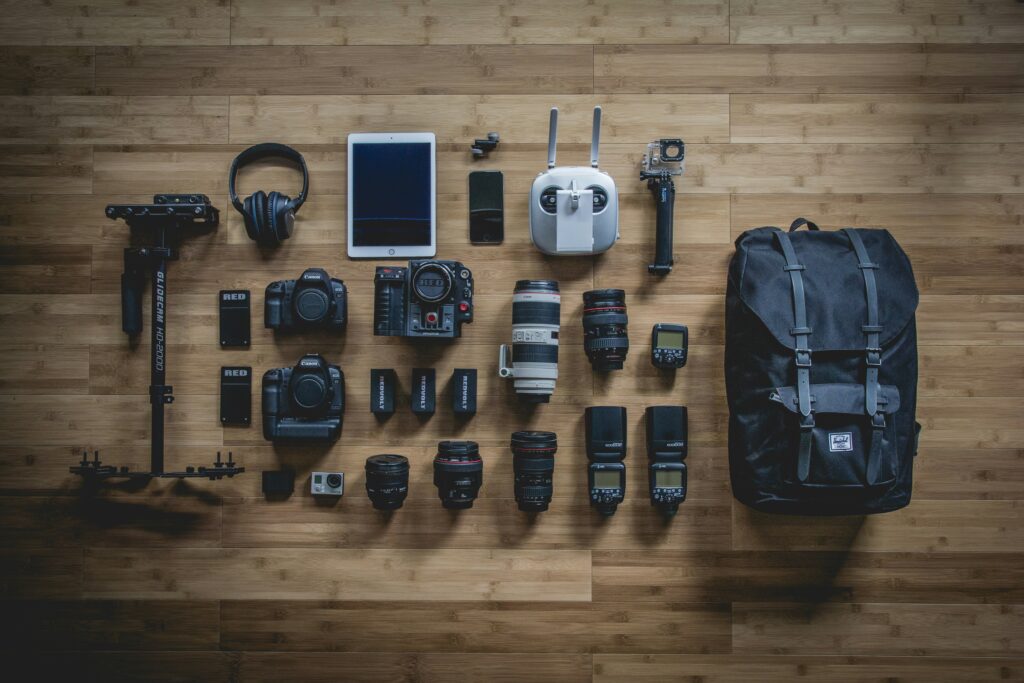
Lenses: the only gear decision that matters
Everything else in a camera bag is secondary to the lens. The focal length range you need on safari is 300mm to 600mm for wildlife and 24mm to 70mm for landscapes and camp documentation.
- 500mm or 600mm prime lens: the standard for working professionals. The Sony 600mm f/4 and Canon 600mm f/4L are the industry tools. Heavy, expensive and definitive.
- 100-400mm zoom: the versatile workhorse. The Canon RF 100-500mm and Sony 200-600mm are exceptional performers. Most of our clients arrive with these.
- Teleconverters: a 1.4x extender on a 500mm prime gives 700mm with manageable light loss. Worth carrying.
- Wide zoom: 24-70mm or 16-35mm for camp life, landscapes and the in-vehicle shots that tell the story of the trip.
Camera settings: the fast start framework
The most common mistake we see is photographers arriving with cameras set for studio or travel photography and spending the first morning reconfiguring. Set these before you land.
- Shutter speed: 1/1000s minimum for moving animals; 1/2000s for birds in flight or running predators.
- Aperture: f/5.6 to f/8 for most wildlife subjects. Open wide to f/4 for low-light dawn and dusk shooting.
- ISO: Auto ISO with a ceiling of 6400 on modern full-frame cameras. Push to 12800 in the first and last twenty minutes of the day.
- Autofocus: Subject tracking mode. Sony Eye AF, Canon Animal Detection AF and Nikon 3D tracking are all excellent and should be the primary AF mode throughout.
- Drive mode: High-speed continuous. Let the camera shoot and edit afterward.
- White balance: Auto. Correct in post. Do not waste mental bandwidth on WB in the field.
- Shoot RAW: Always. Without exception. The recovery latitude in a RAW file from an underexposed golden-hour image is the difference between a keeper and a delete.
What not to bring
Tripods are impractical in a moving vehicle. Monopods are marginally better but still awkward. Beanbags are the standard support system and the camps or your operator will supply them. Do not bring a tripod and expect to use it productively from a vehicle. It will spend the game drive strapped to the roof.
Hard-shell suitcases are rejected by bush aircraft. We tell clients this at the time of booking and again one week before travel. It still surprises people at Wilson Airport on departure morning. A soft-sided duffel of 15kg or under is the bush flight standard. Camera gear travels in a soft camera bag as carry-on.
How to Improve Your Wildlife Shots on Safari
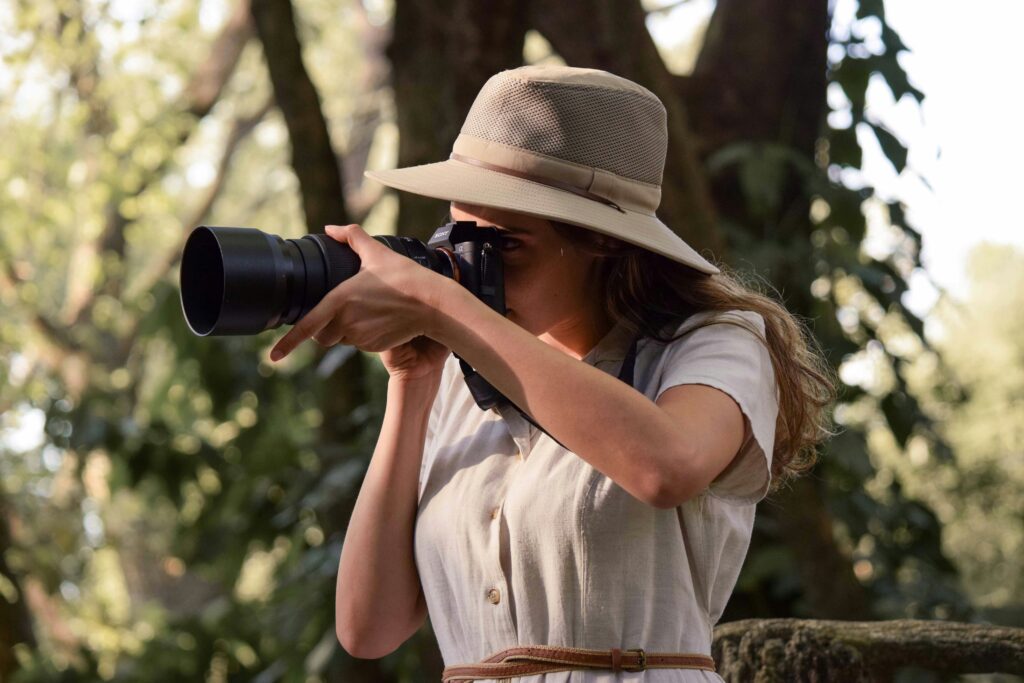
The technical controls are learnable in an afternoon. The harder skills take time. Here is where most photographers lose images they should have had.
Wait for the look
An animal that is walking away or eating with its head down is not a photograph. It is a subject. The moment that creates an image is when the animal looks up, turns toward you or shifts its posture into something meaningful. Your guide will know when this is imminent. Ask them to tell you. Do not shoot continuously and hope. Wait, then shoot.
Manage the background
The savanna offers extraordinary backgrounds and terrible ones within fifty metres of each other. A termite mound, another vehicle, a tourist lodge water tower: these kill images. Talk to your guide about backgrounds before positioning. It is a legitimate part of the conversation.
Shoot for the light, not the animal
This is the mental shift that separates experienced wildlife photographers from beginners. An impala in direct midday sun is a lesser image than a lion in side-lit golden-hour light. Chase the light first and let the wildlife fill the frame.
Use the vehicle as a hide
Animals in East Africa are largely habituated to vehicles. They are not habituated to humans on foot. Stay in the vehicle, move slowly and use the vehicle body as a visual screen. Animals will approach closer when you are hidden within the vehicle profile than when you are sitting upright against the sky.
| “An impala at golden hour beats a lion at noon. Always.” |
Choosing the Right Operator, Camp and Guide
The photographic safari industry is not well regulated in terms of claims. Any operator with an open vehicle can call their game drives photographic. Evaluating the substance behind the label requires specific questions.
Questions to ask any operator
- What is the maximum vehicle occupancy on photographic drives?
- Can the vehicle go off-road? In which areas?
- How do guides handle multiple vehicles at a sighting?
- Are game drives timed to golden hours?
- Can I book a private vehicle and at what additional cost?
- Which conservancies give the best access?
The answers to these questions are diagnostic. A photographic operator will answer them immediately and specifically. A standard operator will give vague reassurances about experienced guides and good wildlife.
Camps to consider
In the Masai Mara, camps within the private conservancies, including Cottar’s 1920s Camp in Olderkesi, Mahali Mzuri in Mara North and Angama Mara above the Oloololo Escarpment, all provide access quality that the reserve boundary camps cannot match. In the Serengeti, camps in the Ndutu area during calving season and Kogatende in the north during October crossings are the photographic targets.
We work with a specific selection of camps based on guide quality, vehicle configuration and conservancy access. It is a curated shortlist built from direct experience, not catalogue listings.
Cost of a Photographic Safari
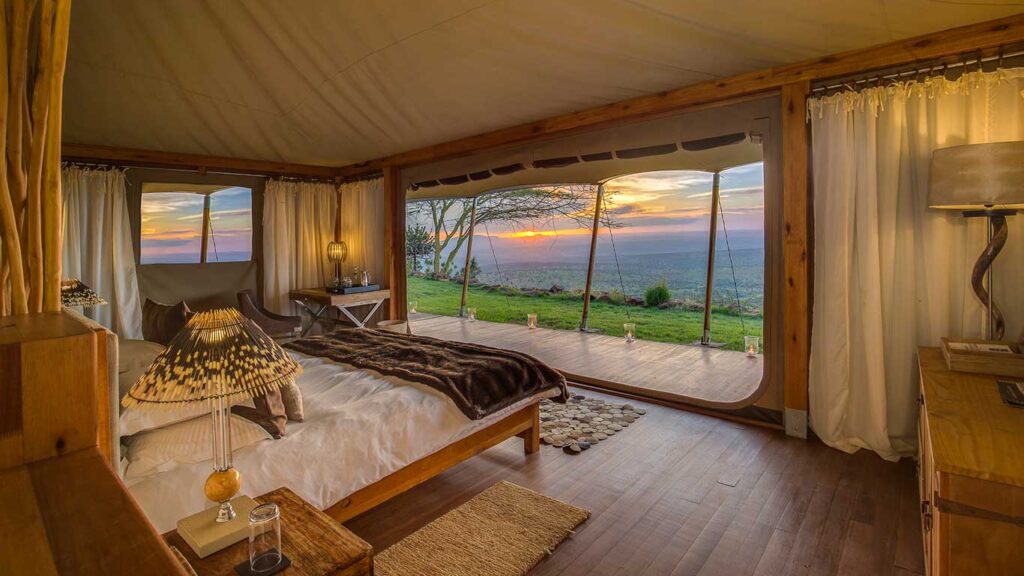
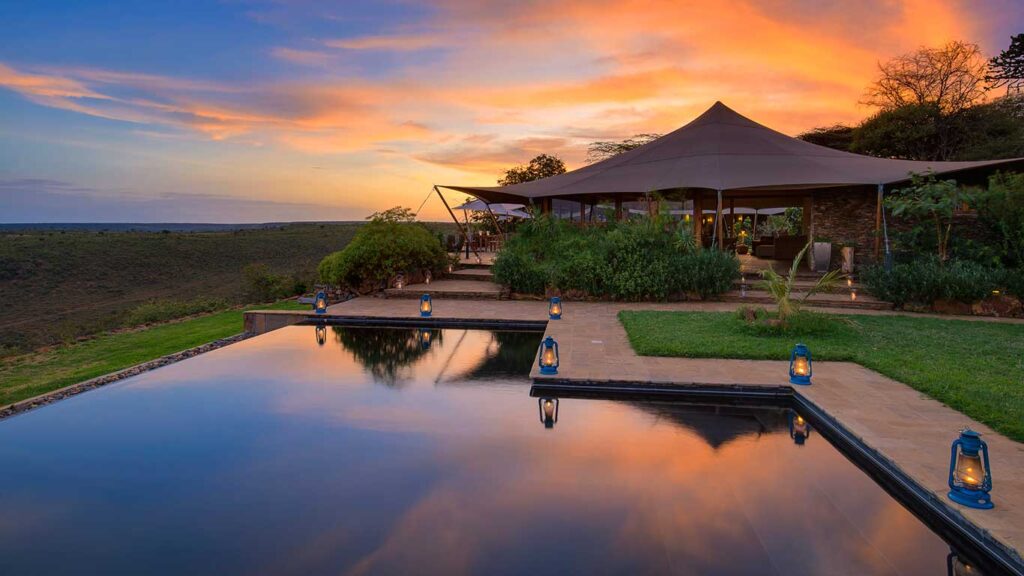
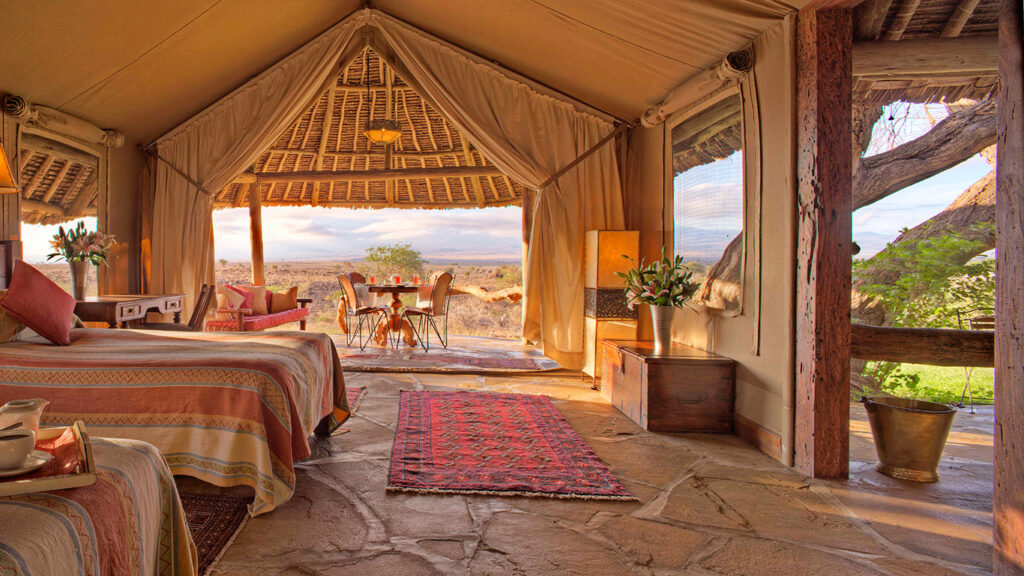
Photographic safaris sit at the premium end of the safari market. This is not arbitrary. The private vehicle access, conservancy fees, small-group ratios and specialist guide costs are real expenses that flow through to the per-night rate.
Budget ranges by category:
- Mid-range photographic safari: USD 500 to USD 700 per person per day. Shared vehicles, quality camps and conservancy access.
- Luxury photographic safari: USD 800 to USD 1,200 per person per day. Private vehicles, top-tier camps and dedicated photographic guiding.
- Ultra-luxury or private expeditions: USD 1,500 and above per person per day. Exclusive camp use, private aircraft and bespoke scheduling.
For a seven-day Kenya photographic safari combining the Masai Mara and Amboseli, budget USD 4,500 to USD 8,000 per person all-inclusive of internal flights, accommodation, meals, park and conservancy fees and guiding. International flights are additional.
The private vehicle upgrade, typically USD 100 to USD 300 per day above shared rates, is the single most impactful spend available. We recommend it unconditionally for photographers who are serious about their results.
Common Mistakes to Avoid on a Photographic Safari
- Arriving without camera settings pre-configured. You will lose the first morning to logistics.
- Bringing a hard-shell suitcase. Bush aircraft will reject it. Soft duffel only.
- Shooting at all distances. Set a discipline of waiting for the subject to fill the frame before pressing the shutter.
- Ignoring the background. A perfect subject in front of an ugly background is not a keeper.
- Over-relying on a single lens. Bring your wide zoom. The camp, the drive and the guide are part of the story.
- Skipping the green season on budget grounds alone. The images are different, not lesser, and the rate savings are significant.
- Booking on group size assumptions. Always ask specifically how many photographers share a vehicle. Four is workable. Six is not.
- Waiting for perfect conditions before shooting. The light is always changing. Shoot continuously in the windows and edit ruthlessly afterward.
Frequently Asked Questions
What is a photographic safari?
A photographic safari is a wildlife journey structured specifically around image-making. Game drives are timed to golden-hour light, vehicles are positioned for compositional angles rather than simple proximity and guides prioritize animal behaviour reads over high-volume sightings. It is a fundamentally different operational model from a standard game drive.
Which country is best for a photographic safari?
Kenya is the leading destination for most photographic safari clients. The Masai Mara’s open plains, consistently high big cat sightings and accessible private conservancies with off-road permission make it the most productive single destination. Tanzania’s Serengeti is the right choice for calving season work and leopard photography. Both countries combined in one itinerary is the most comprehensive option.
What is the best month for a photographic safari?
July to October is the peak window for the Masai Mara and Serengeti. Wildebeest migration crossings are active, predator density is high and the dry-season grass improves sight lines. January and February in the Southern Serengeti around Ndutu is the calving season peak and arguably the most intense photographic event in East Africa.
What lens is best for safari photography?
A 100-400mm or 200-600mm zoom is the practical choice for most photographers. It covers the majority of wildlife distances from a vehicle and is manageable in size and weight. Professionals working at the highest level bring 500mm or 600mm prime lenses. A wide zoom in the 24-70mm range is essential for camp life and landscapes.
Do I need a tripod on a photographic safari?
No. Tripods are impractical in a safari vehicle. Beanbags placed on the window frame or roof hatch are the standard support system. They conform to any surface, absorb vibration and allow rapid repositioning. Your operator or camp will supply them. Leave the tripod at home.
How do I photograph animals from a safari vehicle?
Use the vehicle body as a hide. Stay low and still within the vehicle profile. Mount your camera on a beanbag on the door frame for stability. Set autofocus to subject-tracking mode. Wait for the animal to present, eyes forward and posture engaged, before shooting. Patience in positioning produces more keepers than volume shooting.
Are photographic safaris worth the cost?
Yes, with the right operator and itinerary. The premium you pay over a standard safari goes directly into private vehicle access, smaller group sizes and guides with the specific skills that produce photographic results. Clients who compromise on vehicle occupancy or guide quality generally come back dissatisfied. The upgrade cost is the insurance policy.
Can beginners go on a photographic safari?
Absolutely. A well-run photographic safari is as valuable for a beginner with a mirrorless camera and a kit lens as it is for a professional with prime glass. The guide handles positioning and timing. The photographer’s job is to understand their own equipment, have camera settings ready before the vehicle stops and be willing to follow the guide’s direction on patience and placement.
What should I pack for a photographic safari?
Camera body with a second body as backup. Long zoom lens in the 200-600mm range. Wide zoom in the 24-70mm range. Memory cards in far greater quantities than you expect to need. Portable hard drives for nightly backup. Sensor cleaning kit. Lens cloths. Neutral density filter for video. Soft-sided duffel for luggage. Layers for cold early-morning drives. Neutral colours throughout: khaki, olive and grey. No white.
How long should a photographic safari be?
Seven days is the working minimum for serious photographic results. Ten days allows for a multi-destination itinerary combining the Masai Mara and Amboseli in Kenya, or extending into Tanzania for Serengeti and Ngorongoro Crater access. Shorter than seven days and you are spending too much time in transit and too little time with subjects.
Plan Your Photographic Safari with Afrikan Accent Adventures
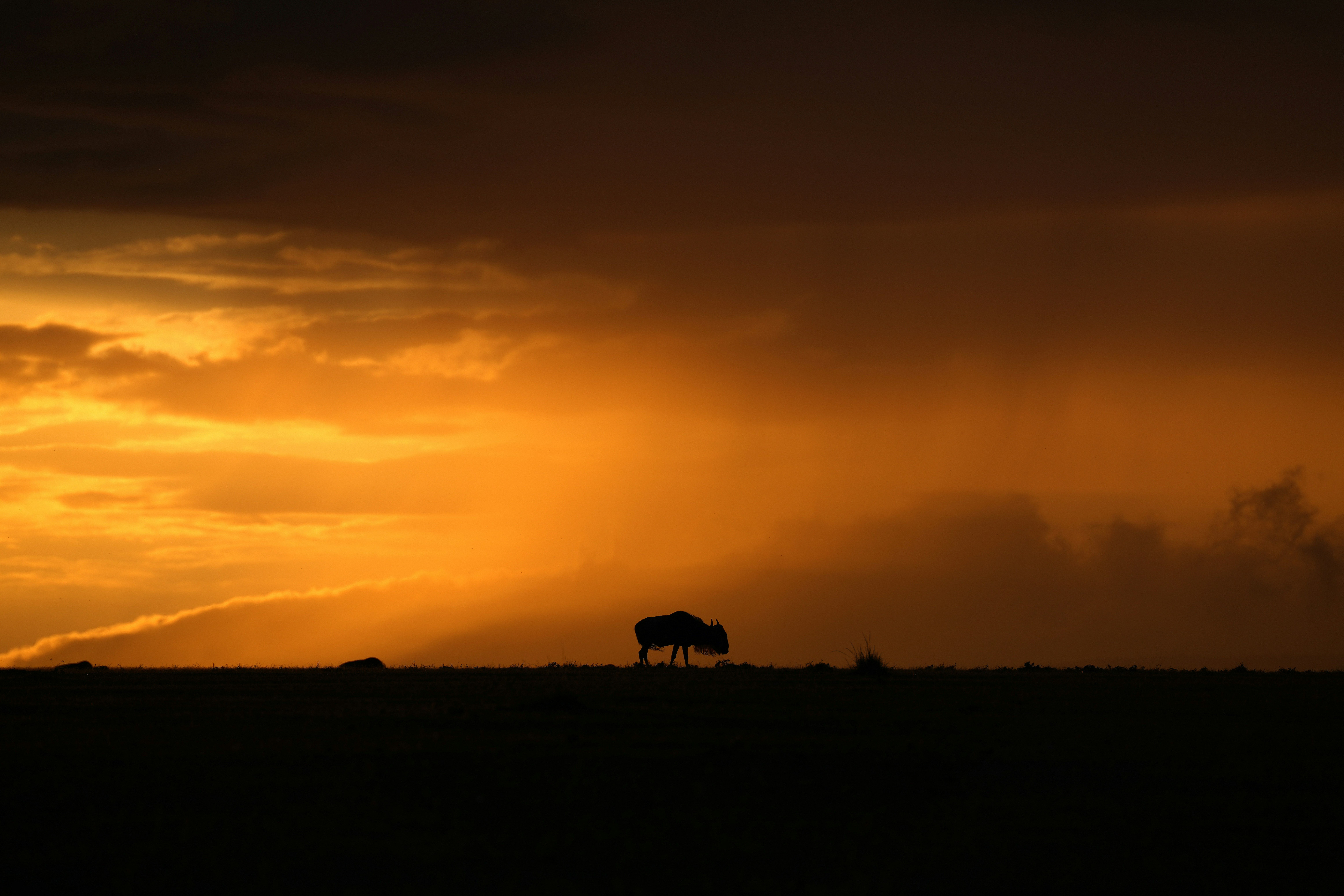
Everything in this guide, the conservancy selection, the guide quality, the vehicle configuration and the golden-hour discipline, is what we build into every photographic itinerary we put together. We are a Nairobi-based, Kenya-run safari operator established in 2015. We have been doing this from within East Africa, not from a booking platform in London or Cape Town.
We know the Masai Mara conservancies that give the best off-road access in September. We know which Amboseli guides read elephant behaviour with the depth that produces images rather than sightings. We know which Serengeti camps are positioned correctly for the calving season and which ones are positioned for the lodge brochure.
A photographic safari is not a product you book off a shelf. It is an itinerary built around your experience level, your equipment and what you are trying to produce. That conversation starts with a brief from you and ends with a program designed specifically around your photographic ambitions.
Come and take the photographs you have been carrying around in your head.
Let's plan your East African safari
Tell us when you'd love to travel and a local specialist will craft a tailor-made route around you.