

Kenya or Tanzania for Safari? Here’s the Honest Answer from People Who Run Both
Two extraordinary countries. One seat in the vehicle. This is what we tell our clients when they ask us to choose.
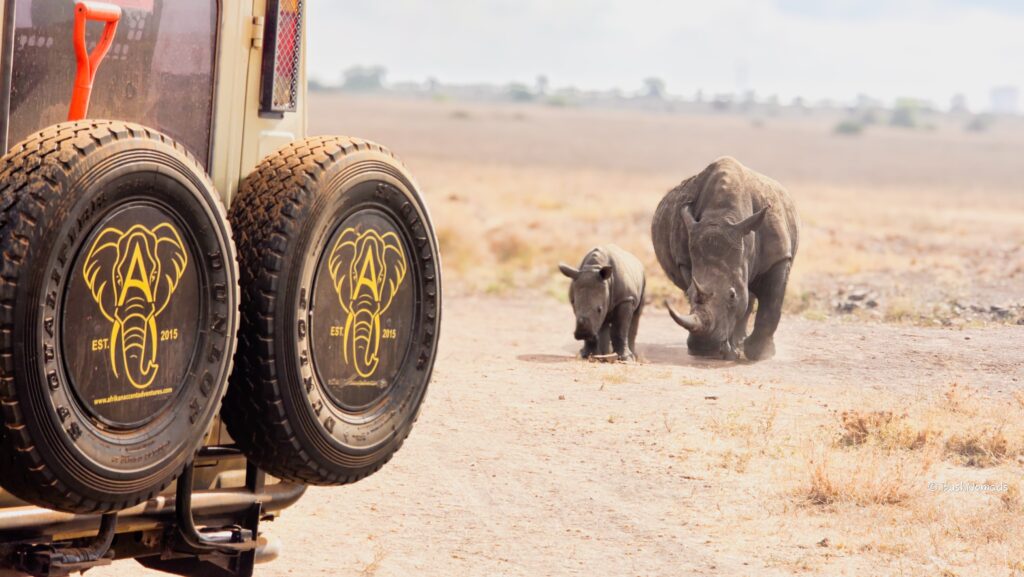
The question comes in almost every week. Sometimes it’s a first-time safari traveller who has read a magazine article putting the Serengeti and the Maasai Mara side by side. Sometimes it’s a returning client who did Kenya five years ago and is wondering whether they should cross the border. Either way, they want the same thing: a straight answer from someone who actually knows.
We know both. We’ve sat in game vehicles in the Serengeti at sunrise and we’ve done the same in the Masai Mara. We’ve been to the Ngorongoro Crater on a busy Saturday and we’ve had it nearly to ourselves on a Tuesday in March. We’ve watched the wildebeest cross the Mara River from the Kenyan bank and from the Tanzanian side. The landscapes are not the same. The logistics are not the same. The experience is not the same.
This article isn’t a balanced overview written to avoid taking sides. We’re going to tell you what we actually think, based on what our clients consistently report back and what we’ve seen ourselves. Kenya is our home. We say that upfront. But we’re not telling you Tanzania isn’t worth it. We’re telling you which destination fits which traveller and why.
The answer depends on three things: how much time you have, what your budget is and what you most want to see. Get those three things right and the decision almost makes itself.
QUICK ANSWER | Is Kenya or Tanzania Better for Safari?
Neither Kenya nor Tanzania is objectively better; your ideal safari depends on budget, timeframe, and goals. Kenya offers faster access, lower costs, and higher big cat density in the Masai Mara. Tanzania features the vast Serengeti, Ngorongoro Crater, and rewards longer itineraries with a larger budget.
AT A GLANCE
- Kenya flagship reserve: Masai Mara National Reserve (1,510 km² reserve + surrounding conservancies)
- Tanzania flagship reserves: Serengeti National Park (14,763 km²) and Ngorongoro Crater (260 km² crater floor)
- Kenya access: Nairobi (Wilson Airport) to Maasai Mara: 45-minute charter flight or 5 to 6 hours by road
- Tanzania access: Kilimanjaro or Arusha to Serengeti: 1.5 to 2-hour charter flight; Ngorongoro: 3 hours by road from Arusha
- Kenya conservancy fees (private): Typical range $100 to $150 per person per night, charged separately to park fees
- Tanzania conservation fees: Serengeti: $82 per adult per day. Ngorongoro: $250 per vehicle plus $70.40 per person per day
- Wildebeest migration presence: Kenya (Mara crossing): July to October. Tanzania (calving): January and February. Tanzania (main Serengeti herds): year-round but concentrated May to July
- Operator entity: Afrikan Accent Adventures, Nairobi-based Kenya-run safari company booking both Kenya and Tanzania itineraries
What Each Country Does That the Other Can’t
Start here. Not with what they share. With what each destination does that is genuinely irreplaceable.
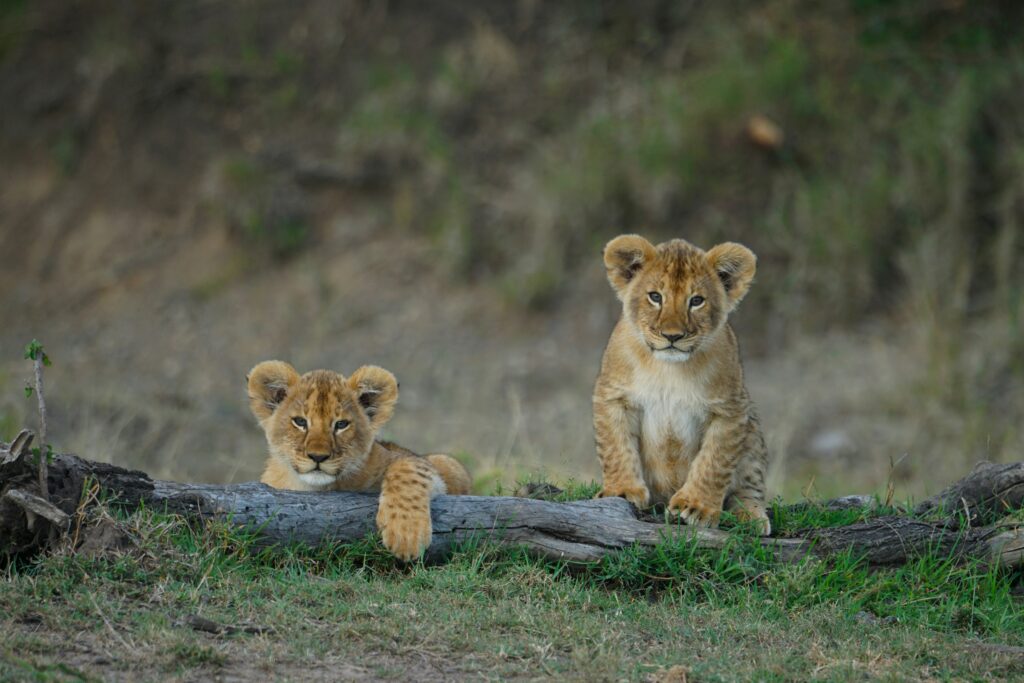
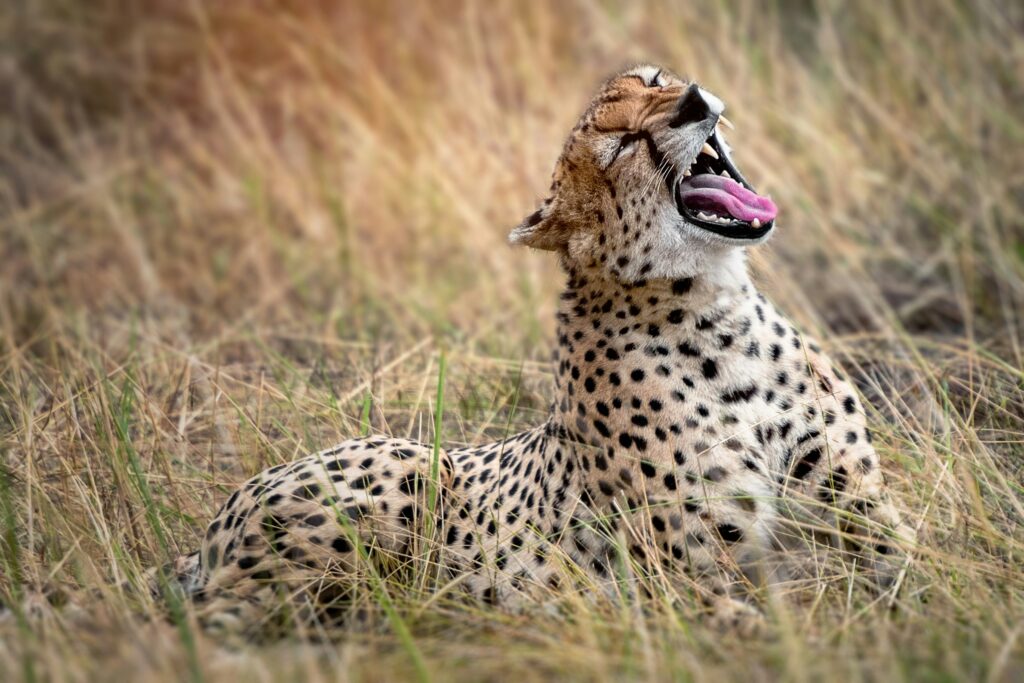
Kenya does big cats better than anywhere on earth. The Masai Mara and its surrounding private conservancies carry lion prides that we’ve seen nowhere else in Africa in terms of accessibility. You’re in an open vehicle, 10 metres from a pride of 14 lions on a kill, no other vehicles present because you’re in a private conservancy rather than the national reserve. The Mara also holds the highest density of cheetah we’ve encountered anywhere. If big cats are the priority, Kenya wins without argument.
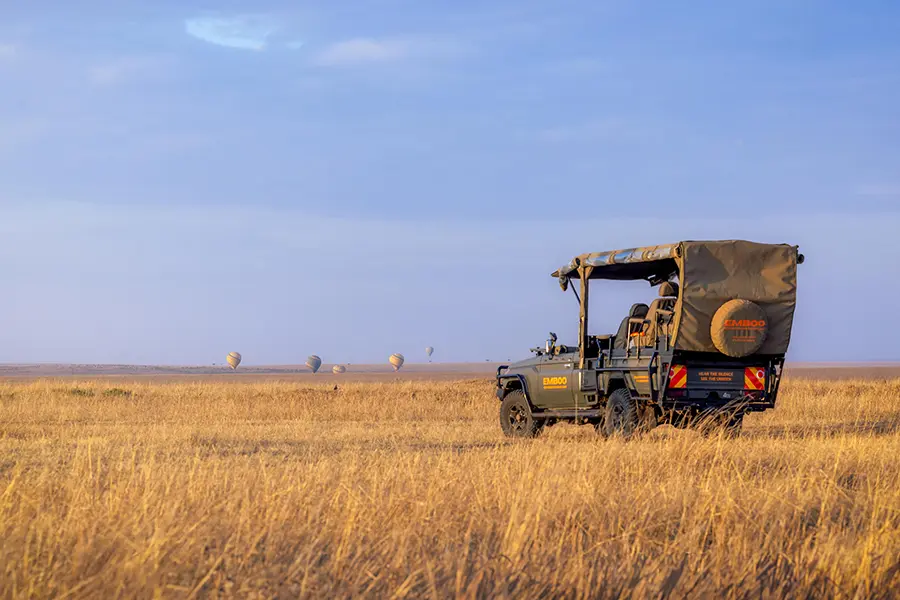
The private conservancy model is Kenya’s structural advantage. Operators like Ol Seki Hemingways Mara, Mahali Mzuri and Mara Naboisho Camp operate in conservancies that sit adjacent to or around the Masai Mara National Reserve. These areas impose strict vehicle limits and allow off-road driving and night drives. Tanzania’s national parks do not permit this. In the Serengeti, you stay on designated roads and the park gates close at 7pm.
Tanzania’s structural advantage is scale. The Serengeti is almost ten times larger than the Masai Mara National Reserve. In the central Seronera area during peak season it can feel crowded. But in the northern Lobo region, or the southern Ndutu plains during calving season, you can drive for hours and feel like you have the entire ecosystem to yourself. That sense of true wilderness scale is harder to find in Kenya.
Ngorongoro stands alone. It’s a collapsed volcanic caldera, 260 km² on the crater floor and it holds a self-contained ecosystem that operates entirely within its rim. We’ve been inside it with clients who have done 15 safaris across six countries. All of them called it one of the most extraordinary places they’ve ever been. Nothing in Kenya quite matches it.
If big cats are the priority, Kenya wins without argument. If you want the kind of wilderness scale that makes you feel genuinely small, Tanzania provides something Kenya can’t.
The Migration: Which Side of the Border is Worth It?
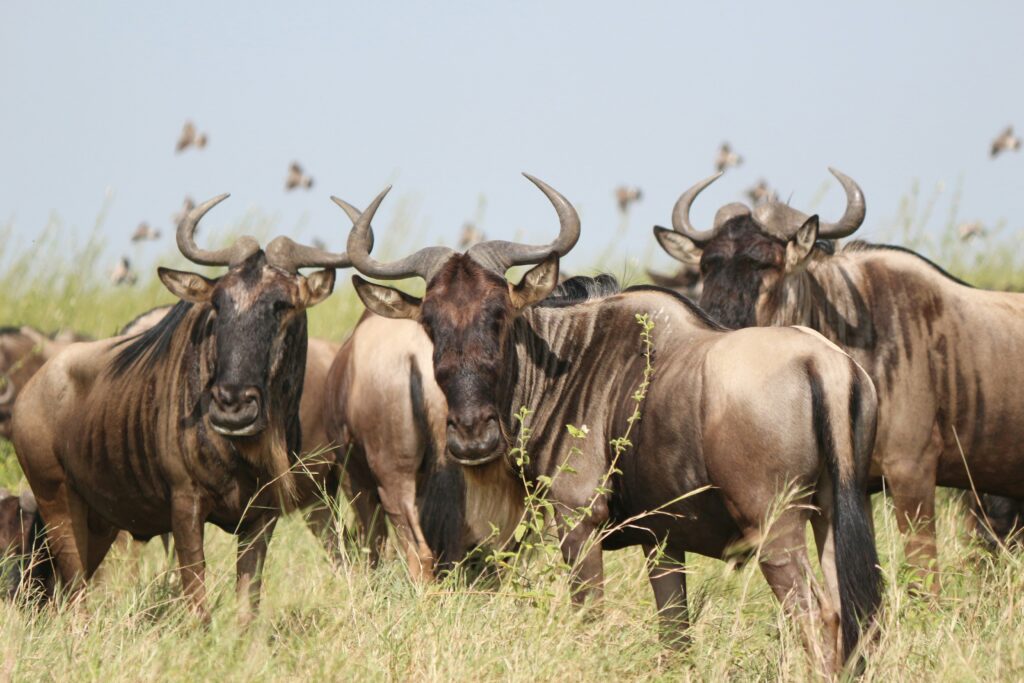
Both countries offer the wildebeest migration. This needs clarification because a lot of marketing material implies you only see the migration in one place.
The migration is a continuous year-round cycle of roughly 1.5 million wildebeest (plus zebra and gazelle) moving through an 1,800 km circuit between Kenya and Tanzania. There is no single event you either see or miss. There are different phases and each phase happens in a different location at a different time of year.
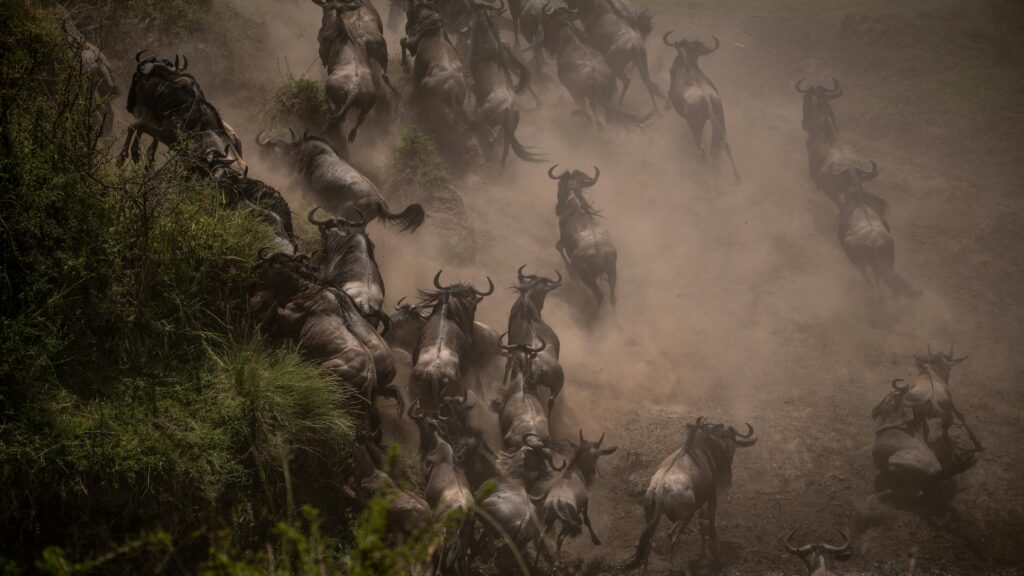
The Mara River crossings happen between July and October, with August and September typically delivering the most consistent crossing activity. This is when the herds push north from Tanzania into the Masai Mara. The crossings are dramatic. Crocodiles, chaos, hundreds of wildebeest throwing themselves into fast water. They happen multiple times per day or sometimes not at all for four days. That unpredictability is part of what makes them extraordinary. You need a minimum of three nights in the Mara during this window to give yourself a reasonable chance of seeing a major crossing.
The calving season, which runs from late January through February, happens in the Ndutu area of the southern Serengeti. This is Tanzania’s exclusive window. Hundreds of thousands of wildebeest calves are born in a matter of weeks. Predator action is intense because prey is abundant and slow. It’s a different experience to the river crossings but equally compelling if you’ve already seen the Mara.
Our general advice: if you’re doing one safari and you want the migration, go to Kenya in August or September and position yourself in the Mara. If you’re returning or extending, add Tanzania in late January for calving. Don’t expect Tanzania to deliver the crossings and don’t expect Kenya to deliver the calving. They’re different phases of the same event.
Cost: The Honest Comparison
Tanzania is more expensive. This isn’t opinion. It’s the structure of the fee systems.
Ngorongoro’s 2026 conservation fees are $250 per vehicle plus $70.40 per person per day. If you’re a couple in a private vehicle, that’s $390.40 per day before your camp costs. The Serengeti charges $82 per person per day for park entry. These fees are payable in addition to your accommodation.
Kenya’s Masai Mara National Reserve charges $200 per person per day during peak season. Private conservancy fees range from $100 to $150 per person per night on top of that. The conservancy fees, however, are typically included in your camp rate rather than charged separately. When you’re comparing like for like, Kenya tends to come in 20 to 35 percent cheaper than an equivalent Tanzania circuit for a couple on a seven-night trip.
The flight access cost also differs. From Nairobi’s Wilson Airport, charter flights to the Masai Mara run approximately $250 to $350 per person one-way on Safari Link or Mara Air. Charter access into the Serengeti from Kilimanjaro or Arusha typically costs $400 to $600 per person one-way depending on the landing strip and the operator.
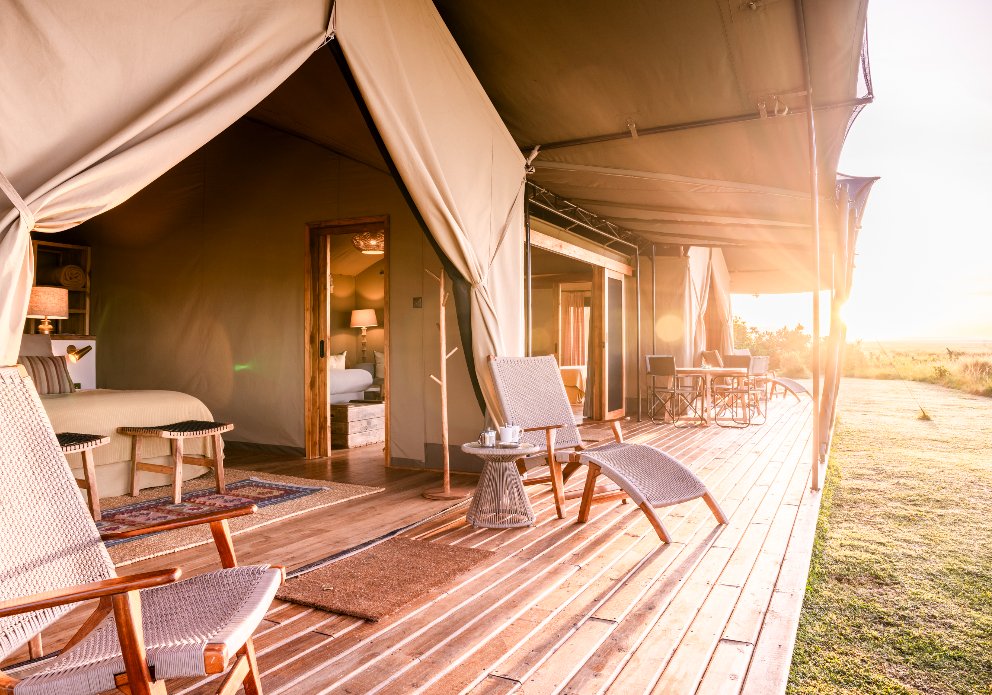
For mid-range budgets of $800 to $1,200 per person per night all-inclusive, Kenya gives you access to excellent private conservancy camps with all the structural advantages described above. In Tanzania at that budget, you’re looking at good mid-range properties in high-traffic park areas rather than private concessions. The premium Tanzania experience tends to require $1,500 or more per person per night to genuinely escape the crowds.
For mid-range budgets, Kenya consistently delivers better value. The conservancy model gives you access to exclusive traversing rights and night drives that Tanzania’s national park system simply doesn’t permit.
The Logistics Question: How Much Time Do You Have?
This is where the decision often gets made for people.
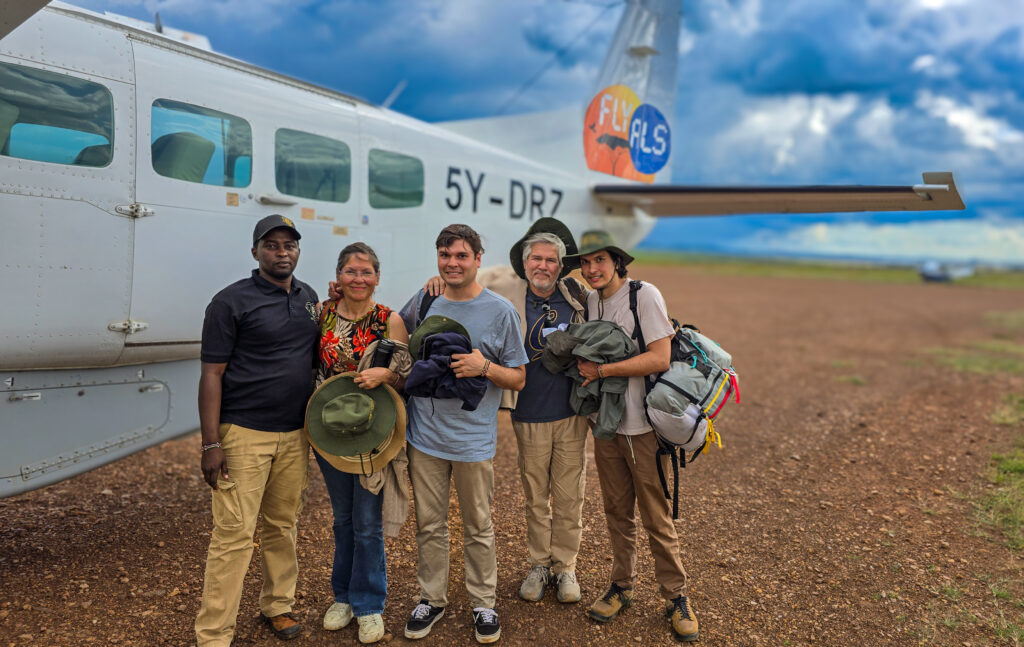
Kenya is compact and fast. You can fly from London overnight, land at Nairobi’s Jomo Kenyatta International Airport, clear immigration in under 30 minutes on an e-visa, transfer to Wilson Airport by 10am and be in the Masai Mara having your first game drive by noon. That is a real itinerary we’ve operated dozens of times. Seven nights in Kenya is a complete, satisfying safari.
Tanzania requires more time to do properly. A meaningful Tanzania circuit covers the Serengeti (ideally two regions), Ngorongoro and potentially Tarangire National Park for the elephant concentrations. That’s a 10 to 12 nights trip to avoid the itinerary feeling rushed. You can do Tanzania in seven nights but you’ll be flying between camps frequently and the value per day decreases as your transfer time increases.
For clients who can take 14 to 16 nights, the combination itinerary is our most requested option: four nights in the Masai Mara or a Kenya northern circuit camp, then a cross-border flight into Kilimanjaro and four to five nights across two or three Tanzania properties. This gives you the structural advantages of Kenya’s conservancy model plus the scale and spectacle of Tanzania’s park system. It works logistically and it works experientially. But it needs a budget to match.
Wildlife Beyond the Migration: What Each Country Holds
Kenya’s Broader Wildlife Circuit
Kenya’s value isn’t only in the Masai Mara. The country has a northern circuit that most international travellers never reach and that we consider among the most underrated wildlife experiences on the continent. Samburu National Reserve holds species you won’t find in Tanzania or the Mara: Grevy’s zebra, reticulated giraffe, gerenuk and Beisa oryx. These are the Samburu Special 5 and they require no other justification for the journey north.
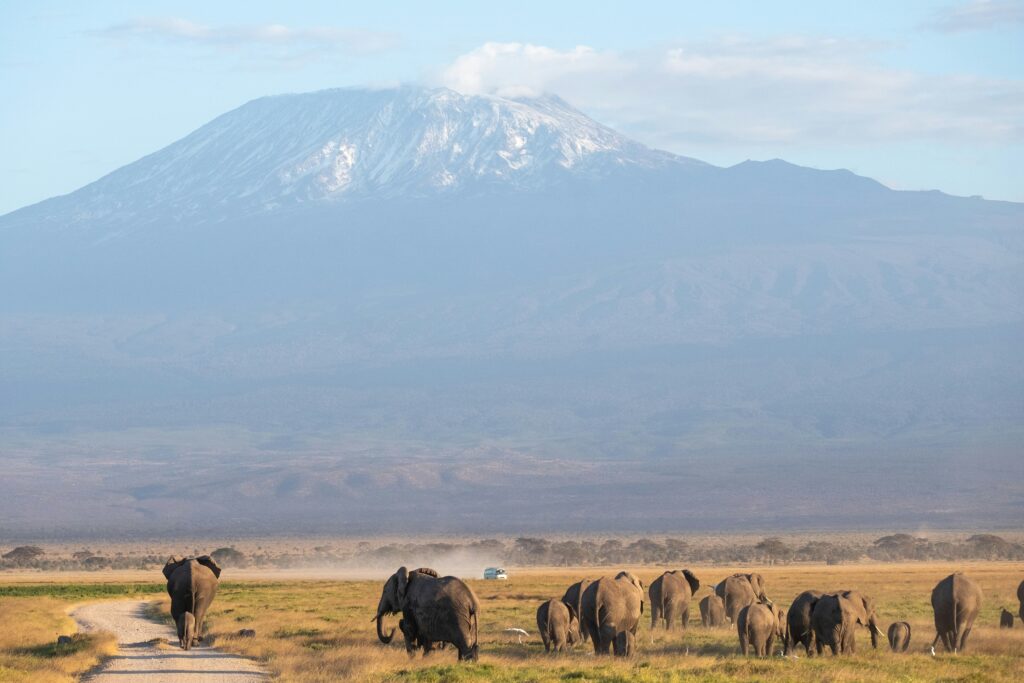
Amboseli National Park sits at the foot of Kilimanjaro and offers the continent’s best elephant viewing in terms of herd size, habituation to vehicles and the drama of the Kilimanjaro backdrop. Ol Pejeta Conservancy in Laikipia holds the world’s last two northern white rhinos (Najin and Fatu, both female) and the highest black rhino density in East Africa. These are not equivalent experiences to the Mara. They’re a completely different dimension of what Kenya can deliver.
Tanzania’s Wider Offer
Tanzania’s depth beyond the Serengeti is also significant. Tarangire National Park is consistently under booked relative to how good it is. During the dry season (June to October), the concentration of elephants around the Tarangire River is extraordinary. We’ve counted herds of over 300 animals. The park also holds large numbers of baobab trees that create a landscape unlike anything else in East Africa.
Selous Game Reserve (now partially renamed Nyerere National Park) in southern Tanzania is the largest protected area in Africa and receives a fraction of the tourist numbers that the northern circuit does. It’s a boat safari and walking safari destination. It doesn’t have the wildebeest migration but it has an atmosphere of genuine remoteness that the northern circuit can’t match during peak season.
Who Should Choose Kenya and Who Should Choose Tanzania?
We’ve given clients this answer enough times that we can now make it quickly.
Choose Kenya if you’re doing your first safari, if you have seven to ten days, if big cats are your priority, if you want the best value for a mid-range or high-end budget or if you want the structural advantages of private conservancy game viewing. Also choose Kenya if you want the Mara River crossings between July and October, if you’re interested in rhinos or want to see Grevy’s zebra or if you want a camp that can do both night drives and off-road driving.
Choose Tanzania if you’ve already done the Mara, if you have 12 or more days, if budget isn’t a constraint, if you want Ngorongoro as a non-negotiable experience, if the calving season in January or February fits your dates or if you want the Serengeti’s scale and are prepared to access it properly across multiple areas rather than just Seronera. Also choose Tanzania if you’ve specifically been told by your operator that Tanzania is a better fit for your dates.
Both countries reward repeat visitors differently. Kenya has enough geographic and wildlife diversity to absorb four or five separate trips across different regions and seasons without repetition. Tanzania rewards a more methodical approach: learn the Serengeti across two or three trips before you start exploring the southern circuit or the coast.
Frequently Asked Questions
Is the Masai Mara in Kenya or Tanzania?
The Masai Mara is in Kenya, in the southwest of the country bordering Tanzania’s Serengeti. They share a continuous ecosystem but are in different countries with different entry requirements, fee structures and operational rules. The Serengeti is the Tanzanian continuation of the same plains’ ecosystem to the south.
Can I do Kenya and Tanzania in the same trip?
Yes, and we do this regularly. A combination itinerary typically flies from the Masai Mara into Kilimanjaro International Airport via Nairobi or directly via a chartered cross-border flight, then continues into Tanzania’s northern circuit. You’ll need a separate Tanzania visa (available on arrival for many nationalities or as an e-visa) and budget approximately 14 to 16 nights total to do both countries justice.
Is Tanzania more expensive than Kenya for safari?
Generally, yes. Tanzania’s national park fee structure and the cost of accessing private concessions within the Serengeti ecosystem push the base cost of a Tanzania itinerary higher than a comparable Kenya trip. Ngorongoro Crater fees alone can add $390 per day for a couple. That said, the experience at the top end of Tanzania’s market is extraordinary and for travellers with no budget ceiling, both countries compete at the same premium tier.
What time of year is best for Kenya safari?
Kenya has excellent game viewing year-round because of its water sources and the variety of ecosystems. The Masai Mara is at its most dramatic from July to October during the wildebeest migration river crossings. January to March offers fewer crowds and calmer conditions in the conservancies. The rainy seasons (April to May and November) bring lush landscapes and excellent bird watching but some road conditions in the Mara can be challenging.
Which country has better rhino viewing?
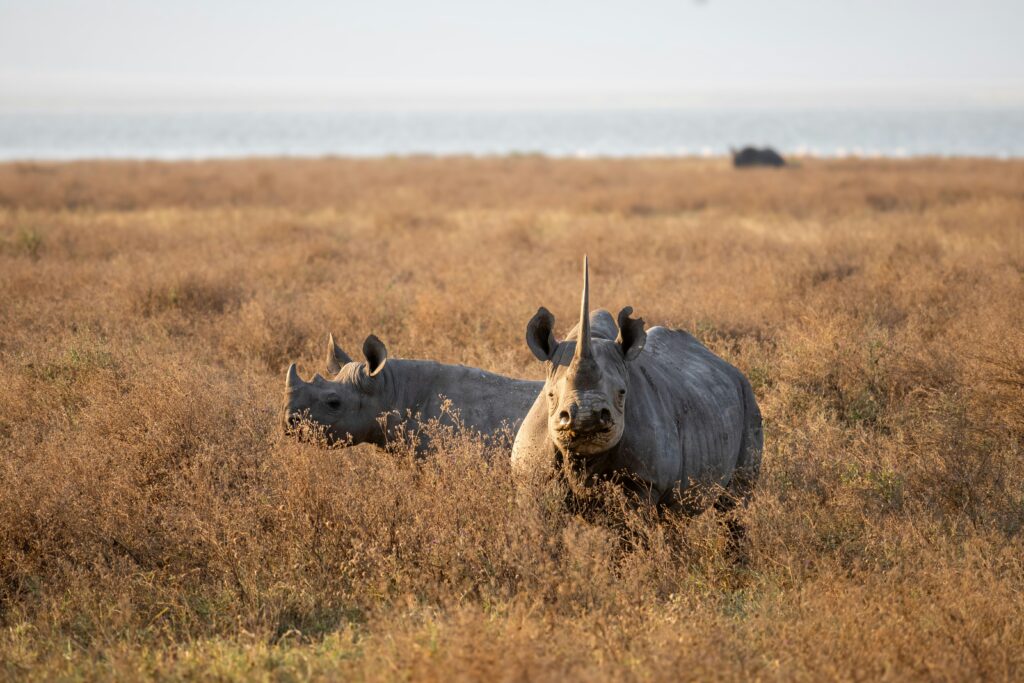
Kenya is significantly stronger for rhino. Ol Pejeta Conservancy holds the highest concentration of black rhino in East Africa and is the only place in the world where you can see the last two northern white rhinos (Najin and Fatu). Lewa Wildlife Conservancy in Laikipia is another exceptional Kenya rhino destination. Tanzania has rhino in the Ngorongoro Crater but sightings are less reliable and the viewing distance from the crater rim road is greater.
Do I need different visas for Kenya and Tanzania?
Yes. Kenya and Tanzania have separate visa requirements even though the East African Tourist Visa exists as a combined option for some travellers. The East African Tourist Visa covers Kenya, Uganda and Rwanda but does not currently include Tanzania for most nationalities. Tanzania requires a separate single-entry visa, available on arrival at Kilimanjaro International Airport or as an e-visa in advance. Always confirm current visa requirements through your operator or the relevant embassy before travel.
Plan Your Safari with People Who Know Both
We’ve covered the frameworks in this article. The framework tells you which direction to lean. But the actual decision, the one that determines whether you spend eight nights in the right camp in the right conservancy at the right time of year, that requires the detail we carry from being in these places.
We know which camps in the Masai Mara conservancies have the best predator tracking guides right now. We know which Tanzania operator actually delivers the remote Serengeti experience versus which one puts you in a property near Seronera and calls it exclusive. We’ve been in the Ngorongoro Crater in the morning light and we know which descent road your driver should take to give you the best first view.
That knowledge isn’t in any article. It’s in the conversations we have with clients before we build a single itinerary.
Tell us your dates, your priorities and your budget. We’ll tell you exactly where to go and why.
Let's plan your East African safari
Tell us when you'd love to travel and a local specialist will craft a tailor-made route around you.


