

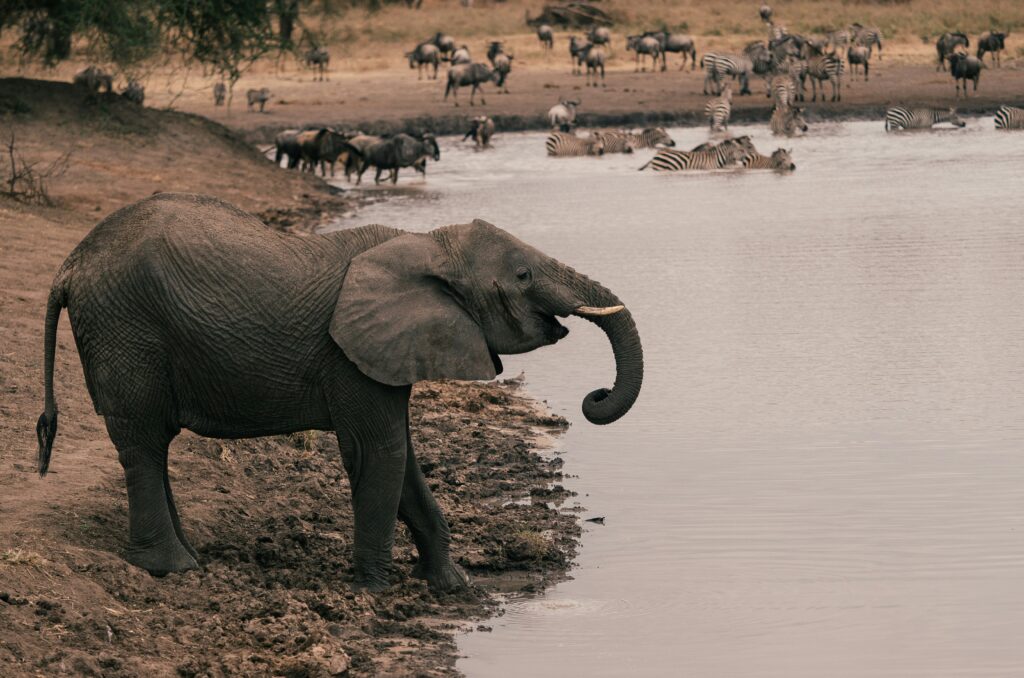
 Budget Safari
📍 Serengeti National Park + Tarangire National Park + Ngorongoro Conservation Area | Crater Safari & Tanzania Wildlife
5 Days Tanzania Budget Safari
from$1,500
★★★★★ 5
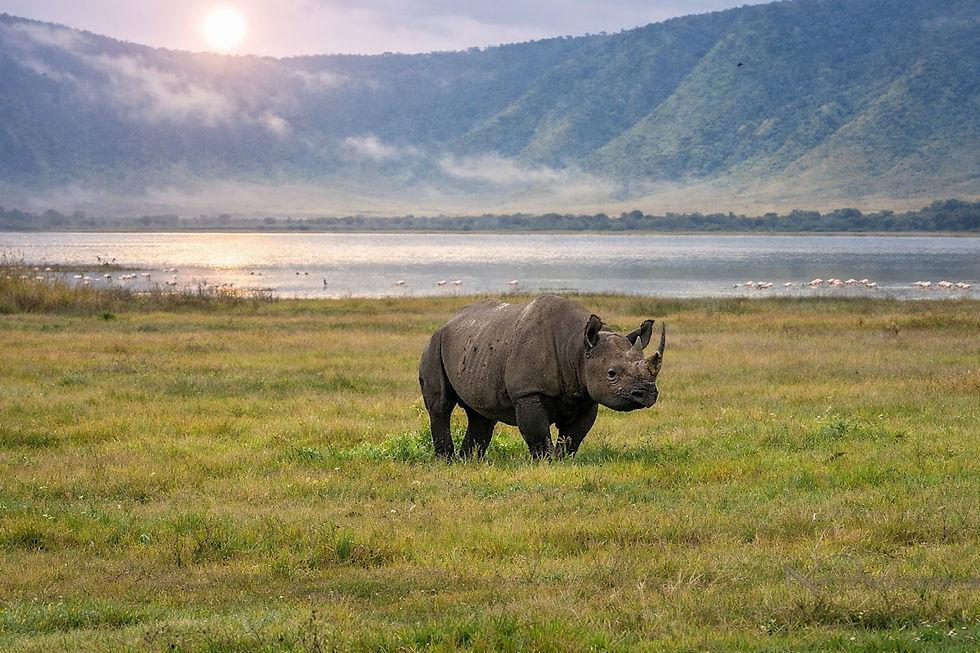
Experience one of Africa's greatest wildlife spectacles where lions, elephants, rhinos, and flamingos roam inside the world's largest intact volcanic caldera.
Ngorongoro Conservation Area is one of Tanzania’s most spectacular safari destinations and a UNESCO World Heritage Site, renowned for its extraordinary wildlife, dramatic volcanic landscapes and unique Maasai cultural heritage. Located in northern Tanzania, the Ngorongoro Conservation Area covers vast highlands, forests, grasslands, volcanic craters and traditional pastoralist communities.
At the heart of the Ngorongoro Conservation Area lies the famous Ngorongoro Crater, one of Africa’s most remarkable natural wildlife destinations. The crater’s enclosed ecosystem supports an exceptional concentration of wildlife, making a Ngorongoro safari one of the highlights of a Northern Tanzania safari circuit.
The Ngorongoro Conservation Area offers a unique combination of wildlife conservation, breathtaking scenery, archaeology and living cultural heritage. Unlike a conventional national park, the area allows wildlife conservation to coexist with traditional pastoralist communities, particularly the Maasai, who continue to live and practice livestock keeping within the conservation area.
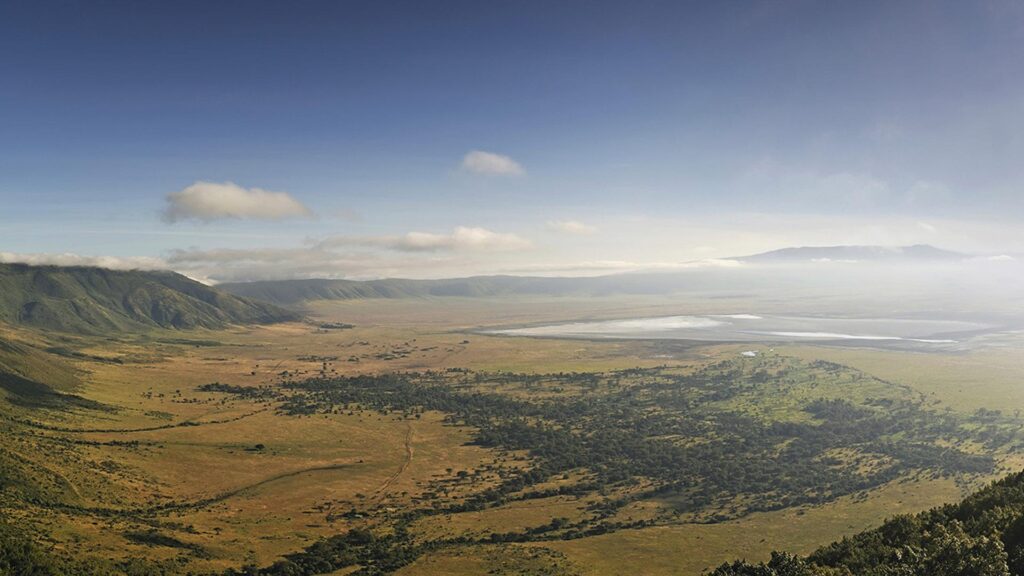
The biggest attraction is the Ngorongoro Crater, a vast volcanic caldera formed after the collapse of an ancient volcano. Its fertile floor contains grasslands, woodland, wetlands and a permanent water source, creating an environment capable of supporting large numbers of animals throughout the year.
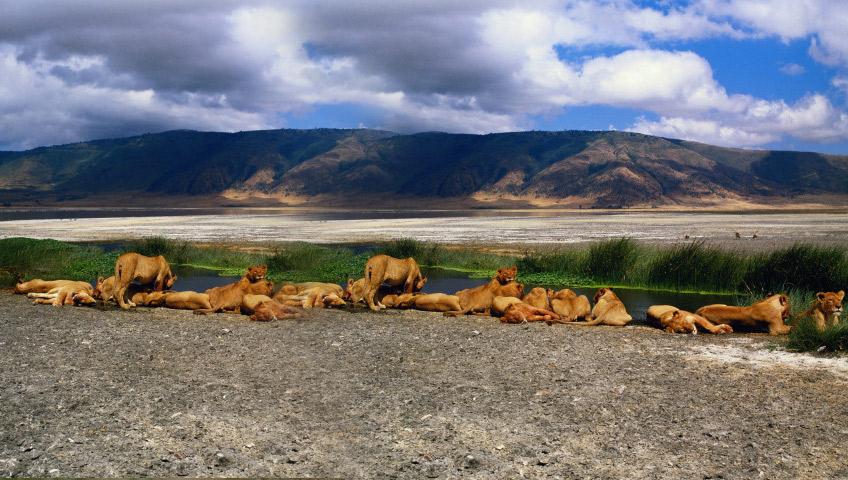
A Ngorongoro Crater safari provides excellent opportunities to see the Big Five, including lions, elephants, buffaloes, leopards and rhinoceros. The crater is particularly famous for its population of endangered black rhinoceros, while large numbers of wildebeest, zebras, gazelles and other herbivores move across the crater floor.
The scenery is another major reason to visit the Ngorongoro Conservation Area. The crater rim rises dramatically above the surrounding landscape, offering panoramic views over the caldera. The highlands are covered with forests and grasslands, while volcanic peaks and rolling hills create spectacular photographic opportunities.
A safari in the Ngorongoro Conservation Area can provide opportunities to see:
The Ngorongoro Crater is particularly rewarding for wildlife viewing because animals are concentrated within a relatively compact area.
The Ngorongoro Crater is the centerpiece of the conservation area. Measuring approximately 20 kilometres across, the crater provides a spectacular natural enclosure for wildlife.
Game drives descend from the crater rim to the crater floor, where visitors can explore grasslands, wetlands and woodland habitats. Early morning game drives are especially rewarding, with opportunities to see predators becoming active as well as large herds of herbivores.
The crater’s Lake Magadi is an important seasonal attraction for flamingos and other waterbirds, while nearby wetlands can attract hippos and a variety of bird species.
One of the defining characteristics of the Ngorongoro Conservation Area is the presence of traditional Maasai communities.
Visitors can experience Maasai culture through responsible community visits, learning about traditional livestock keeping, beadwork, homes, music, dance and pastoral lifestyles.
These experiences provide an opportunity to understand how communities and wildlife conservation coexist within the Ngorongoro Conservation Area.
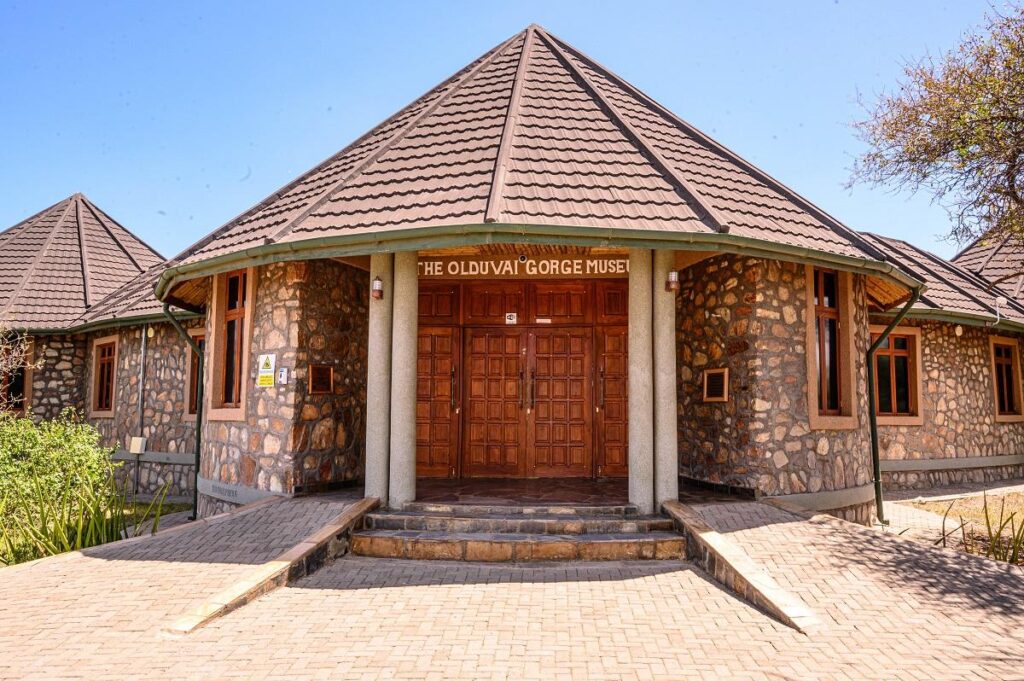
The Ngorongoro Conservation Area is also important from an archaeological and anthropological perspective. Olduvai Gorge is one of the world’s most significant paleoanthropological sites, where important early human fossils and archaeological discoveries have been made.
A visit to Olduvai Gorge can add an educational dimension to a Tanzania safari, allowing travelers to learn about human evolution and the discoveries that have helped researchers understand early human history.
Visitors to the Ngorongoro Conservation Area can enjoy:
The Ngorongoro Conservation Area can be visited throughout the year. The dry months, particularly June to October, are generally excellent for wildlife viewing because animals are easier to spot in the shorter vegetation and around available water sources.
The period from January to February can also be particularly rewarding, with the broader Serengeti ecosystem experiencing the wildebeest calving season.
The wetter months bring greener landscapes, excellent birdlife and fewer visitors in some areas, making them attractive to travelers who prefer a quieter experience.
The Serengeti National Park lies west of the Ngorongoro ecosystem and is one of the world’s greatest wildlife destinations. Combining the Serengeti with Ngorongoro creates an excellent Northern Tanzania safari.
Known for its elephants, baobab trees and seasonal wildlife concentrations, Tarangire is an excellent addition before or after visiting the Ngorongoro Conservation Area.
Lake Manyara offers diverse landscapes, birdlife, elephants and beautiful Rift Valley scenery.
Explore one of the world’s most important archaeological sites and learn about early human evolution.
Empakai Crater offers spectacular highland scenery, forested slopes and a beautiful crater lake. Guided walking experiences provide a different perspective of the Ngorongoro highlands.
The Ngorongoro Conservation Area is located in northern Tanzania and forms part of the classic Northern Tanzania safari circuit.
By road, travelers can reach Ngorongoro from Arusha in approximately four hours, depending on road and traffic conditions. The conservation area is also conveniently positioned between Lake Manyara, Tarangire and Serengeti National Park.
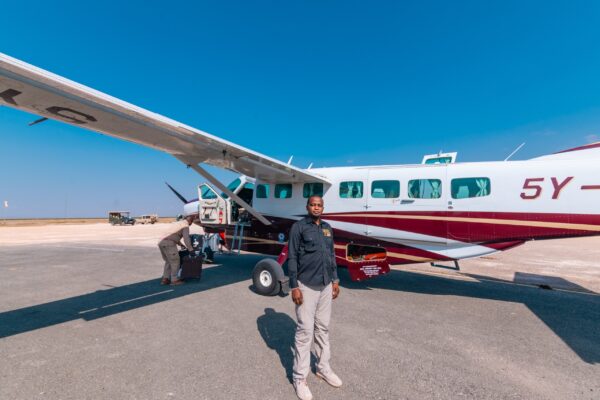
Travelers can also fly to nearby airstrips serving the Ngorongoro and Serengeti regions before continuing by safari vehicle.
The Ngorongoro Conservation Area is ideal for:
Booking your Ngorongoro Conservation Area safari with Afrikan Accent Adventures allows you to explore this remarkable destination as part of a professionally planned Tanzania safari.
We can arrange your private 4×4 safari vehicle, professional safari guide, accommodation, park and conservation fees, meals and transfers, ensuring that your Northern Tanzania safari is comfortable and well organized.
We can combine the Ngorongoro Conservation Area with Tarangire National Park, Lake Manyara, Serengeti National Park and Zanzibar, creating a complete Tanzania safari and beach holiday.
Whether you want a short Ngorongoro Crater safari or a longer Northern Tanzania itinerary, Afrikan Accent Adventures can tailor your journey according to your travel dates, accommodation preferences, budget and safari interests.
Discover the legendary Ngorongoro Conservation Area, home to the famous Ngorongoro Crater, exceptional Big Five sightings, Maasai culture and one of the highest wildlife densities in Africa.
One of the greatest attractions of the Ngorongoro Conservation Area is the extraordinary opportunity to see the legendary Big Five — lion,…
The magnificent Ngorongoro Crater is the largest intact, inactive, and unfilled volcanic caldera on Earth. Formed approximately two to three million years…
Ngorongoro is one of the last strongholds for the critically endangered eastern black rhinoceros in Tanzania. The crater offers one of the…
The crater supports one of Africa's highest predator concentrations. Large lion prides patrol the grasslands while spotted hyenas, jackals, servals and occasional…
Ngorongoro is famous for its impressive old bull elephants, many carrying exceptionally large tusks that have become increasingly rare elsewhere in Africa.…
The shallow alkaline waters of Lake Magadi attract thousands of flamingos during favourable conditions, transforming sections of the crater floor into a…
The lush Lerai Forest provides one of the crater's most important habitats. This groundwater forest supports elephants, monkeys, bushbuck, leopards and a…
The crater floor supports an estimated 25,000 to 30,000 large mammals within a relatively small area. Zebras, wildebeest, buffaloes, gazelles, elands and…
Budget Safari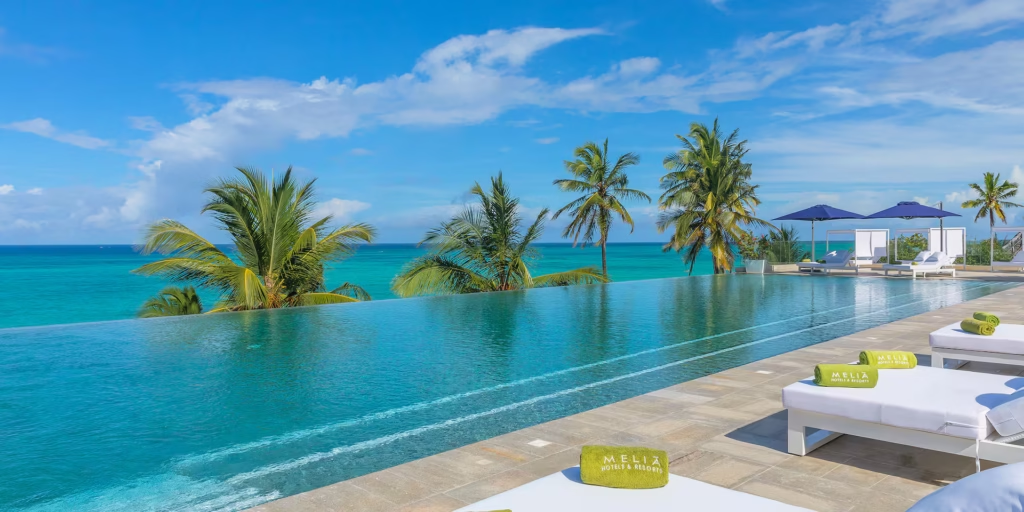 ✨Signature Journeys
 ✨Signature Journeys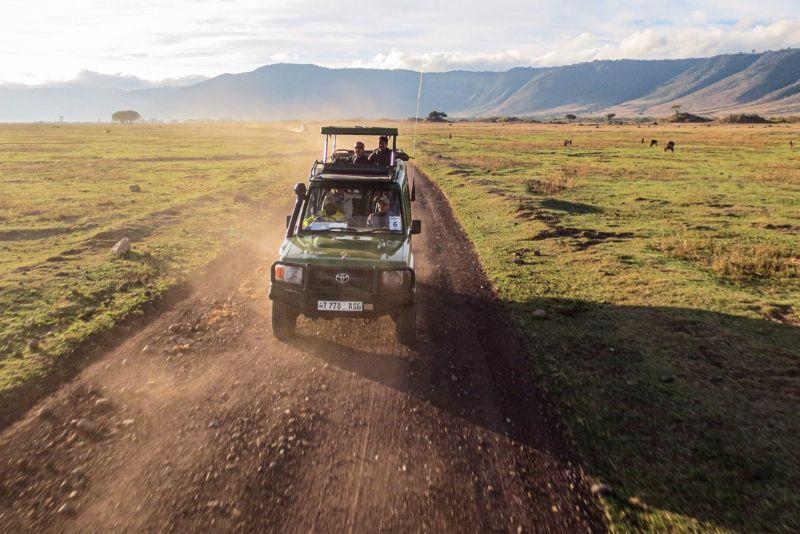
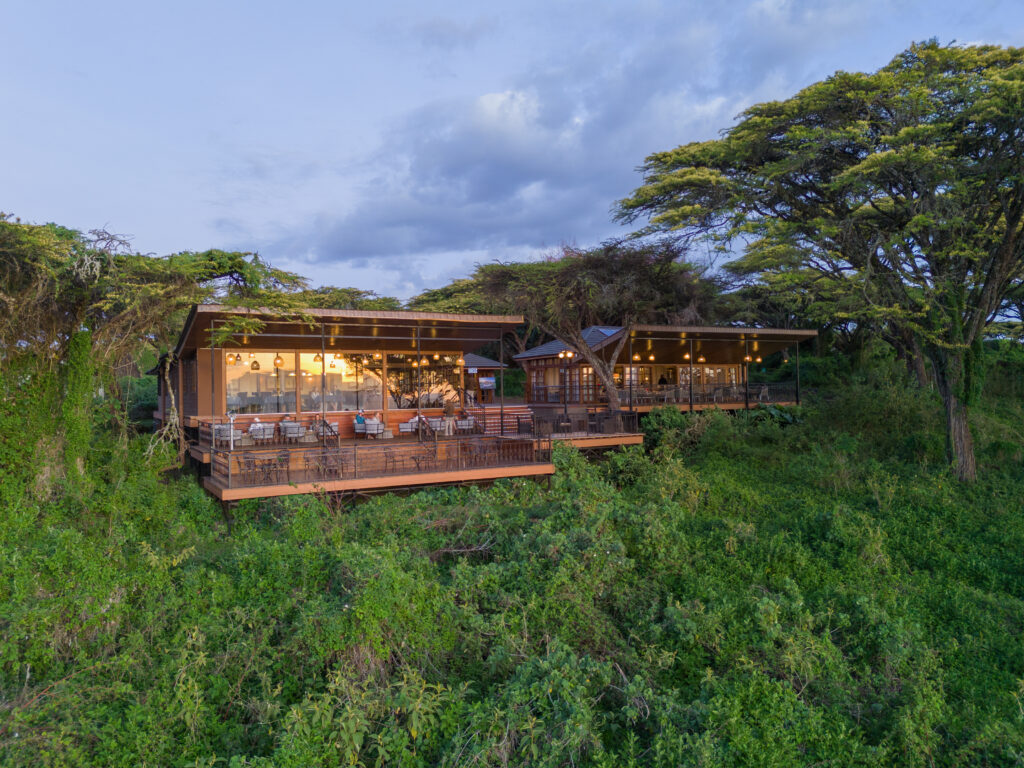
From value camps to premium lodges — we match every stay to your style and budget.
Comfortable tented camps just outside the reserve gates. En-suite rooms with hot showers, full-board meals, and close proximity to the Mara.
Spacious canvas tents on raised platforms with private decks, often inside or adjacent to conservancies. Better access and fewer crowds.
World-class lodges and exclusive camps in private conservancies. Night drives, bush walks, spa, and personalized service — the ultimate safari experience.
Every season has its magic — here's what to expect when, so you can travel at your perfect time.
Everything you need to know before you go — and we’ll guide you through every step.
Ngorongoro Conservation Area is located approximately 190 kilometres from Arusha and can be reached in about 3.5 to 4 hours by road. The journey passes through the scenic Great Rift Valley, coffee plantations, and the bustling safari town of Karatu before ascending into the crater highlands.
Visitors can fly from Arusha, Zanzibar, Dar es Salaam, Serengeti, or Kilimanjaro International Airport to Lake Manyara Airstrip or Ndutu Airstrip, followed by a short road transfer to the crater rim or nearby lodges.
Due to its high elevation, Ngorongoro experiences cooler temperatures than most East African safari destinations. Early mornings and evenings on the crater rim can drop below 10°C, especially between June and August, making warm clothing essential.
Visitors should bring layered clothing, a warm jacket or fleece, comfortable walking shoes, sunscreen, sunglasses, a hat, binoculars, and a camera with extra batteries and memory cards for wildlife photography.
Ngorongoro offers some of the highest chances in Africa of spotting all members of the Big Five in a single game drive, including the endangered black rhinoceros, which is rarely seen elsewhere in Tanzania.
The crater floor provides incredible photographic opportunities with dramatic crater walls, open grasslands, flamingo-covered lakes, and abundant wildlife creating spectacular safari images throughout the year.
While many travellers visit Ngorongoro as a day trip, staying one or two nights allows time for crater game drives, cultural experiences, crater rim viewpoints, and visits to Olduvai Gorge or nearby volcanic craters.
Wildlife activity is generally highest during the early morning hours when temperatures are cooler. Most crater descents begin shortly after sunrise to maximize sightings of predators and active herbivores.
Ngorongoro is unique because Maasai communities continue to live within the conservation area. Visitors can experience traditional villages, cultural performances, and insights into one of East Africa's most iconic cultures.
Fuel stations, supermarkets, pharmacies, and ATMs are available in Karatu, the last major town before entering the conservation area. Facilities inside the conservation area are limited.
Mobile network coverage is generally available around the crater rim, lodges, and main roads, although signal strength may be limited on parts of the crater floor and remote highland areas
Most lodges and larger establishments accept major credit cards, but carrying some Tanzanian Shillings or US Dollars is recommended for tips, local purchases, and community visits.
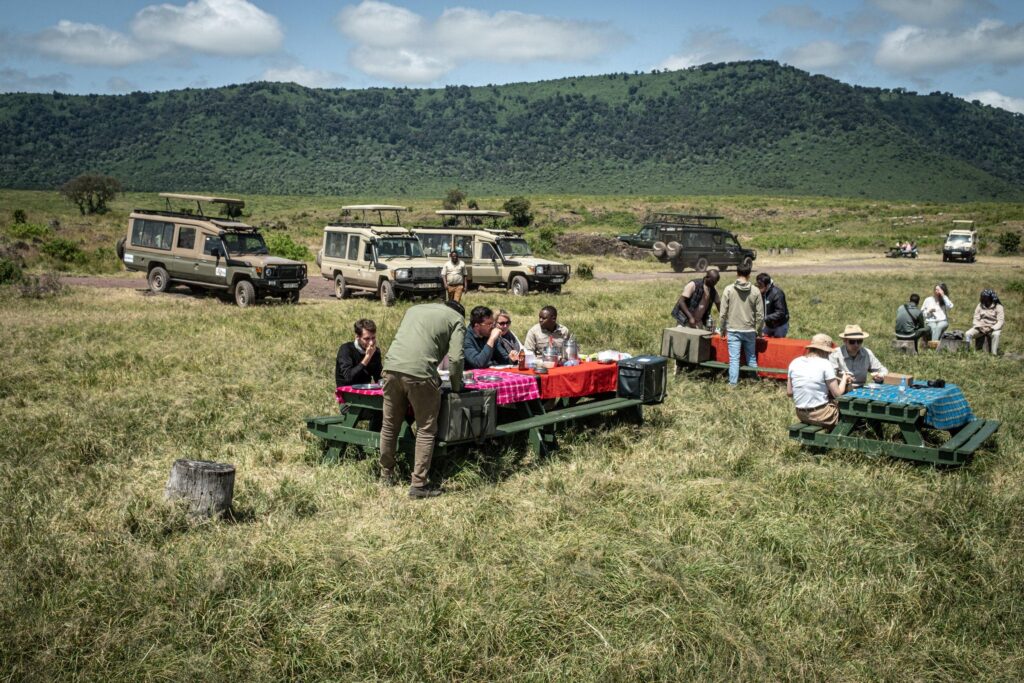
Visitors must remain inside vehicles except at designated picnic sites and viewpoints. Feeding animals, leaving marked roads, and disturbing wildlife are strictly prohibited to protect both visitors and the ecosystem.
Basic medical facilities are available in Karatu, while more advanced healthcare services are located in Arusha. Comprehensive travel insurance and a personal medical kit are strongly recommended for all visitors.
Ngorongoro Conservation Area is famous for the spectacular Ngorongoro Crater, the world's largest intact and unfilled volcanic caldera. It is one of Africa's best destinations for Big Five safaris, black rhino sightings and breathtaking landscapes. The area is also unique because it combines wildlife conservation with traditional Maasai pastoralism.
Absolutely. Ngorongoro Crater is widely considered one of the greatest wildlife destinations on Earth. The crater floor supports approximately 25,000 to 30,000 large mammals and offers some of Africa's most reliable wildlife viewing. Many safari experts regard it as a once-in-a-lifetime destination.
Yes. Ngorongoro offers one of the highest chances in Africa of seeing all members of the Big Five — lion, leopard, elephant, buffalo, and black rhinoceros — in a single day. The crater is particularly famous for its excellent black rhino conservation program.
Most visitors spend one full day exploring the crater floor. However, staying two nights is highly recommended to allow time for a crater game drive, crater rim viewpoints, Maasai cultural experiences, and excursions to Olduvai Gorge, Empakaai Crater, or the Ndutu region.
Common sightings include lions, elephants, buffaloes, zebras, wildebeest, gazelles, hippos, hyenas, jackals, warthogs and flamingos. The conservation area is also one of Tanzania's best locations for viewing endangered black rhinos and large tusker elephants.
Ngorongoro is a year-round safari destination because wildlife remains in the crater throughout the year. The dry season from June to October offers excellent wildlife viewing, while the green season from November to May provides beautiful scenery, migratory birds, and fewer visitors.
The two destinations offer very different safari experiences. Ngorongoro provides exceptional wildlife density and excellent chances of seeing the Big Five in a short period, while Serengeti National Park is famous for its vast landscapes and the Great Wildebeest Migration. Most visitors combine both destinations for a complete Northern Tanzania safari.
Yes. Ngorongoro protects one of East Africa's most important populations of endangered black rhinoceroses and remains one of the few places in Tanzania where visitors have a realistic chance of seeing them in the wild.
No accommodation exists on the crater floor itself. Lodges and camps are located on the crater rim, within the surrounding highlands, or elsewhere in the conservation area. Staying on the rim provides spectacular sunrise views over the crater.
Yes. Cultural visits to Maasai communities can be arranged through lodges and tour operators. Visitors can learn about traditional pastoral lifestyles, architecture, ceremonies, livestock practices and local customs while supporting community tourism initiatives.
Due to its high altitude, temperatures on the crater rim can be surprisingly cool, especially early in the morning and at night. Temperatures frequently fall to between 5°C and 10°C during the dry season, so warm clothing is recommended year-round.
Yes. Ngorongoro forms part of Tanzania's famous Northern Safari Circuit and is commonly combined with Tarangire National Park, Lake Manyara National Park, Serengeti National Park and Zanzibar for classic safari and beach itineraries.
Ngorongoro earned this nickname because of its extraordinary concentration of wildlife, permanent water sources, fertile grasslands and the natural enclosure created by the crater walls. The result is a self-contained ecosystem that supports an incredible diversity of species throughout the year.
We compare Kenya safari road vs fly-in costs mile for mile, so you know exactly when the extra…
Read more →
Everything a woman needs to know before booking a women only safari in Kenya, from why the model…
Read more →
The complete guide to getting from Britain to the Masai Mara, what it costs door to door, and…
Read more →Tell us what you’d love to see and a local specialist will design a tailor-made itinerary around you — no obligation, reply within 24 hours.