Best Time to Visit Kenya for Safari
The question isn't simply when Kenya is best. It's when Kenya is best for what you want to see, where you want to go and how much you're willing to pay for the privilege.
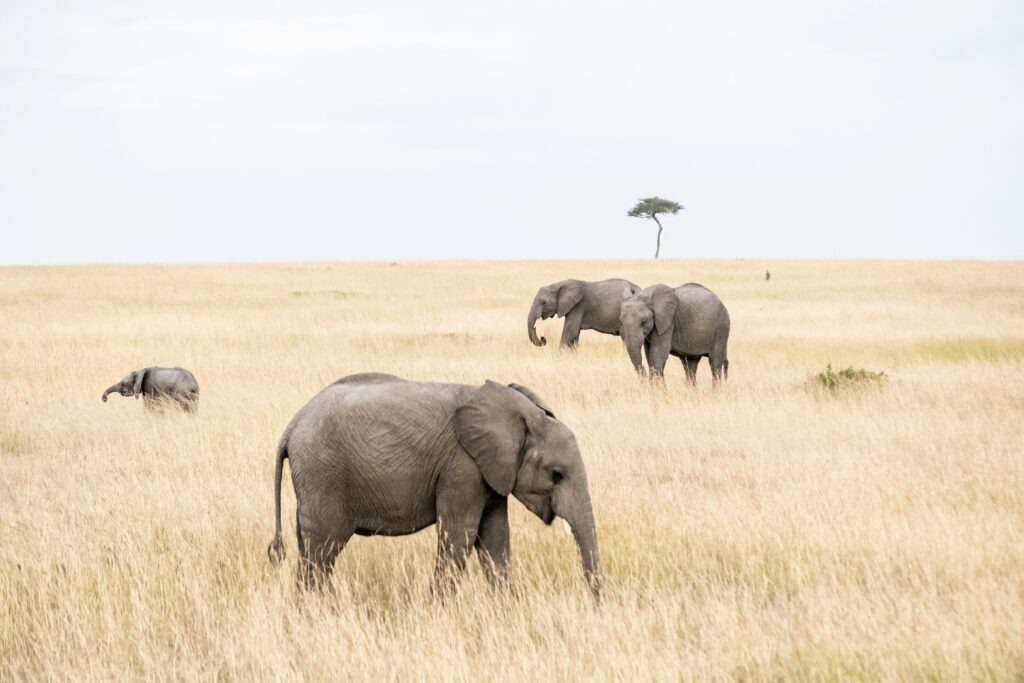
We get this question more than any other. Not where to go in Kenya, not which camp to book. That question sits behind every inquiry we receive. And the honest answer, the one we give clients rather than the one that fills brochures, is that it depends entirely on what you’re actually trying to experience. We’ve been in the Masai Mara in February with not a single other vehicle at a cheetah kill. We’ve been in the same park in August surrounded by 30 Land Cruisers at a lion that had stopped caring. Both trips were Kenya. Only one of them felt like a safari.
Kenya’s calendar doesn’t divide neatly into ‘good months’ and ‘bad months.’ It divides into seasons that serve different goals. The long dry season from June to October delivers the Great Migration and peak wildlife concentration but also peak prices and peak crowds. The short dry season from January to March offers lower rates, thinner vegetation and wildlife that gathers tightly around permanent water. The green seasons (April to May and November) bring photographers, birders and travellers who understand that empty roads and lush light are worth the occasional afternoon shower.
What complicates this further is that Kenya isn’t one ecosystem. The Masai Mara operates on different rhythms to Amboseli National Park. Amboseli and Samburu National Reserve are different again. The Laikipia Plateau conservancies (Ol Pejeta, Lewa Wildlife Conservancy, Borana) hold their own seasonal logic. A blanket answer to ‘when should I go to Kenya’ is a bad answer. What you need is a park-by-park, month-by-month breakdown from people who’ve been there.
This is that breakdown.
| QUICK ANSWER | When is the best time to visit Kenya for safari? The best time to visit Kenya for safari is the dry season from June to October, when wildlife congregates around water and the Great Migration enters the Masai Mara. January to February offers a quieter dry alternative, while April–May and November deliver budget-friendly green season safaris. |
AT A GLANCE — KENYA SAFARI SEASONS
- Peak season: July to October: Great Migration, dry conditions, highest rates and crowds
- Second dry season: January to February: strong wildlife, lower fees, fewer vehicles
- Green season: April to May and November: lush landscapes, birdlife, lowest rates
- Shoulder season: June and December: good conditions, moderate pricing, manageable crowds
- Masai Mara fees: USD 100/adult/day (Jan–Jun); USD 200/adult/day (Jul–Dec)
- Migration in Kenya: Wildebeest arrive in the Mara from late June; river crossings peak July to September
- Temperature range: Highlands (Mara, Laikipia): 10°C to 28°C. Lowlands (Samburu, Tsavo): 20°C to 38°C
- Best for families: June to July (dry, accessible, pre-peak crowds)
- Best for birding: November to April (resident species plus Palearctic migrants)
June to October: The Long Dry Season and Why It Dominates the Calendar
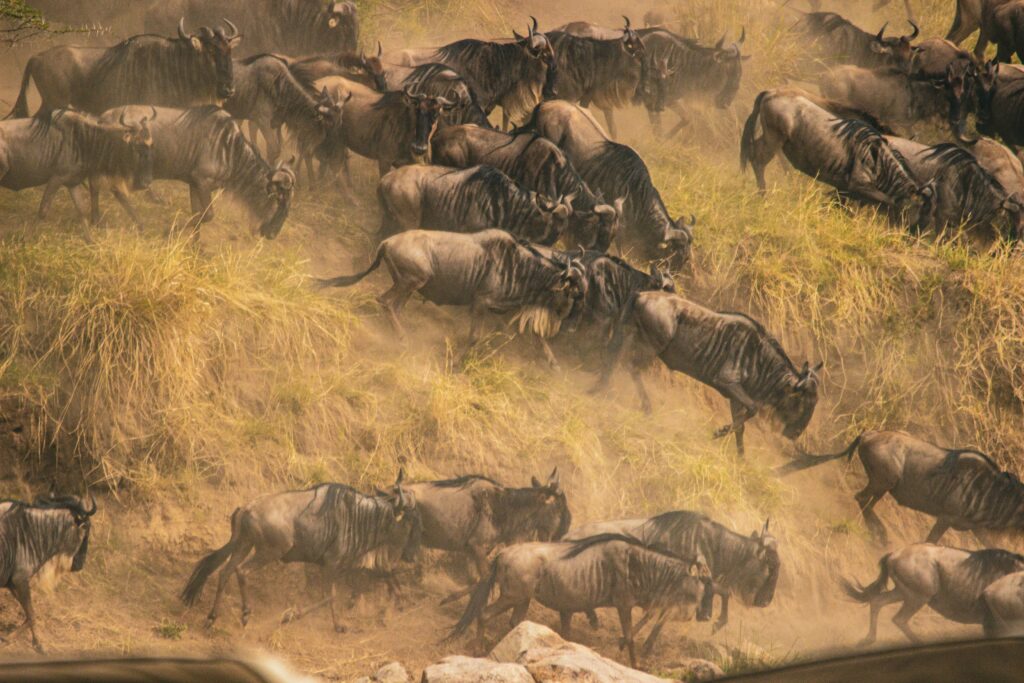
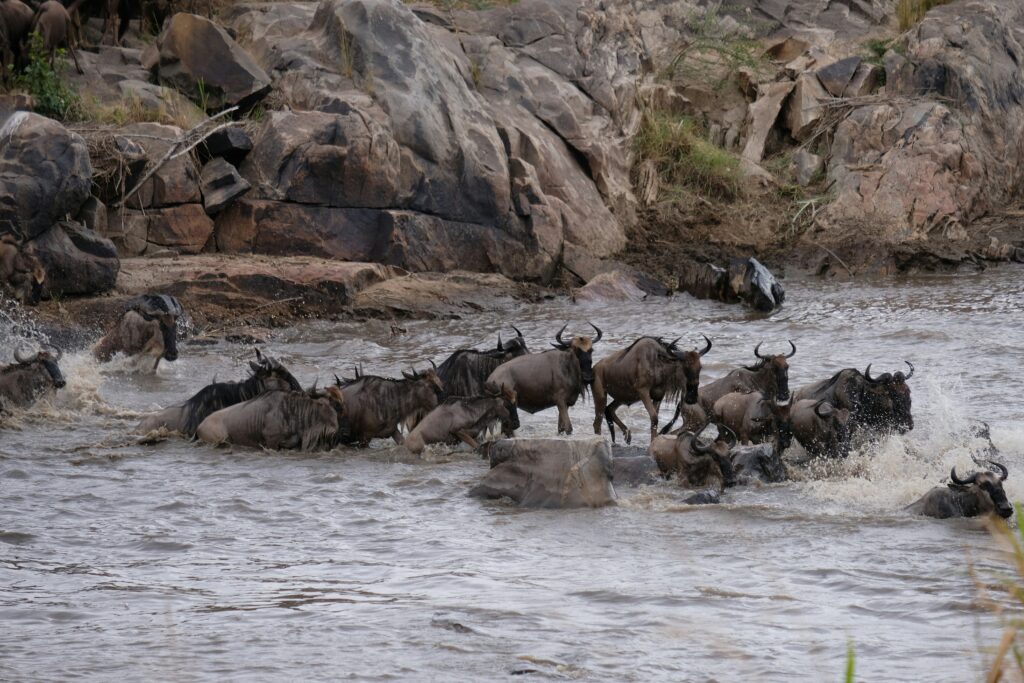
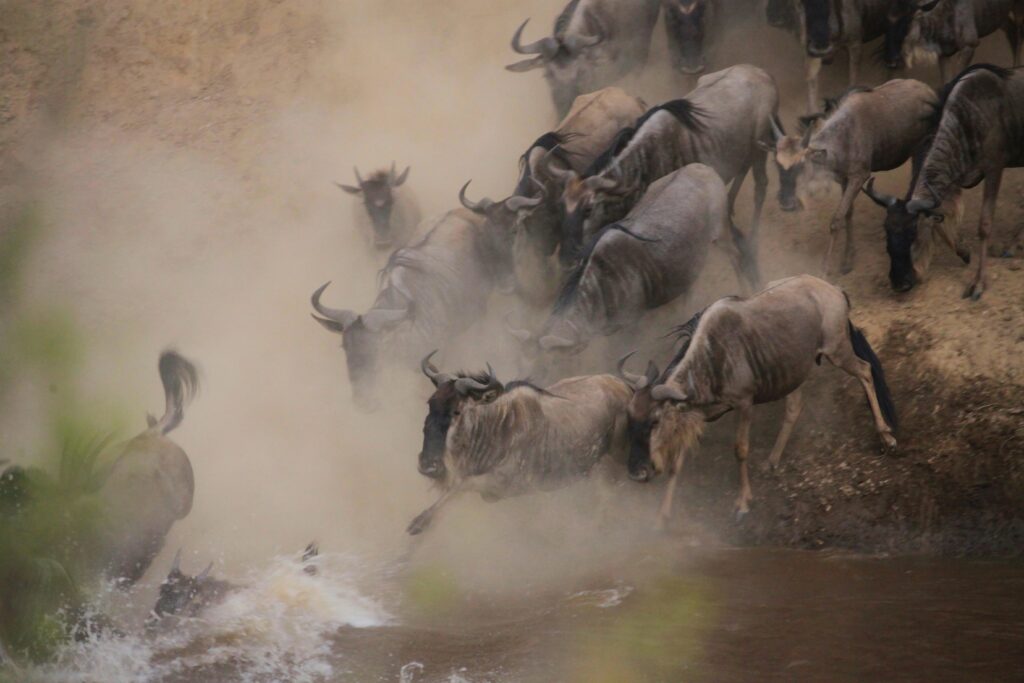
This is the season that fills brochures and booking sheets. June through October is when the grass shortens, the water retreats and the wildlife move in predictable, visible patterns around the permanent rivers and waterholes. It’s when the Great Wildebeest Migration reaches the Masai Mara from Tanzania’s Serengeti ecosystem. It’s when most first-time visitors arrive. And it’s when Kenya is at its most crowded and most expensive.
That last sentence isn’t a deterrent. It’s context. If your primary goal is to witness wildebeest crossing the Mara River with Nile crocodiles in attendance, there is no substitute for being there in July, August or September. The crossings happen when the herds arrive and they don’t arrange themselves around quieter periods on the calendar. You either go then or you miss it.
June
June is our favourite month in the Masai Mara. The migration herds are beginning to arrive from Tanzania’s Serengeti. Crowds haven’t reached August levels yet. Park fees are still at the lower January-to-June rate of USD 100 per adult per day. Mornings are cool (sometimes genuinely cold at 6 am in the Mara. Bring a fleece regardless of what your packing list says) and the grass has shortened after the long rains. Wildlife is visible and active. This is the sweet spot before the high-season rush and one we actively recommend to clients who are flexible on dates.
July to September
Peak season in every sense. The wildebeest population in the Masai Mara during this period reaches its annual high, with herds crossing the Mara River at multiple points. The Mara Triangle (managed by Mara Conservancy Ltd) and the private conservancies including Mara North, Naboisho and Olare Motorogi give better viewing experiences than the main reserve in August, when vehicle density at popular crossing points can be significant. Park fees jump to USD 200 per adult per day from 1 July. Book camps 12 to 18 months ahead for August.
Amboseli during this period offers some of the clearest Kilimanjaro views of the year. Samburu National Reserve in the north is dry and excellent: Grevy’s zebra, reticulated giraffe, gerenuk and Beisa oryx are all easier to spot against parched, open terrain. Laikipia’s conservancies (Lewa Wildlife Conservancy, Ol Pejeta Conservancy, Borana) are strong throughout the dry season with resident black and white rhino, lion, elephant and wild dogs.
October
October is underrated and we tell every client who has flexibility to consider it seriously. The migration herds begin moving south again toward Tanzania, but resident wildlife in the Mara is excellent. Crowds thin noticeably from their August peak. Fees remain at USD 200 per day but the atmosphere is quieter. Amboseli and the Mara are warm, open and accessible. It’s a strong month for photography: clear light, open savannah and landscapes that aren’t yet greening from the short rains.
January to February: The Short Dry Season and the Case for Going Quiet
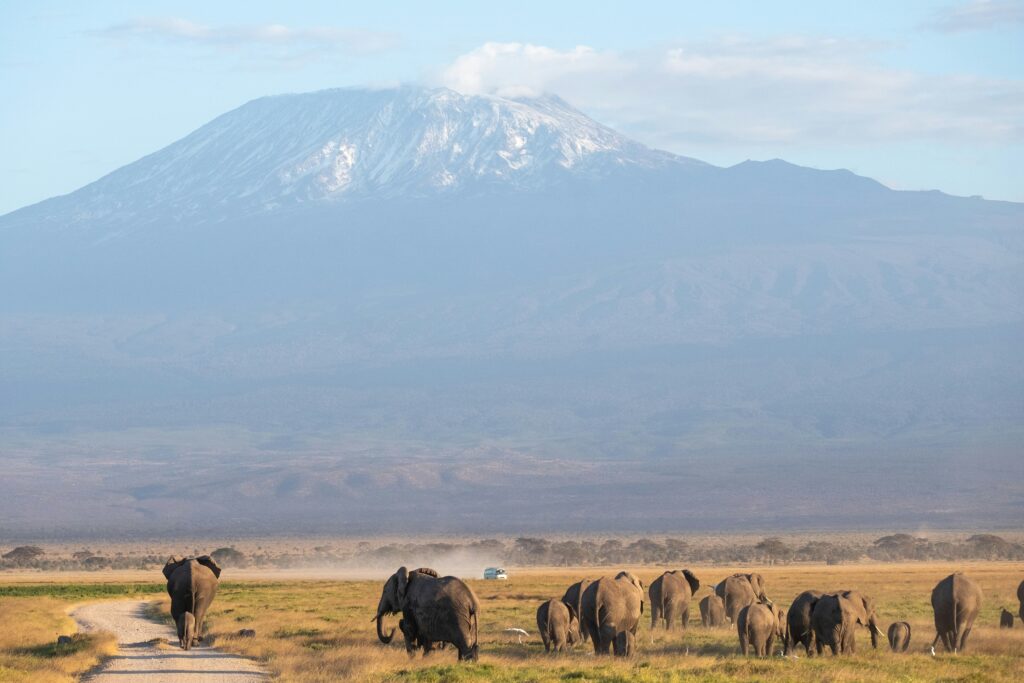
January and February are among the most underused months in Kenya’s safari calendar and we don’t fully understand why. Park fees in the Masai Mara are at USD 100 per adult per day. The parks are significantly quieter than peak season. Wildlife is highly concentrated around permanent water sources as the short dry season bites hard. Grass is low after the short rains of November have subsided, which means visibility on game drives is excellent.
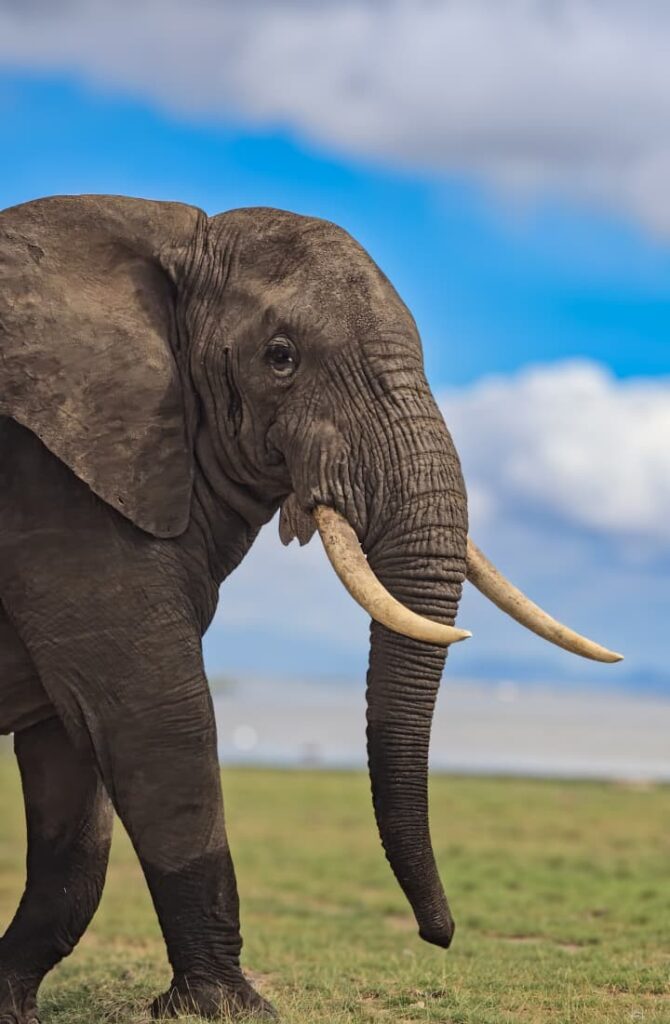
In Amboseli, January offers what is arguably the best elephant viewing in Kenya. The herds (which can number 50 animals or more) move in tight groups toward the swamps at the foot of Kilimanjaro. Morning light and cooler temperatures mean Kilimanjaro is often visible in sharp relief above the elephant herds. It’s one of the iconic images of African wildlife and it happens most reliably in January and February, not August when haze obscures the mountain.
Samburu in January is excellent. It’s hot (daytime temperatures regularly exceed 35°C in the Samburu-Buffalo Springs ecosystem) but the concentration of wildlife around the Ewaso Ng’iro River is as high as any point in the year. The northern specialties (Grevy’s zebra, listed as Endangered by the IUCN, reticulated giraffe, gerenuk and Somali ostrich) are resident year-round and don’t depend on migration season.
| January in Amboseli with elephant herds against a clear Kilimanjaro sunrise is one of the great wildlife experiences in East Africa. It happens at half the cost of July and with a fraction of the vehicles. We don’t understand why more people don’t go. |
February is Kenya’s driest month in terms of rainfall probability and one of the best for photography. Light levels are strong throughout the day. Heat haze builds in the afternoon at lower altitudes but mornings and late afternoons are clear and golden. The Masai Mara has full resident wildlife (lion, leopard, elephant, cheetah, buffalo and hippo) without migration crowds. Conservancy camps in Mara North and Naboisho are running at well below peak occupancy. Rates reflect this.
April to May and November: The Green Season for Those Who Know
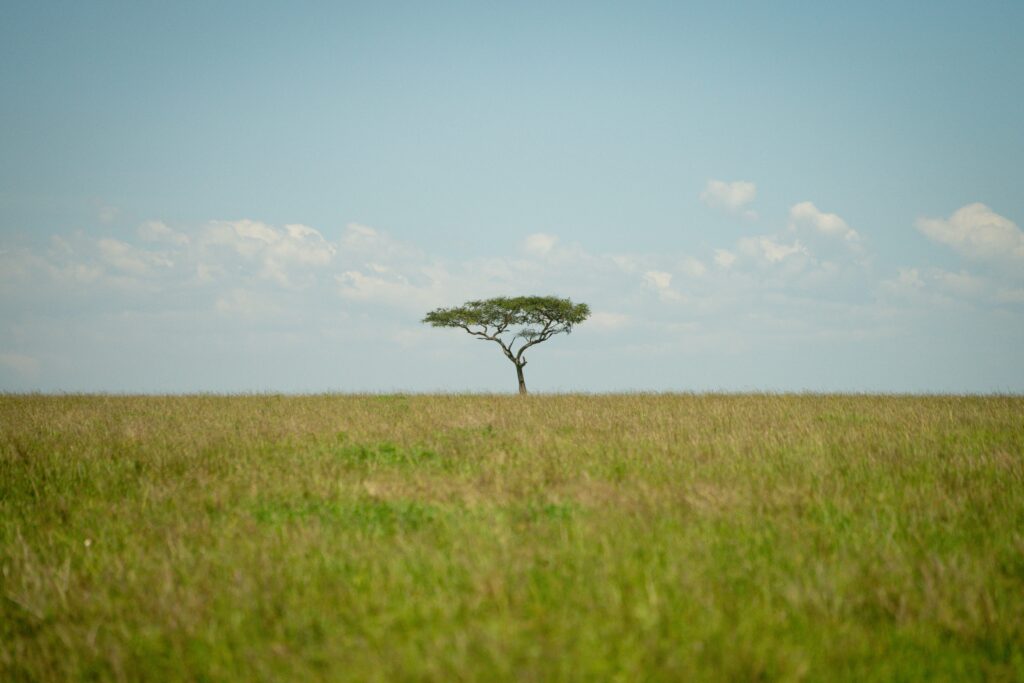
Let’s address the apprehension directly. The green season brings rain. Roads in some areas become challenging. A small number of camps close for maintenance. Some travellers arrive expecting peak-season conditions and are surprised when it rains in the afternoon. For those reasons the green season gets a cautious reputation it doesn’t fully deserve.
Here is what the green season actually delivers: parks that are 60 to 80% less crowded than August. Rates at many camps 30 to 40% lower than peak season. Landscapes of deep green broken by dramatic skies that photographers specifically travel for. Birdlife at its most prolific, with Palearctic migrants present alongside Kenya’s resident species. Birding in the Masai Mara in November is exceptional by any standard. And the wildlife is still there. Lions don’t leave. Leopards don’t leave. Elephants don’t leave.
April and May: Long Rains
April and May see the heaviest rainfall of the year across most of Kenya. The Masai Mara receives sustained afternoon showers and some full-day rain events. Roads in the reserve can become soft and some areas are inaccessible for standard vehicles. Several camps close for annual maintenance during these months. We’re transparent with clients: this is the period that requires the most flexibility and the most appropriate camp selection. But for those who want an experience that feels genuinely private (a game drive with no other vehicle in sight, a sunset over the Mara without another roof in the frame) April and May deliver it.
Tsavo East and Tsavo West National Parks hold up better in the green season than the Masai Mara, given their lower-lying terrain and better-draining soils. The Tsavo ecosystem (covering nearly 22,000 square kilometres, making it Kenya’s largest) supports enormous elephant populations year-round and the landscape turns spectacularly green in April and May against the red laterite earth.
November: Short Rains
November is our green-season recommendation for most clients who ask. The short rains are shorter and more predictable than the long rains: typically, afternoon showers of one to three hours rather than sustained all-day events. Mornings are usually clear, which means a 6 am game drive is often in perfect light before the clouds build. The Masai Mara in November has the Mara River in good flow (good for hippos and crocodiles), fresh green grass and herds of resident wildebeest and zebra without a migration vehicle convoy in sight.
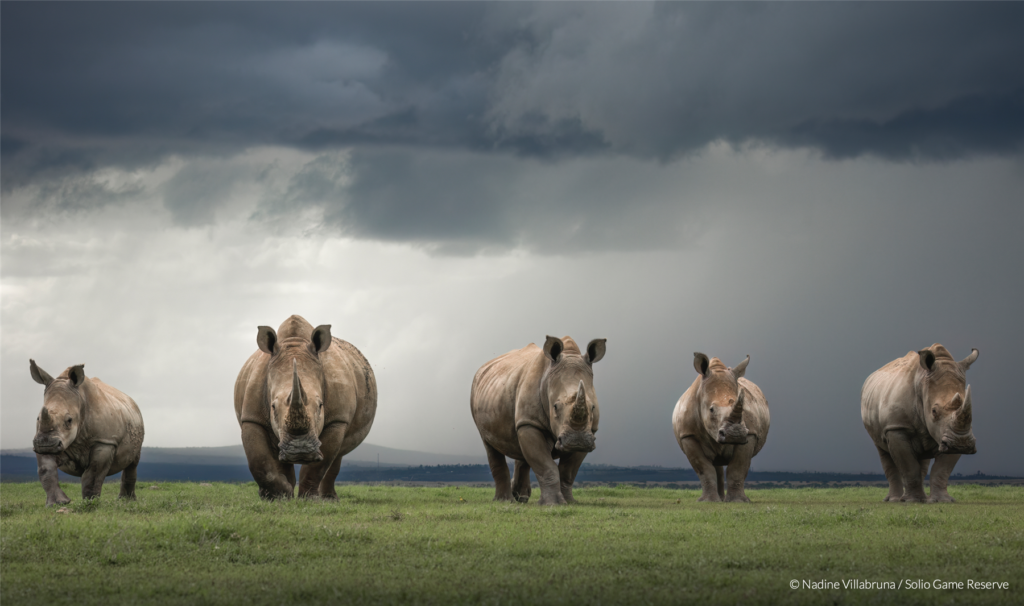
Laikipia in November is excellent. Ol Pejeta Conservancy (home to the last two northern white rhinos, Najin and Fatu) and Lewa Wildlife Conservancy are both accessible, green and running well below peak capacity. Wild dog sightings on Laikipia are among the most reliable in Kenya and improve during the green season when pack movement slows.
Kenya Park by Park: When to Visit Each Destination
Kenya’s parks don’t all peak simultaneously. Here is our direct recommendation for each major destination.
Masai Mara National Reserve and Conservancies
Best for the Great Migration: July to September, with June offering strong pre-peak value. Best year-round: the conservancies (Mara North, Naboisho, Olare Motorogi) deliver a strong experience in every month except the heaviest rains of April and May. Park fees: USD 100/day (January to June) and USD 200/day (July to December).
Amboseli National Park
Best months: January to February for clear Kilimanjaro views and concentrated elephant herds. June to October for dry-season game viewing. Amboseli is a small park (392 square kilometres) and gets crowded fast in peak season. Come in January for the same wildlife with far fewer vehicles.
Samburu National Reserve
Best months: January to March and July to October. Samburu is hot year-round (plan for 35°C days) but productive in both dry seasons. It’s one of the few places in Kenya where you can reliably see Grevy’s zebra, reticulated giraffe, gerenuk and Beisa oryx in a single game drive. It holds up better than the Mara in the green season because northern Kenya receives less rainfall overall.
Laikipia Plateau (Lewa, Ol Pejeta, Borana)
Best months: June to October and January to February. The Laikipia conservancies sit at altitude (roughly 1,700 to 2,400 metres) and are pleasantly cool year-round. They’re among the best places in Kenya for rhino (both black and white), wild dog and Grevy’s zebra. Ol Pejeta Conservancy is home to Najin and Fatu, the last two surviving northern white rhinos. November is also strong here and rates drop significantly from October.
Tsavo East and Tsavo West
Best months: June to October for easy game viewing. Tsavo East is famous for its red elephants (the laterite soil coats their skin) and its enormous herds. Tsavo West adds Mzima Springs (crystal-clear pools fed by underground water from Kilimanjaro’s snowmelt, with hippos and crocodiles visible through a glass observation chamber) and the dramatic Chyulu Hills. Both parks hold up in the green season better than most and are significantly undervisited compared to the Mara and Amboseli.
Which Season Matches Your Safari Goal
Rather than a generic ‘best month’ recommendation, here is how we match season to purpose.
- First-time safari traveller: July to September for the full migration spectacle, or June for value. The Masai Mara and Amboseli combination covers the widest range of wildlife in the best conditions.
- Families with children: June or early July before August crowds peak. Amboseli’s approachable elephant herds and the Masai Mara’s open plains make both accessible for young travellers. Children under eight enter Masai Mara National Reserve free.
- Photographers: June for golden pre-migration light, October for warm open skies and low crowds, or November for green landscapes and dramatic cloud formations.
- Birding focus: November to April brings Palearctic migrants (European rollers, Montagu’s harriers, pallid harriers) alongside Kenya’s resident 1,100-plus species. The Masai Mara, Lake Nakuru National Park and Arabuko-Sokoke Forest Reserve are all exceptional in this window.
- Budget-conscious travellers: January to February or November. Park fees lower, rates lower, roads accessible and wildlife strong. This is the answer we give when clients ask how to do Kenya properly without peak-season pricing.
- Luxury travellers seeking privacy: April or May in a well-selected conservancy camp. We don’t recommend this lightly: it requires the right camp, the right operator and flexibility about conditions. Done properly, it produces the most private safari experience in Kenya’s calendar.
What the Seasonal Guides Don’t Tell You
Most seasonal guides stop at weather and migration timing. We want to add the operational layer that actually shapes your experience on the ground.
Crowd density matters more than most people anticipate. In August, the Masai Mara National Reserve can have over 200 vehicles in a concentrated area around a single river crossing. The images from those crossings are spectacular. The experience of being vehicle 187 is not. This is the single strongest argument for conservancy-based camps, which cap vehicle numbers at three to five per sighting regardless of the month.
Temperature variation surprises first-time visitors. Nairobi sits at 1,795 metres above sea level and has a near-permanent spring climate of 10°C to 25°C year-round. The Masai Mara is at similar altitude and gets genuinely cold at night. Below 10°C in July and August. Morning game drives in June and July in the Mara require warm layers. Samburu, by contrast, sits lower and hotter: 35°C afternoons in the dry season are standard. Pack accordingly. We’ve watched clients arrive in the Mara in August in shorts and immediately regret it.
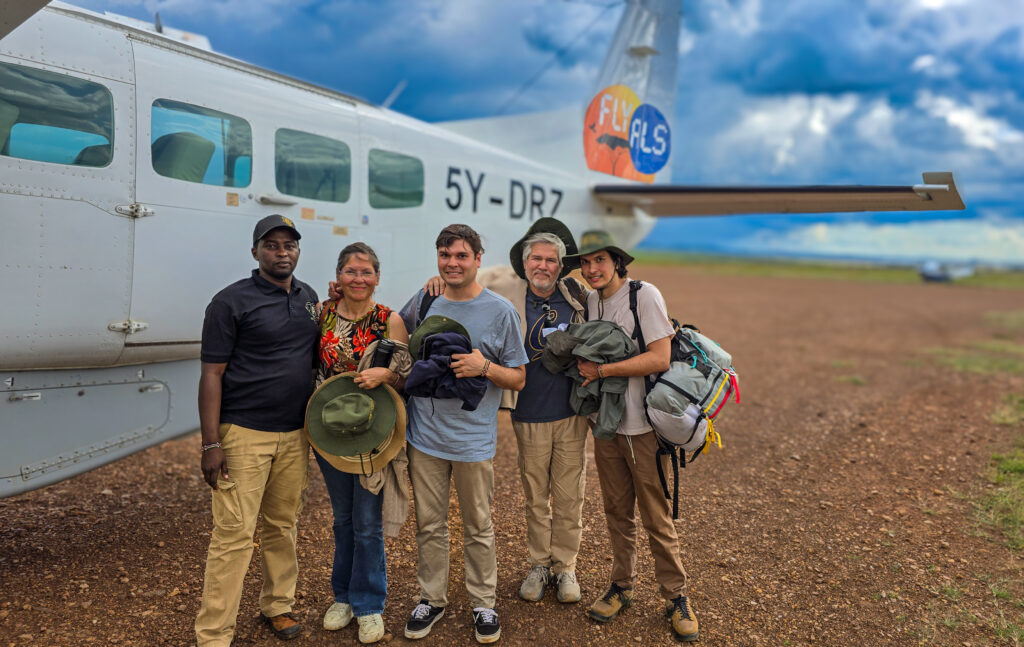
Road conditions vary enormously by location and month, not just by season. The tarmac from Nairobi to Narok is solid year-round. The murram road from Narok to Sekenani Gate (approximately 90 kilometres) is fine in the dry season and difficult in the April-May rains. Flying in during those months solves the problem entirely. Internal flights from Wilson Airport to the Mara take approximately 45 minutes and avoid the road question altogether.
Booking lead times are not uniform. A green-season camp in November can be booked two to three months out. A conservancy camp in Mara North for August needs 12 to 18 months lead time. The Masai Mara’s best camps for July and August are genuinely unavailable to travellers who inquire six months before travel. This isn’t a sales pitch. It’s the operational reality of a destination with finite high-quality accommodation and one of the world’s most famous wildlife events.
| The travellers who return from Kenya saying it was everything they expected planned 14 months ahead, stayed in the right camp for their season and had someone on the ground who knew the difference between a camp that looks good online and one that actually delivers in the conditions of the month they’re visiting. |
Frequently Asked Questions
Is Kenya good for safari all year round?
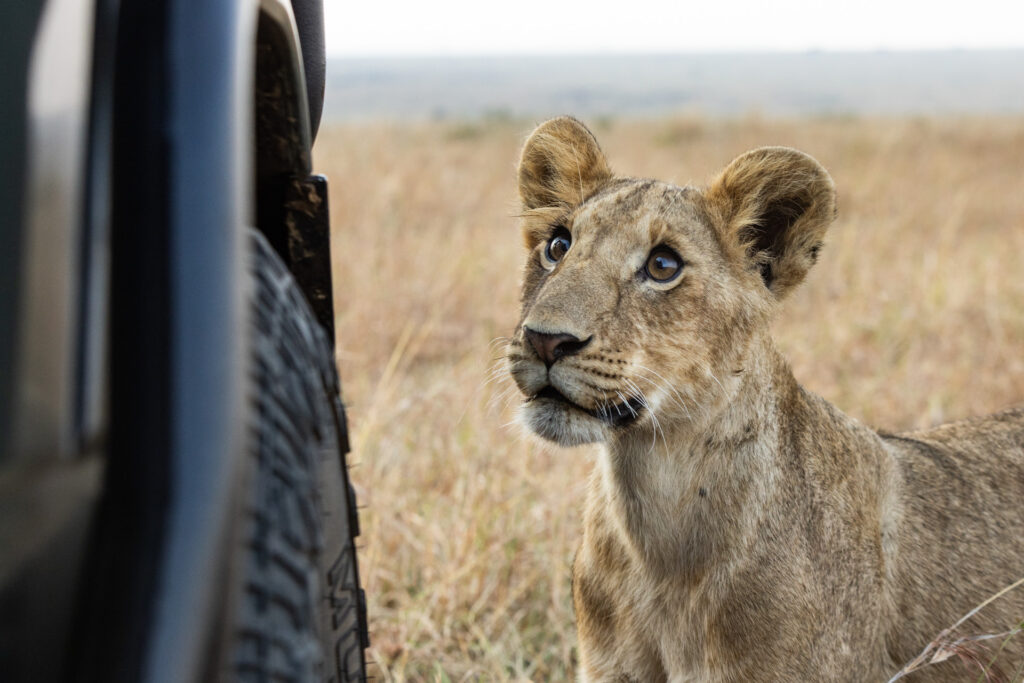
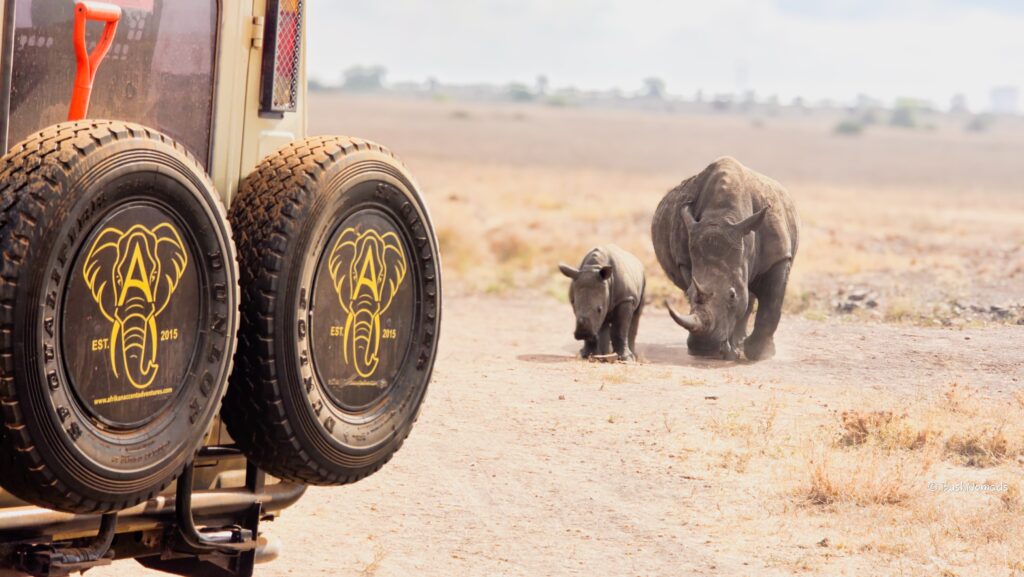
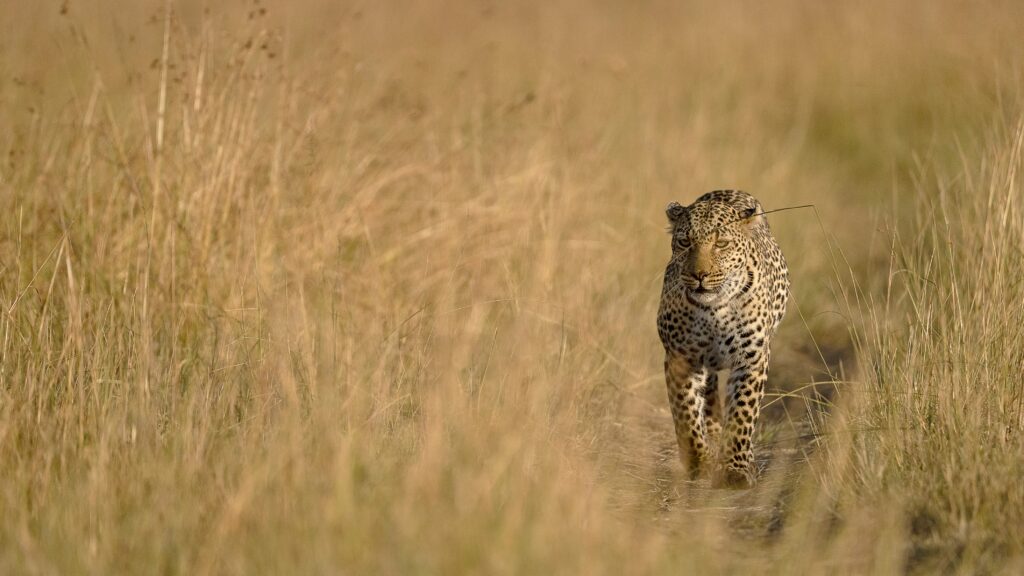
Yes. Kenya’s Big 5 (lion, leopard, elephant, buffalo and rhino) are resident across the Masai Mara, Amboseli, Laikipia and Tsavo ecosystems year-round. What changes between seasons is vegetation height, road conditions, crowd levels and pricing, not the presence of wildlife. The Great Wildebeest Migration is seasonal (peaking in the Masai Mara July to September) but the full range of Kenyan wildlife is viewable in every month of the year.
When is the cheapest time to visit Kenya on safari?
The cheapest months for a Kenya safari are April and May (long rains) and November (short rains). Masai Mara park fees drop to USD 100 per adult per day from January to June. Many camps offer rates 30 to 40% lower than peak season during green-season months. January and February offer a strong middle ground: lower fees, excellent wildlife viewing and roads that are fully accessible.
When is the Great Wildebeest Migration in Kenya?
The Great Wildebeest Migration typically enters the Masai Mara from Tanzania’s Serengeti from late June or early July, with Mara River crossings peaking between July and September. The herds usually begin moving south again in October. Exact timing varies year to year based on rainfall patterns in the Serengeti. There is no fixed date. The migration is driven by grass availability and some years arrivals are earlier or later by two to three weeks.
What is the weather like in Kenya in August?
August is the heart of Kenya’s cool dry season. Temperatures in the Masai Mara and Laikipia highlands range from around 10°C at night to 25°C in the afternoon. Samburu in the north is significantly warmer (22°C to 32°C). Rainfall is rare in August across all major safari parks. Mornings are clear and crisp. It’s the most popular month for visiting Kenya, which means the Masai Mara National Reserve is at its most crowded and accommodation rates are at their highest.
Should I visit the Masai Mara or Amboseli?
These are different experiences serving different goals. Amboseli National Park (392 square kilometres) delivers the best elephant viewing in Kenya and clear Kilimanjaro views, particularly in the mornings from January to February. It’s compact and can feel crowded in peak season. The Masai Mara offers greater overall wildlife diversity, the Great Migration and the private conservancy system for exclusive game drives. For trips of five or more days, we almost always recommend combining both. For three days or fewer, the Masai Mara covers more ground in terms of species variety.
What should I pack for a Kenya safari in the dry season?
Pack layers. Morning game drives in the Masai Mara and Laikipia in June, July and August start below 15°C and require a fleece or light jacket regardless of the month. A hardshell suitcase won’t fit in most light aircraft for internal flights (soft-sided bags under 15kg are standard). Neutral colours (khaki, green, brown) rather than white or bright colours. Binoculars of at least 8×42 magnification. A dust bag for your camera. Sunscreen, lip balm and eye drops for the dry-season dust. We cover the full packing list in our dedicated Kenya safari packing guide.
Plan Your Kenya Safari with Afrikan Accent Adventures
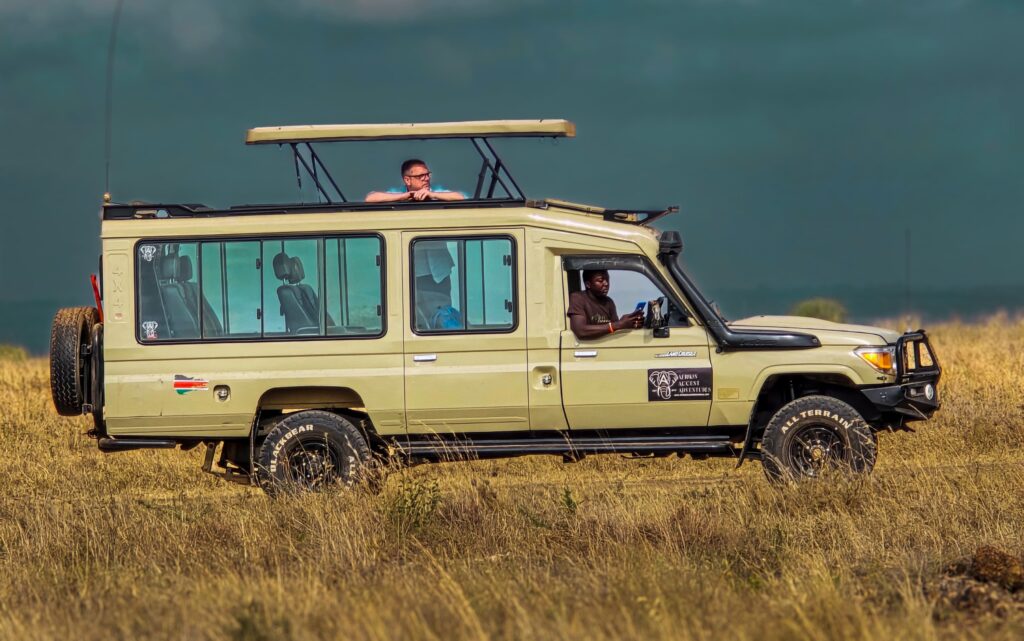
This guide covers the framework. What it can’t do is tell you which specific camps are right for your travel dates, which conservancy suits your priorities or how to structure an itinerary that makes the most of Kenya’s seasonal windows without compromising on quality or breaking the budget.
That’s our job. Afrikan Accent Adventures, a Nairobi-based, Kenya-run safari company. We have direct relationships with the camps and conservancies across the Masai Mara, Amboseli, Samburu, Laikipia and Tsavo ecosystems. We know which properties perform well in the green season and which ones don’t. We know when to recommend flying versus driving, when to push back on a client’s preferred dates and when to say June beats August for what they actually want to experience.
We’ve been on the ground in every season. We know what a Masai Mara morning feels like in February when you’re the only vehicle at a leopard sighting. We know what it feels like in August when you’re not. The difference between those two experiences comes down to timing, camp selection and the knowledge that only comes from being in the vehicles yourself.
Tell us when you want to travel and what you want to see. We’ll tell you honestly whether your timing is right, and if it isn’t, we’ll tell you what to change.
Let's plan your East African safari
Tell us when you'd love to travel and a local specialist will craft a tailor-made route around you.


