


Women Only Safari Kenya
Women Only Safari in Kenya: The Complete Guide
Everything a woman needs to know before booking a women only safari in Kenya, from why the model…
Read more →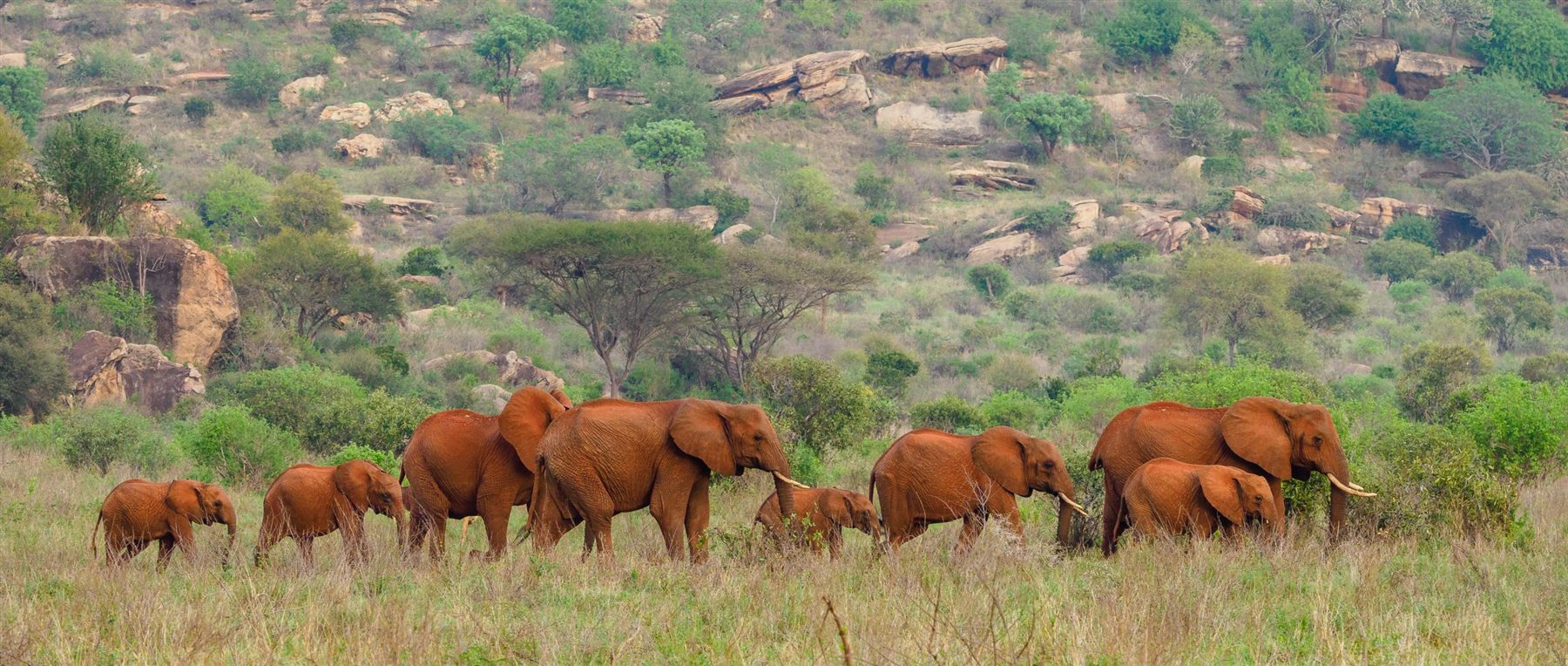
Land of the red elephants
Tsavo National Park is Kenya’s largest protected wilderness and one of Africa’s greatest safari destinations. Divided into Tsavo East National Park and Tsavo West National Park, the ecosystem offers vast landscapes, volcanic scenery, dramatic lava flows, legendary lions, and the iconic red elephants that have become synonymous with Tsavo safaris.
Together, Tsavo East and Tsavo West cover approximately 22,000 square kilometres (8,494 square miles), making Tsavo one of the largest national park ecosystems in Africa and the largest in Kenya.
Stretching between Nairobi and Mombasa, Tsavo is famous for its extraordinary biodiversity, spectacular scenery, and historical significance, including the legendary “Man-Eaters of Tsavo.” The parks feature open savannah, volcanic hills, lava fields, river systems, springs, and acacia woodlands that support some of East Africa’s most impressive wildlife populations.
Tsavo is internationally renowned for:
Explore Kenya's largest safari destination where giant elephant herds roam across endless plains, lions patrol volcanic landscapes and crystal-clear springs emerge from ancient lava fields. Tsavo offers one of Africa's last truly wild safari experiences.
Tsavo's elephants are among the most iconic wildlife spectacles in Africa. The elephants frequently dust themselves with the park's rich red volcanic…
Tsavo is forever linked to the famous "Man-Eaters of Tsavo," the lions that halted construction of the Kenya-Uganda railway in the late…
One of Kenya's most remarkable natural attractions, Mzima Springs produces millions of litres of crystal-clear water daily from underground streams originating on…
Created by volcanic eruptions only a few centuries ago, the black lava fields of Shetani provide a dramatic and almost lunar landscape…
Stretching for approximately 290 kilometres, Yatta Plateau is considered the world's longest lava flow. The plateau dominates the landscape of Tsavo East…
Located on the Galana River in Tsavo East, Lugard Falls consists of a series of white-water rapids and sculpted rock formations rather…
Situated within Tsavo West, the sanctuary protects one of Kenya's remaining populations of endangered black rhinos. Visitors have a chance to observe…
With over 600 recorded bird species, Tsavo is one of East Africa's premier birdwatching destinations. The varied habitats support hornbills, ostriches, kingfishers,…
From value camps to premium lodges — we match every stay to your style and budget.
Comfortable tented camps just outside the reserve gates. En-suite rooms with hot showers, full-board meals, and close proximity to the Mara.
Spacious canvas tents on raised platforms with private decks, often inside or adjacent to conservancies. Better access and fewer crowds.
World-class lodges and exclusive camps in private conservancies. Night drives, bush walks, spa, and personalized service — the ultimate safari experience.
Every season has its magic — here's what to expect when, so you can travel at your perfect time.
Everything you need to know before you go — and we’ll guide you through every step.
Most international visitors require a Kenyan Electronic Travel Authorisation (eTA) before entering Kenya. Applications are completed online and should ideally be submitted several days before travel. Passports should be valid for at least six months from the date of entry.
Due to Tsavo's lower altitude and warmer climate, malaria prevention is generally recommended, particularly during the rainy seasons. Visitors should consult their healthcare provider regarding vaccinations, travel medications, and general health advice before departure.
Tsavo can be reached by road from Nairobi or Mombasa via the Nairobi-Mombasa Highway. Scheduled flights operate daily from Nairobi Wilson Airport and coastal airports to several airstrips within both Tsavo East and Tsavo West National Parks.
The Kenyan Shilling (KES) is the official currency, although US Dollars are widely accepted for tourism services. Most lodges and camps accept Visa and Mastercard, while mobile payment systems such as M-Pesa are commonly used throughout Kenya.
Tsavo experiences a warm semi-arid climate with daytime temperatures typically ranging between 24°C and 33°C. Rainfall occurs mainly between March and May and again during November and December.
Kenya uses Type G electrical sockets operating at 240 volts and 50Hz frequency. Most safari lodges provide charging facilities and international adapters for guests.
Tsavo follows East Africa Time (EAT), which is UTC +3 throughout the year. Kenya does not observe daylight saving time.
Tsavo National Park is considered one of Kenya's safest safari destinations. Professional guides, rangers, and lodge staff ensure visitor safety while maintaining responsible wildlife viewing practices.
Absolutely. Tsavo is Kenya's largest protected wilderness and offers one of Africa's most authentic safari experiences. Unlike smaller parks, Tsavo provides vast landscapes, fewer crowds, exceptional wildlife diversity, and dramatic scenery ranging from volcanic lava flows to natural springs and endless savannah plains. It is particularly popular among repeat safari visitors, photographers and travellers seeking a true wilderness experience.
Tsavo is internationally famous for its red elephants, legendary lions, Mzima Springs, the Shetani Lava Flow and the historic "Man-Eaters of Tsavo" lions that famously disrupted railway construction in 1898. The park is also known for its enormous size and spectacular landscapes that differ significantly from Kenya's other safari destinations.
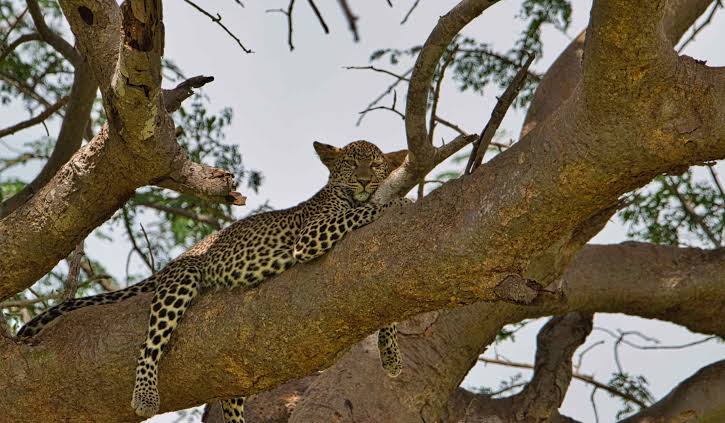
Yes. Tsavo East and Tsavo West together host all members of the Big Five: elephants, lions, leopards, buffaloes and black rhinos. Rhino sightings are best in the Ngulia Rhino Sanctuary within Tsavo West, while elephant and lion sightings are common throughout both parks.
Tsavo East is characterized by vast open plains, large elephant herds, the Galana River, Lugard Falls and the Yatta Plateau. Tsavo West offers more varied scenery including volcanic hills, lava fields, Mzima Springs, dense vegetation, and the Ngulia Rhino Sanctuary. Many visitors combine both parks to experience the full diversity of the Tsavo ecosystem.
A minimum of three days and two nights is recommended to explore either Tsavo East or Tsavo West comfortably. Visitors wishing to experience both parks should consider four to five nights to allow sufficient time for game drives and sightseeing without rushing.
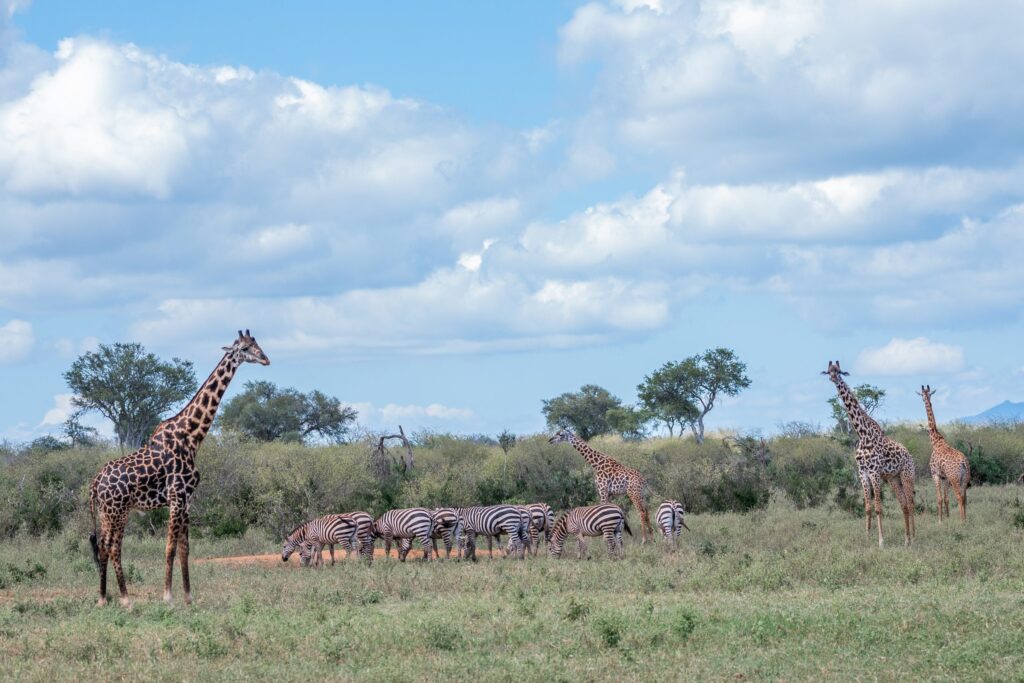
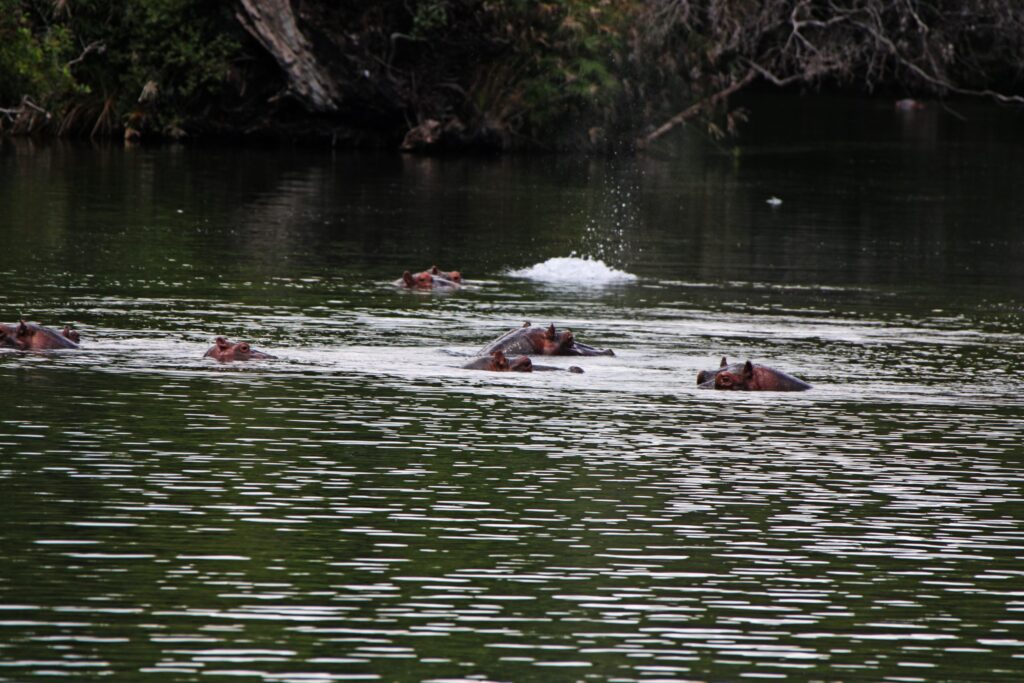
Visitors regularly encounter elephants, lions, leopards, buffaloes, giraffes, zebras, hippos, crocodiles, hyenas, cheetahs, hartebeests, impalas, waterbucks and numerous antelope species. Tsavo is also one of Kenya's best birdwatching destinations, with more than 600 bird species recorded.
The best wildlife viewing occurs during the dry seasons between June and October and from January to February. During these months animals gather around rivers, springs, and waterholes, making sightings easier and more predictable. The green seasons offer beautiful landscapes and excellent birdwatching opportunities.
Yes. Tsavo offers family-friendly lodges, swimming pools, educational experiences and exciting wildlife viewing opportunities. Children particularly enjoy elephant sightings, visits to Mzima Springs, and learning about the history of the Man-Eaters of Tsavo.
No. One of Tsavo's greatest attractions is its sense of wilderness and space. Visitors often enjoy wildlife sightings without large numbers of vehicles, creating a more private and authentic safari experience.
Tsavo West lies approximately 240 kilometres from Nairobi and about 250 kilometres from Mombasa. Tsavo East is approximately 330 kilometres from Nairobi and around 150 kilometres from Mombasa, making it one of Kenya's most accessible safari destinations from both cities.
Yes. Tsavo is one of the most popular safari extensions for visitors staying in Mombasa, Diani Beach, Watamuand Malindi. Its proximity to the coast allows travellers to combine beach relaxation with wildlife experiences in a single holiday.
Everything a woman needs to know before booking a women only safari in Kenya, from why the model…
Read more →
The complete guide to getting from Britain to the Masai Mara, what it costs door to door, and…
Read more →
A straight answer from a Nairobi based operator on the real risks, the real precautions and exactly how…
Read more →Tell us what you’d love to see and a local specialist will design a tailor-made itinerary around you — no obligation, reply within 24 hours.