

Kenya Safari Tipping Guide: Who to Tip, How Much and What Cash to Carry
The driver-guide’s daily rate, the camp tip box, the dollar-note rule that catches people at the last camp and how visitors can set up M-Pesa at JKIA.
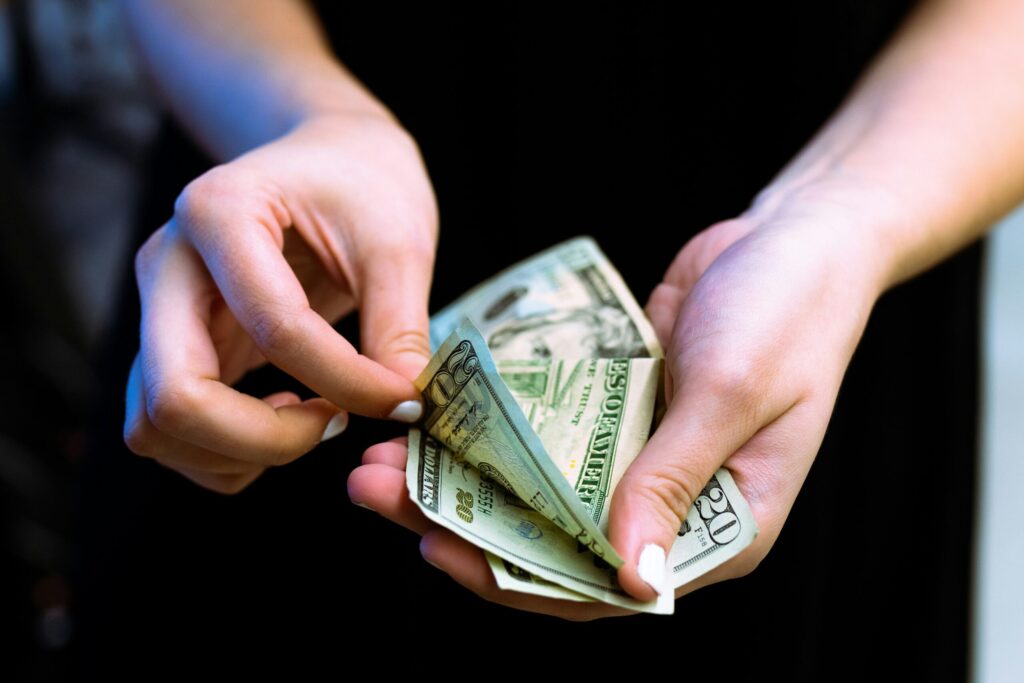
Traveller holding US dollar notes at a Kenya safari camp reception, the cash planning problem behind this safari tipping guide.
6:10am on the last morning of a four-day Masai Mara safari. The Land Cruiser is packed, the dining tent smells of woodsmoke and coffee and a guest is standing at the camp tip box with a single USD 100 note in her hand. She wants to thank the cooks, the housekeepers and the askari (the camp’s night guard) who walked her back to her tent after dark. She has nothing smaller. The camp manager has no change. The note goes back in her pocket and the box stays empty. Tipping on safari looks easy until you’re the one holding the note.
We’ve watched versions of that scene for years and it has nothing to do with generosity. The guest is kind. The camp team is deserving. What fails is the cash. Tipping in Kenya is a logistics problem dressed up as an etiquette problem, and nearly every awkward moment comes down to the same three mistakes: the wrong notes, the wrong moment and the wrong box.
Afrikan Accent Adventures is a Nairobi-based safari operator and we’ve spent our working lives on the other side of this exchange. We know that some camps run one tip box and others run two. We know that a Nairobi forex bureau can refuse a crumpled US note and that the Safaricom counter at Jomo Kenyatta International Airport (JKIA) is the easiest place to set up M-Pesa. This guide puts all of it in one place: the rates, the cash plan, the card limits and the mobile money route.
Here is our position. Tipping is voluntary and nobody should feel pressured, but on a Kenya safari it’s the normal way to thank the people who looked after you, and it works best when you arrive prepared. Get the cash right before you leave home and the tipping takes care of itself.
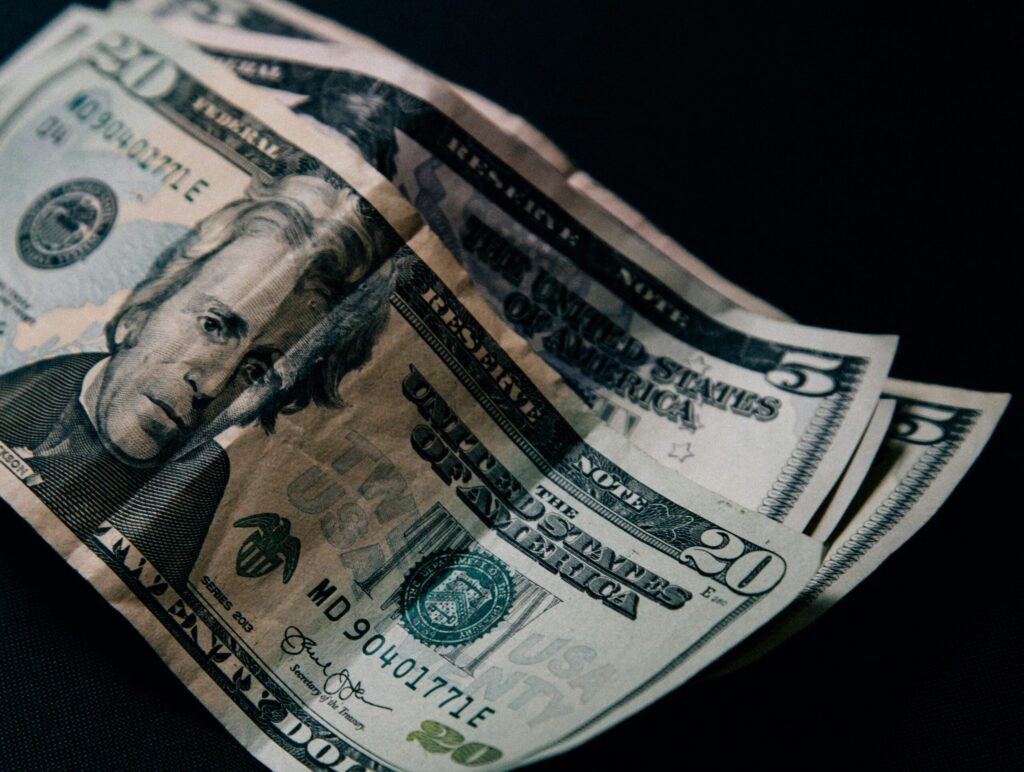
| QUICK ANSWER | How much should you tip on a Kenya safari? Safari tipping in Kenya runs USD 15 to 30 per person per day overall. Your driver-guide’s share is USD 10 to 20 per person per day, with USD 15 our baseline. Camp staff share USD 5 to 10 per person per night. Tip more if you wish. |
At a Glance:
- Driver-guide: USD 10 to 20 per person per day, with USD 15 as our baseline. Add up the days and hand over the total in an envelope on your last morning.
- Camp and lodge staff: USD 5 to 10 per person per night in the communal tip box, up to USD 15 at luxury camps.
- Spotters and trackers: About USD 5 per person per day, only where your vehicle carries one.
- Best currency for tips: US dollars in clean notes printed in 2013 or later for guides and tip boxes. Kenya shillings for porters and small thank-yous, with KES 200 as the minimum.
- Exchange rate: About KES 129 to the US dollar in late September 2026, based on the Central Bank of Kenya reference rate. Check the live rate before you exchange.
- Card tips: Not possible at most remote camps. Cash is the reliable route.
- M-Pesa for visitors: Open to visitors with an original passport and a Safaricom line from the JKIA arrivals counter or any Safaricom shop.
- Park fees: Separate from tips and normally prepaid. Kenya Wildlife Service parks use KWSPay and the Masai Mara National Reserve follows Narok County Government’s schedule.
Why Do You Tip on Safari?
| QUICK ANSWER | Why do you tip on safari? You tip on safari to thank the people behind the experience, from guides to cooks. Camp teams work long shifts and spend weeks away from home. Tips make up a meaningful share of take-home pay for many of them. Tipping is customary but never mandatory. |
A safari looks like one experience and runs like a dozen jobs. There’s the guide who found the leopard at dawn. There’s the cook who was up before 5am for the bush breakfast, the housekeeper who reset your tent while you were out on the afternoon drive, the askari who walked you back from dinner and the transfer driver who sat in Nairobi traffic so you made your flight. Your package price pays the company. Tips are how guests thank the individuals.
East African safari tipping also works differently from the percentage habit many visitors bring from home. It’s calculated per guest per day, not as a share of your bill, because the work scales with the days you spend in camp and not with what the safari cost. A guide who spends ten days with you has earned ten days of thanks, whether you stayed in a budget camp or a lodge with a spa.
Tipping on safari is a cash problem before it’s a generosity problem.
Should You Tip on Safari?
Yes, if the service earned it. Tipping is customary across East African safaris but it’s never mandatory and nobody should chase you for it. We’d still tip. Skipping it is rarely a verdict on the service. It’s usually a planning gap, and the guide or cook on the receiving end can’t tell the difference. If the service was poor, tip less and tell your operator on the day, not three weeks later when nothing can be fixed.
Why Is Tipping Expected on Safari?
Three reasons stack up. First, the work: camps sit hours from the nearest town, many staff live on site for weeks at a time and guides run from first light to the last sundowner. Second, the seasons: Masai Mara camps run flat out from July to October during the Great Migration and slow down during the long rains from March to May, so income is uneven. Third, the pay structure: for many camp staff, especially in housekeeping and the kitchen, tips are a meaningful share of take-home pay. For guides they’re a recognized thank-you on top of a salary.
None of that is a reason to tip beyond your means. It’s the reason the custom exists.
Tipping Your Driver-Guide: The Daily Rate
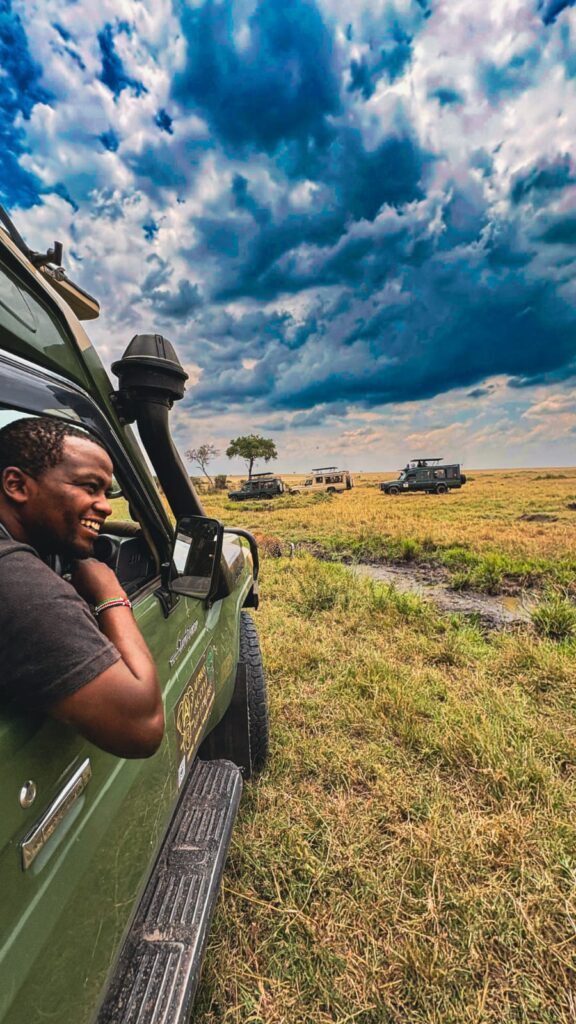
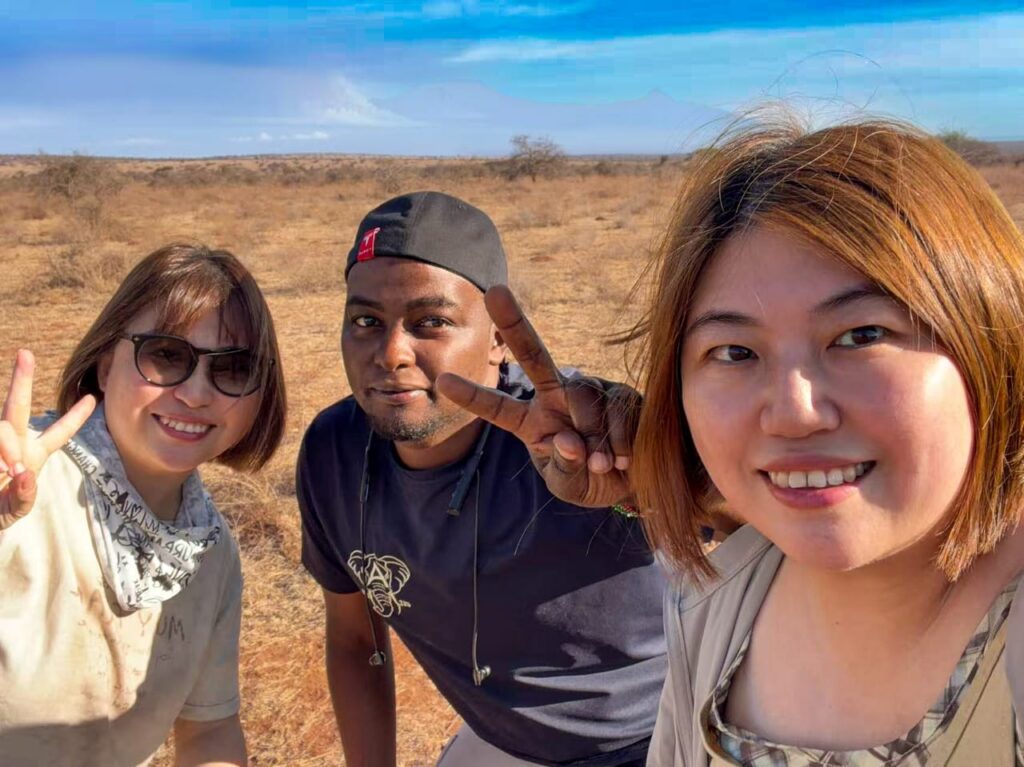
Your driver-guide is the person you’ll spend the most hours with, often eight or more a day. On most Kenya road safaris, the driver and the guide are the same person, which is why tipping a driver-guide in Kenya is the biggest single line in your tipping budget.
How Much Should You Tip a Safari Guide in Kenya?
| QUICK ANSWER | How much should I tip my safari guide in Kenya? Tip your Kenya safari guide USD 10 to 20 per person per day. Our baseline is USD 15 per person per day, not per trip. Tipping is discretionary, so give more for exceptional guiding. Total it up and hand it over in an envelope on your last morning. |
The range is USD 10 to 20 per person per day and our baseline is USD 15 per person per day, not for the whole trip. That’s the daily figure we’d put in the envelope for a good guide with no special drama, multiplied by the number of guests and the number of days. Move toward USD 20 when the guide has delivered something the brochure didn’t promise: a leopard found after a two-hour wait, a puncture fixed in the rain without a sigh, a restless seven-year-old kept interested for six hours. Stay near USD 10 when the guiding was fine but unremarkable. Go below it only if the service was poor. These are guides and not rules. Tipping is at your discretion and nothing stops you going above USD 20 for a guide who made your trip.
A few quick examples. A couple on a four-day private safari tipping at our baseline hands over USD 120 (four days at USD 15 for each of two guests). Over seven days the same couple hands over USD 210. Four friends sharing a vehicle for the same four days hand over USD 240 between them. Families of five or more can scale the per-person figure down to around USD 10 to 12, because the guide’s work doesn’t grow with every extra seat.
Per Person or Per Vehicle?
Some published guides quote driver-guide tips per vehicle: one 2026 Kenya guide puts a private driver-guide at USD 40 to 50 per vehicle per day. For a couple that works out at USD 20 to 25 each, which is the top of the per-person range. Ask your operator which basis they use so you compare.
When to Tip Your Driver-Guide
Tip once at the end and skip the daily envelope. Do the sum before you seal it: your per-person daily amount, times the number of guests, times the number of days. Waiting lets you judge the whole trip and most guides find daily tipping awkward. The exception is a fly-in safari where you change camps and guides: tip each guide on your last morning at that camp, because you won’t see the first one again. Count tipping days as the days a guide is actually with you.
| EXPERT NOTE On a long drive day, the guide has been up since before five, checked the vehicle, listened to the radio and made a dozen small decisions you never saw. The tip matters. What guides talk about afterwards is the guest who learned their name on day one and used it on day four. If you want your thanks to land properly, write one line about the sighting you’ll remember and put it in the envelope with the cash. Nicholas Wangithi, Director & Founder, Afrikan Accent Adventures |
Tipping Camp and Lodge Staff


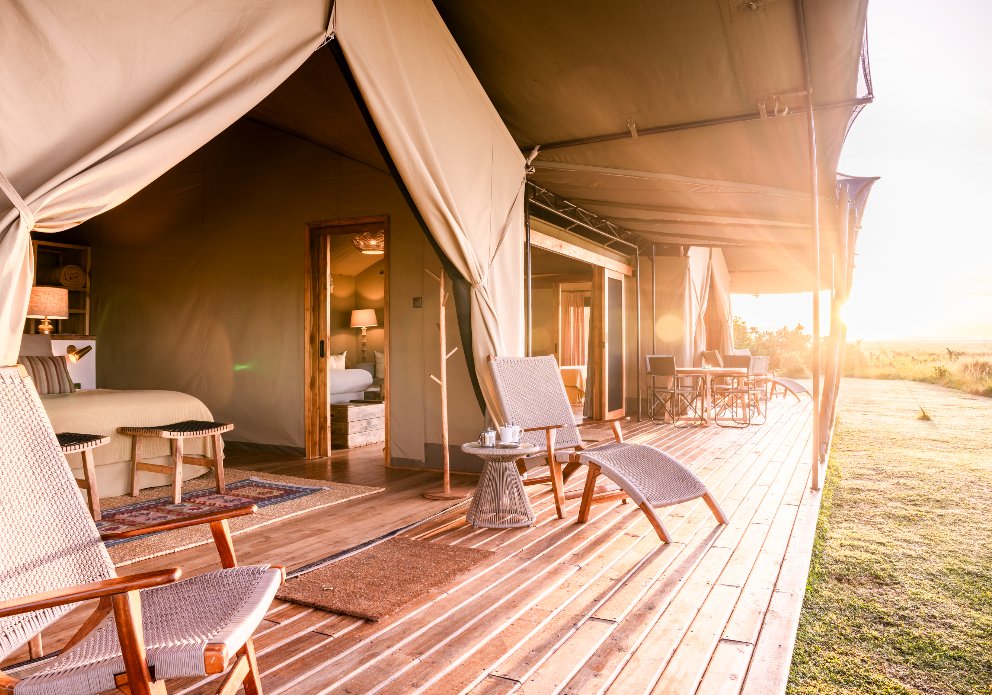
Most Kenya camps and lodges run a communal tip box near reception or the main tent. Whatever goes in is pooled and shared among everyone who looked after you: chefs, waiters, housekeepers, laundry staff, askaris and maintenance crew, including the people you never meet. The standard is USD 5 to 10 per person per night. Luxury camps with higher service levels tip toward USD 15. Two guests staying three nights put USD 30 to 60 in the box.
Which Box Is Which?
Some higher-end camps run two boxes: one for general staff and one for guides or trackers. Ask the manager on arrival which is which. A guide’s tip dropped into the general box gets divided among the whole team and the guide receives only a fraction of it. At smaller camps with no box, ask the manager for an envelope and ask for the money to be shared among the team.
Direct Tips on Top of the Box
If one person looked after you personally, add USD 2 to 5 directly on top of the box, not instead of it. The askari who walks you to your tent at night is part of the pooled team, but a direct tip of USD 2 to 4 on your last night is a gesture that’s remembered. The laundry team deserves the same if they’ve rescued a muddy wardrobe. If you’re paying in shillings, never go below KES 200 for any member of the lodge team.
Some higher-end camps let you add a tip to your final bill by card. Ask how it’s shared before you choose that route. Cash in the box is the most direct one.
Everyone Else: Transfers, Porters, Spotters and Balloon Crews
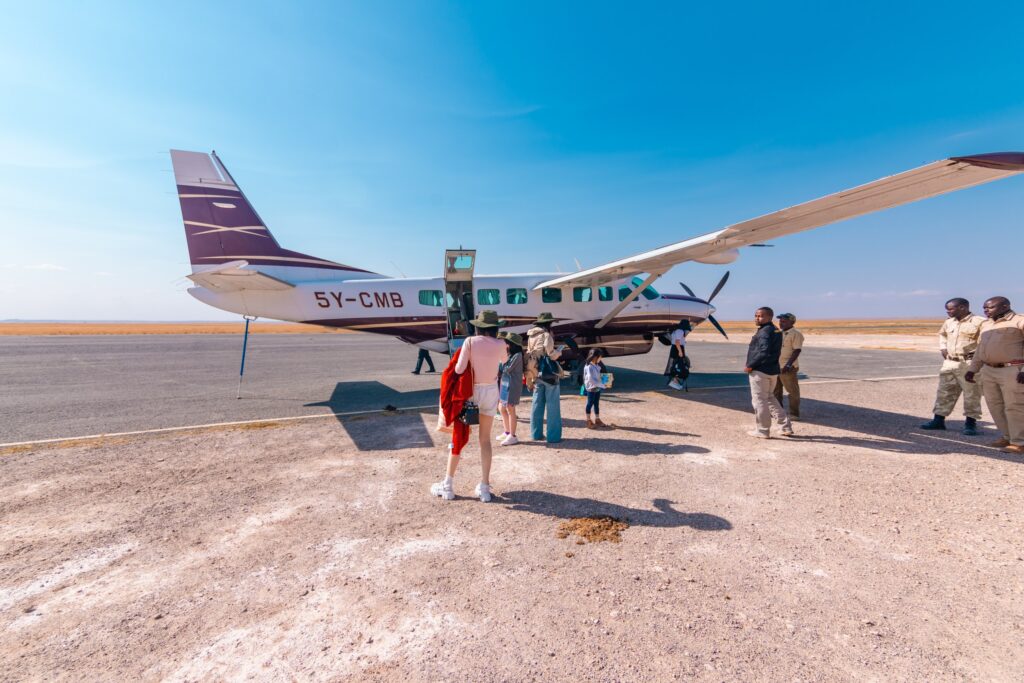
Beyond the guide and the camp box, a Kenya safari touches a handful of other people. None of them expects a large tip. All of them notice a small one. We quote dollars wherever they work and set the floor for any individual tip at KES 200 (about USD 1.50), porters and lodge staff included.
| Who | Suggested tip | How |
| Transfer driver (JKIA, Wilson Airport or hotel) | USD 5 to 10 per transfer | Cash at drop-off |
| Airstrip and camp porters | At least KES 200 per bag (about USD 1.50) | Cash in shillings |
| Spotter or tracker | About USD 5 per person per day | Cash, daily or on your last morning |
| Separate walking guide or armed escort | About USD 5 per person per day | Envelope, separate from your main guide |
| Hot air balloon pilot and crew | USD 10 to 20 combined | Cash, ask whether the crew pools tips |
| Night guard (askari) | USD 2 to 4 | Cash on your last night |
| Restaurant staff in Nairobi | About 10% unless a service charge is added | Cash, check the bill first |
| Hotel housekeeping in Nairobi | USD 2 to 8 per stay | Cash left in the room with a note |
| Uber or Bolt driver | Not expected | Round up if you like |
Practice varies by camp, so ask your camp manager which of these apply to your route. Skip anything that doesn’t.
Tipping on Safari: Group Trips vs Private Trips
The per-guest-per-day rule holds on both kinds of trip. The number inside it moves.
Group and Shared-Vehicle Safaris
On a shared vehicle, including a set departure or a book-a-seat safari where several guests split one Land Cruiser, the guide’s attention is divided and the vehicle total adds up fast. Sit between USD 10 and 15 per person per day. Settle the amount among yourselves on the last evening and not at the gate. One guest collects the cash, puts it in a single envelope and hands it over. If the group can’t agree, everyone tips their own envelope. Don’t leave the guide to do the arithmetic.
Private Safaris
On a private vehicle the guide is yours for the whole trip and plans every day around your pace, your children and your camera. Tip between USD 15 and 20 per person per day. A couple with an outstanding private guide tipping USD 30 to 40 a day combined is well within normal. Our baseline of USD 15 sits where the two ranges meet.
Camp Tips Don’t Change
The camp tip box doesn’t care how you travel. In a shared vehicle or a private one, the staff behind the scenes did the same work for you, so USD 5 to 10 per person per night stays the same.
How Much to Tip in Masai Mara?
The rates in the Masai Mara are the same as everywhere else in Kenya: USD 10 to 20 per person per day for the guide and USD 5 to 10 per person per night for the camp. What changes is the cast of extra people and the fact that almost all of it happens in cash.
Reserve or conservancy, same rules. The Masai Mara National Reserve and the private conservancies around it, among them Mara North, Naboisho, Olare Motorogi and Siana, all follow the per-guest-per-day logic. Don’t tip less at a budget camp because the nightly rate is lower. The staff work just as hard.
Trackers and spotters. In many conservancies, camps, the vehicle carries a Maasai tracker beside the guide. Tip the tracker separately, about USD 5 per person per day. Camps differ, so confirm before you travel whether your vehicle will carry one.
Balloon crews. If you add a sunrise hot air balloon flight over the Mara plains, USD 10 to 20 for the pilot and crew combined is the usual range. Ask your camp whether the balloon company pools tips.
Airstrips. Fly-in guests land on airstrips where porters carry bags to the vehicle. At least KES 200 per bag is fair and shillings are easier than dollars here.
The Nairobi leg. A Mara safari starts and ends in Nairobi. The transfer driver who takes you from JKIA to Wilson Airport or your hotel gets USD 5 to 10 and is the easiest tip to forget.
Village visits. A Maasai village visit fee is agreed in advance and is a contribution, not a tip. If a family hosts you well, buying beadwork in shillings does more good than a loose dollar note. Gate staff aren’t tipped as a rule.
Cash only. Cash is the norm for tips in the Mara. There’s no reason to expect an ATM near your camp, so draw your shillings in Nairobi and break your dollar notes before you fly.
A Simple Tipping Table by Trip Length
Here’s the arithmetic for two guests sharing a vehicle, using USD 10 to 20 per person per day for the driver-guide and USD 5 to 10 per person per night for the camp tip box. The typical column uses the midpoints: USD 15 for the guide and USD 7.50 for the camp box.
| Trip length | Driver-guide (two guests) | Camp tip box (two guests) | Total range | Typical total |
| 3 days, 2 nights | USD 60 to 120 | USD 20 to 40 | USD 80 to 160 | USD 120 |
| 4 days, 3 nights | USD 80 to 160 | USD 30 to 60 | USD 110 to 220 | USD 165 |
| 5 days, 4 nights | USD 100 to 200 | USD 40 to 80 | USD 140 to 280 | USD 210 |
| 7 days, 6 nights | USD 140 to 280 | USD 60 to 120 | USD 200 to 400 | USD 300 |
| 10 days, 9 nights | USD 200 to 400 | USD 90 to 180 | USD 290 to 580 | USD 435 |
Add roughly USD 30 to 60 for transfers, porters and one-off thank-yous, plus USD 5 per person per day if your vehicle carries a spotter. Travelling solo? Halve the arithmetic but stay at the top of the range, because one guest doesn’t shrink the guide’s day. On a fly-in safari count guide days as the days you spend at each camp. For families of five or more, drop the per-person figure to USD 10 to 12.
How Much Cash to Carry on Safari
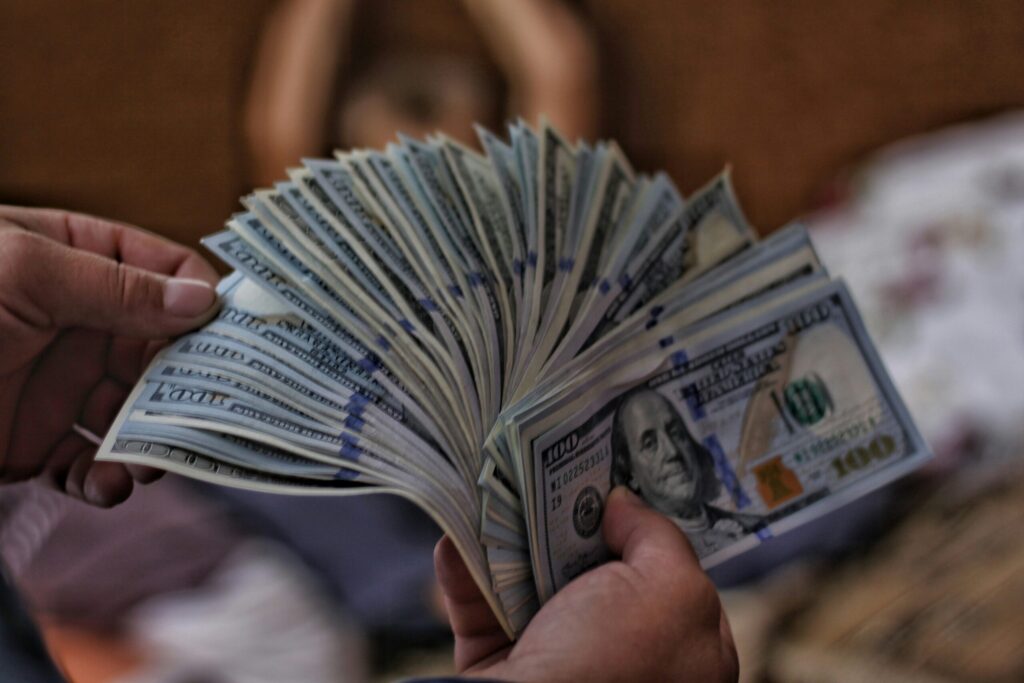
Less than most guests pack, in smaller notes than most guests carry.
| QUICK ANSWER | How much cash should I bring on a Kenya safari? Bring roughly USD 200 to 300 per person for a week-long Kenya safari. That covers tips of USD 15 to 30 per person per day plus about USD 100 for extras. Add USD 25 to 40 in small Kenya shillings for porters and lodge staff. Prepaid packages cover the rest. |
Build your cash in three layers.
- Tips in dollars. USD 15 to 30 per person per day, in fives, tens and twenties. Seven days comes to USD 105 to 210 per person. If your vehicle carries a spotter, add USD 5 per person per day. The table above gives the figure for two guests.
- Extras in dollars. About USD 100 per person for a week, for souvenirs, laundry and any drinks your package doesn’t cover. That’s our rule of thumb and not a tariff, so adjust it to your own habits.
- Small change in Kenya shillings. Roughly USD 25 to 40 (KES 3,000 to 5,000) in 200 and 500 shilling notes for porters, lodge staff and the askari. Our floor for any individual tip is KES 200.
Prepaid packages normally cover accommodation, meals, transport and park fees, so you’re not carrying cash for those. Read the “not included” list on your quote and carry for exactly that.
Three habits matter more than the amount. Split your cash between two bags so one loss doesn’t strand you. Keep the tip envelopes in your daypack with your passport and not in a checked bag. Ask your camp where valuables can be locked away. If you arrive with more than the equivalent of USD 10,000 in cash you must declare it at customs, though you won’t need anything close to that for tips.
Two other items never touch your safari cash. Your Kenya eTA is paid online by card before you fly and our Kenya eTA 2026 guide covers who needs one and how to apply. For everything else that goes in the daypack, see our African safari packing list.
| EXPERT NOTE Before you fly, ask your operator three things. How does each camp handle tips: one box or two? Do guides change between camps on your route? And is there anything on your quote, such as a balloon flight or a village visit, that needs cash on the day? Those answers decide how many envelopes you pack and in what notes. Hellen Asiko, Director & Guest Experience Curator, Afrikan Accent Adventures |
What Currency Should You Use for Safari Tips?

Do I Need to Bring US Dollars to Kenya?
| QUICK ANSWER | Do I need to bring US dollars to Kenya? No, but US dollars make safari tipping easier. Kenya’s currency is the shilling and bank ATMs dispense it. Camps and guides take dollars happily. Bring clean notes printed in 2013 or later, mostly fives, tens and twenties. |
Kenya’s currency is the shilling (KES) and you can draw it from a bank ATM. But camps and safari operators price in US dollars, guides are used to them and a clean dollar note is the easiest tip to hand over. So no, you don’t need dollars. We’d still bring them.
The Note Rule That Catches People Out
Kenyan banks and exchange bureaus commonly refuse older US notes and any note that is torn, stained, inked or heavily creased. The cutoff depends on who you ask. Published guidance runs from notes printed after 2006 to notes printed in 2013 or later, and some counters go further. We’d rather you be safe than right. Bring notes printed in 2013 or later and as crisp as your bank can supply. Carry them in a rigid envelope or between the pages of a book.
A USD 100 note is a lovely thing to own and a terrible thing to tip with.
Fifties and hundreds exchange at better rates than small bills, but they’re hard to tip with because nobody has change. Use fives, tens and twenties for tips and keep a few larger notes only if you expect to exchange for Kenya shillings.
Kenya Shillings: What to Carry and Why
Kenya’s notes come in 50, 100, 200, 500 and 1,000 shillings. Keep a stash of 200s and 500s for small tips and anything under about USD 5, because exchange bureaus give poor rates on single dollar bills and a porter can’t spend one. Our floor for any individual tip is KES 200 (about USD 1.50), porters and lodge staff included. Few people carry change for a 1,000 note, since so much daily spending runs on M-Pesa.
Exchange Rates and Where to Change Money
The Central Bank of Kenya’s reference rate in late September 2026 was about KES 129 to the US dollar. At that rate KES 200 is about USD 1.50, KES 500 is about USD 4, KES 1,300 is about USD 10 and KES 2,600 is about USD 20. Rates move daily, so check the Central Bank of Kenya’s published rate before you exchange. Forex bureaus in Nairobi town generally beat both the banks and the airport. Count your money before you leave the counter, every time.
Card Payments and Where They Don’t Work
Cards are fine for hotels, malls, supermarkets, petrol stations and established restaurants in Nairobi. They also work for the final bill at most lodges and camps, though some add a processing surcharge, so ask before you swipe. They stop being useful in three places that matter on safari: tip boxes, informal stalls and anywhere without signal, because a card terminal needs a connection and connections in the bush come and go.
| Where | Cards | What works instead |
| Nairobi hotels, malls, supermarkets and petrol stations | Reliable | Cash or M-Pesa also fine |
| Established restaurants | Usually, ask about a surcharge | Cash or M-Pesa |
| Final bill at a camp or lodge | Usually, ask about a surcharge | US dollar cash |
| Camp tip boxes | Almost never | US dollar cash |
| Spotters, porters and airstrip staff | No | Dollars for spotters, shillings for porters |
| Curio stalls, markets and roadside fuel stops | Rarely | Shillings or M-Pesa |
| Boda bodas, tuk-tuks and matatus | No | Shillings or M-Pesa |
| Kenya Wildlife Service Park entry | Online prepayment | KWSPay (M-Pesa, cards or bank transfer) |
Park Fees Are a Prepaid Item
Entry to Kenya Wildlife Service (KWS) parks such as Nairobi National Park and Lake Nakuru National Park is paid through KWSPay, the online system that replaced the old eCitizen portal on 1st November 2025. It takes M-Pesa, bank cards, bank transfers and an eWallet. The Masai Mara National Reserve sits outside that system: Narok County Government manages the main reserve and sets its own fees. Either way your operator should prepay these charges and the line should be visible on your quote. Tips are the part you carry yourself.
ATMs and the Currency Trap
Plan your shillings before you leave Nairobi. Bank ATMs are common in the city and in towns, but there’s no reason to expect one near your camp. Withdrawal limits vary by bank and each withdrawal carries a fee, so one larger withdrawal usually beats several small ones. Use a machine at a bank branch or a mall, shield your PIN and choose to be charged in shillings if the machine offers a choice. Accepting your home currency “for convenience” is called dynamic currency conversion and it quietly adds a few percent to the cost.
Using M-Pesa as a Visitor
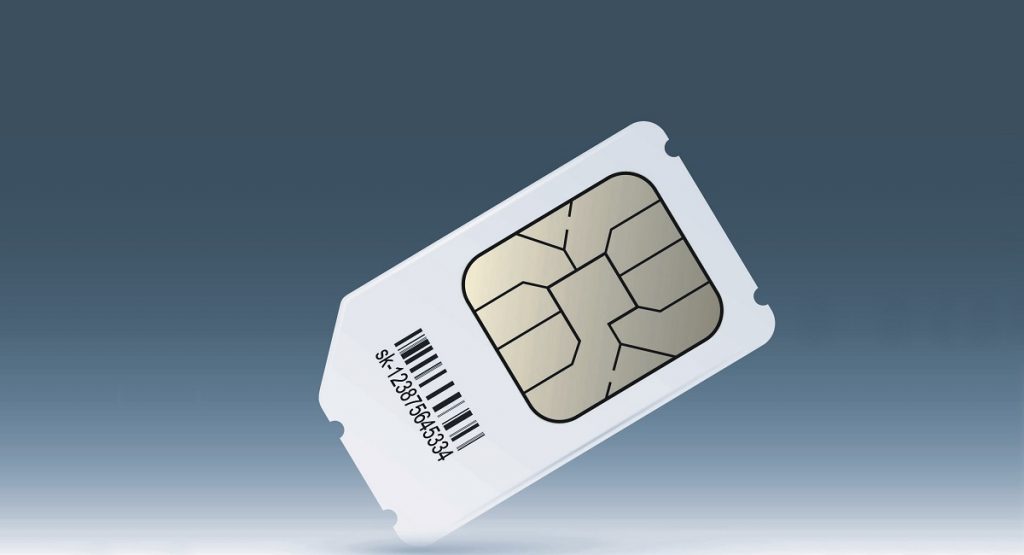
M-Pesa is Safaricom’s mobile money service and it runs daily life in Kenya, from taxi fares to school fees. M-Pesa for tourists is easier to set up than most visitors expect and it makes the Nairobi end of your trip much simpler.
| QUICK ANSWER | Can tourists use M-Pesa in Kenya? Yes, tourists can use M-Pesa with an original passport and a Safaricom line. Register at the Safaricom counter in JKIA arrivals or any Safaricom shop. The SIM costs about KES 100 (under USD 1). A travel eSIM won’t work for M-Pesa. |
Six Steps From the Arrivals Hall to Your First Payment
- Keep your original passport in your hand luggage. A photocopy or a phone photo won’t do, because Kenyan law requires SIM registration against an identity document.
- Find the Safaricom counter in the arrivals hall at JKIA. If you land late, any Safaricom shop in town does the same job the next morning.
- Buy a Safaricom SIM and have it registered in your name. The SIM costs about KES 100 (under USD 1). The agent scans your passport and takes your photo.
- Ask for M-Pesa to be activated in the same visit. Set your PIN before you leave the counter.
- Load shillings at any M-Pesa agent. Agents are everywhere and usually marked in Safaricom green.
- Pay with Lipa na M-Pesa. Use Buy Goods for a till number or Pay Bill for a business number and account. Ask the agent to walk you through your first payment.
Data is a separate purchase. Safaricom’s Jambo Tourist Bundles are for visitors in their first 90 days on the network and can be bought with airtime or M-Pesa. Our guide to Wi-Fi, electricity and charging on safari in Kenya covers SIMs, bundles and camp Wi-Fi in more detail.
What M-Pesa Is Good for and What It Isn’t
It’s good for Nairobi taxis, markets, small shops, lunch stops on the road to the Mara and anywhere with a till number on the counter. Paying a till number through Buy Goods is free to the customer, while sending money to a person carries a small tiered fee, usually tens of shillings. It won’t pay a camp tip box, which takes cash. A travel eSIM can’t give you M-Pesa either, because the account is tied to a Safaricom number. And don’t count on topping up from a foreign bank card. Load cash at an agent.
Many Kenyan guides use M-Pesa every day. If you’ve set it up and run short of cash on the last morning, ask your guide whether they’d like the tip sent that way. Cash in an envelope is still the default.
One safety rule matters more than any other. Never share your M-Pesa PIN. Safaricom never asks for it, and if a caller claims otherwise you should hang up.
| EXPERT NOTE Money is the one part of a safari plan you can’t fix from the bush. There’s no bureau at the airstrip and no ATM at the tent flap. Whatever is in your envelopes on the last morning is all you have, so pack them with the same care as your passport. Kibara Mugo, Safari Writer and East Africa Specialist, Afrikan Accent Adventures |
How to Tip on Safari
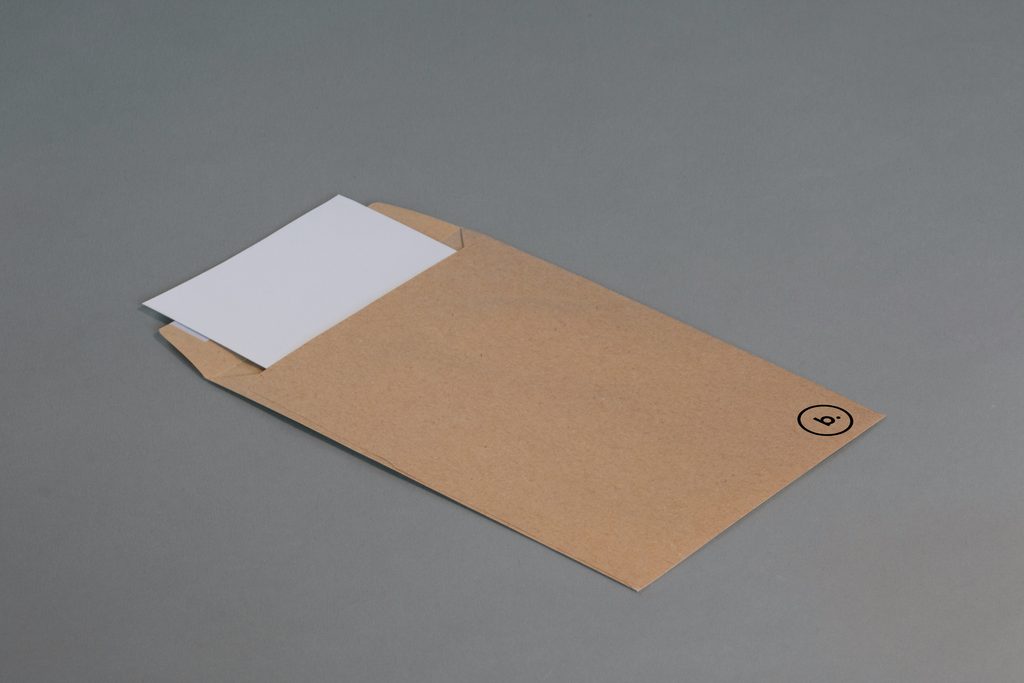
Knowing the amount is half of it. The other half is the handover.
How to Tip Discreetly on Safari
- The night before, count out your envelopes. Label one for the guide and one for the camp staff, plus a third for a tracker if you have one.
- Add a line of thanks to the guide’s envelope. Handwriting is fine and so is a short note.
- Before breakfast, put the camp envelope in the tip box or hand it to the manager.
- Give the guide’s envelope privately at the vehicle or at the airstrip, with a handshake. Offer it with your right hand or both hands, a small courtesy that goes down well across Kenya.
- On a fly-in safari, do it before the flight. You won’t get a second chance on the airstrip.
An envelope keeps the exchange private and personal. Nobody counts money in front of other guests and the guide isn’t left holding bills in view of the group. Skip the dining table, skip the daily tip and skip the hundred-dollar note. Do this instead: small notes, sealed envelopes and a quiet word of thanks.
Tip the person, in private, on the last morning.
Frequently Asked Questions About Tipping and Money on Safari
Is tipping included in the price of a Kenya safari?
Not normally. Safari packages rarely include tips, so budget for them separately. Check the “not included” list on any quote you’re comparing and ask your operator to confirm it in writing.
Is tipping mandatory on a Kenya safari?
No. Tipping is customary but voluntary and the amount is yours to decide. Tip for the service you received, adjust for your budget and never feel pressured by anyone.
When should I tip my safari guide?
On your last morning and not daily. Add up your per-person daily amounts and hand over the total in one envelope. Most guides find daily tipping awkward. On a fly-in safari tip each guide at the end of your stay at their camp.
How much should I tip if I’m travelling alone?
Stay near the top of the range, USD 15 to 20 per day for the guide. One guest doesn’t shrink the guide’s day, so a solo traveller’s per-person figure should sit above a group’s. Camp tip box contributions stay at USD 5 to 10 per night.
Should I tip in US dollars or Kenya shillings?
Both work. Use US dollars for your guide and the camp tip box, in clean notes printed in 2013 or later. Use shillings for porters, lodge staff and anything under about USD 5, with KES 200 as the minimum, because small dollar notes are hard to exchange.
Can I tip by card or M-Pesa?
Cards almost never work for tips at remote camps, so carry cash. M-Pesa is possible if you’ve registered with a Safaricom line and your guide prefers it. The camp tip box takes cash only.
How much should I tip on a hot air balloon safari?
USD 10 to 20 for the pilot and crew combined is the usual range in the Masai Mara. Ask your camp whether the balloon company pools tips. Carry it in cash.
Do I tip park rangers and gate staff?
Not as a rule. Gate staff aren’t tipped. An armed ranger or separate walking guide who leads a walk with you is the exception, at about USD 5 per person per day.
How much should I tip on a Nairobi day trip?
Tip pro rata. USD 10 to 20 per person is fair for a full day with a driver-guide, which is the same range as a safari day. Tip roughly half that for a half day. A transfer driver gets USD 5 to 10 separately.
What if the service was poor?
Tip less and tell your operator on the day. A smaller tip alone teaches nobody anything, while a clear word at the time gives your operator a chance to fix it. Never tip more than you feel the service earned.
Is tipping different in Tanzania, Uganda and Rwanda?
Not much on a standard safari. Guide and camp box rates are broadly the same across East Africa and calculated per guest per day. Gorilla and chimpanzee treks add separate tips for rangers, trackers and porters, which can add USD 20 to 40 per person per trek.
Do I need to declare cash when I land in Kenya?
Yes, if you carry more than the equivalent of USD 10,000. Smaller amounts need no declaration. You won’t need anything close to that for tips.
Get Your Free Tailored Quote
You now have the rates, the cash plan, the note rules and the M-Pesa route. What the numbers can’t tell you is how your own trip handles them: how your camps run their tip boxes, whether your guides change midway and how many days of cash you’ll really need.
That’s where we come in. Afrikan Accent Adventures is a Nairobi-based safari operator and a free tailored quote from us starts with your dates, your pace and the camps that suit you. It then lays out what’s prepaid and what you’ll pay for on the ground, so your cash plan rests on facts and not guesses. Hellen Asiko, our Director & Guest Experience Curator, will walk you through it. Get your free tailored quote and tell us when you’re travelling.
And if you remember one thing from this guide, make it the woman at the tip box with a single hundred-dollar note. She was never short of kindness. She was short of planning.
Break the hundred before you fly, and the last morning of your safari will be about the goodbye instead of the change.
Let's plan your East African safari
Tell us when you'd love to travel and a local specialist will craft a tailor-made route around you.


