

What Is a Day on Safari Like in Kenya? Hour by Hour, From Dawn Coffee to Campfire
A safari day isn't a marathon of game drives. It's a shape: one drive at each end of the day, a long pause in the middle and a great deal of food in between. Here is the hour-by-hour reality.

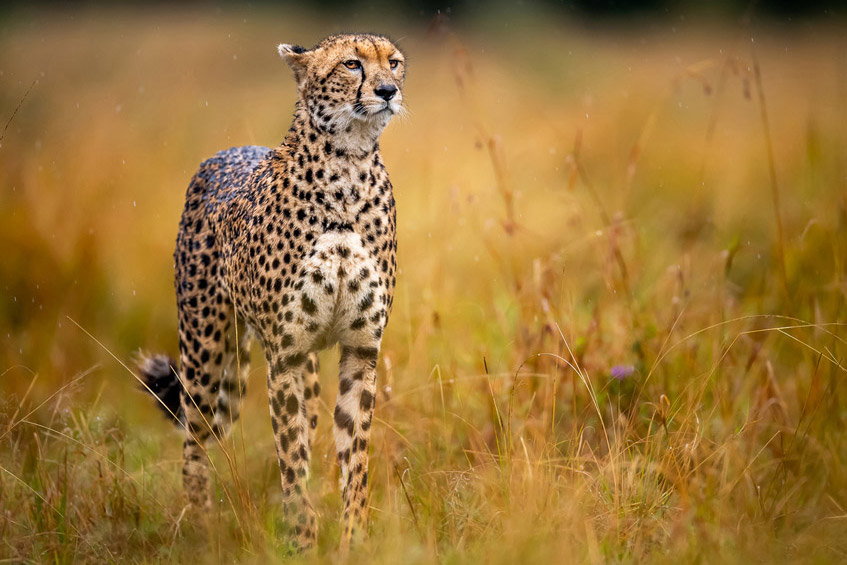
A cheetah standing on a termite mound in the golden hour light of the Masai Mara, the perfect reward for a full day on a masai mara safari in Kenya.
5:02am. Canvas rustles and a voice barely above a whisper says Jambo. Your personal butler is at the tent door with freshly brewed coffee, steam curling into the cold. Out beyond the river a lion roars, low enough to feel in your ribs. You’re in a proper bed with a hot water bottle at your feet and every sensible instinct says stay put. So, what is a day on safari like when it starts this way?
Get up. We say that as people who have stood at that vehicle door on more mornings than we can count. Almost every first-timer asks us over the first coffee whether the start really has to be this early. It does. The Land Cruiser is already idling on the track. By 6:15am that lion will be on the move and the grass will be turning gold. By 10am he’ll be asleep under a bush and the best of the morning will be gone. The animals set the alarm. We just work around it.
A safari day isn’t a marathon of game drives. It’s a shape: one drive at each end of the day, a long pause in the middle and a great deal of food in between. Guests who grasp that shape reach the afternoon drive fresh and see the leopard. Guests who don’t are asleep in the vehicle by 11am and wondering what the fuss was about.
As a Nairobi-based safari operator we plan these days for a living, so here is the full picture. We’ll give you the hour-by-hour timetable, the real game drive times in Kenya, what to do while the animals sleep and which pace gets the most out of a trip. Pace is the whole argument. Get it right and a safari day is the best day of your year. Get it wrong and by day three you’re skipping drives.
| QUICK ANSWER | What is a day on safari like? A day on safari in Kenya has two game drives with a long rest between them. You wake around 5:30am and drive at first light. Midday is for brunch, lunch and sleep. The afternoon drive runs until sunset and dinner follows. |
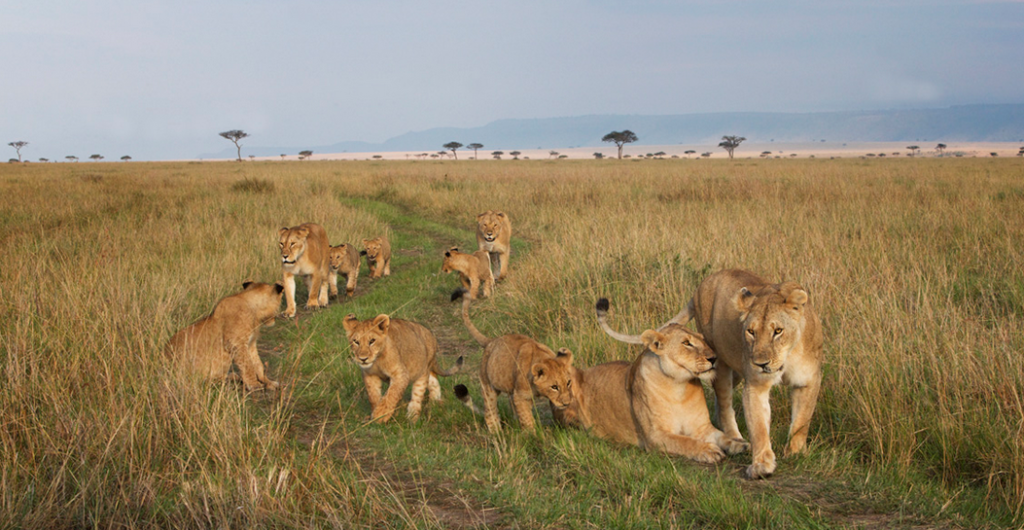
A Kenya Safari Day at a Glance:
- Wake-up: 5:00am to 5:45am with coffee, tea and rusks before the drive.
- Morning game drive: About 6:00am to 9:30am then back to camp for breakfast.
- Midday break: About 10:00am to 3:30pm covering breakfast, lunch and rest.
- Afternoon game drive: From 3:30pm or 4:00pm until the light fades.
- Masai Mara National Reserve gates: Entry tickets run for 12 hours, from 6am to 6pm.
- Daylight: Kenya sits almost on the equator so sunrise falls between roughly 6:30am and 7:00am and sunset between roughly 6:30pm and 7:00pm in every month.
- Getting to the Masai Mara: Five to six hours by road from Nairobi or about 45 to 60 minutes by light aircraft from Wilson Airport.
- Driver-guide tip baseline: USD 15 per person per day with a range of USD 10 to 20.
What is a day on safari like, hour by hour?
This is the rhythm we run on a standard Masai Mara camp safari. Times slide by 30 minutes either way depending on the camp and the season and what the animals are doing. The shape doesn’t change.
| Time | What happens |
| 5:00am to 5:45am | Wake-up call. Coffee, tea and rusks at your tent or the mess tent. Balloon mornings start earlier, typically 4:00am to 4:30am. |
| 5:45am to 6:00am | Vehicle leaves camp. The Masai Mara National Reserve gates open at 6am and conservancy camps set their own start. |
| 6:00am to 9:30am | Morning game drive. Cool air and soft light. Predators finish their night’s work and herds move out to graze. |
| 9:30am to 10:30am | Back at camp for a full breakfast. Some guides arrange a bush breakfast in the field instead. |
| 10:30am to 1:00pm | Free time to rest or read. Optional guided walks and village visits fit here. |
| 1:00pm to 2:00pm | Lunch. |
| 2:00pm to 3:30pm | The long pause. The heat peaks and the nap hour begin. |
| 3:30pm to 4:00pm | Tea or coffee and something sweet. Camera batteries go on charge. |
| 4:00pm to dusk | Afternoon game drive with sundowner stops at golden hour. Inside the reserve you’re out by 6pm. |
| 6:30pm to 7:30pm | Wash and change then settle by the campfire for drinks. |
| 7:30pm to 9:00pm | Dinner. Most camps serve three courses. |
| 9:00pm to 9:30pm | Staff walk you to your tent. Lights out. |
Arrival day and departure day
Your first and last days bend the pattern. Road guests usually leave Nairobi around 7:30am and reach the Masai Mara after five to six hours on the road. That means lunch at camp and an afternoon drive from about 4pm. Fly-in guests can be at camp for brunch and out on a drive by early afternoon. On departure day you do one last morning drive and a quick breakfast then leave by about 10am. Gate timing matters on check-out day because a vehicle that lingers inside the reserve can trigger a second day’s entry fee.
What time do game drives start?
| QUICK ANSWER | What time do game drives start in Kenya? Game drives in Kenya start at first light, usually between 6:00am and 6:30am. Masai Mara National Reserve gates open at 6am. Afternoon drives leave around 3:30pm or 4:00pm. Balloon guests leave camp earlier, typically as early as 4:30am. |
First light in Kenya arrives around 6am all year. We sit almost on the equator so day length barely changes. Sunrise falls between roughly 6:30am and 7:00am and sunset between roughly 6:30pm and 7:00pm in every month. There’s no long summer evening to chase. The window is fixed and you work inside it.
At the Masai Mara National Reserve the gates open at 6am and an entry ticket runs for 12 hours. The Mara Triangle gates open at 6am too. We want our vehicles through the gate when it opens. That first hour from 6am to 7am is when lions are still on the move and the light turns the grass gold.
The conservancies around the reserve work differently. Mara North Conservancy, Naboisho Conservancy, Olare Motorogi Conservancy and Siana Conservancy have no gate queue so camps leave when the guide judges the light right. That often means rolling out before sunrise and it’s a real advantage. The Kenya Wildlife Service bans night driving in most of its parks and reserves but the private conservancies around the Masai Mara and Ol Pejeta Conservancy run night drives of their own.
Afternoon drives leave between 3:30pm and 4:00pm. Go earlier and you’re driving through the heat to look at sleeping animals. Go later and you lose the golden hour. Our advice is simple. Leave at 6am rather than 7am in the morning and at 4pm rather than 5pm in the afternoon.
How long is a game drive?
| QUICK ANSWER | How long is a game drive? A game drive lasts two to four hours. Morning drives run about three hours before breakfast. Afternoon drives run two to three hours until sunset. A full-day drive with a picnic lunch can fill the 12-hour reserve ticket, from 6am to 6pm. |
Three hours is the sweet spot. A morning drive usually runs from 6am to 9am or 9:30am and then you return for breakfast. An afternoon drive runs two to three hours from 4pm. Go longer and your eyes tire while the sun climbs and sightings thin out.
Some drives stretch on purpose. A guide sitting on a lion kill or a leopard in a tree will stay with it and nobody at camp will mind a late breakfast. In migration season a river crossing can hold a vehicle for hours while the herds build at the bank. Those are the drives guests talk about for years.
Don’t measure a game drive in kilometres. We stop constantly and cover far less ground than guests expect. Measure it in sightings instead.
Morning vs afternoon game drive: which is better?
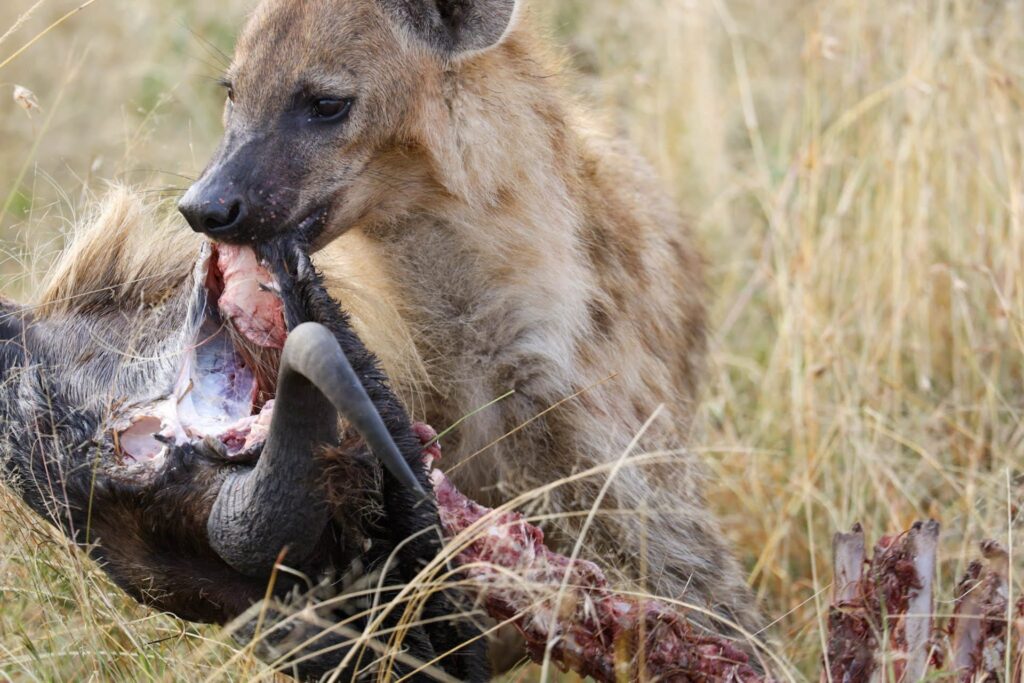
If you can only do one, do the morning. Lions and leopards finish hunting at dawn and hyenas head back to their dens. The air is cool and the birds are loud. In Amboseli National Park the morning also gives you your best chance of an unclouded view of snowcapped Mount Kilimanjaro.
The afternoon wins on light. The golden hour between about 5pm and 6:30pm is the best photography of the day. Elephants move to water and big cats begin to stir as the heat breaks.
Our verdict is to do both every day. The classic mistake is skipping the afternoon drive for a nap because the morning was good. That’s the drive where guests miss the leopard.
Nobody remembers the seventh hour in the vehicle. They remember the leopard at 4:40pm.
What do you do at midday between game drives?
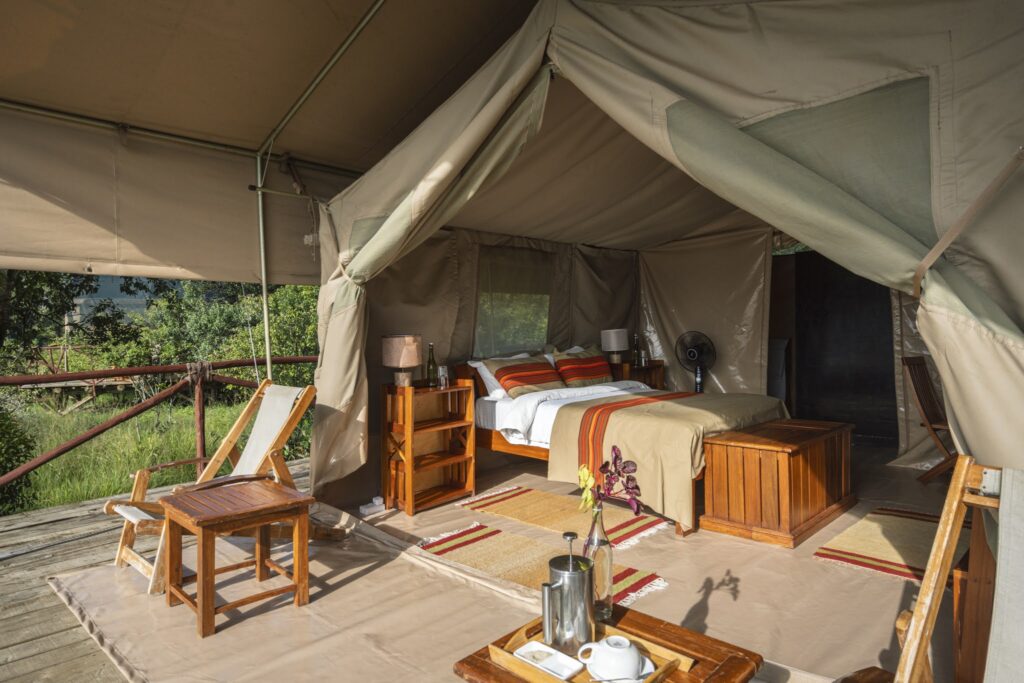
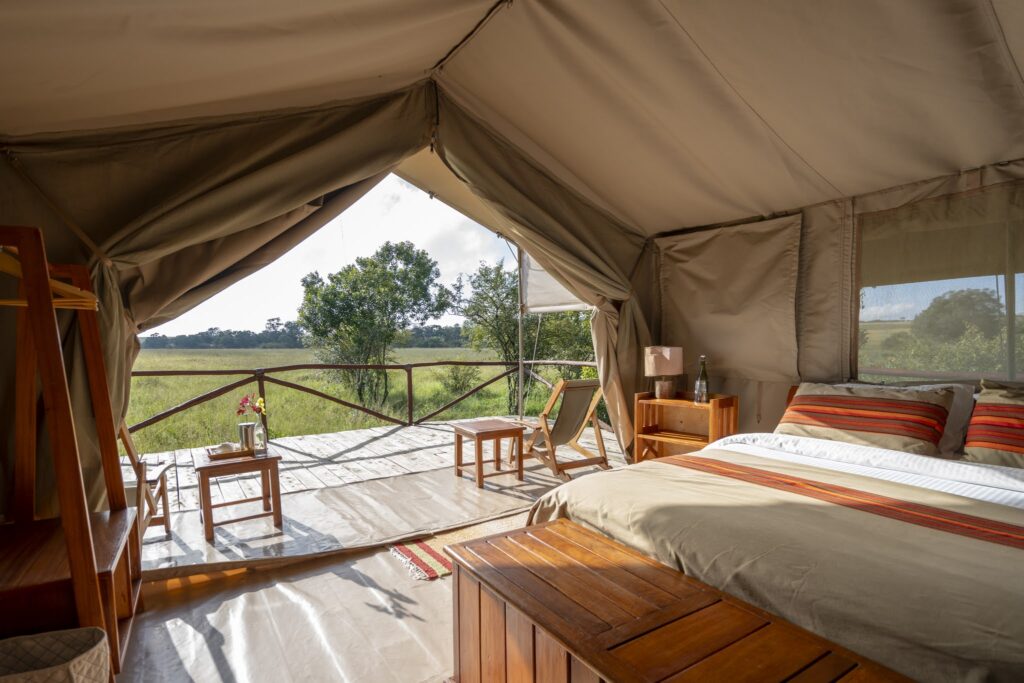
| QUICK ANSWER | What do you do between game drives? Between game drives you eat, rest and recharge. Camps serve breakfast after the morning drive and lunch around 1pm. Most guests then nap, read, swim or walk the camp until afternoon tea at about 3:30pm. Some camps offer guided walks or village visits. |
The midday pause isn’t a gap in the program. It is the program. By late morning the sun is high and predators have found shade. Lions can sleep up to 20 hours a day and a vehicle bumping across the plains in the midday glare shows you very little.
What guests actually do between drives
- Sleep. We mean it. The early starts catch up with you by 1pm.
- Watch from camp. Camps on a river or overlooking a waterhole often deliver elephants and hippos without a vehicle.
- Walk. Guided nature walks run in the conservancies. They aren’t permitted inside the national reserve.
- Visit a community. A community-led Maasai village visit fits the midday window if you choose it carefully and avoid staged roadside stops.
- Swim or spa. Some camps have a pool or a spa tent. Many tented camps have neither.
- Sort and charge. Back up your photos and charge batteries while the camp power is on.
| EXPERT NOTE Guides read the day by the heat. By late morning most predators are in shade and the vehicle gets hot while the viewing thins. A guide who suggests heading back to camp isn’t cutting your safari short. That guide is saving your energy for the hour that counts. The one exception is a river crossing building at the Mara River. Then you go and you don’t stop for lunch. Nicholas Wangithi, Director and Founder |
Full-day or half-day drives: which is better?
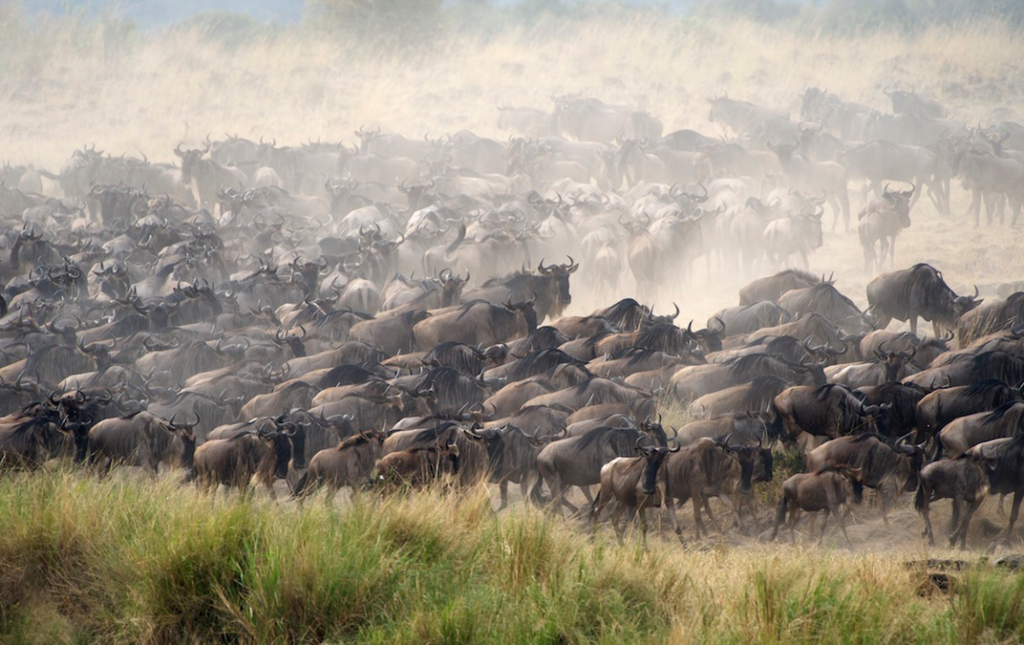
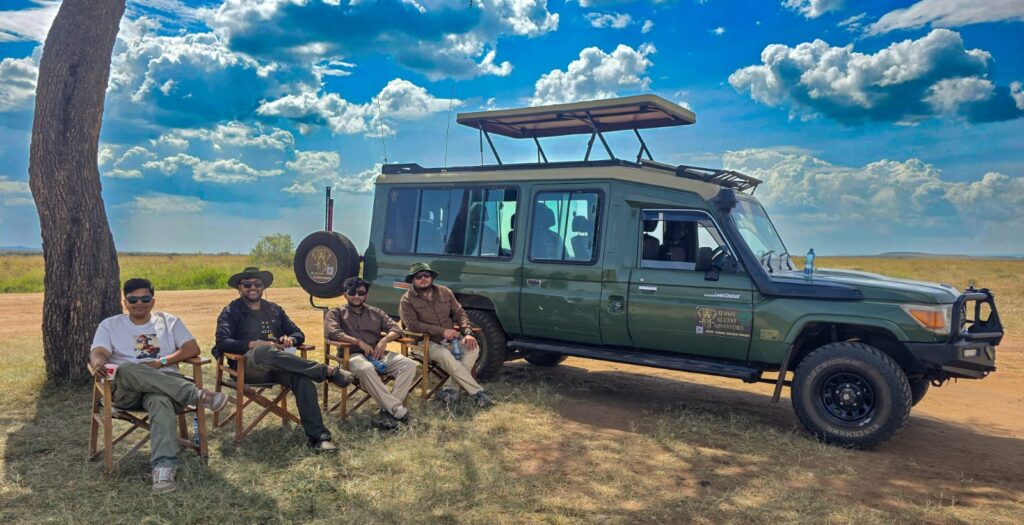
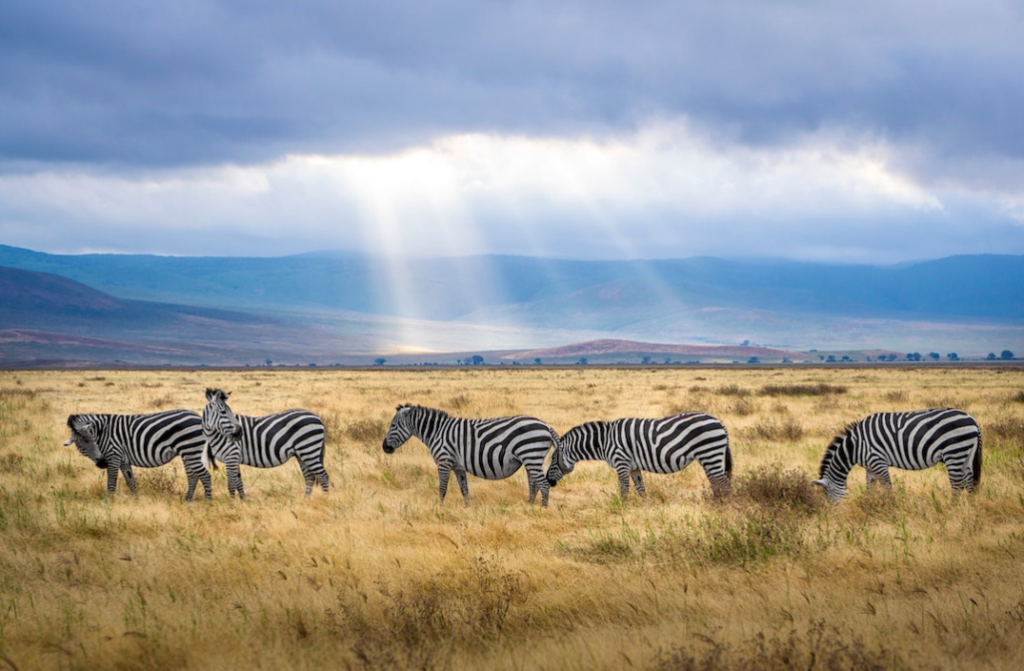
A half-day drive is one outing of about three hours. A full-day drive leaves at 6am with a picnic lunch and returns around 6pm.
Half-day drives win for most guests. Two good drives with a long rest beat twelve hours of sitting. The case for a full day is narrow. It makes sense in Mara River crossing season from about July to October. It makes sense for a long run to the Mara Triangle or the far corners of the reserve. It also makes sense when you only have one day in the Masai Mara.
Cost doesn’t settle the question. A full-day drive uses the same 12-hour reserve ticket as two half-day drives so the real price is your energy. Our rule is one full-day drive on a three-night stay and not one every day. If you want the middle path, ask the camp for a bush breakfast. The morning drive stretches to 10am and you eat a hot breakfast in the field.
How tiring is a safari day and how do you pace yourself?
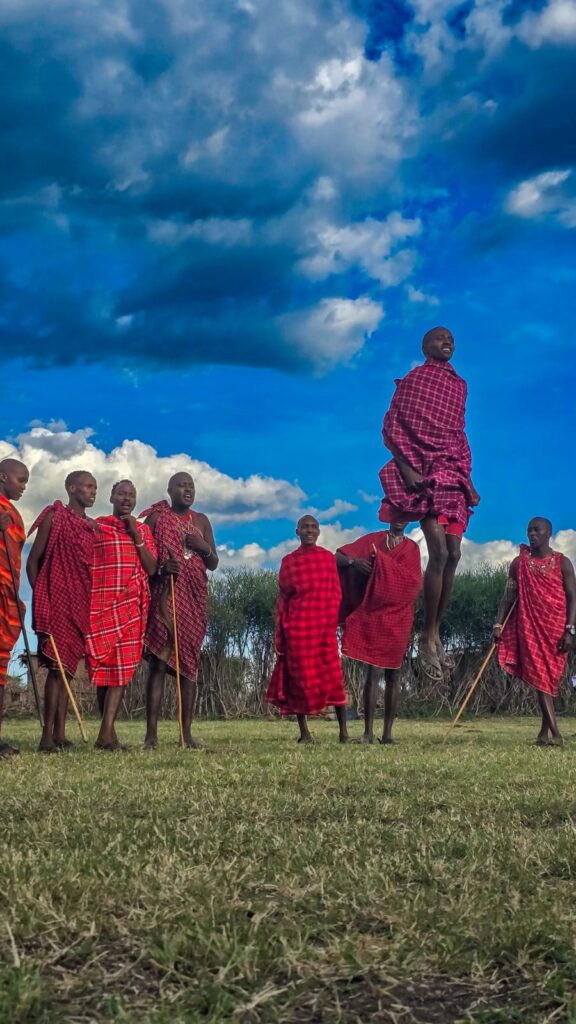
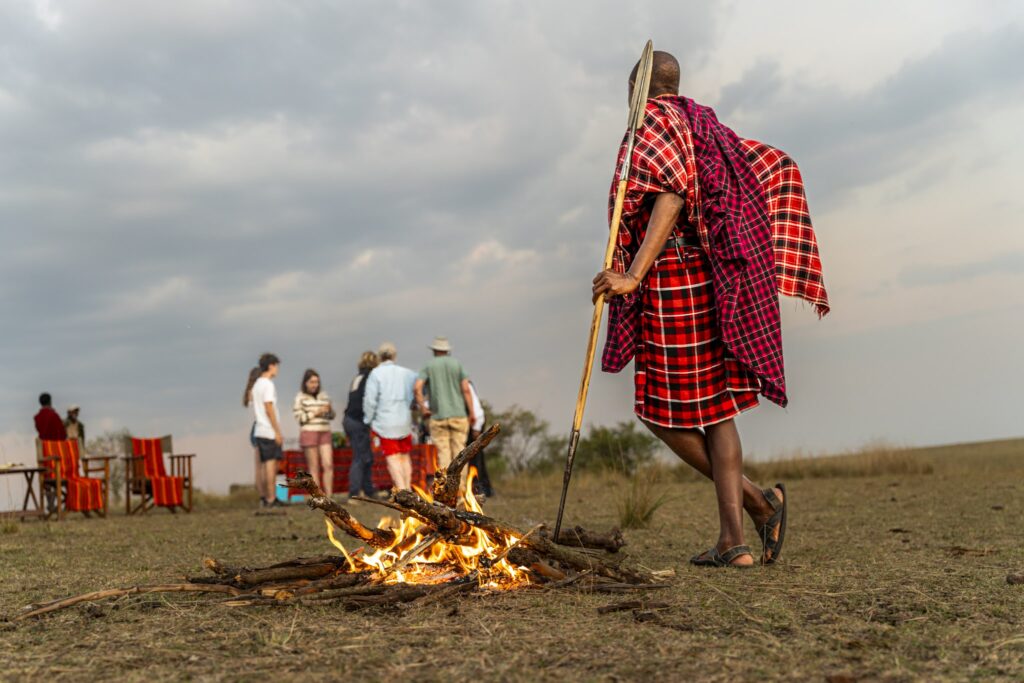
A safari day is easy on the legs and hard on everything else. You aren’t hiking. You’re sitting for five to six hours across two drives on dirt tracks in sun and dust after a 5am alarm. Most guests feel it by the third day.
| QUICK ANSWER | Do you wake up early on safari? Yes, most safari mornings start between 5:00am and 5:45am. Animals are most active in the cool hours after dawn and reserve gates open at 6am. A wake-up call and coffee reach your tent first. You can skip a drive, but you’ll miss the best light. |
Our pacing rules
- Sleep before 9:30pm. The campfire will still be there tomorrow.
- Drink water through the morning. Ask your guide for cold water from the onboard fridge.
- Rotate seats. The pop-up roof lets everyone stand for the sighting and then sit back down.
- Plan one light day. Swap an afternoon drive for camp time once in a three-night stay.
- Stay at least three nights in one area. Days one and four are partly transfers so three nights gives you two full days.
If this is your first trip our first safari guide covers the wider planning questions before you start building days.
| EXPERT NOTE The third morning is where safaris are won or lost. Day one runs on adrenaline and day two on novelty. By day three the alarm feels cruel. Guests who plan their lightest day for then finish the trip wanting more instead of wanting a bed. Kibara Mugo, Safari Writer and East Africa Specialist |
The animals keep their own time. Our job is to be in the vehicle when they do.
What should you carry in the safari vehicle?
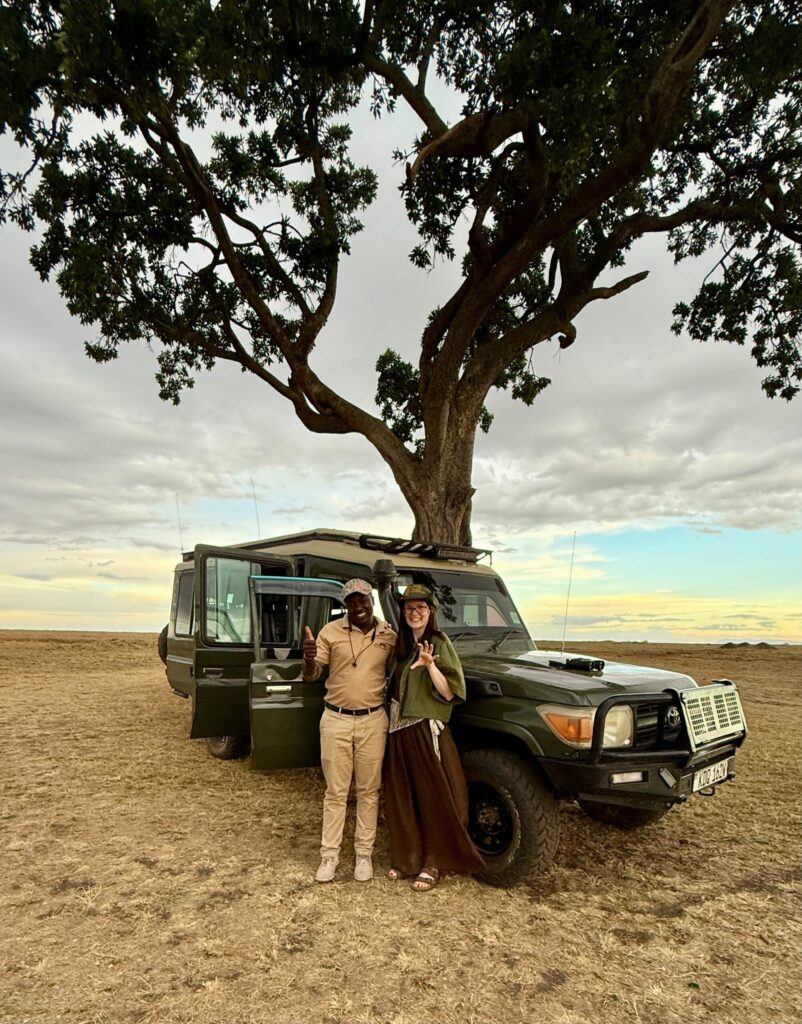
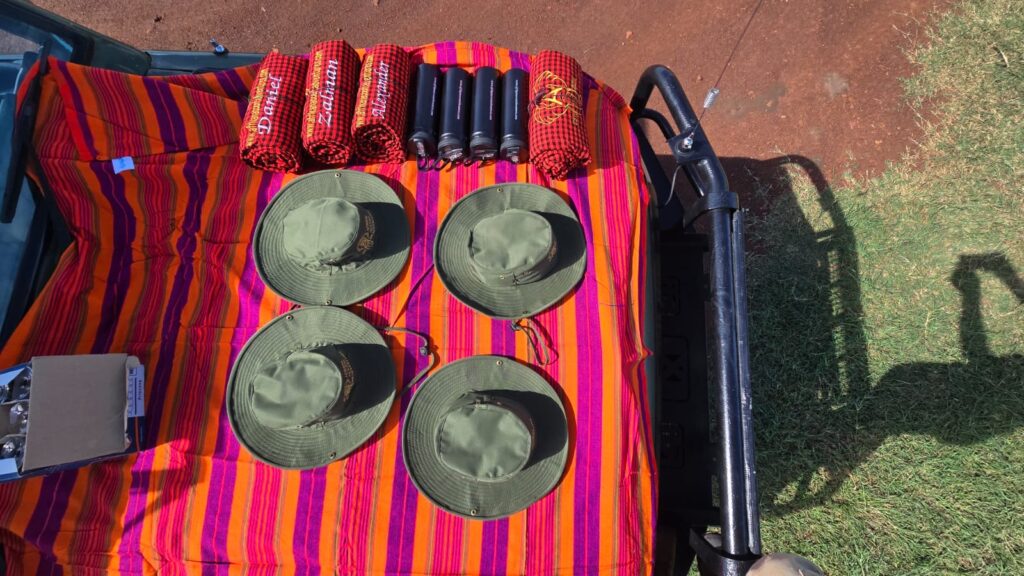

Our fleet is 4×4 Land Cruisers with a pop-up roof and tiered open-sided seating. Each has charging ports, an onboard fridge and a UHF radio the guides use to share sightings. There are eight seats but we cap every vehicle at six guests so everyone gets a window. You can read more about our Kenya safari vehicle and how it changes a game drive.
Your daypack should hold the following:
- A fleece or light jacket. Our welcome pack includes a fleece. Mornings at 6am are cold and the open sides make it colder.
- Hat, sunglasses and sunscreen. The sun is fierce by 9am.
- Binoculars. An 8×42 or 10×42 pair suits most guests.
- Camera with a spare battery and spare cards. Charge at camp and top up at the vehicle ports.
- A scarf or buff. It keeps dust out of your throat on dry mornings.
- Small cash for tips. Our baseline for your driver-guide is USD 15 per person per day. Tipping is at your discretion and can go higher.
Neutral colours work best. Skip bright white and skip anything with a strong scent. The full kit list sits in our African safari packing list.
How does a flying-safari day differ from a road-safari day?
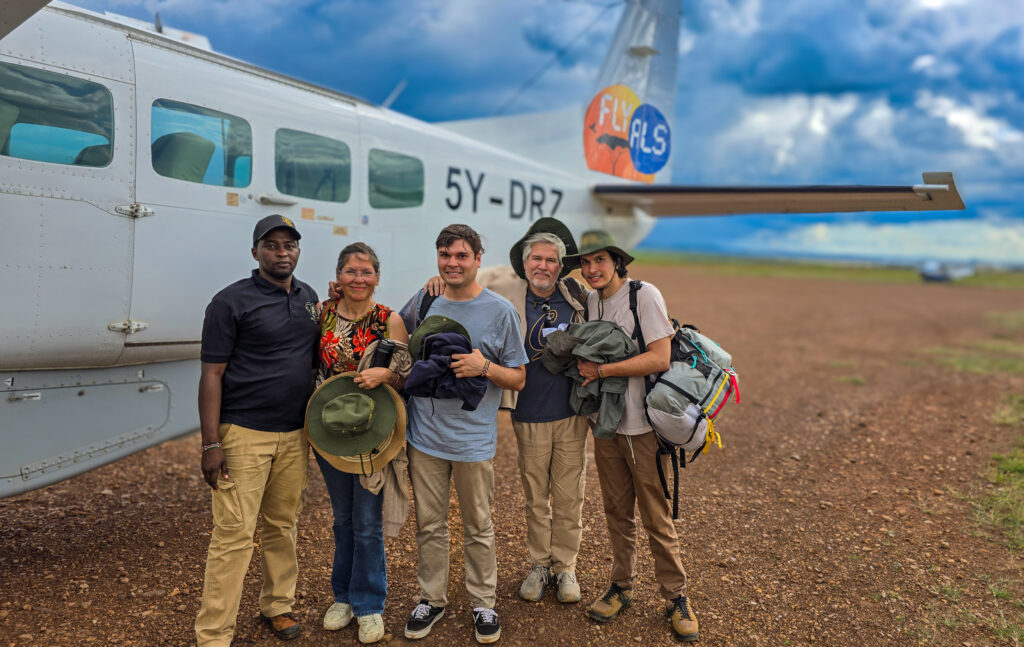
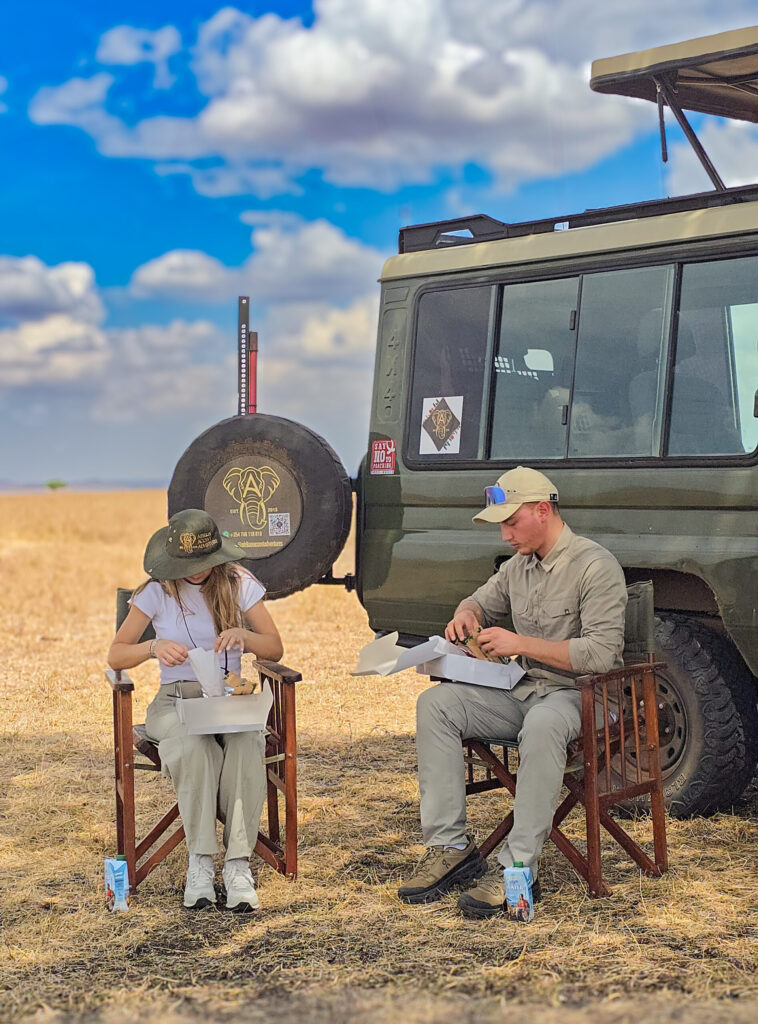
The daily rhythm in camp is identical. The difference is day one and the last day. A road safari spends them largely in a vehicle. A flying safari trades that road time for extra game drives and costs more. Our road vs fly-in cost breakdown covers the money in full.
| Road safari | Flying safari | |
| Leave Nairobi | Around 7:30am by vehicle | Early check-in at Wilson Airport |
| Reach the Masai Mara | After five to six hours on the road | About 45 to 60 minutes after take-off |
| First game drive | Afternoon drive from about 4pm | Often on the way to camp or after brunch |
| Best for | Stays of four nights or more and tighter budgets | Stays of three nights or fewer |
We’ve watched a hard suitcase turned away at Wilson Airport at 5:40am. Light aircraft take soft bags only and the weight limit is often around 15kg to 20kg depending on the flight. Pack in a duffel and leave the hard shell in Nairobi.
Our view is clear. Fly if you have three nights or fewer because the road eats too much of a short trip. Drive if you have five nights or more and enjoy the Great Rift Valley views on the way.
| EXPERT NOTE Tell us on enquiry if you want a balloon flight. Slots are limited and the pickup time rearranges your whole morning. The same goes for fly-in days where check-in and bag limits shape the start. We plan the transfers from your hotel so there’s no 5am scramble at the airport. Hellen Asiko, Director and Guest Experience Curator |
Does the safari day change in other Kenyan parks?
The dawn-to-dusk rhythm holds everywhere in Kenya but each park bends it a little.
Amboseli National Park. Kilimanjaro often clears at dawn and clouds over by mid-morning. The first drive is the one you don’t skip.
Samburu National Reserve. Hotter and drier than the Masai Mara so the midday pause stretches longer. Look for the Samburu Special Five: Grevy’s zebra, reticulated giraffe, Beisa oryx, Somali ostrich and gerenuk.
Ol Pejeta Conservancy. The conservancy runs night drives and guided walks so a day here can carry a third outing.
How does the season change a safari day?
The timetable stays the same but the experience shifts. Dry months bring cold dawns and dusty tracks. Expect a fleece and the blanket your camp provides. The Mara River crossings run from about July to October and push guests toward full-day drives. The long rains arrive from March to May with afternoon showers. Morning drives are often clear and the landscape turns green. The short rains in November and December bring brief storms rather than a washout.
What are safari evenings like?
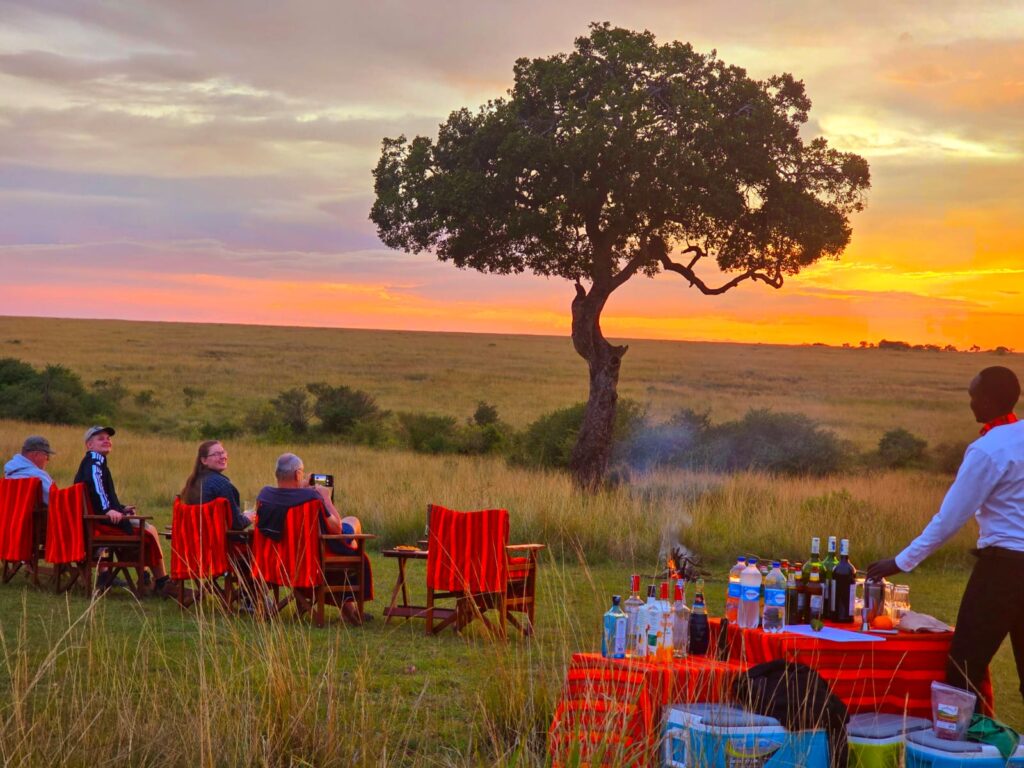
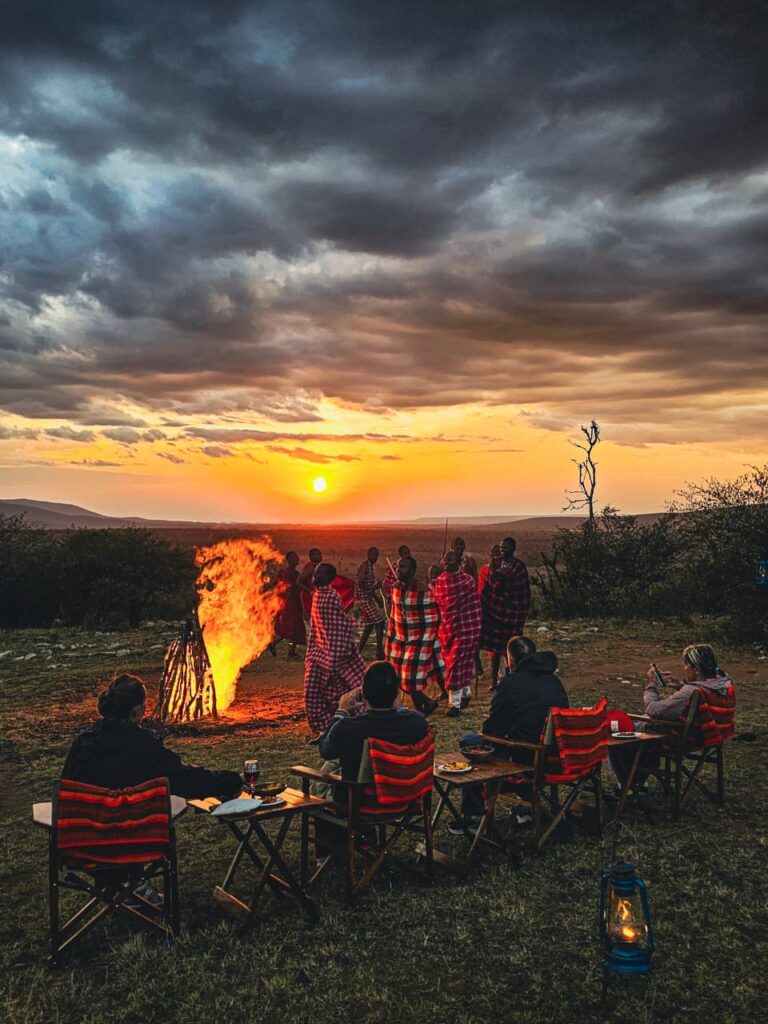
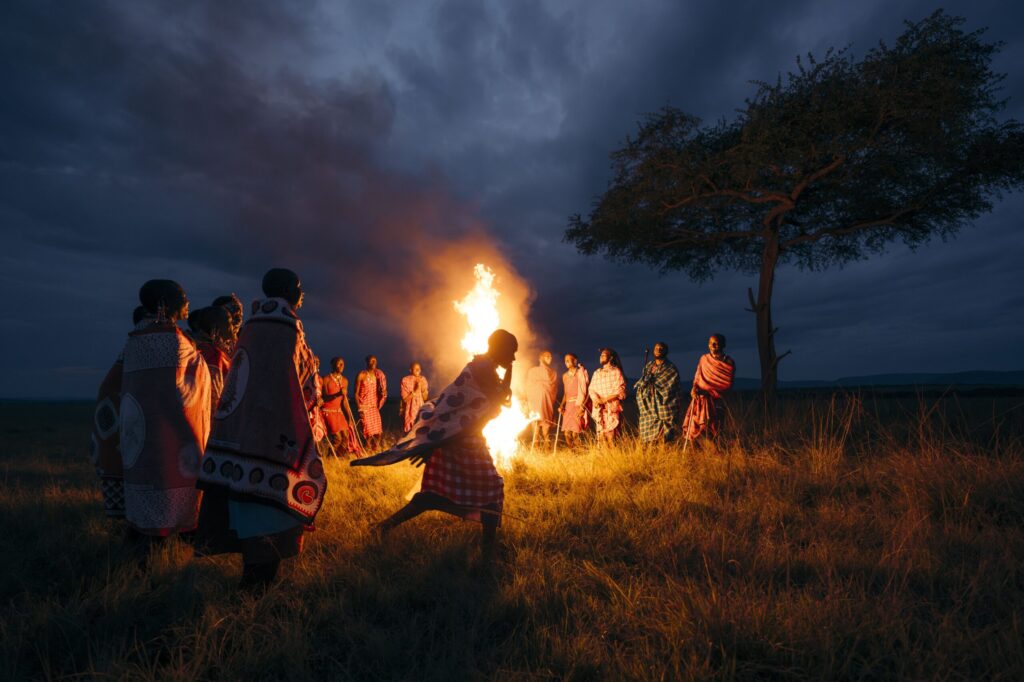
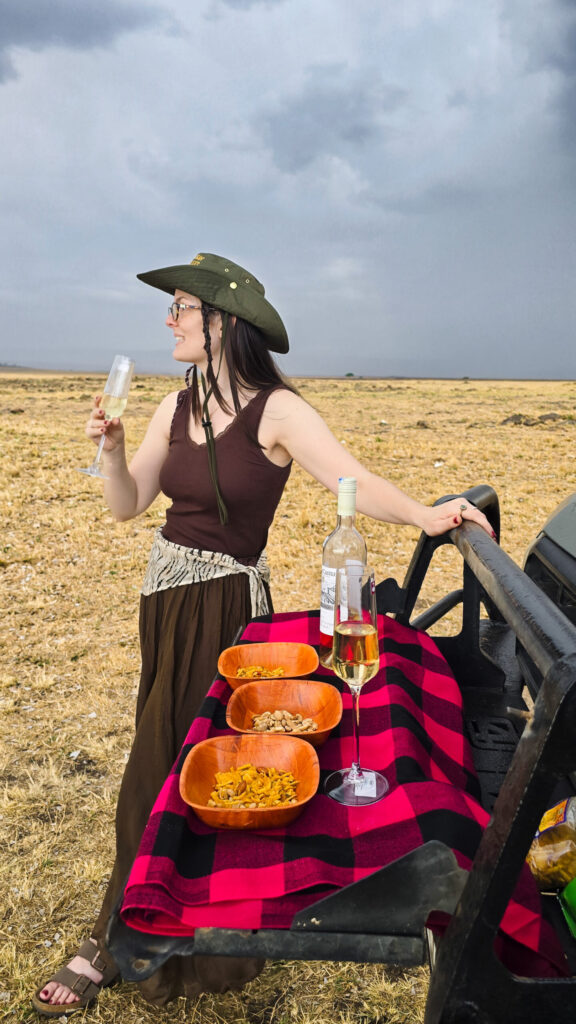
The afternoon drive ends with a sundowner. The vehicle stops somewhere with a view and the guide produces drinks and snacks as the sun goes down. It’s often the best 20 minutes of the day. By 6:30pm you’re back at camp washing off the dust.
Dinner is around 7:30pm. Many camps serve three courses at a shared table or a private table by the fire. Expect to hear hyenas and hippos and sometimes lions. After dark staff walk you to your tent because wildlife passes through unfenced camps. Most guests are asleep by 9:30pm and nobody argues about it.
What is a tented camp like?
A tented camp isn’t camping in the way you remember it. It’s a canvas tent on a raised platform with a proper bed and an en-suite bathroom and hot water. Evenings get cold in the dry months so some camps slip hot water bottles into the beds. Bring a warm layer for the walk to dinner. The evening kit is covered in our packing list.
What is a balloon safari morning like?
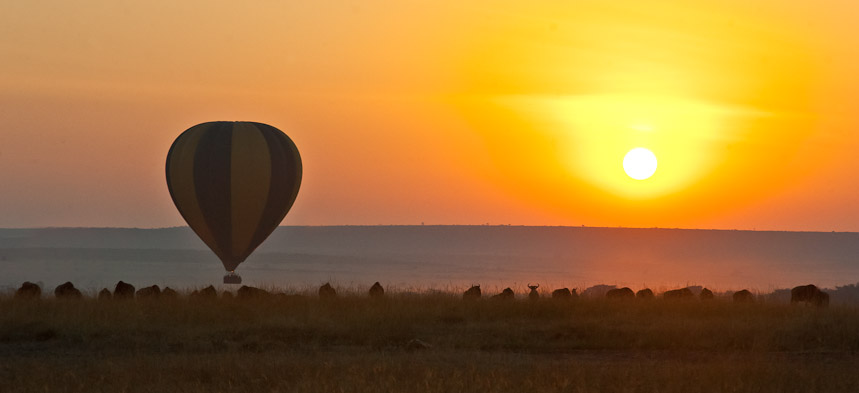
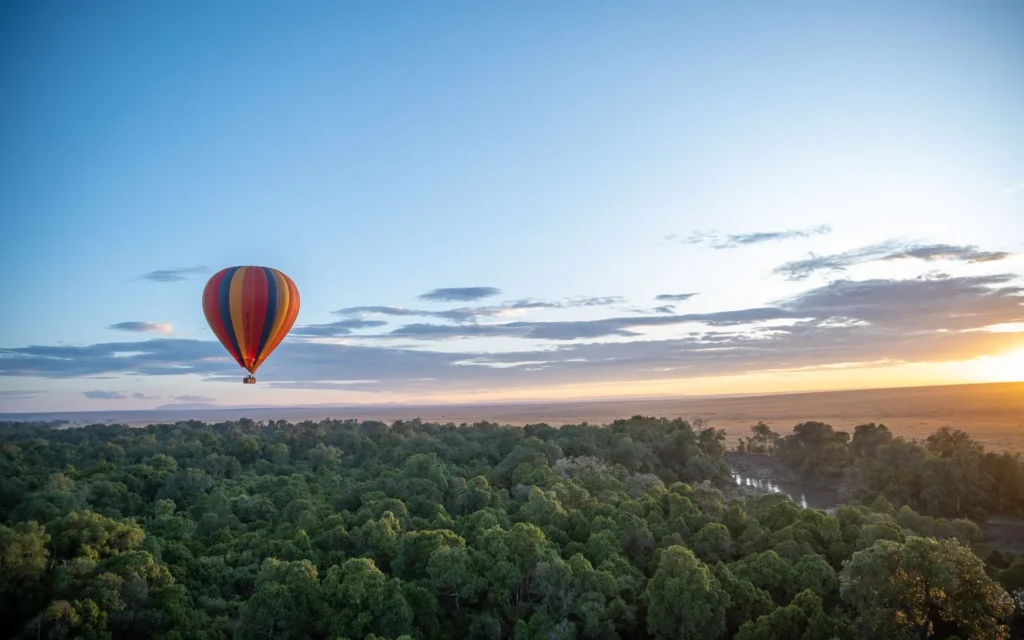
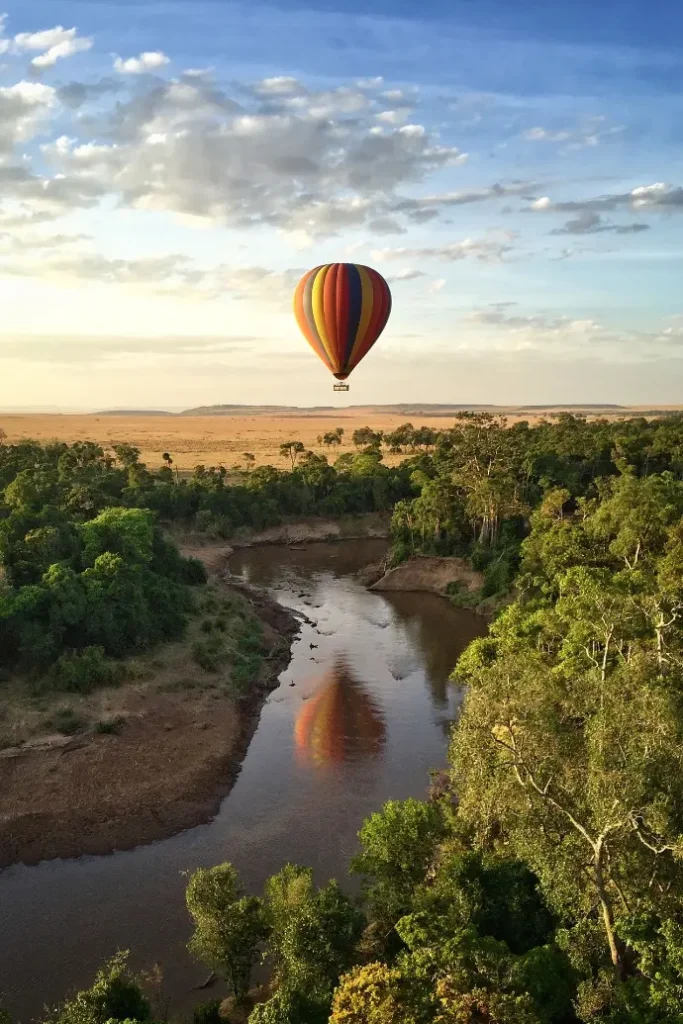
It’s the earliest day of the whole trip. A balloon morning starts with a wake-up call around 4:30am to 4:45am and a vehicle at about 5am. Balloons are typically in the air at around 6:00am to 6:15am. The flight lasts about an hour and ends with a bush breakfast where you land. You’re usually back at camp by about 10am or 11am.
We work with three balloon operators in the Masai Mara: Governors’ Balloon Safaris, Skyship Balloon Safaris and Balloon Safaris Ltd. A flight costs USD 400 to 600 per person and a balloon safari adds easily to any Masai Mara safari. Our Masai Mara hot air balloon safari guide covers cost and the experience in full.
Treat the balloon as the whole morning. It replaces the morning drive and the bush breakfast replaces camp breakfast. Don’t double-book the hours. Take the afternoon drive as normal and go to bed early.
Frequently Asked Questions About a Day on Safari in Kenya
How many game drives do you do per day?
Most safari days include two game drives, one in the morning and one in the afternoon. Some itineraries swap them for a single full-day drive with a picnic lunch. Conservancy stays can add an optional night drive or guided walk.
Can you sleep in or skip a game drive?
Yes, game drives are always optional. On a private safari you agree the departure time with your guide the evening before. On a group or book-a-seat departure the vehicle leaves on a shared schedule so tell the guide early if you plan to skip one.
Is a safari day suitable for children and older travellers?
Yes, with a lighter schedule. Half-day drives and an unhurried midday suit children and older guests better than a full-day drive. Minimum ages vary by camp and activity so read our Kids on Kenya safari guide before you book.
Can you see animals at midday?
Yes, but you see less. Predators are mostly resting in shade. Elephants, hippos and giraffe stay visible and a river crossing can happen at any hour. The Mara River in July to October is the main reason to drive at midday.
What do you eat on a game drive day?
You eat up to five times: coffee and a snack before the drive, a full breakfast after it, lunch around 1pm, afternoon tea and a three-course dinner. A bush breakfast or picnic lunch replaces camp meals on longer drives. Tell us about dietary needs before you travel.
Can you use a toilet during a game drive?
Yes, your guide arranges stops. Inside a national reserve you can’t leave the vehicle except at designated points. In a conservancy the guide picks a safe and discreet spot. Go before you leave camp and ease off the tea.
Do game drives go ahead in the rain?
Usually yes, because light rain doesn’t stop wildlife and the roof closes. Heavy storms and slippery tracks can shorten a drive and your guide makes that call. Afternoon showers are common in the March to May rains.
Do game drives happen at night in Kenya?
Yes, but not in most of Kenya Wildlife Service parks and reserves, which ban night driving. Private conservancies around the Masai Mara and Ol Pejeta Conservancy do run night drives with their own rangers. Ask us which camps offer them.
What time is dinner and when do you go to bed?
Dinner is around 7:30pm at most camps and bed follows around 9:00pm to 9:30pm. The early alarm does the persuading. Camp staff walk you back to your tent after dark.
How many nights do you need for a proper safari rhythm?
Three nights is the minimum for the Masai Mara. Arrival and departure days are part-transfer so three nights gives you two full days of game drives. Four or five nights lets you add a balloon morning and one full-day drive without rushing.
Plan your safari days with us
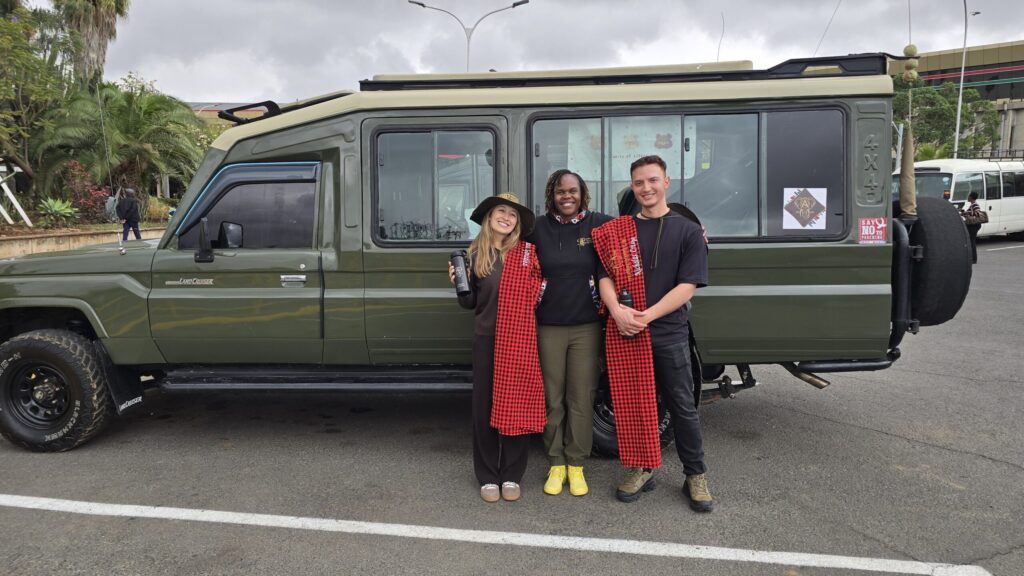
You now know what happens between the butler’s coffee at the tent door and the campfire. You know when drives start and how long they run and why the midday pause matters. What an article can’t do is shape those days around your party. Who wants the balloon? Who needs the late breakfast? Is the Mara River worth a full-day drive this month? That’s the work we do.
We are a Nairobi-based safari operator and we build the days as well as the route. That means the camp and the drive times and the vehicle and the road or flying choice, planned around your pace and not a template. Talk to Hellen Asiko, our Director and Guest Experience Curator. Tell her how you like to travel.
Set the alarm for 5am and we’ll take it from the first roar.
Let's plan your East African safari
Tell us when you'd love to travel and a local specialist will craft a tailor-made route around you.


