Kenya Park Fees and Conservancy Fees Explained: Where Your Money Goes
Three authorities set three kinds of fee, one of them doubles on 1st July and the one you never see on a gate ticket pays the Maasai families who own the land.
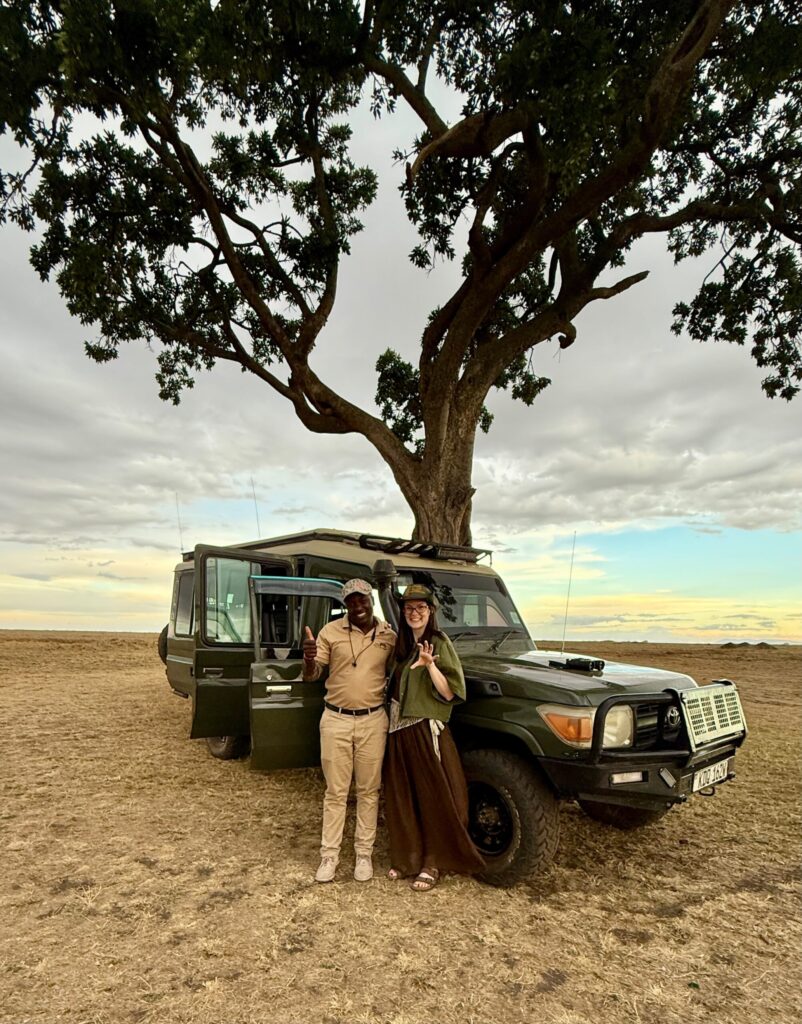
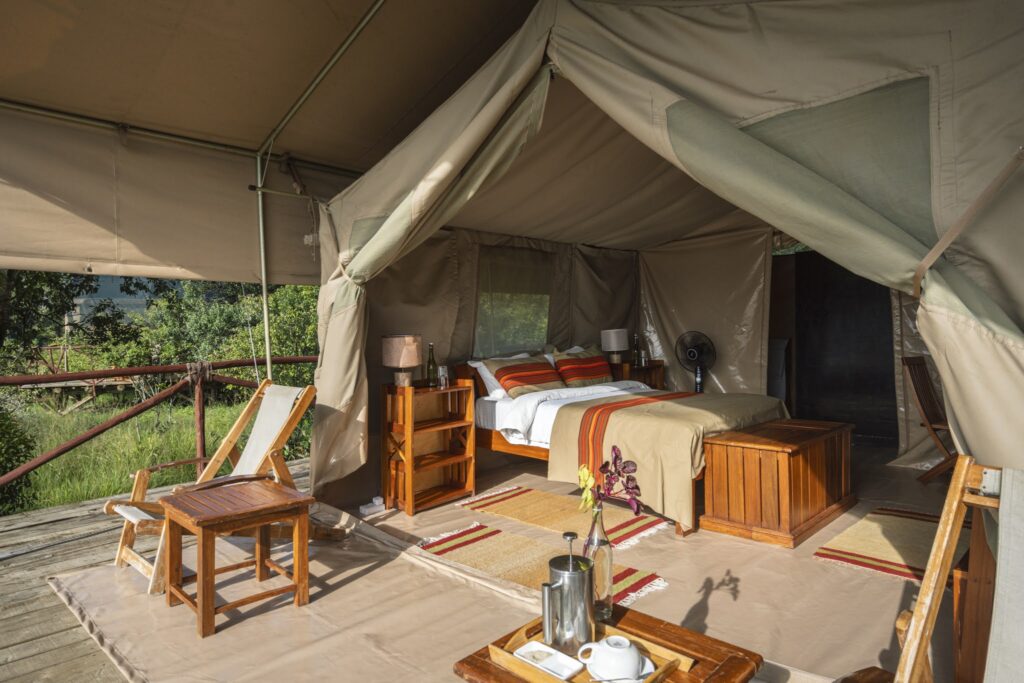
The 12-hour ticket running out. The sun sets over the Mara, and the park fees paid at the gate turn into memories of a lifetime.
Kenya park fees change at a gate on a single date. On 30th June a non-resident adult pays USD 100 to enter the Masai Mara National Reserve for the day. On 1st July the same adult pays USD 200. Same gate. Same Land Cruiser. Same lions.
Take four adults on a five-night Mara safari that straddles that date. Two reserve days fall in June. Three fall in July. A quote that priced every day at USD 100 is wrong by USD 1,200 before anyone has seen a single lion. That is exactly the kind of gap a cheap quote hides, and we skip any quote that doesn’t list park fees as a separate line.
And that is one fee in one reserve. Kenya runs three separate fee systems. The Kenya Wildlife Service charges for national parks such as Amboseli and Nairobi National Park. County governments charge for reserves such as the Masai Mara and Samburu. Private conservancies such as Mara Naboisho Conservancy charge per night and fold the cost into the camp rate, which is why most guests never see it.
Most articles list the rates and stop. We think the rates are the easy part. The useful questions are who is charging you and how long the ticket lasts and who receives the money. We’re a Nairobi-based safari operator and we build these fees into every Kenya itinerary we quote. This guide was last verified on 27th October 2026 and it tells you which fees are worth paying and which quotes to walk away from.
| QUICK ANSWER | How much are park entry fees in Kenya? Kenya park fees for non-resident adults run from USD 70 to 90 per day at most KWS national parks and USD 100 or 200 per day at the Masai Mara National Reserve. Amboseli and Lake Nakuru cost USD 90. Nairobi National Park and Tsavo cost USD 80. The Masai Mara doubles on 1st July onwards. |
At a Glance:
- Last verified: 27th October 2026 against published KWS, Narok County and Mara Conservancy schedules
- KWS national parks (non-resident adult): USD 70 to 90 per 24 hours, with Amboseli and Lake Nakuru at USD 90 and Nairobi National Park and Tsavo East and West at USD 80
- Masai Mara National Reserve (non-resident adult): USD 100 from 1 January to 30 June and USD 200 from 1st July to 31st December on a 12-hour ticket
- Masai Mara children: USD 50 for ages 9 to 17 all year and free for ages 8 and under
- Mara Triangle: the same seasonal rates as the Narok side, run by Mara Conservancy through Purungat Bridge Gate and Oloololo Gate, cashless
- Conservancy fees: roughly USD 100 to 160 per adult per night, usually inside the camp rate, with USD 130 published for Olare Motorogi Conservancy
- Who sets the fees: Kenya Wildlife Service for national parks, Narok County Government for the Masai Mara and conservancy landowners for conservancies
- 2027 status: no 2027 schedule had been published when we verified this guide
How Much Are Park Entry Fees in Kenya in 2027?
What “2027” means right now
Narok County has run the same two-tier Masai Mara structure since 1st July 2024 and its 2026 schedule repeats it. KWS charges under its Wildlife Conservation and Management (Access, Entry and Conservation) (Fees) Regulations, 2025, which Parliament approved on 25th September 2025. Treat the figures in this guide as the working baseline for 2027 bookings.
Expect changes to arrive fast. KWS announced its last revision on 29th September 2025 and applied it on 1st October. The Kenya Tourism Federation took the rollout to the High Court in October 2025 over short notice and thin consultation. The rates below are the ones KWS channels and operators were still quoting through 2026. Reconfirm them on the KWS eCitizen portal before you pay anything.
Who pays what
Every Kenyan fee schedule splits visitors into bands. Non-residents are international visitors. Kenya residents are foreigners living in Kenya on a valid permit. East African citizens and African citizens pay lower bands. Nairobi National Park shows the spread well: KSh 1,000 for an East African citizen adult and KSh 1,350 for a Kenya resident and USD 40 for an African citizen against USD 80 for a non-resident. We quote the non-resident adult rate unless we say otherwise because that is what almost every international guest pays.
Kenya has no single park fee. It has three fee systems that happen to share one safari.
Why Do Fees Differ So Much Between Parks and Conservancies?
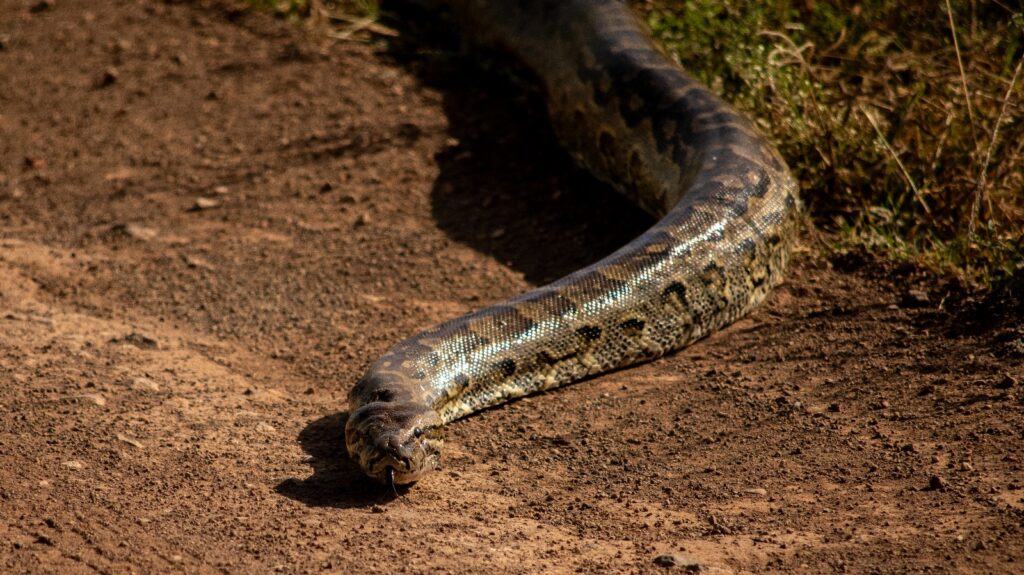

Because each fee pays for something different and each is set by a different authority.
KWS: tiered by park
KWS grades its parks into tiers and prices them accordingly. Amboseli and Lake Nakuru sit in the premium tier. Tsavo East and Tsavo West sit in the wilderness tier alongside Nairobi National Park on the published tariff. Mid-tier parks such as Meru and Aberdare charge USD 70 for adults and scenic parks such as Hell’s Gate charge USD 50. The rate rewards the park’s amenities and exclusivity.
Counties: priced to manage crowds
Narok County Government runs the Masai Mara National Reserve and sets its own fees. It has framed the July to December rate as a low-volume and high-value model. In plain terms the county wants fewer vehicles at the river during migration season and more revenue from each of them. The peak rate of USD 200 is the highest daily entry fee of any destination in Kenya.
Conservancies: priced to keep land open
A conservancy is Maasai community land leased to a management company or trust. The fee pays the landowners to keep grazing, fencing and farming out of wildlife corridors. It also pays for rangers and it limits how many beds and vehicles share the land. That is why the numbers aren’t comparable with a KWS gate ticket. They don’t buy the same thing. Our Masai Mara conservancies guide breaks down how the two models work on the ground.
What Are the Kenya Park Fees for National Parks and Reserves?
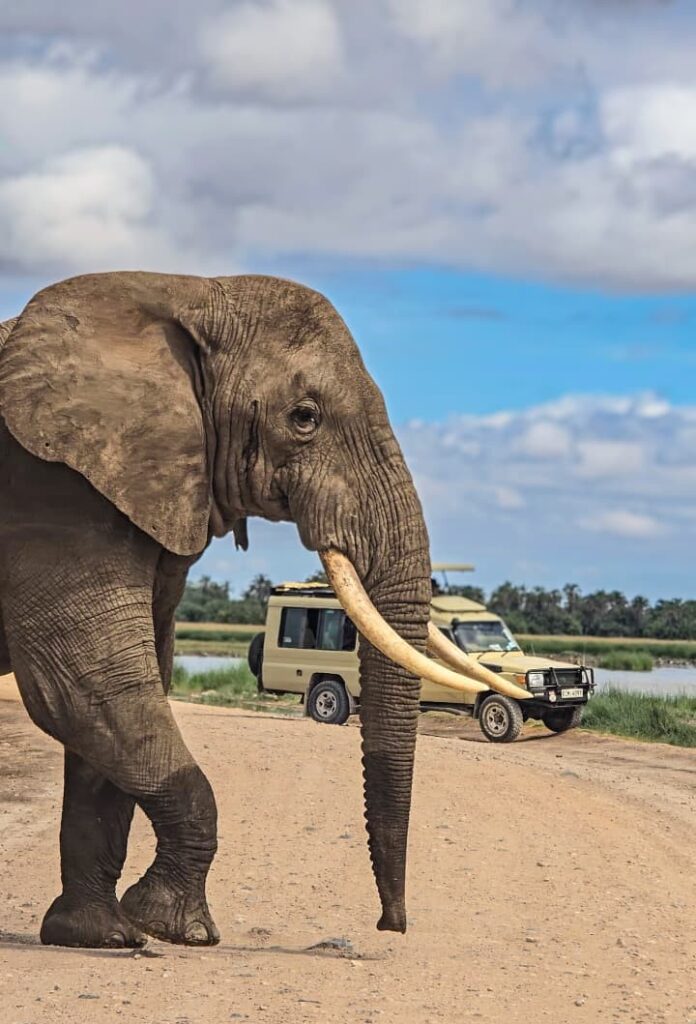
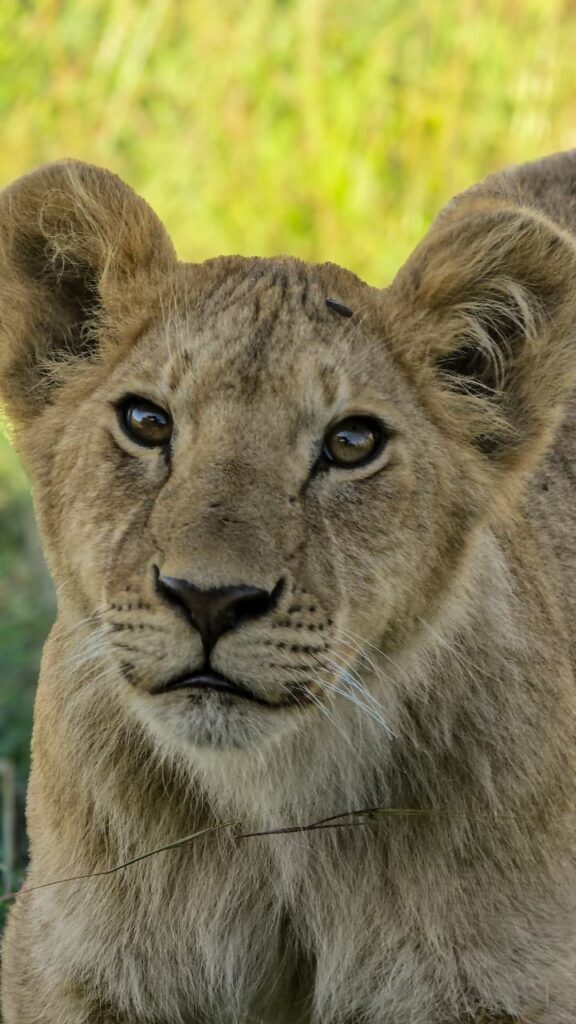
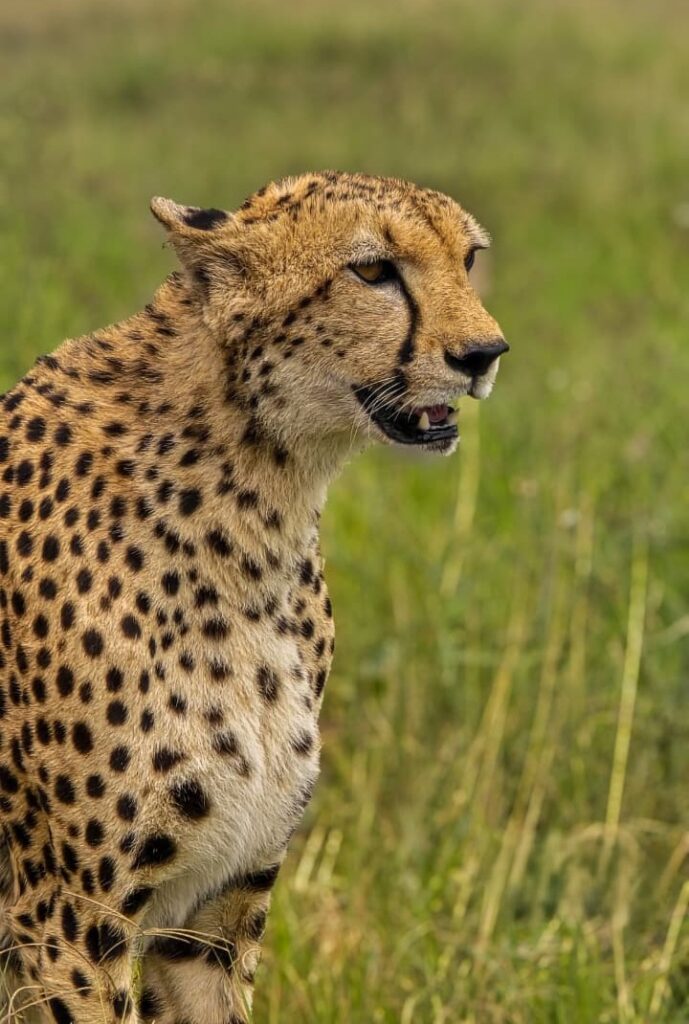
KWS national parks
KWS tickets are valid for 24 hours and are paid on the eCitizen portal. Rates below are non-resident, per person, per ticket.
| National Park | Adult (USD) | Child or student (USD) | Tier |
| Amboseli National Park | 90 | 45 | Premium |
| Lake Nakuru National Park | 90 | 45 | Premium |
| Nairobi National Park | 80 | 40 | Wilderness |
| Tsavo East National Park | 80 | 40 | Wilderness |
| Tsavo West National Park | 80 | 40 | Wilderness |
Published rates for these parks are flat across the year. A late checkout or an afternoon flight can trigger a second day’s ticket, so ask us to plan your exit time before the first 24 hours run out.
| EXPERT NOTE | Read the fee year before you read the fee. A rate card with no date may be a 2023 rate card. Nairobi National Park’s non-resident adult fee moved from USD 43 to USD 80 under the 2025 regulations and old figures still sit on thousands of pages. Kibara Mugo, Safari Writer and East Africa Specialist |
Masai Mara National Reserve

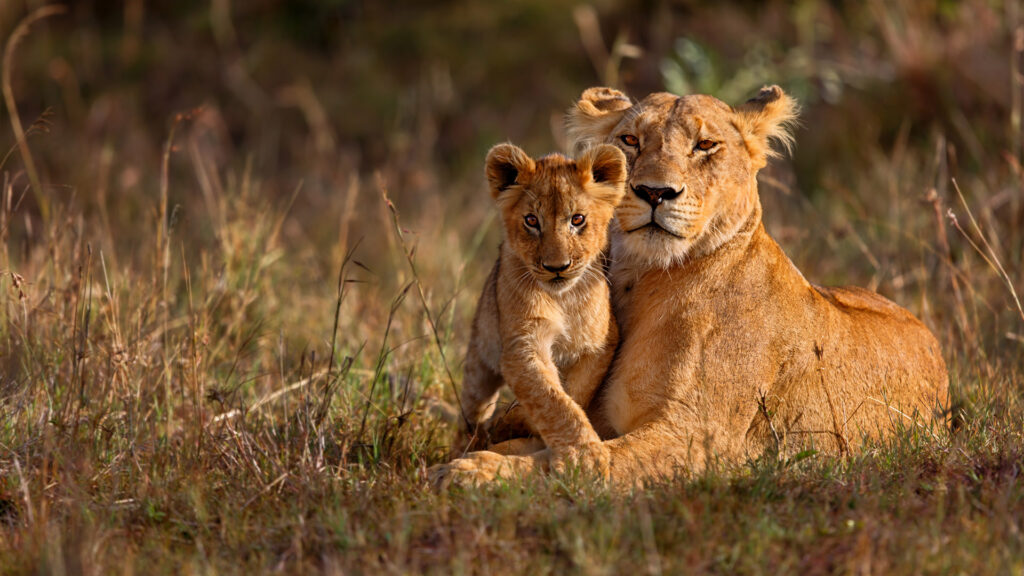
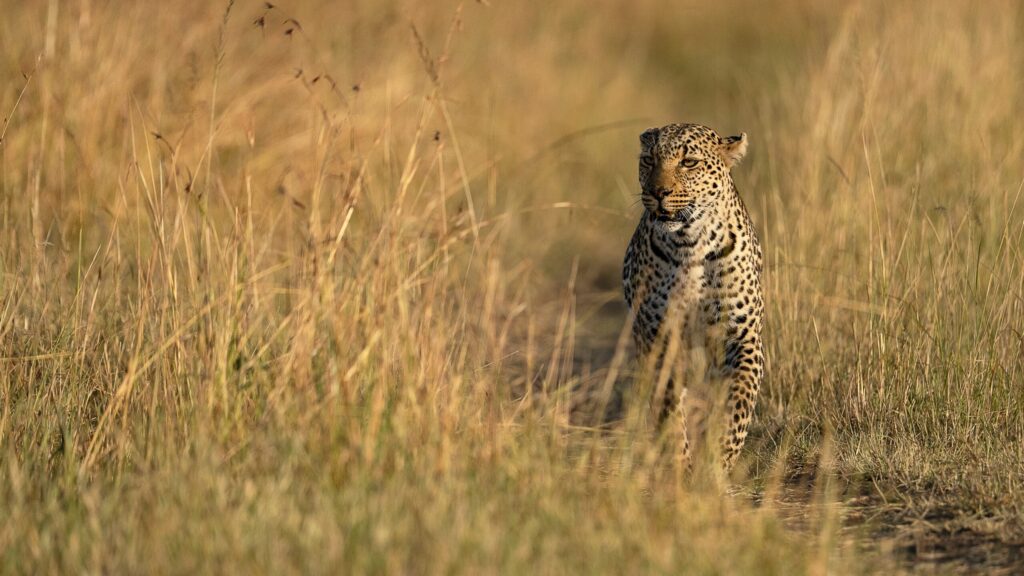
The Masai Mara is not a KWS park. Narok County Government runs it and the ticket lasts 12 hours, not 24. Since 2024 the fee no longer depends on whether your camp sits inside the reserve or outside it.
| Non-resident visitor | 1st January to 30th June | 1st July to 31st December |
| Adult | USD 100 | USD 200 |
| Child aged 9 to 17 | USD 50 | USD 50 |
| Child aged 8 and under | Free | Free |
The Narok side has four main entry points at Sekenani Gate, Talek Gate, Musiara Gate and Oloolaimutia Gate. Narok gates take cash and cards and you can prepay through the KAPS online system. The 12-hour clock matters. A guest who enters at 6am and wants a second drive after lunch should ask the guide how the ticket window works before the day starts.
A Masai Mara ticket lasts 12 hours. A KWS ticket lasts 24. Plan the day around that difference.
Mara Triangle
The Mara Triangle is the western sector of the reserve and Mara Conservancy manages it. Entry is through Purungat Bridge Gate or Oloololo Gate and the rates match the Narok side: USD 100 and then USD 200. The difference is payment. The Triangle is cashless, so pay online or by card or M-Pesa before you arrive. The Triangle and the Narok side are separate jurisdictions and a drive that crosses from one to the other generally means paying each side’s entry fee.
Samburu National Reserve
Samburu National Reserve is county managed rather than run by KWS. Published non-resident adult rates sit at USD 85. Buffalo Springs and Shaba share one ticket and Samburu has its own, which matters if your camp sits on one side of the Ewaso Nyiro River and your game drives cross to the other.
Fees on top of the entry ticket
Entry isn’t the only line. Vehicle fees are charged separately at most gates and they are small. Camping fees, special activity fees and balloon landing fees are charged on top of entry too. The ones that add up are balloon landings and private campsites. KWS’s eCitizen portal has also added a 5 per cent gateway charge on payments that the Kenya Tourism Federation disputed in November 2025. Ask any operator whether it’s in their quote.
What Are the Conservancy Fees and Why Are They Higher?


| QUICK ANSWER | Why are conservancy fees higher than park fees? Conservancy fees pay Maasai landowners and rangers directly and fund low guest numbers. They run about USD 100 to 160 per adult per night. That is higher than KWS park fees of USD 70 to 90. It is lower than the Masai Mara reserve at USD 200 in peak season. |
What a conservancy fee actually is
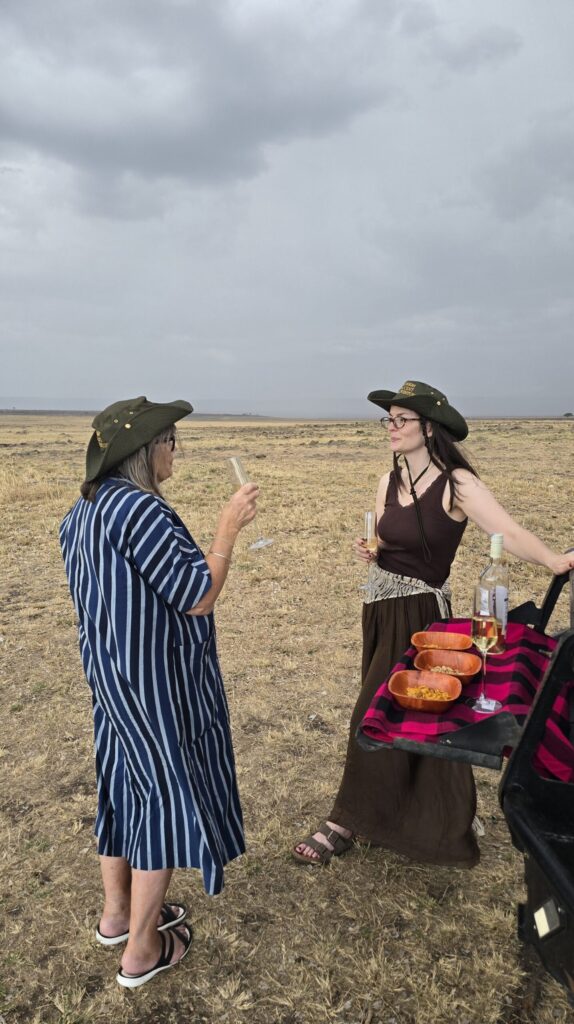
A conservancy fee is a per person charge for every night you sleep inside the conservancy. It isn’t a gate ticket. Most published 2026 rates sit between USD 100 and USD 160 per adult per night. Kicheche Bush Olare’s 2026 rack-rate sheet lists USD 130 per adult and USD 65 per child aged 7 to 17 for Olare Motorogi Conservancy. Mara Naboisho Conservancy and Mara North Conservancy are commonly quoted in the same band. Siana Conservancy tends to sit at the lower end. Some camps such as Mara Plains fold the fee into a fully inclusive rate and others add it as a line below the room rate.
Are conservancy fees really higher than park fees?
It depends which park you mean. Against a KWS park the answer is yes: USD 130 a night in a conservancy against USD 80 or 90 a day at Nairobi National Park or Amboseli. Against the Masai Mara reserve in peak season the answer is no: USD 130 a night against USD 200 a day. Against the reserve between January and June the two are roughly level.
The comparison also isn’t like for like. The reserve fee covers a 12-hour day ticket. The conservancy fee covers the night and the activities inside the conservancy, which at many camps include night drives and walks that the reserve doesn’t allow.
Why they cost what they cost
Three real costs sit behind the number. Landowners receive lease payments so they keep the land open instead of fencing it. Ranger teams patrol the conservancy boundaries and monitor lions and elephants. And caps on beds and vehicles mean fewer paying guests share each acre, so each guest carries a bigger share of the cost. One 2026 industry summary of the Mara conservancies reports 24 conservancies and more than 15,000 landowners across roughly 450,000 acres with lease payments above USD 4.89 million a year.
A conservancy fee pays landowners and rangers directly. A reserve fee goes into a county budget first.
Our view: if you care about vehicle numbers at a sighting then a conservancy night is better value than a peak-season reserve day. If you came for the Mara River crossings then you still need the reserve ticket. The two aren’t rivals. The best Mara itineraries use both.
KWS Park Fees vs Reserve Fees vs Conservancy Fees: What’s the Difference?
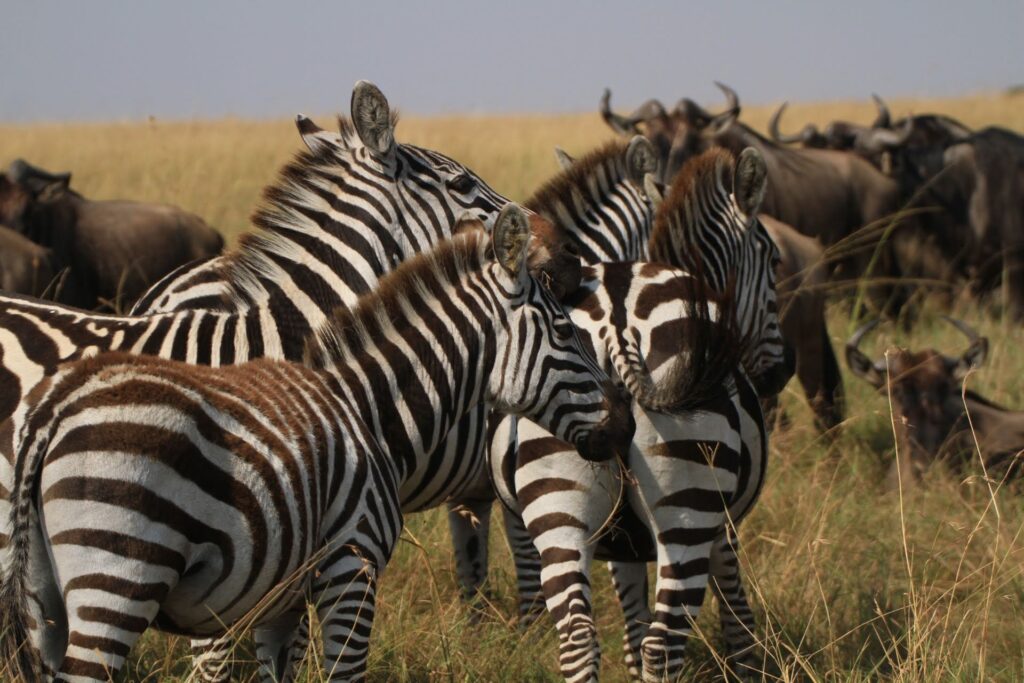
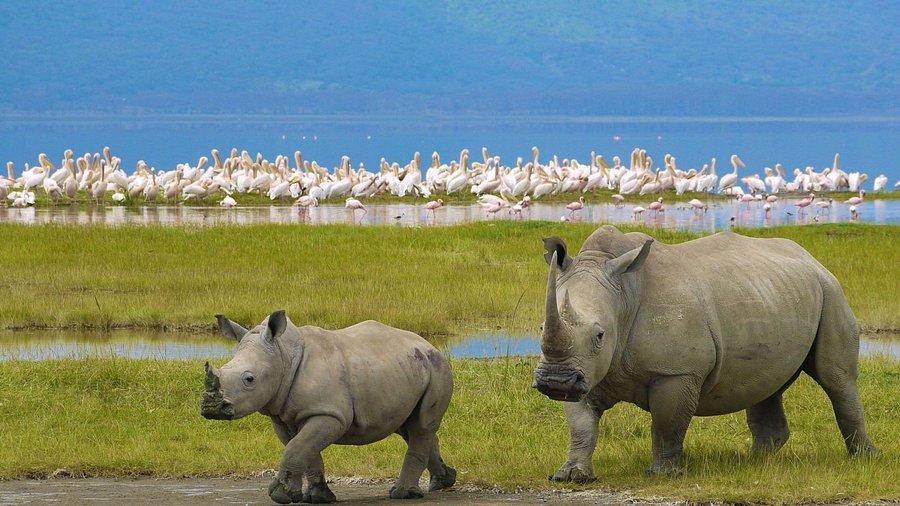
This is the comparison that settles most arguments about Kenya park fees. Amboseli stands in for the KWS model and the Masai Mara and Samburu for the county reserve model and Mara Naboisho Conservancy for the conservancy model.
| KWS national parks | County reserves | Private conservancies | |
| Examples | Amboseli, Nairobi National Park, Tsavo | Masai Mara National Reserve, Samburu National Reserve | Mara Naboisho, Olare Motorogi, Mara North, Siana |
| Who sets the fee | Kenya Wildlife Service under national regulations | County government, with Mara Conservancy running the Mara Triangle | Landowner trusts and conservancy management |
| Non-resident adult rate | USD 70 to 90 per day | Masai Mara USD 100 or 200 by season. Samburu USD 85 | Roughly USD 100 to 160 per night |
| Ticket length | 24 hours | Masai Mara 12 hours | Per night of stay |
| How you pay | KWS eCitizen portal – KWS pay | Gate or online. Mara Triangle cashless | Usually inside the camp rate |
| Where it goes | KWS for patrols, anti-poaching and park infrastructure | County budgets and the Mara Conservancy share in the Triangle | Maasai landowner leases and conservancy rangers |
| Vehicle crowding | No cap on vehicles | No cap in the Masai Mara reserve | Limited by conservancy rules |
| Night drives and walks | Not permitted without special approval | Not permitted in the Masai Mara reserve | Allowed at many camps |
Where Does the Money Go?

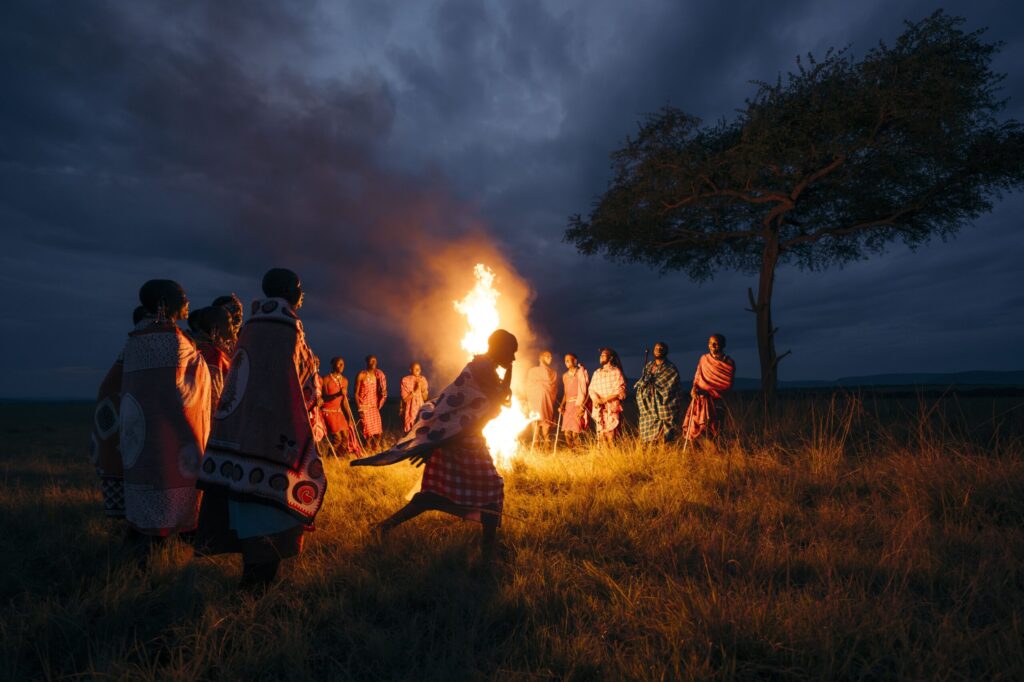
| QUICK ANSWER | Where do park fees go? Park fees go to whoever manages the land. KWS keeps national park fees for patrols and park infrastructure. Narok County receives Masai Mara reserve fees. Conservancy fees go mainly to Maasai landowners and ranger teams. |
KWS park fees
KWS fee income pays for ranger patrols and anti-poaching units and the roads and gates inside national parks. The Ministry of Tourism and Wildlife expects KWS park fee revenue to rise from KSh 7.41 billion in 2024 to KSh 16.58 billion by 2028. KWS says the last comprehensive review before 2025 was 18 years ago and that management costs had outgrown the old tariff. That is the stated case for the increase.
We’ll be straight about what we can and can’t tell you. We can tell you who collects the money. We can’t audit what happens next and no operator honestly can. Ask anyone who claims otherwise for the report.
Masai Mara National Reserve, Narok side
Narok County Government sets and collects the reserve fee through KAPS, an electronic ticketing firm. The revenue funds county reserve management and ranger operations inside the reserve boundary. It is a government budget line and it behaves like one.
Mara Triangle
Mara Conservancy publishes how Triangle revenue splits. Of ticketed and non-ticketed income the Narok County Government receives 55 per cent and KAPS receives 7.5 per cent for collection. Mara Conservancy keeps the balance, a little over a third, and uses it for security and tourism management and infrastructure. Revenue peaks from June to September and falls sharply between February and May.
Conservancies
Conservancy money follows a different route. A share goes to Maasai households as land lease payments. Another share funds the rangers who patrol the boundary. A smaller share funds ecological monitoring such as lion collaring and vegetation surveys. At Mara Naboisho Conservancy the fees are reported to reach more than 500 landowning families.
| EXPERT NOTE | On a mara river crossing day from a conservancy camp you pay twice. Once through your camp rate and once at the reserve gate. Plan the crossing day on purpose. Don’t repeat it out of habit because every extra reserve day in July costs USD 200 a head. Nicholas Wangithi, Director and Founder |
If the community side interests you, our responsible tourism page sets out how we choose where guests stay and the Afrikan Accent Foundation covers the work we do beyond the fee system.
Are Park Fees Included in Your Safari Price?
| QUICK ANSWER | Are park fees included in safari prices? Usually on full-board packages and not always on cheap quotes. Read the Included and Not Included list on the itinerary. Ask for fees as a separate line per person per day. Confirm which season rate each day uses. |
On most full-board safari packages they are, and on the cheapest quotes they often aren’t. Never compare two prices until both quotes answer the same questions.
- Are KWS or reserve fees included for every day, including the departure day?
- Which season rate was used for each date, particularly for trips that cross 1st July?
- Are conservancy fees inside the camp rate or added below it?
- Are vehicle fees and balloon landing fees and special activity fees included?
- Does the quote price a Mara River crossing day in the reserve if you’re sleeping in a conservancy?
Every safari page on our site carries an Included and Not Included list. Read that list before you read the price. Our Kenya safari cost guide shows where fees sit against lodging and flights and guiding.
| EXPERT NOTE | Ask for the fee as its own line, per person per day, with the season named. If a quote shows one lump sum you can’t compare it with anything. A fair quote shows its fees even when it includes them. Hellen Asiko, Director and Guest Experience Curator |
Do Fees Change by Season or by Age?
| QUICK ANSWER | Do children pay park fees in Kenya? Yes, at lower rates. Masai Mara children aged 9 to 17 pay USD 50 and ages 8 and under are free. KWS parks charge children about half the adult rate. Conservancies usually discount children too. |
Season
The Masai Mara changes by season and nothing else on this list does to the same degree. The reserve doubles on 1st July and stays at USD 200 to 31st December. KWS rates for Amboseli, Nairobi National Park and Tsavo are flat across the year on the published tariffs. Conservancy fees are typically flat too, although the camp rate around them rises in the migration months.
There is a catch worth planning around. The high Mara fee lines up with the months when the wildebeest herds are generally in the reserve, from about July to October. The cheapest reserve days and the busiest wildlife months don’t overlap.
Age
Children get real discounts. In the Masai Mara, ages 8 and under enter free and ages 9 to 17 pay USD 50 whatever the season. In KWS parks child and student rates run at half the adult rate, for example USD 45 at Amboseli and USD 40 at Nairobi National Park. Conservancies usually discount children too. Camps set their own minimum ages for game drives and that is a separate rule from the fee.
Residency
Residency changes the price more than age does. A Kenya resident pays KSh 1,350 at Nairobi National Park against USD 80 for a non-resident. If you live in Kenya or East Africa tell your operator on day one so the quote uses the right band.
How Do Fees Affect How Many Days You Can Afford?
Reserve days are where the budget bleeds in peak season. This table shows what the reserve entry fee alone costs for non-resident adults. Conservancy nights are shown at USD 130 per person for comparison, although most camps already include that fee in their rate.
| Scenario | January to June | July to December |
| Two adults, 1 reserve day | USD 200 | USD 400 |
| Two adults, 3 reserve days | USD 600 | USD 1,200 |
| Four adults, 3 reserve days | USD 1,200 | USD 2,400 |
| Two adults, 3 conservancy nights at USD 130 | USD 780 | USD 780 |
Our advice for peak season is simple. Cut reserve days before you cut safari days. Sleep in a conservancy for the game viewing and buy one reserve day for the crossings. Two adults who swap a third reserve day in August for a conservancy game drive keep USD 400.
One exception. If the Mara River crossings are the only reason you’re coming then don’t cut reserve days at all. Crossings are unpredictable and a single day is a gamble. We would rather you pay for three days and see one crossing than save USD 400 and miss it.
What Park Fees Don’t Cover
Park fees are one line in a safari budget. Your entry paperwork and insurance sit outside them and the rules have moved in 2026. Check our Kenya entry requirements guide, our Kenya eTA guide and our Kenya safari travel insurance guide before you finalize a budget.
Frequently Asked Questions
How much are park entry fees in Kenya in 2027?
Non-resident adults pay USD 70 to 90 per day at most KWS national parks and USD 100 or 200 per day at the Masai Mara National Reserve. No 2027 schedule had been published when we verified this guide on 27th October 2026. The figures here are the current baseline and we reconfirm them on the KWS eCitizen portal and with Narok County before every booking.
How much are Masai Mara park fees per person?
A non-resident adult pays USD 100 per day from 1st January to 30th June and USD 200 per day from 1st July to 31st December. Children aged 9 to 17 pay USD 50 all year and children aged 8 and under are free. The ticket lasts 12 hours.
Why are conservancy fees higher than park fees?
Conservancy fees are higher than KWS park fees because they pay Maasai landowners and rangers directly and fund low guest numbers. They are not always higher than the Masai Mara reserve fee though. A conservancy night at about USD 130 costs less than a USD 200 reserve day in peak season.
Are park fees included in safari prices?
Park fees are included in most full-board safari packages but not in every quote. Cheap quotes often leave them out or price every day at the low-season rate. Ask for fees as a separate line with the season named and read the Included and Not Included list on the itinerary.
Do children pay park fees in Kenya?
Yes, but at lower rates. The Masai Mara charges USD 50 for ages 9 to 17 and nothing for ages 8 and under. KWS parks charge children and students about half the adult rate, such as USD 45 at Amboseli. Conservancies usually discount children too, for example USD 65 at Olare Motorogi for ages 7 to 17.
Where do park fees go?
KWS fees go to the Kenya Wildlife Service for patrols and anti-poaching and park infrastructure. Masai Mara reserve fees go to Narok County Government and in the Mara Triangle they are shared between the county and Mara Conservancy. Conservancy fees go mainly to Maasai landowners as lease payments and to ranger teams.
What are the Mara Triangle fees?
Mara Triangle fees match the Masai Mara reserve: USD 100 per non-resident adult until 30th June and USD 200 from 1st July. Mara Conservancy runs the Triangle and takes payment cashless through Purungat Bridge Gate and Oloololo Gate.
Can I pay Kenya park fees at the gate?
It depends on the park. KWS fees are paid through the KWS pay – eCitizen portal and Narok side gates in the Masai Mara take cash and cards. The Mara Triangle is cashless. Pay online before arrival wherever you can because gate queues in July cost game drive time.
Do I pay both the conservancy fee and the reserve fee?
Yes, on any day you drive into the reserve from a conservancy camp. The conservancy fee covers your night and activities inside the conservancy. The reserve ticket is separate and covers the 12 hours you spend inside the reserve.
Plan Your Safari with the Fees on the Table

We started with a gate on 1st July and a USD 100 difference per person that nobody mentioned. Everything in this guide is about not being that guest. You now know the three fee systems and what each one costs and who receives the money.
What we add is the part a fee table can’t. We’ll build the itinerary around the fee calendar so you aren’t paying peak reserve prices for days you don’t need. We’ll show you exactly what’s included in your safari price and which fees sit outside it. And we’ll check your dates against 1st July before you commit. Speak to Hellen Asiko, Director and Guest Experience Curator, to plan your next safari with a specialist. You can also compare what each trip includes on our Kenya safari cost page.
Tell us your dates and we’ll show you exactly which side of 1st July your money lands on.
Let's plan your East African safari
Tell us when you'd love to travel and a local specialist will craft a tailor-made route around you.


