Gorilla Trekking Packing List: What Bwindi and Volcanoes Actually Demand
We built this from what fails on the trail in Uganda and Rwanda, not from a general Africa packing guide with new keywords dropped in.
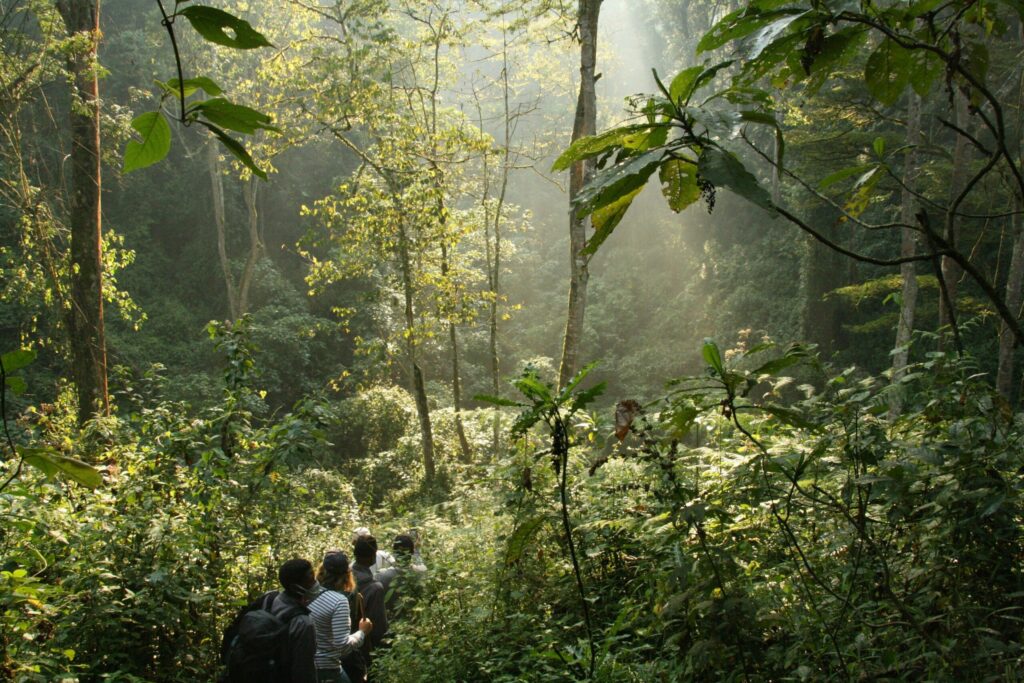
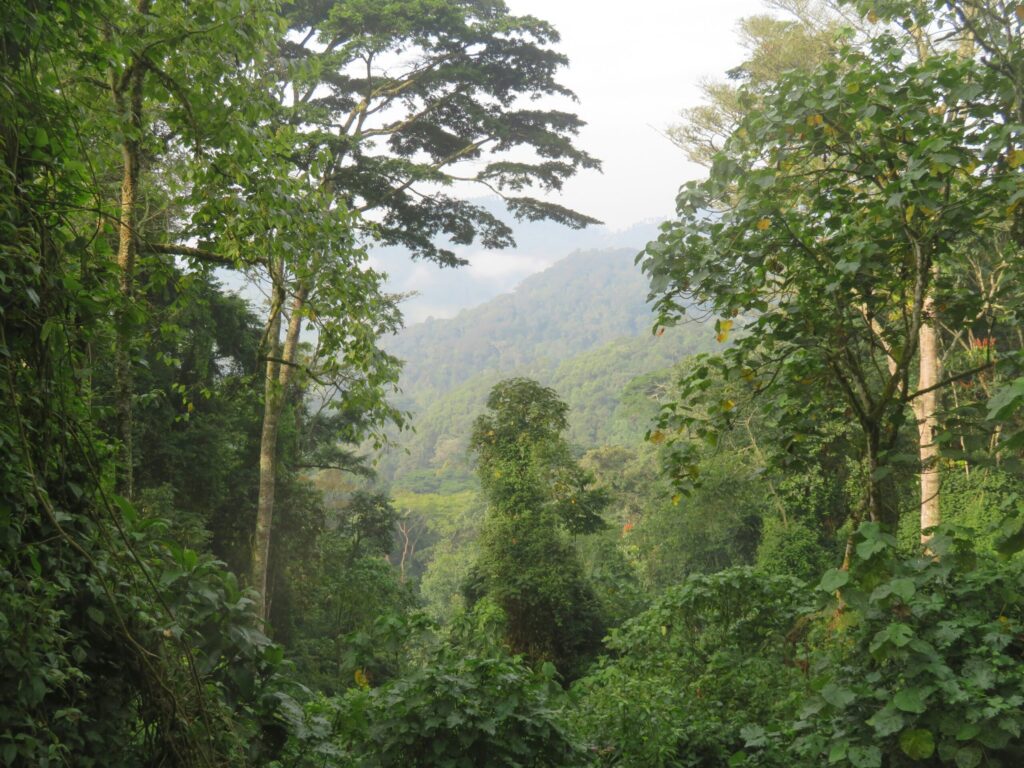
A guided group trekking through the lush canopy of Bwindi Impenetrable National Park, fully prepared with essential items from our gorilla trekking packing list.
Buhoma trailhead, Bwindi Impenetrable National Park. 7:15am. The rangers are already forming up for the morning briefing when a guest steps out of the vehicle in white canvas sneakers, skinny jeans and a daypack with a zip that gave out somewhere over the Kigezi highlands. His ranger takes one look at the shoes and quietly waves down a porter with a spare pair of gumboots.
This happens more often than any operator likes to admit. Travellers plan for the gorillas and forget the forest. They pack the way they would for a game drive: sunhat, camera, maybe a fleece for the cold morning start. Gorilla trekking is not a game drive. There is no vehicle. Whatever is on your back and your feet walks with you through nettles, mud and tangled vegetation for two to eight hours before you ever see a gorilla.
We have kitted out clients heading into Bwindi’s Buhoma, Ruhija, Rushaga and Nkuringo sectors, and up the lower slopes of Bisoke and Sabyinyo in Rwanda’s Volcanoes National Park, enough times to know exactly what fails on the trail and what doesn’t. Cotton stays wet once it’s wet. Cheap ponchos tear on the first thorn bush. Bare hands grab a stinging nettle exactly once before a client understands why gloves matter.
If your permit is already sorted, our Gorilla Trekking Permit Cost & Booking Guide for Uganda & Rwanda covers the cost and booking rules in full, the gear question is the next one that decides whether your day is miserable or manageable. Get it right and the mud, the altitude and the uphill push barely register once you’re standing seven metres from a silverback.
Get it wrong and you’ll spend your one precious hour with the gorillas thinking about your wet socks instead. This list exists so that doesn’t happen.
| QUICK ANSWER | What Should You Wear and Pack for Gorilla Trekking? Wear waterproof hiking boots, gaiters, gardening gloves, moisture-wicking layers, a fleece, and a packable rain jacket over tucked trousers. Carry a 20 to 30 litre daypack with a rain cover, a camera dry bag, and porter cash (USD 10 to 20). Dress for cold mountain starts and humid, sweaty climbs from 1,500 to 4,000 metres. |
At a Glance:
- Gorilla Trekking altitude: 1,500 metres in Bwindi’s lower sectors to over 4,000 metres on Volcanoes National Park’s higher slopes
- Trek duration: 2 to 8 hours round trip, depending on where the gorilla family is ranging that morning
- Non-negotiable footwear: Ankle-high waterproof hiking boots with an aggressive lugged sole, already broken in
- Hand protection: Gardening gloves, the single most requested emergency item at the trailhead
- Porter hire cost: USD 15 to 20 in Uganda’s Bwindi and Mgahinga sectors, USD 10 to 20 in Rwanda’s Volcanoes National Park
- Daypack size: 20 to 30 litres with a rain cover, small enough to hand to a porter if you choose not to carry it
- Camera gear: A fast lens (f/2.8 or wider) and a dry bag for the daypack, no flash is permitted near the gorillas
- Restricted items: Camouflage print clothing is reserved for military use in Uganda and Rwanda, and single use plastic bags are banned in both countries
Why Gorilla Trekking Gear Is Different from a Game Drive
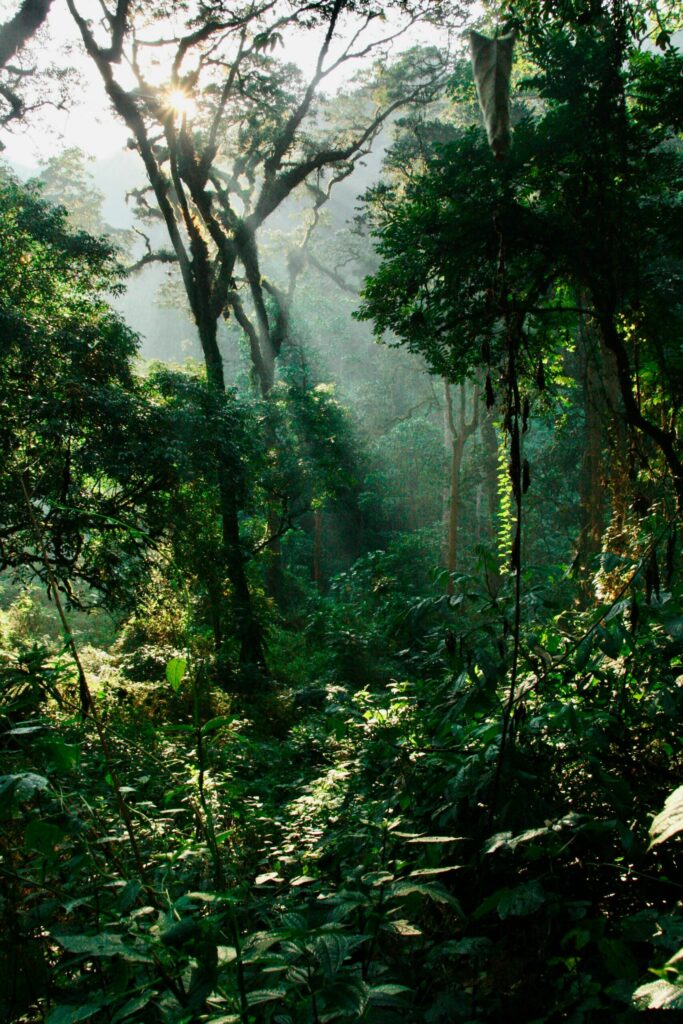
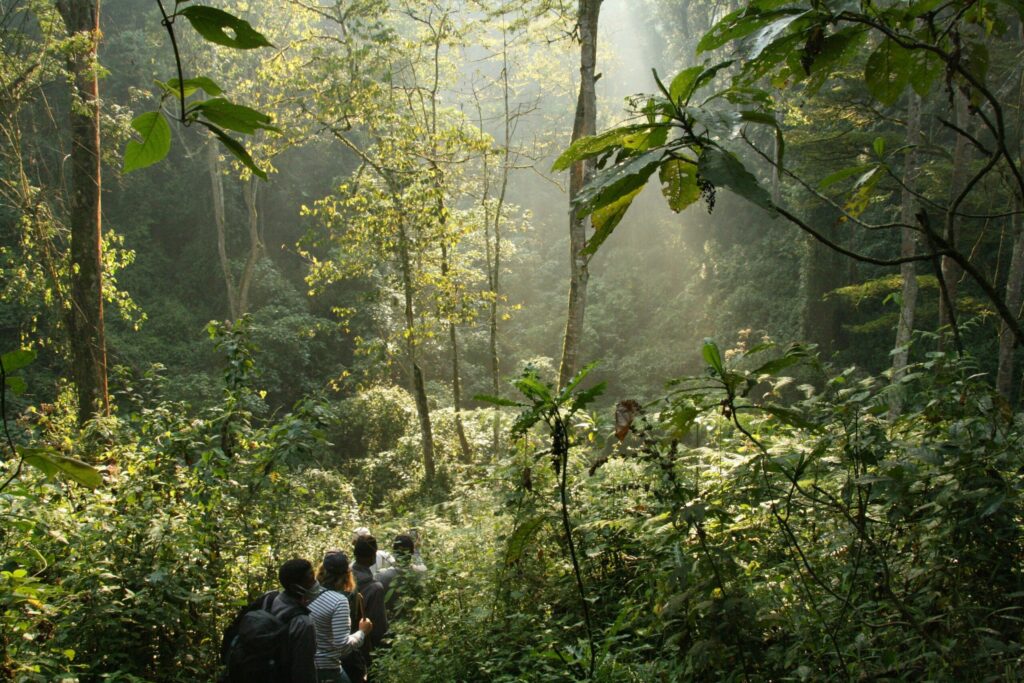
On a Masai Mara or Serengeti game drive you sit in a raised vehicle, roof popped, and the animals come to the road. If our What to Pack for an African Safari guide is your reference point, most of it does not carry over here. Gorilla trekking puts you on foot inside equatorial rainforest, off any formal trail, following trackers who left before dawn to find where the family slept.
Bwindi did not earn the word impenetrable for scenery. The undergrowth is dense; the ground is wet most of the year and the slopes are steep enough that guides sometimes pull clients up by the arm on the final stretch. Volcanoes National Park trades mud for altitude, with treks climbing into bamboo and Hagenia forest above 2,500 metres where the air is noticeably thinner and the mornings genuinely cold.
Bwindi didn’t get the word impenetrable in its name for scenery. It earned it.
None of that is dangerous with the right preparation, but it punishes the wrong gear fast. A game drive packing list built around sunhats and long lenses will leave you cold, wet and stung inside the first hour of a gorilla trek.
Clothing: Layering for Mud, Nettles and Altitude
Build your clothing around three layers rather than one heavy jacket. A moisture wicking synthetic base layer keeps sweat off your skin on the climb. A light fleece or soft shell mid layer handles the cold at the trailhead, usually 10 to 15 degrees Celsius at both Bwindi and Kinigi park headquarters before sunrise. A packable waterproof shell goes over both, because rain in this forest arrives without warning at any time of year.
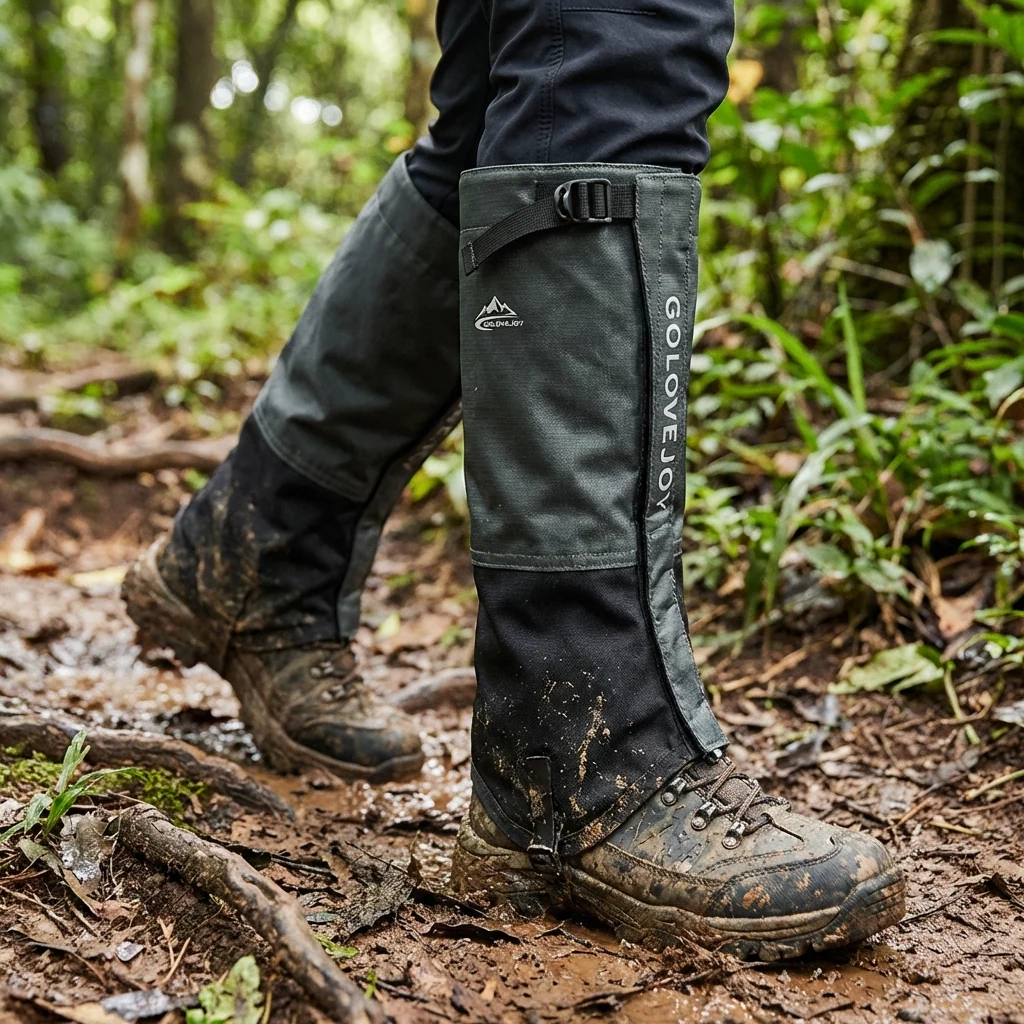
Long sleeves and long trousers are mandatory regardless of the heat later in the day. Bwindi’s stinging nettles put skin on fire on contact, and safari ants (locally called siafu) will find any gap in your clothing on the forest floor. Tuck your trousers into your socks or gaiters before you start walking, not after the first ant bite.
Stick to neutral tones: khaki, olive, grey or brown. Bright white and loud colours stand out against the forest and can unsettle a gorilla family mid-approach. Leave camouflage print at home entirely. It is reserved for military and security use in both Uganda and Rwanda, and wearing it as a civilian can cause real problems at a checkpoint, let alone at a park gate.
What Should I Wear for Gorilla Trekking?
Wear a long sleeved moisture wicking shirt, quick dry trousers tucked into gaiters or tall socks, a fleece mid layer and a waterproof rain jacket, finished with waterproof hiking boots and gardening gloves. Add a wide brim hat or cap for the exposed sections and a buff or light scarf to cover your nose and mouth, since a mask is required within close range of the gorillas to protect them from human respiratory illness.
Footwear: Boots, Gaiters and Socks
Your boots matter more than any other item on this list. Choose an ankle-high, waterproof hiking boot with a stiff, lugged sole and break them in on at least two or three long walks before you fly. New boots on trek day is how blisters end an otherwise perfect morning halfway up a Volcanoes National Park slope.
Pair your boots with thick hiking socks, and bring a second pair in your daypack. Wet socks are the single fastest way to turn a manageable trek into a miserable one, and Bwindi’s lower trails cross streams often enough that a dry change partway through genuinely helps.
Best Gaiters for Gorilla Trekking
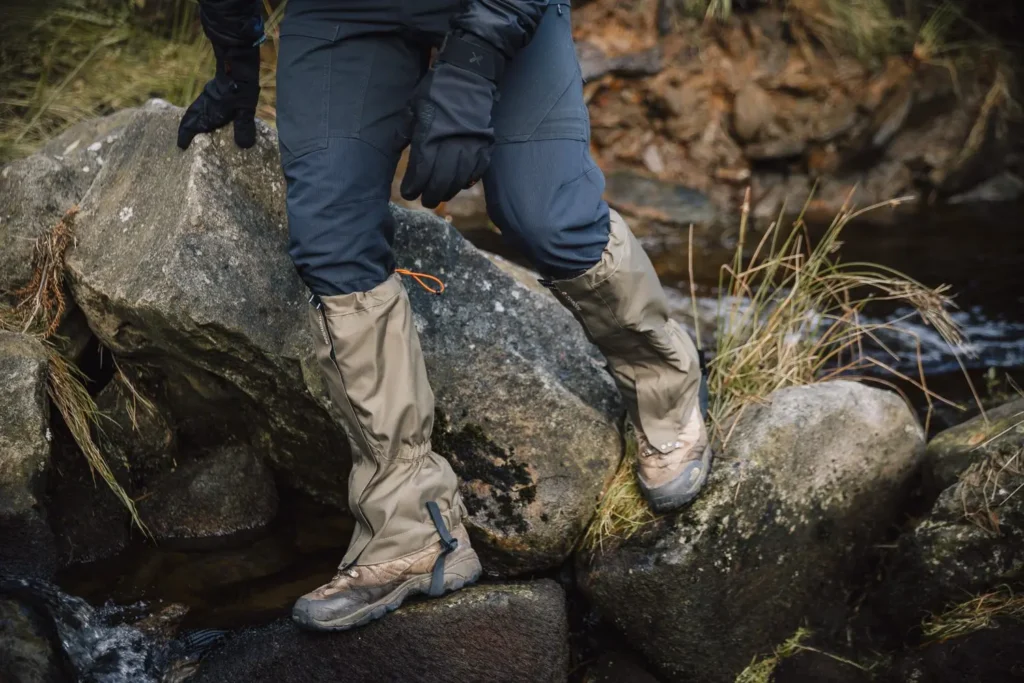
A knee-high gaiter that clips under your boot and zips or velcros up the calf is the right choice here, whether it is a lightweight nylon design or a heavier waterproof shell. Gaiters do two jobs on this trek: they keep mud and biting ants out of your boots, and they add a layer of protection against nettle stings on your lower legs, which is where most first-time trekkers get stung. If you don’t own a pair, several lodges near Buhoma and Kinigi rent them for a small daily fee, and we can arrange this for you before you land.
Hands: Gardening Gloves and Why You Need Them

A simple pair of gardening gloves, the kind sold at any hardware store, is the item guests underestimate every single time and then ask for at the trailhead. You will grab vines, branches and rock faces constantly on the steeper sections, and Bwindi’s stinging nettles do not care whether you saw them coming. One bare-handed grab is usually enough for a client to understand exactly why we put this on every packing list we send.
| EXPERT NOTE We keep a box of spare gardening gloves in the vehicle for every gorilla trekking departure now, because we got tired of watching guests learn about nettles the hard way. Buy a pair before you travel if you can. They cost next to nothing at home and cost you an uncomfortable morning if you skip them. Kibara Mugo, Safari Writer & East Africa Specialist |
Camera Gear for Low-Light Forest Conditions
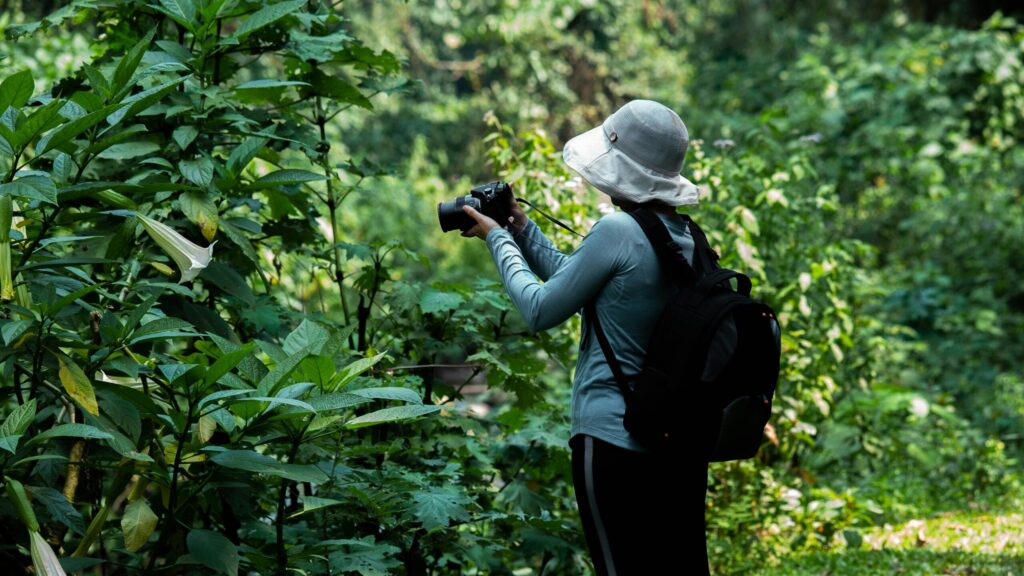
Primary and secondary forest canopy blocks a significant amount of light even at midday, and flash photography is banned outright near the gorillas because it startles them and can affect their eyesight over repeated exposure. A fast prime or zoom lens, f/2.8 or wider, gives you a fighting chance in the low light without pushing your ISO so high that every shot turns grainy.
Pack a dry bag or a properly waterproof camera sleeve inside your daypack rather than trusting the pack’s own rain cover alone. A spare battery matters more here than on a game drive, since cold mountain mornings drain batteries faster and there is no vehicle charger to fall back on mid-trek. Skip the tripod. You need both hands free for the climb, and a monopod or simply bracing against a tree trunk works better on uneven ground.
The gorillas won’t wait for your camera to catch up. Set your exposure before you reach them, not after.
Porter Hire: What It Costs and Why to Use One
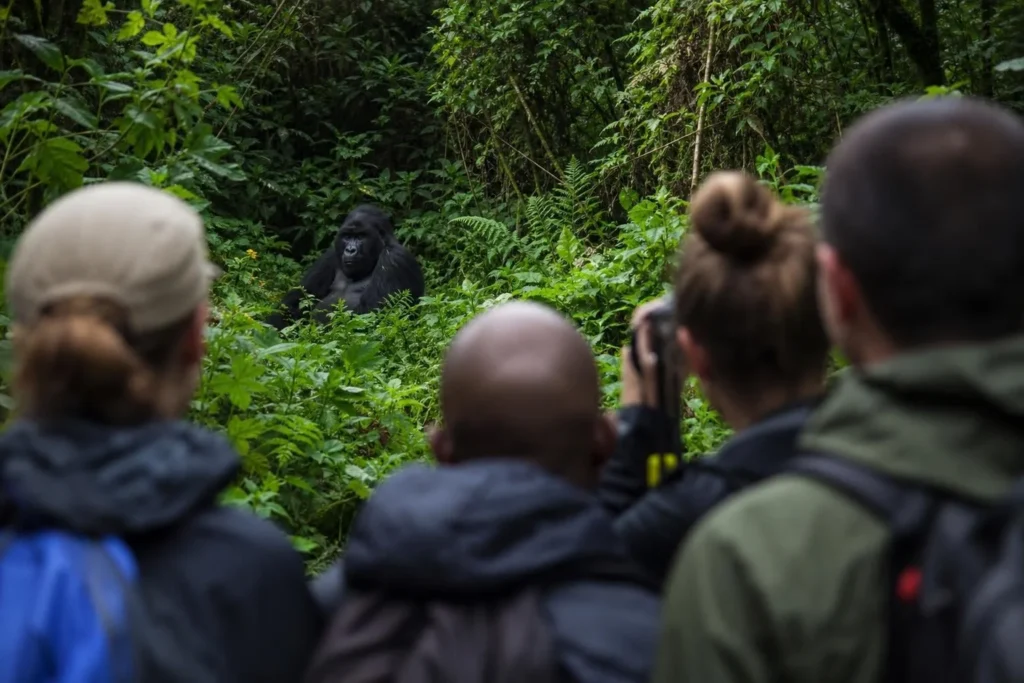
Porters are locally employed men and women, often from communities bordering the park, who carry your daypack and help you across the steeper or muddier sections of the trail. Hiring one costs USD 15 to 20 in Uganda’s Bwindi and Mgahinga sectors and roughly USD 10 to 20 in Rwanda’s Volcanoes National Park, paid in cash directly at the trailhead before you start walking.
We recommend a porter to every client regardless of fitness level, and we mean that literally, not as a scripted upsell. A porter frees both your hands for the climb, knows the terrain better than any first-time visitor ever will, and the fee goes directly into the local economy around the park. Guests who skip the porter to save twenty dollars are consistently the ones we see struggling on the final push before contact.
If you would rather have your permit, transport and lodge nights arranged around this trip rather than assembled piece by piece, our 4 Days Uganda Gorilla Trekking Flying Safari flies you from Entebbe to Kisoro and back, cutting out the 8 to 9 hour road transfer, and folds your permit, ranger guide and lodge nights into one booking.
Rain Protection
Both Bwindi and Volcanoes National Park sit inside genuine rainforest, and a clear morning tells you nothing about the afternoon. Pack a proper waterproof, breathable rain jacket with a hood rather than a poncho. A poncho catches on branches constantly and does nothing for your legs, where trousers soaked through at the knee stay wet for the rest of the trek.
Line your daypack with a dry bag or heavy duty liner before you pack it, in addition to any external rain cover, since a soaked exterior cover still lets moisture seep through the seams over a multi-hour trek. Remember that plastic shopping bags are banned outright in both Uganda and Rwanda, so bring purpose-made dry bags rather than planning to improvise with plastic on arrival.
Best Backpack for Gorilla Trekking
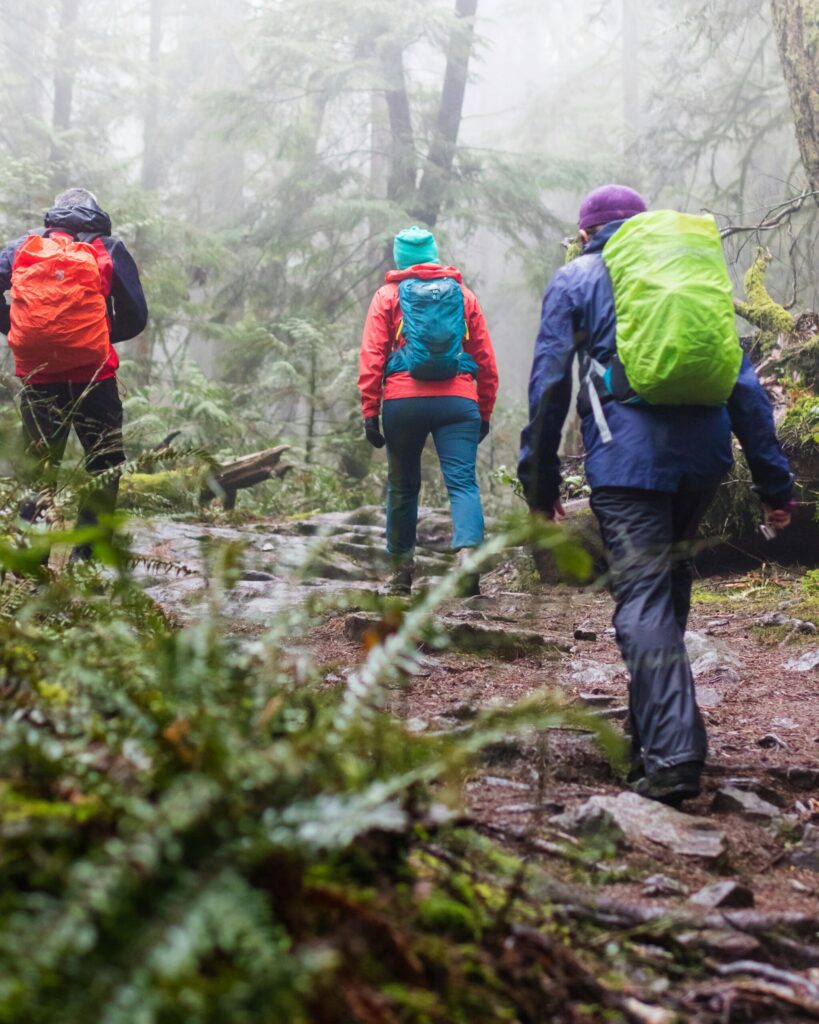
A 20 to 30 litre daypack is the right size, big enough for water, snacks, a rain jacket, camera gear and a spare pair of socks, small enough that a porter can carry it comfortably if you choose to hand it over. Look for padded, adjustable shoulder straps and a sternum strap, since a poorly fitted pack shifts constantly on steep, uneven ground and turns into a distraction exactly when you need your balance most.
A built-in rain cover is a genuine advantage here rather than a nice extra. If your pack doesn’t have one, buy a separate cover that fits it before you travel, since none are sold at either trailhead.
Toiletries, Health and Medicine
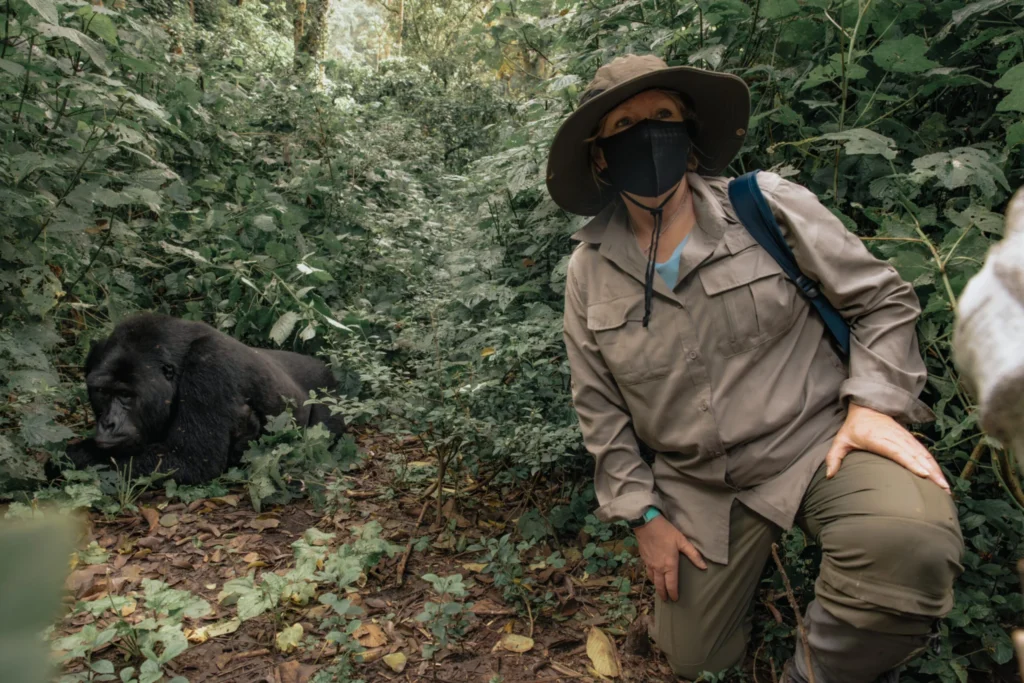
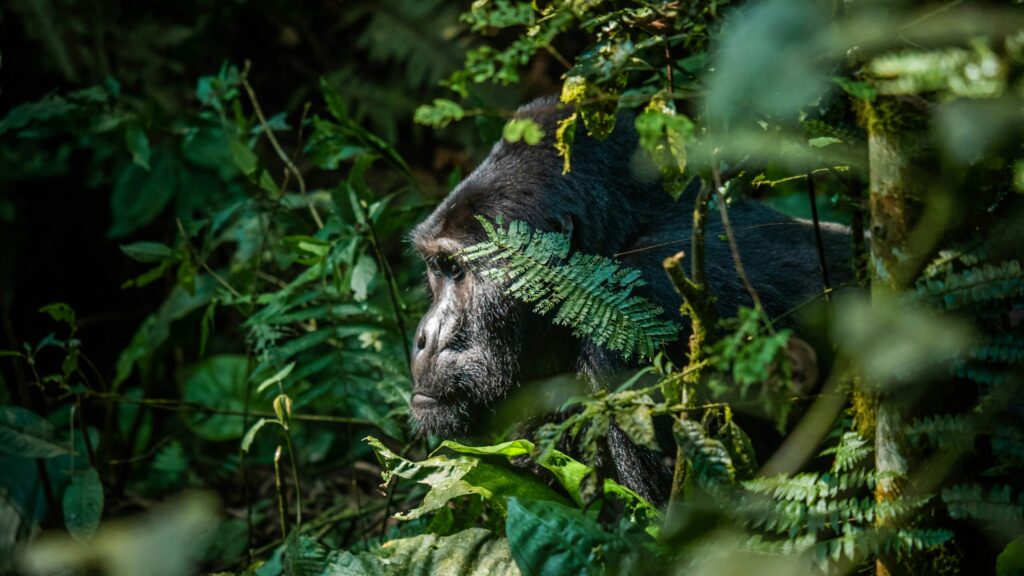
Pack insect repellent containing DEET, a personal first aid kit with blister plasters, antihistamine and any prescription medication you take, and rehydration salts for the climb. Two or three reusable, PFC-free face masks are essential, not optional, since rangers require you to mask up once your group approaches within close range of the gorillas. Mountain gorillas share close to 98 percent of human DNA, which means human colds and flu can be genuinely dangerous to them.
If you are feeling unwell on the morning of your trek, whether that is a cold, a stomach bug or a fever, tell your ranger before the briefing rather than pushing through. Both the Uganda Wildlife Authority and Rwanda Development Board can reschedule a permit for genuine illness, and no photograph is worth passing an infection to a habituated family.
Full Printable Gorilla Trekking Packing Checklist
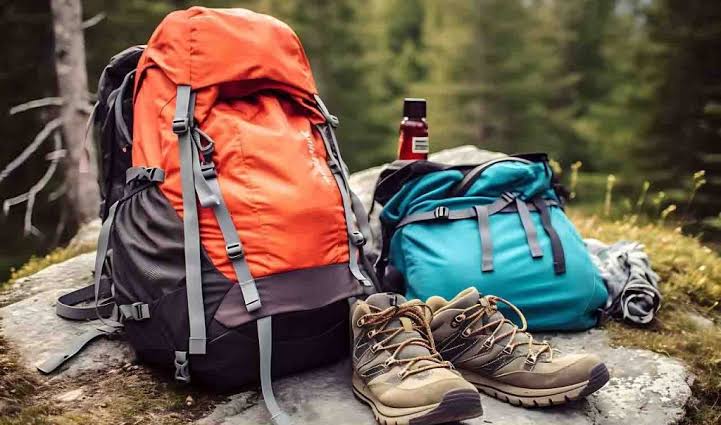
Essential Items to Carry While Trekking
- Waterproof, broken-in hiking boots with ankle support
- Gaiters or tall socks to seal the gap between boot and trouser
- Gardening gloves
- Two pairs of long, quick dry trousers
- Two to three long sleeved, moisture wicking shirts
- Fleece or light insulated mid layer
- Packable waterproof rain jacket with a hood
- 20 to 30 litre daypack with a rain cover
- Dry bag or waterproof liner for your daypack
- Camera with a fast lens (f/2.8 or wider) and a spare battery
- Two litres of water and high energy snacks
- Cash for your porter and tips, in small US dollar bills
- Two to three reusable face masks
- Insect repellent with DEET
Optional Comfort Items
- A single trekking pole or walking stick, some lodges lend these at the trailhead
- Lightweight binoculars for golden monkeys or forest birds on the approach
- A buff or light scarf, doubles as a mask and sun protection
- Wet wipes and a small quick dry towel
- A dry set of clothes left in the vehicle for the drive back
- Compact power bank for camera and phone batteries
Frequently Asked Questions
What should I wear for gorilla trekking?
Wear a long sleeved moisture wicking base layer, quick dry trousers, a fleece mid layer and a waterproof rain jacket, finished with waterproof hiking boots, gaiters and gardening gloves. Stick to neutral colours such as khaki, olive or grey, and avoid camouflage print, which is restricted to military use in both Uganda and Rwanda.
Do I need gaiters for gorilla trekking?
Yes, gaiters are strongly recommended for gorilla trekking in both Bwindi and Volcanoes National Park. They keep mud, water and biting ants out of your boots and add a layer of protection against stinging nettles on the lower leg, which is where most first-time trekkers get stung. If you don’t own a pair, they can be rented at several lodges near both parks.
Should I hire a porter for gorilla trekking?
Yes, we recommend hiring a porter regardless of your fitness level. A porter carries your daypack, helps you across steep or muddy sections and knows the terrain far better than a first-time visitor. It costs USD 15 to 20 in Uganda and roughly USD 10 to 20 in Rwanda, paid in cash at the trailhead, and the fee supports the local community around the park.
What shoes are best for gorilla trekking?
An ankle-high, waterproof hiking boot with a stiff, aggressively lugged sole is best for gorilla trekking. Break the boots in on at least two or three long walks before you travel, since new boots on trek day are the most common cause of blisters that cut a trek short.
Can I rent gorilla trekking gear in Uganda or Rwanda?
Yes, gumboots, gaiters and walking sticks are available to rent or borrow at several lodges near Buhoma, Ruhija, Rushaga, Nkuringo and Kinigi park headquarters, often for a small daily fee. We do not recommend relying on this for your boots, since fit and break-in period matter more for footwear than for any other item.
What is the essential item everyone forgets to pack?
Gardening gloves are the single most requested emergency item at gorilla trekking trailheads. Guests plan for rain and mud but forget that Bwindi’s forest floor is lined with stinging nettles and thorny vegetation you will grab constantly for balance on the steeper climbs.
Is it very cold on a gorilla trek?
Mornings are genuinely cold at both trailheads, typically 10 to 15 degrees Celsius before sunrise, and Volcanoes National Park’s higher slopes above 2,500 metres stay cool even at midday. A fleece mid layer is essential for the briefing and the first hour, and you will likely shed it once the climb warms you up.
Plan Your Gorilla Trek with Us
This list covers the gear that decides whether your morning in Bwindi or Volcanoes National Park is comfortable or miserable. It does not cover the permit, the flights, the lodge nights or the logistics of getting your group from Kigali or Kampala to a trailhead on the right morning with the right paperwork, and that is deliberate. We handle that side as part of every gorilla trekking booking we run, from our 4 Days Uganda Gorilla Trekking Flying Safari through to permit timing covered in our Gorilla Trekking Permit Cost & Booking Guide. Hellen Asiko, our Director and Guest Experience Curator, will walk you through exactly what to bring for your specific sector and season once your dates are confirmed.
Pack for the forest you’re actually walking into, not the safari you already know.
Let's plan your East African safari
Tell us when you'd love to travel and a local specialist will craft a tailor-made route around you.


