
Solo Female Safari Kenya: Is It Safe, and How to Book One
A straight answer from a Nairobi based operator on the real risks, the real precautions and exactly how to book a solo female safari in Kenya with confidence.
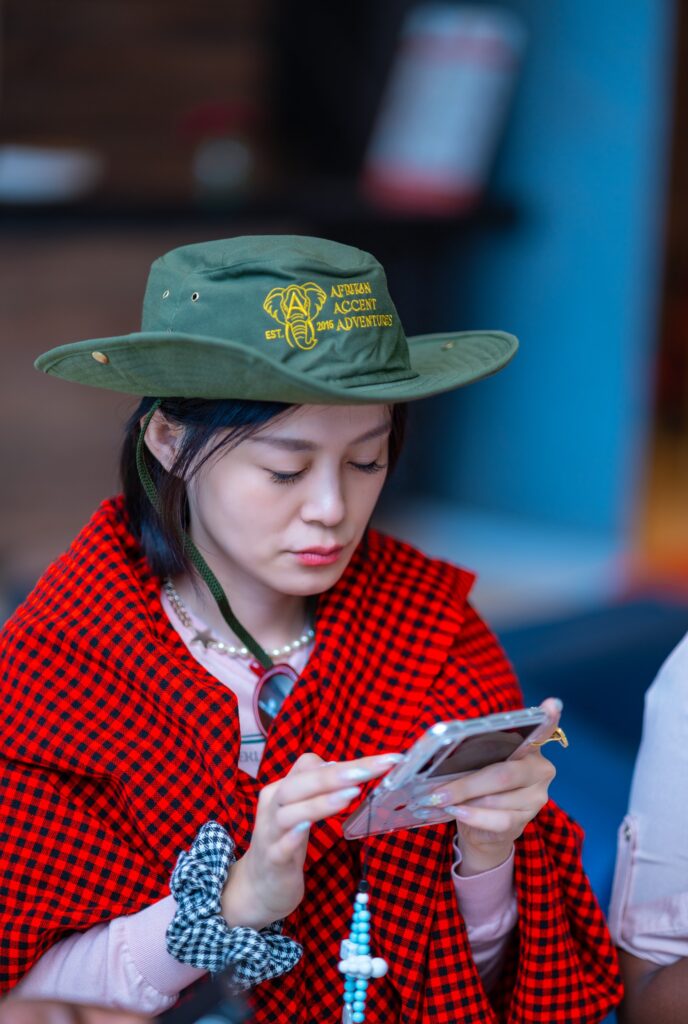
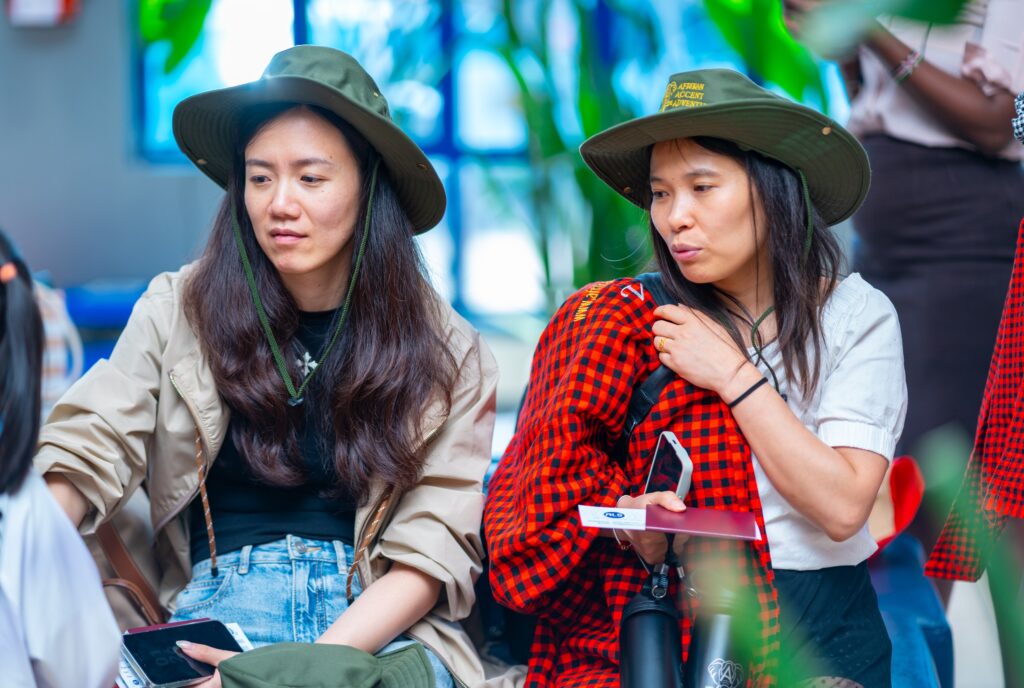
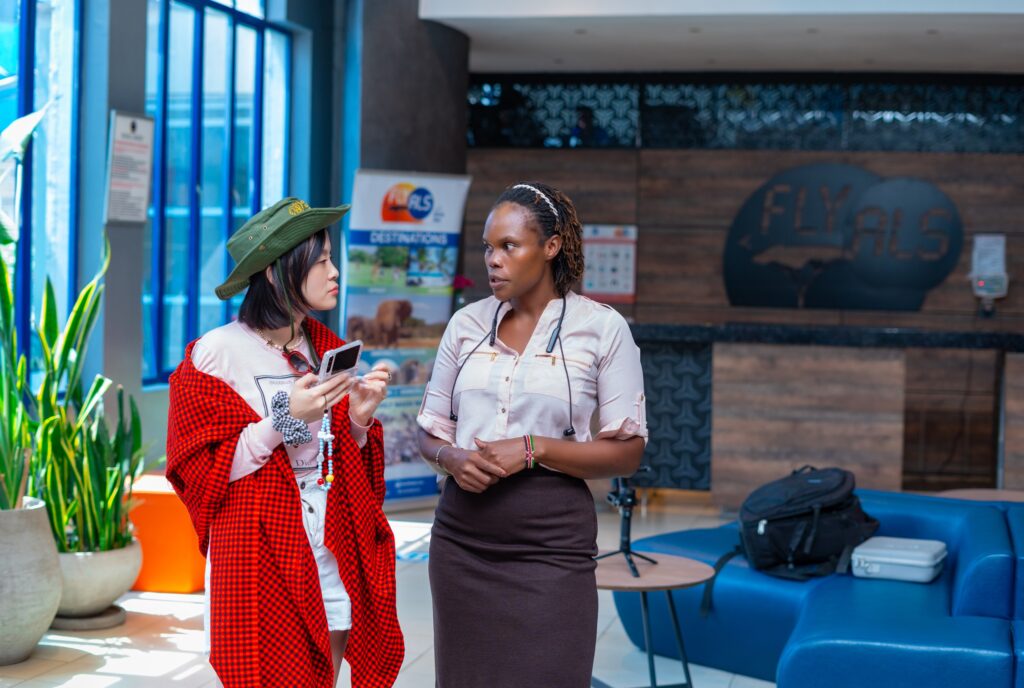
A solo female traveler at Wilson Airport lounge waiting to board a bush flight for her solo female safari in Kenya.
Wilson Airport, 7:15am. A guest travelling alone from Toronto stands beside her single duffel bag while the ground crew loads a Cessna Caravan bound for the Mara. She had emailed us four times in the two weeks before this trip. Is it safe. Will she be the only woman in the vehicle. What happens if she gets to camp and does not feel comfortable. Hellen answered every one of those emails herself, the way she does with every solo woman who books with us, because she has fielded this exact question more times than any other in a decade of running guest experience for this company.
The honest answer, the one Hellen gives every time, is not a blanket yes and it is not a blanket no. Kenya is a genuinely good country for a woman to travel alone in, used to hosting solo travelers, with a tourism industry built around exactly this kind of trip. It also has real regions the UK Foreign Office and the US State Department advise against, real petty crime in specific settings, and a safari industry that, honestly, is still mostly guided by men. None of that is a reason to stay home. It is a reason to book carefully, and to know precisely what you are booking into.
She flew home ten days later having spent four of those nights as the only solo traveler in camp and never once feeling like it. Her driver guide, Mike, radioed camp before every stop. Her camp was fenced with Maasai guards on duty through the night. And she had a direct line to Hellen the entire time she was in the country. That is not luck. That is what a solo female safari in Kenya looks like when it is planned properly.
This guide covers what the actual safety advisories say, where the real risks sit, what a well-run camp does differently for a woman travelling alone, what it costs, and the exact questions to ask before you pay a deposit. We have written it the way we wish every solo woman researching this trip could read it, without the false reassurance and without the scare tactics.
| QUICK ANSWER | Is Kenya safe for a solo female safari? Yes, within Kenya’s established safari circuits. The US State Department rates Kenya Level 2, exercise increased caution, and the UK FCDO advises against travel only to specific border regions. The Masai Mara, Amboseli, Samburu and the main coastal towns operate normally for solo women. |
At a Glance:
- US State Department rating: Level 2, exercise increased caution, as of 2026
- UK FCDO guidance: Advises against travel to Mandera County and specific border areas only; core safari circuits unaffected
- Established safe circuits: Masai Mara, Amboseli, Samburu, Lake Nakuru, Nairobi, Mombasa, Diani and Watamu
- Camp security standard: Fenced properties, night Maasai guards on duty, escorted movement after dark
- Female guides in Kenya: A small but growing minority within the Kenya Professional Safari Guide Association
- Typical single supplement: 30 to 70 percent above the per person sharing rate, operator dependent
- Operator vetting: Confirm KATO and TRA registration before booking
- Recommended lead time: Book 2 to 4 months ahead for the best single rooms and, if wanted, a female guide
Is Kenya Safe for Solo Female Travelers? What the Official Advisories Actually Say
US State Department and UK FCDO Guidance for Kenya
The US State Department currently places Kenya at Travel Advisory Level 2, exercise increased caution, citing crime, terrorism, kidnapping and traffic safety risk, and notes specifically that solo travelers should exercise particular caution. The UK Foreign, Commonwealth and Development Office advises against all travel to Mandera County, parts of Wajir and Garissa counties, and areas within 60 kilometres of the Somalia border, due to terrorism and kidnapping risk. Neither advisory singles out safari travel, and neither advises against travel to Kenya as a whole.
Which Regions to Avoid and Which Are Established Safari Circuits
The regions under active advisory sit in Kenya’s far northeast, hundreds of kilometres from any safari itinerary we run. The Masai Mara, Amboseli, Lake Nakuru, Samburu, Lake Naivasha, Nairobi and the main coastal towns of Mombasa, Diani and Watamu all operate under normal travel conditions, with a tourism and security infrastructure built specifically around visitor safety. This is the practical distinction that gets lost in generic safety articles about Kenya: the advisories are real, and they apply to areas nowhere near where a solo female safari actually goes.
The question is never really is Kenya safe. It is which parts of Kenya, doing what, and with which operator. Answer those three honestly and the rest follows.
Why the Safari Itself Is the Safest Part of a Solo Trip to Kenya
Guided, Vehicle Based Days with Very Little Unsupervised Time
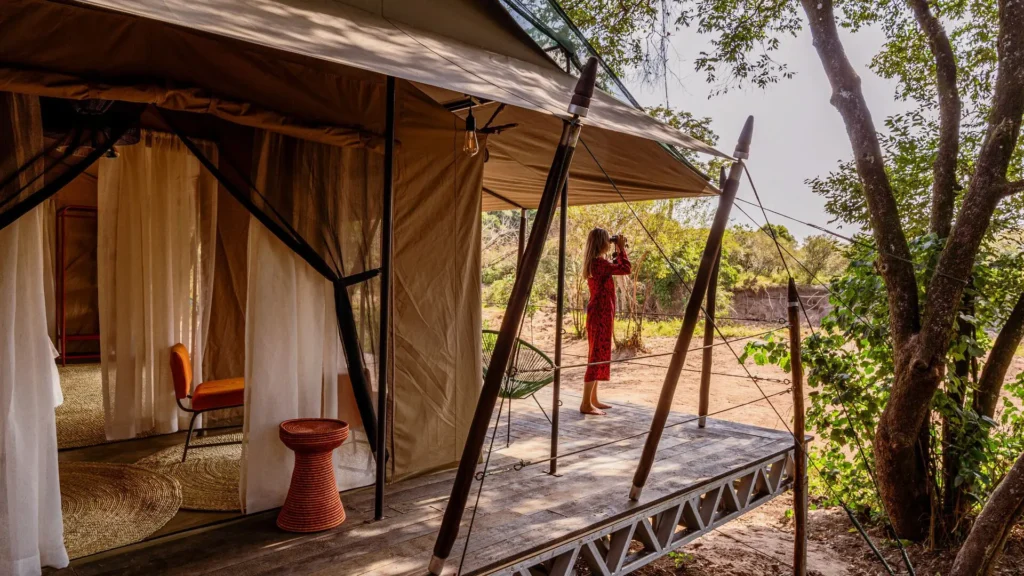
Once you are on safari, you are almost never alone in the way solo travel usually means alone. Game drives run in a private vehicle with a professional driver guide, meals are served at camp, and movement between activities is organized by camp staff. A solo woman on a Kenya safari spends her days with a guide who knows the terrain, the wildlife and the radio network back to camp better than any external safety measure could replicate. This is structurally different from solo city travel or backpacking, and it is a large part of why the safari segment of a Kenya trip carries meaningfully lower everyday risk than a night out in an unfamiliar city.
Camp and Lodge Security: Maasai guards, Fencing and Escorted Movement After Dark
Kenyan safari camps and lodges run a consistent security model built up over decades of hosting international guests. Properties are fenced or naturally bounded, a Maasai guard, a night watchman, is on duty through the night, and guests are escorted between their tent or room and the main areas after dark, both because of wildlife moving through camp and as standard practice. Ask any operator directly how their camps handle this before you book, since the answer should be immediate and specific, not vague reassurance.
Real Risks Solo Women Should Actually Plan For, and How We Handle Them
Harassment in Bars, Resorts and Nairobi Nightlife, Not the Bush
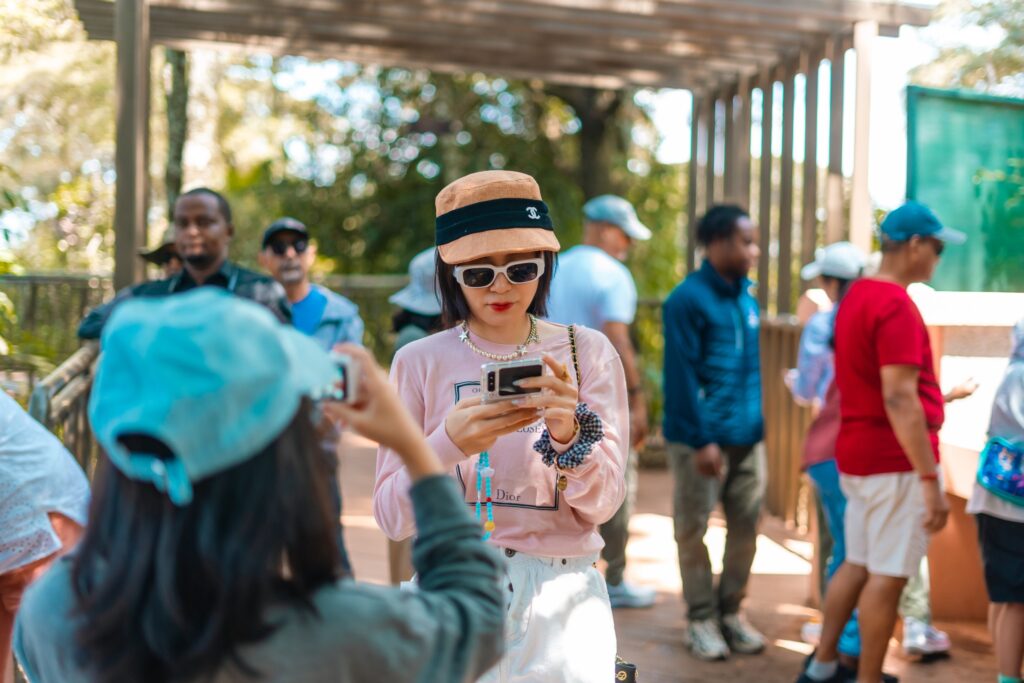
Where the US State Department’s advisory is most specific for solo travelers is bars, resorts and nightlife settings, particularly in Nairobi and on the coast, not the safari circuit itself. This matches what we see: the moments that require real caution sit in a handful of unstructured social settings, not in the guided, scheduled rhythm of a safari day. Standard precautions apply exactly as they would at home: watch your drink, keep your own transport arranged in advance rather than relying on whoever is offering a ride, and treat a hotel bar the way you would treat one in any unfamiliar city.
Road Travel, Petty Theft and Everyday Precautions
Kenya’s roads are demanding and self-driving is not something we recommend for any first time visitor, solo or otherwise, which is one reason every itinerary we run uses a private driver guide or scheduled internal flights rather than rental cars. Petty theft follows the same pattern as any destination with crowded urban areas: keep valuables out of sight, use registered transport rather than street hailed taxis, and treat a busy market the way you would treat one anywhere in the world.
Women Leading the Way: Female Guides and Rangers in Kenya’s Safari Industry
A Male Dominated Profession That Is Slowly Changing
Charity Cheruiyot became Kenya’s first certified female safari guide in 2007. Nearly two decades on, women remain a minority within the Kenya Professional Safari Guide Association, the body that certifies bronze, silver and gold level guides across the country, though that number grows every season as more camps and conservancies actively train and promote women into guiding and ranger roles across the Mara, Amboseli and Samburu ecosystems.
Requesting a Female Guide or Women Only Departure
If travelling with a female guide matters to you, say so when you book rather than assuming it will be arranged automatically, since female guides remain a smaller pool and the best ones are booked well ahead. We also run scheduled women only departures with a female driver guide where possible and a built in single supplement discount, which is worth considering as much as travelling safely.
| QUICK ANSWER | Do solo female travelers pay more for a Kenya safari? Usually yes, through a single supplement of roughly 30 to 70 percent above the per person sharing rate, since most camps price rooms for two. Set group departures, women only safaris and off-peak travel are the main ways to reduce or avoid this cost. |
How Much Does a Solo Female Safari in Kenya Cost? The Single Supplement Explained

Why Solo Travelers Pay More
Safari accommodation is priced per room on a sharing basis, so a solo traveler occupying a room built for two is typically charged a single supplement, often 30 to 70 percent above the standard per person rate depending on the camp and season. On a mid-range 7-night Kenya safari that might otherwise run US $1,850 to $2,500 per person sharing, a solo traveler should budget meaningfully above that figure once the supplement is applied, and luxury camps can push the gap even higher.
Ways to Reduce or Avoid the Single Supplement
- Travel in the green season, April to June or November, when many camps reduce or waive the supplement entirely
- Book a scheduled small group departure rather than a fully private itinerary, since shared or willing to share rooms remove the supplement
- Look specifically for women only set departures, which are usually built around a no supplement group rate
- Ask directly whether a camp will match you with another solo traveler of the same gender to share a twin room
- Mix accommodation tiers, choosing one splurge camp and one simpler property, to bring the average nightly cost down
How to Book a Solo Female Safari in Kenya: A Step by Step Checklist
Vetting the Operator: KATO, TRA and Direct Contact
Confirm the operator is registered with the Kenya Association of Tour Operators, KATO, and where relevant the Tanzania equivalent, TRA, since this registration is the baseline signal of a legitimate, accountable business rather than a freelance middleman. A registered operator with a named, contactable guest experience lead, someone you can email directly with questions before you pay a deposit, is worth more to a solo woman than the lowest quoted price.
Questions to Ask Before You Pay a Deposit
- Will I be the only guest in my vehicle, or paired with another group, and can I choose which
- What is the camp’s security setup after dark, specifically
- Is a female guide available, and is there a cost difference to request one
- What is the single supplement on this exact itinerary, and does it change by season
- Who do I contact directly, day or night, once I am in Kenya
- What happens if I want to change or end part of the itinerary once I am already travelling
What to Pack and Prepare as a Solo Female Traveler on Safari
Practical Packing and Health Preparation
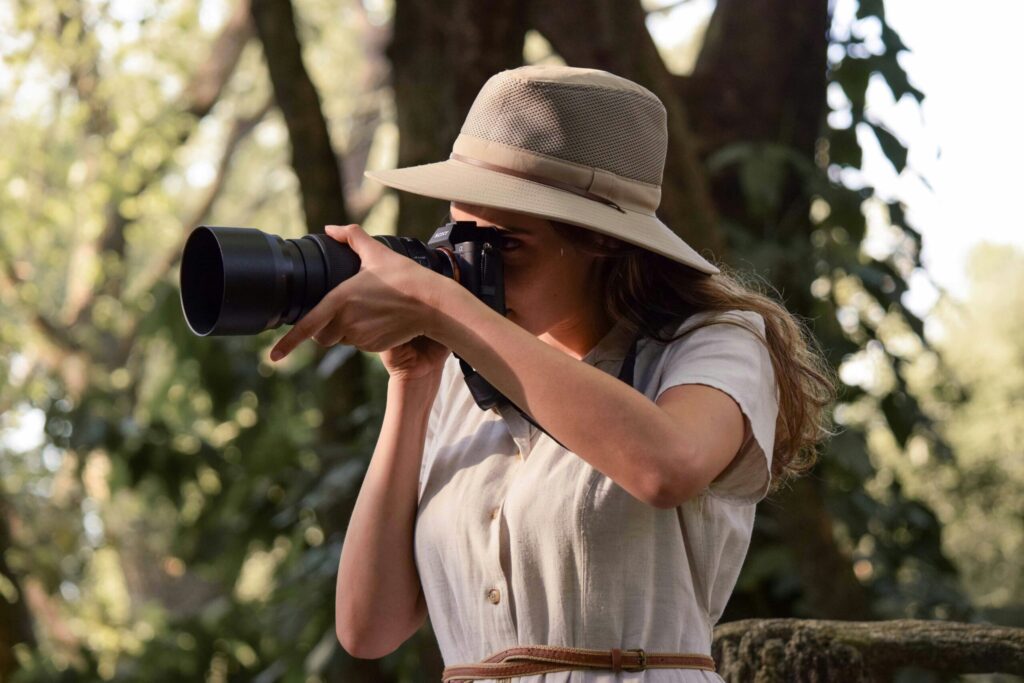
Pack modestly for time outside camps, particularly in towns and on the coast, favouring neutral coloured, lightweight layers for game drives and a light coverup for pool and lodge areas. Carry your own basic first aid and any personal medication in hand luggage rather than checked bags, and speak to a GP or travel health clinic ahead of time about malaria prevention for the regions on your itinerary. A physical printout of your itinerary, accommodation confirmations and emergency contacts, in addition to a digital copy, is a small habit that solves real problems if a phone is lost or a battery dies at the wrong moment.
Registering With Your Embassy and Sharing Your Itinerary
Register with your home country’s travel program before departure, STEP for US citizens or the equivalent notification through GOV.UK for British travelers, and share your full itinerary and accommodation list with someone at home who knows your daily movements. This is standard advice for any solo traveler anywhere, and it costs nothing beyond ten minutes before you fly.
Best Kenya Safari Itineraries and Regions for Solo Women
First Time Solo Circuit: Masai Mara and Lake Naivasha
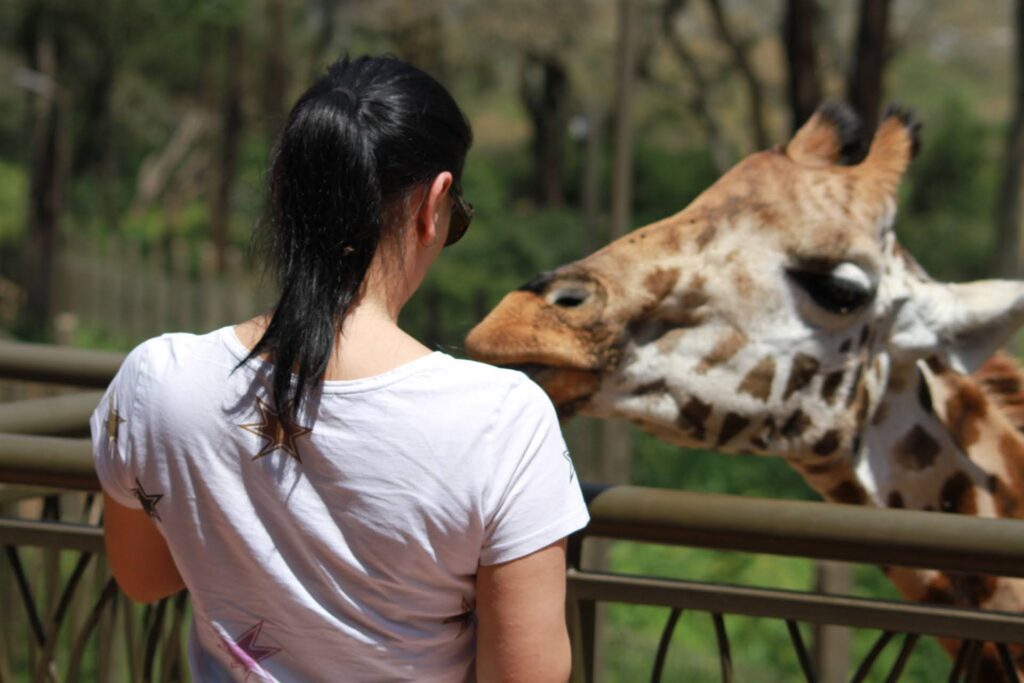
For a first solo trip, we generally route guests through the Masai Mara for the wildlife and Lake Naivasha for a gentler two or three nights of walking, boat rides and a slower pace before or after the game drives, all within a few hours of Nairobi and well inside the established, well trodden safari circuit.
Deeper Circuit: Samburu, Amboseli and a Coastal Finish
Returning or more experienced solo travelers often extend into Samburu for its dry country wildlife and strong community based conservancy model, Amboseli for its Kilimanjaro backdrop, and a final few nights on the coast at Diani or Watamu to close the trip. Each leg uses the same private guide or scheduled internal flight model, so the security and logistics stay consistent even as the landscape changes.
Frequently Asked Questions
Is it safe for a woman to go on safari alone in Kenya?
Yes, within Kenya’s established safari circuits, including the Masai Mara, Amboseli and Samburu, which operate under normal travel conditions with guided vehicles and secured camps. The regions under active government advisory sit far from any safari itinerary.
Do solo female travelers pay more for a Kenya safari?
Usually yes, through a single supplement that typically adds 30 to 70 percent to the per person sharing rate, though scheduled group departures, women only trips and green season travel can reduce or remove this cost.
Can I request a female safari guide in Kenya?
Yes, though female guides remain a minority in the industry and the best ones book up early, so request this specifically when you enquire rather than assuming it will be arranged automatically.
What is the safest way to book a solo safari in Kenya?
Book through an operator registered with the Kenya Association of Tour Operators, KATO, with a named guest experience contact you can question directly before paying a deposit, rather than an unregistered agent or a street tout.
Is Nairobi safe for solo female travelers?
Nairobi is generally safe in the areas visitors use, though the same precautions that apply to any major city apply here, particularly around nightlife and bar settings, which is where advisories flag the most specific risk for solo travelers.
What should I do if I feel unsafe during my Kenya safari?
Contact your operator’s guest experience team directly and immediately. A properly run trip gives every solo traveler a direct contact reachable throughout the trip, and a reputable operator will adjust the itinerary on the spot if something is not right.
Are women only safari departures available in Kenya?
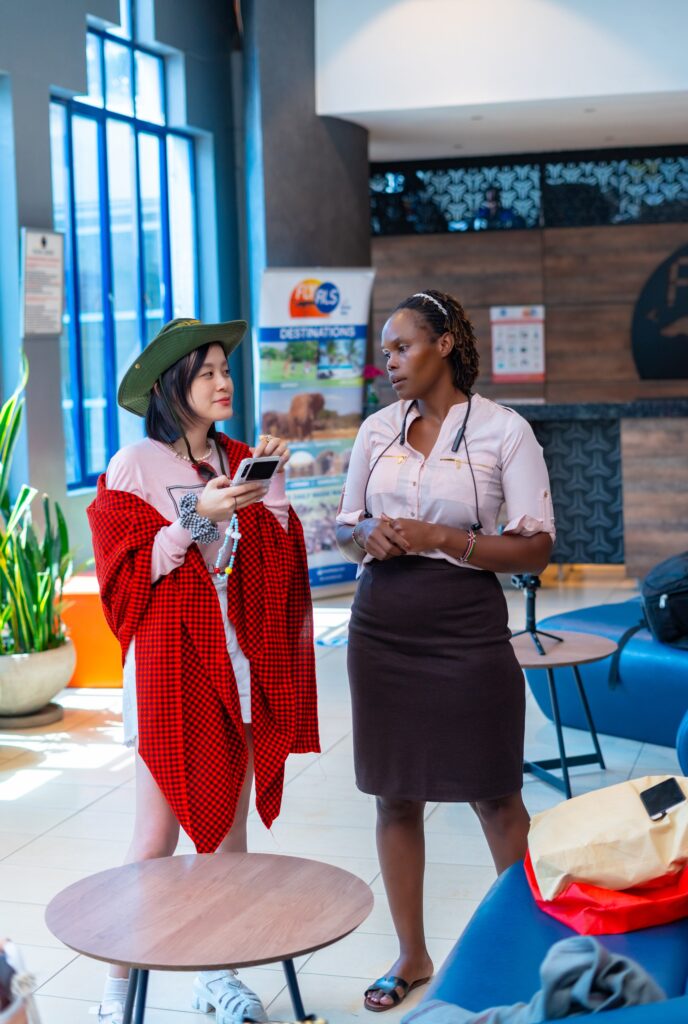

Yes, we run scheduled women only Kenya departures with a female driver guide where possible and a built in single supplement discount.
She still emails Hellen every migration season, asking what the Mara looks like this year before she decides whether to come back. That is the relationship a solo female safari in Kenya should build, not a one time transaction with a stranger on the other end of a booking form.
If you are weighing a solo trip and still have the questions that guest had, ask Hellen directly. Speak with Hellen and book a free consultation to build a Kenya itinerary matched to your comfort level, your budget and, if it matters to you, a female guide from day one.
You do not need a group to see the Masai Mara. Book your free consultation and go, properly prepared and properly looked after.
Let's plan your East African safari
Tell us when you'd love to travel and a local specialist will craft a tailor-made route around you.