

 Day Trips
📍 Nairobi National Park
Nairobi Day Trip: National Park, Sheldrick Elephant Orphanage and Giraffe Centre
from$295
★★★★★ 5
The safari capital
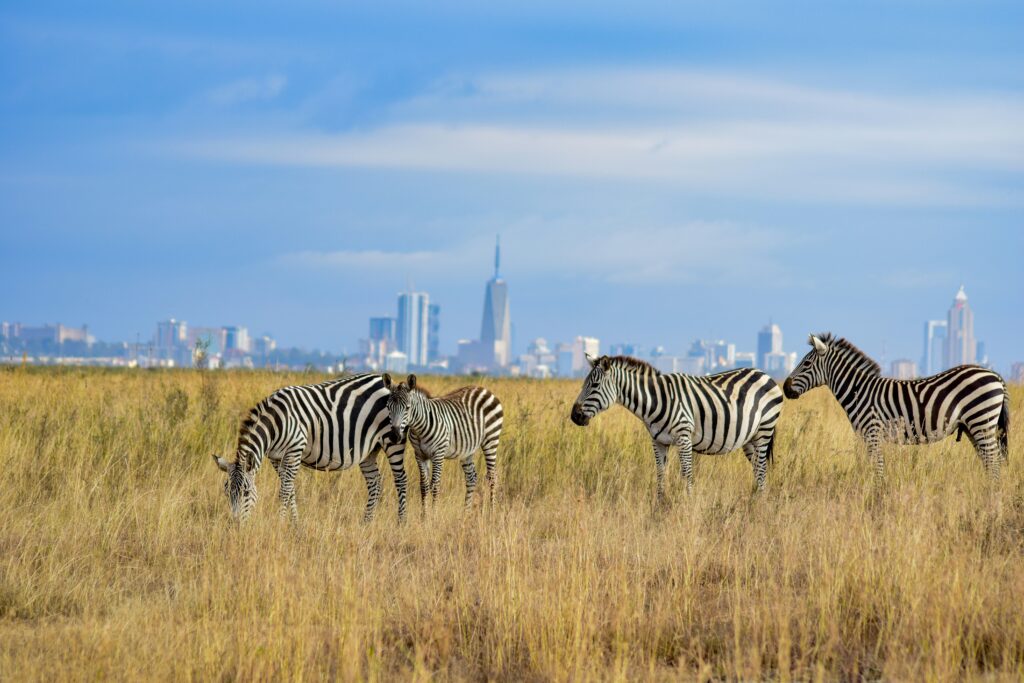
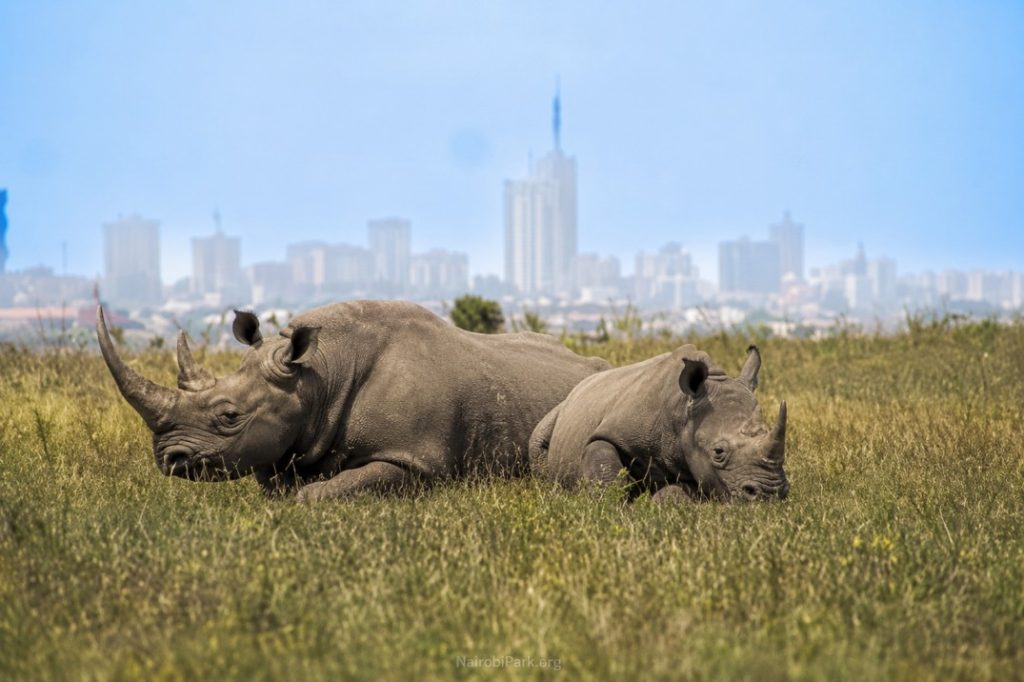
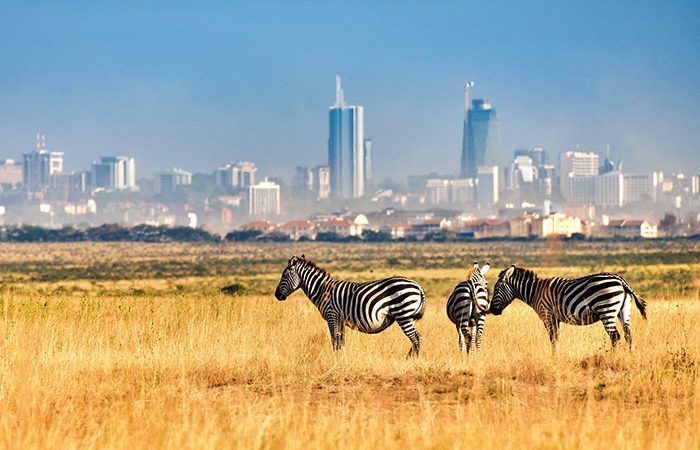
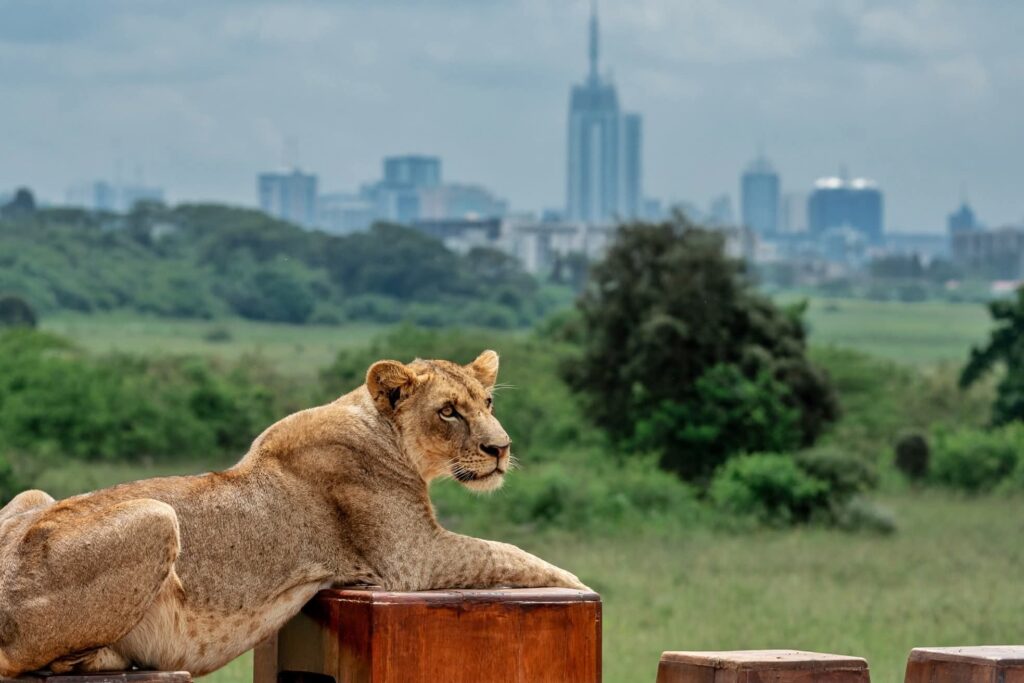
Nairobi National Park offers one of the most unique safari experiences on Earth — a thriving wildlife sanctuary located just minutes from Kenya’s capital city. It is the only national park in the world situated within a capital city, where visitors can watch lions, rhinos, giraffes, and cheetahs roaming freely with Nairobi’s skyline rising in the background.
Established in 1946, Nairobi National Park is Kenya’s oldest national park and covers approximately 117 square kilometres (45 square miles). Despite its proximity to the city centre, the park supports an incredible diversity of wildlife including four of the Big Five and over 500 bird species.
The park consists of open grass plains, acacia bushland, riverine forests, and seasonal wetlands, creating ideal habitats for predators, herbivores, and migratory species.
Nairobi National Park is globally famous for offering:
Experience a world-class safari just minutes from Nairobi's city centre. Spot lions, rhinos, giraffes, cheetahs and hundreds of bird species against the backdrop of Kenya's iconic skyline. Whether you have a few hours or a full day, Nairobi National Park delivers one of Africa's most unique wildlife experiences.
Nairobi National Park offers one of the most iconic wildlife experiences anywhere in the world: watching wild lions roam freely with the…
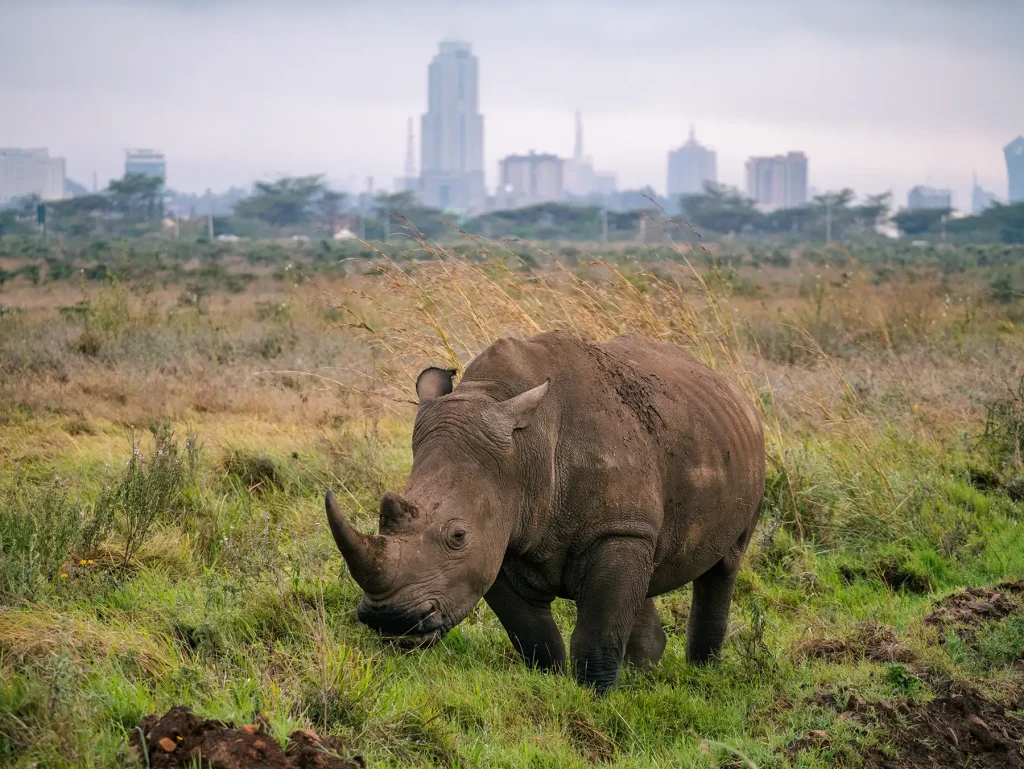
The park is internationally recognised for its successful black rhino conservation programme and is home to one of Kenya's largest populations of…
Despite being located next to a major city, Nairobi National Park supports healthy populations of lions, cheetahs, spotted hyenas and occasionally leopards.…
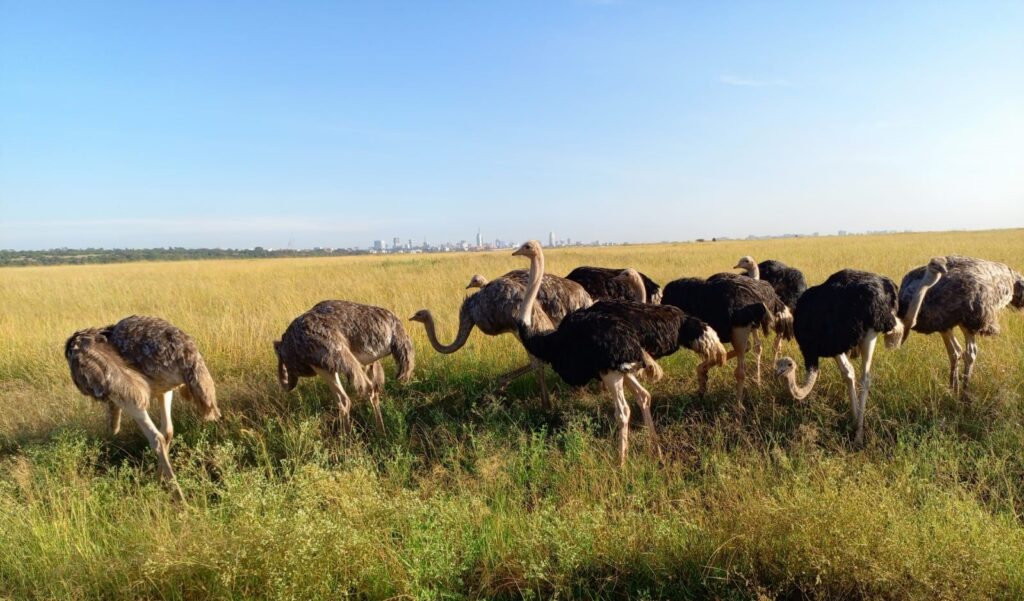
The park's rolling grasslands are home to large populations of giraffes, zebras, buffaloes, elands, impalas, gazelles and hartebeests. These species can often…
With more than 500 recorded bird species, Nairobi National Park is one of Kenya's finest birdwatching destinations. Seasonal wetlands, riverine habitats and…
Early morning and late afternoon game drives provide some of the park's most memorable experiences. The golden light of sunrise and sunset…
A safari in Nairobi National Park can easily be combined with a visit to the famous elephant orphanage managed by the David…
The park's location makes it easy to combine wildlife viewing with visits to some of Nairobi's most popular conservation attractions, including the…
Day Trips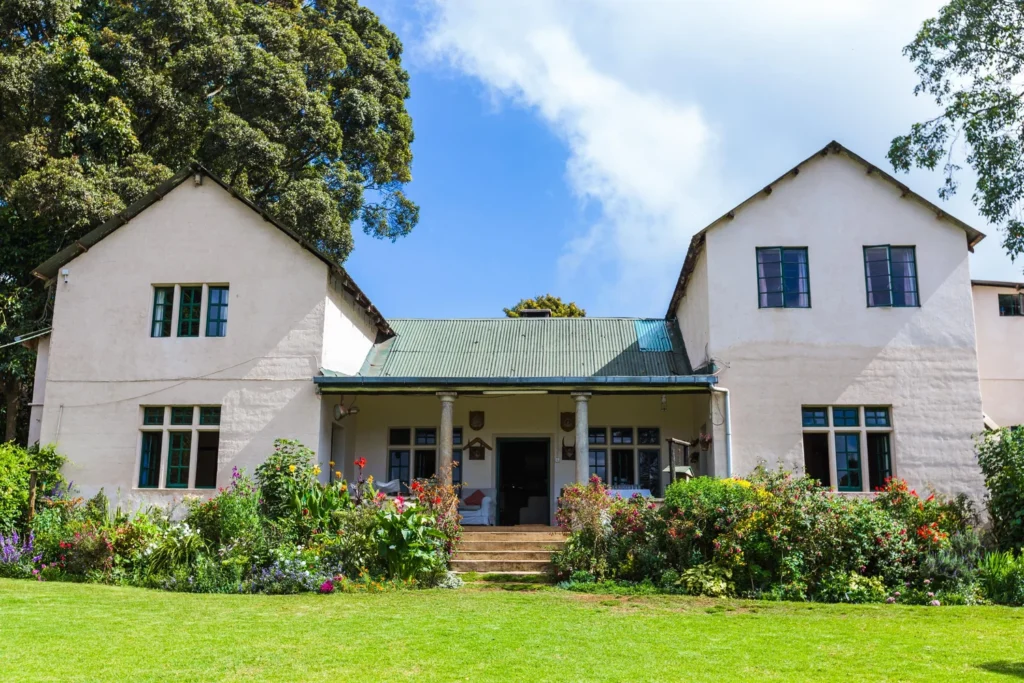 Day Trips
 Day Trips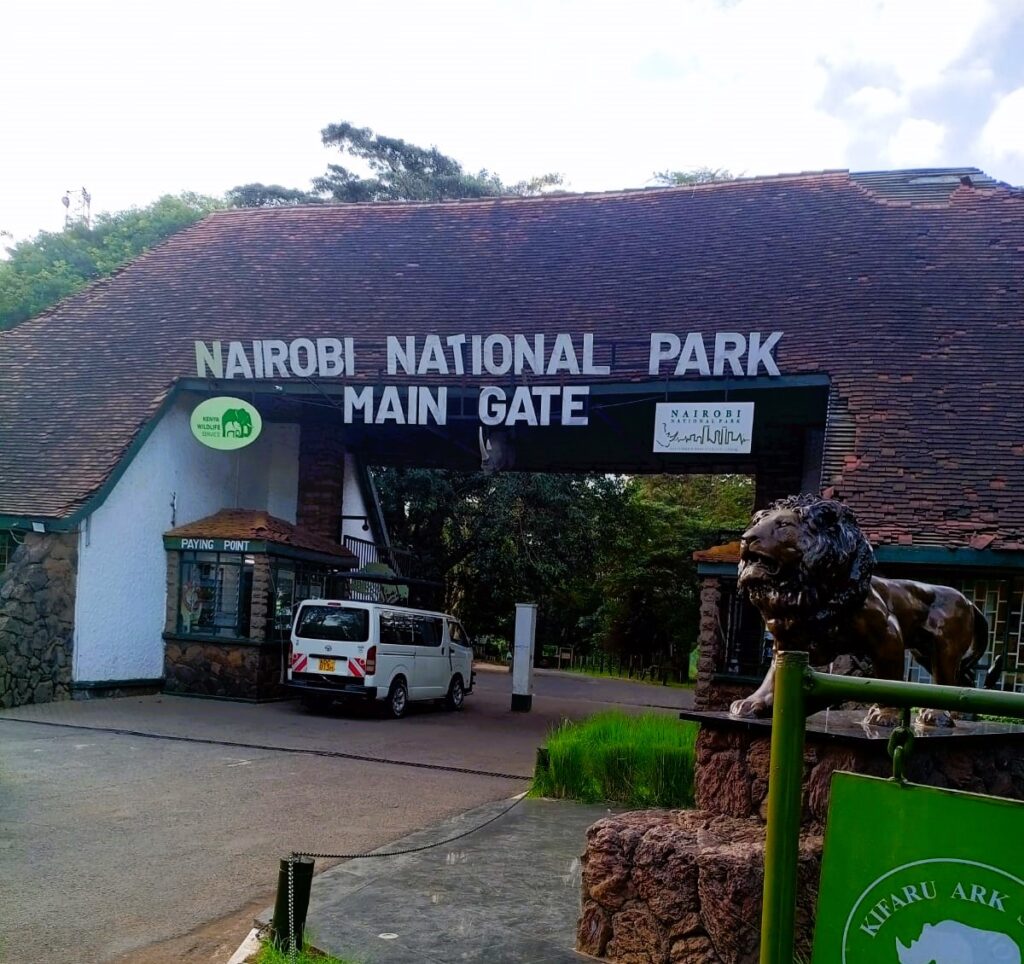
From value camps to premium lodges — we match every stay to your style and budget.
Comfortable tented camps just outside the reserve gates. En-suite rooms with hot showers, full-board meals, and close proximity to the Mara.
Spacious canvas tents on raised platforms with private decks, often inside or adjacent to conservancies. Better access and fewer crowds.
World-class lodges and exclusive camps in private conservancies. Night drives, bush walks, spa, and personalized service — the ultimate safari experience.
Every season has its magic — here's what to expect when, so you can travel at your perfect time.
Everything you need to know before you go — and we’ll guide you through every step.
Most international visitors travelling to Kenya require an Electronic Travel Authorisation (eTA) before arrival. Applications are completed online and approvals are usually issued within a few business days. Visitors should ensure their passport remains valid for at least six months beyond their intended travel dates and has sufficient blank pages for entry stamps if required.
Nairobi National Park lies at a relatively high altitude of approximately 1,600 metres, which significantly reduces malaria risk compared to many coastal and lowland safari destinations. However, travellers should consult their healthcare provider regarding recommended vaccinations and travel health advice. Yellow Fever vaccination certificates may be required for visitors arriving from countries with Yellow Fever transmission risk.
Nairobi National Park is the most accessible safari destination in Kenya and is located just 7 km from Nairobi City Centre, 8 km from Wilson Airport, and approximately 15 km from Jomo Kenyatta International Airport (JKIA). Depending on traffic conditions, visitors can reach the park in as little as 15 to 30 minutes by road, making it ideal for half-day safaris, airport layovers, and business travellers with limited time.
The official currency in Kenya is the Kenyan Shilling (KES), although US Dollars are widely accepted for safari services and tourism-related expenses. Most hotels, restaurants, and tour operators accept Visa and Mastercard credit cards, while mobile payment systems such as M-Pesa are commonly used throughout Kenya. It is advisable to carry small amounts of local currency for personal purchases and gratuities.
Nairobi National Park enjoys a pleasant highland climate throughout the year due to its elevation. Daytime temperatures typically range between 20°C and 28°C, while mornings and evenings can be cooler, especially during the dry season months of June to August. The park can be visited year-round, although the dry seasons generally offer the best wildlife viewing opportunities.
Kenya uses Type G electrical sockets, the same three-pin square plug system used in the United Kingdom. The standard electricity supply is 240 volts at 50Hz. Most hotels and lodges provide charging facilities for cameras, phones, and other electronic devices, and many also offer international adapters upon request.
Kenya operates on East Africa Time (EAT), which is UTC +3 hours throughout the year. Kenya does not observe daylight saving time, ensuring consistent timekeeping regardless of the season.
Nairobi National Park is managed by the Kenya Wildlife Service and is considered one of the safest safari destinations in East Africa. Entry gates are controlled, ranger patrols operate throughout the park and professional guides adhere to strict wildlife viewing protocols. Visitors are advised to remain inside their vehicles during game drives except in designated picnic or viewing areas and to follow all instructions provided by park authorities and safari guides.
Absolutely. Nairobi National Park offers one of the most unique safari experiences in the world as the only national park located within a capital city. Visitors can see lions, rhinos, giraffes, buffaloes, zebras, cheetahs and hundreds of bird species against the backdrop of Nairobi's skyline. The park is especially popular with travellers who have limited time in Kenya but still want to experience an authentic African safari without taking domestic flights or long road journeys.
Nairobi National Park is home to four of Africa's Big Five animals: lions, leopards, buffaloes and rhinos. Elephants are not found within the park due to its relatively small size and proximity to urban areas. The park is particularly famous for its black rhino population and offers some of the best rhino viewing opportunities in East Africa. Leopard sightings are less frequent but do occur, especially during early morning game drives.
The park supports over 100 mammal species and more than 500 bird species. Visitors commonly encounter lions, rhinos, giraffes, buffaloes, zebras, elands, impalas, hartebeests, gazelles, warthogs, ostriches, hyenas, and cheetahs. Depending on the season and luck, visitors may also spot leopards, serval cats, jackals, and numerous bird species including secretary birds, crowned cranes, martial eagles and vultures
Most visitors spend between four and six hours in the park, which is sufficient for a rewarding safari experience. Morning game drives lasting three to four hours are the most popular option due to cooler temperatures and increased wildlife activity. Full-day safaris allow more time for photography and can be combined with nearby attractions such as the elephant orphanage and giraffe sanctuary. Travellers on layovers often choose shorter excursions lasting two to three hours.
The park can be visited throughout the year, but the best wildlife viewing occurs during the dry seasons from June to October and January to February. During these months, shorter grass and reduced vegetation make animals easier to spot, while wildlife gathers around water sources. The rainy seasons from March to May and November offer greener landscapes, excellent birdwatching and fewer visitors, making them attractive for photographers and budget-conscious travellers.
Nairobi National Park is one of the world's most accessible safari destinations. The main gate is located approximately 7 kilometres from Nairobi's Central Business District, around 15 kilometres from Jomo Kenyatta International Airport (JKIA), and approximately 8 kilometres from Wilson Airport. Depending on traffic conditions, travel times range from 15 to 30 minutes, making the park ideal for transit passengers and business travellers.
Yes. Nairobi National Park is one of the few places in Africa where travellers can enjoy a genuine safari experience during a long layover between international flights. Many tour operators offer airport pickup and drop-off services, allowing visitors to enjoy a game drive and return to the airport in time for their onward journey. A layover of at least six to eight hours is generally recommended for a comfortable experience.
Yes. The park is managed by the Kenya Wildlife Service and is considered one of Kenya's safest wildlife destinations. Entry points are controlled, ranger patrols operate throughout the park, and safari guides follow strict safety procedures. Visitors should remain inside vehicles during game drives except in designated areas and should always follow instructions provided by guides and park staff.
Visitors should carry a camera, binoculars, sunscreen, sunglasses, a hat, drinking water, and comfortable clothing in neutral colours. Morning game drives can be cool, so carrying a light jacket is advisable. Photographers may benefit from telephoto lenses due to the park's excellent opportunities for wildlife and skyline photography.
Yes. Many visitors combine their safari with nearby attractions such as the David Sheldrick Wildlife Trust, the Giraffe Centre, the Karen Blixen Museum or local cultural experiences. These combinations are particularly popular among families, conference delegates, and transit travellers who want to maximize their time in Nairobi.
Nairobi National Park offers a safari experience that cannot be replicated anywhere else in the world. It is the only national park located within a capital city, allowing visitors to observe wild animals roaming freely against a backdrop of skyscrapers and urban infrastructure. Its accessibility, exceptional rhino sightings, abundance of predators, and suitability for short visits make it one of Kenya's most distinctive and convenient safari destinations.

Everything a woman needs to know before booking a women only safari in Kenya, from why the model…
Read more →
The complete guide to getting from Britain to the Masai Mara, what it costs door to door, and…
Read more →
A straight answer from a Nairobi based operator on the real risks, the real precautions and exactly how…
Read more →Tell us what you’d love to see and a local specialist will design a tailor-made itinerary around you — no obligation, reply within 24 hours.