


Culture
Maasai Village Visits: How to Do One Respectfully
A village visit can be the best hour of a Kenya safari or the most awkward one, and…
Read more →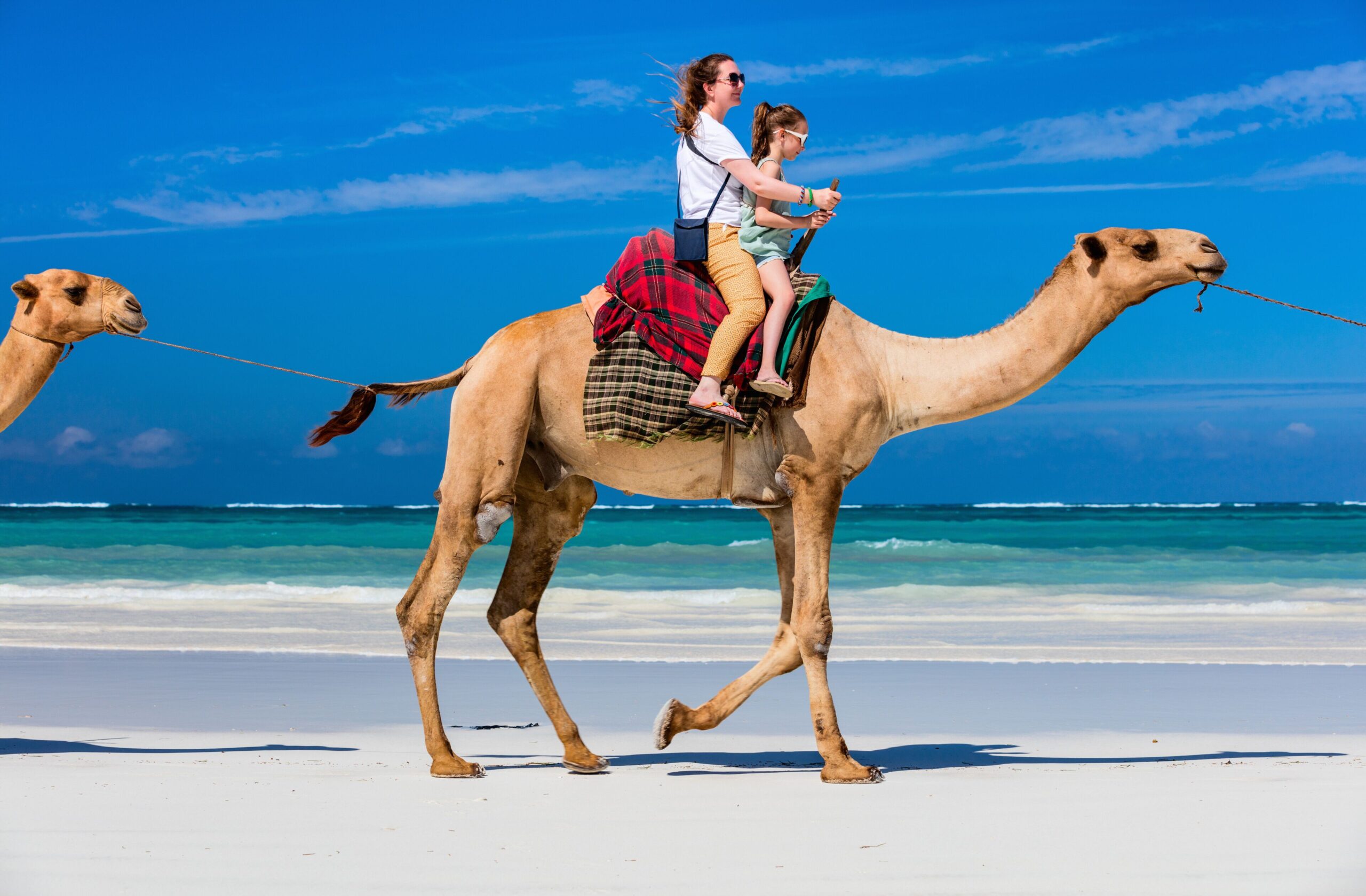
Diani Beach is Kenya's award-winning tropical paradise, where powder-white sands, turquoise Indian Ocean waters, luxury resorts, and vibrant marine life create the ultimate beach escape. Perfect for relaxation, adventure, and unforgettable bush-and-beach holidays.
The tide is already coming in at Galu Beach, the first light catching the reef beyond the breakers. A dhow is moving slowly across the horizon, fishermen are pulling in their nets farther along the coast and the palm trees are barely moving in the morning breeze. We have walked this stretch of coastline more times than we can count, and Diani Beach still has a way of making everyone slow down.
Diani Beach sits on Kenya’s south coast in Kwale County, roughly 30 kilometres south of Mombasa. It stretches along the Indian Ocean with a broad sweep of white coral sand, warm turquoise water, offshore reefs and coconut palms. The beach is the centrepiece, but Diani is much more than a beach destination. Marine reserves, coral gardens, coastal forests, sacred Kaya sites, Shimba Hills and the neighbouring islands of the south coast give travellers plenty to do beyond the shoreline.
What sets Diani Beach apart from many other coastal destinations in Kenya is the combination of an exceptional tropical beach and easy access to both marine and terrestrial experiences. You can spend the morning snorkeling over coral reefs, the afternoon walking through coastal forest and the evening watching the sunset over the Indian Ocean.
We are a Nairobi-based safari operator and we send guests to Diani Beach when they want to finish a Kenya safari beside the ocean, start their holiday with a few relaxed beach days or combine wildlife and coastal experiences in one itinerary. For guests coming from the Masai Mara, Amboseli, Tsavo or Samburu, Diani Beach is often the place where the pace changes completely.
Diani Beach is one of Kenya’s best-known Indian Ocean beaches, located in Kwale County on the country’s south coast. It is known for its white coral sand, warm turquoise waters, coral reefs, water sports, marine excursions, coastal forests and easy access to attractions such as Shimba Hills National Reserve, Kisite-Mpunguti Marine National Park and the Diani-Chale marine ecosystem.
Location: Kwale County, Kenya’s south coast, approximately 30 kilometres south of Mombasa
Beach: Long white-coral-sand coastline along the Indian Ocean
Nearest airport: Ukunda Airport (Diani Airport)
Main international airport: Moi International Airport, Mombasa
Known for: White-sand beaches, turquoise Indian Ocean waters, coral reefs, water sports, marine life and luxury beach resorts
Nearby attractions: Shimba Hills National Reserve, Kisite-Mpunguti Marine National Park, Diani-Chale National Reserve, Kaya Kinondo Sacred Forest and Wasini Island
Main activities: Swimming, snorkeling, scuba diving, kitesurfing, dhow cruises, dolphin excursions, deep-sea fishing, paddleboarding and cultural experiences
Best for: Beach holidays, honeymooners, families, couples, water sports enthusiasts and safari-and-beach combinations
Diani Beach is the kind of destination where the main attraction does not need much explanation. The sand is soft and pale, the Indian Ocean changes colour throughout the day and the reef creates calmer stretches of water close to shore.
At low tide, sections of the reef become accessible on foot with a local guide, revealing pools, shells and small marine creatures between the rocks. At high tide, the same coastline becomes a wide swimming and watersports playground.
The beach is also surprisingly active without feeling crowded everywhere. Resorts and restaurants are spread along the coastline, while quieter stretches around Galu and Chale offer a more secluded atmosphere.
For us, the appeal of Diani Beach is the choice. You can spend an entire day doing nothing more complicated than swimming and reading beneath a palm tree, or fill the same day with snorkeling, kayaking, kitesurfing and a sunset dhow cruise.
The defining feature of Diani Beach is its long stretch of white coral sand backed by coconut palms and tropical vegetation. The water is generally warm throughout the year, making swimming one of the simplest ways to enjoy the coast.
The reef offshore also plays an important role in the character of Diani Beach. It helps create protected areas of relatively calm water while supporting coral communities and a wide range of marine species.
Early morning is particularly good for walking the beach. The heat is lower, the shoreline is quieter and the changing tides reveal a different side of the coast before the main activity begins.
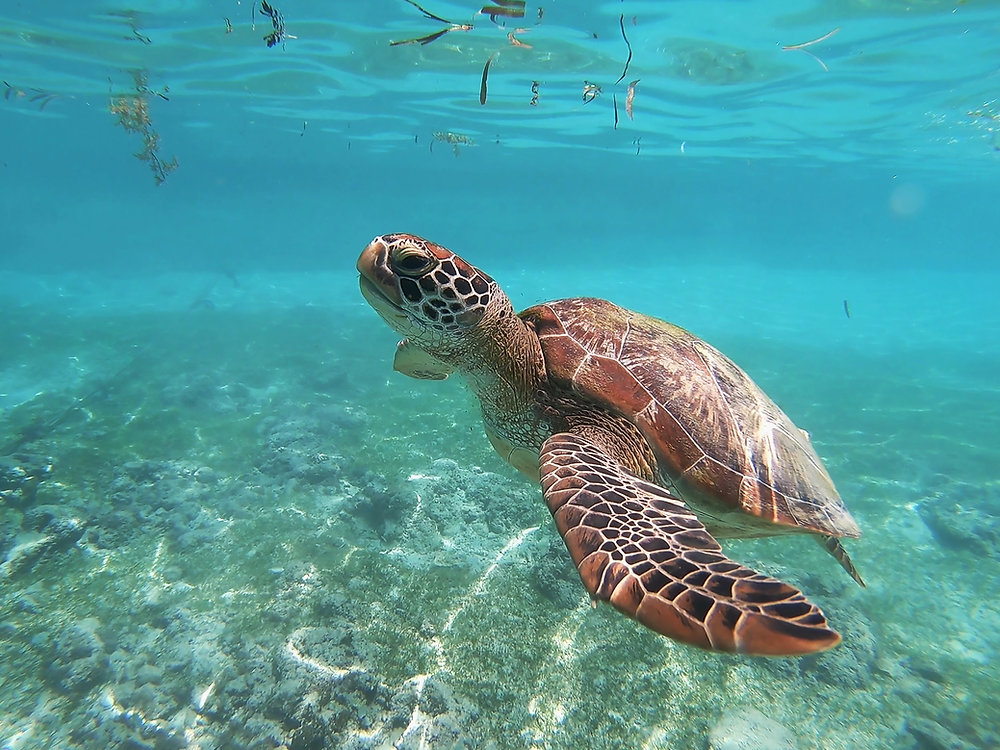
Diani Beach sits within a wider marine ecosystem that includes coral reefs, seagrass beds, mangroves and offshore islands. The waters support colourful reef fish, sea turtles, dolphins and numerous other marine species.
The nearby Diani-Chale marine ecosystem is particularly important for marine conservation. Kenya Wildlife Service describes the Diani-Chale National Reserve as a protected seascape containing coral reefs, mangroves, seagrass beds and offshore islands supporting dolphins, diverse fish species and endangered sea turtles.
The marine environment is best experienced responsibly. Snorkelers and divers should avoid standing on coral, touching marine animals or collecting shells and reef material. The quality of the Diani Beach experience depends on keeping the ecosystem healthy.
The waters around Diani Beach support reef fish, sea turtles, dolphins and a variety of other marine life. Depending on the season and location, marine excursions can also reveal rays, starfish and other creatures associated with the coral reef and seagrass ecosystem.
Swimming is one of the easiest ways to experience Diani Beach. The warm Indian Ocean, soft sand and long coastline make it possible to find both active stretches and quieter places for a relaxed swim.
Sea conditions vary with tides, wind and weather, so guests should always follow local beach and water-safety guidance.
Snorkeling is one of the most popular activities in Diani Beach. The shallow reef areas reveal colourful fish and coral formations, while boat excursions can take guests farther offshore to more extensive marine habitats.
For guests who have never snorkeled before, calm-water sessions close to shore are usually a good introduction. More experienced swimmers can join organized reef excursions.
Diani Beach is one of Kenya’s established diving destinations, with dive operators offering trips to reefs and underwater sites along the south coast.
The underwater landscape includes coral formations, reef fish and deeper marine environments that are difficult to appreciate from the surface. Visibility varies according to weather, tides and seasonal conditions, so experienced dive operators choose sites according to the day’s conditions.
The south coast is one of Kenya’s best-known areas for kitesurfing, particularly around Diani and Galu. Consistent coastal winds create good conditions for both experienced riders and beginners taking lessons.
Galu Beach is particularly associated with kitesurfing, with schools and operators offering equipment hire and instruction.
Stand-up paddleboarding offers a quieter alternative to kitesurfing and motorized watersports. When sea conditions are calm, guests can paddle along the coastline or explore sheltered sections of the coast.
It is also a good activity for families and couples who want to spend time on the water without committing to a full-day excursion.
Kayaking provides another way to explore the Diani coastline. Depending on the conditions and location, guided excursions can take guests along quieter stretches of coast and into sheltered waters.
Kayaking is particularly enjoyable early in the day, before the strongest coastal winds and afternoon heat develop.
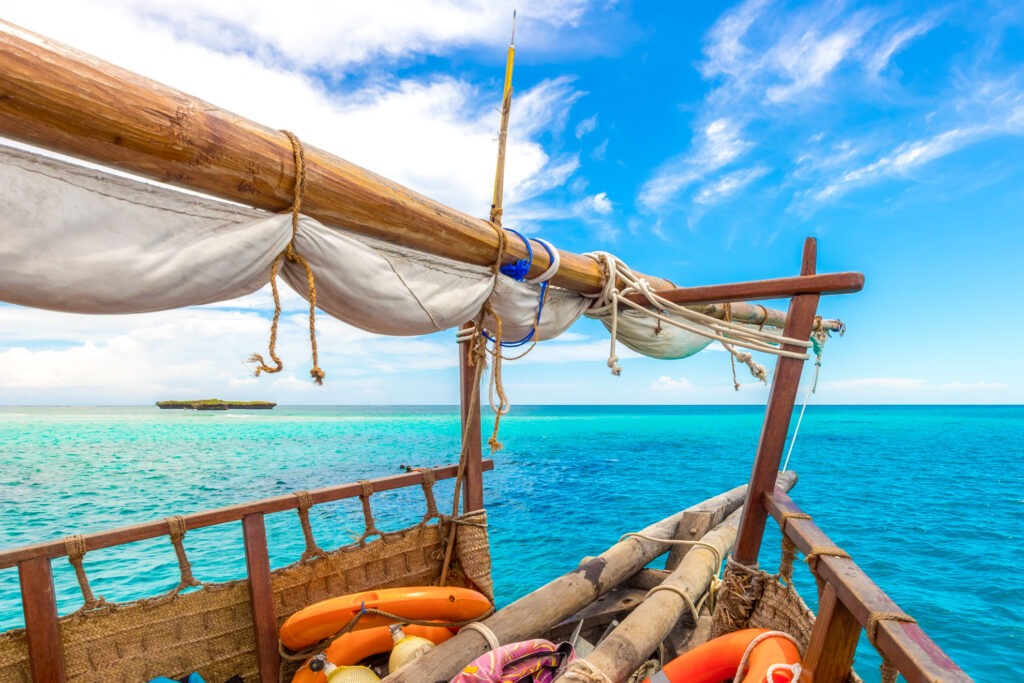
A traditional dhow cruise is one of the most atmospheric ways to experience the Diani Beach coastline. These wooden sailing vessels are part of the cultural history of the Swahili coast and remain a popular way to explore the Indian Ocean.
Sunset dhow cruises are especially popular. As the sun drops toward the horizon, the coastline takes on warmer colours and the water becomes noticeably calmer and quieter.
Dolphin excursions operate from the south coast and are commonly combined with snorkeling and marine activities around Kisite-Mpunguti and the Wasini area.
Wild dolphins should always be observed responsibly. Sightings are never guaranteed, and reputable operators prioritize the animals’ behaviour and welfare rather than chasing or crowding them.
The deeper waters beyond the reef offer opportunities for sport and deep-sea fishing. Depending on the season and conditions, anglers may target species such as tuna, kingfish, dorado and other large pelagic fish.
Fishing trips are normally organized as half-day or full-day excursions, with boats departing from the south coast.
Glass-bottom boat excursions allow guests to see sections of the reef without getting into the water. They are particularly useful for families with young children or travellers who are not confident swimmers.
The experience depends heavily on sea conditions and water clarity, but on calm days it provides an easy introduction to the marine environment around Diani Beach.
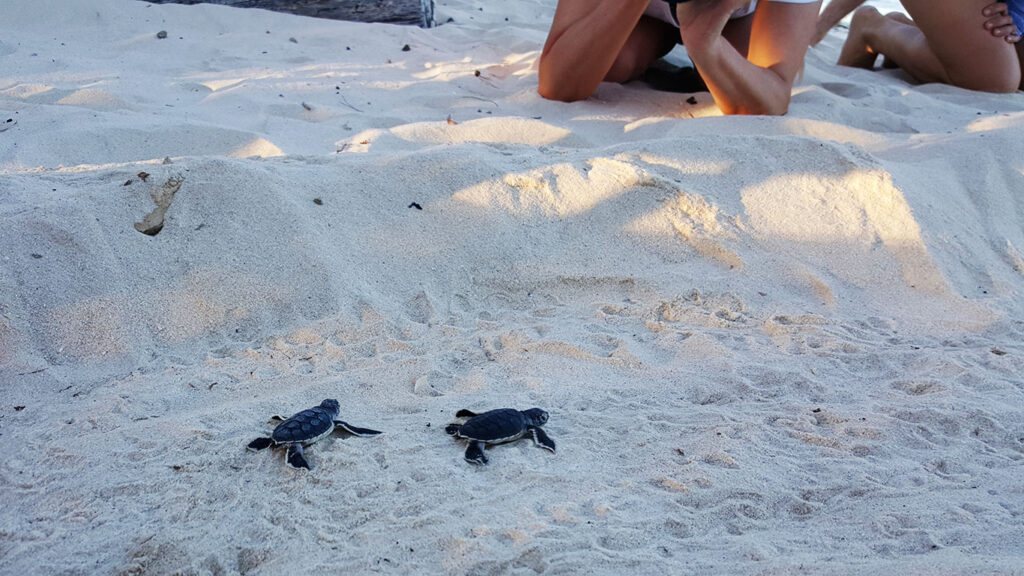
Diani’s marine ecosystem supports several conservation initiatives focused on coral reefs, sea turtles and sustainable coastal tourism.
Guests interested in conservation can include marine education, reef visits and responsible wildlife encounters in their Diani Beach itinerary. The aim is to experience the coast while understanding the ecological systems that make the destination possible.
Kisite-Mpunguti Marine National Park and Reserve lies farther south along the Kenyan coast and is one of the region’s major marine attractions. The protected waters are known for coral reefs, marine life and snorkeling and diving opportunities.
Kisite-Mpunguti is commonly visited as part of a full-day excursion that combines marine activities with a traditional dhow or boat trip and time around Wasini Island.
Kenya Wildlife Service currently lists the non-resident adult entry fee for Kisite-Mpunguti Marine National Park at USD 25 and the non-resident child fee at USD 15, with separate rates for East African citizens, residents and African citizens.
Wasini Island sits near the southern Kenyan coast and is closely associated with marine excursions from Diani and the wider south-coast region.
The island has a distinctly Swahili coastal character, with narrow paths, traditional homes, seafood restaurants and views across the surrounding waters. Many excursions combine Wasini Island with snorkeling, dolphin watching and a seafood lunch.
A Wasini day is less about ticking off individual attractions and more about experiencing the culture and rhythm of the southern coast.
One of the best reasons to combine Diani Beach with a safari is Shimba Hills National Reserve. The reserve lies inland from the coast and offers a dramatic contrast to the flat beach landscape.
Shimba Hills is known for its rolling green hills, forest, waterfalls, elephants, buffalo, giraffe, sable antelope and rich birdlife. The reserve can be visited as a day trip from Diani Beach, although an overnight stay is better for travellers who want a slower wildlife experience.
The combination is particularly attractive because guests can have breakfast beside the Indian Ocean and be watching wildlife in the hills later the same morning.
Sheldrick Falls is one of the better-known natural attractions within Shimba Hills. The waterfall drops through a forested landscape and is reached by a guided hike.
The walk is part of the attraction. It takes visitors away from the vehicle and into the forest, where the landscape changes from open coastal hills to thicker vegetation.
A visit to Sheldrick Falls should be planned with a guide and according to current reserve conditions, particularly during wet periods when trails can become slippery.
Kaya Kinondo is one of the sacred Kaya forests found along the Kenyan coast and is culturally significant to the Digo community.
The forest preserves remnants of traditional settlement and sacred sites and offers a different kind of experience from the beach and marine activities. Visitors should follow local cultural guidance, dress respectfully and understand that some areas have spiritual significance and may not be open for general access.
For travellers interested in history, culture and conservation, Kaya Kinondo adds an important dimension to a Diani Beach holiday.
Diani Beach is part of the wider Swahili coast, a region shaped over centuries by African, Arab, Persian, Indian and European influences.
That history is visible in the food, architecture, language, fishing traditions and coastal trading culture. A Diani Beach holiday therefore does not have to be limited to resorts and water sports.
Guests can explore local markets, visit cultural sites, eat Swahili dishes and learn about the communities that have lived along this coastline for generations.
The Diani area is surrounded by a network of coastal habitats that are very different from the open savannahs of Kenya’s safari parks.
Coconut palms dominate many sections of the coast, while inland areas contain tropical vegetation, coral rag forest and mangrove ecosystems.
The contrast is particularly noticeable for safari travellers arriving from the Masai Mara or Samburu. Instead of open grassland and wildlife drives, Diani Beach offers forest shade, salt air, coral reefs and the sound of the Indian Ocean.
Diani is also associated with conservation work focused on the Angolan colobus monkey and other coastal wildlife.
The conservation story matters because the forests around Diani provide habitat for species that depend on increasingly fragmented coastal ecosystems. Visitors can learn about the challenges facing the colobus and the importance of protecting the remaining forest corridors.
For families, this can be a useful educational addition to a Diani Beach holiday because it demonstrates that conservation on the Kenyan coast is not limited to marine environments.
Diani Beach works particularly well for family holidays because activities can be adjusted to different ages and energy levels.
Younger children can spend time on the beach and in resort pools, while older children can try snorkeling, kayaking, paddleboarding or introductory watersports.
Families can also combine the beach with Shimba Hills or a marine excursion, creating a holiday that includes wildlife, nature and ocean experiences without changing hotels every night.
Diani Beach is one of Kenya’s strongest destinations for couples and honeymooners.
The combination of private beachfront accommodation, warm Indian Ocean waters, tropical gardens, sunset cruises and secluded stretches of sand creates an easy romantic atmosphere.
A typical honeymoon can combine lazy beach mornings with snorkeling or diving, a private dhow sunset cruise, a couples’ spa treatment and a special dinner overlooking the ocean.
The advantage is that nothing needs to feel rushed. Diani Beach works best when there is enough time to leave part of the day completely unplanned.
For active travellers, Diani Beach offers far more than swimming.
Kitesurfing, diving, snorkeling, kayaking, paddleboarding, deep-sea fishing and boat excursions can all be incorporated into a coastal itinerary.
The best activity depends on the season, tides and wind conditions, so we recommend leaving some flexibility in the schedule rather than booking every hour before arrival.
Diani Beach rewards travellers who leave space in the itinerary. The sea conditions determine which water activity works best on a particular day, while tides can completely change the appearance of the reef and shoreline. We normally build the major excursions around the conditions rather than forcing a fixed schedule.
Nicholas Wangithi, Director & Founder
Sunrise is one of the quietest moments on Diani Beach. The temperature is comfortable, the shoreline is less busy and the changing light reflects across the shallow water.
Sunset offers a completely different atmosphere. The beach becomes warmer in colour and dhow cruises begin moving offshore as the sun drops toward the horizon.
For photographers, both periods are valuable, particularly when the tide, clouds and light combine to create reflections across the wet sand.
Diani Beach can be visited throughout the year, but weather patterns influence which activities are most enjoyable.
January and February are generally hot and relatively dry, making them popular months for beach holidays and marine activities.
March to May brings the long rains. Rain can be heavier and more persistent during this period, although there can still be long sunny breaks. Accommodation prices can also be more attractive.
June to October is one of the most popular periods for a Diani Beach holiday. Temperatures are generally comfortable, rainfall is lower and the coast is well suited to combining beach time with safari.
November and December bring the short rains. These are often less disruptive than the long rains, although weather can vary from year to year.
June to October is a particularly good period for a Diani Beach holiday because rainfall is generally lower and the weather is comfortable for beach and outdoor activities. January and February are also popular for warm, mostly dry conditions, while March to May and November to December bring greater chances of rain.
Diani Beach has a tropical coastal climate with warm temperatures throughout the year.
Daytime temperatures are generally in the high 20s to low 30s Celsius, while humidity can be noticeable, particularly during the warmer months. Sea temperatures remain warm enough for swimming throughout the year.
The Indian Ocean strongly influences the local climate. Coastal breezes can make afternoons more comfortable, while the combination of humidity and heat can make midday activity tiring.
For this reason, early morning and late afternoon are usually the most pleasant periods for walking, sightseeing and outdoor excursions.
There is no general entrance fee simply to access the public beach itself. However, several nearby protected attractions and marine reserves charge conservation or park entry fees.
The Diani-Chale National Reserve is one of the relevant protected marine areas in the region. Kenya Wildlife Service currently lists the non-resident adult and child rate at USD 25 each, with different rates applying to East African citizens, Kenyan residents and African citizens.
Other attractions, including Shimba Hills National Reserve and Kisite-Mpunguti Marine National Park, have their own conservation charges.
For package tours, Kenya Wildlife Service states that park entry fees are normally included in the total safari cost by the tour operator.
Because conservation fees can change, we confirm the current applicable rates when preparing a Diani Beach itinerary rather than relying on an old tariff.
Ukunda Airport is the most convenient airport for Diani Beach. Domestic flights connect the south coast with Nairobi and other Kenyan destinations, making flying particularly useful for travellers combining Diani with a safari.
A flight from Nairobi removes most of the long road journey and allows guests to reach the beach in a few hours.
For travellers arriving internationally through Mombasa, a road transfer from Moi International Airport crosses the Likoni area before continuing south toward Diani.
Diani Beach is approximately 30 kilometres south of Mombasa. From central Mombasa, the journey involves crossing the Likoni Channel before continuing along the south-coast road.
The exact journey time depends heavily on traffic, the ferry crossing and the time of day.
For safari combinations, we often arrange a private 4×4 transfer from destinations such as Tsavo or Nairobi, depending on the itinerary.
Flying is the better choice when time matters or when Diani Beach forms the final part of a longer Kenya safari.
Road travel makes more sense for guests who want to experience the changing landscapes of Kenya or who are already travelling through Tsavo and the south coast.
For a safari-and-beach itinerary, we often recommend driving when the route connects naturally with Tsavo East or Tsavo West. For a Nairobi-to-Diani journey where the priority is maximizing beach time, flying is usually more efficient.
The strongest Kenya itineraries often finish with Diani Beach rather than starting there. After several days of early-morning game drives, long road transfers and wildlife viewing, the coast gives travellers time to slow down without ending the holiday abruptly.
Hellen Asiko, Director & Guest Experience Curator
Three nights gives travellers enough time for a proper introduction to Diani Beach, with time for swimming, relaxing and one marine or cultural excursion.
Four to five nights is our usual recommendation for a first Diani Beach holiday. This allows time for a full-day excursion to Kisite-Mpunguti or Wasini Island while still leaving several mornings and afternoons free.
Six nights or more suits travellers who want a slower beach holiday, multiple water activities, a Shimba Hills day trip and plenty of unstructured time at the resort.
Four to five nights is ideal for most first-time visitors to Diani Beach. It provides enough time for beach relaxation, water sports, a marine excursion and a day trip such as Shimba Hills without making the holiday feel rushed.
One of our favourite ways to use Diani Beach is as the final stage of a Kenya safari.
A typical itinerary might begin in Nairobi before moving to Amboseli, Tsavo East or Tsavo West, followed by several nights beside the Indian Ocean in Diani Beach.
The contrast is what makes the combination work. In the safari parks, the day revolves around wildlife, tracks, waterholes and early starts. In Diani Beach, the schedule revolves around tides, sunsets, swimming and whether you feel like leaving the beach at all.
Watamu is known for its marine park, creeks, mangroves and quieter coastal atmosphere, while Diani Beach is generally more developed and offers a wider concentration of beach resorts, restaurants and water sports.
Diani is particularly convenient for travellers combining a beach stay with safari because of its proximity to southern Kenya’s wildlife destinations.
Watamu can be the better choice for travellers looking for a smaller-scale coastal experience and easy access to Mida Creek and Arabuko-Sokoke Forest.
Mombasa offers more history and urban culture, including Fort Jesus, Old Town and the historic Swahili trading centre.
Diani Beach is more focused on the resort and beach experience. The pace is slower, the coastline is more open and there is easier access to marine excursions and coastal nature experiences.
Many travellers combine the two rather than choosing one. A short Mombasa city stay followed by several nights in Diani Beach gives both cultural history and beach relaxation.
Diani Beach and Zanzibar both offer white-sand beaches, warm Indian Ocean waters and Swahili coastal culture.
Diani’s major advantage for a Kenya itinerary is logistics. It can be added directly after a safari in Kenya without crossing an international border.
Zanzibar offers a larger island destination with Stone Town, spice plantations and a broader range of island excursions. Diani offers a more compact Kenyan coastal experience that works particularly well alongside wildlife safaris.
Diani Beach depends on a healthy coastal ecosystem.
Coral reefs, seagrass beds, mangroves and coastal forests all contribute to the health of the Indian Ocean environment and support the marine life that attracts visitors.
Responsible tourism therefore starts with simple behaviour: do not stand on coral, do not remove shells or marine organisms, avoid single-use plastics where possible and never feed wild animals.
Kenya Wildlife Service’s guidelines for protected marine areas emphasize responsible wildlife viewing, avoiding disturbance and carrying out waste.
Supporting locally owned businesses, guides, conservation organizations and community cultural experiences also helps keep tourism revenue within the coastal communities.
Diani Beach offers a very different photographic palette from Kenya’s safari parks.
Instead of red savannah and wildlife, photographers have white coral sand, turquoise water, dhow silhouettes, palm trees, fishing boats and colourful marine life.
The best beach photography is usually around sunrise and sunset when the light is softer and the wet sand creates reflections.
Underwater photography is another major attraction for divers and snorkelers, particularly around healthy reef areas with good visibility.
The food is another reason to slow down.
Fresh seafood is naturally central to the coastal dining experience, while Swahili cuisine combines local ingredients with centuries of Indian Ocean trading influences.
Guests can try grilled fish, prawns, octopus, coconut-based curries, biryani, pilau and other coastal dishes.
For an authentic experience, we encourage guests to combine resort dining with carefully selected local restaurants and cultural food experiences.
Accommodation in Diani Beach ranges from large beachfront resorts and all-inclusive properties to boutique hotels, villas, apartments and intimate beach lodges.
Beachfront properties are ideal for travellers who want immediate access to the ocean, while boutique properties farther from the shoreline can offer more privacy and a quieter atmosphere.
For couples and honeymooners, we normally prioritize private villas, suites and beachfront rooms. For families, connecting rooms, family suites and larger villas can make more sense.
The right Diani Beach accommodation ultimately depends on whether the priority is luxury, privacy, family facilities, water sports access, dining or value for money.
A Diani Beach holiday can range from relatively affordable beach stays to high-end luxury escapes.
Budget accommodation can offer good value for travellers who intend to spend most of their time exploring outside the resort, while mid-range properties provide a balance between beachfront access, facilities and price.
Luxury Diani Beach resorts and private villas can cost considerably more, particularly during peak travel periods.
The final price of a Diani Beach package depends on accommodation, meal plan, season, transfers and excursions. Adding activities such as diving, deep-sea fishing, private dhow cruises or a Shimba Hills excursion will increase the total cost.
For guests combining Diani Beach with a Kenya safari, we usually price the entire journey together so that accommodation, transfers, park fees and activities are coordinated rather than booked separately.
Diani Beach holidays cover a wide price range, from budget-friendly hotels and apartments to luxury beachfront resorts and private villas. The final cost depends mainly on accommodation category, season, meal plan, transfers and activities such as marine excursions, diving, fishing and Shimba Hills visits.
We build Diani Beach into itineraries in several ways: as a standalone coastal holiday, as the final stage of a Kenya safari, as a honeymoon destination or as part of a wider Kenya beach circuit.
For safari travellers, popular combinations include Masai Mara and Diani Beach, Amboseli and Diani Beach, Tsavo and Diani Beach, or a longer itinerary covering several national parks before finishing on the coast.
For couples, we can build the trip around beachfront accommodation, private excursions, sunset dhow cruises and relaxed days with no fixed schedule.
For families, the itinerary can combine beach time with marine excursions, Shimba Hills and activities suitable for different ages.
The Diani coastline stretches across several distinct areas, and where you stay can influence the character of the holiday.
Central Diani is convenient for restaurants, shops, nightlife and access to a wide range of activities.
Galu Beach, farther south, tends to feel quieter and is particularly associated with kitesurfing and a more relaxed beach atmosphere.
Chale Island offers a more secluded island experience and is suited to travellers looking for privacy and a resort-focused escape.
For guests who want maximum convenience, central Diani is usually the practical choice. For honeymooners and travellers prioritizing peace and privacy, the quieter southern sections of the coast can be more appealing.
Diani Beach offers one of the easiest combinations of relaxation and adventure on the Kenyan coast.
You can spend the morning snorkeling over coral reefs, take lunch overlooking the Indian Ocean, visit a coastal forest in the afternoon and finish the day on a dhow as the sun sets.
For safari travellers, Diani Beach adds another ecosystem to the journey. Instead of simply extending the safari by another park, you move from savannah and wildlife into the marine world.
For first-time visitors to Kenya, that contrast is difficult to beat.
From its white coral sand and turquoise Indian Ocean waters to its coral reefs, marine excursions, coastal forests and nearby wildlife reserves, Diani Beach offers much more than a traditional beach escape.
We build Diani Beach holidays as standalone coastal trips, as honeymoon experiences, as family holidays and as the beach component of longer Kenya safari itineraries.
Whether you want four quiet nights beside the ocean, a week filled with snorkeling and water sports or a safari-and-beach itinerary combining Tsavo, the Masai Mara and Diani Beach, we can structure the trip around the pace you actually want.
Speak to our team at Afrikan Accent Adventures to start planning your Diani Beach itinerary.
Diani Beach is not simply where a Kenya safari ends. For many travellers, it is where the Kenyan coast finally begins to make sense: the ocean, the Swahili culture, the reefs, the palms and the slower rhythm of life all coming together in one destination.
Escape to the breathtaking shores of Diani Beach, where powder-soft white sands, swaying palm trees, turquoise waters, and vibrant coral reefs create the ultimate tropical getaway. Whether you're seeking relaxation, romance, adventure, or a luxury beach retreat after an unforgettable safari, Diani Beach offers world-class resorts, thrilling water sports, exceptional diving, rich Swahili culture and spectacular sunsets along one of Africa's most beautiful coastlines.
Relax on over 17 kilometres of powder-soft white sand fringed by swaying palm trees and the warm turquoise waters of the Indian…
Witness the world's largest overland migration — 1.5 million wildebeest crossing the Mara River. Best viewed July–October at key crossing points.
Embark on unforgettable boat excursions to spot playful dolphins throughout the year and witness the spectacular migration of humpback whales along Kenya's…
Experience a wide range of thrilling activities, including kite surfing, jet skiing, paddleboarding, kayaking, parasailing, wakeboarding, deep-sea fishing and world-class scuba diving…
Sail aboard a traditional Swahili dhow as the sun sets over the Indian Ocean, enjoying breathtaking coastal scenery, fresh seafood and unforgettable…
Explore nearby attractions such as Shimba Hills National Reserve, Colobus Conservation, Wasini Island, Kisite-Mpunguti Marine National Park, and Funzi Island, where wildlife,…
Stay in luxurious beachfront resorts, boutique hotels, private villas and all-inclusive retreats offering exceptional service, spa experiences, gourmet dining and direct access…
Combine an unforgettable wildlife safari in Masai Mara, Amboseli, Tsavo or Samburu with a relaxing beach holiday in Diani Beach, creating the…
From value camps to premium lodges — we match every stay to your style and budget.
A lively budget hostel offering dormitories and private rooms, a swimming pool, restaurant, bar, and a friendly social atmosphere just a short walk from Diani Beach.
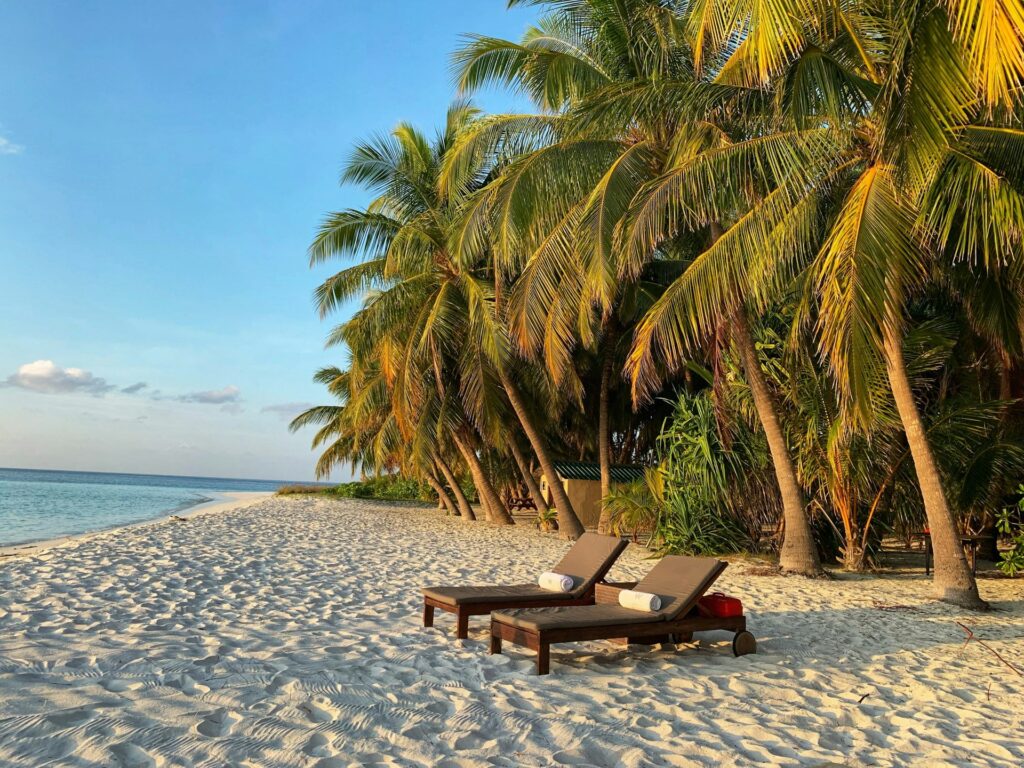
Nestled along the quieter southern end of Diani Beach, intimate beachfront escape with elegant rooms, personalised service, fine dining, water sports, and a peaceful atmosphere ideal for couples and honeymooner
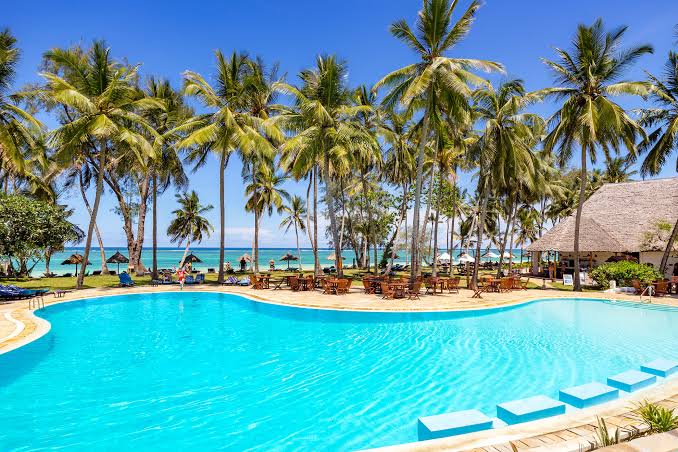
One of Diani Beach's most iconic resorts, Leopard Beach Resort & Spa offers luxurious rooms, private villas, a full-service spa, multiple restaurants, beachfront pools, water sports and exceptional hospitality, making it a favorite for honeymooners, couples, and families.
World-class lodges and exclusive camps in private conservancies. Night drives, bush walks, spa, and personalized service — the ultimate safari experience.
Every season has its magic — here's what to expect when, so you can travel at your perfect time.
Everything you need to know before you go — and we’ll guide you through every step.
Diani Beach is located in Kwale County on Kenya's South Coast, approximately 30 km south of Mombasa. It stretches along the Indian Ocean and is easily accessible by road, ferry, or domestic flights.
Diani Beach is about a 45–60-minute drive from Mombasa via the Likoni Ferry or the Dongo Kundu Bypass. It is also connected to Nairobi by the A109 highway and the South Coast road network.
The nearest airport is Ukunda Airstrip, just 5 km from the beach, with daily scheduled flights from Nairobi's Wilson Airport. Moi International Airport (MBA) in Mombasa serves both domestic and international flights.
International visitors must meet Kenya's entry requirements, including obtaining an Electronic Travel Authorisation (eTA) where applicable before arrival. Ensure your passport is valid for at least six months beyond your travel dates.
Diani Beach enjoys a warm tropical climate throughout the year, with average temperatures ranging from 24°C to 31°C. Sea temperatures remain ideal for swimming and water sports year-round.
The best months to visit are January to March and July to October, offering sunny weather, calm seas, and excellent conditions for beach holidays, diving and snorkeling.
Pack lightweight clothing, swimwear, sandals, reef-safe sunscreen, sunglasses, a wide-brim hat, insect repellent, and smart casual attire for evenings and resort dining.
The Kenyan Shilling (KES) is the local currency. Most hotels, restaurants, and shops accept major credit cards, while cash is useful for local markets, taxis and tipping.
Diani Beach has excellent mobile network coverage, and most hotels, resorts, cafés and restaurants provide complimentary Wi-Fi.
Kenya uses 240V electricity with Type G (British-style) power sockets. Most hotels provide universal charging points or adapters upon request.
Diani Beach is a safe destination for visitors. Drink bottled or filtered water, use sunscreen, stay hydrated, and consider malaria precautions if advised by your healthcare provider.
Popular activities include snorkeling, scuba diving, kite surfing, paddleboarding, dhow cruises, dolphin watching, skydiving, deep-sea fishing, camel rides and beach walks.
Explore Shimba Hills National Reserve, Kisite-Mpunguti Marine National Park, Wasini Island, Colobus Conservation, Kaya Kinondo Sacred Forest and nearby Swahili villages.
Respect local customs and dress modestly when visiting villages, markets, or religious sites. A friendly greeting is appreciated and supporting local artisans helps sustain coastal communities.
Protect the fragile marine ecosystem by avoiding contact with coral reefs, using reef-safe sunscreen, reducing plastic waste, and supporting eco-certified hotels and local conservation initiatives.
Tipping is appreciated but optional. In restaurants, 5–10% is customary if a service charge is not included. Hotel staff, guides, and drivers also appreciate gratuities for excellent service.
Yes. Diani Beach is considered one of Kenya's safest tourist destinations. Visitors should still follow normal travel precautions.
Ukunda Airstrip is the nearest airport, located about 10 minutes from most beach resorts.
The best time to visit is during the dry seasons from January to March and June to October, when the weather is sunny and ideal for beach activities.
You can reach Diani Beach by domestic flight to Ukunda Airstrip, by road from Mombasa via the Likoni Ferry or by the Dongo Kundu Bypass.
Diani Beach is famous for its pristine white sandy beaches, turquoise waters, coral reefs, luxury resorts, water sports, and being one of Africa's top beach destinations.
Absolutely. The beach offers family-friendly resorts, shallow waters, children's activities, and nearby attractions suitable for all ages.
Yes. Diani Beach is one of Kenya's most popular honeymoon destinations thanks to its romantic beachfront resorts and spectacular sunsets.
Most visitors spend 3–5 days, although many combine a 4–7 day safari with 3–4 nights in Diani.
Yes. Dolphin-watching excursions are popular around Wasini Island and Kisite-Mpunguti Marine National Park.
Visitors can enjoy snorkeling, scuba diving, kite surfing, jet skiing, kayaking, paddleboarding, parasailing, wakeboarding and deep-sea fishing.
Yes. The coral reefs are home to colourful fish, sea turtles, starfish, octopuses, rays, and many other marine species.
A village visit can be the best hour of a Kenya safari or the most awkward one, and…
Read more →
Where Kenya's guided bush walks happen, who leads them and why the thirty minutes you spend on foot…
Read more →
The rule is simpler than most itineraries make it sound: no national park allows it, a short list…
Read more →Tell us what you’d love to see and a local specialist will design a tailor-made itinerary around you — no obligation, reply within 24 hours.