Eco Safari Kenya: The Camps Proving Sustainable Tourism Is More Than a Brochure Word
Five Kenyan properties reveal true eco safari Kenya practices, from electric fleets to zero-trace camps, where real accountability replaces marketing.
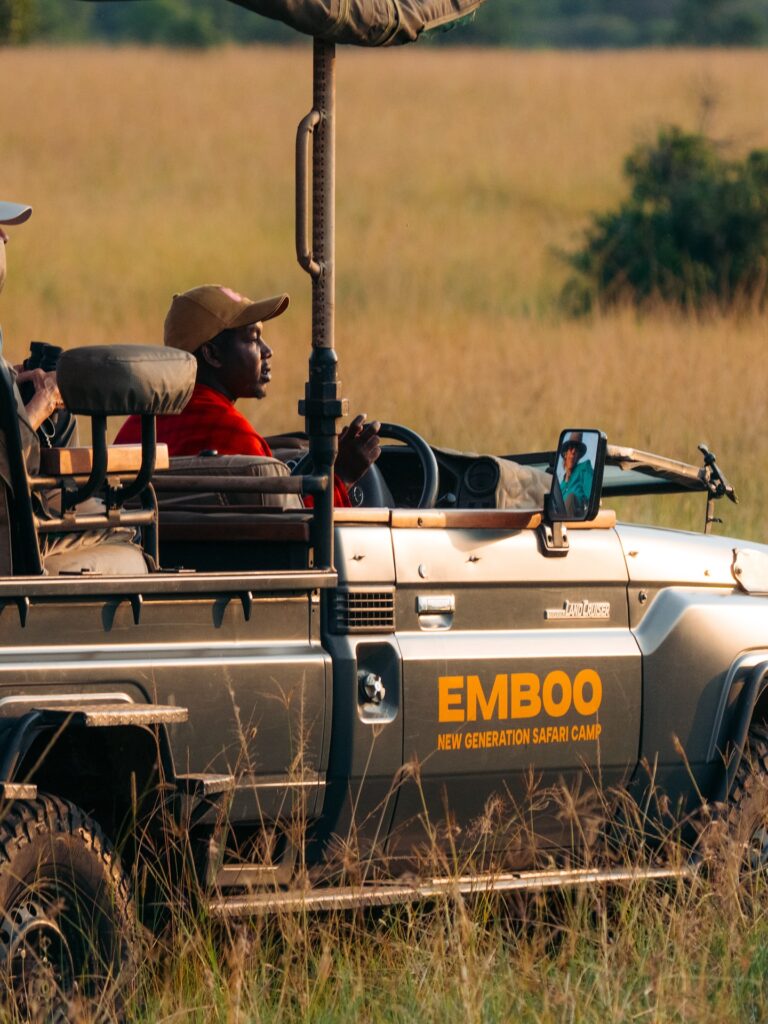
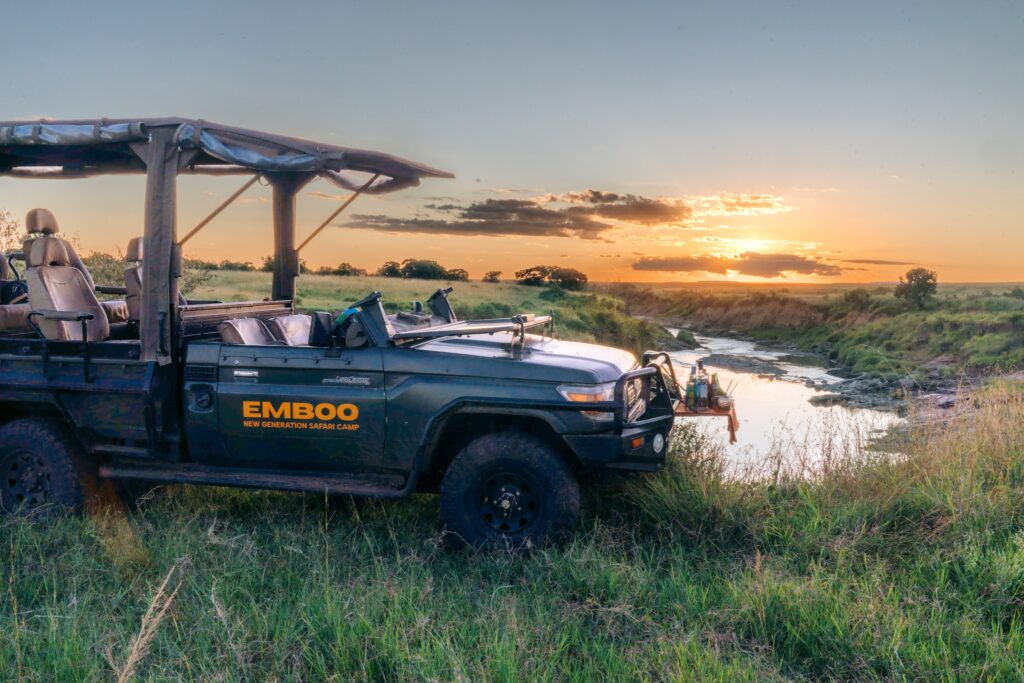
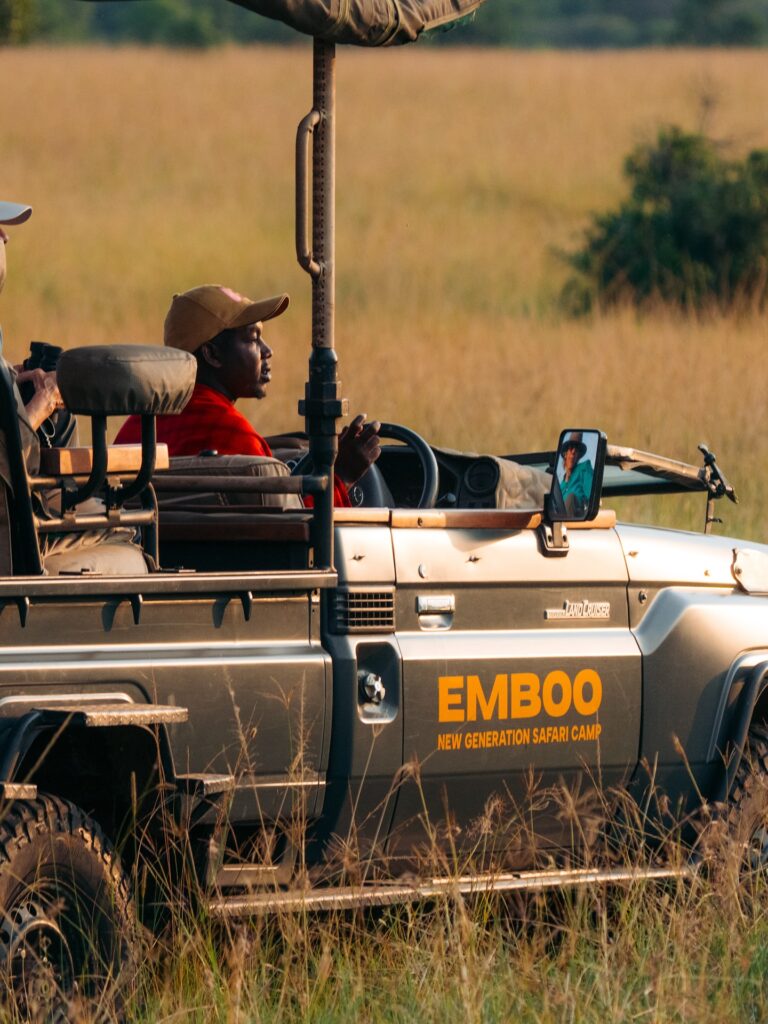
Talek River bend, just after six in the morning. Mist still sits low on the water. Our guide starts Emboo Camp’s electric Land Cruiser and there is no cough of diesel, no rattle, nothing but tyres pressing into wet grass. A guest leans forward, certain she has misheard the silence. She has not. Ahead, a lioness lifts her head at the sound of almost nothing and settles back down beside her cub.
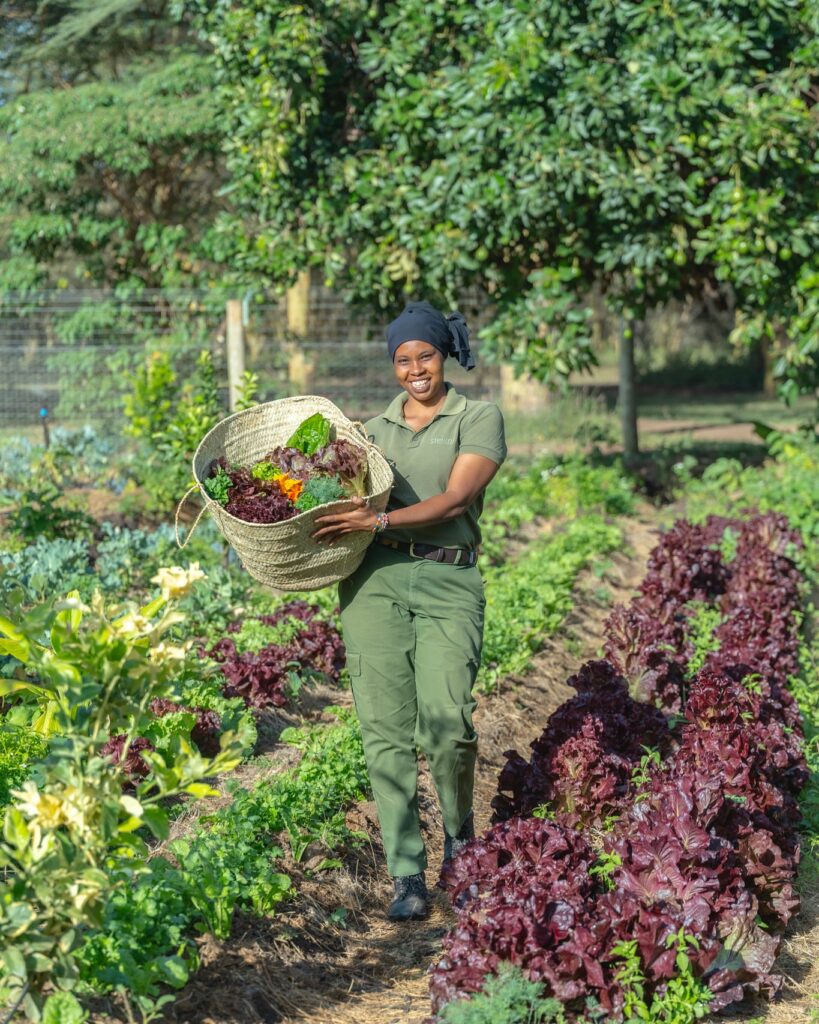
We have watched this moment happen more than once and it never stops being useful. It tells a guest, in about four seconds, what a decade of eco-tourism marketing has failed to explain: that sustainability on safari is not a line in a brochure. It is an engine that does not run on diesel. It is a garden by the kitchen door instead of a delivery truck. It is a conservancy lease that pays a Maasai landowner more to protect wildlife than to graze cattle over it.
Kenya’s safari industry has spent the last decade absorbing the word eco. Some of that is real. A camp with a full fleet of electric vehicles and 24-hour solar power is not the same as a lodge with a single rooftop panel and a laminated card about towel reuse. The difference matters, and it is usually invisible until you go looking for it.
We went looking. What follows is not a list of camps that say the right things. It is five Kenyan properties we would actually put a guest into if that guest asked us, plainly, for a safari that does not cost the Mara or Meru or Laikipia anything it cannot afford to give.
What an Eco Safari in Kenya Actually Means
| QUICK ANSWER | What Is an Eco Safari in Kenya? An eco safari in Kenya means booking camps that measurably cut environmental impact and pay local communities directly, not ones that just call themselves green. Look for solar or off-grid power, removable low-impact structures, farm-to-table kitchens and Maasai conservancy leases. A Gold Eco-rating from Ecotourism Kenya is the clearest proof. |
Sustainable tourism and ecotourism get used interchangeably, and in most Kenyan camps that is fair enough. The distinction that actually matters to a traveller booking a stay is simpler: does the camp’s own infrastructure back up its claims, and does the surrounding community see a direct financial return. Ecotourism Kenya, the country’s national ecotourism body established in the 1990s, grades camps on exactly this basis through its Eco-rating scheme, from Bronze through Gold. Two of the five camps below carry that Gold rating. The other three meet the same bar through solar independence, zero-trace construction, or a conservancy structure that channels revenue straight to Maasai landowners.
At a Glance: Kenya’s Leading Eco Safari Camps
- Region covered: Masai Mara National Reserve, Meru National Park, Amboseli ecosystem, Lewa Wildlife Conservancy
- Camps featured: Emboo Camp, Mtito Safari Camp, Rhino River Camp, Porini Amboseli Camp, Sirikoi Lodge
- Eco credentials: Gold Eco-rated (Mtito, Rhino River Camp), 100 percent solar or off-grid (Emboo, Porini Amboseli, Sirikoi)
- Standout feature: Emboo runs Kenya’s first full fleet of electric safari vehicles
- Community model: Porini Amboseli sits inside the 15,000-acre, Maasai-owned Selenkay Conservancy
- Best season for the Great Migration camps: July to October, for Talek and Mara River crossings near Emboo and Mtito
- Typical nightly rate range: From roughly US$385 per person at Porini Amboseli to US$900 per person in Emboo’s high season
- Operator: Afrikan Accent Adventures, a Nairobi-based, KATO and TRA-registered safari operator
Emboo Camp: The Masai Mara’s First Fully Electric Safari Fleet
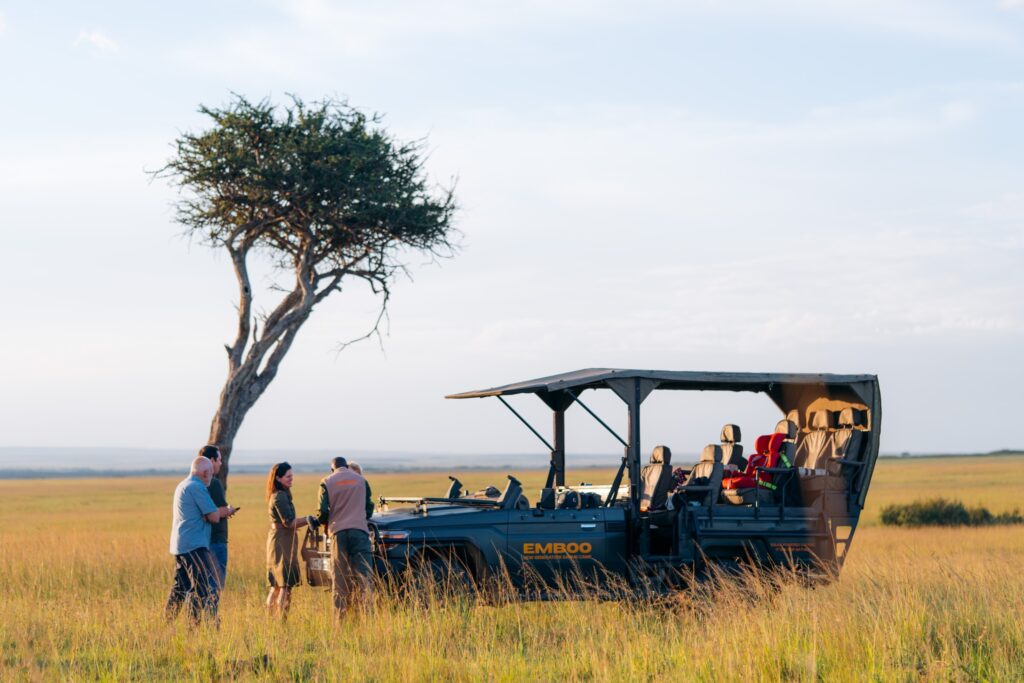
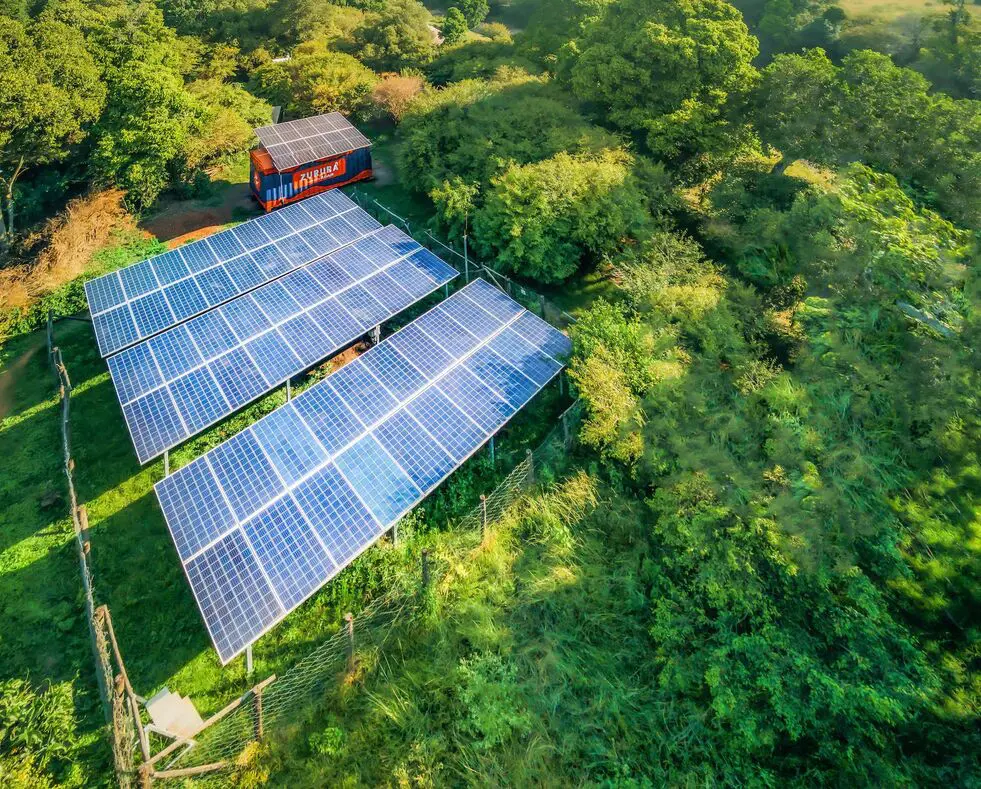
What it is: Emboo is an eleven-tent camp on a forested bend of the Talek River, built around a claim few other Mara camps can make. It runs Kenya’s first full fleet of electric safari vehicles, alongside 24-hour solar power and a farm-to-fork kitchen fed by vertical hydroponic gardens roughly a hundred steps from the dining table.
Where it is: Emboo sits inside the Masai Mara National Reserve itself, not a private conservancy, which puts it within easy reach of both the Talek and Mara River crossings during migration season.
How to get there: the nearest airstrip is Ol Kiombo, a twenty-minute drive from camp, and transfers are included in the nightly rate.
What to do: electric game drives, a walking safari with rangers from the Mara Elephant Project, tree planting, hydroponic garden tours and a running session on what the camp calls the first track in the Mara.
Who it is for: families with children five and older, honeymooners wanting an intimate eleven-tent camp, and anyone who wants to hear the Mara without an engine between them and it.
When to go: July through October for the migration, though the green season from April to May brings dramatically lower rates and a landscape few visitors ever see.
Cost context: rates run from roughly US$500 per person per night in the green season to US$900 in the July to October high season, full board with game drives included.
There are no noisy generators here, just twenty-four hours of solar power, and a fleet of electric vehicles that lets you hear the Mara instead of driving over it.
Emboo calls its set-up Net Zero, and the detail that convinced us is the mundane one: food waste gets converted into energy rather than trucked out. That is the kind of infrastructure decision a marketing brochure does not usually bother to mention, which is exactly why it is worth mentioning here.
Mtito Safari Camp: Gold Eco-Rated and Committed to Going Plastic-Free
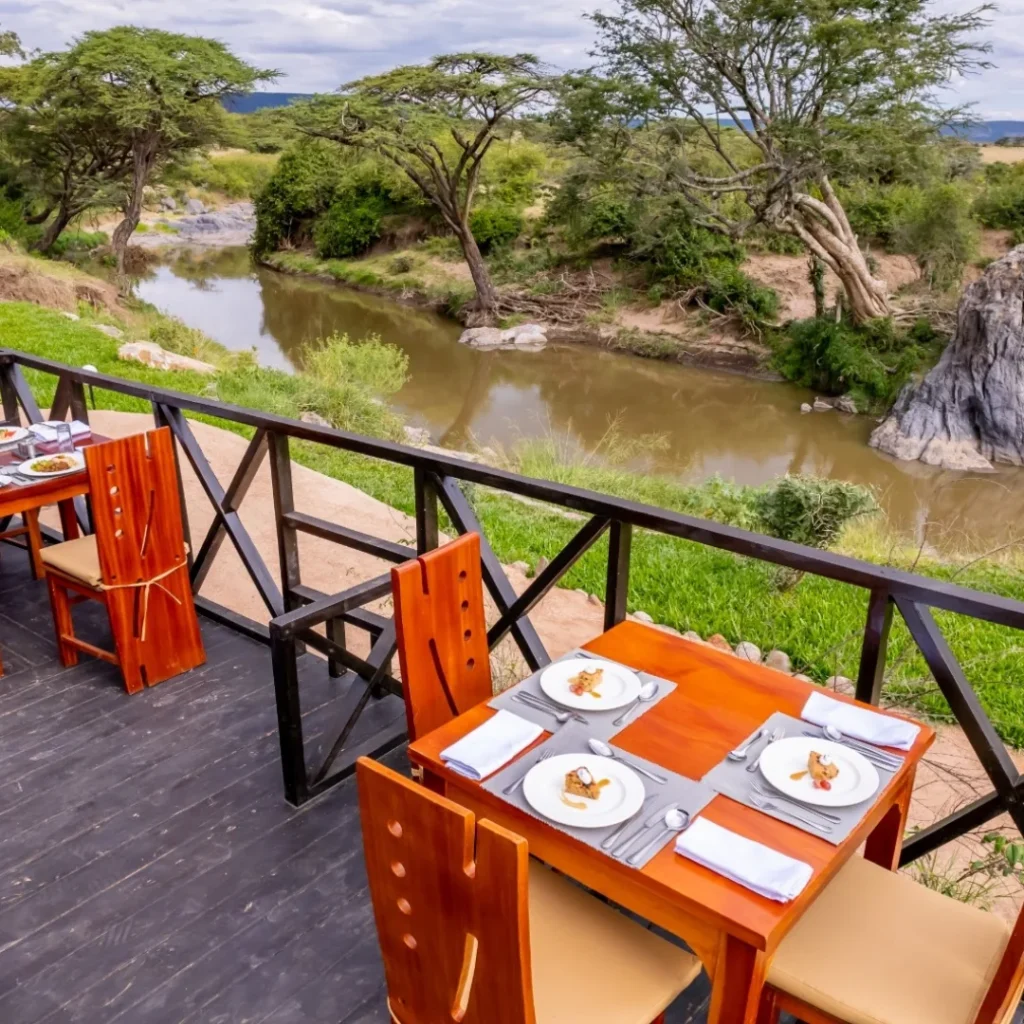
What it is: Mtito Safari Camp is a Gold Eco-rated tented camp on the Talek River, positioned between the Naboisho and Nashulai Conservancies near the Sekenani gate of the Masai Mara. Its organic garden supplies a genuinely farm-to-plate kitchen, and the camp has committed publicly to phasing out single-use plastics entirely.
Where it is: on the riverbank near Sekenani, close enough to the Talek that hippos and elephants are regularly visible from the dining deck.
How to get there: road access via the Sekenani gate, with the wider Naboisho and Nashulai conservancy network within easy driving distance.
What to do: classic Mara game drives, migration viewing in season, and time around what the camp calls its Signature Tree, an old acacia used for sundowners at the end of each day.
Who it is for: travellers who want the Mara’s iconic wildlife density without a five-star price tag, and anyone specifically prioritizing a plastic-reduction commitment over pure luxury.
When to go: year-round for resident wildlife, July to October for the migration.
Cost context: Mtito positions itself in the mid-range Mara market rather than the ultra-luxury bracket.
What stands out here is the honesty of the framing. Mtito does not claim to be plastic-free today. It says it is on a mission to get there, and backs that with a Gold Eco rating from Ecotourism Kenya, the same national body that grades camps across the country on water use, waste management, energy sourcing and community benefit.
Rhino River Camp: A Gold-Rated Retreat Beside Meru’s Rhino Sanctuary
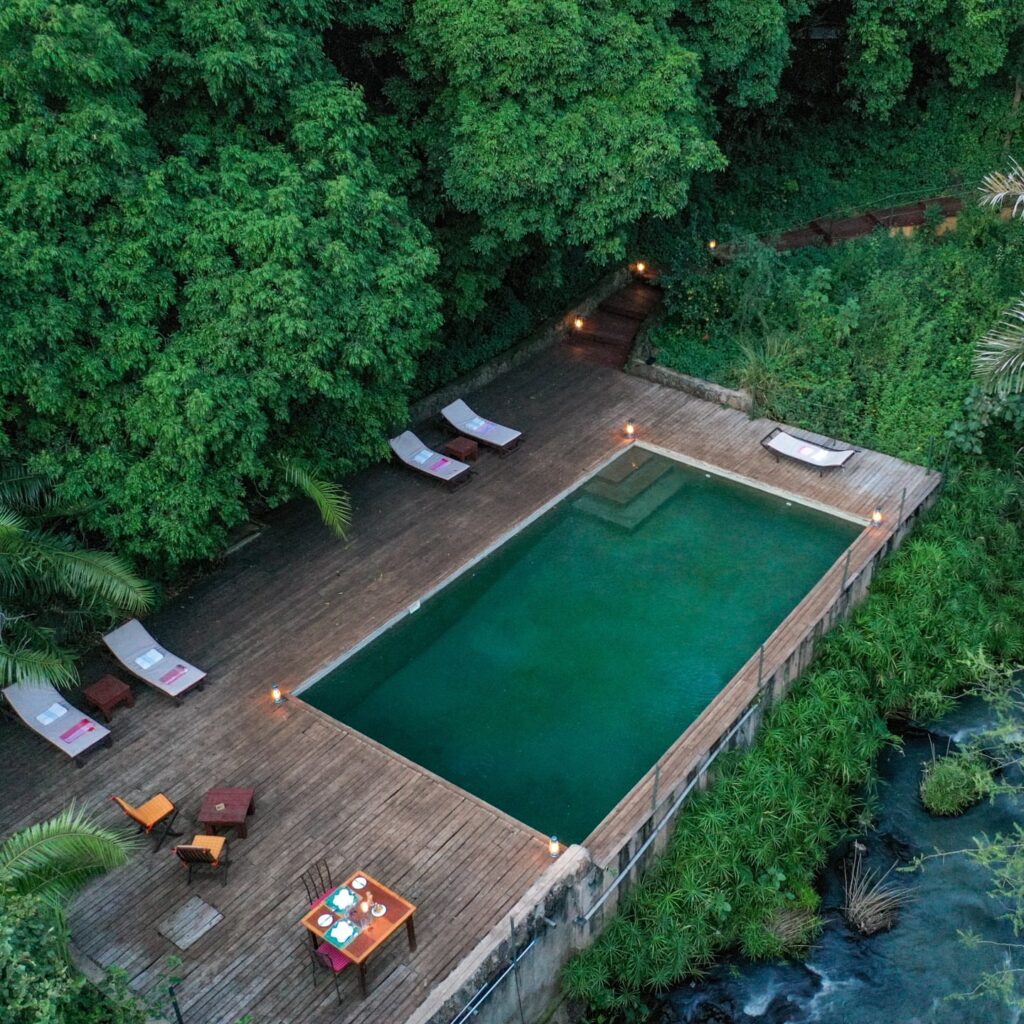
What it is: Rhino River Camp is a Gold Eco Rated tented camp tucked under riverine forest on the edge of Meru National Park, built as a quieter alternative to the busier Mara circuit. It sits beside Meru’s rhino sanctuary and layers genuine wellness onto the safari, with a swimming pool and spa treatments most bush camps do not attempt.
Where it is: within Meru National Park’s forested river country in eastern Kenya, a landscape of dense woodland and swamp rather than open plains.
How to get there: fly-in access to Meru’s airstrips is standard, with road transfers available for a longer overland itinerary through Samburu or Laikipia.
What to do: game drives focused on Meru’s Northern Special Five, the Grevy’s zebra, Somali giraffe, Beisa oryx, gerenuk and Somali ostrich found almost nowhere else in Kenya, plus birdwatching, spa treatments and pool time between drives.
Who it is for: repeat Kenya travellers who have already done the Mara and want somewhere wilder and far less crowded, and couples wanting a slower, more indulgent pace.
When to go: Meru stays quieter than the Mara throughout the year, so the strongest reason to time a visit is the June to October dry season for easier game viewing.
Cost context: as part of the Porini portfolio, rates sit in the same eco-luxury bracket as Porini’s Mara camps; current tariffs are available on request.
Guests keep saying the same thing about this camp, in almost the same words. One described the forest canopy as turning night into a cacophony of sound, the kind of detail that tells you more about a place than any features list could.
Porini Amboseli Camp: Zero Trace Inside a Maasai-Owned Conservancy
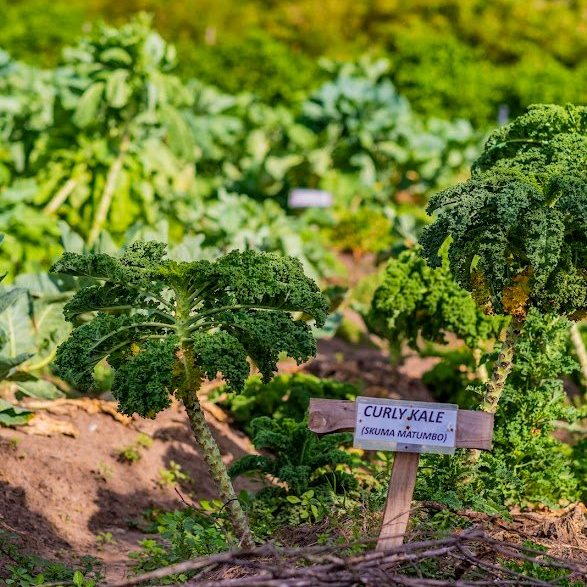
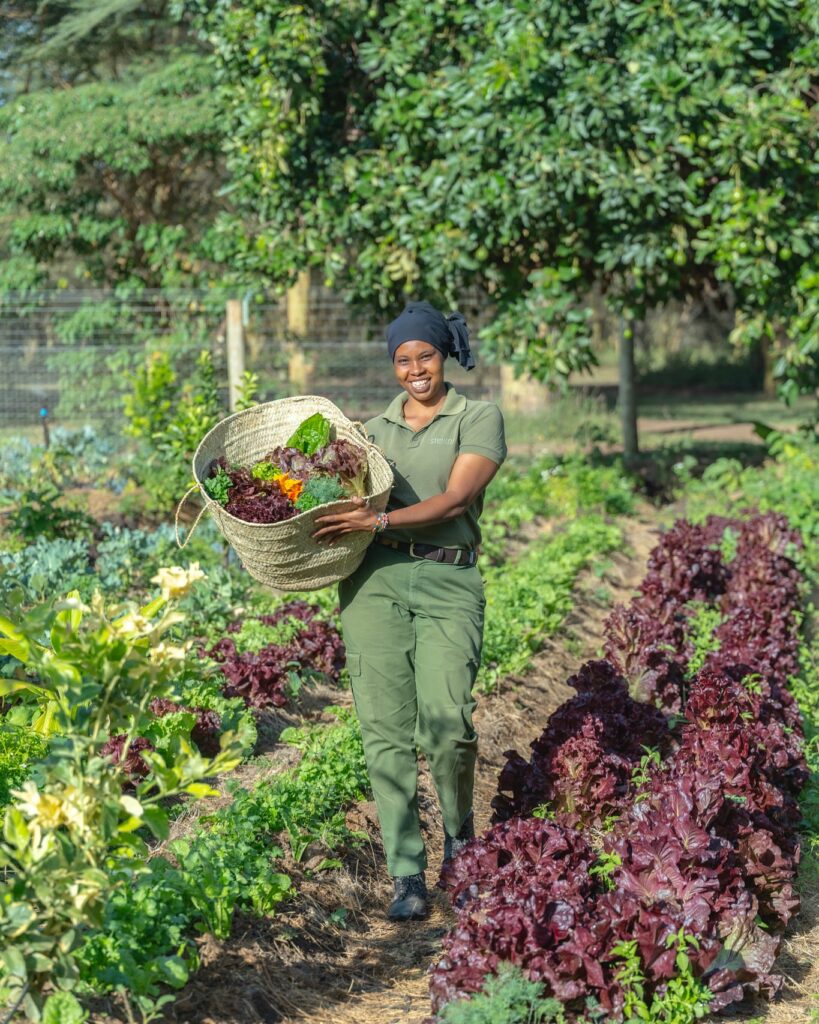
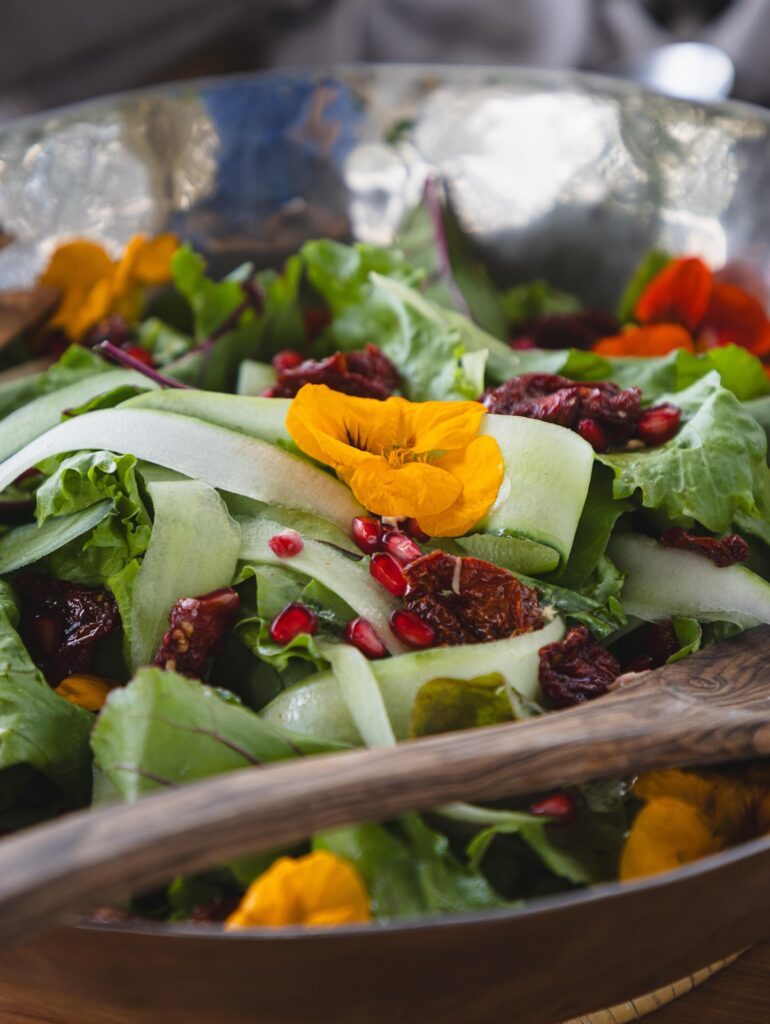
What it is: Porini Amboseli Camp was one of the first fully solar-powered eco-camps in Kenya, and it takes the idea further than most. The entire camp is removable, built with no permanent structures, and designed to leave zero trace on the 15,000-acre Selenkay Conservancy it occupies.
Where it is: inside Selenkay Conservancy, a private, unfenced wildlife area leased directly from the local Maasai community, sixteen kilometres north of Amboseli National Park and within sight of Kilimanjaro on a clear morning.
How to get there: roughly a five-hour road transfer from Nairobi, or a thirty-five-minute flight to Amboseli Airstrip followed by a short road transfer.
What to do: day and night game drives across Selenkay and into Amboseli National Park itself, an escorted walking safari with Maasai warriors to a nearby village, night drives for serval, caracal, bat-eared fox and aardvark, and birdwatching among more than four hundred recorded species.
Who it is for: families with children eight and older, and travellers who want their nightly rate to visibly fund conservancy protection rather than a hotel chain’s overhead.
When to go: year-round for elephants and Kilimanjaro views, with July to October and December to March bringing scheduled flights from Nairobi.
Cost context: rates start from around US$385 per person per night, full board, with park fees, game drives, walks and a village visit included.
Selenkay caps visitor numbers at eighteen guests at any one time. That ceiling is the point. Porini camps, report that the conservancy model channels over US$1.5 million a year directly to partner communities across its Kenyan sites, plus jobs that did not exist before the conservancy did.
Sirikoi Lodge: Off-Grid Luxury Inside a UNESCO World Heritage Conservancy
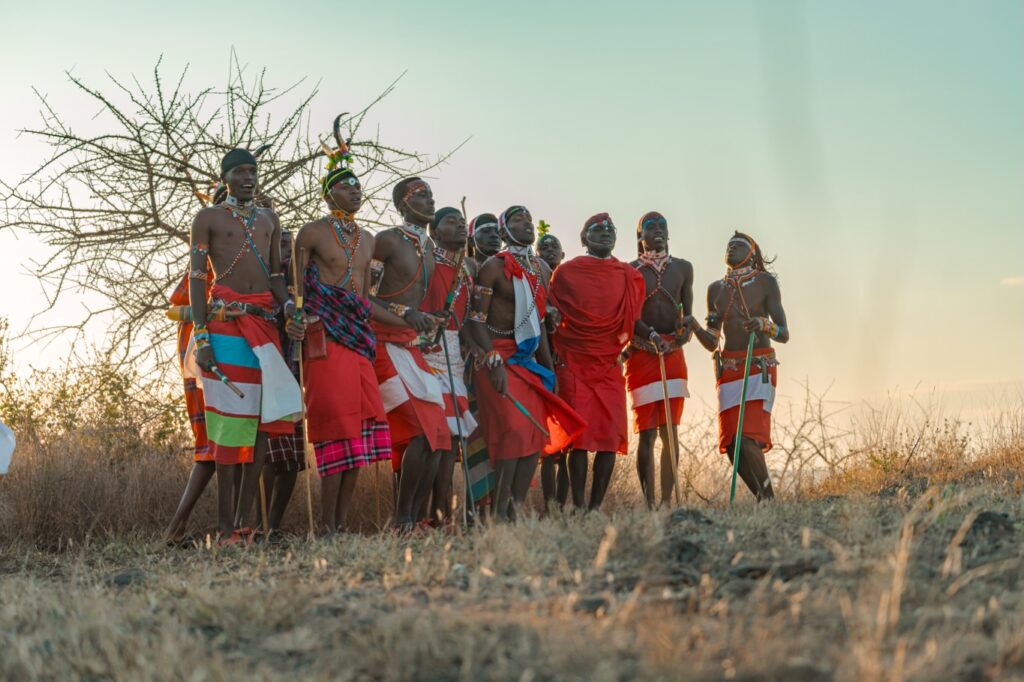
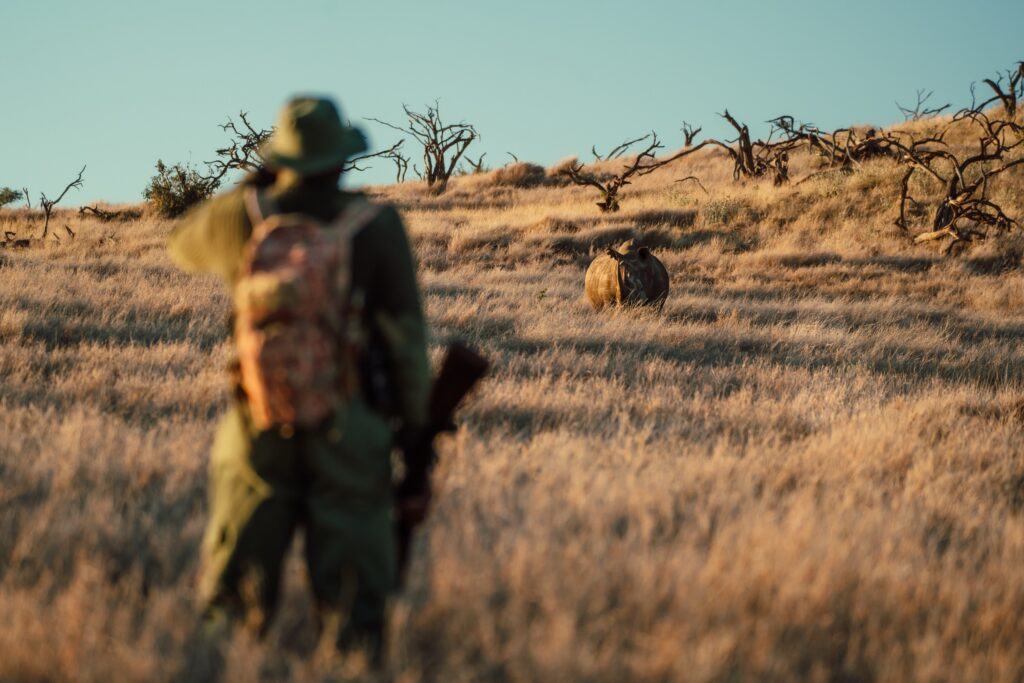
What it is: Sirikoi is a small, family-owned lodge on the foothills of Mount Kenya, entirely off-grid and solar-powered, drawing its water from a mountain spring that reaches the property by gravity alone rather than pumps. Its farm-to-table kitchen runs off an organic garden guests can walk through with the resident gardener.
Where it is: inside Lewa Wildlife Conservancy, a UNESCO World Heritage Site of 62,000 acres and one of the most decorated conservation success stories on the continent, forty years in the making.
How to get there: fly-in access to Lewa’s airstrips from Nairobi is standard, with road transfers available for travellers combining Sirikoi with a wider Laikipia or Samburu circuit.
What to do: game drives and walking safaris across Lewa, cultural visits, and what Sirikoi calls conservation in action, meaning direct engagement with the anti-poaching and rhino monitoring work that has helped both black and white rhino populations recover across the conservancy.
Who it is for: families, given the lodge’s mix of a private house, a two-bedroom cottage and luxury tents, and travellers who want conservation credibility alongside genuine comfort.
When to go: Lewa’s altitude gives it a mild, almost spring-like climate year-round, so the main planning consideration is Kenya’s two rain seasons, April to May and November.
Cost context: Sirikoi sits in the luxury bracket of Kenya’s conservancy lodges.
Sirikoi won Ecotourism Kenya’s award in 2024, alongside recognition from Condé Nast Traveller and the World Travel Awards. Awards aside, the detail that matters is simpler: a spring-fed water system that needs no pump and no diesel to reach the taps.
How Afrikan Accent Adventures Builds Eco Safari Itineraries Around These Camps
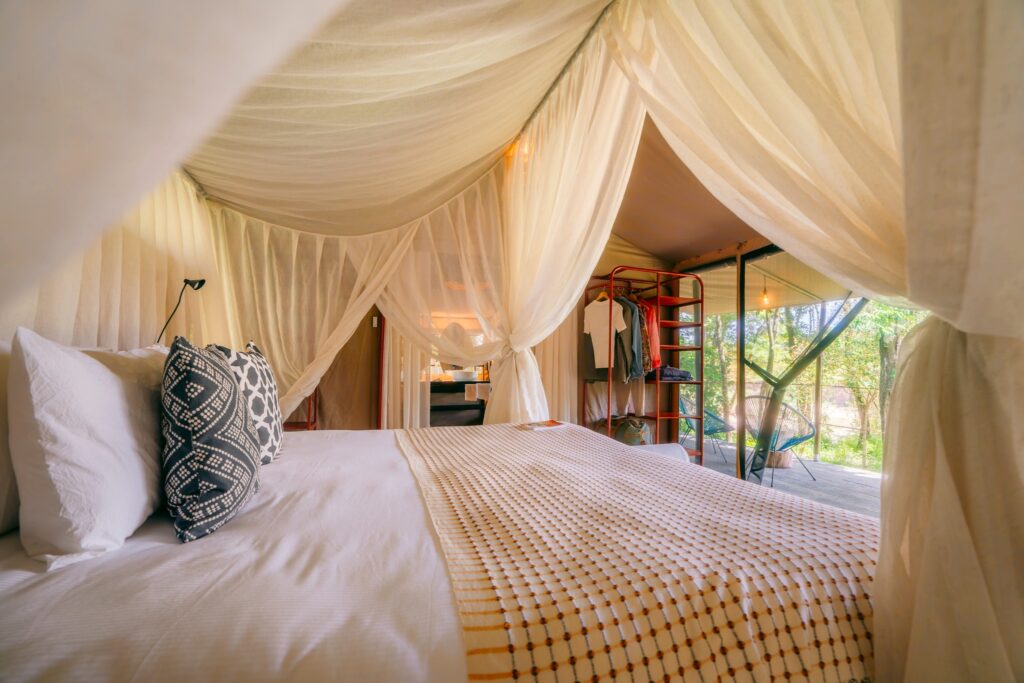
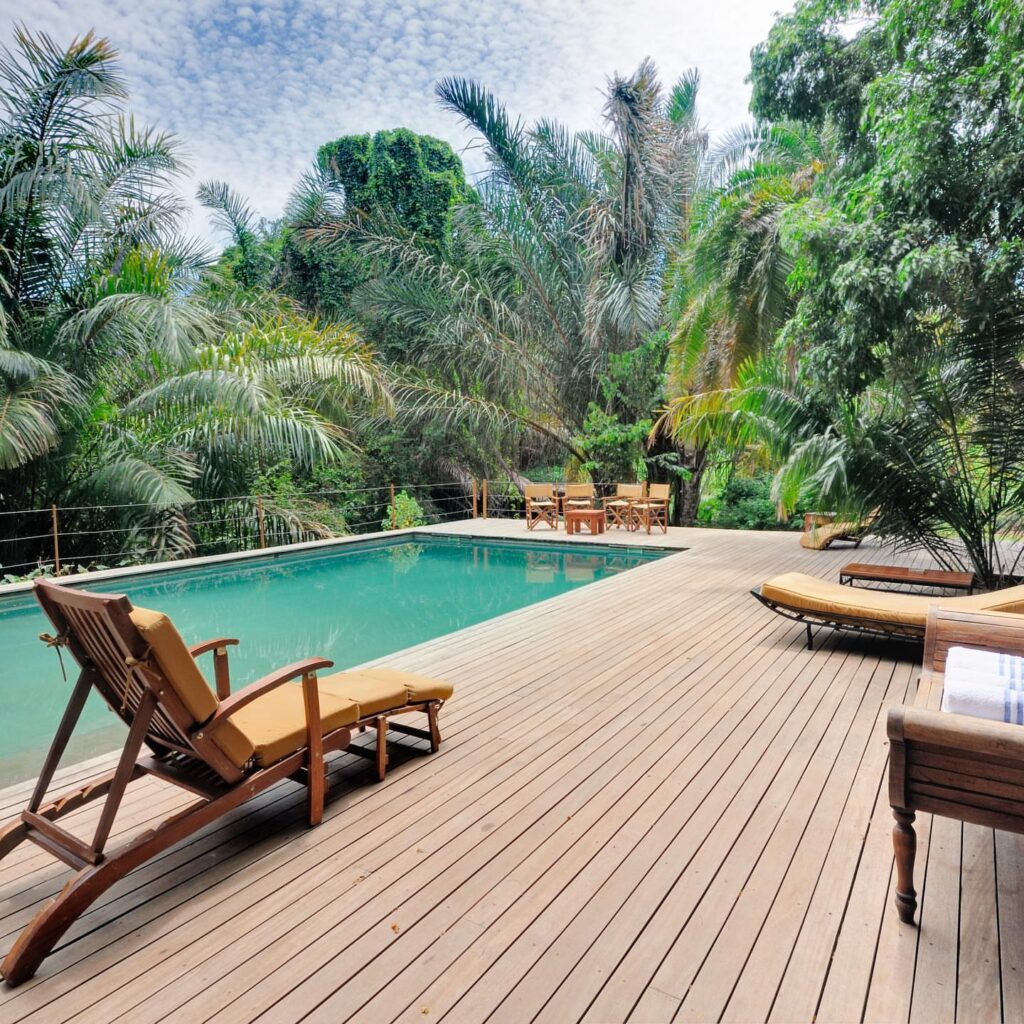
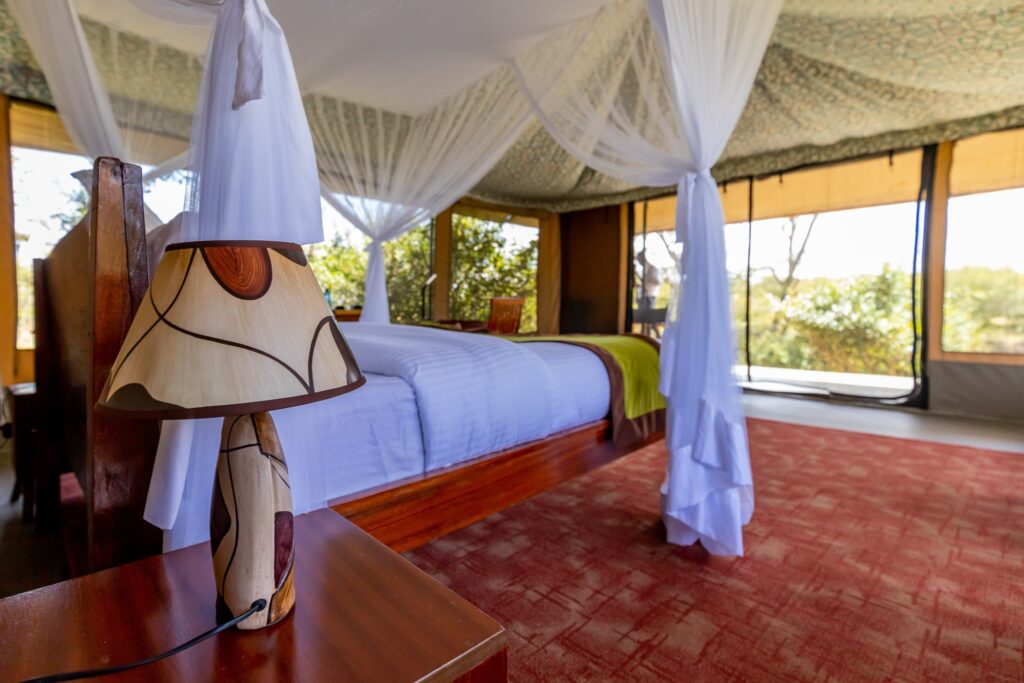
We are a Nairobi-based, KATO and TRA-registered safari operator working across Kenya, Tanzania, Uganda and Rwanda, and we do not sell eco safaris as a niche add-on. We build them the same way we build any itinerary, by matching a traveller’s pace and budget to camps whose sustainability claims we can actually stand behind.
That means we will put a family into Emboo for the electric game drives and the running track, send a honeymoon couple to Sirikoi for the spring-fed quiet of Lewa, and route a Meru extension through Rhino River Camp for guests who have already ticked off the Mara and want somewhere wilder. We will also say plainly when a camp does not fit a brief, because an eco-safari that does not match the traveller is not sustainable for anyone.
Combine any of these five camps into a single, multi-region itinerary and you get a genuinely different kind of Kenya trip, one where the environmental story is not a paragraph in a welcome pack but something you can watch happen from the back of a vehicle that makes no sound at all.
Frequently Asked Questions
What is an eco-safari in Kenya?
An eco safari in Kenya is a trip built around camps that measurably reduce their environmental impact and return direct financial benefit to local communities. It typically involves solar or off-grid power, low-impact or removable camp structures, farm-to-table kitchens, and conservancy leases that pay Maasai or Samburu landowners to protect wildlife habitat rather than convert it to grazing land.
Which Masai Mara camps are the most sustainable?
Emboo Camp and Mtito Safari Camp are the strongest sustainable options inside and around the Masai Mara National Reserve. Emboo runs Kenya’s first full fleet of electric safari vehicles alongside full solar power, while Mtito holds a Gold Eco-rating from Ecotourism Kenya and has committed to phasing out single-use plastics.
Is Porini Amboseli Camp environmentally friendly?
Yes. Porini Amboseli Camp was one of the first fully solar-powered eco-camps in Kenya, and its structures are entirely removable, leaving no permanent footprint on the Selenkay Conservancy it occupies. The conservancy itself is leased directly from the local Maasai community, which receives ongoing income from the arrangement.
What does Gold Eco-rated mean in Kenya?
Gold Eco-rated is the top tier of the Eco-rating Certification Scheme run by Ecotourism Kenya, the country’s national ecotourism body. It assesses camps and lodges on energy sourcing, water and waste management, biodiversity protection and community benefit, with ratings running from Bronze through Silver to Gold.
How does sustainable tourism benefit Maasai communities in Kenya?
Sustainable tourism benefits Maasai communities primarily through conservancy lease payments, direct employment, and revenue-sharing tied to guest numbers. At Selenkay Conservancy, for example, the community earns land-lease income plus a per-visitor fee, and Porini Camps reports that its Porini conservancy model channels over US$1.5 million annually to partner communities across its Kenyan sites.
What is the best time of year for an eco-safari in Kenya?
July through October is the strongest window for camps near the Masai Mara, since it covers the Great Migration’s river crossings on the Talek and Mara rivers. Camps further north, such as Sirikoi in Lewa Wildlife Conservancy or Rhino River Camp in Meru, hold good wildlife viewing year-round thanks to their milder, higher-altitude climates.
Do eco safari camps cost more than standard safari camps?
Not necessarily. Rates across the camps in this guide span from around US$385 per person per night at Porini Amboseli Camp to US$900 in Emboo’s July to October high season, a range comparable to non-eco camps in the same regions. The infrastructure cost of solar power and electric vehicles is generally absorbed into the operating model rather than passed on as a separate premium.
We have walked guests through all five of these camps, and the honest answer to “which one is the most sustainable” is that it depends on what a traveller is willing to trade. Emboo trades a Mara reserve location for full electric independence. Porini Amboseli trades comfort-level luxury for a zero-trace, community-owned conservancy. Afrikan Accent Adventures builds the itinerary around whichever trade matters most to you, whether that means a family week split between the Mara and Amboseli or a slower, spring-fed stay in Lewa. Tell us what a responsible Kenya safari means to you and we will build the route around it.
A safari that protects what it shows you is not a compromise. It is simply a better safari.
Let's plan your East African safari
Tell us when you'd love to travel and a local specialist will craft a tailor-made route around you.


