Mara Triangle Safari Guide: Is It Worth Staying on the Western Side of the Masai Mara?
Gates, 2026 entry fees, camps and river crossings explained by the Nairobi operator that sends guests west every migration season, including where the Triangle falls short.
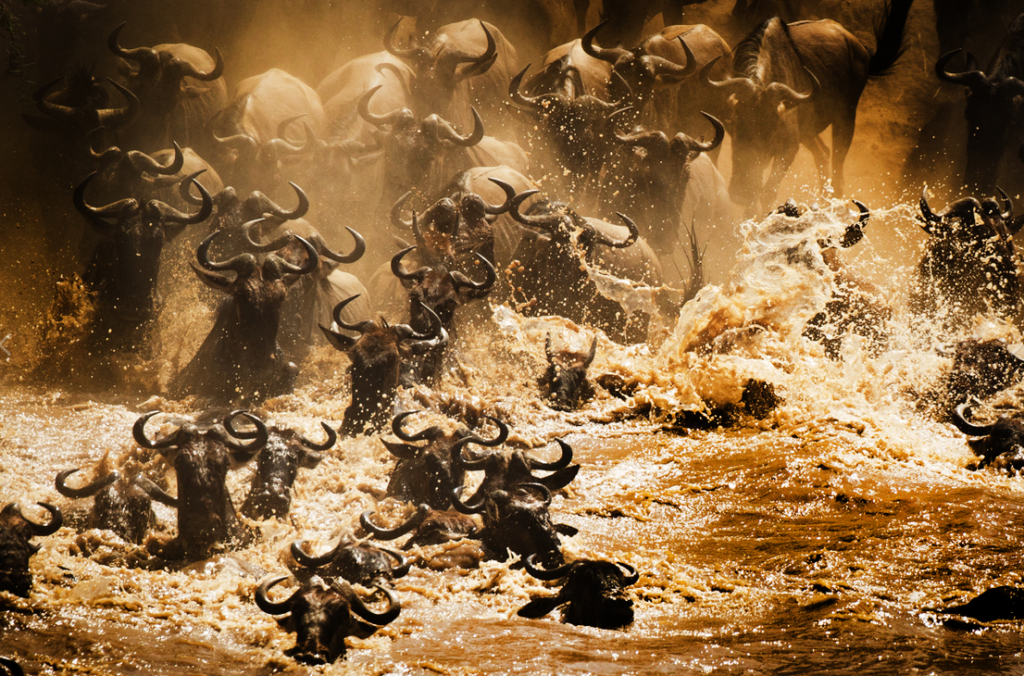
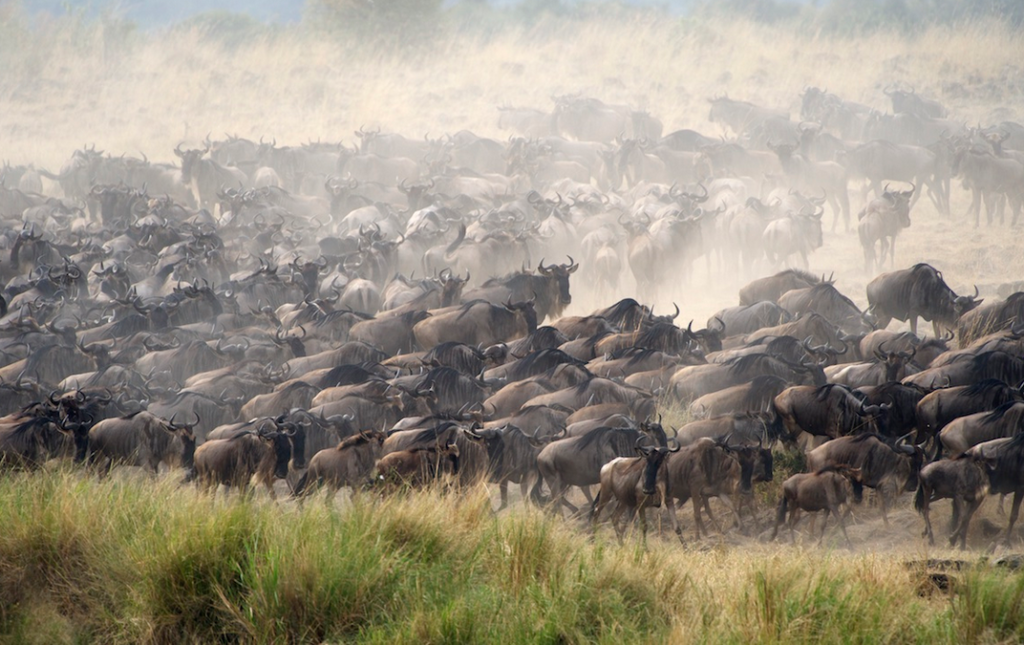
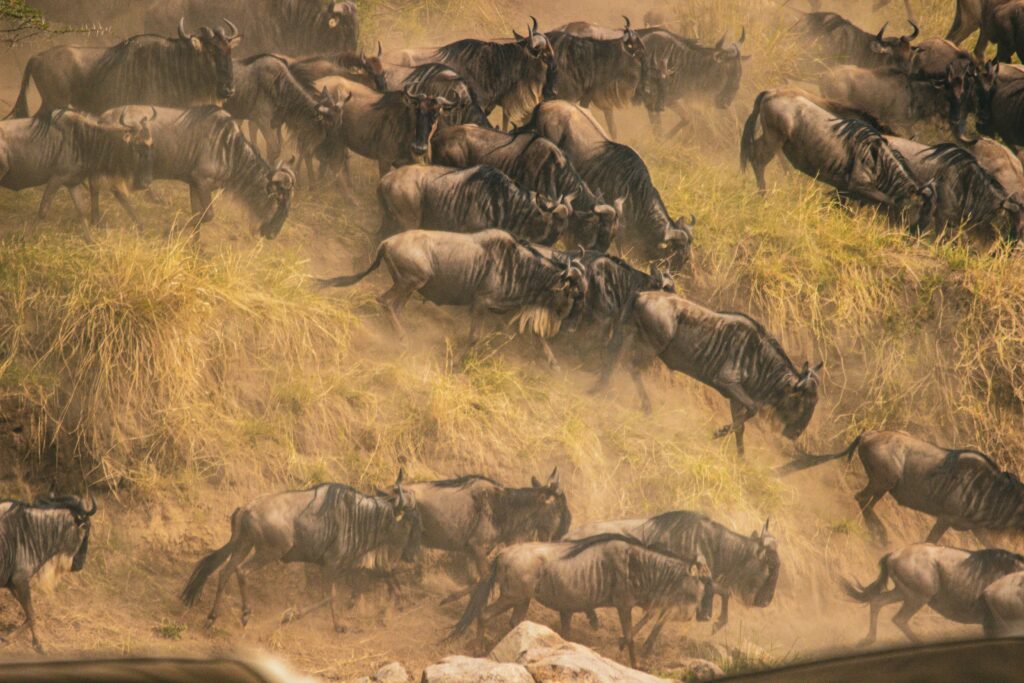
A massive herd of wildebeest kicking up dust and water as they cross the Mara River, the ultimate highlight of a Mara Triangle safari during the Great Migration,
The sound came first. On the afternoon of 15th July 2026 we were parked above the Mara River when a low rumble built along the bank, then dust, then the first small groups of wildebeest pushing off into the current. Crocodiles were already sliding into the deeper channels downstream. It was a scouting wave, not the mega herd, and we said so at the time. But every animal that made the far bank turned the same way, towards the Mara Triangle.
That direction is why this page exists. Every migration season the same question reaches us at Afrikan Accent Adventures, the Nairobi-based safari operator behind the Mara Elatia Camp safari: should we stay on the western side or in the main reserve near Sekenani Gate? The honest answer is not the one most camps will give you, because every camp has beds to fill.
The Mara Triangle is 510 square kilometres of the Masai Mara west of the Mara River. A non-profit runs it rather than the county. You pay for it in a separate cashless system and you reach it through a different gate. It has real advantages and real costs, and we have watched guests arrive at Purungat Bridge holding the wrong payment method and a sinking feeling.
Our view in one line: a Mara Triangle safari is the right call for river crossings from July to October and the wrong call for anyone who wants a dozen lodges to compare. This is the decision page. We cover the whole reserve in our Masai Mara complete guide and we won’t repeat it here.
| QUICK ANSWER | What is the Mara Triangle? The Mara Triangle is the 510 square kilometre western sector of the Masai Mara National Reserve, between the Mara River and the Oloololo Escarpment. The not-for-profit Mara Conservancy manages it for Narok County. Entry is cashless through Oloololo Gate, Purungat Bridge Gate or Serena Airstrip. |
AT A GLANCE:
- Location: Western Masai Mara National Reserve, Narok County, west of the Mara River and below the Oloololo Escarpment
- Size and manager: 510 square kilometres, about a third of the 1,510 square kilometre reserve. The Mara Conservancy has managed it since 12th June 2001
- Entry points and hours: Oloololo Gate, Purungat Bridge Gate and Serena Airstrip. Gates open 06:00 and close 19:00 with no vehicle entry after 18:30
- Park fee, 2026: USD 100 per non-resident adult per day from January to June and USD 200 from July to December
- Payment: Cashless only, by Visa, Mastercard or M-Pesa. Bring your passport
- Getting there: About 280 kilometres from Nairobi to Oloololo Gate, five to six hours by road. Around 50 minutes by air from Wilson Airport to Kichwa Tembo Airstrip
- Best season: July to October for Mara River crossings. January to June for the lower park fee
- Our featured safari: 4 Days Masai Mara Safari at Mara Elatia Camp, from USD 1,440 per person
What Is the Mara Triangle?
The Mara Triangle is the western sector of the Masai Mara National Reserve. It covers 510 square kilometres and is bounded by the Mara River to the east and the Oloololo Escarpment to the northwest, with the Tanzanian border and the Serengeti to the south. The escarpment rises about 400 metres above the plains. The country below it is a mix of riverine forest, red oat grass and volcanic hills. The Mara Triangle safari circuit runs across all of it.
It is not a private conservancy and it is not a separate park. It is public reserve land with its own manager. In 1994 the reserve was split administratively, with the Narok County Council running the east and the Trans Mara County Council running the northwest sector. Local leaders grew concerned about mismanagement in that western sector and the Mara Conservancy was formed in 2000 as a not-for-profit company. It began operating on 12th June 2001. When Kenya’s county councils merged under the 2010 constitution the arrangement passed to Narok County Government, and the Conservancy still manages the Triangle on the county’s behalf.
Management is why the Triangle feels different on the ground. The Conservancy runs the anti-poaching patrols and the tracker dog and ivory detection dog units, maintains the roads and collects its own park fees. Its figures, as reported, put black rhino at a single animal in 2001 and a stable 25 to 30 by 2023.
Who runs the Mara Triangle and where do the fees go?
The Mara Conservancy is a Kenyan not-for-profit with a board that includes central and local government, the Maasai community and technical specialists. Its management agreement with Narok County Government covers revenue collection, security, tourism management and infrastructure. The Conservancy states that ticketed and non-ticket income is split with 55 percent to Narok County Government and 7.5 percent to KAPS for collection, with the balance funding Triangle management. It owns no camp or lodge and it cannot help with your booking, so you deal with each camp directly.
How Does the Mara Triangle Differ from the Rest of the Masai Mara?
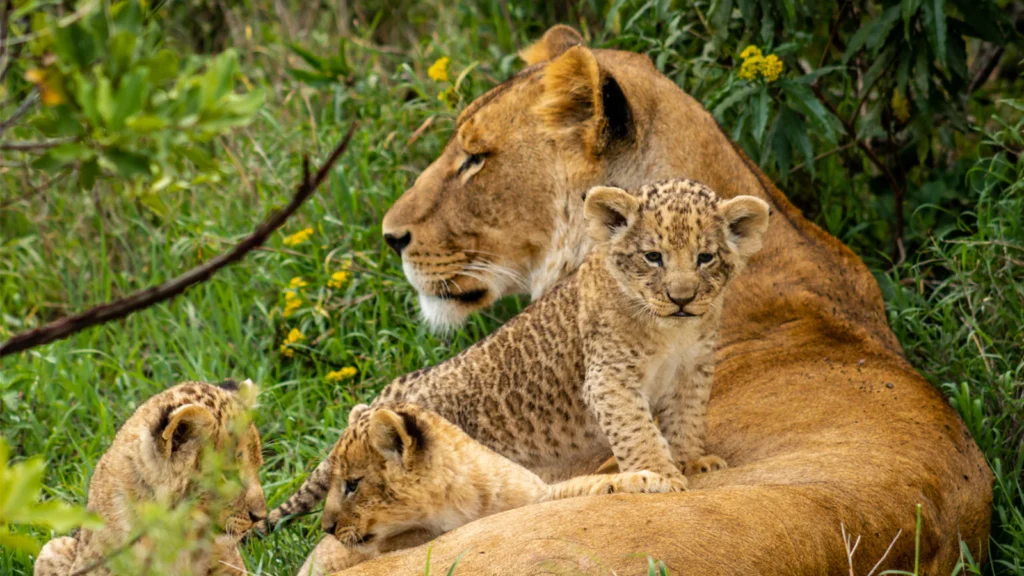
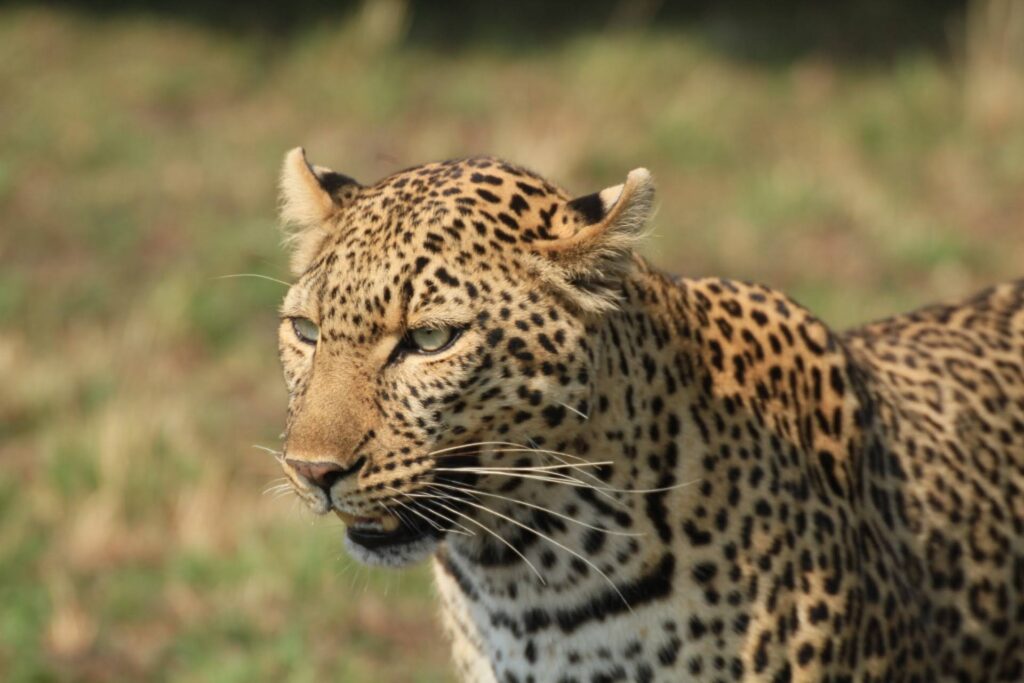
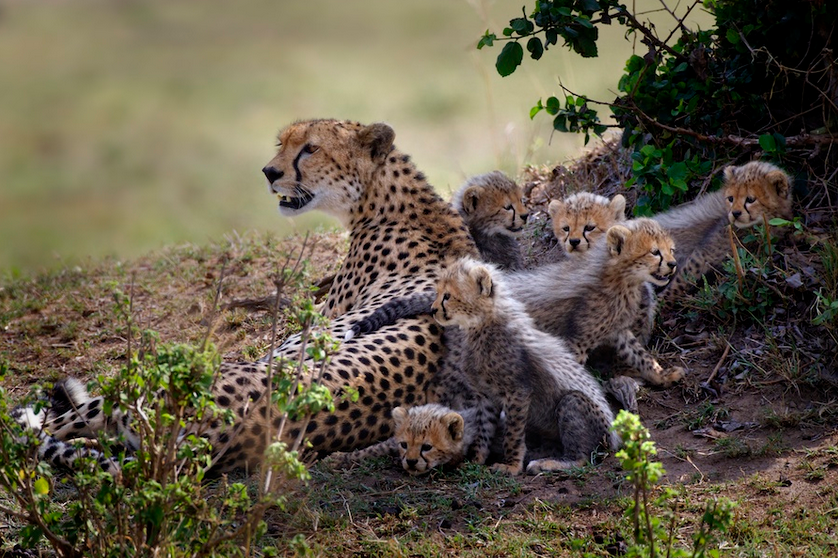
The animals are the same. The wildebeest, the lion prides and the cheetahs on the termite mounds belong to one ecosystem and they ignore the administrative line. What changes is who manages the ground, how you pay, where you sleep and how many vehicles gather around a sighting.
| Mara Triangle | Main Masai Mara (Narok County side) | |
| Manager | Mara Conservancy, a Kenyan not-for-profit | Narok County Government |
| Size | 510 square kilometres | About 1,000 square kilometres |
| Gates | Oloololo Gate, Purungat Bridge Gate, Serena Airstrip ticket point | Sekenani, Talek, Musiara and Oloolaimutia gates |
| Payment | Cashless: Visa, Mastercard or M-Pesa | Cash or card at most gates |
| Where you sleep | Two properties inside plus a ring of camps on and below the Oloololo Escarpment | Far more lodges and camps, clustered around Sekenani and Talek |
| Vehicle pressure | Lower in our experience, with Conservancy-maintained roads | Heavier at the busiest crossings and big cat sightings |
| Best for | July to October crossings and space | Choice of lodges and the northern marsh country around Musiara |
The Triangle is not a better Mara. It is a different one, and for crossings it is usually the shorter drive to the river.
Here is the trade-off we explain to every guest. The MaraTriangle gives you room. Our guides report fewer vehicles per sighting than the eastern reserve, and the Conservancy keeps its roads in order. The cost is choice. Only Mara Serena Safari Lodge and Little Governors’ Camp stand inside the boundary, so most guests sleep on the escarpment and drive in. If you want to move between the Triangle and the Musiara marsh country in one morning, you will lose hours to the river crossing and the change of ticketing. For the whole-reserve picture, including the private conservancies, read our Masai Mara complete guide.
| QUICK ANSWER | Is the Mara Triangle better than the main Masai Mara? It depends on your priority. The Mara Triangle is better for July to October Mara River crossings, quieter sightings and well-kept roads. The main Masai Mara is better for lodge choice and the northern big cat country. For a first migration safari we pick the Triangle. |
Is the Mara Triangle Better for River Crossings?
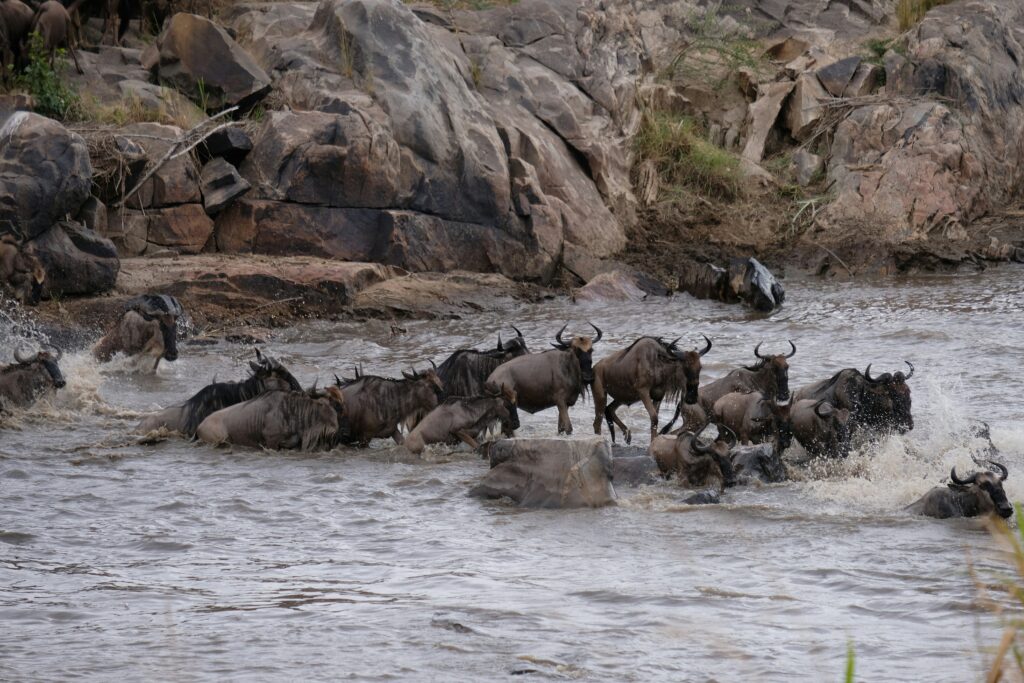
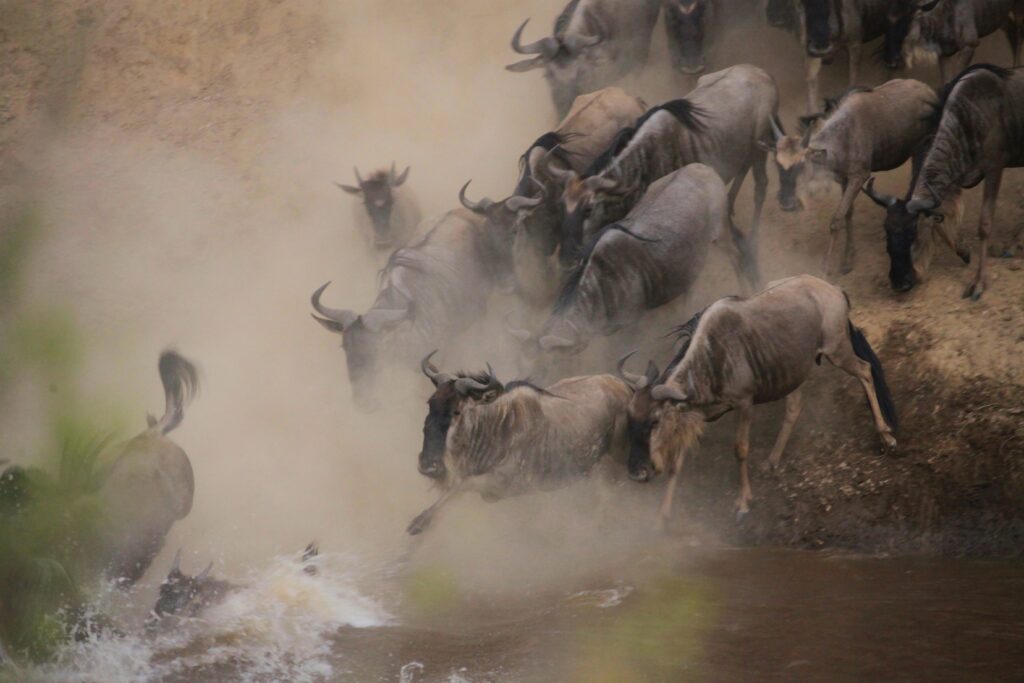
| QUICK ANSWER | Do River crossings happen in the Mara Triangle? Yes. Wildebeest cross the Mara River along the Triangle’s eastern boundary from July to October, at spots commonly called Serena Crossing, Cul-de-Sac and Mortuary Crossing. Crossings keep no timetable, so allow at least three nights. |
Yes, and for most of the season it is where we position our vehicles. The Triangle lies on the western bank, and the herds spend weeks pressing against the river and crossing in both directions. The first crossing of 2026 happened on 15th July and the herds turned west afterwards. We wrote it up in our first Mara River crossing of 2026 report, so we will not retell it here.
Mara Triangle River crossing points
Treat crossing names as folk names, not an official register. Guides and published guides place a few of them slightly differently, and the herds change favorites from year to year. The names you will hear most on the Triangle side are these:
- Serena Crossing, below Mara Serena Safari Lodge. One of the steadier points through August and September.
- Cul-de-Sac, a tight river bend that bunches the herds and produces the most violent crossings.
- Mortuary Crossing, used mostly late in the season as herds head back south.
- Purungat Bridge, where late and return crossings are common as the herds drift back towards Tanzania in October.
- Kichwa Tembo, a quieter crossing near Kichwa Tembo Camp, usually late in the season.
Lookout Hill sits near the boundary between the Triangle and the main reserve and is usually the first Kenyan crossing of the season. One caution. The numbered system, Crossing Point 0 to 10, belongs to the Tanzanian Serengeti near Kogatende. Nobody numbers the Kenyan crossings that way, so ignore any guide that does.
A river crossing does not keep a timetable. The guests who see the big ones are the ones who stay.
No operator can promise a crossing, and any camp that does is selling you a feeling. August and September carry the heaviest activity. A good crossing builds, stalls, collapses and builds again, and a four to six hour wait at the bank is normal. Even in the Triangle a confirmed crossing at a famous bend can draw a crowd once the word goes out on the radio, so we choose a position with a clear view and a clear exit and then we stay put.
| EXPERT NOTE Pick the bank before the herd decides, not after. Our guides trade positions by radio through the day and we would rather wait three hours at a bend with room to reverse than arrive late at a famous one with a crowd already parked. Patience is the whole skill. The crossing that everyone remembers usually starts after the group that left early has driven away. Nicholas Wangithi, Director & Founder |
Which Gate Do You Use and How Do You Get to the Mara Triangle?
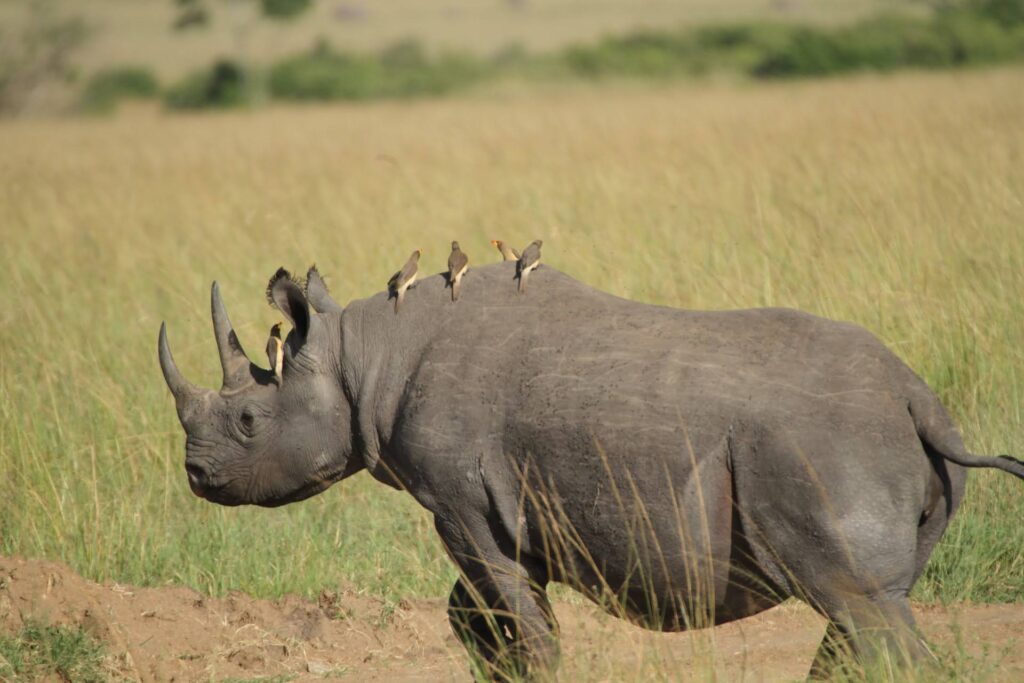
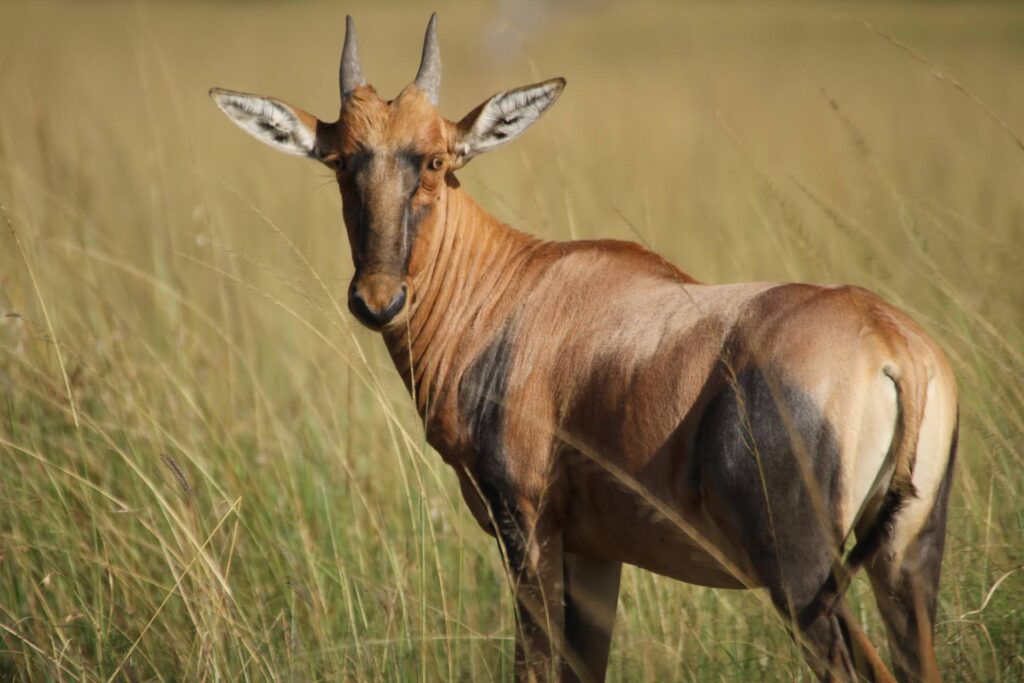
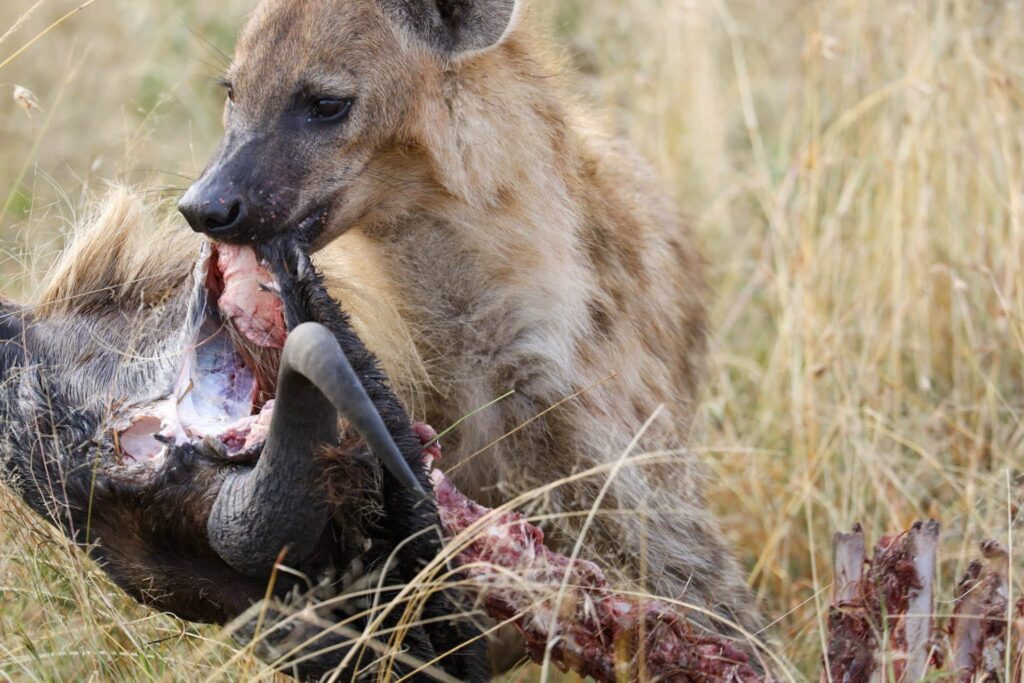
You have three ticket points and one rule: pay where you enter the Triangle, not before. The Mara Conservancy sells tickets at Oloololo Gate, Purungat Bridge Gate and Serena Airstrip, or online through KAPS with a Visa card.
Oloololo Gate
Oloololo is the northern entry and the one we use for Mara Elatia Camp. From camp it is a few minutes away, which means we are inside the Triangle at first light while guests at the eastern camps are still driving to their circuits. Gates open at 06:00.
Purungat Bridge Gate
Purungat is the southern entry, used when you cross from the main reserve over the Mara River. The drive between Oloololo and Purungat on the main road takes a little over an hour at the 50 kilometre per hour limit.
Mara Triangle vs Sekenani Gate
Sekenani Gate belongs to the other management. It is the eastern gate on the Narok side and the busiest entry in the reserve. If you are staying in the Triangle and you drive in through Sekenani, the Conservancy is clear that you do not pay park fees at Sekenani. You pay when you reach Purungat Bridge. Plan for a long cross-reserve drive and expect advice on the Sekenani transit ticket to vary, so confirm it with your operator before you leave Nairobi. Vehicles passing through the Triangle to another destination are allowed two hours of transit before fees apply.
By road from Nairobi
The drive is about 280 kilometres through Narok and across the Loita Plains to Oloololo Gate. Allow five to six hours. We leave at 7:00am and stop at the Great Rift Valley viewpoint, which we treat as non-negotiable because the drop into the Rift floor is the best argument for why you came.
By air
Three airstrips serve the Triangle: Serena Airstrip, Kichwa Tembo Airstrip and Angama Mara Airfield. Scheduled flights from Wilson Airport to Kichwa Tembo Airstrip take around 50 minutes, and the airstrip is 10 kilometres from Mara Elatia Camp. Mara Serena Safari Lodge has its own airstrip, which is why our 3 Days Masai Mara Fly-In Safari is built around it.
| EXPERT NOTE Flying saves a day but it does not change the fee clock. Your park ticket runs from 06:00 to 18:00 and does not carry overnight, so an afternoon landing followed by an evening drive can cost you a full day fee for a few hours. We time arrivals and tickets together before we quote a flying itinerary. Hellen Asiko, Director & Guest Experience Curator |
What Do the Mara Triangle Entry Fee and a Stay Cost?
| QUICK ANSWER | How much is the Mara Triangle entry fee? A non-resident adult pays USD 100 per day from January to June 2026 and USD 200 per day from July to December. Children aged 9 to 17 pay USD 50 and younger children enter free. Payment is cashless by Visa, Mastercard or M-Pesa. |
| Visitor, 2026 | January to June | July to December |
| Non-resident adult | USD 100 | USD 200 |
| Non-resident child, 9 to 17 | USD 50 | USD 50 |
| East African resident adult | KES 2,500 | KES 5,000 |
| Kenyan citizen adult | KES 1,500 | KES 3,000 |
The ticket is a 12 hour ticket valid from 06:00 to 18:00 whatever time you enter, and it does not carry overnight. Resident rates apply to residents of Kenya, Uganda, Tanzania, Rwanda and Burundi. You must show a passport with a valid visa or work permit.
Vehicle fees, ranger fees and aircraft landing fees are charged separately by the Conservancy. Campers must also hire two rangers for night security, and campsites are booked through the Conservancy’s booking site. The Triangle takes no cash. If you arrive at Purungat Bridge with only dollars in your wallet, you will be standing at the gate until someone helps you pay by phone.
What a Mara Triangle safari costs with a stay
Park fees are only one line. Our 4 Days Masai Mara Safari at Mara Elatia Camp starts from USD 1,440 per person and includes full board for three nights, the shared 4×4 Land Cruiser with pop-up roof (maximum six guests) and the park fees for Days 2 and 3. At the July to December rate that is USD 400 per adult across those two days, so we bake it into the price and you never queue at a gate. The rhino sanctuary visit on Day 1 costs USD 40 per person and sits outside the park fee. A sunrise balloon safari is an optional add-on at about USD 400 to 600 per person depending on the operator. International flights, tips and the optional Maasai village visit fee are extra.
July to December doubles the park fee. If crossings are not your priority, January to June buys you the same wildlife for half the gate cost.
| EXPERT NOTE Read any Mara quote for the line that says park fees. Some operators leave them out to look cheaper and the guest meets USD 200 a day at the gate. We state them in the price so a comparison between two quotes is honest. Ask what is included before you compare the totals. Kibara Mugo, Safari Writer and East Africa Specialist |
Which Camps Are in the Mara Triangle, Including Mara Elatia?
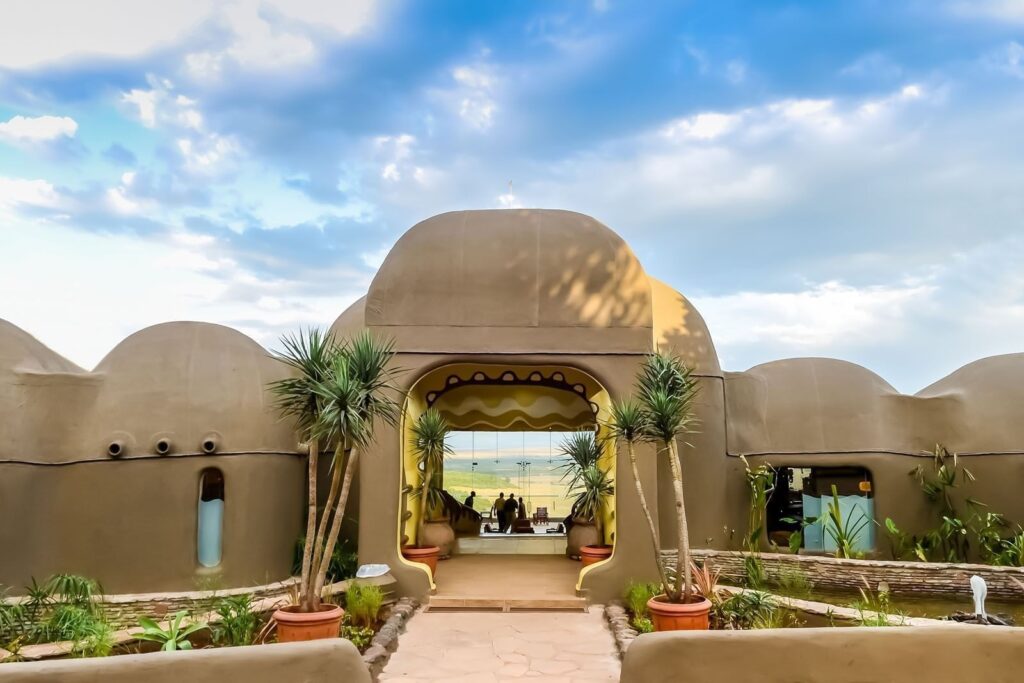
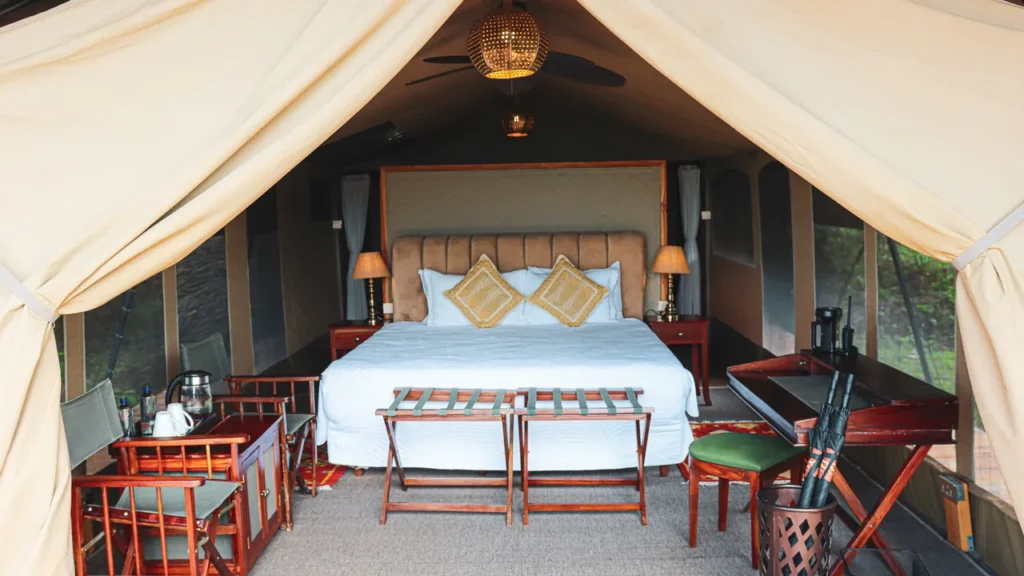
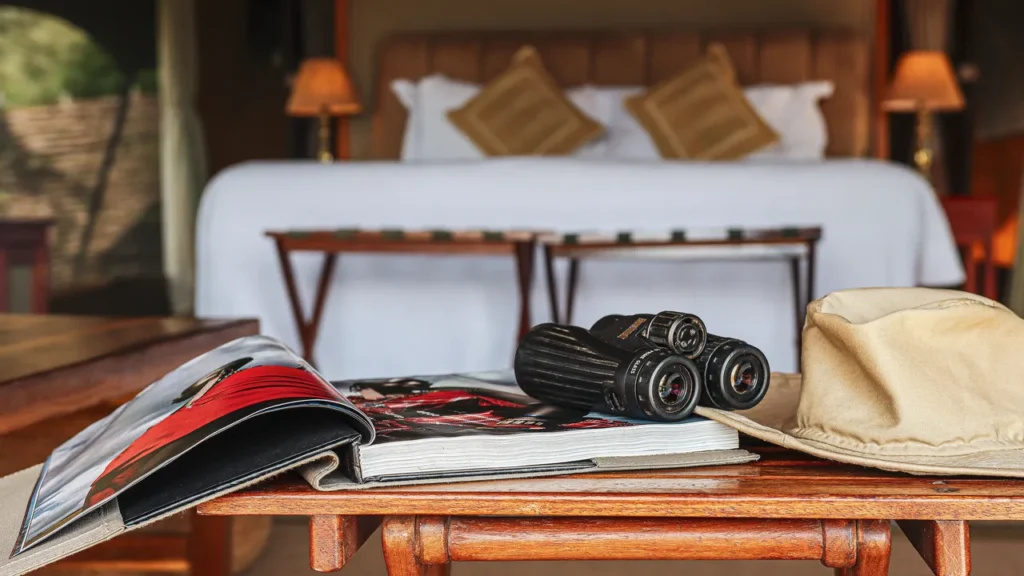
| QUICK ANSWER | Where should you stay in the Mara Triangle? Stay at Mara Elatia Camp, Mara Serena Safari Lodge or Little Governors’ Camp. Mara Serena and Little Governors’ are the only two properties inside the Triangle. Mara Elatia sits beside Oloololo Gate on the escarpment, which puts you inside the Triangle within minutes. |
The Mara Conservancy lists only two accommodations inside the Triangle boundary: Mara Serena Safari Lodge and Little Governors’ Camp. Every other camp that works the Triangle sits on or below the Oloololo Escarpment and its guests pay the Triangle park fee when they drive in. That is the reason camp choice in the Triangle is smaller and more decisive than anywhere else in the reserve.
| Camp or lodge | Position | Style |
| Mara Elatia Camp | Oloololo Escarpment, Partakilat Conservancy, minutes from Oloololo Gate | Sixteen luxury tents with private balconies and a pool |
| Mara Serena Safari Lodge | Inside the Triangle, on a hill above the Mara River | Large lodge with its own airstrip |
| Little Governors’ Camp | Inside the Triangle, by an old Mara River oxbow swamp | Tented camp with its own balloon launch site |
| Kichwa Tembo, Bateleur Camp and Angama Mara | On or just above the Oloololo Escarpment | Tented and luxury tented camps that drive into the Triangle |
| Public and private campsites | Inside the Triangle | Booked through the Conservancy, with rangers required at night |
Mara Elatia Camp
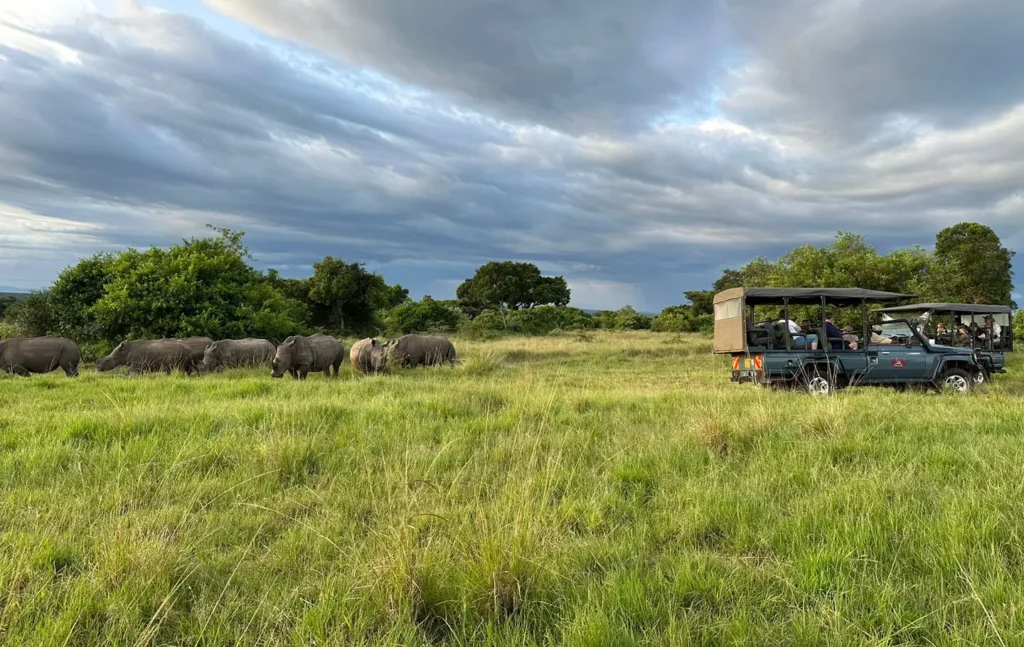
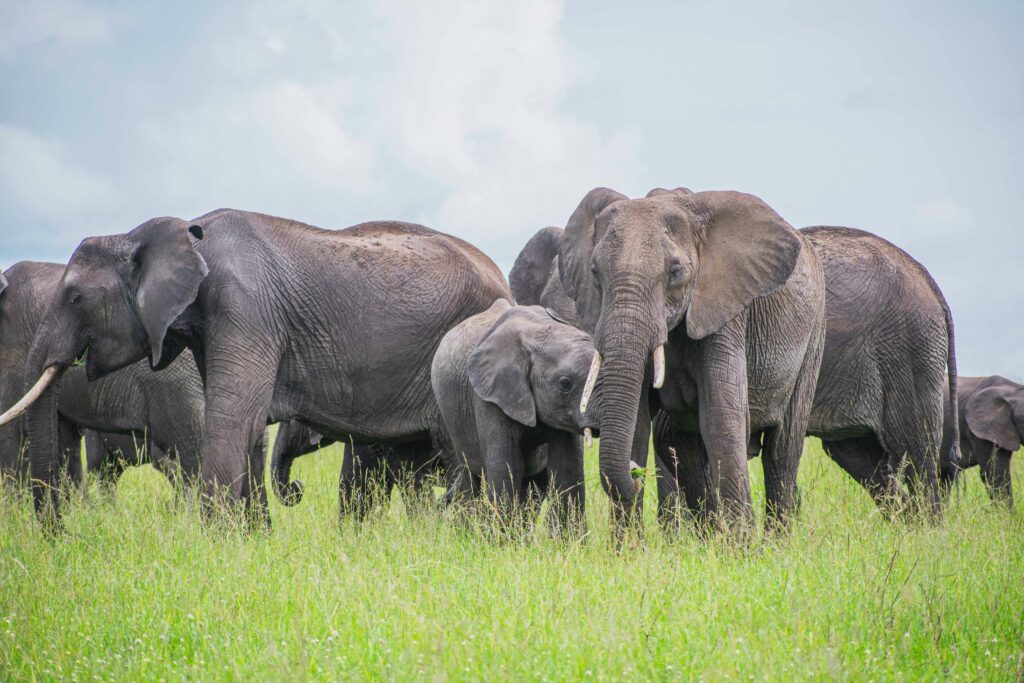
This is the camp we know best because we run the safari from it. Mara Elatia Camp opened in December 2022 on the Oloololo Escarpment inside the 3,000 hectare Partakilat Conservancy. It has sixteen tents, each with a private balcony and an en-suite bathroom with rain shower, and elephants are visible from the dining deck on most days. The conservancy has run a white rhino breeding sanctuary for over twenty years and currently holds eight white rhinos in a 152 hectare inner sanctuary. We take guests there on arrival afternoon.
The camp is family friendly and accepts children of all ages, with two interconnecting family tents. It is unfenced, so parents need to keep an eye on small children. Our guests like the position for one reason above the rest: Oloololo Gate is minutes away.
Mara Serena Safari Lodge and Little Governors’ Camp
Choose Mara Serena if you want a lodge inside the Triangle with an airstrip and a crossing nearby, which suits fly-in itineraries. Choose Little Governors’ Camp for a small camp with its own balloon launch site. Both are priced by the properties themselves and we quote them on request.
Angama Mara, Kichwa Tembo and the escarpment camps
A ring of camps sits on the Oloololo Escarpment, including Angama Mara, Kichwa Tembo and Bateleur Camp. They offer the high view and drive down into the Triangle. We are candid about the trade-off: the escarpment drive down eats into early light, which is why we prefer a camp close to a gate.
Our verdict: stay at Mara Elatia for crossings and the rhino sanctuary, take Mara Serena if you are flying, and skip anything that cannot tell you how long its drive to the river takes.
Our Featured Mara Triangle Safari
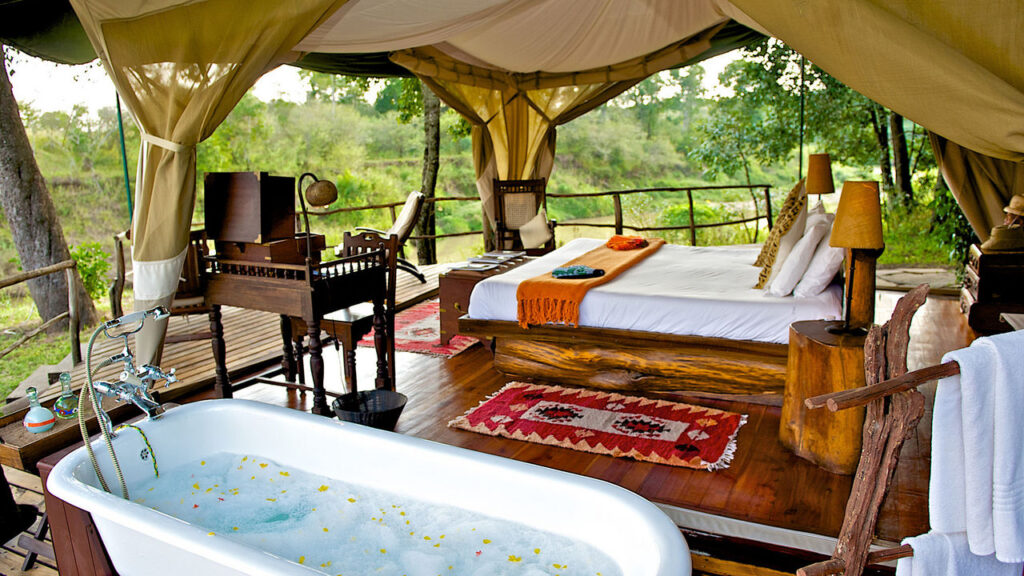
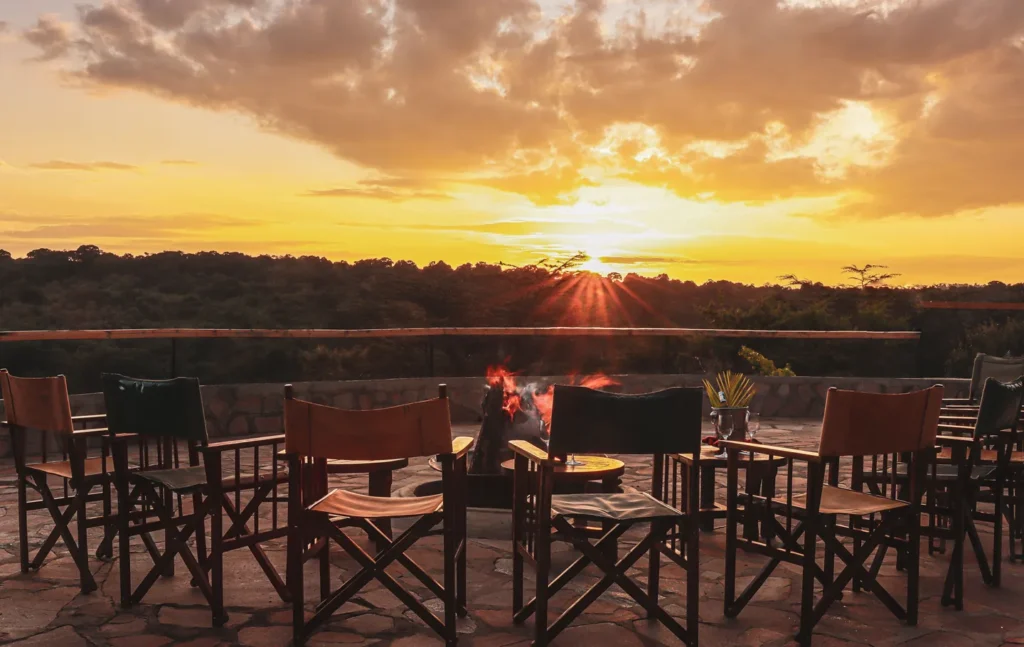
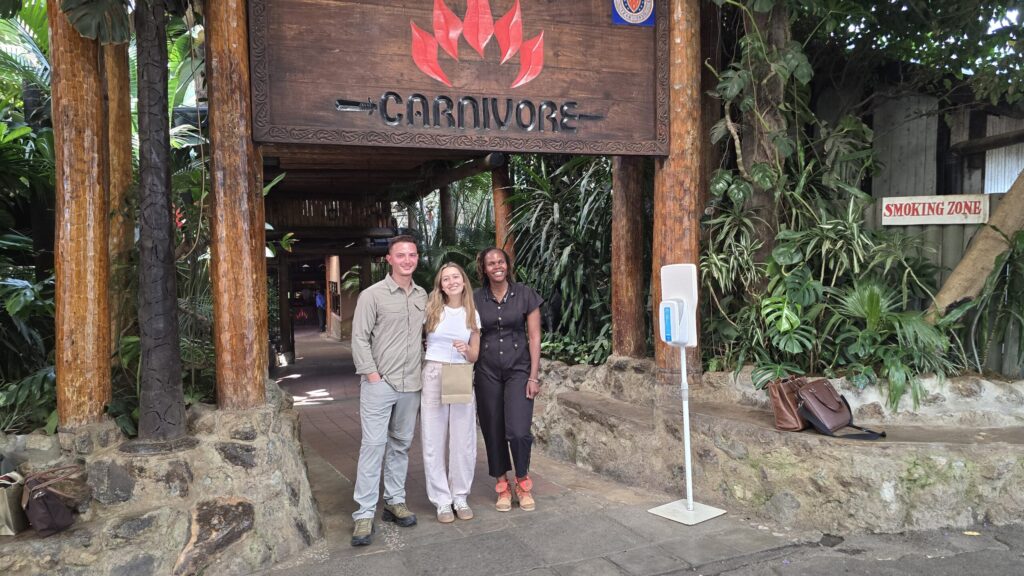
| FEATURED SAFARI 4 Days Masai Mara Safari | Mara Elatia Camp, Mara Triangle Duration: 4 days and 3 nights. Group: shared 4×4 Land Cruiser with pop-up roof, maximum six guests. From: USD 1,440 per person. Best time: July to October for the migration. Day 1: drive from Nairobi via the Rift Valley viewpoint, lunch at camp, white rhino sanctuary, Maasai nature walk and campfire storytelling. Day 2: full-day Big Five game drive through Oloololo Gate with a bush picnic lunch and an afternoon at the Mara River. Day 3: Mara River corridor drive with an optional Maasai village visit. Day 4: final morning drive, road return to Nairobi and a farewell lunch at the Carnivore Restaurant. Included: three nights full board, park fees for Days 2 and 3, driver-guide and the rhino sanctuary program. Not included: flights, insurance, tips, the optional balloon safari and the village visit fee. |
How Many Days Do You Need for a Mara Triangle Safari?
Three nights is the minimum we recommend, and our standard Triangle itinerary is four days and three nights. That gives you two full days inside the reserve after a travel day each way. For crossings, three nights buys a real chance and no guarantee. If crossings are the whole point, add a fourth night so a missed day does not end your trip.
Two nights works only if you are flying in and you want the Triangle as a short add-on. If you want night drives, guided walks or a wider mix of habitats, extend the trip with a few nights in a private conservancy such as Mara North or Naboisho after the Triangle. Those conservancies operate under their own rules and fees, which we explain in the Masai Mara complete guide rather than here.
When Is the Best Time to Visit the Mara Triangle?
July to October is the crossing season, with August and September the heaviest. The park fee is USD 200 per non-resident adult per day across that window. January to June runs at USD 100 per day. January and February are the driest of those months, and the long rains arrive from March to May, when some camps close or cut services, so check operating dates before you commit. Resident wildlife is present year-round: lion prides, cheetah on the open plains and leopard in the riverine fig trees.
Who Should Choose the Mara Triangle?
Choose the Mara Triangle if any of these describe you:
- You are travelling July to October and a Mara River crossing is the main reason you are going.
- You are a first-time safari guest who wants space around a sighting rather than a crowd.
- You are a photographer who values open plains, escarpment light and a quiet bank.
- You are travelling as a family with older children and want a camp that accepts all ages.
Skip it, or add another base, if any of these describe you:
- You want a wide choice of lodges and price points to compare.
- You travel in the green season and want to move around the whole reserve in a single trip.
- You expect the Triangle to guarantee a crossing. Nowhere does.
Pay in the right way and keep your passport in the vehicle. Those two habits save more trips than any other advice we give.
Mara Triangle Safari: Frequently Asked Questions
What is the Mara Triangle?
The Mara Triangle is the 510 square kilometre western sector of the Masai Mara National Reserve, about a third of the reserve. It lies between the Mara River and the Oloololo Escarpment. The Mara Conservancy has managed it for Narok County since June 2001.
Is the Mara Triangle better than the main Masai Mara?
It is better for crossings, space and road quality and weaker for lodge choice. The wildlife is shared across both sides. Pick the Triangle for a July to October migration trip and the main reserve for variety of camps and the Musiara big cat country.
How much is the Mara Triangle entry fee?
A non-resident adult pays USD 100 per day from January to June 2026 and USD 200 per day from July to December. Children aged 9 to 17 pay USD 50. East African resident adults pay KES 2,500 or KES 5,000 and Kenyan adult citizens pay KES 1,500 or KES 3,000, depending on the season. Confirm current rates with the Mara Conservancy before you travel.
Do river crossings happen in the Mara Triangle?
Yes, from July to October, with August and September the busiest. The herds cross the Mara River along the Triangle boundary. Allow at least three nights because no crossing can be predicted.
What are the Mara Triangle River crossing points?
Commonly used names include Serena Crossing, Cul-de-Sac, Mortuary Crossing, Purungat Bridge and Kichwa Tembo. They are folk names rather than an official register, and guides place a few of them slightly differently. The numbered crossing system belongs to the Tanzanian Serengeti, not the Kenyan side.
Where do you stay in the Mara Triangle?
Mara Serena Safari Lodge and Little Governors’ Camp are the only two accommodations inside the boundary. Mara Elatia Camp, Kichwa Tembo, Bateleur Camp and Angama Mara sit on or near the Oloololo Escarpment and drive into the Triangle. Public and private campsites are booked through the Conservancy.
Which gate do you use: Mara Triangle vs Sekenani Gate?
Use Oloololo Gate or Purungat Bridge Gate for the Triangle. Sekenani Gate belongs to the eastern Narok County side. If you stay in the Triangle but drive in through Sekenani, do not pay park fees there. Pay at Purungat Bridge.
Can you pay cash at the Mara Triangle gates?
No. The Mara Triangle accepts only cashless payment by Visa, Mastercard or M-Pesa. You can buy tickets online through KAPS before arrival or from authorised staff at Purungat Bridge, Oloololo Gate or Serena Airstrip.
How many days do you need in the Mara Triangle?
Three nights is the practical minimum and four days is the standard itinerary we run. Add a fourth night if river crossings are your priority.
Is the Mara Triangle suitable for families?
Yes, with the right camp. Mara Elatia Camp accepts children of all ages and has two interconnecting family tents, but it is unfenced, so parents must supervise small children.
Who manages the Mara Triangle?
The Mara Conservancy, a Kenyan not-for-profit organization, manages it on behalf of Narok County Government under a management agreement. It handles security, revenue collection, road maintenance and tourism management.
Book the 4-Day Mara Triangle Safari
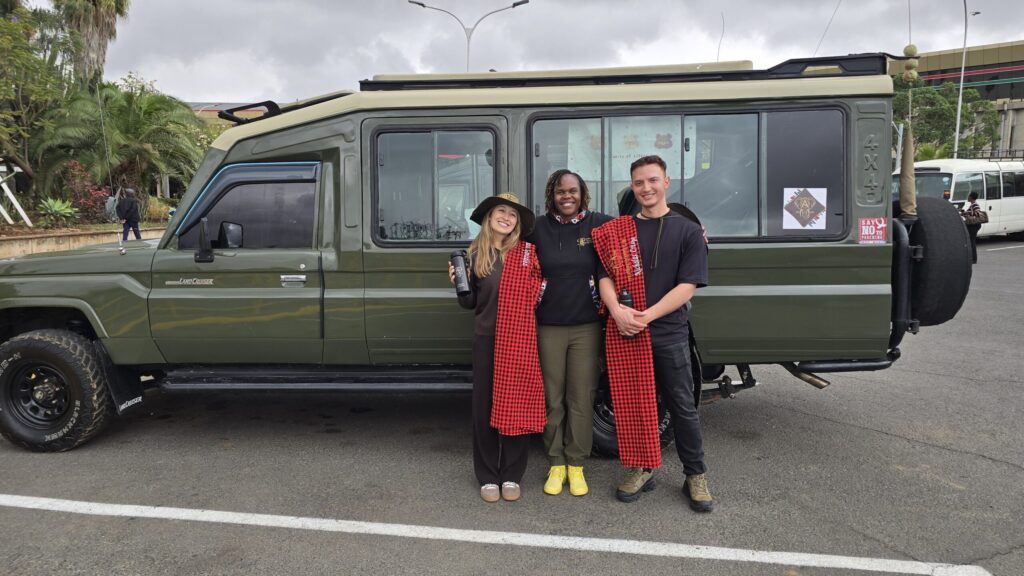
We covered what the Triangle is, how it differs from the Sekenani side, where the crossings happen, which gate to use and what you pay at the ticket point. What we add beyond this guide is the part you cannot read: a private-feel 4×4 Land Cruiser with a guide who has already picked the bank, park fees that are settled for you, a white rhino sanctuary visit on arrival day and an optional sunrise balloon over the plains. We can also extend your trip into a private conservancy or a Kenyan coast finish if you want a second landscape.
Speak to Hellen Asiko, Director & Guest Experience Curator, and she will match your dates to the Mara Elatia Camp departures or run the 4 Days Masai Mara Safari privately on any date you choose. You can read the full day-by-day on the safari page, or compare it with a Serengeti option in our Masai Mara vs Serengeti guide. Our safari vehicles page shows exactly what you will be riding in.
The first wildebeest to cross turned west, and we would like you standing on that bank when the rest follow.
Let's plan your East African safari
Tell us when you'd love to travel and a local specialist will craft a tailor-made route around you.


