What Keeps You Safe on Safari Is Not Luck. It Is Knowledge.
A practical safari safety guide from an operator who has been in the vehicle, on the plain and close enough to the wildlife to know exactly where the lines are.
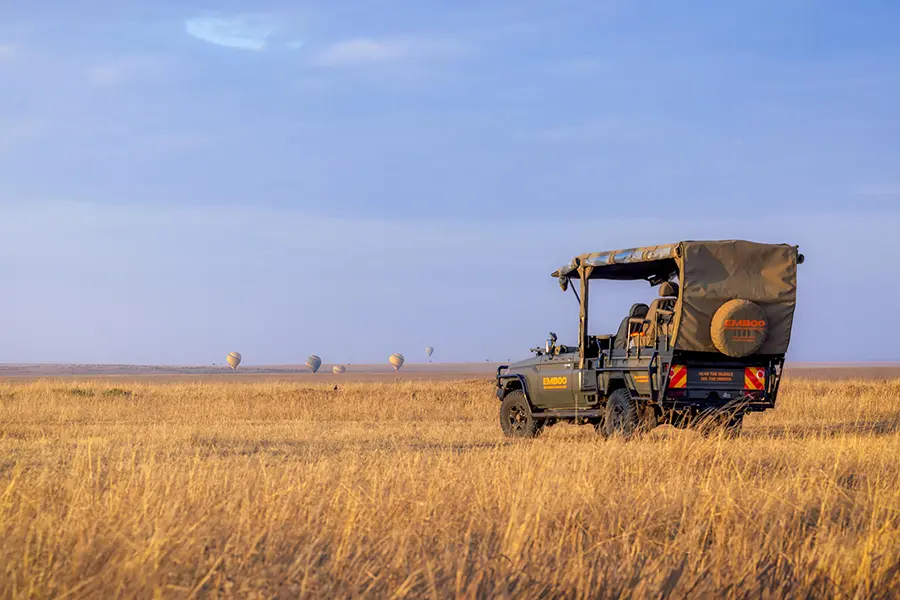
We watched a guest step out of the vehicle at Ol Pejeta Conservancy last year. Not during a walking safari. Not at a designated stop. Just a door opening, one foot on the ground and the quiet certainty on his face that the buffalo 40 metres away wasn’t a real concern. It was. His guide had the door shut again before the second foot touched the soil.
That moment is not unusual. It happens because guests arrive on safari knowing they’re on holiday and not quite believing the wildlife around them is operating by its own rules rather than theirs. A buffalo doesn’t know you’ve paid to be here. A hippo doesn’t make exceptions for reasonable people. The animals in Kenya’s parks and conservancies are wild in the fullest sense, and the gap between a safe safari and a dangerous one is almost always a behavioural one.
We’ve been running safaris out of Nairobi long enough to have seen what goes wrong and to know that it almost never goes wrong when guests follow a small number of clear principles. This is that guide. It’s not cautionary tale writing. It’s what we tell every client before they board a flight from Wilson Airport to the Masai Mara, Samburu or Amboseli National Park.
QUICK ANSWER | Is safari in Kenya safe?
A Kenya safari is safe when following guide instructions and respecting wildlife boundaries. Most risks are avoidable by remaining inside vehicles, avoiding leaning toward animals, observing dark camp movement rules, and booking accredited operators with AMREF medical evacuation coverage.
AT A GLANCE
- Primary risk on safari: Human behaviour, not animal aggression
- Regulatory body: Kenya Wildlife Service (KWS)
- Walking safari minimum guide requirement: Kenya Professional Safari Guides Association (KPSGA) Level 2 certification
- Recommended travel insurance: Medical evacuation cover minimum
- Emergency air evacuation provider: AMREF Flying Doctors, Nairobi
- Vehicle rule: Never stand or exit without guide clearance
- Night movement: Only within camp boundaries; no solo walks after dark
The Vehicle Is Your Primary Safety Barrier
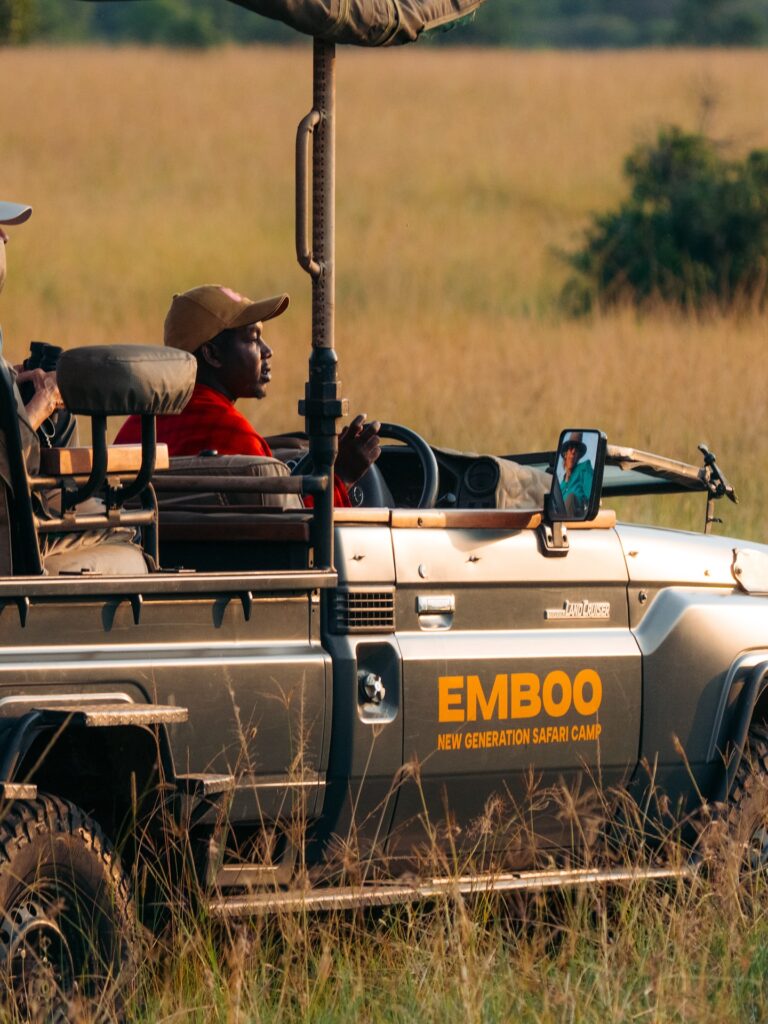
This is not metaphor. A Land Cruiser is a physical boundary that wildlife reads as a single large object, not as a group of people. Animals that have grown up around safari vehicles in conservancies like the Masai Mara or Laikipia don’t associate the vehicle with a threat. The moment a human figure appears above the roofline or a door opens, that equation changes.
Stay seated when animals are close. Don’t wave your arms above the open roof hatch. Don’t stand up fully when you’ve spotted something exciting 10 metres away. Your guide will position the vehicle for the best view without requiring you to change your profile. Trust that positioning. It’s what they’ve been trained for.
The vehicle isn’t limiting your experience. It is the experience. It’s the reason the animals are comfortable close enough to photograph.
Walking Safaris Have a Protocol. Follow It Exactly.
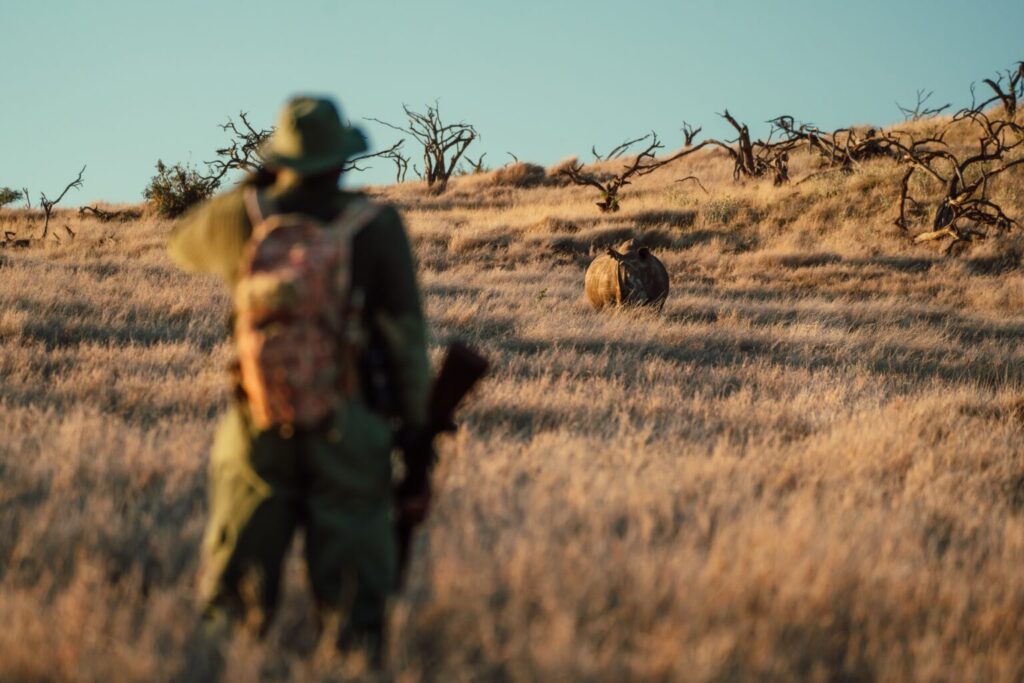
Walking safaris are one of the finest ways to experience the Kenyan bush. Silence, scale, the smell of red oat grass after rain. We recommend them. We also insist that every guest understands what they’re agreeing to before they step off the track.
At Ol Pejeta, walks are led by armed rangers alongside KPSGA-certified guides. The ranger is not a formality. Walk in the order your guide specifies, typically single file. Don’t overtake. Don’t stop unless your guide stops. If your guide signals for silence, you are silent immediately. These are not suggestions presented politely. They’re instructions with a direct function.
Don’t wear bright colours on a walking safari. Neutral tones: khaki, olive, grey and tan. Don’t use strong perfume. Don’t carry food in open bags. These details matter because proximity on foot is a different proposition from proximity in a vehicle.
Hippos, Buffalo and Elephant: The Three That Cause Most Incidents
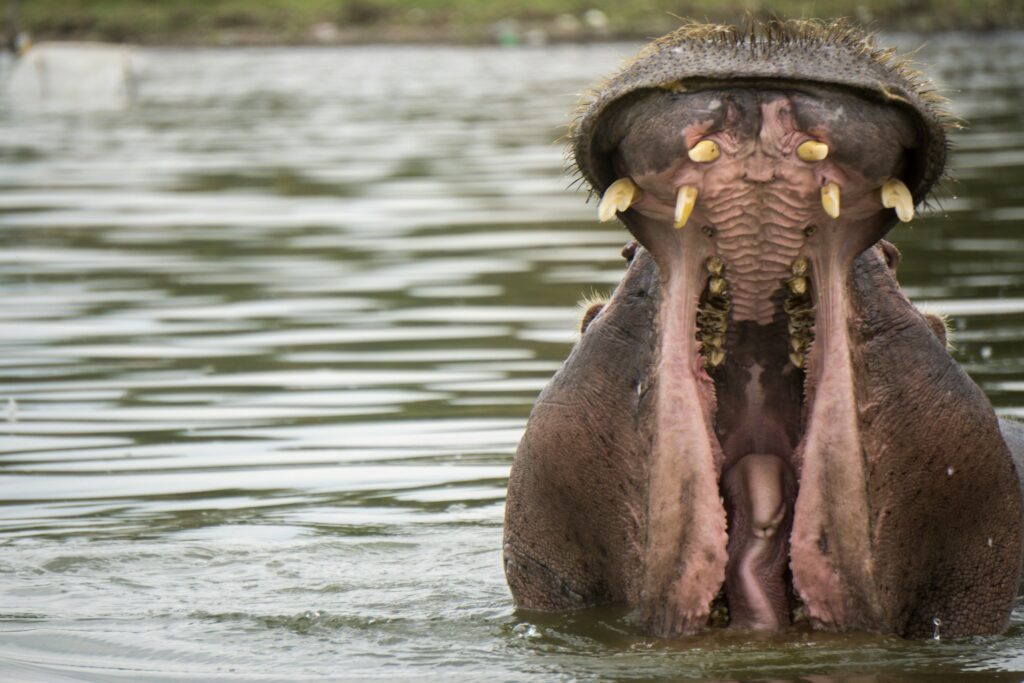
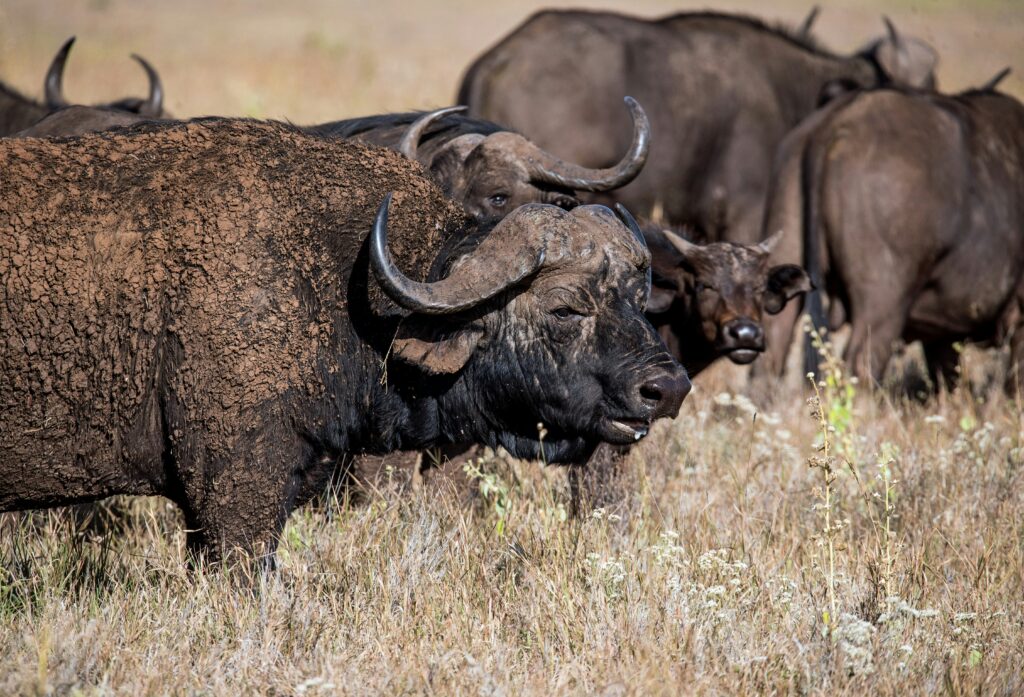
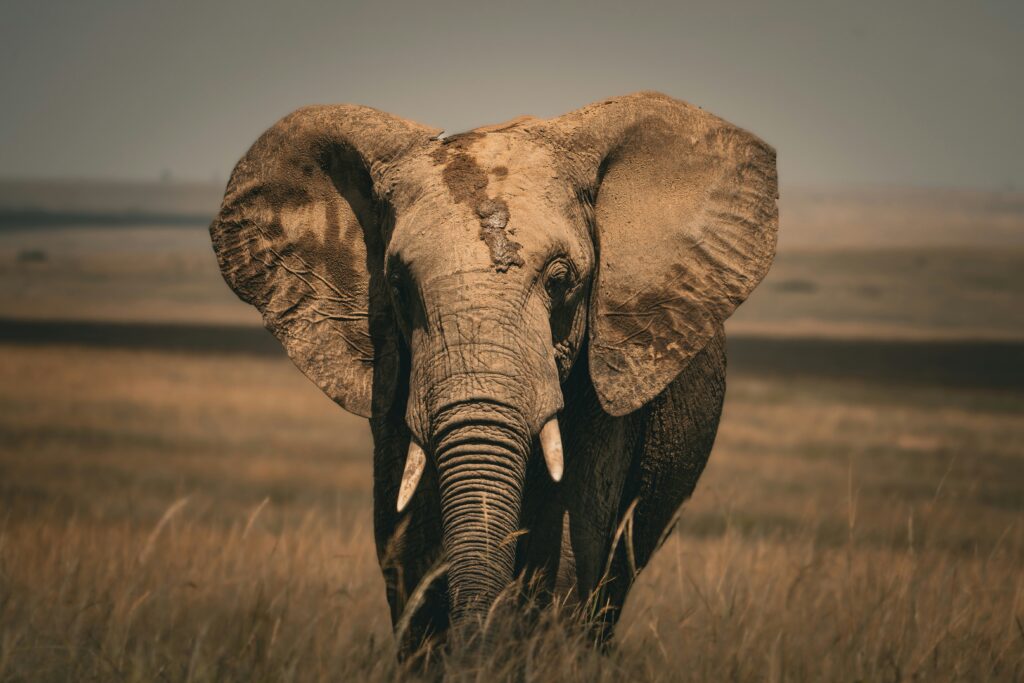
Lion gets the attention. Hippo, buffalo and elephant cause most of the serious incidents in sub-Saharan Africa. Know why.
Hippos leave the water at night to graze. If you’re camped near a lake in Naivasha or staying at a riverfront lodge or camp along the Mara River, this is not theoretical. Don’t walk between the river and a hippo on land. Don’t place yourself between a hippo and water. Their speed on land, up to 30km/h in a short sprint, surprises most people.
Buffalo are unpredictable in a way that even experienced guides treat with serious respect. A herd looks calm until it isn’t. Give them space. If you’re in an open vehicle and a buffalo makes a mock charge, stay down and stay still.
Elephant will give you warnings: ears spread wide, head lowered, a mock charge with raised dust. If your guide says move, move. Don’t try to photograph the charge. Don’t assume it’s theatre.
Health Preparation Begins Before You Board
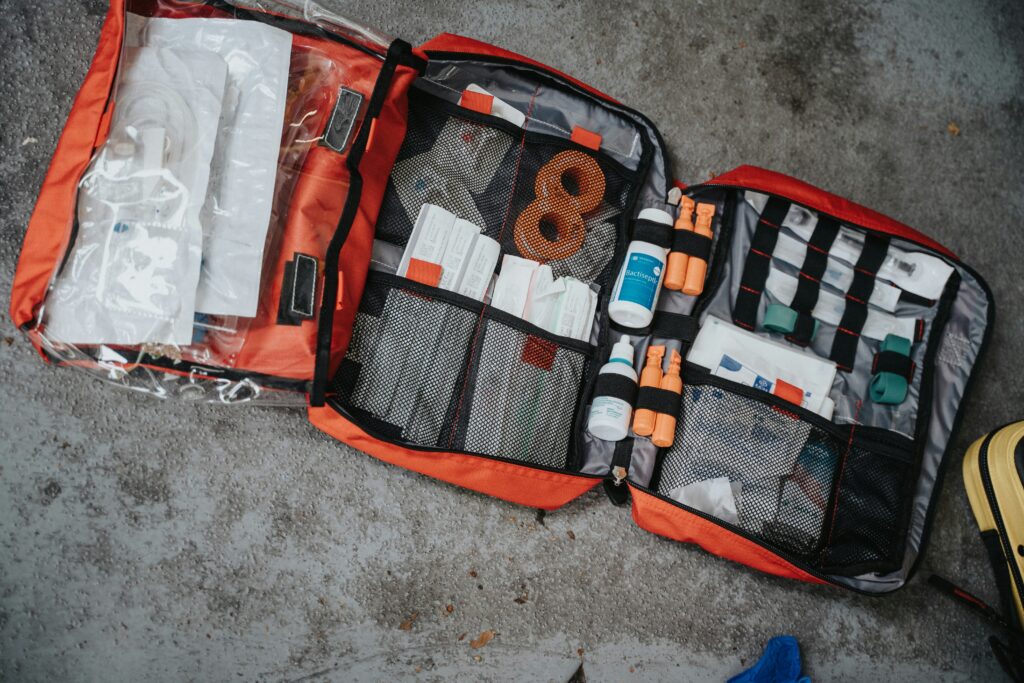
Malaria is present in most of Kenya’s major wildlife areas including the Masai Mara, Tsavo East and Samburu National Reserve. Start antimalarials before you arrive. The specific drug and timeline depend on your medical history: consult a travel health clinic rather than deciding this yourself.
Yellow fever vaccination is required for some Kenya entry situations depending on your previous travel. Check current Kenya Ministry of Health requirements and carry your vaccination certificate. AMREF Flying Doctors offers emergency medical evacuation from remote areas across Kenya. A travel policy with evacuation cover is not optional. It’s the minimum.
Bring your own supply of any prescription medication. Nairobi has well-stocked pharmacies but remote conservancies do not. A basic personal kit should include: broad-spectrum sun protection of SPF 50 or higher, lip balm, insect repellent with at least 20% DEET, antihistamine for local reactions and oral rehydration salts for the heat.
Night Rules at Camp
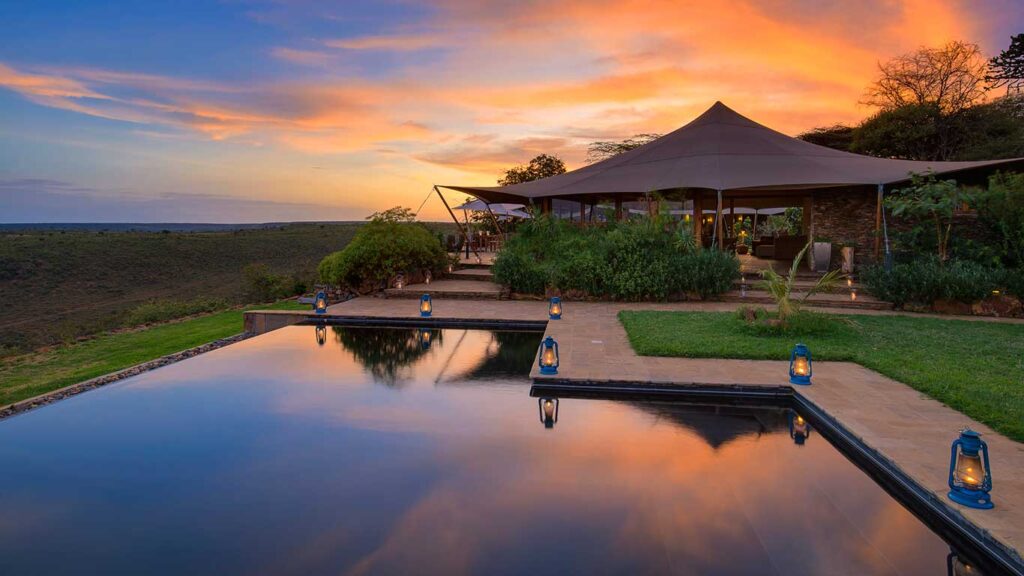
Every camp has a specific protocol for movement after dark. At Lewa Wildlife Conservancy, Ol Pejeta and most tented camps in the Masai Mara ecosystem, this means a camp escort if you need to move between your tent and the main area at night. This isn’t performative. Wildlife moves through camp. Hyenas are common. Elephant occasionally pass through.
Don’t leave food in your tent. Don’t leave your tent zip open. If you hear something large outside, don’t open the flap to look. Let your guide or camp manager know in the morning. These camps have staff who know exactly how to assess and respond. You don’t need to solve it yourself.
Frequently Asked Questions
Is the Masai Mara safe for tourists right now?
Yes. The Masai Mara is one of Kenya’s most visited and most managed wildlife destinations. KWS maintains active ranger presence and the major conservancies operate their own security. Follow your operator’s guide instructions and you’ll have no issues.
What should I do if an animal approaches the vehicle?
Stay still and stay seated. Don’t make sudden movements or sounds. Your guide will manage the situation. In most cases the animal will lose interest and move on. The vehicle’s stillness is the signal that you’re not a threat.
Are walking safaris dangerous?
Walking safaris carry a different risk profile from vehicle safaris but they’re conducted safely every day across Kenya. The risk is managed through qualified armed rangers, certified guides, strict protocol and small group sizes. Incidents are rare and almost always trace back to protocol deviation.
Do I need travel insurance for a Kenya safari?
Yes, and it must include medical evacuation cover. A standard travel policy without evacuation cover is not sufficient for remote areas. AMREF Flying Doctors provides emergency air evacuation across Kenya and is the benchmark service for serious incidents.
What happens if I get ill on safari?
Your camp manager is your first contact. All reputable camps have communication with Nairobi-based medical services and evacuation protocols. This is one of the reasons booking with a Kenya-based operator matters: we know which camps have robust medical response and which don’t.
Can children go on safari safely?
Yes. Most camps in the Masai Mara and Laikipia accept children from age 6 or older, though some private conservancies set the minimum at 12. The main consideration is whether a child can follow instruction reliably, particularly in the vehicle and on any walking activity. We can advise on family-appropriate camps and itineraries specifically.
How We Help You Prepare
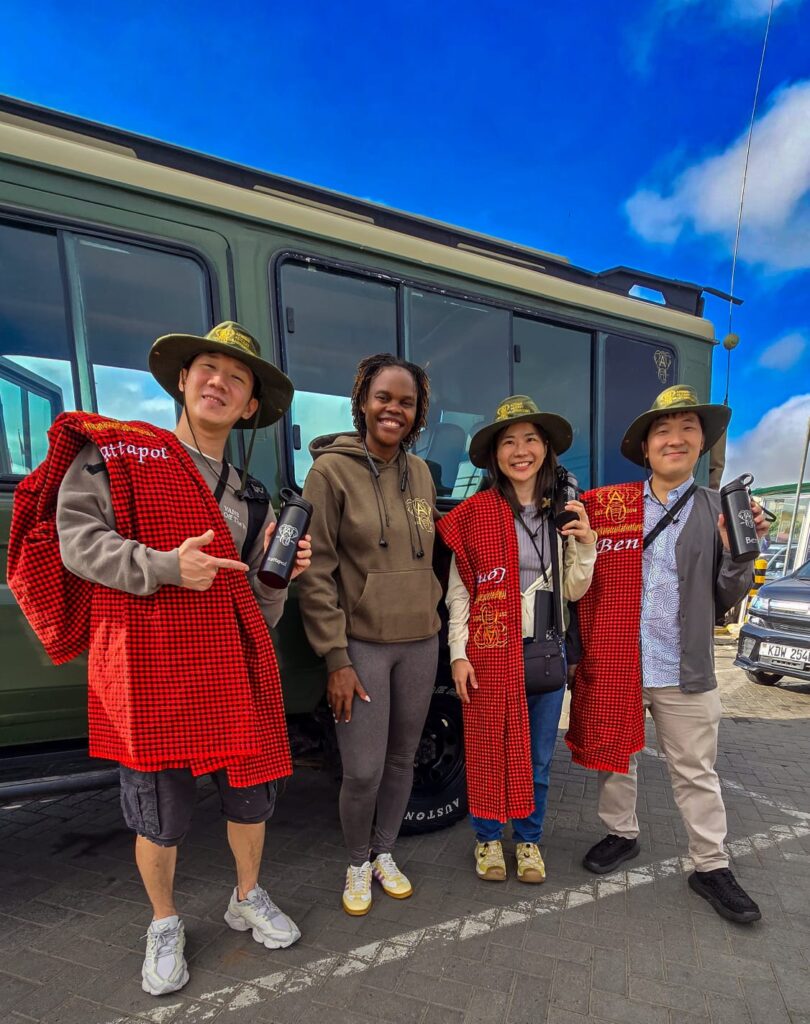
Every client who books a safari through Afrikan Accent Adventures receives a pre-departure briefing that covers the specifics of their itinerary, not a generic safety document. We know which camps along your route have the strongest guide certification. We know the seasonal risk factors for the conservancies you’ll visit. We know which sections of the Mara River require particular awareness during peak migration when hippo density is highest.
This article covers the principles. What we offer is the camp-by-camp, conservancy-by-conservancy detail that only comes from actually being there, which we have been.
Talk to our safari experts before your trip. The knowledge that keeps you safe on safari is the same knowledge that makes the experience unforgettable.
Let's plan your East African safari
Tell us when you'd love to travel and a local specialist will craft a tailor-made route around you.


