Family Safaris
Lewa Conservancy
Private conservancy country
Discover Lewa Wildlife Conservancy
Located in the heart of Laikipia County, approximately 260 km (162 miles) north of Nairobi, Lewa Wildlife Conservancy is one of Africa’s leading wildlife conservation success stories and among Kenya’s most exclusive safari destinations. Covering approximately 250 km² (62,000 acres), Lewa combines spectacular wildlife viewing with world-renowned conservation initiatives, luxury safari experiences and meaningful community partnerships.
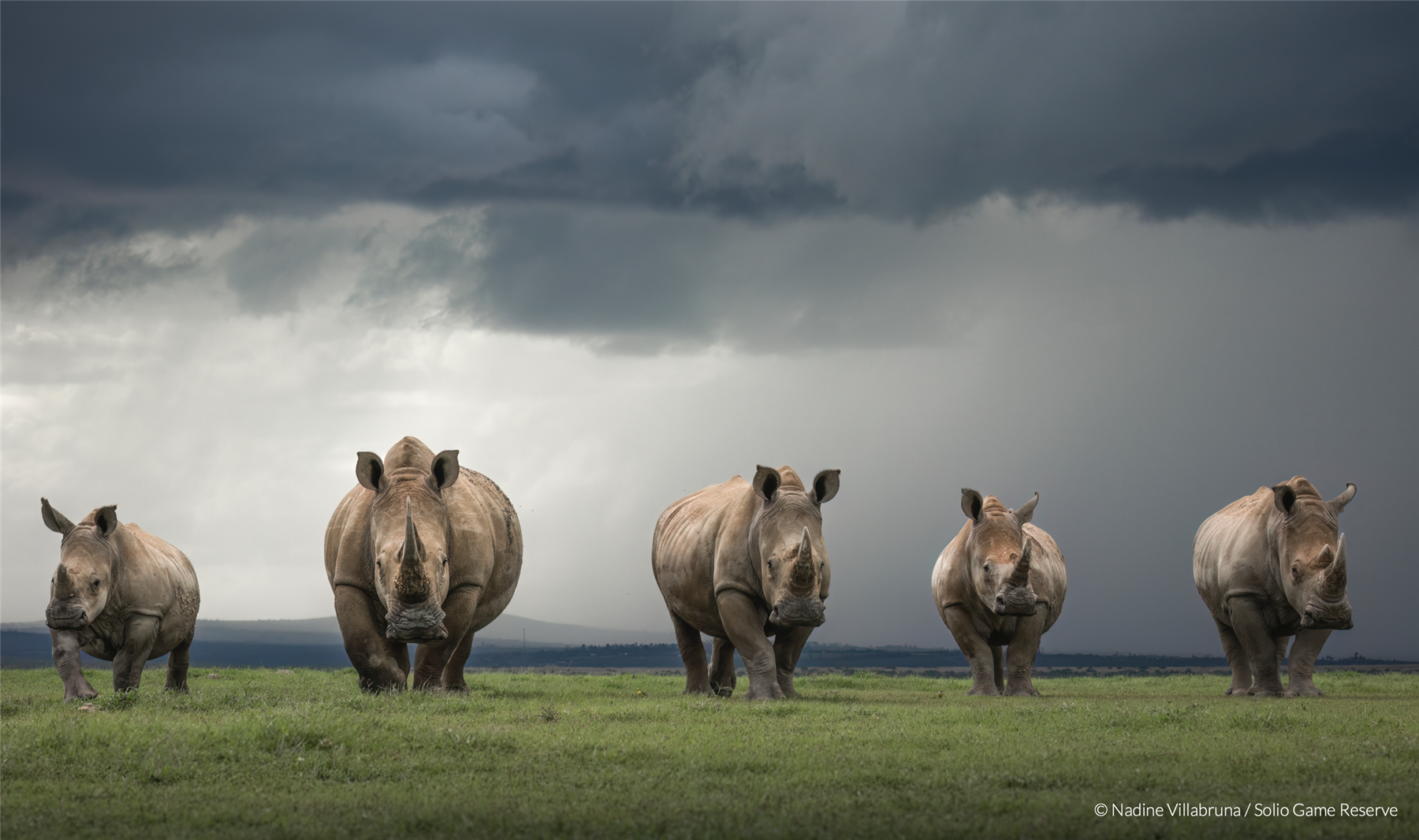
Established in 1995 from a former cattle ranch, Lewa Wildlife Conservancy has become a global model for conservation and sustainable tourism. The conservancy protects some of Kenya’s most endangered species, including the black rhinoceros, white rhinoceros and the critically endangered Grevy’s zebra, while supporting one of the largest elephant populations in Laikipia.
Lewa is home to the Big Five—lion, leopard, elephant, buffalo and both black and white rhinos along with more than 70 mammal species and over 450 bird species. Unlike Kenya’s national parks, Lewa offers exclusive safari activities unavailable in many protected areas, including guided walking safaris, horseback safaris, camel trekking, mountain biking and scenic flights over Mount Kenya and the Laikipia Plateau.
Visitors enjoy uncrowded game drives across rolling savannahs, acacia woodlands, riverine forests, wetlands and dramatic hills, with breathtaking views of Mount Kenya, Africa’s second-highest mountain. Lewa’s commitment to wildlife conservation, luxury hospitality and community empowerment has earned international recognition, including designation as part of the Mount Kenya UNESCO World Heritage Site extension.
Whether you’re seeking a luxury honeymoon, family safari, photographic expedition, or conservation-focused adventure, Lewa Wildlife Conservancy delivers one of Kenya’s most exclusive and rewarding safari experiences.
Why travellers love Lewa Wildlife Conservancy
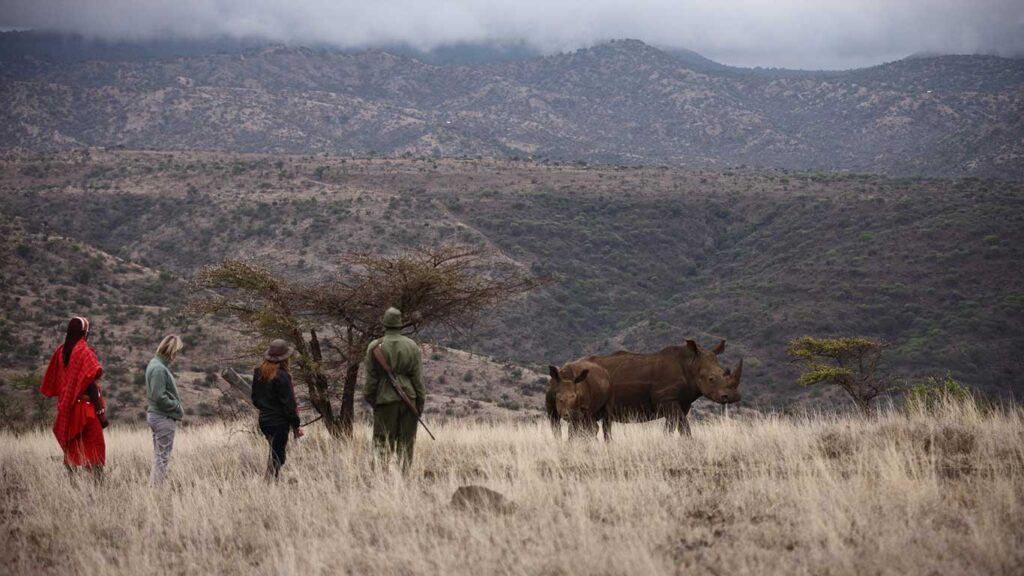
Home of Kenya's Largest Rhino Sanctuary
Lewa Wildlife Conservancy protects one of the country's largest populations of black and white rhinoceroses, making it one of Africa's most successful…
Exclusive Walking Safaris
Unlike many national parks, Lewa offers professionally guided walking safaris that allow guests to explore the African wilderness on foot. Experienced guides…
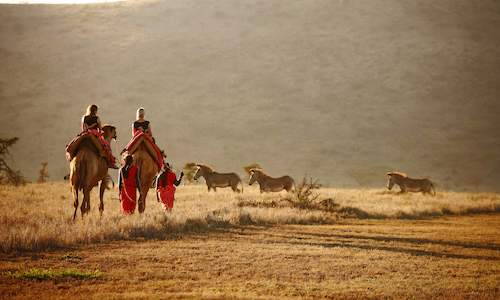
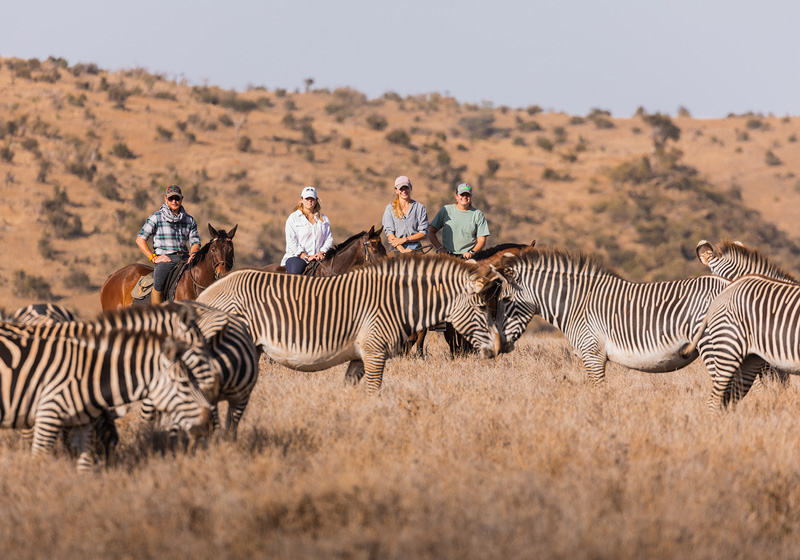
Horseback and Camel Safaris
Lewa pioneered horseback and camel safaris in Kenya, allowing guests to quietly approach wildlife without the noise of vehicles. Riding alongside giraffes,…
Spectacular Views of Mount Kenya
The conservancy enjoys magnificent panoramic views of Mount Kenya, whose snow-capped peaks create an extraordinary backdrop for wildlife photography, sunrise game drives…
Exceptional Birdwatching
Home to more than 450 bird species, Lewa is a paradise for bird enthusiasts. Visitors frequently spot martial eagles, African fish eagles,…
Award-Winning Conservation & Community Tourism
Lewa is internationally recognized for combining wildlife conservation with community development. Tourism directly supports local education, healthcare, sustainable agriculture and employment while…
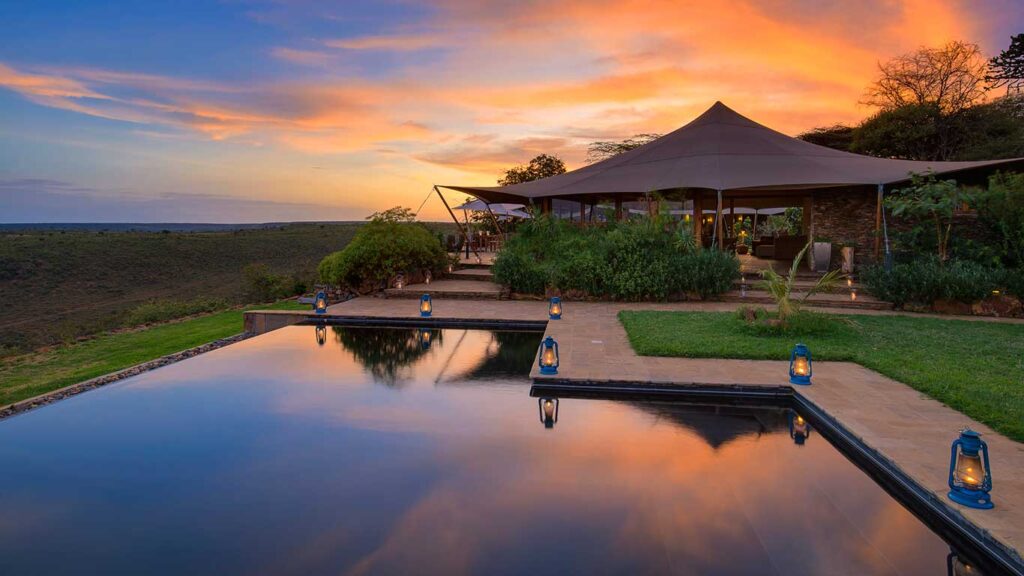
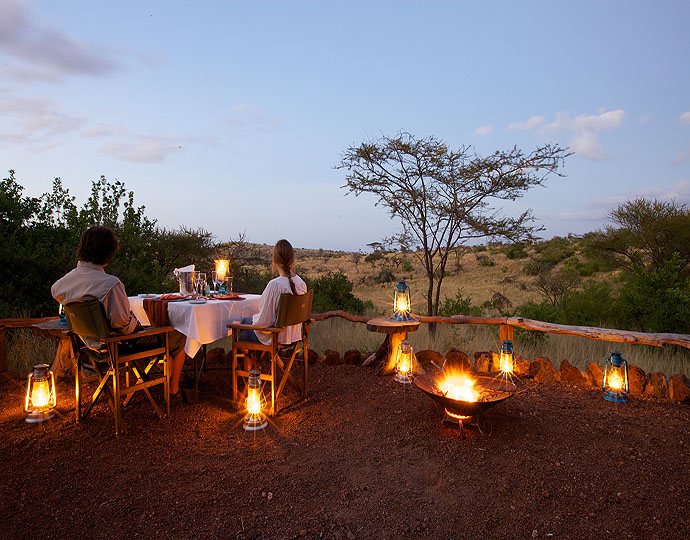
Luxury Safari Lodges & Exclusive Experiences
Lewa is home to some of Kenya's finest luxury safari lodges and tented camps. Guests enjoy personalized service, gourmet cuisine, spa treatments,…
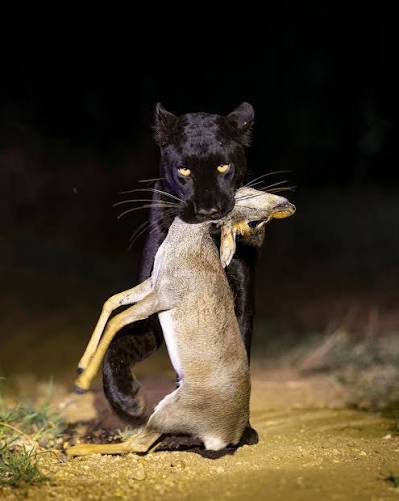
Big Five Wildlife Viewing
Lewa is among the few destinations in Kenya where visitors can comfortably encounter the Big Five; lion, leopard, elephant, buffalo and rhinoceros…
Lewa Wildlife Conservancy safaris
Family SafarisLewa Wildlife Conservancy’s iconic wildlife


Accommodation in Lewa Wildlife Conservancy
From value camps to premium lodges — we match every stay to your style and budget.
Mid-Luxury
Comfortable tented camps just outside the reserve gates. En-suite rooms with hot showers, full-board meals, and close proximity to the Mara.
- Borana Lodge
- Sasaab (nearby)
- Ol Malo Lodge
Luxury Lodges
Spacious canvas tents on raised platforms with private decks, often inside or adjacent to conservancies. Better access and fewer crowds.
- Sirikoi Lodge
- Elewana Lewa Safari Camp
- Lewa House
- Kifaru House
- Arijiju Retreat
Lewa Wildlife Conservancy's seasons
Every season has its magic — here's what to expect when, so you can travel at your perfect time.
- ✓ Best wildlife viewing
- ✓ Excellent photography
- ✓ Clear views of Mount Kenya
- ⓘ Cooler temperatures
- ✓ Warm sunny weather
- ✓ Calving season
- ✓ Excellent birdwatching
- ✓ Fewer visitors
- ✓ Lowest prices (20–30% off)
- ✓ Fewer tourists — exclusive feel
- ✓ Best birding season (migrants)
- ⓘ Some rain — short afternoon showers
Practical travel info
Everything you need to know before you go — and we’ll guide you through every step.
Where is Lewa Wildlife Conservancy
Lewa Wildlife Conservancy — your questions answered
What is the best time to visit the Masai Mara?
The Masai Mara is excellent year-round. July–October is peak season for the Great Migration and dramatic river crossings. January–March offers calving season with incredible predator action. November–December is the "green season" with fewer crowds, lower prices, and excellent birding.
How much does a Masai Mara safari cost?
Budget shared safaris start from $450/person for 3 days including accommodation, meals, transport, and park fees. Mid-range private safaris range $800–$1,200. Luxury and flying safaris start from $1,500+ per person. All Afrikan Accent Adventures packages include park entry fees, full-board accommodation, and professional driver/guide.
What animals can you see in the Masai Mara?
The Masai Mara is famous for the Big 5 — lion, leopard, elephant, buffalo, and rhino. You'll also see cheetahs (the Mara has one of Africa's highest densities), hippos, crocodiles, Masai giraffes, zebras, wildebeest, hyenas, jackals, servals, and over 450 bird species including martial eagles, lilac-breasted rollers, and secretary birds.
How do I get to Masai Mara from Nairobi?
By road: 5–6 hour scenic drive (270km) from Nairobi through the Great Rift Valley via Narok. The drive is half the experience — stunning viewpoints and glimpses of rural Kenya. By air: 45-minute flight from Nairobi's Wilson Airport to Mara airstrips (Keekorok, Olkiombo, Musiara). All Afrikan Accent Adventures packages include transfers.
What is the Masai Mara park entry fee?
Non-resident adults: $80/person/day (24 hours). Children (3–17): $45/day. East African citizens: KES 1,200/adult. Conservancy fees vary ($80–$120/day) but include exclusive activities. All fees are included in Afrikan Accent Adventures packages.
Is the Masai Mara safe for families with children?
Absolutely! The Masai Mara is one of the safest safari destinations in Africa. Children of all ages are welcome, and the open grasslands mean sightings are easy to spot even for young travellers. Many lodges offer family-friendly rooms, kids' programs, and short "mini game drives." We recommend children be at least 5 years old for the best experience.
Lewa Wildlife Conservancy travel guides
It Happened: The First Mara River Crossing of 2026 Unfolded Right In Front of Us
Yesterday, we watched the Great Migration take its first real leap across the Mara River, with the herds…
Read more →Masai Mara: the complete guide to Kenya’s greatest wildlife reserve
1,510 square kilometres of open savannah, eight private conservancies, year-round big cats, the world's largest overland migration and…
Read more →The Mara Is Rumbling: Wildebeest Are Already Pounding Their Way Towards Kenya
We are standing on the Sand River right now and the Great Wildebeest Migration 2026 has arrived weeks…
Read more →
Let’s plan your Lewa Wildlife Conservancy safari
Tell us what you’d love to see and a local specialist will design a tailor-made itinerary around you — no obligation, reply within 24 hours.