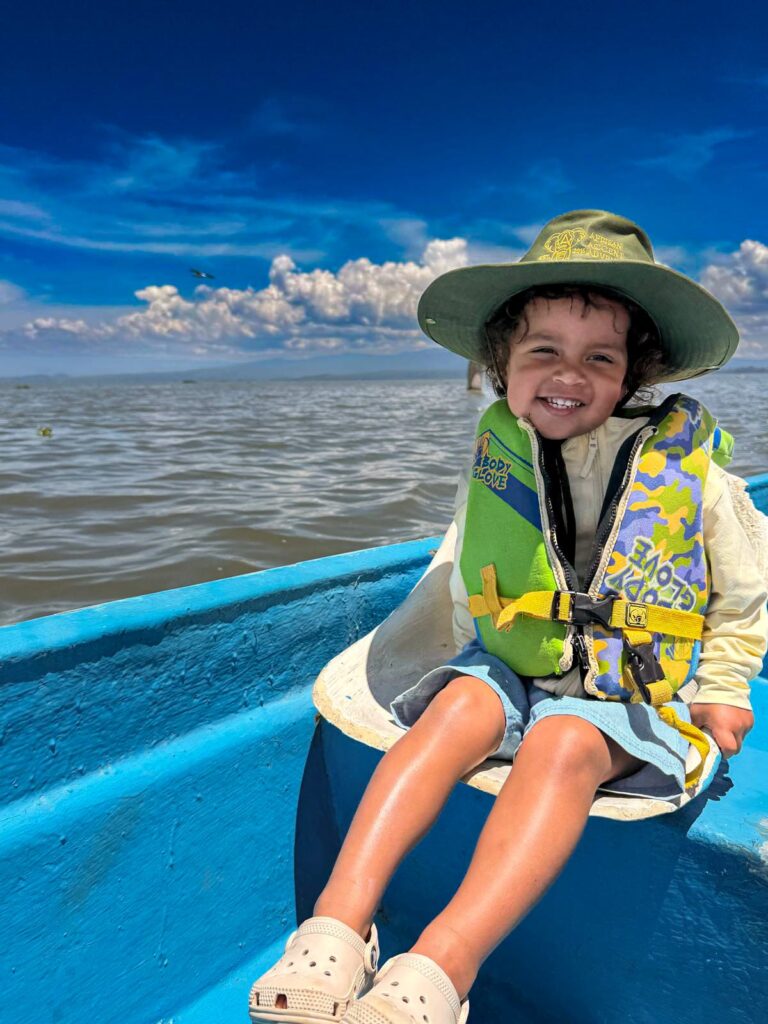
Early morning on the southern shore of Lake Naivasha. The water is almost completely still, the papyrus along the edge is catching the first light and somewhere beyond the reeds a fish eagle is calling. A hippo surfaces close to the boat, disappears again, and for a few minutes the only movement on the lake is the wake behind us.
Lake Naivasha sits in Kenya’s Great Rift Valley, roughly 90 kilometres northwest of Nairobi, at an elevation of about 1,880 metres above sea level. It is a shallow freshwater lake surrounded by acacia woodland, papyrus wetlands, volcanic landscapes and some of the most productive agricultural land in the country. The wider Lake Naivasha wetland system covers approximately 30,000 hectares and was designated a Ramsar Wetland of International Importance in 1995.
What makes Lake Naivasha different from many of Kenya’s safari destinations is the combination of freshwater, birdlife, large mammals and adventure activities within a relatively compact area. There are no traditional Big Five game drives on the open lake itself. Instead, a Lake Naivasha safari revolves around boat rides among hippos and waterbirds, walking safaris on Crescent Island, cycling and hiking at nearby Hell’s Gate National Park, birdwatching, and exploring the volcanic landscapes surrounding the lake.
The lake is also unusual because it has no visible surface outlet yet remains freshwater. The Malewa and Gilgil rivers are its principal inflows, while underground seepage and the lake’s geological characteristics help maintain its freshwater conditions.
For us, Lake Naivasha is one of the best places to slow a Kenya safari down. After several days of game drives in the Masai Mara, Samburu or Amboseli, a morning on the lake, an afternoon walking among giraffes or a hike through Hell’s Gate can completely change the rhythm of the trip.
QUICK ANSWER | What is Lake Naivasha?
Lake Naivasha is a freshwater lake in Kenya’s Great Rift Valley, approximately 90 kilometres northwest of Nairobi. It lies at about 1,880 metres above sea level and forms part of a Ramsar wetland system covering approximately 30,000 hectares. Lake Naivasha is known for hippos, abundant waterbirds, African fish eagles, scenic boat rides, Crescent Island and its proximity to Hell’s Gate National Park.
Lake Naivasha At a Glance
Location: Nakuru County, Great Rift Valley, Kenya
Distance from Nairobi: Approximately 90 kilometres northwest
Altitude: Approximately 1,880 metres above sea level
Lake type: Freshwater, shallow Rift Valley lake
Ramsar designation: 1995
Ramsar wetland area: Approximately 30,000 hectares
Main inflows: Malewa and Gilgil rivers
Known for: Hippos, African fish eagles, waterbirds, Crescent Island and Hell’s Gate National Park
Main activities: Boat rides, birdwatching, walking safaris, cycling, hiking, photography and wildlife viewing
Nearby attractions: Hell’s Gate National Park, Crescent Island, Mount Longonot, Lake Oloidien and Crater Lake
Wildlife of Lake Naivasha
Lake Naivasha may not be a conventional game-drive destination, but the wildlife around the lake is one of its biggest attractions. Hippos are the most recognisable large mammals, spending much of the day in the water before moving onto the shoreline and surrounding grassland to feed.
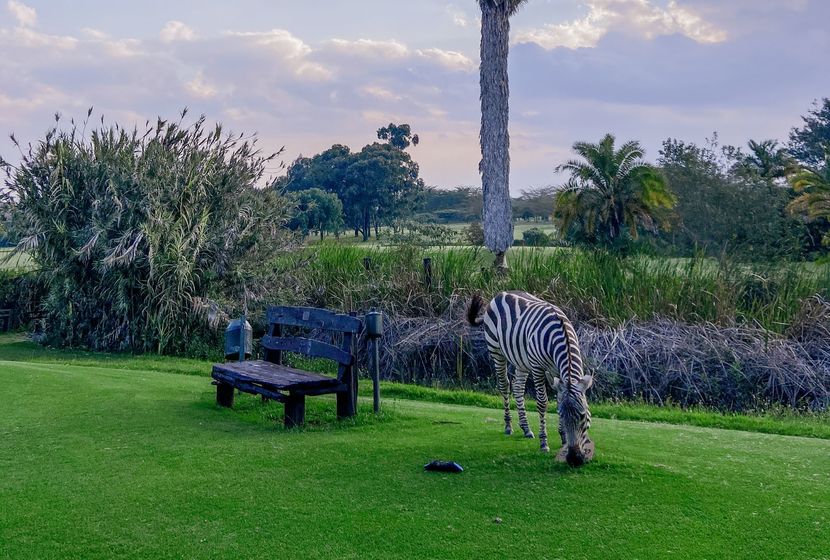
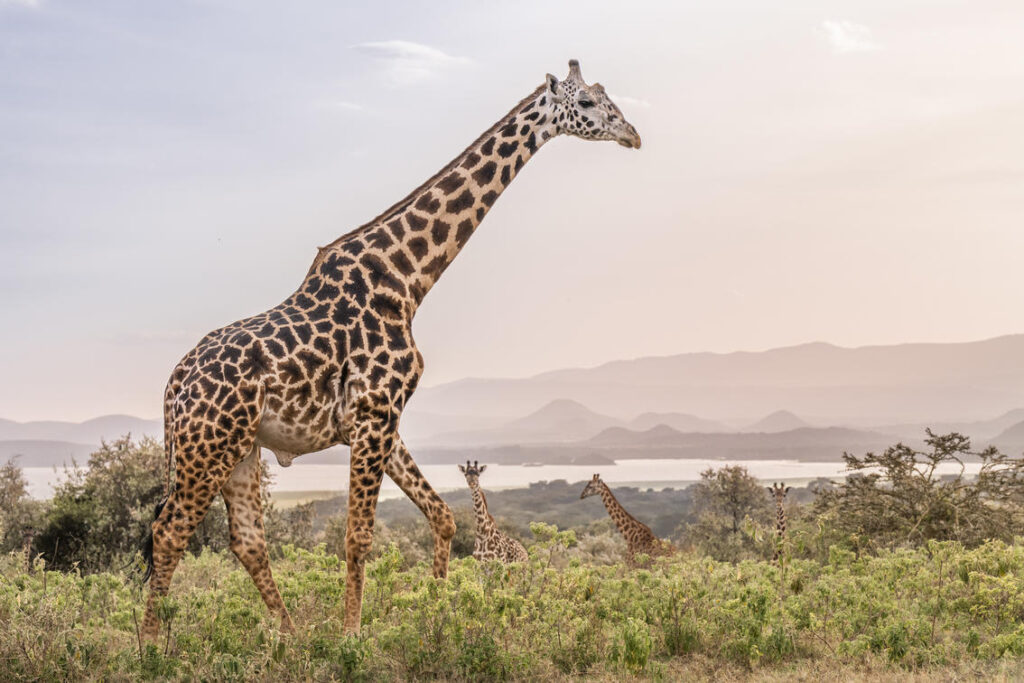
Giraffes, zebras, buffaloes, impalas, waterbuck, gazelles and monkeys can also be seen around the lake and in nearby wildlife areas. Crescent Island is particularly well known for allowing visitors to experience wildlife on foot, with giraffes, zebras, wildebeest, impalas and other herbivores moving across the island.
The lake itself is dominated by birdlife. African fish eagles are among the most memorable sightings, often perched in dead trees overlooking the water before dropping suddenly toward the surface. Pelicans, kingfishers, herons, cormorants, jacanas and many other water-associated species use the lake and its papyrus margins.
The wider Lake Naivasha ecosystem supports more than 400 recorded bird species, making the destination particularly rewarding for birdwatchers.
QUICK ANSWER | What animals can you see at Lake Naivasha?
A Lake Naivasha safari can include hippos, giraffes, zebras, buffaloes, impalas, waterbuck, wildebeest, gazelles and several species of monkeys. The lake is especially important for birdlife, with more than 400 recorded bird species in the wider ecosystem, including African fish eagles and giant kingfishers.
Hippos of Lake Naivasha
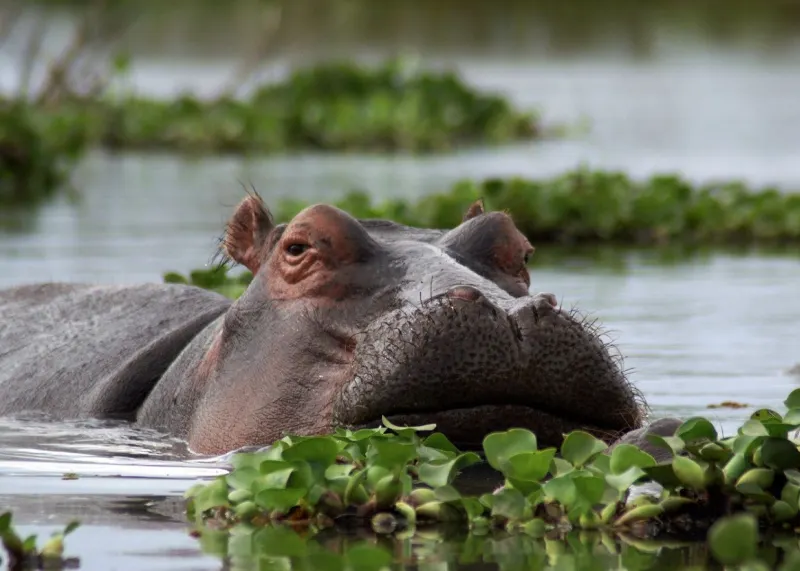
Hippos are one of the defining sights of Lake Naivasha. During a boat safari, guests often encounter groups of hippos resting in shallow water, their ears and eyes just above the surface as they watch the approaching boat.
The lake’s hippos are most active around the edges of the water and after sunset when they leave the lake to graze. They should always be treated as wild and potentially dangerous animals, particularly when encountered on foot around the shoreline.
A boat safari is one of the safest and most memorable ways to experience Lake Naivasha’s hippos because it gives visitors a close view from the water while keeping a sensible distance from the animals.
African Fish Eagles
The African fish eagle is perhaps the signature bird of Lake Naivasha. Its unmistakable call often comes before the bird itself, usually from a dead branch overlooking the water.
The lake provides an ideal environment for fish-eating birds because of its freshwater habitat, submerged vegetation and abundance of aquatic life. Fish eagles, kingfishers, pelicans, herons and cormorants are among the birds that make a Lake Naivasha boat ride particularly rewarding for photographers and birdwatchers.
For visitors who are not experienced birders, the fish eagle is usually the species that makes the biggest impression. For serious birdwatchers, however, the lake and surrounding wetlands offer considerably more.
Things to Do in Lake Naivasha
Lake Naivasha Boat Safari
A boat safari is the classic Lake Naivasha activity. Boats leave from several points around the shoreline and head into the open water, passing submerged trees, papyrus beds, fishing areas and groups of hippos.
The experience is less about chasing wildlife and more about observing the lake at its own pace. A skilled boat guide will point out hippos, fish eagles, pelicans and other waterbirds while explaining the ecology of Lake Naivasha.
Early morning and late afternoon are particularly atmospheric, when the light is softer and bird activity is high.
Crescent Island Walking Safari
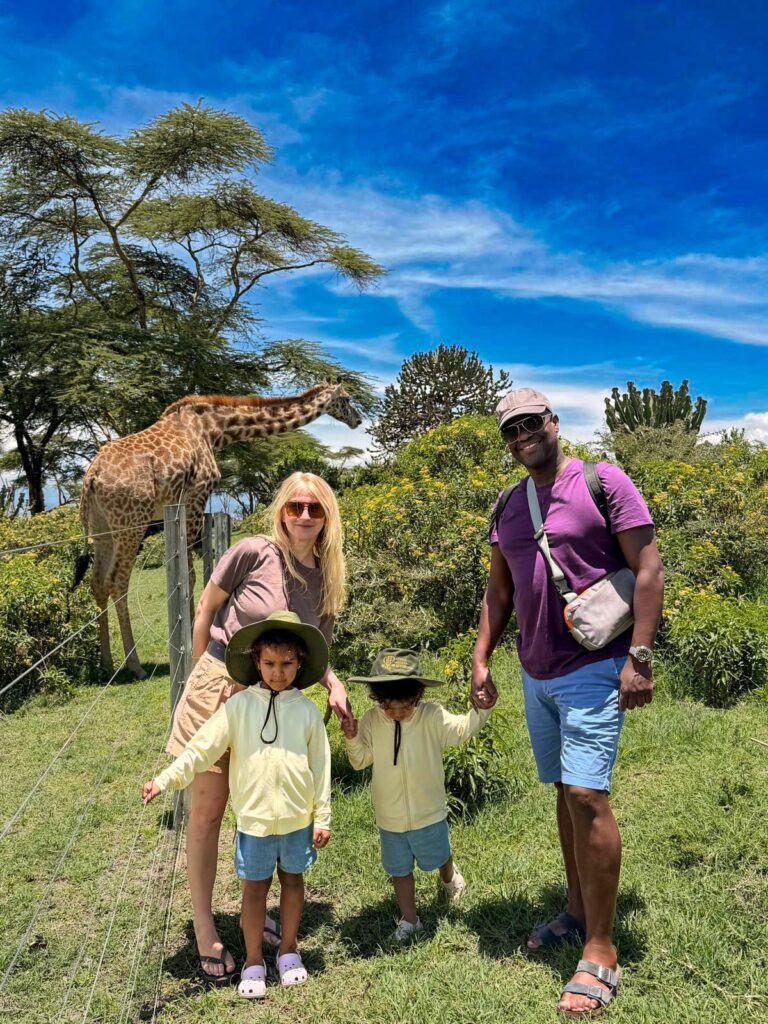
Crescent Island Game Sanctuary offers one of the most unusual wildlife experiences around Lake Naivasha: a walking safari among free-ranging herbivores.
There are no cars moving through the island, allowing guests to walk through the landscape rather than viewing everything from a safari vehicle. Giraffes, zebras, wildebeest, impalas, gazelles and other wildlife can be encountered while walking with a guide. The sanctuary records more than 1,600 head of game and around 200 bird species.
The experience is particularly valuable for families and travellers who want something different from conventional game drives. Walking gives you time to notice tracks, plants, insects and the smaller details of the ecosystem that are easy to miss from a vehicle.
Hell’s Gate National Park
Hell’s Gate National Park is the natural adventure companion to Lake Naivasha. The park covers approximately 68 square kilometres and is known for dramatic cliffs, gorges, volcanic formations and geothermal activity.
Unlike many Kenyan national parks, Hell’s Gate allows activities such as hiking and cycling, making it possible to experience the landscape outside a safari vehicle. Visitors can explore Fischer’s Tower, hike through the gorges, cycle among wildlife and visit geothermal features.
KWS currently lists hiking, cycling, rock climbing, wildlife viewing and the Olkaria Geothermal Spa among the park’s attractions.
Cycling at Hell’s Gate
Cycling through Hell’s Gate is one of the most memorable activities to combine with Lake Naivasha. The open landscape, cliffs and volcanic formations create a dramatic backdrop while zebra, giraffe, gazelle, buffalo and other wildlife can sometimes be seen along the route.
Cycling should always be done with the appropriate local guidance and according to park conditions. The attraction is not about covering distance quickly. It is about experiencing the Rift Valley landscape at human speed.
Hiking in Hell’s Gate
Hiking gives visitors access to the dramatic geological features that make Hell’s Gate famous. Towering cliffs, narrow gorges, volcanic rock formations and geothermal steam vents create a landscape that feels completely different from the open plains of the Masai Mara.
The Kenya Wildlife Service describes Hell’s Gate as a destination for hiking, cycling, rock climbing and nature-based adventure experiences.
Birdwatching
Birdwatching is one of the strongest reasons to spend more than a few hours around Lake Naivasha. The lake’s freshwater environment, papyrus wetlands, acacia woodland and surrounding agricultural areas create several different habitats within a relatively small geographical area.
More than 400 bird species have been recorded in the Lake Naivasha ecosystem.
The best birding is not necessarily confined to the open water. Papyrus margins, acacia woodland and quieter sections of the shoreline can produce different species from those encountered during a boat ride.
Photography
Lake Naivasha is an exceptionally photogenic destination. The combination of reflective water, dead trees emerging from the lake, green papyrus, distant volcanic hills and abundant birdlife provides a completely different photographic palette from Kenya’s grassland reserves.
Sunrise boat rides can produce reflections across the water, while late afternoon light brings out the colours of the Rift Valley landscape.
Photographers should also allow time for Crescent Island and Hell’s Gate, where wildlife and geological scenery provide additional subjects beyond the lake itself.
Mount Longonot
Mount Longonot is one of the most recognisable volcanic landmarks in the wider Naivasha area. The extinct volcano rises dramatically from the floor of the Great Rift Valley and provides a challenging hiking option for travellers who want to add a more demanding activity to their Lake Naivasha itinerary.
The climb is considerably more strenuous than a normal lakeside walk, so it works best for active travellers who are comfortable with steep terrain and changing weather conditions.
Lake Oloidien
Lake Oloidien lies southwest of Lake Naivasha and forms part of the wider Rift Valley lake landscape. Its quieter setting makes it an interesting addition for birdwatchers and travellers who want to explore beyond the main Lake Naivasha shoreline.
Crater Lake
Crater Lake is another nearby attraction, offering a smaller and more secluded volcanic lake environment. The surrounding sanctuary and walking trails provide opportunities for birdwatching, photography and nature walks.
Lake Naivasha and Hell’s Gate: What Is the Difference?
Lake Naivasha and Hell’s Gate are often combined in the same safari itinerary, but they offer very different experiences.
Lake Naivasha is primarily a freshwater and wetland destination. The main experiences are boat safaris, hippo viewing, birdwatching and walking experiences around the lake.
Hell’s Gate National Park is an adventure and geological destination. Its main attractions include cliffs, gorges, geothermal features, hiking, cycling and rock climbing. KWS lists Hell’s Gate at approximately 68 square kilometres and notes its dramatic volcanic and geothermal landscape.
For a first visit, combining the two makes more sense than treating them as competing destinations. A morning boat ride on Lake Naivasha followed by an afternoon cycling or hiking experience at Hell’s Gate creates a varied full day without excessive driving.
Expert Note
Lake Naivasha works best when you resist the temptation to treat it as a quick lunch stop between Nairobi and the Masai Mara. Give the lake a morning or an afternoon of its own. The boat ride, birdlife and quiet shoreline are the reason to come, not simply something to fill an hour between other destinations.
Kibara Mugo, Safari Writer & East Africa Specialist
Lake Naivasha Conservancies and Wildlife Areas
The wider Lake Naivasha area includes several private wildlife areas and conservancies that add experiences beyond the lake itself. Oserian, Kedong and other private wildlife areas contribute to the wider tourism and conservation landscape around Naivasha. Nakuru County identifies Lake Naivasha, Hell’s Gate and several private wildlife conservancies among the area’s principal tourism attractions.
Private wildlife areas can offer a quieter experience than the busier public attractions, although access, activities and conservation fees vary between properties.
When planning a Lake Naivasha safari, we therefore look at the complete ecosystem rather than treating the lake as an isolated attraction.
Responsible Tourism at Lake Naivasha
Lake Naivasha is a fragile freshwater ecosystem under considerable pressure from agriculture, horticulture, tourism and urban development. The lake is economically important for flower farming, fishing and other activities, but its ecological balance remains sensitive.
The Ramsar designation recognises the international importance of the wetland and the need for conservation and wise use of its resources.
For visitors, responsible tourism begins with simple choices. Use established access points, follow boat-guide instructions, keep a respectful distance from hippos and other wildlife, avoid littering and choose operators who demonstrate responsible boating and conservation practices.
Where possible, we encourage guests to support locally owned guides, boat operators, conservancies and accommodation providers so that tourism income remains within the Lake Naivasha community.
Lake Naivasha Gates and Access Points
Unlike a national park, Lake Naivasha does not have one central entrance gate. The lake is surrounded by private properties, public access points, lodges, conservation areas and different tourism facilities.
This is important when planning a Lake Naivasha itinerary because the best access point depends on the activity being arranged.
For boat rides, we select a suitable shoreline operator based on the guest’s accommodation and preferred experience. Crescent Island requires its own access arrangements, while Hell’s Gate National Park is accessed separately through KWS-managed gates.
How to Get to Lake Naivasha
By Road
The most straightforward way to reach Lake Naivasha from Nairobi is by road along the Nairobi–Naivasha route through the Great Rift Valley. The journey is approximately 90 kilometres and usually takes around two hours, depending on traffic and the exact starting point in Nairobi.
The road journey is easy to combine with a wider Kenya safari. Guests travelling from Nairobi can visit Lake Naivasha before continuing to Lake Nakuru, the Masai Mara or other Rift Valley destinations.
By Air
Lake Naivasha is primarily a road-access destination rather than a fly-in safari destination. Travellers who prefer to fly can use nearby regional airstrips depending on their itinerary and accommodation, but for most visitors the road transfer from Nairobi is simpler and more economical.
Road or Fly? How to Decide
For Lake Naivasha, we generally recommend travelling by road. The destination is close enough to Nairobi that flying usually offers little advantage compared with the convenience of a direct road transfer.
The short distance also makes Lake Naivasha one of the easiest destinations to add to a Kenya safari without losing an entire day to transport.
Climate and Weather at Lake Naivasha
Lake Naivasha sits at approximately 1,880 metres above sea level, giving it a cooler climate than Kenya’s lower-altitude safari destinations.
Mornings can be cool, particularly during boat rides, while afternoons are generally warmer and comfortable for outdoor activities. Rainfall follows Kenya’s broader seasonal pattern, with wetter periods generally occurring during the long and short rains.
The elevation means that visitors should not assume that Lake Naivasha will feel like a hot lowland safari destination. A light jacket or fleece is useful for early morning boat rides and cooler evenings.
QUICK ANSWER | What is the climate like at Lake Naivasha?
Lake Naivasha has a relatively mild highland Rift Valley climate because the lake sits at approximately 1,880 metres above sea level. Mornings and evenings can be cool, while afternoons are generally warmer and comfortable for boat rides, walking, cycling and sightseeing.
Lake Naivasha Entry Fees and Tickets
There is an important distinction between Lake Naivasha itself and the attractions surrounding it.
Lake Naivasha is not a KWS national park and does not have a single standard KWS entrance fee for simply accessing the open lake. Costs instead depend on the activity and access point, with boat rides, private sanctuaries and other attractions charging their own fees.
Hell’s Gate National Park is different because it is a KWS-managed national park with published entry rates. KWS currently lists the non-resident entry fee at USD 50 per adult and USD 25 per child, with separate rates for East African citizens, Kenya residents and African citizens.
Most Afrikan Accent Adventures safari packages that include Hell’s Gate already factor the applicable park fees into the quotation.
Expert Note
Do not budget for Lake Naivasha as if it were Lake Nakuru National Park. There is no single lake-wide park entrance ticket. The cost depends on whether you are booking a boat ride, visiting Crescent Island, entering Hell’s Gate or using another private attraction.
Hellen Asiko, Director & Guest Experience Curator
QUICK ANSWER | How much does it cost to visit Lake Naivasha?
Lake Naivasha itself does not have a single KWS entrance fee. Visitors normally pay for specific activities such as boat rides or private conservation areas. Hell’s Gate National Park has separate KWS entry fees, currently USD 50 per non-resident adult and USD 25 per non-resident child.
Best Time to Visit Lake Naivasha
Lake Naivasha can be visited throughout the year, and the best time depends largely on what you want to do.
The drier months are generally comfortable for boat rides, walking and cycling, while clearer conditions can improve photography and views across the Rift Valley.
The wetter months bring greener landscapes and can be particularly rewarding for birdwatching and photography. Rain can, however, affect hiking and cycling conditions around Hell’s Gate.
For travellers combining Lake Naivasha with a larger Kenya safari, we normally plan the lake around the wider itinerary rather than selecting travel dates solely for Naivasha.
QUICK ANSWER | What is the best time to visit Lake Naivasha?
Lake Naivasha is a year-round destination. Drier periods generally provide easier conditions for hiking, cycling and outdoor activities, while the rainy periods bring greener scenery and strong birdwatching and photography opportunities. The best timing depends on how Lake Naivasha fits into the rest of your Kenya safari.
How Many Days Do You Need in Lake Naivasha?
One night is enough for a short introduction to Lake Naivasha, particularly if the itinerary includes an afternoon boat ride followed by a morning visit to Hell’s Gate.
Two nights is our usual recommendation for travellers who want to experience Lake Naivasha properly. This allows time for a boat safari, Crescent Island or Hell’s Gate without rushing between activities.
Three nights works well for slower itineraries that include Lake Naivasha, Hell’s Gate, Mount Longonot, Crater Lake or additional birdwatching and nature experiences.
For most Kenya safari itineraries, however, one or two nights at Lake Naivasha provides the right balance.
QUICK ANSWER | How many days do you need in Lake Naivasha?
One night is enough for a short Lake Naivasha visit, while two nights allows time for a boat safari and a full Hell’s Gate or Crescent Island experience. Three nights suits travellers who want a slower itinerary with additional hiking, birdwatching or nearby attractions.
Why Visit Lake Naivasha?
Lake Naivasha gives a Kenya safari something that traditional game-drive destinations cannot: water.
The lake changes the rhythm of the trip. Instead of spending the entire day in a safari vehicle, guests can take a boat onto the water, watch hippos from a safe distance, photograph fish eagles, walk among giraffes and zebras on Crescent Island, or cycle beneath the cliffs of Hell’s Gate.
It is also one of the easiest destinations to combine with Nairobi because of its relatively short road distance.
For repeat Kenya visitors, Lake Naivasha offers something different from the Masai Mara, Samburu, Amboseli and Tsavo. It is less about ticking off a wildlife checklist and more about experiencing the landscape.
Lake Naivasha Safari Cost
Lake Naivasha is one of the more flexible destinations in Kenya when it comes to safari cost because the experience can be built around accommodation and activities rather than a full-day game-drive structure.
Budget Lake Naivasha trips using simple accommodation and selected activities can be relatively affordable, while luxury lakeside lodges and private experiences can increase the overall price considerably.
The biggest cost variables are accommodation, the type of boat experience, whether Crescent Island or Hell’s Gate is included, transport from Nairobi and whether Lake Naivasha forms part of a longer private safari.
For a private safari with Afrikan Accent Adventures, we normally combine Lake Naivasha with another destination rather than selling the lake experience in isolation. This makes the overall itinerary more efficient and gives guests more variety.
Expert Note
Lake Naivasha is one of the easiest destinations to tailor to a budget. You can keep the accommodation moderate and spend more on experiences, or choose a luxury lakeside property and keep the activity schedule simple. Tell us what matters most and we build the Lake Naivasha stay around that priority.
Hellen Asiko, Director & Guest Experience Curator
QUICK ANSWER | How much does a Lake Naivasha safari cost?
Lake Naivasha safari prices vary according to accommodation, transport and activities. Boat rides, Crescent Island, Hell’s Gate and private conservancy experiences are priced separately, while accommodation ranges from simple lodges and camps to high-end lakeside properties. A private quotation is the most accurate way to price a Lake Naivasha safari because the combination of activities has a major effect on the total cost.
Lake Naivasha Safari Packages
We build Lake Naivasha into Kenya itineraries in several ways: as a one-night stop between Nairobi and the Masai Mara, as a two-night lakeside escape with Hell’s Gate, or as part of a wider Rift Valley circuit including Lake Nakuru and other destinations.
Our most popular Lake Naivasha combination is a boat safari followed by Hell’s Gate National Park. Guests can experience the lake’s hippos and birdlife in the morning and then move into the volcanic landscape of Hell’s Gate for hiking or cycling.
For travellers who prefer a slower safari, we can replace the adventure activities with Crescent Island, birdwatching, a relaxed lakeside afternoon or additional time at the lodge.
Accommodation in Lake Naivasha
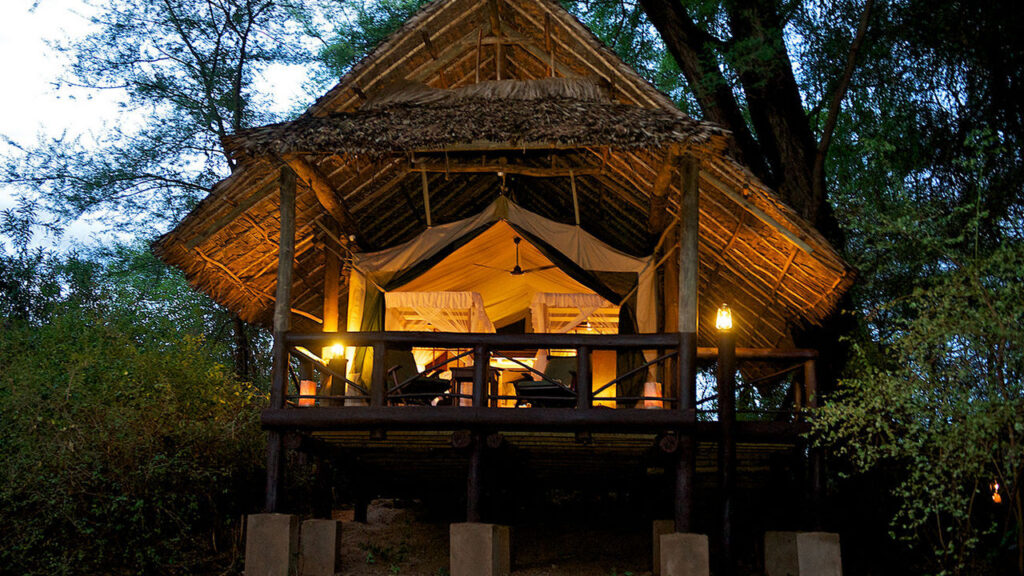
Accommodation around Lake Naivasha ranges from large lakeside resorts and luxury properties to smaller lodges, tented camps and private retreats.
Lakeside accommodation is particularly popular because it gives guests easy access to boat activities and creates a stronger connection with the lake environment. Properties farther from the shoreline can provide more privacy and gardens while remaining within easy reach of the main attractions.
The right Lake Naivasha accommodation depends on whether you prioritise lake views, luxury, family facilities, proximity to Hell’s Gate, privacy or value for money.
We match the accommodation to the rest of the safari rather than selecting a property in isolation.
Lake Naivasha vs Lake Nakuru
Lake Naivasha and Lake Nakuru are both Rift Valley destinations, but they offer very different safari experiences.
Lake Nakuru is a national park and is better suited to conventional game drives, with opportunities to see rhino, lions, leopards, buffaloes, giraffes and other wildlife.
Lake Naivasha is a freshwater lake and wetland destination focused more on hippos, waterbirds, boat rides and outdoor experiences such as walking and cycling.
Many guests combine both because they complement each other. Lake Nakuru provides the traditional wildlife experience while Lake Naivasha introduces water-based activities and a slower pace.
Lake Naivasha vs Masai Mara
The Masai Mara is Kenya’s classic big-game destination, known for high predator concentrations, large herds and the annual wildebeest migration.
Lake Naivasha is much quieter and more activity-focused. You come to Lake Naivasha for the lake, hippos, birdlife, walking and the surrounding Rift Valley scenery rather than for the density of predators found in the Mara.
For a first Kenya safari, we often recommend combining them rather than choosing one. The Mara delivers the big wildlife experience while Lake Naivasha breaks up the game-drive routine.
Lake Naivasha vs Amboseli
Amboseli is famous for its large elephant herds and views toward Mount Kilimanjaro. Lake Naivasha has a completely different visual identity, built around freshwater, papyrus, acacia woodland, volcanic hills and birdlife.
Amboseli is primarily a game-drive destination. Lake Naivasha is more varied in terms of activities, with boat rides, walking, cycling and hiking available nearby.
Lake Naivasha vs Samburu
Samburu is the stronger destination for travellers looking for northern Kenya’s distinctive wildlife, including Grevy’s zebra, reticulated giraffe, gerenuk, Beisa oryx and Somali ostrich.
Lake Naivasha is better suited to travellers who want a relaxed Rift Valley experience with water-based activities and easier access from Nairobi.
The two destinations are not really substitutes. They solve different parts of a Kenya itinerary.
Responsible Tourism and Conservation at Lake Naivasha
Lake Naivasha is one of Kenya’s most economically and ecologically important freshwater systems, but it is also a fragile ecosystem. The Ramsar site supports freshwater resources, fisheries, wildlife and large-scale agricultural activity, particularly horticulture.
The Lake Naivasha Riparian Association was recognised by the Ramsar Convention for its work promoting conservation and wise use of the wetland.
Visitors can contribute by choosing responsible accommodation and boat operators, avoiding litter, respecting wildlife and supporting local guides and community businesses.
On boat safaris, maintain a sensible distance from hippos and follow the captain’s instructions. On walking experiences, stay with the guide and never approach wildlife independently.
Hell’s Gate also has strict visitor rules. KWS requires visitors to remain on established roads and trails, prohibits off-road driving and feeding wildlife, and sets a maximum speed limit of 40 km/h.
Expert Note
The best Lake Naivasha experience is not the one with the most activities. It is the one that gives you enough time to understand why the lake matters. Spend time on the water, listen to the birds, watch the hippos and leave room for the landscape itself.
Kibara Mugo, Safari Writer & East Africa Specialist
Plan Your Lake Naivasha Safari
From an early morning boat ride among hippos and fish eagles to walking beneath giraffes on Crescent Island and cycling through the volcanic landscape of Hell’s Gate, Lake Naivasha offers one of the most varied short safari experiences in Kenya.
We build Lake Naivasha safaris as standalone escapes from Nairobi, as a stop between Nairobi and the Masai Mara, or as part of a wider Rift Valley itinerary including Lake Nakuru and Hell’s Gate National Park.
Speak to Hellen Asiko, our Director and Guest Experience Curator, to start planning your Lake Naivasha itinerary.
Lake Naivasha is not simply a stop on the way to somewhere else. Give it time, and the lake becomes the experience itself.
 ✨Signature Journeys