

Masai Mara: the complete guide to Kenya’s greatest wildlife reserve
1,510 square kilometres of open savannah, eight private conservancies, year-round big cats, the world's largest overland migration and a land-use model that changed how Africa does safari, everything you need to know before you go.
People ask; Why Masai Mara? Not which camp, not which season, why, specifically, this reserve over every other place on the continent. I have answered that question a hundred times in trip planning calls. I have never found the right words. Then one morning in Lemek Conservancy, I found them or rather stopped needing them.
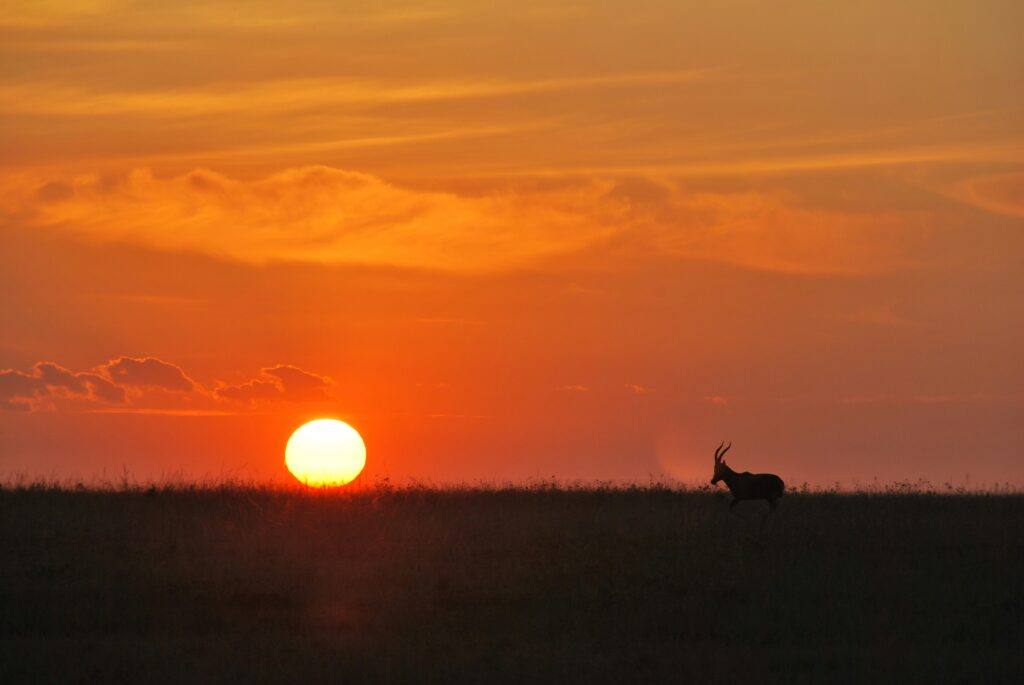
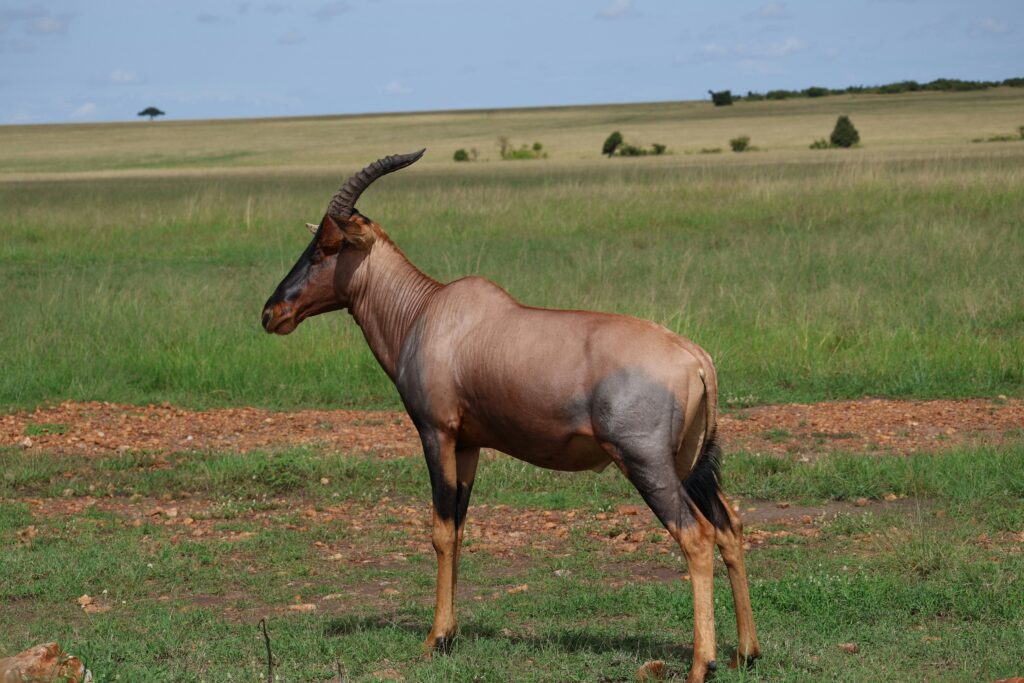
We had left camp before dawn. The guide said nothing about where we were going. The vehicle drove north across the conservancy in full dark, grass brushing the underside of the chassis, no other lights anywhere. We stopped on a low rise above a seasonal drainage line and turned the engine off. There was no crossing. No kill. No drama of any kind. We sat in the cold and waited. Then the eastern sky began to change, slowly at first, then faster than you expect and the Mara plains came up out of the dark in stages. A topi on the ridge. A small herd of zebra moving below, backlit. The light at 6:07am in the Mara in dry season is that particular orange-pink that only exists at altitude in East Africa, the kind that makes every edge of every animal look drawn rather than real.
I did not take a photograph. Some moments are better experienced in stillness.
That is what the Mara does that no other reserve does at the same scale. It gives you the spectacle, the crossings, the predator hunts, the sheer overwhelming density of animals, but underneath that spectacle, if you slow down and let it, it gives you something quieter. The sensation of being inside a working ecosystem so old and so complete that it operates entirely without you. You are not a participant here. You are a witness. The difference matters.
We have operated safaris in and around the Masai Mara for years. We have driven the Mara Triangle in the long rains and Olare Motorogi at the height of peak season. We know which conservancies pay their community lease fees on time and which ones delay. We know that the light at Mara North in the afternoon is different from the light at Naboisho and that this difference matters to a photographer. This guide is the full sum of that knowledge, written without anything unnecessary.
The Masai Mara is not Africa’s most remote safari destination. It is not the cheapest. By almost any measure that counts, wildlife density, predator visibility, photography conditions, access infrastructure, conservation integrity, it is the most consistently productive. That is the answer to why.
| QUICK ANSWER | WHAT IS THE MASAI MARA? The Masai Mara is a 1,510 sq km wildlife reserve in southwest Kenya on the northern edge of the Serengeti-Mara ecosystem. It has Kenya’s highest predator density and year-round Big 5 sightings. From July to October, over 1.5 million wildebeest cross the Mara River from the Serengeti. Eight conservancies border the reserve. |
At a glance, Masai Mara
- Location: Narok County, southwest Kenya, southern boundary shared with Tanzania’s Serengeti National Park
- Size: 1,510 sq km national reserve plus approximately 1,500 sq km of surrounding private conservancies
- Altitude: 1,500 m to 2,180 m above sea level
- Drive from Nairobi: Approx 5.5 hours via B3 highway through Narok town, then C12 to Sekenani Gate or C13 to Musiara Gate (270 km)
- Flight from Wilson Airport: 40 to 55 minutes to Keekorok, Ol Kiombo or Mara North airstrips
- Park entry fee: Non-resident adults USD 100 (low season) and USD 200 (high season) per person per day (national reserve); conservancy fees USD 100 to USD 150 per day, usually included in camp rates
- Peak season: July to October (Great Migration and river crossings); December to February (dry season, excellent big cat sightings)
- Low season: April to June (long rains), significant rate reductions, variable road conditions
- Scheduled airlines: Fly ALS, AirKenya Express, Governor’s Aviation, all from Wilson Airport, Nairobi
- Key conservancies: Mara Triangle, Mara Naboisho, Olare Motorogi, Mara North, Ol Kinyei, Olderkesi, Lemek, Mara Ripoi
- Big cats: Estimated 850 to 900 lions across the ecosystem; leopards year-round along rivers and rocky terrain; cheetahs on open eastern plains
- Bird species: Over 450 recorded, including martial eagle, secretary bird, lilac-breasted roller, six species of vulture
What the Masai Mara actually is
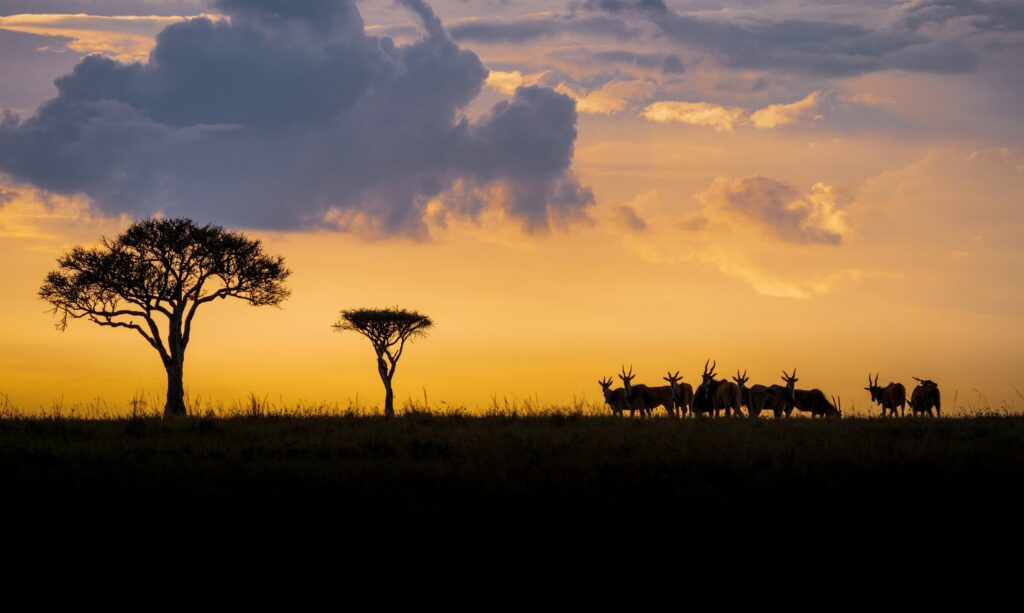
The name comes from Maa, the language of the Maasai people. Mara means spotted, a reference to the acacia trees, scrub patches and open grassland that break up the plains in patterns visible from the air. First gazetted as a game reserve in 1961 and redesignated a national reserve in 1974, the Masai Mara is administered by Narok County Government rather than Kenya Wildlife Service. That administrative distinction shaped everything that came after: how revenue is collected, how anti-poaching is funded and why a private conservancy model eventually developed to fill gaps the public authority could not.
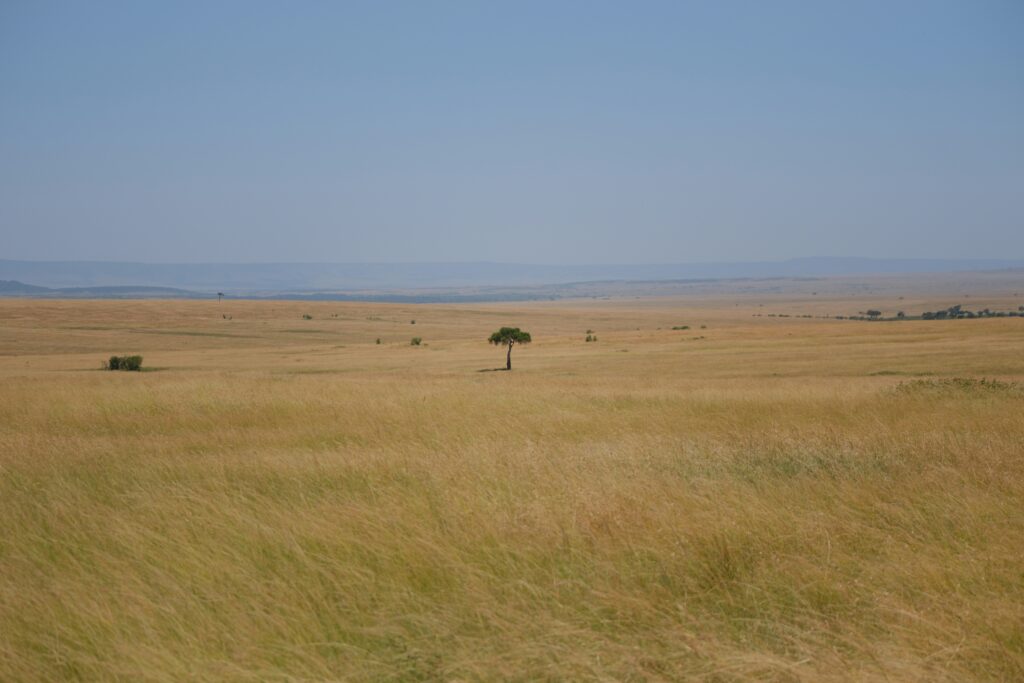
The ecosystem is not uniform terrain. Drive across the Mara in a single morning and you pass through multiple distinct habitats: short-grass open plains in the east, dense riverine forest along the Mara and Talek rivers, acacia scrub in the central area, rocky escarpment terrain on the Oloololo Edge in the west and rolling hills in the Mara Triangle. This habitat variety is the direct cause of consistently high predator density. Different prey species use different zones at different times. Predators track them. A single morning game drive can cover three habitat types and four predator species without backtracking.
The Mara River runs roughly north to south through the ecosystem. It enters Kenya from the Masai Mara Hills to the north, passes through the national reserve and continues southwest toward Lake Victoria. It is the primary crossing point for migrating wildebeest and zebra and the permanent home of some of the largest Nile crocodiles in East Africa. At its peak flow in the long rains, the Mara runs fast and brown and wide. In the dry season it slows, contracts at the crossing points and presents the narrower, more negotiable passages that wildebeest actually use.
The Serengeti-Mara ecosystem, 25,000 sq km of continuous wilderness, straddles the Kenya-Tanzania border. Wildlife moves freely across that border. The wildebeest do not know there is one. The lions do not know there is one. The management differences are real, Tanzania’s Serengeti is a national park under Tanzania National Parks, Kenya’s Mara is a county-administered reserve, but at the level of the actual ecosystem, the two territories function as one.
The Mara does not just have wildlife. It has wildlife at a density that makes first-time visitors question everything they thought they understood about how many animals exist in the world.
The Mara Triangle: a conservation model
The Mara Triangle is the western portion of the national reserve, bounded by the Mara River to the east and the Tanzania border to the south. It covers approximately 510 sq km. Since 2001 it has been managed by the Mara Conservancy under a public-private partnership with Narok County Government, the first arrangement of its kind in Kenya’s national reserve system.
The results over eighteen years are specific: 4,500 poachers arrested, 57,000 wire snares removed from the ecosystem, 100,000 community dogs vaccinated against rabies and canine distemper (canine distemper is a documented killer of lions and wild dogs), dams constructed in Maasai community areas, school infrastructure built as direct benefit payments. Road maintenance in the Triangle is the best in the Mara system. The Lookout area on the Triangle’s Mara River bank is the best fixed position for watching migration crossings from the Kenyan side.
The Mara Triangle model demonstrates what a clear management mandate with adequate funding can achieve in a contested African landscape. It is not perfect, no partnership between a public authority and a private operator is, but it is measurable and the measurement goes in one direction.
The Great Migration: what it is and what you actually see
The mechanics
The Great Wildebeest Migration is a continuous year-round movement of approximately 1.5 million wildebeest, 200,000 zebras and several hundred thousand Thomson’s gazelle around the Serengeti-Mara ecosystem. It is not an event. It has no fixed date. It is a perpetual circuit driven by rainfall, grass availability and the biological imperative of 1.5 million animals that must eat approximately 4,000 tons of grass per day to survive.
The circuit works roughly as follows. From December through March, the herds concentrate on the short-grass plains of the southern Serengeti around Ndutu. This is calving season. Approximately 8,000 wildebeest are born per day at peak calving in February. The calves can stand within minutes and run within hours, an evolutionary response to the predator density that shadows the herds year-round. Predator kills during calving season are daily and often multiple. It is, by any objective measure, extraordinary wildlife viewing, though few Kenya visitors see it because it happens entirely in Tanzania.
| QUICK ANSWER | WHEN IS THE GREAT WILDEBEEST MIGRATION? The Great Wildebeest Migration is a year-round movement with no fixed date. Herds enter the Masai Mara from July through August and river crossings concentrate between late July and late September. There is no migration season elsewhere in the ecosystem from December to March, when herds calve in the southern Serengeti. |
By April the long rains begin pushing the herds northwest. They move through the western Serengeti, reach the Grumeti River system in May and June and begin entering Kenya’s Masai Mara ecosystem from late June through July and August. They remain in the Mara through October, at which point Tanzania’s short rains pull them south again. The Mara River crossings, the images that define the migration in popular consciousness, happen during this July to October window.
The river crossings
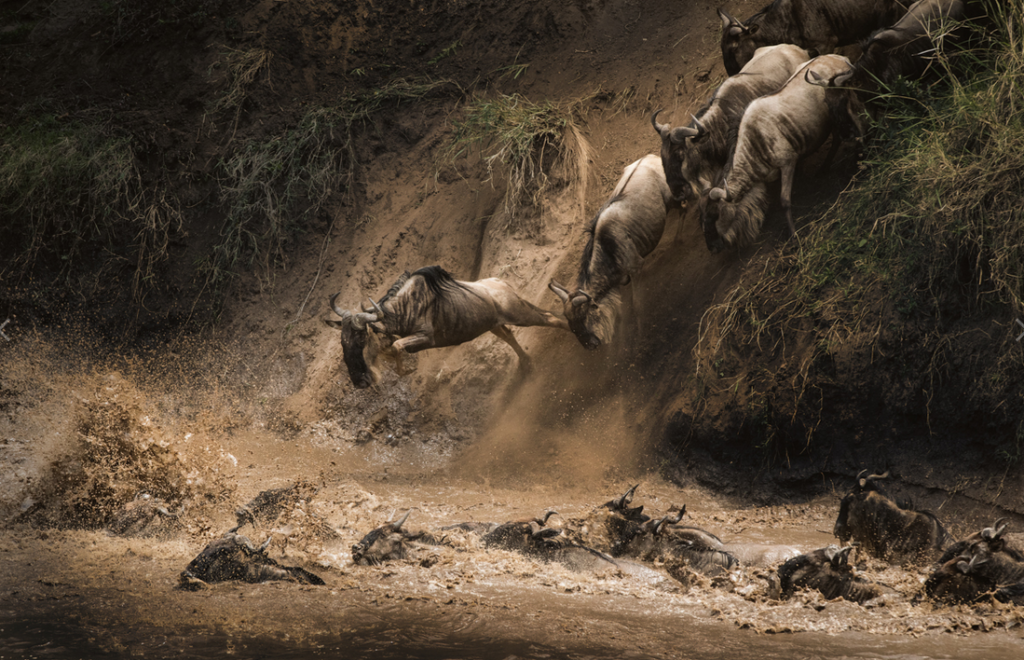
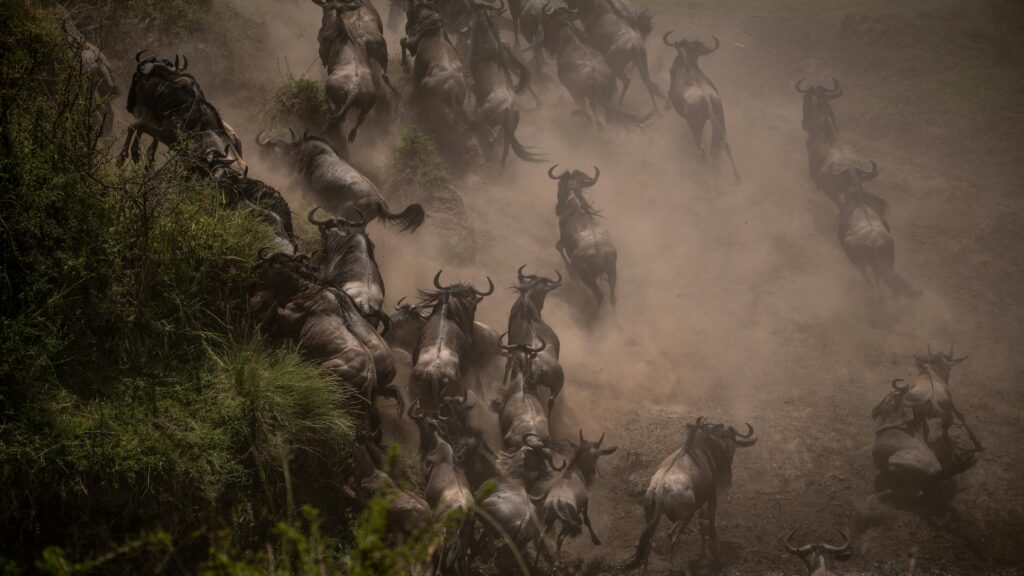
The Mara River crossings are not reliable in the way that a scheduled event is reliable. Wildebeest are not confident water-crossers and are not swift decision-makers. A herd will gather on the north bank in numbers of several hundred to several thousand, press toward the water, advance partway, retreat, mill in apparent confusion for hours, then, when one animal commits, cascade in a rush that takes the entire herd from bank to bank in minutes. The trigger for that commitment is not legible to human observers. It may be water level. It may be pressure from animals behind. It may be something else entirely.
We have watched crossings that lasted four minutes from first contact to last animal on the far bank and we have watched gatherings of two thousand animals that produced four hours of false starts and no crossing at all before the herd dissolved back into the plains. No two are the same.
The best observation positions are at Lookout Hill on the Triangle side of the river and along the north bank between Sand River and Purungat Bridge. Bank-level positions at the crossing points closest to camp, specific locations known to guides who monitor herd movement daily, give photographs that cliff-top positions cannot. A guide who is reading the herd’s movement pattern before the animals reach the bank is the difference between being in position and spending an hour driving to a crossing that already happened.
River crossings concentrate between late July and late September in most years. October produces occasional late crossings. The timing shifts by ten to fourteen days year to year depending on rainfall in the southern Serengeti. There is no tool, no app and no booking agent who can guarantee a crossing on a specific date. What you can do is position correctly, stay long enough, five nights gives a good probability, seven nights approaches certainty and work with a guide who is monitoring the herd’s daily advance.
Migration outside crossing season
Even without a river crossing, the migration months are extraordinary. Driving through plains carrying hundreds of thousands of wildebeest, the horizon broken by moving dark shapes in every direction, is an experience that does not require a crossing to justify the flight from Nairobi. Predator activity during migration months is among the most intense recorded anywhere on earth. Lions are working constantly at the edges of the herds. Cheetahs are hunting in daylight on the open plains. Spotted hyenas, which are frequently underrated as a viewing experience, are visible in large clan groups. Even without the river, July through October in the Mara is not a consolation prize.
Wildlife in the Masai Mara year-round
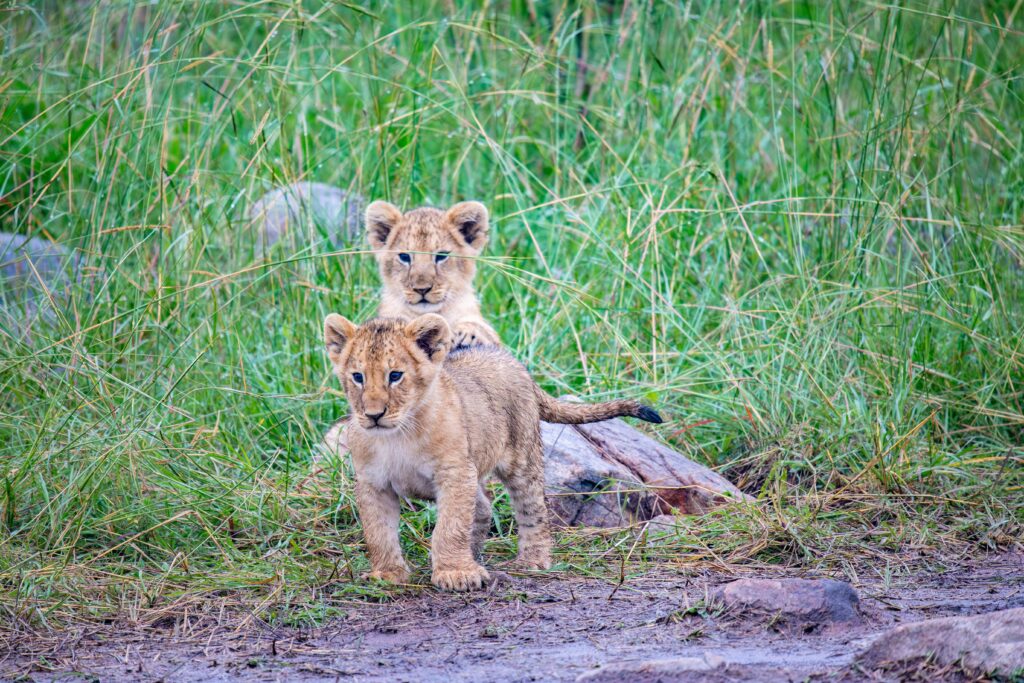
The Masai Mara holds one of the highest predator densities in Africa. The reserve’s lions became internationally known through the BBC’s Big Cat Diary, filmed here continuously from 1996 onwards. What that series captured was not exceptional. The animals visible to the Big Cat Diary cameras were visible because they are reliably visible. That has not changed.
Lions
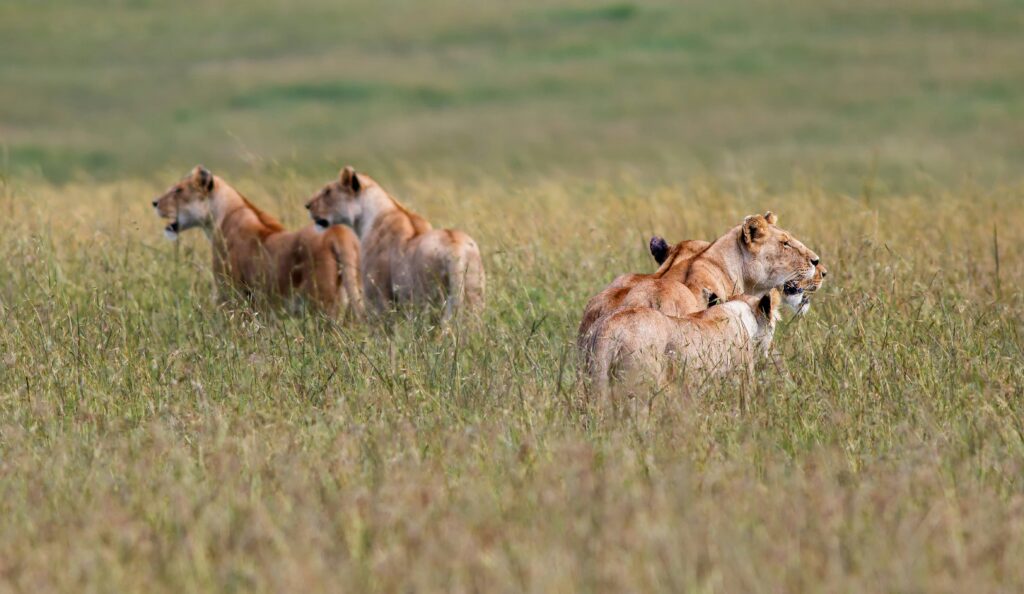
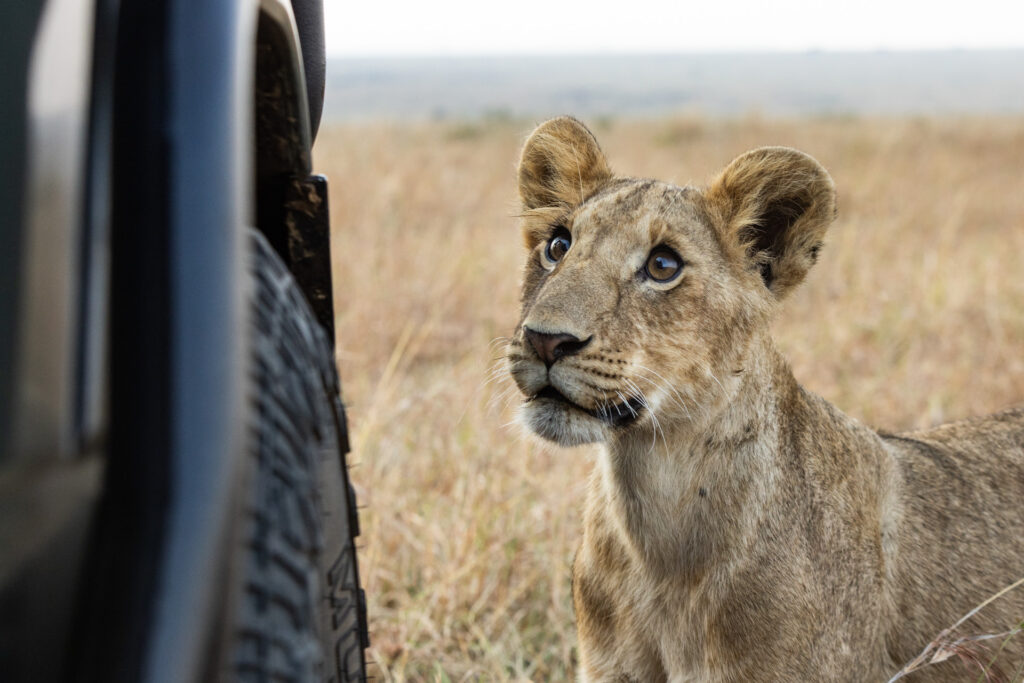
The ecosystem holds an estimated 850 to 900 lions across the national reserve and its surrounding conservancies. Pride territories cross the borders between national reserve and private land without reference to the administrative boundary. The Marsh Pride and its successors have held territory around Bila Shaka near Musiara Marsh for as long as we have operated in the Mara. The Enkiama Pride works the northern sector of Olare Motorogi. The Motorogi Pride overlaps the central conservancy area. Individual lions are known to guides by face, ear shape, whisker pattern and scar, the identification tools that make the difference between a sighting and a narrated encounter with a named animal whose history you understand.
Lion cubs are born throughout the year, not seasonally. Finding a pride with cubs requires knowing which females are currently denning and where, which changes over weeks and months. This knowledge sits with guides who work the same territory year-round, not with a safari company’s brochure.
Leopards
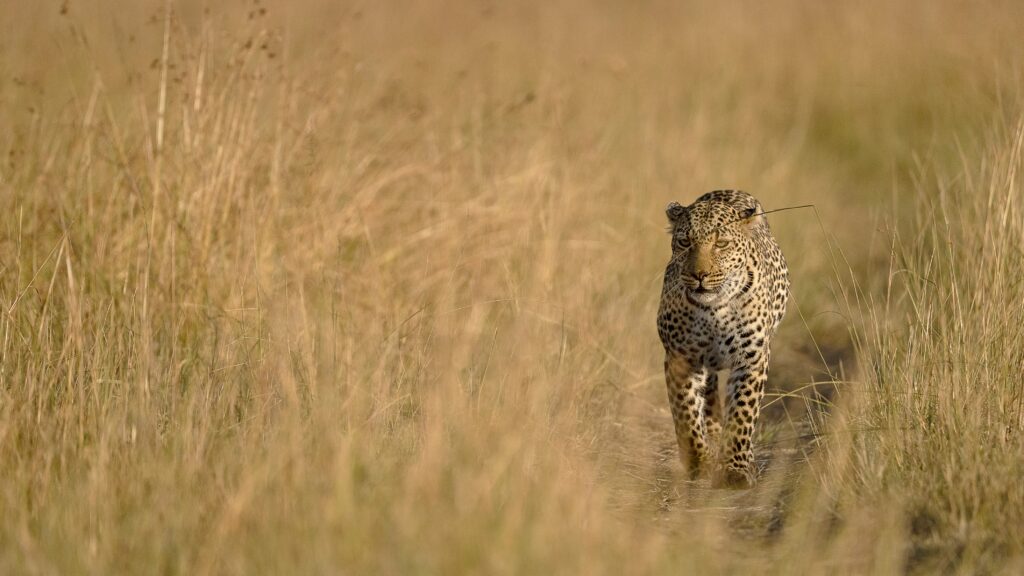
Leopards are the most reliably sighted in the Mara than in most East African reserves, though sighting frequency is still lower than lions. The Talek River corridor and the fig-tree and crocodile-bark woodland along the western edge of the Mara Triangle produce consistent sightings. Individual leopards maintain stable home ranges over years, a female known to guides along the Talek can be tracked to her regular resting positions, crossing routes and denning sites through knowledge accumulated across multiple seasons.
Leopards are largely crepuscular. The most productive sighting window is 6:00am to 9:00am and 4:30pm to 7:00pm. Inside the conservancies, night drives extend the window significantly. A leopard sighting in the national reserve in midday light happens, but it is not the norm. A leopard on a kill, hoisted into a sausage tree along the Talek at dawn, viewed from a vehicle with a good guide and no other cars present, that is what a conservancy delivers that the national reserve rarely does.
Cheetahs
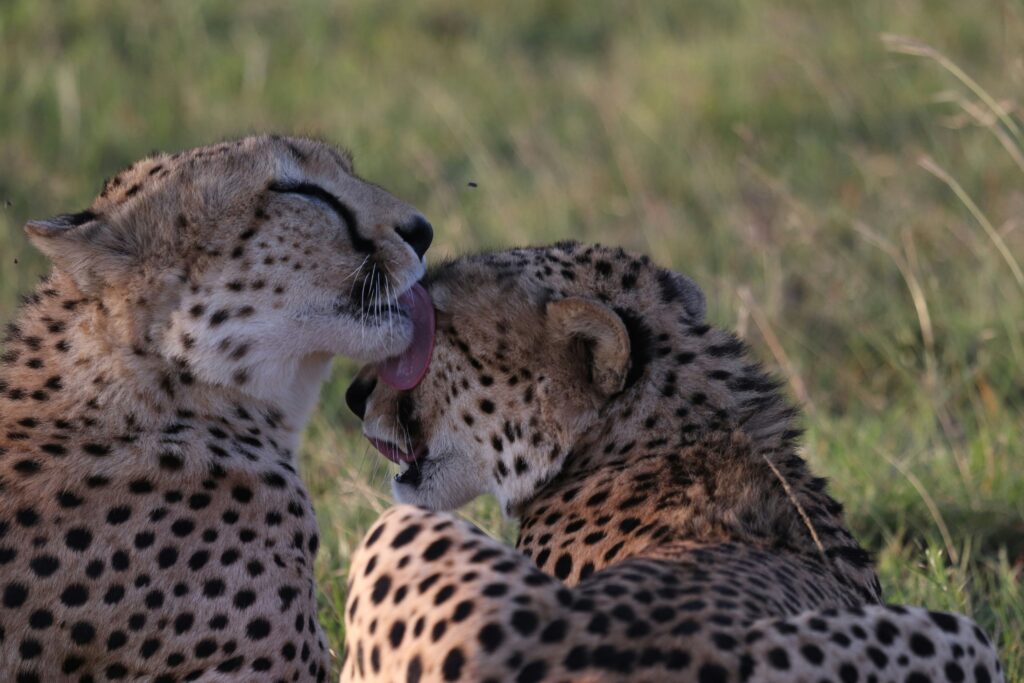
The open eastern plains of the Masai Mara, short grass, long sightlines, minimal tree cover, are some of the most productive cheetah habitats in Africa. The Malaika lineage has produced successive generations of highly visible, well-habituated animals. Coalition males work the open plains in pairs and trios. Female cheetahs with cubs are visible seasonally and reliably trackable by guides who monitor their ranges.
A cheetah sighting in the eastern Mara is common. Watching a complete hunt sequence, stalk, sprint, takedown and feeding, requires a vehicle that was already positioned ahead of the hunt before it began. This is skill-dependent, not luck-dependent. A guide who reads a cheetah’s body language before the animal commits to a stalk can position the vehicle downwind, at a distance that does not interfere, in the line the cheetah is already walking. The hunt then happens in front of the vehicle rather than a hundred metres away from it.
Elephants
Elephant herds are large in the Mara North Conservancy and along the Mara River corridor. The Mara North population includes some of the largest bulls in the region. During the dry season, elephants concentrate around the river and sightings of herds of fifty or more at a single waterpoint are routine in October. Bulls in musth, a hormonal state associated with heightened aggression and reproductive drive, identifiable by temporal gland secretion and constant urine dribbling, are encountered in all sectors of the ecosystem and require a guide who understands approach distance.
Buffalos
Buffalos moves in herds of several hundred across the open plains and riverine areas. Old bulls, dagga boys, are found in small bachelor groups in the dense riverine bush, often lying in mud. Buffalos are a frequent lion prey species and lion-buffalo interactions here are among the most sustained wildlife encounters in East Africa. A pride working a buffalo herd can keep a vehicle occupied for two to three hours without the action leaving a radius of four hundred metres.
Black rhinos
Black rhinos were effectively eliminated from the Mara through poaching in the 1970s and 1980s. A small protected population, fewer than fifty individuals, remains in the Mara Triangle, under active protection from the Mara Conservancy’s anti-poaching unit. Sightings are not routine and not guaranteed. They are possible, which in the context of black rhino in Kenya is significant. The Mara Triangle remains one of very few landscapes in Kenya where a visitor has a realistic, unguided probability of seeing a wild black rhino.
Hippos and Nile crocodiles
Hippos are abundant in both the Mara and Talek rivers. The pools below Hippo Point on the Mara River hold some of the largest pod concentrations in Kenya, sixty to eighty animals sharing a single bend is not unusual in the dry season when water contracts. Nile crocodiles in the Mara River include individuals exceeding four metres. The crocodiles at the main crossing points are large because they have fed well across generations of migration crossings. They are permanently resident.
Birds
The Mara records over 450 bird species. The lilac-breasted roller is the bird most visitors notice first, vivid and perching in open positions that invite photography. Secretary birds stride the open plains hunting snakes. Martial eagles hunt from high soaring positions and are large enough to take young Thomson’s gazelles. Six vulture species, white-backed, Ruppell’s griffon, lappet-faced, hooded, white-headed and Egyptian, circle above kills and a single lion kill can draw forty or more vultures within twenty minutes of the predator moving off.
The Mara also records bat-eared foxes on the open plains, servals hunting in long grass around marshy areas, genets and civets in the conservancies at night and African wild dogs, rare but recorded, primarily in the Mara North and Olare Motorogi sectors.
The conservancies: what they are, why they matter and what each one offers
The private conservancies surrounding the Masai Mara National Reserve constitute one of the most significant conservation and community-benefit innovations in sub-Saharan Africa. They did not begin as an ideological project. They began as a practical response to a real problem: Maasai landowners on the reserve’s borders were losing livestock to predators that retreated into the reserve untouchable and receiving no economic return from the wildlife on their own land. The communities had every rational incentive to see the wildlife go.
The conservancy model, which took shape from around 2000 onwards, pays annual lease fees directly to Maasai landowners, typically between USD 40 and USD 60 per acre per year, in exchange for exclusivity agreements that cap guest numbers, limit vehicle access to camp vehicles only and prohibit cultivation and livestock grazing inside the conservancy boundary. The deal converts wildlife from a liability into an income source. It works at scale because the fees are real, the payments are regular and the landowners control the agreement terms.
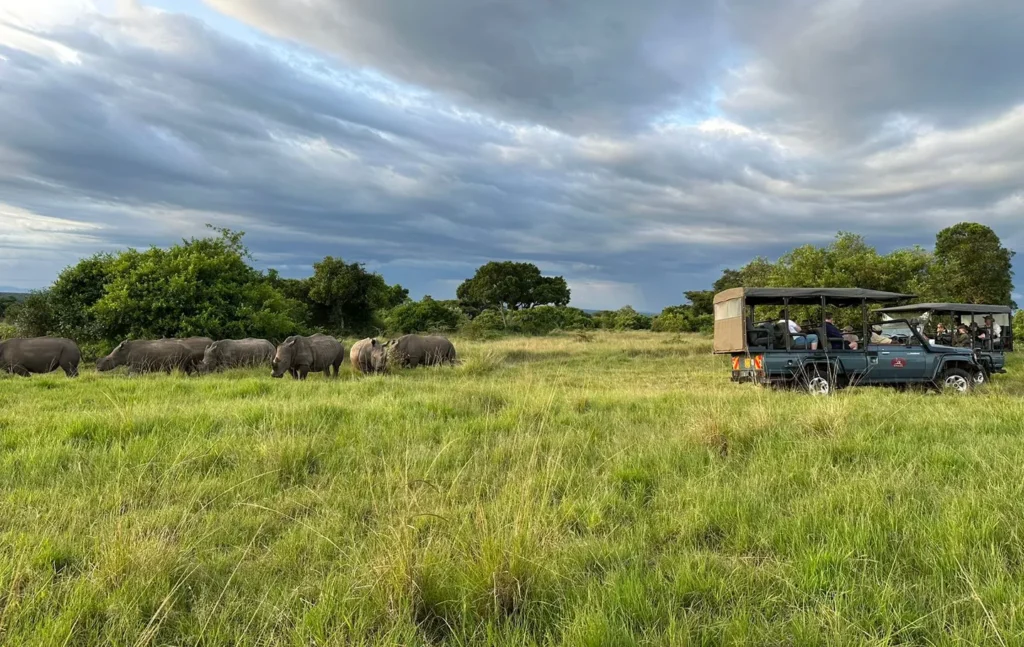
The operational effect is a fundamentally different safari experience from the national reserve. Inside the reserve, there is no vehicle limit at a sighting. At a peak crossing in August, thirty or more vehicles at a single river bend is normal. Inside Mara Naboisho or Olare Motorogi, the vehicle limit per sighting is three to four. The wildlife is the same. The ratio of vehicles to animals is not.
Mara Triangle
Area: approximately 510 sq km. Location: the westernmost section of the Masai Mara National Reserve, bounded east by the Mara River and south by the Tanzania border. Management: the Mara Conservancy under a public-private partnership with Narok County Government, operational since 2001.
The Triangle has the best-maintained road network in the Mara ecosystem. Its anti-poaching operation is the most operationally documented in Kenya: 4,500 poachers arrested, 57,000 wire snares removed, 100,000 community dogs vaccinated. Entry is at the same USD 100 per person per day as the rest of the national reserve. The Lookout area above the Mara River is the premier fixed-position crossing observation point on the Kenyan side of the river.
Camps inside the Mara Triangle include Governors’ Camp (one of the oldest established camps in the Mara, operating since 1972), Little Governors’ Camp (accessed exclusively by boat across the Mara River, giving it operational isolation even within the national reserve), Mara Serena Safari Lodge (the largest property in this sector, suited to groups) and Bateleur Camp by &Beyond (a smaller, more exclusive property in the Triangle’s northern section). The Triangle does not permit off-road driving, it is part of the national reserve, but its road density and quality mean that most wildlife is accessible from the tracks.
Mara Naboisho Conservancy
Area: 50,000 acres (approximately 200 sq km). Location: east of the national reserve, bordering Ol Kinyei to the southeast. Established: 2010, through a joint venture between Narok-based Maasai landowners and Asilia Africa. Total beds: strictly capped, approximately 80 beds across all camps in the conservancy.
Naboisho’s terrain is rolling open grassland with patches of acacia scrub, good habitat for lion and cheetah, with sightlines long enough for photography without vehicle repositioning. The strict vehicle-per-sighting limit of three to four means encounters are consistently uncrowded. Night drives and off-road driving are standard. Walking safaris are offered by most camps.
Camps in Naboisho include Encounter Mara (Asilia Africa), which has a strong community employment ratio and is one of the conservancy’s founding camps; Naboisho Camp, a mid-sized property with a well-regarded walking programme; and Ol Seki Hemingways, positioned on the western edge of the conservancy with views toward the escarpment. Community lease payments in Naboisho are among the most transparent in the Mara system and have been independently audited.
Olare Motorogi Conservancy
Area: 33,000 acres (approximately 133 sq km). Location: adjacent to Mara Naboisho, together forming a near-continuous private area of over 83,000 acres stretching east from the national reserve boundary. Lion density in Olare Motorogi is among the highest recorded in Kenya.
The conservancy’s terrain combines open grassland with sections of denser bush along seasonal drainage lines. The Enkiama Pride operates here. The Motorogi Pride uses the central and western sections. Individual animal tracking by camp guides, identification by physical features across multiple seasons, is at a level here that approaches what a field researcher would use.
Camps in Olare Motorogi include Mahali Mzuri (Sir Richard Branson’s Virgin Limited Edition property, 12 tents, a private vehicle and guide per booking at the higher rate tiers), Kicheche Mara (one of the most consistently well-reviewed camps in the Mara system over the past decade, operator-owned and guided) and Ol Seki Hemingways. Walking safaris are available at most camps. The conservancy’s vehicle rules are closely enforced, three vehicles per sighting, guide radio discipline required, no free-moving vehicles at crossings or kills without camp coordination.
Mara North Conservancy
Area: approximately 75,000 acres (around 300 sq km). Location: north of the national reserve and the Mara River, bordering Koiyaki and the Lemek group ranches. Established in stages from the early 2000s.
Mara North has a more wooded landscape than the southern conservancies, acacia woodland, riparian forest along the Mara River tributaries and open grassland patches. Elephant populations here are large and frequently encountered. The conservancy is further from the main migration crossing points but compensates with quieter access and high elephant, buffalo and predator sightings throughout the year.
Access involves a longer transfer from the airstrips used by other conservancies, Ol Kiombo, which serves most of the central and southern conservancies, is a meaningful drive from the northern sections of Mara North. The conservancy’s own airstrip is used by some camps. Camps include Elephant Pepper Camp, Offbeat Mara (run by Tristan Voorspuy’s family and one of the Mara’s most consistently recommended walking safari operations) and Basecamp Explorer (which has an internationally documented community benefit and conservation education program). Night drives are available and regularly produce aardvark, serval, genet and active lion and hyena sightings.
Ol Kinyei Conservancy
Area: approximately 15,000 acres. Location: southeast of the national reserve, bordering Mara Naboisho to the north. Ol Kinyei is one of the earliest-established conservancies in the Mara system and has historically served as a research base given its relative quiet and lower visitor numbers than the primary conservancies.
Wildlife density in Ol Kinyei is good, big cats are resident, elephant herds move through seasonally and the conservancy’s position adjacent to Naboisho gives it corridor access to the broader private land area. The visitor-to-wildlife ratio is lower here than in Naboisho or Olare Motorogi, which suits clients who explicitly want uncrowded access over the densest predator concentrations. There are fewer camp options, which is itself a function of the conservancy’s strict guest cap.
Olderkesi Conservancy
Area: approximately 20,000 acres. Location: southeast of the national reserve, east of Ol Kinyei. Olderkesi is a quieter conservancy with fewer camps and lower visitor numbers. It shares a wildlife corridor with the national reserve and Ol Kinyei. Predator sightings are good; the landscape is open grassland suited to daylight cheetah and lion viewing and its position makes it more accessible for self-drive visitors approaching from the Sekenani Gate direction than the western conservancies.
Lemek Conservancy
Area: approximately 18,000 acres. Location: north of the national reserve, west of Mara North. Lemek is one of the less-visited conservancies in the Mara system. Its position in the northern corridor gives it seasonal wildlife traffic as animals move between the national reserve and the group ranches to the north. Accommodation is limited. For clients who want a genuinely uncrowded conservancy experience with good wildlife at a lower price point than Naboisho or Olare Motorogi, Lemek warrants consideration.
Mara Ripoi Conservancy
Area: approximately 25,000 acres. Location: north and east of the national reserve boundary, in the transition zone between the Mara ecosystem and the Loita Plains. Mara Ripoi is the least-visited and least-marketed of the main conservancies. Wildlife presence is good; it forms part of the dispersal area for animals moving between the national reserve and the wider rangelands and it has been used as a wildlife corridor protection mechanism rather than primarily as a commercial safari zone. Limited camp options exist. The conservancy is worth knowing for clients doing long itineraries who want a final, genuinely quiet night before road transfer to Nairobi.
When to visit: a genuine breakdown by month
| QUICK ANSWER | WHEN IS THE BEST TIME TO VISIT MASAI MARA? July to October is best for the Great Migration and river crossings. January and February deliver the best big cat visibility at lower rates. April and May are the long rains, cheapest but least predictable. June is the most undervalued month, clean light, green plains, pre-peak rates. |
No month in the Masai Mara is empty of wildlife. What changes across the calendar is the character of the experience, the specific events available, the density of visitors you will share the reserve with and what you pay. Here is what each period actually delivers.
January and February, the underrated dry season
Short dry season. Grass is low, burned back in some areas and grazed short in others. Visibility across the plains is excellent. Big cats are hunting in open terrain and the kills are visible at distances and angles that the high-grass months do not allow. Cheetahs on the eastern plains are at their most readable in terms of behaviour. Lion prides are resting and hunting in full view without the cover available in April and May.
There is no migration, which some visitors treat as a disqualifier. It is not. Resident wildlife is exceptional. Predator-to-prey ratios are high without the distraction of a million wildebeest. Vehicle numbers in the reserve are significantly lower than in peak season. Camp rates drop by thirty to fifty per cent at most properties. This is our consistent recommendation for clients who specify big cat sightings over the crossing spectacle.
March, the transition month
March marks the end of the short dry season and the beginning of the long rains in most years. The first rains green the landscape quickly. Grass grows. Visibility decreases. Resident wildlife is still present and predator sightings are good, but the game drive character shifts toward working harder for sightings that were effortless in February. Rates are at their low-season base in most camps before peak-season increases in July. March is a good value month for visitors who can accept variable conditions.
April and May, the long rains
Heaviest rainfall months. Tracks in the national reserve and some conservancies become impassable without a well-driven 4×4. Some camps close for annual maintenance in May. Game drives are productive if the rain cooperates, wildlife does not disappear, but high grass reduces visibility for the photography-focused visitor. Rates are at their annual low. For experienced East Africa visitors on a budget who understand the trade-off between price and predictability, April and May work. Not for first-timers.
June, the most undervalued month
The long rains usually ease by late May. June brings clean light, green plains, significantly lower visitor numbers than peak season and the beginning of wildebeest movement from the Serengeti. The southern plains of the Mara ecosystem start receiving early herds by late June in good years. Big cat sightings remain excellent. Rates are still pre-peak. June is, in our operational view, the most undervalued calendar position in the Mara for a visitor who does the research to find it.
July to October, peak season
The Great Migration is in the Mara. River crossings occur between late July and late September in most years, with October producing occasional late crossings. Predator activity is at its annual peak because prey density concentrates it. This is the most sought-after period and prices reflect that: expect USD 800 to USD 2,000 per person per night at well-regarded conservancy camps. Book conservancy properties at least six months ahead. In peak August, the best conservancy camps are sold out from the preceding January.
Crowding inside the national reserve during peak crossing events is real. Thirty-plus vehicles at a single crossing bend is not unusual. This is the primary argument for conservancy accommodation, the experience of a crossing viewed from a conservancy camp vehicle, with three other vehicles at the bank, is qualitatively different from the same crossing viewed from the national reserve with thirty.
November, short rains
Short rains arrive in November. The herds have largely returned south toward Tanzania. The landscape greens again. Rain is lighter and less predictable than the long rains, shower-and-clear rather than sustained downpour. Wildlife is present and good. Rates drop from peak-season levels. November works well for visitors who want a quieter experience without the rain-affected game drives of April and May.
December, the family month
December is transitional. The short rains ease. The Mara quietens from its peak-season intensity and takes on a different quality, green, clear in the mornings, manageable in terms of visitor numbers. Schools break worldwide, making December a logical family safari month. Big cat sightings are good. There is no migration, which removes some complexity for younger travellers. Camp rates reflect post-migration reality. A good month with fewer caveats than the surrounding shoulder periods.
How to get to the Masai Mara
Flying
Wilson Airport. Not Jomo Kenyatta International. Wilson is Kenya’s domestic and charter aviation hub, located approximately 8 km south of Nairobi city centre. The drive from Nairobi’s central hotels to Wilson takes twenty minutes in clear morning traffic and forty minutes in rush hour. Allow extra time.
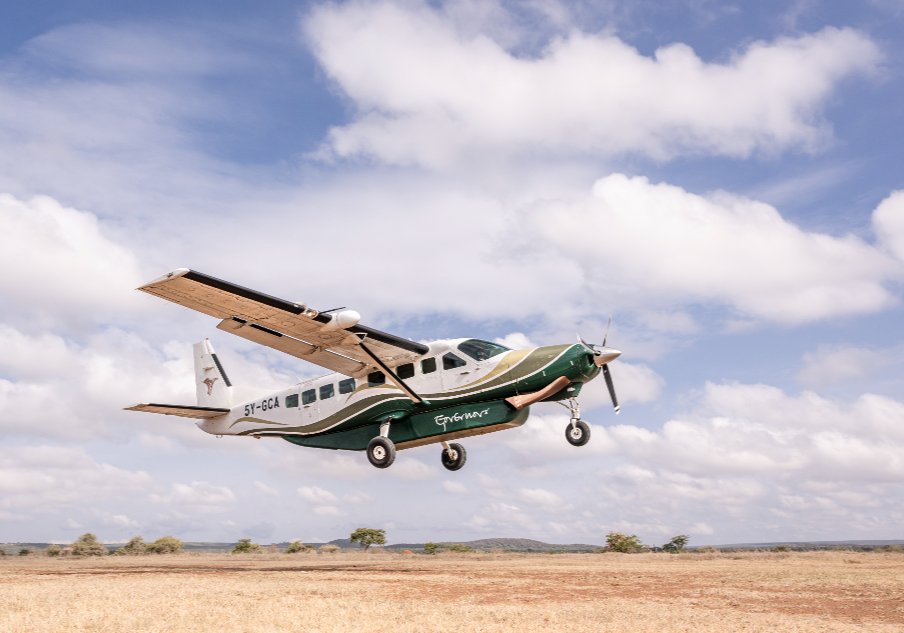
Scheduled services operate daily, sometimes multiple daily departures, on Governor’s Aviation, AirKenya and Fly ALS. All three carriers use light aircraft: the Cessna 208 Caravan is the standard workhorse, carrying nine to twelve passengers. Flights land at three main airstrips depending on which camp you are going to: Keekorok for the eastern national reserve and Ol Kinyei area; Ol Kiombo for the central reserve and most Naboisho and Olare Motorogi camps; Mara North for the northern conservancies. Flight time is 40 to 55 minutes depending on route and airstrip sequence. Some flights serve multiple airstrips and will add fifteen to twenty minutes per additional stop.
The luggage rule is absolute: soft bags only. Maximum 15 kg total per person including hand luggage. This is enforced at check-in and at the aircraft door. Hard-sided suitcases will not be loaded. There are no exceptions. A hard case left at Wilson Airport’s airline desk sits in an unmonitored storage area for however many nights you are in the Mara. Pack one soft duffel and one small camera or day bag. Wildlife photographers carrying bodies, lenses and tripods should call their specific airline before departure to confirm equipment procedures, most will accommodate dedicated camera bags separately if declared in advance.
Road
The drive from Nairobi to the main gates of the Masai Mara is approximately 270 km via the B3 highway through Narok town, then south on the C12 to Sekenani Gate or the C13 to Musiara Gate. Travel time is 5 to 6 hours under normal conditions. The section from Narok town to the gates has improved significantly in recent years but remains rough in sections, particularly in wet season. The last 20 km to most gates is unpaved and requires high clearance.
Self-drive is feasible with a 4×4 vehicle. It is not recommended as a first-day arrival for first-time visitors who have not driven rural Kenyan roads before. Driving in from Nairobi and arriving at your camp in time for an afternoon game drive requires an early departure, 6:00am from Nairobi is not aggressive and a driver who knows the Narok road.
Entry gates and fees
Main entry points: Sekenani Gate in the east, Sand River in the southeast, Musiara Gate in the northwest accessing the Mara Triangle and Talek Gate in the northeast. Gates are open 6:00am to 7:00pm non-resident park fees of USD 100 (low season) and USD 200 (high season) per person per day are paid at the gate via M-Pesa or visa card. Cash is not accepted at most gates. Conservancy fees, USD 100 to USD 150 per day depending on the conservancy, are normally included in camp rates and paid through the operator.
Activities beyond the game drive
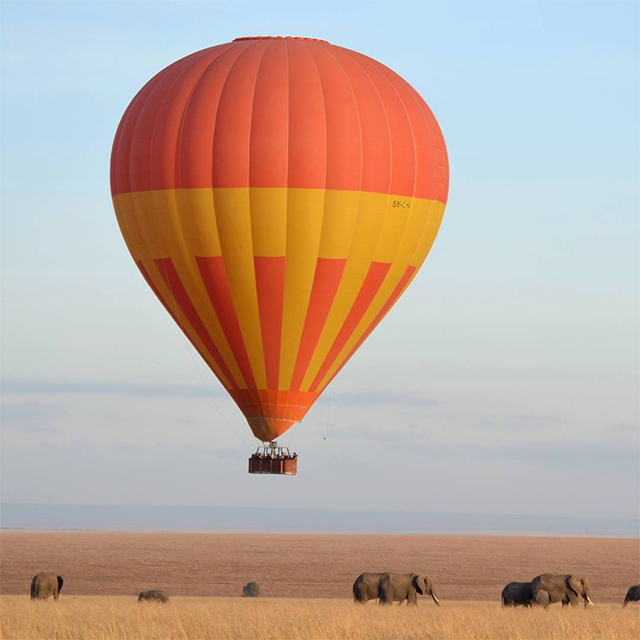
Hot air balloon safaris
Balloon flights launch at dawn, typically departing the inflation site at 5:30am to 6:00am and drift low over the plains for approximately one hour. The flight path is controlled by altitude changes rather than directional steering; pilots take the balloon up and down into different wind layers to influence direction. At low altitude, the balloon can approach within thirty metres of wildlife on the ground without disturbance; the animals do not associate it with threat.
Cost is approximately USD 480 to USD 600 per person, which includes the flight and a bush champagne breakfast on landing, served in the field wherever the balloon comes down. Main operators are Governors’ Balloon Safaris, Balloon Safaris and Skyship Balloons. Available to guests staying in the national reserve and the conservancies. During peak season, flights sell out months in advance. Weight limits apply, confirm your operator’s limit at booking.
Walking safaris
Not permitted inside the national reserve. Available in all the private conservancies, guided by armed Maasai guides or certified rangers. The experience is fundamentally different from game drive. At ground level, scale changes. A termite mound is a significant structure. The direction of wind is personally relevant. The sound of grass underfoot is information. We recommend at least one walking session for any client who has done multiple game drives before, it resets the reference frame in ways that another drive cannot.
The best walking safari operations in the Mara system are at Offbeat Mara in Mara North (where multi-day walking itineraries connect camps across the conservancy) and Naboisho Camp in Mara Naboisho (guided walks up to four hours with good big cat tracking).
Night game drives
Conservancy-only. Not permitted inside the national reserve. The nocturnal wildlife catalogue of the Mara is a different list from the daytime one: aardvarks (genuinely difficult to see without a spotlight), servals hunting in long grass, genets and African civets moving through the scrub, spring hares in the open and regularly, lions and spotted hyenas on active hunts. Drives typically last ninety minutes to two hours. Available at most conservancy camps. Red-filtered spotlights are used by responsible operators to minimize disturbance.
Cultural visits to Maasai communities
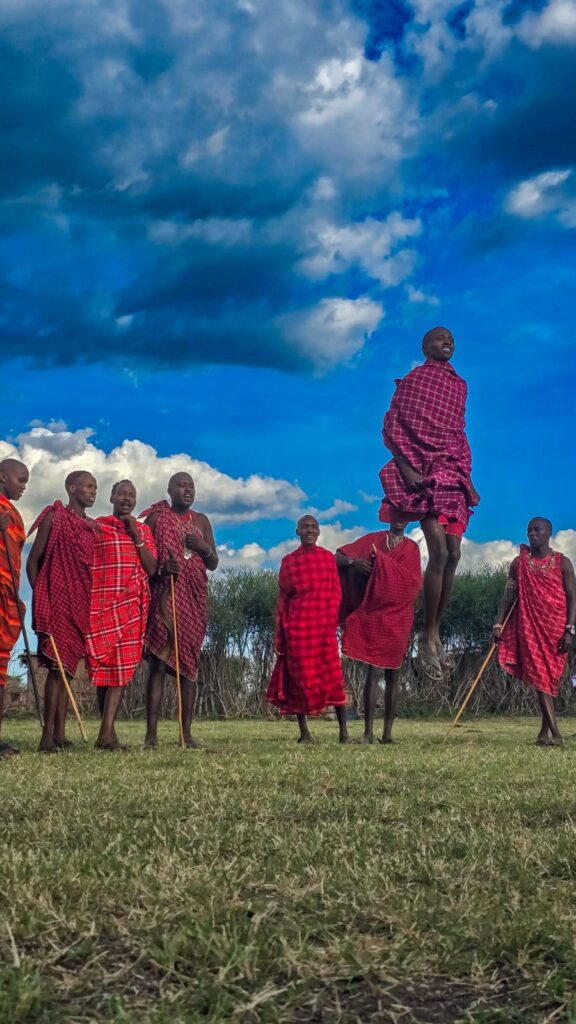
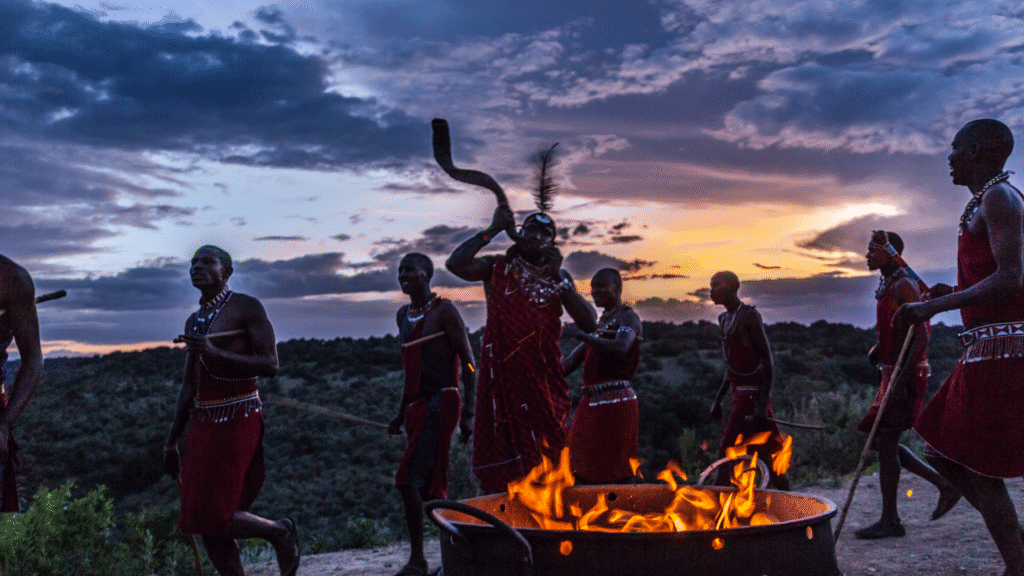
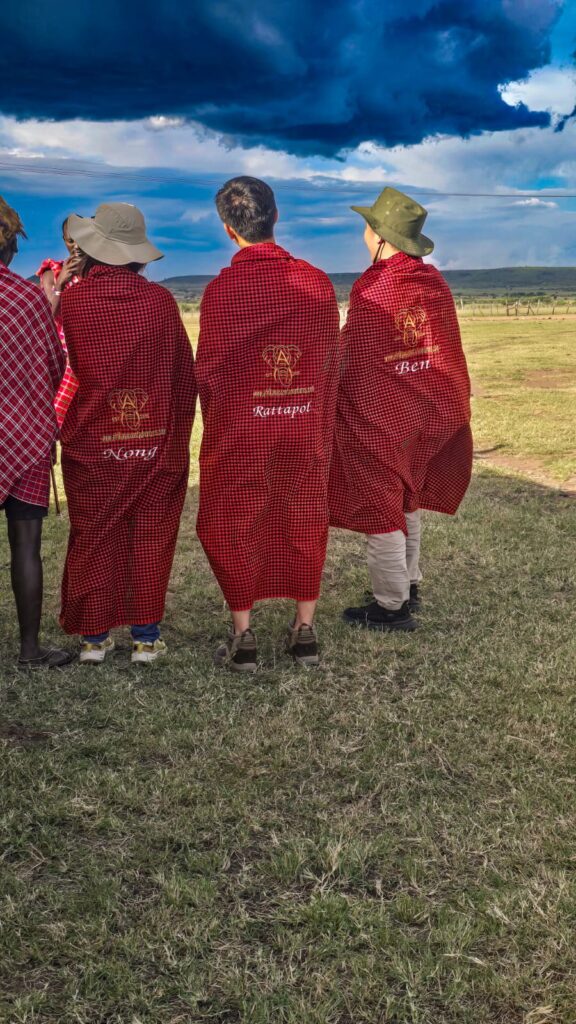
The Maasai have coexisted with this wildlife landscape for centuries. Their presence is not peripheral to the ecosystem; it is structurally inseparable from it. The conservancy model exists because Maasai landowners chose to lease their land to wildlife tourism rather than convert it to agriculture or intensive livestock use. That choice has an ongoing cost and ongoing logic.
Legitimate cultural visits to a working manyatta, observing daily routines, traditional architecture, livestock management, age-set organization and oral tradition, are arranged through camps as part of community benefit programs. Quality varies significantly. The difference between a genuine community engagement and a performance staged for tourists is usually visible within five minutes of arrival. Ask your operator directly: which community, what is the compensation structure, how many community members are employed at your camp. The answers tell you what you need to know.
Fly camping
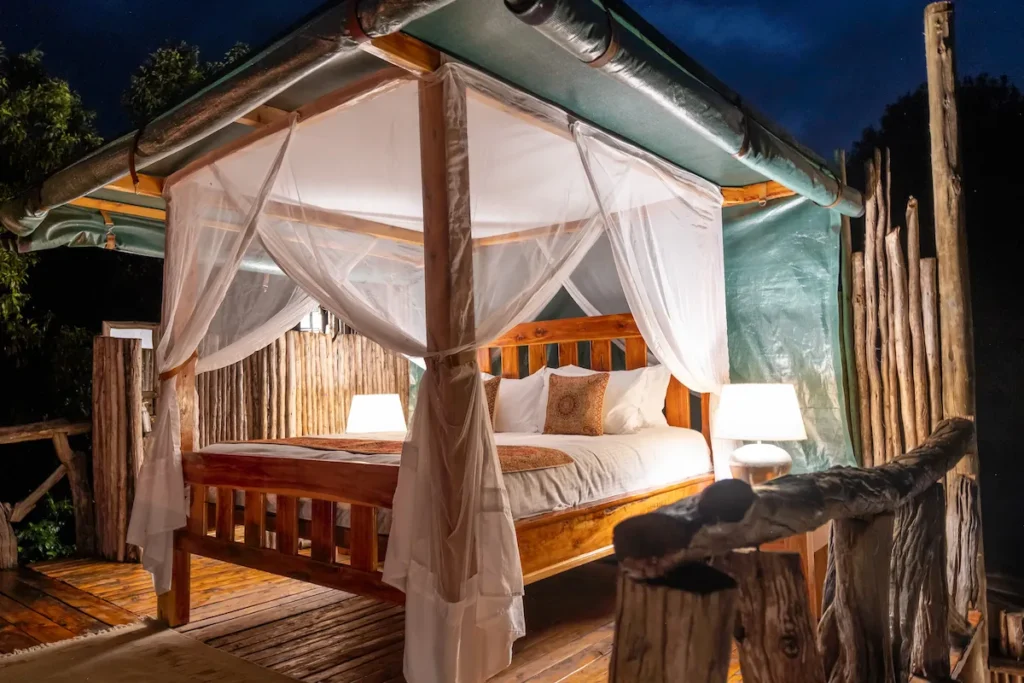
Several conservancy camps offer fly camping, spending a night in a temporary camp in a remote section of the conservancy, away from the main camp infrastructure. Sleeping in a tent on an open plain with the sounds of the Mara night around you is a different register of experience from a camp with permanent structures. Offbeat Mara and Kicheche Mara both run fly camping programs. These are not experiences for visitors who need certainty, the remoteness is the point.
What a Masai Mara safari actually costs
| QUICK ANSWER | HOW MUCH DOES A MASAI MARA SAFARI COST? A Masai Mara safari ranges from USD 300 per person per night at mid-range lodges to USD 2,500 at top-tier conservancy camps. Private conservancy camps average USD 600 to USD 1,500 per night, all-inclusive. |
Costs span a range wide enough to accommodate most budgets and the range reflects genuine differences in what is delivered.
Self-drive and public camping: a 4×4 vehicle with camping gear, staying at the public campsites inside the national reserve at Sekenani or Talek, costs approximately USD 30 to USD 60 per campsite per night plus USD 100 (low season) and USD 200 (high season) per person per day park fee. This is viable for experienced East Africa self-drivers with the right vehicle and no expectation of guide services. The wildlife is exactly the same as at any camp. The experience of finding it is entirely your responsibility.
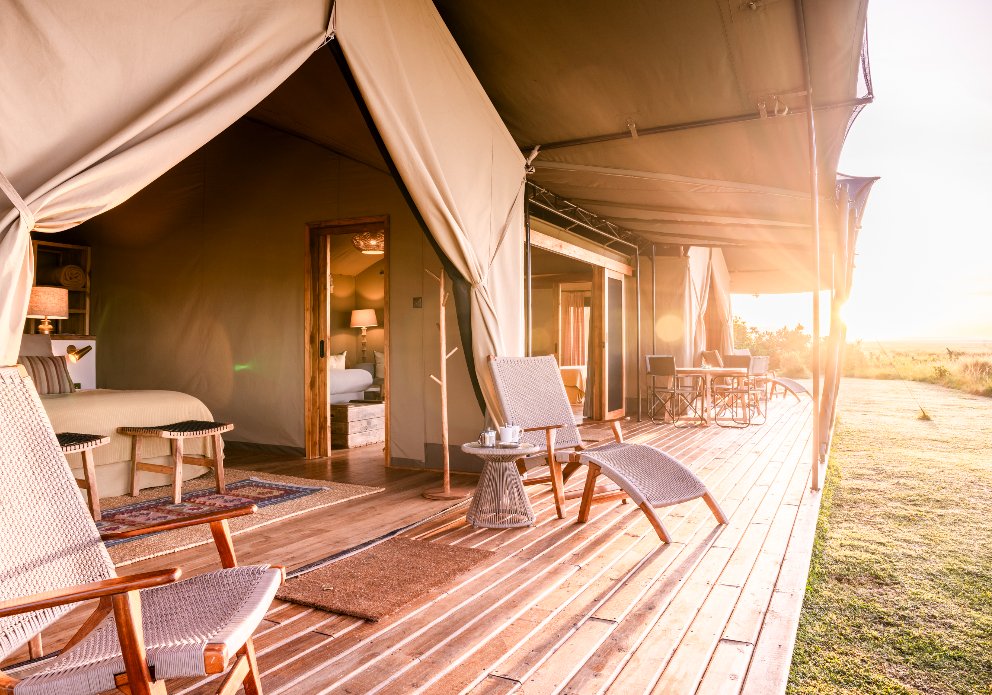
Mid-range lodges: Mara Sweet Acacia Lodge, Keekorok Lodge and Mara Serena Safari Lodge inside the national reserve run from USD 300 to USD 600 per person per night sharing, usually on a full-board basis with included game drives. Road infrastructure access to these properties varies, Keekorok is accessible from Sekenani Gate in a 2×4 in dry conditions. These properties suit visitors who want a guide-led experience at a price significantly below the conservancy tier.
Private conservancy camps: Encounter Mara, Kicheche Mara, Elephant Pepper Camp and Naboisho Camp run from USD 600 to USD 1,500 per person per night in most seasons. Rates include all meals, a resident guide, all game drives including night drives and walking safaris and conservancy fees. The per-night figure is the total cost of the experience; there are no significant add-ons beyond the balloon flight.
Top-tier properties: Pearl Mara, Ol Kupelia Mara, Mahali Mzuri and Angama Mara (the latter positioned on the Oloololo Escarpment with views across the Triangle, accessible by charter aircraft) range from USD 1,500 to USD 2,500 per person per night during peak season and higher for private-vehicle arrangements. Rates at this level include everything on the property. Private guides at these camps operate with genuine knowledge depth, Angama’s guiding team includes individuals who have worked the Mara for fifteen or more years.
Additional costs to budget: international flights into Nairobi Jomo Kenyatta International Airport; one or two nights in Nairobi before and after (Hemingways Nairobi in Karen at approximately USD 350 per room per night, the Fairmont Norfolk for a more central position); domestic flights from Wilson Airport at USD 180 to USD 250 return per person; Kenya Electronic Travel Authorization at USD 30 per person, applied online before travel at etakenya.go.ke; and the balloon flight at USD 480 to USD 600 per person if included.
Conservancy camp rates are not simply a room price. They are the mechanism that keeps Maasai land under wildlife rather than agriculture. The price funds the model that makes the experience possible.
Photography in the Masai Mara
The Masai Mara is one of the most photographically productive environments in Africa and not only because of wildlife density. The light is a factor. At altitude, the Mara sits between 1,500 and 2,180 metres, the atmosphere is thinner and the light in the early morning and late afternoon has a quality and directionality that lower-altitude savannah lacks. The golden hour here lasts longer and burns cleaner.
Equipment: a 100mm to 400mm zoom covers the majority of situations. A 500mm or 600mm prime is worth bringing for cheetahs and smaller subjects across open ground. A 70mm to 200mm handles portraits of habituated animals at close range. Two camera bodies, one long, one medium, reduces the time lost to lens changes at a critical moment. Bean bags are the preferred vehicle support; dedicated safari vehicles have cut-away doors or open sides that allow low-angle shooting from a resting position.
The conservancies make a measurable difference to photography. Three vehicles at a lion kill versus thirty means no vehicles in frame, the ability to position for light direction rather than the first available gap and the time to wait for behaviour rather than photograph static animals. A vehicle limit is, from a photography standpoint, a light management tool.
The best photography conditions in the Mara are January and February for open-terrain, low-grass work; June for clean light and green backgrounds; and October for the last migration animals with dramatic skies. July through September is the migration peak but also the most vehicle-crowded period, which creates its own compositional challenges in the national reserve.
Conservation, the Maasai community and the land-use model
The Masai Mara’s long-term viability as a wildlife landscape depends entirely on the Maasai communities surrounding it. The national reserve, 1,510 sq km, is insufficient to support the ecosystem’s wildlife on its own. The migration requires a land corridor extending hundreds of kilometres south into Tanzania. The predator populations require dispersal areas beyond the reserve boundary. Without the group ranches and conservancies absorbing that pressure, the reserve contracts functionally to its gazetted boundary and the ecosystem collapses.
The conservancy lease model pays Maasai landowners annual fees that compete with or, at better rates, exceed returns from livestock farming or dryland agriculture on the same land. A family receiving lease income from a conservancy earns predictable annual payment from wildlife that previously cost them cattle to predation with no compensation mechanism. The economic logic is the conservation logic.
It is not a perfect model. Lease rate transparency varies between conservancies. Some operators have been slower to pay than their contracts require. Power dynamics between international operators and local landowner associations are not always equal. The process of ensuring that community employment ratios at camps are genuine rather than nominal requires scrutiny that most booking platforms do not apply.
What we do: before placing any client in a conservancy camp, we ask operators directly about community employment ratios, lease fee payment records, community project involvement and how community members participate in conservation decisions. This is not a formality. It is the minimum verification required to operate responsibly inside this ecosystem. We do not work with camps where the answers are evasive.
The Mara Conservancy’s eighteen-year track record in the Mara Triangle is the clearest evidence of what disciplined, transparent management achieves: measurable anti-poaching results, measurable community benefit delivery and a model that has been studied and partially replicated in other conservancy-adjacent reserve management contexts in East Africa.
Self-drive in the Masai Mara: what you need to know
Self-drive is an option in the Masai Mara National Reserve. It is not an option in the conservancies, which restrict vehicle access to camp-registered vehicles and guides only. Within the reserve, a self-drive visitor needs: a 4×4 with high ground clearance and a functioning spare, a current Kenya road atlas or offline GPS data for the reserve track network, Visa card or M-Pesa payment ready for gate fees and realistic expectations about the difference between finding wildlife independently and being driven by a guide who has spent years learning this specific landscape.
The track network inside the reserve is extensive. During dry season, most tracks are passable in a well-equipped 4×4. During the long rains, sections of the reserve, particularly near the Mara River and the Talek River floodplain, become impassable even for experienced drivers. A stuck vehicle in a remote section of the reserve is a security and safety issue, not only an inconvenience.
Self-drive is best suited to visitors returning for a third or fourth visit who have established familiarity with the reserve’s geography, who travel light and who find the independence of self-directed game driving worthwhile against the trade-off of reduced guide knowledge. For first and second visits, a guided camp experience consistently delivers more wildlife per hour and more context per sighting.
What to pack for a Masai Mara safari
Soft bags only. The 15 kg per person total limit on light aircraft departing Wilson Airport is enforced. One duffel bag and one daypack is the practical format.
Clothing: neutral colours, khaki, olive, tan, stone. Not white, not blue, not bright red. Colours that break your human outline against the environment. Light layers for the day, a warm fleece or jacket for early morning drives and balloon flights (temperatures at 6:00am at Mara altitude are regularly 10 to 14 degrees Celsius before the sun is up). Long sleeves protect against sun more efficiently than sunscreen alone. Closed shoes for walking safaris, sandals are not appropriate for any walk in the bush.
Essentials: binoculars minimum 8×42 (10×42 for open plains work), personal sunscreen at SPF 50 or above, wide-brimmed hat, headlamp for navigating to the dining area at night, personal medications and a basic first aid kit, refillable water bottle (camps provide filtered water). Malaria prophylaxis, discuss current protocols with a travel health clinic before departure. Altitude is a mild factor; most visitors notice nothing but some feel the first morning’s early start more acutely than at sea level.
Photography equipment may qualify for separate luggage allowance. Confirm with your specific airline at the time of booking, not at Wilson check-in.
How to structure a Masai Mara itinerary
Three nights, the working minimum
Three nights gives you six game drives: three morning, three afternoon. That is enough to see lion, elephant, buffalo, cheetah and the majority of resident wildlife in any month. It is enough to get context from a guide. It is not enough to wait for a specific event, a crossing, a kill developing over hours, a den site. Three nights is the practical minimum, not the recommendation.
Four to five nights, the sweet spot
Four or five nights in the Mara gives flexibility. If the third morning produces nothing exceptional, there are two more mornings. If a crossing is building on the river on day three, you can return on day four. The game drive fatigue that some visitors experience after six consecutive drives does not affect most people until later in the trip and the Mara’s variety, different sectors, different habitats, different guides if you request it, holds attention well across five days.
Six to seven nights, the specialist itinerary
Six or seven-nights suits wildlife photographers, visitors specifically timing river crossings and guests who want to combine national reserve and conservancy experiences in the same trip. A structure of two nights in the Triangle, three nights in Olare Motorogi or Naboisho and a final night in Mara North covers the ecosystem’s range and demonstrates the difference between national reserve and conservancy game driving within a single trip.
Combining the Mara with other Kenya destinations
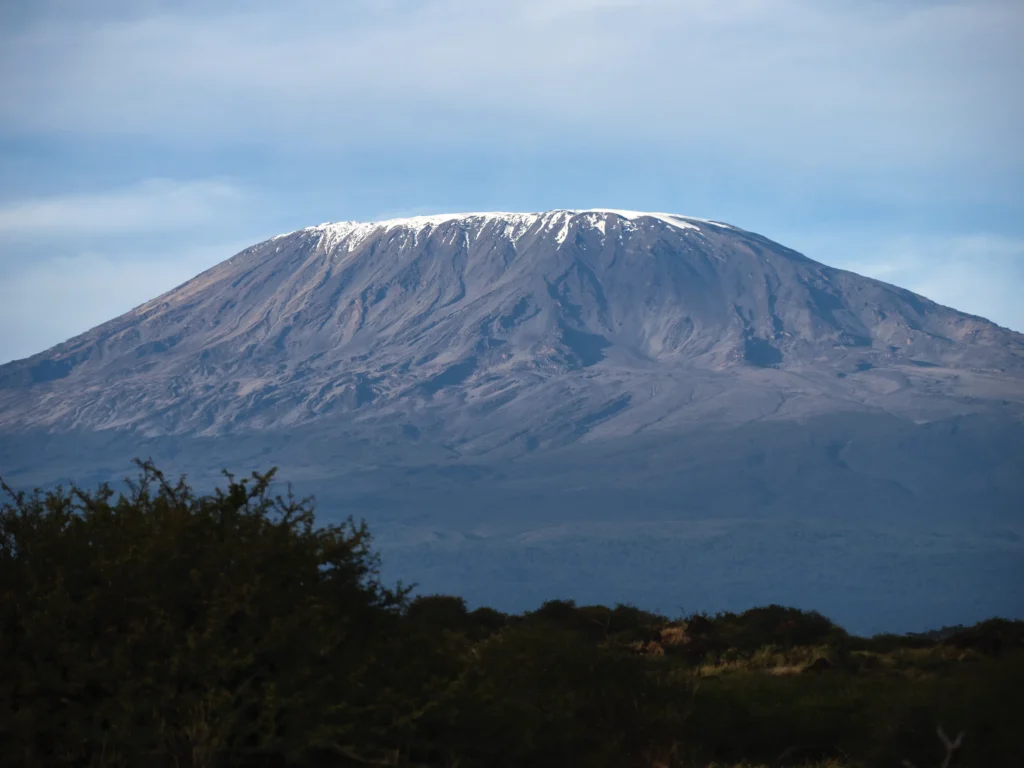
Common combinations: Amboseli National Park (Kilimanjaro backdrop, large elephant herds, Mt Kilimanjaro views) either before or after the Mara, accessible by a 45-minute flight from Wilson; the Laikipia Plateau (Ol Pejeta Conservancy for white rhino, Laikipia for black rhino and wild dog, Lewa for rhino and reticulated giraffe), accessible by a 40-minute flight from Wilson; and the coast (Watamu, Diani, Lamu) for a post-safari beach add-on, accessible from Mombasa via Mombasa Moi International Airport.
Frequently asked questions
Is the Masai Mara or the Serengeti better for a safari?
Both are sections of the same ecosystem and share the same migration. The Mara is better for ease of access from Nairobi, a 45-minute flight versus a full day of connecting travel to reach the central Serengeti. The Mara also has a more developed private conservancy network offering off-road and night driving, which most of the Serengeti’s national park sections do not permit. The Serengeti is larger at 14,763 sq km and offers more varied circuit options, including the southern calving plains and Ndutu area in the January to March period. For a first-time visitor on a Kenya-only itinerary of five to ten days, the Mara is the right call. For a longer Tanzania circuit including Ngorongoro Crater, the northern circuit and migration timing on the southern plains, the Serengeti fits better.
How many days should I spend in the Masai Mara?
Three nights is the operational minimum, you get six game drives, which is enough to see core wildlife. Four to five nights gives you flexibility to wait for specific events. We rarely recommend more than seven nights in the Mara alone unless the client is a dedicated wildlife photographer or specifically timing a crossing. More than seven nights produces diminishing returns in terms of novel encounters unless the client is in two or three different properties across the ecosystem.
What is the difference between the national reserve and the conservancies?
The national reserve is public land managed by Narok County Government. Entry is USD 100 (low season) and USD 200 (high season) per person per day. Game drives must stay on established tracks. Off-road driving, night drives and walking safaris are not permitted. Vehicle numbers at a sighting are unlimited. The conservancies are private or community land surrounding the reserve with separate entry fees, usually included in camp rates. They permit off-road driving, night drives and walking safaris. Vehicle limits at sightings are strictly enforced at three to four per sighting. For most clients, particularly those returning for a second or subsequent visit, the conservancy experience is significantly better than the national reserve. For first-time budget visitors, the national reserve works well at a lower total cost.
Do I need a visa to visit Kenya?
Kenya replaced its traditional visa with an Electronic Travel Authorization for most nationalities. The ETA is applied for online before departure at etakenya.go.ke, costs USD 30 for most nationalities and is typically processed within 72 hours. Citizens of East African Community member states including Tanzania, Uganda, Rwanda, Burundi and South Sudan do not require an ETA. Check current requirements with your nearest Kenyan embassy or the official ETA portal before booking, as these can change.
Is the Masai Mara safe to visit?
Yes. The Masai Mara ecosystem is one of the most operationally safe safari destinations in Africa. The primary risks are wildlife-related: stay inside vehicles during game drives, follow guide instructions at all times, do not walk between tents at night without a camp escort. Camp security in the conservancies is standard and well-managed. Nairobi warrants standard urban precautions, use licensed taxis or app-based transport from the airport and hotels, avoid walking in unfamiliar areas at night. We have operated in and around the Mara for years without a security incident.
When exactly do wildebeest river crossings happen?
River crossings occur between late July and late September in most years, with October producing occasional late crossings. The timing shifts by ten to fourteen days year to year depending on rainfall patterns in the southern Serengeti and the pace of herd movement north. There is no reliable way to guarantee a crossing on a specific date. Position yourself at the Mara River during this window, work with a guide who is monitoring herd movement daily and allow enough nights to increase probability. Three nights gives a reasonable chance. Five nights gives a good chance. Seven nights approaches certainty of seeing at least one substantive crossing.
Can I visit the Masai Mara as a day trip from Nairobi?
Technically yes, the flight is 45 minutes each way and a day visit is logistically possible. We do not recommend it. A day trip gives approximately two to three hours in the reserve between landing transfer and the return flight. You spend more time in transit than on safari, at a flight cost that approaches a night’s mid-range accommodation. Two nights in camp is the sensible minimum. Three is better.
What is the best camp in the Masai Mara?
There is no single best camp. The right camp depends on what you want from the experience. For maximum predator density and a well-guided conservancy experience: Kicheche Mara in Olare Motorogi. For a top-tier property with strong photography infrastructure: Mahali Mzuri in Olare Motorogi or Angama Mara on the Oloololo Escarpment. For walking safaris: Offbeat Mara in Mara North. For the migration crossing position: Little Governors’ Camp in the Mara Triangle. For community benefit transparency: Encounter Mara in Naboisho or Basecamp Explorer in Mara North. The camp that suits your itinerary, your guide and the specific experience you want is the best camp for your trip.
What vaccinations do I need for Kenya?
Yellow fever vaccination is required for entry to Kenya if arriving from a country with risk of yellow fever transmission. For most visitors, this is not a direct requirement but becomes relevant if Kenya is one stop on a broader East Africa circuit. Recommended vaccinations typically include hepatitis A, typhoid and, depending on the visitor’s medical history, hepatitis B. Malaria prophylaxis is recommended for the Masai Mara, the reserve is in a malaria zone. Discuss specific prophylaxis options with a travel health clinic, ideally six to eight weeks before departure. This is not advice; it is a prompt to seek proper medical guidance before you travel.
Plan your Masai Mara safari with Afrikan Accent Adventures
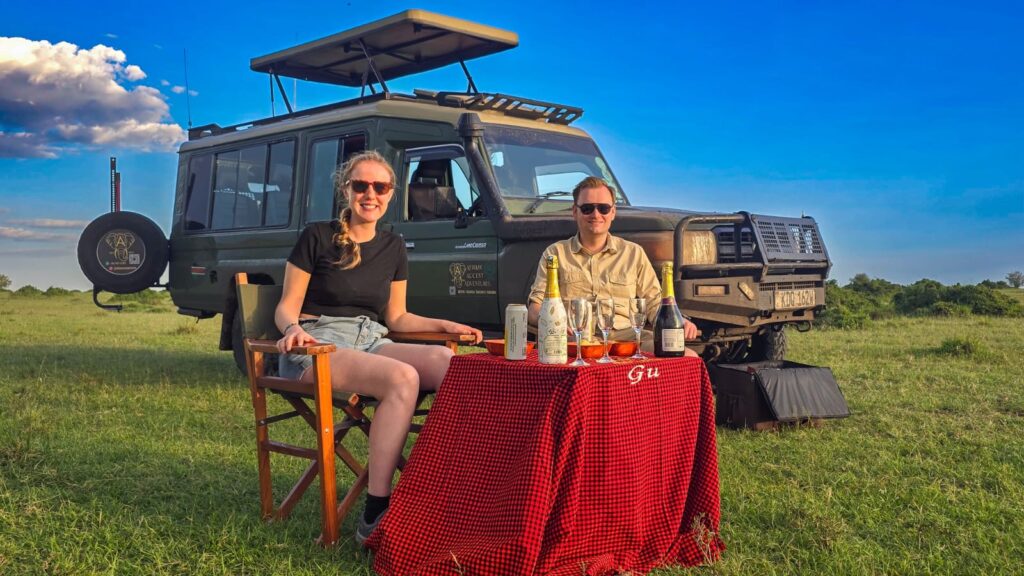
We are a Nairobi-based safari operator. We fly out of Wilson Airport. The guides at the camps we recommend know us by name, not by booking reference. We know which conservancies are current on their community lease payments. We know that the light at Naboisho in the afternoon is different from the light at Mara North and what that means for a photographer. We know that a client who arrived to see a river crossing and missed it on day three needs a guide who will stay on the river on day four without being asked.
This guide contains everything we tell clients before we start talking about their specific trip. It is the foundation, not the sales pitch. The pitch is simpler: the Masai Mara is the greatest wildlife reserve in Africa and we know it well enough to put you in the right place, at the right time, with a guide who can read the river and position the vehicle before the herd decides.
What we offer beyond this article: the soft-bag problem resolved before you reach Wilson check-in, conservancy fees included transparently in your quote, every cultural visit arranged through a camp that actually pays the community and logistics handled by people who have driven these roads in April mud and December dust and every month in between.
We know why the Masai Mara. We know it in the dark at 5:50am on the Narok road. We know it in the orange light over Musiara Marsh before a client is awake. We know it in the specific silence that follows a crossing, when the last wildebeest has climbed the far bank and the crocodiles have gone still and the river is just a river again for a few minutes, before the next herd finds the courage.
The Mara does not wait. Neither should you.
Let's plan your East African safari
Tell us when you'd love to travel and a local specialist will craft a tailor-made route around you.


