
Women Only Safari Kenya
Women Only Safari in Kenya: The Complete Guide
Everything a woman needs to know before booking a women only safari in Kenya, from why the model…
Read more →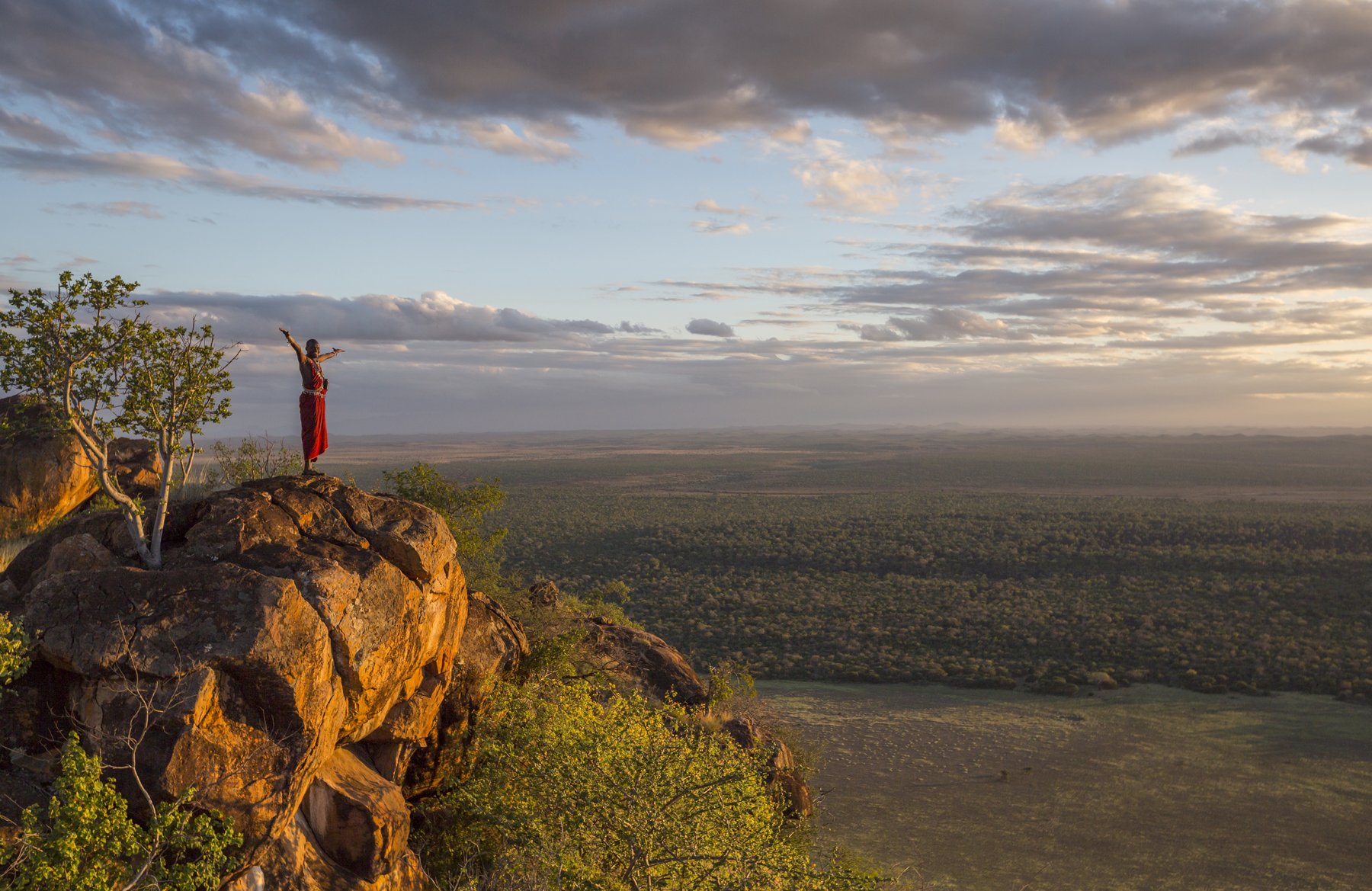
Chyulu Hills National Park is one of Kenya's most spectacular hidden gems, offering rolling volcanic hills, ancient lava caves, lush cloud forests, and breathtaking views of Mount Kilimanjaro. Nestled between Amboseli and Tsavo West National Parks, this pristine wilderness is renowned for its large elephant herds, diverse wildlife,
Stretching across southern Kenya between Amboseli National Park and Tsavo West National Park, Chyulu Hills National Park is one of the country’s most scenic and least-explored wilderness areas. Renowned for its rolling emerald hills, ancient volcanic landscapes, lush cloud forests, and sweeping views of Mount Kilimanjaro, the park offers a unique safari experience that combines wildlife, adventure, and breathtaking natural beauty.
Established in 1983, the national park protects approximately 741 square kilometres (286 square miles) of the Chyulu Hills volcanic range. The hills themselves are geologically young, having formed less than 500 years ago through volcanic activity. Their fertile volcanic soils support rich grasslands, montane forests, bamboo zones, and open savannah, creating a remarkable diversity of habitats within a relatively compact area.
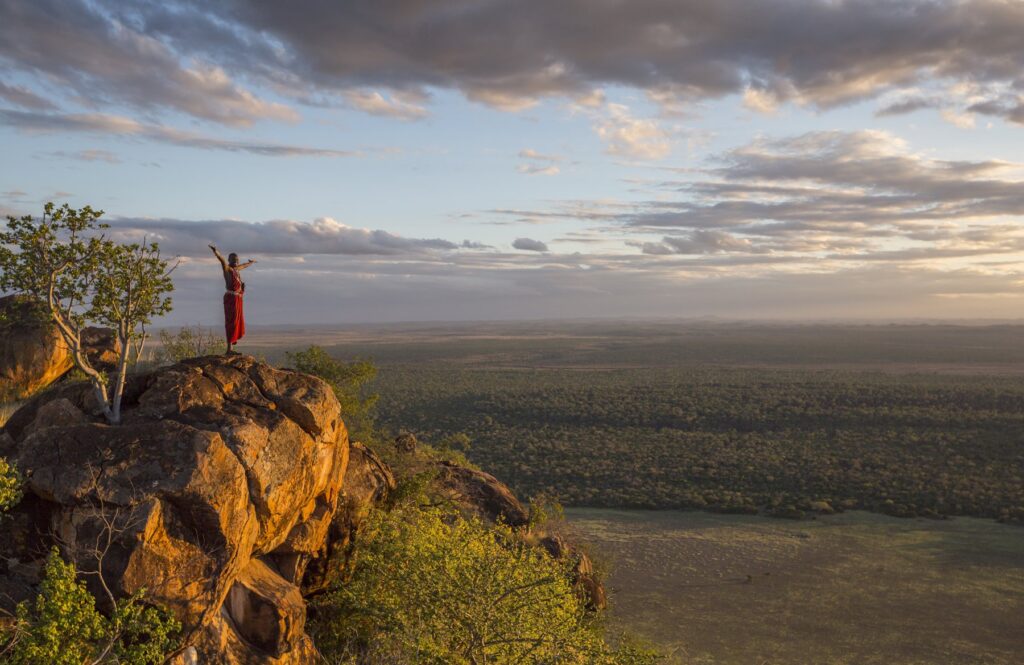
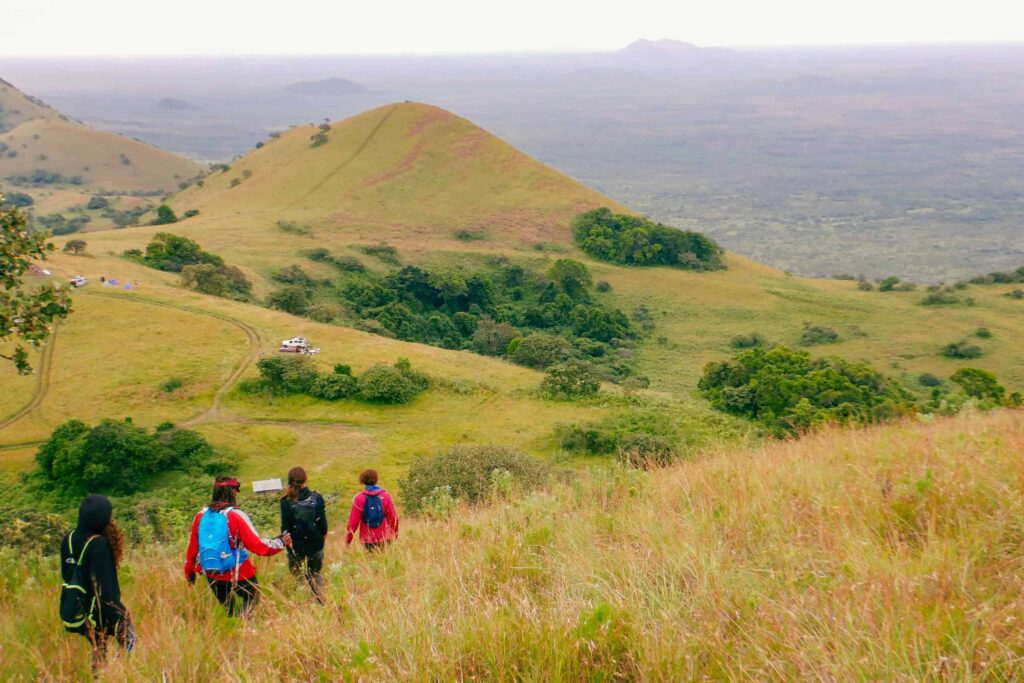
One of Chyulu Hills’ greatest attractions is its spectacular scenery. The undulating green hills appear to roll endlessly across the landscape, earning praise from famous conservationist Ernest Hemingway, who described them as the “Green Hills of Africa” in his celebrated book of the same name. On clear days, visitors are rewarded with panoramic views of the snow-capped summit of Mount Kilimanjaro, providing one of Kenya’s most picturesque safari backdrops.
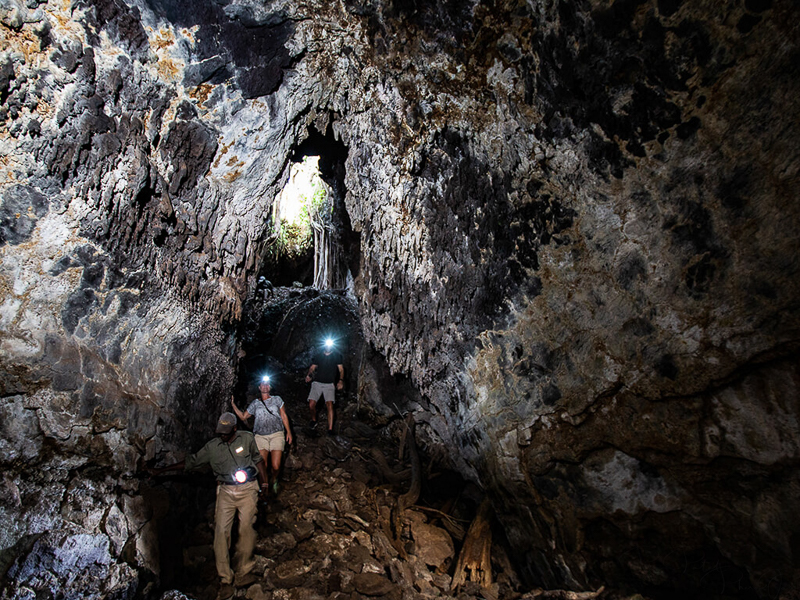
The park is also home to one of the world’s longest lava tube cave systems. The famous Leviathan Cave extends for more than 11 kilometres, making it one of the longest known lava tubes on Earth. These fascinating underground formations were created by flowing lava thousands of years ago and are among the park’s most unique geological attractions.
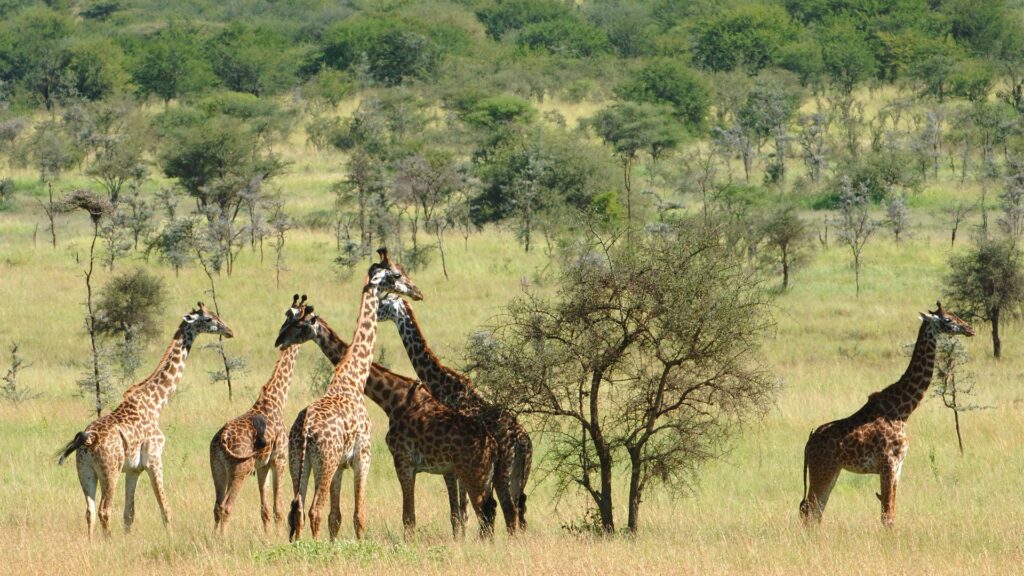
Wildlife in Chyulu Hills thrives within the larger Amboseli–Tsavo ecosystem, allowing animals to move freely between protected areas. Visitors regularly encounter elephants, buffaloes, giraffes, zebras, elands, bushbucks, impalas, warthogs, and numerous smaller mammals. Predators such as leopards, lions, spotted hyenas, servals, and occasionally cheetahs also inhabit the park, although they are more elusive due to the dense vegetation and expansive terrain.
Birdwatchers will find Chyulu Hills equally rewarding. More than 300 bird species have been recorded, including crowned eagles, Hartlaub’s turacos, African fish eagles, augur buzzards, hornbills, sunbirds, and a wide variety of forest and grassland species. The changing elevations and varied habitats make the park one of southern Kenya’s most diverse birding destinations.
Unlike many traditional safari parks, Chyulu Hills is celebrated for its low visitor numbers and exclusive experiences. Guided walking safaris, horseback safaris, mountain biking, cave exploration, and scenic hikes allow visitors to immerse themselves in nature while enjoying the tranquillity of an unspoiled wilderness. Luxury eco-lodges and private conservancies bordering the park offer exceptional service, personalized wildlife experiences, and breathtaking views of the surrounding landscape.
The Chyulu Hills also play a vital ecological role. The porous volcanic rocks act as a natural water reservoir, filtering rainwater that emerges as underground springs in nearby Tsavo West National Park, including the famous Mzima Springs. This natural filtration system supports wildlife, local communities, and ecosystems across southern Kenya.
The region is closely connected with the Maasai people, whose traditional pastoral lifestyle has coexisted with wildlife for generations. Visitors have the opportunity to experience authentic Maasai culture through guided community visits, traditional ceremonies, local crafts, and storytelling, gaining valuable insight into one of East Africa’s most iconic cultures.
Chyulu Hills enjoys a pleasant climate throughout the year due to its varying elevations. The dry seasons from June to October and January to March offer the best conditions for wildlife viewing, hiking, and photography, while the rainy seasons transform the hills into a lush green paradise with vibrant wildflowers, flowing streams, and dramatic cloud formations.
Whether exploring ancient lava caves, tracking elephants on foot, riding horseback across volcanic grasslands, or simply admiring Mount Kilimanjaro from a luxury lodge, Chyulu Hills National Park delivers a safari experience unlike any other. Its combination of untouched landscapes, geological wonders, rich biodiversity, cultural heritage, and exclusive wilderness experiences makes it one of Kenya’s best-kept secrets and a must-visit destination for travellers seeking an authentic and off-the-beaten-path African adventure.
Escape to the breathtaking Chyulu Hills National Park, where rolling emerald hills, ancient volcanic landscapes, lush cloud forests, and spectacular views of Mount Kilimanjaro create one of Kenya's most scenic wilderness destinations. Explore hidden lava tubes, encounter elephants, buffaloes, giraffes, and diverse birdlife, and enjoy exclusive safari experiences, horseback riding, guided nature walks, and unforgettable luxury stays in one of Africa's most pristine ecosystems. Callout Icon
Dense vegetation, nightly fog and frequent mists turn the volcanic ridges emerald-green, living up to Hemingway’s moniker. The rolling green cones contrast…
Chyulu is home to an intricate cave system carved by flows. The most famous is Leviathan, an 11–13 km lava tube (one…
The open plains and gentle hills are ideal for riding. Safaris on horseback or mountain bike let guests cover more ground quietly,…
As one of Kenya’s least-visited parks, Chyulu trades crowds for wilderness. Safari vehicles are few, so game drives feel intimate. The night…
Everywhere in Chyulu you see its volcanic origin: thick lava flows, cinder cones, ash fields and volcanic soils. The black lava rock…
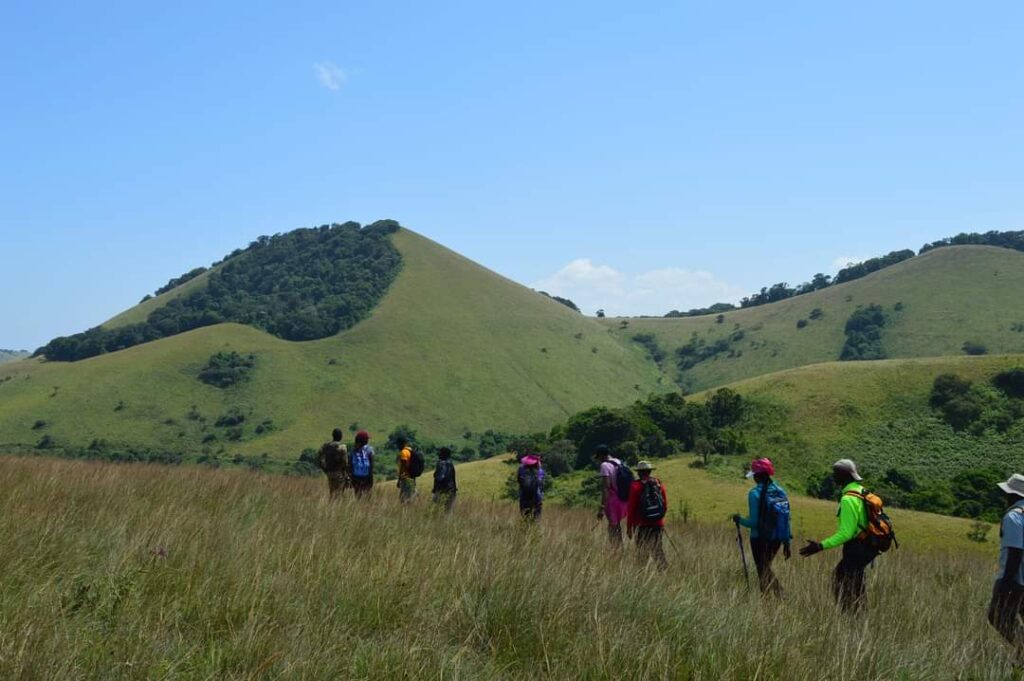
Unlike most Kenyan parks, Chyulu offers extensive foot-access through the hills. Well-marked hiking trails climb old lava flows and traverse montane forest.…
Roughly 300 bird species have been sighted. Notables include Hartlaub’s and purple-crested turacos, Narina trogon, African emerald cuckoo, Abbott’s starling, silvery-cheeked hornbill…
On clear mornings, the snow-capped summit of Kilimanjaro rises on the southern horizon. Many lodge verandas and high ridges offer iconic skyline…
From value camps to premium lodges — we match every stay to your style and budget.
Community-run tents near Kibwezi forest, offering basic rooms and camping. A good option for tight budgets. Also “Kiboko Guest House” in nearby Kibwezi town provides self-catering cottages.
Smaller tented camps such as Sunshine Camp or Sevika Camp (Kuku Ranch) cater to mid-budget travelers, offering simple tents and a genuine out-back atmosphere. Wildlife like elephant often roam near camp.
Set on its own private conservancy bordering Chyulu, this high-end lodge has stylish suites overlooking Kilimanjaro. It features a pool, sunken wildlife hides and excellent cuisine, with strong emphasis on bush walks and horseback riding.
Every season has its magic — here's what to expect when, so you can travel at your perfect time.
Trails range from easy to strenuous. Many walks (like to Mt. Ashnil summit) involve long climbs and loose lava scree. Good fitness and sturdy boots are recommended. Shorter loop trails (e.g. Kichwa Tembo) are moderate. Always hike with a KWS ranger.
Yes. All hikes on park land require a registered guide (armed for security). Guides can also interpret wildlife and plants.
All visitors must pay KWS entry fees and camping fees. Hikes inside the park need a ranger permit. Leviathan Cave requires a special cave permit. Permits are obtained at Kibwezi Gate (cash or mobile payment) or pre-booked via KWS.
Yes. Chyulu is considered safe for tourists. The biggest dangers are natural (rough terrain, sun exposure). Always follow your guide’s instructions. Do not hike alone.
Yes, if arranged with KWS and a guide. The park is open 24 hours. Night drives can reveal hyenas, genets, porcupines and owls.
Afrikan Accent Adventures can arrange everything (accommodation, park permits, guides). You may also book directly with lodges or through international safari operators.
Chyulu is family-friendly if children are supervised. Lodges have child policies; cabins often accommodate kids. For hiking, older kids (10+) do better due to terrain and pace.
Afrikan Accent Adventures offers custom Chyulu packages or combines with Masai Mara, Amboseli, Tsavo, etc. Popular itineraries include 3-day Chyulu hikes, 5-day Amboseli–Chyulu, or extended 7-day “Kenya highlights” safaris.
Everything a woman needs to know before booking a women only safari in Kenya, from why the model…
Read more →
The complete guide to getting from Britain to the Masai Mara, what it costs door to door, and…
Read more →
A straight answer from a Nairobi based operator on the real risks, the real precautions and exactly how…
Read more →Tell us what you’d love to see and a local specialist will design a tailor-made itinerary around you — no obligation, reply within 24 hours.