It Happened: The First Mara River Crossing of 2026 Unfolded Right In Front of Us
Yesterday, we watched the Great Migration take its first real leap across the Mara River, with the herds…
Read more →
Discover boat safaris, walking safaris, enormous wildlife populations and one of the largest protected wilderness areas on Earth in Tanzania's spectacular southern safari circuit.
Nestled in the heart of southern Tanzania, Nyerere National Park stands as one of Africa’s greatest wilderness treasures and the largest stand-alone national park on the continent. Covering an extraordinary 30,893 square kilometres (11,928 square miles), the park forms the core of the legendary Selous ecosystem, one of the largest protected wildlife areas in the world and a UNESCO World Heritage landscape renowned for its exceptional biodiversity and ecological significance.
Formerly part of the historic Selous Game Reserve, the northern photographic tourism section was officially designated as Nyerere National Park in 2019 and named in honour of Tanzania’s founding president, Julius Nyerere. Despite this administrative change, many travellers and safari enthusiasts still refer to the destination as “Selous,” and the terms Nyerere National Park and Selous Safari continue to be used interchangeably in the tourism industry.
Unlike the heavily visited parks of Tanzania’s Northern Safari Circuit, Nyerere offers visitors a rare opportunity to experience Africa much as it existed centuries ago — vast, wild, remote and wonderfully uncrowded. Visitors can spend an entire day on safari without encountering another vehicle, creating a genuine sense of exploration that has become increasingly rare in modern African tourism.
The defining feature of the park is the mighty Rufiji River, Tanzania’s largest river system and the lifeblood of the ecosystem. The river meanders through a spectacular network of lakes, channels, oxbow lagoons, swamps and floodplains that sustain an extraordinary concentration of wildlife throughout the year. This unique aquatic environment distinguishes Nyerere from virtually every other safari destination in East Africa and has earned it international recognition as one of Africa’s premier river safari destinations.
One of the park’s most iconic experiences is the boat safari, an activity rarely available in traditional savannah parks. Gliding silently along the Rufiji River allows visitors to observe wildlife from an entirely different perspective. Elephants frequently cross the river, hippos surface only metres from the boat, Nile crocodiles bask along sandbanks and countless bird species gather along the shoreline. Sunset boat safaris on the Rufiji are widely considered among the finest safari experiences in Africa.
Nyerere National Park supports an extraordinary diversity of wildlife. The park is home to large populations of elephants, buffaloes, giraffes, zebras, wildebeest, impalas, waterbucks, elands, bushbucks and numerous other plains game species. Predators are equally impressive, with healthy populations of lions, leopards, spotted hyenas and one of East Africa’s most important remaining populations of endangered African wild dogs.
The park has become internationally famous for its African wild dogs, one of the continent’s rarest and most endangered predators. The vast size of the ecosystem and relatively low human pressure have allowed these highly social hunters to survive and thrive, making Nyerere one of Africa’s most reliable destinations for observing wild dogs in their natural habitat.
Bird enthusiasts are equally rewarded. More than 440 bird species have been recorded, including fish eagles, kingfishers, bee-eaters, African skimmers, saddle-billed storks, herons, pelicans and numerous migratory species. The wetlands and river systems provide exceptional habitat diversity and make the park one of Tanzania’s leading birdwatching destinations.
Another defining characteristic of Nyerere is its pioneering role in walking safaris. The Selous ecosystem is widely regarded as one of the birthplaces of guided walking safaris in Africa. Accompanied by armed professional guides and trackers, visitors can explore the wilderness on foot while learning about tracks, insects, plants, birdlife and animal behaviour at ground level. Walking safaris provide a deeper appreciation for the ecosystem and create an entirely different safari experience from traditional game drives.
The park’s landscapes are remarkably diverse and include open grasslands, palm-fringed lakes, miombo woodlands, riverine forests, rocky hills and expansive floodplains. Seasonal changes dramatically transform the scenery throughout the year, with the dry season concentrating wildlife around permanent water sources while the green season brings lush vegetation, migratory birds and newborn animals.
Nyerere is accessible by both road and air. Most international visitors arrive via scheduled or charter flights from Dar es Salaam, Zanzibar, Arusha or other safari destinations to airstrips such as Mtemere, Siwandu or Beho Beho. Road transfers from Dar es Salaam take approximately five to six hours, making the park one of Tanzania’s most accessible wilderness destinations.
The best wildlife viewing generally occurs during the dry season from June to October, when animals gather around the Rufiji River and surrounding lakes. The green season from November to April offers spectacular scenery, excellent birdwatching, fewer visitors and attractive accommodation rates, making it particularly popular with photographers and repeat safari travellers.
Accommodation ranges from affordable lodges near the park entrance to some of Africa’s finest luxury safari camps overlooking the Rufiji River. Many properties include boat safaris, walking safaris, bush breakfasts, sundowners and fly camping experiences, allowing visitors to fully immerse themselves in one of the continent’s last great wilderness areas.
For travellers seeking a safari experience that combines traditional game drives with river adventures, walking safaris, remarkable exclusivity and authentic wilderness, Nyerere National Park delivers one of Africa’s most rewarding and diverse safari experiences. Its immense size, extraordinary biodiversity and sense of remoteness make it not only one of Tanzania’s finest parks but also one of the world’s truly great wildlife destinations.
Experience the thrill of boat safaris on the Rufiji River, close-up walking safaris, exceptional wildlife encounters and authentic African wilderness in Tanzania's largest protected national park.
Nyerere National Park is one of the very few safari destinations in Africa where boat safaris are a primary wildlife activity rather…
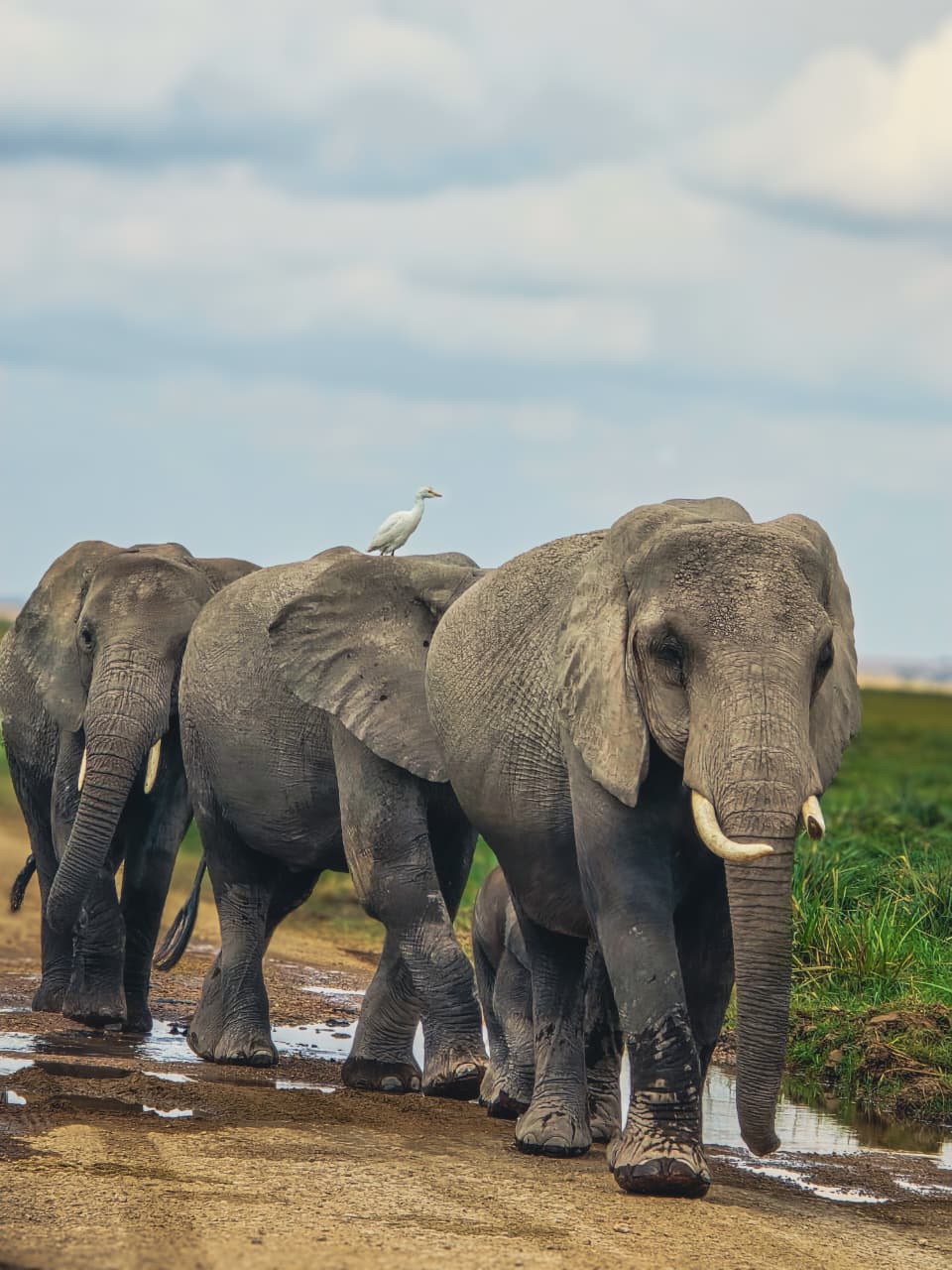
Nyerere National Park supports one of East Africa's largest elephant populations and remains one of the species' most important strongholds on the…
The park is internationally recognized as one of Africa's best destinations for observing endangered African wild dogs. The vast wilderness and low…
The Selous ecosystem is widely considered the birthplace of the modern walking safari. Guided by armed professional rangers and expert trackers, visitors…
Nyerere supports healthy populations of lions, leopards, spotted hyenas, and African wild dogs. The park's combination of river systems, woodlands, and open…
The Rufiji River and its surrounding lakes support thousands of hippos, making Nyerere one of the best places in Africa to observe…
The river system supports some of East Africa's largest populations of Nile crocodiles. Massive crocodiles can frequently be seen basking on sandbanks…
The Rufiji River creates one of East Africa's most important freshwater ecosystems. Palm-fringed lakes, papyrus swamps, floodplains, and river channels provide habitat…


From value camps to premium lodges — we match every stay to your style and budget.
Budget accommodation in Nyerere focuses on comfortable lodging, excellent wildlife access, and authentic safari experiences at affordable prices. These properties are ideal for self-drive travellers, backpackers, and budget-conscious safari guests.
Mid-range properties combine comfort, excellent guiding, quality meals, and outstanding wildlife experiences while remaining significantly more affordable than ultra-luxury camps.
Luxury accommodation in Nyerere delivers world-class service, exceptional guiding, exclusive locations, gourmet dining, private activities, and some of the most luxurious safari experiences in Africa.
Every season has its magic — here's what to expect when, so you can travel at your perfect time.
Everything you need to know before you go — and we’ll guide you through every step.
The quickest and most comfortable way to reach Nyerere National Park is via scheduled or charter flights from Dar es Salaam, Zanzibar, Arusha or Serengeti to Mtemere, Siwandu, Beho Beho or Kiba airstrips. Flight time from Dar es Salaam is approximately 45 to 60 minutes.
Nyerere National Park can be reached by road from Dar es Salaam in approximately 5 to 6 hours via Morogoro and Kibiti. A 4x4 vehicle is highly recommended, particularly during the rainy season.
Boat safaris on the Rufiji River are the park's most iconic activity and provide unique opportunities to view elephants, hippos, crocodiles and birds from water level.
The best wildlife viewing takes place between June and October when animals gather around rivers and permanent water sources, creating exceptional game viewing opportunities.
Nyerere lies within a tropical region where mosquitoes are present year-round. Visitors are advised to consult their doctor regarding anti-malarial medication before travel.
Bring lightweight neutral-coloured clothing, a hat, sunglasses, sunscreen, binoculars, insect repellent and a light jacket for early morning game drives and evening boat safaris.
A camera with a telephoto lens of at least 300mm is recommended for wildlife photography. Dust protection and extra batteries are essential for extended game drives.
Most lodges accept major credit cards, but cash in US Dollars or Tanzanian Shillings is useful for gratuities, souvenirs, and local purchases.
Daytime temperatures generally range between 24°C and 33°C throughout the year, while evenings and early mornings can be considerably cooler during the dry season.
Nyerere is internationally recognised as one of the birthplaces of walking safaris, offering visitors the opportunity to explore the bush safely with armed professional guides.
Evening sundowner cruises on the Rufiji River are among the most memorable safari experiences in Tanzania, combining spectacular scenery with outstanding wildlife viewing.
Yes. Nyerere National Park was created in 2019 from the northern photographic tourism section of the historic Selous Game Reserve and was named after Tanzania's founding president, Julius Nyerere. The larger Selous ecosystem still exists, but most safari tourism now takes place within Nyerere National Park. Many tour operators continue to use the names "Selous" and "Nyerere" interchangeably.
Nyerere National Park is famous for its boat safaris on the Rufiji River, walking safaris, large elephant populations, African wild dogs, huge hippo concentrations, and authentic wilderness experiences with very few visitors. It is also one of Africa's largest protected wildlife areas and offers a safari experience very different from Tanzania's northern parks.
Visitors can expect to see elephants, lions, leopards, buffaloes, giraffes, zebras, wildebeest, impalas, waterbucks, elands, hippos, crocodiles, hyenas, and the endangered African wild dog. More than 440 bird species have also been recorded within the park.
A stay of 3 to 4 days is ideal for most visitors and allows time for game drives, boat safaris, and walking safaris. Travellers combining Nyerere with Zanzibar often choose three nights, while wildlife photographers and safari enthusiasts may prefer four to five nights.
The best wildlife viewing occurs during the dry season from June to October, when animals gather around the Rufiji River and permanent water sources. Birdwatchers and photographers often prefer the green season from November to February for lush scenery and migratory birds.
Most visitors fly from Dar es Salaam to one of the park's airstrips, including Mtemere, Siwandu, or Beho Beho. Flight times are approximately 45 to 60 minutes. It is also possible to drive from Dar es Salaam, with journey times averaging five to six hours depending on road conditions.
Most mid-range and luxury safari packages include at least one boat safari on the Rufiji River because it is one of the park's signature experiences. Budget packages may offer boat safaris as an optional activity for an additional fee.
Yes. Nyerere is an excellent destination for families, particularly those with older children interested in wildlife and adventure activities. Boat safaris and river excursions provide experiences that are often more engaging for younger travellers than traditional game drives alone. Some camps may have minimum age requirements for walking safaris.
Yes. Nyerere is one of Africa's leading walking safari destinations and is widely considered one of the birthplaces of the guided walking safari. Walks are conducted by armed professional guides and offer close-up experiences with tracks, birds, plants, and smaller wildlife.
No. One of the park's greatest attractions is its exclusivity and low visitor numbers. Unlike Serengeti or Ngorongoro, it is common to spend hours on safari without encountering another vehicle, creating a true wilderness experience.
Absolutely. Nyerere is one of the most popular safari extensions for Zanzibar holidays because of its close proximity and short flight times. Many visitors choose a combination of 3 nights in Nyerere and 4 to 7 nights in Zanzibar, creating an excellent bush-and-beach itinerary.
The two destinations offer very different safari experiences. Serengeti is famous for the Great Migration and large visitor numbers, while Nyerere offers river safaris, walking safaris, African wild dogs, and exceptional exclusivity. Travellers seeking a quieter and more adventurous safari often prefer Nyerere, while first-time visitors focused on the migration may choose Serengeti.
Yesterday, we watched the Great Migration take its first real leap across the Mara River, with the herds…
Read more →1,510 square kilometres of open savannah, eight private conservancies, year-round big cats, the world's largest overland migration and…
Read more →We are standing on the Sand River right now and the Great Wildebeest Migration 2026 has arrived weeks…
Read more →
Tell us what you’d love to see and a local specialist will design a tailor-made itinerary around you — no obligation, reply within 24 hours.