

Planning & Tips
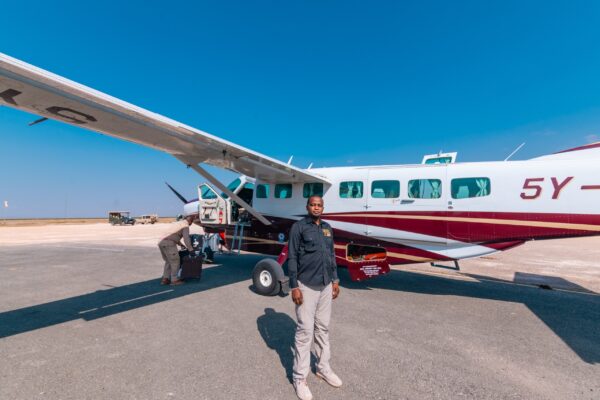
Kenya Flying Safari Cost: Road vs Fly-In Safari, Is It Worth Upgrading? 2026 Guide
We compare Kenya safari road vs fly-in costs mile for mile, so you know exactly when the extra…
Read more →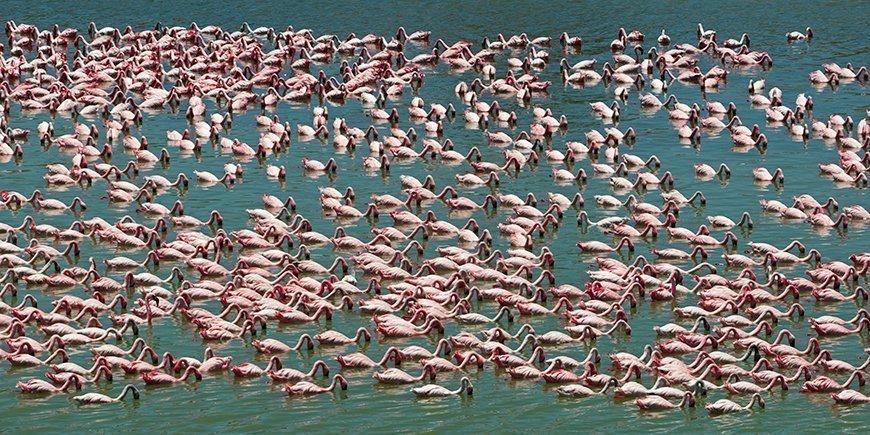
Lake Manyara National Park is a scenic northern Tanzania safari destination famous for tree-climbing lions, large elephant herds, diverse birdlife, lush forests, wetlands and spectacular Great Rift Valley scenery.
Lake Manyara National Park is a beautiful and diverse wildlife destination in northern Tanzania, located at the base of the Great Rift Valley escarpment. Famous for its scenic landscapes, large elephant herds, abundant birdlife and legendary tree-climbing lions, Lake Manyara National Park offers a unique safari experience that combines woodland, grassland, wetlands and lake environments within a relatively compact area.
A Lake Manyara safari is an excellent addition to a Northern Tanzania itinerary and can easily be combined with Tarangire National Park, Ngorongoro Crater and Serengeti National Park. The park’s location also makes it a convenient stop between Arusha and the Ngorongoro Conservation Area.
Lake Manyara National Park is one of Tanzania’s most scenic safari destinations, offering an impressive variety of habitats and wildlife within a relatively small area. The park stretches between the alkaline waters of Lake Manyara and the dramatic Rift Valley escarpment, creating a landscape of forests, wetlands, open plains, acacia woodland and seasonal floodplains.
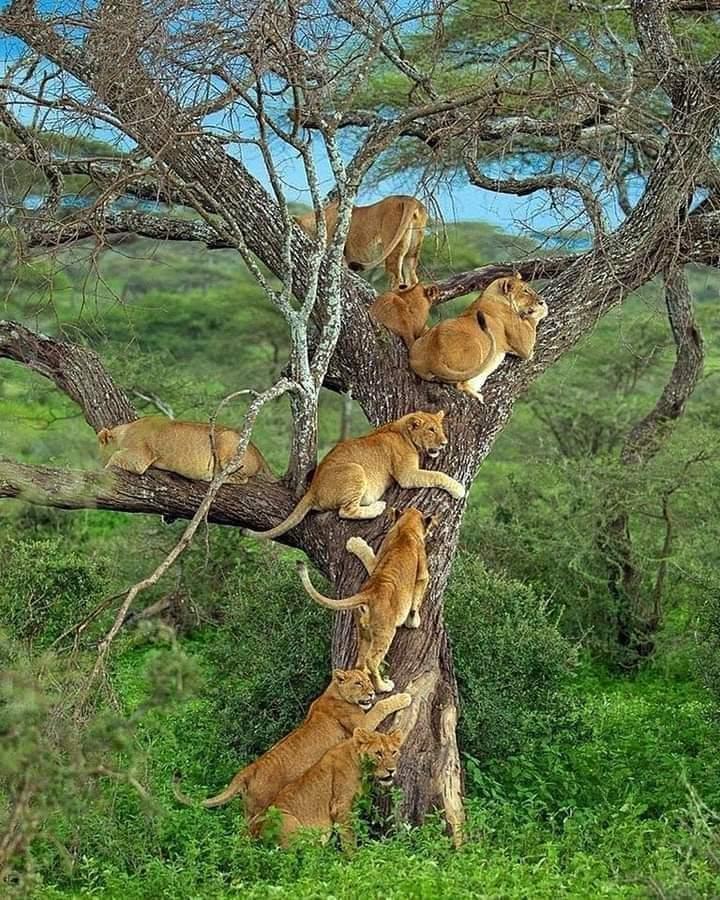
One of the main reasons to visit Lake Manyara National Park is its famous tree-climbing lions. Although sightings are never guaranteed, lions in the park are known for resting in the branches of large trees, creating an unusual and memorable wildlife-viewing experience. Watching a lion relaxing high above the ground against the backdrop of the Great Rift Valley is one of the highlights of a Lake Manyara safari.
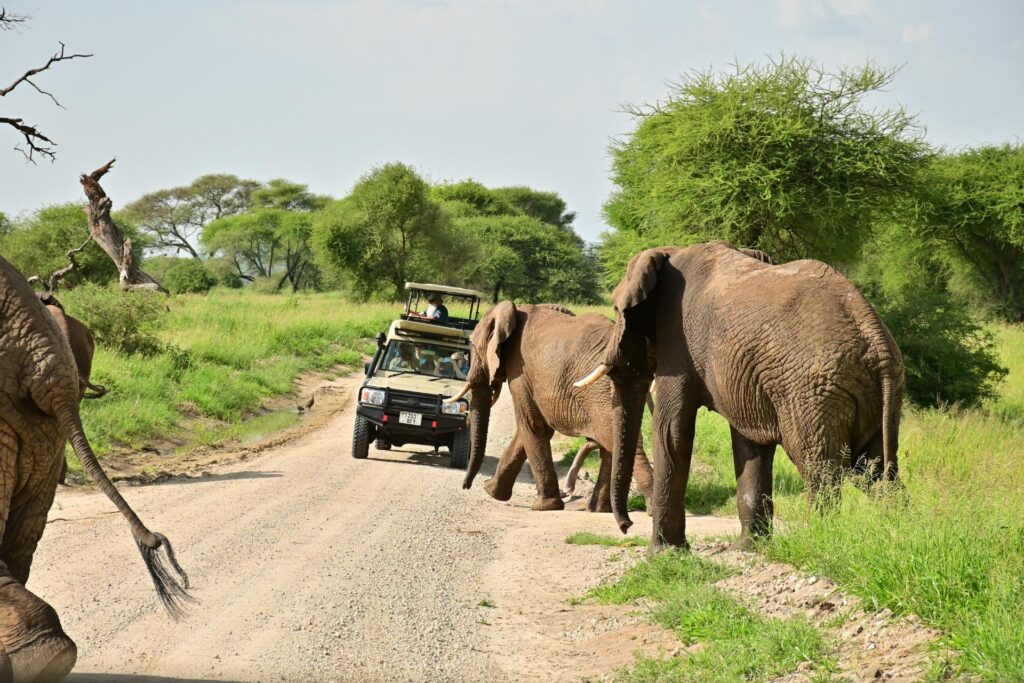
The park is also renowned for its large elephant population. Elephants can frequently be seen moving through the woodland and open areas, sometimes coming remarkably close to safari vehicles. Their presence, combined with the park’s lush vegetation, makes Lake Manyara National Park particularly rewarding for wildlife photographers.
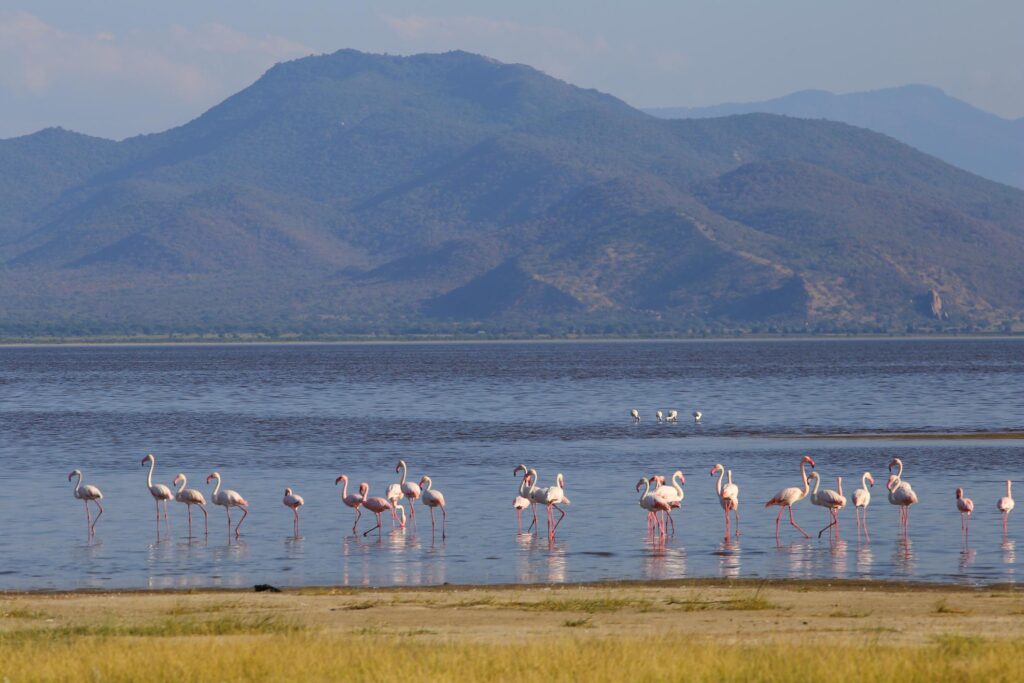
Another major attraction is the park’s birdlife. The lake and surrounding wetlands attract a wide range of waterbirds, including flamingos, pelicans, storks, herons and other species. During the appropriate seasons, the shores of Lake Manyara can become especially active with birds, making the park an excellent destination for birdwatchers.
A safari in Lake Manyara National Park can provide opportunities to see:
The combination of woodland, grassland and wetlands means wildlife encounters can vary considerably from one part of the park to another.
The scenery is one of the strongest reasons to explore Lake Manyara National Park. As you enter the park, lush groundwater forests create a dramatic contrast with the drier landscapes beyond.
The Great Rift Valley escarpment rises dramatically above the park, providing impressive views across Lake Manyara and the surrounding plains. The changing scenery makes a Lake Manyara safari particularly enjoyable for travelers who appreciate both wildlife and landscapes.
The lake itself is an alkaline soda lake that changes considerably in size depending on seasonal rainfall. Its shores and shallow waters provide important habitats for birds and other wildlife.
Visitors to Lake Manyara National Park can enjoy a variety of experiences, including:
Game drives remain the main activity, with early morning and late afternoon offering excellent opportunities for wildlife viewing and photography.
Lake Manyara National Park is one of Tanzania’s excellent birdwatching destinations. The combination of lake, wetlands, forests and grasslands supports a diverse range of bird species.
Depending on the season, visitors can encounter flamingos, pelicans, storks, herons, kingfishers, eagles, hornbills and many other resident and migratory birds.
For bird enthusiasts, a Lake Manyara safari can be combined with additional birdwatching experiences in the Ngorongoro Conservation Area and Serengeti.
Lake Manyara National Park can be visited throughout the year. The dry season, generally from June to October, offers favorable conditions for wildlife viewing because vegetation is less dense and animals tend to gather around remaining water sources.
The wetter months can also be rewarding. The park becomes greener, waterfalls and streams may be more active and birdlife can be particularly impressive. Travelers interested in photography may appreciate the vibrant landscapes during the green season.
Tarangire National Park is located relatively close to Lake Manyara and is famous for its elephants, baobab trees and seasonal wildlife concentrations. Combining Tarangire with Lake Manyara National Park creates an excellent northern Tanzania safari experience.
The Ngorongoro Crater is one of Tanzania’s most spectacular wildlife destinations. Its compact ecosystem supports large numbers of animals and makes an excellent next stop after a Lake Manyara safari.
Travelers can continue from Lake Manyara toward the Serengeti, where they can experience expansive savannah landscapes, Big Five wildlife and, depending on the season, the Great Wildebeest Migration.
The nearby town of Mto wa Mbu provides opportunities for cultural tours, local food experiences, cycling and visits to traditional farms and communities.
The dramatic Rift Valley escarpment surrounding Lake Manyara provides spectacular scenery and viewpoints for photography.
Lake Manyara National Park is located approximately 120–130 kilometres from Arusha, making it an accessible destination on a Northern Tanzania safari.
By road, the journey from Arusha generally takes around 2–3 hours, depending on road conditions and traffic. The park is conveniently positioned along the route toward the Ngorongoro Conservation Area.
Travelers can also fly into the region using nearby airstrips and continue by road to their chosen lodge or camp.
A popular safari route is:
Arusha → Tarangire → Lake Manyara → Ngorongoro Crater → Serengeti
This route provides a varied combination of wildlife, landscapes and cultural experiences.
Lake Manyara National Park is particularly suitable for:
Booking your Lake Manyara safari with Afrikan Accent Adventures allows you to experience the park as part of a professionally organized Tanzania safari. We can arrange your private 4×4 safari vehicle, professional safari guide, accommodation, park fees, meals and transfers.
Whether you want a dedicated Lake Manyara safari or wish to combine Lake Manyara with Tarangire, Ngorongoro Crater and Serengeti, we can create a customized itinerary around your travel dates, accommodation preferences and budget.
For travelers finishing their safari with a beach holiday, we can also arrange a seamless connection from northern Tanzania to Zanzibar, combining wildlife and tropical beaches in one memorable East African journey.
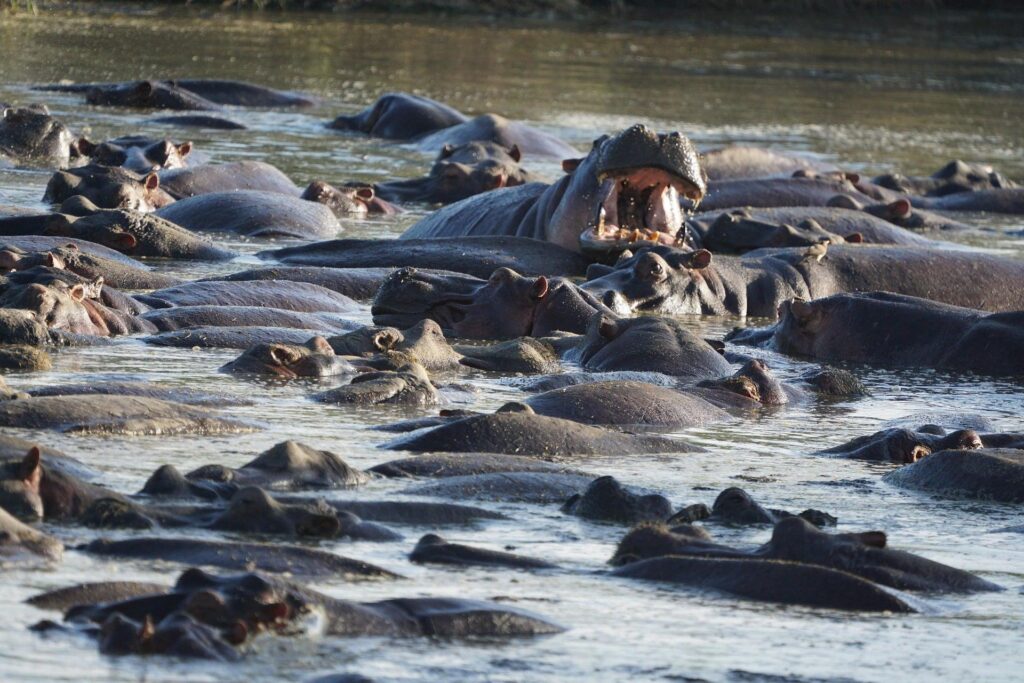
Experience one of Tanzania's most scenic national parks, where groundwater forests, flamingo-filled lakes, elephants, hippos and the legendary tree-climbing lions combine to create an unforgettable safari adventure.
Explore the park's diverse ecosystems, from groundwater forests and acacia woodlands to open floodplains and lakeshore habitats. Game drives offer opportunities to…
Lake Manyara is one of the few places in Africa where lions are regularly observed resting in acacia and sausage trees, particularly…
The alkaline waters of Lake Manyara attract flamingos, pelicans, storks, herons, and hundreds of other bird species. Birdwatching is particularly rewarding between…
One of Tanzania's most unique safari activities, the Manyara Treetop Walkway allows visitors to walk above the forest canopy on suspended bridges…
When water levels permit, canoe safaris provide a peaceful way to explore the lake while viewing hippos, waterbirds, and the dramatic Great…
Lake Manyara is considered one of Tanzania's most photogenic parks thanks to its flamingo-lined shores, elephant-filled forests, tree-climbing lions, and spectacular Rift…
The Great Rift Valley escarpment provides spectacular sunset viewpoints overlooking the lake and surrounding wilderness. Endala Viewpoint and the escarpment lookouts are…
The park's geothermal hot springs, locally known as Maji Moto, bubble through mineral-rich ground near the lakeshore and offer an interesting geological…
From value camps to premium lodges — we match every stay to your style and budget.
Affordable lodges and camps around Lake Manyara offer comfortable stays, excellent access to the park, and authentic safari experiences without compromising on wildlife viewing opportunities.
Mid-range properties combine comfort, excellent service, and strategic locations, making them ideal for families and travellers seeking value for money.
Lake Manyara offers some of Tanzania's most exclusive safari lodges, combining exceptional service, stunning scenery, and unforgettable wildlife experiences.
Every season has its magic — here's what to expect when, so you can travel at your perfect time.
Lake Manyara National Park is located in northern Tanzania at the base of the Great Rift Valley escarpment, approximately 126 kilometres southwest of Arusha. It forms part of Tanzania's famous Northern Safari Circuit and is commonly visited alongside Serengeti, Ngorongoro Crater and Tarangire National Park.
Lake Manyara is internationally famous for its rare tree-climbing lions, large elephant populations, enormous troops of olive baboons and seasonal flamingo concentrations along the lake shoreline. The park is also renowned for its beautiful groundwater forests and dramatic Rift Valley scenery.
Yes. Lake Manyara is one of the few places in Africa where lions are regularly observed resting and sleeping in trees, particularly acacia and sausage trees. Although sightings cannot be guaranteed, the park remains one of the best places in Tanzania to witness this unusual behaviour.
Absolutely. Lake Manyara offers a completely different safari experience from both Serengeti and Ngorongoro. Its lush forests, birdlife, tree-climbing lions and Rift Valley landscapes provide exceptional diversity and make it an excellent addition to any Northern Tanzania safari itinerary.
Most visitors spend one full day exploring the park. However, one to two nights are ideal for travellers wishing to enjoy a slower pace, photography opportunities, birdwatching and additional activities such as the treetop walkway and cultural visits to nearby communities.
The dry season from June to October offers the best wildlife viewing conditions as animals gather around water sources and vegetation is less dense. For birdwatching and flamingos, the wet season between November and April is particularly rewarding.
Flamingo numbers vary significantly depending on rainfall and lake water levels. The best chances of seeing large numbers of flamingos are generally during the wet season and immediately after the rains when water conditions favour algae growth, their primary food source.
Visitors commonly encounter elephants, buffaloes, giraffes, zebras, hippos, wildebeest, impalas, warthogs, blue monkeys, vervet monkeys, and large troops of baboons. Predators include lions, leopards, spotted hyenas, and occasionally serval cats.
Yes. Lake Manyara is one of Tanzania's premier birdwatching destinations with more than 400 recorded bird species. Highlights include flamingos, pelicans, storks, hornbills, fish eagles, kingfishers, bee-eaters, herons, and numerous migratory birds.
Yes. The park supports a healthy elephant population and is considered one of northern Tanzania's best places to observe elephants in forest habitats. Many visitors enjoy close encounters with breeding herds and large bulls during game drives.
Yes. Depending on park conditions and lodge arrangements, visitors may enjoy the Manyara Treetop Walkway, canoe safaris on the lake when water levels permit, birdwatching excursions, cultural visits to Mto wa Mbu village, photography safaris and scenic viewpoints along the Rift Valley escarpment.
Yes. Lake Manyara is perfectly positioned for combination safaris with Tarangire National Park, Ngorongoro Conservation Area and Serengeti National Park. It is also frequently paired with beach holidays in Zanzibar, creating one of Africa's most iconic safari and beach combinations.
We compare Kenya safari road vs fly-in costs mile for mile, so you know exactly when the extra…
Read more →
Everything a woman needs to know before booking a women only safari in Kenya, from why the model…
Read more →
The complete guide to getting from Britain to the Masai Mara, what it costs door to door, and…
Read more →Tell us what you’d love to see and a local specialist will design a tailor-made itinerary around you — no obligation, reply within 24 hours.