

Planning & Tips
Wifi, Electricity and Charging on Safari: What Kenya’s Camps Actually Offer
From a generator that switches off at ten to a Land Cruiser fitted with its own charging console,…
Read more →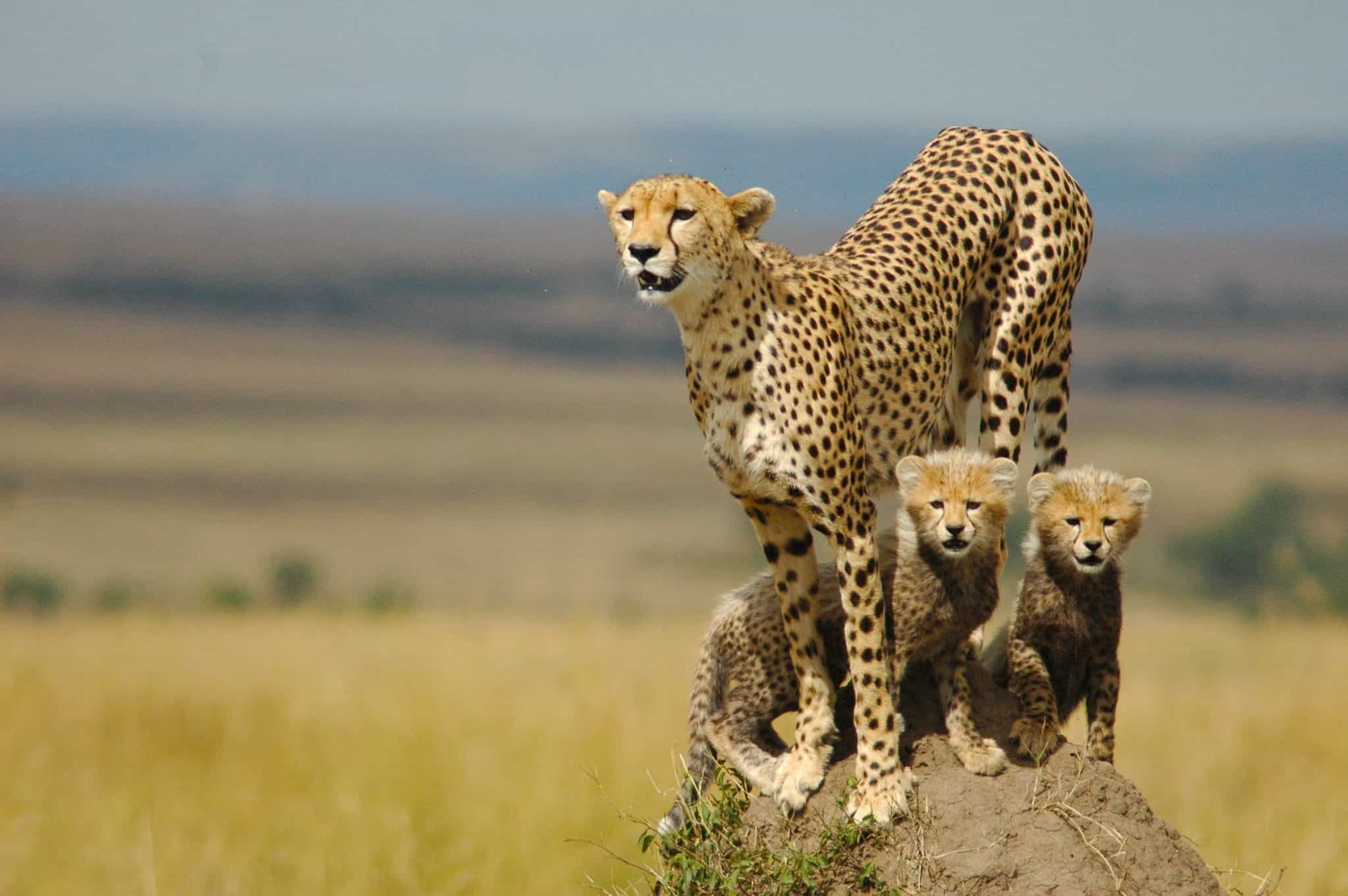
Hidden in Uganda's remote northeastern frontier, Kidepo Valley National Park is one of Africa's last great wildernesses. Famed for its sweeping savannahs, rugged mountain backdrops and remarkable wildlife diversity, the park offers unforgettable game drives, exceptional predator sightings, rich birdlife and authentic cultural experiences with the Karamojong people. Home to lions, cheetahs, elephants, buffaloes, giraffes, ostriches and more than 470 bird species, Kidepo Valley National Park delivers one of East Africa's most exclusive safari adventures.
Just after sunrise in Kidepo, the landscape seems almost too large for the number of vehicles moving through it. The Narus Valley is still cool, the grass is catching the first light and somewhere beyond the rocky ridges a lion is calling. There is no line of safari vehicles waiting at a sighting, no distant city noise and, on many mornings, no other vehicle in view at all.
This is Kidepo Valley National Park, Uganda’s great wilderness in the far northeast.
Covering approximately 1,442 square kilometres in the Karamoja region, Kidepo lies close to Uganda’s borders with South Sudan and Kenya, roughly 700 kilometres from Kampala. It was first gazetted as a national park in 1962 and is managed by the Uganda Wildlife Authority. The park combines vast semi-arid savannah, rocky mountains, seasonal river valleys and some of Uganda’s most distinctive wildlife. UWA records more than 77 mammal species and about 476 bird species, making Kidepo one of the country’s richest destinations for wildlife diversity.
What makes Kidepo different is not simply the number of animals. It is the feeling of wilderness. The park is remote, visitor numbers remain relatively low and the scenery changes dramatically between the Narus Valley, the broad Kidepo Valley and the mountain ranges rising around them.
For travellers who have already experienced Uganda’s gorilla forests, Murchison Falls or Queen Elizabeth National Park and want something completely different, Kidepo is often the destination that changes their idea of what a Ugandan safari can be.
Kidepo Valley National Park is a 1,442-square-kilometre protected wilderness in northeastern Uganda’s Karamoja region, close to the borders of South Sudan and Kenya. Established as a national park in 1962, it is known for vast savannah landscapes, lions, elephants, buffalo, cheetahs, giraffes, ostriches and exceptional birdlife. Its remote location and low visitor numbers make it one of Uganda’s most secluded safari destinations.
Location: Karamoja region, northeastern Uganda, near the borders with South Sudan and Kenya
Size: 1,442 square kilometres
Established: 1962 as a national park
Managed by: Uganda Wildlife Authority
Distance from Kampala: Approximately 700 kilometres
Altitude: Approximately 914 to 2,750 metres, depending on location within the park
Main landscape: Semi-arid savannah, river valleys, rocky outcrops and mountain ranges
Main rivers: Kidepo River and Narus River
Wildlife: More than 77 mammal species and approximately 476 bird species recorded by UWA
Known for: Lions, elephants, buffalo, cheetahs, Rothschild’s giraffe, ostrich, Jackson’s hartebeest and other northern Uganda species
Borders: South Sudan to the northwest and Kenya to the east
Main wildlife area: Narus Valley, particularly during the dry season
Main access: Scheduled or chartered flights, with road access also possible
Nearest major community: Karenga
UWA describes Kidepo as Uganda’s most remote and least explored national park, with the park’s two principal river systems shaping its wildlife distribution.
Kidepo does not look like the Uganda many first-time visitors imagine.
There are no dense tropical forests covering the horizon and no permanent river cutting continuously through the entire park. Instead, Kidepo is a landscape of enormous skies, dry grasslands, rocky hills and seasonal riverbeds.
The park is divided broadly by the Kidepo and Narus valley systems. The valley floors sit at lower elevations while mountains rise dramatically around them, including Mount Morungole and other ranges reaching approximately 2,750 metres.
The Kidepo River and Narus River are largely seasonal. During the dry season, much of the Kidepo system becomes dry, while the Narus Valley retains more reliable water sources and becomes one of the most important wildlife areas in the park.
That difference is critical to understanding Kidepo.
When water becomes scarce, animals naturally concentrate around the remaining water sources. The Narus Valley can therefore become extraordinarily productive for game viewing, with elephants, buffalo, antelope and predators all using the same limited landscape.
Further north, the Kidepo Valley opens into a much broader and more isolated wilderness, eventually reaching the border with South Sudan. Kanangorok Hot Springs sits in this remote northern section and is one of the park’s most memorable excursions.
Kidepo’s wildlife is one of the strongest reasons to make the journey this far north.
The park contains species associated with the dry savannahs of northeastern Africa that are less commonly encountered in Uganda’s southern parks. UWA records more than 77 mammal species, while the park’s bird list exceeds 476 species.
Large herds of buffalo are one of the defining sights, particularly around the Narus Valley during dry periods. Elephants move through the plains and valleys, while lions are frequently associated with the rocky country and game-rich areas.
The park is also an important destination for seeing giraffes, zebras, hartebeests, oryx and other antelope.
And then there are the species that make Kidepo particularly interesting for experienced safari travellers: cheetah, ostrich, caracal, aardwolf, eland, klipspringer and other northern species that give the park a wildlife character distinctly different from Uganda’s western parks.
Kidepo Valley National Park is home to elephants, buffalo, lions, leopards, cheetahs, giraffes, zebras, hartebeests, oryx, eland, antelope, ostrich and numerous smaller predators and mammals. UWA records more than 77 mammal species and approximately 476 bird species.
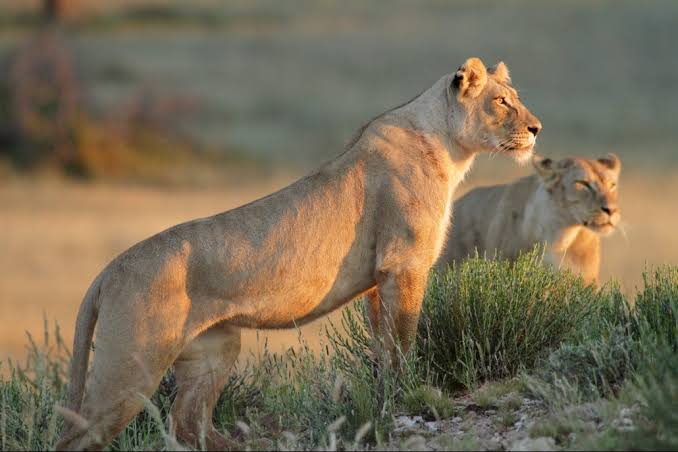
Lion is one of Kidepo’s signature predators.
The wide savannahs, rocky outcrops and concentrations of buffalo and other prey create excellent habitat for large cats. During game drives, lions may be found resting beneath trees, beside rocky formations or close to areas where prey species gather.
The Narus Valley is particularly productive during the dry season because wildlife becomes concentrated around available water.
Unlike some heavily visited safari destinations, Kidepo’s low vehicle density can make predator sightings feel considerably more intimate. A lion resting beside the track may be observed without the gathering of dozens of vehicles that can sometimes occur in more crowded parks.
For photographers, the combination of open grassland, dramatic mountains and golden evening light creates a very different setting from the forested landscapes of western Uganda.
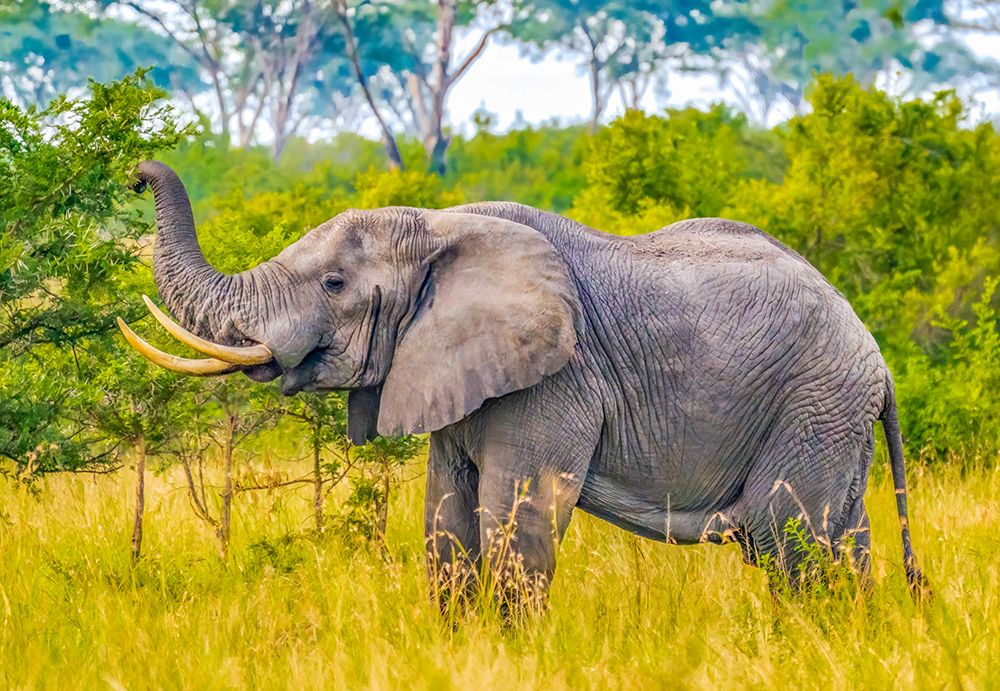
Elephants are resident throughout Kidepo and are particularly important around the Narus Valley during dry periods.
UWA reports that the park’s elephant population has recovered significantly from the much smaller numbers recorded in the 1990s. The animals move between the valleys, grasslands and mountain foothills in search of water and vegetation.
Watching an elephant herd cross an open valley in Kidepo is different from seeing elephants in a densely wooded environment. The open terrain allows you to watch the herd’s movements across a much wider distance, often with mountains rising behind them.
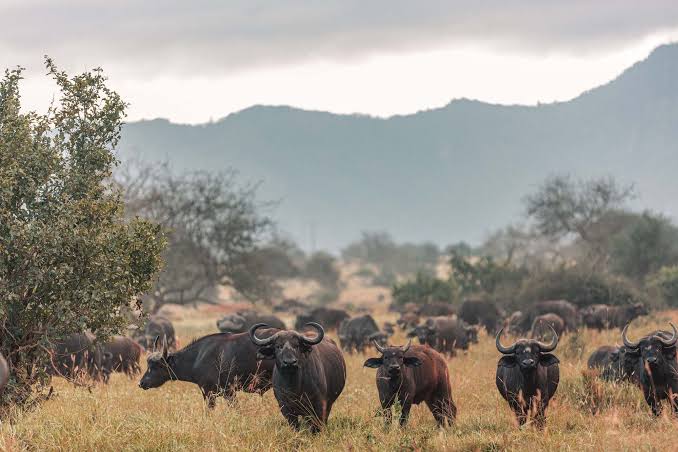
Kidepo supports large buffalo populations and the species becomes particularly visible around the Narus Valley during dry periods.
UWA estimates the park’s buffalo population at between 10,000 and 15,000 animals. Large herds can spread across the grasslands, creating some of the most impressive wildlife scenes in the park.
Buffalo are also important to the wider predator system because they provide prey for lions and influence where predators spend their time.
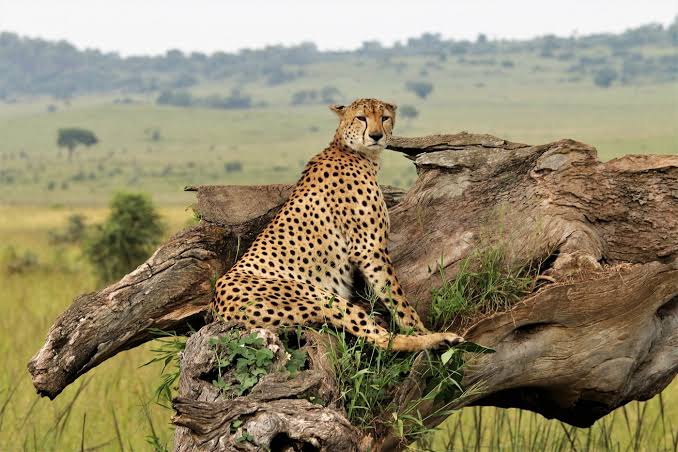
Kidepo is one of Uganda’s best destinations for travellers hoping to see cheetahs.
The combination of open plains, relatively low vegetation in the dry season and abundant smaller antelope provides suitable habitat for this fast-moving predator.
Cheetahs are not guaranteed, of course, but their presence is one of the reasons Kidepo appeals to safari travellers looking beyond the standard Uganda wildlife circuit.
Rothschild’s giraffe is another important Kidepo species.
The population suffered a severe decline in the past, but conservation and translocation efforts have helped it recover. UWA reports that the population increased from a historic low of only three individuals to more than 50.
Seeing these giraffes moving across the golden savannah with Kidepo’s mountains behind them is one of the park’s classic photographic opportunities.
Kidepo is particularly important for ostrich enthusiasts because it supports Uganda’s only population of wild ostriches.
Their enormous size makes them difficult to miss once encountered, but the open plains allow them to move over considerable distances. They are most naturally observed from a vehicle while driving through the open grassland rather than by deliberately approaching them.
The presence of ostrich is another indication of how different Kidepo’s ecological character is from Uganda’s forest-dominated destinations.
Beyond the better-known species, Kidepo can produce sightings of:
Some of these animals are difficult to find and sightings depend heavily on season, location and the experience of the guide.
That is part of the appeal.
Kidepo is not a safari destination where every drive produces the same list of animals. It rewards patience and exploration.
Kidepo is one of Uganda’s premier birdwatching destinations, with approximately 476 recorded species.
The park’s location in northeastern Uganda means its birdlife includes species associated with the dry savannahs of the region, alongside more widespread East African species.
Birding is particularly rewarding around the Narus Valley, seasonal wetlands, riverine areas and mountain foothills.
Possible sightings include ostrich, vultures, eagles, hornbills, rollers, bustards, bee-eaters and numerous smaller savannah species.
For serious birders, Kidepo deserves more than a few hours between game drives. The combination of open plains, dry country and mountain habitats means that patient observers can encounter species that are difficult to find elsewhere in Uganda.
Game drives are the heart of a Kidepo safari.
Morning drives begin early, when temperatures are cooler and wildlife is often active. Afternoon drives extend toward sunset, when the light softens and predators begin becoming more active.
The Narus Valley is one of the most productive areas, especially during dry periods when wildlife concentrates around permanent or semi-permanent water sources.
The wider Kidepo Valley provides a different experience. It is more remote, more open and often feels almost completely untouched.
UWA’s current published tariff lists day game drives separately from park entry, with the 2024–2026 tariff showing a fee of USD 20 per guide for foreign non-residents.
Night drives provide an entirely different view of Kidepo.
Species that are difficult to encounter during daylight hours become more active after dark, including nocturnal predators, smaller mammals and owls.
The experience is not simply about finding a particular animal. It is about hearing the landscape change as daytime birds disappear, temperatures fall and nocturnal wildlife becomes active.
The Uganda Wildlife Authority’s published tariff lists night game drives at USD 30 per person for foreign non-residents under the 2024–2026 tariff. Because that tariff period ended in June 2026, travellers should confirm the current 2026–2027 rate before booking.
Kanangorok Hot Springs lies in the far northern part of Kidepo near the South Sudan border.
The journey to the springs is as much about the landscape as the destination. The route crosses some of Kidepo’s most remote country, with wide-open plains, mountains and very few signs of human settlement.
The hot springs themselves are relatively modest, but their location makes the excursion memorable.
This is not an attraction you visit simply to take a photograph of a spring. You go because it takes you deeper into one of Uganda’s most isolated wilderness areas.
A drive into the Kidepo Valley is one of the best ways to understand the scale of the park.
The valley stretches through the northern and eastern sections of the protected area and has a much more open character than the Narus Valley.
During wetter periods, seasonal water changes the landscape dramatically. During the dry season, the valley becomes much harsher and more expansive.
The journey also provides opportunities for wildlife sightings and photography, particularly during the cooler parts of the day.
Kidepo offers opportunities for hiking around its mountainous landscapes.
The Uganda Wildlife Authority tariff includes the Kidepo Lonyili Summit Hike as a designated activity, with the 2024–2026 tariff listing USD 50 for foreign non-residents and USD 40 for foreign residents.
A mountain excursion adds an entirely different perspective to a safari dominated by vehicle-based wildlife viewing.
From elevated ground, the vastness of the valleys becomes much easier to appreciate.
Hiking around Lomej provides another opportunity to experience Kidepo beyond the safari vehicle.
The published UWA tariff lists hiking at Lomej as a separate activity.
Walking allows travellers to focus on smaller details that are easily missed during a game drive: animal tracks, plants, insects, geological formations and the changing terrain.
Guided nature walks provide a slower interpretation of Kidepo’s ecosystem.
Rather than driving from animal to animal, a walk focuses on understanding how the landscape functions.
Guides can interpret tracks, plants, animal signs, birds and geological features while explaining how wildlife uses the valleys and mountain slopes.
The current published UWA tariff lists birdwatching and nature walks as separate activities, with the 2024–2026 tariff showing USD 25 for foreign non-residents and USD 20 for foreign residents.
Birdwatching can be incorporated into almost every Kidepo itinerary, but dedicated birding drives are worthwhile for enthusiasts.
The open savannah, river valleys and mountains provide several habitats within a relatively compact safari area.
Early morning is particularly productive, before temperatures rise and bird activity decreases.
Kidepo lies in the Karamoja region, where the Karamojong people have maintained pastoral traditions closely connected to livestock, land and seasonal movement.
Cultural visits can provide an important counterpoint to wildlife viewing.
Depending on the community and itinerary, travellers may learn about traditional homesteads, livestock keeping, music, dance, beadwork and the relationship between pastoral communities and the surrounding landscape.
The important distinction is that a cultural experience should be arranged as a genuine community encounter rather than as a staged performance.
The wider Karamoja region is increasingly developing community-based tourism alongside wildlife conservation.
This creates an opportunity to extend a Kidepo safari beyond the park itself and learn about the people who live around one of Uganda’s most remote protected areas.
For travellers interested in culture, we recommend allowing enough time to visit communities with a local guide rather than trying to squeeze a short cultural stop into an already full game-drive schedule.
Kidepo is one of Uganda’s strongest destinations for landscape photography.
The combination of golden savannah, dramatic mountains, rocky outcrops and changing light provides an enormous variety of compositions.
Wildlife photography is equally rewarding because the open landscape often allows animals to be framed against the mountains rather than against dense vegetation.
Sunrise and sunset are particularly valuable, when the dry grass takes on warm tones and the mountains become silhouettes against the sky.
Kidepo rewards travellers who resist the temptation to rush. The journey is long, but once you arrive, the best approach is to slow down. Give yourself several drives, leave time for the Narus Valley and Kidepo Valley, and allow at least one experience away from the vehicle. The park’s greatest strength is not one particular animal; it is the combination of wildlife, landscape, remoteness and silence.
Afrikan Accent Adventures – Safari Planning Team
Kidepo is significantly more remote and more arid than Uganda’s better-known western parks. It offers wide-open savannah, dramatic mountain scenery, low visitor density and several northern species that are less frequently encountered elsewhere in Uganda, including ostrich, cheetah, Beisa oryx and Jackson’s hartebeest.
Kidepo is not simply a wilderness area separated from surrounding communities.
Conservation here increasingly involves collaboration between Uganda Wildlife Authority, local communities and wider landscape initiatives.
In 2026, UWA reported continued development of the Kidepo Valley Conservation Area, including initiatives aimed at reducing human-wildlife conflict and improving coexistence between communities and wildlife. The EU-supported NaturAfrica Kidepo-Turkana Landscape Project is one of the current initiatives working across the wider landscape.
This wider landscape approach matters because animals do not recognize the boundaries of a national park. Elephants, predators and other wildlife move between protected areas and community lands, particularly during periods of changing water and grazing availability.
Tourism therefore has a role beyond providing a safari experience. Visitor spending can contribute to the economic value of keeping wildlife and natural landscapes protected.
One of the most significant recent conservation developments in Kidepo occurred in March 2026, when Uganda Wildlife Authority began reintroducing southern white rhinos to the park.
UWA described the operation as the return of rhinos to Kidepo 43 years after the species was last recorded there. The initial phase involved moving two rhinos from Ziwa Rhino Sanctuary, with a total of eight planned for the reintroduction programme.
This is an important development for Uganda’s northern conservation landscape.
It does not mean that rhino tracking should currently be presented as an established Kidepo safari activity. The reintroduction is a conservation project, and the animals require protection and monitoring as they settle into the landscape.
For safari travellers, however, it is an important story to understand because it shows that Kidepo is not simply preserving what remains. Conservation efforts are also attempting to restore species that disappeared from the landscape.
The names can cause some confusion.
Kidepo Valley is one of the major geographical systems within Kidepo Valley National Park.
The national park itself covers approximately 1,442 square kilometres and includes both the Kidepo and Narus valley systems, along with mountain ranges, plains and other habitats.
The Narus Valley is generally more important for dry-season wildlife viewing because it retains more reliable water.
The Kidepo Valley, particularly farther north, is more expansive and remote and is often included for the scenery and wilderness experience as much as for wildlife.
A good safari should ideally experience both.
Murchison Falls is easier to incorporate into a conventional Uganda safari circuit and offers the spectacular Nile, boat trips and excellent wildlife viewing.
Kidepo is much more remote.
Murchison is a strong choice for travellers wanting variety and easier logistics. Kidepo is the choice for travellers who want isolation, expansive savannah and a much more unusual wilderness experience.
The two parks complement each other well rather than competing directly.
Queen Elizabeth National Park offers a very different ecosystem, with lakes, wetlands, woodland and savannah.
It is also much easier to combine with gorilla trekking in Bwindi or chimpanzee trekking in Kibale.
Kidepo, by comparison, is about northern savannah and wilderness.
If you have limited time in Uganda, Queen Elizabeth often makes more logistical sense. If you have already explored western Uganda or have enough time for a dedicated northern safari, Kidepo provides an experience that Queen Elizabeth cannot replicate.
Kidepo and Samburu are interesting comparisons because both are northern, dry-country safari destinations.
Samburu is smaller, more concentrated around the Ewaso Nyiro River and famous for the Samburu Special Five: Grevy’s zebra, reticulated giraffe, gerenuk, Beisa oryx and Somali ostrich.
Kidepo is considerably larger and more remote, with a different collection of northern species and landscapes.
Samburu is easier to reach from Nairobi, while Kidepo requires significantly more travel from Uganda’s main tourism hubs.
The choice therefore depends on the wider itinerary.
If you are already travelling through Kenya, Samburu is the natural choice. If Uganda is your main destination and you want a remote savannah experience, Kidepo is difficult to beat.
For most travellers, flying is the easiest way to reach Kidepo.
UWA specifically recommends scheduled or chartered flights as the best way to access the park. Flights can connect Kidepo with other Ugandan safari destinations and Entebbe, dramatically reducing the amount of time spent on the road.
The main advantage is simple: you spend more of your holiday inside the wilderness rather than travelling to reach it.
Fly-in safaris are particularly attractive for travellers combining Kidepo with Murchison Falls, Queen Elizabeth, Bwindi or other destinations.
Kidepo can also be reached by road, although the journey is long.
UWA notes that the most direct route through Gulu to Lokumoit Gate takes approximately 10 hours, while longer approaches through the Karamoja subregion can take considerably longer. The journey can be broken with an overnight stop at places such as Ziwa Rhino Sanctuary, Gulu or Kitgum.
The road option makes sense for travellers who want to experience the changing landscapes of northern Uganda rather than simply reach the park as quickly as possible.
A proper 4×4 safari vehicle is strongly recommended for the road journey, particularly when conditions become difficult.
Choose flying if your priority is maximizing time inside Kidepo, if you are combining several Ugandan parks or if you prefer not to spend a full day travelling overland.
Choose road travel if the journey itself interests you, if you want to experience northern Uganda and Karamoja, or if you are building a longer overland safari.
For first-time visitors with limited time, we generally recommend flying.
For adventurous travellers with more time, the road journey can become part of the safari rather than simply transportation.
Kidepo is one of those destinations where logistics genuinely affect the quality of the trip. A rushed road journey can turn a spectacular wilderness experience into a tiring transfer. If your schedule allows only a few nights in the park, flying is usually worth considering. If you have more time, we can turn the journey north into part of the itinerary.
Afrikan Accent Adventures – Safari Planning Team
Kidepo has a hot, semi-arid climate.
The park’s climate differs from the wetter landscapes of western Uganda. Average annual rainfall is approximately 800 millimetres, and the landscape experiences a pronounced dry period during which water becomes increasingly important to wildlife.
Temperatures can become very high during the dry season, while mornings and evenings can feel considerably cooler.
The wet period transforms the landscape. Grasslands become greener, bird activity increases and the mountains and valleys can take on an entirely different appearance.
The dry period, meanwhile, produces easier wildlife viewing because animals become more concentrated around remaining water sources and vegetation becomes less dense.
Kidepo has a hot, semi-arid climate with relatively low rainfall compared with much of Uganda. The park receives approximately 800 millimetres of rain annually, with a wetter period and a pronounced dry season. The dry season is generally better for concentrated wildlife viewing, while wetter months produce greener scenery and excellent birding conditions.
Kidepo can be visited throughout the year, but different seasons produce very different experiences.
This is one of the strongest periods for wildlife viewing.
Water becomes increasingly scarce and wildlife concentrates around reliable sources, particularly in the Narus Valley.
The landscape is dry, dusty and golden, and visibility across the plains is generally excellent.
These months bring more rainfall and greener vegetation.
Wildlife can be more dispersed, making some sightings less predictable, but the landscape becomes dramatically more attractive.
Birdwatching can also be excellent during the wetter period.
This transitional period can provide a particularly attractive combination of improving wildlife conditions and greener landscapes.
For travellers who dislike peak-season crowds, Kidepo’s naturally low visitor numbers make this an interesting period to consider.
The dry period, particularly around December to March and other drier months, generally provides the most reliable game viewing because animals concentrate around remaining water sources. September to November can also be attractive, while wetter months offer greener scenery and strong birding opportunities. Kidepo remains a year-round destination.
Kidepo is managed by the Uganda Wildlife Authority.
The latest publicly available UWA tariff for July 2024 to June 2026 listed the following Kidepo entrance rates:
Foreign non-resident adult: USD 40
Foreign resident adult: USD 30
East African citizen adult: UGX 20,000
The same tariff listed USD 20 for foreign non-resident children aged 5–15, USD 10 for foreign resident children and UGX 5,000 for East African children aged 5–15.
The 2024–2026 tariff expired on 30 June 2026. UWA’s rates page now points to a new 2026–2027 tariff, so travellers planning a current or future safari should confirm the applicable rate before finalizing the quotation rather than assuming the old rate remains unchanged.
Activity charges are separate from entrance fees.
The last published UWA tariff listed Kidepo entrance at USD 40 per day for foreign non-resident adults, USD 30 for foreign residents and UGX 20,000 for East African citizens. Because that tariff covered July 2024 to June 2026, current 2026–2027 rates should be confirmed with UWA before booking.
Two nights can provide a brief introduction, but it is not our preferred option.
The distance required to reach Kidepo means that a short stay can feel disproportionate to the journey.
Three nights gives you enough time for several game drives and at least one additional experience such as a Kidepo Valley excursion, cultural visit or nature activity.
This is the minimum stay we recommend for travellers flying into the park.
Four nights is ideal for a first visit.
It provides time for multiple drives in the Narus Valley, an excursion into the Kidepo Valley and at least one experience away from the standard game-drive routine.
Five nights or more suits travellers who want to explore slowly, photograph the landscape, birdwatch, hike and spend time with local communities.
Because Kidepo is so remote, longer stays also make the journey feel more worthwhile.
We recommend at least three nights, while four nights is a better introduction for travellers making the journey specifically for Kidepo. Five nights or more works particularly well for photographers, birders and travellers who want to combine wildlife with hiking and cultural experiences.
Kidepo is for travellers who want something beyond the standard safari route.
It is remote.
It is visually spectacular.
It is uncrowded compared with many of East Africa’s better-known parks.
And it contains wildlife and landscapes that feel distinctly northern.
You come for lions and elephants, but you stay because the landscape gets under your skin.
The mountains change colour throughout the day. The dry grass moves with the wind. Herds of buffalo can stretch across the plains. Ostriches cross open country. A giraffe can appear against a mountain ridge with no other vehicle in sight.
For travellers who have already visited Uganda’s western parks, Kidepo provides a completely different ecological experience.
For first-time visitors, it demonstrates just how geographically diverse Uganda really is.
Kidepo safari prices vary considerably depending on accommodation, transport and the number of nights.
A road safari generally costs less in terms of flights but requires more time and can involve additional accommodation or transfer costs.
Fly-in safaris cost more but allow travellers to spend substantially more time inside the park.
Accommodation ranges from simpler safari camps to luxury properties, with prices changing according to season and availability.
The main elements affecting the total price are:
Rather than presenting a single fixed Kidepo price, we recommend building the safari around the traveller’s preferred accommodation level and transport style.
Kidepo safari prices depend heavily on whether you travel by road or air, the accommodation you choose, the number of nights and whether you combine the park with other Ugandan destinations. Fly-in safaris are generally more expensive but save substantial travel time, while road safaris offer a longer overland experience.
Kidepo can be booked as a standalone safari or combined with other destinations across Uganda.
A typical northern Uganda itinerary may combine:
Kidepo + Murchison Falls
A strong option for travellers who want northern savannah wildlife together with the Nile and Murchison Falls.
Kidepo + Ziwa Rhino Sanctuary + Murchison Falls
This route combines rhino conservation with two very different national park experiences.
Kidepo + Queen Elizabeth
A longer Uganda wildlife itinerary combining the dry northern savannah with western Uganda’s lakes, wetlands and woodland.
Kidepo + Bwindi
One of the strongest combinations for travellers who want both classic savannah wildlife and mountain gorilla trekking.
Kidepo + Kibale + Queen Elizabeth + Bwindi
A comprehensive Uganda safari combining wildlife, chimpanzee trekking, gorilla trekking and Kidepo’s remote wilderness.
For travellers coming from Kenya, Kidepo can also be considered as part of a wider East African itinerary, although the logistics require careful planning.
Accommodation around Kidepo ranges from safari lodges and tented camps to more basic options.
The most important consideration is not simply the number of stars.
Location matters.
A property positioned conveniently for the Narus Valley can reduce transfer time and allow guests to maximize game drives.
Some camps emphasize wilderness and privacy, while others provide more traditional lodge-style accommodation.
Because Kidepo is remote, accommodation availability can be more limited than in Kenya’s most established safari destinations.
For that reason, we recommend confirming accommodation early, particularly for peak travel periods.
Responsible tourism is particularly important in a remote ecosystem such as Kidepo.
Visitors should:
Tourism can provide an economic reason for protecting wildlife and maintaining the surrounding landscape, but that benefit is strongest when tourism is conducted respectfully.
A Kidepo safari is also an opportunity to understand Karamoja.
The Karamojong are traditionally pastoral people whose livelihoods have historically been closely connected to cattle, goats, land and seasonal movement.
The relationship between wildlife conservation and pastoralism is complex.
Animals move outside protected-area boundaries, while livestock and people depend on the same broader landscape.
Current conservation initiatives in the Kidepo-Turkana landscape increasingly focus on coexistence, community participation and reducing human-wildlife conflict.
This makes a culturally respectful community visit an important complement to a game drive.
The goal should not be to photograph a culture as though it were an attraction.
It should be to listen, learn and understand the people who have lived in this landscape for generations.
A good Kidepo itinerary should give equal importance to the wildlife and the people who live around the park. If you have time, add a community experience rather than filling every available hour with game drives. It gives you a much better understanding of why conservation in northern Uganda has to work with communities rather than around them.
Afrikan Accent Adventures – Safari Planning Team
Kidepo Valley National Park is not the easiest destination in Uganda to reach.
That is precisely why it remains special.
The journey takes you far from the country’s busiest tourism routes and into a landscape of enormous savannahs, mountains, seasonal rivers and wildlife that has adapted to one of Uganda’s harshest environments.
You can spend a morning watching elephants and buffalo in the Narus Valley, drive north toward Kanangorok Hot Springs in the afternoon, watch the mountains turn gold at sunset and return to camp knowing that very few travellers have experienced the same day.
For travellers looking for Uganda beyond gorillas, chimpanzees and the traditional western circuit, Kidepo offers something genuinely different.
It is not simply another national park to add to a checklist.
It is a wilderness destination in its own right.
At Afrikan Accent Adventures, we can build Kidepo into a standalone northern Uganda safari or combine it with Murchison Falls, Queen Elizabeth, Kibale, Bwindi and other destinations according to your travel dates, budget and interests.
Kidepo takes effort to reach.
But once you arrive, the remoteness becomes the experience.
Kidepo is not where you go because it is easy. You go because there are still places in Africa where the wilderness feels bigger than the itinerary.
Escape the crowds and discover the untamed beauty of Kidepo Valley National Park, where sweeping savannahs, rugged mountains and extraordinary wildlife create one of Africa's most authentic safari experiences. Encounter lions, cheetahs, elephants, giraffes and Uganda's only wild ostriches while immersing yourself in the rich cultural traditions of the Karamojong and Ik communities. Every journey into Kidepo is an adventure into one of the continent's last true wildernesses.
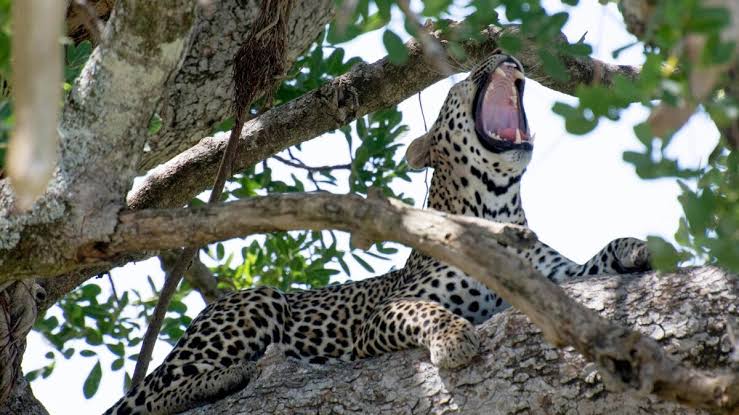
Experience some of Uganda's best opportunities to see lions, cheetahs and leopards roaming the vast savannah plains in one of Africa's most…
Discover over 77 mammal species, including African bush elephants, buffaloes, Rothschild's giraffes, zebras, elands, greater kudus, lesser kudus and UDiscover over 77…
Explore endless golden plains framed by the dramatic Morungole Mountains, rocky outcrops and seasonal river valleys that create some of East Africa's…
Enjoy uncrowded safari experiences with very few vehicles, allowing for intimate wildlife encounters in one of Uganda's least-visited national parks.
Observe the country's only naturally occurring population of common ostriches, one of Kidepo's most iconic wildlife attractions.
pot more than 470 bird species, including the Secretary Bird, Abyssinian Ground Hornbill, Kori Bustard, Karamoja Apalis, Verreaux's Eagle and numerous raptors…
Explore the Narus Valley and surrounding wilderness on foot with experienced ranger guides while learning about the park's wildlife, ecology and conservation…
Hike the slopes of Mount Morungole for spectacular panoramic views and the opportunity to visit the indigenous Ik community, one of Uganda's…
From value camps to premium lodges — we match every stay to your style and budget.
Budget accommodation around Kidepo Valley National Park provides comfortable rooms, friendly hospitality and easy access to the park's main game viewing areas. These properties are ideal for travellers seeking an affordable safari while enjoying spectacular scenery, wildlife encounters and authentic cultural experiences.
Mid-range lodges offer spacious rooms, excellent dining, panoramic views and convenient access to game drives, guided nature walks and cultural visits. Guests enjoy comfortable accommodation in peaceful surroundings while exploring one of Uganda's most remote and spectacular wilderness destinations.
Luxury accommodation in Kidepo Valley National Park combines elegant safari suites, exceptional hospitality and breathtaking views across the park's vast savannahs and rugged mountain landscapes. Guests enjoy gourmet dining, personalised service, exclusive game drives and easy access to wildlife viewing, birdwatching and cultural experiences with the Karamojong and Ik communities. These lodges are perfect for luxury safaris, honeymoon escapes and unforgettable wilderness adventures.
Every season has its magic — here's what to expect when, so you can travel at your perfect time.
Everything you need to know before you go — and we’ll guide you through every step.
Most international visitors require a valid visa to enter Uganda. Applications can be completed online through the Uganda e-Visa system before arrival. Citizens of East African Community (EAC) member states enjoy simplified entry procedures.
The official currency is the Ugandan Shilling (UGX). Most safari lodges and tour operators accept Visa and Mastercard, but carrying some cash is recommended for gratuities, community visits and purchases in remote areas.
English and Swahili are Uganda's official languages. In the Karamoja region, many local residents also speak Ngakarimojong, while English is widely used by guides, rangers and lodge staff.
Kidepo Valley National Park operates on East Africa Time (EAT), which is UTC +3 throughout the year with no daylight saving time.
Kidepo experiences a warm semi-arid climate with daytime temperatures generally ranging between 25°C and 32°C (77°F–90°F). The dry season offers ideal safari conditions, while the rainy season brings greener landscapes and excellent birdwatching.
A yellow fever vaccination certificate is required for entry into Uganda. Comprehensive travel insurance is strongly recommended. Visitors should carry sunscreen, insect repellent, a hat, drinking water and any necessary personal medication.
Wear lightweight, neutral-coloured clothing, sturdy walking shoes, sunglasses and a wide-brimmed hat. Early morning and evening game drives can be cool, so a light jacket is recommended.
Pack binoculars, a camera with extra batteries, sunscreen, insect repellent, a reusable water bottle, lightweight clothing, comfortable walking shoes and a small daypack for game drives and guided walks
Respect wildlife by maintaining a safe distance, remain inside your safari vehicle unless instructed otherwise, avoid littering and support local conservation and community initiatives. Responsible tourism helps preserve Kidepo Valley National Park for future generations.
Mobile network coverage is limited within the park but is available in nearby towns. Most safari lodges offer Wi-Fi in common areas, although internet speeds may vary due to the park's remote location.
Kidepo Valley National Park is located in northeastern Uganda, within Kaabong District, bordering South Sudan and close to the Kenyan border. It is Uganda's most remote national park and one of Africa's finest wilderness destinations.
The park is renowned for its untouched wilderness, spectacular mountain scenery, exceptional predator sightings, abundant wildlife, Uganda's only wild ostriches and authentic cultural experiences with the Karamojong and Ik communities.
Visitors can see lions, cheetahs, leopards, African bush elephants, buffaloes, Rothschild's giraffes, zebras, elands, greater kudus, lesser kudus, Uganda kobs, ostriches, spotted hyenas and more than 470 bird species.
The best time to visit is during the dry season from September to March, when wildlife gathers around permanent water sources, making game viewing easier and more rewarding.
For Foreign Non-Residents, the park entry fee is USD 45 per adult per 24 hours, while children aged 5–15 years pay USD 25.
A stay of 3–4 days is recommended to fully experience game drives, guided nature walks, birdwatching, Mount Morungole hiking and cultural visits to the Karamojong and Ik communities.
Yes. The park is one of Uganda's premier birding destinations, with over 470 recorded bird species, including the Secretary Bird, Abyssinian Ground Hornbill, Kori Bustard, Karamoja Apalis and numerous raptors.
Yes. Guided cultural visits to traditional Karamojong manyattas and hikes to visit the Ik community offer unique opportunities to learn about local traditions, pastoral lifestyles and indigenous cultures.
Kidepo Valley National Park offers a variety of budget camps, mid-range safari lodges and luxury wilderness lodges, suitable for solo travellers, families, photographers and luxury safari enthusiasts.
Kidepo Valley National Park is commonly combined with Murchison Falls National Park, Pian Upe Wildlife Reserve, Ziwa Rhino Sanctuary, Sipi Falls and Mount Elgon National Park for an unforgettable northern Uganda safari circuit.
From a generator that switches off at ten to a Land Cruiser fitted with its own charging console,…
Read more →
A working checklist from a Nairobi ground operator on licensing, red flags and the questions that separate real…
Read more →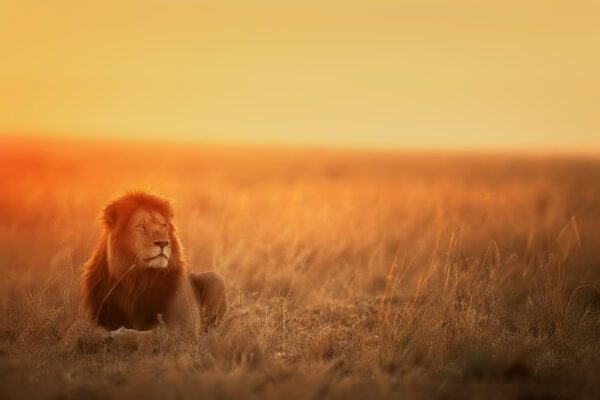
Both parks hold the same herds and the same rivers, but the border between them changes your budget,…
Read more →Tell us what you’d love to see and a local specialist will design a tailor-made itinerary around you — no obligation, reply within 24 hours.