Overview
Mist is already sitting low over the forest when the first vehicle leaves the lodge. The road disappears between giant bamboo and ancient cedar, the temperature drops, and somewhere ahead a buffalo steps across the track before vanishing back into the trees. There is no wide-open horizon here, no endless savannah. Aberdare National Park is a highland safari, and the forest makes you work for every sighting.
Aberdare National Park lies in central Kenya, forming part of the Aberdare Range along the eastern wall of the Great Rift Valley. The park is defined by steep mountain slopes, dense montane forest, bamboo, open moorlands, deep valleys and spectacular waterfalls. At higher elevations, the landscape becomes cooler and more exposed, with giant heather, tussock grass and unusual alpine vegetation replacing the forest.
What sets Aberdare National Park apart from Kenya’s better-known savannah parks is its combination of altitude, forest and wildlife. Elephant, buffalo, leopard, black rhino, bushbuck, warthog, giant forest hog and several species of monkey inhabit the park, while some of Kenya’s rarest forest wildlife, including the mountain bongo, is associated with the Aberdare ecosystem.
Aberdare National Park is also one of Kenya’s most historically significant safari destinations. Treetops Lodge became famous in 1952 when Princess Elizabeth was staying there and learned that her father, King George VI, had died, making her Queen of the United Kingdom. Today, the park combines this remarkable history with waterfalls, mountain scenery, forest wildlife and high-altitude hiking.
For guests who have already experienced the Masai Mara, Amboseli or Tsavo, we often recommend Aberdare National Park for something completely different. The pace is slower, the scenery is greener, the air is cooler and wildlife encounters happen in a landscape where visibility can change within minutes.
QUICK ANSWER | What is Aberdare National Park?
Aberdare National Park is a mountainous protected area in central Kenya, located in the Aberdare Range along the eastern wall of the Great Rift Valley. It is known for dense montane forests, bamboo forests, high-altitude moorlands, waterfalls, elephants, buffalo, black rhino, rare forest wildlife and historic tree lodges including Treetops.
Aberdare National Park At a Glance
Location: Central Kenya, within the Aberdare Range, east of the Great Rift Valley
Park landscape: Montane forest, bamboo forest, moorlands, valleys, waterfalls and high-altitude volcanic terrain
Highest point: Mount Satima, the highest peak in the Aberdare Range
Known for: Forest wildlife, elephants, buffalo, black rhino, waterfalls, moorlands, Treetops and The Ark
Major attractions: Karuru Falls, Gura Falls, Chania Falls, Mount Satima, Dragon Teeth, Elephant Hills, Twin Peaks and the Mau Mau Post Office Tree
Main safari area: The Salient, particularly around the forest lodges and waterholes
Nearest towns: Nyeri, Mweiga, Nyahururu, Njabini and Naivasha depending on the approach
Access: Road access through several gates, with 4×4 vehicles particularly useful during wet conditions
Park gates: Ark Gate, Treetops Gate, Ruhuruini Gate, Kiandongoro Gate, Mutubio Gate, Wanderis Gate, Rhino Gate and Shamata Gate
Entry fee: Current KWS tariff lists Aberdare National Park at USD 70 per non-resident adult and USD 40 per non-resident child.
Wildlife of Aberdare National Park
Aberdare National Park offers a very different wildlife experience from the open grasslands of the Masai Mara. Much of the park is covered by thick forest, bamboo and highland vegetation, so animals can disappear into the vegetation almost as quickly as they appear.
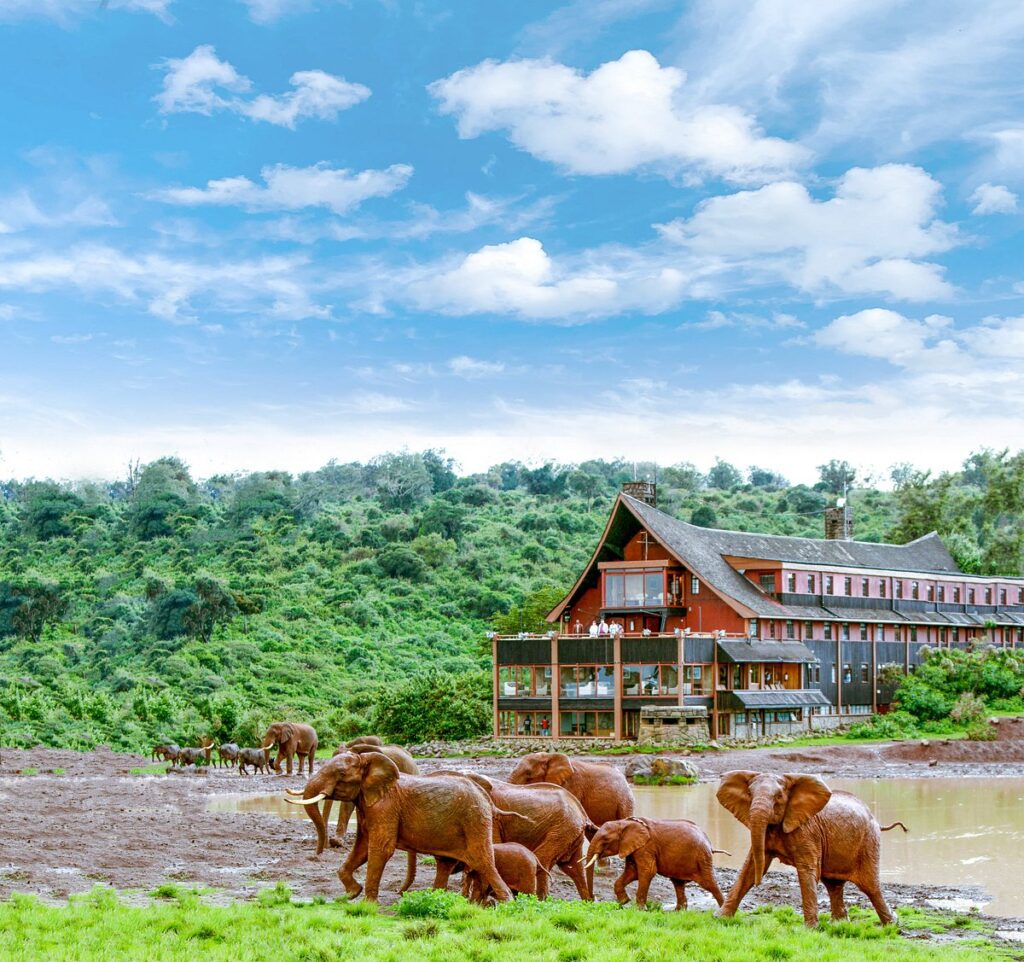
Elephants are among the most reliable large mammals in Aberdare National Park. Herds move through the forest and around the waterholes, often emerging from the trees in the evening. Buffalo are also widespread, and their dark shapes moving through the mist are among the characteristic sights of an Aberdare safari.
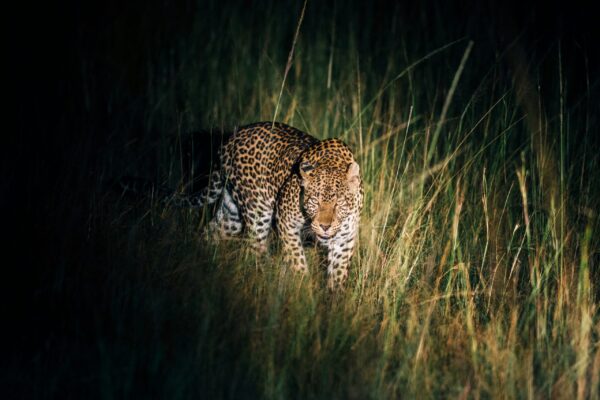
The park is also an important refuge for black rhino. Leopard occur in the forest, although sightings are considerably less predictable than in open savannah environments. Other mammals include giant forest hog, bushbuck, common duiker, red duiker, suni, warthog, eland, reedbuck and several monkey species.
The mountain bongo is one of the most sought-after animals associated with the Aberdare ecosystem. This large, striking forest antelope is extremely elusive, and seeing one in the wild requires considerable luck. Other rare species recorded in the park include black serval and black leopard, although these are exceptional sightings rather than animals visitors should expect to see on every safari.
QUICK ANSWER | What animals can you see in Aberdare National Park?
Aberdare National Park is home to elephant, buffalo, black rhino, leopard, giant forest hog, bushbuck, warthog, eland, duiker, reedbuck and several primate species. The Aberdare ecosystem is also associated with the elusive mountain bongo and other rare forest species.
Forest Elephants
Elephants are one of the defining wildlife experiences in Aberdare National Park. Unlike elephants crossing open plains in Amboseli or Tsavo, Aberdare elephants move through dense forest, bamboo and waterlogged valleys.
The experience is consequently more intimate. You may hear branches breaking before seeing the herd, or catch only a grey shape between trees before the animals disappear into the forest. Around the waterholes near the famous forest lodges, elephant activity can become particularly impressive, especially in the late afternoon and evening.
Black Rhino
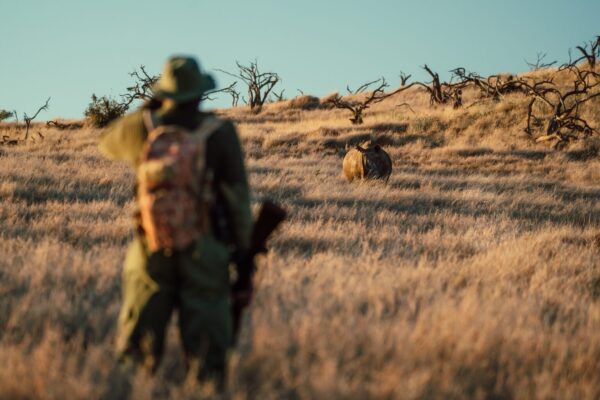
Aberdare National Park is one of Kenya’s important black rhino conservation areas. The dense vegetation provides suitable habitat, but it also means that rhino sightings are unpredictable.
Guests should approach a black rhino sighting as a bonus rather than something guaranteed. When one does emerge from the forest, however, the encounter can be particularly memorable because of the quiet, enclosed character of the Aberdare landscape.
Giant Forest Hog
The giant forest hog is another species that makes Aberdare National Park special. It is the largest wild pig in Africa and is associated with forest and highland habitats.
Unlike warthogs, which are more familiar from open savannah, giant forest hogs are rarely encountered by visitors elsewhere in Kenya. They may be seen feeding along forest edges, clearings and open moorland.
Mountain Bongo
The mountain bongo is arguably Aberdare’s most famous elusive species. This large antelope has a rich reddish-brown coat marked with vertical white stripes and is adapted to thick forest.
Sightings are extremely difficult, and the animal’s rarity means that Aberdare National Park should not be marketed as a guaranteed bongo-viewing destination. For wildlife enthusiasts, however, simply being in one of the mountain bongo’s remaining Kenyan habitats adds another layer to the safari.
Primates and Forest Wildlife
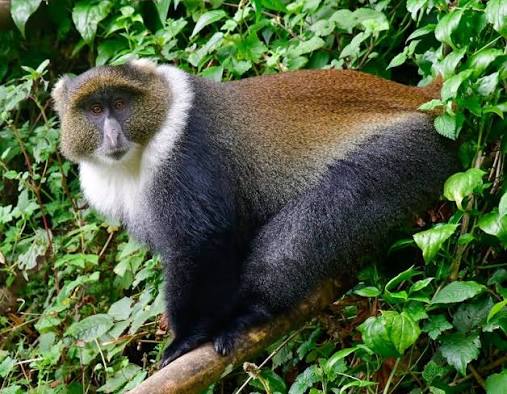
The forest environment supports several primate species, including black-and-white colobus monkeys and other forest monkeys. Their calls often provide the soundtrack to a morning drive through the Aberdare forest.
Smaller animals are equally important here. Duikers, suni, bushbuck and other forest antelope can appear beside the road, while birds move through the canopy overhead.
Things to Do in Aberdare National Park
Game Drives
Game drives are the main way to explore Aberdare National Park. The experience differs considerably from a traditional savannah safari because the roads pass through dense forest, bamboo stands, open moorland and steep mountain terrain.
Morning game drives are particularly rewarding when the forest is cool and misty. Afternoon drives can be excellent around waterholes and open clearings, while overnight guests at the forest lodges can observe wildlife around illuminated waterholes after dark from designated viewing areas.
Aberdare National Park has a network of roads, but conditions can change quickly during periods of heavy rain. A capable 4×4 safari vehicle is strongly recommended, particularly when exploring less accessible sections of the park.
Waterfall Viewing
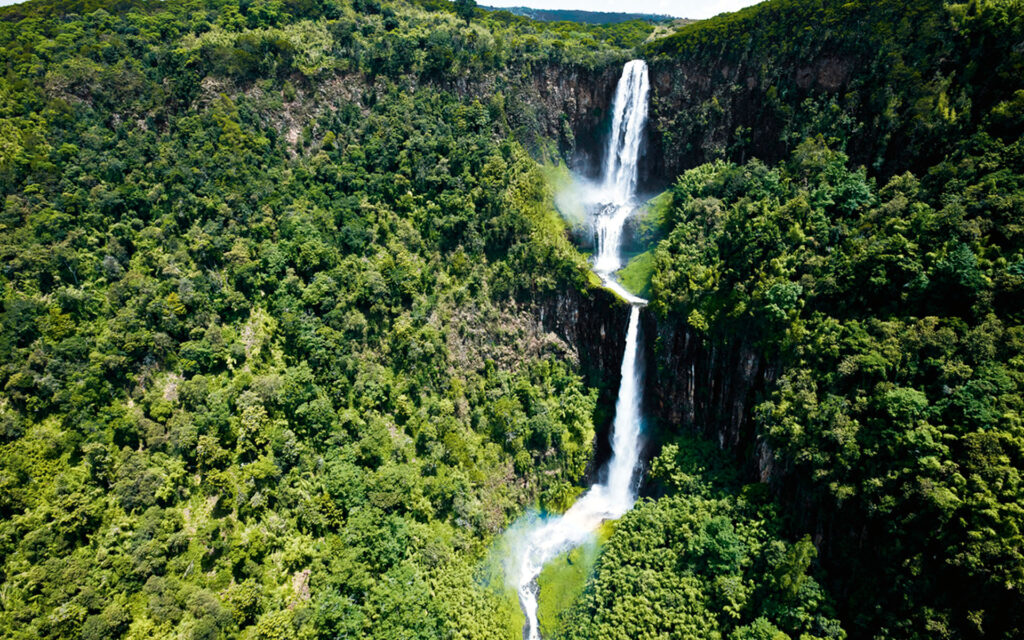
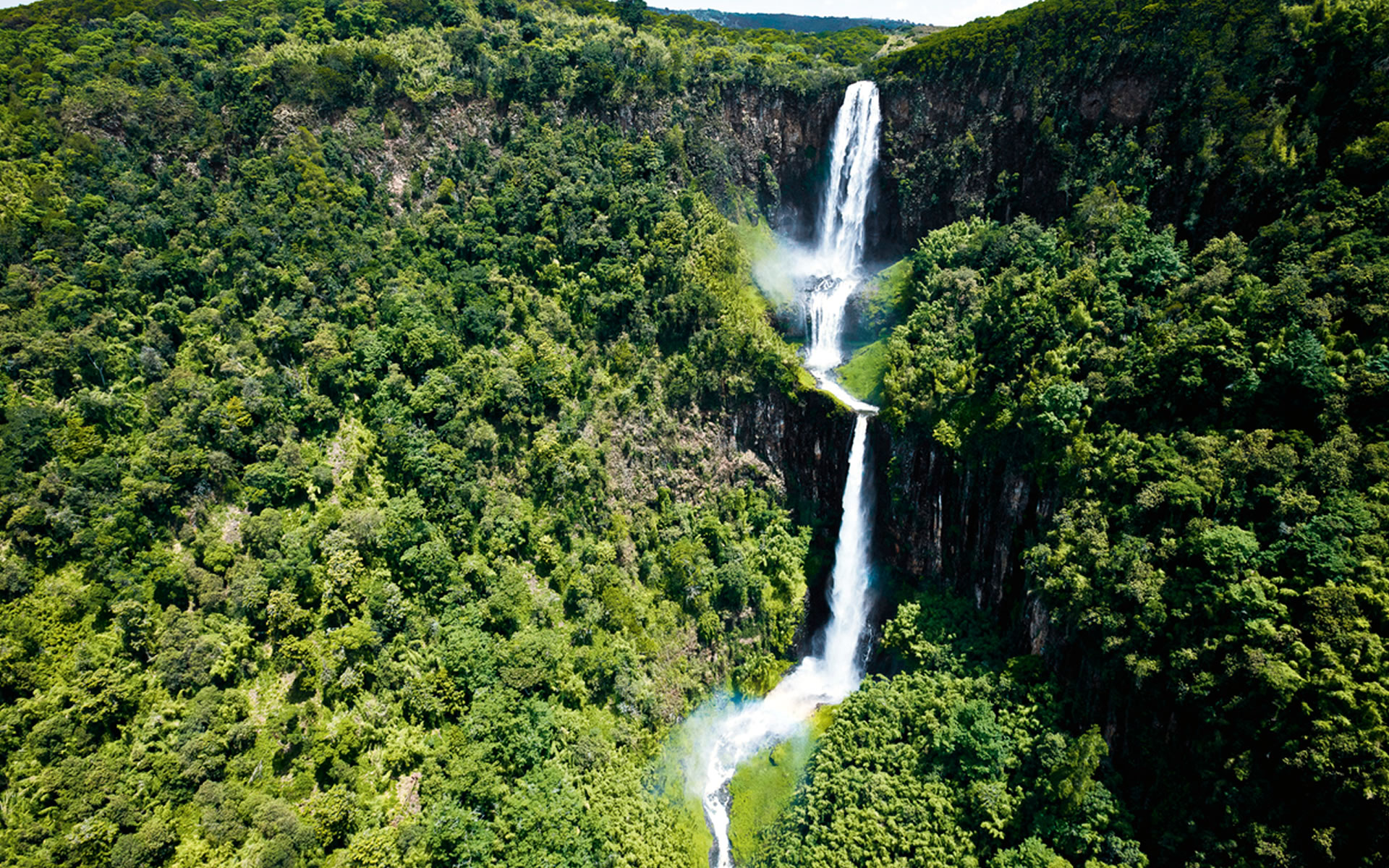
The waterfalls are among the most spectacular attractions in Aberdare National Park. Karuru Falls is the best known, dropping in multiple tiers through a dramatic forested gorge.
Gura Falls and Chania Falls add to the park’s collection of highland waterfalls, with mist, rushing water and steep green valleys creating scenery that looks completely different from Kenya’s savannah parks.
For photographers, the combination of waterfalls, forest and changing cloud cover makes Aberdare National Park one of the most visually distinctive safari destinations in Kenya.
Hiking and Mountain Walks
Aberdare National Park offers opportunities for hiking and scenic walks in selected areas. Mount Satima, the highest peak in the Aberdare Range, is one of the best-known hiking objectives.
The higher elevations provide views across the moorlands and mountain landscape, with the terrain changing dramatically from dense forest to open high-altitude vegetation.
Walking conditions can be cold, wet and misty, particularly at higher elevations, so proper footwear, warm clothing and an experienced guide are important.
Mount Satima
Mount Satima is the highest point in the Aberdare Range and one of the park’s major high-altitude attractions. The mountain is surrounded by moorland, giant heather and dramatic volcanic landscapes.
On a clear day, viewpoints from the higher elevations offer expansive views across central Kenya. On a misty day, the same landscape becomes atmospheric and almost otherworldly.
Dragon Teeth
The Dragon Teeth are distinctive volcanic rock formations found in the high Aberdare landscape. They rise dramatically from the moorland and provide one of the park’s most unusual photographic subjects.
The area is particularly attractive to travellers interested in combining a wildlife safari with hiking and landscape photography.
Elephant Hills
Elephant Hills is another popular highland hiking destination in the Aberdare Range. The terrain combines open moorland, steep slopes and mountain scenery, making the area particularly suited to travellers who want a more active experience than conventional game drives.
Birdwatching
Aberdare National Park is an excellent destination for birdwatchers because its elevation creates several distinct habitats, from forest and bamboo to moorland.
The dense forest supports species that are difficult to find in Kenya’s open savannah parks, while the higher moorlands attract birds adapted to cooler alpine environments.
Birdwatching in Aberdare is best approached slowly. The forest can be quiet at first, but patient observers are often rewarded by movement in the canopy, bird calls and species that are easy to miss from a moving vehicle.
Trout Fishing
Trout fishing has a long history in the Aberdare highlands, particularly around the mountain streams. Fishing opportunities are subject to current park regulations and designated areas, so arrangements should be confirmed before adding the activity to an itinerary.
For travellers who enjoy combining wildlife with outdoor recreation, trout fishing offers a very different experience from a conventional game drive.
Mau Mau Post Office Tree
The Mau Mau Post Office Tree is one of Aberdare National Park’s historical attractions. A large Mugumo fig tree was reportedly used as a communication point during Kenya’s struggle for independence, with messages concealed in openings within the tree.
The site provides a reminder that the Aberdare landscape has cultural and historical significance beyond wildlife tourism.
Treetops and the History of Aberdare National Park
Few places in Kenya have a stronger connection between wildlife tourism and modern history than Treetops.
In February 1952, Princess Elizabeth stayed at Treetops while visiting Kenya. During that stay, her father, King George VI, died in Britain, and she became Queen Elizabeth II.
The event transformed Treetops into one of the world’s most famous historic safari lodges. Today, the story remains an important part of Aberdare National Park’s identity and is one reason many visitors choose the park even when their primary interest is not wildlife.
The Ark
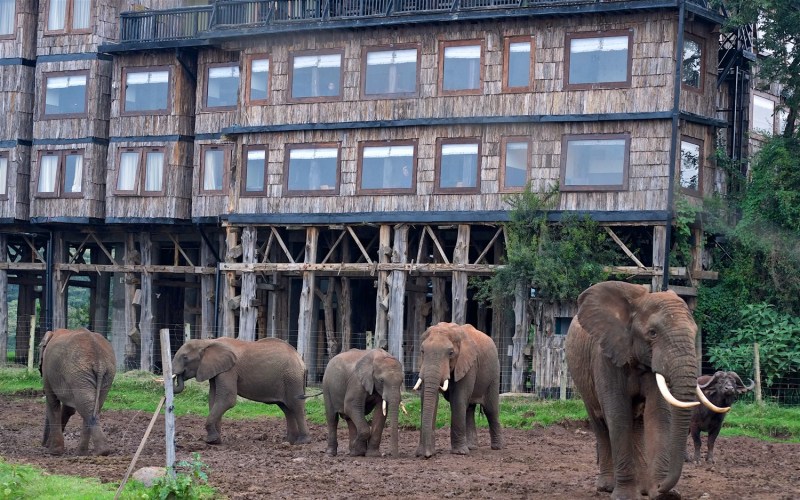
The Ark is another famous forest lodge in Aberdare National Park’s Salient. Designed around the idea of Noah’s Ark, the lodge overlooks a waterhole and salt lick where wildlife regularly gathers.
Elephant and buffalo are among the common visitors, while other species may appear depending on the season and time of day. Viewing platforms allow guests to watch animals without having to leave the lodge for every sighting.
For travellers interested in wildlife photography, The Ark can be particularly rewarding because the waterhole creates a natural focal point for animal activity.
Expert Note
Aberdare is not the park to choose if your only objective is to see as many large animals as possible in a short period. The forest changes the game. Visibility is limited, sightings can be brief and weather can alter the experience within minutes. Choose Aberdare for atmosphere, highland scenery, forest wildlife and the chance to see Kenya from a completely different perspective.
Kibara Mugo, Safari Writer & East Africa Specialist
Aberdare National Park Gates
Aberdare National Park has several access gates because the park stretches across a large and varied mountain landscape. The correct gate depends on where you are staying and which section of the park you want to explore.
Ark Gate: Commonly used for access to the Salient and The Ark area.
Treetops Gate: Provides access toward Treetops and the eastern forest sector.
Ruhuruini Gate: An eastern access point serving the forest and Salient areas.
Kiandongoro Gate: Provides access toward the central and southern highland areas.
Mutubio Gate: Useful for approaches toward the southern and western sections of the Aberdare landscape.
Wanderis Gate: Provides access to the northern and eastern sections.
Rhino Gate: Located on the northern side and useful for access toward the northern Aberdare ecosystem.
Shamata Gate: Provides northern access from the Nyahururu side.
Gate access and road conditions can vary, particularly during wet weather, so the route should be confirmed with the park authorities or safari operator before departure.
How to Get to Aberdare National Park
By Road
Aberdare National Park is relatively accessible from Nairobi compared with many of Kenya’s more remote safari destinations. The route normally travels north through the central highlands toward Nyeri or Mweiga, depending on the chosen park gate.
The journey takes you from Nairobi’s urban environment into Kenya’s agricultural highlands before reaching the cooler forested slopes of the Aberdare Range.
Road conditions inside the park are considerably more variable than the main highways. During heavy rains, some internal routes can become difficult, making a 4×4 safari vehicle particularly important. KWS also advises visitors to observe park entry and exit times, with standard gates opening at 6:00 am and closing at 6:00 pm for day visitors.
By Air
Aberdare National Park can also be incorporated into a fly-in safari using nearby airstrips serving the central Kenya region, depending on the lodge and current flight schedules.
Flying is most useful for travellers combining Aberdare with destinations farther away, although the road journey from Nairobi is practical for most itineraries.
Road or Fly? How to Decide
Road travel is generally the better option if Aberdare National Park is part of a central Kenya safari that also includes Mount Kenya, Ol Pejeta, Lake Nakuru or Lake Naivasha. The journey allows you to experience the changing landscapes of central Kenya and avoids the additional cost and logistics of a light aircraft connection.
Flying becomes more attractive when Aberdare is being added to a wider fly-in itinerary and the traveller wants to reduce road time.
For most guests booking a conventional Kenya safari, we recommend travelling by road and combining Aberdare National Park with another central Kenya destination.
Climate and Weather in Aberdare National Park
Aberdare National Park has a cool, wet highland climate that is very different from Kenya’s warmer lowland parks. Temperatures fall significantly as altitude increases, and mist, rain and cloud can be part of the experience even during otherwise dry periods.
The forested sections are generally cool and humid, while the high moorlands can become considerably colder, particularly early in the morning and after sunset.
Rainfall is substantial in parts of the Aberdare Range, and wet conditions can affect internal roads. KWS notes that Kenya’s long rains generally occur between April and June, with 4×4 vehicles often required when park roads become wet.
For an Aberdare safari, warm layers and waterproof clothing are useful throughout the year. A fleece or warm jacket is particularly important for early-morning game drives and high-altitude walks.
QUICK ANSWER | What is the climate like in Aberdare?
Aberdare National Park has a cool, humid highland climate. Temperatures are considerably lower than in Kenya’s lowland safari destinations, and mist and rainfall are common because of the park’s elevation and forest environment. Travellers should pack warm layers and waterproof clothing, especially for early mornings and high-altitude activities.
Aberdare National Park Entry Fees and Tickets
The current Kenya Wildlife Service tariff lists Aberdare National Park under the relevant park category at USD 70 per non-resident adult and USD 40 per non-resident child. African citizens are listed at USD 40 per adult and USD 20 per child, while East African citizens and Kenya residents pay in Kenyan shillings according to their applicable category.
KWS states that guests travelling on package tours can have park entry fees included in the overall safari price, while self-organized visitors can pay through the KWS payment system.
Because conservation fees and regulations can change, we recommend confirming the applicable tariff for your travel dates before finalizing a safari budget.
QUICK ANSWER | How much does it cost to enter Aberdare National Park?
The current KWS tariff lists Aberdare National Park at USD 70 for a non-resident adult and USD 40 for a non-resident child. Other rates apply to African citizens, East African citizens and Kenya residents. Package safari operators can include the park fee within the overall safari price.
Best Time to Visit Aberdare National Park
January and February are generally among the better months for travellers looking for relatively drier conditions in the central highlands. The vegetation remains green, while road conditions are often more manageable than during the wetter months.
June through September can also provide rewarding conditions, although the Aberdare climate remains cooler and wetter than many other Kenyan parks. The highland landscape can be particularly dramatic when mist moves through the forest and moorlands.
The rainy periods can make some roads challenging, but they also bring fresh vegetation, flowing waterfalls and a quieter atmosphere. Travellers interested in photography may actually prefer these conditions because mist and cloud add drama to the mountain scenery.
Unlike a purely savannah destination, Aberdare National Park can be visited throughout the year, but the best month depends on whether your priority is wildlife viewing, hiking, waterfalls, photography or avoiding wet road conditions.
QUICK ANSWER | What is the best time to visit Aberdare?
January, February and the generally drier months offer easier road conditions and good wildlife viewing, while wetter periods can produce greener landscapes, stronger waterfalls and atmospheric mist. Aberdare National Park is a year-round destination, but weather should be considered carefully when planning hiking or remote-road excursions.
How Many Days Do You Need in Aberdare National Park?
One night can work for travellers who mainly want the Treetops or The Ark experience and a short wildlife encounter around the lodge waterhole.
Two nights is a better introduction to Aberdare National Park. It allows time for game drives, waterfall viewpoints and a slower exploration of the forest environment.
Three nights or more makes sense for travellers interested in combining wildlife drives with hiking, Mount Satima, moorland scenery and a more complete exploration of the Aberdare ecosystem.
If Aberdare National Park is being combined with Ol Pejeta, Mount Kenya or Lake Nakuru, two nights is often the most practical balance between the park and the rest of the itinerary.
QUICK ANSWER | How many days do you need in Aberdare?
Two nights is generally enough for a first Aberdare National Park experience, particularly if the focus is wildlife and a stay at one of the famous forest lodges. Three nights or more is better for travellers who want to add hiking, waterfalls and high-altitude scenery.
Why Visit Aberdare National Park?
Aberdare National Park offers a side of Kenya that the country’s famous savannah reserves cannot reproduce.
There are no endless grass plains here. Instead, guests travel through ancient forest, bamboo stands, misty valleys and open mountain moorlands. Wildlife appears differently too, often emerging from vegetation rather than standing against an open horizon.
The waterfalls are spectacular, the temperatures are refreshingly cool, and the historical connection with Treetops adds another dimension to the experience.
For repeat safari travellers, Aberdare National Park is especially attractive because it provides a genuine change of scenery from the Masai Mara, Amboseli and Tsavo.
For first-time visitors, it works particularly well as part of a central Kenya circuit combining wildlife, mountain scenery and conservation destinations.
Aberdare Safari Cost
Aberdare safari prices vary according to accommodation, number of nights, vehicle type, season and the other destinations included in the itinerary.
KWS notes that overall Kenya safari costs can vary significantly according to whether the safari is budget or luxury and what is included in the package.
As a practical planning guide, Aberdare can be incorporated into budget and mid-range Kenya safari packages using lodges and camps outside the premium forest properties, while stays at iconic tree lodges such as The Ark or Treetops generally place the itinerary at a higher price point.
A typical Aberdare safari package can include accommodation, meals, private 4×4 safari vehicle, professional safari guide, game drives, park entry fees and selected transfers. Hiking, special activities and certain lodge experiences may carry additional charges.
The most important factor is not simply the nightly accommodation rate. Combining Aberdare with destinations such as Ol Pejeta, Lake Nakuru or Mount Kenya can make the overall itinerary more efficient and reduce unnecessary driving.
QUICK ANSWER | How much does an Aberdare safari cost?
The cost of an Aberdare safari depends mainly on accommodation category, season, transport and the number of destinations combined. Budget and mid-range options are available, while iconic forest lodges such as The Ark and Treetops generally cost more. Park entry fees should also be included when calculating the total safari price.
Aberdare Safari Packages
We build Aberdare National Park into Kenya safari itineraries in several ways.
An Aberdare and Ol Pejeta safari combines highland forest with open Laikipia plains and is particularly strong for wildlife variety.
An Aberdare and Lake Nakuru safari adds the Rift Valley landscape and another important wildlife destination.
An Aberdare and Mount Kenya safari focuses on central Kenya’s mountain environments, combining wildlife, forest and high-altitude scenery.
A Kenya safari combining Aberdare, Samburu and Masai Mara creates a much broader journey, moving from the cool central highlands into northern Kenya and finally to the open grasslands of the Mara.
Because Aberdare National Park is so different from the Masai Mara and Samburu, it works particularly well as a middle section of a longer Kenya safari.
Accommodation in Aberdare National Park
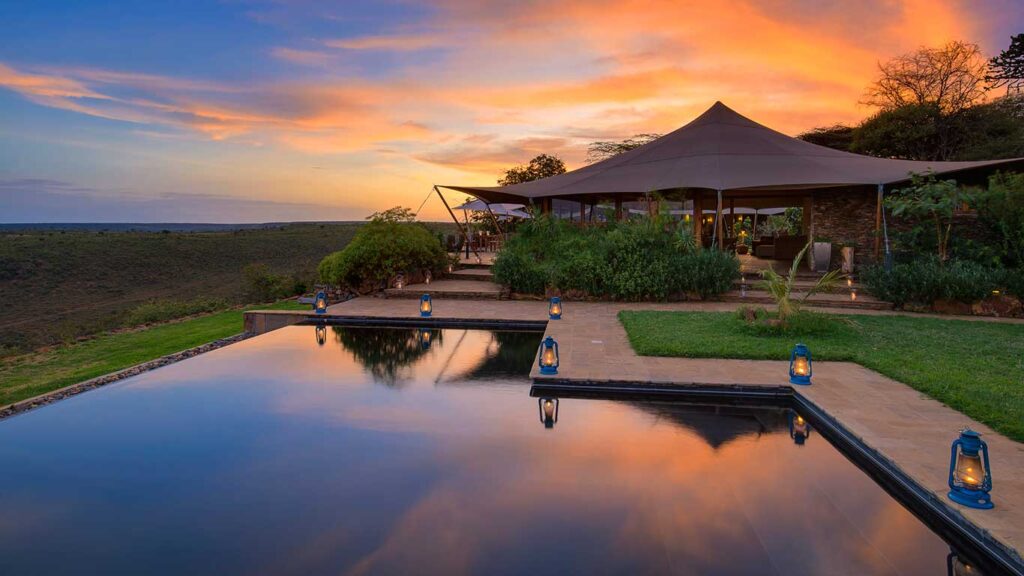
Accommodation around Aberdare National Park ranges from forest lodges and historic tree hotels to lodges and camps outside the park boundaries.
The Ark is one of the most recognizable accommodation options, designed around a waterhole and wildlife-viewing experience.
Treetops is particularly attractive to travellers interested in the park’s royal history and the famous 1952 connection with Queen Elizabeth II.
Other accommodation options around Nyeri, Mweiga and the wider Aberdare ecosystem can provide a more conventional lodge experience and may be better suited to travellers prioritizing value or a combination with other central Kenya destinations.
We match accommodation to the safari rather than choosing a property simply because it is famous. If wildlife viewing from the lodge is the priority, a waterhole property can make sense. If the goal is hiking or exploring the wider Aberdare Range, a different location may be more practical.
Aberdare National Park vs Other Kenya Safari Destinations
Aberdare vs Masai Mara
The Masai Mara is the stronger destination for open-plains wildlife, big cat sightings and the annual wildebeest migration.
Aberdare National Park offers something completely different: highland forest, waterfalls, mountain scenery, black rhino habitat and the possibility of rare forest species.
We do not recommend choosing Aberdare instead of the Masai Mara if this is your first-ever Kenya safari and your priority is classic African wildlife. We recommend adding Aberdare when you want to see another side of Kenya.
Aberdare vs Samburu
Samburu is hot, dry and dominated by red earth, doum palms and the Ewaso Nyiro River. It is famous for the Samburu Special Five.
Aberdare National Park is cooler, wetter and heavily forested. Its wildlife is harder to see, but the scenery and atmosphere are completely different.
The two destinations work extremely well together on a longer Kenya safari because they represent two contrasting ecosystems.
Aberdare vs Amboseli
Amboseli is famous for large elephant herds, open plains and views of Mount Kilimanjaro.
Aberdare National Park is a forest and mountain destination, with misty valleys, waterfalls and cool highland conditions.
If your priority is photographing elephants against Kilimanjaro, choose Amboseli. If you want forest wildlife and mountain scenery, Aberdare is the better fit.
Aberdare vs Lake Nakuru
Lake Nakuru offers a compact Rift Valley wildlife experience with open grassland, lake scenery and strong rhino viewing opportunities.
Aberdare National Park is more mountainous, forested and atmospheric. Combining the two gives travellers an excellent contrast between the Rift Valley floor and the central Kenyan highlands.
Responsible Tourism and Conservation in Aberdare
Aberdare National Park is an important conservation landscape for Kenya’s highland forests and wildlife. Protecting the forest is particularly important because the Aberdare ecosystem supports biodiversity while also playing an important role in the country’s highland water catchment.
Visitors should remain on designated roads, avoid disturbing wildlife and follow all park regulations. Feeding wildlife is prohibited, and KWS advises visitors to remove their rubbish and follow park entry and exit requirements.
Responsible tourism in Aberdare also means recognizing that this is a fragile mountain ecosystem. Driving off established tracks can damage vegetation and soil, particularly when conditions are wet.
For hiking and forest activities, guests should use approved routes and qualified guides where required. The weather can change rapidly, and the combination of altitude, mist and steep terrain makes preparation important.
Expert Note
Aberdare rewards travellers who slow down. The forest is not designed for rushing from one animal to another. Some of the best moments are the elephant appearing through mist, a colobus monkey moving across the canopy, the sound of a waterfall below the road or the sudden opening of the forest onto a vast moorland viewpoint.
Hellen Asiko, Director & Guest Experience Curator
Plan Your Aberdare Safari
From the misty forests and high-altitude moorlands to Karuru Falls, Mount Satima, Treetops and The Ark, Aberdare National Park offers one of the most distinctive safari experiences in Kenya.
We build Aberdare National Park into standalone highland safaris, central Kenya circuits and longer Kenya journeys that combine the park with Ol Pejeta, Lake Nakuru, Samburu, Masai Mara or Amboseli.
For travellers who want more than the classic savannah safari, Aberdare provides a completely different perspective: cooler air, ancient forest, dramatic waterfalls, rare wildlife and a landscape shaped by altitude.
Speak to Afrikan Accent Adventures to start planning your Aberdare National Park safari around your travel dates, accommodation preference and interests.
Aberdare is not simply a stop between better-known parks. It is a destination in its own right, and for travellers who appreciate wild landscapes, forest wildlife and the quieter side of Kenya, it can become one of the most memorable parts of the journey.


 ✨Signature Journeys