

Planning & Tips
Wifi, Electricity and Charging on Safari: What Kenya’s Camps Actually Offer
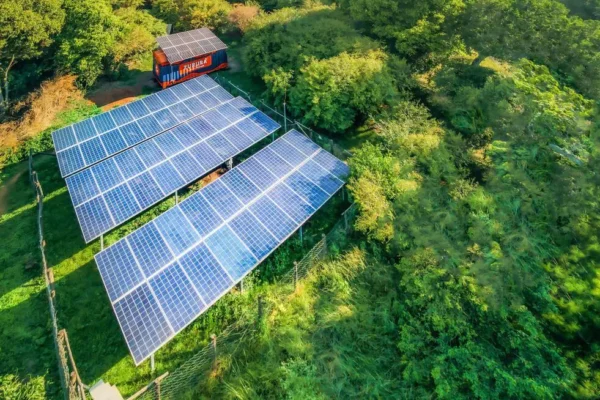
From a generator that switches off at ten to a Land Cruiser fitted with its own charging console,…
Read more →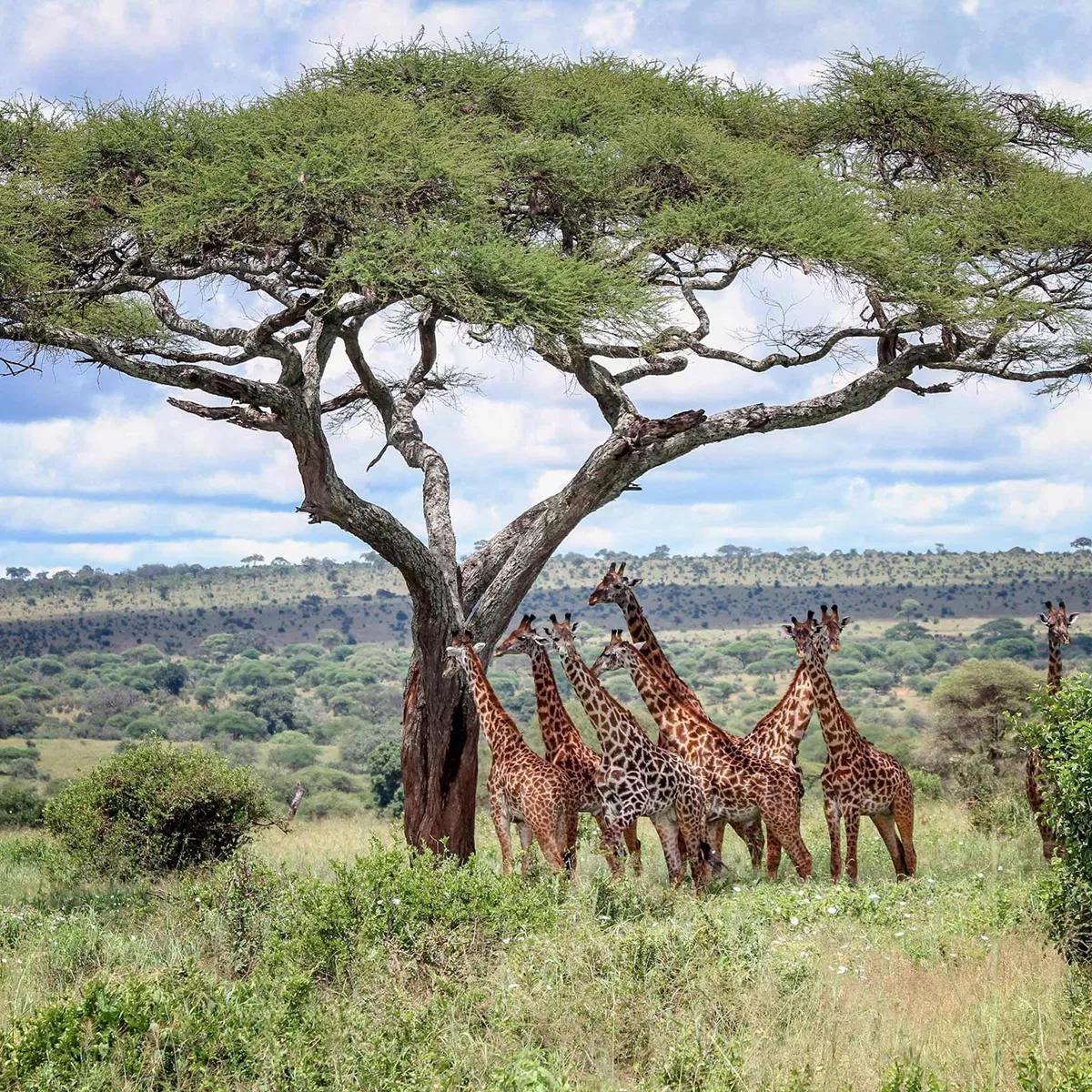
"The Wild, Uncrowded Edge of the Mara — Where Community and Wildlife Thrive Together"
There is no congestion of safari vehicles, no constant radio chatter from crowded sightings and no sense that wildlife viewing has been compressed into a single busy circuit. Instead, there are rolling grasslands, scattered acacia woodland, gentle hills and a landscape that still feels closely tied to the Maasai families who live alongside it.
Mara Siana Conservancy lies on the eastern edge of the greater Maasai Mara ecosystem in Narok County, forming part of the wider network of community conservancies that buffer the Maasai Mara National Reserve. It is a community-owned conservation area where local Maasai landowners have set aside land for wildlife protection while continuing to benefit from sustainable tourism and livestock-based livelihoods.
Like other conservancies in the Mara ecosystem, Mara Siana plays a critical role in expanding wildlife habitat beyond the boundaries of the national reserve. This allows animals to move freely between protected areas, reducing pressure on the core reserve and maintaining essential migration and dispersal corridors.
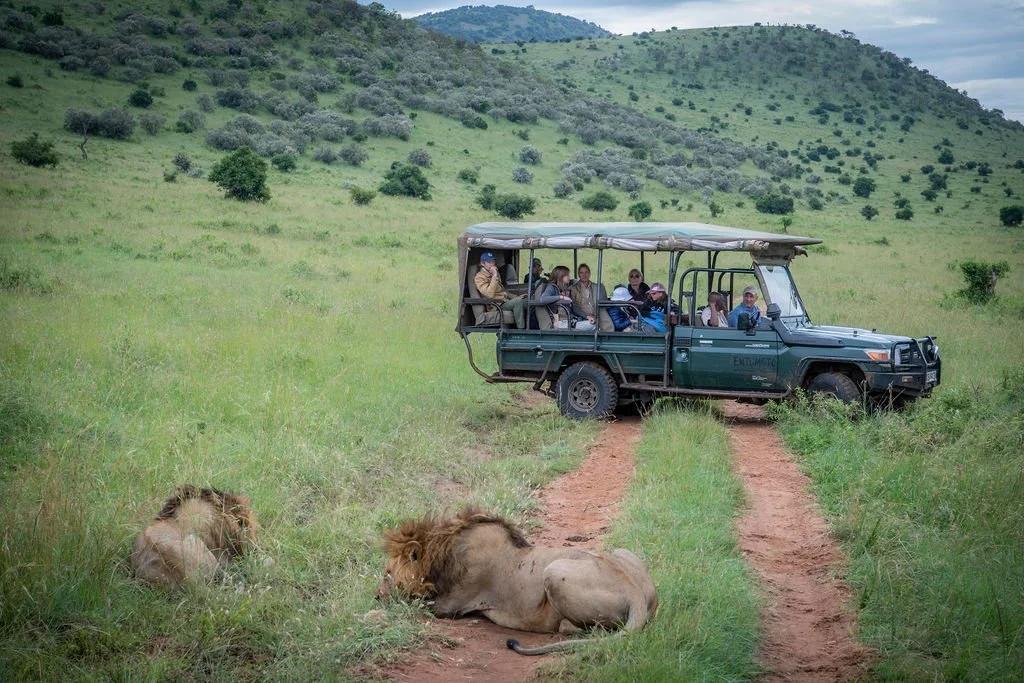
For travellers, Mara Siana offers a quieter alternative to the Maasai Mara National Reserve. Game drives are more flexible, vehicle numbers are lower and the experience feels more personal. It is a place where you are more likely to sit with a sighting rather than rush through it.
Wildlife in Mara Siana is part of the broader Maasai Mara ecosystem. Lions, leopards, cheetahs, elephants, giraffes, wildebeest, zebras, buffalo and a wide range of antelope species move through the conservancy and surrounding landscapes. The open plains are particularly well suited to predator-prey interactions, while nearby woodland and riverine areas provide cover for more elusive species.
For travellers who have already experienced the Maasai Mara National Reserve, Mara Siana offers a different perspective: fewer vehicles, stronger community involvement, and a more intimate connection to the landscape.
Mara Siana Conservancy is a community-owned wildlife conservation area on the eastern side of the greater Maasai Mara ecosystem in southwestern Kenya. It forms part of the network of conservancies that support wildlife movement around the Maasai Mara National Reserve. The conservancy protects open grassland and woodland habitat while supporting Maasai landowners through sustainable tourism and conservation-based land use.
Location: Eastern edge of the greater Maasai Mara ecosystem, Narok County, Kenya
Type: Community-owned wildlife conservancy
Landscape: Open grasslands, rolling hills, acacia woodland and seasonal watercourses
Known for: Lions, leopards, cheetahs, elephants, giraffes, wildebeest, zebras and diverse plains game
Ecosystem role: Wildlife dispersal and buffer zone for the Maasai Mara National Reserve
Tourism model: Low-density, community-supported safari tourism
Experience style: Quiet, flexible game drives with fewer vehicles and more space at sightings
Neighbouring areas: Maasai Mara National Reserve and surrounding community conservancies
Mara Siana is part of the wider Maasai Mara conservancy network, which collectively helps maintain one of Africa’s most important wildlife ecosystems by extending protected habitat beyond the national reserve boundaries.
Mara Siana is not a replica of the Maasai Mara National Reserve.
The national reserve is known for its high wildlife density, dramatic river crossings during the Great Migration and large numbers of safari vehicles at popular sightings. Mara Siana offers a more relaxed and less crowded experience.
The conservancy is community-owned and managed, meaning local Maasai landowners directly benefit from conservation and tourism. This creates a strong incentive to protect wildlife while maintaining traditional land use such as livestock grazing in designated areas.
Tourism in Mara Siana is intentionally low-density. Fewer vehicles are allowed in the conservancy compared to the national reserve, which means sightings are less congested and more immersive.
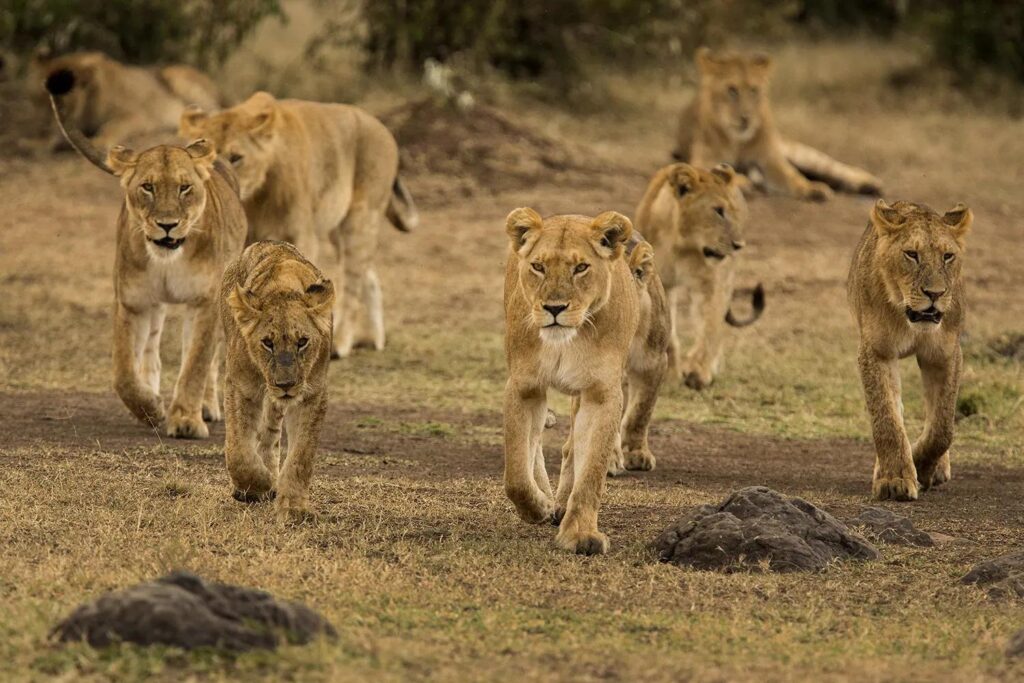
A lion sighting in Mara Siana often feels very different from one in the busier parts of the Maasai Mara. Instead of multiple vehicles surrounding the animal, you may find yourself alone or with just one or two other vehicles, allowing for a more natural and uninterrupted experience.
This is the essence of a conservancy safari: space, flexibility and a closer connection to the landscape.
Mara Siana is part of the greater Maasai Mara ecosystem, so wildlife moves freely between the conservancy, neighbouring community lands and the national reserve.
The conservancy supports a wide range of species typical of the Mara ecosystem.
Lions are present in the wider landscape and can move through the conservancy depending on prey movement and territorial patterns. Cheetahs are well suited to the open grasslands, where they rely on visibility and space to hunt. Leopards are more elusive and tend to favour areas with thicker vegetation and rocky outcrops.
Large herbivores such as elephants, giraffes, buffalo, wildebeest and zebras move through the conservancy and surrounding areas, while smaller antelope species such as impala, gazelles and topi are commonly seen on game drives.
Birdlife is also abundant, with raptors, vultures, hornbills, starlings and grassland species adding variety to the safari experience.
The true value of Mara Siana is not just the wildlife within its boundaries, but its role in maintaining connectivity across the wider Mara ecosystem. It helps ensure that animals can move freely between feeding, breeding and migration areas.
Mara Siana supports many of the iconic species of the Maasai Mara ecosystem, including lion, leopard, cheetah, elephant, giraffe, wildebeest, zebra, buffalo, impala and other plains game. Wildlife moves freely between the conservancy and surrounding areas, so sightings vary depending on season and movement patterns.
Mara Siana is a rewarding destination for travellers interested in predators.
The open plains provide ideal hunting grounds for cheetahs, while lions use the wider ecosystem for territory and movement. Leopards are more secretive and are usually encountered in areas with thicker vegetation.
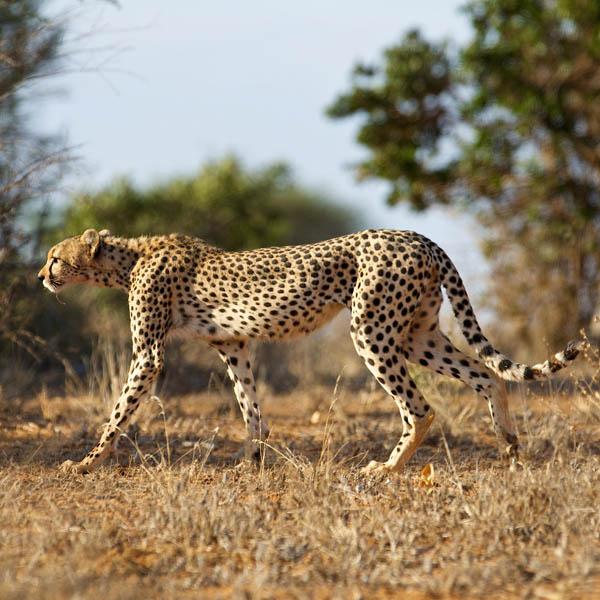
Cheetahs are particularly well suited to the landscape. Their hunting style depends on open visibility, and the relatively low vehicle density in Mara Siana allows for more relaxed and less pressured sightings.
Lions are present in the broader ecosystem and may be seen moving through the conservancy, especially during early morning or late afternoon game drives.
Leopards require patience and a knowledgeable guide. They are most often seen resting in trees or moving through dense cover at dawn or dusk.
What makes Mara Siana special is not guaranteed predator sightings, but the quality of those encounters when they do happen. Without large crowds of vehicles, sightings feel more natural and less disrupted.
Mara Siana is part of the wider Maasai Mara ecosystem that supports the Great Migration.
Wildebeest movement is seasonal and varies from year to year depending on rainfall and grazing conditions. As a result, there is no fixed guarantee that migration herds will pass through Mara Siana at a specific time.
However, the conservancy does support resident wildlife throughout the year, including wildebeest that remain in the ecosystem outside the peak migration period.
During migration season, travellers often combine stays in conservancies like Mara Siana with time in the Maasai Mara National Reserve to increase the chances of witnessing river crossings and large herd movements.
For travellers more interested in predators, photography and quieter game viewing, Mara Siana offers a strong alternative to staying in the busiest parts of the reserve.
Game drives are the main activity in Mara Siana.
Morning drives begin early when wildlife is most active and temperatures are cooler. This is often the best time for predator sightings and photography.
Afternoon drives extend into the golden light of sunset, when animals become more active again after the heat of the day.
Because Mara Siana is a community conservancy, game drives are less crowded than in the national reserve. Guides have more flexibility, and sightings are generally more relaxed.
Where permitted by conservancy rules and participating camps, night game drives offer a completely different perspective of the Mara ecosystem.
After dark, nocturnal species become active, including hyenas, civets, genets, porcupines and other smaller mammals. Lions may also begin hunting, and leopards are more active during nighttime hours.
Night drives must always be conducted with experienced guides and in accordance with conservancy regulations.
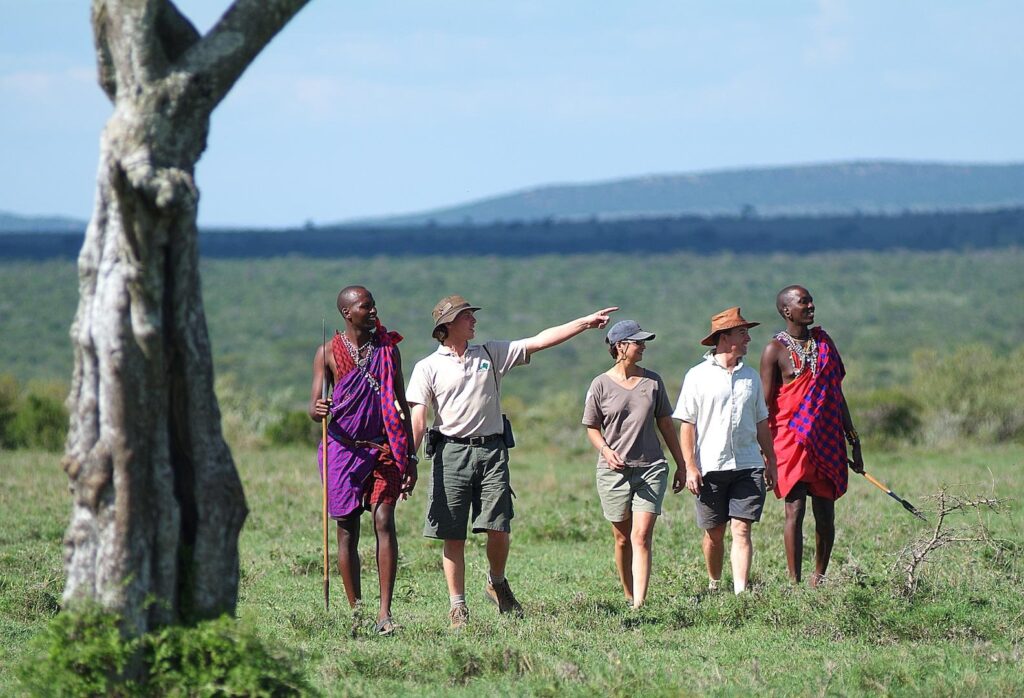
Walking safaris provide a slower and more detailed way to experience the landscape.
On foot, attention shifts from large animals to smaller details such as tracks, plants, insects, bird calls and signs of wildlife movement.
Local Maasai guides play an important role in interpreting the landscape, sharing knowledge about animal behaviour, tracking and the relationship between wildlife and livestock.
Walking activities depend on the specific camp and conservancy permissions.
Mara Siana is a community-owned conservancy, and cultural experiences are an important part of understanding the landscape.
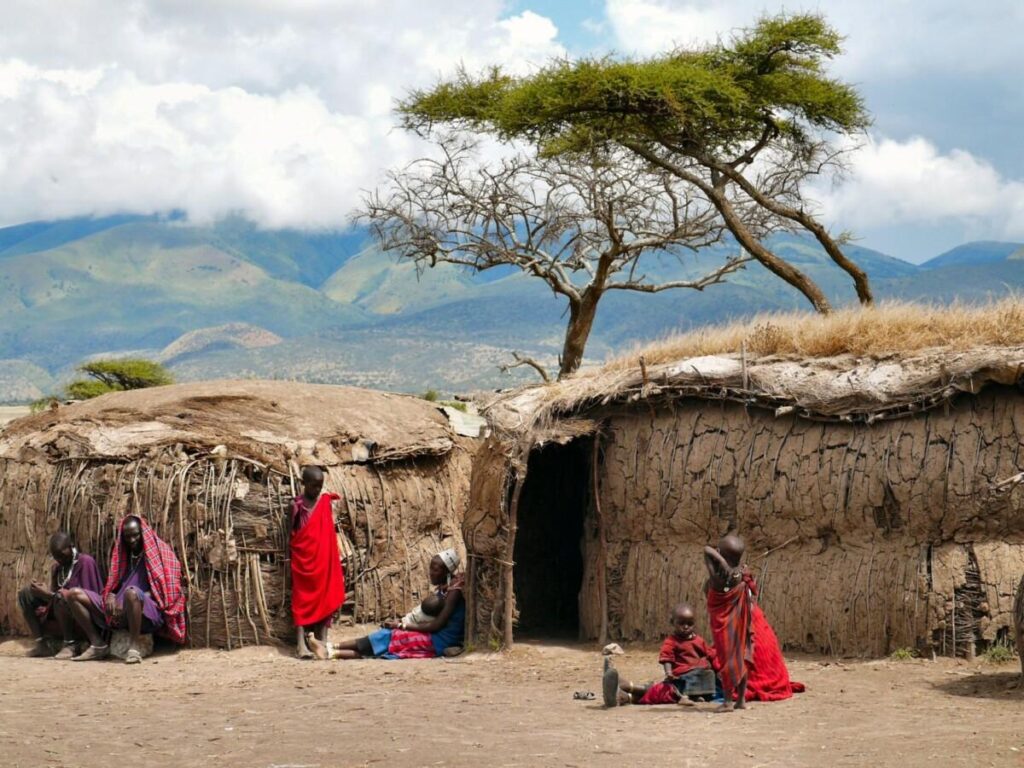
Visitors may have the opportunity to engage with Maasai communities, learn about traditional livestock keeping, beadwork, storytelling and the evolving relationship between conservation and pastoral livelihoods.
These experiences should be approached respectfully as cultural exchanges rather than performances. Photography should always be done with permission.
The mix of grassland, woodland and seasonal water sources makes Mara Siana a strong birding destination.
Raptors, vultures, hornbills, weavers, starlings and grassland species are commonly seen, especially during early morning game drives.
Bush breakfasts and sundowners are popular safari experiences in Mara Siana.
Breakfasts are often enjoyed in scenic open areas after morning game drives, while sundowners take place as the sun sets over the plains, creating ideal lighting for photography and relaxation.
The low vehicle density in the conservancy enhances the sense of privacy during these moments.
Mara Siana is well suited to wildlife photography due to its open landscapes and relatively low number of vehicles.
Photographers benefit from more time at sightings and fewer interruptions, especially when working with predators or large herds.
Cheetahs are a particular highlight due to the open terrain, which allows for dynamic action photography.
Mara Siana plays an important ecological role within the greater Maasai Mara ecosystem.
It forms part of a network of community conservancies that connect the Maasai Mara National Reserve with surrounding landscapes. These corridors are essential for wildlife movement, especially for migratory species and wide-ranging animals such as elephants and big cats.
By maintaining open land for wildlife, Mara Siana helps reduce pressure on the national reserve and supports long-term ecosystem health.
For travellers, this means that a stay in Mara Siana contributes directly to conservation at a landscape scale, not just within a single protected area.
Mara Siana is rooted in community conservation.
The land is owned by Maasai families who have chosen to set aside portions of their land for wildlife conservation while continuing to benefit from sustainable tourism and livestock grazing.
This model ensures that conservation is directly linked to local livelihoods. Tourism revenue supports landowners, creates employment opportunities and strengthens incentives to protect wildlife habitat.
At the same time, traditional pastoral practices remain an important part of the landscape, creating a shared space between people, livestock and wildlife.
This balance is central to the long-term success of the conservancy model in the Maasai Mara ecosystem.
Mara Siana operates under a structured community conservation framework aligned with Kenya’s wildlife conservation policies.
Management focuses on maintaining wildlife habitat, supporting community livelihoods, regulating tourism impact and ensuring sustainable land use.
Key priorities include wildlife protection, controlled tourism development, livestock management, human-wildlife coexistence and community benefit-sharing.
The long-term vision is to maintain Mara Siana as a functional wildlife corridor and community-managed conservation landscape that supports both biodiversity and local livelihoods.
Mara Siana and the Maasai Mara National Reserve are part of the same ecosystem but offer different safari experiences.
The national reserve provides access to a larger protected area with higher wildlife densities and is the main stage for the Great Migration.
Mara Siana offers a quieter, more exclusive experience with fewer vehicles, more flexibility and a stronger community conservation focus.
Many travellers choose to combine both destinations to experience the full range of the Maasai Mara ecosystem.
Naboisho is a more established conservancy with a long-standing tourism infrastructure and strong predator populations.
Mara Siana is quieter and less developed, offering a more emerging conservancy experience.
Mara North is larger and more established with a wider range of camps and tourism activity.
Mara Siana is smaller and more intimate, with fewer vehicles and a stronger sense of seclusion.
Ol Kinyei is one of the original conservancies in the Mara ecosystem and is well known for walking safaris and low-impact tourism.
Mara Siana shares a similar conservation philosophy but is located on a different side of the ecosystem, offering a slightly different landscape and wildlife movement patterns.
Accommodation in Mara Siana is limited and carefully managed to maintain low tourism density.
Camps are typically small, tented properties designed to blend into the landscape and minimize environmental impact.
These camps focus on immersive safari experiences rather than large-scale tourism, often offering guided game drives, walking safaris and cultural interactions.
The limited number of beds in the conservancy helps preserve its quiet and exclusive atmosphere.
Mara Siana can be reached by road from Nairobi via Narok, followed by access into the eastern side of the Maasai Mara ecosystem.
Road travel allows guests to experience Kenya’s changing landscapes and is often combined with other destinations such as Lake Naivasha or Lake Nakuru.
Travel times vary depending on road conditions and exact camp location.
Flying is the fastest way to reach the Maasai Mara ecosystem.
Scheduled flights from Nairobi’s Wilson Airport land at airstrips serving the wider Mara region, with onward transfers to Mara Siana camps.
Flying is ideal for shorter itineraries or luxury safari experiences where time in the bush is prioritized.
Road travel is best for longer itineraries and travellers who enjoy scenic overland journeys.
Flying is best for shorter stays or when combining multiple safari destinations.
Mara Siana has a mild highland climate typical of the Maasai Mara ecosystem.
Mornings and evenings are cool, while daytime temperatures are generally warm but comfortable.
Rainfall is seasonal, with greener landscapes during wet periods and drier conditions during peak game-viewing months.
Wildlife movement is influenced more by rainfall patterns than fixed seasons, meaning safari conditions can vary throughout the year.
Dry conditions with excellent visibility and strong predator activity.
Long rains bring lush landscapes, fewer visitors and excellent birding.
Peak safari season with the possibility of Great Migration activity in the wider ecosystem.
Short rains create green scenery and good resident wildlife viewing.
Mara Siana can be visited year-round. The dry months from June to October are popular for general safari conditions and migration access in the wider ecosystem, while January, February and the green season months offer quieter experiences with excellent resident wildlife viewing.
Suitable for a short introduction to the conservancy.
Ideal for a balanced safari experience with multiple game drives and optional activities.
Best for a slower, more immersive safari combining game drives, walking, cultural experiences and possible visits to the Maasai Mara National Reserve.
Three nights is ideal for most travellers. Two nights works for short stays, while four or more nights allows for a deeper and more relaxed safari experience.
Mara Siana is ideal for travellers seeking a quieter and more personal Maasai Mara experience.
It offers the same iconic wildlife as the national reserve but with fewer vehicles, more flexibility and a stronger connection to community conservation.
The conservancy is especially appealing for travellers who value space, photography opportunities and a more relaxed safari pace.
It is also a destination where tourism directly supports local Maasai landowners and contributes to long-term conservation of the Mara ecosystem.
For repeat safari travellers, Mara Siana offers a refreshing alternative to the busier parts of the Maasai Mara.
Safari costs in Mara Siana vary depending on accommodation, season, duration and transport method.
As a general guide, conservancy safaris in the Maasai Mara ecosystem typically range from mid-range to luxury pricing depending on camp category and inclusions.
Flying safaris are more expensive due to aviation costs, while road safaris are generally more budget-friendly.
Final pricing depends on itinerary design, number of nights and level of exclusivity.
At Afrikan Accent Adventures, each safari is tailored individually based on travel dates, preferences and experience style.
Mara Siana safari costs vary widely depending on accommodation and travel style. Mid-range to luxury conservancy safaris typically range from approximately USD 400 to 700+ per person per night, with higher rates for fly-in or exclusive-use experiences.
We design Mara Siana safaris in several ways.
A 2-night stay works well as a short conservancy experience.
A 3-night safari is ideal for most travellers and allows time for game drives and optional activities.
A 4-night or longer itinerary can combine Mara Siana with the Maasai Mara National Reserve or other conservancies for a more complete safari experience.
Mara Siana can also be combined with Samburu, Amboseli, Lake Nakuru or Kenya’s coastal destinations.
The focus is always on quality of experience rather than number of destinations.
Responsible tourism is central to Mara Siana Conservancy.
The conservancy exists because local Maasai landowners have chosen to set aside land for wildlife conservation while maintaining their livelihoods.
Tourism revenue supports landowners, funds conservation activities and strengthens the long-term protection of the ecosystem.
Visitors are encouraged to respect wildlife, follow guide instructions, minimize environmental impact and engage respectfully with local communities.
Every visit contributes directly to the conservation of the Maasai Mara landscape.
Mara Siana is deeply connected to the Maasai community.
The conservancy model allows landowners to benefit from wildlife while continuing traditional pastoral practices.
This creates a shared landscape where livestock and wildlife coexist, supported by carefully managed land-use planning.
The result is a conservation model that is both culturally rooted and ecologically significant.
Mara Siana is one of the conservancies we recommend for travellers who want a quieter alternative to the main Maasai Mara National Reserve without losing access to iconic wildlife.
It is not about seeing different animals.
It is about seeing them differently.
A lion on the plains is the same lion, but the experience changes completely when you are not surrounded by multiple vehicles.
Nicholas Wangithi, Director & Founder
Mara Siana Conservancy is part of the wider Maasai Mara conservation landscape, offering travellers a quieter and more intimate way to experience one of Kenya’s most famous wildlife ecosystems.
The conservancy combines open grasslands, woodland and wildlife corridors with a community conservation model that allows local Maasai landowners to benefit directly from tourism while protecting important habitat.
The landscape supports lions, leopards, cheetahs, elephants, wildebeest, zebra, giraffe, buffalo and a wide range of plains game, with wildlife moving between Mara Siana, neighbouring conservancies and the Maasai Mara National Reserve.
For travellers, the attraction is simple.
Less crowding.
More privacy.
Excellent wildlife.
Community-led conservation.
And a chance to experience the Mara at a slower, more personal pace.
We build Mara Siana safaris as standalone conservancy stays, as extensions to the Maasai Mara National Reserve, or as part of a wider Kenya safari covering destinations such as Lake Nakuru, Samburu, Amboseli and the Kenyan coast.
Speak to Afrikan Accent Adventures about building a Mara Siana itinerary around your travel dates, preferred accommodation and safari style.
Mara Siana may not have the same name recognition as the Maasai Mara National Reserve.
That is part of its appeal.
You are not simply visiting the famous Mara.
You are experiencing the wider ecosystem through the communities who help keep it alive.
And sometimes, the quieter side of the Mara is the one you remember most.
Mara Siana isn't a government park, it's Maasai land. Built through a partnership between more than a thousand local landowner families and safari operators, the conservancy turns traditional grazing grounds into protected wildlife habitat and turns tourism into direct income for the people who call this land home. Home to research projects tracking lions, wild dogs and elephants, Siana proves that when wildlife pays its way, communities and wilderness can thrive together. Every night you spend here helps keep this corridor wild.
Siana delivers the Mara's famous big cats: lion, cheetah and leopard but without the vehicle crowds of the main reserve. With strict…
One of the conservancy's biggest draws: unlike the national reserve, where night drives are forbidden, Siana lets you head out after dark…
Explore the bush on foot with expert Maasai guides reading tracks, learning the plants and smaller creatures, and experiencing the landscape at…
Siana's plains form part of the route used by the wildebeest and zebra of the Great Migration (July–October), so guests can witness…
Siana hosts respected research initiatives the Mara Predator Hub (lions, cheetahs, wild dogs) and Elephant Voices (elephant behavior) so a visit directly…
Owned and run in partnership with over a thousand Maasai landowner families, Siana offers genuine cultural depth. Village visits, Maasai guiding and…
Set where the Mara grasslands meet the Loita Hills, Siana's landscape of plains, hills and luggas is scenic and varied. Combined with…
The mix of riverine, scrub and grassland habitats draws a diversity of birds, from raptors to smaller species making Siana a rewarding…
From value camps to premium lodges — we match every stay to your style and budget.
Comfortable tented camps just outside the reserve gates. En-suite rooms with hot showers, full-board meals, and close proximity to the Mara.
Spacious canvas tents on raised platforms with private decks, often inside or adjacent to conservancies. Better access and fewer crowds.
World-class lodges and exclusive camps in private conservancies. Night drives, bush walks, spa, and personalized service — the ultimate safari experience.
Every season has its magic — here's what to expect when, so you can travel at your perfect time.
Everything you need to know before you go — and we’ll guide you through every step.
Siana Conservancy is located on the eastern edge of the Maasai Mara ecosystem, approximately 215 km from Nairobi. The road journey takes about 5 to 6 hours via Narok and the Sekenani Gate. A 4x4 vehicle is recommended, especially during the rainy seasons.
Daily scheduled and charter flights operate from Nairobi's Wilson Airport to nearby Keekorok, Ol Kiombo, Ol Seki, and Ngerende Airstrips. Flights take approximately 45 to 60 minutes, followed by a short transfer to your safari camp.
Siana Conservancy is renowned for its healthy populations of lions, leopards, and cheetahs. It also supports elephants, buffaloes, giraffes, zebras, wildebeest, hyenas, and numerous antelope species, offering excellent wildlife viewing throughout the year.
Unlike the Maasai Mara National Reserve, Siana Conservancy permits guided night game drives, providing opportunities to spot nocturnal wildlife such as Aardwolves, Civets, Genets, Porcupines, Bush babies, Owls and hunting predators.
Guided walking safaris with experienced Maasai guides allow visitors to discover animal tracks, native plants, birdlife, insects, and the fascinating traditions of the Maasai while enjoying a closer connection with nature.
Siana Conservancy offers rewarding wildlife viewing throughout the year. Visit between July and October for the Great Migration, while January to March provides excellent predator sightings, pleasant weather and fewer visitors.
Bring lightweight neutral-coloured clothing, a warm fleece or jacket for early mornings and evenings, comfortable walking shoes, a sun hat, sunglasses, sunscreen, insect repellent, binoculars and a camera with a zoom lens.
Most safari camps accept major credit cards. Carry a small amount of Kenyan Shillings or US Dollars for gratuities, cultural village visits, souvenirs and incidental purchases
Thanks to its altitude of approximately 1,650 metres, Siana Conservancy enjoys mild daytime temperatures between 20°C and 28°C, while mornings and evenings can be cool, especially from June to August.
Enjoy authentic visits to nearby Maasai villages where you can learn about traditional customs, music, dance, beadwork and the community's important role in wildlife conservation.
Many camps offer unforgettable experiences including bush breakfasts, sundowners, private dinners under the stars, hot air balloon safaris and guided nature walks, creating a truly exclusive Maasai Mara safari.
It's a Maasai-owned private wildlife conservancy on the eastern edge of the Maasai Mara National Reserve, part of the Greater Mara Ecosystem. It protects a wildlife corridor and buffer zone and offers an exclusive, low-crowd safari with activities like night drives and walking not permitted in the main reserve.
The national reserve is government-managed (Narok County), open to all with a gate fee, and can get crowded. A conservancy is private community land with strict limits on vehicles and lodges, offering exclusivity, night drives, walking safaris and off-road access with your fees directly benefiting Maasai landowners and conservation.
Lion, cheetah, leopard, elephant, giraffe, buffalo, zebra, topi, hartebeest, eland, dik-dik and abundant plains game are regularly seen. African wild dogs are occasionally observed. One camp markets the "Big Seven" (Big Five plus cheetah and wild dog). Birdlife is excellent too.
Yes, Siana's plains form part of the Migration corridor, so herds move through the conservancy from roughly July to October. For the dramatic Mara River crossings, guests take a game drive into the neighboring national reserve, easily accessed from Siana's camps.
Day and night game drives, guided walking safaris, cultural visits to Maasai villages, birdwatching, bush meals and sundowners, plus excursions into the national reserve. The night drives and walking safaris are key advantages over the reserve itself.
Rather than a gate ticket, conservancies charge a nightly conservancy fee, almost always bundled into the camp's all-inclusive rate (which typically also covers activities and meals). If you day-visit the national reserve, you'll pay the separate reserve entry fee (US$100–200/day for non-residents, seasonal). Confirm inclusions with your camp.
July–October for the Migration and dry-season game viewing; December–February for green scenery, resident wildlife and calving. March–May (long rains) is lush, quiet and cheapest. The conservancy's exclusivity means it never feels crowded, even in peak season.
By road, it's roughly a 4–5 hour drive (~215 km) from Nairobi via Narok to the eastern Mara. By air, fly from Nairobi's Wilson Airport to a nearby Mara airstrip (~45 minutes), then transfer to camp. Most camps arrange transfers. Flying is faster and more comfortable.
Options range from ultra-luxury (Mara Bushtops) to comfortable tented camps (Entumoto, Leleshwa, Siana Springs, Mara Siana/Ripoi). All offer the conservancy's exclusive experience. Your choice shapes cost and style, but all include the core activities.
Yes, the exclusivity, walking safaris, cultural depth and flexible activities suit families and first-timers well, and the low vehicle numbers make for relaxed, personal game viewing. Confirm minimum-age policies for walking safaris and night drives with your camp.
It's a safe, well-managed destination with professional Maasai guides. It's a malaria area, so antimalarial prophylaxis, repellent and covered clothing at dawn/dusk are recommended. Follow guide instructions during walking safaris and around wildlife.
Siana offers exceptional exclusivity (fewer lodges and vehicles than larger conservancies), genuine community and research-driven conservation, the full range of activities and easy reserve access for the Migration, often at more competitive pricing than the famous northern conservancies. It's the Mara for travellers who value space, authenticity and flexibility.
From a generator that switches off at ten to a Land Cruiser fitted with its own charging console,…
Read more →
A working checklist from a Nairobi ground operator on licensing, red flags and the questions that separate real…
Read more →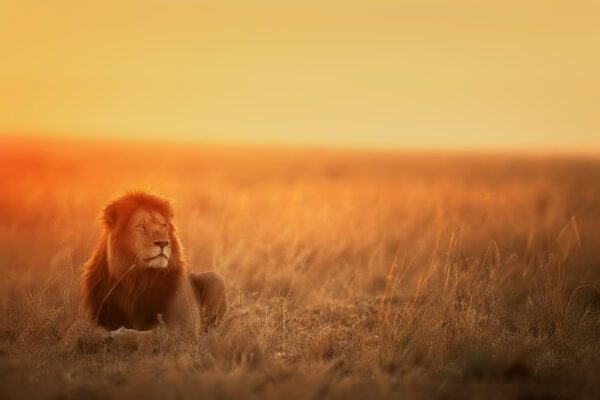
Both parks hold the same herds and the same rivers, but the border between them changes your budget,…
Read more →Tell us what you’d love to see and a local specialist will design a tailor-made itinerary around you — no obligation, reply within 24 hours.