

Planning & Tips
Wifi, Electricity and Charging on Safari: What Kenya’s Camps Actually Offer
From a generator that switches off at ten to a Land Cruiser fitted with its own charging console,…
Read more →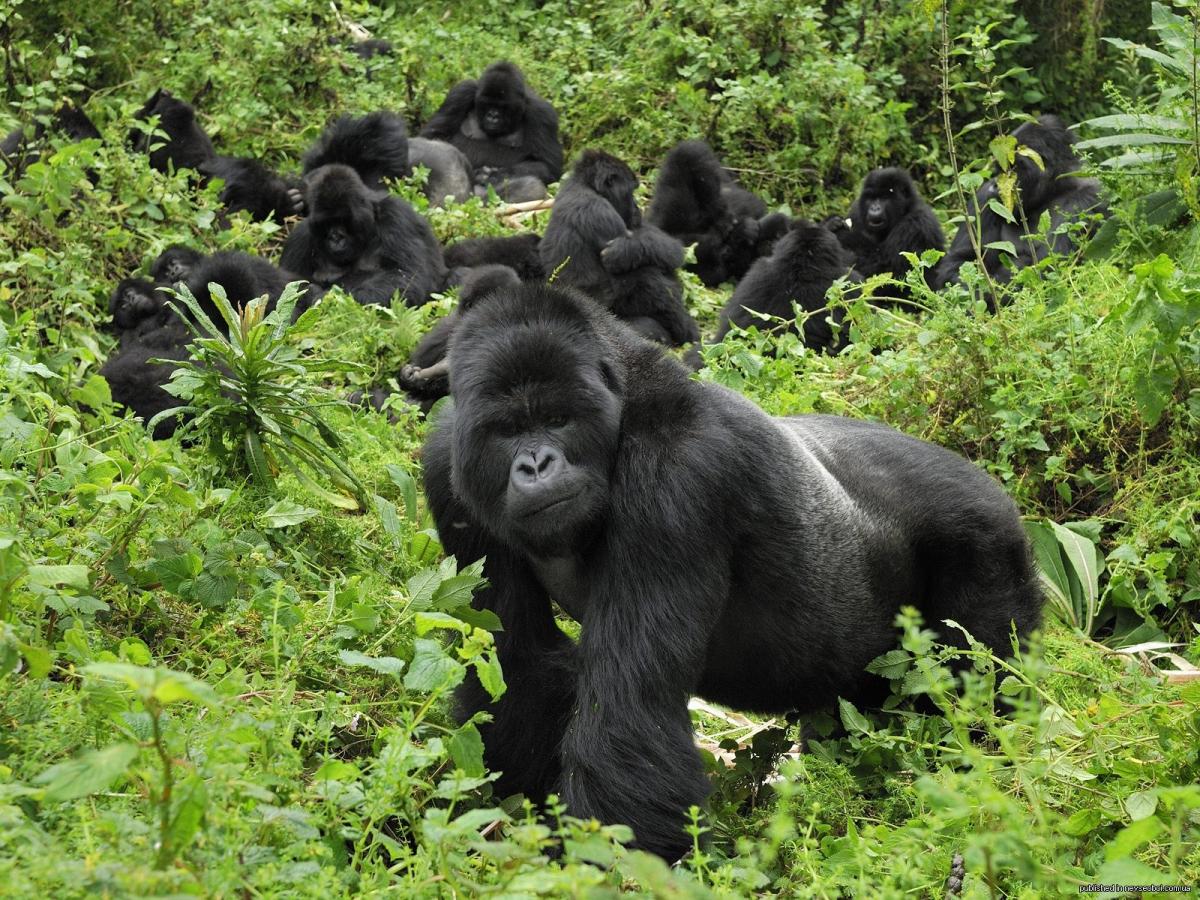
Discover Bwindi Impenetrable National Park, home to nearly half the world's mountain gorillas. Enjoy unforgettable gorilla trekking, birdwatching, rainforest hikes and cultural experiences.
Mist is still hanging between the trees when the first trackers leave the trailhead at Buhoma. The forest is quiet except for dripping leaves, distant bird calls and the occasional crack of a branch somewhere ahead. Then the radio carries a message from the trackers: the gorilla family has been located.
We have walked into Bwindi Impenetrable National Park more times than we can count, and the forest still has a way of making everyone lower their voice. There is something about Bwindi that feels different from almost anywhere else in East Africa. This is not a safari landscape of open plains and distant horizons. It is a dense, ancient mountain forest where visibility is measured in metres and every bend in the trail changes the scene.
Bwindi Impenetrable National Park lies in south-western Uganda on the edge of the Albertine Rift Valley. The protected forest covers approximately 321 square kilometres, with elevations ranging from about 1,160 to 2,706 metres. It is recognised by UNESCO as a World Heritage Site because of its exceptional biodiversity and is home to almost half of the world’s remaining mountain gorilla population.
What makes Bwindi different is not simply the mountain gorillas, although they are undoubtedly the reason most travellers come. The forest is an extraordinary biodiversity hotspot, supporting more than 200 tree species, around 100 fern species, hundreds of bird species and numerous Albertine Rift endemics.
We send guests to Bwindi for a very different kind of wildlife experience: one that involves walking rather than driving, following a trail rather than a road and spending time quietly observing a habituated mountain gorilla family in its natural habitat.
If you have already experienced the classic savannah safari and are looking for something more intimate, physical and completely different, Bwindi Impenetrable National Park is where we usually point you next.
Bwindi Impenetrable National Park is a UNESCO World Heritage Site in south-western Uganda covering approximately 321 square kilometres of ancient Afromontane forest. It is one of Africa’s most important biodiversity areas and protects almost half of the world’s remaining mountain gorillas. The park is managed by the Uganda Wildlife Authority and is divided into four principal gorilla trekking sectors: Buhoma, Ruhija, Rushaga and Nkuringo.
Location: South-western Uganda, on the eastern edge of the Albertine Rift
Size: Approximately 321 square kilometres / 32,092 hectares
Established as a national park: 1991
UNESCO World Heritage Site: Inscribed in 1994
Managed by: Uganda Wildlife Authority
Altitude: Approximately 1,160 to 2,706 metres
Known for: Mountain gorilla trekking, gorilla habituation, exceptional birdlife and Albertine Rift biodiversity
Main trekking sectors: Buhoma, Ruhija, Rushaga and Nkuringo
Nearest airports: Kihihi for the northern sectors and Kisoro for the southern sectors
Approximate flight time from Entebbe: Around 1 hour 10 minutes
Neighbouring destinations: Queen Elizabeth National Park, Mgahinga Gorilla National Park, Kisoro and Kabale
The mountain gorilla is the reason Bwindi Impenetrable National Park has become one of Africa’s most important wildlife destinations.
Unlike a conventional game drive where wildlife may be several hundred metres away, gorilla trekking in Bwindi takes you directly into the forest on foot. You follow experienced trackers through steep terrain, thick vegetation and muddy trails until you reach a habituated gorilla family.
Then the pace changes completely.
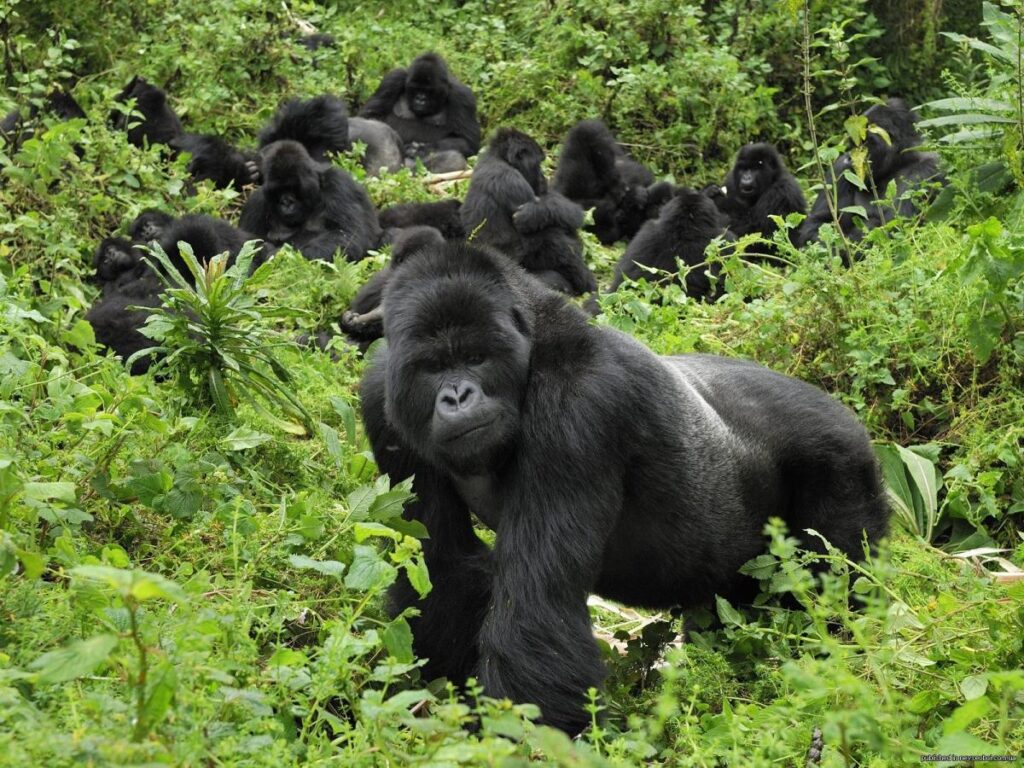
You may find a silverback sitting beneath a tree, a mother grooming her infant or a juvenile gorilla moving through the vegetation just metres away. The standard encounter is limited to one hour, allowing visitors to observe the family without placing excessive pressure on the animals.
Bwindi is particularly significant because almost half of the world’s mountain gorilla population lives within this forest and the wider Virunga-Bwindi conservation landscape.
Bwindi Impenetrable National Park protects almost half of the world’s remaining mountain gorilla population. The park contains multiple habituated gorilla families available for regulated tourism, spread across the Buhoma, Ruhija, Rushaga and Nkuringo trekking sectors.
Gorilla trekking is the signature experience in Bwindi Impenetrable National Park.
The day normally begins early at the relevant sector headquarters, where trekkers receive a briefing before entering the forest with Uganda Wildlife Authority guides and trackers. From there, the trek can take anywhere from around two to seven hours depending on where the gorilla family has moved, the terrain and the speed of the group.
The forest floor can be muddy, slippery and steep. Trails climb through dense vegetation, cross roots and streams and occasionally disappear into thick undergrowth. This is why appropriate footwear, waterproof clothing and a reasonable level of fitness matter more in Bwindi than on a conventional savannah safari.
Once the trackers locate the gorilla family, the group spends up to one hour observing them. The experience is deliberately quiet and controlled, with strict rules designed to minimise disturbance and protect both gorillas and visitors.
We tell guests not to think of Bwindi gorilla trekking as a race to find the animals. The trek through the forest is part of the experience. The anticipation, the sounds, the vegetation, the changing altitude and finally the first glimpse of a gorilla are what make the experience so memorable.
Bwindi Impenetrable National Park has four main gorilla trekking sectors: Buhoma, Ruhija, Rushaga and Nkuringo. The sector you choose matters because it affects your accommodation, road transfers and the general character of your trekking experience.
Buhoma is the original and most established gorilla trekking area in Bwindi Impenetrable National Park. It lies on the northern side of the forest and has long been the best-known base for gorilla trekking in Uganda.
Buhoma works particularly well for travellers combining Bwindi with Queen Elizabeth National Park, especially the Ishasha sector, because of its location and road connections.
The sector also offers forest walks and birdwatching opportunities for travellers who want to spend an additional day in the forest rather than immediately leaving after their gorilla trek.
Ruhija lies on the eastern side of Bwindi and is known for its beautiful forest scenery, birdlife and mountain landscapes.
It is particularly attractive to travellers combining gorilla trekking with birdwatching because Bwindi’s eastern forest supports a remarkable range of Albertine Rift species.
Ruhija also provides a practical route between Kabale and the northern areas of Bwindi.
Rushaga lies in the southern part of Bwindi and is one of the principal bases for gorilla trekking and gorilla habituation experiences.
It works well for travellers arriving through Kisoro and is often combined with Lake Mutanda, Kisoro and Mgahinga Gorilla National Park.
For travellers interested in spending longer with gorillas, Rushaga is especially important because the Gorilla Habituation Experience is associated with this southern sector.
Nkuringo is located on the southern edge of Bwindi and is one of the more mountainous trekking areas.
The sector is known for dramatic scenery, steep forest terrain and spectacular views across the surrounding hills. It can be combined with the Buhoma area through the famous Buhoma-Nkuringo walking route for travellers looking to experience more of the forest on foot.
There is no single best Bwindi gorilla trekking sector for every traveller. Buhoma is the most established and convenient for northern itineraries, Ruhija is excellent for birdwatching and eastern approaches, Rushaga is particularly useful for Gorilla Habituation Experiences and southern itineraries, while Nkuringo offers dramatic mountain scenery and challenging forest trekking. The best sector depends on your accommodation, route and physical preferences.
For travellers who want more than the standard gorilla trek, Bwindi offers the Gorilla Habituation Experience.
Instead of the standard one-hour encounter, the habituation experience involves spending substantially longer in the forest with researchers and habituators as they work with a gorilla group that is still becoming accustomed to human presence.
It is a more immersive experience and is particularly appealing to photographers, wildlife enthusiasts and repeat visitors who want to understand the behavioural and conservation side of gorilla tourism rather than simply see the animals.
Expert Note
If the Gorilla Habituation Experience is important to your trip, tell us before we build the itinerary. It requires different planning from a standard gorilla trek, and we prefer to organise the accommodation and transfers around the permit rather than trying to add the experience at the last minute.
Bwindi is not a traditional Big Five safari destination.
This is a forest ecosystem where the wildlife experience is built around primates, birds, butterflies and forest species rather than large herds crossing open plains.
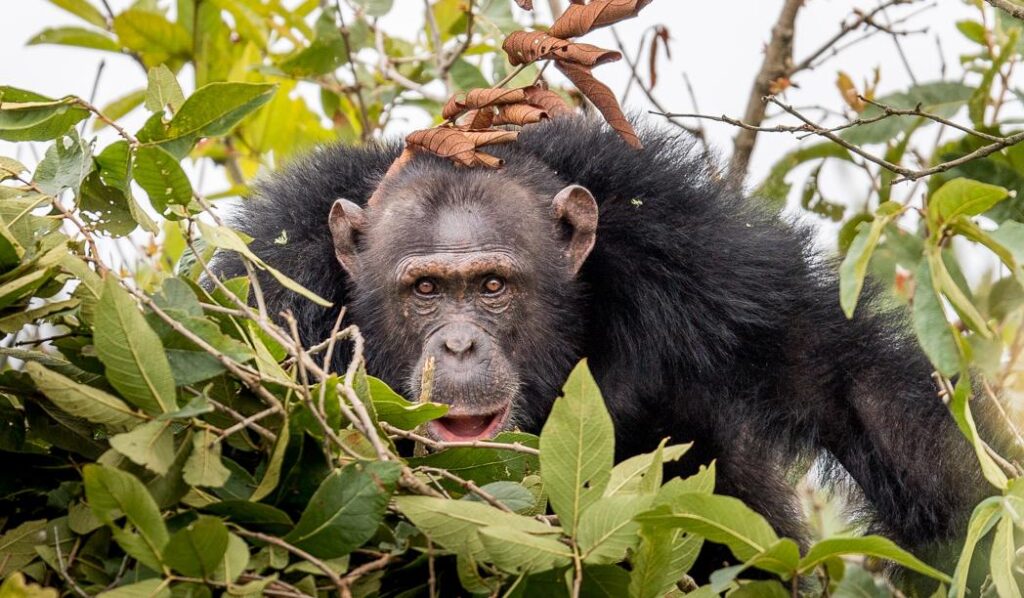
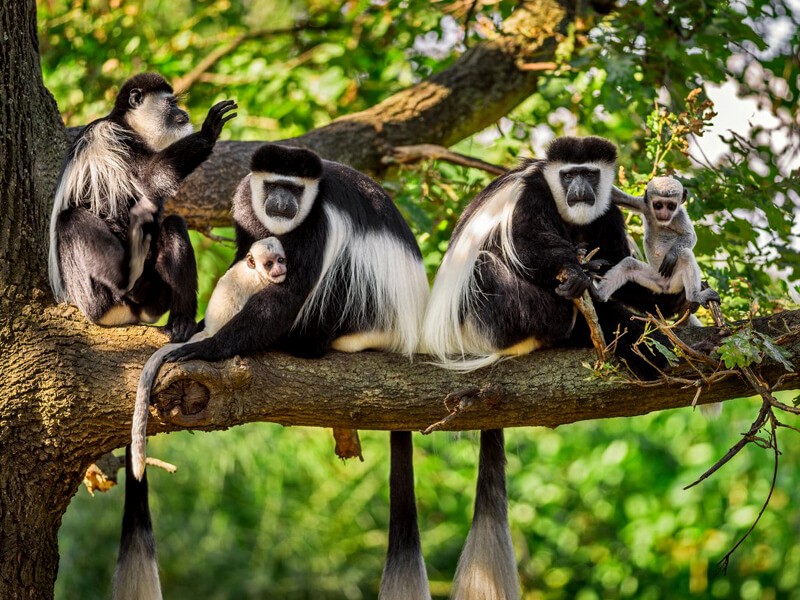
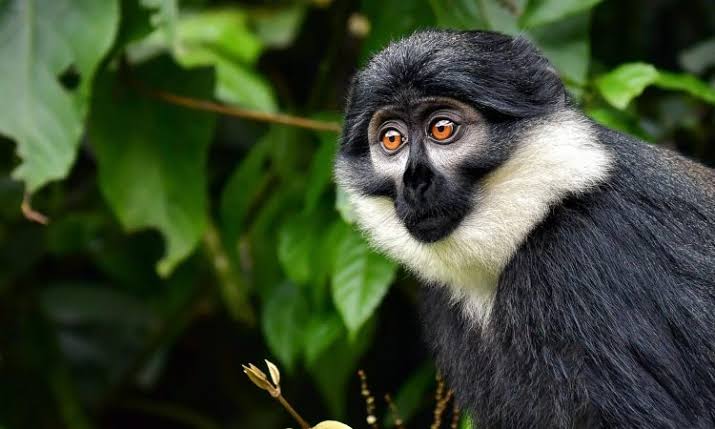
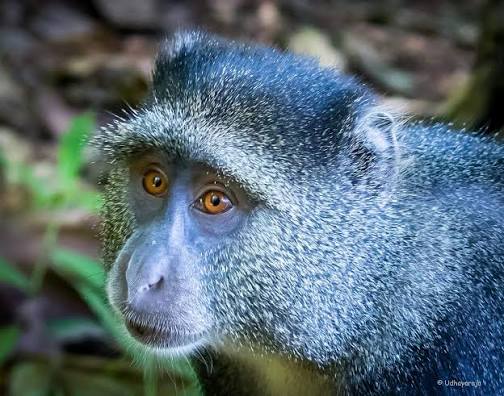
Mountain gorillas are the headline species, but the park also supports chimpanzees, L’Hoest’s monkeys, black-and-white colobus monkeys, blue monkeys, forest elephants and other mammals. Bwindi is one of Africa’s richest forest ecosystems, with numerous globally threatened species and a particularly high concentration of Albertine Rift endemics.
The forest is also exceptionally important for birds. More than 347 forest bird species have been recorded in the park, including many species associated with the Albertine Rift.
You are unlikely to see wildlife in Bwindi in the same predictable way you would during a game drive in the Serengeti or Masai Mara. Instead, sightings are often brief and surrounded by vegetation.
That unpredictability is part of what makes Bwindi special.
Bwindi Impenetrable National Park is best known for mountain gorillas but also supports chimpanzees, L’Hoest’s monkeys, black-and-white colobus monkeys, blue monkeys, forest elephants and numerous other forest mammals. The park is particularly important for birds, butterflies and Albertine Rift endemic species.
Bwindi Impenetrable National Park is one of Uganda’s most important birdwatching destinations.
The combination of lowland forest, montane forest, bamboo and different elevation zones creates a remarkable variety of habitats within a relatively small area. More than 347 bird species have been recorded in the park, including numerous Albertine Rift endemics.
For serious birders, species such as the African green broadbill, Grauer’s swamp warbler, Chapin’s flycatcher and Shelley’s crimson-wing are among the major attractions.
Birdwatching can be combined with gorilla trekking or planned as a separate forest activity, particularly in Buhoma and Ruhija.
We recommend giving birdwatching at least a full morning if it is one of your priorities. The forest is dense and many species are easier to hear than see, so patience matters.
Gorilla trekking is not the only way to experience Bwindi Impenetrable National Park.
Guided forest walks allow visitors to explore sections of the forest without making the gorillas the primary objective. Depending on the route, walks can focus on birds, plants, butterflies, waterfalls, forest ecology or panoramic viewpoints.
The Buhoma-Nkuringo trail is particularly memorable for travellers who want to experience Bwindi as a walking destination rather than simply a gorilla trekking location.
The forest around Buhoma contains trails leading to waterfalls and other natural features.
These walks are slower than gorilla trekking and allow more time to appreciate the vegetation itself. Giant ferns, moss-covered trees, vines, orchids and dense undergrowth create a landscape that changes constantly as the trail climbs.
For photographers, the waterfalls and misty forest provide a completely different subject from the gorilla encounter.
The Batwa people have a long historical connection with the forests of the Albertine Rift.
A Batwa cultural experience provides an opportunity to learn about traditional forest knowledge, hunting practices, medicinal plants, food gathering and the relationship between people and the forest before the creation of modern protected areas.
The experience should be approached respectfully. The Batwa community is not simply an attraction for tourists; the experience provides an opportunity to understand a community whose relationship with the forest changed dramatically following conservation and displacement policies.
One of the most important aspects of visiting Bwindi Impenetrable National Park is understanding the relationship between conservation and the communities living around the forest.
Bwindi is surrounded by densely populated agricultural areas, making community participation essential to the long-term protection of the forest. Ecotourism and community benefit programmes have helped create local support for conservation.
Guests can visit local communities, participate in cultural performances, learn traditional crafts, meet local guides and support community-run initiatives.
We encourage guests to buy directly from community cooperatives and artisans where possible. A small purchase of handmade crafts can mean considerably more to a local household than a generic souvenir bought elsewhere.
Gorilla trekking: The main attraction and the reason most travellers visit Bwindi.
Gorilla Habituation Experience: A longer and more immersive forest experience involving researchers and habituators.
Birdwatching: Explore one of East Africa’s richest montane forest bird habitats.
Forest walks: Discover the plants, insects, birds and smaller wildlife that are easy to miss during a gorilla trek.
Buhoma-Nkuringo Trail: A challenging but rewarding long-distance forest walk connecting two major sectors.
Waterfall walks: Follow forest trails to waterfalls and scenic natural areas.
Batwa cultural experiences: Learn about traditional forest knowledge and the history of the Batwa people.
Community visits: Meet local communities and support locally owned tourism initiatives.
Gorilla trekking in Bwindi is governed by strict conservation rules.
Visitors must trek with authorised guides and trackers, remain with their assigned group and follow instructions when approaching the gorillas. The encounter is limited to one hour, and visitors must maintain the required viewing distance.
Flash photography is not permitted, and anyone who is sick with a potentially infectious illness should not trek because of the risk of transmitting disease to the gorillas.
The minimum age for gorilla trekking is 15 years.
Expert Note
Do not underestimate the importance of being physically prepared for Bwindi. The gorillas may be close to the trailhead one day and several kilometres into steep forest the next. We recommend comfortable hiking boots, lightweight waterproof clothing, gloves for gripping vegetation, a walking stick and enough water for the trek.
Gorilla trekking in Bwindi requires a separate gorilla permit, and the permit is the most significant individual activity cost on a Uganda gorilla safari.
As of August 2026, the standard foreign non-resident gorilla trekking permit is USD 800 per person, while a lower-season rate of USD 600 applies to eligible April, May and November 2026 trekking dates. Foreign residents pay USD 700 at the standard rate, with a lower-season rate of USD 500. Rest-of-Africa visitors pay USD 500 at the standard rate, while East African citizens pay UGX 300,000.
The discounted permits are date-specific, so travellers using the lower-season rate need to be certain of their trekking dates before payment.
Because UWA tariffs can change, we confirm the applicable rate and permit availability before issuing a final safari quotation.
As of August 2026, the standard foreign non-resident gorilla trekking permit for Bwindi is USD 800 per person. A lower-season USD 600 rate is available for eligible April, May and November 2026 dates. Foreign residents, Rest-of-Africa visitors and East African citizens have separate rates.
Unlike the Masai Mara or Serengeti, Bwindi does not have a single classic dry season when rain disappears.
This is a rainforest, and rain is possible at any time of year.
The generally drier periods of June to August and December to February are popular with travellers because trails can be easier to manage, although rainfall remains possible.
The wetter months can make trekking more physically demanding because trails become slippery and muddy. At the same time, the forest is particularly lush, waterfalls are stronger and birding conditions can be excellent.
For travellers focused primarily on gorilla trekking, we usually recommend choosing dates around your wider Uganda itinerary rather than avoiding every rainy month. The gorillas remain in the forest year-round.
June to August and December to February are generally popular periods for gorilla trekking because conditions can be relatively drier, but Bwindi is a rainforest and rainfall can occur throughout the year. The wetter seasons offer lush scenery and excellent birding but can make trails more challenging.
Two nights can work for travellers whose only objective is a single gorilla trek and who are flying in and out.
Three nights is our usual recommendation for a more relaxed first visit. It allows one full gorilla trekking day and leaves time for arrival, departure and another forest or cultural activity.
Four nights or more works particularly well if you want to combine gorilla trekking with the Gorilla Habituation Experience, birdwatching, forest walks, Batwa cultural experiences or a visit to neighbouring destinations such as Queen Elizabeth National Park or Mgahinga.
If your itinerary includes a long road transfer from Kampala or Entebbe, we recommend adding additional nights rather than trying to arrive and trek immediately. The forest is worth experiencing without rushing.
Three nights is a strong starting point for a first Bwindi Impenetrable National Park safari, giving you enough time for gorilla trekking plus another activity. Two nights can work for a focused fly-in gorilla safari, while four or more nights are better for travellers combining trekking with forest walks, birding, cultural experiences or neighbouring parks.
Bwindi can be reached by road from Kampala, Entebbe, Queen Elizabeth National Park, Kabale, Kisoro and other destinations in south-western Uganda.
The exact driving distance depends heavily on the trekking sector.
For Buhoma, the Kampala-Rukungiri-Kihihi-Buhoma route is approximately 472 kilometres, including the winding road from Rukungiri towards the park headquarters.
The road from Queen Elizabeth National Park through Ishasha to Buhoma is particularly attractive because it allows travellers to combine gorilla trekking with a safari in Queen Elizabeth National Park.
A 4WD vehicle is strongly recommended, particularly on the final mountain and murram-road sections.
Flying is the easiest option for travellers who want to reduce the amount of road travel.
Northern Bwindi is served by Kihihi Airstrip, while the southern sectors around Rushaga and Nkuringo are more conveniently accessed through Kisoro Airstrip.
Scheduled and chartered flights from Entebbe take approximately 1 hour and 10 minutes, after which travellers continue by 4WD road transfer to their lodge.
The road route makes sense if you want to combine Bwindi with Queen Elizabeth National Park, Lake Mburo, Kibale or other Ugandan destinations. It also gives you a better appreciation of Uganda’s changing landscapes, from open countryside to the steep green hills of the south-west.
Flying makes more sense if gorilla trekking is the main purpose of the trip and you want to save time.
For a short Uganda gorilla safari, we generally recommend flying into Kihihi or Kisoro and using a 4WD transfer to the lodge. For longer Uganda itineraries, a road circuit often provides better value and more variety.
The most common planning mistake we see is treating Bwindi as if it were another game-drive destination where you can arrive whenever you like.
Gorilla permits are date-specific, and your accommodation and transport need to be built around the trekking sector attached to that permit. We therefore secure the gorilla trekking arrangements first and build the rest of the Uganda itinerary around them.
Bwindi’s climate is strongly influenced by altitude and its location within the Albertine Rift.
The forest remains cool and humid compared with Uganda’s lower-elevation savannah parks. Temperatures vary considerably between the lower and higher parts of the forest, and rainfall can occur throughout the year.
This is one reason the forest remains green and dense while much of East Africa experiences pronounced dry seasons.
For travellers, the important point is simple: pack for rain even when travelling in the dry season.
A lightweight waterproof jacket, waterproof backpack cover, quick-drying clothing and good hiking boots are more useful in Bwindi than heavy safari clothing.
Bwindi and Mgahinga are Uganda’s two mountain gorilla destinations.
Bwindi is much larger, covering approximately 321 square kilometres, and offers four principal gorilla trekking sectors. Mgahinga is considerably smaller and forms part of the Virunga landscape.
Bwindi is generally the first choice for travellers who want a wider range of gorilla trekking sectors, accommodation and forest experiences.
Mgahinga offers a different atmosphere, with dramatic volcanic scenery and the opportunity to combine gorilla trekking with other activities in the Virunga Mountains.
Neither destination is automatically better. The decision usually comes down to permit availability, route, accommodation and the wider Uganda itinerary.
For travellers deciding between Uganda and Rwanda for gorilla trekking, the key difference is often the wider safari experience.
Bwindi offers a deep rainforest setting, four trekking sectors and the possibility of combining gorilla trekking with Queen Elizabeth National Park, Kibale, Murchison Falls or other Ugandan destinations.
Rwanda’s Volcanoes National Park offers a more compact gorilla trekking experience around the Virunga volcanoes and is particularly convenient for travellers flying into Kigali.
Bwindi generally appeals to travellers who want the gorilla experience to form part of a broader Uganda adventure rather than being the entire focus of the trip.
These two destinations work extremely well together.
Queen Elizabeth National Park offers classic East African safari experiences, including game drives, elephants, lions, buffalo, hippos and boat safaris along the Kazinga Channel.
Bwindi provides the complete contrast: dense rainforest, mountain gorillas, primates and forest birds.
The combination gives travellers both sides of Uganda’s wildlife experience.
We often recommend a Uganda itinerary that moves from Queen Elizabeth National Park to Bwindi so that the safari gradually changes from open savannah to dense mountain forest.
Responsible tourism is particularly important in Bwindi because the park is both a biodiversity hotspot and a forest surrounded by densely populated communities.
The forest is surrounded by one of the more densely populated rural areas in tropical Africa, making community participation essential to the long-term conservation of Bwindi.
The most direct contribution visitors make is through regulated gorilla tourism.
Your permit supports the system of guides, trackers, conservation management and community programmes that make gorilla tourism possible.
Visitors can also contribute by choosing community-owned accommodation and activities, purchasing crafts directly from local artisans and following all gorilla trekking rules.
We also encourage guests to spend more than one night in the area. The longer you stay, the more opportunities there are for local guides, restaurants, craftspeople and community tourism projects to benefit from your visit.
Every gorilla encounter in Bwindi carries a conservation cost and a conservation responsibility.
Mountain gorillas are closely related to humans, which makes disease transmission a serious concern. Strict trekking rules therefore exist not simply to protect the visitor experience but to reduce the risk of disease and behavioural disturbance.
The success of mountain gorilla conservation is one of the strongest reasons to visit Bwindi responsibly.
A gorilla trek is not simply a wildlife excursion. It is part of an economic model in which a living forest and its endangered inhabitants generate value while remaining alive and protected.
A Bwindi safari can vary considerably in price depending on whether you travel by road or air, the lodge you choose, the number of nights and the type of gorilla experience.
For international travellers, the gorilla permit itself is currently USD 800 per person at the standard foreign non-resident rate, before accommodation, transport, meals and other safari costs. Lower-season permits may be available on qualifying dates.
A complete Bwindi safari therefore costs considerably more than an ordinary Uganda wildlife safari because the gorilla permit is a substantial fixed cost.
Budget-conscious travellers can reduce the overall cost by travelling by road, choosing comfortable mid-range accommodation and combining Bwindi with nearby destinations.
Fly-in gorilla safaris using luxury lodges are considerably more expensive but save substantial travel time and provide a more exclusive experience.
The largest fixed cost is the gorilla trekking permit, currently USD 800 per foreign non-resident at the standard rate. The total safari price then depends on accommodation, transport, meals, guide services, number of nights and additional activities. Low-season permit discounts can reduce the gorilla permit cost on eligible dates.
We build Bwindi safari packages around the gorilla trekking permit rather than adding gorilla trekking as an afterthought.
A short 3-day Bwindi gorilla safari can focus almost entirely on the forest and gorilla trekking.
A 4 to 5-day Uganda gorilla safari can combine Bwindi with Queen Elizabeth National Park, particularly the Ishasha sector, allowing guests to experience both savannah wildlife and mountain gorillas.
Longer Uganda itineraries can combine Bwindi with Kibale National Park for chimpanzee tracking, Queen Elizabeth for game drives and boat safaris, Lake Mburo for zebra and antelope, or Mgahinga for additional mountain experiences.
We tailor the itinerary around your trekking sector, travel dates, fitness level, accommodation preference and budget.
Accommodation around Bwindi ranges from simple guesthouses and community lodges to luxury forest lodges overlooking the surrounding hills.
The most important consideration is not simply how luxurious the lodge is. It is where the lodge is located in relation to your gorilla trekking sector.
A beautiful lodge on the wrong side of the forest can mean several hours of additional road transfer before your trek.
We therefore select accommodation based first on the location of your gorilla permit and then on your preferred level of comfort.
For travellers trekking from Buhoma, we focus on properties in or close to the Buhoma area. For Ruhija, we recommend accommodation around the eastern sector. For Rushaga and Nkuringo, southern-sector lodges are usually the most practical.
Luxury lodges can add private terraces, forest views, fireplaces, spacious rooms and high-end dining, while mid-range properties provide a comfortable base for travellers who want to put more of their budget toward the gorilla experience itself.
A gorilla trek requires different equipment from a normal safari.
We recommend:
The forest can be wet, muddy and steep, so practical clothing is far more important than looking like you have stepped out of a classic safari catalogue.
One of the best decisions you can make before a Bwindi gorilla trek is to break in your hiking boots before arriving.
Do not arrive with brand-new boots and expect the forest to be forgiving. Blisters, wet socks and steep trails are a poor combination when you still have several hours of trekking ahead.
Bwindi Impenetrable National Park is one of the few places on Earth where you can walk through an ancient mountain forest and come face to face with a wild mountain gorilla.
But the gorillas are only part of the story.
There are the mist-covered hills, the dense Afromontane forest, Albertine Rift birds, rare plants, butterflies, community tourism projects and the conservation work that has helped protect one of Africa’s most endangered great apes.
We build Bwindi safaris as focused gorilla trekking trips, as part of wider Uganda circuits, or as a combined Uganda-Rwanda adventure depending on the traveller’s priorities.
For first-time visitors, we usually recommend three nights in the Bwindi area, with the gorilla trek as the centrepiece and enough time around it for another forest or cultural experience.
For travellers with more time, adding Queen Elizabeth National Park creates one of the strongest combinations in Uganda: open savannah and classic game drives followed by the misty forest of Bwindi and the mountain gorillas.
Bwindi is not simply a place where you go to see gorillas.
It is a place where you walk into their world.
And once you have stood quietly in that forest with a mountain gorilla watching you back, the rest of the safari tends to feel a little different.
Deep within the ancient rainforest of Bwindi Impenetrable National Park nearly half of the world's remaining mountain gorillas thrive in their natural habitat. Trek through mist-covered forests, encounter these remarkable primates at close range and experience one of Africa's most extraordinary wildlife adventures while supporting conservation and local communities.Discover Bwindi Impenetrable National Park – Home of the Mountain Gorillas
Experience unforgettable encounters with endangered mountain gorillas in one of the world's most celebrated wildlife destinations.
Explore one of Africa's oldest and most biologically diverse rainforests, recognised for its outstanding natural valu
Float silently over the Mara at dawn for a bird's-eye view of the savanna, followed by a champagne bush breakfast — a…
Discover scenic forest trails leading to waterfalls, panoramic viewpoints and hidden corners of the ancient rainforest.
Spot chimpanzees, black-and-white colobus monkeys, L'Hoest's monkeys, blue monkeys and red-tailed monkeys during guided walks.
Observe more than 350 bird species, including 23 Albertine Rift endemics, making Bwindi a paradise for bird enthusiasts
Admire mist-covered hills, lush valleys and dense rainforest landscapes that create breathtaking photographic opportunities
Learn about the traditions, history and forest heritage of the indigenous Batwa community through guided cultural visits.
From value camps to premium lodges — we match every stay to your style and budget.
Budget accommodation in Bwindi Impenetrable National Park offers clean and comfortable rooms, warm Ugandan hospitality and convenient access to the park's gorilla trekking sectors. These lodges are ideal for backpackers, solo travellers and visitors seeking an affordable gorilla trekking adventure.
Mid-range lodges provide spacious accommodation, excellent service and beautiful rainforest views. Guests enjoy comfortable rooms, quality dining and easy access to gorilla trekking, birdwatching, guided forest walks and Batwa cultural experiences.
Luxury accommodation in Bwindi Impenetrable National Park combines elegant suites, world-class hospitality and spectacular rainforest settings. Many lodges are located just
Every season has its magic — here's what to expect when, so you can travel at your perfect time.
Everything you need to know before you go — and we’ll guide you through every step.
Most international visitors require a valid visa to enter Uganda. Travellers can apply online through the Uganda e-Visa system before departure. Citizens of East African Community (EAC) member states enjoy simplified entry requirements in accordance with regional agreements.
The official currency is the Ugandan Shilling (UGX). Major lodges and tour operators accept Visa and Mastercard, while cash is recommended for gratuities, local purchases and small businesses near the park.
English and Swahili are Uganda's official languages. Local communities also speak Runyakitara dialects, while English is widely used by guides, park rangers and hospitality staff.
Bwindi Impenetrable National Park operates on East Africa Time (EAT), UTC +3, with no daylight saving time.
The park enjoys a cool tropical montane climate, with temperatures generally ranging between 7°C and 20°C (45°F–68°F). Rain is possible throughout the year, so waterproof clothing is recommended regardless of the season.
Travel Well Prepared
A 4x4 vehicle is highly recommended due to the mountainous terrain and unpaved access roads. Most visitors explore the park as part of a guided safari that includes transport, accommodation and gorilla trekking permits
Mobile network coverage is available around the main park sectors, although signals may be weak inside the forest. Most safari lodges provide complimentary Wi-Fi in public areas.
Uganda uses Type G electrical plugs with a 240V, 50Hz power supply. International visitors should carry a universal travel adapter.
Pack waterproof hiking boots, long trousers, long-sleeved shirts, a lightweight rain jacket, gardening gloves, insect repellent, sunscreen, a reusable water bottle, binoculars and a camera. A small daypack is useful for carrying personal items during the trek.
Maintain a minimum distance of 7 metres from the gorillas, follow your ranger's instructions at all times, avoid littering and never visit the gorillas if you feel unwell. Responsible tourism plays a vital role in protecting these endangered primates and supporting neighbouring communities.
Bwindi Impenetrable National Park is located in southwestern Uganda, spanning the districts of Kanungu, Kisoro and Rubanda near the borders of Rwanda and the Democratic Republic of the Congo.
The park is world-famous for mountain gorilla trekking and is home to nearly half of the world's remaining mountain gorillas. It is also recognised as a UNESCO World Heritage Site for its exceptional biodiversity.
A foreign non-resident gorilla trekking permit costs USD 800 per person. Permits are limited and should be booked well in advance, especially during peak travel seasons.
ByThe best time to visit is during the dry seasons from June to August and December to February, when forest trails are easier to navigate and gorilla trekking conditions are at their best.
Gorilla trekking ranges from moderate to challenging depending on the location of the gorilla family. Treks can last 2 to 8 hours, so a reasonable level of fitness is recommended.
In addition to mountain gorillas, visitors may see chimpanzees, black-and-white colobus monkeys, L'Hoest's monkeys, blue monkeys, red-tailed monkeys, forest elephants, giant forest hogs and more than 350 bird species.
A stay of 3–4 days is ideal, allowing time for gorilla trekking, guided forest walks, birdwatching and Batwa cultural experiences.
No. Visitors must be at least 15 years old to take part in gorilla trekking, in accordance with Uganda Wildlife Authority regulations.
Bring waterproof hiking boots, long-sleeved clothing, a lightweight rain jacket, gardening gloves, insect repellent, sunscreen, a reusable water bottle, binoculars and a camera. A walking stick is usually provided at the trailhead.
Yes. Bwindi is commonly combined with Queen Elizabeth National Park, Lake Bunyonyi, Mgahinga Gorilla National Park, Kibale National Park, Murchison Falls National Park and Volcanoes National Park (Rwanda) for a complete East African wildlife adventure.
From a generator that switches off at ten to a Land Cruiser fitted with its own charging console,…
Read more →
A working checklist from a Nairobi ground operator on licensing, red flags and the questions that separate real…
Read more →
Both parks hold the same herds and the same rivers, but the border between them changes your budget,…
Read more →Tell us what you’d love to see and a local specialist will design a tailor-made itinerary around you — no obligation, reply within 24 hours.