Planning & Tips
Wifi, Electricity and Charging on Safari: What Kenya’s Camps Actually Offer
From a generator that switches off at ten to a Land Cruiser fitted with its own charging console,…
Read more →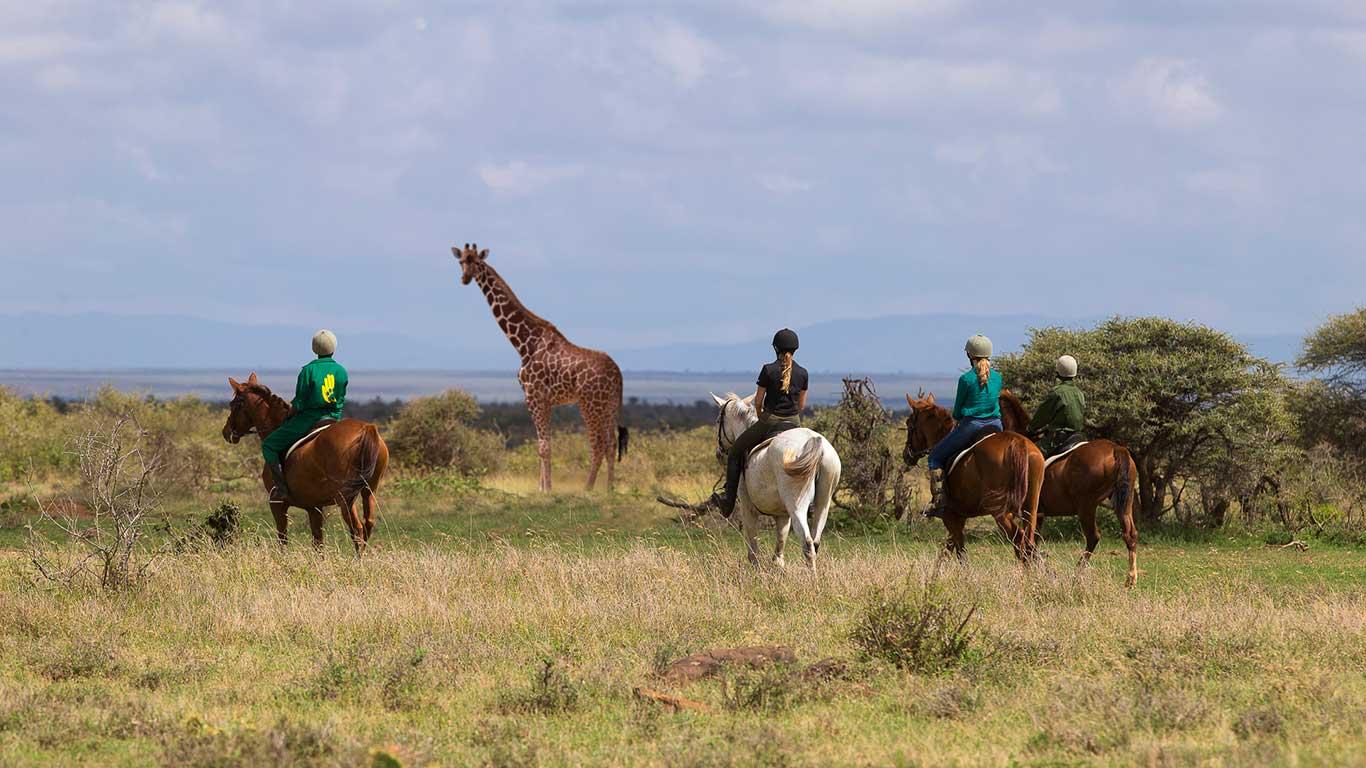
Famous for the iconic Star Beds, thriving black rhino conservation, rare wildlife species, and some of Africa's most exclusive safari experiences.
Morning at Loisaba begins differently. There is no gate queue, no line of safari vehicles waiting for the first sighting and no sense that you have to follow the same circuit as everyone else. The vehicle rolls quietly across the Laikipia plains as the first light catches the distant escarpments, and somewhere ahead a herd of zebra moves through the grass while elephants cross one of northern Kenya’s most important wildlife corridors.
Loisaba Conservancy sits in northern Laikipia, Kenya, within the wider Laikipia-Samburu ecosystem. Covering approximately 58,000 acres, Loisaba is a privately managed conservation landscape where wildlife protection, sustainable livestock production, tourism and community development operate alongside one another. The conservancy is also home to a 45,000-acre rhino sanctuary and has become one of Kenya’s most important new destinations for black rhino conservation.
What makes a Loisaba safari different from a conventional Kenya safari is the combination of space, wildlife and freedom. As a private conservancy, Loisaba offers experiences that are generally unavailable inside Kenya’s national reserves, including guided bush walks, horseback safaris, camel safaris and carefully managed off-road wildlife viewing. The landscape is open and uncrowded, with fewer vehicles and a stronger emphasis on conservation and intimate encounters with nature.
Loisaba is also a destination where your safari has a direct conservation purpose. Tourism revenue generated at Loisaba is reinvested into conservation and community programmes, helping support wildlife protection, education, healthcare, livelihoods and landscape management.
For travellers who have already experienced the Masai Mara, Amboseli or Samburu and are looking for something more exclusive, Loisaba Conservancy offers a completely different side of Kenya.
Loisaba Conservancy is a 58,000-acre wildlife conservancy in northern Laikipia, Kenya, dedicated to wildlife conservation, sustainable tourism, livestock management and community development. It is part of the wider Laikipia-Samburu ecosystem and protects important wildlife corridors while providing habitat for elephants, lions, leopards, cheetahs, reticulated giraffes, Grevy’s zebra, African wild dogs and both black and southern white rhinos.
Location: Northern Laikipia, Kenya, within the Laikipia-Samburu ecosystem
Size: Approximately 58,000 acres
Rhino sanctuary: Approximately 45,000 acres within Loisaba
Known for: Black rhinos, elephants, wild dogs, reticulated giraffes, exclusive game viewing and conservation experiences
Wildlife: More than 60 mammal species and over 350 recorded bird species
Conservation status: Kenya Wildlife Service-recognised conservancy and rhino sanctuary
Main ecosystem: Laikipia-Samburu and Ewaso ecosystem
Nearest major town: Nanyuki
Access: Daily flights from Nairobi’s Wilson Airport and private or charter flights, as well as road access from Nanyuki and Nyahururu
Accommodation: Loisaba Tented Camp, Loisaba Star Beds, Loisaba Lodo Springs and Galago Private Canvas
Signature experiences: Game drives, rhino conservation, walking safaris, horseback riding, camel safaris, mountain e-biking, fishing, bush breakfasts and sleeping under the stars
Wildlife is at the centre of the Loisaba Conservancy experience, but the attraction is not simply the number of animals. It is the diversity of species moving through a large, connected northern Kenya landscape.
Loisaba is home to more than 60 mammal species and over 350 bird species. Elephant, lion, leopard and cheetah are regularly monitored across the conservancy, alongside endangered species such as reticulated giraffe, Grevy’s zebra and African wild dog. The conservancy’s wildlife monitoring programme uses camera traps, population surveys and other scientific methods to understand wildlife movements and population trends.
The return of eastern black rhinos has added another major dimension to wildlife viewing in Loisaba. In early 2024, 21 eastern black rhinos were translocated to Loisaba, marking the return of the species to the landscape after more than 50 years. Loisaba now protects both eastern black rhinos and southern white rhinos within its secure rhino sanctuary.
Elephants are another defining part of Loisaba. The conservancy sits on an important wildlife movement corridor linking Laikipia with Samburu and Isiolo, allowing elephants and other wildlife to move between different parts of the northern Kenya ecosystem.
A Loisaba safari can include elephant, lion, leopard, cheetah, reticulated giraffe, Grevy’s zebra, African wild dog, buffalo, zebra, various antelope species and both eastern black and southern white rhinos. Loisaba also supports more than 350 recorded bird species.
The Loisaba Rhino Sanctuary is now one of the most important reasons to visit Loisaba Conservancy.
The sanctuary covers approximately 45,000 acres within the wider 58,000-acre conservancy and provides a secure environment for eastern black rhinos and southern white rhinos. The programme is operated in collaboration with Kenya Wildlife Service and conservation partners including The Nature Conservancy and San Diego Zoo Wildlife Alliance.
The return of eastern black rhinos in 2024 was a significant conservation milestone. Twenty-one rhinos were moved to Loisaba to establish a new breeding population and expand secure habitat for one of Kenya’s most endangered large mammals. The animals are protected through ranger patrols, a K9 unit, monitoring technology and intensive wildlife management.
For visitors, this means that a Loisaba safari is not simply about searching for animals. It offers the opportunity to understand the conservation work required to bring an endangered species back to a landscape where it had disappeared decades earlier.
Loisaba Conservancy occupies an important position within northern Kenya’s wider wildlife corridor.
The conservancy connects parts of Laikipia with Samburu and Isiolo and helps maintain movement routes used by elephants, livestock and other wildlife. Protecting this connectivity is essential because wildlife does not recognise the boundaries between individual conservancies and private lands.
The wider landscape surrounding Loisaba extends far beyond the conservancy itself, linking community lands and other conservation areas across the Ewaso ecosystem. Maintaining these connections helps wildlife populations move, find water and grazing areas, and maintain genetic diversity.
This is one reason why Loisaba Conservancy places such strong emphasis on the principle of Land Connected, Life Protected.
Game drives remain the foundation of a Loisaba safari, but the experience is noticeably different from a national park safari.
The private-conservancy setting allows guides to explore a wider range of landscapes and adapt the route according to wildlife activity. Early morning drives offer cooler temperatures and excellent light, while afternoon drives continue towards sunset when the plains take on their characteristic golden colour.
Wildlife encounters can include elephants, giraffes, zebra, antelope and big cats, while the possibility of seeing rhinos adds another important dimension to game viewing at Loisaba.
Rhino conservation is one of the defining experiences of Loisaba Conservancy.
Depending on current conservation protocols and guest arrangements, visitors can learn about the rhino sanctuary, the monitoring systems used to protect the animals and the work undertaken by rangers and conservation teams.
The experience gives guests a better understanding of what goes on behind a successful wildlife encounter. A rhino sighting at Loisaba represents years of habitat protection, security, monitoring and conservation planning.
Walking through Loisaba changes the safari completely.
Instead of covering large distances in a vehicle, guests move slowly through the landscape with an experienced guide and Loisaba ranger. Walks focus on animal tracks, bird calls, plants, insects, geology and the smaller details of the ecosystem that are easily missed from a safari vehicle.
Guided bush walks can be adapted to different fitness levels, from shorter walks concentrating on wildlife and birdlife to longer hikes through valleys and escarpments.
Horse riding is one of the most distinctive ways to explore Loisaba Conservancy.
Moving quietly on horseback allows guests to approach wildlife differently from a safari vehicle. Zebra, giraffe and elephants may be encountered across the plains, while the pace of the ride provides a more intimate connection with the landscape.
For experienced riders, horseback safaris can become one of the highlights of a Loisaba safari.
Camel safaris connect the modern safari experience with the pastoral traditions of northern Kenya.
Camels are well adapted to the dry landscapes of Laikipia and Samburu, and guided camel excursions provide a slower way to explore the conservancy. They can be particularly enjoyable for travellers looking for an experience beyond conventional game drives.
Loisaba also offers mountain e-biking as an active way to explore the landscape. The combination of electric assistance and off-road cycling allows guests to cover more ground without turning the experience into a conventional vehicle safari.
It is particularly suited to travellers who want to combine wildlife viewing with adventure and exercise.
Fishing can also be incorporated into a Loisaba stay, offering a quieter activity between game drives and other excursions. It is an ideal option for travellers who want a slower afternoon rather than another full wildlife circuit.
With more than 350 recorded bird species, Loisaba Conservancy is an excellent destination for birdwatchers. The variety of habitats, from open plains and rocky areas to river valleys and wooded sections, supports a wide range of species.
Birdwatching can be incorporated into game drives, bush walks and relaxed mornings around camp.
Bush breakfasts allow guests to stop in the wilderness after an early game drive, while sundowners provide an opportunity to watch the landscape change as the sun drops behind the Laikipia hills.
At Loisaba, these experiences work particularly well because the conservancy’s wide-open landscapes and low vehicle density allow the surroundings to remain the focus.
The Loisaba Star Beds are perhaps the most recognisable accommodation experience in the conservancy.
The beds are handmade four-poster structures on wheels that can be rolled out onto raised wooden platforms at night, allowing guests to sleep beneath the open African sky. The Star Beds sit around a rocky kopje overlooking the Kiboko Dam, an important water source for wildlife.
There is something appropriately simple about the experience. No ceiling, no walls blocking the stars and the sounds of the African night surrounding you.
If sleeping under the stars is one of the main reasons you want to visit Loisaba, build it into the itinerary from the beginning. The Star Beds are not simply another room category; they are a complete wilderness experience combining accommodation, guided activities and the surrounding landscape.
Loisaba Star Beds are one of the signature experiences of Loisaba Conservancy.
Located around a rocky kopje overlooking the Kiboko Dam, the Star Beds combine a raised wooden platform with four-poster beds that can be rolled outdoors for the night. Guests can dine, relax and then sleep beneath the open sky while wildlife moves through the surrounding landscape.
The experience is also connected to the local community. The Star Beds are guided and hosted by Samburu and Laikipia Maasai warriors, bringing local knowledge and cultural interpretation into the stay.
Loisaba Tented Camp sits on the edge of an escarpment with broad views across the surrounding landscape towards Mount Kenya.
The camp has 12 spacious en-suite tents, including family configurations, and overlooks a waterhole that attracts wildlife. Its main area combines contemporary African design with a dining area, bar and infinity pool.
For travellers who want a conventional luxury safari camp while still having access to Loisaba’s conservation and adventure activities, Loisaba Tented Camp provides a strong balance between comfort and wilderness.
Loisaba Lodo Springs forms part of the conservancy’s high-end accommodation offering and is designed around privacy, space and expansive views across the Laikipia landscape.
It is particularly suited to travellers looking for a more exclusive safari experience with access to the same conservation landscape and activities that define Loisaba Conservancy.
Galago Private Canvas provides a more intimate under-canvas experience within Loisaba Conservancy.
The camp is owned and operated by Loisaba, meaning guest stays contribute directly to the conservancy’s conservation work. Activities can include game drives, horseback safaris, camel excursions, bush dinners and sundowners.
For travellers who prefer a more intimate camp atmosphere, Galago offers a strong connection between accommodation, wildlife and conservation.
Conservation is not an attraction added to the Loisaba safari experience. It is the foundation on which the entire conservancy operates.
Loisaba’s conservation programmes focus on wildlife monitoring, habitat management, ecological connectivity, community conservation and human-wildlife conflict mitigation. Camera traps, wildlife surveys and other monitoring systems are used to track endangered and vulnerable species and guide conservation decisions.
Habitat management includes invasive species control, water-resource monitoring and sustainable livestock management. The conservancy has also worked extensively to remove invasive prickly pear cactus and restore important wildlife and grazing areas.
The Loisaba Conservancy model recognises that wildlife conservation cannot succeed without the communities living around the ecosystem.
Loisaba supports community initiatives covering education, healthcare, livelihoods, rangeland management and human-wildlife conflict mitigation. Programmes include predator-proof livestock enclosures, community coexistence training, conflict reporting networks and sustainable grazing initiatives.
This approach is especially important in northern Kenya, where pastoral communities and wildlife depend on the same land and water resources.
Loisaba Conservancy protects wildlife habitat and important movement corridors while supporting neighbouring communities and sustainable livestock production. Its conservation work includes black rhino protection, wildlife monitoring, habitat restoration, anti-poaching, human-wildlife conflict mitigation and community development.
Loisaba and Samburu offer different versions of northern Kenya.
Samburu National Reserve is best known for the Samburu Special Five, concentrated wildlife viewing around the Ewaso Nyiro River and the dramatic contrast of red soil, doum palms and dry plains.
Loisaba Conservancy offers a more private and activity-focused experience. Visitors can combine game drives with walking, horseback riding, camel safaris, cycling and conservation experiences. Loisaba also has the major advantage of its rhino sanctuary, which gives wildlife viewing a conservation dimension that is unique to the destination.
The two destinations work extremely well together. A northern Kenya itinerary combining Samburu and Loisaba gives travellers the chance to experience the Special Five in Samburu and the private conservancy wilderness and rhino conservation programme at Loisaba.
The Masai Mara is the better choice for travellers primarily interested in large predator concentrations and the annual wildebeest migration.
Loisaba offers something different: fewer vehicles, a much stronger private-conservancy atmosphere, walking and horseback experiences, camel safaris, rhino conservation and a landscape connected to northern Kenya’s wider wildlife corridor.
Rather than replacing the Masai Mara, Loisaba works particularly well as an addition for travellers who want to see another side of Kenya.
Both Loisaba and Ol Pejeta offer exceptional conservation-focused safaris and rhino experiences, but the landscapes and experiences are different.
Ol Pejeta is closer to the central Kenya highlands and is particularly well known for its rhino conservation programmes and diverse wildlife.
Loisaba is farther north, more expansive in character and deeply connected to the Laikipia-Samburu ecosystem. It offers black rhino conservation alongside horseback riding, camel safaris, walking, Star Beds and access to a much wider northern Kenya landscape.
Flying is the easiest way to reach Loisaba for most international safari travellers.
Daily direct flights operate between Nairobi’s Wilson Airport and Loisaba, with services offered by SafariLink and AirKenya. Private and charter flights can also land at the Loisaba airstrip.
A fly-in safari saves significant road travel time and makes Loisaba easier to combine with Samburu, the Masai Mara, Amboseli or other Kenyan destinations.
Loisaba can also be reached by road from Nanyuki or Nyahururu. The road journey is suitable for travellers who want to experience the changing landscapes of central and northern Kenya rather than simply flying over them.
Only 4×4 vehicles in approved green or brown colours are permitted within the conservancy, reflecting Loisaba’s operational and environmental requirements.
Loisaba Conservancy can be reached by daily scheduled flights from Nairobi’s Wilson Airport, private charter flights or by road from Nanyuki and Nyahururu. Flying is the most convenient option for travellers combining Loisaba with other safari destinations, while driving works well as part of a longer northern Kenya road safari.
Loisaba has a warm, generally dry climate typical of northern Laikipia.
The conservancy’s elevated Laikipia landscape can feel cooler than the lower-lying northern reserves, particularly during early morning game drives and at night. Days are generally warm, while temperatures drop after sunset.
Rainfall follows seasonal patterns, with wetter periods transforming the landscape into greener grazing country and drier months concentrating wildlife around reliable water sources.
The weather can influence the safari experience significantly. During dry periods, wildlife becomes easier to locate around water and open grazing areas, while the rainy periods bring fresh vegetation, excellent birding and dramatic changes in the landscape.
June to October is one of the most popular periods for a Loisaba safari. The weather is generally dry, roads are easier and wildlife is often easier to locate around water sources.
January and February can also provide excellent wildlife viewing, with generally dry conditions and good visibility.
March to May brings the long rains. The landscape becomes greener and birdlife can be excellent, although some roads and tracks may become more challenging following heavy rainfall.
October to December includes the short rains and can provide a particularly attractive combination of greener scenery, fewer visitors and good wildlife activity.
Because Loisaba is a private conservancy rather than a high-volume national park, it can be rewarding throughout the year. Your choice of travel month should therefore depend on the activities you prioritise as much as on wildlife viewing.
The dry months from June to October and January to February are generally strong for wildlife viewing and comfortable safari conditions. The rainy seasons offer greener scenery, excellent birdwatching and quieter conditions, although some tracks may become more difficult after heavy rainfall.
Two nights can provide a good introduction to Loisaba Conservancy, particularly for travellers focusing on game drives and the landscape.
Three nights is our preferred minimum for a more complete Loisaba safari. It gives you time for several game drives while adding a walking safari, horseback ride, camel experience or conservation activity.
Four nights or more is ideal for travellers who want to slow down and experience the conservancy properly. With additional time, you can combine game drives, rhino conservation, walking, horseback riding, Star Beds and cultural or community experiences without turning every day into a packed schedule.
Three nights is a good starting point for a first Loisaba safari. Four or more nights is better for travellers who want to combine wildlife viewing with walking, horseback riding, camel safaris, conservation experiences and a night at the Loisaba Star Beds.
Loisaba Conservancy offers one of Kenya’s most complete private-conservancy safari experiences.
You come for the wildlife, including elephant, lion, leopard, cheetah, reticulated giraffe, Grevy’s zebra, wild dog and rhino.
You stay for the freedom to experience the landscape beyond the safari vehicle.
You walk through the bush with a guide and ranger. You ride horseback across the plains. You explore on camelback. You learn about black rhino conservation. You sleep under the stars at the famous Star Beds.
And throughout the experience, your stay contributes to a conservation model designed to keep wildlife habitat connected while supporting the people who share the landscape.
Loisaba is particularly rewarding for repeat Kenya travellers. If you have already experienced the Mara and Samburu and want something quieter, more exclusive and more conservation-focused, Loisaba is one of the strongest choices in northern Kenya.
Loisaba is positioned towards the luxury and high-end private-conservancy end of the Kenya safari market.
The final price of a Loisaba safari depends on the accommodation selected, season, number of nights, activities, whether you fly or drive and whether Loisaba is combined with Samburu, Laikipia, the Masai Mara or another destination.
Loisaba Tented Camp, Loisaba Star Beds, Lodo Springs and Galago Private Canvas provide different accommodation styles and levels of exclusivity.
Because conservation is central to the destination, a Loisaba safari should be viewed as more than accommodation and game drives. The cost contributes to the protection of wildlife habitat and community programmes across the conservancy.
For an accurate quote, we recommend pricing Loisaba according to your exact travel dates and accommodation preference rather than relying on a generic daily rate.
Loisaba Conservancy is primarily a luxury safari destination, with pricing varying according to accommodation, season, activities, transport and length of stay. Loisaba’s properties include Loisaba Tented Camp, Loisaba Star Beds, Lodo Springs and Galago Private Canvas, with guest revenue supporting conservation and community programmes.
We build Loisaba safaris in several ways.
A Loisaba Conservation Safari focuses on wildlife viewing, rhino conservation, game drives and guided walks.
A Loisaba and Samburu Safari combines the Special Five and riverine wildlife of Samburu with the private-conservancy experience and rhino programme at Loisaba.
A Northern Kenya Safari can combine Loisaba with Samburu, Buffalo Springs, Shaba and other Laikipia or Samburu conservancies.
For travellers looking for a longer Kenya itinerary, Loisaba can also be incorporated between central Kenya and the northern safari circuit before continuing towards the Masai Mara or Nairobi.
The best itinerary depends on whether your priority is wildlife, photography, conservation, adventure, luxury accommodation or a combination of all five.
Accommodation is one of the strongest parts of the Loisaba experience.
The conservancy offers luxury properties including Loisaba Tented Camp, Loisaba Lodo Springs and Loisaba Star Beds, as well as Galago Private Canvas.
Loisaba Tented Camp is ideal for travellers who want a traditional luxury safari camp with expansive views and access to a waterhole.
Loisaba Star Beds are for travellers looking for something completely different, with four-poster beds rolled outdoors beneath the night sky.
Lodo Springs provides a more private luxury lodge experience.
Galago Private Canvas offers an intimate under-canvas stay where the accommodation itself is directly connected to Loisaba’s conservation work.
Responsible tourism is fundamental to Loisaba Conservancy.
The conservancy’s model combines wildlife protection with sustainable livestock production and community development rather than treating conservation as an isolated activity. Its programmes address wildlife monitoring, habitat restoration, rangeland management, anti-poaching, human-wildlife conflict and community livelihoods.
Tourism revenue is reinvested into conservation and community programmes, meaning guests directly contribute to the landscape they have come to experience.
Visitors can also see the conservation process more directly through experiences focused on rhinos, wildlife monitoring and the work of Loisaba’s ranger teams.
With more than 400 people working across the conservancy in roles ranging from rangers and rhino monitors to livestock herders and hospitality staff, Loisaba’s conservation model is ultimately built around people as much as wildlife.
The most rewarding way to experience Loisaba is not to spend every hour in a vehicle. Leave space for a bush walk, a horseback safari or a conservation experience. Loisaba’s greatest strength is the freedom to experience the landscape at different speeds.
From black rhino conservation to sleeping beneath the stars, Loisaba Conservancy offers a side of Kenya that feels far removed from the traditional safari circuit.
This is a place where wildlife conservation, community development and luxury tourism operate within the same landscape. The 58,000-acre conservancy protects important wildlife habitat and movement corridors while supporting programmes designed to improve the lives of neighbouring communities.
For first-time visitors to Kenya, Loisaba can be combined with Samburu or other northern destinations. For repeat safari travellers, it offers something more private, active and conservation-focused.
For photographers, the open Laikipia landscape and diverse wildlife create excellent opportunities. For families, the range of activities allows children to experience wildlife beyond the safari vehicle. For couples, the Star Beds and private wilderness setting create an exceptionally memorable escape.
And for travellers who care about where their tourism money goes, Loisaba provides one of Kenya’s clearest examples of conservation-led tourism, where your stay helps protect wildlife, restore habitat and support the people who share this landscape.
Loisaba Conservancy is not simply somewhere you go to see wildlife. It is somewhere you go to understand why protecting the landscape matters.
Experience 58,000 acres of protected wilderness, extraordinary wildlife encounters, world-famous Star Beds, horseback safaris, camel trekking and one of East Africa's leading conservation success stories.
Loisaba's world-famous Star Beds offer one of Africa's most unique safari experiences. Guests sleep on handcrafted wooden platforms rolled onto open decks…
Loisaba is home to the Loisaba Rhino Sanctuary, one of Kenya's newest and most important black rhino conservation areas supporting the recovery…
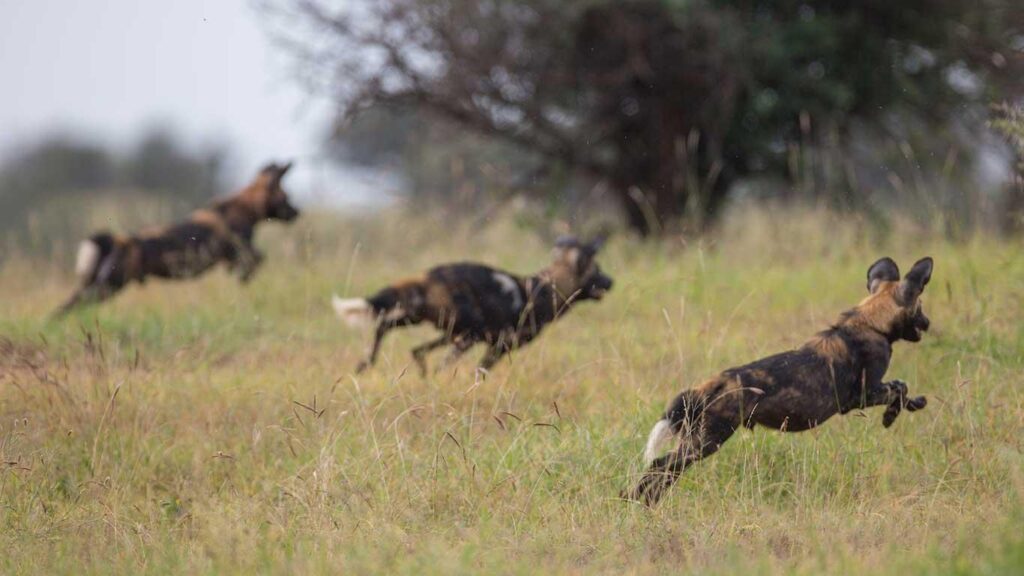
The conservancy is one of Kenya's strongest habitats for African wild dogs, one of Africa's most endangered carnivores.
Guests can explore the wilderness on horseback alongside zebra, giraffe and antelope, offering an entirely different safari perspective.
Traditional camel safaris led by Samburu guides provide a unique way to explore northern Kenya's landscapes and culture.
Private conservancy status allows for night drives where visitors can encounter aardwolf, civet, porcupine, genet and hunting predators.
Loisaba's escarpments provide some of Kenya's finest sundowner locations with panoramic views across the Laikipia plains.


From value camps to premium lodges — we match every stay to your style and budget.
Comfortable tented camps just outside the reserve gates. En-suite rooms with hot showers, full-board meals, and close proximity to the Mara.
Spacious canvas tents on raised platforms with private decks, often inside or adjacent to conservancies. Better access and fewer crowds.
World-class lodges and exclusive camps in private conservancies. Night drives, bush walks, spa, and personalized service — the ultimate safari experience.
Every season has its magic — here's what to expect when, so you can travel at your perfect time.
Everything you need to know before you go — and we’ll guide you through every step.
Loisaba Conservancy is located approximately 300 kilometres north of Nairobi in Laikipia County. The journey takes between 5.5 and 6.5 hours via the Nairobi–Nanyuki Highway (A2), continuing through Timau, Nanyuki and Dol Dol before reaching the conservancy. The route offers spectacular views of Mount Kenya, the central highlands, and the dramatic Laikipia Plateau. Most roads are tarmacked, with the final sections consisting of well-maintained gravel roads. A 4x4 vehicle is recommended, particularly during the rainy seasons.
Daily scheduled safari flights operate from Wilson Airport in Nairobi directly to Loisaba Airstrip, with an average flight time of approximately 60 minutes. Upon arrival, guests are met by lodge representatives and transferred to their accommodation, often enjoying wildlife sightings during the short game-drive transfer.
Loisaba offers excellent safari experiences throughout the year. The dry seasons from June to October and January to February provide the best wildlife viewing as animals gather near permanent water sources. The green seasons from March to May transform the conservancy into a lush landscape ideal for photography, birdwatching and visitors seeking greater exclusivity and lower accommodation rates.
Conservancy fees contribute directly to wildlife protection, anti-poaching patrols, rhino conservation, habitat restoration, and community development projects in Laikipia. Fees vary depending on residency status, accommodation package and season and are commonly included within lodge rates.
Situated at elevations ranging from approximately 1,800 to 2,000 metres above sea level, Loisaba enjoys moderate daytime temperatures averaging between 22°C and 28°C. Early mornings and evenings can be cool, especially between June and August, making a light jacket or fleece essential for game drives.
Guests should pack lightweight neutral-coloured clothing, a warm layer for cool mornings and evenings, comfortable walking shoes, sunscreen, sunglasses, a hat, insect repellent, binoculars and a camera with spare batteries or memory cards. Smart casual attire is suitable for evenings at the lodges.
Most lodges and camps within Loisaba provide complimentary Wi-Fi in guest rooms and public areas. Mobile phone coverage is generally reliable, although signal strength may vary in more remote parts of the conservancy.
Major credit cards including Visa and Mastercard are accepted at most lodges and camps. Carrying some Kenyan Shillings is advisable for gratuities, local purchases and optional activities that may require cash payments.
The conservancy's high altitude significantly reduces malaria risk compared to lower-lying regions of Kenya, although travellers are advised to consult their healthcare provider regarding malaria prophylaxis and recommended travel vaccinations before departure.
Loisaba welcomes families and offers child-friendly activities including junior ranger experiences, bush survival skills, wildlife tracking, educational conservation programmes and family accommodation options designed for multi-generational travel.
Loisaba's open terrain, elevated viewpoints, dramatic escarpments, low vehicle density, and spectacular sunrise and sunset lighting conditions make it one of Kenya's premier safari photography destinations.
As a private conservancy, Loisaba permits night drives that reveal an entirely different side of the African wilderness. Guests may encounter aardwolves, civets, genets, porcupines, bush babies, striped hyenas and predators actively hunting after sunset.
Loisaba's internationally renowned Star Beds allow guests to spend the night under the open sky while overlooking wildlife corridors and waterholes frequented by elephants, antelope, and other wildlife. It remains one of Africa's most iconic safari experiences.
Every visit to Loisaba contributes directly to black rhino conservation, elephant monitoring, predator research, anti-poaching operations, habitat protection, and community development programmes that benefit local Samburu and Laikipia communities.
Loisaba Conservancy is located in Laikipia County in northern Kenya, approximately 300 kilometres north of Nairobi and about 70 kilometres north of Nanyuki town. The conservancy lies within the greater Laikipia ecosystem, one of Africa's most important wildlife conservation landscapes and Kenya's second-largest wildlife region after the Maasai Mara ecosystem.
Loisaba is internationally renowned for its luxury safari experiences, world-famous Star Beds, black rhino conservation programme, horseback safaris, camel trekking experiences and exceptional wildlife viewing. It is also widely regarded as one of Kenya's leading examples of sustainable conservation tourism and community partnership conservation.
Visitors regularly encounter elephants, lions, leopards, cheetahs, hyenas, buffaloes, giraffes, zebras, impalas, waterbucks, elands and numerous antelope species. Loisaba is particularly important for endangered wildlife including African wild dogs, Grevy's zebra, reticulated giraffe and eastern black rhino.
Loisaba offers excellent opportunities to see lion, leopard, elephant and buffalo. The conservancy is also home to a protected black rhino sanctuary, making sightings increasingly possible. Although rhino sightings are not as predictable as in some fenced sanctuaries, Loisaba is steadily becoming a genuine Big Five destination.
The Star Beds are Loisaba's signature experience and among the most iconic safari accommodations in Africa. Guests sleep on handcrafted four-poster beds mounted on raised wooden platforms that are rolled onto open-air decks beneath the stars. Wildlife frequently passes nearby during the night, creating an unforgettable wilderness experience unlike anywhere else in Kenya.
Yes. As a private conservancy, Loisaba is permitted to conduct night game drives, which are prohibited in most Kenyan national parks. Night drives provide opportunities to observe nocturnal wildlife such as aardwolves, civets, genets, porcupines, bush babies, striped hyenas and predators hunting after dark.
Yes. Guided walking safaris are one of the conservancy's most popular activities. Accompanied by highly trained guides and armed rangers, visitors learn about animal tracks, medicinal plants, birdlife, insects and the intricate relationships that sustain the ecosystem.
Absolutely. Loisaba is considered one of Kenya's finest family safari destinations. Many properties offer family suites, child-friendly activities, junior ranger programmes, bush survival lessons and wildlife tracking experiences designed to educate and inspire younger travellers.
A minimum stay of three nights is recommended to experience the conservancy properly. This allows time for morning and evening game drives, walking safaris, sundowners and relaxation at the lodge. Four to five nights is ideal for photographers, honeymooners and travellers interested in conservation activities.
Loisaba is a year-round safari destination. The dry seasons from June to October and January to February generally provide the best wildlife viewing as animals gather around water sources and vegetation is less dense. The green seasons from March to May offer beautiful landscapes, excellent birdwatching and fewer visitors.
Visitors can reach Loisaba by road from Nairobi in approximately 5.5 to 6.5 hours via Nanyuki and Dol Dol. Alternatively, daily scheduled flights operate from Wilson Airport in Nairobi to Loisaba Airstrip, with a flight time of approximately one hour followed by a short game-drive transfer to the lodge.
Loisaba offers one of the widest activity selections of any conservancy in Kenya. Guests can enjoy horseback safaris, camel safaris, guided walks, mountain biking, bush breakfasts, sundowners, helicopter excursions, cultural visits, conservation experiences, photography safaris and sleeping under the stars at the famous Star Beds.
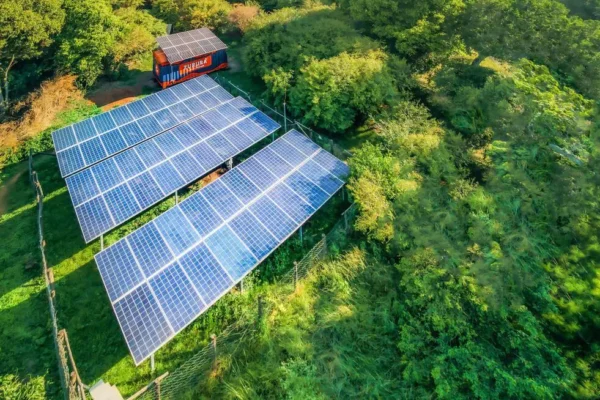
From a generator that switches off at ten to a Land Cruiser fitted with its own charging console,…
Read more →
A working checklist from a Nairobi ground operator on licensing, red flags and the questions that separate real…
Read more →
Both parks hold the same herds and the same rivers, but the border between them changes your budget,…
Read more →Tell us what you’d love to see and a local specialist will design a tailor-made itinerary around you — no obligation, reply within 24 hours.