

Planning & Tips
Wifi, Electricity and Charging on Safari: What Kenya’s Camps Actually Offer
From a generator that switches off at ten to a Land Cruiser fitted with its own charging console,…
Read more →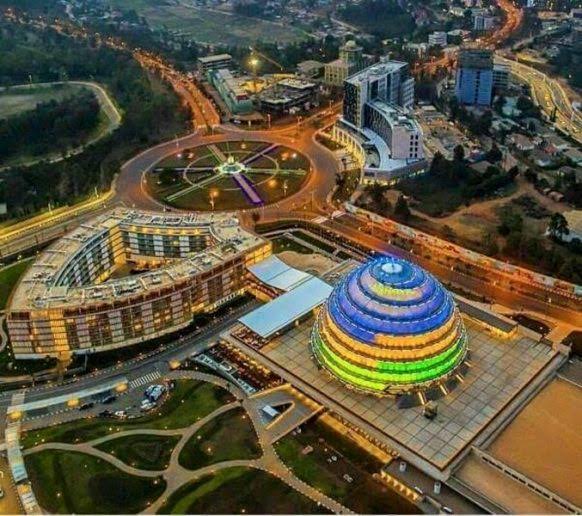
Kigali is Rwanda's vibrant capital, offering rich culture, inspiring history, modern attractions, fine dining, and the perfect gateway to unforgettable safaris.
By six in the morning, Kigali is already awake. Motorbikes move quietly through the streets, shopkeepers lift shutters, the hills begin to catch the first light and the city slowly reveals itself beneath a layer of green. There is no single moment when Kigali announces itself as a capital city. Instead, it emerges gradually, hill after hill, neighbourhood after neighbourhood, until the scale of the place becomes clear.
Kigali is the capital and largest city of Rwanda, positioned almost at the geographical heart of the country. The city covers approximately 730 square kilometres and is divided into three districts: Gasabo, Kicukiro and Nyarugenge. Its hills, valleys, wetlands and rapidly developing urban districts have made Kigali one of East Africa’s most distinctive capital cities.
What sets Kigali apart from many African capitals is the combination of urban energy and remarkable order. Modern office buildings, cafés, restaurants, galleries and hotels sit alongside older residential neighbourhoods, markets and hillside communities. Kigali is also the natural starting point for travellers heading to Rwanda’s gorilla destinations, Akagera National Park, Nyungwe National Park and Lake Kivu.
But Kigali is more than a stopover before a gorilla trek. The city has its own story to tell. The Kigali Genocide Memorial provides an essential place of remembrance and learning, while places such as Nyamirambo, Kimironko Market, the Rwanda Art Museum, Nyandungu Eco-Park and the city’s growing creative and culinary scene reveal a Rwanda that is contemporary, ambitious and constantly changing.
For travellers visiting Rwanda for the first time, Kigali offers the context that makes the rest of the country easier to understand. It is where Rwanda’s history, culture, conservation, cuisine and modern identity come together.
Kigali is the capital city of Rwanda, located in the centre of the country and covering approximately 730 square kilometres. It is Rwanda’s principal urban, economic and tourism hub, home to Kigali International Airport, major hotels, restaurants, museums, markets and cultural attractions. The city is divided into Gasabo, Kicukiro and Nyarugenge districts and is the country’s most visited urban destination.
Location: Central Rwanda, at the geographical heart of the country
Country: Rwanda
Capital: Kigali
Area: Approximately 730 square kilometres
Districts: Gasabo, Kicukiro and Nyarugenge
Population: Approximately 1.86 million according to recent city development data
Elevation: Kigali is a highland city with considerable variation between its hills and valleys
Known for: Clean streets, rolling hills, vibrant neighbourhoods, cultural attractions, the Kigali Genocide Memorial, markets, restaurants and its position as Rwanda’s main tourism gateway
Main airport: Kigali International Airport
Main tourism role: Gateway to Rwanda’s gorilla trekking, wildlife safaris, Lake Kivu and Nyungwe experiences
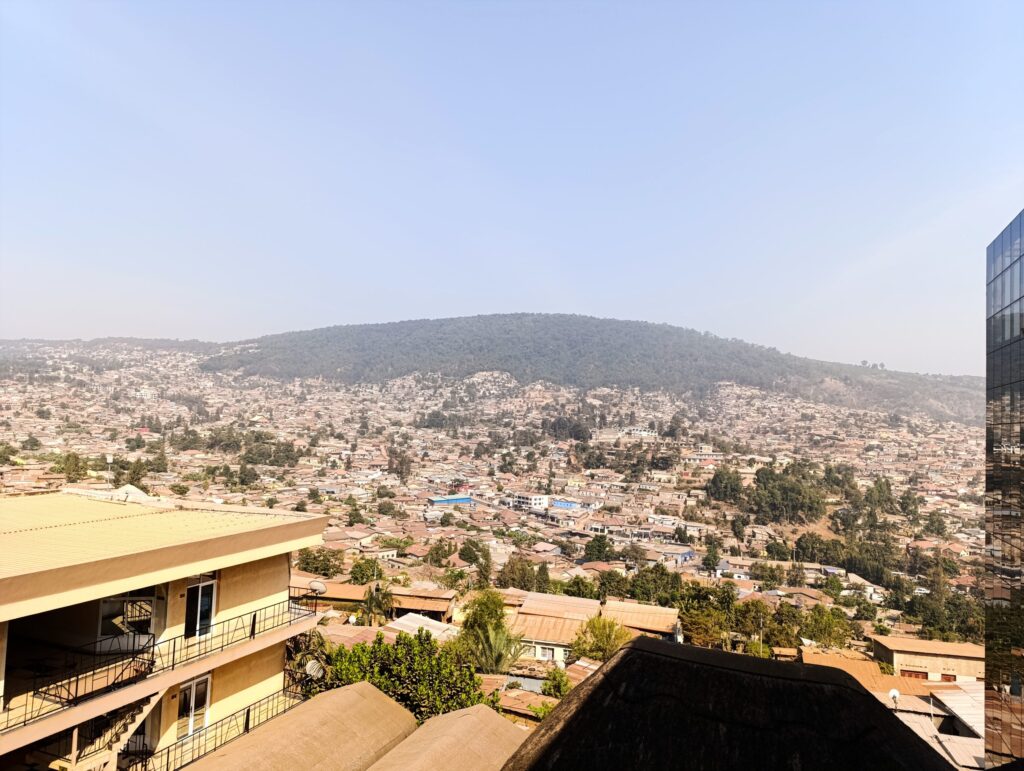
Kigali is a city of hills, and that geography shapes almost everything about the experience. Roads climb and descend constantly, neighbourhoods spread across ridges and valleys, and viewpoints appear unexpectedly between buildings.
The city has developed rapidly over the past few decades and now combines modern commercial districts with residential communities and expanding green spaces. Kigali’s official city profile describes it as Rwanda’s capital and most visited area, with the city’s international airport positioned as a central gateway for visitors arriving from across Africa and beyond.
For visitors, the best way to understand Kigali is not to rush between attractions. Spend time walking through the city centre, stop for coffee, explore a market, visit a museum, eat locally and then watch the city from one of its many hills.
Kigali rewards curiosity more than a checklist.
The Kigali Genocide Memorial at Gisozi is the most important historical site in Kigali and one of the essential places to visit in Rwanda.
The memorial is the final resting place for more than 250,000 victims of the Genocide against the Tutsi and serves as a place of remembrance, education and reflection. Its exhibitions examine the history leading to the 1994 Genocide against the Tutsi, the genocide itself and Rwanda’s subsequent journey towards justice, reconciliation and renewal.
The memorial gardens provide a quieter space for reflection, while the Wall of Names commemorates victims whose identities have been documented. The site also houses the Genocide Archive of Rwanda and educational facilities connected to peace-building and genocide prevention.
A visit to the Kigali Genocide Memorial should never be treated as an ordinary sightseeing stop. It is a place of mourning and remembrance, and visitors are expected to dress and behave respectfully.
The memorial currently advises visitors to allow at least 90 minutes for the full experience. Normal opening hours are 9:00am to 5:00pm, with last entrance at 4:00pm, although the final Saturday of each month has later opening because of Umuganda community work.
The Kigali Genocide Memorial is a place of remembrance and learning in Gisozi, Kigali, dedicated to victims of the Genocide against the Tutsi. More than 250,000 victims are buried at the site, which includes exhibitions, memorial gardens, mass graves, the Wall of Names and the Genocide Archive of Rwanda.
Nyamirambo is one of Kigali’s most energetic and culturally diverse neighbourhoods and offers a very different experience from the polished commercial areas of central Kigali.
Walking through Nyamirambo introduces visitors to everyday Kigali: small restaurants, local shops, markets, mosques, salons, cafés, tailors and busy streets filled with residents going about their day.
The neighbourhood is particularly interesting for travellers who want to experience Kigali beyond conventional sightseeing. Guided walking tours can introduce visitors to local food, architecture, religion, community life and the history of one of the city’s best-known neighbourhoods.
Rather than simply looking at Kigali from a vehicle, Nyamirambo gives you an opportunity to walk through it.
Kimironko Market is one of Kigali’s best-known markets and a useful introduction to everyday commerce in Rwanda.
The market sells fresh produce, clothing, fabrics, baskets, crafts and household goods, with traders serving both local residents and visitors. For travellers interested in Rwandan textiles and handicrafts, it is an opportunity to see products being sold in the same environment where residents shop.
A market visit also works well alongside a Kigali city tour because it provides a contrast to the city’s modern hotels, shopping centres and business districts.
If you want souvenirs from Kigali, markets are often more interesting than conventional tourist shops because the experience itself becomes part of what you take away.
The Rwanda Art Museum, located in Kanombe, occupies the former Presidential Palace Museum and presents contemporary Rwandan and international art.
The museum provides an opportunity to explore Rwanda’s creative development through painting, sculpture and other artistic forms, while also offering visitors a different perspective on the country’s identity beyond its wildlife and historical sites. Kigali’s growing art scene has become an increasingly important part of the city’s tourism experience.
For travellers spending several days in Kigali, the Rwanda Art Museum works particularly well alongside the Kigali Genocide Memorial and a neighbourhood or market visit.
Nyandungu Eco-Park is one of Kigali’s strongest examples of urban environmental restoration.
The restored wetland provides green space within the rapidly developing city and offers walking routes, birdwatching opportunities and a quieter alternative to Kigali’s busy roads. Kigali’s city authorities highlight Nyandungu among the city’s attractions and describe the area as part of Kigali’s growing emphasis on green urban spaces.
The park is particularly attractive for travellers interested in combining a city break with nature. You do not have to leave Kigali to experience wetlands, birds and open green landscapes.
Umusambi Village is a restored wetland and conservation area in Kigali that provides sanctuary for Grey Crowned Cranes rescued from the illegal pet trade.
The birds are unable to return to the wild because of disabilities caused by captivity, so the sanctuary provides them with a protected environment where they can live in a more natural setting.
A visit to Umusambi Village adds a conservation dimension to a Kigali itinerary and demonstrates that Rwanda’s environmental work extends beyond its famous mountain gorillas.
The Campaign Against Genocide Museum is located within Rwanda’s Parliamentary building and documents the role of the campaign that stopped the Genocide against the Tutsi in 1994.
The museum was officially opened in 2017 and provides historical context for visitors interested in understanding the final stages of the genocide and Rwanda’s subsequent history.
Because the subject matter is serious, we recommend combining this museum with other cultural experiences rather than attempting to visit every historical site in Kigali in a single day.
Kigali is one of the better African capitals for exploring on foot in selected areas.
The Kigali Car-Free Zone and Imbuga City Walk provide pedestrian-focused areas in the centre of the city where visitors can walk, cycle, shop, eat and observe everyday urban life.
A city walk is particularly enjoyable in the morning or late afternoon, when temperatures are more comfortable and the streets become more active.
Kigali’s hills also create natural viewpoints, with different parts of the city appearing and disappearing as roads climb between ridges.
The Kigali Cultural Village provides a space where local artisans and food vendors can display and sell their products.
It is useful for visitors looking for locally produced crafts, food and cultural experiences without travelling far from the central parts of Kigali. Rwanda’s growing creative economy is increasingly visible through these spaces, galleries, restaurants and artisan markets.
Food is an increasingly important part of the Kigali experience.
Visitors can find traditional Rwandan dishes alongside East African favourites and international cuisine. Local meals often include staples such as plantain, cassava, sweet potatoes, beans, rice, vegetables and grilled meat, while Kigali’s modern restaurant scene has expanded considerably.
A food-focused tour can introduce visitors to dishes and ingredients that they might otherwise overlook when eating exclusively at international hotels.
For a first visit, we recommend combining a local restaurant with a market visit so that travellers experience both the ingredients and the finished dishes.
Rwanda is internationally recognised for its specialty coffee, and Kigali is an excellent place to experience the country’s coffee culture before travelling into the countryside.
Several cafés around the city serve locally produced Rwandan coffee, often prepared using specialty brewing methods. A coffee stop can easily be incorporated into a Kigali city tour and provides an introduction to one of Rwanda’s most important agricultural exports.
For coffee enthusiasts, Kigali can also be used as the starting point for visits to coffee-growing regions elsewhere in Rwanda.
Kigali has a growing evening scene centred around restaurants, rooftop bars, cafés, live music venues and hotels.
The atmosphere is generally more relaxed than in many larger East African capitals, and the city’s hills mean that rooftop venues can provide excellent evening views across Kigali’s illuminated neighbourhoods.
For visitors staying in Kigali before or after a gorilla trekking or wildlife safari itinerary, an evening restaurant experience is an easy way to finish the day without requiring a long transfer.
Mount Kigali is one of the city’s better-known elevated areas and provides opportunities for views across Kigali and surrounding countryside.
The area is particularly suited to travellers who want a combination of scenery and outdoor activity without leaving the capital.
Depending on the itinerary, a Mount Kigali experience can be combined with local neighbourhood visits, cycling or other city activities.
Nyarutarama Lake, sometimes called Lover’s Lake, sits alongside Kigali Golf Resort & Villas and provides a peaceful urban setting within the city.
The walking route around the lake is relatively tranquil compared with Kigali’s busier roads and offers opportunities for birdwatching. Visit Rwanda specifically highlights the lake and surrounding area as a pleasant urban nature experience.
It is particularly suitable for travellers who want a slower afternoon after visiting museums and markets.
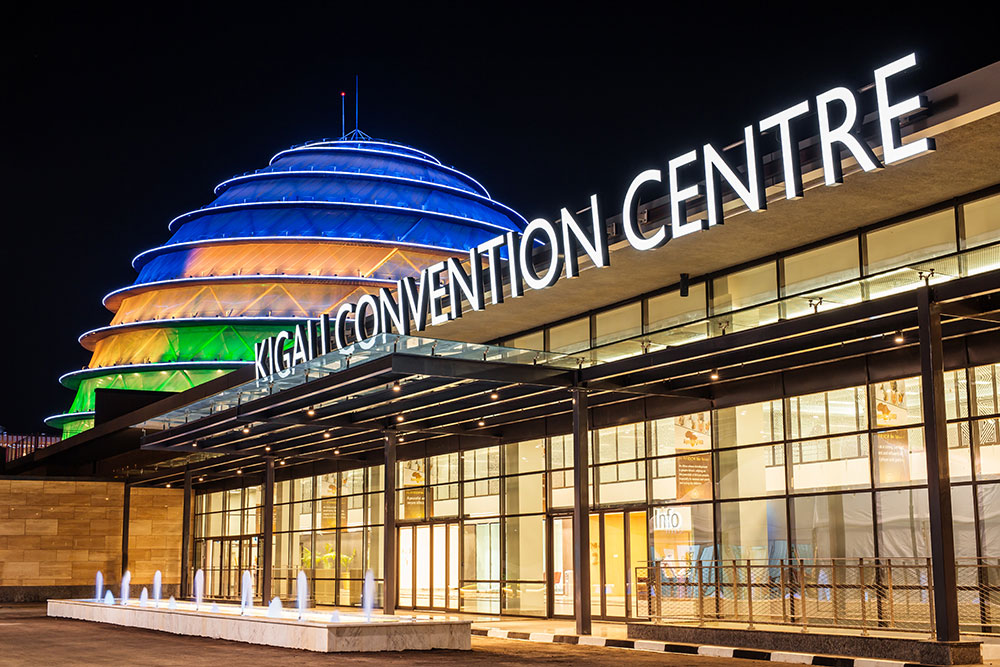
The Kigali Convention Centre has become one of the city’s most recognisable modern landmarks.
Its illuminated dome and contemporary architecture are especially striking after dark, when the building can be seen from several of Kigali’s surrounding hills.
The convention centre also reflects Kigali’s transformation into a regional business and events destination, with international conferences, exhibitions and meetings bringing visitors into the city throughout the year.
Kigali’s geography is one of its defining features.
The city spreads across a series of hills separated by valleys and wetlands, meaning that viewpoints are found throughout different neighbourhoods rather than concentrated at a single lookout.
This makes driving through Kigali part of the sightseeing experience. One moment you are passing through a busy commercial district; minutes later, the road climbs and the city opens below you.
For photographers, early morning and late afternoon provide the most attractive light, particularly after rainfall when the surrounding hills become intensely green.
Kigali City Tour
A Kigali city tour is the easiest way to understand the capital during a short stay. A typical tour can combine the Kigali Genocide Memorial, city centre, local markets, cultural sites, viewpoints and selected neighbourhoods.
Kigali Genocide Memorial Visit
The Kigali Genocide Memorial should be included in most first-time Kigali itineraries. It provides essential historical context and an opportunity to reflect on Rwanda’s past and its continuing commitment to remembrance and reconciliation.
Nyamirambo Walking Tour
A guided Nyamirambo walking tour introduces visitors to everyday urban life, local businesses, food, community spaces and the history of one of Kigali’s most distinctive neighbourhoods.
Kimironko Market Visit
Kimironko Market is ideal for travellers interested in local commerce, fabrics, food, crafts and souvenirs.
Rwanda Art Museum
The Rwanda Art Museum offers a look into contemporary Rwandan creativity and provides a useful cultural counterpoint to Kigali’s historical museums.
Nyandungu Eco-Park
Nyandungu Eco-Park offers wetlands, walking trails, birdwatching and green space without requiring a journey outside Kigali.
Umusambi Village
Umusambi Village provides a conservation-focused experience centred on Grey Crowned Cranes and wetland restoration.
Kigali Food Tour
A food tour introduces travellers to Rwandan ingredients, traditional dishes and Kigali’s expanding restaurant scene.
Coffee Experience
A specialty coffee experience provides an introduction to Rwanda’s coffee culture and one of its most important agricultural products.
Cycling in Kigali
Cycling offers a different perspective of the city and can be arranged through local operators and guided experiences.
Shopping for Rwandan Crafts
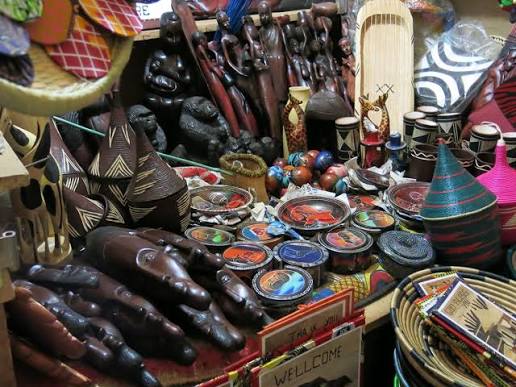
Visitors can purchase woven baskets, textiles, beadwork, woodwork and other locally produced crafts from markets and artisan spaces.
Do not try to see Kigali entirely through a vehicle window. The city makes more sense when you combine driving with walking. Spend part of the morning exploring a neighbourhood or market, take time for the memorial or a museum, then finish the afternoon at a café or viewpoint. Kigali rewards a slower approach because much of its character is found between the major attractions.
Kibara Mugo, Safari Writer & East Africa Specialist
For many international visitors, Kigali is the starting point for a Rwanda gorilla trekking experience in Volcanoes National Park.
The city is particularly convenient because travellers can arrive at Kigali International Airport, spend a night or two exploring Kigali and then continue north towards the volcanic mountain region.
This makes Kigali an important part of a wider Rwanda safari rather than simply an airport transfer point.
A well-designed itinerary can combine Kigali with Volcanoes National Park, Akagera National Park, Nyungwe National Park or Lake Kivu depending on available time.
Kigali is also the natural gateway to Akagera National Park in eastern Rwanda.
Travellers interested in combining city experiences with wildlife can begin in Kigali before continuing to Akagera for game drives, boat safaris and wildlife viewing.
The contrast is considerable. Kigali is a modern highland capital; Akagera is a broad landscape of savannah, lakes, wetlands and wildlife.
Travellers heading towards Nyungwe National Park can use Kigali as the beginning or end point of their Rwanda itinerary.
Nyungwe introduces a completely different environment, with montane rainforest, chimpanzee trekking, canopy experiences and extensive forest biodiversity.
A Kigali visit therefore works well as a cultural introduction before moving into Rwanda’s more remote landscapes.
Lake Kivu can be combined with Kigali for travellers looking for a mixture of city, culture and lakeside relaxation.
The journey west from Kigali introduces visitors to Rwanda’s rolling countryside before reaching the lake and towns such as Gisenyi and Kibuye.
For travellers with several days available, Kigali followed by Lake Kivu provides a slower transition into a wider Rwanda itinerary.
Kigali and Nairobi offer very different urban experiences.
Nairobi is substantially larger and operates as one of East Africa’s major commercial and transport centres, while Kigali is smaller, hillier and generally more compact.
Nairobi has a stronger big-city feel and sits beside major wildlife attractions such as Nairobi National Park. Kigali’s appeal is its cleanliness, organisation, green hills, compact tourism circuit and proximity to Rwanda’s major attractions.
Travellers who enjoy both cities will notice the contrast immediately.
Kigali and Kampala are both important East African capitals, but the experience is very different.
Kampala is larger, busier and more densely energetic, while Kigali is generally more orderly and quieter in its urban rhythm.
Kigali’s hills and modern city planning create a distinctive visual character, while Kampala’s experience is shaped more heavily by its larger population, commercial activity and Lake Victoria influence.
For travellers combining Rwanda and Uganda, spending time in both capitals provides a useful comparison between two neighbouring countries.
Kigali has a mild highland tropical climate because of its elevation.
The city is considerably cooler than many lowland tropical destinations, with official city information giving an average annual high temperature of approximately 27°C and an average annual low of around 16°C.
Rainfall occurs during distinct wet periods, although the exact pattern can vary from year to year.
The long dry season generally extends through the middle of the year, with the city government noting the end of June through August as a particularly dry period.
Rain should not necessarily discourage a Kigali visit. Afternoon showers can be heavy but often pass quickly, and the rain can make the city’s hills exceptionally green.
Kigali has a mild highland climate, with average annual temperatures generally ranging from approximately 16°C at night to 27°C during the day. The city experiences wet and dry seasons, with the middle of the year generally forming a drier period.
June through August is one of the easiest periods for visitors who prefer drier conditions. Roads and walking routes are generally easier to navigate, and the weather is comfortable for city sightseeing.
September through November brings more rainfall and greener scenery. The city remains very attractive during this period, although travellers should be prepared for showers.
December through February can provide another useful window for visiting Kigali, particularly for travellers combining the city with gorilla trekking or a wider Rwanda itinerary.
March through May is generally wetter, with April often among the rainiest periods.
There is no single month that makes Kigali impossible to visit. The best time to visit Kigali depends more on what you plan to combine with the city than on Kigali itself.
June to August is generally the easiest period for a Kigali city break because of the drier conditions. However, Kigali can be visited throughout the year, and travellers combining Kigali with gorilla trekking, Akagera, Nyungwe or Lake Kivu should choose dates based on the complete Rwanda itinerary rather than the city alone.
One night gives you little more than an introduction to Kigali and works mainly for travellers arriving late before continuing to another destination.
Two nights is our minimum recommendation for a first visit. It gives enough time for the Kigali Genocide Memorial, a city tour, a market or neighbourhood experience and a relaxed evening.
Three nights is ideal for travellers who want to understand Kigali rather than simply pass through it. It allows time for historical sites, cultural experiences, markets, food, art and one of the city’s green spaces.
Four nights or more suits travellers combining Kigali with slower cultural exploration, business meetings or day trips before continuing to Volcanoes National Park, Akagera, Nyungwe or Lake Kivu.
Two nights is a good minimum for a first Kigali visit, while three nights allows a much more complete experience combining history, culture, food, markets, art and green spaces. One night works mainly as a convenient stopover before a Rwanda safari.
Kigali International Airport is Rwanda’s principal international gateway and is located within the city.
Most international travellers arriving in Rwanda begin their journey here before transferring to their hotel or continuing towards Volcanoes National Park, Akagera National Park, Nyungwe National Park or Lake Kivu.
The airport’s central position makes Kigali particularly convenient as the first and final stop on a Rwanda itinerary.
Kigali’s central position makes it the logical starting point for road journeys across Rwanda.
Road travel allows visitors to see the famous Rwandan hills and countryside that are largely missed when flying between destinations.
The journey from Kigali to Volcanoes National Park takes travellers north through Rwanda’s mountainous countryside, while the routes towards Akagera and Nyungwe reveal very different landscapes.
For private safari travellers, road transfers also allow stops at viewpoints, markets and cultural sites along the way.
Kigali is primarily served by Kigali International Airport, with international connections linking Rwanda to major African and international destinations.
Domestic and regional aviation can be useful for travellers combining Kigali with destinations farther across East Africa, although many Rwanda safari routes are comfortably manageable by road.
For a private Rwanda itinerary, we normally recommend road travel when the journey itself adds to the experience and flying when time savings are more important.
Rwanda allows citizens of all countries to obtain a visa on arrival, although visa fees and exemptions vary according to nationality. Citizens of East African Community member states are eligible for a free entry visa or pass for stays of up to six months, subject to the applicable rules.
Travellers from countries that are not visa-exempt can also apply online before travelling. Rwanda’s immigration authority states that the standard visa fee should not exceed USD 50 for a single-entry visa or USD 70 for multiple entry.
Visitors travelling through Rwanda, Kenya and Uganda can also consider the East Africa Tourist Visa, which the Rwanda immigration authority states costs USD 100 and is valid for 90 days with multiple entry between the participating countries.
Always confirm the current requirements before travel because immigration and health regulations can change.
Accommodation in Kigali ranges from international luxury hotels and business hotels to boutique properties, guesthouses and smaller locally operated hotels.
The best area to stay depends on what you want from your Kigali visit.
Properties around the city centre are convenient for business, restaurants and major urban attractions. Kiyovu and Nyarutarama offer a quieter atmosphere with access to restaurants and upscale accommodation, while areas closer to the airport are convenient for early departures.
For travellers using Kigali as the beginning of a gorilla or wildlife itinerary, we normally prioritize comfortable accommodation with easy airport access and a convenient departure point for the next day’s transfer.
Kigali has developed a strong restaurant scene ranging from traditional Rwandan cuisine to Ethiopian, Indian, Italian, French and contemporary international food.
Local restaurants are worth exploring because food provides another way to understand Rwanda.
Traditional meals often make use of beans, plantains, cassava, potatoes, rice, vegetables and meat, while Kigali’s newer restaurants increasingly combine local ingredients with international techniques.
The city’s cafés are equally important to the experience, particularly for travellers interested in Rwanda’s coffee.
Shopping in Kigali can range from modern malls to traditional markets and artisan workshops.
Visitors looking for locally produced souvenirs can find woven baskets, textiles, wood carvings, jewellery, paintings and other crafts.
The Kigali Cultural Village and local markets are particularly useful for travellers who want to support Rwandan artisans directly.
Responsible tourism in Kigali begins with treating the city as a living community rather than a collection of attractions.
When visiting markets and neighbourhoods, ask before photographing people. When purchasing crafts, buy directly from artisans where possible. At the Kigali Genocide Memorial, follow visitor guidelines and remember that the site is a place of burial and remembrance.
Kigali’s environmental policies also make sustainability part of the city’s identity, with restored wetlands, green spaces and pedestrian-focused areas forming part of its urban development.
For us, responsible travel in Kigali means spending money locally, respecting the city’s history and allowing the people who live there to define the experience.
Kigali is sometimes treated as the overnight stop before gorilla trekking. That is a mistake. If you have flown all the way to Rwanda, give the capital at least two nights. The memorial explains the country’s recent history, the markets and neighbourhoods show you everyday Rwanda, and the restaurants and cafés reveal how quickly Kigali is changing. You will understand the rest of the country differently after seeing the capital first.
Hellen Asiko, Director & Guest Experience Curator
We build Kigali into Rwanda itineraries in several ways: as a two- or three-night city experience before gorilla trekking, as the starting point for Akagera National Park, as part of a Kigali–Nyungwe–Lake Kivu circuit, or as the first and final stop on a longer East African safari.
A Kigali city experience can include the Kigali Genocide Memorial, Nyamirambo, Kimironko Market, Rwanda Art Museum, Nyandungu Eco-Park, local restaurants, coffee experiences and selected viewpoints.
For travellers combining Rwanda with Kenya or Uganda, Kigali can also form part of a wider East African itinerary.
We tailor the pace according to whether you want history and culture, food and markets, nature and photography, business travel or a combination of Kigali with Rwanda’s wildlife destinations.
Volcanoes National Park is the destination for mountain gorillas, golden monkeys and volcanic mountain landscapes. Kigali is the cultural and urban introduction to Rwanda.
The two destinations work best together rather than as alternatives. Kigali explains Rwanda’s modern identity while Volcanoes provides one of Africa’s most extraordinary wildlife experiences.
Akagera is Rwanda’s classic savannah wildlife destination, with elephants, lions, giraffes, zebras, hippos and other wildlife.
Kigali offers history, culture, food and urban experiences.
For travellers interested in both wildlife and culture, combining Kigali with Akagera creates a more complete Rwanda itinerary.
Nyungwe is a rainforest destination known for chimpanzee trekking, forest biodiversity and canopy experiences.
Kigali is urban, accessible and cultural.
A Kigali–Nyungwe combination works particularly well for travellers who want to experience both Rwanda’s modern city and its ancient forest ecosystems.
Lake Kivu provides a slower lakeside experience with water activities, scenery and relaxation.
Kigali is better for culture, history, restaurants and city exploration.
Combining the two allows travellers to experience two very different sides of Rwanda within one trip.
Kigali is one of those cities that becomes more interesting the longer you stay.
It offers an important historical experience through the Kigali Genocide Memorial, a growing cultural scene through galleries and artisan spaces, everyday life through neighbourhoods and markets, nature through restored wetlands and lakes, and increasingly sophisticated food and coffee experiences.
Its location also makes Kigali the most practical gateway to the rest of Rwanda.
For travellers planning a Rwanda safari, Kigali provides the context before the wildlife. It is where you arrive, but it should not be where you simply sleep.
From the Kigali Genocide Memorial to Nyamirambo, Kimironko Market, Rwanda Art Museum and Nyandungu Eco-Park, Kigali offers far more than an airport arrival and departure point.
We build Kigali into Rwanda itineraries as a standalone city experience or as the opening chapter of a wider journey through Volcanoes National Park, Akagera National Park, Nyungwe National Park and Lake Kivu.
Two nights gives you a proper introduction. Three nights lets you slow down and experience the city properly. Add more time if culture, food, photography and local experiences are central to your trip.
Speak to Afrikan Accent Adventures to start planning your Kigali itinerary around your travel dates, interests and preferred accommodation style.
Kigali is not simply the place where your Rwanda safari begins. It is the place where you begin to understand Rwanda.
Every day of the year, <strong>Kigali</strong> welcomes visitors to one of Africa's cleanest and safest capital cities, where vibrant culture, world-class museums, bustling markets, and exceptional cuisine blend with breathtaking hillside scenery. As the gateway to <strong>Volcanoes National Park</strong>, Kigali offers the perfect starting point for unforgettable gorilla trekking adventures and authentic Rwandan experiences.
Visit Rwanda's most important historical site and gain a deeper understanding of the country's journey of remembrance, reconciliation and renewal.
Explore Kigali's thriving creative scene through contemporary art galleries, cultural centres, live performances and local artisan workshops.
Discover why Rwanda produces some of the world's finest specialty coffee through guided tastings, coffee tours and visits to local cafés.
Relax in Kigali's lively cafés, rooftop lounges, cocktail bars, and live music venues in one of Africa's cleanest and safest capital cities.
Enjoy hiking, cycling, and panoramic views from Mount Kigali, one of the city's most popular outdoor attractions.
Admire one of Africa's most iconic architectural landmarks, famous for its illuminated dome and modern conference facilities
Experience Kigali's largest and busiest market, where visitors can shop for fresh produce, colourful fabrics, handmade crafts and authentic Rwandan souvenirs.
Sample a blend of traditional Rwandan cuisine and international flavours at Kigali's award-winning restaurants, rooftop bars and stylish cafés.


From value camps to premium lodges — we match every stay to your style and budget.
Budget accommodation in Kigali offers clean, comfortable, and affordable stays with essential amenities, friendly service, and convenient access to the city's major attractions. Ideal for backpackers, solo travellers, and budget-conscious visitors exploring Rwanda's capital.
Mid-range accommodation in Kigali combines comfort, modern amenities, and excellent service at great value. These hotels provide stylish rooms, quality dining, business facilities, and convenient locations for both leisure and business travellers.
World-class lodges and exclusive camps in private conservancies. Night drives, bush walks, spa, and personalized service — the ultimate safari experience.
Every season has its magic — here's what to expect when, so you can travel at your perfect time.
Everything you need to know before you go — and we’ll guide you through every step.
Most international visitors can obtain a Visa on Arrival or apply online before travelling to Rwanda. Citizens of East African Community (EAC) member states can enter using a valid national ID or passport.
The official currency is the Rwandan Franc (RWF). Credit and debit cards are widely accepted at hotels, restaurants, shopping centres, and many tourist attractions, while cash is useful for local markets and small businesses.
The official languages are Kinyarwanda, English, French, and Swahili. English is widely spoken in hotels, restaurants, tour companies, and by local guides.
Central Africa Time (CAT) – UTC +2
Kigali enjoys a mild tropical highland climate with pleasant temperatures throughout the year, typically ranging between 15°C and 28°C (59°F–82°F). The city's elevation keeps it cooler than many other East African capitals.
A yellow fever vaccination certificate may be required if arriving from or transiting through a country with a risk of yellow fever transmission. Travel insurance is recommended, and visitors should carry any necessary personal medications.
Getting around Kigali is easy using metered taxis, ride-hailing apps such as Move and Yego, rental cars, or organised city tours. The city also has a reliable network of public buses and motorcycle taxis (motos), although helmets should always be worn when using motos.
Kigali has excellent mobile coverage and fast 4G/5G services. Free Wi-Fi is available in many hotels, cafés, restaurants, shopping centres, and business districts.
Pack lightweight clothing for warm days, a light sweater or jacket for cooler evenings, comfortable walking shoes, sunscreen, sunglasses, a reusable water bottle, and a rain jacket if travelling during the rainy seasons.
Kigali is the capital and largest city of Rwanda, located in the City of Kigali administrative region in the heart of the country. It serves as the main gateway to Rwanda's national parks and tourist attractions.
Kigali is famous for its cleanliness, safety, modern infrastructure, vibrant arts scene, and the Kigali Genocide Memorial. It is also the starting point for gorilla trekking in Volcanoes National Park.
Yes. Kigali is widely regarded as one of the safest cities in Africa, with low crime rates, clean streets, and a welcoming atmosphere for international visitors.
Most visitors spend 2–3 days exploring Kigali's museums, markets, cultural sites, restaurants, and nearby attractions before continuing to Rwanda's national parks.
Top attractions include the Kigali Genocide Memorial, Kimironko Market, Inema Arts Center, Kigali Convention Centre, Mount Kigali, Caplaki Craft Village, and Nyamirambo.
The best time to visit Kigali is during the dry seasons from June to September and December to February, when the weather is ideal for sightseeing and outdoor activities.
Volcanoes National Park is approximately 105 km (65 miles) from Kigali and can be reached by road in about 2.5 hours.
Visitors can fly into Kigali International Airport (KGL), Rwanda's main international gateway, with direct flights from major cities across Africa, the Middle East, and Europe.
The official currency is the Rwandan Franc (RWF). Major hotels, restaurants, and shops also accept credit cards, while some businesses accept US dollars.
Yes. Kigali is the perfect starting point for visiting Volcanoes National Park, Akagera National Park, Nyungwe National Park, and Lake Kivu, making it easy to combine a city break with wildlife and nature experiences
From a generator that switches off at ten to a Land Cruiser fitted with its own charging console,…
Read more →
A working checklist from a Nairobi ground operator on licensing, red flags and the questions that separate real…
Read more →
Both parks hold the same herds and the same rivers, but the border between them changes your budget,…
Read more →Tell us what you’d love to see and a local specialist will design a tailor-made itinerary around you — no obligation, reply within 24 hours.