

Planning & Tips
Wifi, Electricity and Charging on Safari: What Kenya’s Camps Actually Offer
From a generator that switches off at ten to a Land Cruiser fitted with its own charging console,…
Read more →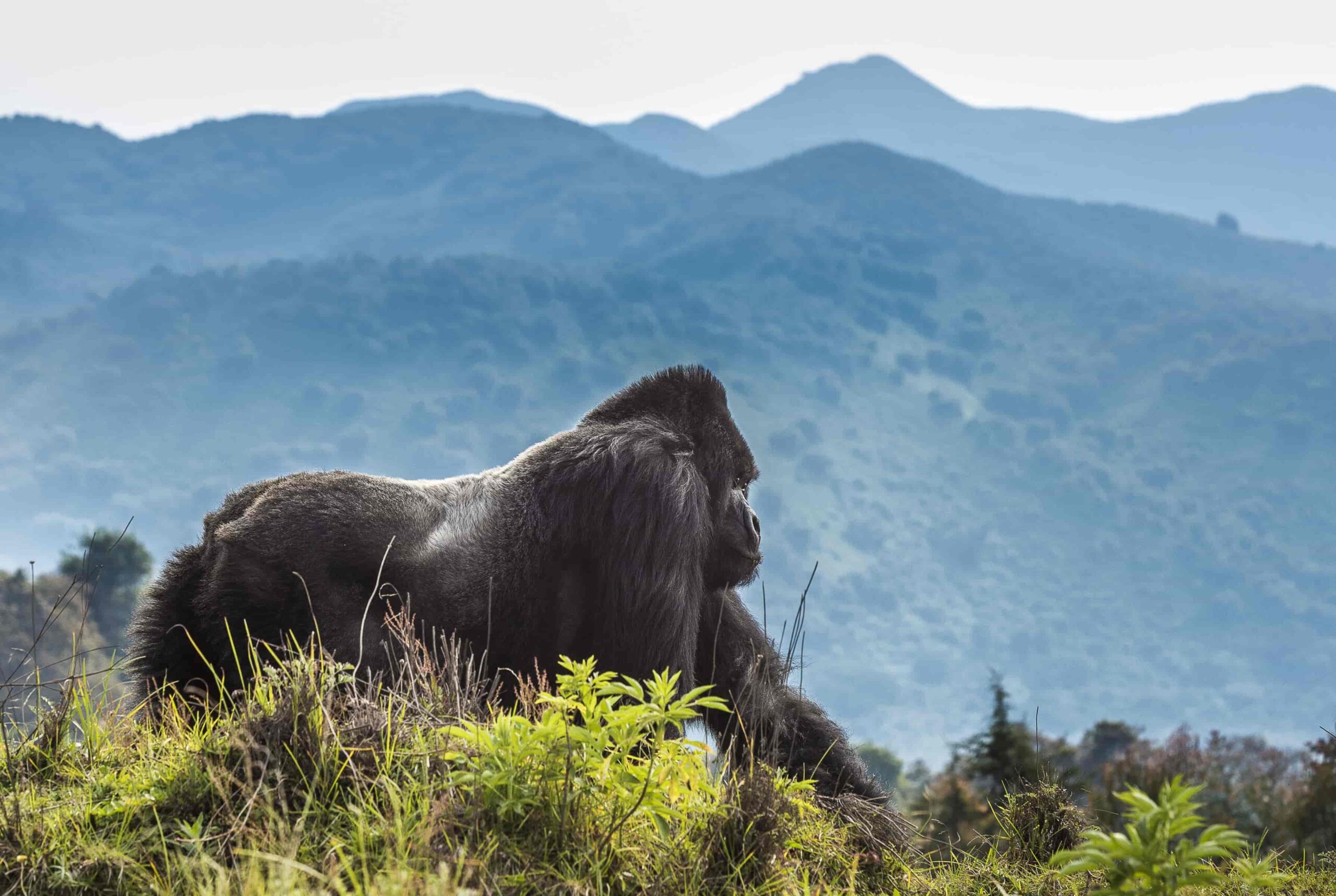
Volcanoes National Park Rwanda is a spectacular mountain destination famous for gorilla trekking, golden monkeys, volcanic hikes, Dian Fossey's conservation legacy and breathtaking Virunga Mountain scenery.
The forest is still dark when the first vehicles begin climbing towards Kinigi. Mist hangs low over the bamboo, the silhouettes of the Virunga volcanoes disappear into the cloud and somewhere ahead a ranger is already moving through the forest, following tracks left overnight by a gorilla family. At this altitude, the air is cool, the ground is often wet and every step takes you deeper into one of Africa’s most remarkable mountain ecosystems.
Volcanoes National Park sits in northwestern Rwanda, on the Rwandan side of the Virunga Massif, a chain of ancient volcanic mountains shared by Rwanda, Uganda and the Democratic Republic of the Congo. The park protects a mosaic of bamboo forest, montane rainforest, open grassland, swamp and high-altitude heath, and is best known as one of the world’s premier destinations for mountain gorilla trekking.
For travellers, Volcanoes National Park is much more than a gorilla destination. The same mountains offer golden monkey trekking, challenging volcano hikes, Dian Fossey’s former research area, birdwatching, cultural experiences and dramatic views across the Virunga landscape. The combination of wildlife, high-altitude forest, volcanic scenery and conservation history makes Volcanoes National Park one of Rwanda’s most distinctive destinations.
We send guests to Volcanoes National Park for a different kind of wildlife experience. There are no conventional game drives here. Instead, the safari happens on foot, climbing through dense vegetation in search of mountain gorillas and golden monkeys, or ascending volcanic slopes towards crater lakes and high ridges. If you have already experienced the classic savannah safari in Kenya or Tanzania, Volcanoes National Park offers a completely different way of experiencing East Africa.
Volcanoes National Park is a protected mountain forest in northwestern Rwanda and the country’s premier destination for mountain gorilla trekking. The park forms part of the Virunga Massif and protects the slopes of five volcanoes: Karisimbi, Bisoke, Sabyinyo, Gahinga and Muhabura. It is also home to endangered golden monkeys, more than 200 recorded bird species and a wide range of montane wildlife.
Location: Northwestern Rwanda, near Musanze and Kinigi
Region: Virunga Massif, Albertine Rift
Known for: Mountain gorilla trekking, golden monkeys, volcanic hiking and Dian Fossey’s conservation legacy
Main visitor headquarters: Kinigi
Main wildlife attraction: Endangered mountain gorillas
Other primate: Golden monkey
Volcanoes: Karisimbi, Bisoke, Sabyinyo, Gahinga and Muhabura
Highest summit: Mount Karisimbi at 4,507 metres
Gorilla trekking age limit: 15 years and above
Gorilla trekking permit: USD 1,500 per person under the standard foreign visitor rate
Gorilla encounter: Maximum one hour with the assigned habituated gorilla family
Gorilla groups: Twelve fully habituated groups are available for tourism, with additional groups habituated for research
Closest major city: Musanze
Distance from Kigali: Approximately 2 to 2½ hours by road, depending on traffic and conditions
Best known activity: Mountain gorilla trekking
The identity of Volcanoes National Park comes directly from the mountains themselves. Five dormant volcanoes dominate the skyline and form the dramatic backdrop to almost every experience in the park.
Mount Karisimbi is the highest of the five, reaching 4,507 metres above sea level. Its upper slopes are often hidden beneath cloud, and the mountain forms one of the most imposing features of the Virunga range.
Mount Bisoke is known for its crater lake and is one of the most popular volcanoes for hiking. The climb is demanding, but reaching the crater provides a completely different perspective on Volcanoes National Park.
Mount Sabyinyo has a distinctive, deeply eroded summit and sits close to the borders of Rwanda, Uganda and the Democratic Republic of the Congo. Its name is commonly associated with the idea of an old man’s teeth because of the mountain’s jagged appearance.
Mount Gahinga is lower and more rounded, with bamboo and montane vegetation covering much of its slopes.
Mount Muhabura rises prominently to more than 4,100 metres and provides spectacular views across the surrounding Virunga volcanoes and lakes on clear days.
Together, these mountains create the landscape that makes Volcanoes National Park immediately recognizable. The park is not simply a forest with mountains in the background. The volcanoes, forest and wildlife are part of one interconnected ecosystem.
Mountain gorillas are the reason most international travellers come to Volcanoes National Park, and the experience of meeting them in the forest is unlike almost any conventional safari encounter.
The mountain gorillas of the Virunga Massif are among the world’s most carefully monitored great apes. Rwanda’s tourism authorities report approximately 604 mountain gorillas in the Virunga Massif and more than 1,000 mountain gorillas in the wild overall. The population has increased through decades of conservation involving governments, communities, researchers and conservation organizations.
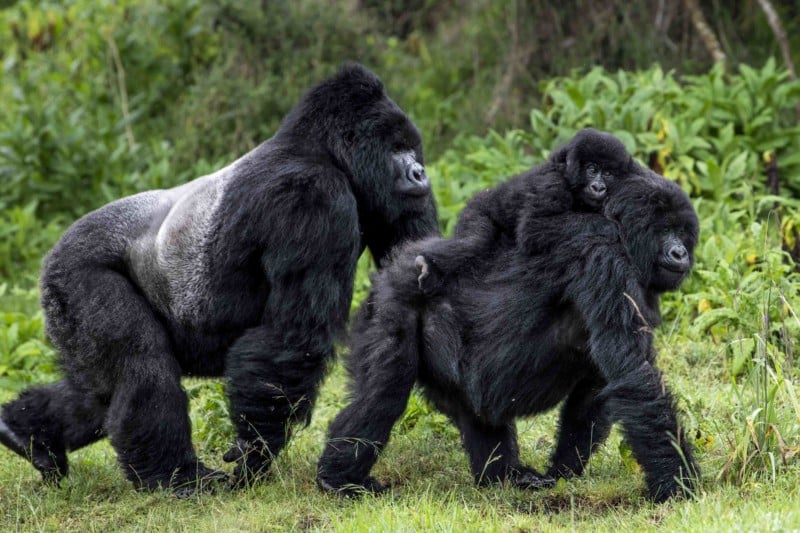
Volcanoes National Park currently has twelve fully habituated gorilla groups available for tourism, alongside other groups habituated primarily for scientific research. Each family normally contains a dominant silverback, females, juveniles and younger animals, although group structures can change over time.
A gorilla trek begins at the Volcanoes National Park headquarters in Kinigi. Visitors receive a briefing before being assigned a gorilla family. The trek can take anywhere from around 30 minutes to several hours depending on where the family has moved and the terrain involved. Some groups remain relatively close to the park boundary while others may require a demanding climb through thick forest.
Once the gorilla family is located, visitors are permitted a maximum of one hour with the animals. The restricted viewing period is part of the conservation system that limits pressure on the habituated groups. Eight tracking permits are issued per gorilla troop per day under the current tourism system.
The experience is not about finding an animal and photographing it from a vehicle. You are walking through the same forest the gorillas use, following the trackers as they interpret footprints, vegetation, nests and other signs of movement.
Gorilla trekking in Volcanoes National Park involves hiking through montane and bamboo forest with trained guides and trackers to locate a habituated mountain gorilla family. Once the group is found, visitors spend a maximum of one hour observing the gorillas before returning through the forest. The trek may take from roughly 30 minutes to several hours depending on the location of the gorilla family and the terrain.
The gorilla families available for tourism can change as groups split, merge or change their composition. Historically recognized habituated families include Susa, Igisha, Karisimbi, Sabyinyo, Amahoro, Agashya, Kwitonda, Umubano, Hirwa, Bwenge, Ugyenda and Muhoza.
Each gorilla family has its own character. Some families are known for larger numbers of individuals, some occupy higher slopes and others may be found in areas where the terrain is easier or more demanding.
This is why we do not promise guests a particular gorilla family simply because it appeared in another traveller’s photographs. Gorilla movements are natural, and the allocation process takes current conditions and visitor fitness into account.
The important thing is not which family you receive. It is the opportunity to spend time observing wild mountain gorillas behaving naturally in their forest environment.
The standard gorilla trekking permit for foreign visitors is currently USD 1,500 per person for one day. The minimum age for gorilla trekking in Rwanda is 15 years. Special rates are periodically available for Rwandan citizens, East African Community citizens and qualifying residents, so travellers should confirm the applicable rate at the time of booking.
Gorilla permits are one of the most important costs in a Volcanoes National Park itinerary. The permit covers access to the gorilla trekking experience and contributes directly to the conservation system surrounding the mountain gorillas.
Ten percent of gorilla tourism revenue is channelled towards local community projects, including infrastructure such as schools and health facilities. Gorilla tourism also provides employment for guides, trackers, rangers, porters, drivers and lodge staff.
Because the number of permits is limited, we recommend booking gorilla trekking well ahead of the travel date, particularly during periods of high demand.
Do not choose your Volcanoes National Park accommodation before confirming your gorilla permit. The permit date determines when you trek, and that date should then shape the rest of the itinerary. We normally secure the gorilla trekking permit first and build accommodation, transfers and additional activities around it.
Mountain gorillas receive most of the attention, but golden monkey trekking is another major reason to spend time in Volcanoes National Park.
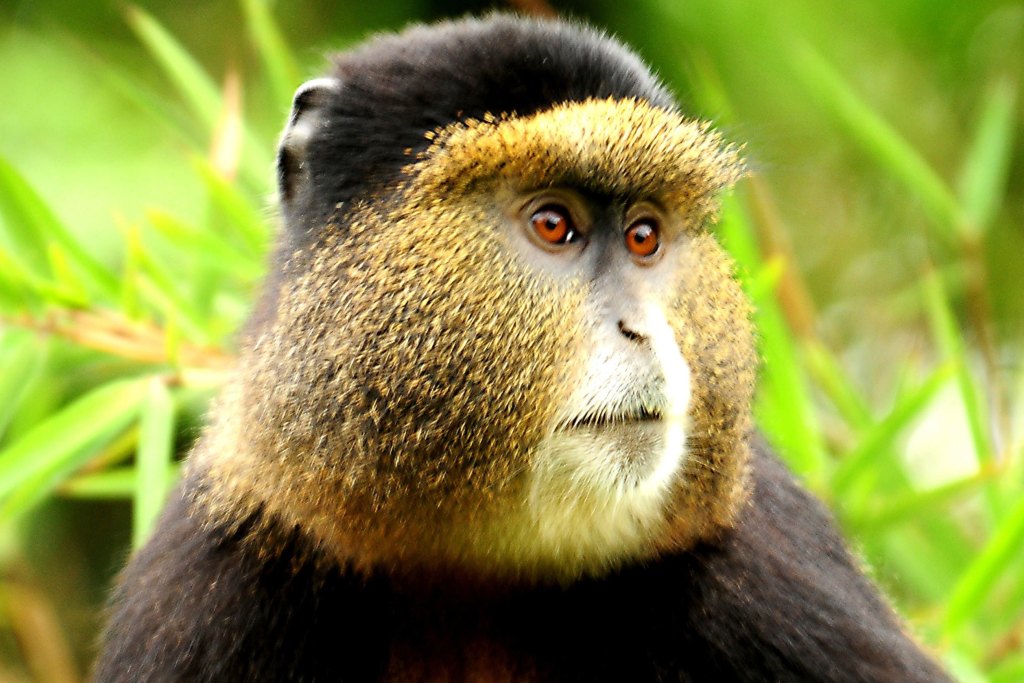
Golden monkeys are an endangered primate associated with the Virunga volcanic region. Their bright orange-gold coats contrast sharply with the green bamboo forest, and their energetic movements make golden monkey trekking very different from a gorilla trek.
Visit Rwanda identifies two golden monkey groups that can be tracked in the Volcanoes region, including groups associated with Mount Karisimbi and the bamboo forests around Mount Sabyinyo. The golden monkey excursion operates as a separate activity from gorilla trekking.
Golden monkey trekking generally requires less time than a gorilla trek, although the forest terrain can still be steep and muddy. The animals move quickly through the bamboo, meaning patience and quick observation are often more important than simply covering distance.
For travellers staying three nights around Musanze or Kinigi, combining gorilla trekking with golden monkey trekking creates a strong primate-focused itinerary without having to repeat the same type of experience twice.
The wildlife of Volcanoes National Park is dominated by primates and forest species rather than large savannah mammals.
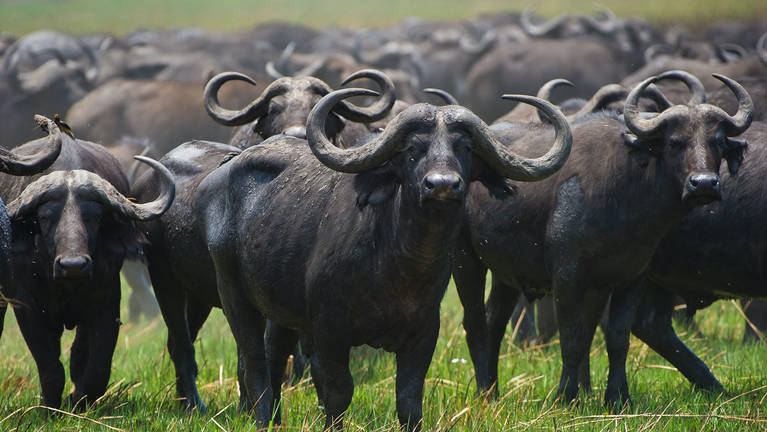
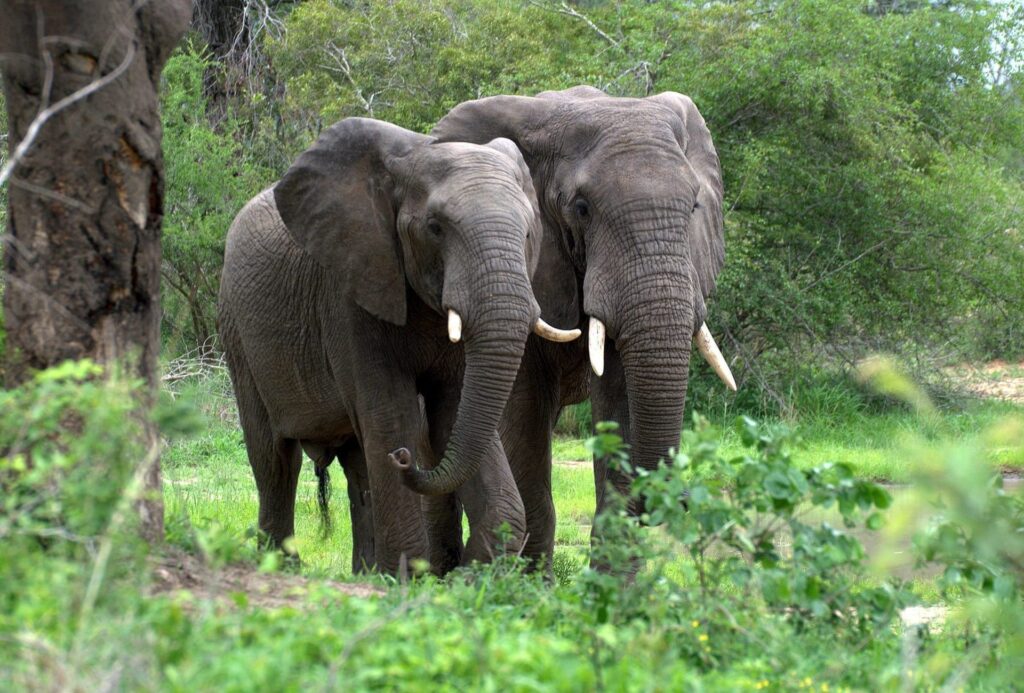
Mountain gorillas are the flagship species, while golden monkeys are the other major primate attraction. The forest also supports buffalo, bushbuck, forest elephants in the wider Virunga ecosystem, duikers, spotted hyena and other smaller mammals, although wildlife viewing here is not comparable to a conventional savannah game reserve.
Birdwatching is particularly rewarding. More than 200 bird species have been recorded in the Volcanoes landscape, including species associated with the Albertine Rift’s high-altitude forests.
The experience of wildlife in Volcanoes National Park is therefore about habitat and biodiversity rather than creating a checklist of large mammals. You are moving through a high-altitude ecosystem where bamboo, forest, volcanic slopes and cloud create a completely different setting from the grasslands of the Masai Mara or Serengeti.
Volcanoes National Park is best known for mountain gorillas and golden monkeys. Other wildlife includes buffalo, bushbuck, duikers, spotted hyena and numerous forest species, while the park and surrounding Virunga ecosystem support more than 200 recorded bird species. The primary wildlife experience is primate trekking rather than traditional vehicle-based game viewing.
Gorilla trekking is the signature activity in Volcanoes National Park and the experience around which most first-time itineraries are built.
The trek begins early at Kinigi headquarters with a briefing before visitors travel to the trailhead. Rangers and trackers then lead the group into the forest. Once the gorillas are located, guests spend up to one hour observing the family.
The terrain can be steep, muddy and slippery, particularly after rain. Sturdy hiking boots, long trousers, gardening-style gloves and waterproof clothing are useful, while walking poles can provide additional support.
Golden monkey trekking provides a shorter primate experience and is particularly useful for guests who want another day in the forest after gorilla trekking.
The monkeys often move through bamboo vegetation, and their quick movements can make the experience energetic and photographic. The activity can also be combined with other Musanze-area experiences depending on the itinerary.
Mount Bisoke is one of the most accessible major volcano hikes in the Volcanoes National Park area.
The trail climbs through forest towards the crater lake near the summit. The hike is physically demanding because of the altitude and steep gradients, but the crater lake provides a rewarding destination.
Weather can change quickly at altitude, so hikers should be prepared for rain, mud, cloud and cooler temperatures even when conditions at the lodge are warm.
Mount Karisimbi is the highest volcano in the Virunga Massif, rising to 4,507 metres.
A Karisimbi climb is significantly more demanding than the shorter volcano hikes and is best suited to travellers with good fitness and previous hiking experience. The high altitude and changing weather make preparation essential.
For experienced hikers, however, climbing Mount Karisimbi provides one of the most immersive ways to experience the landscape of Volcanoes National Park.
Mount Sabyinyo is famous for its jagged summit and its position close to the borders of Rwanda, Uganda and the Democratic Republic of the Congo.
The hike is challenging and requires scrambling in sections. Reaching the summit provides a unique sense of standing at the meeting point of three countries, although the terrain and weather mean the climb should be undertaken with a qualified guide.
Mount Muhabura rises above 4,100 metres and is one of the most prominent peaks in the Volcanoes landscape.
The hike is steep and physically demanding, but clear weather can provide spectacular views of the Virunga volcanoes and the surrounding countryside.
Mount Gahinga is another hiking option in the Virunga range. Its slopes contain bamboo and montane vegetation, and the trail provides a quieter alternative to some of the better-known volcanic hikes.
For anyone interested in gorilla conservation, the Dian Fossey experience adds historical depth to a visit to Volcanoes National Park.
Dian Fossey established the Karisoke Research Centre in the Virunga mountains and devoted much of her life to studying and protecting mountain gorillas. Her work became internationally known through the book and film Gorillas in the Mist.
Her grave lies near the former research site, and the hike takes visitors through the same high-altitude forest where Fossey conducted much of her research. Visit Rwanda describes the journey as involving a drive from park headquarters followed by a two- to three-hour hike to elevations above 3,000 metres.
For travellers interested in conservation, primatology or the history of mountain gorilla protection, this is one of the most meaningful activities around Volcanoes National Park.
The forests of Volcanoes National Park form part of the Albertine Rift, one of Africa’s most important areas for biodiversity and endemic species.
Birdwatching is best approached slowly, particularly around forest edges, bamboo and open montane habitats. More than 200 bird species have been recorded in the park and surrounding landscape.
Volcanoes National Park can also be combined with cultural activities around Musanze and Kinigi.
Visitors can experience traditional music, dance, storytelling, craft demonstrations and community-based tourism initiatives. These experiences provide context for understanding how people live alongside the protected forest and volcanic landscape.
We encourage guests to treat cultural experiences as genuine exchanges rather than staged photo opportunities. Ask before taking photographs, purchase crafts directly from artisans where possible and listen to the stories being shared.
Musanze Caves are another attraction in the wider Volcanoes National Park area.
The caves were formed through volcanic processes and provide a geological perspective on the landscape. Visit Rwanda notes that the caves date from around 62 million years ago following ancient volcanic activity.
The caves work particularly well as an additional activity for guests who have a spare afternoon before or after their gorilla trek.
Buhanga Eco-Park is an ancient forest associated with Rwandan folklore and traditional stories.
The forest provides an opportunity to experience a different side of the region beyond gorilla trekking and volcano hiking. It can be incorporated into a wider Musanze itinerary for travellers interested in nature and cultural heritage.
Do not schedule a strenuous volcano hike immediately after gorilla trekking unless you are comfortable with the physical demand. Gorilla trekking itself can involve several hours on steep terrain. A relaxed afternoon, cultural visit or shorter activity often makes more sense after the trek.
Volcanoes National Park is one of the clearest examples in Africa of tourism being directly connected to wildlife conservation.
The mountain gorilla population in the Virunga Massif has increased through long-term cooperation between governments, local communities, researchers and conservation organizations. The tourism model limits the number of visitors, restricts the length of gorilla encounters and requires visitors to follow strict behavioural protocols around the animals.
Gorilla tourism also supports the surrounding communities. Ten percent of permit revenue is allocated to community projects, while the broader tourism economy supports employment ranging from rangers and trackers to porters, drivers and hospitality workers.
This makes responsible tourism particularly important in Volcanoes National Park. A gorilla permit is not simply a ticket to see an endangered species. It is part of a conservation and community system designed to make protection of the forest and gorillas economically sustainable.
Visitors to Volcanoes National Park should follow all instructions from their guide and ranger team.
Maintain the required distance from the gorillas, avoid sudden movements, do not touch the animals and never attempt to feed them. Visitors should also avoid trekking when sick because human illnesses can pose a serious risk to mountain gorillas.
Do not leave litter in the forest. Avoid loud conversations when approaching a gorilla family and follow the instructions of the trackers when the animals move.
Photography is permitted, but the welfare of the gorillas always takes priority over getting a photograph.
Visit Rwanda also recommends the Gorilla Friendly Pledge, which encourages visitors to maintain appropriate distance, follow health precautions and leave no waste in the gorilla habitat.
Few places in Africa are as closely associated with a single conservationist as Volcanoes National Park is with Dian Fossey.
Fossey’s research transformed global understanding of mountain gorillas and helped draw international attention to the threats facing them. Her work also created a lasting conservation legacy in the Virunga mountains.
Today, travellers can visit the area associated with her work and hike towards her gravesite and the former Karisoke research area. The experience is physically demanding but adds an important historical dimension to a gorilla trekking itinerary.
If gorilla trekking shows you the success of modern conservation, the Dian Fossey hike helps explain part of the history behind that success.
Unlike a traditional savannah reserve where several gates serve different safari circuits, Volcanoes National Park experiences are largely organized around the Kinigi headquarters.
Kinigi is the main starting point for gorilla trekking and many of the park’s other activities. Guests staying around Musanze, Kinigi or nearby lodges can reach the headquarters early in the morning for their assigned activity.
The exact trailhead for a gorilla family or hiking activity can vary, which is why your guide and the park authorities determine the appropriate starting point on the day.
The most common way to reach Volcanoes National Park is by road from Kigali.
The drive towards Musanze takes approximately two to two and a half hours under normal conditions, although traffic, road conditions and stops can affect the journey.
The route is part of what makes Rwanda such an enjoyable destination by road. The landscape changes constantly as the journey moves through the country’s famous hills and agricultural countryside towards the volcanic highlands.
Most guests continue from Musanze towards Kinigi, where the Volcanoes National Park headquarters are located.
For gorilla trekking, we recommend staying close to Kinigi the night before the trek. This reduces the pressure of an early-morning transfer and gives guests more time to prepare for the hike.
Volcanoes National Park can also be combined with Uganda’s Bwindi Impenetrable National Park or Mgahinga Gorilla National Park, depending on border arrangements and the itinerary.
This can be attractive to travellers planning a wider Great Lakes primate circuit, although international border crossings should be planned carefully and confirmed according to current entry and visa requirements.
For most travellers visiting Volcanoes National Park from Kigali, road travel is the simplest option.
Rwanda is relatively compact and the drive from Kigali to Musanze is short enough to make a road transfer practical. It also allows guests to see more of the countryside.
Flying may make sense for a wider private itinerary involving longer distances or connecting multiple destinations, but it is generally less necessary for a straightforward Kigali and Volcanoes National Park trip.
Volcanoes National Park has a cool, wet high-altitude climate compared with much of East Africa.
The elevation of the Virunga mountains means temperatures are generally cooler than travellers expect when they think of Rwanda or equatorial Africa. Rain can arrive quickly, and trails can become muddy and slippery.
The forest remains green throughout much of the year, while mist and cloud frequently move across the volcanic slopes.
For gorilla trekking, there is no guarantee of perfect weather. Rain is part of the mountain forest environment, and a wet day can sometimes make the trek more challenging while creating a particularly atmospheric forest experience.
The best approach is therefore not to plan around a promise of dry weather but to prepare properly for changing conditions.
Gorilla trekking requires practical clothing rather than fashionable safari clothing.
We recommend:
Sturdy waterproof hiking boots
Long trousers
Long-sleeved shirt
Lightweight waterproof jacket
Gardening or leather gloves
Gaiters
Warm fleece or light jacket
Hat
Sunscreen
Insect repellent
Small daypack
Water bottle
Camera with spare batteries
The official tourism guidance also recommends sturdy clothing, solid walking shoes, gaiters and a lightweight waterproof because of the wet forest conditions.
Wear sturdy hiking boots, long trousers, long sleeves, gaiters and a lightweight waterproof jacket. Gloves are useful when moving through vegetation, while a warm layer is recommended because Volcanoes National Park sits at high altitude. The trails can be muddy, steep and wet, so ordinary trainers are not ideal.
Volcanoes National Park can be visited throughout the year because gorilla trekking operates year-round.
The drier months are generally more comfortable for hiking, with trails often easier underfoot. These periods can also be popular with travellers.
The wetter months bring more rain and muddier trails, but the forest becomes particularly lush and atmospheric. Gorilla trekking still takes place, and there is no guarantee that a dry-season visit will be completely rain-free.
For travellers interested in photography and green landscapes, the wetter periods can be very rewarding. For those prioritizing easier hiking conditions, the drier periods are generally preferable.
The most important factor is not simply the month but how physically prepared you are for walking in a high-altitude forest.
Volcanoes National Park is open for tourism throughout the year. Drier periods generally provide easier hiking conditions, while wetter periods produce lush forest scenery but can make trails muddy and slippery. Because mountain gorillas remain in the forest year-round, gorilla trekking can be undertaken in any season.
Two nights can be enough for a focused gorilla trekking trip, particularly for travellers flying or driving directly from Kigali.
A typical two-night itinerary includes arrival in the Volcanoes National Park area on day one, gorilla trekking on day two and departure on day three.
Three nights is our preferred recommendation for travellers who want to experience more than gorilla trekking. This allows time for a gorilla trek, golden monkey trekking, a cultural experience, Dian Fossey hike or another activity without making the itinerary feel rushed.
Four nights or more works well for travellers who want to combine gorilla trekking with several volcano hikes, cultural activities and additional time in Musanze.
Two nights is sufficient for a focused gorilla trekking experience. Three nights is better for combining gorilla trekking with golden monkey trekking or another activity, while four nights or more allows a slower itinerary with hiking, conservation and cultural experiences.
Volcanoes National Park is one of East Africa’s premium wildlife destinations because the main experience, mountain gorilla trekking, has a high permit cost.
The standard foreign visitor gorilla trekking permit is currently USD 1,500 per person.
A complete Volcanoes National Park safari package can cost considerably more once accommodation, transport, meals, guide services, airport transfers and additional activities are included.
As a planning guide, a short budget-conscious Rwanda trip without gorilla trekking can be considerably cheaper, while a two- or three-night luxury gorilla safari can easily reach several thousand dollars per person.
Current special offers can also change the effective permit cost for Rwandan citizens, East African citizens, qualifying residents and African travellers. Visit Rwanda currently lists special rates for some categories, including USD 200 for Rwandan and East African citizens and USD 500 for qualifying foreign residents and African visitors under the applicable offer terms.
For international travellers paying the standard permit rate, the gorilla permit itself is normally the largest single component of the trip.
Do not compare a Volcanoes National Park safari directly with a conventional three-day savannah safari based only on the daily rate. The gorilla permit is a conservation permit for a highly restricted wildlife experience, not simply a park entrance ticket. The number of visitors is deliberately limited to protect the gorillas.
We build Volcanoes National Park into itineraries in several ways.
A short two-night gorilla trekking safari from Kigali works for travellers with limited time who want the core experience.
A three-night gorilla and golden monkey itinerary is better for guests who want to experience two of Rwanda’s most important primate encounters.
A four- or five-day Rwanda primate safari can combine Volcanoes National Park with Kigali, cultural experiences and other destinations.
Longer Rwanda itineraries can also combine Volcanoes National Park with Nyungwe National Park for chimpanzee trekking and canopy experiences, or Akagera National Park for a conventional Big Five-style safari.
The advantage of combining destinations is that Rwanda offers very different ecosystems within a relatively compact country. Volcanoes National Park provides mountain gorillas and high-altitude forest, Nyungwe provides rainforest and chimpanzees, while Akagera provides open savannah and classic safari wildlife.
Accommodation around Volcanoes National Park ranges from comfortable guesthouses and mid-range lodges to high-end luxury lodges designed specifically around the gorilla trekking market.
Kinigi is particularly convenient because it places travellers close to the park headquarters.
Musanze provides a wider range of accommodation and restaurants and can be a practical base for travellers combining gorilla trekking with other activities in the region.
Luxury lodges around Volcanoes National Park tend to emphasize mountain views, fireplaces, private terraces, spa services, gourmet dining and personalized service.
For guests booking through Afrikan Accent Adventures, we match the accommodation to the itinerary rather than selecting a property simply because it is the most expensive option.
If gorilla trekking is the main priority, proximity to Kinigi and comfort after a long trek often matter more than having the most elaborate lodge facilities.
The Masai Mara and Volcanoes National Park offer completely different safari experiences.
The Masai Mara is a savannah destination known for lions, cheetahs, leopards, elephants, large herbivore concentrations and the annual wildebeest migration.
Volcanoes National Park is a high-altitude forest destination centred around mountain gorillas, golden monkeys and volcanic hiking.
The Masai Mara is primarily explored by safari vehicle. Volcanoes National Park is explored on foot.
For travellers who have already visited the Masai Mara, Volcanoes National Park offers an excellent way to experience a completely different side of East African wildlife.
Volcanoes National Park and Uganda’s Bwindi Impenetrable National Park are two of the world’s best-known destinations for mountain gorilla trekking.
Both provide encounters with mountain gorillas in natural forest environments, but the landscapes and trekking conditions differ.
Volcanoes National Park has the dramatic advantage of the Virunga volcanoes and relatively straightforward access from Kigali. Bwindi is a much larger, deeply forested environment with several different trekking sectors.
The right destination depends on the wider itinerary, travel logistics, budget and whether you want to combine gorilla trekking with other Rwandan or Ugandan experiences.
Volcanoes National Park and Nyungwe National Park are both forest destinations, but they offer very different wildlife experiences.
Volcanoes National Park is the destination for mountain gorillas and golden monkeys.
Nyungwe is better known for chimpanzees, colobus monkeys, forest biodiversity and the canopy walkway.
For travellers with enough time, combining Volcanoes National Park and Nyungwe creates one of the strongest primate-focused itineraries in Rwanda.
Akagera National Park provides Rwanda’s conventional savannah safari experience.
The park is home to the Big Five and offers game drives across plains, wetlands and woodland.
Volcanoes National Park is completely different. There are no traditional Big Five game drives at the centre of the experience. Instead, guests hike into high-altitude forest to find mountain gorillas and golden monkeys.
Combining Akagera and Volcanoes National Park is therefore an excellent option for travellers who want both a traditional safari and a gorilla trekking experience in the same Rwanda trip.
The success of Volcanoes National Park depends on the relationship between conservation and the communities living around the forest.
Gorilla tourism generates employment and directs a portion of tourism revenue into community development. Ten percent of gorilla permit revenue is allocated to community projects, including schools, health centres and infrastructure.
This relationship is important because the forest is not an isolated wilderness disconnected from human communities. Farmers live around the park boundaries, and conservation success depends partly on creating incentives for communities to support the protection of the gorillas and their habitat.
Tourism therefore becomes part of the conservation equation.
Visitors can contribute further by hiring local porters, purchasing locally made crafts, respecting community photography rules and following the instructions of their guide and ranger.
Hire a porter for your gorilla trek even if you are physically capable of carrying your own bag. Porters are members of the surrounding communities, and hiring one provides direct income. They also offer practical assistance on steep or muddy sections of the trail.
From the first sight of a silverback moving through bamboo to the final view of the Virunga volcanoes disappearing into the evening cloud, Volcanoes National Park is a destination built around experiences rather than sightseeing from a vehicle.
Gorilla trekking remains the defining experience, but the park rewards travellers who stay long enough to explore beyond the gorillas. Golden monkey trekking, Mount Bisoke, Mount Karisimbi, Mount Sabyinyo, Mount Muhabura, Dian Fossey’s tomb, birdwatching, Musanze Caves and cultural experiences all reveal another side of this extraordinary landscape.
For first-time visitors, we generally recommend at least two nights around Volcanoes National Park, with three nights preferred if the itinerary allows. This provides enough flexibility for the gorilla trek while leaving room for another experience.
For travellers combining Rwanda with Kenya or Tanzania, Volcanoes National Park can also provide a powerful contrast to the classic savannah safari. After days of watching wildlife from a 4×4 vehicle, walking into a mist-covered mountain forest to meet a family of mountain gorillas feels like entering another world.
Afrikan Accent Adventures can arrange Volcanoes National Park safaris around your preferred travel dates, accommodation level and activities, including gorilla permits, transport, accommodation, professional guiding and additional experiences.
Volcanoes National Park is not simply where you go to see gorillas. It is where conservation, volcanic landscapes, rainforest, primates and Rwandan community tourism come together in one of East Africa’s most unforgettable destinations.
Every day throughout the year, visitors to <strong>Volcanoes National Park</strong> have the rare opportunity to trek through the mist-covered forests of the <strong>Virunga Mountains</strong> in search of endangered <strong>mountain gorillas</strong>. Guided by experienced trackers, guests spend a magical hour observing these gentle giants in their natural habitat—one of the world's most extraordinary wildlife encounters and a conservation success story found nowhere else on Earth.
Experience the unforgettable adventure of trekking through misty forests to spend one magical hour with endangered mountain gorillas in their natural habitat.
Encounter the rare and playful golden monkeys, an endangered primate found only in the Virunga Mountains and Albertine Rift.
Explore the breathtaking Virunga Massif, home to five majestic volcanoes including Mount Karisimbi and Mount Bisoke, offering spectacular hiking opportunities.
Take on Rwanda's highest peak with a challenging two-day trek to the summit of Mount Karisimbi at 4,507 metres (14,787 feet).
Spot more than 200 bird species, including numerous Albertine Rift endemics such as the Rwenzori Turaco and Scarlet-tufted Sunbird.
Experience authentic Rwandan culture through traditional dance performances, local crafts, storytelling, and community-led cultural activities near Volcanoes National Park.
Capture unforgettable images of mountain gorillas, mist-covered volcanoes, emerald forests, and breathtaking landscapes throughout Volcanoes National Park.
Climb the scenic Mount Bisoke and be rewarded with panoramic views and a stunning crater lake at the summit.
From value camps to premium lodges — we match every stay to your style and budget.
Budget accommodation near Volcanoes National Park offers clean, comfortable, and affordable lodging with en-suite rooms, friendly service, and convenient access to the Kinigi Park Headquarters. These properties are ideal for budget-conscious travellers and gorilla trekkers seeking great value.
Mid-range accommodation around Volcanoes National Park provides comfortable rooms, quality dining, modern amenities, and scenic surroundings close to the park. Perfect for couples, families, and small groups, these lodges offer an excellent balance of comfort, service, and value.
World-class lodges and exclusive camps in private conservancies. Night drives, bush walks, spa, and personalized service — the ultimate safari experience.
Every season has its magic — here's what to expect when, so you can travel at your perfect time.
Everything you need to know before you go — and we’ll guide you through every step.
Most international visitors require a visa to enter Rwanda. Many nationalities are eligible for a Visa on Arrival or can apply online before travel. Citizens of East African Community (EAC) member states can enter using a valid national ID or passport.
The official currency is the Rwandan Franc (RWF). Most hotels, lodges, and tour operators accept Visa and Mastercard, while cash is useful for tips, souvenirs, and purchases in local communities.
The official languages are Kinyarwanda, English, French, and Swahili. English is widely spoken by park rangers, guides, and hospitality staff.
Central Africa Time (CAT) – UTC +2
Volcanoes National Park has a cool montane climate due to its high elevation. Temperatures typically range from 10°C to 20°C (50°F–68°F), with frequent mist and occasional rainfall throughout the year.
A yellow fever vaccination certificate may be required if arriving from or transiting through a country with a risk of yellow fever. Good physical fitness is recommended for gorilla trekking, and travellers should carry any personal medications.
Gorilla trekking is limited to one hour with a habituated gorilla family after locating them. Visitors must be at least 15 years old, and permits should be booked well in advance due to limited daily availability.
The park is best explored on guided excursions. Most visitors travel by 4x4 safari vehicle from Kigali, while local transfers to trekking trailheads are arranged by tour operators or lodges.
Mobile phone coverage is available in nearby towns such as Musanze, though it may be limited within the park. Most lodges offer Wi-Fi in guest areas.
Pack waterproof hiking boots, long trousers, a waterproof jacket, warm layers, gardening gloves for gripping vegetation, insect repellent, sunscreen, a reusable water bottle, a daypack, and a camera (without flash for gorilla encounters).
Volcanoes National Park is located in Rwanda's Northern Province, approximately 105 km (65 miles) northwest of Kigali. It forms part of the Virunga Massif, which is shared with Uganda and the Democratic Republic of the Congo.
Volcanoes National Park is world-famous for mountain gorilla trekking. It is also known for golden monkey trekking, volcano hiking, the Dian Fossey Tomb Trail, and its outstanding conservation efforts.
A gorilla trekking permit in Volcanoes National Park costs USD 1,500 per person for most international visitors. The permit includes one hour with a habituated gorilla family under the guidance of experienced park rangers.
The best time to visit Volcanoes National Park is during the dry seasons from June to September and December to February, when trekking trails are generally drier and easier to navigate.
Gorilla trekking ranges from easy to challenging depending on the location of the gorilla family. Treks can last between 1 and 6 hours, so a moderate level of fitness is recommended.
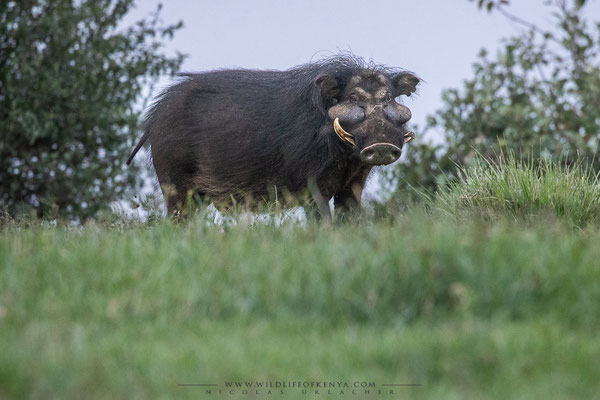
In addition to mountain gorillas, Volcanoes National Park is home to golden monkeys, forest elephants, African buffaloes, bushbucks, giant forest hogs, black-and-white colobus monkeys, L'Hoest's monkeys, and over 200 bird species..
Pack waterproof hiking boots, long trousers, a lightweight rain jacket, gardening gloves, insect repellent, sunscreen, drinking water, and a camera (without flash). Layered clothing is recommended due to the park's cool mountain climate.
No. The minimum age for gorilla trekking in Volcanoes National Park is 15 years, as set by the Rwanda Development Board.
Yes. Volcanoes National Park is commonly combined with Lake Kivu, Nyungwe National Park, Akagera National Park, and Kigali to create a diverse Rwanda safari itinerary.
From a generator that switches off at ten to a Land Cruiser fitted with its own charging console,…
Read more →
A working checklist from a Nairobi ground operator on licensing, red flags and the questions that separate real…
Read more →
Both parks hold the same herds and the same rivers, but the border between them changes your budget,…
Read more →Tell us what you’d love to see and a local specialist will design a tailor-made itinerary around you — no obligation, reply within 24 hours.