Planning & Tips
Wifi, Electricity and Charging on Safari: What Kenya’s Camps Actually Offer
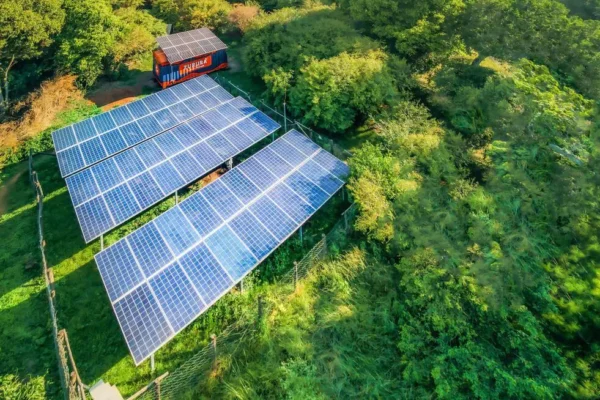
From a generator that switches off at ten to a Land Cruiser fitted with its own charging console,…
Read more →
Kenya's crown jewel — home to the Big 5, the Great Wildebeest Migration, and the legendary Maasai people. The world's most spectacular wildlife destination.
The road into Mugie is the kind of road where the landscape changes before you notice that it has changed. The highland green begins to thin, the country opens out, and the horizon becomes a broad sweep of acacia, olive woodland and rolling Laikipia grassland. Somewhere ahead, a herd of zebra is moving across the track, a giraffe is standing above the scrub, and the only sound inside the vehicle is the occasional click of a camera shutter.
Mugie Conservancy sits in Laikipia County on the northern edge of the Laikipia Plateau, close to the Great Rift Valley and along the road towards Maralal. It forms part of an important wildlife landscape linking Laikipia with the northern ranges and Samburu country. The conservancy covers roughly 46,000 to 50,000 acres, with substantial areas managed specifically for wildlife conservation alongside livestock, agriculture and other sustainable land uses.
What makes Mugie Conservancy different is the way wildlife conservation works alongside productive land management. This is not simply a fenced wildlife reserve. Mugie combines safari tourism, wildlife protection, livestock management, sustainable agriculture, community development and ecological restoration within one landscape. The result is a safari destination where seeing a lion, Grevy’s zebra or wild dog is only part of understanding why the land matters.
Mugie Conservancy is also one of the more interesting wildlife destinations in Laikipia for travellers looking for privacy and a less crowded safari experience. Its habitats include open Acacia savannah, thicker scrub, African olive woodland, wetlands and riverine areas, creating space for a remarkably diverse range of wildlife. Conservation records and environmental assessments have documented around 70 mammal species and approximately 280 bird species, while Mugie’s own conservation material notes more than 350 bird species.
For travellers who have already experienced the Masai Mara, Amboseli or Samburu, Mugie Conservancy offers something different: a private Laikipia wilderness where wildlife, cattle, conservation teams and local communities share the same landscape.
Mugie Conservancy is a large private conservation and sustainable land-use landscape in Laikipia County, northern Kenya. Covering roughly 46,000 to 50,000 acres, Mugie combines wildlife conservation with responsible livestock management, agriculture, tourism and community development. It is known for Grevy’s zebra, reticulated giraffe, elephant, lion, leopard, cheetah, African wild dog and diverse birdlife, as well as specialist experiences such as game drives, walking, bloodhound tracking, cultural visits, golf and bush camping.
Location: Laikipia County, northern Kenya, on the Laikipia Plateau near the edge of the Great Rift Valley
Size: Approximately 46,000 to 50,000 acres, depending on the land-use boundary referenced
Wildlife conservation area: Approximately 22,000 acres is identified as wildlife conservancy in environmental documentation
Landscape: Acacia savannah, African olive woodland, scrub, wetlands and open grassland
Known for: Grevy’s zebra, reticulated giraffe, wild dog, elephant, lion, leopard, cheetah and exceptional birdlife
Wildlife: Approximately 70 mammal species and hundreds of bird species have been recorded across the Mugie ecosystem
Main tourism properties: Governors’ Mugie House and Ekorian’s Mugie Camp
Activities: Day and night game drives, walking, birdwatching, bloodhound tracking, cultural visits, golf, camping and conservation experiences
Nearest major town: Rumuruti
Road access: Mugie lies along the Nyahururu–Maralal road corridor
Air access: Mugie has an airstrip that also forms part of the conservancy’s unusual nine-hole golf course experience
Conservation model: Wildlife conservation combined with sustainable livestock, agriculture, tourism and community development
The wildlife of Mugie Conservancy is one of its strongest reasons for visiting. The landscape supports both familiar East African species and several northern Kenya species that are much harder to encounter elsewhere.
Elephants move through the conservancy, while lions, leopards and cheetahs occupy different parts of the ecosystem. African wild dogs are among the most exciting sightings, and Mugie has been involved in conservation and monitoring work focused on wild dogs and other carnivores. Grevy’s zebra and reticulated giraffe are particularly important northern Kenya species, while Jackson’s hartebeest, buffalo, warthog and a range of antelope add to the diversity.
The size and habitat diversity of Mugie Conservancy mean that wildlife does not behave as though it is inside a traditional national park. Animals move between woodland, grassland, wetlands and neighbouring landscapes, following water, forage and seasonal conditions. That makes every game drive different.
Grevy’s zebra is one of the most valuable wildlife sightings in Mugie Conservancy. It is larger and more finely striped than the plains zebra commonly seen in Kenya’s southern safari destinations, and its presence is closely linked to northern Kenya’s conservation landscape.
Mugie has participated in Grevy’s zebra monitoring, including support for the Great Grevy’s Rally, helping conservationists understand population distribution and movement. Seeing a herd in the open Laikipia landscape gives visitors an opportunity to appreciate why protecting connected northern rangelands matters.
The reticulated giraffe is another signature species of Mugie Conservancy. Its sharply defined geometric coat makes it immediately recognisable, and it is strongly associated with northern Kenya.
Giraffes are regularly encountered browsing among acacia and other woody vegetation. Mugie has also supported reticulated giraffe monitoring and conservation initiatives, making a giraffe sighting more than simply a photographic opportunity; it is part of a wider effort to understand and protect the species.
African wild dogs are among the most exciting predators to encounter in Mugie Conservancy. They are highly social, fast-moving and increasingly restricted across much of Africa because of habitat fragmentation and human-wildlife conflict.
Mugie supports wild dog conservation and research alongside broader carnivore monitoring. Their presence demonstrates the importance of maintaining large, connected landscapes where predators can move between neighbouring conservancies and wider Laikipia habitats.
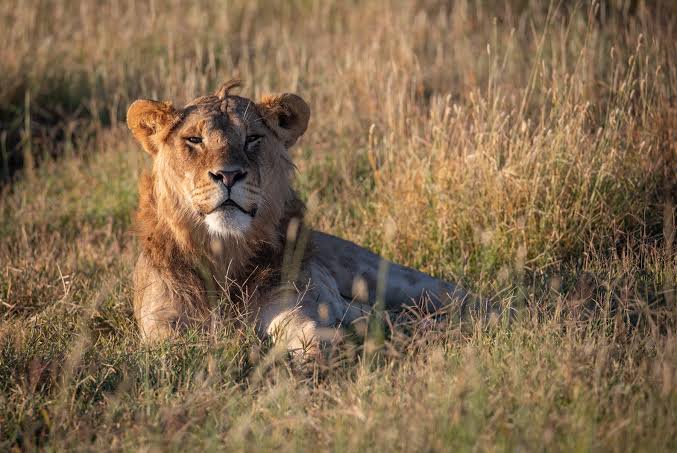
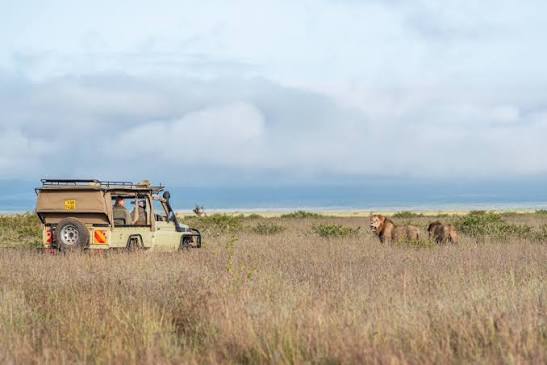
Lions are resident in Mugie Conservancy, and the conservancy has an active lion monitoring programme using identification and GPS collaring to understand movements and improve conservation management. Tracking lions provides information not only about the predators themselves but also about their interaction with livestock and surrounding communities.
For visitors, a lion sighting in Mugie can feel very different from a sighting in a heavily visited national reserve. The surrounding landscape is quieter, and the absence of large concentrations of safari vehicles can make the experience feel more intimate.
Leopards inhabit the woodland and scrub habitats of Mugie, where their camouflage and solitary behaviour make them considerably more difficult to find than lions.
Cheetahs are also monitored within the conservancy, with photographic records contributing to wider research programmes. Their preference for more open areas means early morning and late afternoon game drives can be particularly rewarding when conditions are right.
Elephants are an important part of the Mugie ecosystem. Their movements across the conservancy demonstrate the need for wildlife corridors and connected habitats, particularly in a landscape where conservation exists alongside roads, livestock and human settlements.
Mugie has worked on wildlife connectivity and human-wildlife conflict reduction, including corridor projects designed to keep wildlife movement possible across the wider Laikipia landscape.
A Mugie Conservancy safari can include elephant, lion, leopard, cheetah, African wild dog, Grevy’s zebra, reticulated giraffe, Jackson’s hartebeest, buffalo, warthog and numerous antelope species. Mugie Conservancy also supports exceptional birdlife, with hundreds of species recorded across its savannah, woodland and wetland habitats.
Mugie Conservancy is an excellent destination for birdwatchers because its habitats are considerably more varied than the open plains suggest.
More than 350 bird species are cited by Mugie, including ostriches, secretary birds, Grey Crowned Cranes, Kori bustards, eagles, vultures, bee-eaters, sunbirds, owls and numerous smaller savannah species. Raptors are particularly interesting, with species such as Martial Eagles and several vulture species contributing to the conservancy’s ecological importance.
The best birdwatching usually takes place in the early morning and late afternoon when temperatures are lower and bird activity increases.
For serious birders, Mugie Conservancy can be combined with other Laikipia destinations to create a broader northern Kenya birding itinerary.
Game drives remain the foundation of a Mugie Conservancy safari. Early morning drives take advantage of cooler temperatures and increased wildlife activity, while afternoon drives provide opportunities to follow animals as they become more active towards sunset.
Unlike many national reserves, Mugie Conservancy also offers night game drives through its tourism properties and conservation arrangements. Night drives reveal a completely different side of the ecosystem, with nocturnal species, hunting predators and animals that are rarely active during daylight hours.
The combination of day and night game drives makes Mugie particularly attractive to repeat safari travellers who want to move beyond conventional daytime wildlife viewing.
Walking provides a slower and more detailed way to experience Mugie Conservancy. Instead of focusing only on large mammals, a walking safari draws attention to tracks, plants, insects, bird calls, animal signs and the smaller ecological relationships that are easy to miss from a vehicle.
Walking arrangements depend on current safety conditions, guide availability and the specific property or area being used, so activities should be confirmed when planning the safari.
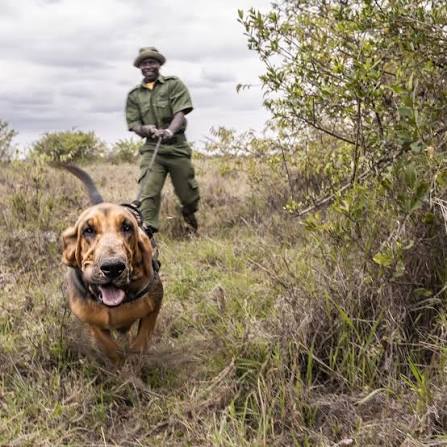
One of Mugie’s more unusual safari experiences is its bloodhound tracking activity.
Guests can leave a scent and then be tracked by Mugie’s trained bloodhounds, providing an insight into the work of the conservancy’s K-9 unit. The experience is available by pre-booking and for overnight visitors, with the important caveat that it can be cancelled if the K-9 team is called out for operational duties.
The experience is especially interesting for families and travellers who want to understand the less visible side of conservation and security.
Mugie Conservancy offers something that many safari destinations cannot: an opportunity to see conservation as an active working process.
Depending on the season and current programme, visitors can learn about wildlife monitoring, livestock management, ecological restoration, anti-poaching work, community engagement and wildlife corridors.
Mugie’s conservation approach includes monitoring predators, supporting endangered species research and maintaining wildlife connectivity across the wider Laikipia landscape.
Mugie Conservancy can arrange visits to its community office, giving guests an introduction to programmes designed to support neighbouring communities.
This is particularly useful for travellers who want to understand what conservation tourism actually contributes beyond the safari vehicle. Community programmes include education, health outreach, employment, sustainable livelihoods and human-wildlife coexistence initiatives.
Mugie Conservancy sits in a culturally diverse part of northern Kenya influenced by Pokot, Samburu and Turkana traditions.
Pre-booked cultural visits can be arranged through local women’s groups, including visits to Pokot or Samburu cultural bomas. The conservancy specifically works with local groups to make these experiences part of its community tourism model.
We recommend approaching cultural visits as an opportunity to listen, learn and engage rather than simply as a photography stop.
Golf is one of the most unexpected activities available at Mugie Conservancy.
Mugie has a nine-hole golf course surrounded by aloe gardens and wild olive trees. The unusual setting means that a round of golf can take place within the wider wildlife landscape, creating an experience that is very different from conventional golf tourism.
The conservancy’s airstrip also forms part of this distinctive landscape, making Mugie’s golf experience one of the more unusual additions to a Laikipia safari.
For travellers who want a more basic connection with the landscape, Mugie Conservancy offers pre-booked bush camping at Ol Keju.
The experience focuses on being outdoors and supporting responsible tourism, conservation and environmental education. It is a good option for adventurous travellers who would rather spend a night closer to the landscape than in a conventional lodge.
The combination of open grassland, acacia savannah, olive woodland and relatively low vehicle density makes Mugie Conservancy appealing to wildlife photographers.
Grevy’s zebra, reticulated giraffe, wild dog, lion and cheetah offer strong photographic subjects, while the landscape itself provides a very different backdrop from the golden grasslands of the Masai Mara.
Early morning light is particularly good for photography, with the warm tones of Laikipia complementing the silhouettes of giraffes and acacia trees.
Conservation is not a side project at Mugie Conservancy. It is the foundation of how the landscape is managed.
The conservancy’s current management plan for 2025–2034 identifies ecological integrity, commercial sustainability, cultural and social impact, security and operations as major management programmes. The plan also emphasizes habitat connectivity, wildlife protection, rehabilitation and sustainable land use.
One of Mugie’s most important conservation roles is maintaining connectivity between the Laikipia Plateau, the Rift Valley and northern Kenya.
The Louniek Corridor, for example, connects Mugie and Mukutan and helps link the Rift Valley with the Laikipia Plateau. Other corridor initiatives have been developed to help wildlife move safely through a landscape increasingly influenced by roads, settlements and human activity.
Mugie Conservancy does something unusual for a wildlife destination: livestock production and wildlife conservation operate together.
The conservancy uses rotational grazing and ultra-high-density grazing approaches to improve rangeland health while maintaining productive livestock systems. These methods are designed to give grasslands periods of intensive use followed by sufficient recovery time.
This approach demonstrates that livestock and wildlife do not always have to be competing land uses. With careful management, both can contribute to the health and economic value of the landscape.
Mugie also incorporates agriculture into its conservation model.
Its agricultural programmes include vegetable production, orchards, indigenous tree nurseries and managed grass fields. These initiatives support food production, habitat restoration, soil conservation and local economic opportunities.
For a visitor, this adds another dimension to the Mugie Conservancy story. The land is not simply being preserved as untouched wilderness; it is being managed as a functioning landscape where conservation and sustainable production are intended to support each other.
The success of Mugie Conservancy depends heavily on its relationship with surrounding communities.
Mugie supports employment, education, health initiatives, community outreach and livelihood programmes designed to ensure that conservation creates tangible benefits for people living around the conservancy. The conservancy reports supporting more than 200 households through its employment and community initiatives.
Health outreach programmes, education support and vocational initiatives are part of this wider approach. Mugie also works with communities on human-wildlife conflict, including predator-proof livestock enclosures and measures designed to reduce crop damage from elephants.
This is important because wildlife conservation in Laikipia cannot succeed without the cooperation of the people who live alongside wildlife.
Mugie Conservancy and Samburu National Reserve are close enough to combine in a northern Kenya itinerary, but the safari experience is different.
Samburu is a classic northern Kenya wildlife reserve centred around the Ewaso Nyiro River and famous for the Samburu Special Five: Grevy’s zebra, reticulated giraffe, gerenuk, Beisa oryx and Somali ostrich.
Mugie Conservancy offers a broader Laikipia experience, with strong populations of Grevy’s zebra and reticulated giraffe alongside wild dog, lion, leopard, cheetah and elephant. Mugie also provides more emphasis on conservation programmes, sustainable livestock management and private conservancy experiences.
For travellers interested in night drives, conservation projects and a quieter private-land safari, Mugie Conservancy can be the stronger choice. For travellers specifically looking for the Samburu Special Five and the dramatic Ewaso Nyiro landscape, Samburu remains the more obvious destination.
The two work particularly well together.
The Masai Mara remains Kenya’s flagship destination for predator density, open grassland and the annual wildebeest migration.
Mugie Conservancy offers a very different atmosphere. The wildlife density is not comparable to the peak concentrations of the Mara, but the experience is more focused on wilderness, conservation and variety of habitat.
Mugie also provides opportunities that are not central to a conventional Masai Mara safari, including bloodhound tracking, conservation visits, sustainable livestock experiences, golf and selected cultural activities.
We often recommend combining the two rather than choosing between them. The Mara provides the classic high-density safari experience, while Mugie adds a quieter Laikipia perspective.
Amboseli is best known for its enormous elephant herds and views of Mount Kilimanjaro.
Mugie Conservancy is more about the northern Kenya landscape: rolling Laikipia country, acacia savannah, olive woodland and a diverse mixture of wildlife.
If Kilimanjaro is the priority, choose Amboseli. If endangered northern species, wild dog, conservation and private conservancy activities are more important, Mugie Conservancy is the more interesting option.
Both destinations are in the broader Laikipia region and both combine wildlife conservation with sustainable land use.
Ol Pejeta is especially famous for its rhino conservation programme, chimpanzee sanctuary and accessibility from Nanyuki.
Mugie Conservancy offers a more private and remote feeling, with strong carnivore viewing, wild dog, Grevy’s zebra, reticulated giraffe and a broader emphasis on integrated conservation, livestock and community development.
A traveller with enough time can combine the two for a particularly strong Laikipia itinerary.
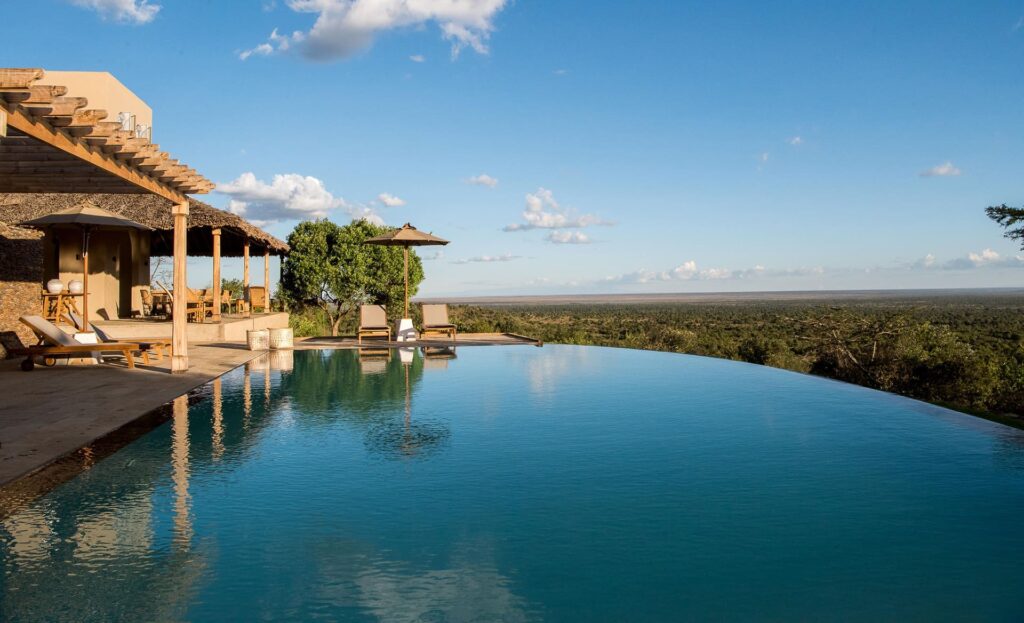
Accommodation in Mugie Conservancy ranges from intimate tented accommodation to an exclusive lodge experience.
Governors’ Mugie House sits within the conservancy and provides an intimate luxury base for exploring the landscape. The property includes cottages, a honeymoon suite and family accommodation, with wildlife frequently visible around the lodge’s waterhole and surrounding grounds.
Activities include day and night game drives, e-bike experiences, canoeing, wildlife viewing from the waterhole hide and other conservancy experiences.
Ekorian’s Mugie Camp is a tented safari property in the heart of Mugie Conservancy, designed around a more intimate connection with the landscape.
The camp emphasizes wilderness, privacy, organic luxury and responsible tourism, making it particularly suited to travellers who want a classic tented safari atmosphere while still having access to the conservancy’s diverse wildlife and activities.
Ol Keju provides a simpler bush camping option for travellers who want to experience Mugie Conservancy from a closer-to-nature perspective.
It is particularly suited to adventurous travellers, families and visitors who enjoy combining safari with outdoor experiences rather than staying exclusively in a luxury lodge.
Mugie Conservancy can be reached by road from Nairobi through the central Kenya highlands and onward towards Laikipia.
The route commonly passes through destinations such as Nyeri, Nanyuki and Rumuruti before continuing north along the Nyahururu–Maralal road corridor.
The exact driving time depends on the starting point, traffic and road conditions, but Mugie works well as part of a northern Kenya road circuit.
For travellers who enjoy watching the landscape change, the drive is part of the experience. The scenery moves from central Kenya’s cultivated highlands into the open rangelands of Laikipia.
Mugie Conservancy is also accessible by light aircraft, making it suitable for travellers who want to reduce driving time.
The conservancy has an airstrip, and its unusual relationship with the nine-hole golf course makes the arrival itself part of the Mugie experience.
Fly-in safaris are particularly useful when combining Mugie with Samburu, the Masai Mara, Nairobi or other Laikipia conservancies.
Choose the road option if you want to experience the changing landscapes of central Kenya and northern Laikipia, or if Mugie is part of a longer road safari.
Choose to fly if you have limited time, are combining Mugie with destinations that are far apart or simply prefer to spend more of your holiday inside the conservancy rather than on the road.
A road safari also allows you to combine Mugie with places such as Ol Pejeta, Nanyuki or other Laikipia conservancies.
A fly-in safari is usually the more time-efficient option for a luxury itinerary.
Mugie Conservancy operates its own tourism fee structure rather than using the standard Kenya Wildlife Service park-entry system.
For 2026, the published Mugie Conservancy rate is USD 130 per non-resident adult per person per day and USD 65 for non-resident children aged 4 to under 15. Citizen and resident rates are listed separately in Kenyan shillings. Vehicle charges also apply according to vehicle size.
The 2026 published rates also list bush camping charges and other activities separately. Rates can change, so safari quotations should always use the applicable tariff for the actual travel dates.
Unlike a national reserve where the main cost is often the park fee, a Mugie Conservancy safari budget should consider accommodation, conservancy fees, vehicle and guide arrangements, activities and transport separately.
For 2026, Mugie Conservancy charges USD 130 per non-resident adult per day and USD 65 per non-resident child aged 4 to under 15. Separate citizen and resident rates apply, and vehicle charges are additional. Always confirm the applicable rates when booking because conservancy tariffs can change.
Mugie Conservancy has a warm Laikipia climate influenced by its elevation and semi-arid surroundings.
Days can be warm, especially during the dry season, while early mornings and evenings can be noticeably cooler. This makes layered clothing useful, particularly for early morning game drives and walking activities.
Rainfall follows Kenya’s seasonal pattern, with wetter periods generally associated with the long and short rains.
The rainy periods can transform the landscape, bringing fresh grass, flowering plants and increased bird activity. The dry season, meanwhile, tends to concentrate wildlife around reliable water and makes animal tracking easier in many areas.
Because Mugie Conservancy contains a mixture of woodland, grassland and wetland habitats, the appearance of the landscape changes significantly through the year.
Mugie Conservancy can be visited throughout the year, but the ideal period depends on what you want from the safari.
These are generally warm and relatively dry months. Wildlife can be easier to locate around water and the landscape is often open enough for good visibility.
The long rains bring greener landscapes and excellent conditions for birdwatching and photography. Some roads can become more challenging after heavy rainfall, so flexible routing is useful.
The dry season is one of the strongest periods for a Mugie Conservancy safari. Vegetation becomes thinner, wildlife becomes easier to track and the weather is generally favourable for game drives and walking.
The short rains refresh the landscape and can produce excellent photographic conditions. Wildlife disperses as water and fresh vegetation become more widely available, but the green scenery can make this an especially attractive time for photographers.
The dry season from June to October is generally excellent for wildlife viewing and comfortable safari conditions. January and February can also provide strong game viewing, while the rainy months offer greener scenery, excellent birdwatching and fewer visitors. Mugie Conservancy is a year-round destination, so the best month depends on whether wildlife viewing, photography, birding or quieter travel is the priority.
Two nights gives you enough time for several game drives and a first introduction to Mugie’s wildlife.
This works particularly well when Mugie Conservancy is one stop within a longer Laikipia itinerary.
Three nights is our preferred minimum for travellers visiting specifically for Mugie Conservancy.
It provides enough time for several game drives, a night drive, a conservation or cultural activity and a slower day without making the safari feel rushed.
Four or more nights suits travellers who want to experience Mugie at a slower pace.
You can combine game drives with walking, birdwatching, bloodhound tracking, cultural experiences, conservation visits or simply time at camp.
For photographers and repeat safari travellers, longer stays are especially valuable because they allow more time to follow particular animals and respond to changing wildlife activity.
Mugie Conservancy is not simply another place to see wildlife.
It is a working conservation landscape where wildlife, livestock, tourism, agriculture and communities interact every day.
The destination is particularly attractive to travellers who want to see northern Kenya species without committing to a long journey into the far north. Grevy’s zebra, reticulated giraffe and wild dog provide strong wildlife reasons to visit, while lions, leopards, cheetahs, elephants and other plains species ensure that game drives remain varied.
Mugie also offers a different kind of safari atmosphere. The landscape feels spacious, the roads are generally quieter than those in Kenya’s busiest national parks and the conservancy model creates opportunities for activities beyond conventional game drives.
For families, the bloodhound experience and variety of activities can add an educational dimension. For couples, the private camps and wide-open landscapes provide a quieter safari atmosphere. For photographers, the wildlife and landscape diversity create excellent opportunities.
For conservation-minded travellers, Mugie Conservancy is particularly compelling because the safari directly connects to a wider story about habitat protection, wildlife corridors, sustainable grazing and community development.
The cost of a Mugie Conservancy safari depends heavily on accommodation, season, transport and the activities included.
Luxury stays at properties such as Governors’ Mugie House sit at the upper end of the Laikipia market, while tented accommodation and camping provide different price points.
A Mugie Conservancy quotation should normally consider:
Accommodation
Conservancy fees
Game drives
Professional safari guide
Safari vehicle
Meals
Road or air transfers
Additional activities
Community or cultural experiences
Walking or specialist conservation experiences where applicable
The 2026 Mugie Conservancy conservation fee for non-residents is USD 130 per adult per day, which should be incorporated into the overall safari budget.
Rather than treating the conservancy fee as the total cost of the safari, we recommend building the itinerary around the accommodation level and number of nights first, then adding transport and activities.
We recommend several ways to experience Mugie Conservancy.
A 2-night Mugie safari works well for travellers who want a short Laikipia escape with game drives and a night experience.
A 3-night Mugie safari gives enough time to explore the conservancy properly while adding a specialist experience such as bloodhound tracking, walking or a cultural visit.
A 4-night Mugie and Laikipia safari allows Mugie to be combined with another conservancy or wildlife destination, creating a broader northern Kenya experience.
A Mugie and Samburu safari combines the Laikipia wilderness with the Samburu ecosystem and its famous northern species.
A Mugie and Masai Mara safari gives travellers both the predator-rich Mara experience and the quieter conservancy environment of Laikipia.
A Mugie and Ol Pejeta safari creates a strong conservation-focused itinerary combining Mugie’s integrated landscape approach with Ol Pejeta’s major wildlife conservation programmes.
Responsible tourism is central to the Mugie Conservancy model.
Visitors contribute to conservation through conservancy fees, accommodation, guided activities and other tourism spending. The wider model supports wildlife protection while creating employment and economic opportunities.
Mugie’s approach also extends beyond tourism. Sustainable agriculture, livestock management, ecological restoration and community development are all incorporated into the conservancy’s operating model.
The conservancy has also invested in wildlife corridors, predator monitoring, anti-poaching operations and programmes designed to reduce human-wildlife conflict.
For guests, responsible behaviour is straightforward: follow guide instructions, respect wildlife distances, avoid littering, remain inside vehicles where required and ask permission before photographing people during cultural visits.
Mugie is one of those places where the conservation story becomes much clearer once you spend more than one night there. A game drive shows you the wildlife, but a conversation about grazing, wildlife corridors, community programmes or predator monitoring explains why that wildlife can still move through the landscape.
For travellers who have already experienced the major Kenyan national parks, we recommend giving Mugie enough time to experience both sides of the destination: the safari and the conservation work behind it.
From Grevy’s zebra and reticulated giraffe to wild dog, lion, leopard and elephant, Mugie Conservancy offers an unusually diverse safari experience within the Laikipia landscape.
Its real strength, however, is the combination of wildlife and working conservation.
Here, a safari road can pass a herd of cattle before turning a corner and finding a giraffe. A game drive can become a lesson in predator monitoring. A visit to the community office can explain how conservation revenue reaches neighbouring communities. A night drive can reveal animals that remain hidden during daylight. A bloodhound experience can show the work of the teams protecting the conservancy. And a simple walk through the landscape can reveal how much more there is to a safari than the largest animals.
Mugie Conservancy works particularly well for travellers looking for a quieter alternative to Kenya’s busiest safari destinations, repeat safari visitors who want something different, families looking for educational activities, photographers interested in northern Kenya species and conservation-focused travellers who want their safari to contribute to a functioning landscape.
At Afrikan Accent Adventures, we can build Mugie Conservancy into a standalone Laikipia safari or combine it with Samburu, Ol Pejeta, the Masai Mara, Amboseli or other destinations depending on your travel dates and interests.
Mugie is not simply a place to drive through looking for animals. It is a landscape where conservation, wildlife, livestock, tourism and communities are all part of the same story. And that is what makes a Mugie Conservancy safari worth the journey.
Escape the crowds and discover one of Kenya's most authentic safari destinations where endangered wildlife, community conservation, and unforgettable adventures come together in spectacular landscapes.
Mugie Conservancy supports an impressive diversity of wildlife including elephants, lions, leopards, cheetahs, buffaloes, giraffes, zebras, hyenas, and numerous antelope species. The…
Mugie plays a critical role in protecting endangered Grevy's zebras and African wild dogs, two of Africa's most threatened species. Visitors have…
Unlike many national parks, Mugie offers professionally guided walking safaris that allow visitors to experience the African wilderness on foot. These experiences…
Camel trekking provides a unique and traditional way to explore the conservancy's landscapes. Accompanied by experienced guides and local camel handlers, visitors…
Mugie is one of Kenya's important strongholds for endangered African wild dogs. Sightings of these highly social and intelligent predators are among…
The Mugie Dam provides opportunities for catch-and-release fishing and attracts large numbers of birds and wildlife. Combined with mountain biking and nature…
More than 350 bird species have been recorded within the conservancy, including raptors, kingfishers, bee-eaters, hornbills, and numerous migratory species attracted by…
Mugie works closely with neighbouring communities to promote sustainable conservation and responsible tourism. Visitors gain valuable insight into how wildlife conservation can…

From value camps to premium lodges — we match every stay to your style and budget.
World-class lodges and exclusive camps in private conservancies. Night drives, bush walks, spa, and personalized service — the ultimate safari experience.
Every season has its magic — here's what to expect when, so you can travel at your perfect time.
Everything you need to know before you go — and we’ll guide you through every step.
Most international visitors travelling to Kenya require an Electronic Travel Authorisation (eTA) before arrival. Applications are completed online and are generally processed within a few days. Travellers should ensure that their passports remain valid for at least six months beyond their intended travel dates and contain sufficient blank pages for immigration requirements.
Mugie Conservancy lies at an altitude of between 1,700 and 2,100 metres above sea level, which significantly lowers the risk of malaria compared to many lowland safari destinations. Nevertheless, travellers should consult their doctor regarding recommended vaccinations and travel health precautions before visiting Kenya. A Yellow Fever vaccination certificate may be required for travellers arriving from countries where Yellow Fever is endemic.
Mugie Conservancy is located in northwestern Laikipia County, approximately 260 kilometres from Nairobi. The conservancy can be reached by road in approximately 4.5 to 5 hours via Nyahururu and Rumuruti. For visitors seeking faster access, scheduled and charter flights operate daily from Nairobi Wilson Airport to nearby airstrips within the Laikipia region.
Daily scheduled and private charter flights connect Nairobi's Wilson Airport with Mugie Airstrip, Loisaba Airstrip, and Nanyuki Airstrip. Flight times average 45 to 50 minutes, followed by a short transfer to lodges and camps within the conservancy. Flying offers spectacular aerial views of Mount Kenya, the Great Rift Valley, and the Laikipia Plateau.
The official currency in Kenya is the Kenyan Shilling (KES), although US Dollars are widely accepted at safari lodges and camps. Most accommodations accept Visa and Mastercard credit cards, while mobile payment platforms such as M-Pesa are commonly used throughout Kenya. Visitors are encouraged to carry small amounts of cash for gratuities and purchases in local communities.
Mugie enjoys a mild and pleasant highland climate throughout the year. Daytime temperatures generally range between 18°C and 28°C, while mornings and evenings can be cool, particularly between June and August. The long rains typically occur between March and May, while short rains usually fall during November.
Kenya uses Type G electrical sockets, the same as those used in the United Kingdom. Electricity is supplied at 240 volts and 50Hz frequency. Most safari lodges provide charging facilities for cameras, phones, laptops, and other electronic devices, and international adapters are often available on request.
Mugie Conservancy operates on East Africa Time (EAT) which is UTC +3 hours throughout the year. Kenya does not observe daylight saving time, making travel planning straightforward for international visitors.
Most lodges and camps within Mugie Conservancy provide Wi-Fi access in guest areas and rooms, although internet speeds may vary depending on location and weather conditions. Mobile network coverage is generally good, with Safaricom providing the strongest signal across most of the conservanc
Visitors are encouraged to pack lightweight neutral-coloured clothing for daytime activities, a warm fleece or jacket for early morning and evening game drives, comfortable walking shoes, sunscreen, sunglasses, a hat, binoculars, insect repellent, and a universal travel adapter. Photographers should also carry extra batteries and memory cards due to the exceptional wildlife viewing opportunities.
Mugie Conservancy is built around sustainable tourism and community conservation partnerships. Visitors are encouraged to support local initiatives, respect wildlife viewing guidelines, minimise plastic waste, and contribute positively to conservation efforts that directly benefit both wildlife and neighbouring communities.
Absolutely. Mugie Conservancy is one of Kenya's hidden safari gems and offers an exclusive wilderness experience away from the crowds found in more popular parks. The conservancy combines exceptional wildlife viewing, conservation experiences, walking safaris, camel safaris, fishing and cultural encounters within a stunning Laikipia landscape. It is particularly popular among repeat safari travellers, photographers, families and visitors looking for a more authentic and intimate safari experience.
Mugie Conservancy is best known for its innovative conservation programmes, endangered species protection and unique safari activities beyond traditional game drives. The conservancy plays an important role in protecting Grevy's zebras and African wild dogs while also offering experiences such as camel safaris, guided bush walks, catch-and-release fishing, mountain biking and community visits.
Mugie is home to an impressive variety of wildlife including elephants, lions, leopards, cheetahs, buffaloes, giraffes, zebras, hyenas, jackals, warthogs, elands, impalas, waterbucks and numerous antelope species. The conservancy is particularly famous for sightings of endangered Grevy's zebras and African wild dogs, both of which are among Africa's rarest mammals.
Mugie is home to four members of the Big Five: lions, leopards, buffaloes and occasionally elephants that move through the greater Laikipia ecosystem. Rhinos are not resident within the conservancy, making Mugie a "Big Four" destination rather than a traditional Big Five safari location. Many travellers combine Mugie with nearby conservancies such as Ol Pejeta or Solio Ranch to complete their Big Five safari experience.
Unlike many traditional safari parks, Mugie offers a wider variety of activities that allow guests to engage more deeply with the landscape and conservation efforts. Walking safaris, camel trekking, mountain biking, fishing and behind-the-scenes conservation experiences provide a richer and more diverse safari adventure. The low number of visitors also creates a more private and exclusive atmosphere.
Wildlife viewing is excellent throughout the year, but the dry seasons from June to October and December to February generally provide the best game viewing opportunities. During these months, animals gather around water sources and vegetation is less dense, making wildlife easier to spot. The rainy seasons offer lush scenery, dramatic landscapes, and excellent birdwatching opportunities.
A stay of two to three nights is recommended for most visitors. This allows enough time to enjoy several game drives as well as additional activities such as walking safaris, camel safaris, fishing or community visits. Guests interested in photography or conservation experiences often choose longer stays.
Yes. Mugie is an excellent family safari destination thanks to its wide range of activities beyond traditional game drives. Children often enjoy camel rides, fishing, nature walks and learning about wildlife conservation. Many lodges offer family-friendly accommodation and flexible activity programmes designed for younger travellers.
No. One of Mugie's greatest attractions is its exclusivity and low visitor numbers. Guests frequently enjoy wildlife sightings without seeing another safari vehicle for long periods, creating a peaceful and highly personalised safari experience that is increasingly rare in East Africa.
Mugie Conservancy is located approximately 260 kilometres north of Nairobi in Laikipia County. The journey by road takes approximately four-and-a-half to five hours via Nyahururu and Rumuruti. Scheduled and charter flights are also available from Nairobi Wilson Airport to nearby airstrips such as Mugie Airstrip, Loisaba Airstrip, and Nanyuki Airstrip.
Yes. Mugie Conservancy maintains high safety standards and employs experienced guides, rangers, and hospitality staff to ensure guests enjoy a safe safari experience. Activities such as walking safaris and camel treks are conducted under the supervision of trained professionals, and guests receive safety briefings before participating in excursions.
Yes. Mugie is ideally located for combination safaris with other destinations in the Laikipia and northern Kenya regions. Popular pairings include Ol Pejeta Conservancy, Solio Ranch Conservancy, Mount Kenya National Park, Samburu National Reserve, Lewa Wildlife Conservancy and the Maasai Mara. These combinations allow visitors to experience diverse landscapes, wildlife, and conservation initiatives across Kenya.
Mugie is one of Kenya's best destinations for wildlife photographers seeking uncrowded conditions and unique subjects. The open landscapes, rolling hills and low vehicle density allow photographers to spend longer periods with wildlife and capture images without the pressure of multiple vehicles competing for viewing space.
Yes. Tourism revenue generated by Mugie directly supports anti-poaching operations, endangered species protection, habitat conservation, education programmes, healthcare initiatives and employment opportunities for surrounding communities. A visit to Mugie contributes directly to one of Kenya's most successful community-based conservation models.
From a generator that switches off at ten to a Land Cruiser fitted with its own charging console,…
Read more →
A working checklist from a Nairobi ground operator on licensing, red flags and the questions that separate real…
Read more →
Both parks hold the same herds and the same rivers, but the border between them changes your budget,…
Read more →Tell us what you’d love to see and a local specialist will design a tailor-made itinerary around you — no obligation, reply within 24 hours.