

Planning & Tips
Wifi, Electricity and Charging on Safari: What Kenya’s Camps Actually Offer
From a generator that switches off at ten to a Land Cruiser fitted with its own charging console,…
Read more →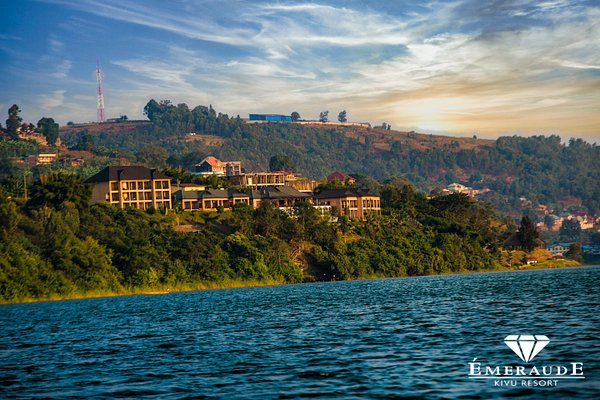
Kenya's crown jewel — home to the Big 5, the Great Wildebeest Migration, and the legendary Maasai people. The world's most spectacular wildlife destination.
Cyangugu, just after sunrise, feels like the kind of place most travellers pass through before they realize they have arrived somewhere worth staying. Fishermen are already moving across the southern end of Lake Kivu, the first activity is beginning around the markets and waterfront, and across the Rusizi River lies Bukavu in the Democratic Republic of Congo. The town is quieter than Kigali and less polished than the better-known Lake Kivu resorts of Rubavu and Karongi, but that is precisely what makes Cyangugu interesting.
Cyangugu, now commonly associated with Rusizi, sits in south-western Rwanda at the southern end of Lake Kivu, close to the border with the Democratic Republic of Congo. It is one of Rwanda’s most important gateways to the country’s south-west, particularly for travellers heading to Nyungwe National Park. Visit Rwanda describes Rusizi as a small border town with views across to Bukavu and the closest town to Nyungwe National Park.
For travellers combining Rwanda’s rainforest, primates and Lake Kivu, Cyangugu makes an unusually useful base. Nyungwe National Park lies nearby, while Lake Kivu provides a completely different experience of water, islands, fishing communities and green hills. The wider Rusizi District also contains tea plantations, the Rusizi River, community tourism experiences and access to attractions around Nkombo Island.
We send guests to Cyangugu for a different side of Rwanda: rainforest in the morning, Lake Kivu in the afternoon, and the atmosphere of a working border town rather than a conventional resort destination.
Cyangugu is a town in Rusizi District, Western Province, Rwanda, located at the southern end of Lake Kivu beside the Rusizi River and the border with the Democratic Republic of Congo. The name Cyangugu is still widely used, while Rusizi is the name commonly used for the district and destination. The town is particularly important as a gateway to Nyungwe National Park and western Rwanda.
Location: Rusizi District, Western Province, south-western Rwanda
Setting: Southern end of Lake Kivu, beside the Rusizi River
Country: Rwanda
Border: Democratic Republic of Congo
Nearest major city across the border: Bukavu, South Kivu, DRC
Nearest airport: Kamembe Airport
Main attraction: Lake Kivu and access to Nyungwe National Park
Nearby national park: Nyungwe National Park
Best known for: Lake Kivu, Nyungwe chimpanzee trekking, rainforest experiences, birdwatching, tea plantations and cross-border culture
Nearby river: Rusizi River
Nearby island destination: Nkombo Island
Regional position: Southern gateway to Lake Kivu and south-western Rwanda
Main road connection: Kigali–Huye–Nyungwe–Cyangugu route
Cyangugu is particularly valuable because several different experiences converge around one destination. A traveller can combine Cyangugu Rwanda, Lake Kivu, Nyungwe National Park and the wider Rusizi region without making the long detours required elsewhere in the country.
Cyangugu is located at the southern end of Lake Kivu in Rwanda’s Western Province. The town sits close to where Lake Kivu drains into the Rusizi River, which continues south towards Lake Tanganyika. Across the river is Bukavu in the Democratic Republic of Congo, making Cyangugu an important commercial and transport point as well as a tourism destination.
The geographical setting is one of the most interesting things about Cyangugu. To one side is Lake Kivu, with its broad blue water and green hills. To another is the Rusizi River and the Congolese border. Further east and north are the forests, mountains and tea-growing landscapes associated with Nyungwe.
This makes Cyangugu Rwanda less of an isolated attraction and more of a gateway destination. Visitors who stay here can experience several different landscapes within a relatively short distance.
The town is also connected to Kamembe, which functions as the principal urban and transport centre of the area. Cyangugu and Kamembe are often referred to together when discussing accommodation, transport and tourism in the region.
Cyangugu has historically been important because of its position on the border with the Democratic Republic of Congo. The Rusizi border crossing connects Rwanda with Bukavu and the wider South Kivu region, creating a constant movement of people, goods and travellers across the frontier.
For tourism, however, the importance of Cyangugu Rwanda comes from its location between several major attractions.
Lake Kivu provides the lakeside element.
Nyungwe National Park provides rainforest and primate experiences.
The Rusizi River provides wetlands, scenery and birdlife.
Nkombo Island provides an opportunity to explore island communities.
The surrounding countryside provides tea plantations and agricultural landscapes.
This combination means Cyangugu works particularly well for travellers who want to slow down after an intensive Rwanda safari or who want to add a lake experience to a Nyungwe itinerary.
Lake Kivu is the defining geographical feature of Cyangugu. The lake forms part of the Great Rift Valley system and stretches along Rwanda’s western frontier with the Democratic Republic of Congo. It is one of Africa’s major freshwater lakes and one of the most dramatic landscapes in Rwanda.
Unlike the open grasslands associated with a traditional East African safari, the landscape around Cyangugu Rwanda is dominated by water, steep green hills, cultivated slopes and small settlements.
The southern end of Lake Kivu is particularly attractive because it feels less developed than some of the lake’s better-known resort areas. The shoreline around Cyangugu has a working character, with fishing and local commerce forming part of everyday life.
A boat trip on Lake Kivu is one of the simplest ways to appreciate the scale of the landscape. From the water, the hills rise behind the shoreline and the boundary between Rwanda and the Democratic Republic of Congo becomes part of the scenery rather than something that feels distant.
Lake Kivu is known for its dramatic green hills, deep freshwater, islands, lakeside communities and position along the Rwanda–DRC border. Around Cyangugu, Lake Kivu provides opportunities for boating, scenic exploration, fishing-community visits and relaxed lakeside experiences.
For many visitors, the biggest reason to include Cyangugu Rwanda in a safari itinerary is its proximity to Nyungwe National Park.
Nyungwe is one of Africa’s oldest rainforests and one of Rwanda’s most important biodiversity destinations. The forest is part of the Albertine Rift and contains montane forest, wetlands, bamboo, grassland and deep valleys. More than 90 mammal species, 13 primate species and around 300 bird species have been recorded in the park.
The western side of Nyungwe is particularly accessible from the Rusizi area. Visit Rwanda identifies Rusizi as the closest town to Nyungwe National Park, while the official Nyungwe tourism site highlights chimpanzee trekking, the canopy walkway, hiking, cycling, waterfalls and birdwatching among the park’s main experiences.
This proximity makes Cyangugu Rwanda useful for travellers who want to explore Nyungwe without necessarily spending every night deep inside the forest.
Chimpanzee trekking is one of the major reasons travellers visit the Nyungwe region.
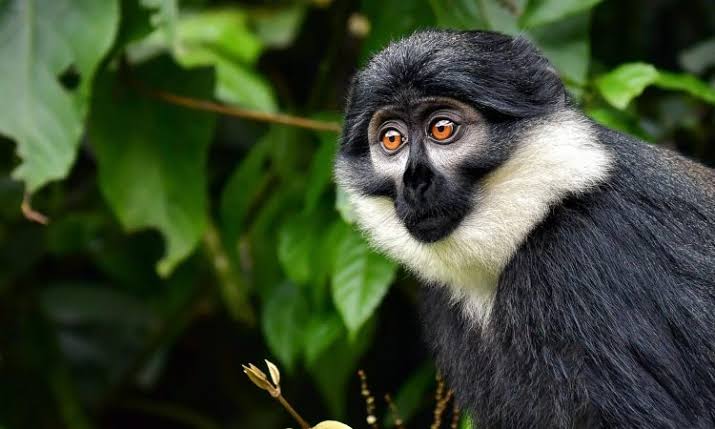
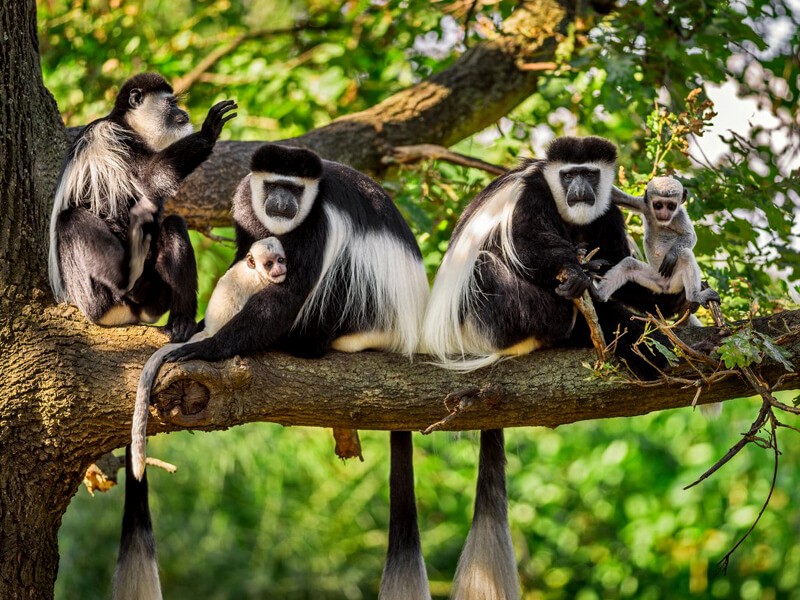
Nyungwe contains several primate species, including chimpanzees, colobus monkeys and L’Hoest’s monkeys. The forest’s chimpanzee populations are semi-habituated, allowing visitors to trek into the rainforest with trained guides in search of them.
A typical chimpanzee experience starts early because the forest is at its most active in the morning. Once trackers locate the troop, visitors may spend time observing the animals moving through the canopy, feeding, calling and interacting with one another.
The experience is completely different from a conventional savannah game drive. There are no open plains and no guarantee that animals will appear beside the road. Instead, you walk through dense forest, follow calls and tracks, and rely on experienced trackers to locate the troop.
For guests staying in Cyangugu Rwanda, the combination of a lakeside evening followed by an early rainforest excursion creates one of the strongest contrasts available on a Rwanda itinerary.
The Nyungwe Canopy Walkway is another major attraction accessible from the Cyangugu and Rusizi area.
Suspended high above the rainforest floor, the walkway provides a completely different perspective of Nyungwe. Instead of looking horizontally through the forest, visitors see the upper canopy, surrounding valleys and mountain landscape from above.
The official Nyungwe tourism site lists the canopy walkway among the park’s principal visitor experiences, alongside hiking, chimpanzee trekking, cycling and waterfalls.
The canopy experience is particularly worthwhile for photographers because the elevated viewpoint reveals the scale and density of the forest.
The main activities around Cyangugu Rwanda include Lake Kivu boat trips, Nyungwe chimpanzee trekking, the Nyungwe Canopy Walkway, rainforest hiking, birdwatching, tea plantation visits, community experiences, cycling, fishing-related activities and excursions around the Rusizi River and Nkombo Island.
A Lake Kivu excursion is one of the easiest ways to experience the landscape around Cyangugu. Boat trips can take visitors along the shoreline, past small settlements and towards islands and quieter sections of the lake.
The lake is particularly beautiful in the early morning and late afternoon when the hills become softer in the changing light.
Nyungwe is the major wildlife attraction close to Cyangugu Rwanda. Depending on the itinerary, travellers can spend a full day exploring the forest or stay overnight closer to the park.
The most popular activities include chimpanzee trekking, canopy walks, birdwatching, hiking and waterfall excursions.
Chimpanzee trekking is ideal for travellers who want a more active wildlife experience. Instead of watching animals from a safari vehicle, guests walk into the forest accompanied by guides and trackers.
The canopy walkway provides elevated views over Nyungwe’s rainforest and valleys and is one of the most memorable activities in the region.
The wider Rusizi and Nyungwe region is excellent for birdwatchers. Nyungwe alone has around 300 recorded bird species, including numerous Albertine Rift species.
Tea is an important part of the landscape around Rusizi and Nyungwe. The transition between cultivated tea estates and dense rainforest creates some of the most distinctive scenery in south-western Rwanda.
A tea visit can be added before or after a Nyungwe excursion, allowing travellers to understand another part of the local economy and landscape.
Nkombo Island lies in Lake Kivu within the Rusizi area and forms part of the wider collection of lake and community tourism experiences available in the district. The Rusizi District tourism plan specifically identifies Nkombo Island, Lake Kivu, Nyungwe, the Rusizi River and community-based tourism among the area’s tourism assets.
The Rusizi River is more than a geographical boundary. It is an important feature of the landscape and the point where Lake Kivu drains southward.
River and wetland environments around the area can be incorporated into birdwatching and nature-focused excursions.
Cyangugu remains a working town rather than a purpose-built tourist resort. Its markets provide an opportunity to see everyday commerce, fresh produce and local products.
For travellers who want to experience a less curated side of Rwanda, this is part of the attraction.
Community-based tourism around Rusizi can include cultural visits, local crafts, agricultural experiences and interactions with communities involved in tourism. The official Rusizi tourism platform lists community tours and culture and heritage experiences among activities available in the district.
Cyangugu itself is not a traditional wildlife destination in the way Akagera or Nyungwe is. Its wildlife value comes primarily from its proximity to Nyungwe National Park.
Nyungwe’s forest supports chimpanzees and a remarkable diversity of primates. The official park tourism information lists 13 primate species, including chimpanzees and Albertine Rift species such as L’Hoest’s and Hamlyn’s monkeys.
The forest also supports numerous mammals, birds, reptiles, amphibians, butterflies and plant species.
The result is a different kind of wildlife experience from a savannah safari. In Cyangugu Rwanda, the focus is on rainforest ecology, primates, birds and botanical diversity rather than large herds of elephant, buffalo and zebra.
The most important wildlife experience near Cyangugu Rwanda is Nyungwe National Park, where visitors can encounter chimpanzees, colobus monkeys, L’Hoest’s monkeys and other primates, alongside a large variety of birds, mammals, reptiles, butterflies and forest plants.
Cyangugu works best when you stop thinking of it as simply a town near Nyungwe. The real attraction is the combination of Lake Kivu + Nyungwe + Rusizi. We normally build at least one lakeside experience into an itinerary rather than using Cyangugu only as a transit point.
One of the defining characteristics of Cyangugu Rwanda is its proximity to Bukavu in the Democratic Republic of Congo.
The two cities sit on opposite sides of the border, separated by the Rusizi River. This gives Cyangugu a distinctly cross-border character, with trade and movement between Rwanda and eastern Congo forming part of everyday life.
For travellers considering crossing into the Democratic Republic of Congo, border requirements, security conditions, visa requirements and entry procedures should always be checked before departure because these can change.
For most Rwanda safari itineraries, however, simply viewing the Congolese landscape from the Cyangugu side provides an interesting geographical and cultural perspective without requiring a border crossing.
Kamembe Airport is the principal airport serving the Cyangugu and Rusizi area.
Its location makes Cyangugu Rwanda particularly useful for travellers who want to avoid the full road journey from Kigali. The official Nyungwe tourism site notes that a flight from Kigali to Kamembe takes approximately 40 minutes, compared with a road journey of roughly five to six hours to Nyungwe from Kigali.
Flying into Kamembe can therefore save significant travel time, especially for travellers combining Cyangugu with Nyungwe, Lake Kivu or a wider western Rwanda itinerary.
The airport is also an important piece of tourism infrastructure for Rusizi District. The district’s land-use plan identifies Kamembe Airport as a key connection for tourism within the district and the wider region.
The road journey from Kigali to Cyangugu Rwanda takes several hours and passes through some of the most scenic countryside in Rwanda.
The route generally heads south and west through Rwanda’s highlands before approaching the Nyungwe region. The landscape changes progressively from cultivated hills and settlements to tea plantations, forest and eventually the lower-lying environment around Lake Kivu.
For travellers who enjoy scenic road journeys, this is an excellent route because the journey itself becomes part of the experience.
Flying from Kigali to Kamembe is the fastest way to reach the Cyangugu area. The official Nyungwe tourism information gives an approximate flight time of 40 minutes from Kigali to Kamembe.
From Kamembe, travellers can connect by road to accommodation in Cyangugu, Nyungwe and other parts of Rusizi.
Cyangugu is one of the closest urban bases to Nyungwe National Park. Visit Rwanda specifically identifies Rusizi as the closest town to the park.
This makes the destination useful for travellers who want access to Nyungwe while retaining access to restaurants, transport connections and more conventional town accommodation.
Driving to Cyangugu Rwanda makes sense if the journey is part of your Rwanda experience. The route through the hills and Nyungwe region is scenic, and a private safari vehicle allows you to stop at viewpoints, tea plantations and other places along the way.
Flying makes more sense when time is limited. A short flight to Kamembe eliminates most of the long road journey and allows you to spend more time around Lake Kivu or Nyungwe.
For a longer Rwanda itinerary, we often recommend driving one way and flying the other if schedules and budget allow.
Cyangugu has a warmer and more humid climate than many of Rwanda’s higher-altitude destinations because of its location around the southern end of Lake Kivu.
The wider Nyungwe region is significantly cooler and wetter. Official Nyungwe information gives typical temperatures of approximately 20°C during the day and 10°C at night, with rainfall contributing to the forest’s consistently green environment.
This means travellers combining Cyangugu Rwanda with Nyungwe should pack for two slightly different environments.
Around the lake and town, lightweight clothing is generally comfortable during the day.
For Nyungwe, a light waterproof jacket, long trousers and comfortable walking shoes are much more useful, particularly for chimpanzee trekking and forest hikes.
There is no single bad month to visit Cyangugu Rwanda, but the best timing depends on what you want to do.
The drier periods are generally easier for road travel, hiking and outdoor activities, although rain can occur throughout the year in the Nyungwe region.
The wetter periods make Nyungwe particularly lush and atmospheric. The rainforest is at its most intensely green, waterfalls are often impressive and birdwatching can be rewarding.
For chimpanzee trekking, the key consideration is less about finding a completely dry day and more about being prepared for changing rainforest conditions.
These months are generally attractive for travellers looking for relatively drier conditions and easier outdoor activities.
The landscape becomes increasingly green, while rainfall can be more frequent. This period can work well for photographers and birdwatchers who do not mind wet conditions.
These months can offer a useful balance between outdoor conditions and green scenery.
Rainfall can be heavier, particularly in rainforest areas. Roads and hiking trails may become more challenging, but the forest is exceptionally lush.
The best time to visit Cyangugu Rwanda depends on your priorities. June to September is generally attractive for easier outdoor travel, while wetter periods can offer lush Nyungwe scenery, excellent rainforest atmosphere and rewarding birdwatching. Nyungwe remains a year-round destination, but visitors should be prepared for rain.
One night works if Cyangugu is simply part of a transfer between Kigali, Nyungwe and Lake Kivu.
Two nights is a better introduction. You can combine a Nyungwe activity with time around Lake Kivu and still have an evening to experience Cyangugu itself.
Three nights allows a more relaxed experience, particularly if you want chimpanzee trekking, a canopy walk or another Nyungwe activity combined with Lake Kivu and a community or cultural excursion.
Four or more nights suits travellers who want to explore the wider Rusizi region slowly, include Nyungwe activities, spend time on Lake Kivu and explore Nkombo Island or surrounding communities.
Two to three nights is ideal for most travellers visiting Cyangugu Rwanda. This gives enough time to combine Lake Kivu with at least one major Nyungwe experience without rushing through the region.
Cyangugu offers a side of Rwanda that many first-time visitors miss.
It is not Rwanda’s most famous city and it does not have the polished resort atmosphere of some destinations around Lake Kivu. Instead, Cyangugu Rwanda offers something more grounded.
It is a border town.
It is a lakeside town.
It is a gateway to Nyungwe.
It is surrounded by tea and forest landscapes.
And it sits at the meeting point of Rwanda, Lake Kivu, the Rusizi River and the Democratic Republic of Congo.
For travellers interested in wildlife, the proximity to Nyungwe is the strongest reason to visit. For travellers interested in scenery, Lake Kivu provides the second major attraction.
For repeat visitors to Rwanda, Cyangugu can be particularly rewarding because it feels different from the country’s better-known safari and gorilla destinations.
The cost of a Cyangugu Rwanda trip varies according to accommodation, transport, Nyungwe activities and whether you travel privately or as part of a group.
A budget-focused trip can use guesthouses and simpler accommodation around Rusizi, while mid-range travellers can choose comfortable hotels and lakeside properties. Luxury travellers may prefer to combine Cyangugu with higher-end accommodation around Lake Kivu or Nyungwe.
The biggest cost differences usually come from private vehicle arrangements, accommodation category and activities such as chimpanzee trekking.
Park and activity fees for Nyungwe should always be confirmed against the current official rates when booking because government and park charges can change.
We normally price Cyangugu Rwanda as part of a wider western Rwanda itinerary rather than as an isolated destination. Combining Cyangugu with Nyungwe gives you much better value because the same transfer can connect the lake, rainforest and surrounding communities.
Accommodation in the Cyangugu and Rusizi area ranges from simple guesthouses to comfortable hotels and lakeside properties.
For travellers primarily interested in Nyungwe, staying around Rusizi or Cyangugu can provide a practical base with easier access to town services and transport.
For travellers who want the destination itself to be part of the holiday, a property overlooking Lake Kivu is a better choice.
When selecting accommodation in Cyangugu Rwanda, we normally consider three things first:
Location: Whether you want to be close to Lake Kivu, Kamembe or the Nyungwe road.
Purpose: Whether the hotel is simply a base for Nyungwe or part of the overall lakeside experience.
Transport: How early you need to leave for activities such as chimpanzee trekking.
Kibuye, officially associated with Karongi, is another major Lake Kivu destination.
Kibuye is generally more established as a leisure and lakeside resort destination, while Cyangugu Rwanda has a stronger connection with Nyungwe and the DRC border.
Choose Kibuye if your priority is a relaxed Lake Kivu holiday.
Choose Cyangugu if you want to combine Lake Kivu with Nyungwe and experience a more working, less tourist-oriented border town.
The two destinations can also be connected as part of a longer Lake Kivu road itinerary.
Rubavu, near Gisenyi, is the northern gateway to Lake Kivu and has a more developed tourism and resort atmosphere.
Cyangugu is quieter and more closely linked to Nyungwe.
Rubavu works well for travellers combining Lake Kivu with Volcanoes National Park.
Cyangugu works particularly well for travellers combining Lake Kivu with Nyungwe National Park.
Kigali is Rwanda’s political, commercial and cultural centre, with museums, restaurants, markets and a much more urban atmosphere.
Cyangugu is slower and more nature-oriented.
The difference between the two destinations is significant enough that we recommend including both on longer Rwanda itineraries rather than choosing one.
Start in Kigali for culture and history, then travel towards Nyungwe and finish around Cyangugu Rwanda for Lake Kivu and the south-west.
Responsible tourism matters in Cyangugu because many of the area’s attractions are connected directly to local communities and natural environments.
When visiting Lake Kivu communities, travellers should respect local customs and ask permission before photographing people.
When visiting Nyungwe, guests should follow the instructions of park guides and maintain appropriate distances from wildlife.
For cultural experiences, we recommend choosing community-led activities where local residents directly benefit from tourism.
The wider Rusizi District has identified community-based tourism, birding, chimpanzee tracking, tea experiences and other nature and cultural activities as part of its tourism development.
Cyangugu is an excellent destination for photographers because it combines several contrasting environments.
Lake Kivu provides reflections, boats, islands and distant mountain scenery.
The Rusizi River creates a natural border landscape.
Nyungwe provides dense rainforest, mist, giant trees and wildlife.
Tea plantations add geometric patterns to the hills.
The town itself provides opportunities for documentary-style photography, particularly around markets and fishing areas, provided visitors ask for permission before photographing people.
Birdwatching is one of the quieter reasons to include Cyangugu Rwanda in an itinerary.
The combination of Lake Kivu wetlands, the Rusizi River and Nyungwe’s forest ecosystem creates a wide variety of habitats.
Nyungwe alone has approximately 300 recorded bird species, including numerous Albertine Rift species.
For serious birders, Nyungwe should be treated as the main destination rather than simply an excursion from Cyangugu.
The rainforest landscapes surrounding Cyangugu provide excellent opportunities for hiking.
Nyungwe has a network of trails through montane forest, valleys and wetlands, while the official tourism platform also lists hiking and cycling among the activities available in the area.
Walking through the forest provides an experience that is fundamentally different from a conventional vehicle-based safari.
Instead of searching for animals across open plains, you become immersed in the forest itself.
Tea is an important part of the landscape around Nyungwe and Rusizi.
The transition from plantation to rainforest is visually striking, with carefully maintained rows of tea giving way to dense natural forest.
A tea plantation visit can include a walk through the fields and an introduction to tea production, depending on the property and current visitor arrangements.
For guests travelling through Cyangugu Rwanda, this is a worthwhile addition because it connects the natural landscape with the agricultural economy of the region.
Cyangugu can work particularly well for couples looking for a quieter Rwanda experience.
A typical couple’s itinerary could combine:
The destination is not about nightlife or luxury resort entertainment. Its appeal is the combination of scenery, privacy, nature and slower travel.
Families can also use Cyangugu as a base, although Nyungwe activities have age and participation requirements that should be checked before booking.
Lake Kivu provides a gentler alternative to a full day of trekking, while scenic drives and cultural experiences can be incorporated into a family itinerary.
Families travelling with younger children may prefer to balance a demanding rainforest excursion with relaxed lakeside activities.
Photographers have plenty to work with in Cyangugu Rwanda.
The contrast between the blue waters of Lake Kivu, green hills, rainforest, tea plantations and the urban landscape creates a varied photographic itinerary.
Early mornings are particularly good around the lake, while mist and changing weather can produce dramatic conditions in Nyungwe.
The border landscape also offers a rare opportunity to photograph two countries within the same geographical frame.
Cyangugu is one of those destinations that makes more sense once you understand what surrounds it.
It is not simply a town at the end of Lake Kivu.
It is a gateway to Nyungwe National Park, a lakeside destination, a border town, a starting point for exploring the Rusizi River and a base for discovering the communities and landscapes of south-western Rwanda.
The strongest Cyangugu Rwanda itineraries combine several of these experiences rather than spending the entire stay inside town.
A two- or three-night stay can include Nyungwe chimpanzee trekking, the Canopy Walkway, Lake Kivu, a tea plantation and a cultural or community experience.
For longer trips, Cyangugu can form part of a wider Rwanda circuit connecting Kigali, Nyungwe, Lake Kivu, Karongi and Rubavu.
For travellers who have already visited Kigali and Volcanoes National Park, Cyangugu provides a very different perspective of Rwanda: wetter, greener, quieter and closely connected to the enormous biodiversity of the Albertine Rift.
Yes. Cyangugu Rwanda is worth visiting if you want to combine Lake Kivu with Nyungwe National Park and experience a less-touristy part of western Rwanda. Its strongest attractions are its proximity to Nyungwe, Lake Kivu scenery, chimpanzee trekking, rainforest experiences, tea plantations, community tourism and its unique position beside the Democratic Republic of Congo.
Cyangugu does not try to compete with Kigali, Musanze or the better-known Lake Kivu resorts.
That is exactly why we like it.
It gives travellers access to one of Rwanda’s greatest natural landscapes without feeling like a destination built entirely around tourism. You can spend the morning following chimpanzees through the ancient rainforest of Nyungwe, drive down towards the warm shores of Lake Kivu in the afternoon, and watch boats move across the water as the hills disappear into the evening haze.
For us, that is the real appeal of Cyangugu Rwanda.
It is not just a stop between destinations.
It is where Nyungwe, Lake Kivu, the Rusizi River and the Rwandan–Congolese frontier meet, creating one of the most geographically interesting corners of Rwanda.
From the tranquil shores of <strong>Lake Kivu</strong> to the ancient rainforest of <strong>Nyungwe Forest National Park</strong>, <strong>Cyangugu</strong> offers the perfect blend of relaxation, adventure, and culture. Cruise sparkling waters, explore vibrant local communities, and discover one of Rwanda's most scenic regions—all from this charming lakeside gateway.
The Mara is one of the few places where all Big 5 can be seen on a single game drive. Lion prides…
Enjoy scenic boat trips to nearby islands, fishing villages, and hidden coves while taking in breathtaking sunsets.
Use Cyangugu as the ideal base for chimpanzee trekking, canopy walks, birdwatching, and rainforest adventures.
Witness unforgettable sunsets over Lake Kivu, perfect for photography and evening relaxation.
Explore local markets, interact with friendly communities, and discover the traditions and cuisine of western Rwanda.
Experience kayaking, canoeing, fishing, and other recreational activities on the calm waters of Lake Kivu.
Admire the rolling hills and lush landscapes that surround Cyangugu, offering excellent hiking and photography opportunities.
Spot African fish eagles, kingfishers, herons, and numerous Albertine Rift bird species around Lake Kivu and nearby forests.

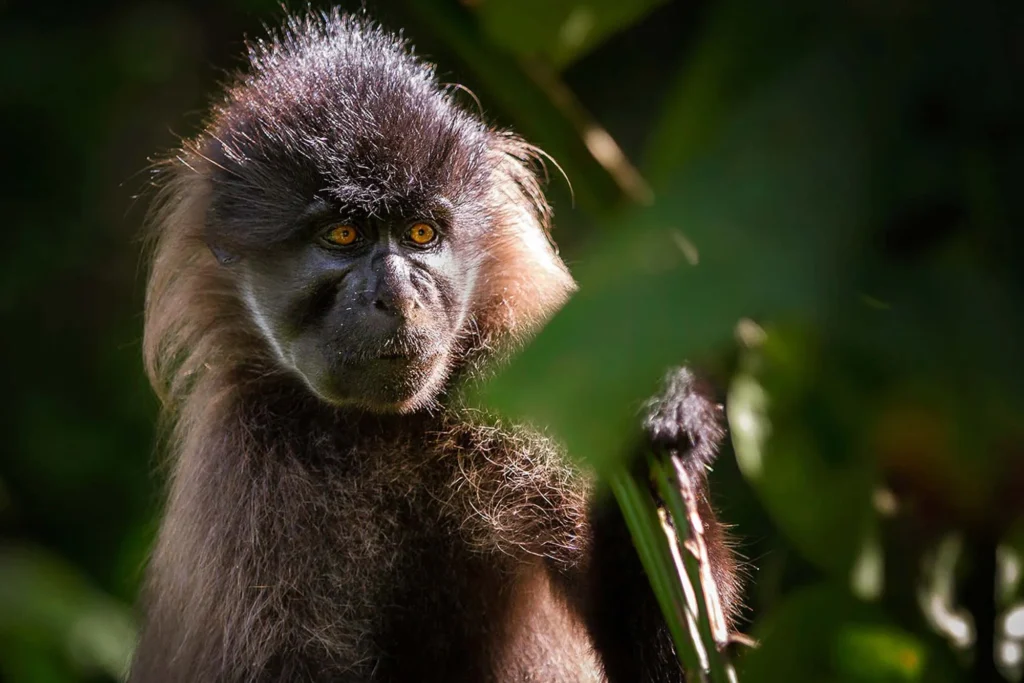
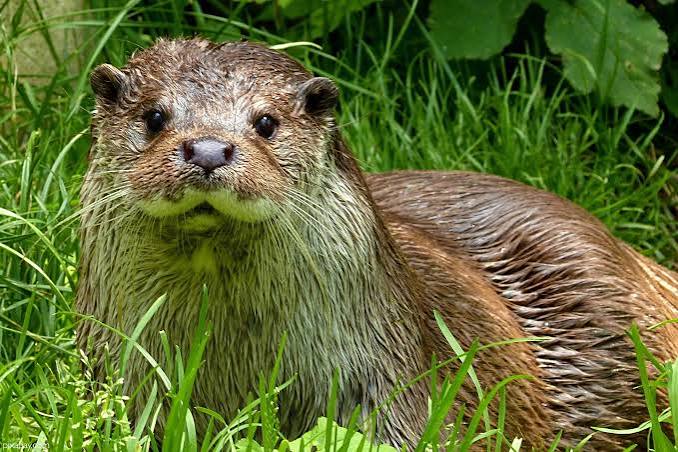
From value camps to premium lodges — we match every stay to your style and budget.
Budget accommodation in Cyangugu provides clean, comfortable rooms with essential amenities and easy access to Lake Kivu, local markets, and Nyungwe Forest National Park. These properties are ideal for backpackers, budget-conscious travellers, and overnight stopovers.
Mid-range hotels in Cyangugu offer comfortable accommodation, lake views, modern facilities, and warm Rwandan hospitality. They are an excellent choice for travellers exploring Lake Kivu, Nyungwe Forest National Park, and western Rwanda.
Luxury accommodation near Cyangugu features elegant rooms, exceptional dining, personalised service, wellness facilities, and spectacular views of Lake Kivu or the surrounding hills. These properties provide an ideal base for travellers seeking comfort while exploring Rwanda's southwest.
Every season has its magic — here's what to expect when, so you can travel at your perfect time.
Everything you need to know before you go — and we’ll guide you through every step.
Most international visitors can obtain a Visa on Arrival or apply online before travelling to Rwanda. Citizens of East African Community (EAC) member states can enter using a valid national ID or passport, making travel to Cyangugu simple and convenient.
The official currency is the Rwandan Franc (RWF). Major hotels, restaurants, and tour operators accept Visa and Mastercard, while carrying some cash is recommended for local markets, taxis, and small businesses
Cyangugu enjoys a warm tropical highland climate with pleasant temperatures throughout the year, typically ranging from 18°C to 28°C (64°F–82°F). The lakeside setting and surrounding hills create a comfortable environment for sightseeing and outdoor activities.
A yellow fever vaccination certificate may be required if arriving from or transiting through a country with a risk of yellow fever transmission. Comprehensive travel insurance is recommended, especially if combining your visit with activities in Nyungwe Forest National Park.
The easiest way to explore Cyangugu is by private vehicle, taxi, or guided tour. Boat cruises on Lake Kivu are available for visitors wishing to explore nearby islands and lakeside communities.
Pack lightweight clothing, comfortable walking shoes, a light jacket for cool evenings, sunscreen, insect repellent, a hat, sunglasses, a reusable water bottle, binoculars, and a camera. If visiting Nyungwe Forest National Park, waterproof hiking boots and a rain jacket are recommended.
The official languages are Kinyarwanda, English, French, and Swahili. English and French are widely spoken in hotels, tourism establishments, and business centres.
Central Africa Time (CAT) – UTC +2
Cyangugu is located in Rusizi District in Rwanda's Western Province, on the southern shores of Lake Kivu, near the border with the Democratic Republic of the Congo (DRC
Cyangugu is known for its beautiful Lake Kivu waterfront, relaxing atmosphere, boat cruises, and as the main gateway to Nyungwe Forest National Park, one of Africa's oldest rainforests.
The best time to visit is during the dry seasons (June–September and December–February) when the weather is ideal for boat trips, sightseeing, hiking, and excursions to Nyungwe Forest National Park.
cruises, chimpanzee trekking, the Nyungwe Canopy Walk, and guided tours require separate fees.
Non-resident adults: $80/person/day (24 hours). Children (3–17): $45/day. East African citizens: KES 1,200/adult. Conservancy fees vary ($80–$120/day) but include exclusive activities. All fees are included in Afrikan Accent Adventures packages.
A stay of 2–3 days is ideal for enjoying Lake Kivu, exploring the town, taking a boat cruise, and visiting nearby Nyungwe Forest National P
Visitors can encounter chimpanzees, L'Hoest's monkeys, Angolan black-and-white colobus monkeys, grey-cheeked mangabeys, blue monkeys, bushbuck, and over 320 bird species in nearby Nyungwe Forest National Park.
Popular activities include Lake Kivu boat cruises, kayaking, fishing, birdwatching, cultural tours, local market visits, lakeside walks, and day trips to Nyungwe Forest National Park.
Yes. Cyangugu is a family-friendly destination offering safe lakeside activities, scenic boat trips, cultural experiences, and easy access to nature. Families with older children can also enjoy selected activities in Nyungwe Forest National Park.
Yes. Cyangugu is commonly combined with Nyungwe Forest National Park, Lake Kivu, Karongi (Kibuye), Musanze, Volcanoes National Park, Akagera National Park, and Kigali for a diverse Rwanda itinerary featuring wildlife, nature, culture, and relaxation.
From a generator that switches off at ten to a Land Cruiser fitted with its own charging console,…
Read more →
A working checklist from a Nairobi ground operator on licensing, red flags and the questions that separate real…
Read more →
Both parks hold the same herds and the same rivers, but the border between them changes your budget,…
Read more →Tell us what you’d love to see and a local specialist will design a tailor-made itinerary around you — no obligation, reply within 24 hours.