

Destinations
Amboseli or Masai Mara? Here Is the Answer We Give Every Single Client
Two of Kenya's greatest parks. One safari budget. The decision matters more than most travellers realize, and it…
Read more →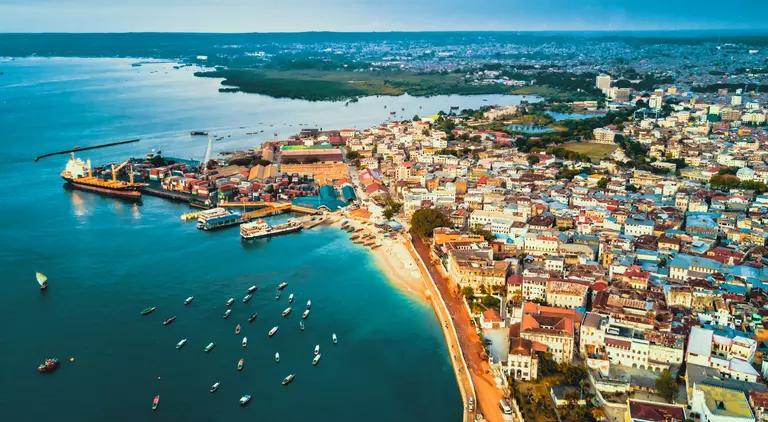
Africa's Spice Island — home to pristine white-sand beaches, turquoise Indian Ocean waters, centuries of Swahili heritage and world-class marine adventures. The ultimate tropical paradise and East Africa's most iconic beach destination.
Zanzibar, famously known as the “Land of Spices” or “Spice Island,” is one of Africa’s most enchanting tropical destinations, located in the warm waters of the Indian Ocean approximately 35 kilometres off the coast of mainland Tanzania. The archipelago forms part of the United Republic of Tanzania and consists primarily of Unguja Island (commonly referred to simply as Zanzibar), Pemba Island and dozens of smaller islands and coral islets scattered across the turquoise ocean.
For centuries, Zanzibar occupied a strategic position along the ancient Indian Ocean trade routes linking Africa, Arabia, Persia, India and later Europe. This rich trading heritage shaped the island’s unique identity, blending African, Arab, Indian, Persian and European influences into a fascinating cultural tapestry that is still visible today in its architecture, cuisine, traditions and language.
The island gained international fame during the 18th and 19th centuries as one of the world’s leading producers and exporters of cloves, nutmeg, cinnamon, cardamom, vanilla and black pepper. The fragrance of these spices continues to define the destination, earning Zanzibar its globally recognised nickname, “The Spice Island.” Visitors can still tour working spice plantations where they can see, touch, smell and taste the crops that transformed the island into one of the wealthiest trading centres in East Africa.
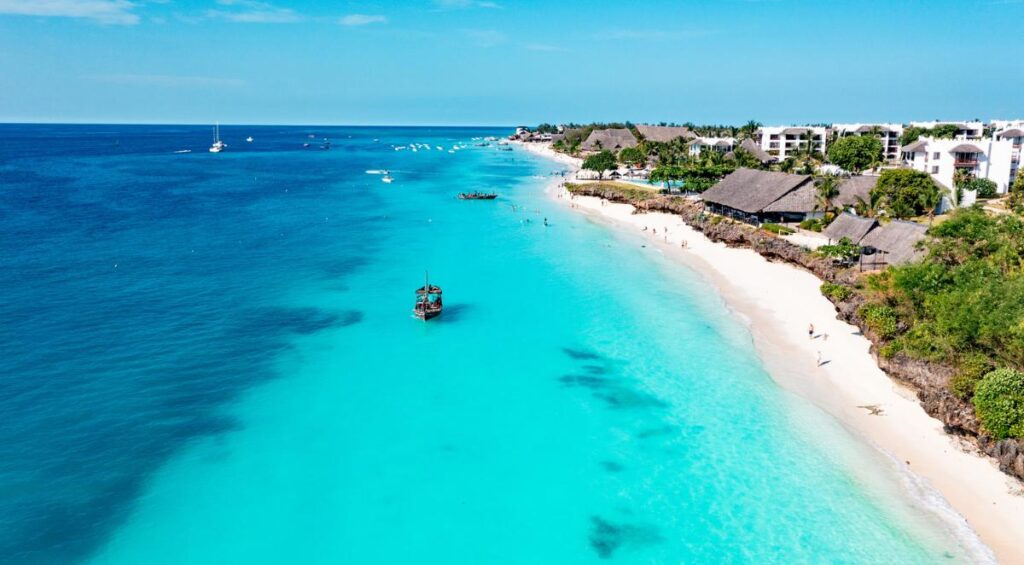
Beyond its history, Zanzibar is celebrated for its breathtaking coastline. The island boasts some of the finest beaches in Africa, featuring powder-white coral sand, swaying coconut palms and crystal-clear waters that shift between shades of turquoise and deep blue depending on the tide and sunlight. Northern beaches such as Nungwi and Kendwa offer calm swimming conditions throughout the day, while the eastern coastline around Paje and Jambiani attracts kite surfers and adventure travellers thanks to favourable winds and wide tidal flats.
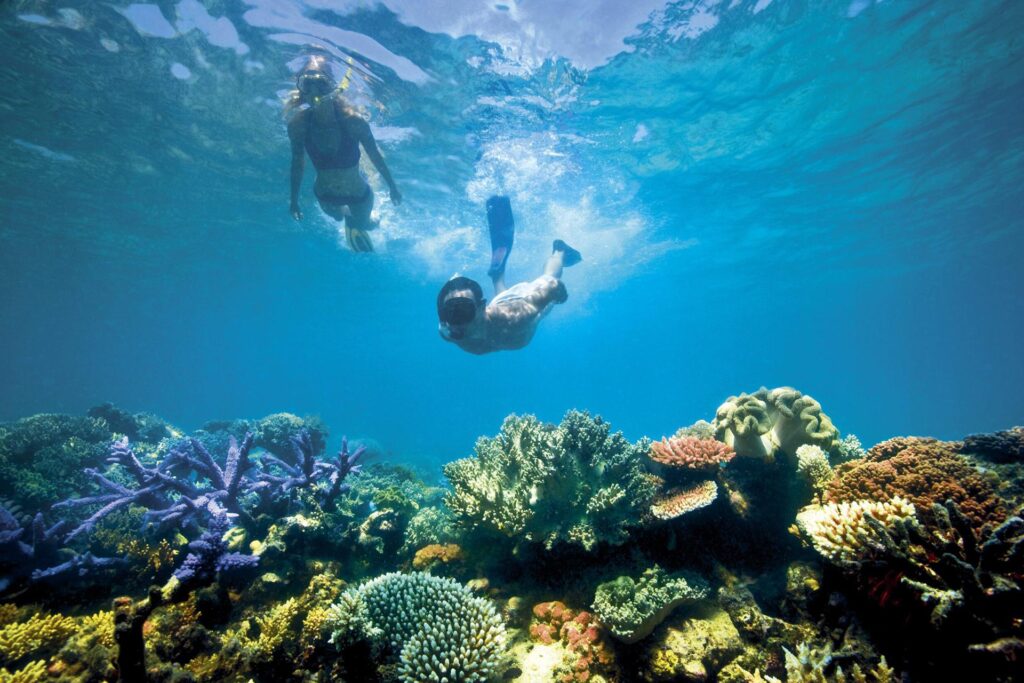
Marine life is another major attraction. The surrounding waters contain vibrant coral reefs and marine ecosystems that support hundreds of species of tropical fish, sea turtles, dolphins, rays and seasonal whale sharks. Snorkelling and diving around Mnemba Atoll are considered among the best underwater experiences in East Africa, drawing divers from around the world.
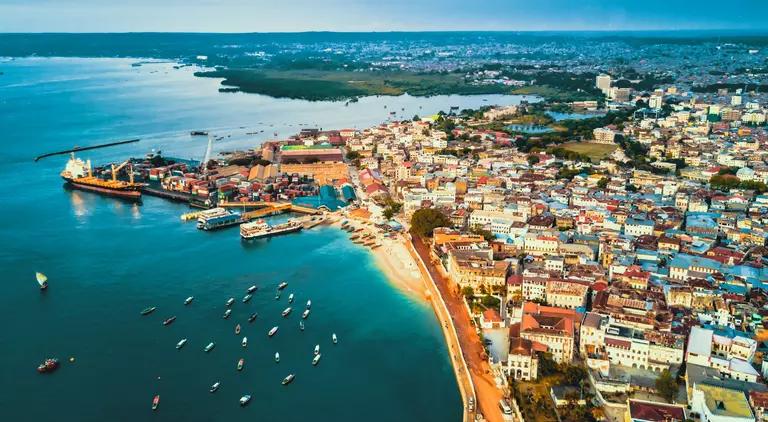
At the cultural heart of the island lies Stone Town, the historic old quarter and a UNESCO World Heritage Site. Its labyrinth of narrow alleyways, intricately carved wooden doors, bustling markets, mosques, palaces and centuries-old buildings tells the story of Zanzibar’s role as a centre of trade and cultural exchange. The town represents one of the best-preserved examples of Swahili coastal architecture in the world and remains one of the most important historical destinations in Africa.
Zanzibar has evolved into one of the continent’s premier beach holiday destinations and is frequently ranked among Africa’s best islands for luxury travel, honeymoons, diving holidays and family vacations. The island caters to every type of traveller, from backpackers seeking affordable beach lodges to ultra-luxury guests staying in exclusive private island resorts and five-star beachfront villas.
For safari travellers visiting Kenya or Tanzania, Zanzibar is widely regarded as the perfect beach extension after wildlife adventures in destinations such as the Maasai Mara, Serengeti, Ngorongoro Crater or Amboseli. The combination of world-class wildlife experiences followed by relaxation on Zanzibar’s idyllic beaches has become one of Africa’s most popular travel itineraries.
Today, Zanzibar continues to captivate visitors with its remarkable blend of natural beauty, rich cultural heritage, warm hospitality, exotic cuisine and unforgettable Indian Ocean scenery. Whether exploring ancient streets, diving among coral reefs, sailing aboard a traditional dhow at sunset or relaxing beneath palm trees on pristine beaches, Zanzibar delivers an experience unlike anywhere else in Africa.
Zanzibar combines pristine white beaches, world-class diving, rich Swahili heritage, UNESCO-listed architecture, spice plantations and luxury Indian Ocean resorts into one unforgettable destination. It is one of Africa's most sought-after beach extensions after a Kenyan or Tanzanian safari.
Located on the northern tip of Zanzibar, Nungwi Beach is widely regarded as the island's most famous beach and one of the…
Just south of Nungwi lies Kendwa Beach, a stunning stretch of coastline renowned for its calm waters and breathtaking sunsets over the…
The historic heart of Zanzibar, Stone Town is one of Africa's most important cultural and historical destinations. This UNESCO World Heritage Site…
Zanzibar earned its reputation as the "Spice Island" through centuries of producing cloves, cinnamon, nutmeg, vanilla, cardamom and black pepper. A visit…
Off the northeastern coast of Zanzibar lies Mnemba Atoll, considered one of the best snorkeling and diving destinations in East Africa. The…
Located a short boat ride from Stone Town, Prison Island is one of Zanzibar's most visited excursions. Despite its name, the island…
Situated on Zanzibar's southeast coast, Paje Beach has become one of Africa's premier kitesurfing destinations. Consistent trade winds, shallow lagoons and warm…
The fishing village of Kizimkazi is famous for dolphin excursions that provide opportunities to encounter bottlenose and humpback dolphins in their natural…


From value camps to premium lodges — we match every stay to your style and budget.
Comfortable tented camps just outside the reserve gates. En-suite rooms with hot showers, full-board meals, and close proximity to the Mara.
Spacious canvas tents on raised platforms with private decks, often inside or adjacent to conservancies. Better access and fewer crowds.
World-class lodges and exclusive camps in private conservancies. Night drives, bush walks, spa, and personalized service — the ultimate safari experience.
Every season has its magic — here's what to expect when, so you can travel at your perfect time.
Zanzibar earned the nickname "Land of Spices" or "Spice Island" because it was historically one of the world's leading producers of cloves and an important exporter of cinnamon, nutmeg, vanilla, cardamom and black pepper. During the 19th century, the islands became the center of the global clove trade under the Sultanate of Oman. Today, spice farming remains an important part of the local economy and culture and spice tours are among the island's most popular visitor experiences.
The best time to visit Zanzibar is during the dry seasons from June to October and from December to February. These months offer sunny weather, low humidity, calm seas and excellent conditions for beach holidays, diving, snorkeling and water sports. June to October is considered the peak tourism season, while April and May experience the heaviest rainfall and lower visitor numbers.
Most travelers spend between four and seven nights in Zanzibar to fully enjoy its beaches, historical attractions, marine activities and cultural experiences. Visitors combining Zanzibar with a Kenya or Tanzania safari typically spend three to five nights on the island, while honeymooners and beach holiday travelers often stay for a week or longer.
Yes. Zanzibar is widely regarded as East Africa's premier safari-and-beach combination destination. Many visitors travel to Zanzibar after exploring destinations such as the Maasai Mara, Serengeti, Ngorongoro Crater, Tarangire or Amboseli. The island provides the perfect opportunity to relax on tropical beaches after several days of game drives and wildlife viewing.
Since Zanzibar is part of Tanzania, visitors must comply with Tanzanian immigration requirements. Many nationalities can obtain a Tanzanian tourist visa upon arrival or apply online before travel. Travelers should also verify current entry requirements, passport validity rules and any mandatory travel insurance requirements before departure.
Zanzibar is generally considered one of the safest tourist destinations in East Africa. Major tourism areas such as Stone Town, Nungwi, Kendwa, Paje and Jambiani are well-developed and receive visitors from around the world throughout the year. Standard travel precautions are recommended, including safeguarding valuables, avoiding isolated areas late at night and respecting local customs and dress codes in villages and towns.
The official currency is the Tanzanian Shilling (TZS). However, US Dollars are widely accepted by hotels, tour operators and many tourism businesses, particularly for accommodation and excursions. Small shops, markets, local restaurants and public transport providers usually prefer payment in Tanzanian Shillings. Credit cards are accepted at many hotels and resorts, although additional transaction fees may apply.
Zanzibar offers a wide variety of activities including snorkeling, scuba diving, dolphin tours, sunset dhow cruises, spice plantation visits, kitesurfing, fishing trips, cultural tours and historical walks through Stone Town. Visitors can also explore coral reefs, enjoy luxury spa experiences, visit giant tortoises on Prison Island or simply relax on some of Africa's finest beaches.
Yes. Zanzibar is an excellent destination for families due to its safe beaches, warm climate, family-friendly resorts and wide range of activities suitable for all ages. Children particularly enjoy snorkeling, boat excursions, wildlife encounters and visits to spice farms and giant tortoise sanctuaries.
Zanzibar consistently ranks among Africa's leading honeymoon destinations thanks to its luxury beachfront resorts, private villas, romantic dhow cruises, candlelit beach dinners and spectacular sunsets. Many resorts offer honeymoon packages that include spa treatments, private excursions and exclusive dining experiences.
Tap water in Zanzibar is not considered safe for drinking by international visitors. Travelers are advised to drink bottled, filtered or purified water throughout their stay. Most hotels and resorts provide bottled water daily and refill stations are becoming increasingly common as part of sustainable tourism initiatives.
While beachwear is perfectly acceptable at resorts and beaches, Zanzibar has a predominantly Muslim population and visitors are encouraged to dress modestly when visiting villages, Stone Town, markets and cultural sites. Lightweight clothing that covers shoulders and knees is recommended outside resort areas, particularly when visiting religious or historical attractions.
Two of Kenya's greatest parks. One safari budget. The decision matters more than most travellers realize, and it…
Read more →
A photographic safari is not a regular game drive with a camera bag. It is a different discipline,…
Read more →
Five Kenyan properties reveal true eco safari Kenya practices, from electric fleets to zero-trace camps, where real accountability…
Read more →Tell us what you’d love to see and a local specialist will design a tailor-made itinerary around you — no obligation, reply within 24 hours.