

Planning & Tips
Wifi, Electricity and Charging on Safari: What Kenya’s Camps Actually Offer
From a generator that switches off at ten to a Land Cruiser fitted with its own charging console,…
Read more →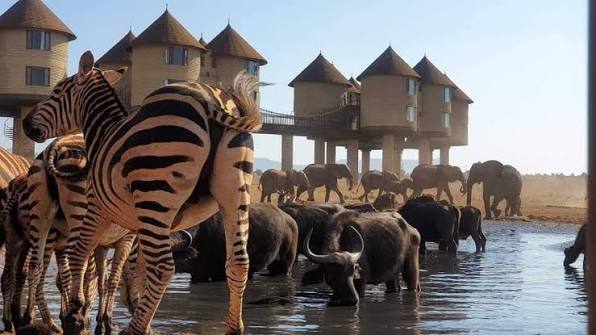
Kenya's crown jewel — home to the Big 5, the Great Wildebeest Migration, and the legendary Maasai people. The world's most spectacular wildlife destination.
There is a particular moment at Taita Hills Wildlife Sanctuary when the road rises out of the Tsavo plains and the landscape changes almost without warning. The red earth is still there, the acacia is still scattered across the horizon, but suddenly the Taita Hills appear around you, green slopes rising above the dry country. Somewhere below, an elephant is moving through the bush towards water, while the first light catches the tops of the hills.
We have driven into Taita Hills Wildlife Sanctuary many times and that transition never becomes ordinary. This is a part of Kenya where the scale of Tsavo meets the intimacy of a private wildlife sanctuary, where game drives can be followed by quiet evenings overlooking a waterhole and where the mountains give the landscape a character you do not get in the open plains further east.
Taita Hills Wildlife Sanctuary sits in Taita-Taveta County in southeastern Kenya, on the edge of the Tsavo ecosystem and close to Tsavo West National Park. The sanctuary covers approximately 28,000 acres, or about 113 square kilometres, and forms part of a wider wildlife landscape connecting Tsavo with neighbouring conservation areas. The official sanctuary describes the area as a mosaic of riverine forest, savanna woodland and grassland, surrounded by the biodiversity-rich Taita Hills.
What makes Taita Hills Wildlife Sanctuary different is the combination of wildlife, scenery and accessibility. It is close enough to Mombasa and Kenya’s coast to work as a short safari, yet wild enough to support elephants, lions, leopards, buffalo, cheetahs, giraffes, zebras and a wide range of antelope. More than 50 mammal species have been recorded, while the sanctuary’s official wildlife information records more than 390 bird species.
For travellers staying on the coast, Taita Hills Wildlife Sanctuary is one of the easiest ways to add a genuine wildlife experience to a beach holiday. For travellers already exploring Tsavo, it provides another perspective on the same enormous ecosystem: smaller, greener, more concentrated and with its own distinctive mountain backdrop.
Taita Hills Wildlife Sanctuary is a privately managed wildlife sanctuary in Taita-Taveta County, southeastern Kenya, covering approximately 28,000 acres or 113 square kilometres. Established in the early 1970s, the sanctuary lies on the edge of Tsavo West National Park and forms part of an important wildlife dispersal and migratory landscape. It is known for elephants, lions, leopards, buffalo, giraffes, zebras, diverse antelope and exceptional birdlife, as well as its dramatic Taita Hills scenery.
Location: Taita-Taveta County, southeastern Kenya, on the southern edge of the Tsavo ecosystem
Size: Approximately 28,000 acres / 113 square kilometres
Established: Early 1970s; conservation records commonly identify 1972 as the establishment year
Management: Privately managed wildlife sanctuary
Distance from Mombasa: Approximately 220 kilometres by road, depending on the route and starting point
Distance from Nairobi: Approximately 370 kilometres by road
Elevation: Around 1,200 metres above sea level in parts of the sanctuary
Known for: Elephants, lions, leopards, buffalo, cheetahs, giraffes, zebra, diverse antelope, birdlife and mountain scenery
Neighbouring protected area: Tsavo West National Park
Wider ecosystem: Tsavo Conservation Area and surrounding Taita-Taveta wildlife conservancies
Main accommodation: Salt Lick Safari Lodge and Taita Hills Safari Resort & Spa
Best suited for: Short safaris from the coast, family safaris, couples, photographers and travellers combining Tsavo with coastal Kenya
The sanctuary covers a mosaic of habitats including riverine forest, savanna woodland and grassland, creating a surprisingly varied wildlife environment within a relatively compact area.
Taita Hills Wildlife Sanctuary may be smaller than Tsavo East or Tsavo West, but its wildlife concentration is one of the reasons it works so well for shorter safaris. The sanctuary’s official wildlife records list 56 mammal species, including elephant, lion, buffalo, giraffe, eland, oryx, lesser kudu, zebra, hartebeest, wildebeest, impala, dik-dik, waterbuck, gazelle, cheetah and leopard.
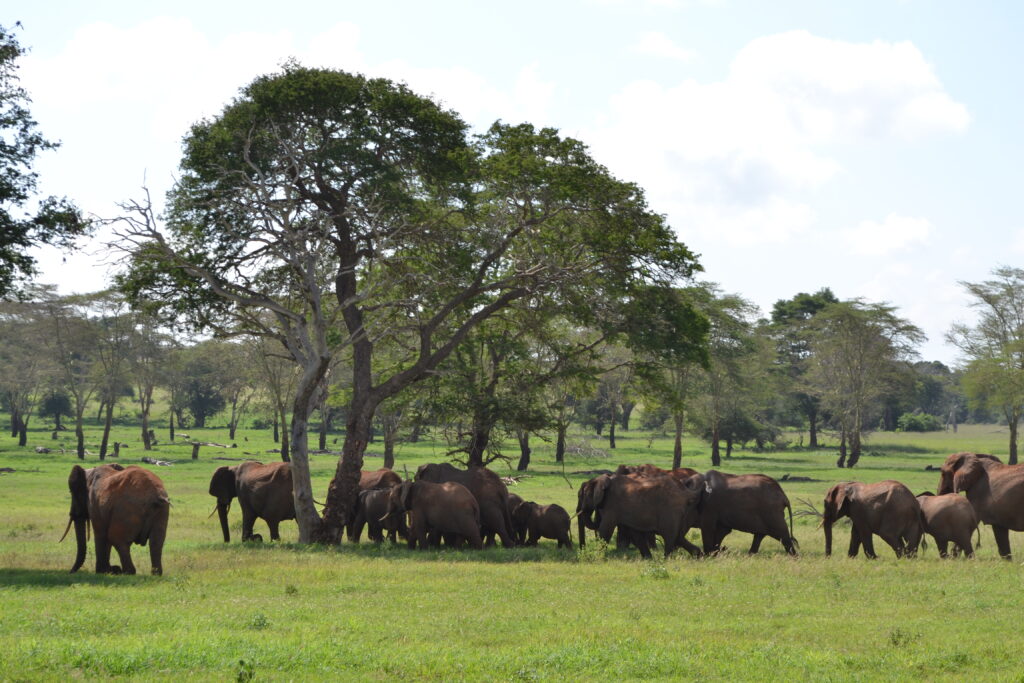
Elephants are among the most memorable animals in Taita Hills Wildlife Sanctuary. They move through the sanctuary’s woodland and open areas, sometimes appearing close to the roads and sometimes disappearing into thicker vegetation. Their movements are closely linked to water, vegetation and seasonal conditions, making early morning and late afternoon game drives particularly rewarding.
Lion are also present, and the combination of woodland, grassland and water sources gives predators several habitats in which to hunt. Leopard sightings require more patience because these cats are naturally secretive, but the sanctuary’s varied vegetation provides suitable habitat for them.
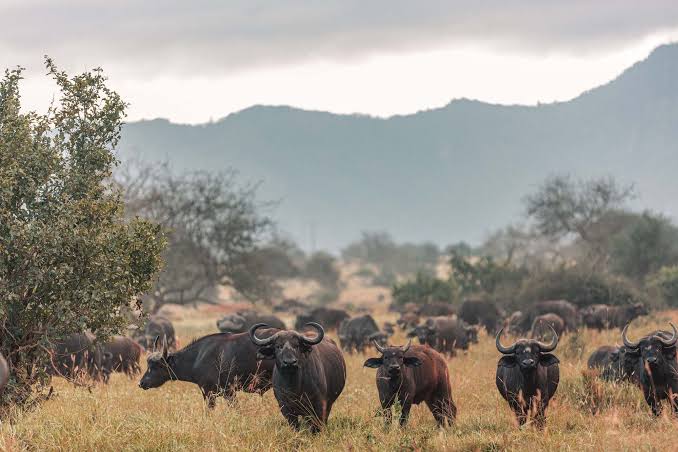
Buffalo are common across the wider Tsavo ecosystem and can be encountered in herds or smaller groups. Giraffes browse above the lower vegetation while zebra, wildebeest, hartebeest, impala and waterbuck use the open grassland and woodland edges.
Cheetah are another possible sighting, particularly where open ground provides enough visibility for hunting. Smaller antelope, including lesser kudu and dik-dik, reward guests who slow down and look beyond the larger animals.
QUICK ANSWER | What animals can you see in Taita Hills Wildlife Sanctuary?
Taita Hills Wildlife Sanctuary is home to elephants, lions, leopards, buffalo, cheetahs, giraffes, zebras, wildebeest, hartebeest, eland, oryx, lesser kudu, impala, waterbuck, gazelles, dik-dik and many other species. The sanctuary records more than 50 mammal species and more than 390 bird species.
Elephants are one of the defining wildlife experiences in Taita Hills Wildlife Sanctuary. The sanctuary was established in the early 1970s partly to protect elephants, and the species remains central to its conservation story.
The elephants here move through a landscape that changes from dense woodland to open grassland and riverine vegetation. During dry periods, water becomes an especially important factor in determining where elephants and other wildlife congregate.
For photographers, Taita Hills Wildlife Sanctuary offers a particularly interesting setting for elephant photography. The animals can be framed against red soil, green vegetation, rocky hills or the open Tsavo landscape, producing images that look very different from the classic elephant photographs taken on the open plains.
Taita Hills Wildlife Sanctuary is not only a destination for large mammals. Birdwatching is one of the quieter strengths of the sanctuary, with more than 390 bird species recorded according to the sanctuary’s current information.
The combination of woodland, grassland, riverine vegetation and surrounding mountains creates a variety of habitats for resident birds, intra-African migrants and Palearctic migrants.
The Taita Hills themselves are part of the Eastern Arc mountain system, a region internationally recognised for exceptional biodiversity and endemic species. This makes the wider Taita landscape especially interesting to specialist birdwatchers and naturalists.
A game drive through Taita Hills Wildlife Sanctuary can therefore become two safaris in one: a search for elephants, lions and antelope on the ground, followed by a slower search for raptors, woodland birds and smaller species in the trees.
Game drives are the main activity in Taita Hills Wildlife Sanctuary. Morning drives begin early, when temperatures are cooler and many animals are active. Afternoon drives continue into the evening and are particularly good for watching animals become more active as the heat begins to fade.
Because Taita Hills Wildlife Sanctuary is relatively compact, guests can spend less time covering enormous distances and more time observing wildlife. This makes the sanctuary particularly suitable for two-day or three-day safari itineraries from the Kenyan coast.
The combination of established tracks, varied habitats and concentrated wildlife means that even a short game drive can produce a rewarding sequence of sightings.
Elephant viewing deserves its own place on a Taita Hills Wildlife Sanctuary itinerary. Herds can be encountered moving between feeding areas and water sources, with the hills providing a dramatic backdrop.
The best elephant sightings are never guaranteed, of course, but the sanctuary’s history of elephant conservation and its position within the wider Tsavo ecosystem make the species an important part of the experience.
Lion, leopard and cheetah are all part of the Taita Hills Wildlife Sanctuary wildlife experience. Predator sightings require patience and good guiding because these animals can cover large areas and are often most active during cooler periods.
Morning and late afternoon game drives offer the best general conditions for searching for predators. A professional safari guide will also read tracks, alarm calls, fresh kills and the behaviour of prey species to determine where predators may be active.
Taita Hills Wildlife Sanctuary is an excellent destination for wildlife photography because the landscape provides more than one background.
Elephants can appear against the Taita Hills. Giraffes can be photographed among acacias. Zebra and antelope stand out against the dry grass, while early morning light creates strong contrasts between the red earth and green vegetation.
The sanctuary’s relatively compact size also means photographers can spend more time with individual sightings rather than spending the majority of the day driving between distant areas.
Birdwatching can be incorporated into ordinary game drives or planned as a more specialised activity. The sanctuary’s more than 390 recorded bird species make it worthwhile for both experienced birders and travellers who simply want to slow the safari down and notice the smaller life around them.
A sundowner in Taita Hills Wildlife Sanctuary is less about ticking off an activity and more about allowing the landscape to take over.
As the sun drops behind the hills, the temperature falls and the colours of the sanctuary change. On a clear evening, the surrounding mountains create a dramatic silhouette while the plains below become increasingly quiet.
Where permitted and arranged by the lodge or safari operator, a sundowner can be one of the simplest and most memorable additions to a Taita Hills Wildlife Sanctuary safari.
Early morning bush breakfasts can be arranged as part of some safari itineraries, subject to the rules and arrangements of the sanctuary and accommodation provider.
The appeal is straightforward: rather than returning immediately to the lodge after the first game drive, guests stop in a suitable location for breakfast while the landscape is still cool and active.
Taita Hills Wildlife Sanctuary has an active conservation programme focused on maintaining wildlife habitat and ecological integrity. Current sanctuary projects include vegetation restoration, tree planting, habitat monitoring, wildlife counts and anti-poaching surveillance.
Guests can therefore see the sanctuary not simply as a place where wildlife is displayed, but as a working conservation landscape where habitat restoration and wildlife protection are ongoing.
One of the less obvious reasons to visit Taita Hills Wildlife Sanctuary is its ecological setting.
The Taita Hills form part of the Eastern Arc mountain system, an area recognised for its exceptional biodiversity and high levels of endemic plant and animal species. The sanctuary sits within this wider ecological landscape while also bordering the much larger Tsavo ecosystem.
That combination creates an unusual meeting point between mountain biodiversity and classic East African savanna wildlife.
You can therefore spend the morning watching elephants on the plains and later find yourself looking into forested hills containing plant and bird species associated with a completely different ecological environment.
Taita Hills Wildlife Sanctuary sits directly on the edge of Tsavo West National Park and forms part of a wider wildlife landscape in which animals move between protected and conservation areas.
The sanctuary describes itself as an important dispersal and migratory area between Tsavo East and Tsavo West, giving it significance beyond its relatively small size.
This relationship is one of the reasons we often recommend combining Taita Hills Wildlife Sanctuary with Tsavo West rather than treating either destination as an isolated experience.
Tsavo West offers a much larger wilderness landscape, while Taita Hills provides a more concentrated wildlife experience with mountain scenery and intimate lodge settings.
Tsavo West National Park is considerably larger and offers a broader wilderness experience, while Taita Hills Wildlife Sanctuary is smaller and more concentrated.
If your priority is covering a large wilderness area, exploring Mzima Springs and experiencing the scale of Tsavo, Tsavo West deserves more time.
If your priority is a short safari with reliable opportunities to see elephants, lions, giraffes and other plains wildlife while staying in a distinctive lodge environment, Taita Hills Wildlife Sanctuary can be an excellent choice.
Many travellers do both.
A two- or three-night itinerary can combine Tsavo West with Taita Hills Wildlife Sanctuary, allowing guests to experience both the national park and the private sanctuary environment.
Tsavo East is famous for its enormous scale, red-earth landscapes and large elephant herds. Taita Hills Wildlife Sanctuary offers a smaller and greener environment with a strong mountain backdrop.
Tsavo East is ideal for travellers who want a vast wilderness experience and long game drives across a huge protected landscape.
Taita Hills Wildlife Sanctuary is better suited to travellers with limited time, particularly those beginning or ending their safari on the Kenyan coast.
The two destinations can also work together as part of a longer Tsavo safari.
Amboseli is famous for its views of Mount Kilimanjaro and large elephant herds. Taita Hills Wildlife Sanctuary offers a completely different mountain setting, with the Taita Hills surrounding a mosaic of woodland, grassland and riverine habitat.
If the classic Kilimanjaro photograph is your priority, Amboseli is the obvious choice.
If you want a quieter destination closer to the coast, with varied wildlife and a less familiar mountain landscape, Taita Hills Wildlife Sanctuary is worth considering.
The Masai Mara remains Kenya’s destination for exceptional predator density, huge open plains and the annual wildebeest migration.
Taita Hills Wildlife Sanctuary offers something else: a shorter, more intimate safari experience that can be combined easily with a coastal holiday.
The Masai Mara requires more travel time from the Kenyan coast, while Taita Hills Wildlife Sanctuary can be incorporated into a coastal itinerary without requiring travellers to cross the entire country.
For guests staying in Mombasa, Diani, Watamu or Malindi, that difference matters.
The wildlife is only part of the story.
Taita Hills Wildlife Sanctuary is surrounded by a mountainous landscape that rises dramatically from the lower Tsavo plains. The sanctuary itself reaches elevations of around 1,200 metres in parts, while the wider Taita Hills contain much higher peaks.
The result is a safari landscape of contrasts.
There are dry open plains, dense woodland, seasonal river systems, green pockets of vegetation and steep hills rising in the distance.
On clear days, the wider landscape can also provide views towards Mount Kilimanjaro and the Pare and Uluguru mountain ranges.
This makes Taita Hills Wildlife Sanctuary particularly attractive to photographers who want more than a flat savanna background.
Conservation is central to the identity of Taita Hills Wildlife Sanctuary.
The sanctuary’s stated mission is to balance wildlife and biodiversity conservation with sustainable tourism and regional benefits.
That work includes wildlife monitoring, daily security patrols, de-snaring operations and habitat restoration.
The sanctuary conducts wildlife road counts and annual ground counts to monitor the distribution of animals during different seasons.
Habitat restoration is another important part of the work. Elephant pressure, prolonged dry periods and changes in water flow have affected vegetation in some areas. The sanctuary has therefore established electric exclusion enclosures to allow vegetation to regenerate, including restoration areas around the Bura and Salt Lick sections.
The sanctuary also encourages tree planting and environmental awareness among visitors and surrounding communities.
Responsible tourism in Taita Hills Wildlife Sanctuary begins with respecting the wildlife and the landscape.
Guests should remain inside the vehicle during game drives unless their guide and sanctuary regulations specifically permit otherwise. Wildlife should never be approached too closely, fed or deliberately disturbed.
Photography should be conducted without flash where it could disturb animals, and drivers should avoid blocking wildlife movement or crowding sightings.
The sanctuary’s conservation team also carries out anti-poaching patrols and de-snaring work, making visitor support for conservation particularly important.
Choosing accommodation and safari operators that contribute to the conservation economy helps ensure that tourism remains part of the long-term protection of Taita Hills Wildlife Sanctuary.
Accommodation is one of the distinctive parts of the Taita Hills Wildlife Sanctuary experience.
The sanctuary’s two principal lodge properties are Salt Lick Safari Lodge and Taita Hills Safari Resort & Spa. The official sanctuary information lists 96 rooms at Salt Lick and 60 standard rooms at Taita Hills Safari Resort & Spa.
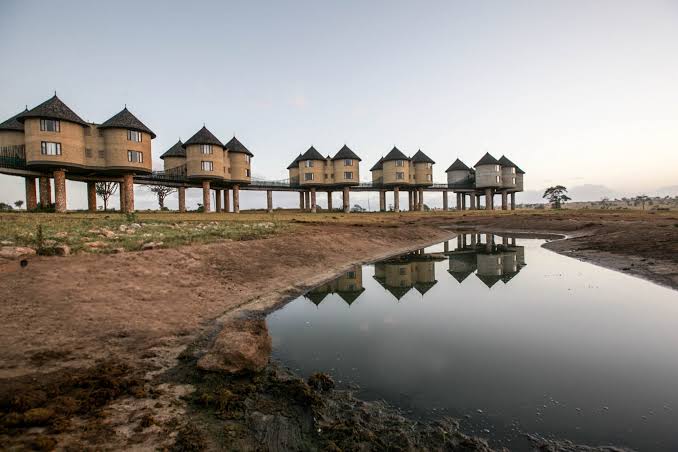
Salt Lick Safari Lodge is one of Kenya’s most recognisable safari lodges, built on stilts above the sanctuary landscape. The lodge has 96 rooms arranged across two levels, with en-suite bathrooms and hot and cold running water.
Its elevated design gives guests a distinctive perspective over the surrounding wildlife environment, and the lodge’s waterhole is one of the attractions for guests interested in watching animals without immediately getting into a safari vehicle.
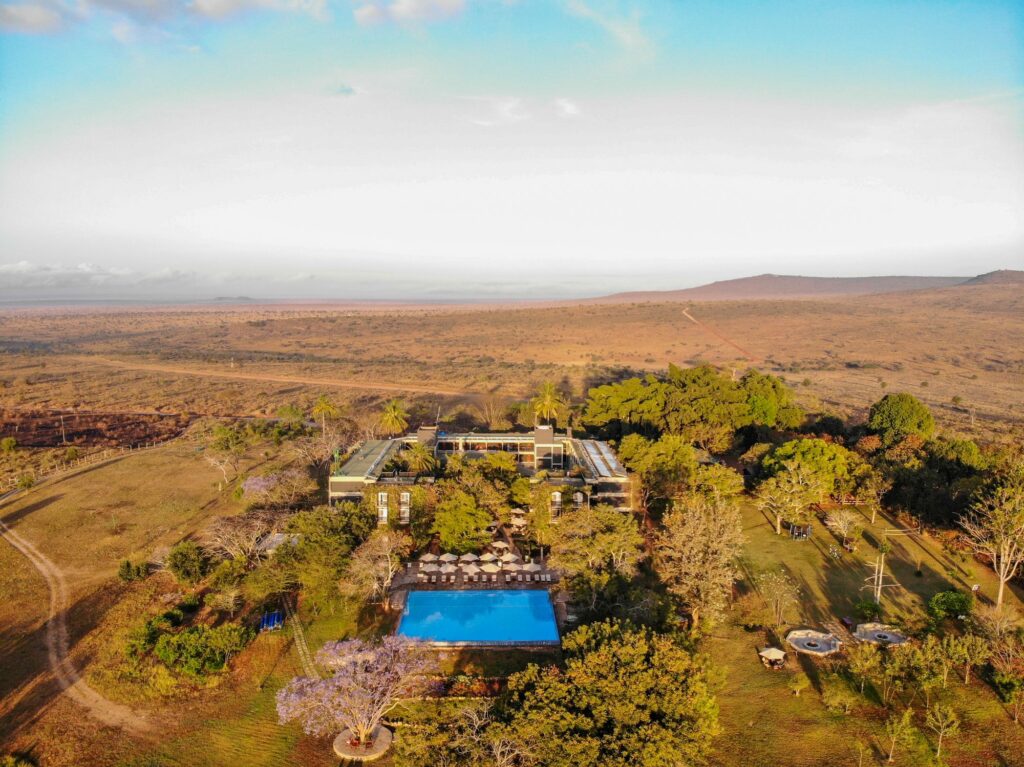
Taita Hills Safari Resort & Spa provides a more conventional resort-style accommodation experience while remaining inside the wildlife sanctuary.
The property has 60 standard rooms, with views over the surrounding gardens and, in some rooms, towards the watering hole.
It is particularly suitable for families, couples and travellers who want to combine safari activities with resort facilities.
Unlike a huge national park where multiple gates may determine an entire itinerary, access to Taita Hills Wildlife Sanctuary is generally planned around the accommodation and the approach from the surrounding road network.
The sanctuary is located along the Taita-Mwatate/Taveta road area west of the main A23 corridor, with access routes linking the sanctuary to the wider Tsavo region. The sanctuary’s official contact information places it within the Tsavo National Park and Taita Hills area, west of road A23.
For a safari arranged through Afrikan Accent Adventures, we normally plan the entrance and routing around where you are staying, where you are coming from and whether Taita Hills Wildlife Sanctuary is being combined with Tsavo East, Tsavo West or the coast.
The most practical approach for many travellers is by road from Mombasa.
The journey is approximately 220 kilometres, depending on the exact starting point and route, and takes several hours. This makes Taita Hills Wildlife Sanctuary particularly convenient for travellers staying on the Kenyan coast.
A road safari also allows the journey to become part of the itinerary rather than simply a transfer.
Guests can travel from Mombasa towards Voi and then continue towards the Taita Hills area, with the changing landscape gradually shifting from coastal country to the dry Tsavo plains and finally the greener hills.
Travellers starting in Diani or elsewhere on Kenya’s south coast can combine Taita Hills Wildlife Sanctuary with a coastal holiday particularly easily.
A common arrangement is to leave the beach in the morning, drive inland and arrive in the Taita Hills area in time for an afternoon game drive.
This makes the sanctuary a strong option for a three-day or four-day safari extension from the coast.
Taita Hills Wildlife Sanctuary is approximately 370 kilometres south of Nairobi by road.
For travellers beginning in Nairobi, the sanctuary can be incorporated into a longer southern Kenya safari covering Amboseli, Tsavo East, Tsavo West and the coast.
Taita Hills Wildlife Sanctuary has a private airstrip serving the sanctuary area, making flying an option for travellers who want to reduce road travel. The sanctuary has also identified its private airstrip as part of its operational infrastructure.
Air travel is particularly useful for guests combining Taita Hills Wildlife Sanctuary with other safari destinations or returning to Nairobi after a short safari.
As with all light-aircraft safari flights, baggage allowances and schedules should be confirmed at the time of booking.
Road travel is generally the better choice if you are travelling from Mombasa, Diani or the surrounding coast and want to keep the safari cost under control.
Flying makes more sense if you are combining Taita Hills Wildlife Sanctuary with destinations that are far apart or if you want to maximise your time inside the sanctuary.
For most coast-based travellers, however, driving is part of the appeal. The transition from the Indian Ocean coast to the dry Tsavo country and finally the Taita Hills is a visual journey in itself.
Taita Hills Wildlife Sanctuary has a warmer climate than Kenya’s central highlands but can feel noticeably cooler than the surrounding Tsavo plains because of its elevation.
Temperatures vary according to altitude, season and time of day. Early morning game drives can feel cool, particularly during the dry season, while afternoons can become warm.
Rainfall follows the broader southeastern Kenya pattern, with wetter periods generally occurring around the long and short rains.
The rains transform the sanctuary. Dry grass becomes greener, trees regain foliage and bird activity increases.
During drier periods, water becomes more important to wildlife movement and game viewing can become more predictable around water sources.
The best approach is therefore to think of Taita Hills Wildlife Sanctuary as a year-round safari destination rather than a place that only works during one season.
The dry periods are generally excellent for wildlife viewing because vegetation becomes thinner and animals are more likely to concentrate around reliable water sources.
June to October is particularly attractive for travellers combining a Taita Hills Wildlife Sanctuary safari with other Kenyan destinations.
January and February can also offer good wildlife conditions, although temperatures can be high.
The wetter months bring a different experience. The landscape becomes greener, bird activity increases and the hills can look particularly beautiful after rain.
For photographers, the green season can be especially rewarding because the contrast between vegetation, red earth and the surrounding mountains becomes more pronounced.
QUICK ANSWER | What is the best time to visit Taita Hills Wildlife Sanctuary?
Taita Hills Wildlife Sanctuary can be visited throughout the year. The drier months generally provide easier wildlife viewing, while the wetter periods offer greener landscapes, increased bird activity and fewer visitors. The best month depends on whether your priority is wildlife concentration, photography, birdwatching or combining the sanctuary with other Kenyan destinations.
The current sanctuary entry fee listed by Taita Hills Wildlife Sanctuary is USD 40 per non-resident adult and USD 20 per non-resident child aged 5 to 11 years. East African residents are currently charged KSh 600 per adult and KSh 300 for children aged 5 to 11. The sanctuary gate is listed as opening at 06:00 and closing at 18:00.
There is also a vehicle entry charge. The current sanctuary schedule lists USD 5 per vehicle per night for vehicles carrying 4 to 12 seats, with higher rates for larger vehicles. Aircraft and helicopter landing charges are also listed separately.
Because sanctuary fees can change, we recommend confirming the current rate when finalising your safari quotation.
For Afrikan Accent Adventures packages, sanctuary entry fees can be incorporated into the safari quotation so guests have a clearer picture of the total trip cost before travelling.
The current listed entry fee is USD 40 for a non-resident adult and USD 20 for a non-resident child aged 5 to 11. East African residents currently pay KSh 600 per adult and KSh 300 per child. Vehicle entry fees are charged separately according to vehicle capacity.
Two nights is enough for a short introduction to Taita Hills Wildlife Sanctuary.
A two-night stay allows for an afternoon game drive on arrival, a full day of morning and afternoon game viewing and a final morning activity before departure.
Three nights is our preferred recommendation for travellers who want to experience the sanctuary without rushing.
Three nights allow more time for wildlife photography, birdwatching, multiple game drives and a slower lodge experience.
Four nights or more makes sense when Taita Hills Wildlife Sanctuary is combined with Tsavo West, Tsavo East or a longer coastal itinerary.
For guests travelling from Mombasa or Diani, two or three nights is often the ideal balance.
QUICK ANSWER | How many days do you need in Taita Hills Wildlife Sanctuary?
Two nights is enough for a short safari, while three nights is our usual recommendation for travellers who want multiple game drives and enough time to experience the sanctuary at a relaxed pace. Four or more nights works well when combining Taita Hills Wildlife Sanctuary with Tsavo East, Tsavo West or other southern Kenya destinations.
Taita Hills Wildlife Sanctuary offers a different kind of Kenya safari.
It is not as enormous as Tsavo East.
It does not have the migration spectacle of the Masai Mara.
It does not have the iconic Kilimanjaro backdrop of Amboseli.
Instead, Taita Hills Wildlife Sanctuary combines several things that are difficult to find together: a strong population of classic safari wildlife, a compact private sanctuary, mountain scenery, excellent lodge-based wildlife viewing and easy access from the Kenyan coast.
For travellers staying in Mombasa or Diani, that combination is particularly valuable.
You can leave the beach in the morning and be watching elephants in the afternoon.
For repeat Kenya visitors, Taita Hills Wildlife Sanctuary also provides a quieter alternative to the country’s most heavily visited safari destinations.
The cost of a Taita Hills Wildlife Sanctuary safari depends mainly on accommodation, season, number of nights, vehicle type and whether the safari is combined with Tsavo East, Tsavo West or the coast.
A short road safari from Mombasa using a mid-range or standard lodge can be considerably more affordable than a fly-in luxury safari.
Luxury accommodation, private vehicles and longer stays naturally increase the overall cost.
For a practical planning range, travellers should budget according to the level of accommodation they want rather than relying on one fixed Taita Hills Wildlife Sanctuary price.
A safari package can include accommodation, meals, private 4×4 safari vehicle, professional driver-guide, sanctuary entry fees, game drives and transfers.
Flying adds another cost but can make sense when time is limited.
QUICK ANSWER | How much does a Taita Hills Wildlife Sanctuary safari cost?
Taita Hills Wildlife Sanctuary safari prices vary according to accommodation, season, transport and itinerary length. Road safaris from the coast are generally the most economical option, while fly-in safaris and premium accommodation cost more. A personalised quotation is the best way to determine the exact cost because sanctuary fees, lodge rates and transport requirements vary by travel date.
We build Taita Hills Wildlife Sanctuary into several types of Kenya safari.
A 2-day Taita Hills safari works well for travellers based in Mombasa or Diani who want a quick wildlife escape.
A 3-day Taita Hills safari gives guests enough time for several game drives and a more relaxed stay.
A 4-day Taita Hills and Tsavo West safari allows travellers to combine the sanctuary’s concentrated wildlife experience with the larger wilderness of Tsavo West.
A 5-day Tsavo safari can combine Taita Hills Wildlife Sanctuary, Tsavo West and Tsavo East into one southern Kenya circuit.
For guests with longer holidays, we can combine Taita Hills Wildlife Sanctuary with Amboseli, the Kenyan coast, Nairobi or other safari destinations.
The right itinerary depends on whether wildlife, photography, relaxation, budget or the overall route is the priority.
Accommodation inside Taita Hills Wildlife Sanctuary allows guests to remain close to the wildlife throughout their stay.
Salt Lick Safari Lodge and Taita Hills Safari Resort & Spa are the sanctuary’s principal accommodation properties, offering two different styles of safari stay.
The choice between the two depends on the kind of experience you want.
Salt Lick is ideal for travellers looking for an iconic elevated safari-lodge atmosphere and easy access to wildlife viewing around the lodge.
Taita Hills Safari Resort & Spa is better suited to guests who want a broader resort experience, including garden surroundings, a swimming pool and a more conventional hotel layout.
Taita Hills Wildlife Sanctuary works particularly well for family safaris because the journey from the coast is manageable and the wildlife experience can be enjoyed without spending every day on extremely long game drives.
Children can see elephants, giraffes, zebras, buffalo and antelope at relatively close range while learning about the wider Tsavo ecosystem.
The lodge environment also provides a comfortable base between game drives.
For families travelling from the coast, we normally recommend a private 4×4 safari vehicle so the daily schedule can be adapted around the family’s pace.
For couples, Taita Hills Wildlife Sanctuary offers a natural combination of wildlife and relaxation.
A morning game drive can be followed by a leisurely breakfast, time at the lodge and an afternoon safari.
The hills and surrounding wilderness also create a more intimate atmosphere than some of Kenya’s larger and busier safari destinations.
A two- or three-night stay works particularly well as a romantic safari extension to a beach holiday in Diani or Mombasa.
Photographers should consider Taita Hills Wildlife Sanctuary for the variety of backgrounds available within a relatively compact area.
The sanctuary combines red soil, green vegetation, woodland, open grassland, waterholes and mountains.
Elephants are especially photogenic against the hills, while giraffes and zebra provide strong subjects in open areas.
Early morning and late afternoon remain the best general periods for natural light, with softer shadows and warmer tones.
One of the strongest reasons to visit Taita Hills Wildlife Sanctuary is its proximity to the coast.
Travellers staying in Mombasa, Diani or other coastal destinations can add a short safari without committing to the longer travel required to reach the Masai Mara.
This makes Taita Hills Wildlife Sanctuary particularly useful for beach-and-safari holidays.
A typical itinerary might begin with several nights on the coast, followed by two or three nights in Taita Hills Wildlife Sanctuary and then a return to the beach or onward travel.
For travellers arriving in Kenya specifically for a coastal holiday, this is one of the easiest ways to experience a genuine inland safari.
Taita Hills Wildlife Sanctuary exists because of conservation, and responsible tourism remains central to its future.
The sanctuary conducts wildlife monitoring, security patrols and de-snaring activities, while habitat restoration projects address the effects of prolonged dry periods, elephant pressure and changes in riverine vegetation.
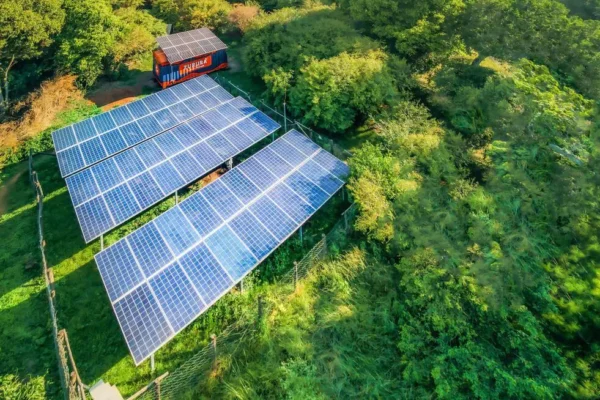
The sanctuary has also established tree-planting and vegetation recovery initiatives. One current approach is the use of solar-powered electric enclosures to protect regenerating vegetation from large herbivores and allow woodland and riparian habitat to recover.
For guests, responsible tourism is simple.
Respect the wildlife.
Stay on approved tracks.
Listen to the guide.
Avoid excessive noise.
Do not feed animals.
Do not leave waste behind.
Support conservation initiatives where possible.
A Taita Hills Wildlife Sanctuary safari should leave the landscape exactly as wild as the guest found it.
Taita Hills Wildlife Sanctuary is one of southern Kenya’s most accessible wildlife destinations and one of the easiest places to combine a safari with a beach holiday.
From elephants moving beneath the hills to giraffes crossing open grassland, from lions resting in the shade to birds moving through the woodland, the sanctuary packs an impressive amount of wildlife into a relatively compact landscape.
Its location beside Tsavo West gives it an important role in the wider Tsavo ecosystem, while its position within the Taita Hills adds a mountain dimension that makes the landscape visually different from the open plains of Tsavo East.
For guests staying on the Kenyan coast, Taita Hills Wildlife Sanctuary can be the perfect two- or three-night escape.
For travellers planning a longer Kenya safari, it can become part of a southern circuit connecting Taita Hills, Tsavo West, Tsavo East and Amboseli.
And for repeat visitors who have already experienced the Masai Mara, Taita Hills Wildlife Sanctuary offers something different: a quieter safari, concentrated wildlife, dramatic scenery and the chance to experience one of Kenya’s most important private conservation landscapes.
At Afrikan Accent Adventures, we build Taita Hills Wildlife Sanctuary safaris around your travel dates, accommodation preference and budget, with private 4×4 safari vehicles, professional guides and flexible itineraries available.
Taita Hills Wildlife Sanctuary is not simply a stop between the coast and Tsavo.
For many travellers, it is where the safari begins to feel personal.
Discover an exclusive safari destination where elephants roam beneath rolling hills and luxury lodges overlook some of Kenya's busiest wildlife waterholes.
Taita Hills Wildlife Sanctuary forms part of the greater Tsavo elephant ecosystem and offers excellent opportunities to observe large elephant herds moving…
One of Africa's most photographed safari lodges, Salt Lick Safari Lodge stands elevated on stilts overlooking a busy waterhole that attracts wildlife…
The sanctuary supports healthy populations of lions, leopards, cheetahs, hyenas and jackals. The open terrain and relatively low visitor numbers create excellent…
On clear mornings, visitors can enjoy magnificent views of Africa's highest mountain rising above the horizon. The combination of wildlife and mountain…
Taita Hills plays an important ecological role by connecting Tsavo East and Tsavo West National Parks, allowing seasonal wildlife migration and maintaining…
The sanctuary's dramatic landscapes, mountain scenery, and regular wildlife activity around waterholes make it one of Kenya's finest photography destinations.
More than 300 bird species have been recorded within the sanctuary including eagles, hornbills, kingfishers, bee-eaters, and migratory species.
Unlike many national parks in Kenya, Taita Hills offers guided night game drives, allowing visitors to observe nocturnal species such as aardwolves,…
From value camps to premium lodges — we match every stay to your style and budget.
Comfortable tented camps just outside the reserve gates. En-suite rooms with hot showers, full-board meals, and close proximity to the Mara.
Spacious canvas tents on raised platforms with private decks, often inside or adjacent to conservancies. Better access and fewer crowds.
World-class lodges and exclusive camps in private conservancies. Night drives, bush walks, spa, and personalized service — the ultimate safari experience.
Every season has its magic — here's what to expect when, so you can travel at your perfect time.
Everything you need to know before you go — and we’ll guide you through every step.
Most international visitors travelling to Kenya require an Electronic Travel Authorisation (eTA) before arrival. Applications are completed online prior to travel and approvals are usually issued within a few days. Passports should be valid for at least six months beyond the date of entry and have sufficient blank pages for immigration requirements.
Taita Hills Wildlife Sanctuary lies at an altitude of approximately 900 to 1,500 metres, where malaria risk is lower than Kenya's coastal regions but still present. Visitors are advised to consult their doctor regarding anti-malaria medication and recommended vaccinations before travel. A Yellow Fever vaccination certificate may be required for travellers arriving from countries with a risk of Yellow Fever transmission.
The sanctuary is located approximately 360 kilometres from Nairobi and is easily accessible via the well-maintained Nairobi–Mombasa Highway (A109). The journey takes approximately 5.5 to 6 hours by road, making it one of Kenya's most accessible safari destinations. It is also a popular safari extension for travellers staying along the Kenyan coast in Mombasa, Diani, Watamu, or Malindi.
Daily scheduled and private charter flights operate from Wilson Airport in Nairobi to nearby airstrips including Taita Hills Airstrip, Voi Airstrip, and other airstrips within the Tsavo ecosystem. Flight times average around one hour, followed by short lodge transfers ranging between 15 and 30 minutes.
The official currency in Kenya is the Kenyan Shilling (KES), although US Dollars are widely accepted at safari lodges and tourism establishments. Major credit cards including Visa and Mastercard are accepted at most properties, while mobile payment platforms such as M-Pesa are commonly used throughout the country.
Taita Hills enjoys warm temperatures throughout the year, moderated by its altitude and proximity to the hills. Daytime temperatures generally range from 22°C to 30°C, while evenings and early mornings are cooler and more comfortable for game viewing activities. The region experiences long rains between March and May and short rains during November.
Kenya uses Type G electrical sockets, the same three-pin plug used in the United Kingdom. Electricity is supplied at 240 volts and 50Hz frequency. Most safari lodges provide reliable electricity and charging facilities for cameras, mobile devices, and laptops.
Taita Hills Wildlife Sanctuary operates on East Africa Time (EAT), which is UTC +3 hours throughout the year. Kenya does not observe daylight saving time.
Mobile coverage within the sanctuary is generally good, particularly around lodges and main access roads. Safaricom provides the strongest and most reliable signal in the area, while Airtel coverage is available in some locations. Most lodges provide Wi-Fi in public areas and guest rooms.
Taita Hills Wildlife Sanctuary is considered a very safe safari destination with professional guides, trained rangers, and controlled visitor access. Guests participating in game drives, walking activities, or night safaris are always accompanied by experienced guides and receive safety briefings before activities commence.
Visitors should pack lightweight neutral-coloured clothing for daytime activities, a light jacket or fleece for early morning and evening game drives, comfortable walking shoes, sunscreen, sunglasses, a hat, binoculars, insect repellent, and camera equipment. A good zoom lens is particularly useful for wildlife photography around the waterholes.
Because Taita Hills lies in a warmer lowland region than many of Kenya's highland conservancies, mosquitoes can be present, particularly after rainfall. Most lodges provide mosquito nets and insect control measures, but travellers are advised to carry insect repellent and consult their doctor regarding malaria prevention
Visitors travelling from Nairobi or Mombasa can also use the Standard Gauge Railway (SGR) to Voi Station, followed by a road transfer of approximately 45 minutes to the sanctuary. This option offers a comfortable and scenic alternative to road travel.
Taita Hills Wildlife Sanctuary plays an important role in connecting the Tsavo ecosystem and protecting wildlife migration routes. Visitors are encouraged to support sustainable tourism practices by respecting wildlife viewing guidelines, reducing plastic waste, conserving water, and supporting local conservation initiatives.
Absolutely. Taita Hills Wildlife Sanctuary offers one of Kenya's most exclusive safari experiences, combining excellent wildlife viewing with breathtaking scenery and luxury accommodation. Its location between Tsavo East and Tsavo West National Parks allows visitors to enjoy abundant wildlife without the crowds often found in larger parks. The sanctuary is particularly famous for elephant sightings, spectacular views of Mount Kilimanjaro and the iconic Salt Lick Safari Lodge.
The sanctuary supports a wide variety of wildlife including elephants, lions, leopards, buffaloes, cheetahs, spotted hyenas, giraffes, zebras, waterbucks, impalas, elands, hartebeests, warthogs and numerous smaller mammals. More than 300 bird species have also been recorded, making it an excellent destination for birdwatching enthusiasts.
Taita Hills is generally considered a Big Four destination, with elephants, lions, leopards and buffaloes regularly seen within the sanctuary. Rhinos are not resident in the sanctuary itself. However, visitors often combine Taita Hills with Tsavo East, Tsavo West or other Kenyan safari destinations to complete their Big Five experience.
The sanctuary is best known for the world-famous Salt Lick Safari Lodge, one of Africa's most photographed safari lodges. Built on stilts overlooking a busy waterhole and natural salt lick, the lodge offers guests the unique opportunity to observe wildlife directly from their rooms and viewing decks throughout the day and night.
Wildlife viewing is possible throughout the year, but the best conditions generally occur during the dry seasons from June to October and January to February. During these months, animals gather around water sources and vegetation is less dense, making wildlife easier to spot. The rainy seasons offer greener landscapes, excellent birdwatching, and fewer visitors.
Most visitors stay for two to three nights, which allows enough time for multiple game drives, night drives and relaxation at the lodge. Guests combining Taita Hills with Tsavo East or Tsavo West often spend one or two nights in the sanctuary as part of a longer safari itinerary.
Yes. Taita Hills is a family-friendly safari destination and is especially popular with children because of the constant wildlife activity around the lodge waterholes. Watching elephants and other animals from the safety and comfort of the lodge creates an unforgettable experience for younger travellers.
Yes. One of the sanctuary's unique advantages is the opportunity to participate in guided night game drives. These excursions allow visitors to observe nocturnal species such as civets, genets, porcupines, bush babies, aardwolves and predators that become more active after sunset.
The sanctuary is located approximately 360 kilometres from Nairobi and can be reached by road in around five-and-a-half to six hours via the Nairobi–Mombasa Highway. Scheduled and charter flights are also available from Nairobi's Wilson Airport to nearby airstrips, followed by short transfers to the lodges.
Yes. Taita Hills is frequently combined with Tsavo East National Park, Tsavo West National Park, Amboseli National Park and Kenya's coastal destinations such as Mombasa and Diani Beach. Its strategic location makes it an ideal stop on southern Kenya safari circuits.
No. As a private wildlife sanctuary, it has significantly lower visitor numbers than many national parks. This allows guests to enjoy quieter game drives, more intimate wildlife encounters and better photography opportunities with fewer vehicles at sightings.
Very much so. The sanctuary's open landscapes, frequent elephant sightings, dramatic scenery, and iconic lodge settings make it one of Kenya's best destinations for wildlife photography. The possibility of photographing animals against the backdrop of Mount Kilimanjaro and the Taita Hills creates particularly memorable images.
From a generator that switches off at ten to a Land Cruiser fitted with its own charging console,…
Read more →
A working checklist from a Nairobi ground operator on licensing, red flags and the questions that separate real…
Read more →
Both parks hold the same herds and the same rivers, but the border between them changes your budget,…
Read more →Tell us what you’d love to see and a local specialist will design a tailor-made itinerary around you — no obligation, reply within 24 hours.