

Planning & Tips
What to Pack for an African Safari: Everything You Actually Need and What You Don’t
The packing guide built from years of watching what goes wrong at the airstrip, on the vehicle and…
Read more →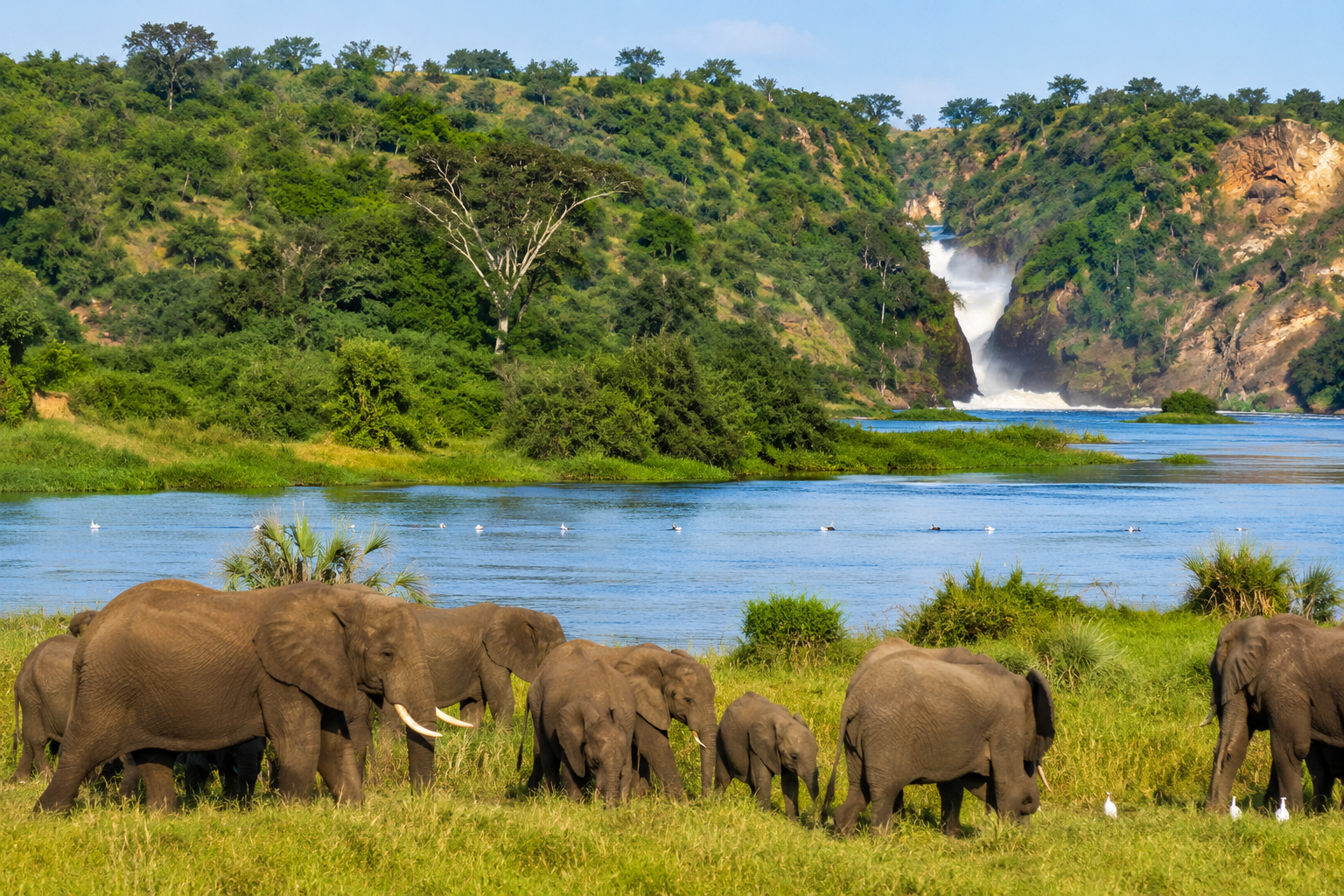
Discover Queen Elizabeth National Park, Uganda's most popular safari destination, renowned for its tree-climbing lions, boat cruises along the Kazinga Channel, chimpanzee tracking in Kyambura Gorge and incredible wildlife. Home to over 95 mammal species and more than 600 bird species, the park offers unforgettable game drives, breathtaking landscapes and exceptional wildlife encounters in the heart of the Albertine Rift Valley.
Stretching across the scenic plains and crater-dotted landscapes of western Uganda, Queen Elizabeth National Park is one of Africa’s most diverse and rewarding safari destinations and a UNESCO Biosphere Reserve celebrated for its rich wildlife, dramatic scenery and exceptional birdlife. Queen Elizabeth National Park covers approximately 1,978 square kilometres of savannah, wetlands, forests, lakes and volcanic craters, creating a remarkable mosaic of habitats that supports an extraordinary range of species. Its varied ecosystems and iconic safari experiences make Queen Elizabeth National Park a must-visit destination for travellers seeking classic African wildlife adventures.
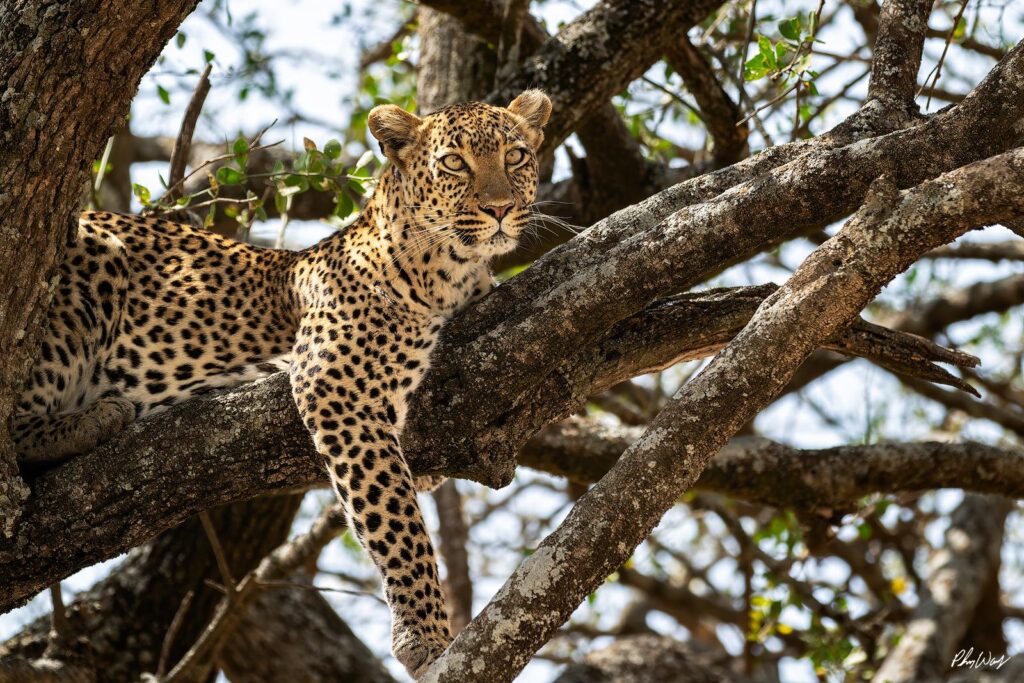
The park is internationally renowned for its abundant wildlife and unforgettable game viewing opportunities. Queen Elizabeth National Park is home to elephants, lions, buffaloes, leopards, hippos, crocodiles, Uganda kobs, warthogs and many other mammals, offering visitors the chance to experience some of East Africa’s most rewarding safari encounters. Guided game drives across the Kasenyi Plains and other wildlife-rich areas of Queen Elizabeth National Park provide excellent opportunities to observe predators and plains game in their natural habitat, while the famous Ishasha sector is celebrated for its rare tree-climbing lions.
While game drives are a signature attraction of Queen Elizabeth National Park, the park offers far more than classic savannah safaris. Queen Elizabeth National Park supports an impressive diversity of wildlife, including chimpanzees in Kyambura Gorge, black-and-white colobus monkeys, vervet monkeys, olive baboons, giant forest hogs, hippos and countless bird species. The remarkable biodiversity of Queen Elizabeth National Park makes every excursion an exciting adventure, with new discoveries around every corner.
Birdwatchers regard Queen Elizabeth National Park as one of Africa’s premier birding destinations. More than 600 bird species have been recorded in Queen Elizabeth National Park, making it one of the richest birding areas on the continent. Species such as the African fish eagle, saddle-billed stork, martial eagle, papyrus gonolek, pink-backed pelican and flamingos around the crater lakes attract bird enthusiasts from across the globe to Queen Elizabeth National Park. Guided birdwatching excursions provide excellent opportunities to observe both resident and migratory species while exploring the park’s diverse habitats.
Beyond its wildlife, the landscapes of Queen Elizabeth National Park are breathtaking. Vast savannahs, shimmering lakes, volcanic crater fields, papyrus wetlands and the winding waters of the Kazinga Channel create an unforgettable safari setting unlike anywhere else in Uganda. Sunrise over the plains, dramatic views across the crater lakes and boat cruises along the channel filled with hippos, crocodiles and waterbirds make Queen Elizabeth National Park spectacular throughout the year.
Visitors can enhance their safari in Queen Elizabeth National Park by joining guided nature walks and boat cruises that reveal the park’s rich ecology, wildlife behaviour and scenic beauty. Popular experiences in Queen Elizabeth National Park include boat safaris on the Kazinga Channel, walks in Maramagambo Forest and visits to the crater lakes, where experienced guides explain the delicate balance of this diverse ecosystem. These activities offer an entirely different perspective from game drives and showcase the incredible natural variety that makes Queen Elizabeth National Park so unique.
Cultural experiences add another rewarding dimension to a visit to Queen Elizabeth National Park. The communities surrounding the park share their traditions, music, dance, crafts and daily way of life through community-guided tours and cultural encounters around Queen Elizabeth National Park. Visitors gain valuable insight into local heritage, traditional practices and conservation partnerships while directly supporting livelihoods and community-based tourism initiatives linked to Queen Elizabeth National Park.
Conservation lies at the heart of every visit to Queen Elizabeth National Park. Revenue generated from tourism contributes directly to wildlife protection, habitat management, anti-poaching patrols and community development projects in and around Queen Elizabeth National Park. These efforts help safeguard the park’s remarkable biodiversity and ensure the long-term survival of its wildlife, making Queen Elizabeth National Park one of Uganda’s most important conservation landscapes and demonstrating how responsible tourism can protect ecosystems while supporting local communities.
Queen Elizabeth National Park also serves as an excellent base for exploring western Uganda. Many visitors combine their stay in Queen Elizabeth National Park with Bwindi Impenetrable National Park, Kibale National Park, Lake Mburo National Park or Lake Bunyonyi, creating a diverse itinerary featuring game drives, chimpanzee tracking, birdwatching, boat cruises and cultural experiences. For travellers planning a longer Uganda safari, Queen Elizabeth National Park fits perfectly into a wider adventure circuit.
Accommodation options in and around Queen Elizabeth National Park cater to every type of traveller, from comfortable budget lodges to world-class luxury safari camps overlooking the savannah or the Kazinga Channel. Many lodges near Queen Elizabeth National Park are strategically located close to the main safari areas of Kasenyi, Mweya, Ishasha and Kyambura, reducing travel time while providing stunning views, exceptional hospitality and memorable dining experiences. Staying near Queen Elizabeth National Park also allows visitors to enjoy the safari atmosphere from sunrise to sunset.
Whether you dream of watching lions on the open plains of Queen Elizabeth National Park, cruising past hippos on the Kazinga Channel, spotting rare birds in the wetlands, tracking chimpanzees in Kyambura Gorge or simply immersing yourself in one of Uganda’s most scenic wilderness areas, Queen Elizabeth National Park delivers an experience unlike any other. Its remarkable combination of wildlife, landscapes, conservation, culture and accessibility has earned Queen Elizabeth National Park a place among East Africa’s finest safari destinations and makes it an unforgettable highlight of any Uganda itinerary.
From the famous tree-climbing lions of the Ishasha Sector to the wildlife-rich waters of the Kazinga Channel, Queen Elizabeth National Park offers one of Africa's most diverse safari experiences. Encounter elephants, buffaloes, leopards, chimpanzees and over 600 bird species while exploring breathtaking savannahs, crater lakes and lush forests in Uganda's premier wildlife destination.
Witness the iconic tree-climbing lions of the Ishasha Sector, one of only a few places in Africa where this remarkable behaviour is…
Cruise along the wildlife-rich Kazinga Channel, renowned for its large concentrations of hippopotamuses, Nile crocodiles, elephants and abundant birdlife.
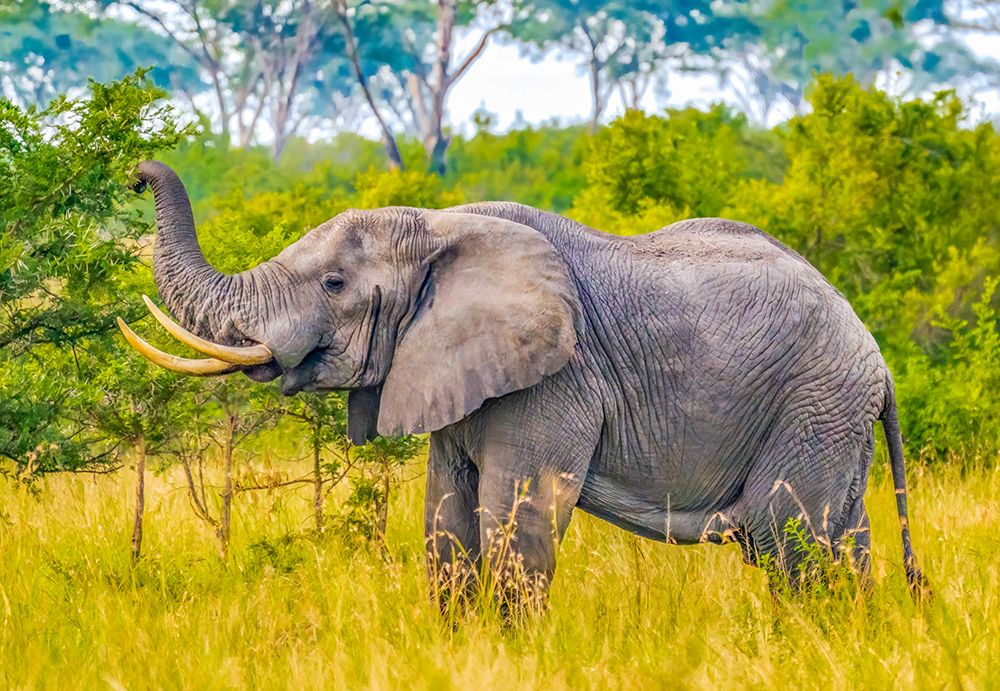
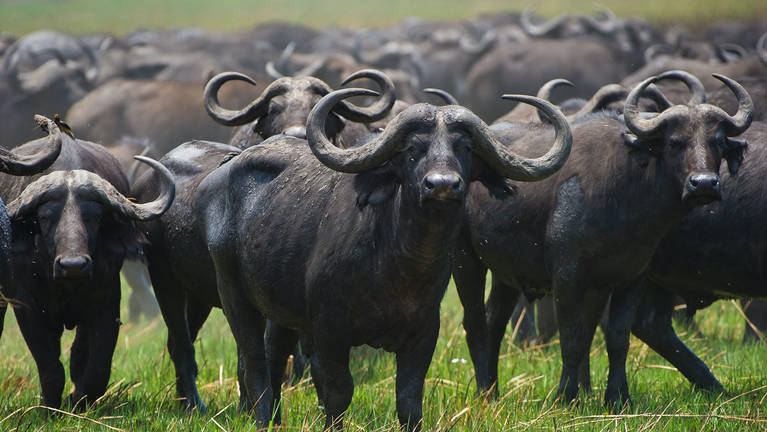
Enjoy rewarding game drives with opportunities to see African bush elephants, African buffaloes, leopards, lions, Uganda kobs, waterbucks and warthogs.0).
Trek through the lush "Valley of Apes" for a chance to encounter wild chimpanzees in their natural forest habitat.
Discover over 600 bird species, making the park one of Africa's premier birding destinations and a paradise for bird enthusiasts..
Explore spectacular volcanic crater lakes surrounded by rolling hills, forests and panoramic viewpoints across the Albertine Rift Valley.
Experience an incredible variety of habitats, including open savannah, tropical forests, wetlands, crater lakes and the Kazinga Channel, all within a single…
Capture breathtaking images of predators, elephants, hippos, dramatic landscapes and vibrant sunsets in one of Uganda's most photogenic parks.

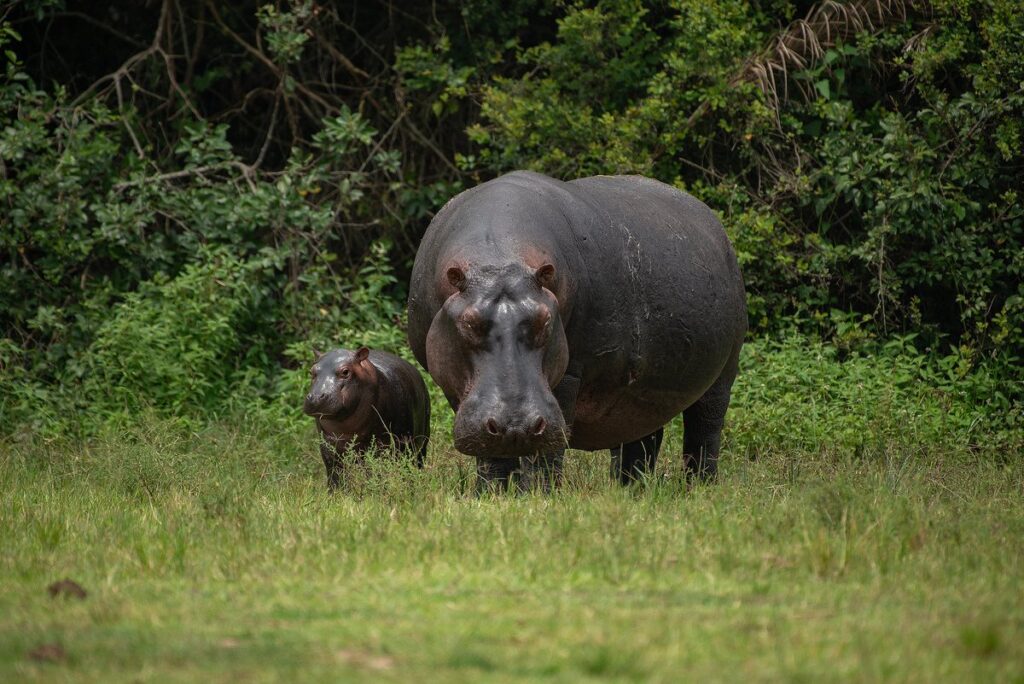
From value camps to premium lodges — we match every stay to your style and budget.
Budget accommodation in Queen Elizabeth National Park provides comfortable rooms, friendly service and excellent access to the park's wildlife attractions. These lodges are ideal for travellers seeking an affordable safari without compromising on location or memorable wildlife experiences.
Mid-range lodges offer spacious accommodation, quality dining and stunning views of the savannah, crater lakes or the Kazinga Channel. Guests enjoy comfortable amenities, guided game drives, boat cruises and easy access to chimpanzee tracking in Kyambura Gorge.
Luxury accommodation in Queen Elizabeth National Park combines elegant suites, exceptional hospitality and spectacular views across Uganda's premier safari destination. Guests enjoy personalised service, gourmet dining, luxurious amenities and convenient access to game drives, Kazinga Channel boat safaris, chimpanzee tracking and the famous tree-climbing lions of the Ishasha Sector, making these lodges perfect for luxury safaris, honeymoons and exclusive wildlife adventures
Every season has its magic — here's what to expect when, so you can travel at your perfect time.
Everything you need to know before you go — and we’ll guide you through every step.
Most international visitors require a valid visa to enter Uganda. Applications can be made online through the Uganda e-Visa system before arrival. Visitors from East African Community (EAC) member states benefit from simplified entry arrangements.
The official currency is the Ugandan Shilling (UGX). Most safari lodges, hotels and tour operators accept Visa and Mastercard, while cash is useful for gratuities, souvenirs and purchases in local communities.
English and Swahili are Uganda's official languages. Local communities also speak several regional languages, while English is widely spoken by guides, park rangers and hospitality staff.
Queen Elizabeth National Park follows East Africa Time (EAT), which is UTC +3 throughout the year with no daylight saving time
The park enjoys a warm tropical savannah climate with daytime temperatures generally ranging between 20°C and 30°C (68°F–86°F). Light clothing is suitable during the day, while a light jacket is recommended for early morning game drives.
A yellow fever vaccination certificate is required for entry into Uganda. Travel insurance covering safari activities is strongly recommended. Visitors should also carry insect repellent, sunscreen and any necessary personal medication.
A 4x4 safari vehicle is recommended for exploring the park, particularly during the rainy seasons when some game drive tracks may become muddy. Organised safaris provide experienced driver-guides familiar with the park's wildlife hotspots.
Mobile phone coverage is available in most parts of the park, particularly near lodges and major visitor areas. Many safari lodges also provide complimentary Wi-Fi in public spaces.
Pack lightweight neutral-coloured clothing, comfortable walking shoes, a hat, sunglasses, sunscreen, insect repellent, binoculars, a camera, a reusable water bottle and a light jacket for morning and evening game drives.
Respect wildlife by maintaining a safe distance, remaining inside your vehicle during game drives unless instructed otherwise, avoiding littering and following all park regulations. Responsible tourism helps conserve Queen Elizabeth National Park's remarkable biodiversity while supporting local communities.
Queen Elizabeth National Park is located in Western Uganda, within the Albertine Rift Valley. It spans the districts of Kasese, Rubirizi, Rukungiri and Kamwenge, approximately 400 km southwest of Kampala.
The park is renowned for its tree-climbing lions in the Ishasha Sector, the Kazinga Channel boat safari, abundant wildlife, chimpanzee tracking in Kyambura Gorge and exceptional birdwatching with over 600 recorded bird species.
Visitors can see lions, tree-climbing lions, African bush elephants, African buffaloes, leopards, hippopotamuses, Nile crocodiles, Uganda kobs, waterbucks, warthogs, chimpanzees, olive baboons and many other mammals, together with one of Africa's richest bird populations.
The best time to visit is during the dry seasons from June to August and December to February, when wildlife is easier to spot and road conditions are at their best.
For foreign non-residents, the park entry fee is USD 45 per adult per 24 hours and USD 25 per child (5–15 years).
Yes. The Kazinga Channel boat cruise is one of Uganda's top wildlife experiences, offering close encounters with hippopotamuses, Nile crocodiles, elephants, buffaloes and numerous bird species along the shoreline.
Yes. Guided chimpanzee tracking is available in Kyambura Gorge, where visitors can search for habituated chimpanzees living within the forested valley.
A stay of 2–4 days is recommended to enjoy game drives, the Kazinga Channel boat safari, chimpanzee tracking, birdwatching and visits to the Ishasha Sector.
The park offers a wide range of accommodation, including budget camps, mid-range safari lodges and luxury lodges, suitable for every type of traveller.
Queen Elizabeth National Park is commonly combined with Bwindi Impenetrable National Park, Kibale National Park, Lake Mburo National Park, Semuliki National Park and Mgahinga Gorilla National Park to create a comprehensive Uganda safari itinerary.
The packing guide built from years of watching what goes wrong at the airstrip, on the vehicle and…
Read more →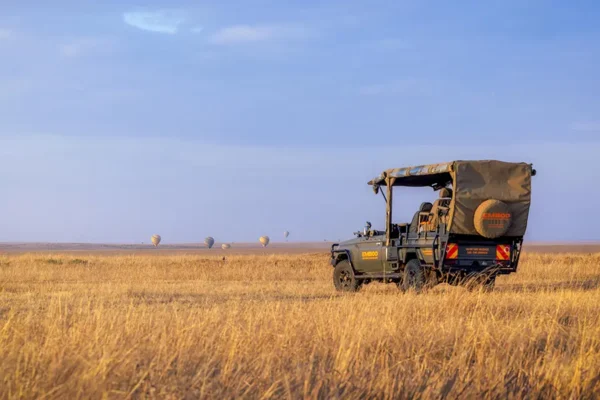
A practical safari safety guide from an operator who has been in the vehicle, on the plain and…
Read more →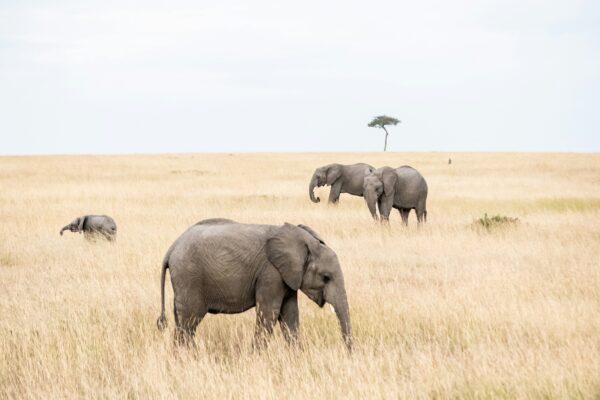
The question isn't simply when Kenya is best. It's when Kenya is best for what you want to…
Read more →Tell us what you’d love to see and a local specialist will design a tailor-made itinerary around you — no obligation, reply within 24 hours.