


Women Only Safari Kenya
Women Only Safari in Kenya: The Complete Guide
Everything a woman needs to know before booking a women only safari in Kenya, from why the model…
Read more →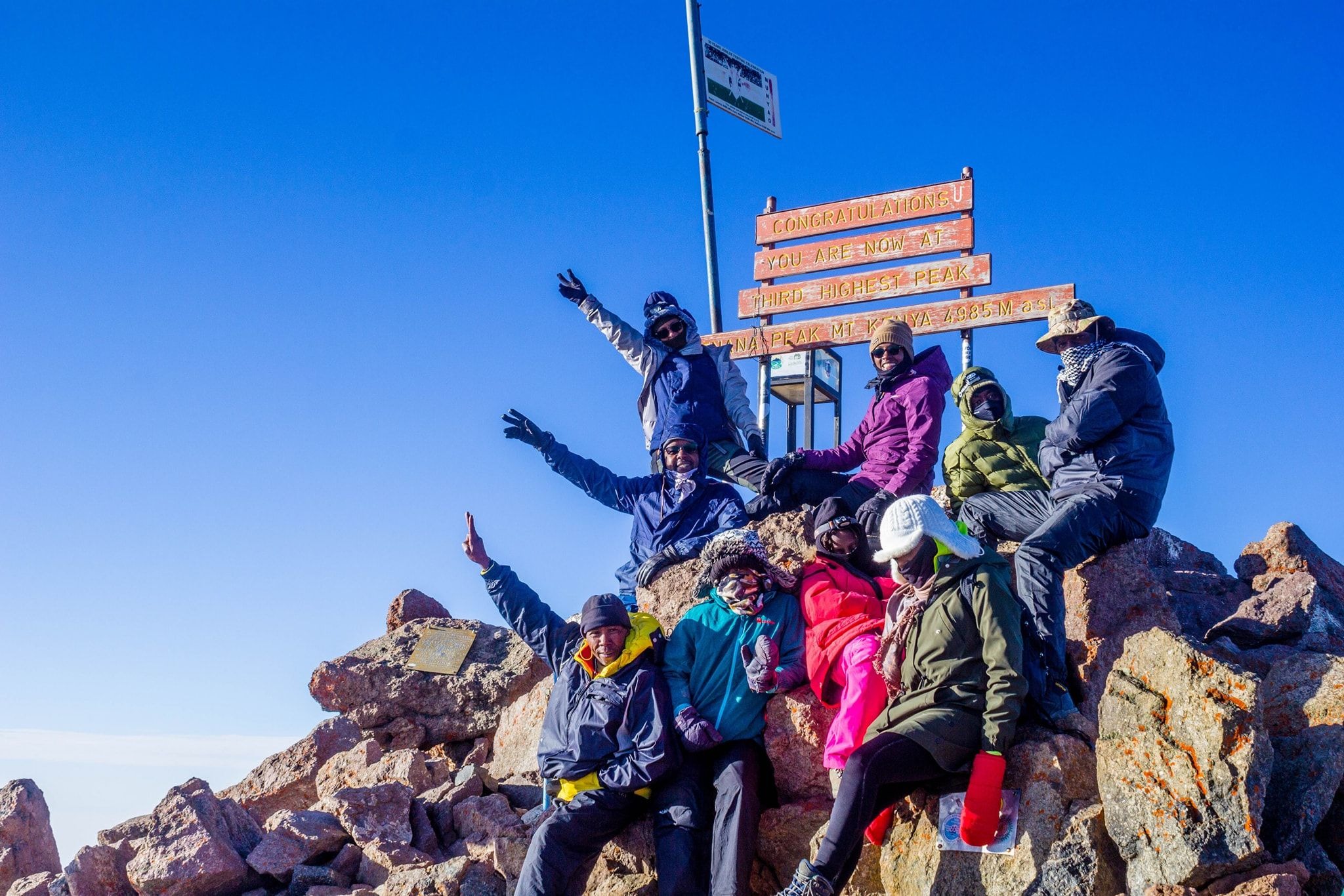
Africa’s second-highest peak
Mount Kenya National Park offers one of Africa’s most extraordinary adventures, combining glacier-capped peaks, ancient forests, alpine moorlands, wildlife safaris, and world-class trekking experiences. As home to Africa’s second-highest mountain and a UNESCO World Heritage Site, the park attracts climbers, hikers, nature lovers, photographers, and luxury travellers seeking experiences beyond the traditional safari
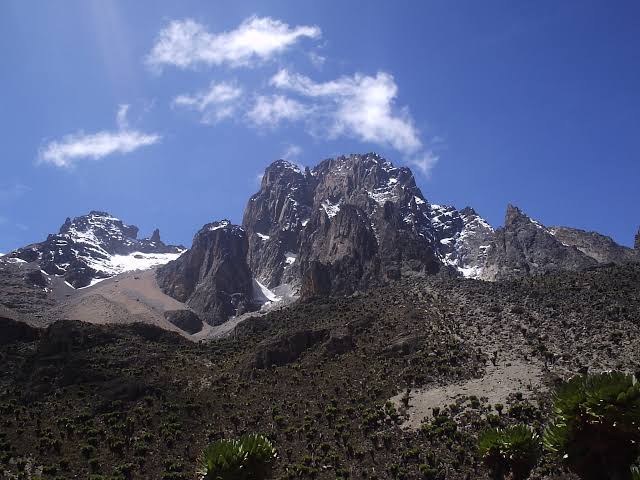
Mount Kenya National Park surrounds the majestic Mount Kenya, Africa’s second-highest mountain after Kilimanjaro, rising to an impressive 5,199 metres (17,057 feet) above sea level at Batian Peak.
Established in 1949, the park covers approximately 715 km² while the surrounding forest reserve expands the protected ecosystem to over 2,000 km². The mountain serves as one of Kenya’s most important water towers, feeding major rivers that sustain millions of people and wildlife across the country.
The park is recognized as a:
🏆 UNESCO World Heritage Site
🏆 UNESCO Biosphere Reserve
🏆 One of Africa’s premier trekking destinations
🏆 Kenya’s highest mountain ecosystem
Visitors can experience tropical rainforest, bamboo forests, giant heather zones, alpine meadows, glaciers, and snow-capped peaks all within a single destination.
From snow-capped peaks and alpine lakes to ancient forests and world-class trekking routes, Mount Kenya National Park offers an unforgettable journey through one of Africa's most spectacular mountain landscapes. Whether you're summiting Point Lenana, spotting elephants in the forest or enjoying luxury mountain lodges, every moment promises adventure, scenery and discovery.
Point Lenana is the most accessible summit on Mount Kenya and one of Africa's most rewarding trekking experiences. Standing at 4,985 metres,…
For experienced mountaineers, Batian and Nelion offer challenging rock climbs that rank among Africa's finest alpine climbing routes. Why it stands out:…
Mount Kenya hosts rare ecosystems found nowhere else on earth. Visitors encounter: Giant Lobelias Giant Groundsels Alpine flowers Heather forests
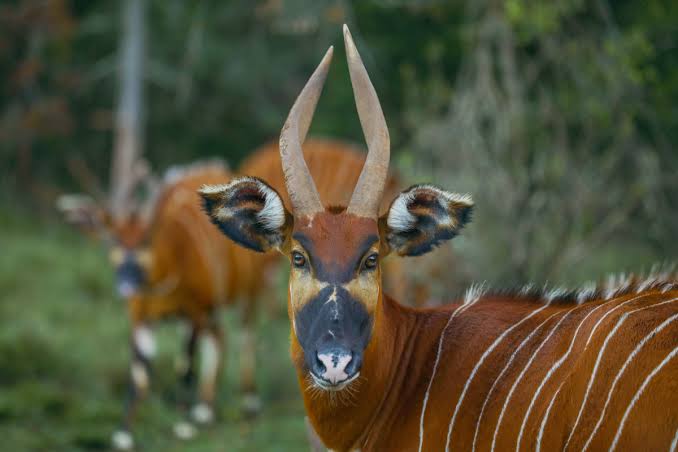
The lower slopes support rich wildlife populations including: African Elephants Buffaloes Bushbucks Colobus Monkeys Sykes Monkeys Leopards Hyenas
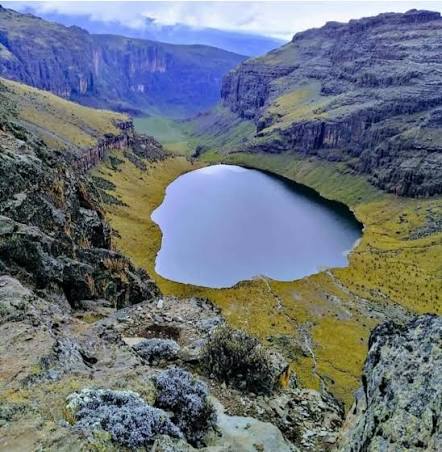
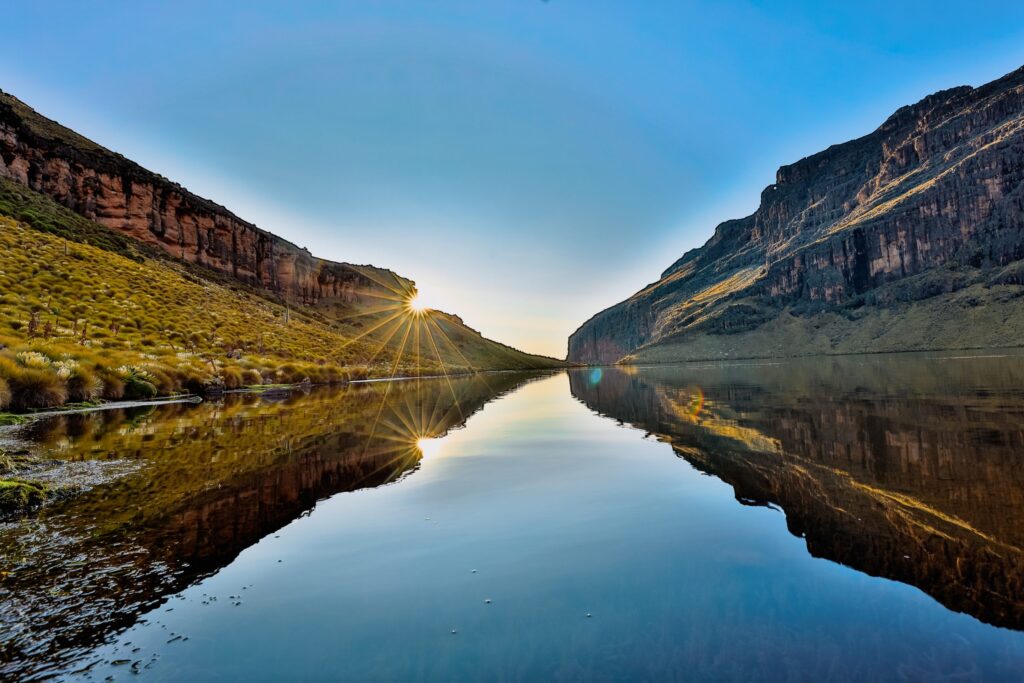
The mountain contains spectacular lakes including: Lake Michaelson Ellis Lake Alice Lake
Few places in Africa offer mountain sunrises comparable to Point Lenana. Why it stands out: Golden views over Kenya's plains. Incredible cloud…
The park protects one of Africa's most important ecological and hydrological systems. Why it stands out: Global conservation significance. Exceptional biodiversity. Supports…
Popular routes include: Sirimon Route Chogoria Route Naro Moru Route Burguret Route Why it stands out: Options for all fitness levels. Diverse…
From value camps to premium lodges — we match every stay to your style and budget.
Every season has its magic — here's what to expect when, so you can travel at your perfect time.
Everything you need to know before you go — and we’ll guide you through every step.
Most international visitors require an Electronic Travel Authorization (eTA) before entering Kenya. Applications are completed online before travel and approval is typically issued within a few days. Visitors should ensure their passport is valid for at least six months beyond their travel dates.
No vaccinations are mandatory for most travellers arriving directly from Europe, North America or Asia. However, Yellow Fever vaccination may be required if arriving from or transiting through countries with Yellow Fever risk. Travellers are advised to consult their healthcare provider regarding malaria prevention for lower altitude areas and routine travel vaccinations.
Mount Kenya National Park is located approximately 175 km from Nairobi and can be reached by road in 3 to 4 hours via Nanyuki, Naro Moru, or Chogoria. Charter and scheduled flights operate from Nairobi's Wilson Airport to nearby airstrips including Nanyuki and Lewa Downs for luxury fly-in itineraries.
The local currency is the Kenyan Shilling (KES), although most lodges, hotels, and tour operators accept major international credit cards including Visa and Mastercard. US Dollars are widely accepted for park fees and safari services, particularly newer notes issued after 2009
Mount Kenya experiences diverse climatic conditions due to its elevation. Lower slopes remain mild and pleasant throughout the year, while summit areas can experience freezing temperatures and snowfall. Daytime temperatures generally range from 10°C to 25°C, while high-altitude overnight temperatures may fall below 0°C.
Kenya uses Type G three-pin square plugs with a standard voltage of 240V and 50Hz frequency, identical to the United Kingdom system. Most lodges provide charging facilities, although mountain camps may have limited electricity availability during certain hours.
Kenya operates on East Africa Time (EAT) which is UTC +3 throughout the year. Kenya does not observe daylight saving time, making travel planning straightforward regardless of the season.
Mount Kenya National Park is considered a safe destination for tourists and climbers when travelling with licensed guides and registered operators. Visitors should follow guide instructions, prepare adequately for altitude conditions, and use proper trekking equipment. Wildlife encounters are uncommon on trekking routes but professional guides are trained to manage any situations safely.
Mount Kenya offers climbing experiences for all fitness and skill levels. The most popular summit, Point Lenana (4,985m), is considered a trekking peak and does not require technical climbing skills or mountaineering experience. Most reasonably fit travellers can reach the summit with proper acclimatization and guidance.
The higher peaks, Batian (5,199m) and Nelion (5,188m), require technical rock climbing skills, specialized equipment and certified mountain guides.
For most visitors, Point Lenana provides the perfect balance of challenge, achievement, and spectacular scenery.
The ideal duration depends on your objectives:
2–3 Days: Suitable for lower-altitude hikes and forest exploration.
4 Days: Recommended minimum for reaching Point Lenana.
5 Days: The most popular itinerary, allowing better acclimatization and a more enjoyable pace.
6–7 Days: Ideal for photographers, experienced trekkers and technical climbers.
Most visitors booking a summit trek choose a 5-day itinerary using the Sirimon and Chogoria route combination.
Sirimon Route
Most gradual ascent.
Best for acclimatization.
Suitable for beginners.
Chogoria Route
Considered the most scenic route.
Features waterfalls, lakes, and dramatic valleys.
Excellent for photography.
Naro Moru Route
Fastest route to Point Lenana.
Most popular among local climbers.
Shorter but steeper.
Yes. Kenya Wildlife Service strongly recommends using licensed guides and many routes require registered guides and porters for safety and navigation.
Professional guides provide:
Navigation assistance.
Altitude monitoring.
Emergency support.
Local wildlife knowledge.
Trek logistics and camp management.
Most climbing packages include guides, cooks, and porters.
Altitude sickness is one of the biggest challenges visitors face due to the mountain's high elevation.
Common symptoms include:
Headaches
Fatigue
Nausea
Shortness of breath
Difficulty sleeping
To reduce the risk:
Choose a longer itinerary.
Drink plenty of water.
Avoid alcohol before climbing.
Ascend gradually.
Follow your guide's instructions.
Most trekkers experience mild symptoms, but serious cases are uncommon with proper acclimatization.
The best climbing conditions occur during the dry seasons:
☀️ January to March
Clear skies.
Excellent summit visibility.
Stable weather conditions.
🌤️ July to October
Cool temperatures.
Less rainfall.
Popular climbing season.
The rainy seasons between April-May and November can make trails muddy and reduce visibility, although the landscapes become exceptionally green and beautiful.
Absolutely. Thousands of first-time trekkers successfully reach Point Lenana every year.
Success depends more on:
Fitness preparation.
Proper acclimatization.
Suitable clothing and equipment.
Choosing an appropriate itinerary.
Many operators specifically offer beginner-friendly climbing packages.
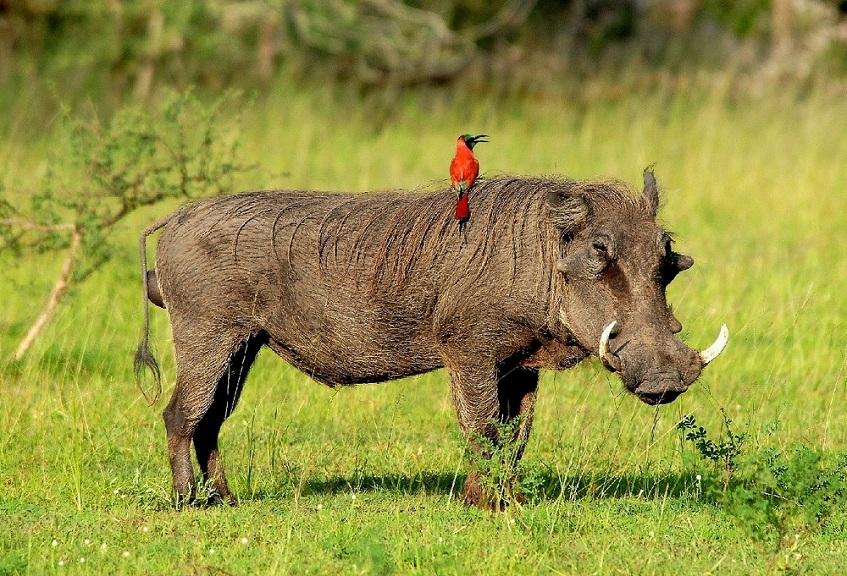
The lower slopes and forest zones support impressive wildlife populations including:
African elephants
Cape buffalo
Bushbucks
Giant forest hogs
Black-and-white colobus monkeys
Sykes monkeys
Hyenas
Leopards
Tree hyraxes
Birdwatchers may also encounter over 130 bird species, including sunbirds, eagles, and turacos.
Temperatures can vary dramatically from warm rainforest conditions to freezing alpine environments.
Essential items include:
Waterproof hiking boots.
Thermal clothing layers.
Warm jacket and gloves.
Waterproof rain gear.
Sleeping bag suitable for sub-zero temperatures.
Sunscreen and sunglasses.
Trekking poles.
Water bottles or hydration packs.
Summit temperatures often fall below freezing, especially before sunrise.
Yes. Older children and teenagers regularly complete Point Lenana climbs successfully.
Most operators recommend:
Minimum age of 10–12 years for summit attempts.
Good physical fitness.
Flexible itineraries for younger climbers.
Families with younger children often enjoy lower-altitude hikes, forest walks, and lodge experiences instead of summit treks.
Yes. The highest peaks of Mount Kenya retain glaciers and snowfields throughout the year, although climate change has significantly reduced glacier coverage over recent decades.
Snowfall occasionally occurs at high elevations during colder periods, particularly near Batian and Nelion peaks.
Many visitors are surprised to discover permanent snow almost directly on the Equator.
Without question. Mount Kenya offers experiences found nowhere else in East Africa:
✅ Africa's second-highest mountain
✅ UNESCO World Heritage Site
✅ Spectacular alpine scenery
✅ World-class trekking routes
✅ Unique wildlife encounters
✅ Luxury mountain lodges
✅ Glaciers and equatorial snow
✅ Exceptional photography opportunities
Whether you are seeking adventure, wildlife, relaxation, or luxury, Mount Kenya National Park delivers one of Kenya's most memorable travel experiences.
Everything a woman needs to know before booking a women only safari in Kenya, from why the model…
Read more →
The complete guide to getting from Britain to the Masai Mara, what it costs door to door, and…
Read more →
A straight answer from a Nairobi based operator on the real risks, the real precautions and exactly how…
Read more →Tell us what you’d love to see and a local specialist will design a tailor-made itinerary around you — no obligation, reply within 24 hours.